
Physiologically Speaking
Brady Holmer
0
A weekly science podcast that highlights recent research findings. Each episode breaks down new studies and discusses their implications, with a focus on physiology and related fields. The host, Brady Holmer, aims to make complex scientific topics accessible to a general audience. Listeners can expect clear explanations and thoughtful analysis of emerging research.
Епізоди
-
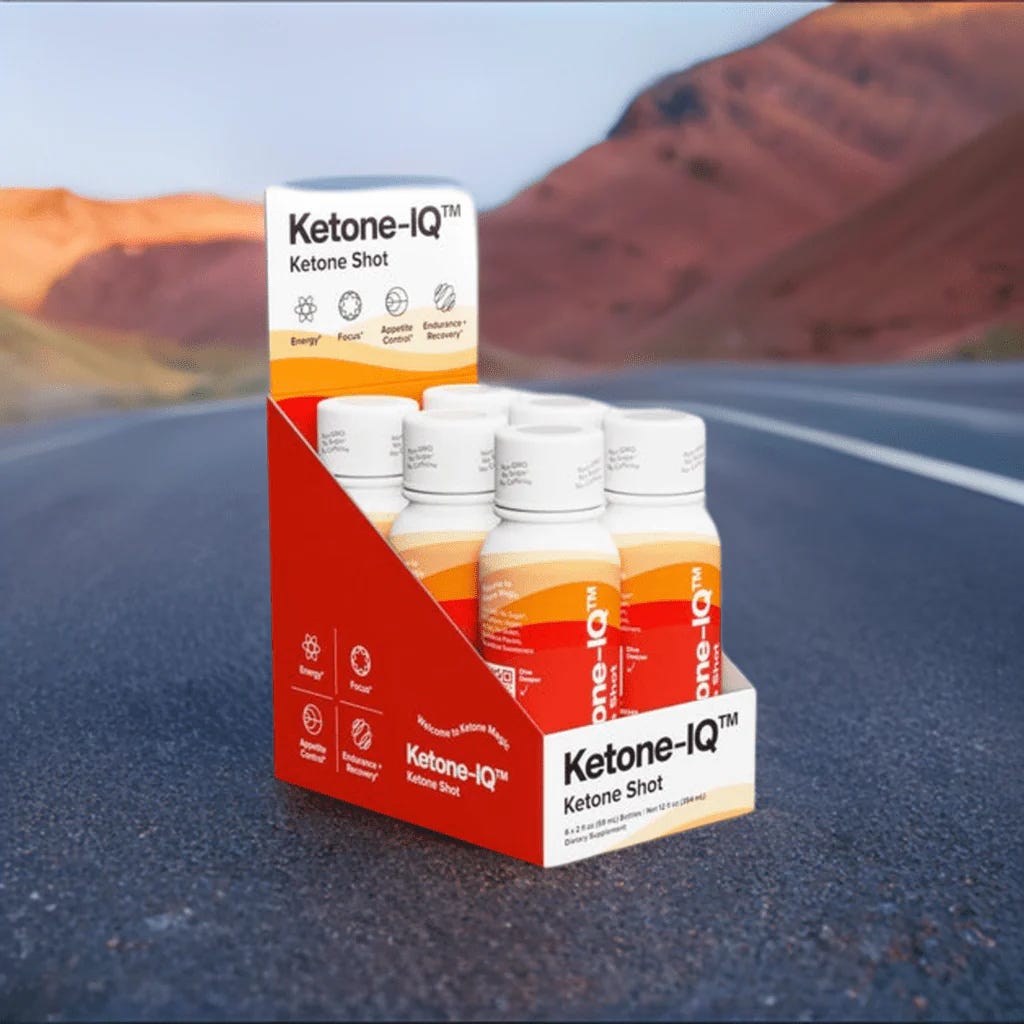
 How I Use Ketones 29.07.2026 26хвI’ve been experimenting with exogenous ketones for several years now, and you’ve probably heard me talk about them once or twice if you’re a regular reader or listener. I frequently get asked how (and why) I use ketones in my own training, so I decided to make a video outlining my framework based on some of the research.I recently joined the Science Advisory Board at Ketone-IQ, which was entirely the result of me first believing in and using their product, then wanting to educate about the science of ketones!Try some for yourself:Unlock sharper focus and support long-term brain health with Ketone-IQ— Get 30% off your subscription order. This is a public episode. If you'd like to discuss this with other subscribers or get access to bonus episodes, visit www.physiologicallyspeaking.com/subscribe
 -
 The Ketone Study I've Been Waiting For... 12.06.2026 59хвGreetings!I’m incredibly excited to share this video with you for this week’s edition of the newsletter.I sat down with Dr. Latt Mansor of Ketone-IQ to dive deep into a brand-new study in cyclists showing that taking ketones after exercise enhances beneficial blood vessel responses and increases EPO production during recovery. I’ve provided the study abstract and summary below, but we get into all the details in the video.What excites me so much about this study is that they used Ketone-IQ (rather than ketone esters, which have dominated the research to date). It’s the ketone supplement I’ve been using for my own training, so seeing these effects validated in the research is huge.Full disclosure… I’m part of the science advisory board at Ketone-IQ, and I’m an affiliate for their products, but it’s for a good reason. They have become the brand I trust, and their team is dedicated to advancing the science of ketones.Try some for yourself: Unlock sharper focus and support long-term brain health and exercise recovery with Ketone-IQ — Get 30% off your subscription.AbstractRegular physical activity improves vascular function and promotes angiogenesis and erythropoiesis, which are further augmented by hypoxia. Early evidence suggests that long-term exogenous ketosis (EK) can enhance vascular function and angiogenesis. However, the acute responses and underlying mechanisms remain unknown. Moreover, acute and prolonged EK may increase blood erythropoietin (EPO) concentrations in normoxia. Nonetheless, whether this effect is additive to hypoxia is unclear, as an EK-mediated attenuation of blood deoxygenation may counteract the [EPO] increase. In a randomized, placebo-controlled, crossover design, 13 male and two female participants completed four experimental sessions. Each included a high-intensity interval training session, followed by recovery either in normoxia or normobaric hypoxia (3000 m simulated altitude, : 14.5%), supplemented with placebo or the commercial ketone precursor Ketone-IQ®. Macro- and microvascular function were assessed throughout a vascular occlusion protocol, using femoral artery blood flow and muscle oxygenation, respectively, after 2.5 and 5.5 h recovery. Additionally, serum EPO and endothelin-1 (ET-1) concentrations, and skeletal muscle expression of pro-angiogenic and vascular integrity markers were evaluated. In normoxia and hypoxia, EK increased post-occlusion blood velocity (+15%) and muscle reoxygenation rate (+9%). Furthermore, muscle expression of pro-angiogenic and vascular integrity markers (including vascular endothelial growth factor, peroxisome proliferator-activated receptor γ coactivator 1α, and angiopoietin-1) as well as serum [EPO] (+15%) increased with EK, while serum [ET-1] was reduced (−13%). EK appears as a promising strategy to enhance vascular function and integrity, angiogenic signalling, and circulating [EPO] in response to exercise and hypoxia, thereby facilitating beneficial adaptive responses. This is a public episode. If you'd like to discuss this with other subscribers or get access to bonus episodes, visit www.physiologicallyspeaking.com/subscribe
 -
 My Home Gym / Garage Gym Tour 08.06.2026 12хвIn this video, I’m giving you a full tour of my home gym (or garage gym, or “pain cave,” depending on the day) and reviewing some of the equipment I’ve been using to support my marathon training, cross-training, strength work, and general health.My training is built around consistency. Most days, that means running. But the equipment in this garage lets me add low-impact aerobic work, strength training, uphill treadmill sessions, easy spins, warm-ups, and recovery workouts without needing to leave the house.A few of the main pieces I cover in this video include:* FEIERDUN DB1 adjustable dumbbells* YOSUDA EM1 long-stride magnetic elliptical* Feier TM1 fully folding treadmill* Concept2 RowErg* Zwift Ride Smart Frame paired with a Wahoo KICKR CORE trainerHuge shoutout to Jason Rodriguez for filming this content and creating an incredible video. You can find Jason on Instagram @ctxsmedia.Equipment featuredFEIERDUN DB1 Quick Adjustable DumbbellsFind them here: https://www.fedfitness.com/products/quick-adjustable-dumbbell-52-5lbsThese have probably been my favorite addition to the gym. As a distance runner, upper-body strength is something I can easily neglect, and having adjustable dumbbells makes it much easier to get in quick, consistent strength work.The DB1 dumbbells go up to 52.5 pounds each and adjust in 2.5-pound increments, which gives me plenty of flexibility for curls, presses, push-ups, accessory work, and short strength sessions throughout the day. The big advantage is convenience: instead of needing a full rack of dumbbells, I can quickly adjust the weight and move from one exercise to the next.YOSUDA EM1 Long-Stride Magnetic EllipticalFind it here: https://www.fedfitness.com/products/long-stride-magnetic-elliptical-machineI’ve never been a huge elliptical person, but this one has become a useful tool for low-impact cardio days. It’s smooth, compact, and easy to use when I want aerobic work without adding more running impact.I’ve been using it about once a week, especially when I want something different from the bike. It has multiple resistance levels, Bluetooth/app connectivity, and a compact footprint, which makes it a good fit for a garage gym or smaller home gym setup.Feier TM1 Fully Folding TreadmillFind it here: https://www.fedfitness.com/products/fully-folding-treadmillThe treadmill has become a daily-use tool for me. I use it for uphill strides, controlled intervals, easy runs, shakeout runs, and bad-weather training days.It goes up to 11.2 mph and 12% incline, which gives it a wide enough range for many of the treadmill sessions I like to do. One of my favorite uses is putting on a weighted vest, cranking up the incline, and doing uphill walking when I want a harder low-impact session. I’ve also been impressed by the softness of the ride, the traction of the belt, and the fact that it folds up when not in use.Concept2 RowErgThe Concept2 rower is one of my daily warm-up tools. I often use it for 90 seconds to three minutes before a run to get the upper body, lower body, and cardiovascular system moving before I head out the door.It’s simple, durable, and effective, and for me, it’s less about doing long rowing workouts and more about using it as a quick full-body primer before training.Zwift Ride Smart Frame + Wahoo KICKR COREGet it here: https://us.zwift.com/products/zwift-ride-kickr-core-2The Zwift setup is probably the biggest overall game-changer for my training as a runner. I use it almost every day, sometimes twice per day, mostly for easy aerobic riding and additional low-impact training volume.Cross-training has become a major part of how I build fitness while staying healthy. The bike lets me add five to ten extra hours of aerobic work per week without the impact of running. Most of my rides are easy spins, but I’ll also use it for intervals about once a week.The electronic shifting, Zwift integration, and TV setup make the experience much more enjoyable. I’m not just staring at a wall—I can ride Zwift, watch something, listen to a podcast, or use it as an easy way to loosen up after a hard run.Why I built a home gymThe biggest reason I built this setup is convenience. I’m using something in this gym almost every day. Some days it’s the treadmill. Some days it’s the bike. Some days it’s the dumbbells. Some days it’s just a short row before a run.I think the key pieces for anyone are equipment that supports what you already do: strength training, low-impact aerobic work, controlled treadmill running, and recovery-friendly movement. You don’t need everything at once, but it helps to think about what would let you train consistently even when the weather is bad, life is busy, or you don’t feel like driving to the gym.For me, the essentials are:* A way to strength train* A treadmill for controlled running* A low-impact cross-training option* A space that feels enjoyable enough to actually use every dayThe next step for this garage gym is making it feel a little more homey, and eventually, I’d love to add a sauna. But for now, this setup gives me almost everything I need for marathon training, strength, longevity, and general fitness.Disclosure: FED Fitness sent me several of the products featured in this video to test and review. This is a public episode. If you'd like to discuss this with other subscribers or get access to bonus episodes, visit www.physiologicallyspeaking.com/subscribe
 -
 The Benefits (and Science) of Walking with Weight 05.05.2026 42хвI bought a weighted vest after my running injury last year, and I was immediately hooked (here’s the plate carrier I got… no affiliation).Initially, I figured it would be a good rehab tool and a bridge between walking and returning to run. But now, even though I’m back to running full force, I don’t go a day without walking with either the 20- or 30- lb plate on my back. Why not?Much of this was inspired by Michael Easter, author of the amazing Substack Two Percent and too many other awesome books to name. So… I decided to pick his brain on whether “rucking” or walking with weight could have benefits for runners and athletes (the answer is yes, but you’ll need to listen to learn why and how).I really enjoyed this one. You will too.Newsletter partners you should check out…Ketone-IQ is high-performance energy in a bottle. I use it for post-exercise recovery along with enhancing focus, mood, and cognition. Take 30% off your order.Create is the first “modern creatine” brand. They sell a wide range of creatine monohydrate gummies, and just launched a new creatine + electrolyte mix product plus travel-size packets of creatine gummies. They’re giving my audience 20% off their order.ProBio Nutrition—the all-in-one supplement that I use every single day—is offering 20% off. My preference is the tangy orange flavor, but they also sell an unflavored “smoothie booster” that’s great in a shake, smoothie, or juice.* Equip Foods makes some of the cleanest, best-tasting protein products around. I am absolutely obsessed with their Prime grass-fed protein bars (the peanut butter ones are to die for, but they also just released a new chocolate peanut butter flavor). This is a public episode. If you'd like to discuss this with other subscribers or get access to bonus episodes, visit www.physiologicallyspeaking.com/subscribe
 -
 Live with Brady | 3.2.26 02.03.2026 16хвThis is a public episode. If you'd like to discuss this with other subscribers or get access to bonus episodes, visit www.physiologicallyspeaking.com/subscribe
 -
 Live with Brady | Is VO2 Max Cancelled? 25.02.2026 27хвThis is a public episode. If you'd like to discuss this with other subscribers or get access to bonus episodes, visit www.physiologicallyspeaking.com/subscribe
 -
 Live with Brady | 2.23.26 23.02.2026 25хвThis is a public episode. If you'd like to discuss this with other subscribers or get access to bonus episodes, visit www.physiologicallyspeaking.com/subscribe
 -
 Ketones for Brain Health with Dr. Latt Mansor (Ketone-IQ) 02.02.2026 1год 7хвIn this video, I interview Dr. Latt Mansor (Instagram: @lattmansor)—research lead at Ketone-IQ and an all-around fun and savvy guy. We chat about exogenous ketones, how they work, and their research-backed benefits for cognition, as well as their potential for treating neurological conditions such as traumatic brain injury, dementia, and Alzheimer’s disease.I’ve been using exogenous ketones for several years now, and Ketone-IQ has become the brand that I trust and use almost daily for workout recovery, performance, and cognitive enhancement. And I’m excited to announce that I just joined their scientific advisory board and can’t wait to help share the science of ketones with the world.Try some for yourself:Unlock sharper focus and support long-term brain health with Ketone-IQ— Get 30% off your subscription, plus a free gift with your second shipment at ketone.com/BRADY. This is a public episode. If you'd like to discuss this with other subscribers or get access to bonus episodes, visit www.physiologicallyspeaking.com/subscribe
 -
 Why Does 'Mainstream' Health Media Want Us to Eat Less Protein? 31.01.2026 14хвIn this video, I critique a recent article highlighting 5 signs that you might be eating "too much protein." This is a public episode. If you'd like to discuss this with other subscribers or get access to bonus episodes, visit www.physiologicallyspeaking.com/subscribe
 -
 Physiologically Speaking Live | 12.25.25 25.12.2025 17хвThis is a public episode. If you'd like to discuss this with other subscribers or get access to bonus episodes, visit www.physiologicallyspeaking.com/subscribe
 -
 Physiologically Speaking Live | 12.10.25 10.12.2025 13хвIf you’re wondering, “Did he say airports in gyms instead of gyms in airports?”, the answer is yes. OOPS.Thank you to everyone who tuned into my live video! Join me for my next live video in the app. This is a public episode. If you'd like to discuss this with other subscribers or get access to bonus episodes, visit www.physiologicallyspeaking.com/subscribe
 -
 Physiologically Speaking Live | 12.4.2025 04.12.2025 19хвThis is a public episode. If you'd like to discuss this with other subscribers or get access to bonus episodes, visit www.physiologicallyspeaking.com/subscribe
 -
 Physiologically Speaking Live | 12.1.25 01.12.2025 8хвThis is a public episode. If you'd like to discuss this with other subscribers or get access to bonus episodes, visit www.physiologicallyspeaking.com/subscribe
 -
 Training Update + a Look into My Injury History as a Runner 01.12.2025 39хвGreetings!I sat down this weekend to record a short video to provide an update on my current training and injury status and share some stories about my injury history as a runner. I opened up a bit about some struggles, what I’ve learned, and what I want to improve on in the future. Thanks for watching.~Brady~ This is a public episode. If you'd like to discuss this with other subscribers or get access to bonus episodes, visit www.physiologicallyspeaking.com/subscribe
 -
 California International Marathon Training Update 18.11.2025 10хвThis is a public episode. If you'd like to discuss this with other subscribers or get access to bonus episodes, visit www.physiologicallyspeaking.com/subscribe
 -
 Physiology Friday #285: Q&A on Ketones, Creatine, Endurance Nutrition, Heat Training, and More! 12.09.2025 1год 3хвGreetings!In place of this week’s newsletter, I recorded a Q&A session based on questions I’ve received in the last few months. I had so much fun doing it and hope you enjoy listening (and learn something!)I answer a variety of questions related to training, nutrition, supplementation, and injury prevention; share insights on the use of ketones and creatine; discuss fueling strategies for workouts, and emphasize the importance of mental performance and adaptation. I also cover challenges related to heat training, health concerns associated with high training volumes, and the role of gear in running, as well as advice on weight management while training for performance.You can find an edited list of questions and my responses below (for those who prefer to read). It’s a bit shorter and punchier for better digestibility.Nutrition & SupplementationExogenous KetonesQ: How often do you use exogenous ketones? I noticed recovery benefits during ultra training but not with lower volume.A: During peak marathon blocks I currently take 4 shots/week (of Ketone-IQ: two after my hard interval session and two after my long run. I pair them with post‑workout carbs and protein. I generally don’t use them in base phases or at low training volumes.Q: What are your overall thoughts on ketones, and when/how often do you take them? Worth the investment?A: They’re not a miracle supplement, and many basics move the needle more. For me—solid sleep, nutrition, and training already in place—ketones are a small edge I experiment with mainly post‑workout for recovery. Cost matters, so I focus usage where I feel the most benefit.Q: Do you use ketones pre‑workout or pre‑race? I’ve heard folks tout recovery benefits most.A: Rarely pre‑race. Occasionally before a long run for a “flow”/focus feel, but for performance I prioritize carbohydrates during the session. My primary use case remains after hard sessions and long runs.CreatineQ: Thoughts on creatine? Do you cycle off?A: I take ~5–10 g/day, every day. There’s no need to cycle; creatine isn’t a hormone and doesn’t cause receptor “desensitization.” If you stop for a week or two, your stores remain fairly saturated; after >~1 month off, benefits likely wane.Q: Do you take creatine on non‑training days?A: Yes—daily. Creatine works via long‑term saturation, not acute timing.Q: Does timing matter?A: You can take it anytime, but I prefer post‑workout with a meal (protein + carbs). Better blood flow/insulin sensitivity may help uptake and support glycogen/protein synthesis.Q: What supplements are you taking right now?A: Daily: Omega‑3s (EPA/DHA), creatine, vitamin D, iron (FerroZorb/Thorne), and Tongkat Ali (experimental; no clear effects noticed, no downsides so far). I removed ashwagandha—I felt it sometimes blunted my drive/mood (anecdotal).FuelingQ: How do you fuel early‑morning sessions? Two‑hour rides are also hard to fuel.A: I’m not hungry early. I usually start fasted and then take carbs during (gels/drink mix). For 90–120 minutes, I aim ~40–60 g carbs/hour. ≤80‑minute easy runs I often do fasted.Q: What do you eat right after a workout if you’re not hungry?A: Hot days kill appetite. I lean on Greek yogurt + granola + berries or a smoothie (protein + fruit + greens powder + ice). Cold/sweet options go down easier than “hearty” meals.Q: You use multiple gel types. How do you choose, and why not Maurten?A: I rotate to avoid palate fatigue and to match purpose: caffeine vs. non‑caffeine; 40 g vs. 20–25 g carb gels; different carb sources (maltodextrin/fructose vs. “real‑food” blends). Current favorites:* SIS Beta Fuel (40 g, isotonic)—easy to take without water.* Minted (40 g + ~50 mg caffeine, unflavored)—simple profile.* BPN GO (25 g, real‑food)—tasty and lighter. Maurten works but the chewable texture isn’t ideal for me at race pace.Q: Benefits of fueling even “easy” long runs? Downsides of not fueling?A: Fueling easy long runs may not boost performance that day, but it protects recovery by limiting glycogen debt/calorie deficit. I feel better the next day when I fuel a 20‑miler vs. under‑fueling or going fully fasted.Training & WorkoutsQ: First six weeks of a 12‑week marathon block—what quality do you do? Continuous threshold or intervals? Key goal‑pace workout before race?A: Early and late phases look similar: lots of tempo/threshold work, with some shorter, faster reps closer to race day. I prefer continuous threshold (tempos; 2–3 mi repeats) over short reps. Two staples:* 8–10 miles at marathon pace within a long run (dress rehearsal with fueling/shoes).* 4–3–2–1 mile cut‑down (pace quickens each block; ~10 total quality miles).Q: Strength training—do you follow a program (e.g., StrengthLog)?A: Not a strict program. I do simple bodyweight/dumbbell work a few times weekly (push‑ups, pull‑ups, DB variations). It’s minimal but helps durability.Q: Go‑to bike workouts to improve running?A: Mostly aerobic intervals like 3–4 × 15–20 min @ ~80–85% FTP. Great marathon‑effort proxy. Otherwise lots of easy spinning to replace a Zone‑2 run.Q: Downsides of adding biking in a marathon block? Overtraining risk?A: It’s not a free lunch—still a stressor. I adjust cycling down if run volume rises. That said, easy rides can be low‑cost aerobic work or recovery.Q: Swimming instead of biking for cross‑training?A: Personal bias: I don’t enjoy swimming. It’s fine for fitness, but I find less direct transfer to running than cycling.Q: Bike vs. elliptical for cross‑training?A: Elliptical mimics upright mechanics better, but I can produce/measure higher quality work on the bike. Preference and ability to hit the intended load should decide; I still prefer the bike.Q: Are treadmill and pavement biomechanics different?A: Yes. Outdoors you propel over ground; on a treadmill the belt moves under you. Effort at a given pace often feels easier on the treadmill.Injury Prevention & RecoveryQ: How do you prevent injury with 12–15 hr/week of training?A: No magic: sensible load management, don’t go hard daily, keep form a priority, do some strength, and stay generally active/robust.Q: How do you decide whether to run with pain?A: I use a mental pain scale. If symptoms hit ≥4–5/10, persist after a few days off, or worsen, I shut it down and assess. Don’t push through vague pain that lingers (e.g., multi‑week hip pain)—get it checked.Mental Performance & AdaptationQ: Do you have a mental performance routine?A: Nothing formal. I practice self‑talk and “flow” during workouts. I also value training alone regularly to build self‑reliance for race discomfort.Q: Progress from fitness vs. pain tolerance—what’s mattered more lately?A: Both. I’m fitter and more efficient/durable. Durability = less decline late in races. Learning to sit with discomfort and read physiology (breathing/HR cues) has been huge.Heat & Environmental TrainingQ: How do you handle brutal Southern heat (Austin, TX)?A: Basics: start early, hydrate, fuel, dress smart, and adjust expectations. Use effort, not pace. Heat acclimation helps, but it never feels easy.Q: Should heat inputs (sauna, hot baths) be avoided on recovery days since heat is a stressor?A: Heat is real stress. Sometimes I substitute a workout with 30–45 min sauna on an easy day. Just count it in total load and listen to fatigue.Q: You log sauna sessions—do you count them as training time?A: Yes, but I don’t always adjust running unless overall load feels high. In Texas summers I often skip sauna—the daily outdoor heat load is plenty.Health & PhysiologyQ: Does high volume make you reconsider due to coronary calcification or AFib risk?A: I follow the research closely. AFib risk seems higher in longtime endurance athletes; coronary calcium findings are mixed and confounded. Personally, multiple cardiac tests have been normal. I’m 32 and will keep monitoring, but it hasn’t led me to avoid endurance training.Gear & EquipmentQ: Are “super shoes/trainers” just fun, or do they help on easy mileage too?A: They can reduce musculoskeletal load and may let you train more at lower cost if you run well in them. I wouldn’t use them 100% of the time, but ~75–80% of weekly mileage in super trainers can be reasonable for some runners.Q: How do you carry water on runs?A: In heat I use belts (e.g., Nathan; “Nerd Belt”) or a light running vest (CamelBak) with front bottles and storage. Handhelds work but I prefer hands‑free. I also plan routes with refill stops when possible.Weight Management & PerformanceQ: Can I lose ~30 lb while building mileage/speed for a January marathon, working full‑time?A: Possible, but performance fueling and caloric deficit are at odds. Two paths:* Concurrent, slow loss: ~200–500 kcal/day deficit (≈0.5 lb/week), prioritize carbs for training and protein for recovery.* Staggered approach (preferred for smaller losses): Lose weight in an off‑season, then train at maintenance for performance. Either way: gradual, protein‑forward, and performance‑aware.Training SymptomsQ: I feel shaky only on Zone‑2 runs despite “fueling well.” Why?A: I experienced this and traced it (via CGM) to reactive hypoglycemia from eating carbs ~20–30 min pre‑run. Insulin was peaking just as muscles were pulling in glucose, dropping blood sugar. Fixes that worked for me:* Start fasted, then take carbs ~20–30 min into the run; or* Eat ≥60 minutes before (or immediately before, if you tolerate it). Cycling vs. running differences may vary individually—experiment with timing. This is a public episode. If you'd like to discuss this with other subscribers or get access to bonus episodes, visit www.physiologicallyspeaking.com/subscribe
 -
 The Science of Protein Quality with Dr. Joseph Matthews 11.08.2025 1год 2хвIn this conversation, I chat with Dr. Joseph Matthews. He’s a postdoctoral research fellow in Geriatrics and Protein Metabolism, a physiologist, and a nutritionist.Joe just authored a review paper on protein quality, in which he and his coauthors define protein quality, what determines it, and why some of the methods we currently use to measure protein quality are outdated (and how we could do better).You’ll learn the highest quality sources of protein, nuances around protein timing and quantity, whether animal or plant proteins are best, and more.You can find Joe on:* X - @JosephMatthews_ * LinkedInJoe also just started writing on Substack - so check him out! This is a public episode. If you'd like to discuss this with other subscribers or get access to bonus episodes, visit www.physiologicallyspeaking.com/subscribe
 -
 Creatine for the Brain with Dr. Nicholas Fabiano 04.08.2025 56хвDr. Nicholas Fabiano is a psychiatry resident at the University of Ottawa and a rising voice in the field of lifestyle psychiatry. With a background in applied life sciences and medical training at the University of Ottawa, he has developed a passion for understanding how exercise, nutrition, and sleep influence mental health.Featured in outlets such as The Washington Post and Fast Company, Dr. Fabiano has been recognized as a “rising star” in neuroscience for his evidence-based approach to mental health. In this conversation, Dr. Fabiano joins me to discuss the multifaceted role of creatine, particularly its implications for brain health, cognitive function, and mental health. We focus on a review article he just published titled "Creatine for the Brain: More is Likely Better for Brain Bioenergetics, Health, and Function,” in which he argues that 10 grams or more of creatine per day may be the optimal dose for cognitive performance and mental health.He emphasizes the importance of understanding dosing, the potential benefits of creatine in various conditions such as sleep deprivation, traumatic brain injury, Alzheimer's disease, and depression, and the need for more research to optimize creatine supplementation and its mechanisms of action in the brain.Follow Nick on X: @ntfabianoFollow Nick on Instagram: @ntfabiano This is a public episode. If you'd like to discuss this with other subscribers or get access to bonus episodes, visit www.physiologicallyspeaking.com/subscribe
 -
 Is Zone 2 Training Optimal for Mitochondrial Health? My Interview with Kristi Storoschuk 24.07.2025 46хвIn this video, I chat with Kristi Storoschuk, a PhD candidate in muscle physiology at Queen’s University. She’s actively involved in research on high-intensity interval training, mitochondria, glucose regulation, and lactate.Kristi joined me to talk about her recent review article titled Much Ado About Zone 2: A Narrative Review Assessing the Efficacy of Zone 2 Training for Improving Mitochondrial Capacity and Cardiorespiratory Fitness in the General Population, in which she questions the bold claims made about the superiority of zone 2 training for improving mitochondrial capacity, fat oxidation, cardiorespiratory fitness, and general health outcomes. It’s a must-read.* Follow Kristi on X @k_storoschuk* Follow Kristi on Instagram @krististoroschuk This is a public episode. If you'd like to discuss this with other subscribers or get access to bonus episodes, visit www.physiologicallyspeaking.com/subscribe
 -
 Special Marathon Training Q&A with the Bone Health & Osteoporosis Foundation 02.07.2025 1год 26хвOn Monday, I spoke to the Bone Health & Osteoporosis Foundation's ‘Be Bone Strong’ NYC & Sydney Marathon Teams for an in-depth discussion on how to train smarter, recover better, and boost performance at any age.Thanks to Barbara Grufferman for the invitation and opportunity to speak. She’s graciously allowed me to share the webinar with my audience. Enjoy!Topics covered:* Recovery after stress fractures * Flexible training strategies that protect performance * How to improve speed without risking injury * Pacing tips for race day success * Age-related adaptations and smarter recovery for older runners * Heat training and travel prep for international races * Creatine: what kind, how much, and when to take it * Nutrition timing for energy and performance * Electrolytes, hydration, and marathon fueling * Pros and cons of ice baths, compression boots, and NSAIDs * VO₂ max: what it is and how to raise it * Why "physiological resilience" matters * Sleep, glycogen, and why gels matter mid-race* And more! This is a public episode. If you'd like to discuss this with other subscribers or get access to bonus episodes, visit www.physiologicallyspeaking.com/subscribe
Схожі подкасти


Популярний у
Цей подкаст також потрапляв у чарти подкастів у цих країнах.
