
1 minute Japanese with Super Simple Japanese
Super Simple Japanese
0
A Japanese teacher shares one-minute lessons about Japanese life, culture, and vocabulary. Each episode is designed to help listeners practice their listening skills while expanding their knowledge of Japan. The short format makes it easy to fit into a busy day. The host also offers additional resources through Instagram.
Епізоди
-
 #404 “Died”or “passed away?” 02.10.2026#404“Died”or “passed away?”2年前のものなのですが、ポルトガルの世界最高齢のわんちゃんが31歳で亡くなったというニュースを、たまたまYouTubeで見ました。それを見てびっくりしたのが、ニュースで「亡くなる」という言葉を使わずに、「死んだ」と言っていたことです。調べてみたら、ニュースでは「亡くなる」は、基本的に人間に対して使うそうです。ニュースや新聞には、言葉のルールがたくさんあるようです。にねんまえの ものなのですが、ぽるとがるの せかい さいこうれいの わんちゃんが さんじゅういっさいで なくなったという にゅーすを、たまたま ゆーちゅーぶで みました。それを みて びっくりしたのが、にゅーすで「なくなる」という ことばを つかわずに、「しんだ」と いっていたことです。しらべてみたら、にゅーすでは「なくなる」は きほんてきに にんげんに たいして つかうそうです。にゅーすや しんぶんには ことばの るーるが たくさん あるようです。It’s from two years ago, but I happened to come across a news story on YouTube about the world’s oldest dog in Portugal, who had died at the age of 31. What surprised me was that the report used the Japanese word 死んだ (shinda, “died”) instead of 亡くなった (nakunatta, “passed away”). When I looked into it, I learned that in Japanese news reports, 亡くなる is generally used for people. Apparently, newspapers and news reports have lots of rulesabout which words they use.【Today’s words】最高齢(さいこうれい)/ the oldest, of the greatest age亡くなる(なくなる)/ to pass away死ぬ(しぬ)/ to die人間(にんげん)/ human, personXに対して(Xに たいして)/ toward X, for Xhttps://youtu.be/fDau9HXXMxI?si=7KYTqmAuNl4QyQsU
 -
#403 Movies before smartphones 01.10.2026#403Movies before smartphones最近、何日か体調を崩して寝ていたので、映画をたくさん見ました。新しいのも古いのも見たのですが、やっぱり90年代の映画はなんかいいなぁと思いました。スマホどころか、携帯電話すら当たり前じゃない世界が新鮮で、「このシーンは、携帯があったら成り立たないなあ」と思うことが多かったです。皆さんは、どんな映画が好きですか?さいきん、なんにちか たいちょうを くずして ねていたので、えいがを たくさん みました。あたらしいのも ふるいのも みたのですが、やっぱり きゅうじゅうねんだいの えいがは なんか いいなぁと おもいました。すまほ どころか、けいたいでんわすら あたりまえじゃない せかいが しんせんで、「この しーんは、けいたいが あったら なりたたないなあ」と おもうことが おおかったです。みなさんは、どんな えいがが すきですか?I was feeling unwell and spent a few days in bed recently, so I watched a lot of movies. I watched both new and old ones, but there’s just something about movies from the ’90s that I really like. It feels refreshing to see a world where not only smartphones, but even cell phones weren’t yet an everyday thing. I often found myself thinking, “This scene wouldn’t even work if they had cell phones.” What kind of movies do you like?【Today’s words】体調を崩す(たいちょうを くずす)/ to feel unwell, get sick90年代(きゅうじゅうねんだい)/ the ’90s…どころか/ far from…, let alone…… すら/ even…当たり前(あたりまえ)/ normal, commonplace成り立つ(なりたつ)/ to work, be possible★This post is also available on the broadcast channel (Japanese daily tips) of my Instagram. 【https://www.instagram.com/channel/AbbOi9lyhNtGwo6A/?igsh=enhqNGRyajhobnZ5】
-
#402 A little cultural difference 30.09.2026#402A little cultural difference 昨日話していた本で、もう一つ面白いことを見つけました。(日本人の作者が、デンマークに旅行に行ったときの話です。)作者さんが、あるお店に行きたかったとき、地元の方に地図を見せて、どこか聞いたそうです。するとその方が、地図に×印を書いたそうです。日本ではおそらく○を書く人が多いと思うのですが、×印を使うんだな、とびっくりしました。旅行の面白さはこういう所にあるよなぁ、と思った一節でした。きのう はなしていた ほんで、もう ひとつ おもしろい ことを みつけました。(にほんじんの さくしゃが、でんまーくに りょこうに いったときの はなしです。)さくしゃさんが、ある おみせに いきたかったとき、じもとの かたに ちずを みせて、どこか きいたそうです。すると その かたが、ちずに ばつじるしを かいたそうです。にほんでは おそらく まるを かく ひとが おおいと おもうのですが、ばつじるしを つかうんだな、と びっくりしました。りょこうの おもしろさは こういう ところに あるよなぁ、と おもった いっせつでした。I found another interesting story in the book I mentioned yesterday. (It’s about a Japanese author traveling in Denmark.) When the author wanted to go to a particular shop, she showed a map to a local person and asked where it was. The person marked the location with an X. In Japan, I think most people would probably circle the location instead, so I was surprised to see that they used an X. (An X makes it look like something happened there, like it’s a crime scene to me.)It was a passage that made me think, “These little differences are what make traveling so interesting.”【Today’s words】地元の方(じもとの かた)/ a local person地図(ちず)/ map印(しるし)/ mark×印(ばつじるし)/ X mark一節(いっせつ)/ passage★This post is also available on the broadcast channel (Japanese daily tips) of my Instagram. 【https://www.instagram.com/channel/AbbOi9lyhNtGwo6A/?igsh=enhqNGRyajhobnZ5】
-
#401 How would you count these? 29.09.2026#401How would you count these?本で面白いことを知りました。作者さんがデンマークに行ったとき、お土産を10個買ったそうです。するとレジの方が、「3、3、3、1」と数えたそうです。日本では「2、4、6、8、10」と数えるので、そういう数え方もあるのか!とびっくりしました。皆さんの国では、この場合どうやって数えますか?ほんで おもしろい ことを しりました。さくしゃさんが でんまーくに いったとき、おみやげを じゅっこ かったそうです。すると れじの かたが、「さん、さん、さん、いち」と かぞえたそうです。にほんでは「にー、しー、ろー、はー、とお」と かぞえるので、そういう かぞえかたも あるのか!と びっくりしました。みなさんの くにでは、この ばあい どうやって かぞえますか?I learned something interesting from a book. When the author went to Denmark, she bought ten souvenirs. Apparently, the cashier counted them in groups of “3, 3, 3, 1.” In Japan, we would usually count them in twos: “2, 4, 6, 8, 10,” so I was surprised to see a different way of counting things!How would you count them in your country?【Today’s words】※ We often count things in twos in Japan:2, 4, 6, 8, 10(にー、しー、ろー、はー、とお)Then, for the next ten, we use the same rhythm again:12, 14, 16, 18, 20(にー、しー、ろー、はー、にじゅう)作者(さくしゃ)/ authorお土産(おみやげ)/ souvenir数える(かぞえる)/ to count数え方(かぞえかた)/ way of counting★This post is also available on the broadcast channel (Japanese daily tips) of my Instagram. 【https://www.instagram.com/channel/AbbOi9lyhNtGwo6A/?igsh=enhqNGRyajhobnZ5】
-
#400 3-line diary challenge (Week #18) : What’s your favorite Ghibli movie? 28.09.2026#4003-line diary challenge (Week #18) :What’s your favorite Ghibli movie?月曜日は、3行日記にチャレンジしてみましょう!今日のテーマは、「ジブリの映画で、どれが一番好きですか?」です。私は、「となりのトトロ」が大好きです。小さい頃、セリフをほとんど暗記するくらい、何回も何回も見ていました。中でも、畑から採れたてのトマトやきゅうりを、きれいな川で冷やしているシーンが大好きで、真似したいなーと憧れていました。皆さんの好きな作品はどれですか?げつようびは、さんぎょう にっきに ちゃれんじしてみましょう!きょうの てーまは、「じぶりの えいがで、どれが いちばん すきですか?」です。わたしは、「となりの ととろ」が だいすきです。ちいさいころ、せりふを ほとんど あんきするくらい、なんかいも なんかいも みていました。なかでも、はたけから とれたての とまとや きゅうりを、きれいな かわで ひやしている しーんが だいすきで、まねしたいなーと あこがれていました。みなさんの すきな さくひんは どれですか?On Mondays, let’s try writing a three-line diary!Today’s theme is: “What’s your favorite Ghibli movie?”I love “My Neighbor Totoro.” When I was little, I watched it over and over again, so many times that I had almost all the lines memorized.My favorite part was the scene where they chilled freshly picked tomatoes and cucumbers from the garden in a beautiful stream. I used to dream of doing that myself someday.Which Ghibli movie is your favorite?【Useful patterns】私が一番好きなジブリ映画は、「 」です。(わたしが いちばん すきな じぶりえいがは、「 」です。)/ My favorite Ghibli movie is “ .”( )回くらい見ました。( )かいくらい みました。)/ I’ve watched it about ( ) times.( )シーンが一番好きです。( )しーんが いちばん すきです。)/ My favorite scene is ( ).となりのトトロ(となりの ととろ)/ My Neighbor Totoro千と千尋の神隠し(せんと ちひろの かみかくし)/ Spirited Away魔女の宅急便(まじょの たっきゅうびん)/ Kiki’s Delivery Serviceハウルの動く城(はうるの うごく しろ)/ Howl’s Moving Castleもののけ姫(もののけひめ)/ Princess Mononoke天空の城ラピュタ(てんくうの しろ らぴゅた)/ Castle in the Sky風の谷のナウシカ(かぜの たにの なうしか)/ Nausicaä of the Valley of the Wind崖の上のポニョ(がけの うえの ぽにょ)/ Ponyo紅の豚(くれないの ぶた)/ Porco RossoI’m looking forward to reading your writing via Instagram DM !😊
-
#399 The beauty of a dark night 25.09.2026 1хв#399The beauty of a dark night次に引っ越すなら、夜は街がちゃんと暗くなって、星が見えるような所に住みたいなと思っています。大学に行くために、18歳のとき大阪に引っ越しました。恥ずかしい話ですが、大阪に引っ越してからしばらくは、都会には星がないと思っていました😂 街の光が明るすぎると星が見えないことを知ったとき、とても驚いたのを覚えています。暗い夜を過ごせるというのは、ありがたいことなんだなと思います。つぎに ひっこすなら、よるは まちが ちゃんと くらくなって、ほしが みえるような ところに すみたいなと おもっています。だいがくに いくために、じゅうはっさいの とき おおさかに ひっこしました。はずかしい はなしですが、おおさかに ひっこしてから しばらくは、とかいには ほしが ないと おもっていました。まちの ひかりが あかるすぎると ほしが みえないことを しったとき、とても おどろいたのを おぼえています。くらい よるを すごせるというのは、ありがたい ことなんだなと おもいます。If I move again someday, I’d like to live somewhere where the town actually gets dark at night and I can see the stars. I moved to Osaka when I was 18 to go to university. It’s a little embarrassing to say this, but for a while after moving there, I actually thought there were no stars in big cities. I remember being so surprised when I learned that you simply can’t see them when the city lights are too bright. It made me realize that being able to experience a truly dark night is something to be grateful for.【Today’s words】引っ越す(ひっこす)/ to move都会(とかい)/ big cityしばらく/ for a whileXすぎる/ too Xありがたい/ something to be grateful for, appreciated★This post is also available on the broadcast channel (Japanese daily tips) of my Instagram. 【https://www.instagram.com/channel/AbbOi9lyhNtGwo6A/?igsh=enhqNGRyajhobnZ5】
-
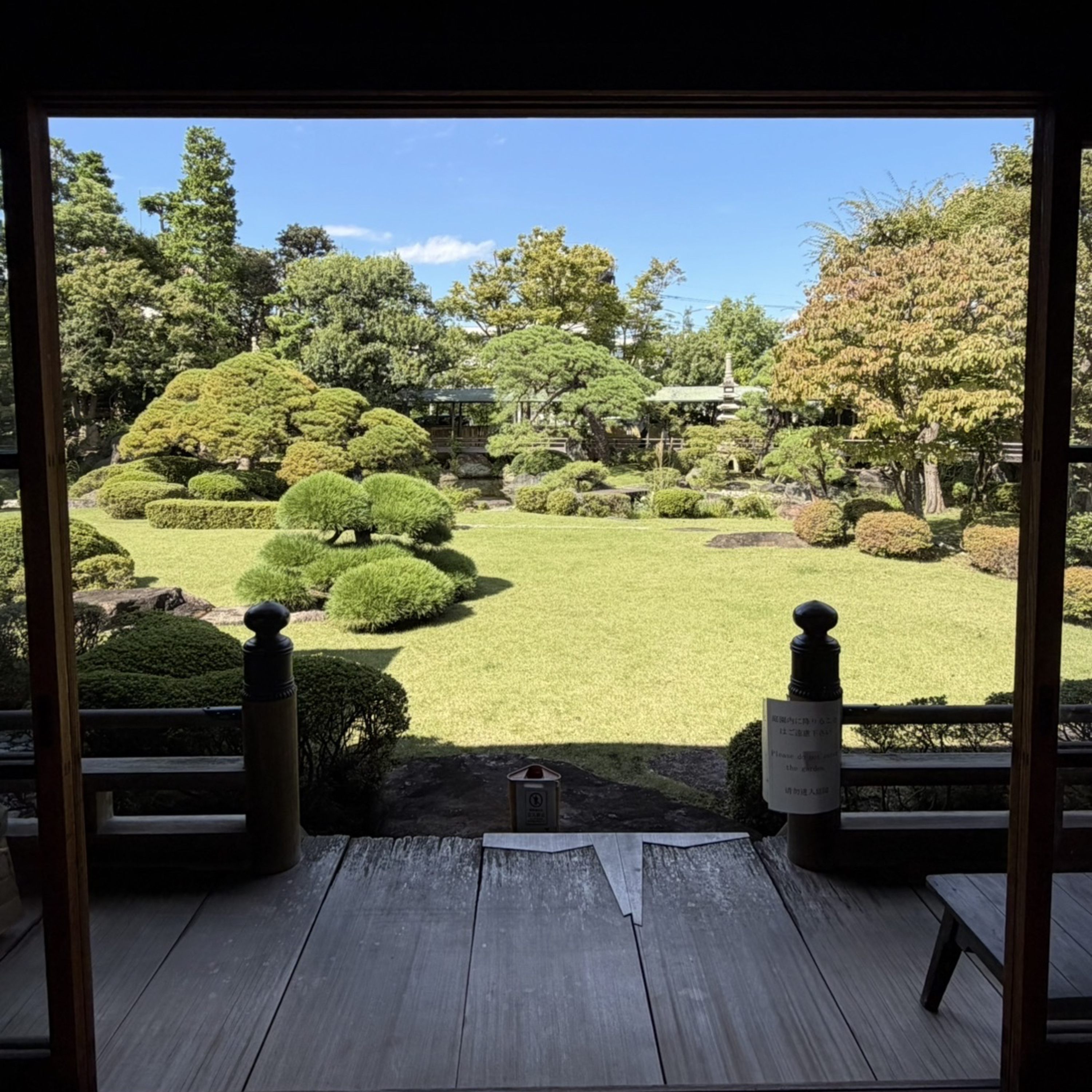 #398 A picture made by nature 24.09.2026#398A picture made by nature 最近、お寺や神社巡りにハマっているのですが、何がそんなにいいのかなあと、ちょっと考えてみました。単にきれい、というのが一番の理由なのですが、門や窓の四角い枠が額縁のようになって、その中に、木や草などの緑が見える瞬間が最高だなと、気づきました。とても鮮やかな絵を見ているような気分になるからです。皆さんは、お寺や神社の好きなところがありますか?さいきん、おてらや じんじゃめぐりに はまっているのですが、なにが そんなに いいのかなあと、ちょっと かんがえてみました。たんに きれい、というのが いちばんの りゆうなのですが、もんや まどの しかくい わくが がくぶちのように なって、その なかに きや くさなどの みどりが みえる しゅんかんが さいこうだなと、きづきました。とても あざやかな えを みているような きぶんに なるからです。みなさんは、おてらや じんじゃの すきな ところが ありますか?Recently, I’ve been really into visiting temples and shrines, and I started wondering what I like so much about them. The main reason is simply that they’re beautiful, but I realized that what I especially love is the moment when the rectangular frame of a gate or window acts like a picture frame, with the green of trees and plants appearing inside it. It makes me feel as if I’m looking at a beautifully vivid painting. Is there anything in particular you like about temples and shrines?【Today’s words】X巡り(Xめぐり)/ visiting a series of X, going to many different Xハマる(はまる)/ to be really into枠(わく)/ frame額縁(がくぶち)/ picture frame鮮やかな(あざやかな)/ vivid, vibrant★This post is also available on the broadcast channel (Japanese daily tips) of my Instagram. 【https://www.instagram.com/channel/AbbOi9lyhNtGwo6A/?igsh=enhqNGRyajhobnZ5】
 -
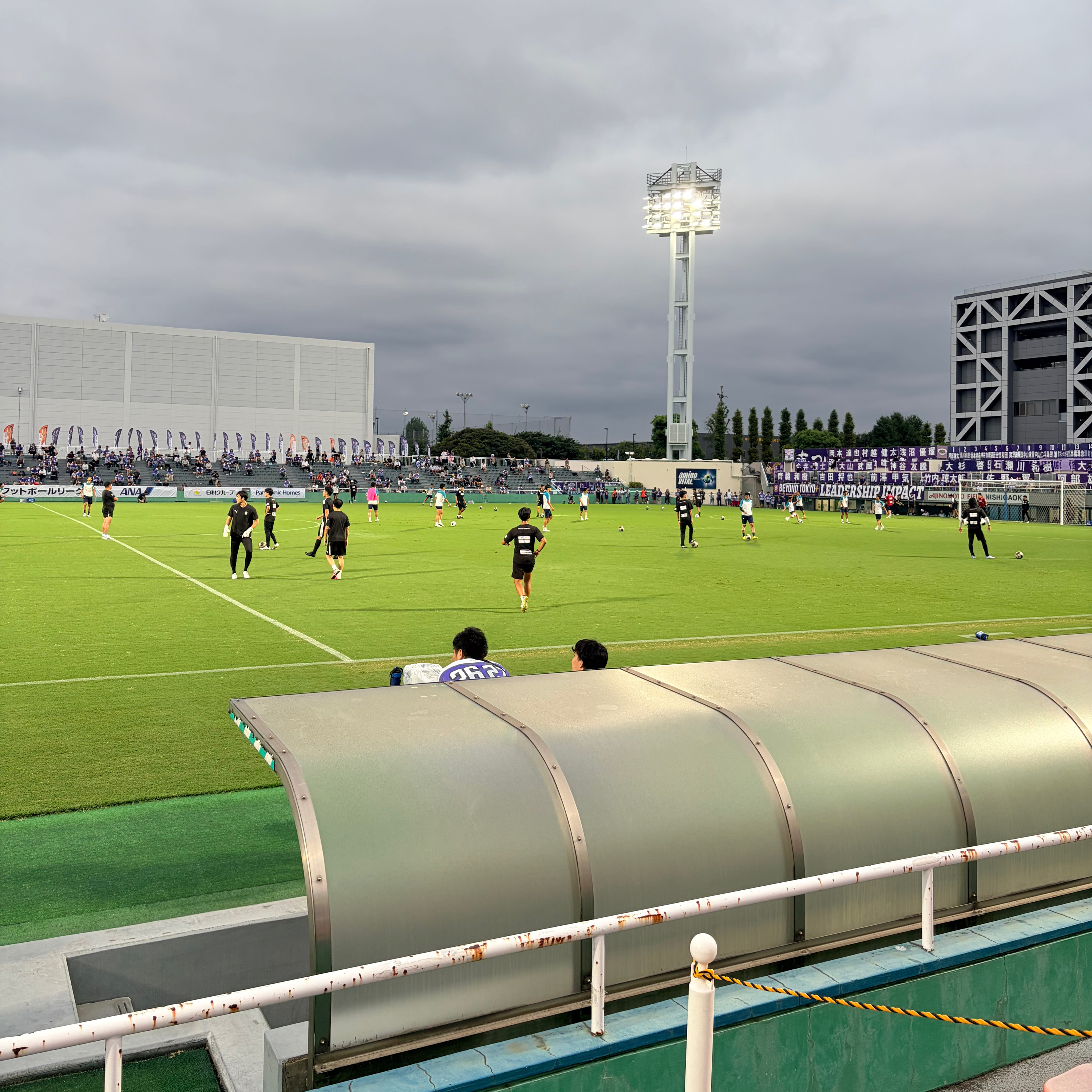 #397 Watching a soccer game for the first time 22.09.2026#397Watching a soccer game for the first time息子がサッカーが好きなので、この前、初めてサッカー観戦に行ってきました。私は、オフサイドが何かもわからない初心者なのですが、それでも、ユニフォームを着て、大きな太鼓の音に合わせて応援するのは、とても楽しかったです。キッチンカーもたくさん来ていて、焼きそばとビールを楽しみながら、サッカーを観られるのも最高でした🍺皆さんは、スポーツ観戦が好きですか?むすこが さっかーが すきなので、このまえ はじめて さっかーかんせんに いってきました。わたしは おふさいどが なにかも わからない しょしんしゃなのですが、それでも、ゆにふぉーむを きて、おおきな たいこの おとに あわせて おうえんするのは、とても たのしかったです。きっちんかーも たくさん きていて、やきそばと びーるを たのしみながら さっかーを みられるのも さいこうでした。みなさんは すぽーつかんせんが すきですか?My son likes soccer, so we recently went to watch a soccer game for the first time. I’m a complete beginner who doesn’t even know what offside is, but I still had so much fun wearing a team jersey and cheering along with the beat of the big drums. There were also lots of food trucks, and it was great being able to watch the game while enjoying yakisoba and a beer. Do you like watching sports?【Today’s words】観戦(かんせん)/ watching a sports game太鼓(たいこ)/ drumXに合わせて(Xに あわせて)/ in time with, along with応援する(おうえんする)/ to cheer, to supportキッチンカー/ food truck★This post is also available on the broadcast channel (Japanese daily tips) of my Instagram. 【https://www.instagram.com/channel/AbbOi9lyhNtGwo6A/?igsh=enhqNGRyajhobnZ5】
 -
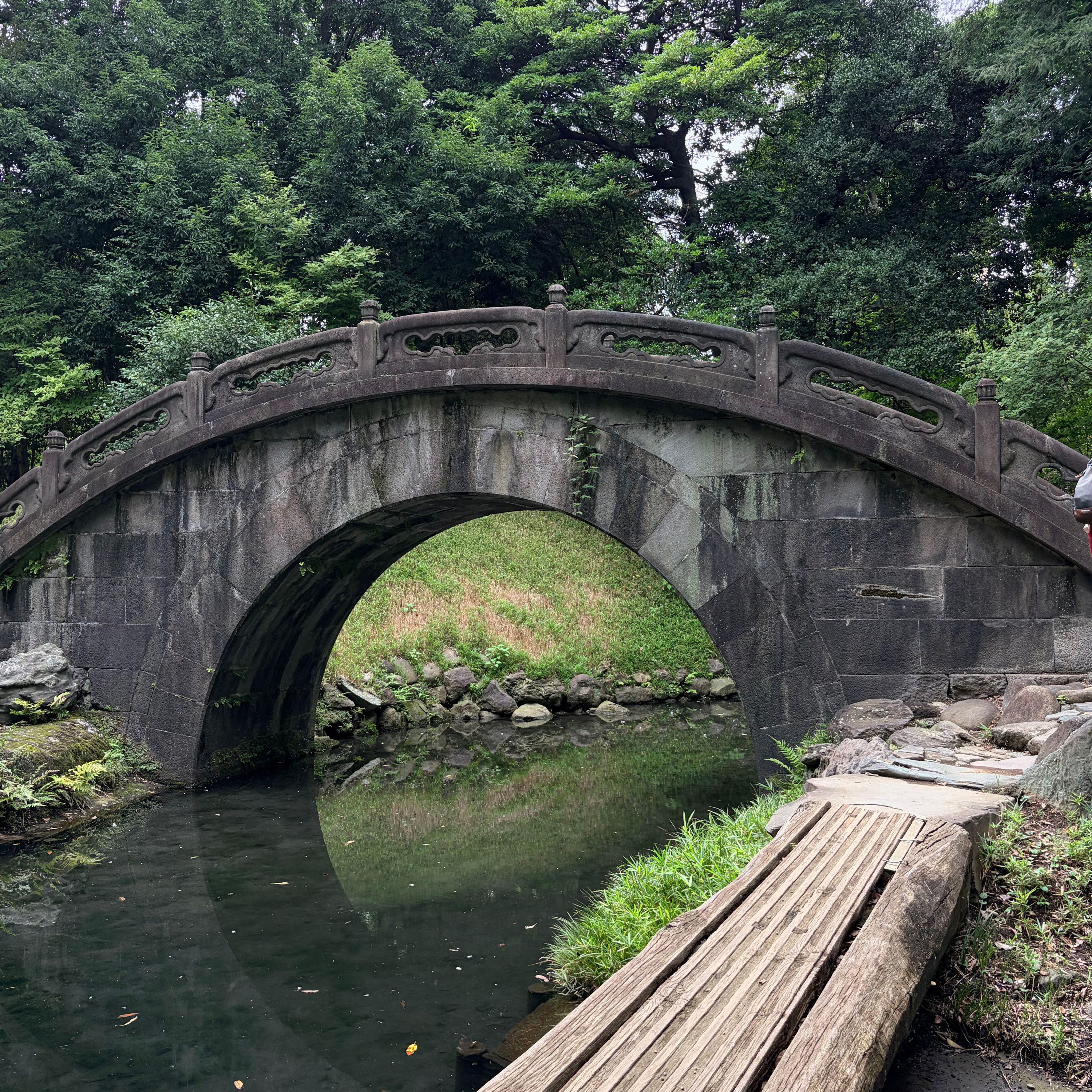 #396 Exploring Koishikawa Korakuen 22.09.2026#396Exploring Koishikawa Korakuen東京には、有名な庭園が9つあります。8月末に、東京ドームの近くにある小石川後楽園に行きました。江戸時代に作られた庭園で、琵琶湖、円月橋、西湖の堤など、日本や中国にある、有名な場所を真似して作られたものがたくさんあるのが特徴です。季節ごとに色々な花が見られるそうなので、次は彼岸花の時期に行ってみようと思います。とうきょうには、ゆうめいな ていえんが ここのつ あります。はちがつまつに、とうきょうどーむの ちかくに ある こいしかわこうらくえんに いきました。えどじだいに つくられた ていえんで、びわこ、えんげつきょう、せいこの つつみなど、にほんや ちゅうごくに ある ゆうめいな ばしょを まねして つくられた ものが たくさん あるのが とくちょうです。きせつごとに いろいろな はなが みられるそうなので、つぎは ひがんばなの じきに いってみようと おもいます。There are nine famous traditional gardens in Tokyo. At the end of August, I visited Koishikawa Korakuen, near Tokyo Dome. The garden was created during the Edo period (1868~), and one of its unique features is that it contains many landscapes inspired by famous places in Japan and China, such as Lake Biwa, Engetsu Bridge, and the Seiko Embankment. Apparently, you can see different flowers in each season, so I’m thinking of going back when the red spider lilies are in bloom.【Today’s words】庭園(ていえん)/ garden真似する(まねする)/ to imitate, to copy特徴(とくちょう)/ feature, characteristic季節ごとに(きせつごとに)/ each season, depending on the season彼岸花(ひがんばな)/ red spider lily★This post is also available on the broadcast channel (Japanese daily tips) of my Instagram. 【https://www.instagram.com/channel/AbbOi9lyhNtGwo6A/?igsh=enhqNGRyajhobnZ5】
 -
#395 3-line diary challenge (Week #17) : What’s something you say all the time? 21.09.2026#3953-line diary challenge (Week #17) :What’s something you say all the time?月曜日は、3行日記にチャレンジしてみましょう!今日のテーマは、「よく言ってしまう言葉は何ですか?」です。私は、「なんか」です。前に、家族で歩いているとき、「なんか」を言ったら負け、というゲームをしましたが、5分も持ちませんでした😂皆さんの口癖は何ですか?げつようびは、さんぎょう にっきに ちゃれんじしてみましょう!きょうの てーまは、「よく いってしまう ことばは なんですか?」です。わたしは、「なんか」です。まえに、かぞくで あるいているとき、「なんか」を いったら まけ、という げーむを しましたが、ごふんも もちませんでした。みなさんの くちぐせは なんですか?On Mondays, let’s try writing a three-line diary!Today’s theme is: “What’s something you say all the time?”For me, it’s “nanka.”Once, while I was out walking with my family, we played a game where you lost if you said “nanka,” but I didn’t even last five minutes. What’s something you say all the time?【Useful patterns】私は、よく「 」と言ってしまいます。(わたしは、よく「 」と いってしまいます。)/ I often find myself saying “ .”友達と話しているとき、よく使います。(ともだちと はなしているとき、よく つかいます。)/ I use it a lot when I’m talking with friends.1日に、X回くらい言っていると思います。(いちにちに、Xかいくらい いっていると おもいます。)/ I think I say it about X times a day.【Useful words】口癖(くちぐせ)/ something you say all the time, habit of sayingなんか/ like, kind ofやばい/ crazy, awesome, terribleたしかに/ true, that’s trueなるほど/ I see, that makes senseまじで/ seriously, reallyI’m looking forward to reading your writing via instagram DM!😊★This post is also available on the broadcast channel (Japanese daily tips) of my Instagram. 【https://www.instagram.com/channel/AbbOi9lyhNtGwo6A/?igsh=enhqNGRyajhobnZ5】
-
#394 A retro spot in Asakusa 18.09.2026#394A retro spot in Asakusa息子の夏休みの思い出づくりに、8月末は東京でも色々なところに行きました。その中の一つが、浅草にあるバッティングセンターです。初めて行ったのですが、1回400円で、20球打てます。球の速さは70〜150km/hまで、4種類から選べます。とてもレトロな場所で、色々なゲームもあって楽しいので、浅草観光で雨が降ったときに寄ってみると、楽しいかもしれません。むすこの なつやすみの おもいでづくりに、はちがつまつは とうきょうでも いろいろな ところに いきました。その なかの ひとつが、あさくさに ある ばってぃんぐせんたーです。はじめて いったのですが、いっかい よんひゃくえんで、にじゅっきゅう うてます。たまの はやさは ななじゅっきろから ひゃくごじゅっきろまで、よんしゅるいから えらべます。とても れとろな ばしょで、いろいろな げーむも あって たのしいので、あさくさかんこうで あめが ふったときに よってみると、たのしいかもしれません。At the end of August, I went to several places around Tokyo to make some fun summer memories with my son. One of them was a batting cage in Asakusa. It was my first time there, and for 400 yen, you can hit 20 balls. You can choose from four different pitching speeds, ranging from 70 to 150 km/h. It’s a very retro place with lots of other games too, so if it rains while you’re sightseeing in Asakusa, it might be a fun place to stop by!【Today’s words】思い出づくり(おもいでづくり)/ making memoriesバッティングセンター(ばってぃんぐせんたー)/ batting cage, batting center球(たま)/ ball速さ(はやさ)/ speedXに寄る(Xに よる)/ to stop by X★This post is also available on the broadcast channel (Japanese daily tips) of my Instagram. 【https://www.instagram.com/channel/AbbOi9lyhNtGwo6A/?igsh=enhqNGRyajhobnZ5】
-
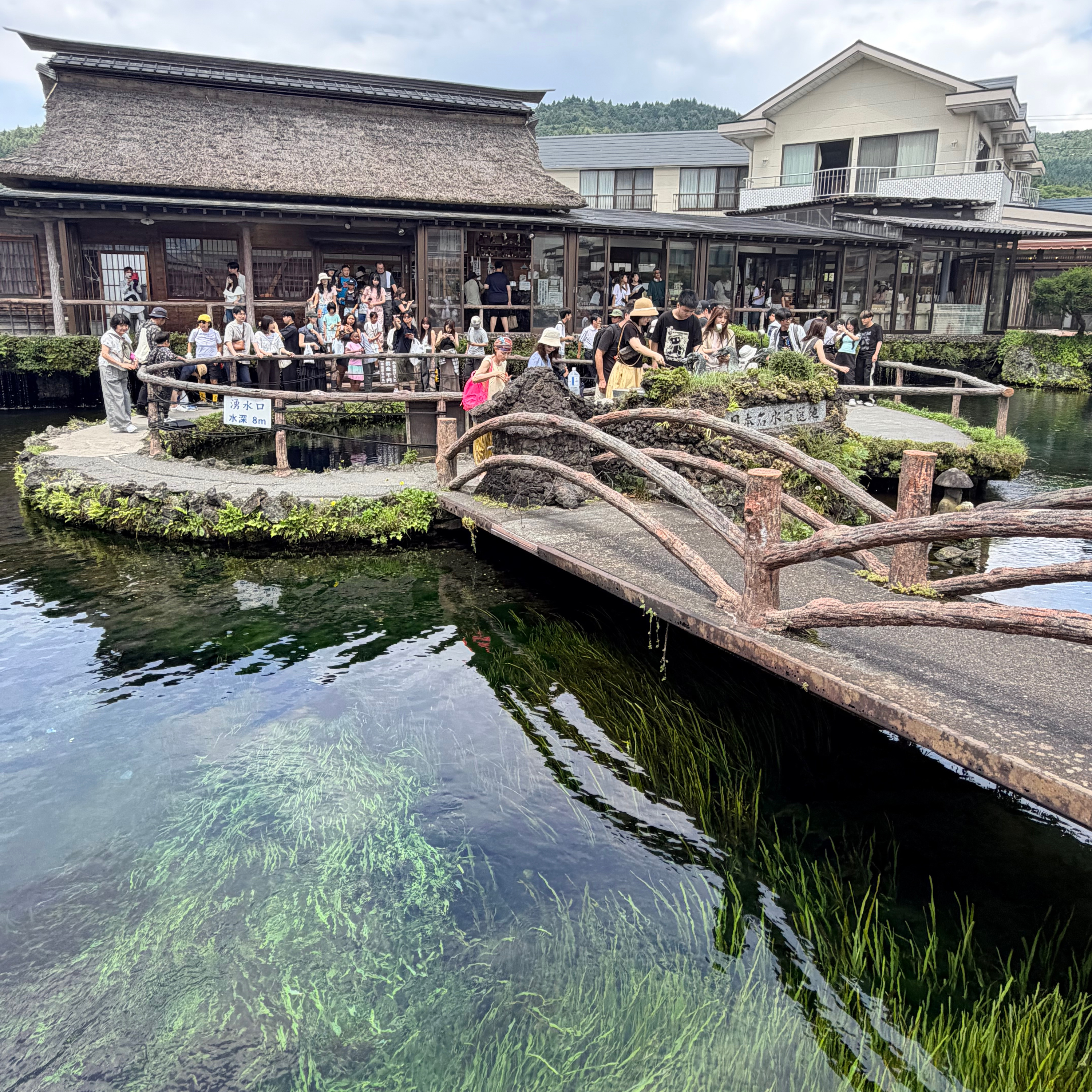 #393 The sacred mountain 16.09.2026#393The sacred mountain 夏休みには、富士山を見に河口湖にも行きましたが、残念ながら富士山はほとんど見えませんでした。昔の人は、噴火を繰り返す富士山をおさめるために、富士山を神様のように扱ったそうです。そして富士山に登る前に、体を清めたのが、有名な観光地である、忍野八海だったそうです。シルエットだけしか見えませんでしたが、山梨県全体を抱き抱えているような、富士山の偉大さを感じました。なつやすみには、ふじさんを みに かわぐちこにも いきましたが、ざんねんながら ふじさんは ほとんど みえませんでした。むかしの ひとは、ふんかを くりかえす ふじさんを おさめるために、ふじさんを かみさまのように あつかったそうです。そして ふじさんに のぼる まえに、からだを きよめたのが、ゆうめいな かんこうちである、おしのはっかいだったそうです。しるえっとだけしか みえませんでしたが、やまなしけん ぜんたいを だきかかえているような、ふじさんの いだいさを かんじました。During summer break, I also went to Lake Kawaguchi to see Mt. Fuji, but unfortunately, I could barely see it. It is said that people in the past worshipped Mt. Fuji like a god in hopes of calming its repeated eruptions. Before climbing the mountain, they would purify themselves at Oshino Hakkai, which is now a famous tourist destination. I could only see the silhouette of Mt. Fuji, but it seemed almost as if the mountain were embracing all of Yamanashi. Even then, I could feel its immense presence.【Today’s words】噴火(ふんか)/ volcanic eruptionおさめる/ to calm, to bring under control清める(きよめる)/ to purify抱き抱える(だきかかえる)/ to hold in one’s arms, to embrace偉大さ(いだいさ)/ greatness★This post is also available on the broadcast channel (Japanese daily tips) of my Instagram. 【https://www.instagram.com/channel/AbbOi9lyhNtGwo6A/?igsh=enhqNGRyajhobnZ5】
 -
#392 Teen slang I didn’t know 16.09.2026#392Teen slang I didn’t know夏休みに実家に帰ったとき、中学1年生の甥っ子に、「友達とラインするの?」と聞いたら、「うん、するよ。スタレン合戦とかしてる。」と言っていました。「スタレン合戦…?」と、私の頭の中は?だらけだったのですが、スタンプを送りまくることを、スタレン合戦というそうです。これがジェネギャというやつか、と思わずにはいられませんでした😂なつやすみに じっかに かえったとき、ちゅうがく いちねんせいの おいっこに、「ともだちと らいんするの?」と きいたら、「うん、するよ。すたれんがっせんとか してる。」と いっていました。「すたれんがっせん…?」と、わたしの あたまの なかは はてなだらけだったのですが、すたんぷを おくりまくることを、すたれんがっせんというそうです。これが じぇねぎゃという やつか、と おもわずには いられませんでした。When I went back to my parents’ house during summer break, I asked my nephew, who is in his first year of junior high school, “Do you use LINE with your friends?” He said, “Yeah. We do things like ‘sutaren gassen.’” “Sutaren gassen…?” My head was full of question marks, but apparently, it means sending tons of LINE stickers back and forth. I couldn’t help thinking, “So this is what they call a generation gap.” 【Today’s words】甥っ子、甥(おいっこ、おい)/ nephewXだらけ/ full of X, covered with XXを送りまくる(Xを おくりまくる)/ to send a ton of X, to keep sending XXというやつ/ what they call X,that thing called X思わずにはいられない(おもわずには いられない)/ can’t help but think★This post is also available on the broadcast channel (Japanese daily tips) of my Instagram. 【https://www.instagram.com/channel/AbbOi9lyhNtGwo6A/?igsh=enhqNGRyajhobnZ5】
-
#391 Do cicadas sound noisy to you? 15.09.2026#391Do cicadas sound noisy to you?「蝉時雨」というきれいな言葉があるくらい、蝉の声は日本の夏の風物詩の一つです。(もちろん人によりますが)日本では蝉の声はうるさいものではなく、夏らしさを感じるものですが、蝉がいない国の方は、蝉がミンミン鳴くのを聞いて、どう思うのかなとふと思いました。かなり大きい声なので、騒音だと思うのかもしれません。皆さんは、蝉の声をどう思いますか?「せみしぐれ」という きれいな ことばが あるくらい、せみの こえは にほんの なつの ふうぶつしの ひとつです。(もちろん ひとに よりますが)にほんでは せみの こえは うるさい ものではなく、なつらしさを かんじる ものですが、せみが いない くにの かたは、せみが みんみん なくのを きいて、どう おもうのかなと ふと おもいました。かなり おおきい こえなので、そうおんだと おもうのかもしれません。みなさんは、せみの こえを どう おもいますか?There’s even a beautiful Japanese word, “semishigure,” for the sound of many cicadas singing at once, and the sound of cicadas is one of the things that symbolizes summer in Japan. (Of course, it depends on the person), but in Japan, rather than simply thinking of cicadas as noisy, many people associate their sound with summer. It suddenly occurred to me that people from countries without cicadas might hear their loud buzzing and feel completely differently. They’re pretty loud, so maybe it just sounds like noise! What do you think of the sound of cicadas?【Today’s words】蝉(せみ)/ cicada蝉時雨(せみしぐれ)/ the chorus of cicadas風物詩(ふうぶつし)/ something associated with a particular season夏らしさ(なつらしさ)/ the feeling of summer, summer-like quality騒音(そうおん)/ noise, noise pollution★This post is also available on the broadcast channel (Japanese daily tips) of my Instagram. 【https://www.instagram.com/channel/AbbOi9lyhNtGwo6A/?igsh=enhqNGRyajhobnZ5】
-
#390 3-line diary challenge (Week #16) : What can’t you live without ? 14.09.2026#3903-line diary challenge (Week #16) :What can’t you live without?月曜日は、3行日記にチャレンジしてみましょう!今日のテーマは、「これがないと生きていけない、と思う物は何ですか?」です。私は、あまり言いたくないですが、携帯です。誰かと連絡をとったり、何かを調べたり、映画を見たり、お金を払ったり、仕事をしたり、何をするにも携帯を使うからです。皆さんの必需品は何ですか?げつようびは、さんぎょう にっきに ちゃれんじしてみましょう!きょうの てーまは、「これが ないと いきていけない、と おもう ものは なんですか?」です。わたしは、あまり いいたくないですが、けいたいです。だれかと れんらくを とったり、なにかを しらべたり、えいがを みたり、おかねを はらったり、しごとを したり、なにを するにも けいたいを つかうからです。みなさんの ひつじゅひんは なんですか?On Mondays, let’s try writing a three-line diary!Today’s theme is: “What can’t you live without?”I don’t really want to admit it, but for me, it’s my phone. I use it for everything—keeping in touch with people, looking things up, watching movies, paying for things, and working.What’s something you can’t live without?【Useful patterns】これがないと生きていけないと思う物は、( )です。(これが ないと いきていけないと おもうものは、( )です。)/ The thing I think I can’t live without is ( ).毎日、( )を使います。(まいにち、( )を つかいます。)/ I use ( ) every day.( )たり、( )たりするのに使います。( )たり、( )たり するのに つかいます。)/ I use it to do things like ( ) and ( ).【Useful words】パソコン/ computerイヤホン/ earphones本(ほん)/ booksコーヒー/ coffee音楽(おんがく)/ musicゲーム/ video game※ This time, let’s leave out real necessities like food and money. Think of something that people can technically live without, but YOU can’t!I’m looking forward to reading your writing!😊★This post is also available on the broadcast channel (Japanese daily tips) of my Instagram. 【https://www.instagram.com/channel/AbbOi9lyhNtGwo6A/?igsh=enhqNGRyajhobnZ5】
-
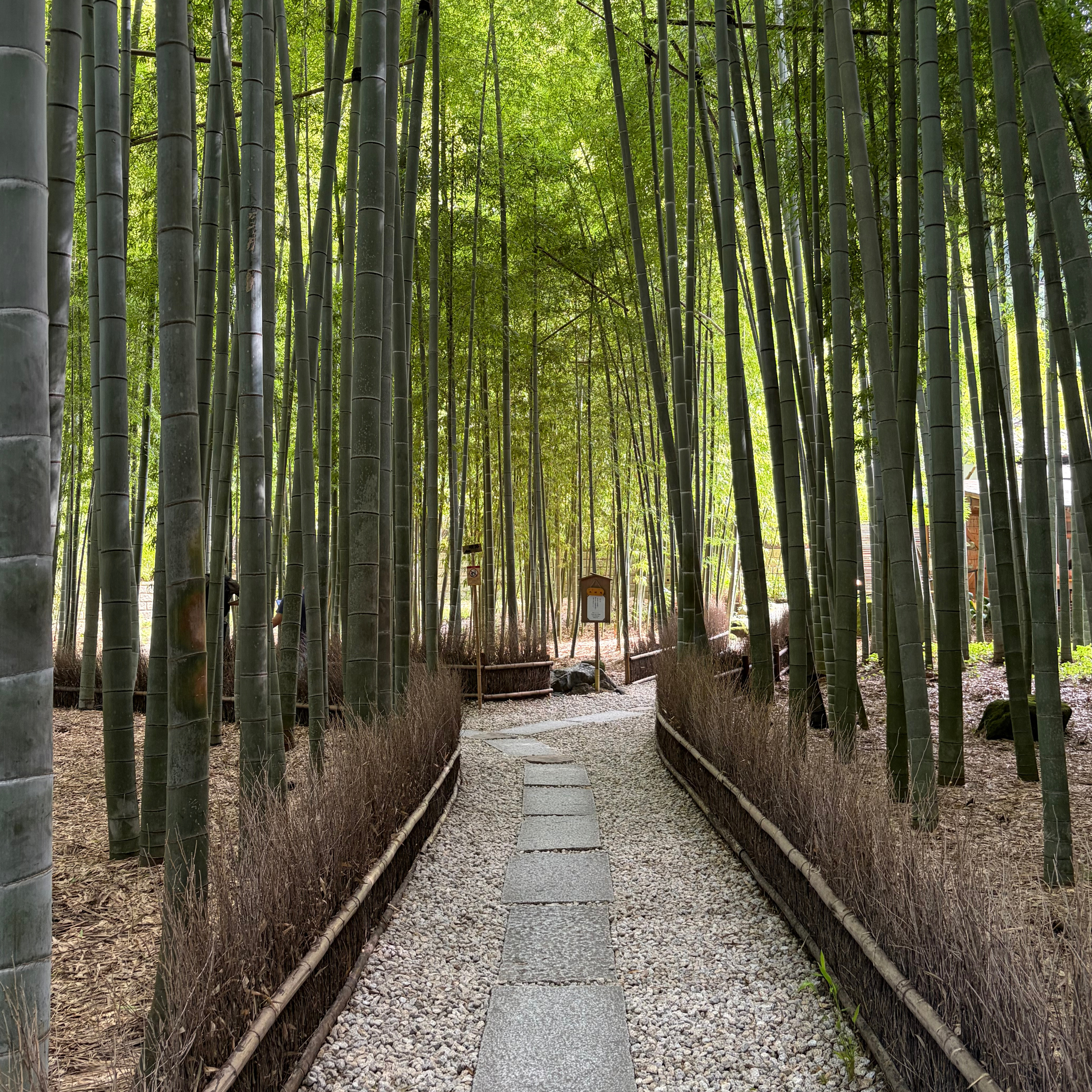 #389 More than just a bamboo garden 11.09.2026#389More than just a bamboo garden 鎌倉では、報国寺という竹林が有名なお寺にも行きました。このお寺では、「休耕庵」という場所で、竹の庭を見ながら抹茶と干菓子を楽しめます。鎌倉は山に囲まれていて平たい土地が少ないので、昔は岩を削って「やぐら」というお墓を作ったのですが、報国寺ではそのやぐらを見ることができます。竹だけではなく、苔の緑もとてもきれいな場所です。かまくらでは、ほうこくじという ちくりんが ゆうめいな おてらにも いきました。この おてらでは、「きゅうこうあん」という ばしょで、たけの にわを みながら まっちゃと ひがしを たのしめます。かまくらは やまに かこまれていて ひらたい とちが すくないので、むかしは いわを けずって「やぐら」という おはかを たてたのですが、ほうこくじでは その やぐらを みることが できます。たけだけではなく、こけの みどりも とても きれいな ばしょです。In Kamakura, I also visited Hokokuji Temple, which is famous for its bamboo grove. At a tea house called Kyukoan, you can enjoy matcha and traditional dry sweets while looking out at the bamboo garden. Kamakura is surrounded by mountains and has little flat land, so in the past, people carved tombs called “yagura” into the rock. You can see some of these yagura at Hokokuji. It’s a beautiful place not only for the bamboo, but also for the vibrant green moss.【Today’s words】竹林(ちくりん)/ bamboo grove干菓子(ひがし)/ traditional dry Japanese sweets平たい(ひらたい)/ flat岩を削る(いわを けずる)/ to carve into rock苔(こけ)/ moss★This post is also available on the broadcast channel (Japanese daily tips) of my Instagram. 【https://www.instagram.com/channel/AbbOi9lyhNtGwo6A/?igsh=enhqNGRyajhobnZ5】
 -
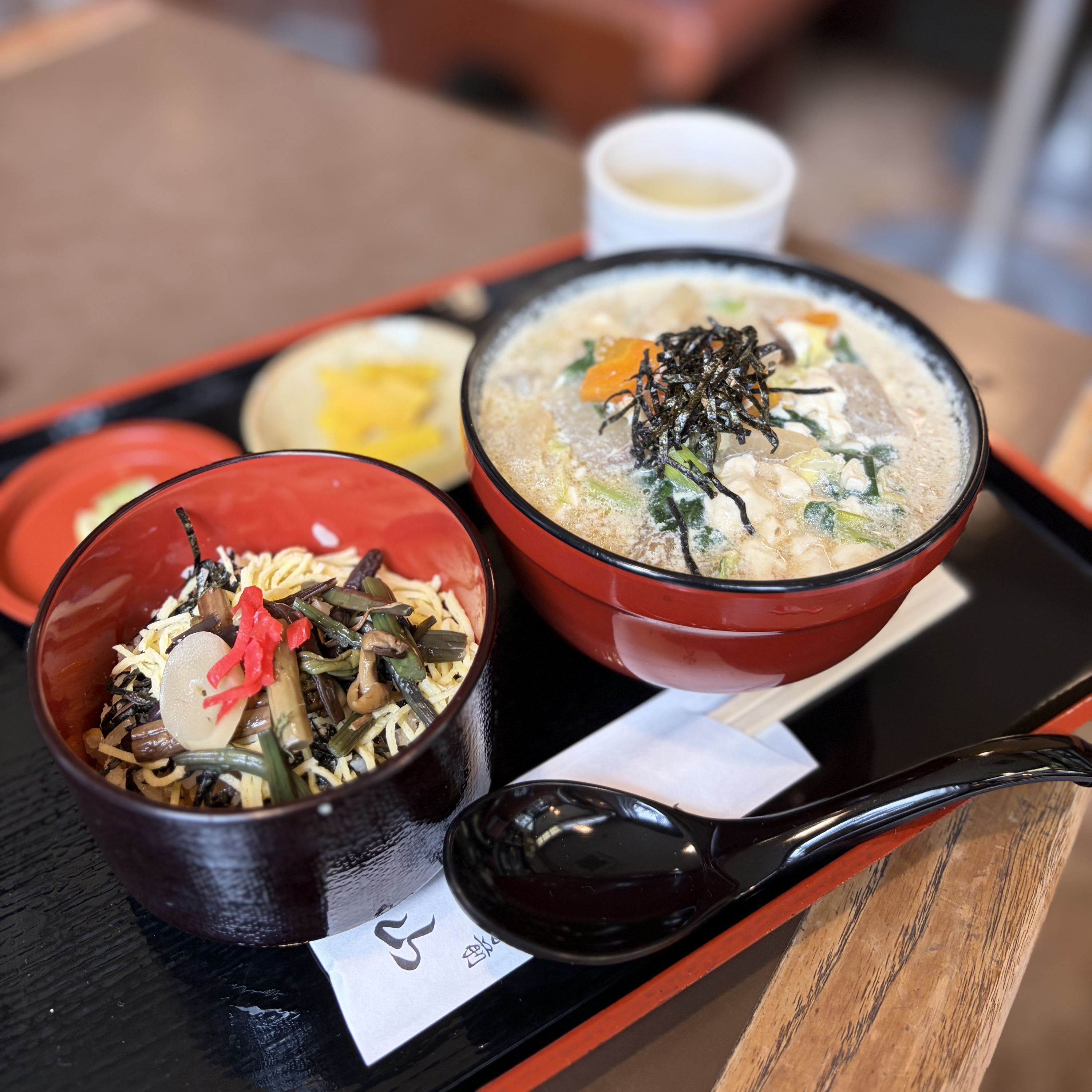 #388 The birthplace of kenchin soup 10.09.2026#388The birthplace of kenchin soup野菜と豆腐をごま油で炒めて、だしで煮た、けんちん汁という料理があります。建長寺はけんちん汁の発祥の地で、「建長汁」が訛って「けんちん汁」になったそうです。私も建長寺の近くの「五山」という店で、けんちんうどんを食べました。けんちん汁は日本の家庭料理です。ぜひ一度食べてみてくださいね!やさいと とうふを ごまあぶらで いためて、だしで にた、けんちんじるという りょうりが あります。けんちょうじは けんちんじるの はっしょうの ちで、「けんちょうじる」が なまって「けんちんじる」に なったそうです。わたしも けんちょうじの ちかくの「ござん」という みせで、けんちんうどんを たべました。けんちんじるは にほんの かていりょうりです。ぜひ いちど たべてみてくださいね!There is a Japanese dish called kenchin-jiru, made by stir-frying vegetables and tofu in sesame oil and then simmering them in dashi broth. Kenchoji Temple (I talked about it yesterday) is said to be the birthplace of kenchin-jiru, and according to one theory, the name “kenchin” came from “Kencho-jiru” as its pronunciation gradually changed. I also tried kenchin udon at a restaurant called Gozan near Kenchoji. Kenchin-jiru is a traditional Japanese home-style dish, so please give it a try if you get the chance!【Today’s words】炒める(いためる)/ to stir-fry煮る(にる)/ to simmer, to cook in liquid発祥の地(はっしょうの ち)/ birthplace, place of origin訛る(なまる)/ to change in pronunciation, to be pronounced with an accent家庭料理(かていりょうり)/ home cooking, home-style dish★This post is also available on the broadcast channel (Japanese daily tips) of my Instagram. 【https://www.instagram.com/channel/AbbOi9lyhNtGwo6A/?igsh=enhqNGRyajhobnZ5】
 -
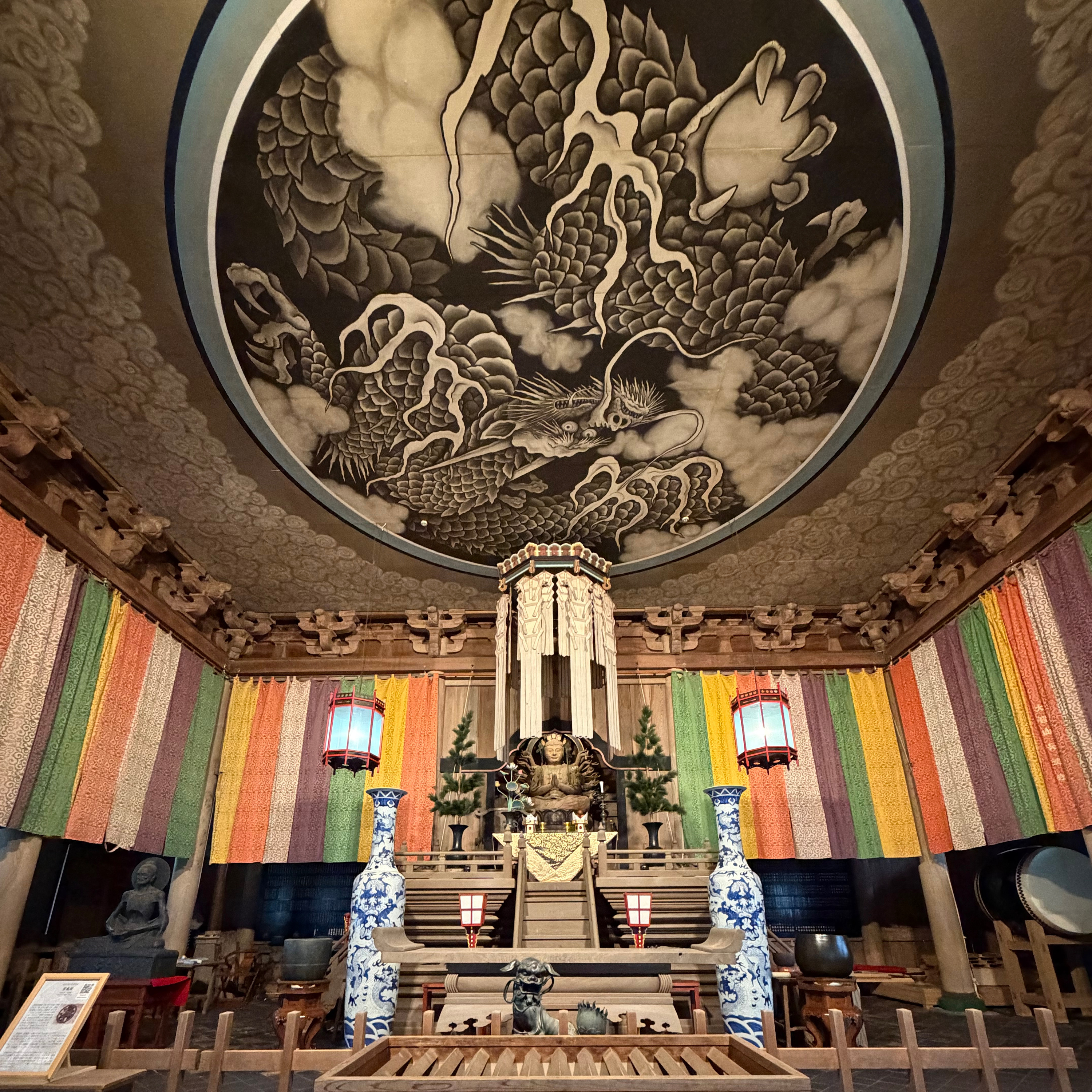 #387 The No.1 Zen temple in Kamakura 09.09.2026 1хв#387The No.1 Zen temple in Kamakura京都五山について少し前にお話ししましたが(#383)、鎌倉にも五山があり、その第一位が建長寺です。建長寺は10万8000平方メートルの広大なお寺です。巨大な三門、法堂にある龍の絵など、きれいなものがたくさんあります。半僧坊と呼ばれる、山の上の神社のような場所もあり、約250段の急な階段を登ると、たくさんの天狗の像が迎えてくれます。ハイキングコースでもあるので、散歩が好きな方はぜひ行ってみてください。きょうとござんについて すこしまえに おはなししましたが(#383)、かまくらにも ござんが あり、その だいいちいが けんちょうじです。けんちょうじは じゅうまんはっせんへいほうめーとるの こうだいな おてらです。きょだいな さんもん、はっとうに ある りゅうの えなど、きれいな ものが たくさん あります。はんそうぼうと よばれる、やまの うえの じんじゃのような ばしょも あり、やく にひゃくごじゅうだんの きゅうな かいだんを のぼると、たくさんの てんぐの ぞうが むかえてくれます。はいきんぐこーすでも あるので、さんぽが すきな かたは ぜひ いってみてください。I talked about Kyoto Gozan a little while ago (#383), and Kamakura has its own Gozan too. Kenchoji Temple ranks first among them. Kenchoji is a vast temple complex covering 108,000 square meters. There are many beautiful things to see, including its enormous Sanmon gate and a painting of a dragon in the Hatto hall. There is also a shrine-like place up in the mountains called Hansobo. After climbing about 250 steep steps, you’ll be greeted by lots of tengu statues. It’s also part of a hiking trail, so if you enjoy walking, I definitely recommend visiting!【Today’s words】広大な(こうだいな)/ vast, extensive巨大な(きょだいな)/ enormous, huge急な(きゅうな)/ steep像(ぞう)/ statue迎える(むかえる)/ to welcome, to greet★This post is also available on the broadcast channel (Japanese daily tips) of my Instagram. 【https://www.instagram.com/channel/AbbOi9lyhNtGwo6A/?igsh=enhqNGRyajhobnZ5】
 -
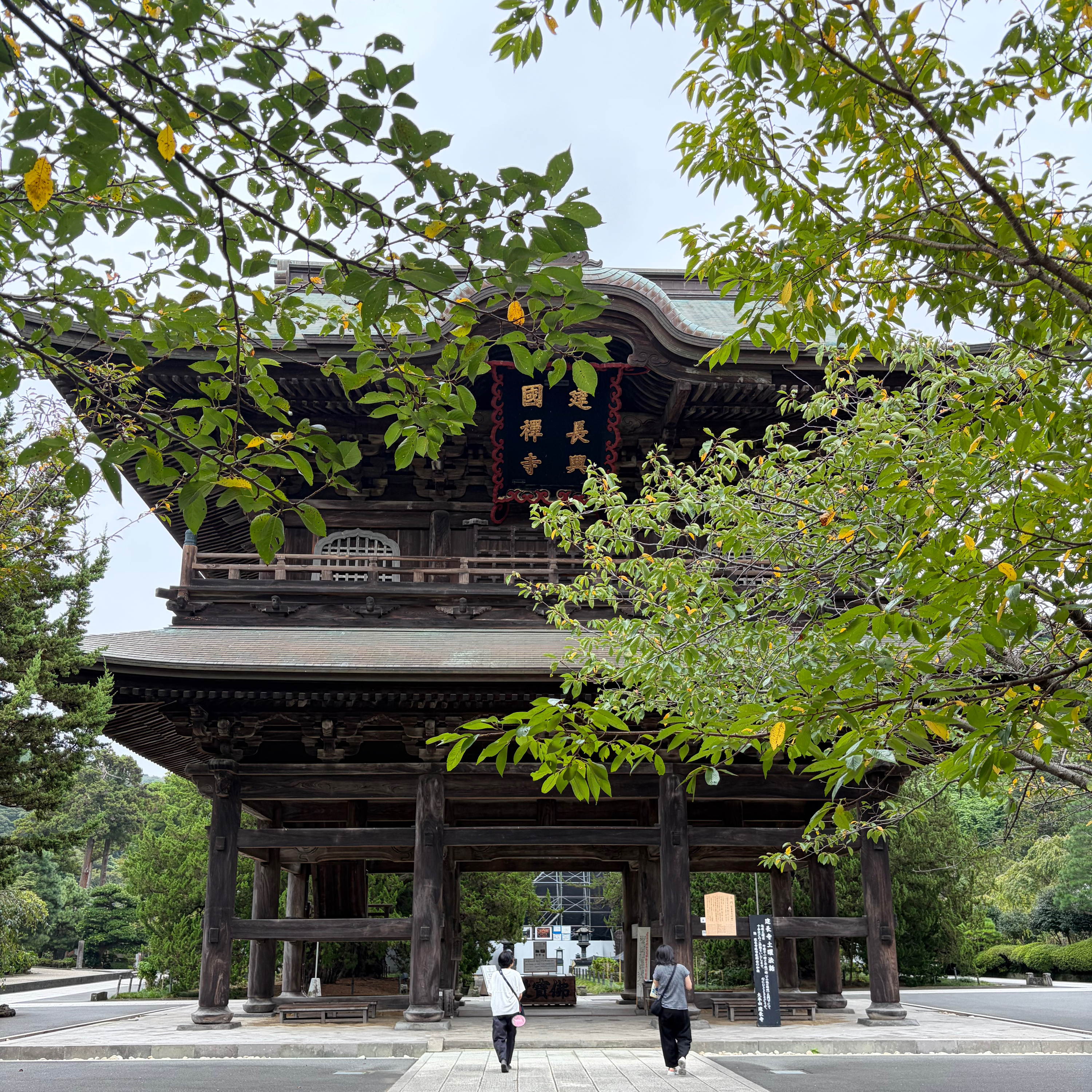 #386 Discovering Kita-Kamakura 08.09.2026 1хв#386Discovering Kita-Kamakura8月の締めくくりに、北鎌倉に初めて行きました。もし皆さんが、神社やお寺、自然が好きだったら、鎌倉ではなく、北鎌倉にぜひ行ってほしいです!鎌倉は観光地という感じで、レストランや可愛い雑貨屋さんがたくさんあって、それも楽しいのですが、北鎌倉は山と緑とお寺の中に街がある、というイメージです。明日は北鎌倉にある、建長寺についてご紹介します。はちがつの しめくくりに、きたかまくらに はじめて いきました。もし みなさんが、じんじゃや おてら、しぜんが すきだったら、かまくらではなく、きたかまくらに ぜひ いってほしいです!かまくらは かんこうちという かんじで、れすとらんや かわいい ざっかやさんが たくさん あって、それも たのしいのですが、きたかまくらは やまと みどりと おてらの なかに まちが ある、という いめーじです。あしたは きたかまくらに ある けんちょうじについて ごしょうかいします。To wrap up August, I visited Kita-Kamakura for the first time. If you like shrines, temples, and nature, I definitely recommend visiting Kita-Kamakura rather than central Kamakura! Kamakura feels more like a tourist destination, with lots of restaurants and cute little shops, which is fun too. Kita-Kamakura, on the other hand, feels like a town nestled among mountains, greenery, and temples. Tomorrow, I’ll introduce Kenchoji Temple in Kita-Kamakura.【Today’s words】締めくくり(しめくくり)/ ending, conclusion観光地(かんこうち)/ tourist destination, sightseeing spot 雑貨屋(ざっかや)/ variety store, gift shop緑(みどり)/ greeneryXというイメージ/ it feels like X, I have an impression that X★This post is also available on the broadcast channel (Japanese daily tips) of my Instagram. 【https://www.instagram.com/channel/AbbOi9lyhNtGwo6A/?igsh=enhqNGRyajhobnZ5】
 -
#385 3-line diary challenge (Week #15) : What do you do to stay healthy? 07.09.2026#3853-line diary challenge (Week #15) :What do you do to stay healthy?月曜日は、3行日記にチャレンジしてみましょう!今日のテーマは、「健康のために何かしていますか?」です。私は、なるべくたくさん歩くようにしています。走るのはしんどくて苦手なのですが、散歩はいつまでもできそうなくらい好きです。1日8000歩以上、歩くようにしています。げつようびは、さんぎょう にっきに ちゃれんじしてみましょう!きょうの てーまは、「けんこうの ために なにか していますか?」です。わたしは、なるべく たくさん あるくように しています。はしるのは しんどくて にがてなのですが、さんぽは いつまでも できそうなくらい すきです。いちにち はっせんぽ いじょう、あるくように しています。On Mondays, let’s try writing a three-line diary! Today’s topic is: “Do you do anything to stay healthy?” I try to walk as much as possible. I find running exhausting and don’t really enjoy it, but I love walking so much that I feel like I could do it forever. I try to walk at least 8,000 steps a day.【Useful patterns】健康のために、( )ようにしています。(けんこうの ために、( )ように しています。)/ For my health, I try to ( ).毎日、( )ようにしています。(まいにち、( )ように しています。)/ I try to ( ) every day.歩く(あるく)/ to walk運動する(うんどうする)/ to exerciseストレッチする(すとれっちする)/ to stretch野菜を食べる(やさいを たべる)/ to eat vegetables水をたくさん飲む(みずを たくさん のむ)/ to drink plenty of water早く寝る(はやく ねる)/ to go to bed earlyよく寝る(よく ねる)/ to get plenty of sleepI’m looking forward to reading your writing via Instagram DM!😊★This post is also available on the broadcast channel (Japanese daily tips) of my Instagram. 【https://www.instagram.com/channel/AbbOi9lyhNtGwo6A/?igsh=enhqNGRyajhobnZ5】
Схожі подкасти


Популярний у
Цей подкаст також потрапляв у чарти подкастів у цих країнах.

