
Beyond the Ballot Box
BFM Media
0
The podcast explores how democracy extends beyond elections. It features in-depth conversations about political economy and human rights in Malaysia, Southeast Asia, and around the world. Discussions approach these issues through a class lens.
Епізоди
-
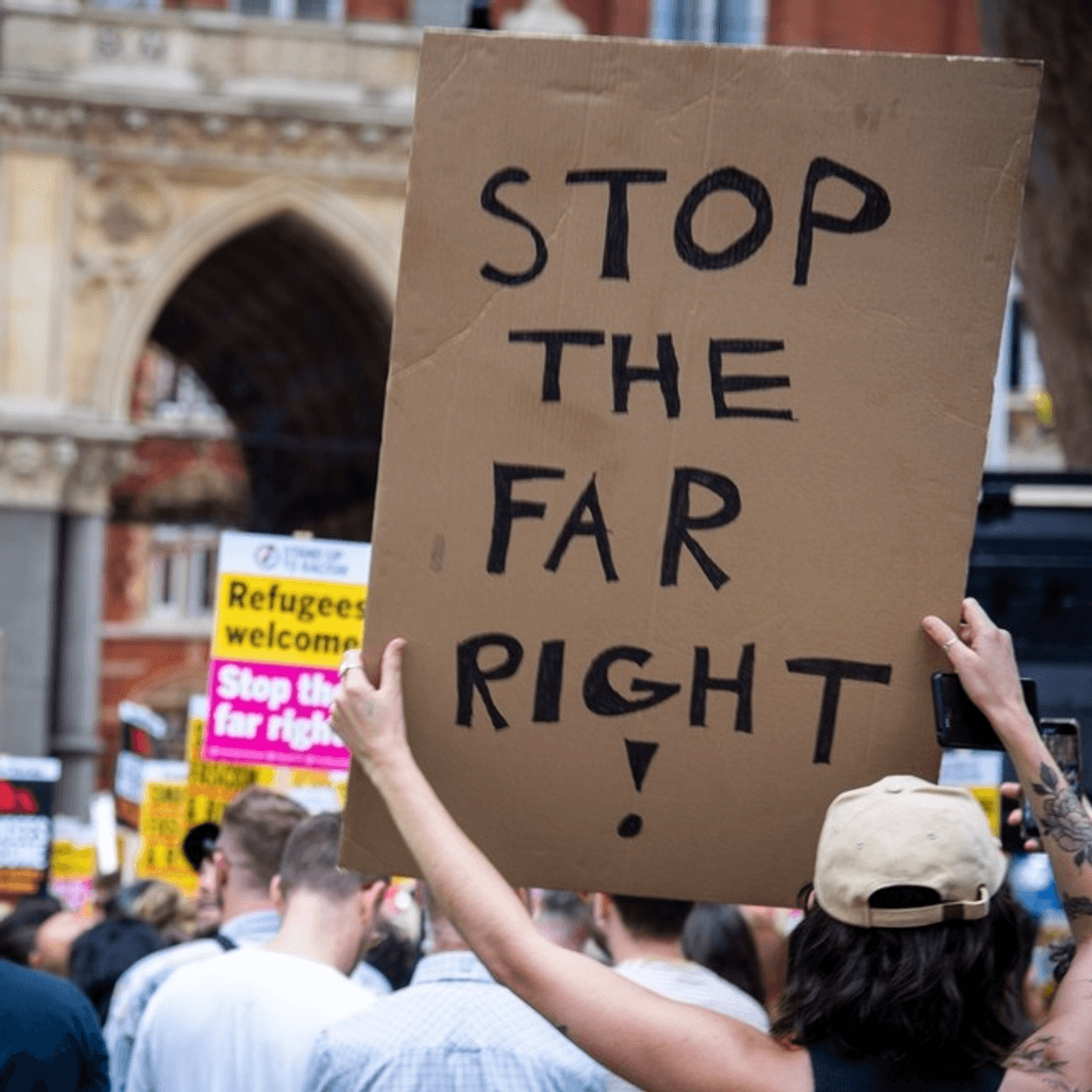 Making Sense of the Rise of Far-Right Movements Globally 08.10.2026 48хвOver the past decade or so far-right parties and leaders have moved from the fringes to the forefront of global politics. Figures like Donald Trump, Marine Le Pen, Giorgia Meloni, Narendra Modi and the BJP, Nigel Farage in the UK, AFD in Germany and more who’s views were once seen as outliers or shrugged off altogether, now command mass followings, win elections and shape global political discourse in a big way. Most recently, the AFD in Germany won a state election, something a far-right hasn’t done in the country since World War II and Hitler. The far-right is now concretely in the mainstream. So, why is the far-right gaining ground? In this conversation, we discuss:What actually is the far right?The difficulty of defining the right across different countries, the role of exclusionary politics and nativism, and why concepts developed from the European experience do not always neatly apply to countries like Malaysia.Why is right-wing populism rising now?We explore the economic and political conditions behind its resurgence, from neoliberal globalisation and inequality to declining trust in established political parties, and the sense that the promises of liberalism have benefited elites more than ordinary people.Has the left abandoned the working class?How centre-left parties have moved closer to professional and college-educated voters, depoliticised the economy and hyperfocused on cultural representation, creating a political vacuum that the right has been able to exploit.Why does economic frustration become a culture war?If people experience stagnant wages, insecurity and declining living standards, why are they often drawn towards questions of migration, race, religion and national identity rather than economic reform? And how do political movements give shape to these anxieties?Can the left reclaim nationalism?What would a more inclusive form of nationalism look like? One based not on ethnic or religious purity, but on sovereignty, decolonisation, economic development and bringing different communities together around better jobs, healthcare, housing and public services?What can actually defeat the far right?Whether left-wing populism can offer a meaningful alternative by combining economic transformation with multicultural politics, and whether political movements need to demonstrate their values through material improvements in people's everyday lives rather than simply arguing about ideology.Reading/watching/listening list: Minority Rule: Adventures in the Culture Wars by Ash Sarkar [Book]Tyranny of Merit by Michael Sandel [Book]War for Eternity by Benjamin R. Teitelbaum [Book]The German Word That Explains Why Young Men Are Moving Right [Substack]The Left Is Speaking a Dead Language [Substack]Image Credit: ShutterstockSee omnystudio.com/listener for privacy information.
 -
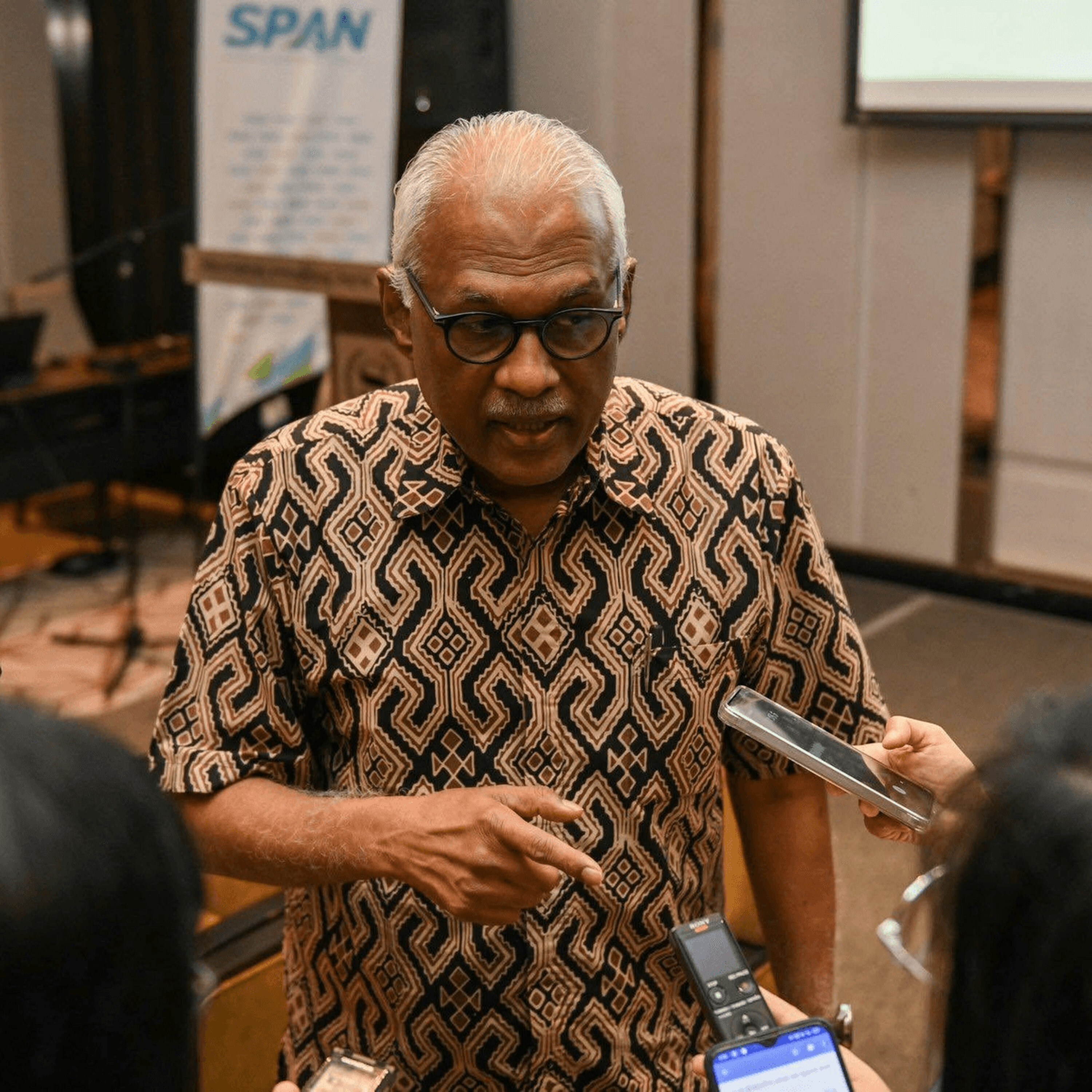 What Do Malaysian Indians Need From Budget 2027? 06.10.2026 43хвBudget 2027 will be tabled in Parliament this Friday. In the lead-up to it, former Klang MP Charles Santiago who also runs the think tank Monitoring Sustainability of Globalization (MSN), has been calling for the government to put household prosperity at the centre of its economic policy with stronger wages, social protection and action on the cost of living. He argues that economic growth means little if it isn’t translating into better incomes and greater security for ordinary Malaysians. Separately, Charles is also calling for systemic reforms, including greater government accountability and a more permanent institutional framework for Indian affairs specifically. We unpack all of this and more with Charles Santiago. Brought to you by Mah Sing. Reinvent Spaces. Enhance Life.Image Credit: Charles Santiago FacebookSee omnystudio.com/listener for privacy information.
 -
 World War III, Climate Crisis, AI: Is the World on the Brink of Collapse? 01.10.2026 48хвWe’re living through a period of enormous uncertainty. Great power tensions are rising, from the US and China to Russia and Europe. The climate is warming, bringing more extreme heat, floods and disruption. And AI is developing at a pace that has left even the people building these systems debating where all of this could ultimately lead.And perhaps what makes all three particularly frightening is that they’re no longer just science fiction. These are real developments happening right now, and they raise very real existential questions on the future of humanity.So, are these genuinely existential threats? How worried should we be? In this conversation, we discuss: Are we sleepwalking into World War Three?Rising tensions between major powers, particularly the US, China and Russia, and the danger that a conflict could escalate through miscalculation or momentum rather than deliberate intent.Is the decline of US hegemony making the world more dangerous?Challenging the idea that a multipolar world automatically means a more balanced world, and that the decline of a dominant power could instead produce renewed great-power rivalry and competition over spheres of influence.Can diplomacy and international institutions prevent catastrophe?The role of the UN, diplomats, and multilateral institutions in navigating global conflicts, alongside the question of whether the existing international order is still capable of containing conflicts as global power shifts.The climate crisis may be the most immediate existential threat.Rising temperatures, extreme weather, and potential cascading crises such as food failures and mass displacement severely impact the Global South, despite having contributed much less to historical emissions.Is AI really the threat — or is it who controls AI?Rather than focusing only on the “AI takes over humanity” scenario, we dissect ownership, capitalism, automation, and inequality. If AI dramatically increases productivity, who actually benefits? Will AI liberate people from work, or simply give more power to those who own the technology?Image Credit: ShutterstockSee omnystudio.com/listener for privacy information.
 -
 How Unpaid Care Work Is Becoming a Foreign Policy Issue 29.09.2026 36хвAcross Asia-Pacific, women continue to shoulder a disproportionate share of unpaid care work. The situation is becoming increasingly challenging as societies age, birth rates decline, and demand for elderly care grows. These pressures are further compounded by migration, the climate crisis, and rising economic insecurity, all of which are reshaping care needs across the region. The economic implications are significant: the UNDP estimates that recognising the value of women’s unpaid care work could add around US$3.8 trillion to the regional economy.Spogmay Ahmed is the Deputy Director of the Feminist Foreign Policy Collaborative, a shared space for feminists working across government, civil society and philanthropy to collectively strategize and advance feminist approaches to foreign policy. Recently, they organised a roundtable on: Sustaining Feminist Foreign Policy Through a Shared Care Agenda… with diplomats and civil society from across the world to discuss how governments can build on growing international momentum around care and translate it into coordinated action through multilateral institutions and processes.In this episode, we speak to Spogmay Ahmed about the link between care and foreign policy.Image Credit: ShutterstockSee omnystudio.com/listener for privacy information.
 -
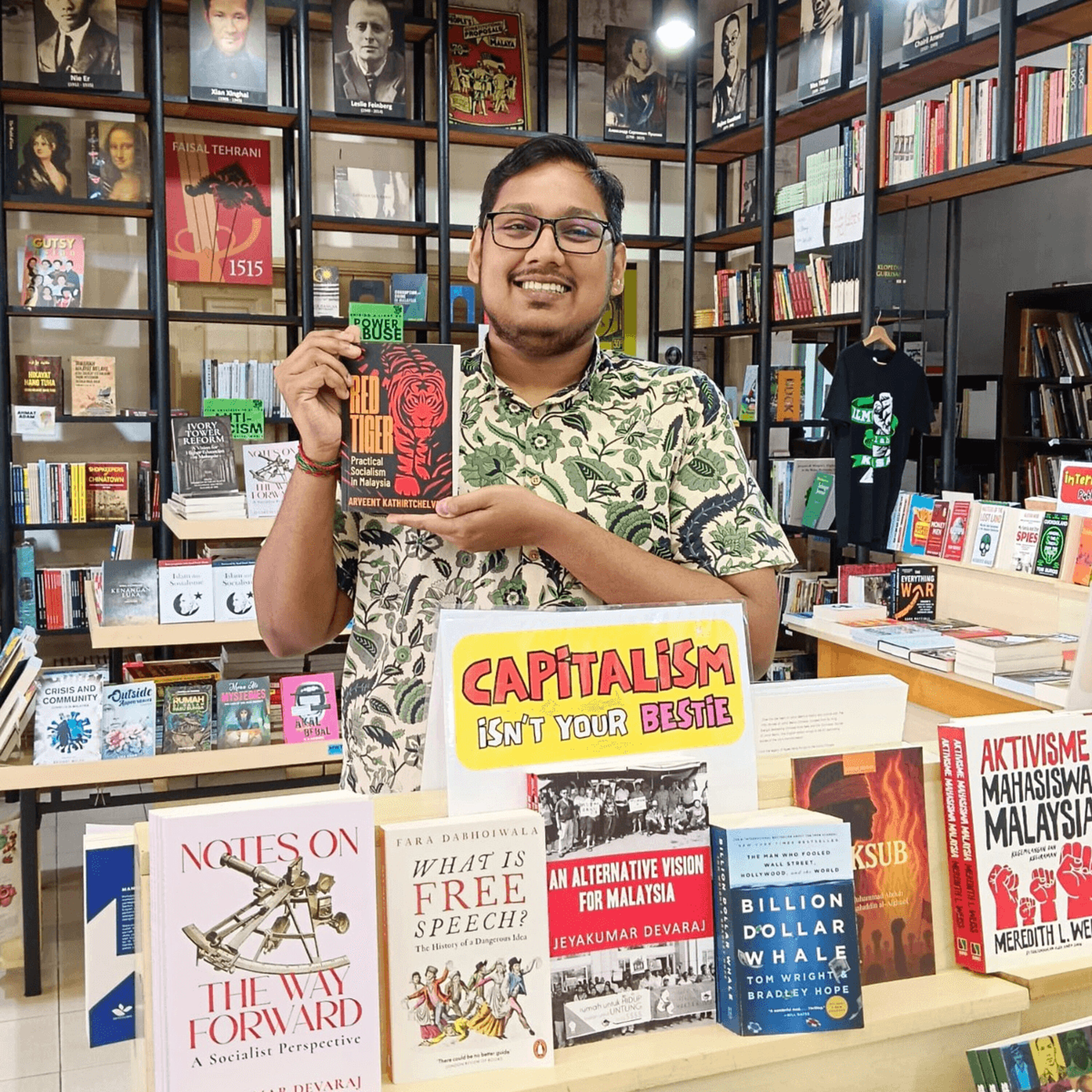 What Would an Alternative Economic System Look Like? 24.09.2026 42хвRed Tiger: Practical Socialism in Malaysia is a new book by Arveent Kathirtchelvan. In it he argues that Malaysia's problems aren't simply the result of bad politicians and that things such as low wages, inequality, and concentrated economic power are connected to the underlying logic of capitalism itself. So the question isn't merely "How do we make the current system work better?" but "What would an alternative economic system look like?"In this episode, we unpack Red Tiger with its author, Arveent.Image Credit: Arveent KathirtchelvanSee omnystudio.com/listener for privacy information.
 -
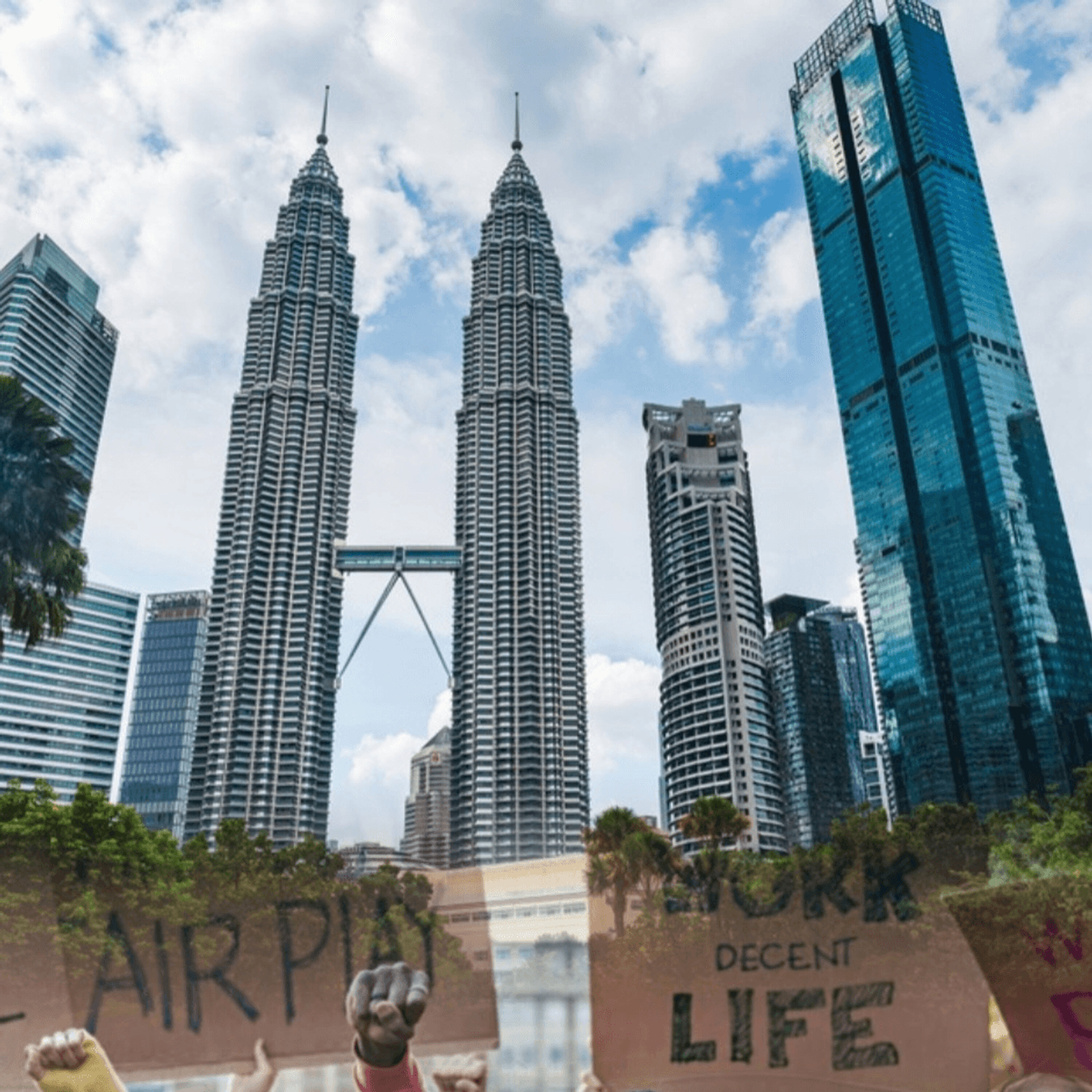 What Would Socialism Look Like in Malaysia? 22.09.2026 47хвMalaysia is a parliamentary democracy and a constitutional monarchy. Like much of the world, it is also a nation-state deeply embedded in the global capitalist economy, shaped by decades of neoliberalism and privatisation. At the same time, Malaysia has universal public healthcare, a large public education system and a significant state-owned sector through government-linked companies. So, what does all of this tell us about the nature of the Malaysian economy? And what does this mean for a left-wing project in Malaysia?In this episode, we speak to Jeremy Lim, who’s an editor at Jentayu and a PHD candidate at University Malaya. We discuss the possibilities and limits of parliamentary reform, the role of the state, and what kind of strategy Malaysia’s left might need to pursue meaningful political and economic change.Image Credit: ShutterstockSee omnystudio.com/listener for privacy information.
 -
 Ones to Watch #12 - Youth, Political Parties and GE-16 17.09.2026 47хвIt's a wrap! The Ones to Watch series has heard the journey and stories of 10 young politicians wanting to make Malaysia a better place. To discuss how youth enter and rise in political parties, we speak with Dashran Yohan of BFM89.9 and Iskandar Fareez, National Vice Chief of DAPSY, who react and reflect to clips from different interviews.Image Credit: ShutterstockSee omnystudio.com/listener for privacy information.
 -
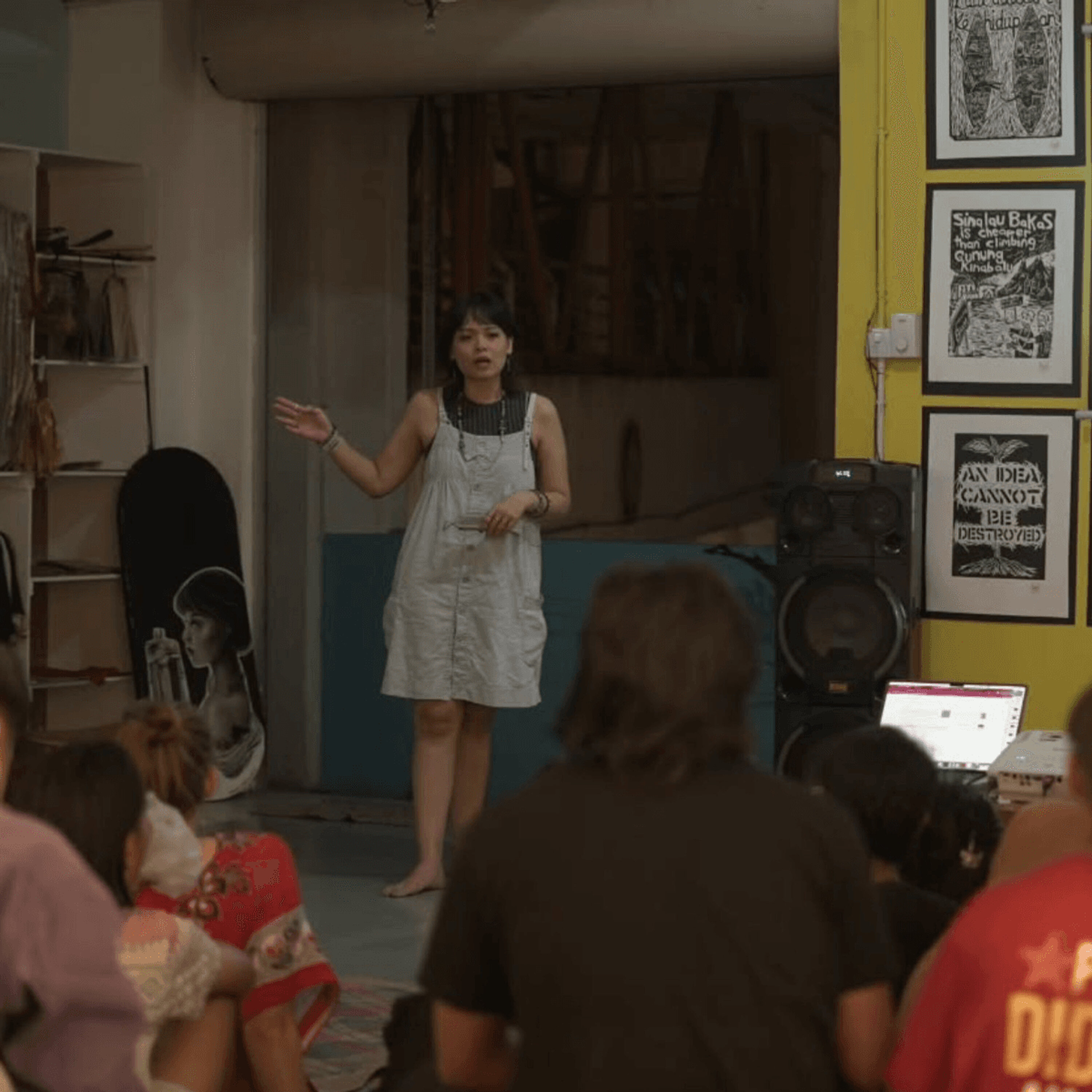 Sabah: A History of Struggle, Identity and Resistance 15.09.2026 37хвNadira Ilana is a Sabahan filmmaker, activist and storyteller. Born and raised in Sabah, she has spent years documenting stories that often sit outside the dominant national narrative, tackling questions of memory, identity and nation-building from the Sabahan perspective. In conjunction with Malaysia Day, we speak to Nadira about Malaysia from a Bornean perspective. We talk about her personal journey as a filmmaker, as well as a bit about Sabah’s long history of struggle and what it means to build a shared Malaysian identity.Image Credit: Nadira Ilana See omnystudio.com/listener for privacy information.
 -
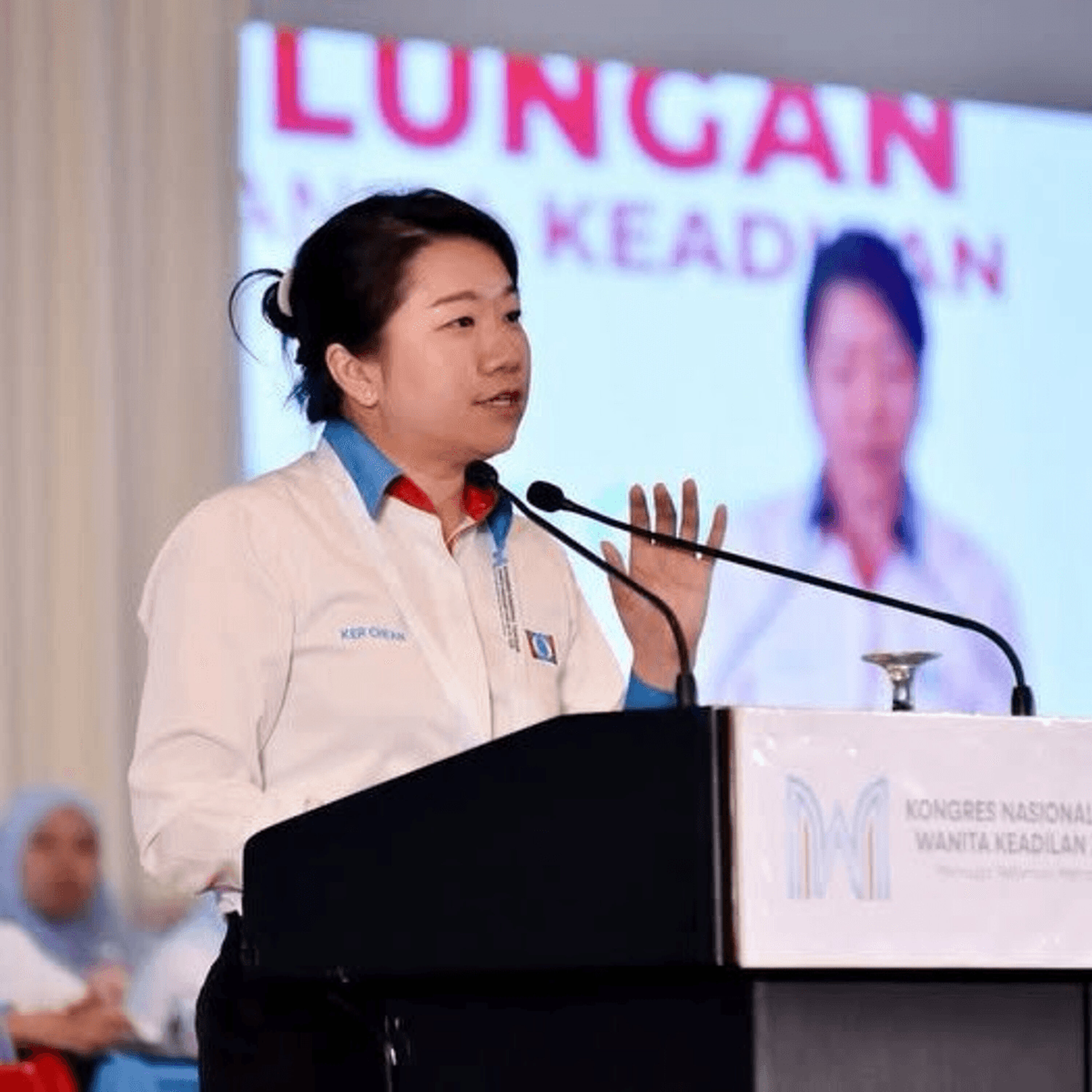 Ones to Watch #11 - How do young politicians learn the ropes? 10.09.2026 37хвEvery minister in Putrajaya has a private secretary, a press officer, and a special officer. Many of these officers go on to become politicians themselves. To examine how young political actors learn the ropes, we speak to Loh Ker Chean, National Vice Chief of Wanita KEADILAN and Special Functions Officer to the Minister of Education. Image Credit: Loh Ker Chean Facebook See omnystudio.com/listener for privacy information.
 -
 ASEAN in a Multipolar World 08.09.2026 41хвThe global order is shifting, with the dominance of the US being challenged by a rising China and a more multipolar world taking shape. For Southeast Asia, these changes bring both opportunities and risks: ASEAN is attracting investment as companies diversify their supply chains, but many countries remain heavily dependent on foreign capital, low wages and competition with their neighbours. So is ASEAN really emerging as a winner of this new global order, or are we simply reproducing the same old model of dependency? And what would it take for the region to build its own productive capacity, strengthen regional integration and move towards a higher-wage, more self-sufficient economy? We unpack all of this with Edward Vrkic, Resident Representative, United Nations Development Programme (UNDP). Image Credit: ShutterstockSee omnystudio.com/listener for privacy information.
 -
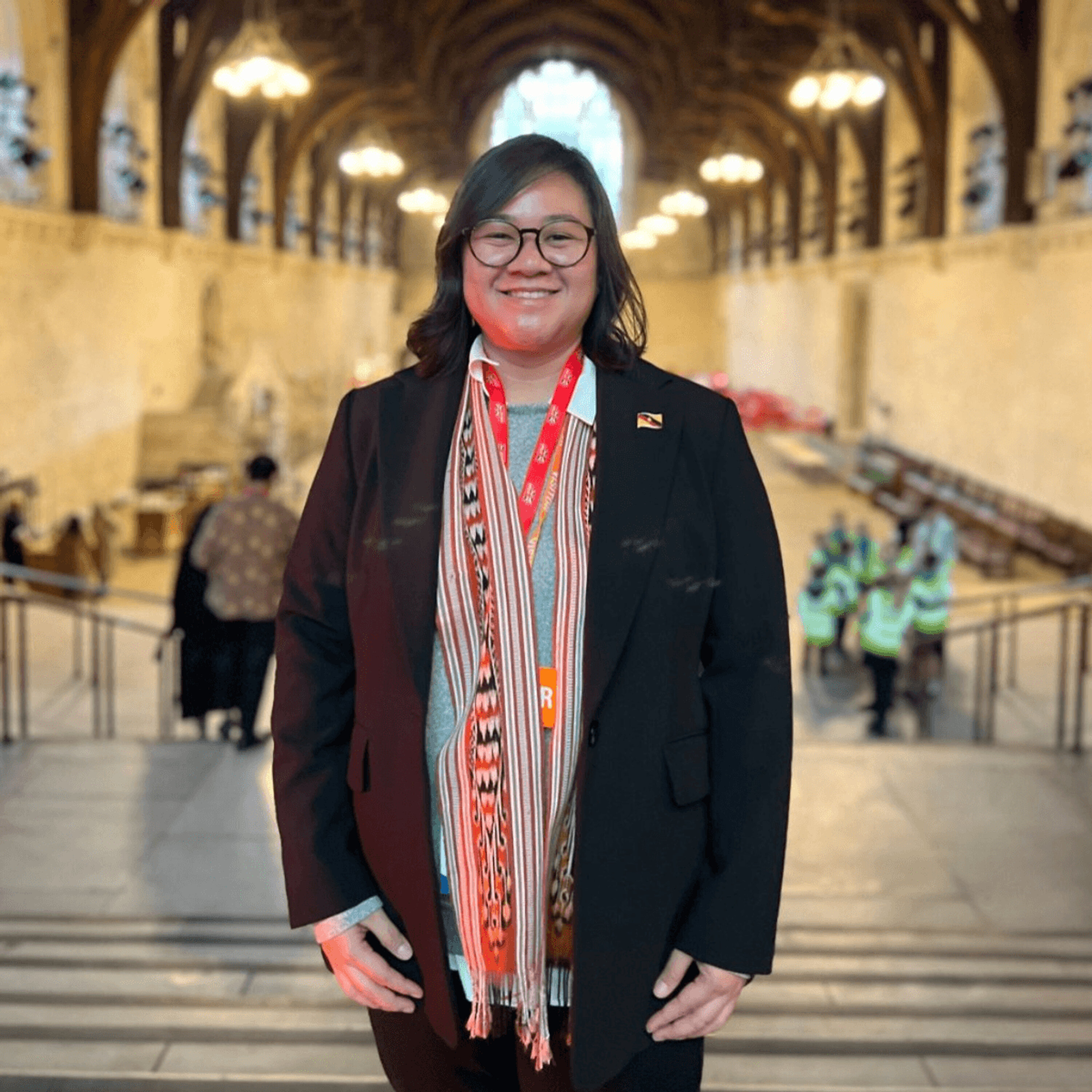 Ones to Watch #10 - Where are youth in Sarawakian politics? 03.09.2026 41хвThe Sarawak State Assembly is predicted to be dissolved this year, paving way for the 13th Sarawak general elections. Amidst the talk of seats and the redelineation of boundaries, where do youth fit in the larger picture of Sarawakian politics? We speak to Deborah Dris, former Press Secretary to the Minister of Women, Family and Community Development, and Committee member of Parti Pesaka Bumiputera Bersatu (PBB), Batu Kitang branch.Image Credit: Deborah DrisSee omnystudio.com/listener for privacy information.
 -
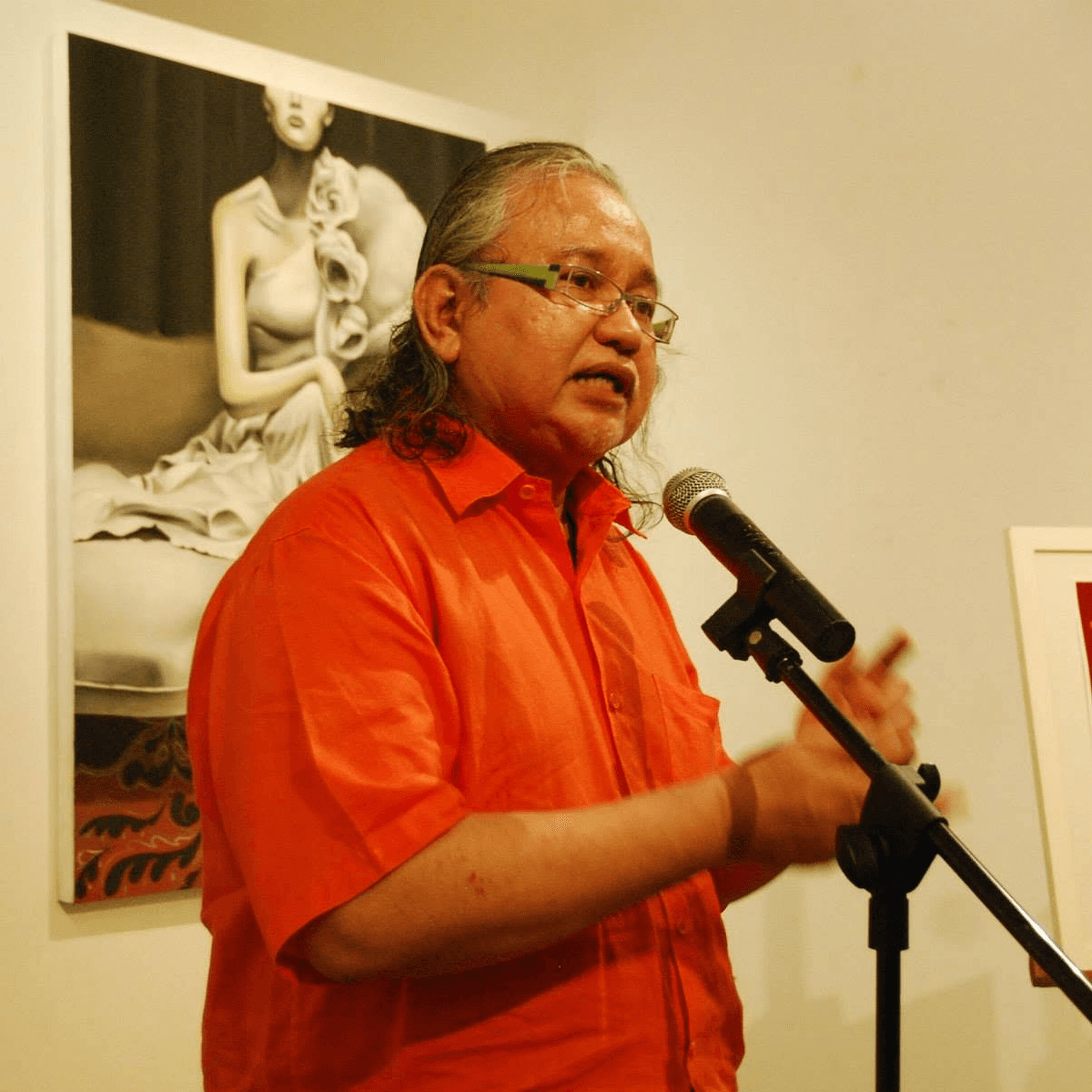 Reading History Through Letters 01.09.2026 31хвSepucuk Surat, Sebuah Episod is a new book by Raja Ahmad Aminullah, a writer, poet and cultural activist. The book documents a particular episode from around 25 years ago through personal letters, petitions and the writer’s own recollections, involving several prominent Malaysians including Anwar Ibrahim. In this episode, we speak to Raja Ahmad about the book and why these letters are worth preserving. Image Credit: R A Fine ArtsSee omnystudio.com/listener for privacy information.
 -
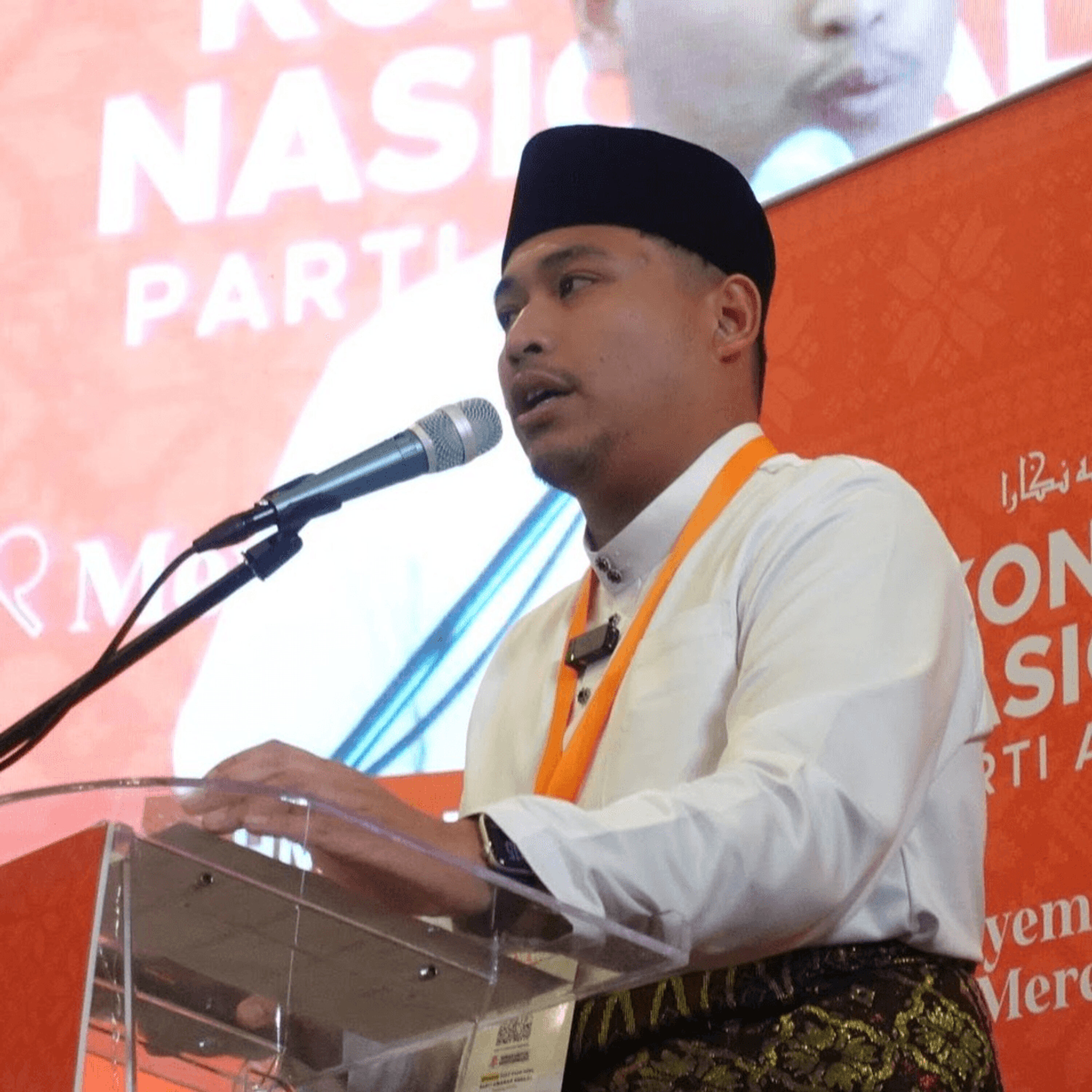 Ones to Watch #9 - Can Muslim youth usher in progressive politics? 27.08.2026 40хвIn an increasingly fragmented political space where identity politics rule, what do progressives need to do in order to win? We speak to Fadhli Umar Aminolhuda of Pemuda Amanah to discuss the GE15 green wave and what progressive Muslims need to do in order to turn the tide.Image Credit: Fadhli Umar Aminolhuda FacebookSee omnystudio.com/listener for privacy information.
 -
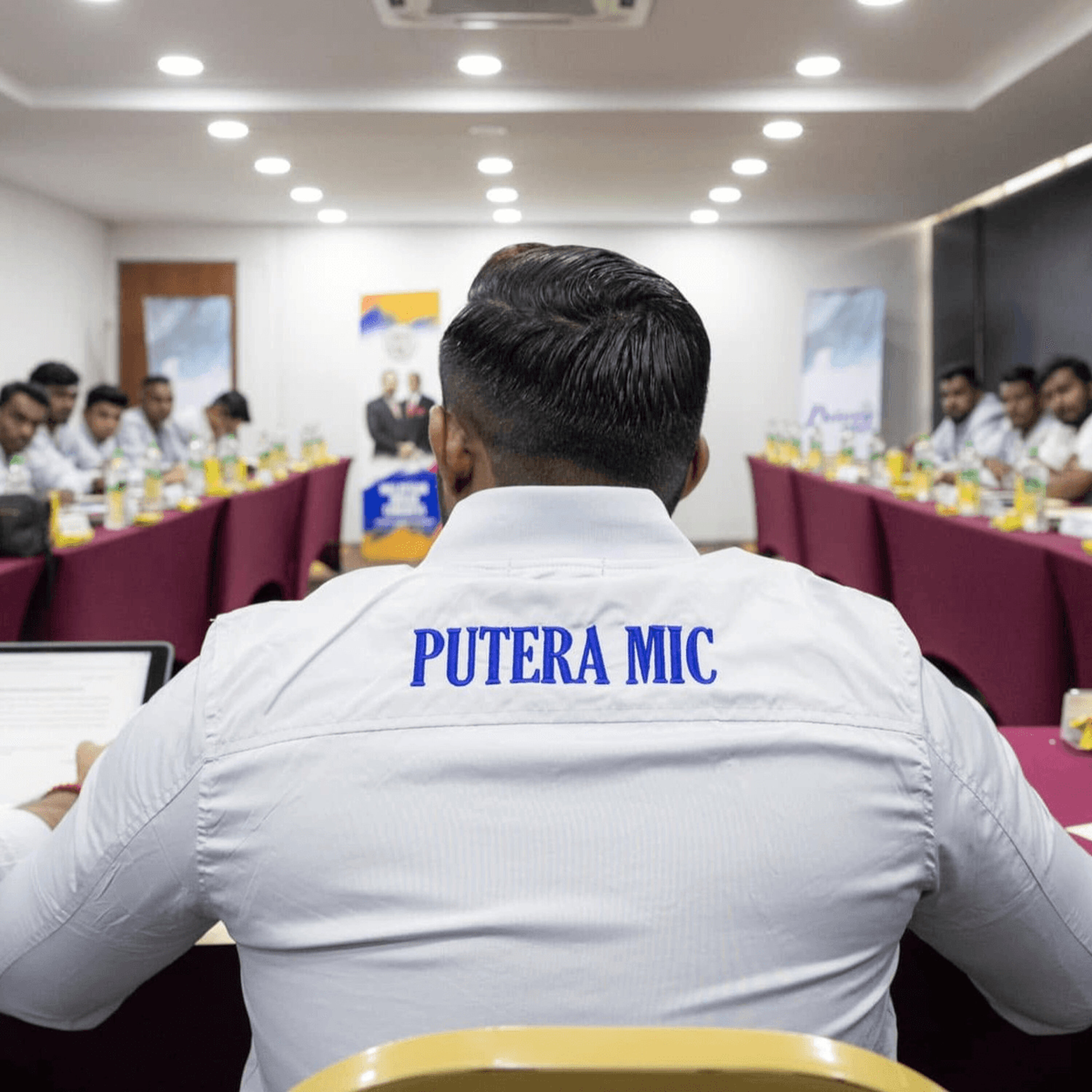 Ones to Watch #8 - Can youth revive a party? 20.08.2026 44хвThe Malaysian Indian Congress won all four seats it contested in the recent Johor elections, with its youngest newly minted ADUN only 29 years old. For a party almost wiped off the electoral map in 2018, can it be revived? We speak to Dr Shatesh Kumar, National Chief of Putera MIC, if youth can play that part.Image Credit: Dr Shatesh Kumar FacebookSee omnystudio.com/listener for privacy information.
 -
 Why We Need to Move Towards a Wellbeing Economy 18.08.2026 41хвSince the end of World War II, but particularly since the end of the cold war, much of the world has used GDP or Gross Domestic Product to measure economic health and progress. However, the past several decades show us that economic growth doesn’t necessarily translate into an economy that delivers for the people. We are, after all, in an era where wealth inequality is at the highest it's ever been, and the middle classes in many countries are no longer aspirational but shrinking and downwardly mobile. In this episode, we speak to Dr Katherine Trebeck, a political economist and writer. She is the Economic Change Director at The Next Economy, and teaches at the University of Edinburgh. She’s a huge advocate of something called The Wellbeing Economy. The idea is to fundamentally rethink how governments and societies define and pursue economic success. Image Credit: ShutterstockSee omnystudio.com/listener for privacy information.
 -
 Ones to Watch #7 - How do youth persevere in politics? 13.08.2026 42хвMost youth who run for elections will lose their first try. Why do some candidates keep trying, while some others exit politics? We speak to Rashifa Aljunied, who placed third as MUDA's candidate in Puteri Wangsa in the recent Johor state elections on her journey and why she's continuing her political ambitions.Image Credit: Rashifa Aljunied FacebookSee omnystudio.com/listener for privacy information.
 -
Could ‘Solidarity’ Be the Antidote to Identity Politics? 11.08.2026 43хвFollowing a series of electoral defeats in Sabah, Johor and most recently Negeri Sembilan, questions are being asked about the future and direction of Pakatan Harapan, including what they’ve been doing wrong and what needs to be done moving forward. In a recent post, Rajiv Rishyakaran, DAP member and ADUN for Bukit Gasing, argued that PH needs to define its core purpose and develop a stronger political narrative to counter the rise of divisive identity politics. We speak to Rajiv about what that means. Image Credit: Rajiv Rishyakaran FacebookSee omnystudio.com/listener for privacy information.
-
Ones to Watch #6 - Can Student Activists become Good Politicians? 06.08.2026 44хвOur student movements have fed our parties for generations, from Prime Minister Anwar Ibrahim of UM and ABIM to Adam Adli, who now sits in Cabinet. But every activist who makes that crossing faces the same question. Do you change politics, or does politics change you? We speak to Zaim Zulkifli, member and campaigner for Parti Bersama who currently sits right at that crossing.Listen to the rest of the episodes of the series here.Image Credit: Zaim Zulkifli FacebookSee omnystudio.com/listener for privacy information.
-
Lessons From Anthony Loke’s Defeat in Chennah 04.08.2026 33хвOne of the big stories coming out of Pakatan Harapan’s defeat in the recent Negeri Sembilan state elections is the loss of DAP’s secretary general, Anthony Loke, in the Chennah seat. He first won the seat in 2013 from Barisan Nasional’s MCA and, after 13 years, lost the seat to MCA again. In light of this defeat, yesterday, in a press conference, Loke announced that he will be stepping down as the Chief of DAP Negeri Sembilan after 22 years. In this episode, we discuss Anthony Loke’s defeat and what that signifies moving forward. Joining me to unpack this is Dr Khoo Ying Hooi, Associate Professor of International Relations and Human Rights, Universiti Malaya (UM). She recently wrote an article for Malay Mail titled Anthony Loke’s first defeat in 22 years and what it tells us.Image Credit: Anthony Loke Siew Fook FacebookSee omnystudio.com/listener for privacy information.
-
Ones to Watch #5 - How Do Youth Rise Within a Party? 30.07.2026 42хвHow does a youth member rise to leadership within a political party? What is the ladder? Who holds it? And how long is the climb? We speak to Azman Azeez, Exco of Pemuda UMNO Malaysia in charge of leadership and membership development, to learn how our oldest party recruits its young talent.Image Credit: UMNO OnlineSee omnystudio.com/listener for privacy information.
Схожі подкасти


![MY FM 我要Test你 - Radio Station [CHI]](https://cdn.radoxo.com/images/podcasts/15448-my-fm-wo-yao-test-ni-radio-station-chi.avif?v=1790680906)

![MELODY 女神经 - Radio Station [CHI]](https://cdn.radoxo.com/images/podcasts/47506-melody-nv-shen-jing-radio-station-chi.avif?v=1791264879)
Популярний у
Цей подкаст також потрапляв у чарти подкастів у цих країнах.
