
A Grateful Life
Dr Lauren Tober
0
Join Clinical Psychologist and Yoga Teacher Dr Lauren Tober for intimate conversations on yoga, mental health, psychology, spirituality and living a good life with some of the world's best teachers and thought leaders. The podcast explores how these practices can support well-being and personal growth. Each episode offers insights and wisdom from experts in their fields, aimed at helping listeners live more meaningful and fulfilling lives.
Епізоди
-
 On Turning Inward, Mental Health and Yoga with Dr Lauren Tober 03.09.2026 17хвThink of the last time you were so absorbed in something that the world fell away. A good book. Hands in the garden. Watching the ocean. For a little while there was no to-do list, no worry, no self-judgement. Just the moment itself. These ordinary moments are doorways into the final four limbs of yoga, where we head inward.This is the last episode in our five part series on Patanjali's eight limbs.Now that we’ve moved through the yamas, the niyamas, asana and pranayama, we now turn fully inward, through pratyahara and on to dharana, dhyana and samadhi.These aren't limbs that we can force or achieve. They're what unfold on their own when the conditions are right.In this episode, we explore:Pratyahara, the turning inward, and why it can't be forced any more than sleep can‘Throwing the mind a bone’, and why a busy mind settles when we give it something simple to rest onWhat a Byron Bay heavy metal band next door taught me about pratyaharaWhy we never instruct our students to close their eyes, and how to offer the choice safelyDharana, dhyana and samadhi as the fruits of practice, rather than practices in themselvesWhy ‘I'm meditating’ really means ‘I'm creating the conditions in which meditation might arise’Why these deep inward states can be destabilising for someHow all eight limbs, in the end, point us home to ourselves and our own inner wisdomDownload the accompanying Patanjali’s Eight Limbs and Mental Health Aware Yoga ebook at https://www.mentalhealthawareyoga.com/8limbsJoin the online Mental Health Aware Yoga training in September at https://www.mentalhealthawareyoga.com/online Join the hybrid Mental Health Aware Yoga training today at https://www.mentalhealthawareyoga.com/hybridThis podcast is for general informational purposes only and is not a substitute for professional advice or training. Please consult a qualified healthcare professional for personalised guidance or come and join one of our programs at the Yoga Psychology Institute for professional training. While we are grateful for our guests and sponsors, any statements, claims or endorsements made are their own, and do not necessarily reflect the views or opinions of the Yoga Psychology Institute.
 -
 On Asana, Pranayama, Mental Health and Yoga with Dr Lauren Tober 01.09.2026 21хвAsk most people what yoga is, and they'll picture the postures. Maybe the breathing. And fair enough, it's what we mostly teach, and what most people think we're doing. But in Patanjali's Yoga Sutras, asana barely gets a mention. So what are the postures and the breath actually for?In this five part series on Patanjali's eight limbs, we've finally reached the two limbs most people think of as yoga - the postures and the breath. But in Mental Health Aware Yoga, these were never about achieving the perfect posture. They're tools for regulating the nervous system, and for coming to know ourselves from the inside.In this episode, we explore:Why asana barely gets a mention in Patanjali's Yoga SutrasSthira sukham asanam, steady and comfortable, and why this is quietly radical in a culture that prizes the hardest version of every practiceWhy how we invite our students to practise matters more than what we teachThe gunas as a practical map for reading the energy in the roomHow the Window of Tolerance and ancient yogic maps line up beautifullyA more useful question than "what's wrong with this person," and how it changes the way we teachThe breath and the mind as a two-way street, and how we can breathe our way toward calmWhy we invite students to slow the exhale rather than force it, and what to do when the breath feels unsafeA simple breath-led movement practice you can take into your very next classDownload the accompanying Patanjali’s Eight Limbs and Mental Health Aware Yoga ebook at https://www.mentalhealthawareyoga.com/8limbs Join the online Mental Health Aware Yoga training in September at https://www.mentalhealthawareyoga.com/online Join the hybrid Mental Health Aware Yoga training today at https://www.mentalhealthawareyoga.com/hybrid This podcast is for general informational purposes only and is not a substitute for professional advice or training. Please consult a qualified healthcare professional for personalised guidance or come and join one of our programs at the Yoga Psychology Institute for professional training. While we are grateful for our guests and sponsors, any statements, claims or endorsements made are their own, and do not necessarily reflect the views or opinions of the Yoga Psychology Institute.
 -
 On the Niyamas, Mental Health and Yoga with Dr Lauren Tober 30.08.2026 26хвIn this third episode on Patanjali's eight limbs of yoga, we’re exploring the niyamas and how they can support mental health in our yoga teaching.While the last two episodes were on the yamas, on how we engage with the world, in this one, we turn inward to the niyamas, on how we relate to ourselves.We look at the five niyamas not as a self-improvement checklist or an impossible ideal to measure ourselves against, but as practical ways of tending our inner world with awareness, clarity and care.In this episode, we explore:Sauca as clarity rather than purity and how it shapes the spaces we teach in and the way we tend to our own inner worldWhy cleanliness and purity can quietly tip over into shame, and the importance of ahimsa Santosha, contentment, and why choosing it is a quietly radical actThe science of gratitude, and how it can help to down-regulate the nervous systemTapas, the inner fire, and why it is never about self-punishmentSvadhyaya, self-study, and the discernment that only you can make about when to push and when to restIsvarapranidhana, surrender, and making this niyama accessible for those for whom the language of God feels difficultHow the niyamas keep our practice and our teaching resourcing rather than depletingDownload the accompanying Patanjali’s Eight Limbs and Mental Health Aware Yoga ebook at https://www.mentalhealthawareyoga.com/8limbs Join the online Mental Health Aware Yoga training in September at https://www.mentalhealthawareyoga.com/online Join the hybrid Mental Health Aware Yoga training today at https://www.mentalhealthawareyoga.com/hybrid This podcast is for general informational purposes only and is not a substitute for professional advice or training. Please consult a qualified healthcare professional for personalised guidance or come and join one of our programs at the Yoga Psychology Institute for professional training. While we are grateful for our guests and sponsors, any statements, claims or endorsements made are their own, and do not necessarily reflect the views or opinions of the Yoga Psychology Institute.
 -
 On the Yamas, Mental Health and Yoga with Dr Lauren Tober 26.08.2026 26хвWelcome to the second episode in a special five-part pop-up series on Patanjali's eight limbs of yoga, exploring what each limb means for us as yoga teachers supporting our students' mental health.In the last episode, we explored ahimsa. In this one, we dive into the other four yamas - satya, asteya, brahmacarya and aparigraha.We look at how these four yamas can guide our yoga teaching, from finding our own yes and our own no, to letting go of the endless comparison that leaves so many of us feeling we're not enough.In this episode, we explore:Satya, truthfulness and why honesty is always held alongside kindnessBeing truthful with ourselves, and the quiet cost of saying yes when we mean noWhy you don't have to have all the answers to be a good teacherAsteya, non-stealing, and moving from comparison and envy toward appreciationCultural appropriation, and the questions asteya invites us to sit with as yoga teachersBrahmacarya as energy management, and being mindful of sexual energy and the power imbalance in the teaching relationshipAparigraha, non-grasping, and letting go of how we think our classes, our students and ourselves should beHow every one of the yamas points us back toward our own inner compassDownload the accompanying Patanjali’s Eight Limbs and Mental Health Aware Yoga ebook at https://www.mentalhealthawareyoga.com/8limbsJoin the online Mental Health Aware Yoga training in September at https://www.mentalhealthawareyoga.com/online Join the hybrid Mental Health Aware Yoga training today at https://www.mentalhealthawareyoga.com/hybrid This podcast is for general informational purposes only and is not a substitute for professional advice or training. Please consult a qualified healthcare professional for personalised guidance or come and join one of our programs at the Yoga Psychology Institute for professional training. While we are grateful for our guests and sponsors, any statements, claims or endorsements made are their own, and do not necessarily reflect the views or opinions of the Yoga Psychology Institute.
 -
 On Ahimsa, Mental Health and Yoga with Dr Lauren Tober 24.08.2026 21хвWelcome to the first episode in a special five part pop-up series on Patanjali's eight limbs of yoga, exploring what each limb means for us as yoga teachers supporting our students' mental health.We're beginning where Patanjali begins, with ahimsa.Ahimsa is the ground everything else is built on, so it felt only right to start here.In this episode we look at what ahimsa asks of us as teachers, what real students told me helped their mental health in class and what harmed it, and how we can create a safe container for the people who walk through our doors.Everyone is welcome to listen to this episode, but for this special series I'm speaking directly to yoga teachers.In this episode, we explore:How Patanjali's Yoga Sutras still speak to our very modern mental health challengesWhy almost 80% of yoga students come to yoga for mental health reasons, and what that means for us as teachersThe yamas as conditions for safety and non-harming, rather than moral rules to live up toAhimsa, non-harming, and why it might be the most important consideration when supporting our students' mental healthWhat real students said helped their mental health in class, and what harmed it, in their own wordsPractical ways to create a safe container, including invitational language, predictability, consent, boundaries and scope of practiceAhimsa toward ourselves, and why the way we treat ourselves is part of what we teachDownload the accompanying Patanjali’s Eight Limbs and Mental Health Aware Yoga ebook at https://www.mentalhealthawareyoga.com/8limbsJoin the online Mental Health Aware Yoga training in September at https://www.mentalhealthawareyoga.com/online Join the hybrid Mental Health Aware Yoga training today at https://www.mentalhealthawareyoga.com/hybrid This podcast is for general informational purposes only and is not a substitute for professional advice or training. Please consult a qualified healthcare professional for personalised guidance or come and join one of our programs at the Yoga Psychology Institute for professional training. While we are grateful for our guests and sponsors, any statements, claims or endorsements made are their own, and do not necessarily reflect the views or opinions of the Yoga Psychology Institute.
 -
 On Interoception and the Wisdom of the Body with Dr Lauren Tober 18.08.2026 28хвYour throat tightens in a conversation, a few seconds before you've worked out why.You feel a flutter of anxiety in your belly before your mind catches on to what’s happening.Your body is always talking to you, sending signals from the inside, all day long.That inward-facing sense has a name, interoception, and in this solo episode of A Grateful Life, I'm stepping out from behind the interview chair to explore it.Instead of introducing you to one of my guests, I'm sharing something we've been exploring inside the programs at the Yoga Psychology Institute recently. What interoception actually is, why so many of us have turned its volume right down, and how we can gently turn it back up.Whether you teach, practise, or are simply curious about the meeting place of yoga and psychology, consider this an invitation to listen inward, and to trust what you find there.In this episode, we explore:The continuum of embodimentThe spectrum of interoceptionWhy inner signals get muted, and why that disconnection is so often protectiveThe link between interoception and emotional literacyLearning to listen to the whispers of the body, rather than waiting until they're screamingSimple, practical ways to strengthen interoception in everyday lifeWhy yoga is such a powerful vehicle for exploring our internal worldHow teachers can gently support interoception in a class, always with safety and choice firstA small interoceptive practice to take awayJoin the hybrid Mental Health Aware Yoga training today at https://www.mentalhealthawareyoga.com/hybrid Join the online Mental Health Aware Yoga training in September at https://www.mentalhealthawareyoga.com/online Listen to the music for nervous system regulation playlist at https://www.yogapsychologyinstitute.com/join/This podcast is for general informational purposes only and is not a substitute for professional advice or training. Please consult a qualified healthcare professional for personalised guidance or come and join one of our programs at the Yoga Psychology Institute for professional training. While we are grateful for our guests and sponsors, any statements, claims or endorsements made are their own, and do not necessarily reflect the views or opinions of the Yoga Psychology Institute.
 -
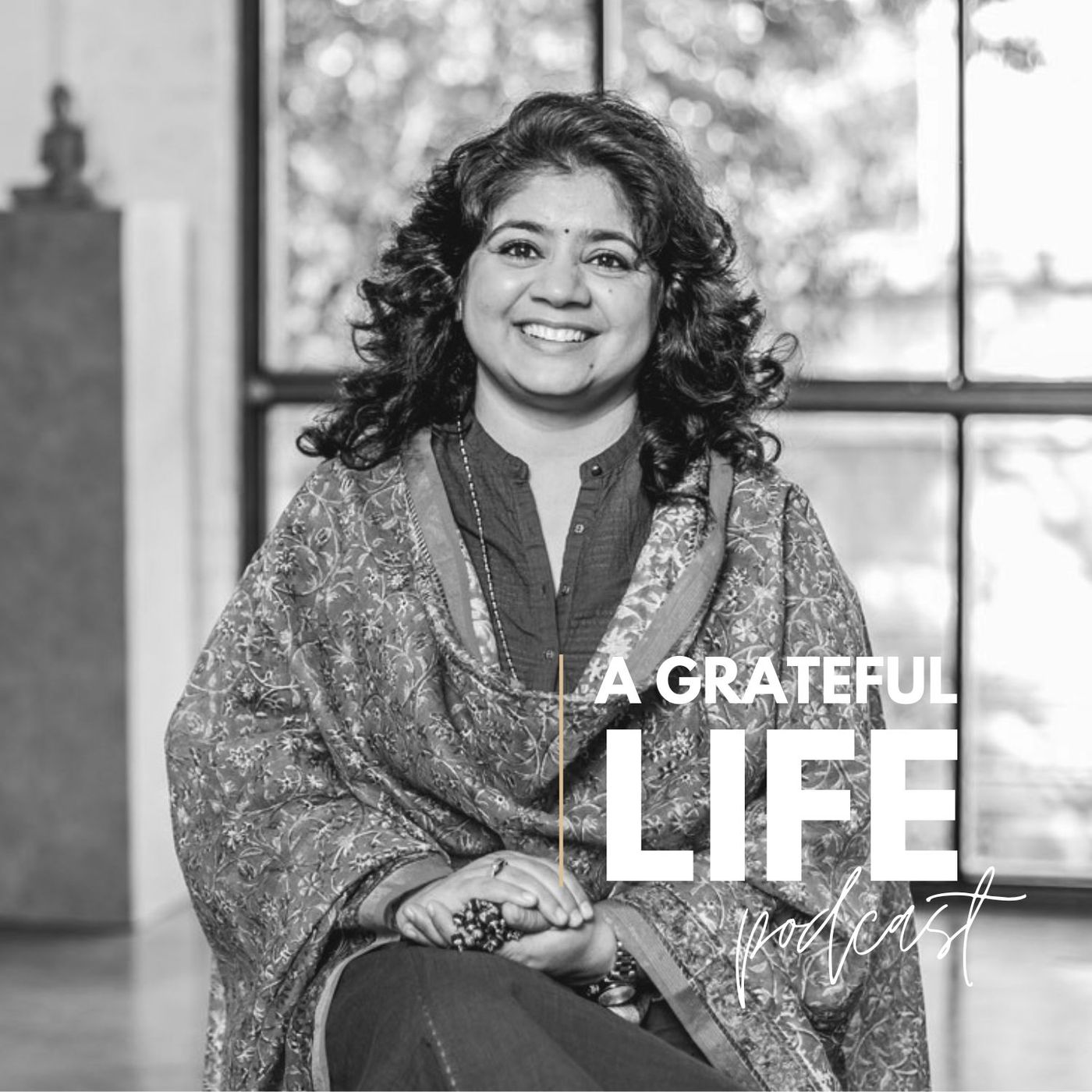 On Yoga as a Work-In, Not a Work-Out with Indu Arora 02.08.2026 1год 5хвSome things are simple by nature and we tend to complicate them.Others are complex by nature and we dilute them.Indu Arora (she/her) is a Yoga and Āyurveda teacher, mentor and author who has been sharing yoga philosophy, yoga therapy and Āyurveda for over two decades, taught in the traditional guru-śiṣya paramparā of the Himalayan, Kashmir Śaivism, Kriyā and Sivananda lineages. I had the joy of studying Yoga Nidrā with her in Melbourne recently, and this conversation is what happened when we sat down together afterwards.Indu teaches that yoga is a work-in, not a work-out, and we spent time unpacking what that really means. Not the shape our body makes, but the journey inward, towards the breath, the mind, the internal organs, the deeper layers of who we are. She spoke about her mission to not complicate that which is simple by nature, and to not dilute that which is complex, and how so much of modern yoga has glamorised the physical while rushing past the philosophy that needs time to unfold.We went deep into Yoga Nidrā, and the way Indu shares it is quite different from how many of us have come to understand it. It is not a technique for better sleep, she says, it is not really about nidrā at all. It is about yoga. She draws on the many texts and traditions that describe it in their own distinct ways, and the invitation to let it be as spacious and layered as it truly is.We also talked about how to choose a teacher wisely, the red flags worth noticing, and the difference between what someone says and who they have actually are.Indu was also generous enough to share a practice with us at the end, so consider yourself warned. There's homework.In this episode, we explore:Gratitude as a daily practice, and how contemplating death can deepen our capacity to liveIndu's journey into yoga from age 16, and the rare opportunity to live and study with her teacherWhat it's like to learn yoga with no syllabus, where the focus is on ethics and morals rather than techniqueWhy ‘getting out of your own way’ is the real, ongoing work of a teacherThe pressure many practitioners feel to ‘know it all’ before they begin, and why comparison keeps us stuckNot complicating that which is simple by nature, and not diluting that which is complexWhy Indu describes yoga as a work-in, not a work-out, drawing on both the Yoga Sūtras and ĀyurvedaWhat Yoga Nidrā actually is, and the many texts and traditions that describe it very differentlyHow to choose a teacher wisely, the red flags to notice, and the difference between what someone says and who they have becomeA closing practice, Ātma Tattva Avalokanam, offered as an invitation for daily practiceConnect with Indu Arora at https://yogsadhna.com/Join the Australian 2026 hybrid Mental Health Aware Yoga training at https://www.mentalhealthawareyoga.com/hybrid Join the online Mental Health Aware Yoga training in September at https://www.mentalhealthawareyoga.com/onlineListen to the music for nervous system regulation playlist at https://www.yogapsychologyinstitute.com/join/This podcast is for general informational purposes only and is not a substitute for professional advice or training. Please consult a qualified healthcare professional for personalised guidance or come and join one of our programs at the Yoga Psychology Institute for professional training. While we are...
 -
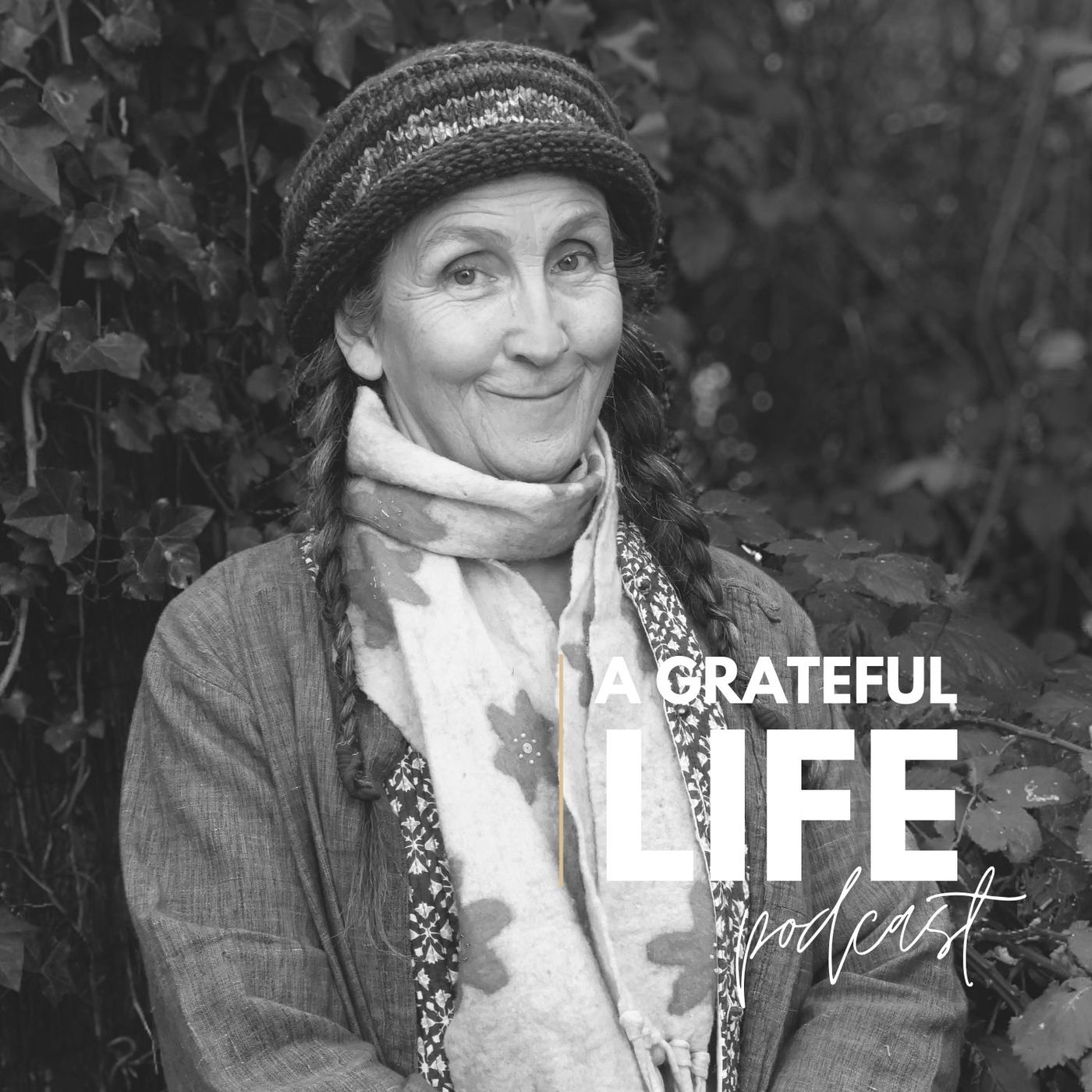 On Abuse, Power and the Guru Myth with Uma Dinsmore-Tuli 19.07.2026 1год 13хвIt starts small. A teacher who tells you rather than asks you. A little too much praise when you fall in line, a little too much silence when you don't. Most of us have felt it and shrugged it off. Uma Dinsmore-Tuli has spent years mapping exactly where those small moments can lead, and what to do before they get there.Uma (she/her) is one of the world's leading voices on cyclical wisdom, yoga nidrā and the rematriation of feminine power, and the author of six books including, Yoni Shakti: A Woman's Guide to Power and Freedom through Yoga and Tantra. In this episode, we unpack thirteen warning signs of abuse in yoga communities. Things like disrespect for other approaches, contingent flattery, secret teachings and the spiritual bypassing of sexual harm.Uma is clear that these aren't only present in the most extreme cases. The same small seeds show up in ordinary classes and trainings too.We also explore Uma’s nine calls to action, practical, doable things any of us can do when we notice harm. I was surprised to hear from Uma that I was the first person to ask her to speak about these nine calls to action. To me, these are so important. This is a difficult listen in places. It's also an important one.In this episode, we explore:Why Uma added a new preface to the second edition of Yoni Shakti, and what it cost herThe thirteen warning signs of abuse in yoga spaces, including disrespect for other approaches, contingent flattery, secret teachings, isolation of dissidents, inner circles, discipline and punishment, unsustainable imbalances, ridicule and silencing, boundary and consent violations, prejudice and hypocrisy, claims of omniscience, abdication of personal responsibility, and spiritual bypassing of sexual harmWhy the need to belong can make people vulnerable to coercive communitiesThe link between institutional abuse patterns and colonisation, hierarchy, and controlWhy testimony is evidence, and what it means to believe survivorsUma's nine calls to action, including withdrawing financial support, asking questions, listening to survivors, refusing to keep secrets, naming names, and working to decolonise yogaHow to hold heart open, eyes open, even in spiritual and community spacesConnect with Dr Uma Dinsmore-Tuli at https://umadinsmoretuli.comJoin the Australian 2026 hybrid Mental Health Aware Yoga training at https://www.mentalhealthawareyoga.com/hybridJoin the online Mental Health Aware Yoga training in September at https://www.mentalhealthawareyoga.com/online Listen to the music for nervous system regulation playlist at https://www.yogapsychologyinstitute.com/join/ This podcast is for general informational purposes only and is not a substitute for professional advice or training. Please consult a qualified healthcare professional for personalised guidance or come and join one of our programs at the Yoga Psychology Institute for professional training. While we are grateful for our guests and sponsors, any statements, claims or endorsements made are their own, and do not necessarily reflect the views or opinions of the Yoga Psychology Institute.
 -
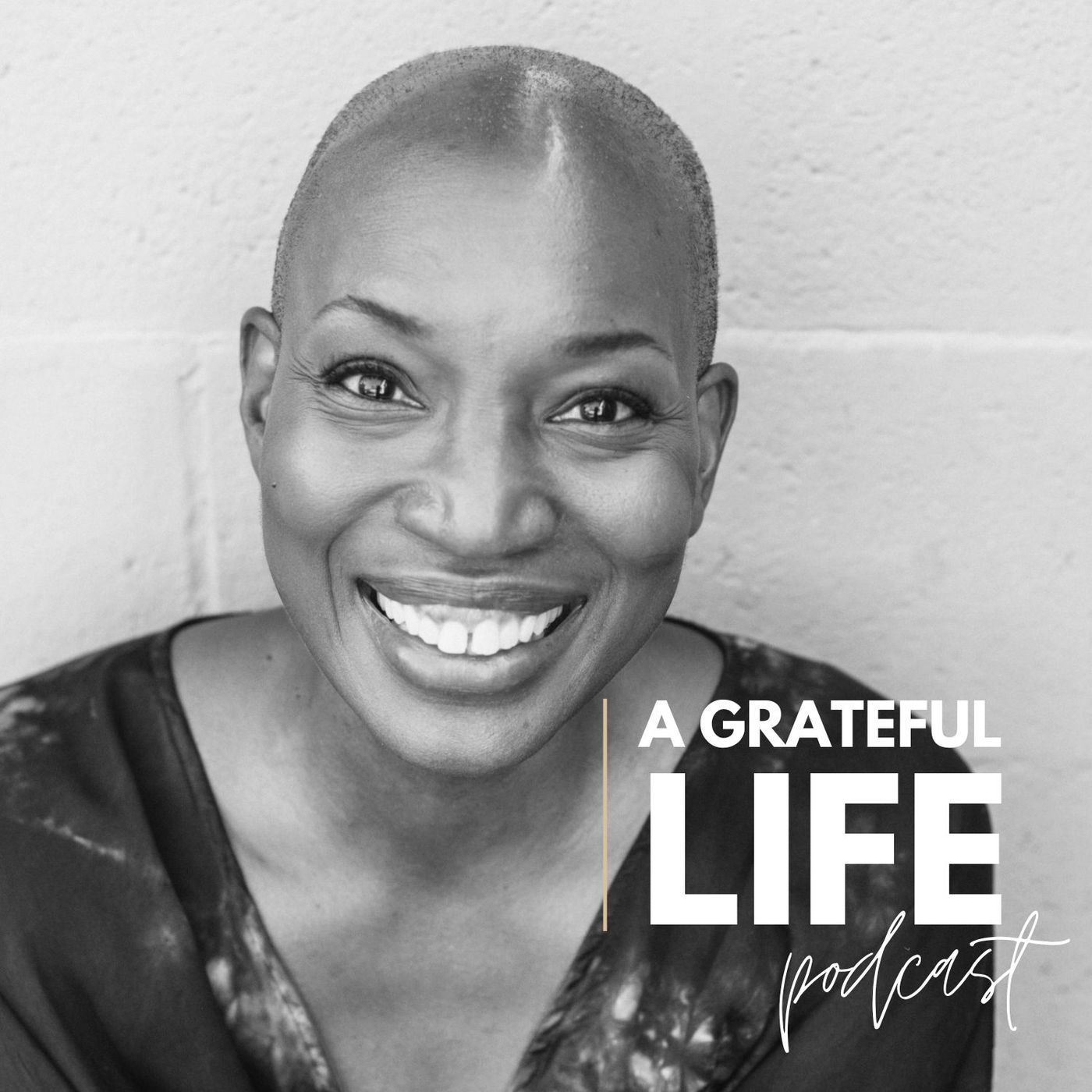 On Living Ritual with Tracee Stanley 07.07.2026 1год 1хвEvery Monday morning, as the sun is coming up, I walk down my friend's garden path to her house for tea ceremony. Gentle music. Incense. Bowls of tea. A handful of women from my little town, sitting together in silence. There is some kind of alchemy there I cannot fully explain. What I walk away with is always more than the sum of its parts.My guest today on the podcast has just written a book exploring rituals just like this.Tracee Stanley (she/her) is the author of the bestselling books Radiant Rest and The Luminous Self, and her new book, Living Ritual: Infuse Each Day with Purpose and Spirit, is out this August. Tracee has been a student of Sri Vidya Tantra and the teachings of the Himalayan Masters for over thirty years, and she is devoted to sharing the wisdom of yoga nidrā, rest, meditation, self-inquiry and ancestor reverence.In this episode, we talk about ritual as something far bigger than incense and candles.We explore:The difference between internal ritual, external ritual, ceremony and rite of passageThe sandhyās, the sacred transitional points of the day in Hindu philosophy, and how to weave micro rituals into a busy, householder lifeA threshold practice for marking what you're leaving behind, what you're present to, and what you're walking towardsTea ceremony as a portal, including the five vāyus (subtle winds) and how different teas can be felt moving differently in the bodyRitual and rite of passage as tools for marking life transitions such as divorce, menopause or grief, and the value of sitting in liminal spaceReclaiming attention from devices, including Tracee's analog cocoon practice and her yearly six-week break from social mediaThe four aims of life (puruṣārthas), artha, kāma, dharma and mokṣa, reframed away from grasping and towards nourishment and supportTracee's own morning ritual, from mantra and chanting through to tea and mind mappingThis conversation left me thinking differently about the small transitions in my own day. I hope it does the same for you.Connect with Tracee Stanley at https://www.traceestanley.com/Join the Australian 2026 hybrid Mental Health Aware Yoga training at https://www.mentalhealthawareyoga.com/hybridJoin the online Mental Health Aware Yoga training in September at https://www.mentalhealthawareyoga.com/online Listen to the music for nervous system regulation playlist at https://www.yogapsychologyinstitute.com/join/This podcast is for general informational purposes only and is not a substitute for professional advice or training. Please consult a qualified healthcare professional for personalised guidance or come and join one of our programs at the Yoga Psychology Institute for professional training. While we are grateful for our guests and sponsors, any statements, claims or endorsements made are their own, and do not necessarily reflect the views or opinions of the Yoga Psychology Institute.
 -
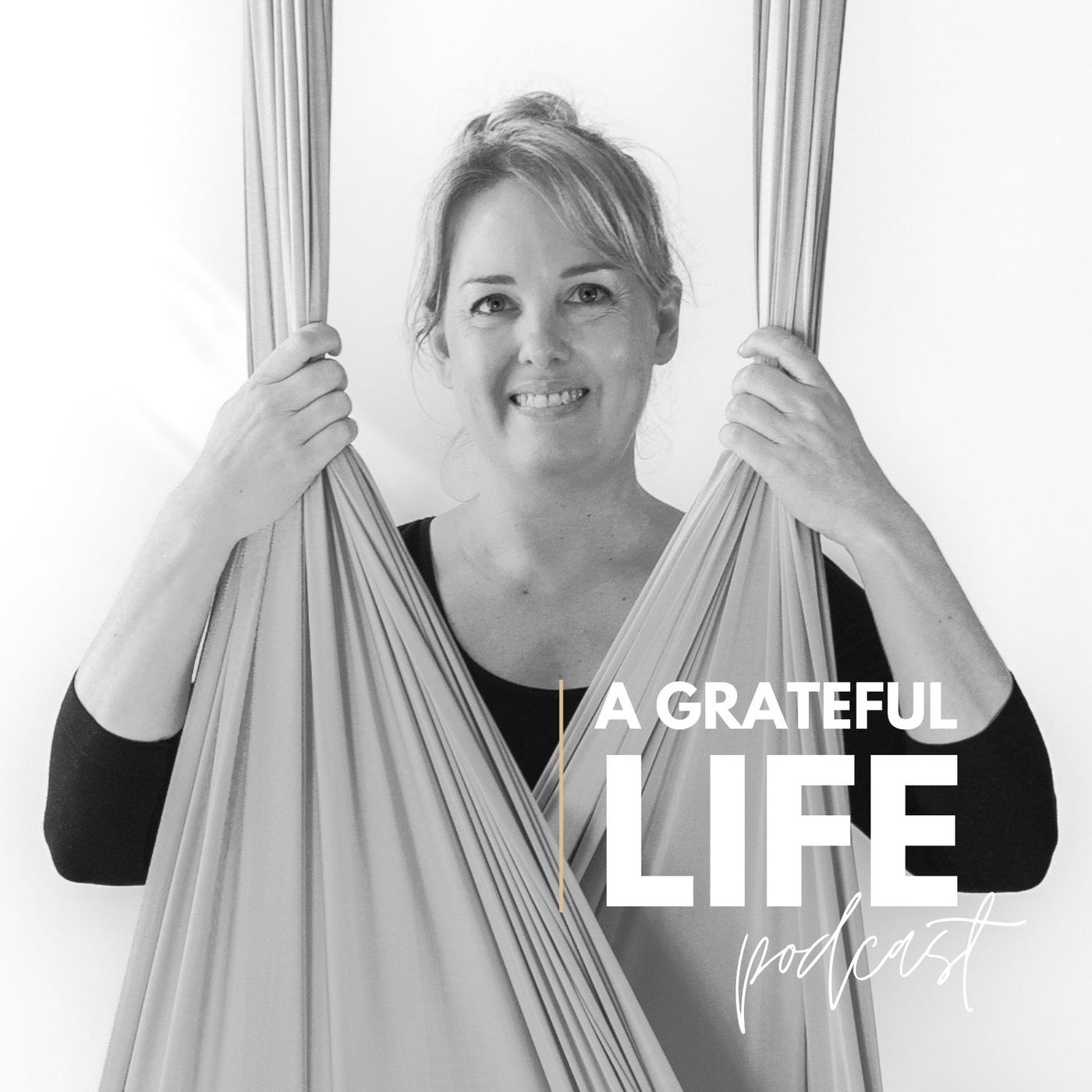 On Aerial Yoga as Therapy with Jo Stewart 21.06.2026 49хвBefore I met Jo, my mental image of aerial yoga was mostly circus-like. Beautiful, yes. Fun, sure. Relevant to the yoga teachers and therapists I work with? I wasn't convinced. Boy, was I wrong.Jo Stewart (she/her) is one of Australia's most experienced aerial yoga teachers. She founded the Garden of Yoga studio in Northcote, Melbourne, co-hosts the Flow Artists Podcast, and has spent years developing a genuinely accessible, therapeutic approach to aerial yoga, one that understands that different brains and bodies need different pathways into regulation, rest and inner awareness. Her first book, Eight Limbs of Aerial Yoga, is published by Singing Dragon and is out now.Aerial yoga, it turns out, is not what I thought it was. The hammock in Jo's practice is a prop, in the same spirit as a bolster or a block. For students who are neurodivergent, living with anxiety or PTSD, or who simply don't find stillness regulating, aerial yoga can open up a whole range of options, like gentle rocking, cocooning, deep pressure, spinning, or closing the world out entirely, while still practising alongside others.We also moved into territory I find myself returning to again and again. How do we reckon with the harm caused by influential yoga teachers while still practising within traditions they shaped? Jo explores this honestly in her book, and we unpack what it means to hold that complexity without erasing it.And then I turned two questions from the Samādhi chapter of her book back on her. How would you act if you were already enlightened? And what stops you?It was, as Jo put it at the end, a little bit like therapy. I'll take that.In this episode, we explore:What aerial yoga actually is, and how the hammock functions as a therapeutic yoga prop rather than a circus apparatus.Why stillness is not the only route to calm, and how the hammock allows for movement-based regulation in a group setting.The particular benefits for neurodivergent students and those with anxiety or PTSD, including options for deep pressure, vestibular stimulation, cocooning and visual control.The historical roots of supported inversions and fabric use in yoga, from the Indian thottil through Krishnamacharya's ropes to the Iyengar rope wall.The difference between circus and yoga, performance versus inner experience, and what aerial practice genuinely shares with both traditions.How to navigate the harm caused by influential but abusive teachers, and why Jo chose to name B.K.S. Iyengar's complexity directly in her book.The importance of teaching students to trust their own intuition over any teacher's authority.What it looks like to act as your highest self now, without waiting for the perfect moment.People-pleasing in helping professions, when is it genuine service, and when is it something else?Connect with Jo Stewart at https://gardenofyoga.com.au/Join the Australian 2026 hybrid Mental Health Aware Yoga training at https://www.mentalhealthawareyoga.com/hybrid Join the online Mental Health Aware Yoga training in September at https://www.mentalhealthawareyoga.com/onlineDownload the music for nervous system regulation playlists at https://www.yogapsychologyinstitute.com/join/This podcast is for general informational purposes only and is not a substitute for professional advice or training. Please consult a qualified healthcare professional for personalised...
 -
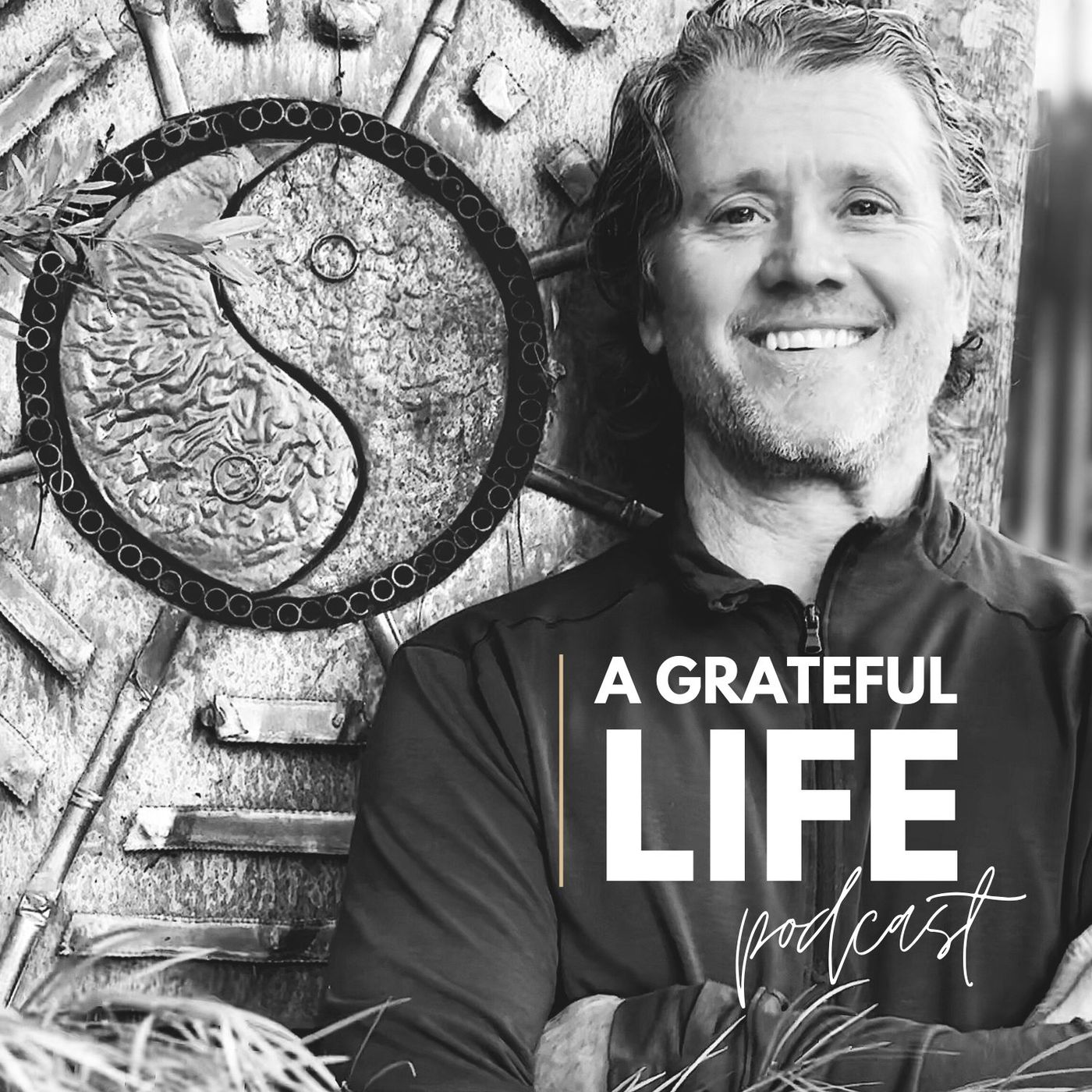 On Sacred Places, Big Leaps and Following Your Bliss with Charley Patton 08.06.2026 1годWhat does it take to leave behind everything you've built, cycle 8,000 miles across the world, with no clear plan for what comes next?I recorded this conversation live at the Bali Spirit Festival, sitting across from Charley Patton, co-founder of the iconic Yoga Barn in Ubud. After 16 years climbing the corporate ladder in America, Charley did something that many of us dream about and few of us actually do, he left. Not impulsively, but with intention, careful planning, and a custom-built touring bicycle.What began as a two-week stop in Bali en route to Cambodia became, slowly and irreversibly, a life. And out of that life grew one of the most beloved yoga spaces in the world.So often we look at a successful and established business, and don’t know about the real people behind the scenes and all the decisions, big and small, that led them there. And I loved hearing about Charley’s journey. We talked about the moment Charley realised his outside life no longer matched his inside life and how yoga cracked something open in him that made staying impossible.We talked about Bali's extraordinary spiritual culture, the 2002 bombings and how the Balinese community responded, the ethics of tourism and how to show up with humility on land that isn't yours. We talked about what it really means to follow your dharma and why that might be one of the most practical and political acts available to us right now.In this episode, we explore:Charley's 16 years in corporate America, and the Sunday dread that finally made staying impossibleHow yoga first helped him survive, and then helped him see he needed to do more than surviveHis solo 8,000-mile bicycle journey through seven countries and the two-week Bali stop that never endedThe founding of the Yoga Barn - from a tiny by-donation space on the third-floor to one of the world's most well-known yoga communitiesBalinese spiritual culture, the significance of ceremony and offerings, and what the 2002 Bali bombings meant on a spiritual level for the Balinese peopleThe ethics of tourism and how to travel with consciousness, humility and an open heartThe question of congruence - are you living from the inside out, or wearing a mask every day?Joseph Campbell's hero's journey as a map for those standing at a crossroadsThe concentric circles of right relationship - with self, partner, family, community and the worldConnect with Charley Patton at https://theyogabarn.com/Find out more about the Bali Spirit Festival at https://www.balispiritfestival.com/Join the Australian 2026 hybrid Mental Health Aware Yoga training at https://www.mentalhealthawareyoga.com/hybridJoin the online Mental Health Aware Yoga training in September at https://www.mentalhealthawareyoga.com/onlineThis podcast is for general informational purposes only and is not a substitute for professional advice or training. Please consult a qualified healthcare professional for personalised guidance or come and join one of our programs at the Yoga Psychology Institute for professional training. While we are grateful for our guests and sponsors, any statements, claims or endorsements made are their own, and do not necessarily reflect the views or opinions of the Yoga Psychology Institute.
 -
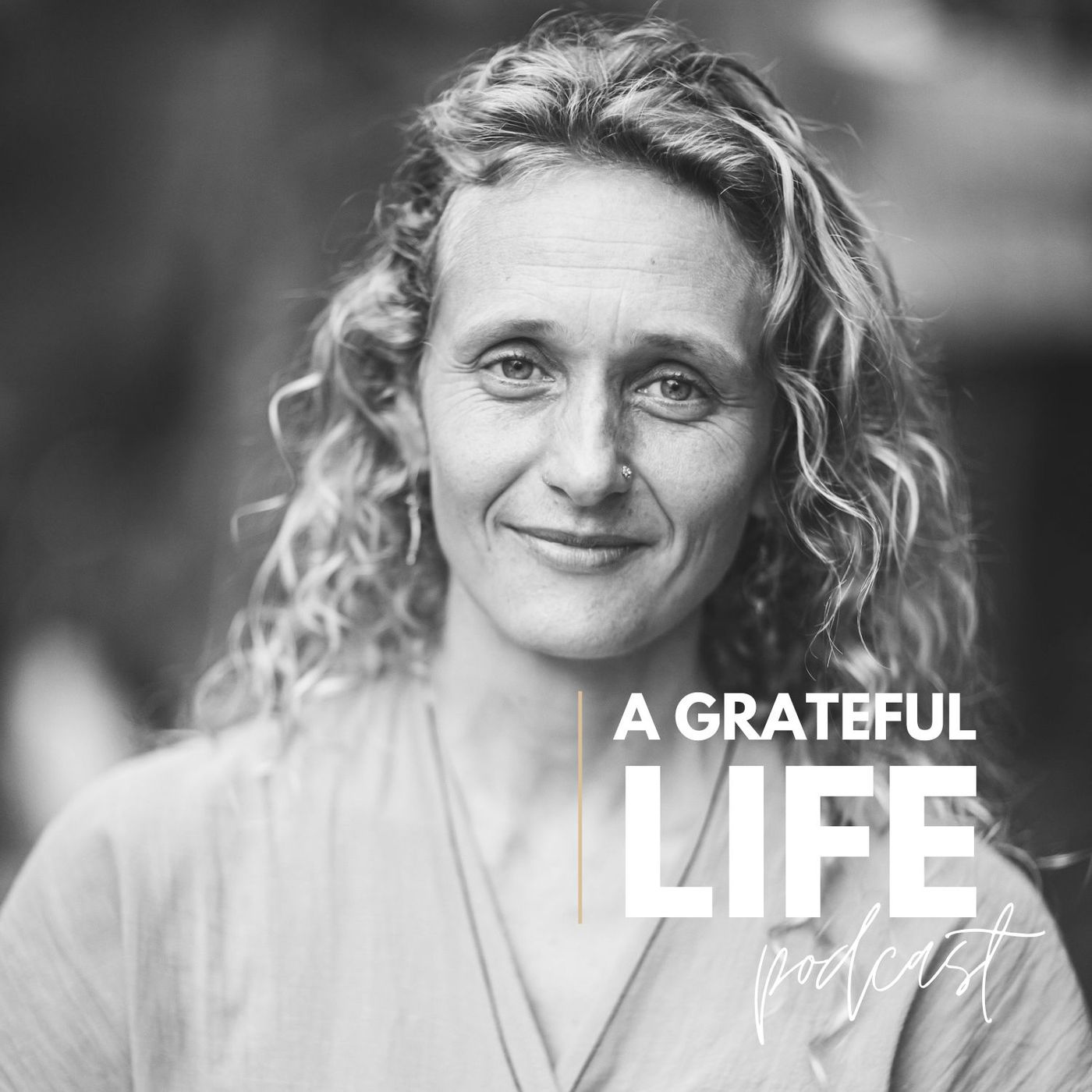 On Losing a Parent and Choosing Life with Bex Tyrer 18.05.2026 1годWhat does it look like to say yes to life in the very week your father has died?I recorded this conversation with Bex Tyrer (she/her) at the Bali Spirit Festival in Ubud, exactly one week after her father passed away at the age of 98. I wasn't sure we were going to do it. We'd been planning this interview for a while, but when I heard about her dad, I thought we'd postpone.It wasn't until the morning of the recording that Bex said yes, and what unfolded was an incredibly intimate and honest conversation.Bex is a yoga teacher and facilitator at the Yoga Barn in Ubud, where she's been a resident teacher since 2008. She holds an MPhil from Oxford University, has taught yoga in Bali's largest prison, in refugee camps in Palestine and in women's refuges in Kathmandu, and brings a rare combination of intellectual depth and embodied wisdom to everything she does.In this episode, we talked about what it's like to grieve a parent you've been saying goodbye to for a decade. About compartmentalisation, and the patterns we carry from childhood loss. About sitting beside someone you love as they slowly leave, and how music and eye contact can reach through when words can't.Bex shared the story of her father's extraordinary life, from working-class Scotland to the Australian outback to a care home nearly a century later, and the inheritance he left her that had nothing to do with material wealth.We also talked about death itself. The myth of Eos and the grasshopper. Reincarnation, synchronicity and signs. And how we can hold the closeness of death in order to allow for more life.This is a tender one. In this episode, we explore:Bex's father and his remarkable life, from 1920s Scotland to Australia as a £10 pom Losing a parent at age 11, and the patterns of compartmentalisation that followedNot being greedy with your grief and what it means to share grief as an offering rather than keeping it privateThe myth of Eos and the grasshopperWhat yoga, mindfulness and embodiment practices offered Bex through the grieving processWhat might happen after we dieThe parallels between the end of life and the beginningThe "dance of life" exerciseChoosing life in the face of loss, the inhale as a yes to life and the exhale as giving life backConnect with Bex at https://www.instagram.com/bextyreryoga/Find out more about the Bali Spirit Festival at https://www.balispiritfestival.com/ Join the Yoga Psychology Mentorship starting 28th May 2026 at https://www.yogapsychologymentorship.comJoin the Australian 2026 hybrid Mental Health Aware Yoga training at https://www.mentalhealthawareyoga.com/hybrid Join the online Mental Health Aware Yoga training in September at https://www.mentalhealthawareyoga.com/onlineThis podcast is for general informational purposes only and is not a substitute for professional advice or training. Please consult a qualified healthcare professional for personalised guidance, or come and join one of our programs at the Yoga Psychology Institute for professional training. While we are grateful for our guests and sponsors, any statements, claims or endorsements made are their own, and do not necessarily reflect the views or opinions of the Yoga Psychology Institute.
 -
 On Motherhood and Menopause on the Road with Janet Stone 27.04.2026 39хвI met Janet Stone at the Bali Spirit Festival in Ubud last week, where we sat down together between workshops to have this conversation.Janet is an internationally recognised yoga teacher who has spent decades travelling the world with her two daughters, teaching and practising and building a life that looks nothing like the conventional path.What I didn't expect was how openly Janet would speak about her experience of perimenopause, and specifically what happened when the practices that had sustained her for years simply stopped working.As someone in the yoga and wellness world, she had all the tools - meditation, prāṇāyāma, sādhana, supplements, tinctures, all of it. And none of it was enough.What followed was years of not understanding what was happening in her own body, until an OB-GYN who'd been practising in her classes quietly said, "Why don't you come see me in my office?"And everything changed from there.This is a conversation about what happens when the spiritual toolkit isn't enough, and the courage it takes to say so.In this episode, we explore:What it's like to raise children on the road as a globally travelling yoga teacherThe profound free fall of the empty nestThe intersection of menopause and spiritual practice, and why ‘just meditate more’ isn't always the answerJanet's honest experience with HRT and why she believes we need to move beyond the pro and anti campsYoga nidrā as digestion, not just of food, but of undigested emotional experience, trauma and griefHer new book, Stories of Our Lives, and using mythology to see beyond our own inner narrativeConnect with Janet Stone at https://www.janetstoneyoga.comFind out more about the Bali Spirit Festival at https://www.balispiritfestival.com/ Join the free 10-day Yoga-informed Therapist Interview series at https://www.yogainformedtherapist.comAccess my nervous system regulation playlist at https://www.yogapsychologyinstitute.com/joinThis podcast is for general informational purposes only and is not a substitute for professional advice or training. Please consult a qualified healthcare professional for personalised guidance or come and join one of our programs at the Yoga Psychology Institute for professional training. While we are grateful for our guests and sponsors, any statements, claims or endorsements made are their own, and do not necessarily reflect the views or opinions of the Yoga Psychology Institute.
 -
 On the Wisdom of Psychosis with Anneke Sips 14.04.2026 1годWhat if psychosis isn't the opposite of sanity, but part of a spectrum of human experience we all share?Anneke Sips and I were supposed to record this episode together in India. But when her Emirates flight was cancelled, our plans unravelled, the internet failed us twice, and we finally ended up recording from opposite sides of the world, me in Bali, Anneke in the Netherlands, hoping the connection would hold. It did. And what followed was one of the most honest and expansive conversations I've had on this podcast.Anneke is a psychiatric nurse, yoga therapist, and author of a brand new book, The Wisdom of Psychosis, seven years in the making and just now landing in the world. In it, she bridges Western psychiatry and yogic philosophy to offer a completely different way of understanding psychotic experiences, not as something broken, but as something deeply human.In our discussion, you’ll hear Anneke go out on a limb and be critical of both the psychiatric system she was trained in and the spiritual communities she belongs to. She shares her own psychotic-like experiences with remarkable vulnerability, and what she says about the relationship between connection and healing will stay with you.In this episode, we explore:A spectrum of experience from ordinary to extraordinary - normal altered states, everyday psychotic-like experiences, spiritual emergence, spiritual emergency, trauma-induced altered states, psychotic episodes and mystical experiencesWhy trying to convince someone their beliefs aren't real destroys the therapeutic relationship, and what to do insteadAnneke's own extraordinary experiences, shared with disarming honestyThe difference between informed consent and engineered consent in psychiatric careWhere medication fits, and why ‘you'll need this forever’ deserves questioningIf you stay to the end, you'll hear Anneke's message to anyone who has experienced psychosis, and her words about resonance as both gift and challenge are quietly powerful.Anneke Sips is a community psychiatric nurse, trauma therapist and yoga therapist based in the Netherlands. With over 25 years of experience in psychiatry, she specialises in childhood and religious trauma and in supporting people through extraordinary and spiritually profound experiences. Anneke founded Network Yoga Therapy in 2010, organised The Yoga Therapy Conference in 2015, and is a founding member of the Global Consortium of Yoga Therapy. Her new book, The Wisdom of Psychosis, is available now.Connect with Anneke at https://www.annekesips.comJoin the free 10-day Yoga-informed Therapist Interview series at https://www.yogainformedtherapist.comAccess my nervous system regulation playlist at https://www.yogapsychologyinstitute.com/joinThis podcast is for general informational purposes only and is not a substitute for professional advice or training. Please consult a qualified healthcare professional for personalised guidance or come and join one of our programs at the Yoga Psychology Institute for professional training. While we are grateful for our guests and sponsors, any statements, claims or endorsements made are their own, and do not necessarily reflect the views or opinions of the Yoga Psychology Institute.
 -
 Dr Sreejit - On Panchakarma in India 24.03.2026 57хвWhat does it really mean to go to India for Panchakarma?Before I came to Kerala, I had a vague sense that it would be nourishing, restorative… maybe even a little luxurious.And while there were moments of deep care and tenderness, what I’ve experienced here is something quite different.More disciplined.More confronting.And, in many ways, more transformative.In this episode of A Grateful Life, I’m joined by Dr Sreejit, Chief Physician at Athreya Ayurvedic Centre in Kerala, where I’ve been immersed in Panchakarma for two weeks.Together, we explore what Ayurveda actually is beyond the Western wellness lens, what Panchakarma really involves (and why it’s not a spa experience), and how this ancient system understands healing across body, mind, and what we might call soul.Dr Sreejit brings over two decades of clinical experience, grounded in a lineage-based Ayurvedic tradition, alongside a refreshingly honest and pragmatic perspective on both the power and the limits of any healing system.In this conversation, we explore:✨ What Ayurveda is, beyond doshas and food lists ✨ The difference between curing disease and cultivating health✨ Why Panchakarma is not designed to be relaxing✨ What’s actually happening during detoxification and why it can feel intense✨ The role of digestion in physical and mental health✨ How Ayurveda understands anxiety, depression, and psychological suffering✨ The importance of preparation, expectation, and commitment in healing ✨ Who Panchakarma is for and when it may not be appropriate✨ How trauma can surface during body-based treatments, and how it’s supported✨ Integrating Ayurveda with Western medicine, especially in complex conditions like cancer✨ Simple ways to bring Ayurvedic principles into everyday life✨ Why sleep may be one of the most important foundations of healthIf you’re curious about Panchakarma in India, this episode will give you a grounded, honest insight into what it is and what it isn’t.Connect with Dr Sreejit at https://www.theathreya.com/Join the free 10-day Yoga-informed Therapist Interview series at https://www.yogainformedtherapist.comAccess my nervous system regulation playlist at https://www.yogapsychologyinstitute.com/joinThis podcast is for general informational purposes only and is not a substitute for professional advice or training. Please consult a qualified healthcare professional for personalised guidance or come and join one of our programs at the Yoga Psychology Institute for professional training. While we are grateful for our guests and sponsors, any statements, claims or endorsements made are their own, and do not necessarily reflect the views or opinions of the Yoga Psychology Institute.
 -
 Amy Landry - On the Ocean of Yoga 10.03.2026 52хвMost of us come to yoga through the body.But at some point, many practitioners begin to sense that yoga is much deeper than the postures.In this episode of A Grateful Life, I’m joined by yoga teacher and author Amy Landry to explore the philosophical and spiritual teachings that sit beneath modern yoga practice.Amy’s new book, The Ocean of Yoga, offers a thoughtful guide for anyone who feels curious about the deeper layers of yoga. In our conversation, we explore yoga as more than a set of techniques. Amy describes āsana as a doorway into the temple of yoga. A place many of us begin, but not where the journey ends.We also explore two powerful yogic frameworks that can help guide our lives: the four aims of life (dharma, artha, kāma and mokṣa) and the four stages of life (brahmacarya, gṛhastha, vānaprastha, sannyāsa).If you’ve ever wondered what yoga is really pointing toward, this conversation offers a beautiful place to begin.In this episode, we explore:What yoga really means beyond the posturesWhy āsana can be understood as the doorway to deeper practiceThe role of sādhana, or committed spiritual practiceThe four aims of life and how they guide a meaningful lifeThe four stages of life and the householder pathWhat it really means to be a yoga teacherConnect with Amy Landry at https://amyelandry.com/oceanofyoga/Get Amy’s free pre-order bonus companion guide at https://amyelandry.com/oceanofyoga-preorder/Join the free 10-day Yoga-informed Therapist Interview series at https://www.yogainformedtherapist.comAccess my nervous system regulation playlist at https://www.yogapsychologyinstitute.com/joinThis podcast is for general informational purposes only and is not a substitute for professional advice or training. Please consult a qualified healthcare professional for personalised guidance or come and join one of our programs at the Yoga Psychology Institute for professional training. While we are grateful for our guests and sponsors, any statements, claims or endorsements made are their own, and do not necessarily reflect the views or opinions of the Yoga Psychology Institute.
 -
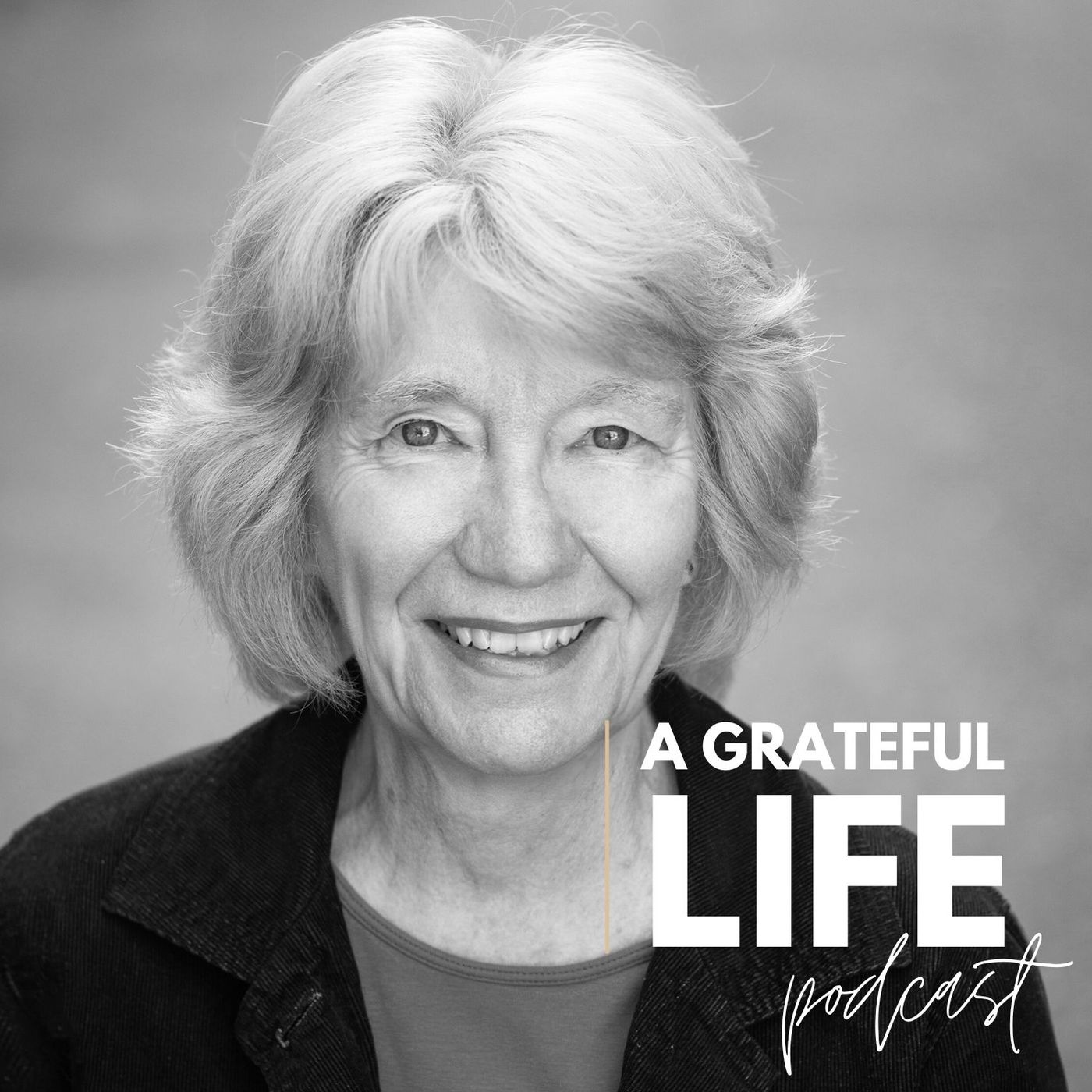 Elaine Aron - On the Enlightened Highly Sensitive Person 25.02.2026 1год 15хвToday’s episode is truly a podcasting highlight for me.I’m joined by Dr Elaine Aron, clinical and research psychologist and internationally bestselling author of The Highly Sensitive Person, a groundbreaking book that has been in print for nearly thirty years. Her work has shaped the way millions of people understand themselves, and it deeply shaped me too, both personally and professionally.In the first half of our conversation, we explore what it really means to be a highly sensitive person. We talk about temperament, overstimulation, depth of processing and the gifts and challenges that come with high sensitivity. Elaine shares how the research unfolded, what has surprised her over the decades and why sensitivity is not a disorder but a trait with evolutionary value.In the second half, we move into territory I didn’t initially expect. Elaine has recently written a new book, Spirituality Through a Highly Sensitive Lens, and our conversation takes a beautiful turn into spirituality, meditation and enlightenment.We explore themes that will feel very familiar to many of you who live at the intersection of yoga and psychology:Cleaning up, growing up and waking upYogic philosophy and psychological maturationThe difference between emotional healing and spiritual awakeningAnd Elaine’s own personal experiences of enlightenmentIf you stay right to the end, you’ll hear her speak vulnerably about her own awakening process, which is both profound and refreshingly human.As someone who has been a psychologist and yoga teacher for over twenty years, I found this conversation incredibly rich. Elaine brings scientific rigour, lived experience and spiritual curiosity together in a way that feels deeply integrated.In this episode, we explore:What defines a highly sensitive personThe science behind sensory processing sensitivityWhy sensitivity is often misunderstoodHow highly sensitive people experience meditation and spiritual practiceThe relationship between psychological development and enlightenmentThe process of cleaning up, growing up and waking upThe risks of bypassing emotional work in the name of spiritualityElaine’s reflections on her own spiritual experiencesConnect with Elaine Aron at https://www.hsperson.comJoin the free 10-day Yoga-informed Therapist Interview series at https://www.yogainformedtherapist.comAccess my nervous system regulation playlist at https://www.yogapsychologyinstitute.com/joinThis podcast is for general informational purposes only and is not a substitute for professional advice or training. Please consult a qualified healthcare professional for personalised guidance or come and join one of our programs at the Yoga Psychology Institute for professional training. While we are grateful for our guests and sponsors, any statements, claims or endorsements made are their own, and do not necessarily reflect the views or opinions of the Yoga Psychology Institute.
 -
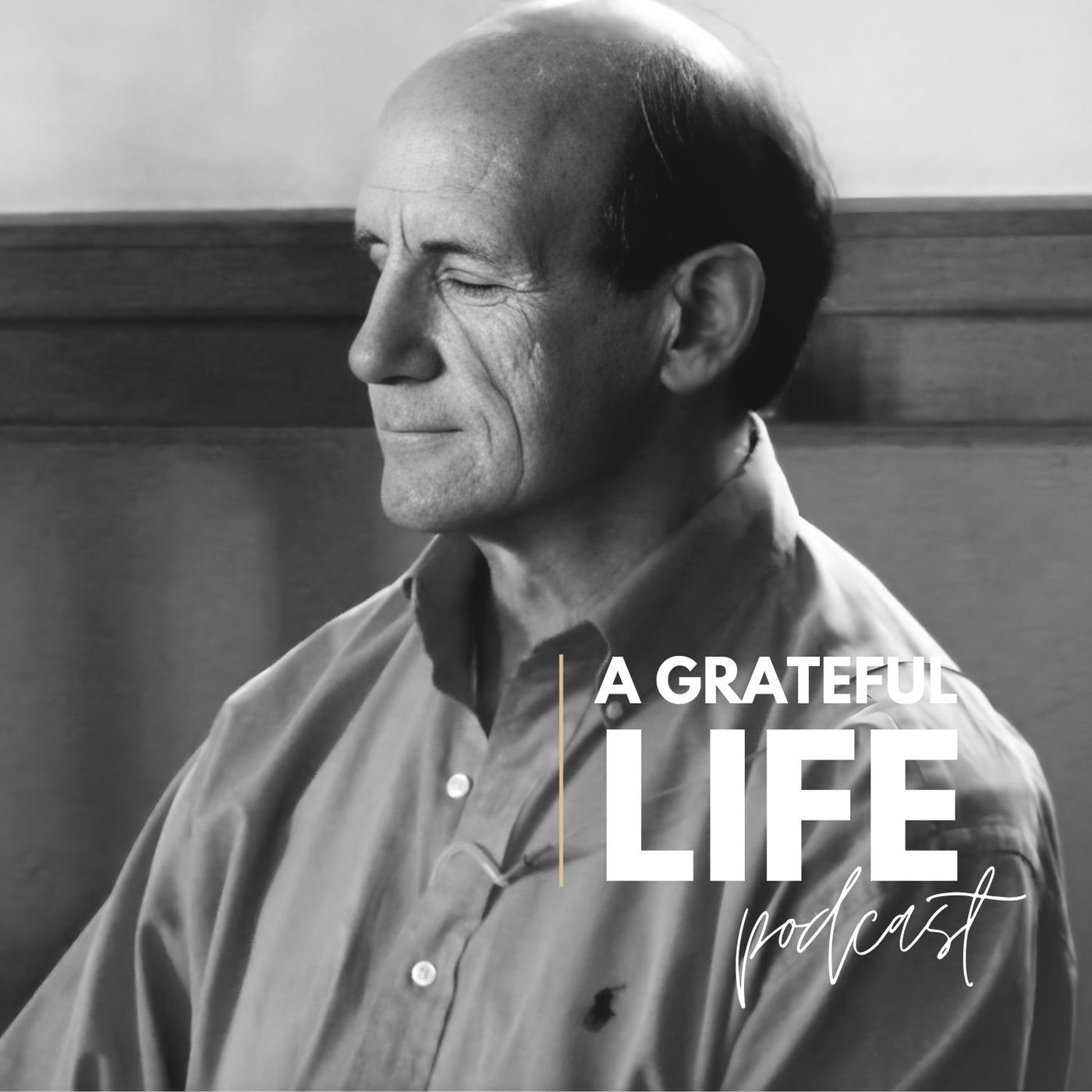 Richard Miller - On Innate Wholeness and Awakening 08.02.2026 1год 5хвWhat if nothing is fundamentally wrong with you?What if awakening isn’t something to achieve, but something to remember?In this episode of A Grateful Life, I’m joined by Richard Miller (he/him), PhD, to explore some of the biggest and most misunderstood ideas in yoga and spirituality - innate wholeness, non-dualism and enlightenment.Richard is the founder of the iRest Institute and co-founder of the International Association of Yoga Therapy. As a clinical psychologist, author, researcher, yogic scholar and spiritual teacher, he is widely regarded as a leader in the fields of meditation, yoga therapy and mental health.Listen in as we explore:What innate wholeness really means (and what it doesn’t)How to honour pain and trauma without spiritual bypassingNon-dualism and the healing of separationEnlightenment as a remembering, not an achievementWhy awakening is not about losing your humanityThe role of practice, mentorship, and communityConnect with Richard Miller at https://www.explorationsinstillness.comConnect with iRest at https://www.irest.orgJoin the online Mental Health Aware Yoga training starting 16th February 2026 today at https://www.mentalhealthawareyoga.com/onlineDownload the free Patañjali's Eight Limbs of Mental Health Aware Yoga ebook by Dr Lauren Tober at https://www.mentalhealthawareyoga.com/8limbsThis podcast is for general informational purposes only and is not a substitute for professional advice or training. Please consult a qualified healthcare professional for personalised guidance or come and join one of our programs at the Yoga Psychology Institute for professional training. While we are grateful for our guests and sponsors, any statements, claims or endorsements made are their own, and do not necessarily reflect the views or opinions of the Yoga Psychology Institute.
 -
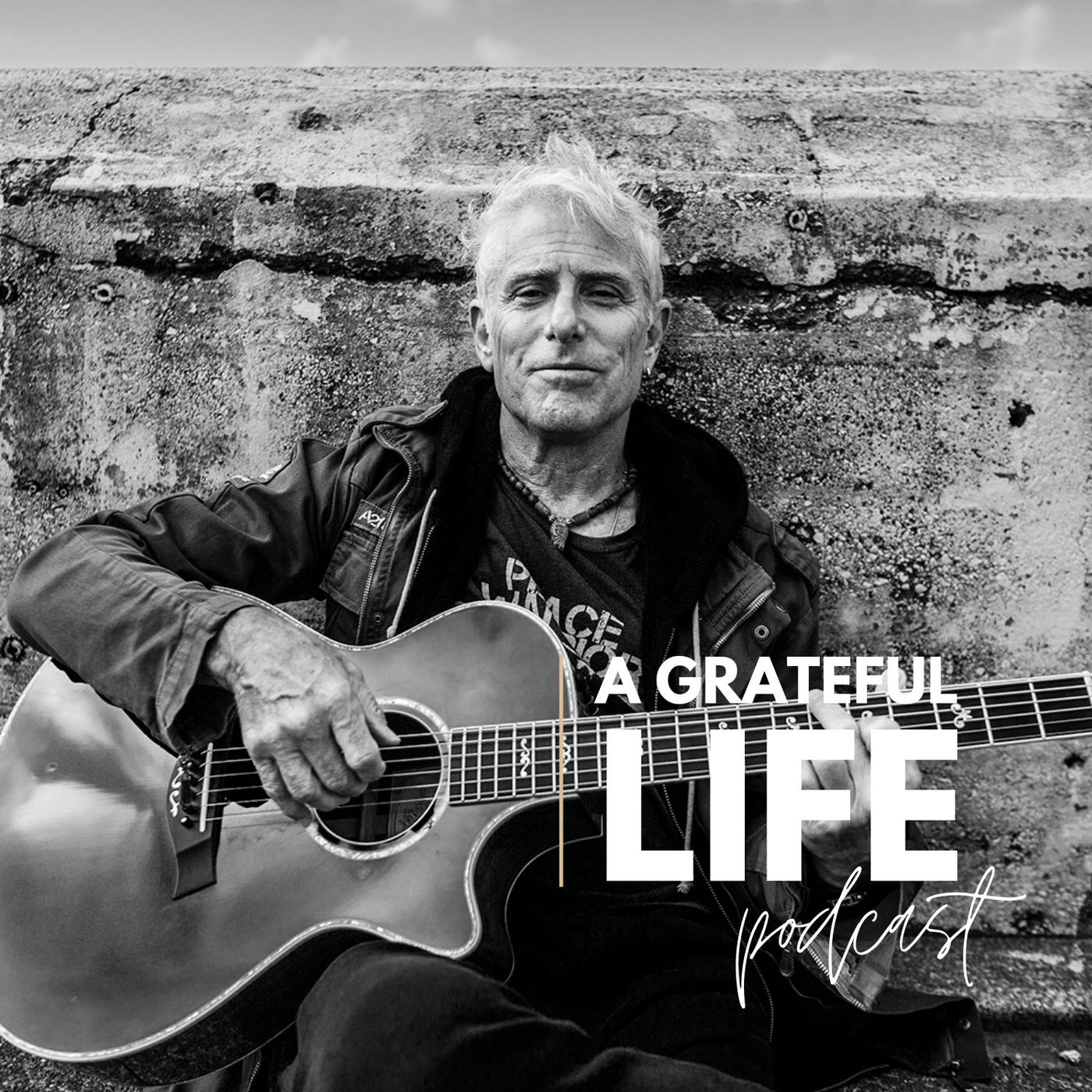 Jai Uttal - On Seeking a Guru 26.01.2026 1год 3хвWhat does it really mean to have a guru? Is this path still relevant today?In this episode on the A Grateful Life podcast, I’m joined by Jai Uttal as he takes us on a journey to India in the 1970s to explore the guru-disciple relationship.When Jai arrived in India in the 70s, he discovered that the guru he had travelled there to meet had been jailed for murder. So with his plans derailed, Jai’s trip took a new turn, following the breadcrumbs, and leading him to places he never imagined - walking barefoot through temple towns filled with prayer, being immersed in kirtan as a living devotional practice and developing a new understanding of the guru–disciple relationship.This is a thoughtful and colourful conversation about devotion, music and spiritual maturity.Listen in as we explore:Jai’s experiences in India in the 1970sLife with Maharaji and the devotional culture of kirtanThe role (and risks) of the guru–disciple relationship todayWhy seeking a guru can be problematic and what to do insteadJai Uttal is a Grammy-nominated kirtan artist and pioneer of world music, weaving Indian devotional traditions with American rock and jazz, and has been leading and performing bhakti-based music around the world for nearly 50 years.Connect with Jai Uttal at https://www.jaiuttal.comJoin the online Mental Health Aware Yoga training starting 16th February 2026 today at https://www.mentalhealthawareyoga.com/onlineAccess my nervous system regulation playlist at https://www.yogapsychologyinstitute.com/joinThis podcast is for general informational purposes only and is not a substitute for professional advice or training. Please consult a qualified healthcare professional for personalised guidance or come and join one of our programs at the Yoga Psychology Institute for professional training. While we are grateful for our guests and sponsors, any statements, claims or endorsements made are their own, and do not necessarily reflect the views or opinions of the Yoga Psychology Institute.
 -
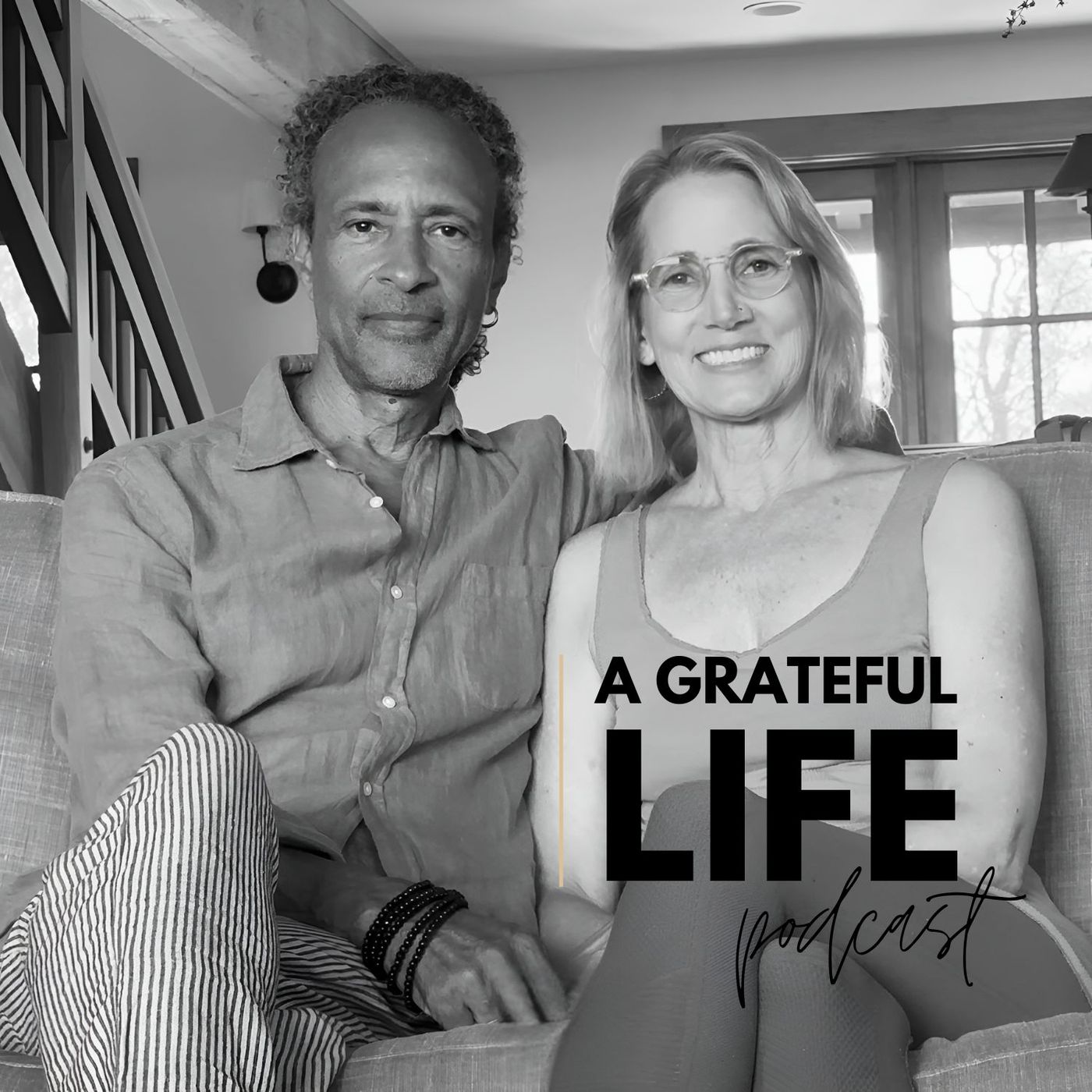 Sarah and Ty Powers - On Practice, Partnership and Coming Home to Yourself 12.01.2026 1год 8хвIn today’s podcast episode, I’m joined by Sarah and Ty Powers, long-time partners in life and practice, and two teachers whose work has quietly shaped how yoga, meditation, and psychological inquiry are woven together in the West.This is a gentle, spacious conversation, and a beautiful one to ease into the new year.We talk about what it really means to practise, not just on the mat or meditation cushion, but in the middle of everyday life. Sarah and Ty share stories from their decades together, reflecting on partnership, parenting, teaching, retreat life, and the ways practice naturally matures over time.We explore gratitude as an antidote to the complaining mind, the importance of pausing and softening in moments of difficulty, and what it means to truly belong to yourself. Sarah speaks beautifully about yin yoga as a pathway home, while Ty reflects on meditation, inner dialogue, and cultivating compassion rather than self-criticism.This is a conversation about living your yoga - imperfectly, relationally, and with care. I’m really glad to share it with you.Sarah Powers is the co-founder of the Insight Yoga Institute as well as the author of Insight Yoga and Lit from Within, which interweaves Yoga, Buddhism, Taoism, and Transpersonal psychology into an integrated practice to enliven the body, heart, and mind. Ty Powers is also the co-founder of the Insight Yoga Institute, and teaches yoga and meditation retreats around the world with his wife, Sarah Powers. He has been teaching Vipassana since 2003 as a graduate of the Spirit Rock Community Dharma Leader training program and has been practicing Dzogchen Buddhism for over 20 years. Connect with Sarah and Ty Powers at https://sarahandtypowers.com.Access my nervous system regulation playlist at https://www.yogapsychologyinstitute.com/join.Join the online Mental Health Aware Yoga training starting 16th February 2026 today at https://www.mentalhealthawareyoga.com/online.Join the free info session for the online Mental Health Aware Yoga training on the 24th January 2026 today at https://www.mentalhealthawareyoga.com/online.Apply for a scholarship for the online Mental Health Aware Yoga training at https://www.mentalhealthawareyoga.com/online.This podcast is for general informational purposes only and is not a substitute for professional advice or training. Please consult a qualified healthcare professional for personalised guidance or come and join one of our programs at the Yoga Psychology Institute for professional training. While we are grateful for our guests and sponsors, any statements, claims or endorsements made are their own, and do not necessarily reflect the views or opinions of the Yoga Psychology Institute.
Схожі подкасти


Популярний у
Цей подкаст також потрапляв у чарти подкастів у цих країнах.
