![[Dis]Solutions Podcast](https://cdn.radoxo.com/images/podcasts/28324-dissolutions-podcast.avif?v=1781703417)
[Dis]Solutions Podcast
Goethe-Institut Ukraine
0
[Dis]Solutions Podcast is a series of conversations with participants of the [Dis]Solutions Decolonial Encounters Residency Program, organized by the Goethe-Institut. The residency brought together artists and thinkers from Central Asia, the South Caucasus, Eastern Europe, and the Baltic States. Through these dialogues, the podcast shares their perspectives, creative practices, and experiences, offering listeners a closer look at decolonial thought and cultural exchange in action.
Episodes
-
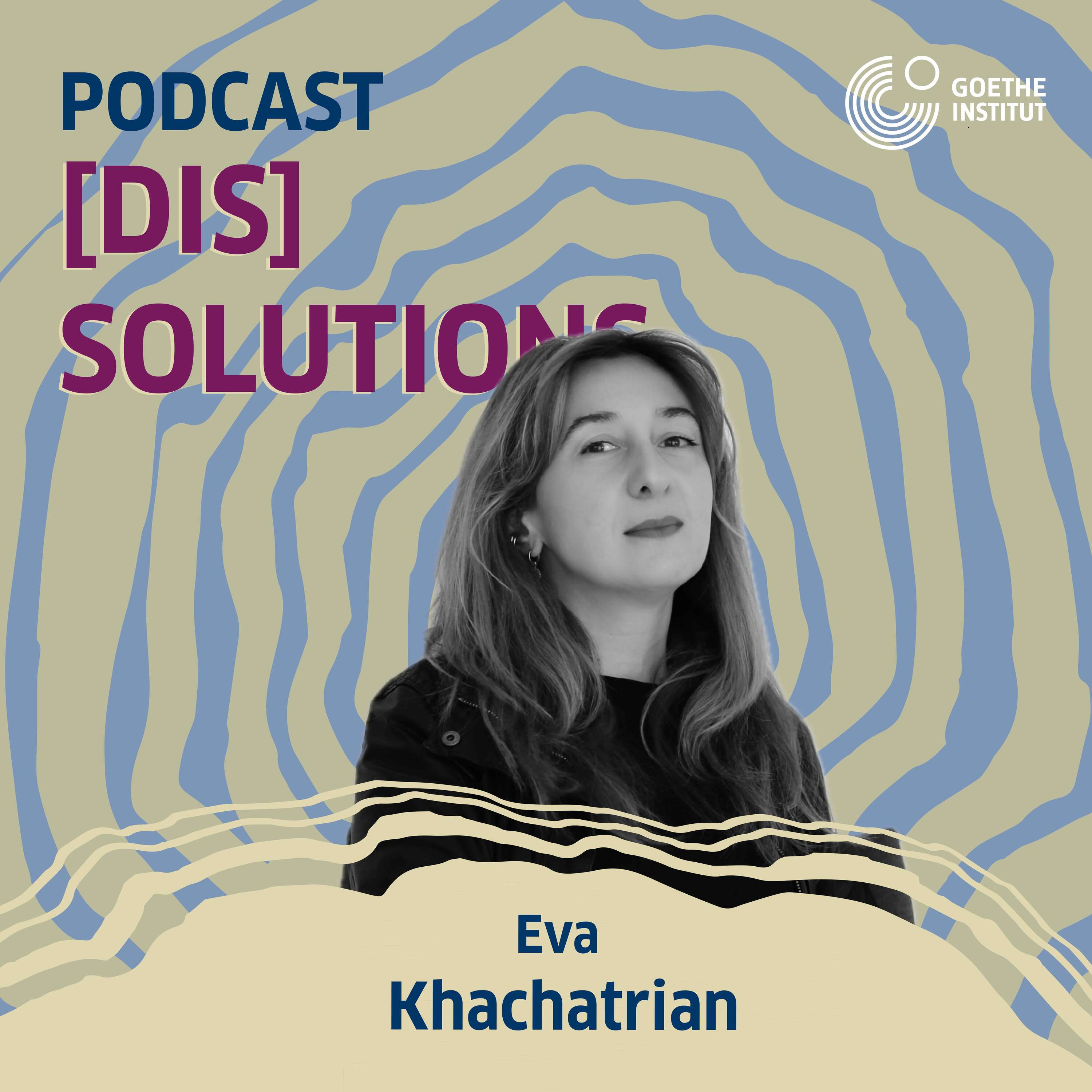 Art-curator Eva Khachatrian 20.11.2025 14mThis episode follows a conversation with art-curator Eva Khachatryan about how artistic practice responds to the pressures and uncertainties of the present moment. Through her reflections on working across shifting political, social, and cultural terrains, the episode traces how artists and cultural workers navigate responsibility, fatigue, and the search for new forms of engagement. Subscribe to the podcast so you don’t miss upcoming episodes. Learn more about Goethe-Institut projects on our website and social media.
 -
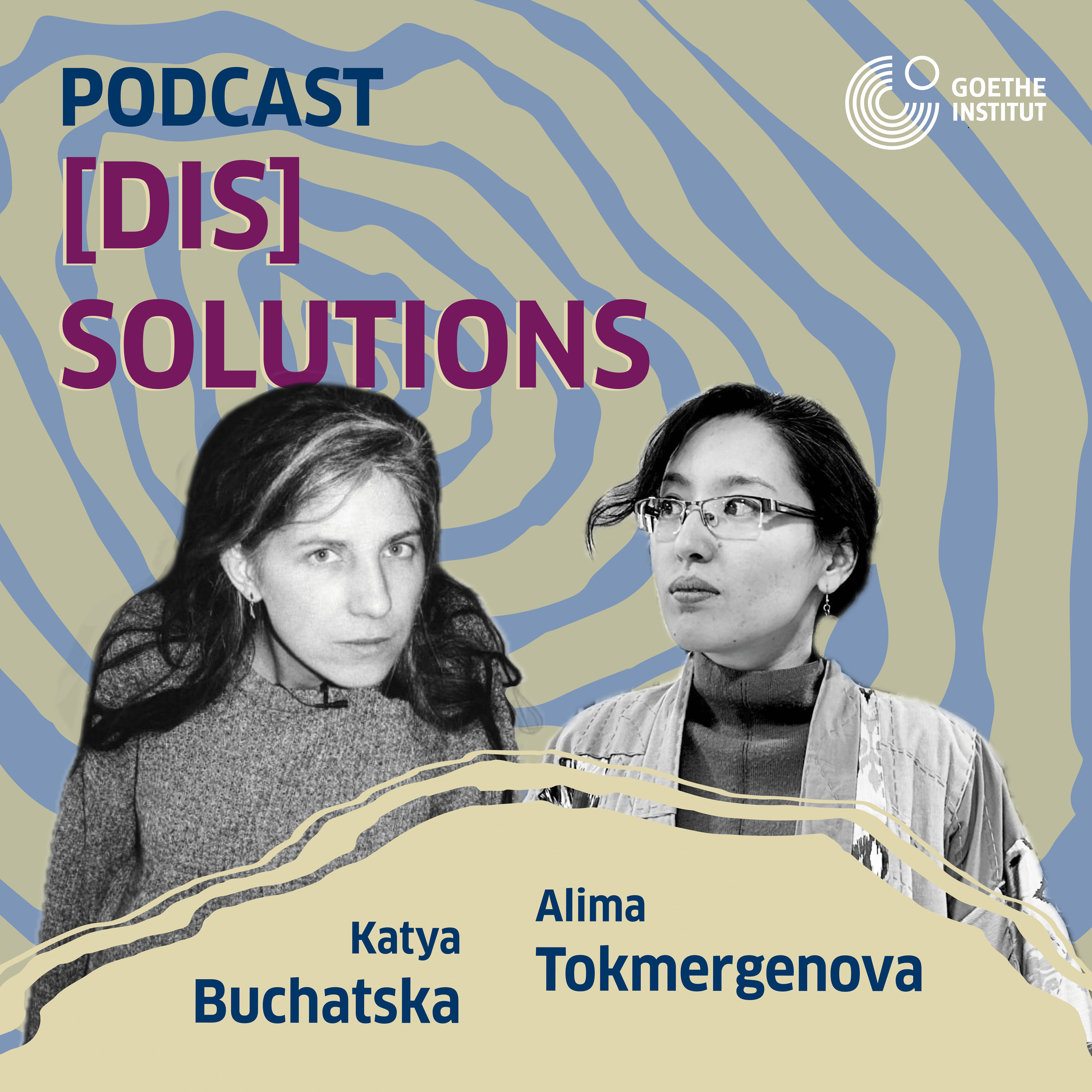 Artists Alima Tokmergenova and Katya Buchatska 17.11.2025 21mThis episode features three voices from Central Asia and Ukraine whose practices center on memory, language, and the politics of knowledge. Alima Tokmergenova works through research, education, and collective practice in Bishkek, developing new ways to speak about local art and building spaces where people can learn, read, and create together. Katya Buchatska turns to sculpture, installation, and performance to navigate life during a full-scale war, using art as a form of witnessing, resilience, and connection.Their stories intersect around the need to invent new languages for shared histories, and to imagine futures that resist erasure and isolation. Subscribe to the podcast so you don’t miss upcoming episodes. Learn more about Goethe-Institut projects on our website and social media.
 -
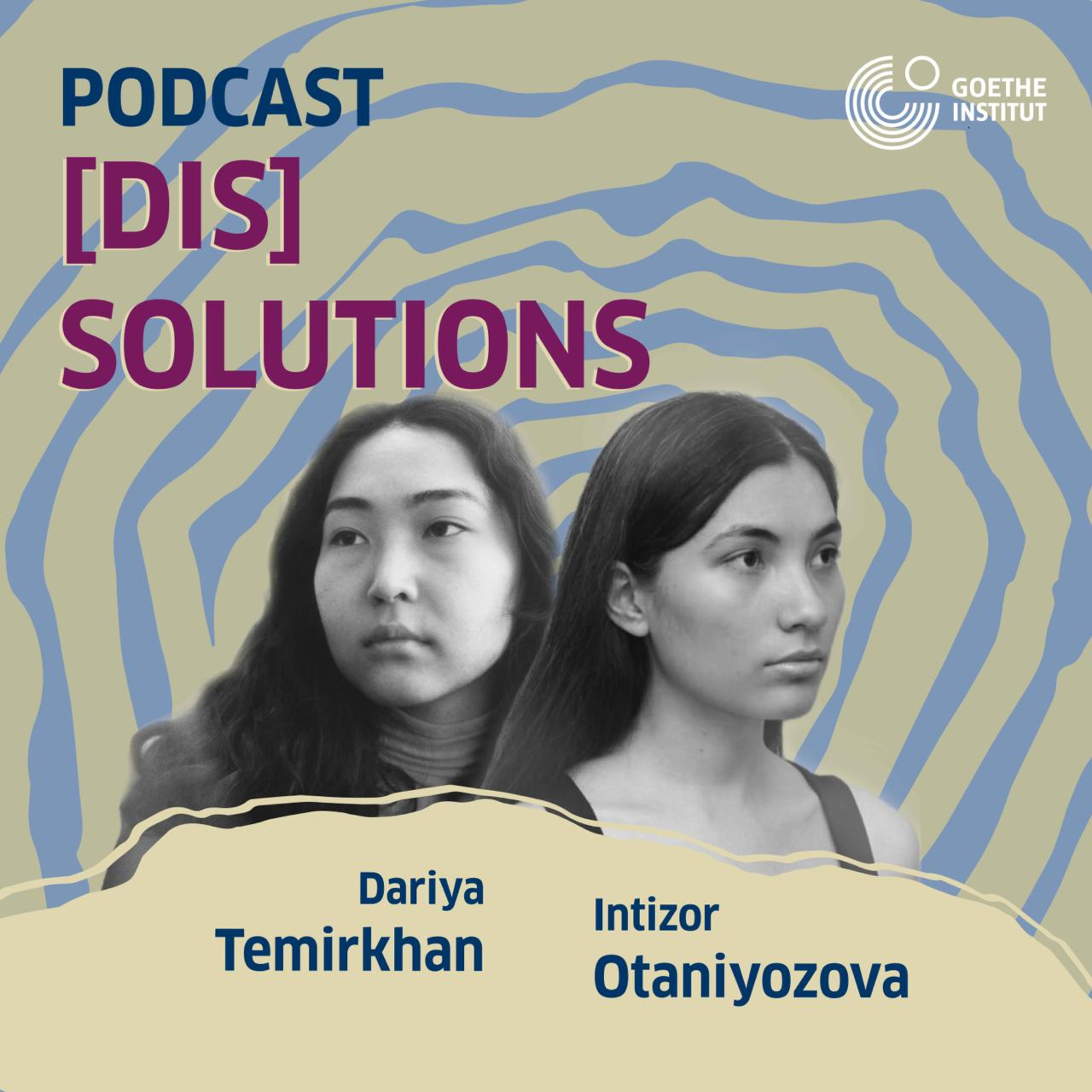 Artists Dariya Temirkhan and Intizor Otaniyozova 17.11.2025 20mThis conversation follows two artists from Central Asia. Dariya Temirkhan traces her path from academic painting to collage, reflects on colonial memory in Kazakhstan, and builds a digital alter ego that speaks to a new Qazaq-speaking generation. Intizor Otaniyozova examines statelessness, borders, and the limits of the nation-state through film and writing, questioning who gets to belong in the region. Together, their stories open a broader look at decolonization, shifting identities, and the search for more honest ways of understanding the past and imagining what comes next.Subscribe to the podcast so you don’t miss upcoming episodes. Learn more about Goethe-Institut projects on our website and social media.Photo of Dariya Sabina Khorramdel
 -
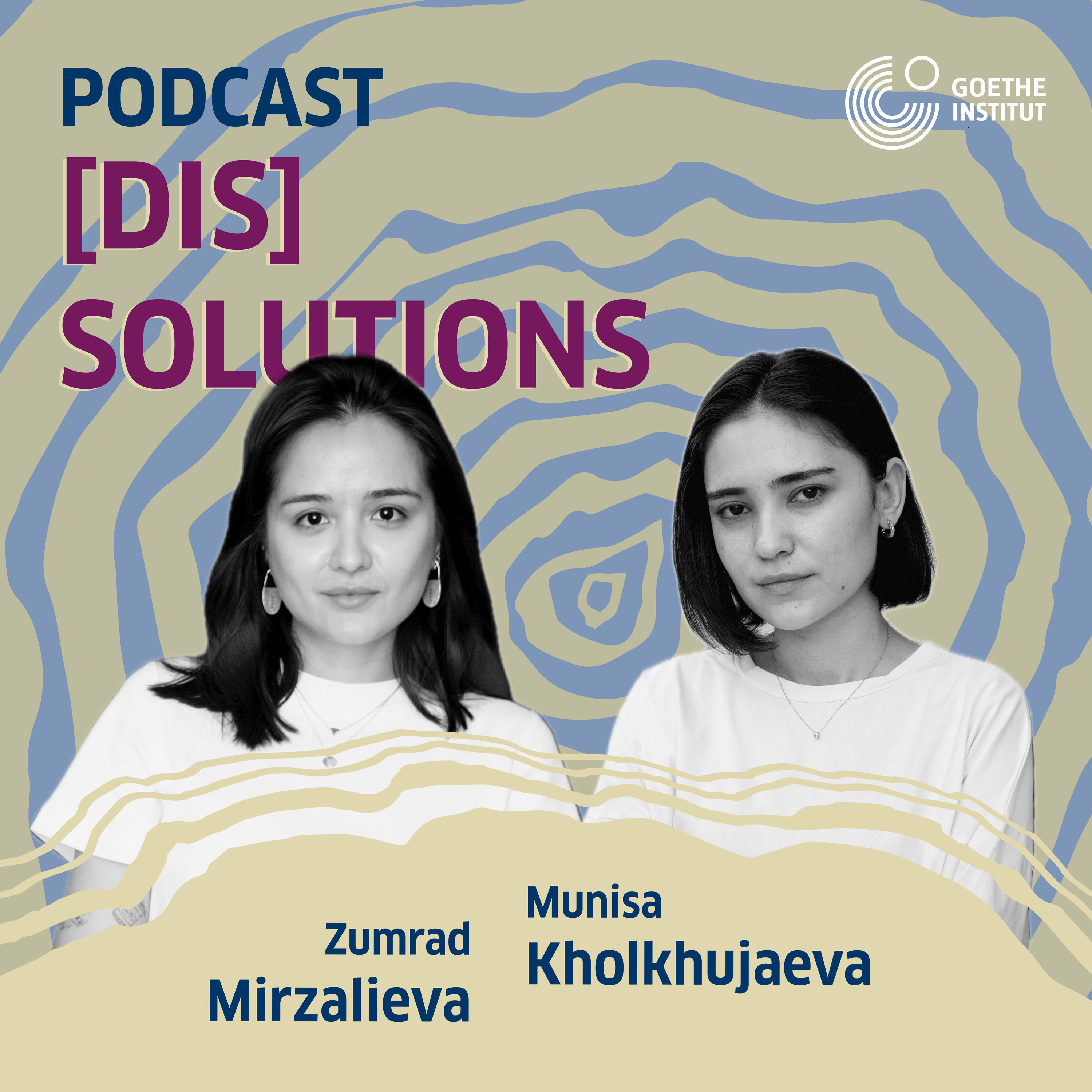 Artists Zumrad Mirzalieva and Munisa Kholkhujaeva 17.11.2025 20mThis episode highlights two artists from Uzbekistan — Zumrad Mirzalieva and Munisa Kholkhujaeva. Their work spans photography, moving image, textiles, and research-based practice.In episode Zumrad Mirzaliyeva reflects on mentorship, collaborative structures, and the challenges of building an art scene with limited resources, while Munisa Kholkhujaeva focuses on fear as an ispiration, and non-human viewpoints in her work. Their experiences at the [Dis]Solutions: Decolonial Encounters residency reveal how slower, exchange-driven formats can strengthen regional ties and support new artistic approaches.Subscribe to the podcast so you don’t miss upcoming episodes. Learn more about Goethe-Institut projects on our website and social media. Photo of Zumrad by Joe Habben, (Fabrica Research Centre)
 -
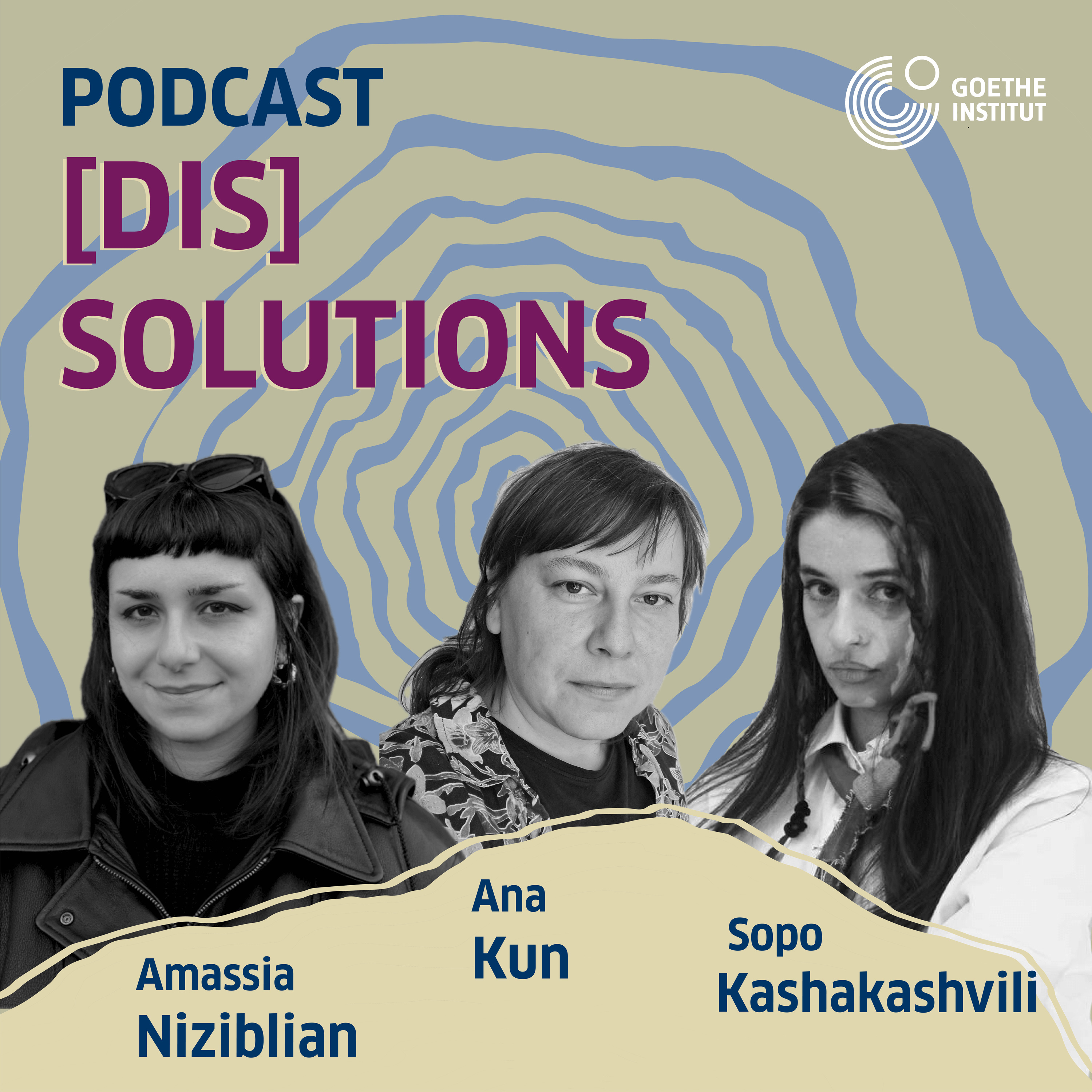 Artists Amassia Niziblian, Ana Kun and Sopo Kashakashvili 17.11.2025 31mThis episode follows three artists — Amassia Niziblian from Armenia, Ana Kun from Romania, and Sopo Kashakashvili from Georgia. Amassia Niziblian explores inherited trauma and cultural continuity through multimedia work, Ana Kun focuses on mental health, ecology, food politics, and communal care, while Sopo Kashakashvili traces migrant experiences through site-specific installations and oral histories. Together, their stories build a conversation about how artists create structures of solidarity that challenge rigid systems and open new ways of relating to one another. Subscribe to the podcast so you don’t miss upcoming episodes. Learn more about Goethe-Institut projects on our website and social media.
 -
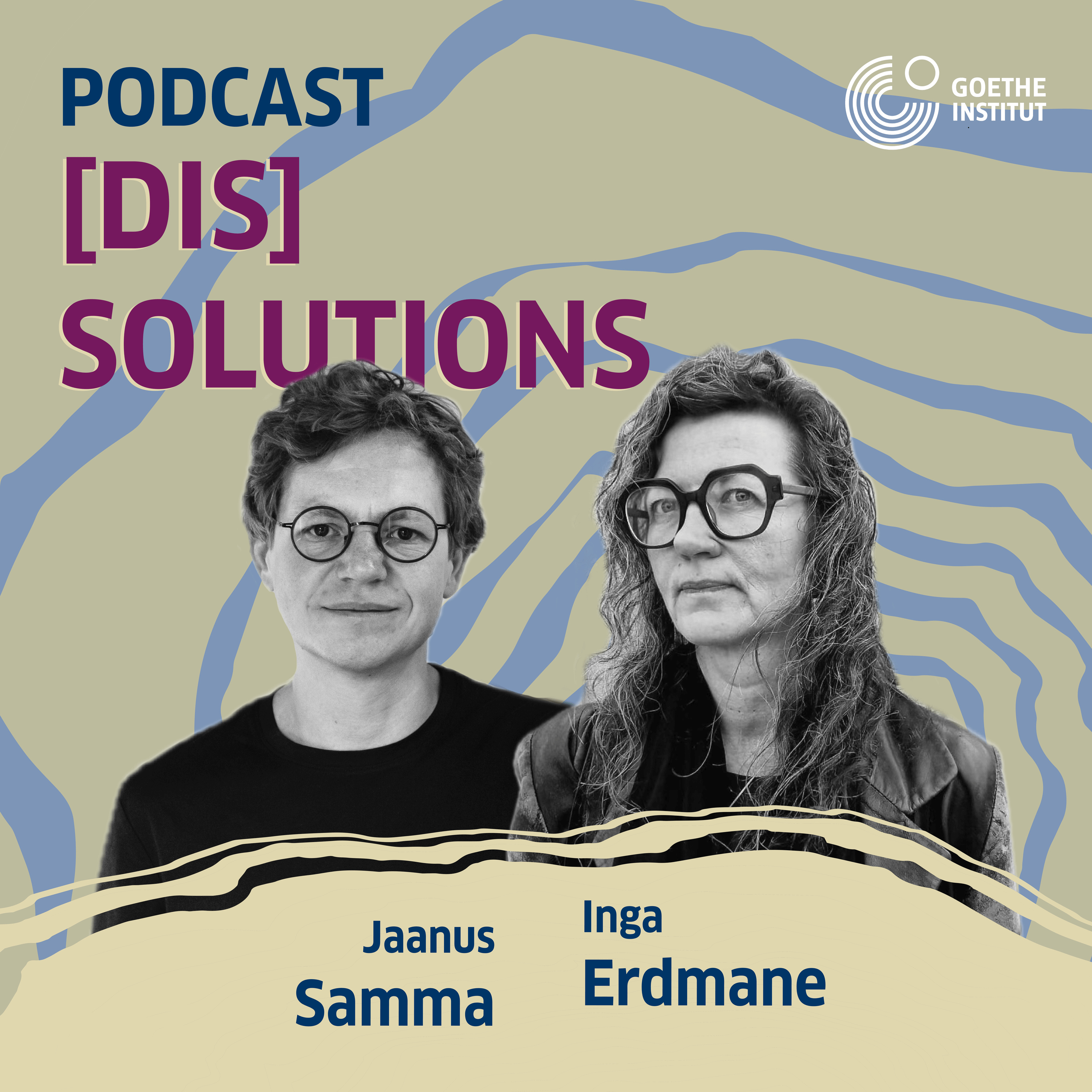 Artists Inga Erdmane and Jaanus Samma 17.11.2025 17mThis episode features Latvian artist Inga Erdmane and Estonian artist Jaanus Samma, who examine how history, identity, and power continue to shape the post-Soviet region. Erdmane speaks about working with archives,, and the overlooked “grey zones” of society, while Samma reflects on traditional craft, historical research, and the politics embedded in cultural symbols. Their trip to Central Asia during the [Dis]Solutions: Decolonial Encounters residency becomes a lens for comparing how different countries rewrite their past and build new national narratives. Subscribe to the podcast so you don’t miss upcoming episodes. Learn more about Goethe-Institut projects on our website and social media.Photo of Inga by Kristīne Briede Photo of Jaanus by Mari Volens
 -
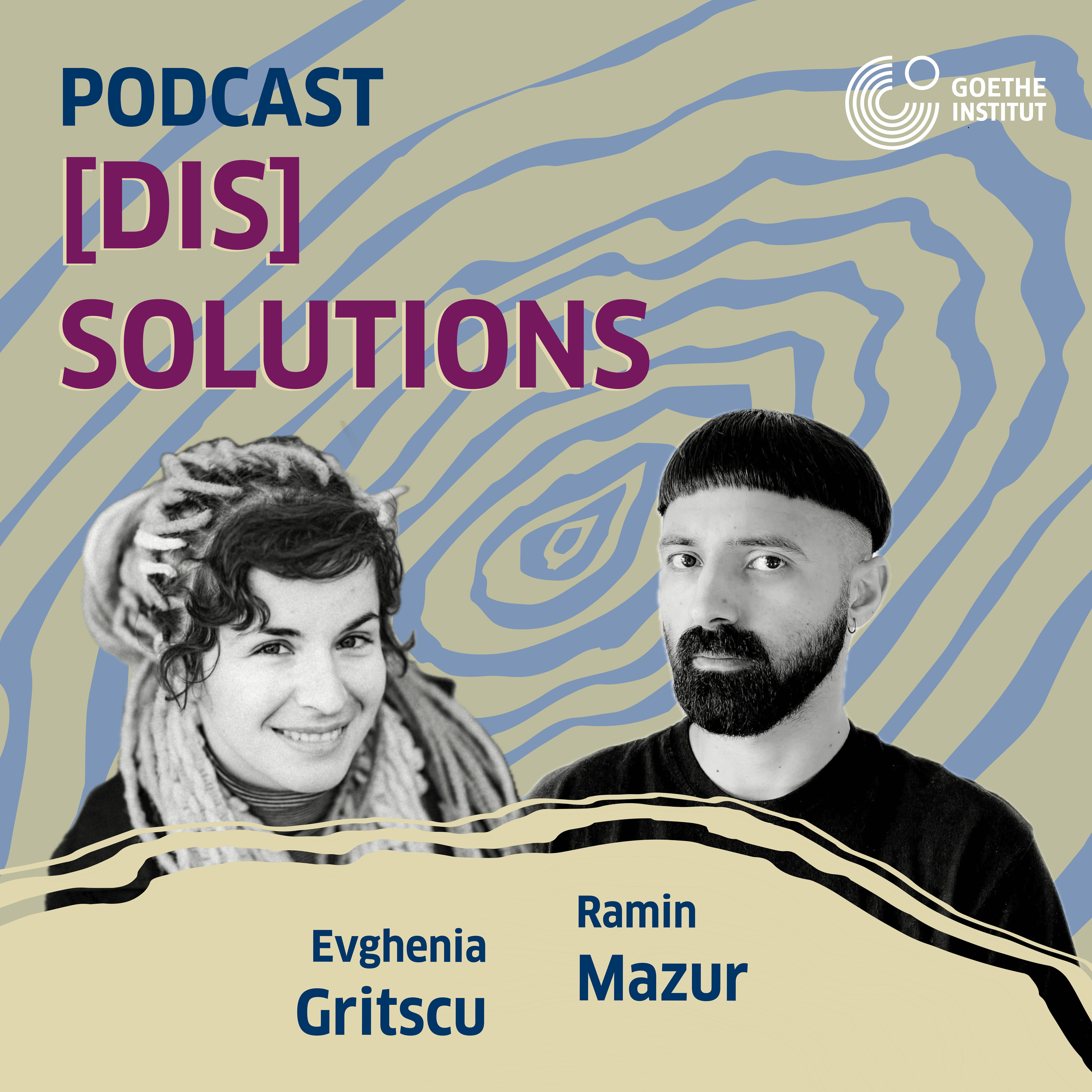 Artists Ramin Mazur and Evghenia Gritscu 17.11.2025 20mIn this episode of [Dis]Solutions Podcast Moldovan photographer Ramin Mazur talks about Moldova’s fragile identity, the quiet power of propaganda, and why art has to break out of its bubbles to stay real. Ukranian-Romanian artist Evghenia Gritscu reflects on migration, hybrid identity, and the emotional cost of building “home” wherever you land.Subscribe to the podcast so you don’t miss upcoming episodes. Learn more about Goethe-Institut projects on our website and social media.
 -
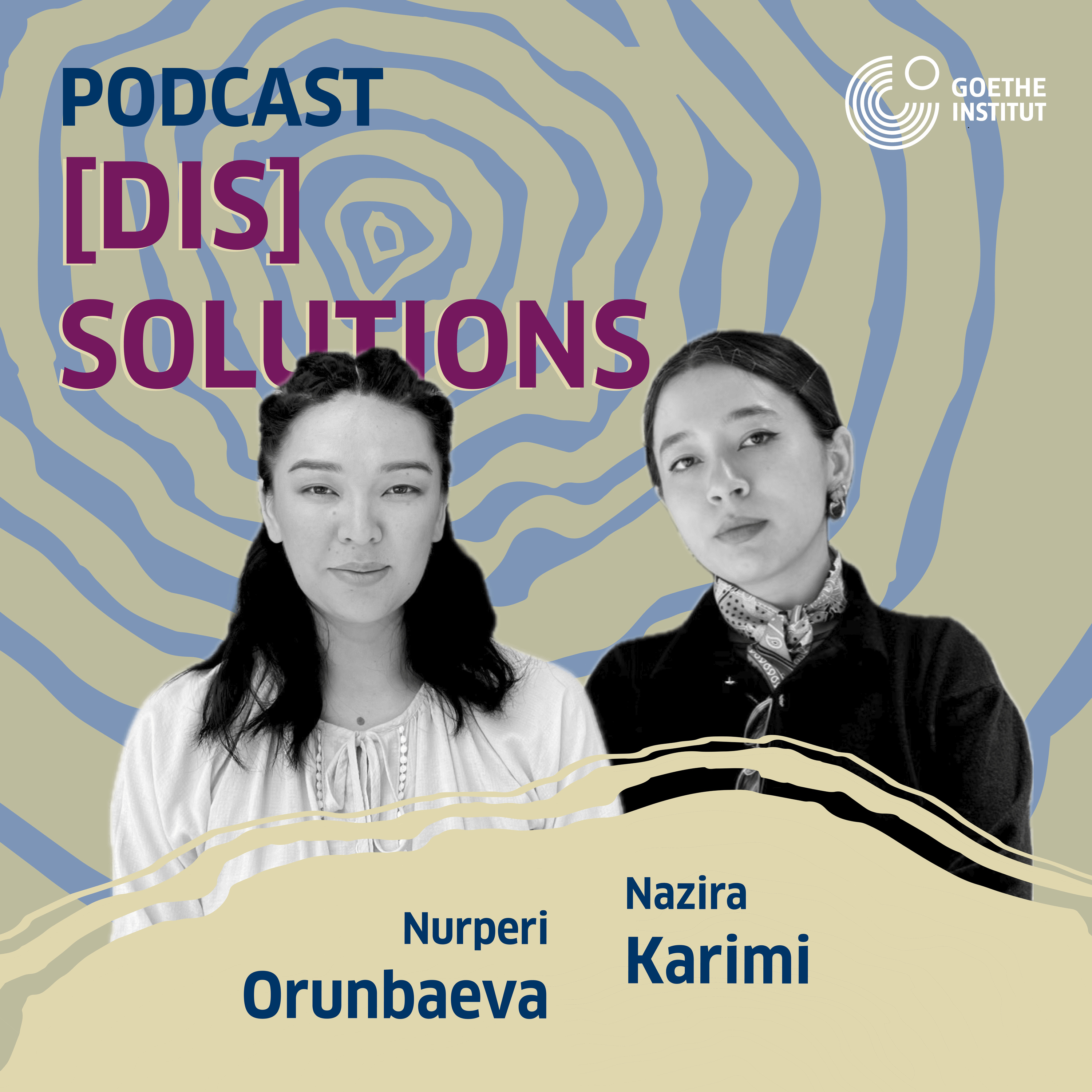 Artists Nazira Karimi and Nurperi Orunbaeva 17.11.2025 17mIn this episode, two artists from Central Asia talk about identity, community, and the courage it takes to create against all odds. Nazira Karimi revisits her family’s fragmented past to understand what it means to belong in a region marked by migration and colonial pressure. Nurperi Orunbaeva shares how a fight for justice pushed her into art, and how her work now challenges forced silence and patriarchy. Subscribe to the podcast so you don’t miss upcoming episodes. Learn more about Goethe-Institut projects on our website and social media. Photo of Nazira Karimi by Daniyar Jussupov
 -
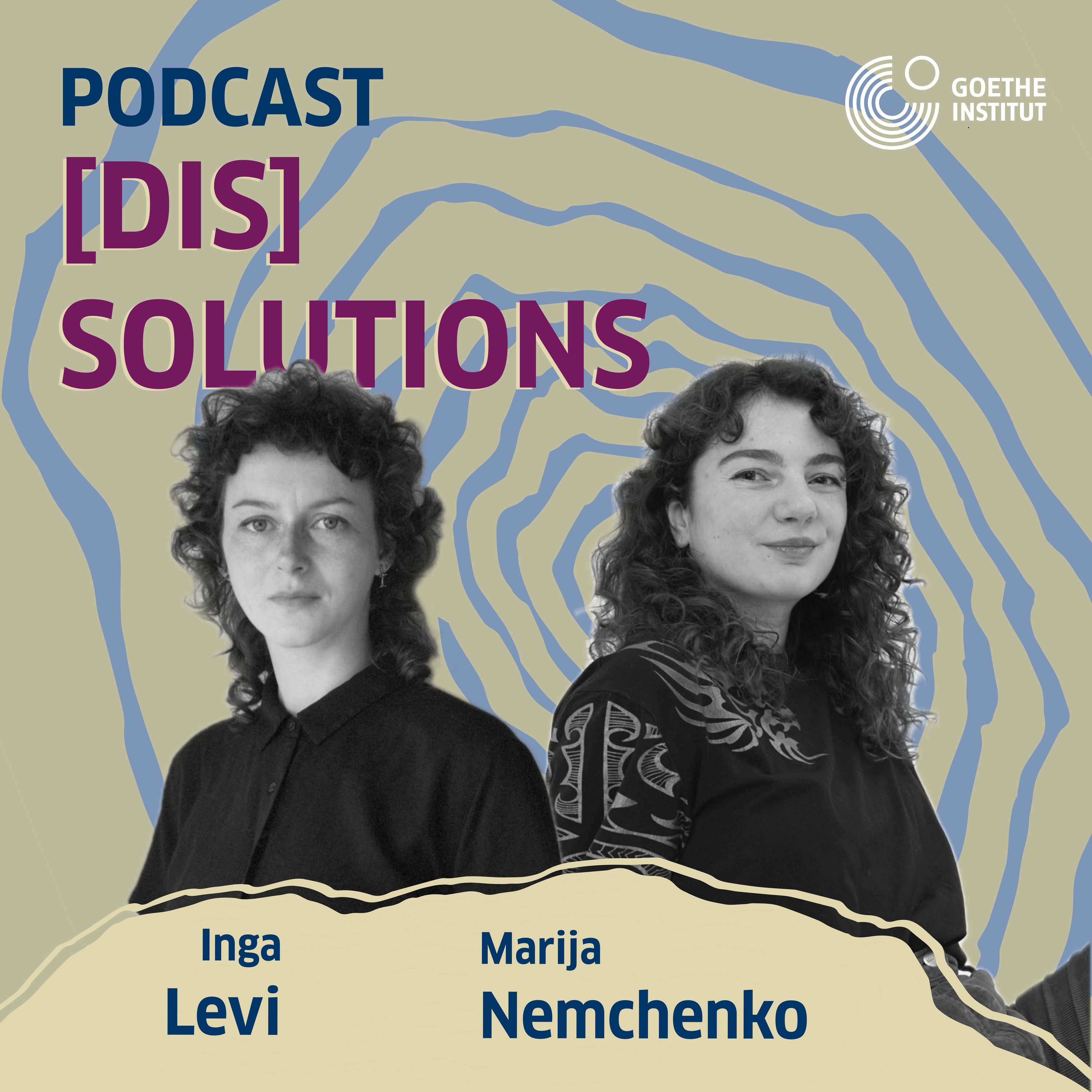 Artists Inga Levi and Marija Nemchenko 14.11.2025 19mNew episode of the [Dis]Solutions podcast brings together two artists who navigate war, memory, and migration through their work. Ukranian artist Inga Levi reflects on what it means to listen instead of represent, to rebuild identity while her country fights for peace. Lithuanian artist Marija Nemchenko follows the threads of migration through her own family history. Together, they reveal how creativity survives even when the ground beneath shifts. Subscribe to the podcast so you don’t miss upcoming episodes. Learn more about Goethe-Institut projects on our website and social media.
 -
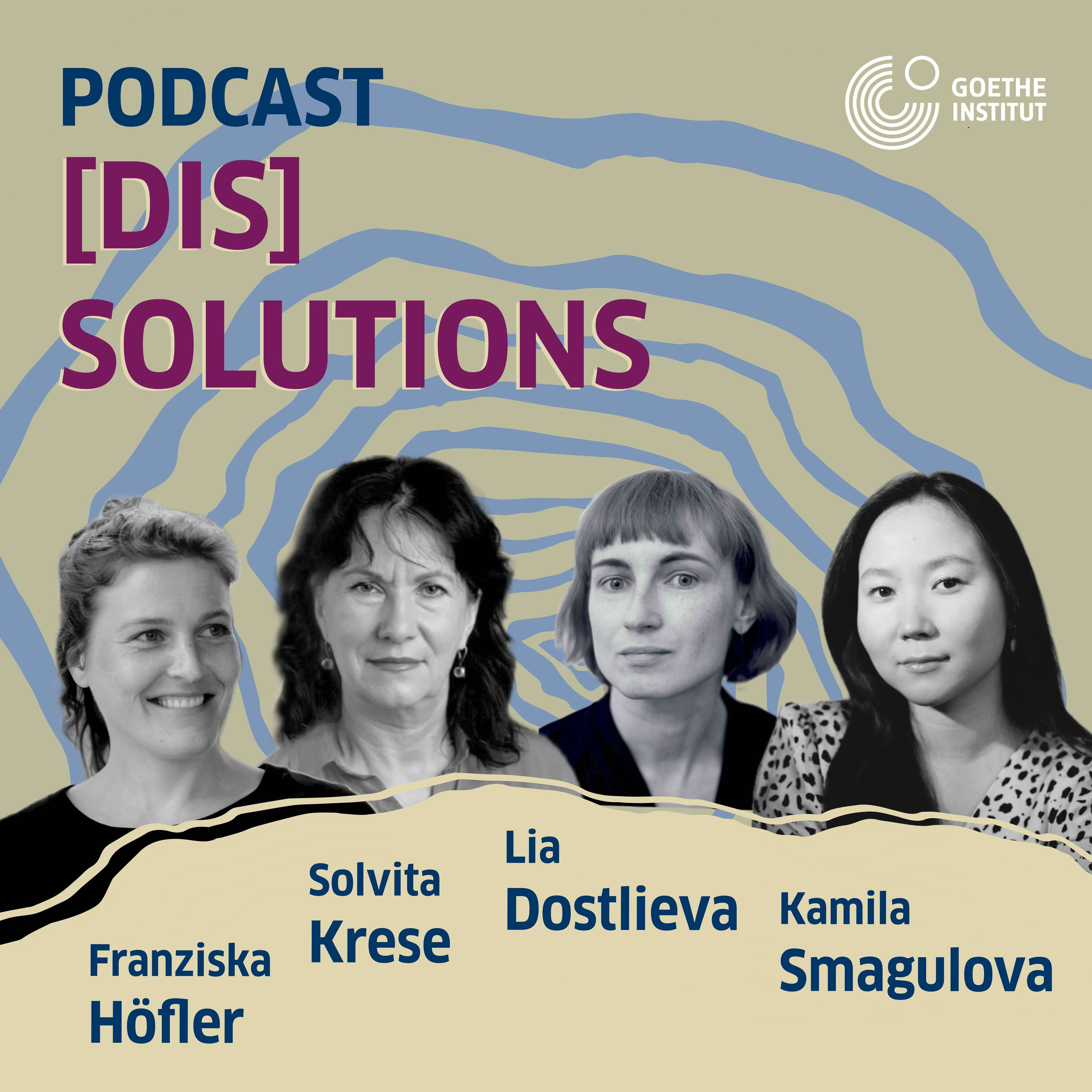 What is the (Dis)Solutions Podcast about? 18.09.2025 18mThe first episode of the [Dis]Solutions Podcast traces the origins of the [Dis]Solutions – Decolonial Encounters project, organized by Goethe-Institut Ukraine and Goethe-Institut Kasachstan. What began as a mapping of post- and decolonial practices soon grew into a cross-border residency program connecting 19 artists from Eastern Europe, Central Asia, the South Caucasus, and the Baltic states. We hear from project manager Franziska Höfler and co-curators Kamila Smagulova, Solvita Krese, and Lia Dostlieva about the questions that shaped the project, why its very name carries meaning, and how residencies were designed to create genuine space for exchange — without pressure to produce, but with the hope of sparking lasting collaborations. Subscribe to the podcast so you don’t miss upcoming episodes. Learn more about Goethe-Institut projects on our website and social media.
Similar podcasts


Popular in
The podcast also appears in the podcast charts of these countries.
