
Growth After Headcount
Haris Odobasic
0
Growth After Headcount is a podcast about companies that are redefining growth in the age of AI, focusing on founders building AI-native businesses with minimal headcount and leaders in established firms trying to adapt. Each episode features conversations with practitioners who share how they structure work, decide what to hand off to AI, and where the old scaling methods fall short. The show is hosted by Haris Odobasic, a GTM and RevOps consultant and author of The RevOps Pendulum, who explores how AI is transforming company building and scaling.
Episodes
-
 The $75,000 AI Bill: When Productivity Outruns Revenue — Joshua Wohle (Mindstone) #016 12.11.2026 26mBefore founding Mindstone, Joshua Wohle co-founded SuperAwesome, acquired by Epic Games in 2020. Now he helps companies turn AI adoption into business results. He explains why leaders must use AI themselves, how to build skills across the organization, and what a $75,000 monthly AI bill taught him about the gap between output and revenue.Chapters00:00 Cold open and introduction02:34 Teach everyone the tools before redesigning workflows04:14 Why technology companies struggled with the people side05:25 When more productivity does not mean more revenue10:06 Why AI transformation starts with the C...
-
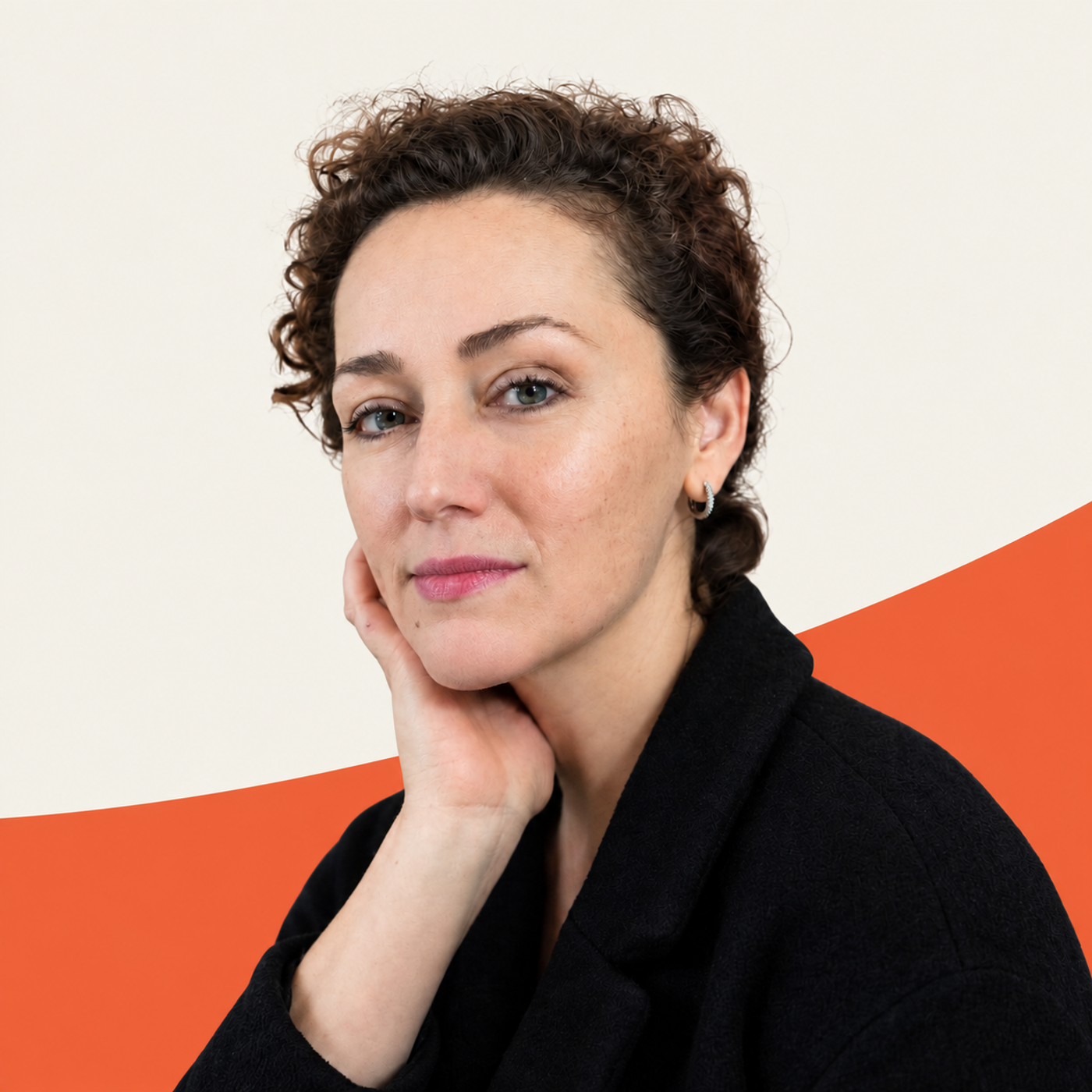 Can AI Shorten Sales Cycles and Cut Marketing Spend? — Dora Kondeva (Snowflake) #015 05.11.2026 31mSnowflake reports that sales cycles in EMEA shortened by 25–30% within six months. Its account-based marketing team booked 2.3× as many meetings with high-potential accounts while spending 38% less on marketing.Dora Kondeva says a Snowflake sales rep could spend up to five hours getting ready for one customer meeting. Account history lived in the CRM, engagement in marketing platforms, and call transcripts somewhere else. AI helped people finish individual tasks faster, but sales and marketing were still working from different pictures of the same account.Dora explains how Snowflake brought th...
-
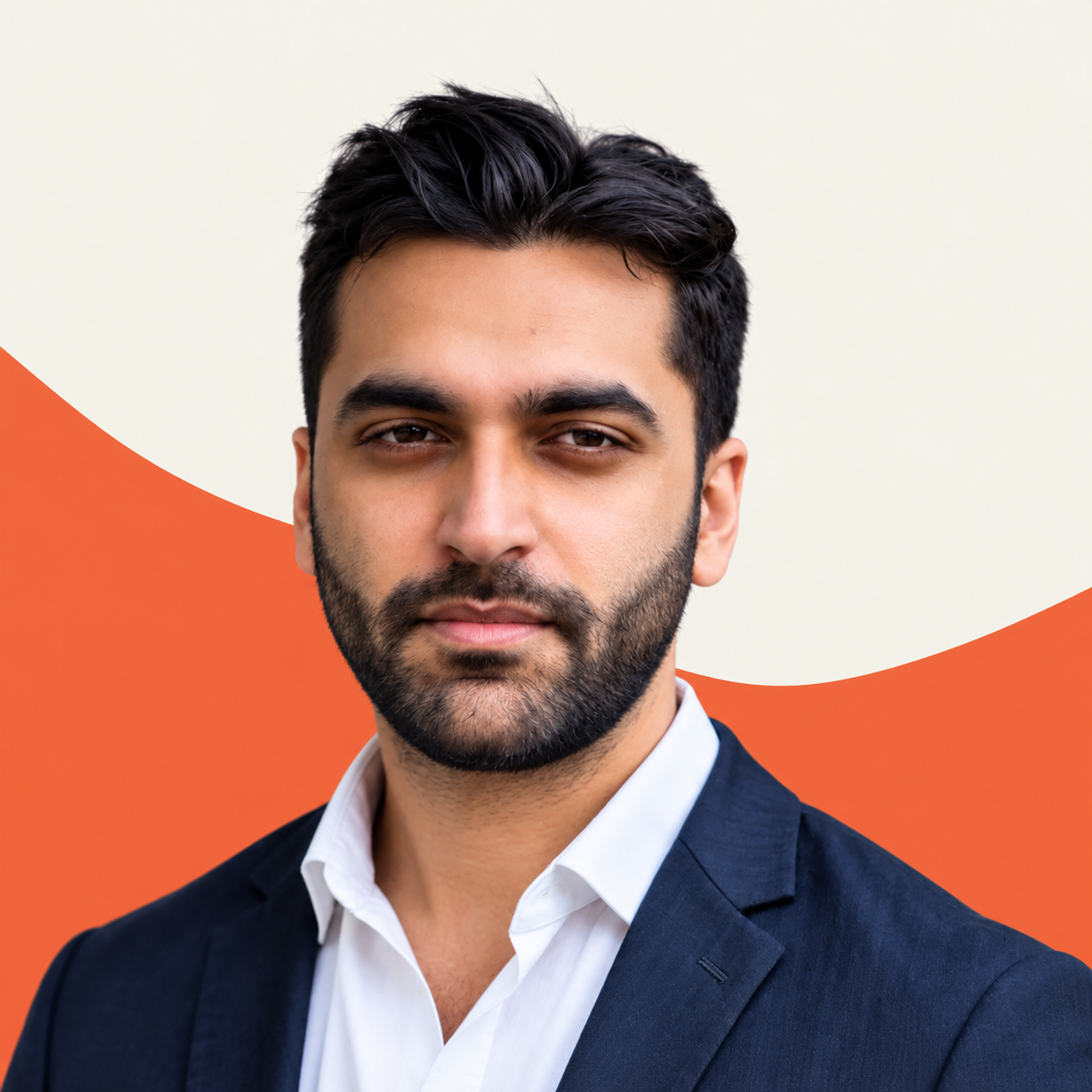 Can One CMO with AI Agents Do the Work of 10 Marketers? (FRAME) #014 29.10.2026 32mBhanu Chawla says his previous company had 55 people in marketing. At FRAME, the marketing team is currently just him, with AI supporting work across content, design, campaigns and analytics. He still reviews what goes out and keeps the central campaign decisions with people. His plan is to push what he can do with AI before adding to the team.Running a marketing function this way depends on shared company knowledge, connected tools and knowing which decisions need human judgment. Bhanu explains why AI can help develop campaign ideas without choosing the final direction, how he works with busi...
-
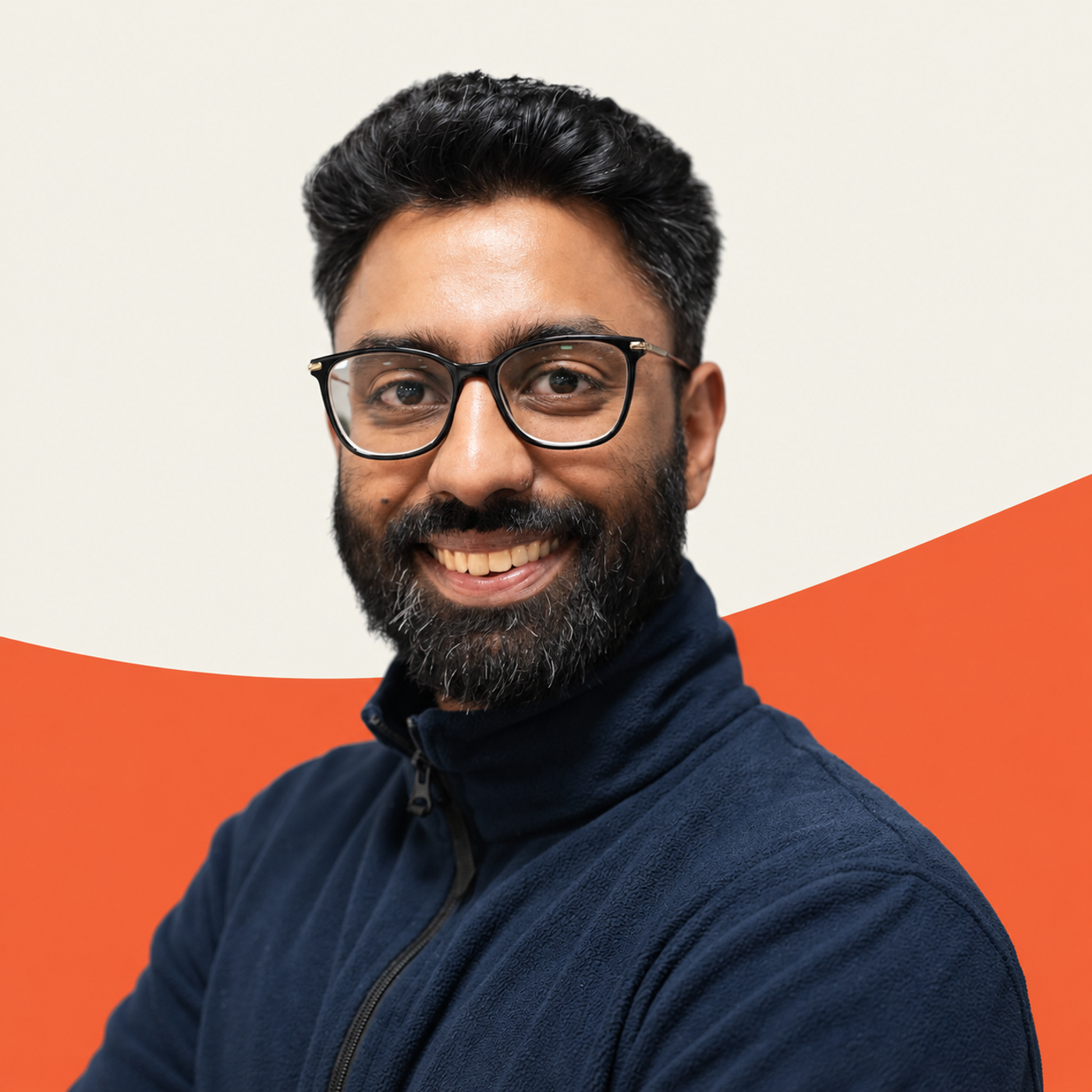 Using AI to Take Sales Offline — Adit Trivedi (hyperGTM) #013 22.10.2026 34mAdit Trivedi’s team found an executive’s favourite song in an archived interview and sent him a signed vinyl record. Adit says the executive replied asking to speak. That is the idea behind hyperGTM: use AI to research people and organise personal experiences that open real conversations. As digital outreach gets easier to produce, he is taking sales offline.Adit describes building hyperGTM with nine people, including just two engineers, while keeping humans close to customers. He argues that faster development should help companies solve a specific problem more deeply, rather than keep adding...
-
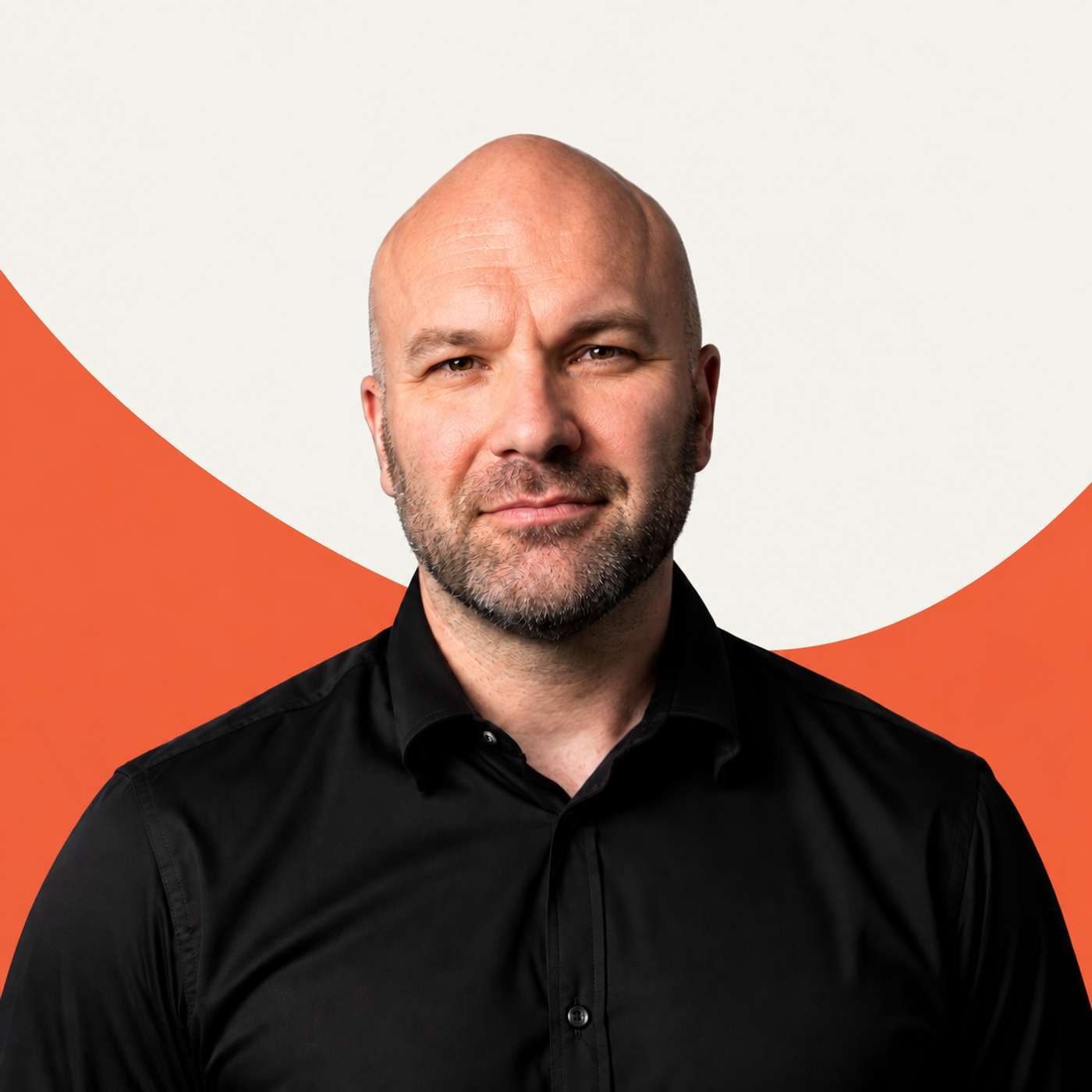 Rethinking Go-to-Market with AI — Jonathan Kvarfordt (Salesforce) #012 15.10.2026 31mJonathan Kvarfordt, Sr. Director, Product Marketing, has seen companies hand out AI licenses and call it transformation. The tools arrive, but the buying process stays much the same. Customers still wait for answers, and teams still work around disconnected systems. For Jonathan, the opportunity starts with rethinking how the work gets done.Real AI adoption depends on leaders giving people room to experiment and connecting the data they need. Drawing on his work at Momentum and his former role at 1mind, Jonathan explains how AI can answer buyers’ questions earlier and free people for work that...
-
 From Stop Hiring Humans to Be More Human — Jaspar Carmichael-Jack (Artisan) #011 08.10.2026 21mArtisan's earlier Stop Hiring Humans campaign put the company on the map. But founder and CEO Jaspar Carmichael-Jack says the message didn't fit all its customers: enterprise sales teams were using Ava to help their existing people do more. Inside Artisan, he says the team is around 50 people, despite earlier plans to grow beyond 100. And some employees' AI token bills became large enough that hiring another person could have been cheaper.The practical question is which work AI can do reliably and at a sensible cost. Jaspar explains why Artisan stepped back from maximizing token use to focus o...
-
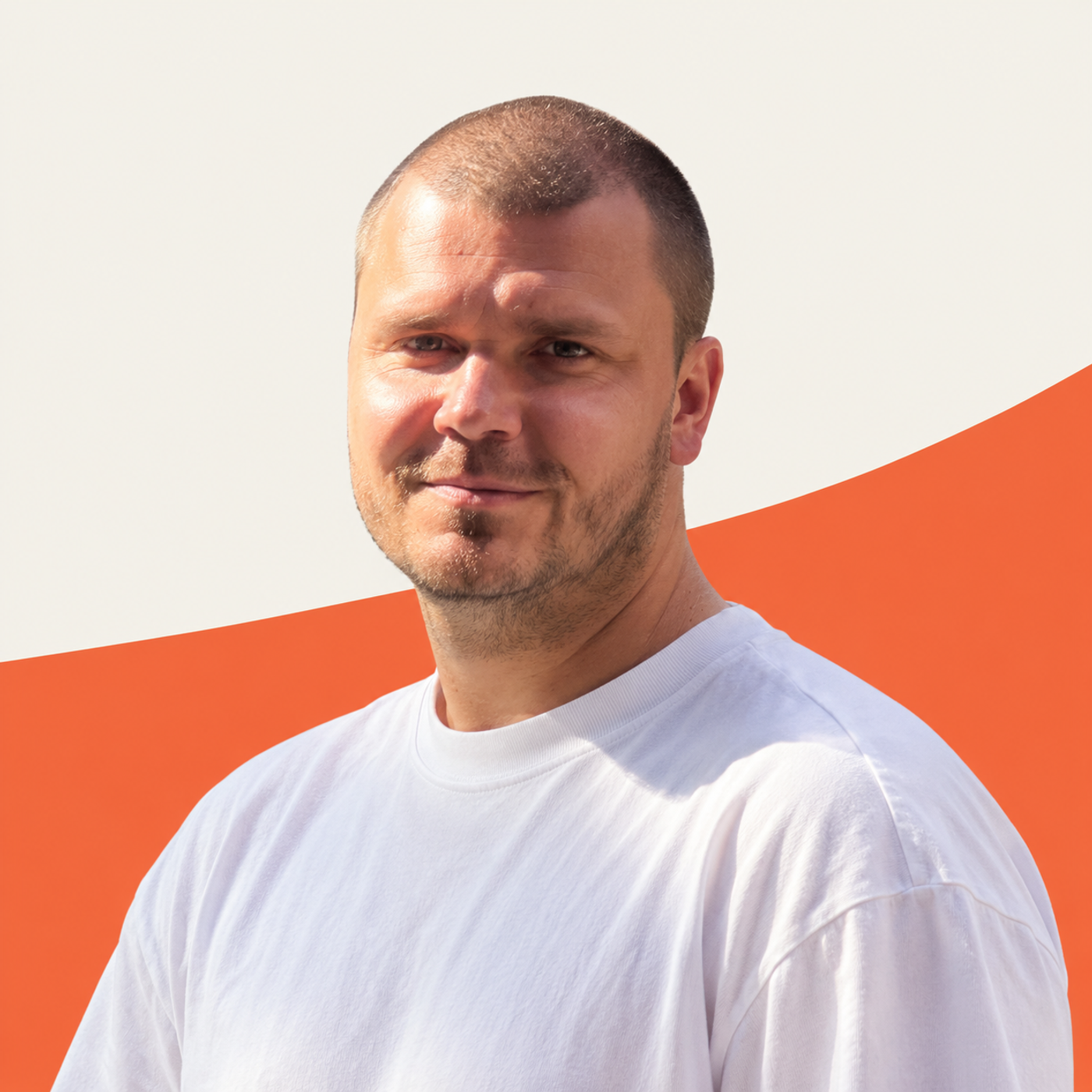 Unicorn To €100M: More Per Rep, Not More Reps — Molo Lorenz (Moss) #010 01.10.2026 35mMoss just became a unicorn. The next target is €100M ARR, and the plan for getting there does not involve a hiring spree. Moritz "Molo" Lorenz runs GTM engineering at Moss, a four-person team inside RevOps that works across the ops, systems, and data teams. His job is to make every rep produce more, so revenue can grow much faster than headcount.This episode is about the order of operations. Moss swapped an intern team doing manual account research for automated enrichment. It built a data lake so Salesforce stays clean. It also tried automated outbound and AI SDRs before the data was ready, a...
-
 Two People, $1.2M ARR, No Sales Team — Adam Holmgren (Fibbler) #009 24.09.2026 30mAdam Holmgren built Fibbler to $1.2M ARR with one co-founder and no sales team. He is not an engineer. He spent ten years in B2B marketing, started the company on the side of a full-time job, and now ships more product features than his technical co-founder does. His first fifty customers came from a LinkedIn audience he built two years before there was a product. The first employee is being hired now, and the target is $10M ARR with fewer than five people.His argument is that building stopped being the constraint. Around ten companies now do roughly what Fibbler does, and the features are not...
-
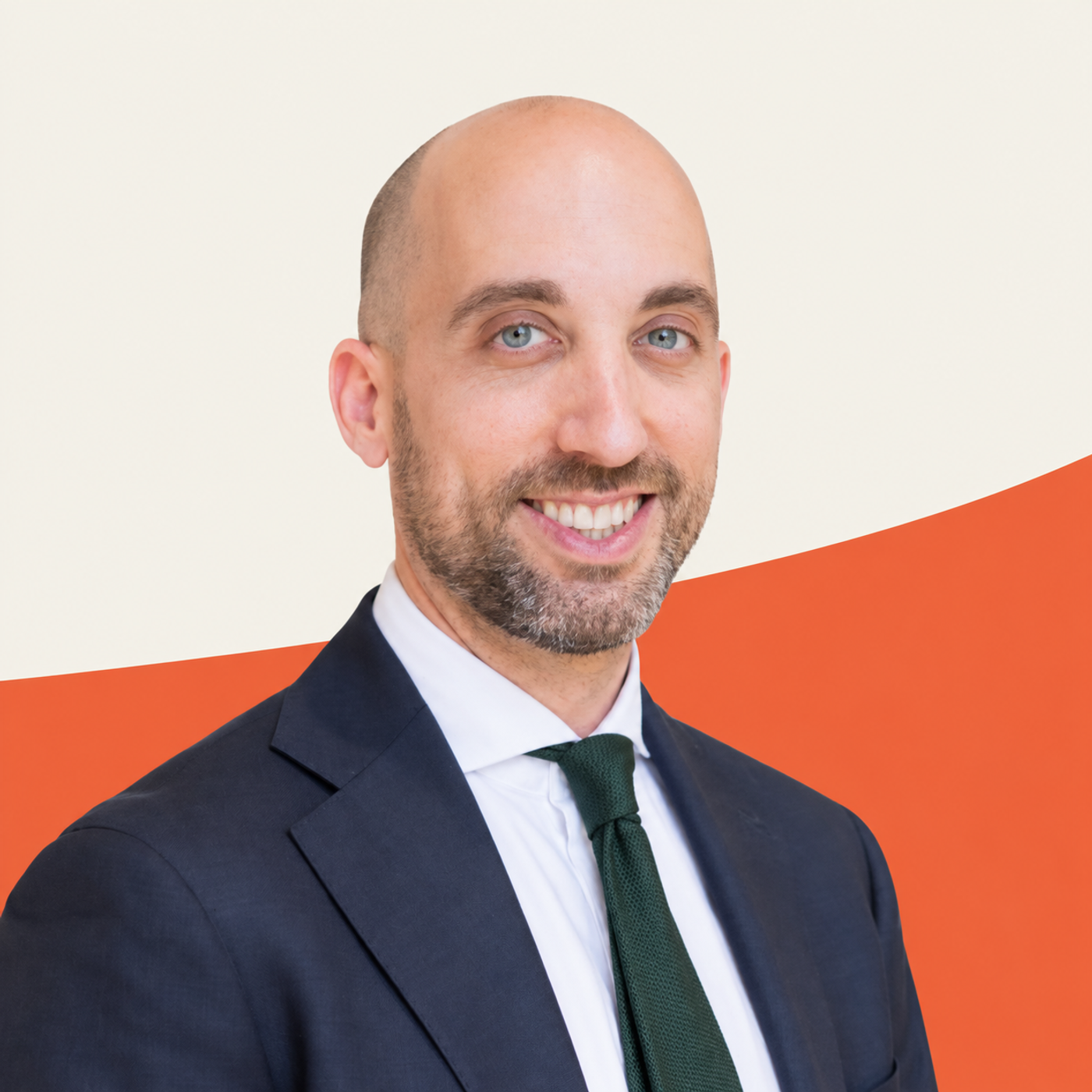 The 5 Tiers Of AI Vulnerability — Bram Kaashoek (Main Capital) #008 16.09.2026 34mY Combinator's latest guidance to founders was blunt: AI has cut the cost of building software 10 to 100x, so clone an existing product and sell it for a tenth of the price. Bram Kaashoek is Partner and COO at Main Capital Partners, a PE firm with more than 50 enterprise software companies representing €12 billion in assets. His answer is not defensive. Cheaper code is real. It just isn't the game.The episode makes three arguments. First, the shift that matters is not cost but category: software is moving from a tool that helps a professional to a platform that executes the job, which unlocks...
-
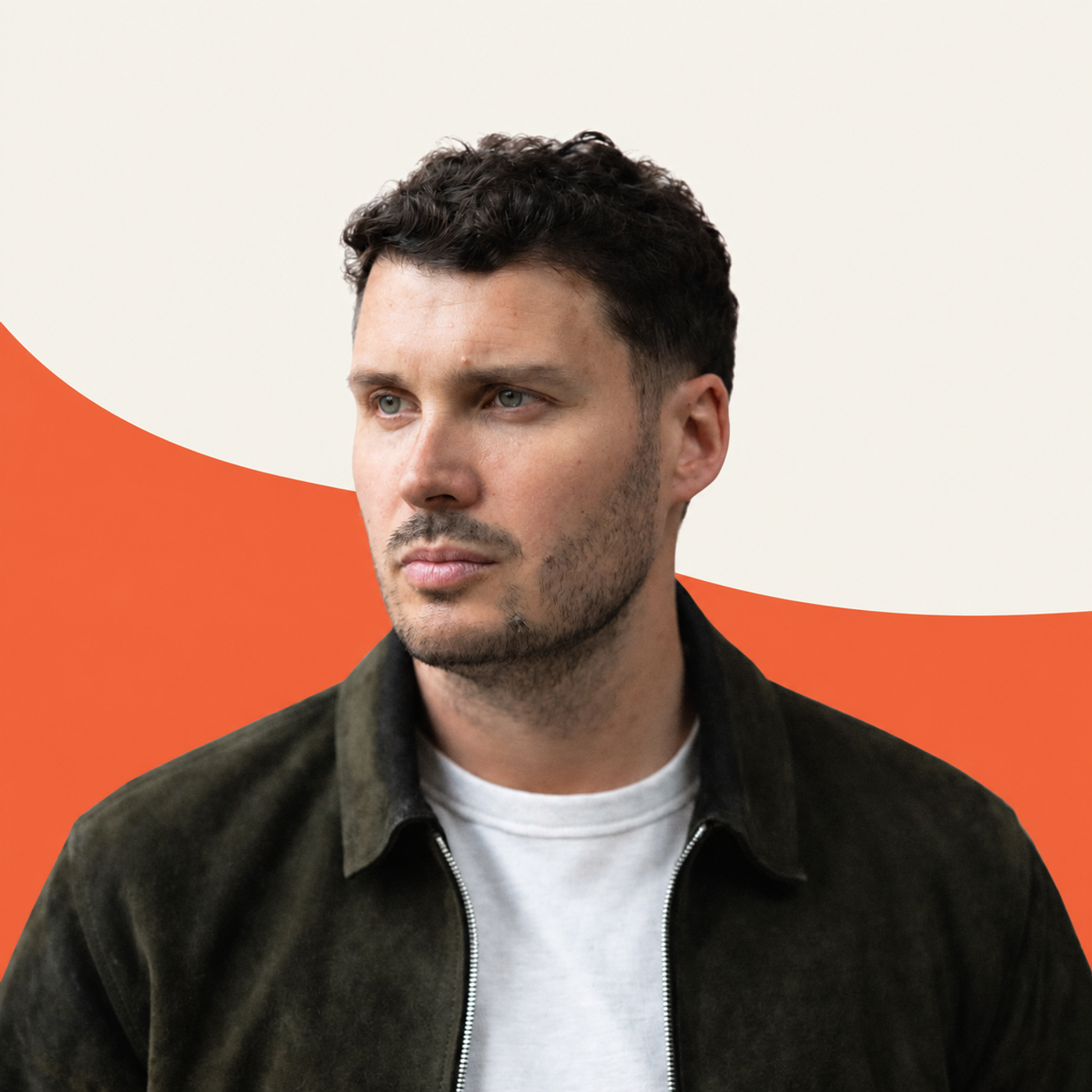 Building The 10x Accountant — Nick Knuppe (Neno) #007 03.09.2026 19mTraditional accounting firms run one accountant per 30 to 35 clients. Nick Knuppe is building toward one per 150. Neno is an AI-native financial services company that is both the software and the accounting firm: business bank accounts, expense cards, AR and AP, in-house accountants and tax fiscalists, and its own general ledger. In August 2026, Neno announced a €6.6 million seed round led by AlleyCorp, with Motive Partners and Firstminute Capital. Seven months after commercial launch, Nick says they onboard a customer a day, have passed 150 customers, and get more than 60 percent of new busin...
-
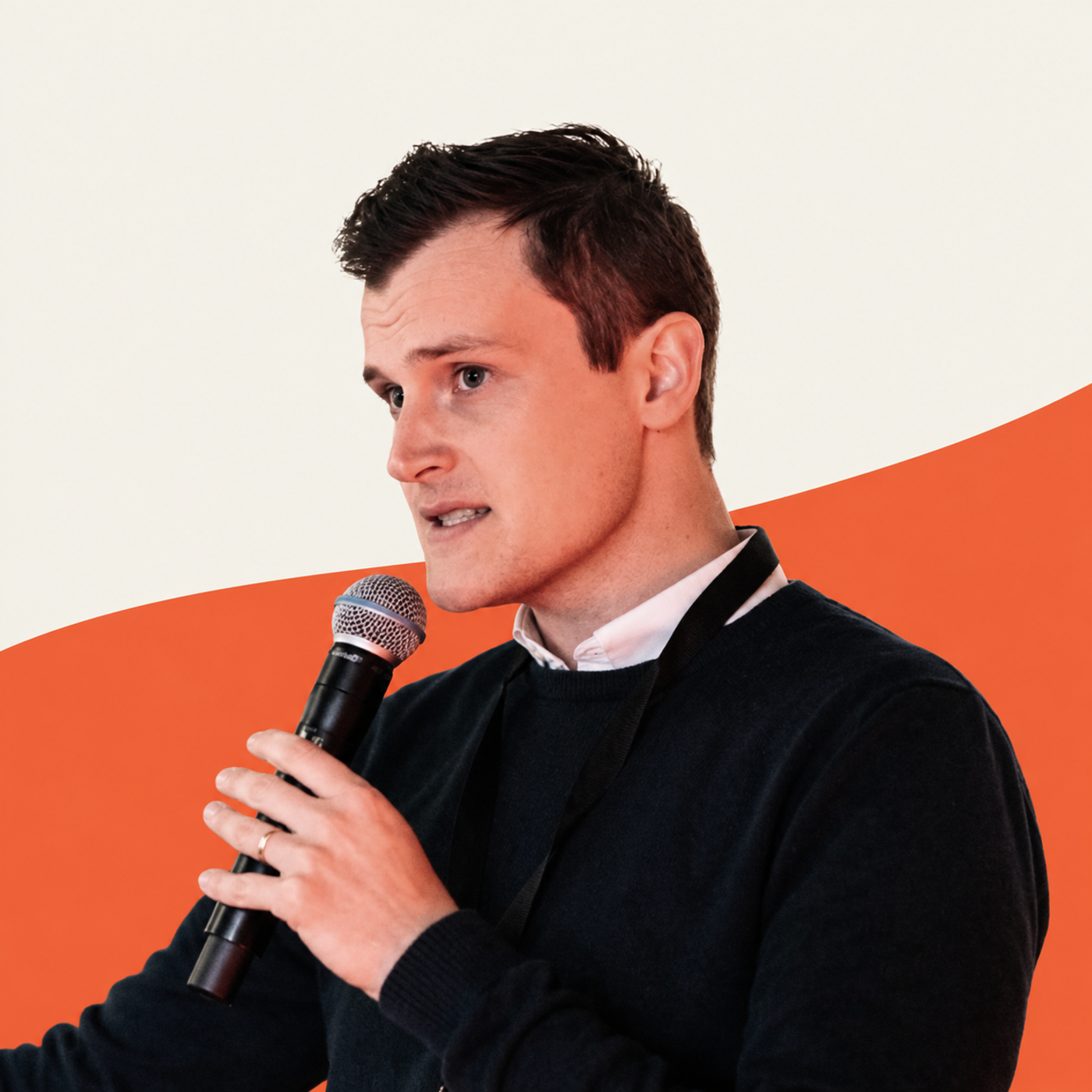 There's A New Chasm Before The Chasm — Yannick Dillen (Vlerick) #006 26.08.2026 28mYannick Dillen teaches entrepreneurship at Vlerick Business School and watches students kill good startup ideas over a 1,000 euro token bill. Meanwhile, Belgian scale-ups that fired their software engineers are quietly reposting the same vacancies. His argument: the zero-employee startup is not the cheap startup. Salary cost became token cost, and the pendulum between AI and software will settle in the middle.Three claims carry this episode. There is now an extra chasm before the innovators, because every market is flooded with lookalike vibe-coded products, and that is pushing B2B companies b...
-
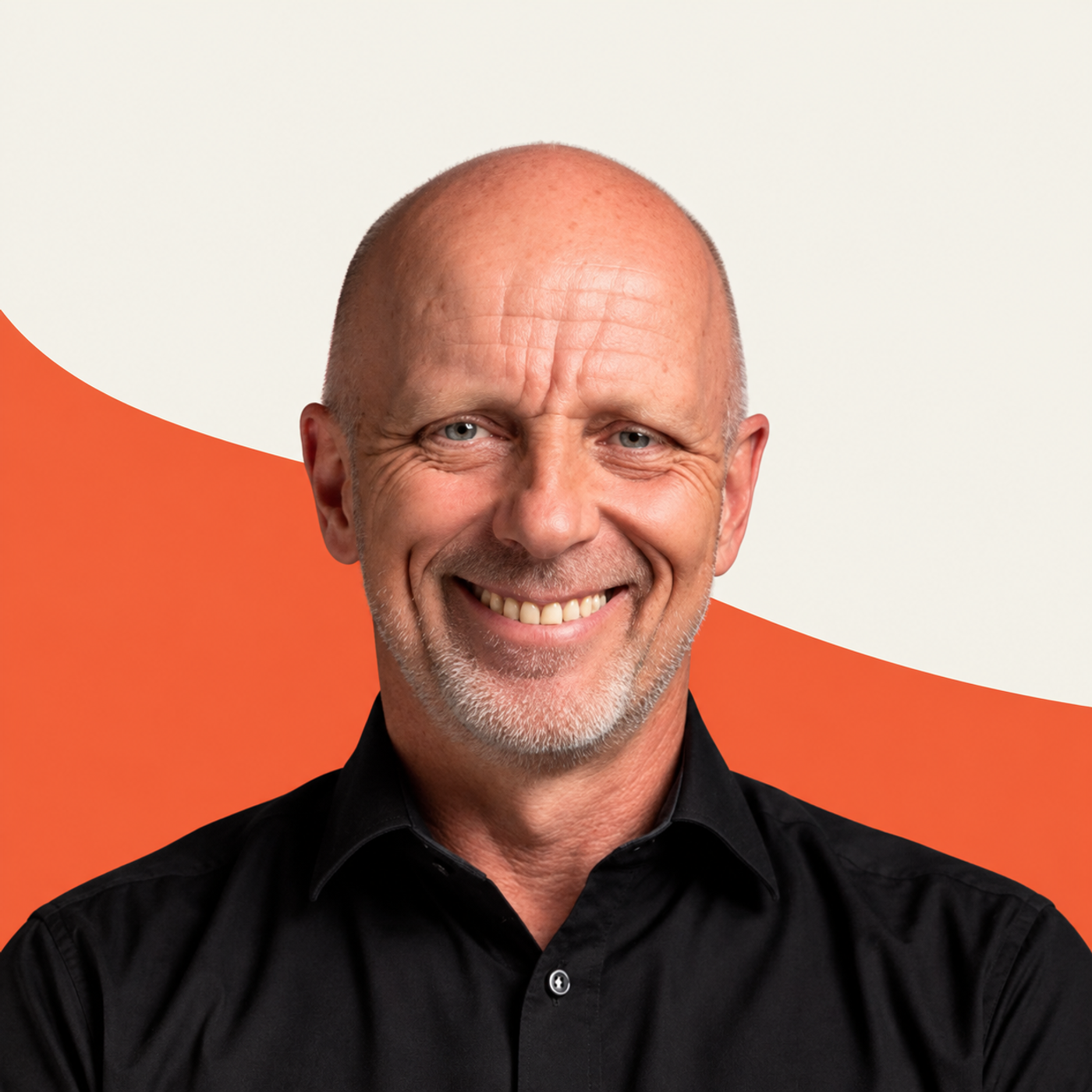 AI in Go-To-Market: Building a Revenue System for 2026 — Jacco van der Kooij #005 18.08.2026 28mJacco van der Kooij has spent over a decade telling SaaS companies how to build revenue systems. His read on AI is not that it makes teams faster. It's that AI revealed what was already broken. Companies never trained their people properly, and their marketing and sales systems were built not to talk to each other. The tools didn't cause the problem. They exposed it.The conversation runs from why the knowledge gap between buyer and seller has flipped, to why incumbents can't copy AI-native companies without rebuilding their data layer, to why the channels most GTM teams lean on for pipeline, S...
-
 $8.6M ARR, Nobody's Touched It In A Month — Adam Robinson (RB2B) #004 12.08.2026 24mAdam Robinson runs RB2B at $8.6M ARR. His CTO has not touched the code in over a month, he posts on LinkedIn three times a week about something else entirely, and the business keeps growing. He did not get there by wiring together the most sophisticated agents. He kept the product stupid simple, designed the whole thing from first principles so AI could handle the work a team used to, and priced it below what it costs anyone else to acquire a customer.The episode turns on one disagreement: what an autonomous business actually is. Adam's answer is a business built from the start to run itself,...
-
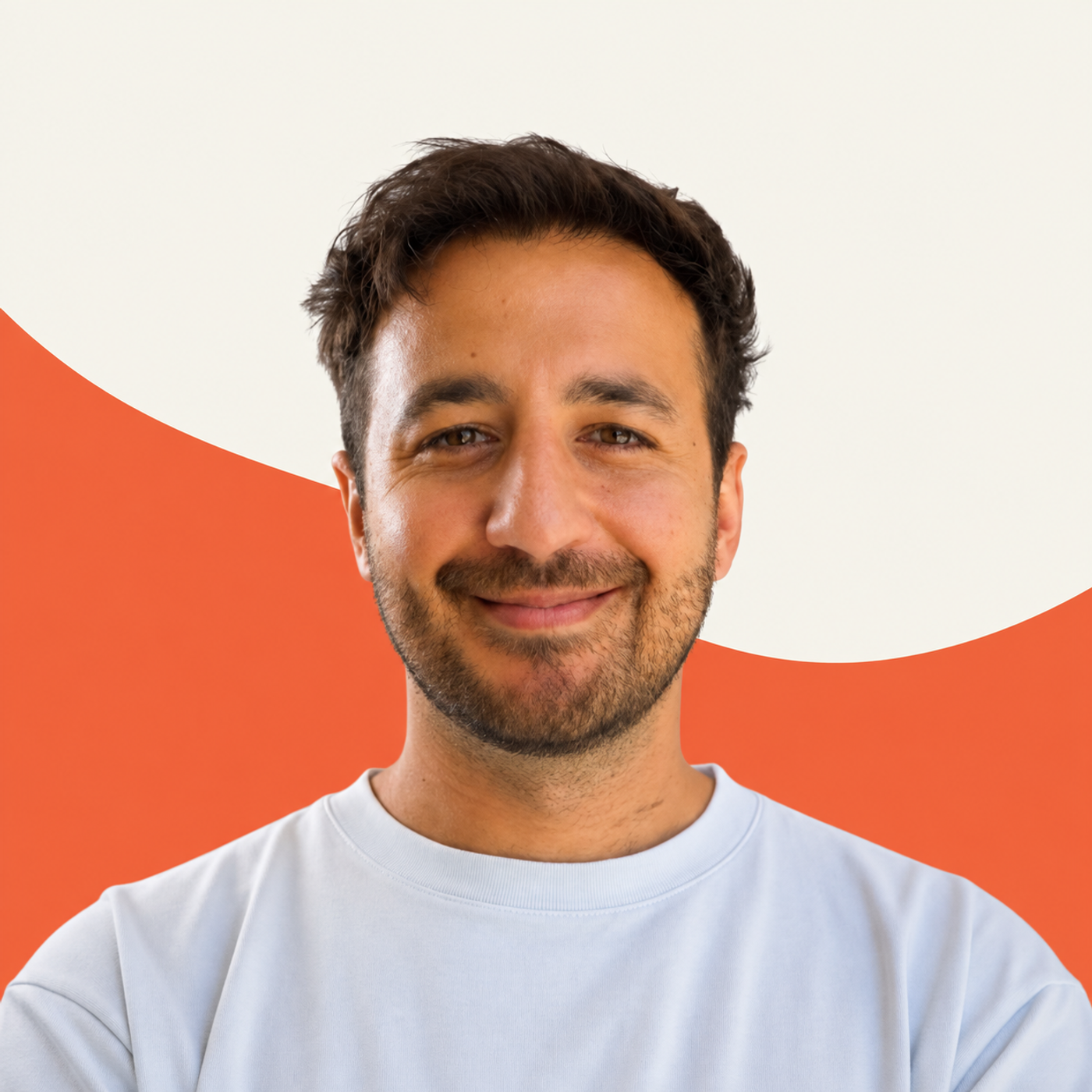 CRO 2.0: $25M To $100M From The Terminal — Omar Ismail (Ascend) #003 30.07.2026 21mAscend grew from zero to $25M ARR with no growth team. No growth marketer, no ads manager, no paid engine. Word of mouth, referrals, and a small set of partnerships. Then Omar Ismail joined as COO and built the entire go-to-market stack himself, orchestrated end to end in Claude Code. The target now: $100M ARR without meaningfully scaling headcount.Omar calls the second half of his job CRO 2.0: one person owning strategy and the machine that executes it. He argues the real trust problem with AI is not hallucination but software bugs in the systems it builds, which is why his next hire is a go-...
-
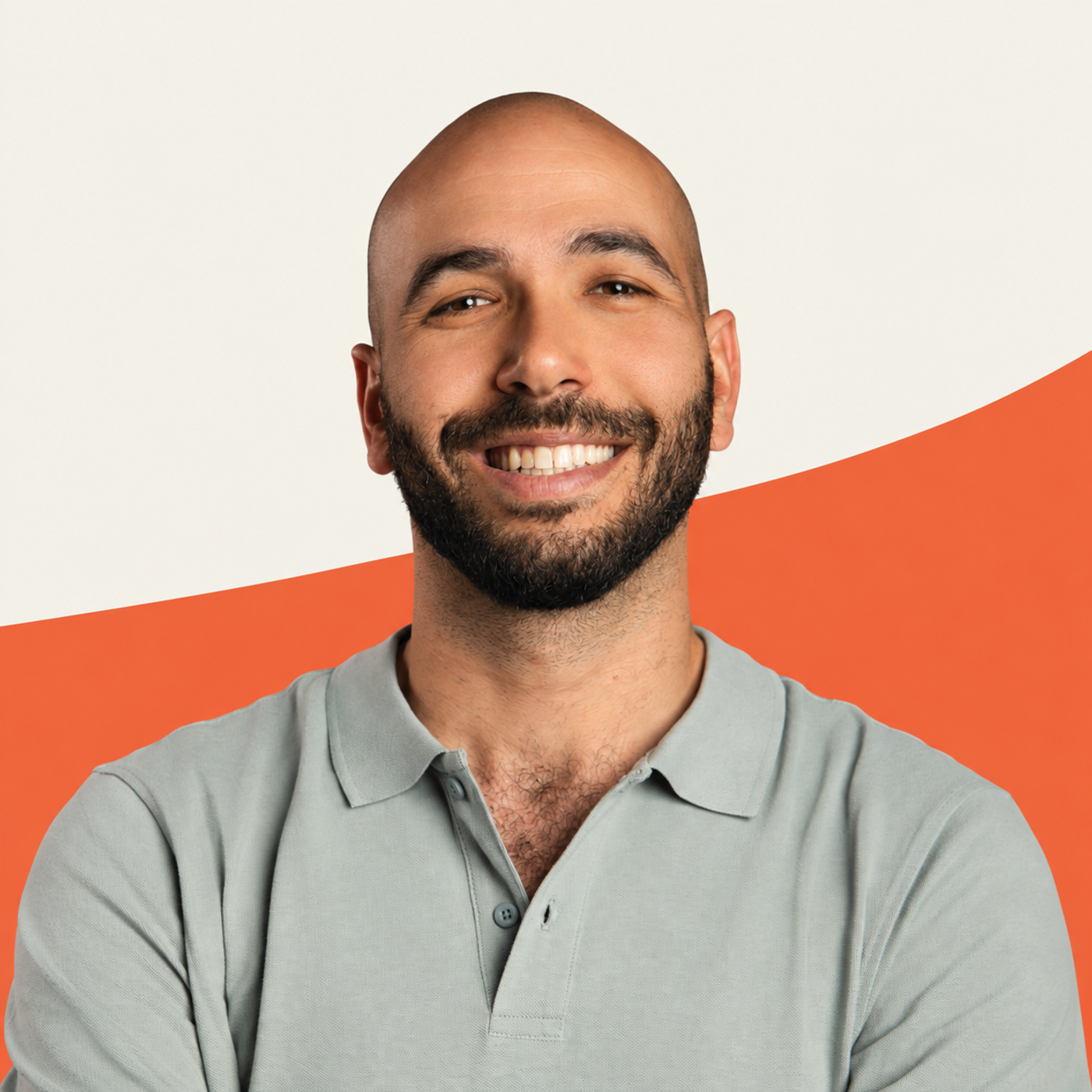 100x The Human, Skip The Headcount — Amos Bar-Joseph (Swan AI) #002 26.07.2026 26mAmos Bar-Joseph built and scaled two B2B startups on the old playbook. Raise big, hire to forty people before the first million in revenue, then spend years fighting the bloat you created. With Swan AI he threw it out. In 2025 Swan went from zero to over 200 customers and seven figures in ARR with three founders and no additional hires.The number he's aiming at is ten million dollars in ARR per employee.This episode is about how that actually works. Amos started where most teams start, building a specialized agent for every task, and it didn't hold. Swan now runs its entire go-to-market on a s...
-
 Growth After Headcount — The Podcast (Trailer) 22.07.2026 1mThe old playbook said scale revenue by scaling people. That playbook is dead.A new generation of companies is running on AI instead of headcount. Small teams, serious revenue, and org charts that would have looked impossible three years ago. This podcast goes inside those companies to find out how they actually work, from the founders building them.Each episode is a conversation with someone running an AI-native company: what they automated, what they didn't, what broke, and what the numbers really look like. No hype, no "AI is transforming business" filler. Just how these companies are built...
-
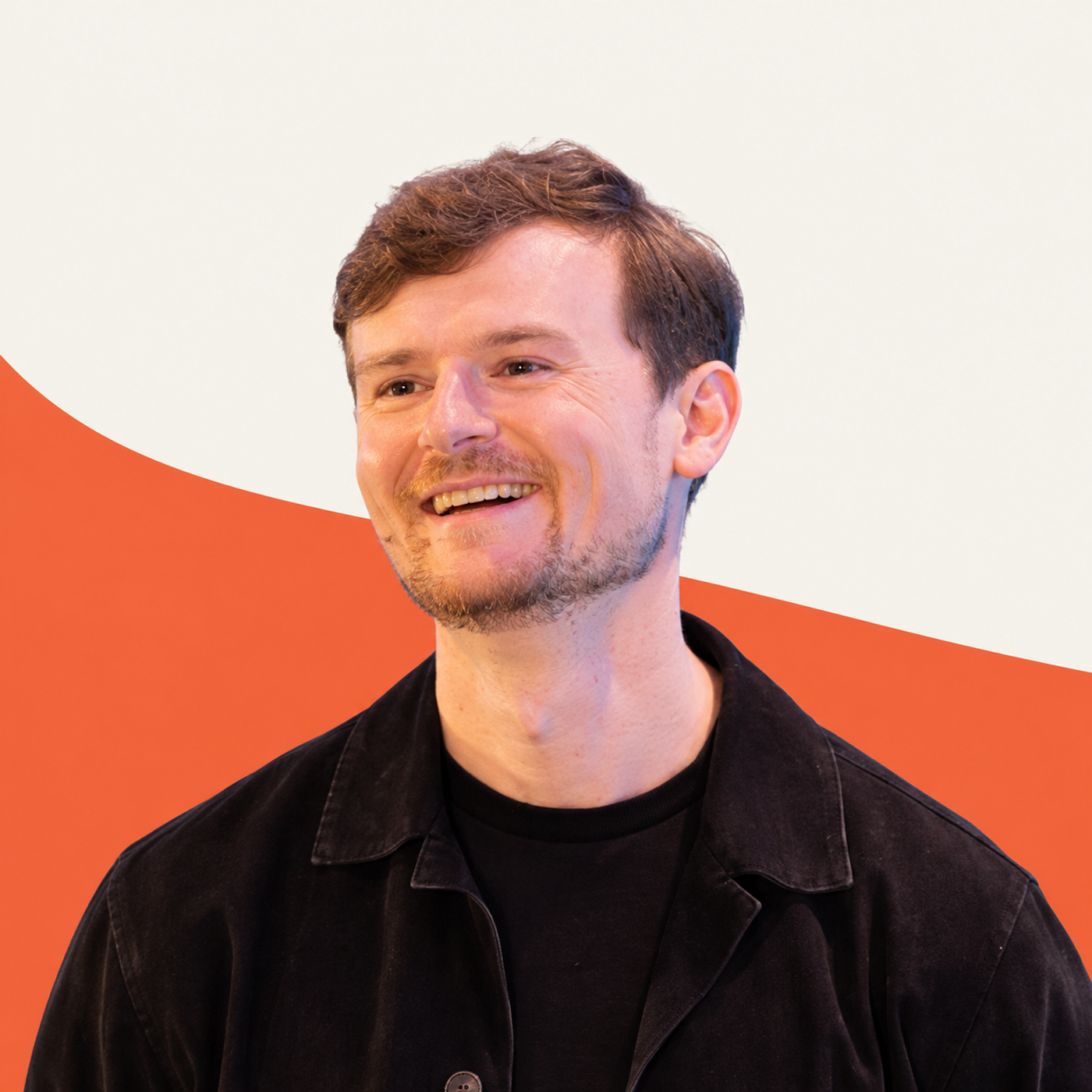 Growth After Headcount — What is this about? #001 21.07.2026 5mThe old playbook said scale revenue by scaling people. A new generation of companies is throwing it out.I'm Haris Odobasic, and this is Growth After Headcount — a podcast and a book about how companies scale with AI instead of headcount.I come from revenue operations, where the whole job is aligning people, process, technology, and data into one efficient revenue system. It works, but it's still people-dependent. Plug AI into that system and something changes: a handful of people can run work that used to take a hundred. That shift is creating a new kind of company, built lean from day one, an...
Similar podcasts


Popular in
The podcast also appears in the podcast charts of these countries.
