
Philosophy Overdose
Philosophy Overdose
0
Philosophy Overdose is a collection of public and academic philosophy lectures and interviews, focusing mainly on analytic philosophy with occasional continental philosophy. The channel seeks out thought-provoking material that is often rare and features famous philosophers, sometimes offering translations from German and French. It is entirely non-commercial and intended for educational purposes, aiming to spread good philosophy content. Topics span epistemology, ethics, metaphysics, philosophy of mind, and many other branches of philosophy.
Episodes
-
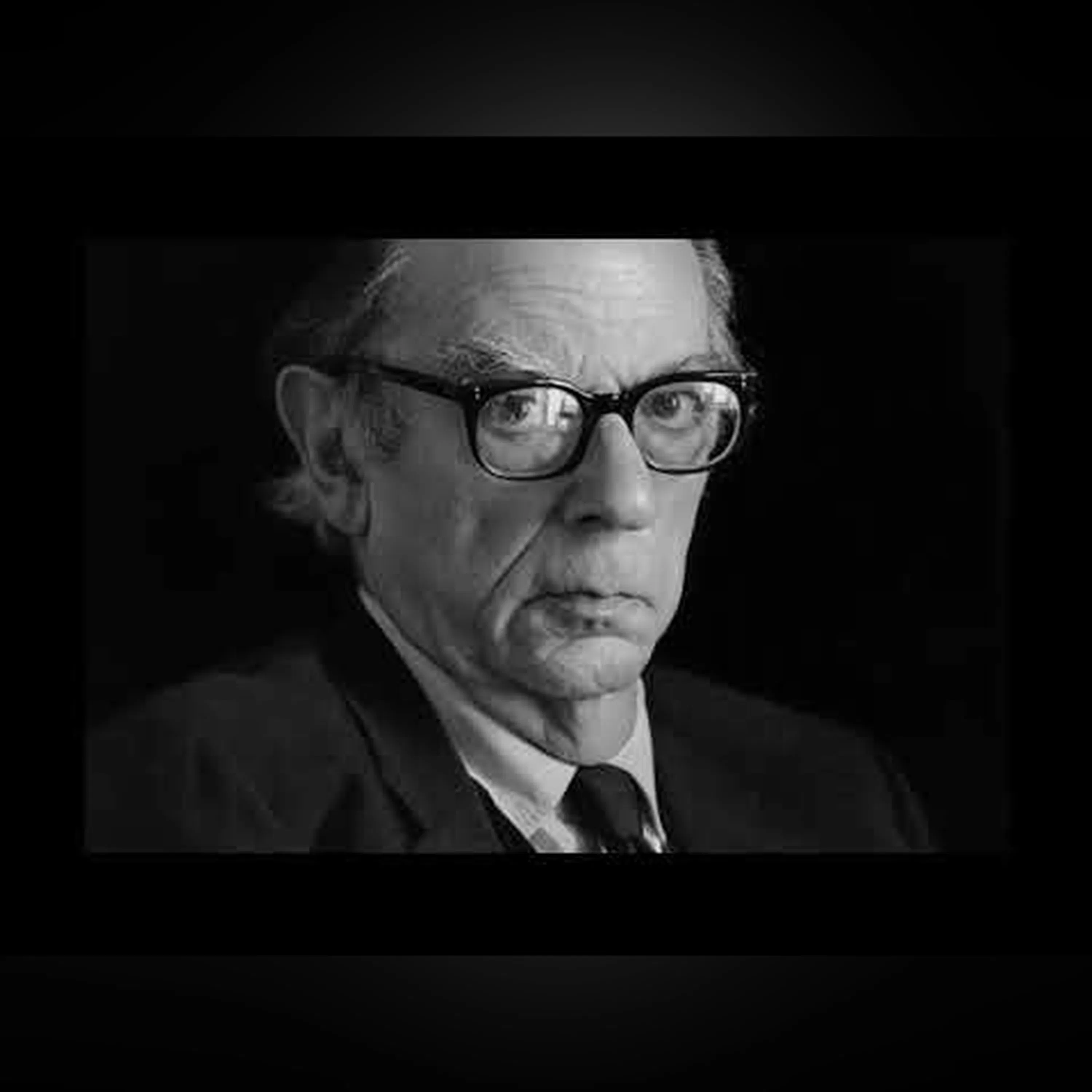 3 The True Fathers of Romanticism (Isaiah Berlin 1965) 05.10.2026 59mIsaiah Berlin gives the 3rd lecture in a series of 6 on Romanticism and its roots.All 6 lectures: https://www.youtube.com/playlist?list=PLhP9EhPApKE_9uxkmfSIt2JJK6oKbXmd-For Berlin, the Romantics set in motion a vast, unparalleled revolution in humanity’s view of itself. They destroyed the traditional notions of objective truth and validity in ethics with incalculable, all-pervasive results. As he said of the Romantics elsewhere: “The world has never been the same since, and our politics and morals have been deeply transformed by them. Certainly this has been the most radical, and indeed dramatic, not to say terrifying, change in men’s outlook in modern times.”In these brilliant lectures Berlin surveys the myriad attempts to define Romanticism, distills its essence, traces its developments from its first stirrings to its apotheosis, and shows how its lasting legacy permeates our own outlook. Combining the freshness and immediacy of the spoken word with Berlin’s inimitable eloquence and wit, the lectures range over a cast of the greatest thinkers and artists of the eighteenth and nineteenth centuries, including Kant, Rousseau, Diderot, Schiller, Schlegel, Novalis, Goethe, Blake, Byron, and Beethoven. Berlin argues that the ideas and attitudes held by these and other figures helped to shape twentieth-century nationalism, existentialism, democracy, totalitarianism, and our ideas about heroic individuals, individual self-fulfillment, and the exalted place of art. This is the record of an intellectual bravura performance–of one of the century’s most influential philosophers dissecting and assessing a movement that changed the course of history. These Mellon lectures were delivered in Washington in 1965.00:00 Hamann & Others29:10 Herder#Philosophy #Romanticism #IsaiahBerlin Learn more about your ad choices. Visit megaphone.fm/adchoices
 -
 Foundations of Liberal Equality 2 - Ronald Dworkin (1988) 05.10.2026 1h 45mAudio recording of a lecture by Ronald M. Dworkin as part of his 1988 Tanner lectures on human values at Stanford University on the foundations of liberalism. This was the second of his Tanner lectures. Note, this is a re-upload. 00:00 Lecture 1:07:14 Q&A #philosophy #ethics #politicalphilosophy #moralphilosophy #politicaltheory #liberalism Learn more about your ad choices. Visit megaphone.fm/adchoices
 -
 Isaiah Berlin Interview on Value Pluralism and Liberalism (1997) 05.10.2026 48mClips of Göran Rosenberg interviewing Isaiah Berlin in 1997, a few months before Berlin's death. More Isaiah Berlin: https://www.youtube.com/playlist?list=PLhP9EhPApKE-z227nn_-_PKw5lGfojOcgIsaiah Berlin's lectures on Romanticism: https://www.youtube.com/playlist?list=PLhP9EhPApKE_9uxkmfSIt2JJK6oKbXmd-00:00 Value Pluralism 12:38 Liberalism 24:13 Negative vs Positive Freedom 30:10 Nationalism 34:19 Tolerance & Meaning #Romanticism #IsaiahBerlin #Liberalism Learn more about your ad choices. Visit megaphone.fm/adchoices
 -
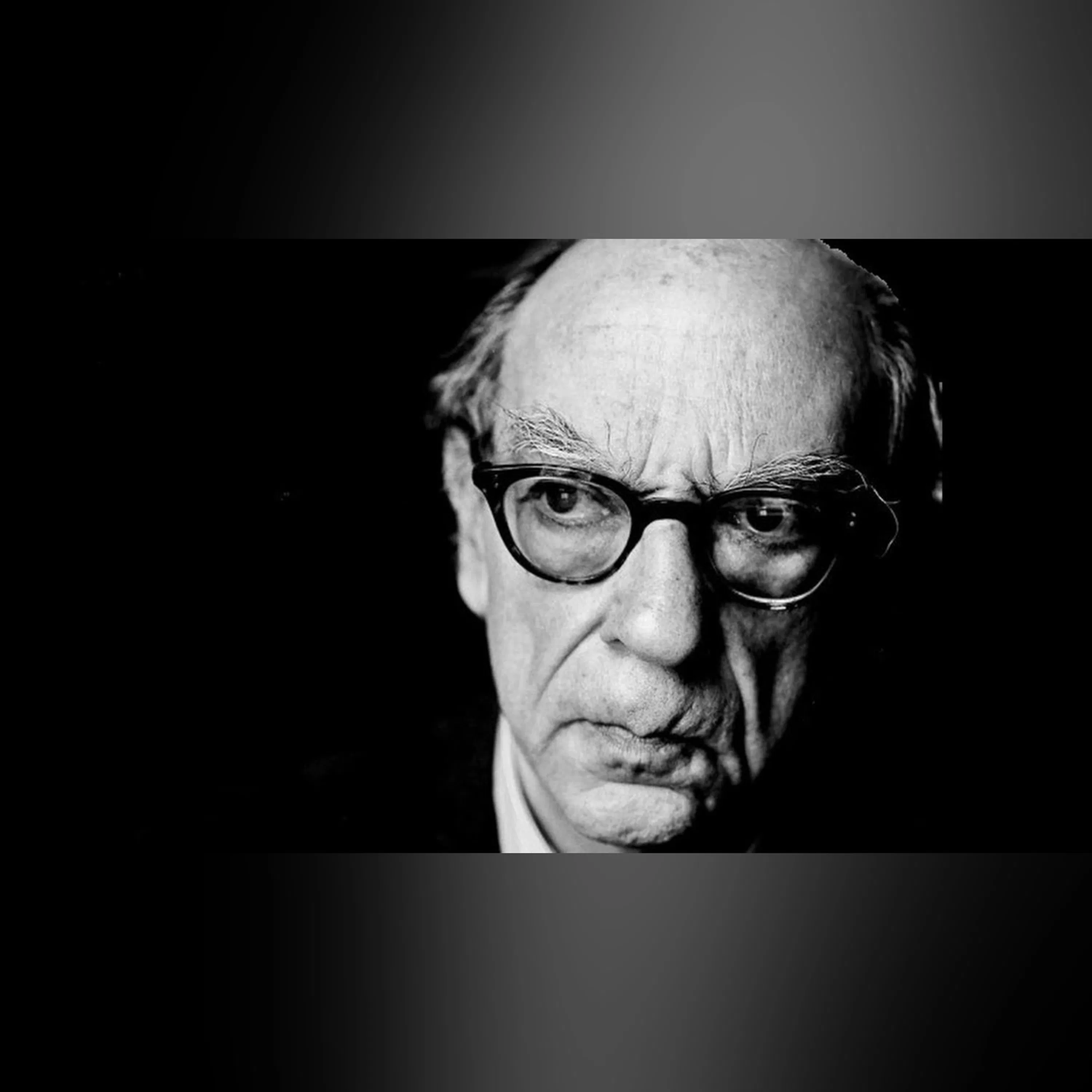 5 Unbridled Romanticism - Fichte, Schelling, and Symbols (Isaiah Berlin 1965) 05.10.2026 1h 4mIsaiah Berlin gives the 5th lecture in a series of 6 on Romanticism and its roots.All 6 lectures: https://www.youtube.com/playlist?list=PLhP9EhPApKE_9uxkmfSIt2JJK6oKbXmd-For Berlin, the Romantics set in motion a vast, unparalleled revolution in humanity’s view of itself. They destroyed the traditional notions of objective truth and validity in ethics with incalculable, all-pervasive results. As he said of the Romantics elsewhere: “The world has never been the same since, and our politics and morals have been deeply transformed by them. Certainly this has been the most radical, and indeed dramatic, not to say terrifying, change in men’s outlook in modern times.”In these brilliant lectures Berlin surveys the myriad attempts to define Romanticism, distills its essence, traces its developments from its first stirrings to its apotheosis, and shows how its lasting legacy permeates our own outlook. Combining the freshness and immediacy of the spoken word with Berlin’s inimitable eloquence and wit, the lectures range over a cast of the greatest thinkers and artists of the eighteenth and nineteenth centuries, including Kant, Rousseau, Diderot, Schiller, Schlegel, Novalis, Goethe, Blake, Byron, and Beethoven. Berlin argues that the ideas and attitudes held by these and other figures helped to shape twentieth-century nationalism, existentialism, democracy, totalitarianism, and our ideas about heroic individuals, individual self-fulfillment, and the exalted place of art. This is the record of an intellectual bravura performance–of one of the century’s most influential philosophers dissecting and assessing a movement that changed the course of history. These Mellon lectures were delivered in Washington in 1965.00:00 Three Great Trends00:50 Fichte09:58 Schelling16:02 Symbolism21:44 Depth26:33 Nostalgia31:07 Paranoia37:13 French Revolution#Romanticism #IsaiahBerlin #Fichte Learn more about your ad choices. Visit megaphone.fm/adchoices
 -
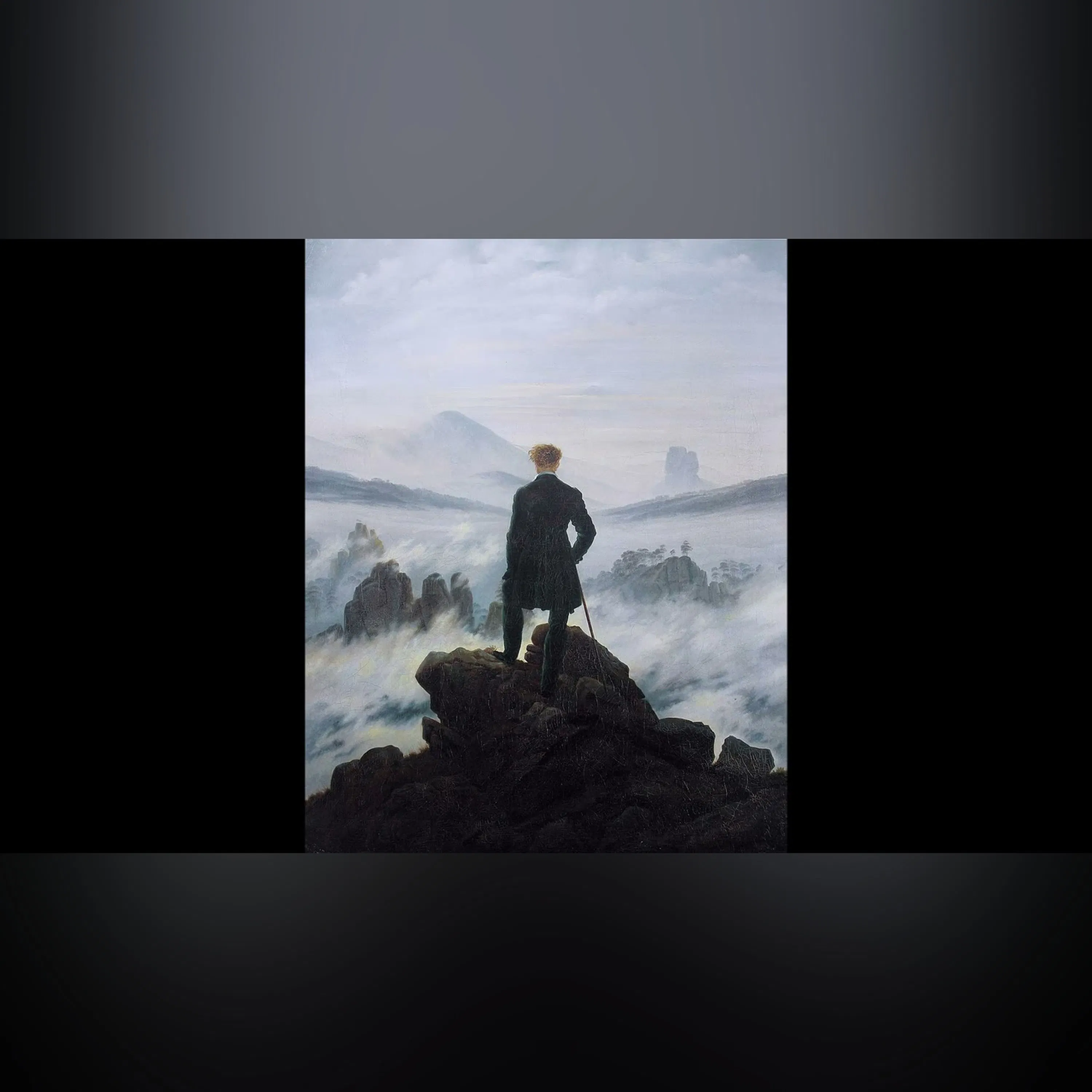 6 Romanticism - The Lasting Effects (Isaiah Berlin 1965) 05.10.2026 1h 18mIsaiah Berlin gives the 6th and final lecture in a series of 6 on Romanticism and its roots.All 6 lectures: https://www.youtube.com/playlist?list=PLhP9EhPApKE_9uxkmfSIt2JJK6oKbXmd-For Berlin, the Romantics set in motion a vast, unparalleled revolution in humanity’s view of itself. They destroyed the traditional notions of objective truth and validity in ethics with incalculable, all-pervasive results. As he said of the Romantics elsewhere: “The world has never been the same since, and our politics and morals have been deeply transformed by them. Certainly this has been the most radical, and indeed dramatic, not to say terrifying, change in men’s outlook in modern times.”In these brilliant lectures Berlin surveys the myriad attempts to define Romanticism, distills its essence, traces its developments from its first stirrings to its apotheosis, and shows how its lasting legacy permeates our own outlook. Combining the freshness and immediacy of the spoken word with Berlin’s inimitable eloquence and wit, the lectures range over a cast of the greatest thinkers and artists of the eighteenth and nineteenth centuries, including Kant, Rousseau, Diderot, Schiller, Schlegel, Novalis, Goethe, Blake, Byron, and Beethoven. Berlin argues that the ideas and attitudes held by these and other figures helped to shape twentieth-century nationalism, existentialism, democracy, totalitarianism, and our ideas about heroic individuals, individual self-fulfillment, and the exalted place of art. This is the record of an intellectual bravura performance–of one of the century’s most influential philosophers dissecting and assessing a movement that changed the course of history. These Mellon lectures were delivered in Washington in 1965.00:00 The Tradition02:38 Romantic Attack08:21 Myths & Art15:20 Politics & Other Spheres23:35 Music31:23 Who Were They?51:48 Transformation of Values58:49 Existentialism1:06:03 Fascism1:07:08 Artistic Model of Life1:08:05 What we owe to Romanticism#Philosophy #Romanticism #IsaiahBerlin Learn more about your ad choices. Visit megaphone.fm/adchoices
 -
 Identity and the Mind - Raymond Tallis (2007) 05.10.2026 56mRaymond Tallis discusses the nature of the self or personal identity in a 2007 talk at the University of Cambridge as part of a series of public lectures on the notion of identity. More on personal identity: https://plato.stanford.edu/entries/identity-personal/ #philosophy #mind #metaphysics #personalidentity Learn more about your ad choices. Visit megaphone.fm/adchoices
 -
 The Eclipse of Reason - Sidney Morgenbesser (1967) 05.10.2026 1h 9mAudio recording of a 1967 lecture given by Sidney Morgenbesser on reason and its eclipse at the Cooper Union Forum in New York. Sidney Morgenbesser was a professor of philosophy at Columbia University. #philosophy #epistemology #science Learn more about your ad choices. Visit megaphone.fm/adchoices
 -
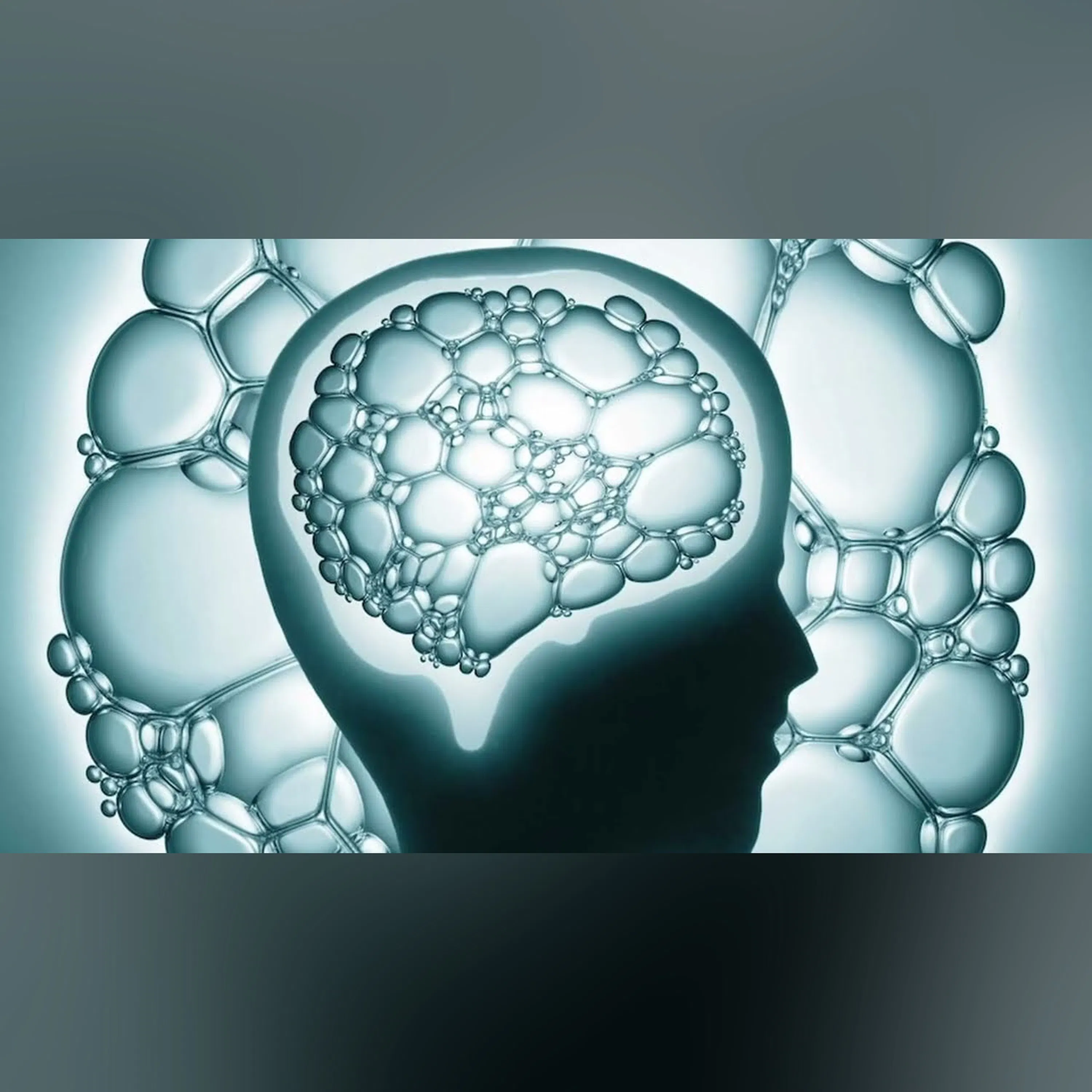 What is Distinctive of Human Thought? 05.10.2026 46mDescartes famously argued that animals were mere machines, without thought or consciousness. Few would now share this view. But if other animals have conscious lives, what are they like, how do they differ from ours, and how would we ever know anything about them? In this lecture, Tim Crane addresses this question by looking at the kinds of thoughts we might share with animals, and looking at philosophical and empirical arguments for how our thoughts might differ from theirs. This talk was given by professor Tim Crane as part of his inaugural lecture as Knightbridge Professor of Philosophy at the University of Cambridge back in 2010. #philosophy #philosophyofmind #epistemology #psychology #intentionality #mind #language Learn more about your ad choices. Visit megaphone.fm/adchoices
 -
 Susanne Langer on Man and Animal: The City and the Hive (1957) 05.10.2026 54mAudio recording of a 1957 lecture by Susanne K. Langer at the Cooper Union Forum under the title "Man and Animal: The City and the Hive". #philosophy #langer #historyofphilosophy #language Learn more about your ad choices. Visit megaphone.fm/adchoices
 -
 Language, Thought, and Politics 05.10.2026 52mJohn Searle (the University of California, Berkeley) and Michael Silverstein (the University of Chicago) discuss George Orwell on the relation between language, thought, and politics with host Gretchen Helfrich in an episode of Odyssey from Chicago Public Radio back in 2003. #philosophy #orwell #language #politics Learn more about your ad choices. Visit megaphone.fm/adchoices
 -
 On Socrates - with Raphael Woolf and Peter Adamson 05.10.2026 32mPeter Adamson and Raphael Woolf discuss the figure of Socrates in an episode of Peter Adamson's podcast on the History of Philosophy from a few years back. They discuss Socrates as he was presented by Plato, that is, as the gadfly of Athens. They also consider whether Socrates was an ascetic, whether it could really be true that virtue is knowledge, and whether weakness of will is really impossible.For more information about the podcast and for additional episodes, go to: https://www.historyofphilosophy.net#philosophy #socrates #plato #historyofphilosophy Learn more about your ad choices. Visit megaphone.fm/adchoices
 -
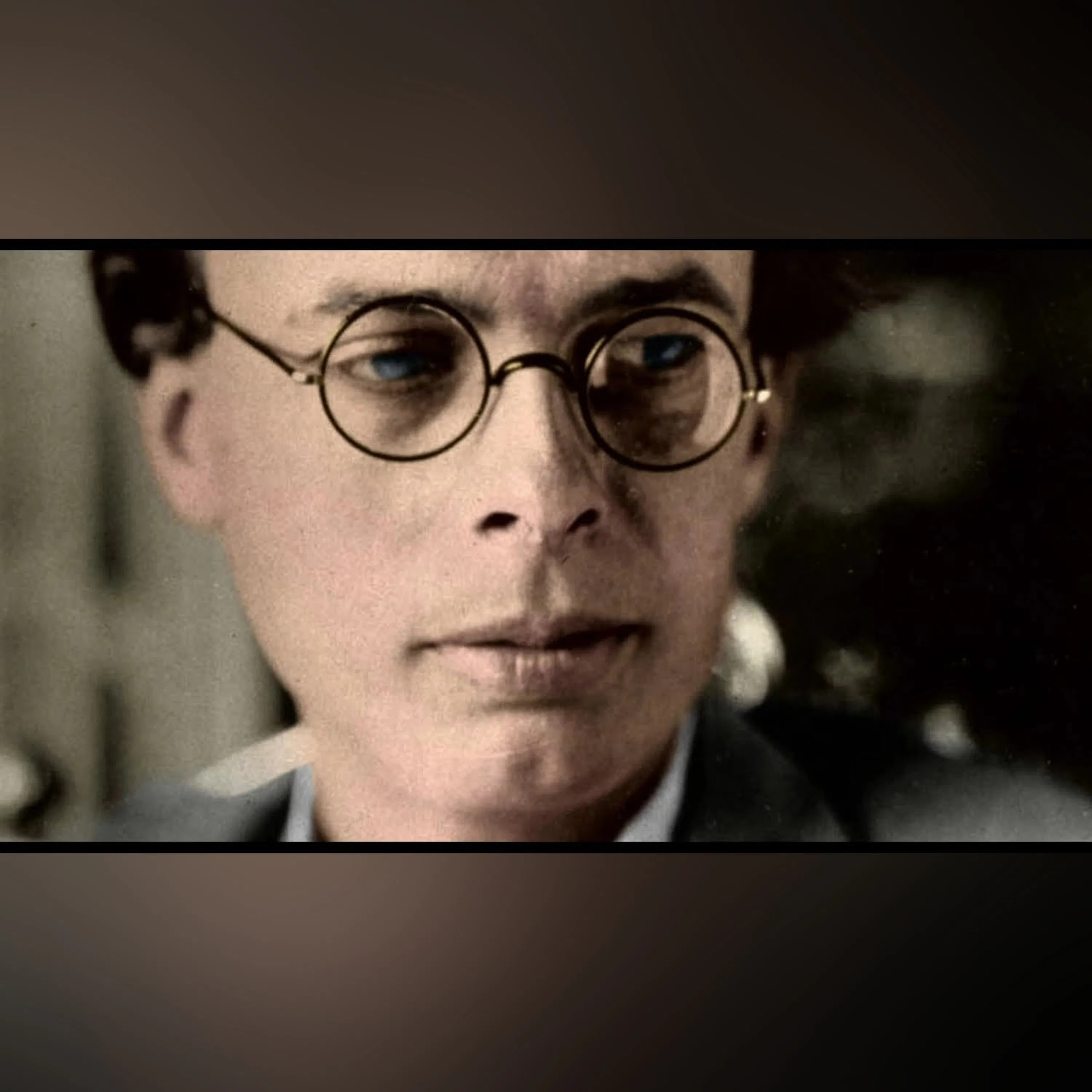 Aldous Huxley on the Ultimate Revolution (1962) 05.10.2026 1h 23mAudio recording of a 1962 lecture by Aldous Huxley at UC Berkeley. He discusses some of the themes of his famous work Brave New World regarding authoritarian state control and the various methods of psychological manipulation. #philosophy #aldoushuxley #bravenewworld #authoritarianism #totalitarianism #socialtheory #psychology Learn more about your ad choices. Visit megaphone.fm/adchoices
 -
 Divine Command Theory and the Euthyphro Objection 05.10.2026 8mRuss Shafer-Landau explains the Euthyphro Dilemma and why it presents a serious problem to Divine Command Theory. This comes from a talk on objective morality without God: https://youtu.be/50CQwa15R7A #philosophy #ethics #metaethics #moralphilosophy #historyofphilosophy Learn more about your ad choices. Visit megaphone.fm/adchoices
 -
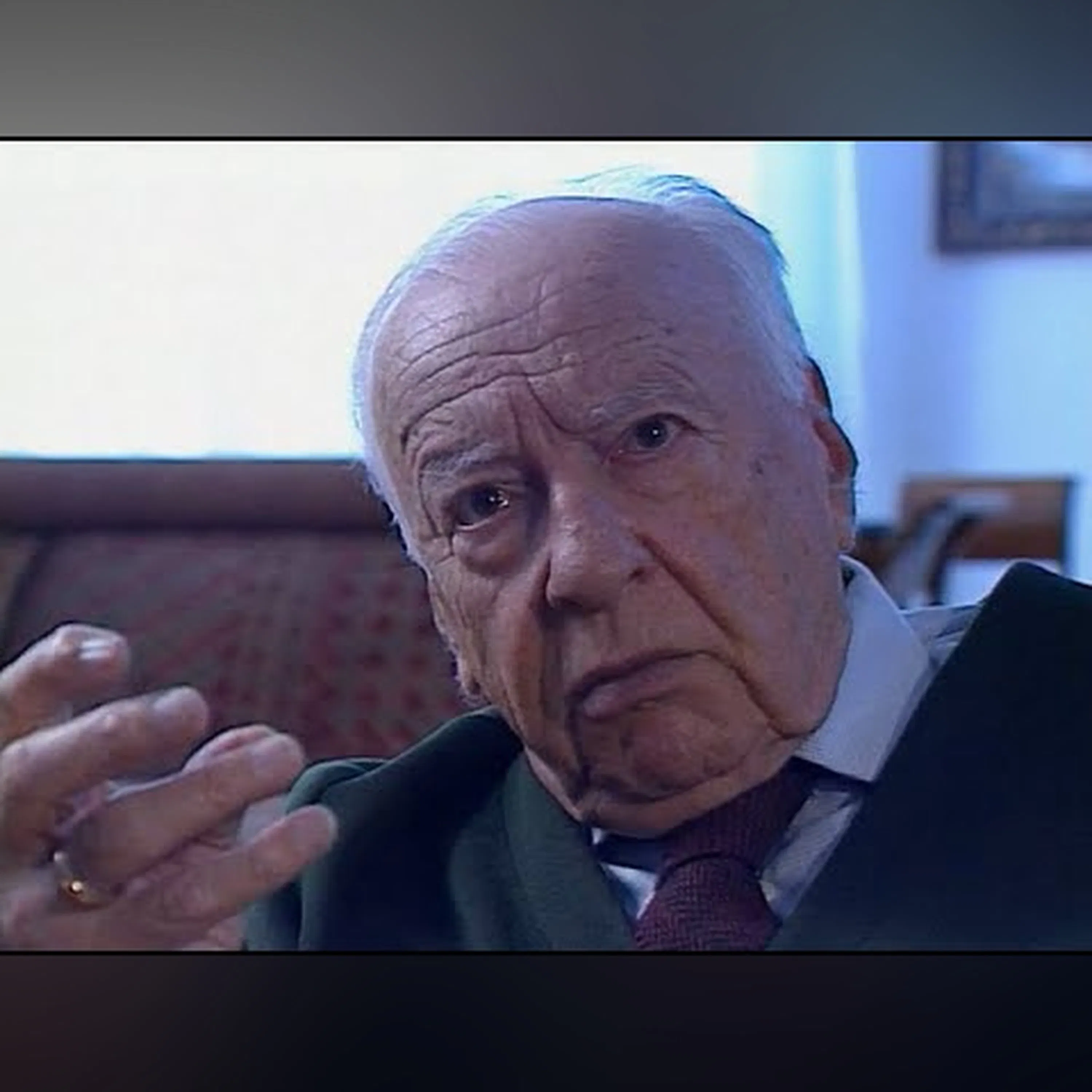 Gadamer on Schopenhauer (1991) 05.10.2026 4mA very short clip of Gadamer discussing Schopenhauer. More details will be added at a later date. More Short Clips: https://www.youtube.com/playlist?list=PLhP9EhPApKE8v8UVlc7JuuNHwvhkaOvzcMore Gadamer: https://www.youtube.com/playlist?list=PLhP9EhPApKE_MbPzGOh27qfdqiCaf7Uot#Philosophy #Gadamer #Schopenhauer Learn more about your ad choices. Visit megaphone.fm/adchoices
 -
 1 Just What is Kant's "Project"? - Kant's Critique of Pure Reason (Dan Robinson) 05.10.2026 53mDan Robinson gives the 1st lecture in a series of 8 on Immanuel Kant's Critique of Pure Reason. Both sense and reason are limited. Kant must identify the proper mission and domain of each, as well as the manner in which their separate functions come to be integrated in what is finally the inter-subjectively settled knowledge of science.This series looks at German Philosopher Immanuel Kant's seminal philosophical work 'The Critique of Pure Reason'. The lectures aim to outline and discuss some of the key philosophical issues raised in the book and to offer students and individuals thought provoking Kantian ideas surrounding metaphysics. Each lecture looks at particular questions raised in the work such as how do we know what we know and how do we find out about the world, dissects these questions with reference to Kant's work and discusses the broader philosophical implications. Anyone with an interest in Kant and philosophy will find these lectures thought provoking but accessible.This is series of lectures was given in 2011 at Oxford. Note, audio has been improved. All 8 lectures: https://www.youtube.com/playlist?list=PLhP9EhPApKE_OdgqNgL0AJX9-gwr4tmLw#philosophy #kant #epistemology #metaphysics #empiricism #hume #skepticism #historyofphilosophy Learn more about your ad choices. Visit megaphone.fm/adchoices
 -
 Bas van Fraassen on Empiricism (1990) 05.10.2026 1h 16mAudio recording of a lecture by Bas van Fraassen on the nature of empiricism at Calvin College back in 1990. #philosophy #epistemology #empiricism #philosophyofscience #historyofphilosophy Learn more about your ad choices. Visit megaphone.fm/adchoices
 -
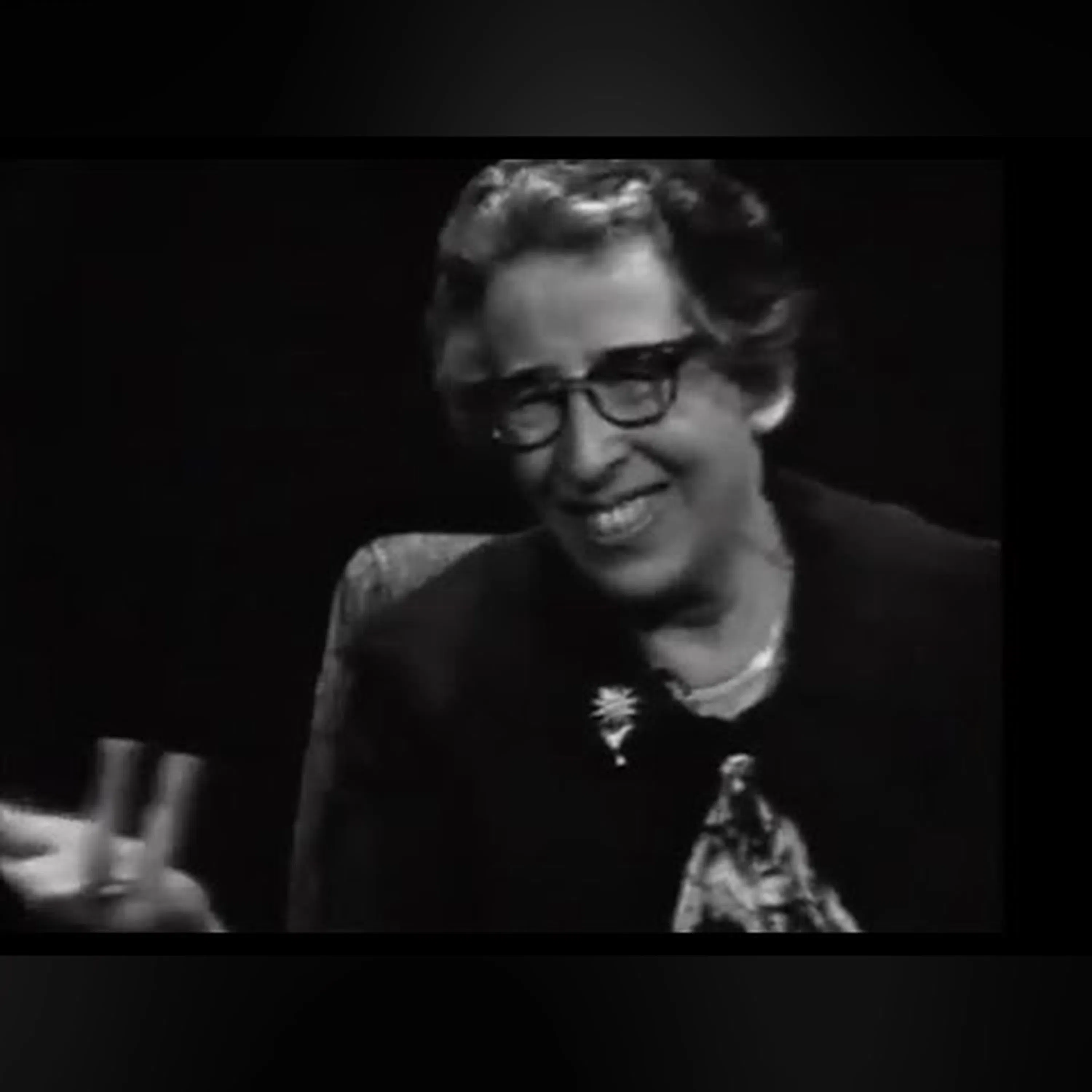 Hannah Arendt on Modernity (1964) 05.10.2026 9mA clip of Hannah Arendt from her 1964 interview with Günter Gaus. Among other things, she discusses the dethroning of the community spirit by the modern age and with it the prime importance of the political and the shrinkage of the public realm, which is associated with the uprooting of the masses and the resulting isolation and atomism in the modern world (something which, by the way, she thought made possible totalitarianism in the 20th century, both from the right and the left). She also touches on the labor-consumption process, the public sphere, and the increasing inability to act publicly in the modern world. Full Interview: https://www.youtube.com/watch?v=dVSRJC4KAiE#philosophy #hannaharendt #politicaltheory #politicalphilosophy Learn more about your ad choices. Visit megaphone.fm/adchoices
 -
 Plato on Knowledge - The Meno and Theaetetus (History of Philosophy) 05.10.2026 38mPeter Adamson discusses Plato's dialogues the Meno and the Theaetetus, which address various epistemological topics, including Meno's paradox, Plato's theory of recollection, the nature of knowledge, relativism, and the difference between knowledge and true belief (e.g. what must be added to a true belief to turn it into knowledge, and why knowledge is more valuable than mere true belief). This comes from Peter Adamson's amazing podcast on the History of Philosophy from a few years back, which can be found here: https://www.historyofphilosophy.net00:00 The Meno 14:59 Theaetetus #philosophy #plato #epistemology #socrates #historyofphilosophy Learn more about your ad choices. Visit megaphone.fm/adchoices
 -
 The Problem of Self-Knowledge 05.10.2026 1h 25mA talk given by Barry Smith a few years back on the nature of self-knowledge (i.e. knowledge of one's own inner states of mind) and some of the philosophical problems that arise. He discusses some of the main metaphysical and epistemological issues, especially in relation to knowledge of other minds and other kinds of knowledge. Among other things, he touches on the symmetries vs asymmetries, the Cartesian versus behaviorist conception, and issues of authority, objectivity, and skepticism, including Davidsonian interpretation, and even a bit on Wittgenstein's famous private language argument. This talk was given at the École Normale Supérieure (ENS) in Paris back in 2005.More on self-knowledge: https://plato.stanford.edu/entries/self-knowledge/00:00 Start of Talk 06:18 Asymmetries 12:10 Authority 16:29 Symmetries 19:15 The Central Problem 23:22 Cartesianism vs Behaviorism 33:45 Inner Perceptual Model 35:55 Transparency 40:21 Consciousness 45:57 Publicity & Objectivity 50:53 Knowing Others: Davidson 57:24 Objectivity vs Authority 1:00:55 Insufficient Answers to Problem #philosophy #epistemology #philosophyofmind #metaphysics #skepticism #mind Learn more about your ad choices. Visit megaphone.fm/adchoices
 -
 The Experience Machine 05.10.2026 6mA clip of professor Shelly Kagan discussing the famous thought experiment of the experience machine which comes from Robert Nozick and which serves as an argument against hedonism about well-being. This comes from a lecture on death given at the Southern Methodist University back in 2013. More on the nature of well-being: https://plato.stanford.edu/entries/well-being/#philosophy #hedonism #ethics #nozick #moralphilosophy Learn more about your ad choices. Visit megaphone.fm/adchoices
Similar podcasts


Popular in
The podcast also appears in the podcast charts of these countries.
