
Cave Adullam
Cave Adullam
0
Cave Adullam is a community of believers focused on walking in love and embracing the mystery of faith. The podcast encourages listeners to pursue the blissful life of Christ with diligence and godly sincerity. It aims to make the Kingdom of Jesus a tangible reality in today's world.
Episodes
-
 MR | Oct 5, 2026 | Ministers Rest 05.10.2026 5h 52mJoin us brethren for an awesome time in His presence : Ministers Rest | Oct 5, 2026
 -
PHB | Oct 3, 2026 | Preparing His bride 03.10.2026 2h 41mJoin us beloved for today's fellowship : Preparing His Bride October 3, 2026
-
MSOP | Oct 1, 2026 | Melchizedek School of Priesthood 01.10.2026 8h 43mSchool is in session! Join us for today's class : Melchizedek School of Priesthood | Oct 1, 2026
-
MR | Sep 28, 2026 | Ministers Rest 28.09.2026 5h 43mJoin us brethren for an awesome time in His presence : Ministers Rest | Sep 28, 2026 MR | Sep 28, 2026 | Ministers Rest
-
PHB | Sep 26, 2026 | Preparing His bride 27.09.2026 4h 29mJOPC D2S1 | Sept 26, 2026 | JESUS - Only prayer Conference | Morning Session
-
PHB | Sep 26, 2026 | Preparing His bride 26.09.2026 2h 48mJoin us beloved for today's fellowship : Preparing His Bride September 26, 2026
-
MSOP | Sep 24, 2026 | Melchizedek School of Priesthood 24.09.2026 2h 13mSchool is in session! Join us for today's class : Melchizedek School of Priesthood | Sep 24, 2026
-
Crystal Rivers | Word for Now | Sep 21, 2026 22.09.2026 1h 33mThe Crystal Rivers online meetings are an organic ministry expression of the Cave Adullam community that came as an obedient response to a clear instruction from the Lord and a desire to stay connected to each other regardless of our location on the globe. Join us as we pray, fast and dig into the word with at least one expression of the crystal sea flowing via Zoom every weekday : http://www.caveadullam.org/zoom Crystal Rivers | Word for Now | Sep 21, 2026
-
Crystal Rivers | Word for Now | Sep 21, 2026 21.09.2026 37mThe Crystal Rivers online meetings are an organic ministry expression of the Cave Adullam community that came as an obedient response to a clear instruction from the Lord and a desire to stay connected to each other regardless of our location on the globe. Join us as we pray, fast and dig into the word with at least one expression of the crystal sea flowing via Zoom every weekday : http://www.caveadullam.org/zoom Crystal Rivers | Word for Now | Sep 21, 2026
-
MR | Sep 19, 2026 | Preparing His bride 21.09.2026 6h 11mJoin us brethren for an awesome time in His presence : Ministers Rest | Sep 21, 2026 MR | Sep 21, 2026 | Ministers Rest
-
PHB | Sep 19, 2026 | Preparing His bride 19.09.2026 2h 35mJoin us beloved for today's fellowship : Preparing His Bride September 19, 2026
-
 Learning to Hear the Voice of God | Sep 17, 2026 | MSOP 17.09.2026 2h 10mMelchizedek School of Priesthood | Sep 17, 2026 You are called into a priesthood that is far deeper than preaching, ministry activity, titles, visibility, or religious responsibility. The true priesthood God seeks is formed in the place of intimacy, where you learn to hear His voice, submit to His dealings, obey His Word, and allow the life of Christ to become the governing reality of your entire being. God is looking for Christ to be formed in you, and that formation does not happen automatically. It requires travail, surrender, personal responsibility, and a willingness to let go of everything in you that resists His nature. You must understand that spiritual maturity will cost you something. There are desires, ambitions, comforts, identities, habits, opinions, and even legitimate pursuits that may have to lose their hold over you so that Christ can gain greater expression through you. The journey into sonship is not built around what you can receive from God, but around what you are willing to surrender to Him. You do not become mature simply because you have been around spiritual things for a long time. Growth happens when you deliberately yield to the processes that confront self, expose pride, correct your thinking, and train you to live according to the will of God. Do not assume that every voice competing for your attention is obviously evil. Some of the most dangerous distractions are legitimate things. Your work can become a voice. Your phone can become a voice. Ministry can become a voice. Your needs can become a voice. Your plans, goals, relationships, responsibilities, ambitions, and even spiritual activities can become voices that continually pull you away from the one thing that is necessary. A distraction does not have to be sinful to become spiritually costly. Anything that repeatedly keeps you from sitting at the feet of Christ can function like the voice of a stranger. Learn from the difference between Martha and Mary. Martha was occupied with something useful, but Mary chose what was necessary. You must learn to distinguish between what is good and what is essential. There will always be many things demanding your attention, but only one thing can continually anchor your life: hearing Christ. If you do not protect that place, legitimate activity can quietly replace intimacy. You also need consistency. You cannot build a life with God through occasional encounters. Abiding means continuing. Begin where you are, but continue. If you can only spend a short time in His presence, begin there and grow. What matters is that you keep returning until fellowship becomes a culture rather than an emergency response. Prayer should not only happen when there is a meeting, a crisis, or an external instruction to pray. The truth you are receiving should itself begin to drive you back into communion with God. Even fasting should be understood correctly. It is not primarily a tool for manipulating God into giving you something. Fasting helps confront the occupations of your heart. It exposes the things that have grown loud within you and creates space for your attention to return to God. The problem is often not that God is unwilling to speak, but that your heart is too crowded to recognize His voice. You must also accept personal responsibility for your growth. No one can pursue God on your behalf. No one can surrender for you. No one can become attentive for you. You must choose to come, choose to learn, choose to take His yoke, choose to submit, choose to obey, and choose to stay. Desire alone is not enough. You may sincerely want to grow and still remain unchanged if you refuse the processes that produce maturity. Examine your life rather than constantly examining others. The clearest sight is not the ability to identify what is wrong with everyone around you, but the grace to recognize what must still change within you. Measure growth by whether Christ is becoming more visible in your character. Is
 -
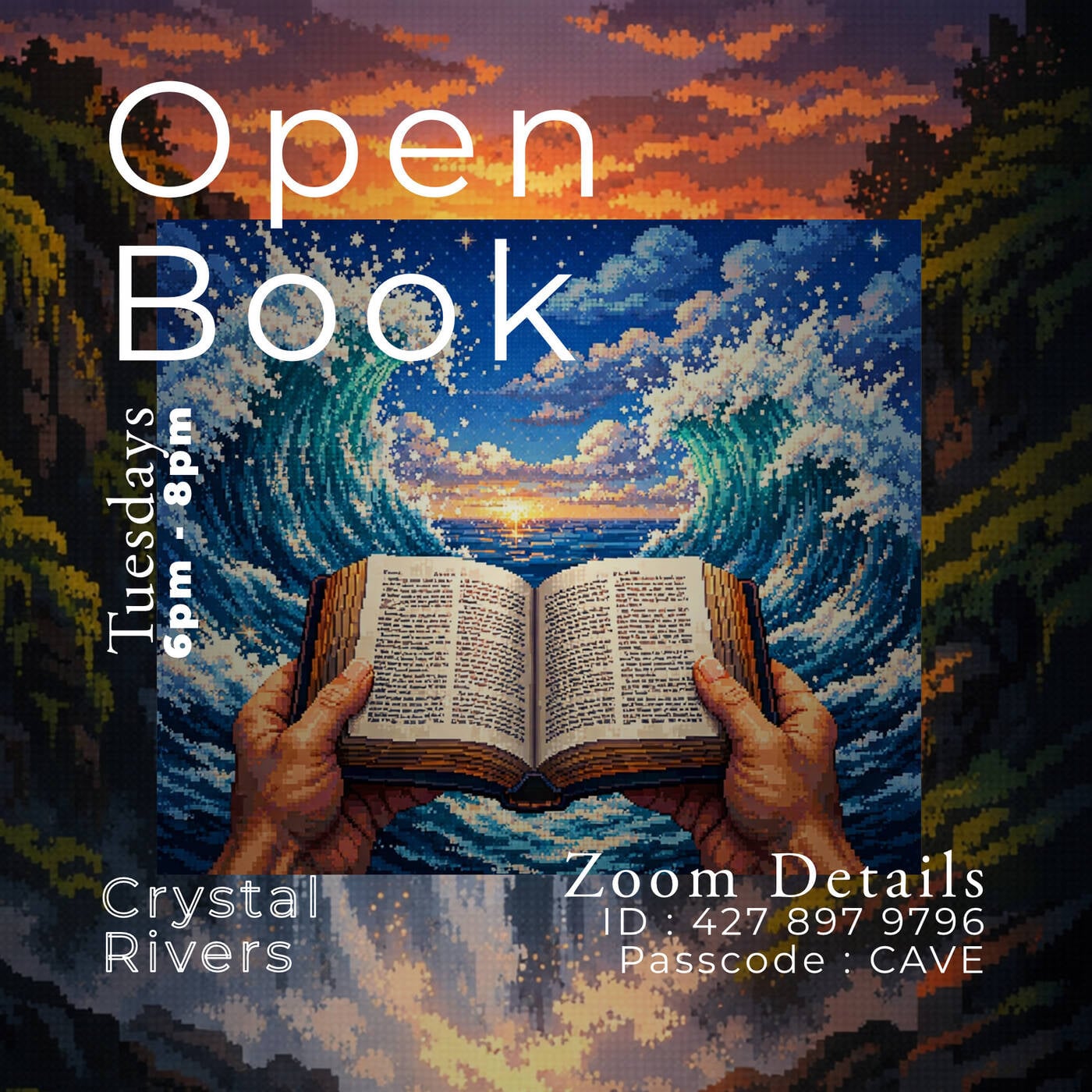 Living With Spiritual Intentionality; Walking Worthy of the Calling | Open Book | Sep 15, 2026 | CR 15.09.2026 1h 37mCrystal Rivers | Open Book | Sep 15, 2026 The Christian life is meant to move forward. God is continually bringing His people into new seasons of growth, maturity, obedience, and fruitfulness, and every season carries an expectation. You are not meant to remain where you were yesterday, nor are you meant to measure your walk only by past encounters, previous disciplines, old victories, or the things you once did well. There is always more of Christ to know, more of His nature to embody, and more of His purpose to fulfill. Until you come into the measure of the stature of the fullness of Christ, there is still a journey ahead of you. This is why you must understand the hope of your calling. You cannot run well if you do not know where you are going. Hope gives direction to faith. It gives meaning to obedience. It produces endurance, diligence, discipline, joy, peace, and steadfastness. When the destination is clear, the demands of the journey begin to make sense. A person who knows what they are pursuing is willing to endure inconvenience, correction, training, waiting, sacrifice, and repeated adjustments because they understand what those things are producing. This kind of prayer requires humility because God’s assessment may confront your assumptions. He may show you that what you considered maturity is still immaturity. He may expose worldliness where you thought you were consecrated. He may reveal pride beneath spiritual activity. He may show you that your garments are not what you imagined them to be. Do not resist this correction. It is mercy to be corrected now. It is better to hear difficult truth while there is still time to respond than to preserve an illusion until the day of final assessment. The Lord corrects because He loves. His rebuke is not meant to destroy you but to bring you into alignment. Welcome the kind of judgment that helps you run better. Ask God to uproot what must be uprooted and rebuild what must be rebuilt. Allow Him to dismantle religious assumptions, traditions, empty habits, misplaced confidence, and inherited ways of thinking that do not produce His life. Do not inherit an empty way of life and then hand the same emptiness to the next generation. Faith cannot survive on tradition alone. Children and younger believers need more than religious culture; they need to see purpose, reality, transformation, and the wisdom that leads to salvation. They need to see people whose lives demonstrate that God is real, His promises are true, and His ways produce life. Your faith must therefore become intentional. Intentional people ask questions. They pause to assess progress. They identify where they are going and what must change to get there. They do not drift through seasons. They do not assume that activity equals progress. Do not glorify former seasons while neglecting the present one. Do not constantly speak about how you used to pray, used to fast, used to pursue God, used to serve, or used to burn. Life is not demonstrated by what was once warm. Life is demonstrated by what still carries heat. This is where diligence becomes necessary. Spiritual growth is not casual. When a person understands the importance of an examination, they prepare differently. They rearrange their schedule. They study when others rest. They become focused. In the same way, when the hope of your calling becomes clear, you will begin to treat your walk with God differently. Diligence is not legalism when it is a response to hope. It is the natural response of someone who has seen something worth pursuing. People who truly believe a promise begin to move toward it. Let Christ remain the pattern. You do not need to build your life around comparison with another believer. Copy Jesus. Look at how He prayed. Look at how He obeyed. Look at how He responded to temptation. Look at how He handled pressure. Look at how He loved. Look at how He submitted to the Father. Look at how He endured suffering. Let
 -
 TWPC - DAY FOUR MORNING SESSION | SEPTEMBER 13, 2026 | THE BIRTH-PANGS OF THE NEW TESTAMENT PRIESTS 13.09.2026 2h 50mTWPC D4S1 | SEPTEMBER 13, 2026 | THE BIRTH-PANGS OF THE NEW TESTAMENT PRIESTS You are being called into a priesthood that begins not with public ministry, spiritual gifts, titles, or spectacular experiences, but with a deep and sustained hunger for God that draws you continually into His presence until His Word, nature, burden, and ways are formed within you. The gospel of the Kingdom is meant to prevail over darkness, transform territories, establish God’s will on earth, and raise a people who know their spiritual identity and can carry His purposes without being corrupted by prosperity, popularity, opposition, suffering, or the approval of men; therefore, you must remain with God long enough to receive not merely information but the message He intends you to embody. The tabernacle, the feasts, the priesthood, Eden, and the experiences of people such as Moses, Abraham, Daniel, David, Jeremiah, and Paul reveal one continuing divine intention: God is building a people into His image and likeness. Every stage of the tabernacle illustrates progressive encounter and transformation—laying down the flesh, washing and renewing the mind, receiving illumination by the Spirit, feeding on the bread and wine of God’s life, carrying His burden in intercession, and ultimately coming into the place of His presence and authority. The priesthood after the order of Melchizedek is therefore an organic priesthood of intimate fellowship with God, sustained by believing, eating, digesting, and embodying His Word until what is already true of you in Christ becomes increasingly expressed through your mind, character, conduct, obedience, authority, and even your mortal life; this complete transformation is described as God’s life replacing everything within you that carries the imprint of the world and forming His own likeness in you. Spiritual gifts alone are not proof of maturity, because gifts may continue functioning where intimacy, obedience, and consecration are deficient; what God seeks is the person themselves as the sacrifice—a broken, surrendered, obedient life that values His presence above comfort, prestige, wealth, pleasure, and self-preservation. Like Moses choosing the reproach of God above the treasures of Egypt, preparation for divine assignment requires removing idols, worldly entanglements, sinful patterns, distractions, and competing pleasures while increasing prayer, fasting, meditation in Scripture, obedience, and fellowship with God whenever He calls you deeper. You cannot confront spiritual resistance merely because God has given you an assignment; you must allow Him to prepare you for what the assignment will require, because authority without formation leaves you vulnerable to intimidation and failure. The pattern is first inward judgment and then outward authority: allow the Word of God to destroy Egypt within you before expecting to confront Egypt around you; fulfill obedience before attempting to avenge disobedience; let God remove what is contrary to His nature in you before you attempt to uproot darkness in nations, communities, families, or institutions. This is why the bread and wine associated with Melchizedek point to something far deeper than ceremony: they represent feeding upon Christ until His life becomes your life, His righteousness becomes your nature, His burden becomes your burden, and His authority can safely operate through you. Such intimacy with God is beautiful toward those who belong to Him but hostile toward everything opposed to His will, so genuine priesthood inevitably carries a warfare dimension; the priestly garments become the armor of God, intercession becomes participation in God’s government, and a person who has learned to stand before God can eventually stand before powers, systems, territories, and nations without fear. Yet none of this can be manufactured by ambition or human confidence—the foundation is hunger. Cultivate the kind of hunger that made Moses prolong
 -
 TWPC - DAY THREE AFTERNOON SESSION | SEPTEMBER 12, 2026 | THE BIRTH-PANGS OF THE NEW TESTAMENT PRIESTS 12.09.2026 9h 19mTWPC D3S2 | SEPTEMBER 12, 2026 | THE BIRTH-PANGS OF THE NEW TESTAMENT PRIESTS The Christian life is meant to be a journey of continual transformation into the image of Christ, not a stagnant religious routine; just as a child naturally grows into the likeness of a parent, those born of God are called to mature until their heavenly identity becomes increasingly evident in their desires, thinking, conduct, spiritual authority, and entire manner of life. This growth begins with hunger: when desire for God becomes weak, distractions must be deliberately reduced through consecration, fasting, prayer, and separation so that appetite for the Word and the presence of God can be restored. Priesthood begins as a “holy priesthood,” in which the believer draws near to God, presents the body as a living sacrifice, studies the Scriptures deeply, receives revelation of Christ, and discovers what God has written concerning their true identity and purpose; but it is meant to mature into a “royal priesthood,” where intimacy with God produces spiritual authority and enables a person to advance God’s purposes in the earth. Every generation should therefore go beyond merely repeating what previous generations discovered: Moses received what God was saying for his time, Paul drew Christ out of the prophetic Scriptures, and believers today must faithfully receive the inheritance of those who came before while pressing further into the knowledge of Christ. The teaching presents earthly ancestry, “genes,” garments, books, bloodlines, and bodily records as interconnected pictures for understanding how inherited patterns and accumulated actions can seek expression in a person, while emphasizing that the believer’s decisive identity is no longer determined by earthly lineage but by being born from above, belonging to Zion, being part of Christ, and being conformed to His likeness; therefore, inherited limitations, sinful tendencies, destructive patterns, sickness, fear, and other claims attributed to natural ancestry are to be confronted with what God declares in Christ. This requires actively searching the Scriptures for God’s testimony concerning one’s life rather than surrendering to inherited narratives, because faith takes what is written in God’s Word and uses it to reshape the believer’s understanding and expectation. Exposure to greater possibilities in God is also necessary because people often remain spiritually comfortable simply because they have never seen anything beyond their present experience; knowledge of Scripture, church history, revivals, and the testimonies of believers who pursued God intensely should awaken desire rather than become objects of imitation. Yet spiritual maturity cannot be measured merely by dramatic experiences, long prayers, fasting, miracles, or public displays of spirituality: prayer without the transforming ministry of the Word can coexist with anger, bitterness, lust, pride, hatred, manipulation, and religious bondage. Prayer and the Word must therefore operate together, with Scripture renewing the mind and exposing hidden sins while prayer supplies the communion and spiritual strength necessary to obey what has been revealed. Holiness is not achieved by religious activity alone but by learning Christ, obeying His Word, allowing deeply rooted attitudes to be judged, and refusing to excuse character flaws behind impressive spiritual disciplines. Believers must also walk wisely rather than suspiciously among family and society, cultivating discernment, guarding what God has entrusted to them, responding spiritually when necessary, and functioning as watchmen over their households without turning everyone around them into an enemy. Christian doctrine must remain anchored in Scripture rather than being fragmented into competing denominational identities, because Christ is not divided and every ministry must submit its revelations, traditions, and emphases to the common faith revealed in
 -
 TWPC - DAY TWO AFTERNOON SESSION | SEPTEMBER 11, 2026 | THE BIRTH-PANGS OF THE NEW TESTAMENT PRIESTS 11.09.2026 3h 14mTWPC D2S2 | September 11, 2026 | THE BIRTH-PANGS OF THE NEW TESTAMENT PRIESTS The life of God planted within every believer is not meant to remain hidden; it must be brought forth until Christ becomes visible in thought, conduct, desire, work, relationships, and daily living. This bringing forth requires spiritual “birth pangs”—a deep hunger, mourning, travail, and willingness to surrender everything that belongs to the present age so that the realities of the age to come can emerge. Do not merely accumulate revelation; return to what you have heard, meditate on it, question it, digest it, and allow truth to reshape you, because the Word is given not simply to inform you but to command your obedience and produce the nature of God within you. Hunger not primarily for things that can be seen, possessed, enjoyed, or lost, but for the eternal realities of glory, honour, immortality, righteousness, and the knowledge of God; the more the heart is occupied with temporary things, the more the present world retains its hold, but as truth reveals Christ and detaches the heart from the world, a new nature begins to appear. The coming kingdom is therefore not merely something to wait for externally; its realities must first be birthed within a people whose lives declare that another civilization has begun. Holy living, complete obedience, blamelessness, godliness, and righteousness are ways of hastening that coming reality, because darkness loses its influence as the sons of God increasingly shine through the kind of people they become. Prayer and fasting have their place, but they cannot substitute for obedience; what God commands must be practiced until truth becomes character. Scripture equips you for these good works by producing a life in which the old nature loses its authority and the new man becomes visible. Faith must therefore be understood not merely as a means of obtaining things, but as the courage to release what is temporary in order to possess what is eternal, as Moses forsook Egypt because he saw an invisible reward of greater value. You cannot hold tightly to the old life while expecting the new life to appear; resurrection follows death, and reigning follows surrender. This process of crucifixion must reach every area of life: the mind must be renewed so that your thoughts are governed by Christ rather than the world; the hands must be crucified so that your work, business, craft, and pursuit of gain are free from dishonesty and manipulation; the feet must be surrendered so that you go only where God sends you rather than pursuing visibility, recognition, opportunity, or religious fame; and the heart must be pierced so that worldly affections, ambitions, desires, motives, and attachments lose their beauty before you. Carrying the cross is therefore a daily yielding of your own life so that Christ can live through you. Ministry activity, spiritual language, miracles, or public usefulness are not proof of maturity if the inner life remains worldly; discernment is necessary because a person may continue ministering while inwardly loving the present world. Maturity means becoming able to distinguish what is truly of Christ, refusing to excuse spiritual carelessness, and allowing constant fellowship with truth to transform the soul until what you preach and what you live are no longer different things. Offenses, pressures, work, money, relationships, and hidden motives become places where the reality of Christ is tested and revealed. Like pilgrims who saw a better country and refused to return to what they had left behind, set your affection on things above and refuse every invitation—whether through old desires, friendships, ambitions, or memories—to return to Egypt. The world that must be judged is not merely an external system; its appetites, values, fears, pride, lusts, and patterns must be uprooted from within. Allow the Spirit of God to produce an inward earthquake so deep that the old landscape of carnality
 -
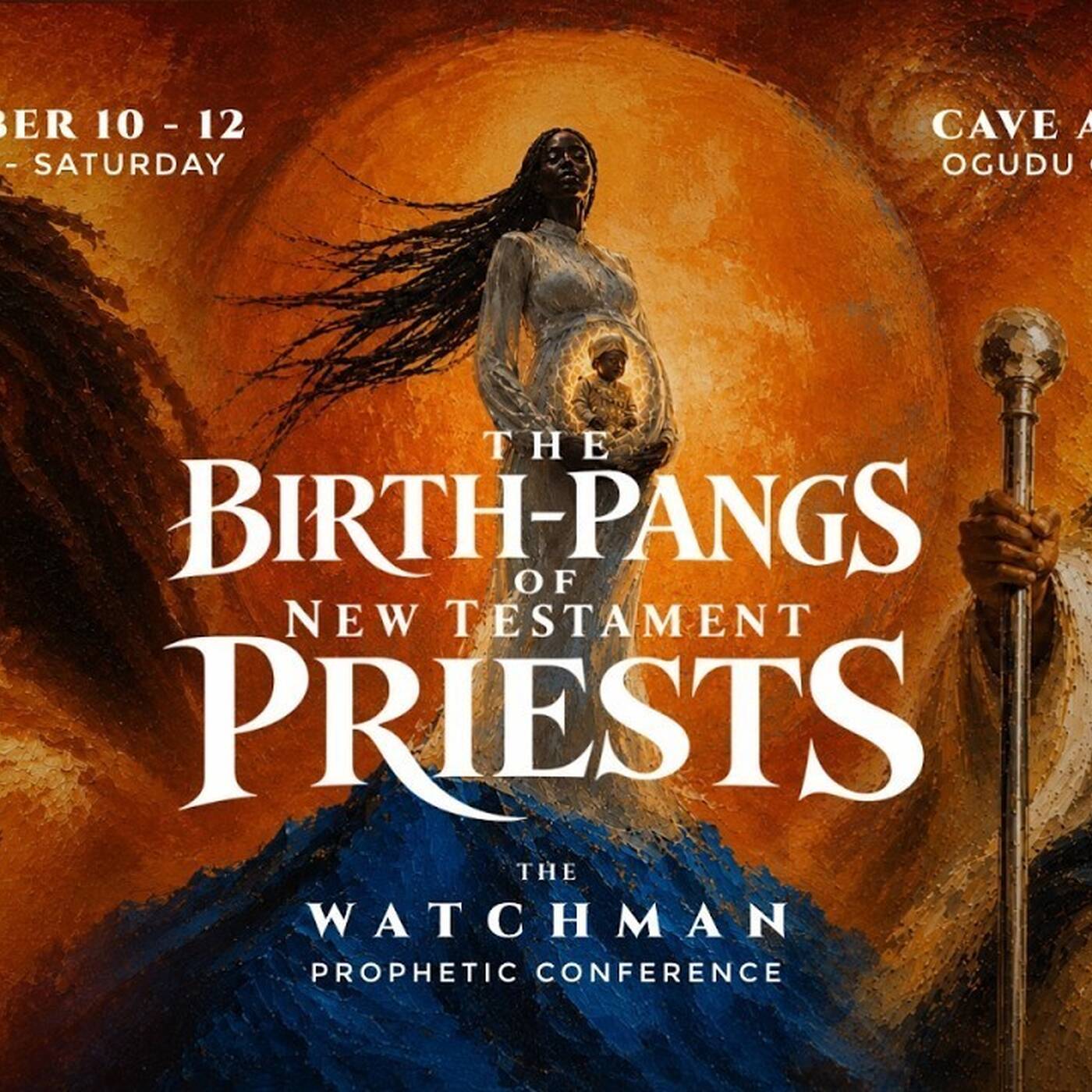 TWPC - DAY TWO AFTERNOON SESSION | SEPTEMBER 11, 2026 | THE BIRTH-PANGS OF THE NEW TESTAMENT PRIESTS 11.09.2026 5h 9mTWPC D2S1 | September 11, 2026 | THE BIRTH-PANGS OF THE NEW TESTAMENT PRIESTS God is calling you beyond a Christianity of outward religion, spiritual activity, inherited traditions, intellectual knowledge, miracles, deliverance, prosperity, or dependence on ministers into the reality of His life formed within you. The goal of redemption is not merely to prepare you to die and go to heaven, but to bring the life, nature, wisdom, love, holiness, authority, and even the power of resurrection into your present existence, until your whole being—including your mortal body—is brought increasingly under the government of the Spirit of life. The signs, upheavals, darkness, deception, wars, crises, and pressures of the age should therefore not merely frighten you; they are like birth pangs announcing that creation is moving toward the manifestation of a different kind of humanity—the mature sons of God and a New Testament priesthood capable of expressing Christ and participating in the coming order of His kingdom. Yet this company cannot be produced by activity alone. The essential preparation is intimacy: you must know Christ personally, face to face and heart to heart, rather than only knowing about Him through books, sermons, pastors, conferences, or even biblical information. Scripture is meant to lead you to Him, ministers are meant to point you to Him, and spiritual leadership becomes dangerous whenever it takes the place that belongs to Christ. Learn therefore to hear His voice, discern it from every counterfeit voice, and cultivate a secret-place relationship strong enough to recognize Him even amid the noise and deception of the world. Whenever He calls, “Come away,” be prepared to leave behind whatever has become a wall between you and Him—even things He originally gave you: ministry, family, career, money, revelation, reputation, spiritual gifts, church activity, technology, routines, or the approval of people. Every new level of intimacy will require a new surrender. Do not insist on meeting God only on your own terms, at familiar times, through familiar routines, or in familiar spiritual environments; allow Him to lead you beyond your comfort and carry you where you would not naturally choose to go. In the secret place He will expose the “little foxes”—hidden pride, anger, lust, anxiety, impatience, offenses, distractions, self-interest, ambition, and subtle inward corruptions that public ministry and external deliverance may never uncover. Guard spiritual impressions carefully because spiritual things can be delicate, and refuse the distractions that continually interrupt communion with God. Seek Him with your whole heart, not merely His power, gifts, solutions, success, protection, or provision; even legitimate desires can become idols when they redirect your heart away from Him. Seek Him in Scripture rather than merely reading to preach, seek Him in prayer rather than merely presenting needs, and seek Him through fasting and solitude until knowing Him becomes the one necessary thing around which everything else is ordered. Love must remain the true measure of maturity, because prophecy, knowledge, faith, sacrifice, spiritual gifts, and ministry accomplishments become empty without the nature of divine love—patient, humble, truthful, enduring, unselfish, and free from pride. Revelation must become practice quickly, because truth that is admired but not obeyed soon fades and leaves you searching for another conference or another experience. Recognize also that straying from God rarely begins with dramatic rebellion; a tiny deviation maintained over time can take you far from the mark, and prosperity, poverty, failure, pain, offense, disappointment, ministry success, or desperate desires can all become idols that alter your direction. Therefore repent wherever your heart has shifted, guard your heart carefully, receive the restoration God offers, and ask Him to renew your hunger, discernmen
 -
 TWPC - DAY ONE AFTERNOON SESSION | SEPTEMBER 10, 2026 | THE BIRTH-PANGS OF THE NEW TESTAMENT PRIESTS 10.09.2026 2h 32mTWPC D1S2 | September 10, 2026 | THE BIRTH-PANGS OF THE NEW TESTAMENT PRIESTS You must understand that the Christian life is not meant to remain at the level of outward religion, familiar doctrines, church attendance, spiritual vocabulary, or occasional encounters with God; you have been called into a life in which Christ is progressively formed within you until what God has written concerning you becomes your actual experience. He set his heart to understand, entered a season of prayer and mourning, denied himself ordinary pleasures, and remained before God until understanding came. You must learn the same discipline. Whenever Scripture reveals a dimension of Christ, righteousness, spiritual authority, holiness, communion, wisdom, or divine life that is absent from your experience, do not simply admire it as something that belonged to people in another generation. This is where spiritual warfare becomes personal. The great conflict between light and darkness does not merely take place somewhere outside you in an invisible realm; it seeks expression within the human soul. Darkness gains influence through thoughts, cultures, ideologies, fears, desires, excuses, habits, ambitions, wounds, and assumptions that resist what God is saying. The resistance to divine instruction can even speak with your own voice, giving you reasonable explanations for why obedience should be postponed. This is why spiritual warfare cannot be reduced to shouting at external demons while remaining inwardly unchanged. The enemy resists this birth because a believer who truly embodies Christ is far more dangerous to darkness than one who merely possesses Christian language. You must therefore refuse a Christianity that gives you information without transformation. Do not assume that spiritual gifting, ministry office, popularity, wealth, influence, eloquence, large crowds, or public recognition prove maturity. A person can possess remarkable gifting and still be governed inwardly by insecurity, pride, competition, ambition, materialism, and the values of the world. Jesus is greater than money, status, platforms, buildings, titles, and ministry success. You must learn to distinguish the life of Christ from the appearance of spiritual success. You cannot remain permanently dependent on a prominent minister, prophet, pastor, or spiritual leader to hear God on your behalf. The future of the church requires communities of people who can hear Him together—a prophetic people rather than merely prophetic personalities. When the voice of God resides in a company of mature believers, the community becomes resilient because truth is no longer concentrated in one person. You are part of that responsibility. The God you seek is not merely somewhere outside you; you are His temple. His Spirit dwells within you, and the river you keep looking for must increasingly rise from within. Learn to draw from the wells of salvation. Learn to recognize the movement of God within your own spirit. Learn to steward impressions, burdens, convictions, insights, Scriptures, and divine promptings rather than continually searching outside yourself for validation. Do not allow your years in Christianity to make you unteachable. Whenever God releases fresh light, become a student again. Some of the greatest barriers to further revelation are the truths you already understand incorrectly. God may have to disturb theological assumptions, inherited traditions, religious customs, denominational expectations, and ideas you have confidently taught before He can show you something deeper. Do not reject truth merely because it arrives in a form you did not expect. John the Baptist did not look like the established religious order of his day, yet he carried a divine administration. Do not run from God's presence because of them. Remain before Him. Let Him remove the filthy garments, deal with the iniquity, silence the accusation, clothe you with clean garments, and place
 -
 HE BIRTH-PANGS OF THE NEW TESTAMENT D1S1 | September 10, 2026 | The Watchman Prophetic Conference 10.09.2026 4h 36mTWPC D1S1 | September 10, 2026 | THE BIRTH-PANGS OF THE NEW TESTAMENT PRIESTS You have not been called merely to attend church, adopt Christian language, receive a ministry title, or wait for heaven. You have been invited into the Kingdom of God, and that Kingdom must become a present reality within you. When you pray, “Your Kingdom come, Your will be done,” you are not simply asking God to change the world around you; you are yielding yourself as the territory in which His will must first be established. God desires to make you His habitation. Your life, therefore, must become a place where the Father, the Son and the Holy Spirit can dwell, govern and express themselves without resistance. This means that Christianity cannot remain an outward religion. You must allow the life of God to penetrate every part of you. New birth is the beginning, not the completion, of this journey. When you are born again, your spirit is made alive to God, but your mind, emotions, desires, will, imagination, appetites and patterns of thought still require transformation. Your soul must progressively come under the government of Christ. The life you received in your spirit must spread into the rest of your being until the way you think, feel, desire, respond and choose increasingly resembles Christ. You must therefore become like a little child before God. Childlikeness does not mean immaturity or ignorance; it describes a heart that is humble, receptive, teachable, trusting and quick to forgive. You must remain capable of receiving from others. God has deliberately refused to deposit everything He wants His Church to know in one person. He gives one part to one member and another part to someone else so that His body must remain dependent upon fellowship. You need what another believer carries, and another believer may need what God has placed in you. Pride prevents this exchange. Humility makes it possible. Do not build your identity around being above others. Spiritual leadership does not make you a superior class of Christian. If you lead others, come close enough to them to serve, teach, correct, model and impart the life of Christ. Your calling is not to gather people around your personality or make them permanently dependent upon you. You are meant to prepare people for God. Raise people who can follow the Lamb wherever He leads, even when He leads them beyond your own sphere of influence. True ministry does not possess people; it prepares them for Christ. This requires you to recover the seriousness of priesthood. Priesthood is not merely another title for ministry. A priest must be trained. A priest must learn the ways of the One he serves. You cannot administer spiritual realities simply because you are enthusiastic, gifted or educated. God must train your senses, correct your motives, discipline your appetites and teach you how to live before Him. The purpose of that training is not to make you impressive; it is to make you suitable for His habitation and useful in His purpose. You are also part of a covenant family. God is not merely a distant deity whom you occasionally approach for assistance; He has brought you into relationship with Himself as Father. Through Christ you have received His life and have become part of His household. This means your Christianity is not primarily a transaction designed to prevent you from going to hell. You have been brought into a family, made an heir and called to share in the inheritance of Christ. The greatest blessing God could give you is not money, property, influence or earthly success. He has given you Himself. Because He has given you Himself, you must learn to value what heaven values. Do not measure your life by houses, cars, crowds, applause, church size or public recognition. These things cannot define spiritual success. A person may possess visible abundance and still be inwardly poor, blind or empty. Ask instead whether Christ is increasing in you. Ask whether you
 -
 Building the Strength to Birth the Will of God | Open Book | Sep 8, 2026 | CR 08.09.2026 1h 36mCrystal Rivers | Open Book | Sep 8, 2026 Your life is meant to become a place where God is glorified, not only in public worship but also in private decisions, habits, thoughts, relationships, and unseen moments, because whatever will you consistently yield to will eventually find expression through you. To live according to God’s will, you must become deeply rooted in His Word. The Word cannot remain something you merely hear from others; you must study it personally, meditate on it, digest it, speak it, practice it, and allow it to reshape the way you think until it becomes an effective weapon in your heart and on your lips. The strength required for the days ahead will not suddenly appear when pressure comes; it must be cultivated beforehand through prayer, fasting, Scripture, obedience, fellowship with the Holy Spirit, and repeated exercise of spiritual authority. Refuse to allow fear to govern your response to sickness, opposition, threatening circumstances, spiritual resistance, or disturbing developments in the world. Instead of being intimidated by what confronts you, learn to face it from the standpoint of what God has said, filling your speech with His Word and persistently standing upon the authority you have received in Christ. Yet spiritual authority cannot be separated from spiritual formation. Empty declarations are no substitute for a heart saturated with truth. You must feed upon the Word until faith, discernment, conviction, and spiritual substance are formed within you. Guard your altar carefully, because inconsistency, distraction, laziness, compromise, and spiritual dullness can gradually weaken the very place from which your strength is meant to come. Develop consistency in prayer and Scripture, and do not abandon these foundations when life becomes busy, ministry expands, money increases, influence grows, or opportunities multiply. Many people begin well but are eventually diverted because they fail to discern the subtle things that awaken hidden idols, exploit unresolved weaknesses, or redirect them from the assignment God originally gave them. Therefore, continually ask God where you are, what you are doing, what He requires of you, and whether you are still walking in the path He established for your life. When something God once revealed appears to have been lost, obscured, stolen, delayed, or forgotten, do not simply accept the loss. Search for it. Pursue understanding through prayer, fasting, Scripture, questions, meditation, and patient waiting before God. There are assignments that may have been neglected and years that cannot be perfectly recovered, so live with a sense of urgency. Recover what can still be recovered by becoming diligent in the things of God and available for fresh responsibility. One of the clearest marks of spiritual maturity is the ability to carry responsibility for something beyond yourself. Every child of God is meant to become a bearer of the Lord’s burden. God desires to entrust you with concerns from His own heart—people to intercede for, families to uphold, communities to serve, territories to contend for, institutions to influence, injustices to confront, souls to reach, and purposes that must be established on the earth. Many divine intentions remain unrealized not because there was no revelation, but because the people who received them lacked the endurance, consecration, consistency, or strength to carry them to completion. Do not become someone who repeatedly receives conviction and instruction only to forget it after a few days. Revelation must become responsibility, responsibility must become disciplined action, and disciplined action must continue until God’s intention is manifested. Real transformation requires a people who understand God’s kingdom, recognize both personal and corporate responsibility, discern the deeper issues affecting their generation, and are willing to pay the price required to establish righteousness. This is why prie
Similar podcasts


Popular in
The podcast also appears in the podcast charts of these countries.
