
Hidden History
Hidden History
0
Hidden History explores the untold side of famous events and forgotten moments, revealing stories that were often suppressed or overlooked. Episodes cover lost civilizations, mysterious inventions, unsung heroes, and dark conspiracies. Each installment aims to uncover truths that time has buried. The show is available for free on multiple podcast platforms.
Episodes
-
 Operation Show of Force: The Assassination of Abu Jihad 04.10.2026 24mIn 1988, Israel launched a daring special forces operation deep inside Tunisia to assassinate PLO leader Abu Jihad, whom Israeli authorities held responsible for directing terrorist attacks. The mission required elite Sayeret Matkal commandos to travel roughly 1,500 miles from Israel and strike a heavily protected target far from home.The operation demanded meticulous preparation and intelligence gathering under the direction of Ehud Barak. Commandos infiltrated Tunisia by sea, moved onto land, and adopted civilian disguises as tourists while preparing for a carefully coordinated assault.The raid ultimately achieved its immediate objective, demonstrating the precision, discipline, and logistical capabilities of an elite special forces unit. Yet its broader political consequences were far more complicated, as the targeted killing failed to stop the Palestinian uprising or resolve the underlying conflict.The episode offers a close look at the planning, infiltration, execution, and aftermath of a high-risk covert operation, while examining the difficult geopolitical questions surrounding targeted assassinations and their long-term effectiveness.You can listen and download our episodes for free on more than 10 different platforms:https://linktr.ee/Hidden_History
 -
 How Ancient Greek Rebels Decoded the Universe 03.10.2026 25mWestern philosophy began in ancient Greece with a profound curiosity about existence, nature, and the fundamental principles governing the universe. The earliest thinkers, known as the Presocratics, searched for the underlying substance of reality, proposing ideas centered on water, air, mathematics, and the nature of the soul.The debate became increasingly abstract with philosophers such as Heraclitus and Parmenides, who offered opposing views on change and permanence. Socrates then transformed philosophy by placing ethics and the pursuit of a virtuous life at its center, while Plato developed his theory of eternal Forms and explored questions surrounding knowledge, reality, and morality.Aristotle expanded philosophical inquiry into an enormous framework covering logic, nature, ethics, politics, and countless other fields. His approach profoundly influenced later intellectual traditions, particularly medieval Christian theology and thinkers such as Thomas Aquinas, who sought to reconcile philosophical reason with religious belief.Across centuries, Western philosophy gradually moved from explanations based primarily on the physical world toward increasingly sophisticated arguments about reality, knowledge, God, morality, and the human soul. This enduring journey between observation, reason, and abstract thought laid many of the foundations of Western intellectual history.You can listen and download our episodes for free on more than 10 different platforms:https://linktr.ee/Hidden_History
 -
 Critical Turning Points of the 20th Century 02.10.2026 23mThis episode explores a series of historic turning points and catastrophic events that shaped the modern world. From devastating industrial disasters to political scandals, these stories reveal how moments of crisis can expose the weaknesses of institutions, technology, and human decision-making.The journey includes the Bhopal gas disaster, the Watergate scandal, the Iranian hostage crisis, and the Falklands War, alongside the Oklahoma City bombing and other acts of terrorism that left lasting political and social consequences.It also examines major transportation disasters, including devastating aviation and railway accidents, as well as the assassination of Robert F. Kennedy and the tragic mass suicide of the Heaven's Gate cult.Together, these events form a compelling look at the human cost of error, political conflict, technological failure, violence, and social movements—and how each helped reshape history.You can listen and download our episodes for free on more than 10 different platforms:https://linktr.ee/Hidden_History
 -
 The philosophers who invented the modern mind 01.10.2026 25mThe Enlightenment transformed the way humanity understood knowledge, reason, politics, and morality. This episode explores the revolutionary ideas of thinkers who challenged traditional authority and reshaped Western intellectual history.From Copernicus and Galileo’s challenge to established beliefs to Thomas Hobbes’s political theories, the journey continues through René Descartes’s rationalism and John Locke’s empiricism. The episode also examines the philosophical worlds of Spinoza and Leibniz, David Hume’s skepticism about causality and religion, and Immanuel Kant’s attempt to reconcile competing traditions by examining the limits of human reason.Together, these thinkers helped shift intellectual life toward observation, individual reasoning, political freedom, and new ideas about society and morality, laying important foundations for the modern world.You can listen and download our episodes for free on more than 10 different platforms:https://linktr.ee/Hidden_History
 -
 The San Bernardino Runaway Train and Pipeline Disasters 30.09.2026 24mIn 1989, a devastating train disaster struck a residential neighborhood in San Bernardino when an overweight freight train lost control and derailed into homes along Duffy Street. Investigators uncovered a chain of failures, including a clerical error that underestimated the train’s cargo weight and malfunctioning locomotive braking systems.But the disaster did not end with the derailment. Thirteen days later, a high-pressure fuel pipeline beneath the crash site exploded, triggering a second catastrophe that destroyed more homes and claimed additional lives. The pipeline had been damaged during the cleanup operation, but the damage went undetected despite inspections.The combined disasters killed six people and devastated an entire suburban community. The empty corridor left behind on Duffy Street stands as a lasting reminder of how miscommunication, technical failures, and inadequate safety inspections can turn one accident into an even greater tragedy.You can listen and download our episodes for free on more than 10 different platforms:https://linktr.ee/Hidden_History
 -
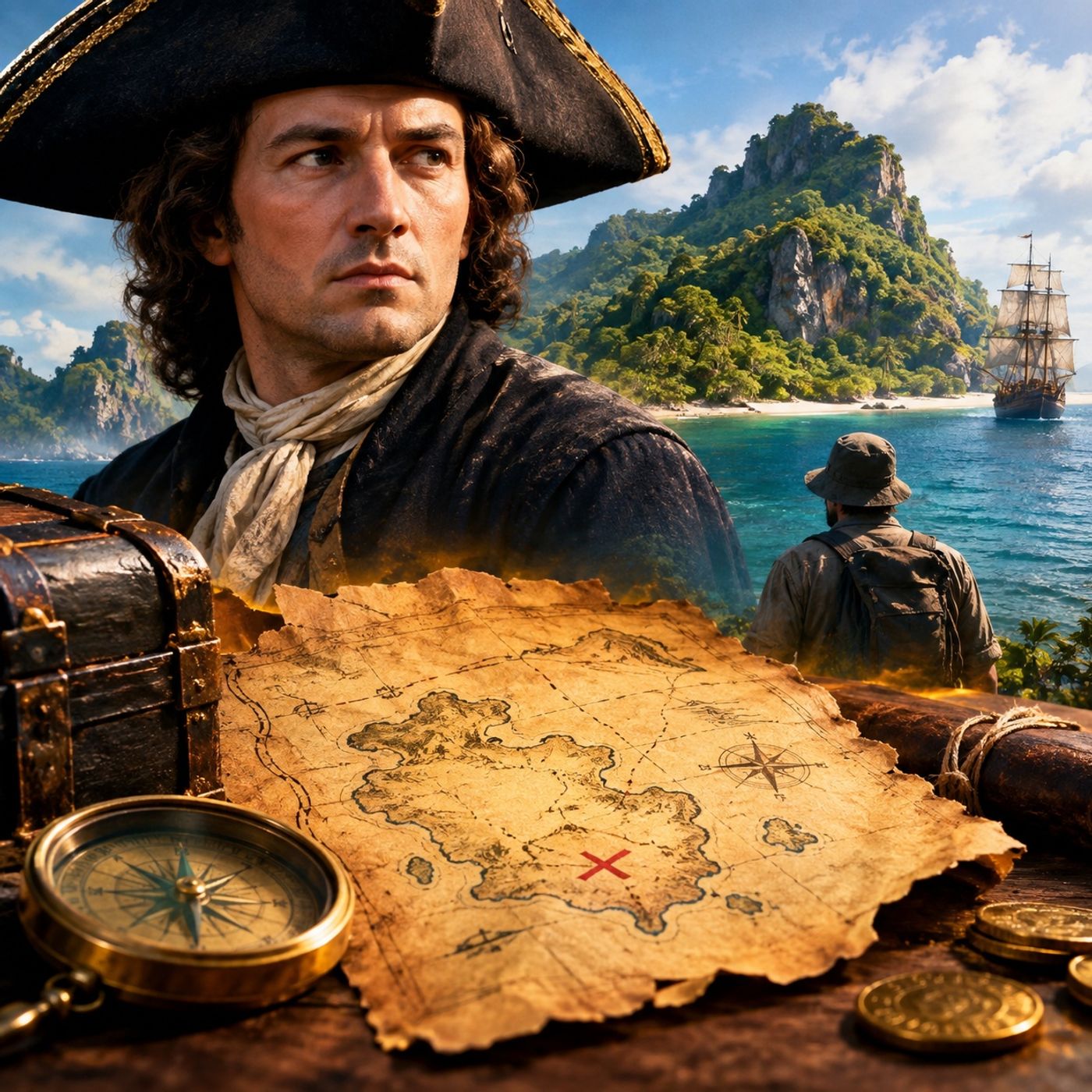 The Ghost of Captain Kidd: A Quest for Buried Gold 29.09.2026 22mFor centuries, the legend of Captain William Kidd’s lost treasure has inspired explorers, adventurers, and treasure hunters searching for evidence of a fortune that may have been hidden before his execution in 1701. At the heart of the mystery are cryptic maps, secret compartments, and clues that have fueled countless theories about where Kidd’s supposed treasure might lie.One of the most determined seekers was Richard Knight, an eccentric Englishman who became fascinated by coded charts discovered in 17th-century furniture. His obsession eventually took him on a dangerous and illegal expedition to a remote island in Vietnam, where his search ended with a year-long imprisonment under communist authorities.Yet despite the elaborate clues and extraordinary journeys, no definitive treasure has ever been found. The enduring mystery raises a fundamental question: was Kidd really protecting the location of a hidden fortune, or did he invent the story in a desperate attempt to escape the fate awaiting him?The legend survives because the possibility of buried treasure remains tantalizing—and because secret maps, unexplained symbols, and unanswered questions continue to inspire those willing to risk everything in the search for Kidd’s lost fortune.You can listen and download our episodes for free on more than 10 different platforms:https://linktr.ee/Hidden_History
 -
 The Titulus Crucis: Quest for the True Cross Relic 28.09.2026 22mThe Titulus Crucis is a wooden relic in Rome believed to be the inscription placed above Jesus during the crucifixion. The story explores claims that the artifact was discovered during Empress Helena’s fourth-century search for Christian relics in Jerusalem. Supporters of its authenticity point to its unusual handwriting and linguistic features, arguing that they are consistent with a first-century origin.However, radiocarbon dating conducted in 2002 placed the wood between 890 and 1150 AD, strongly suggesting a medieval origin. Believers have questioned these results, proposing that contamination could have affected the sample. The controversy ultimately highlights the fascinating conflict between ancient religious tradition, historical interpretation, and modern scientific evidence.You can listen and download our episodes for free on more than 10 different platforms:https://linktr.ee/Hidden_History
 -
 Pygmy Mammoths and the Lone Woman 27.09.2026 17mThe California Channel Islands preserve an extraordinary record of human and natural history, earning comparisons to the Galapagos because of their unique isolation and remarkable archaeological discoveries. Among the most fascinating finds are the remains of pygmy mammoths and Arlington Springs Man, whose presence around 13,000 years ago provides important evidence about how early humans reached and lived on the islands.The discoveries suggest that ancient coastal peoples may have traveled along a maritime “kelp highway,” using boats and coastal resources to move between mainland California and the islands. This challenges the traditional image of early migration as primarily an inland journey and highlights the importance of ancient seafaring skills.The islands later became home to the Chumash, whose society developed sophisticated maritime technology, trade networks, and a rich cultural tradition. Their way of life was dramatically disrupted after European arrival and the establishment of the Spanish mission system, leading to devastating population losses and cultural upheaval.One of the most haunting chapters is the story of the Lone Woman of San Nicolas Island, who survived alone on the island for eighteen years before being discovered and brought to the mainland. Her extraordinary story later inspired Island of the Blue Dolphins.Today, the Channel Islands represent far more than an archaeological treasure. They are an important part of the cultural heritage of Indigenous descendants seeking to reconnect with ancestral traditions, history, and language that were nearly lost through centuries of disruption.You can listen and download our episodes for free on more than 10 different platforms:https://linktr.ee/Hidden_History
 -
 How British Promises Divided the Holy Land 26.09.2026 21mThe Israeli-Palestinian conflict is presented as a deeply complicated struggle shaped by competing historical narratives, religious beliefs, political decisions, and generations of trauma. The story follows a filmmaker confronting the assumptions of her own Zionist upbringing while speaking with people from very different sides of the conflict, including Jewish settlers, Palestinian activists, and those working toward coexistence.A major part of the story examines the legacy of British involvement in the region, particularly the Balfour Declaration, and how competing promises and political decisions contributed to a conflict over the same land. Over time, historical grievances became intertwined with displacement, security concerns, occupation, settlements, and competing claims to national identity.The narrative also focuses on the stark differences experienced by people living on opposite sides of the divide. Military checkpoints, restrictions, settlements, and unequal legal and political realities shape everyday life, while fear and mistrust continue to reinforce the separation between communities.Yet beneath the political arguments are ordinary people carrying the consequences of a conflict that has lasted for generations. The story ultimately asks whether breaking the cycle requires moving beyond inherited narratives of fear and hostility and recognizing the shared humanity of both Israelis and Palestinians.You can listen and download our episodes for free on more than 10 different platforms:https://linktr.ee/Hidden_History
 -
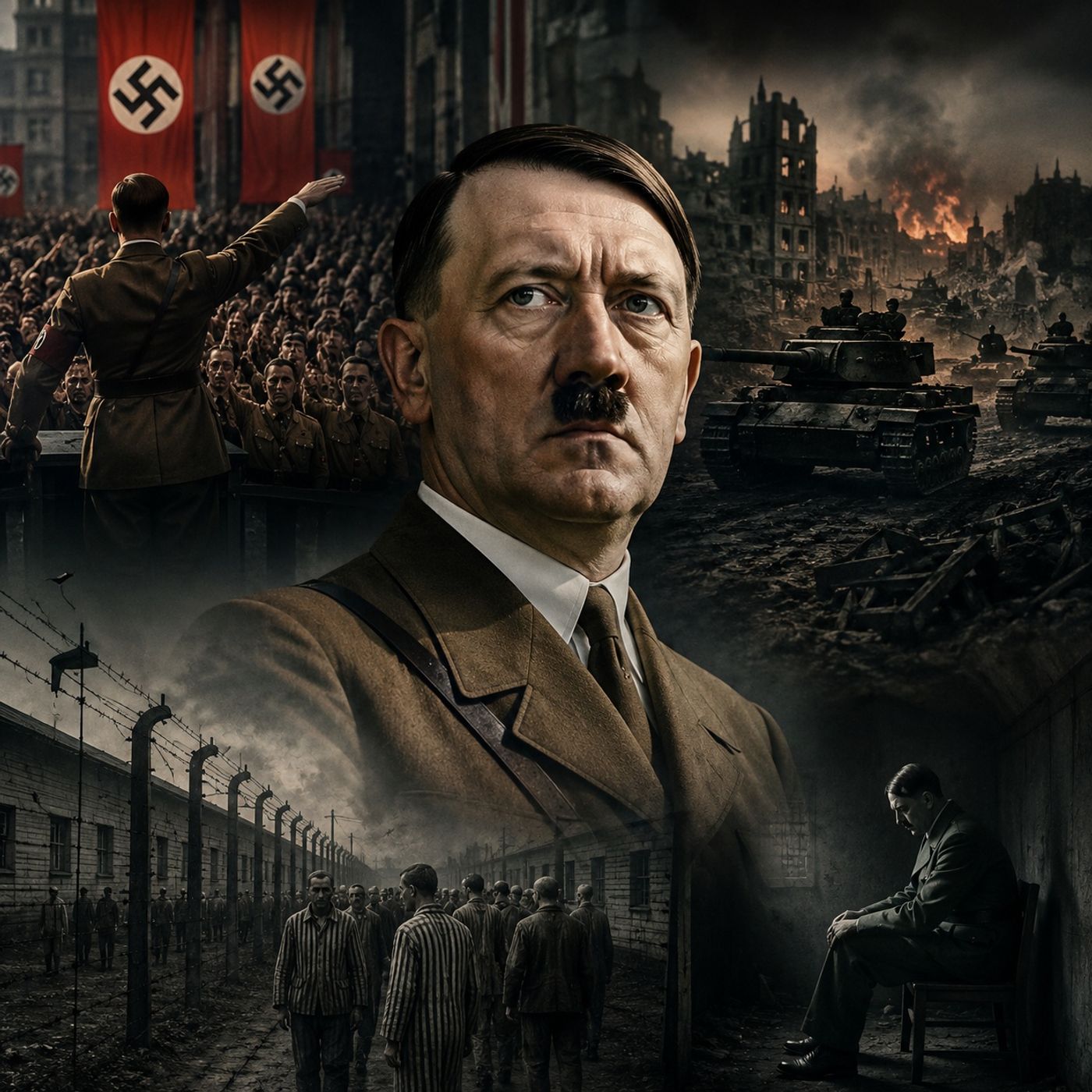 How Hitler legally dismantled German democracy 25.09.2026 25mAdolf Hitler's rise from a troubled childhood and bitter World War I veteran to dictator of Nazi Germany was driven by a combination of personal ambition, political instability, economic crisis, and radical ideology. In a Germany devastated by defeat and humiliation, he exploited widespread anger and fear, using powerful speeches, propaganda, and the scapegoating of minorities to build political support.Once in power, Hitler dismantled democracy and established a one-party dictatorship maintained through repression, terror, and ideological control. His regime pursued an aggressive program of military expansion while systematically persecuting and murdering millions of people, culminating in the Holocaust and the industrialized genocide of Europe's Jews.Hitler's military ambitions eventually pushed Germany into a disastrous war on multiple fronts. As Allied forces advanced from both east and west, Nazi Germany collapsed under the weight of military defeat and the destruction of its cities.With Soviet forces closing in on Berlin, Hitler retreated into his underground bunker and ultimately took his own life as the Nazi regime disintegrated around him. His death marked the end of a dictatorship that had brought unprecedented destruction to Europe.The legacy of Hitler's rule remains defined not only by the devastation of World War II, but by the Holocaust—the systematic, state-organized murder of millions. His rise and fall remain a stark warning about how economic despair, political manipulation, extreme nationalism, hatred, and authoritarian power can combine to produce catastrophic consequences.You can listen and download our episodes for free on more than 10 different platforms:https://linktr.ee/Hidden_History
 -
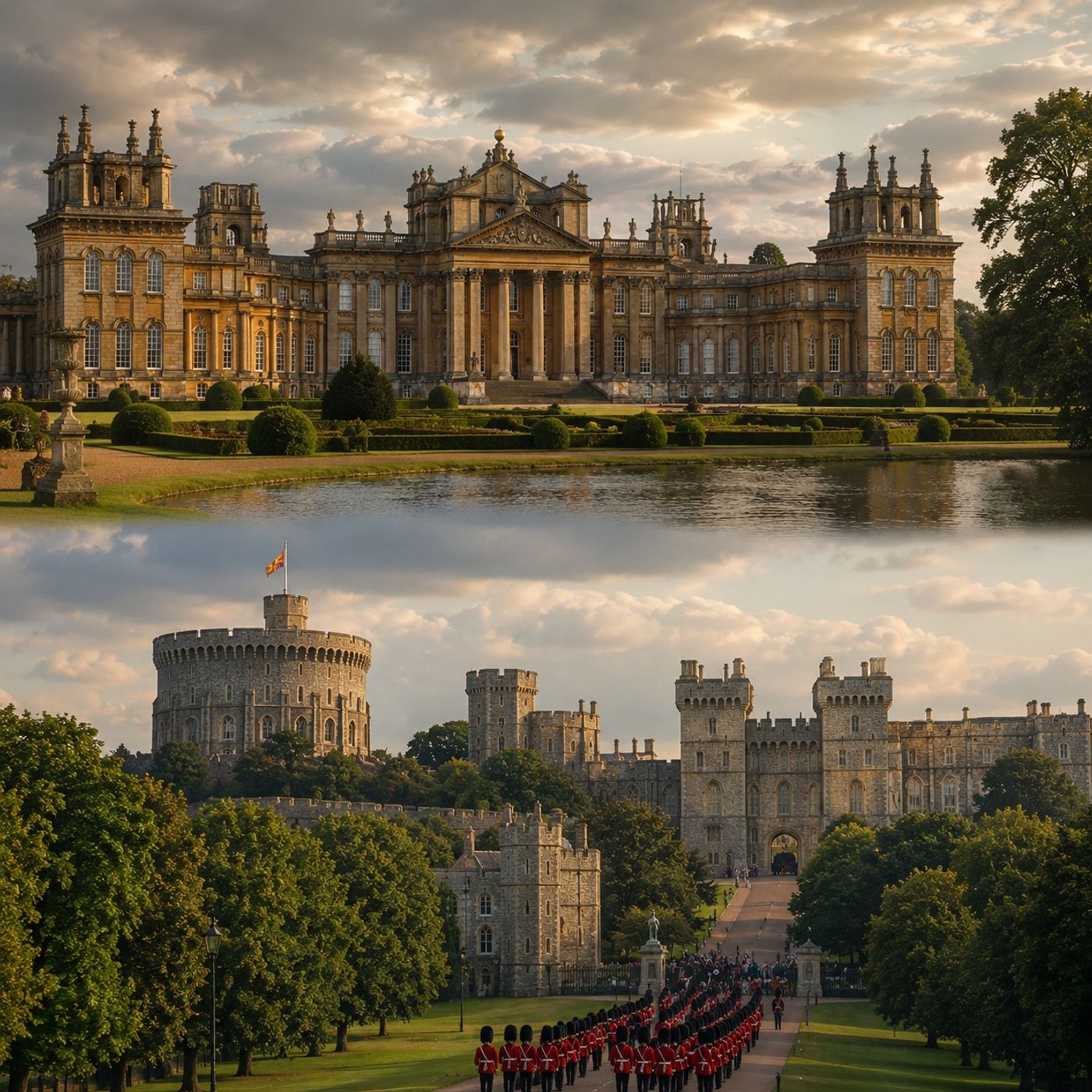 Monuments of Monarchy: Blenheim Palace and Windsor Castle 24.09.2026 16mBlenheim Palace and Windsor Castle stand as two extraordinary symbols of Britain's royal and military history, each reflecting a different chapter in the evolution of the British monarchy.Blenheim Palace was built as a magnificent Baroque monument celebrating the military victories of the Duke of Marlborough. Its enormous scale, lavish interiors, gardens, and extensive family archives reflect both military triumph and aristocratic power. The palace also holds a deeply personal place in British history as the birthplace of Winston Churchill, connecting its grand military legacy with one of Britain's most famous political figures.The story then moves to Windsor Castle, which began as a strategically important medieval fortress before gradually becoming one of the most prestigious royal residences in Britain. Major transformations, particularly during the reign of George IV, replaced much of its defensive character with elaborate Gothic interiors and luxurious state rooms while preserving its historic foundations.Together, these remarkable buildings reveal how architecture can preserve political power and national memory. Their paintings, archives, ceremonial rooms, and intricate craftsmanship tell stories of warfare, royalty, family, and national identity—while their continued use demonstrates the remarkable longevity of the British monarchy.You can listen and download our episodes for free on more than 10 different platforms:https://linktr.ee/Hidden_History
 -
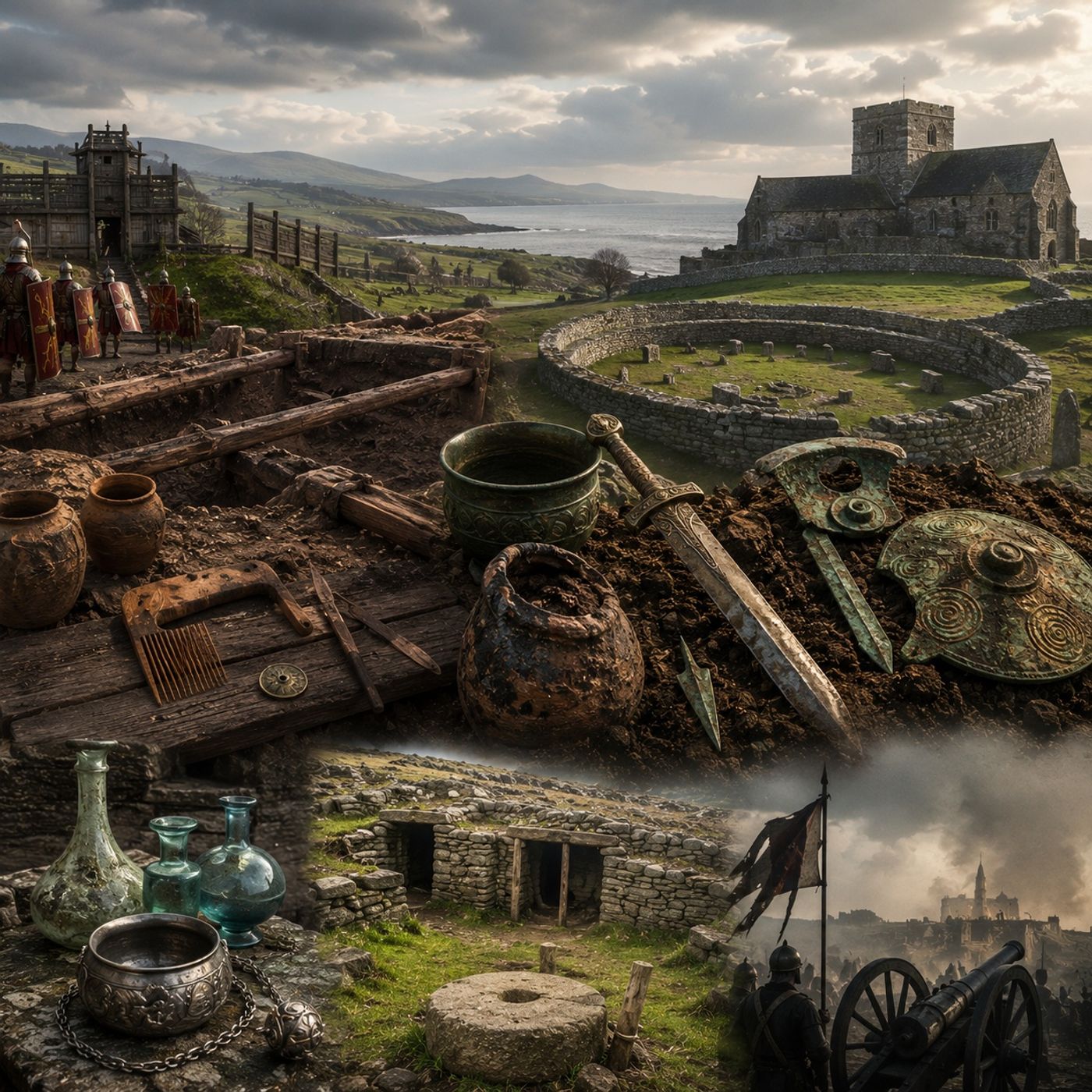 Unearthing the Secrets of Ancient Britain 23.09.2026 25mArchaeological discoveries across Britain are challenging long-held assumptions about the country's past, revealing a landscape shaped by rebellion, religion, trade, warfare, and cultural exchange.At Vindolanda, remarkably preserved Roman artifacts—including wooden tools and weapons—appear to have been abandoned during a period of upheaval, offering clues about the sudden disruption of life on the frontier. On the island of Iona, archaeologists uncovered evidence of a huge early Christian enclosure whose design appears to have been influenced by the layout of Jerusalem, revealing how distant religious ideas shaped Britain's earliest Christian communities.At Carní, a rare Bronze Age weapons hoard discovered within a settlement suggests that sophisticated warriors and an elite military culture existed long before the Roman conquest. Elsewhere, Roman glass and silver found in Pictish territories reveal a more complicated relationship between Rome and the peoples of northern Britain—one involving diplomacy, trade, and cultural exchange alongside conflict.The investigations extend from the ancient past into later periods. Coastal excavations in Orkney reveal details about the lives of Neolithic farming communities, while siege remains at Newark provide a glimpse into the experiences of soldiers and civilians during the English Civil War.Together, these discoveries reveal a Britain far more interconnected and complex than simple stories of invasion and resistance suggest, with archaeological evidence continually rewriting how its people lived, fought, worshipped, traded, and survived.You can listen and download our episodes for free on more than 10 different platforms:https://linktr.ee/Hidden_History
 -
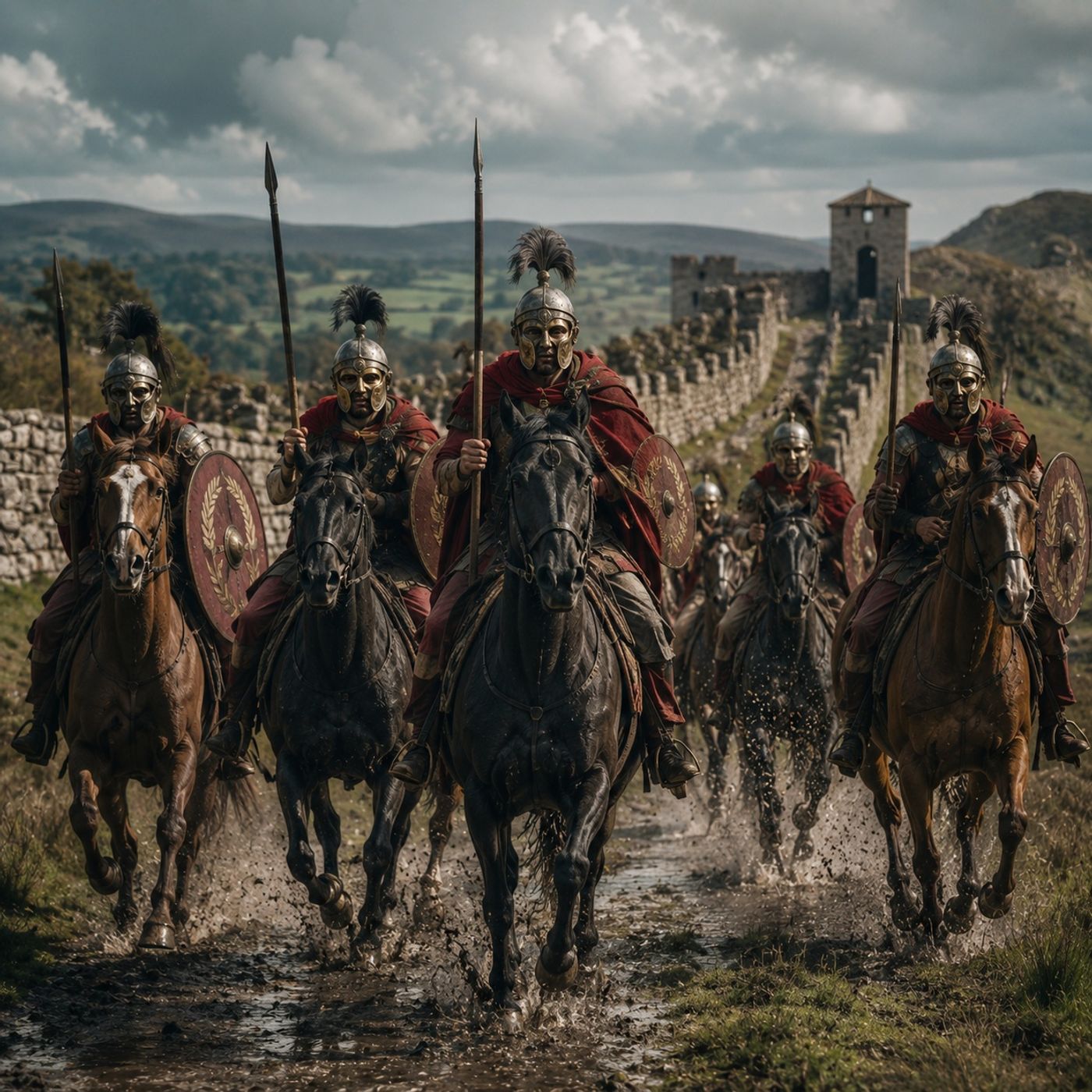 The Roman Cavalry of Hadrian's Wall: Rome's Secret Weapon 22.09.2026 24mFor centuries, the Roman cavalry has received far less attention than the famous infantry legions, yet new archaeological discoveries and experimental reconstruction are revealing just how essential these mounted warriors were to controlling northern Britain.Stationed along the frontier and around Hadrian’s Wall, cavalry units provided the speed and mobility needed to respond rapidly to threats. Soldiers often lived alongside their horses, creating tightly organized military communities prepared to deploy at a moment’s notice.Archaeological discoveries, including ancient writing tablets and elaborately decorated tombstones, have also revealed a more personal side of these warriors. They came from different parts of the Roman world, maintained distinctive identities, and often occupied surprisingly prestigious positions within the empire.To understand how they actually fought, modern historians and experienced riders recreated ancient cavalry competitions using reconstructed equipment, including stirrupless saddles and distinctive masked helmets. The experiments demonstrated that Roman cavalry could perform surprisingly complex maneuvers despite the limitations of their equipment.One of the most impressive formations was the wedge, designed to concentrate the force of multiple riders into a narrow point and overwhelm opposing troops while creating a terrifying psychological effect.These experiments and archaeological discoveries are reshaping the traditional image of Roman warfare. Far from being merely supporting troops for the legions, Roman cavalry were highly trained, mobile, and sophisticated soldiers who played a crucial role in defending and controlling the vast frontier of Roman Britain.You can listen and download our episodes for free on more than 10 different platforms:https://linktr.ee/Hidden_History
 -
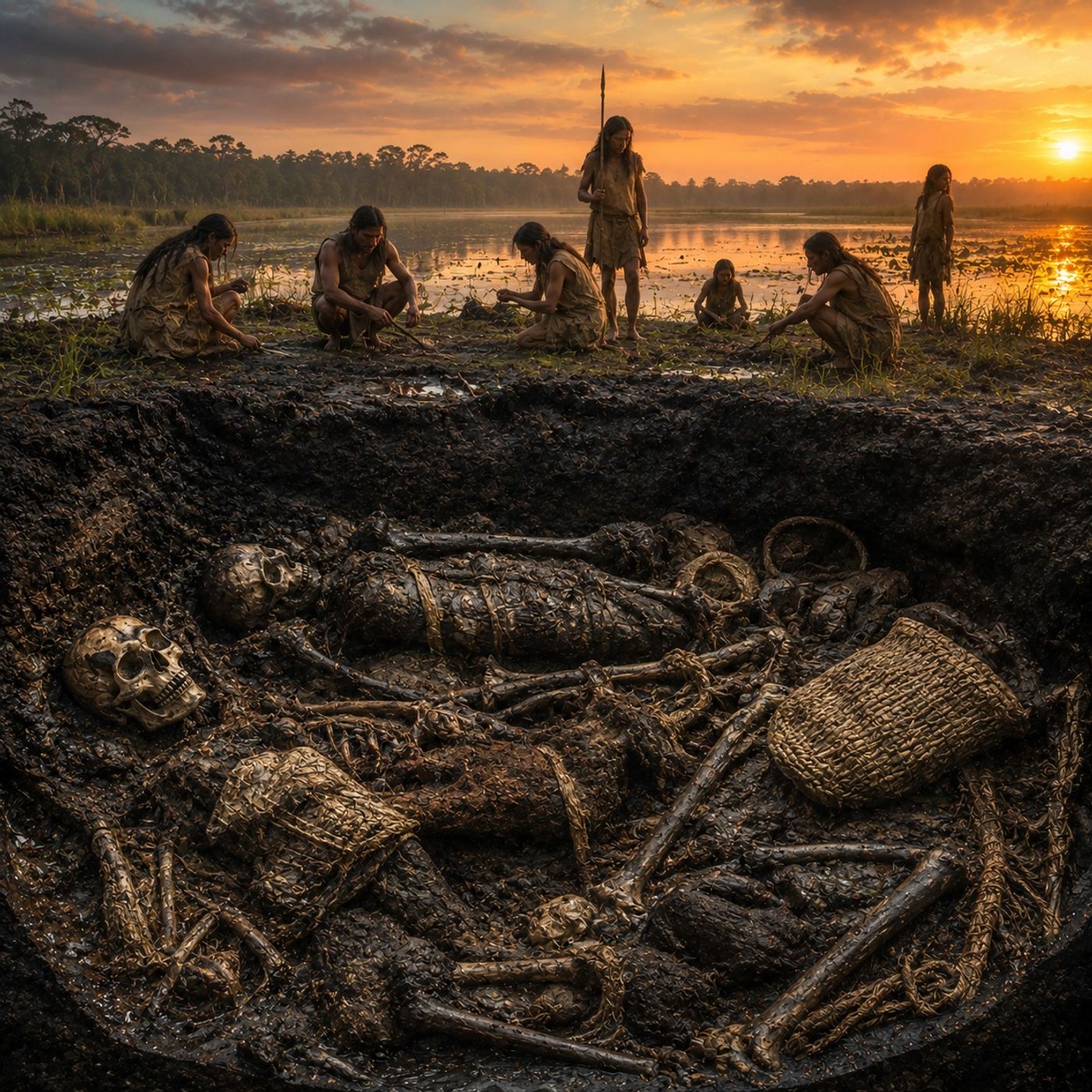 The Windover Bog: Secrets of the 8,000-Year-Old Brain 21.09.2026 23mThe Windover bog in Florida has revealed one of the most extraordinary archaeological windows into prehistoric North America. More than 160 individuals were discovered remarkably preserved in an oxygen-free peat environment, dating back roughly 7,000 to 8,000 years. Some remains were so well preserved that researchers recovered intact human brains, ancient DNA, and remarkably old textiles.Scientific analysis has revealed that these early hunter-gatherers were far more sophisticated than the traditional image of Stone Age societies suggests. They developed complex burial practices, cared for injured and disabled members of their community, and demonstrated a level of social organization and emotional connection that challenges assumptions about prehistoric life.Most of the evidence points toward a relatively peaceful community, but the discovery of a decapitated individual provides a grim reminder that violence was not completely absent. The case offers rare evidence of interpersonal conflict among people living thousands of years ago.The discoveries at Windover ultimately provide an intimate glimpse into a forgotten community—showing that prehistoric people were not simply primitive survivors, but individuals capable of compassion, technological innovation, social responsibility, ritual, and deeply meaningful relationships with their dead.You can listen and download our episodes for free on more than 10 different platforms:https://linktr.ee/Hidden_History
 -
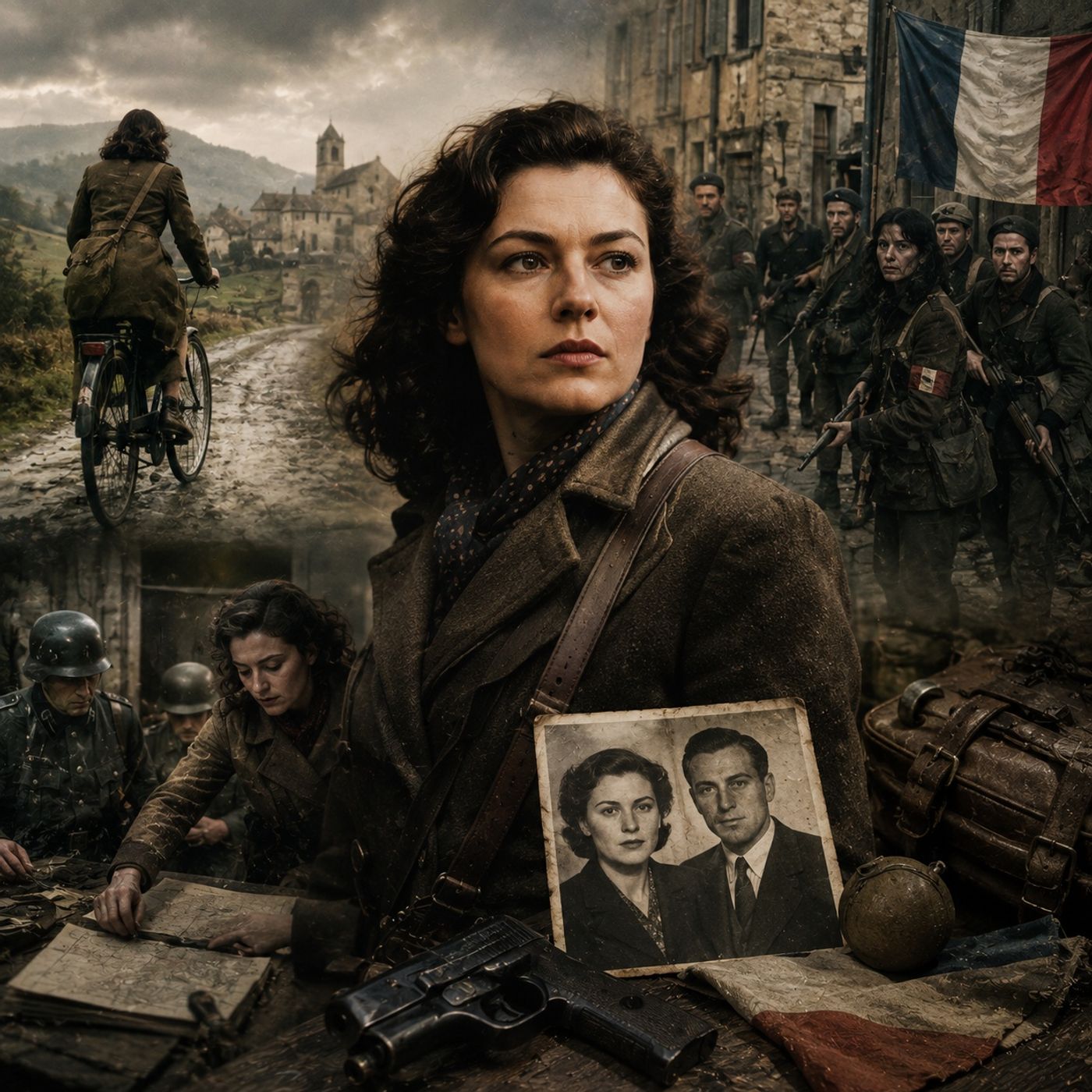 The White Mouse: Nancy Wake and the French Resistance 20.09.2026 20mNancy Wake was one of the most remarkable resistance fighters of World War II, transforming from a journalist and socialite in France into a fearless operative hunted by the Gestapo. Known by the codename “The White Mouse,” she worked with the French Resistance before receiving specialized training in sabotage, weapons, and guerrilla warfare from the British.Wake repeatedly demonstrated extraordinary courage under extreme danger. In one of her most remarkable escapes, she traveled hundreds of kilometers by bicycle through enemy-controlled territory to deliver a vital message and reconnect with Allied forces. Later, she returned to France and helped organize and lead thousands of Maquis fighters, coordinating guerrilla attacks and disrupting German operations during the liberation.Behind her legendary courage was profound personal loss. Her husband, Henri Fiocca, was captured, tortured, and executed by the Nazis, a tragedy that became one of the darkest chapters of her life.Despite the enormous risks, Wake continued fighting until the liberation of France. Fierce, outspoken, unconventional, and completely unwilling to surrender, she became one of the most formidable figures of the French Resistance—a woman whose courage helped turn resistance into armed rebellion against Nazi occupation.You can listen and download our episodes for free on more than 10 different platforms:https://linktr.ee/Hidden_History
 -
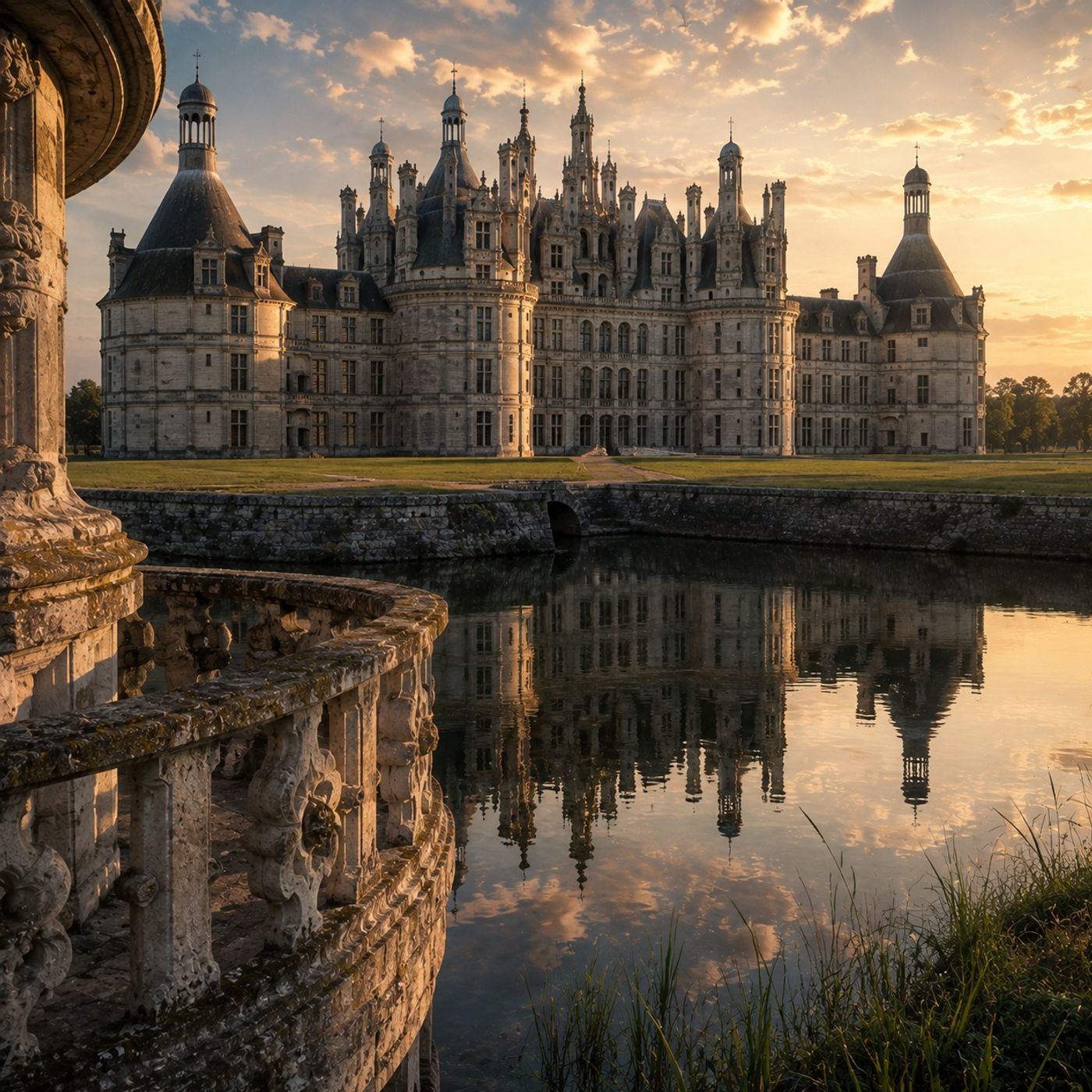 The Architectural Mystery of the Château de Chambord 19.09.2026 24mThe Château de Chambord stands as one of the most extraordinary architectural achievements of the French Renaissance, born from the ambitious vision of King Francis I. Built as a monumental hunting residence, the castle combined French Gothic traditions with revolutionary Renaissance ideas, creating a structure whose complexity continues to fascinate architects and engineers.At the heart of Chambord is its famous double helix staircase, allowing two people to ascend and descend without ever meeting. The castle's remarkable symmetry and intricate design have also fueled long-standing speculation about the influence of Leonardo da Vinci, whose ideas are believed to have shaped parts of the project.Building such a massive structure was an enormous undertaking. Workers had to construct it on difficult marshy terrain, transport vast quantities of materials, and overcome engineering challenges on an unprecedented scale. The project consumed enormous financial resources and took decades to develop.Centuries later, Chambord gained another unexpected role during World War II, when its remote location helped protect priceless works of art from destruction and looting. Today, the castle faces a different threat: the deterioration of its delicate tuffeau limestone, requiring modern scientists and conservators to develop new methods to preserve the monument.Chambord remains far more than a magnificent castle. It is a remarkable combination of ambition, engineering, art, and mystery—a Renaissance masterpiece whose secrets continue to challenge those trying to understand how such an extraordinary building was conceived and constructed.You can listen and download our episodes for free on more than 10 different platforms:https://linktr.ee/Hidden_History
 -
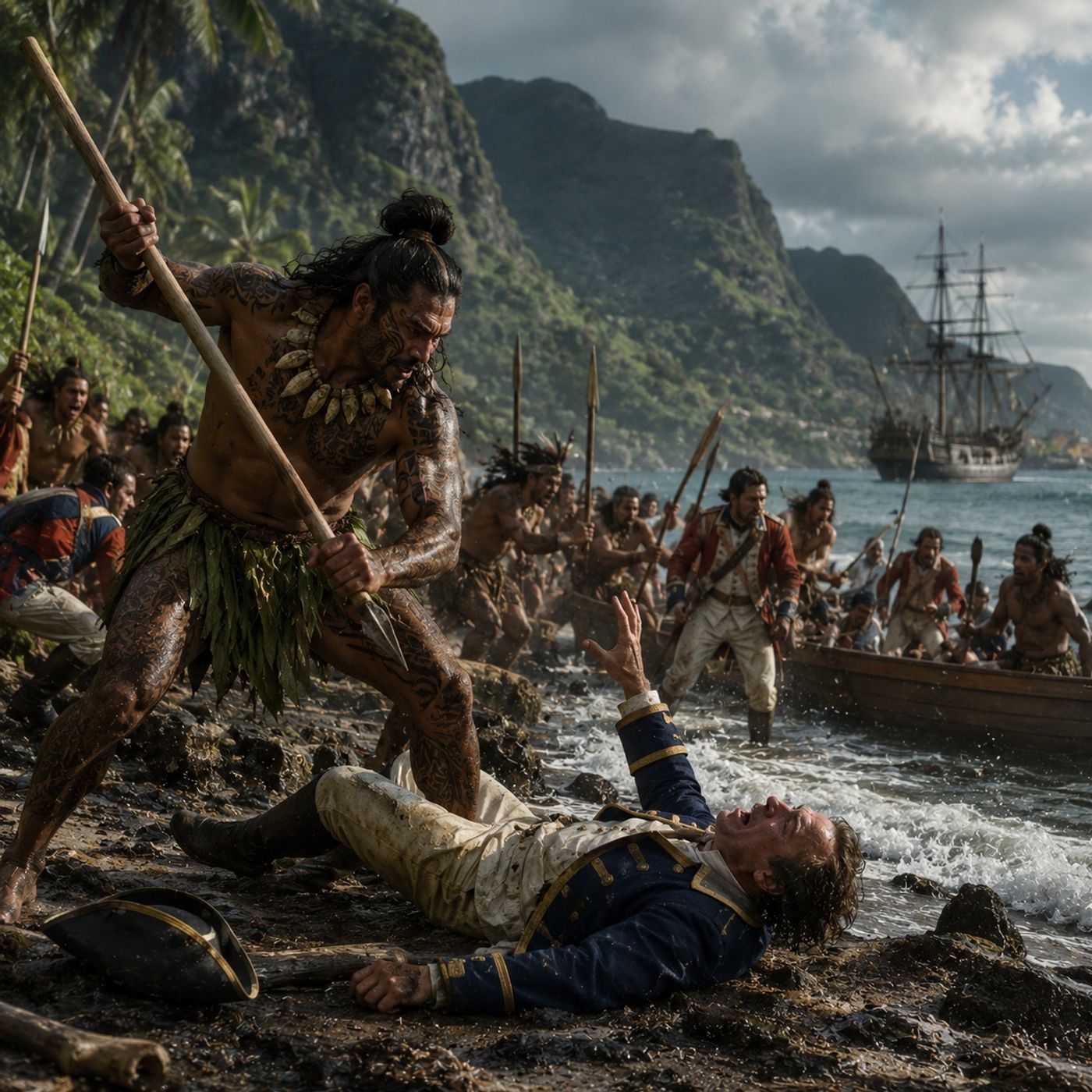 The Bone Breakers: Koa Warriors and the Fall of Cook 18.09.2026 25mThe Koa warriors of Hawaii were a highly skilled warrior class whose martial traditions played a crucial role in the turbulent history of the islands during the 18th century. Their story reached a dramatic turning point when Captain James Cook arrived in Hawaii and was initially welcomed under the belief that he was connected to the god Lono.As cultural misunderstandings and tensions grew, the relationship between Cook's expedition and the Hawaiians deteriorated. Strategic maneuvering and provocative actions helped push the situation toward a violent confrontation at Kealakekua Bay. The Koa warriors used specialized weapons, close-quarters combat techniques, and their deep knowledge of the local environment to overwhelm the British forces.At the center of the wider struggle was Kamehameha, an ambitious and highly capable leader who understood the importance of military power and strategic alliances. The conflict and the weapons acquired from foreign visitors contributed to the changing balance of power among the Hawaiian islands.Cook was ultimately killed during the confrontation, marking one of the most dramatic encounters between European explorers and the indigenous Hawaiian warrior tradition. In the years that followed, Kamehameha used military strength and political strategy to unite the Hawaiian islands under his rule.The story captures the final era of Hawaii's traditional warrior culture—a world shaped by martial skill, spiritual power, rivalry, and warfare that would eventually give way to a more unified kingdom and a changing society.You can listen and download our episodes for free on more than 10 different platforms:https://linktr.ee/Hidden_History
 -
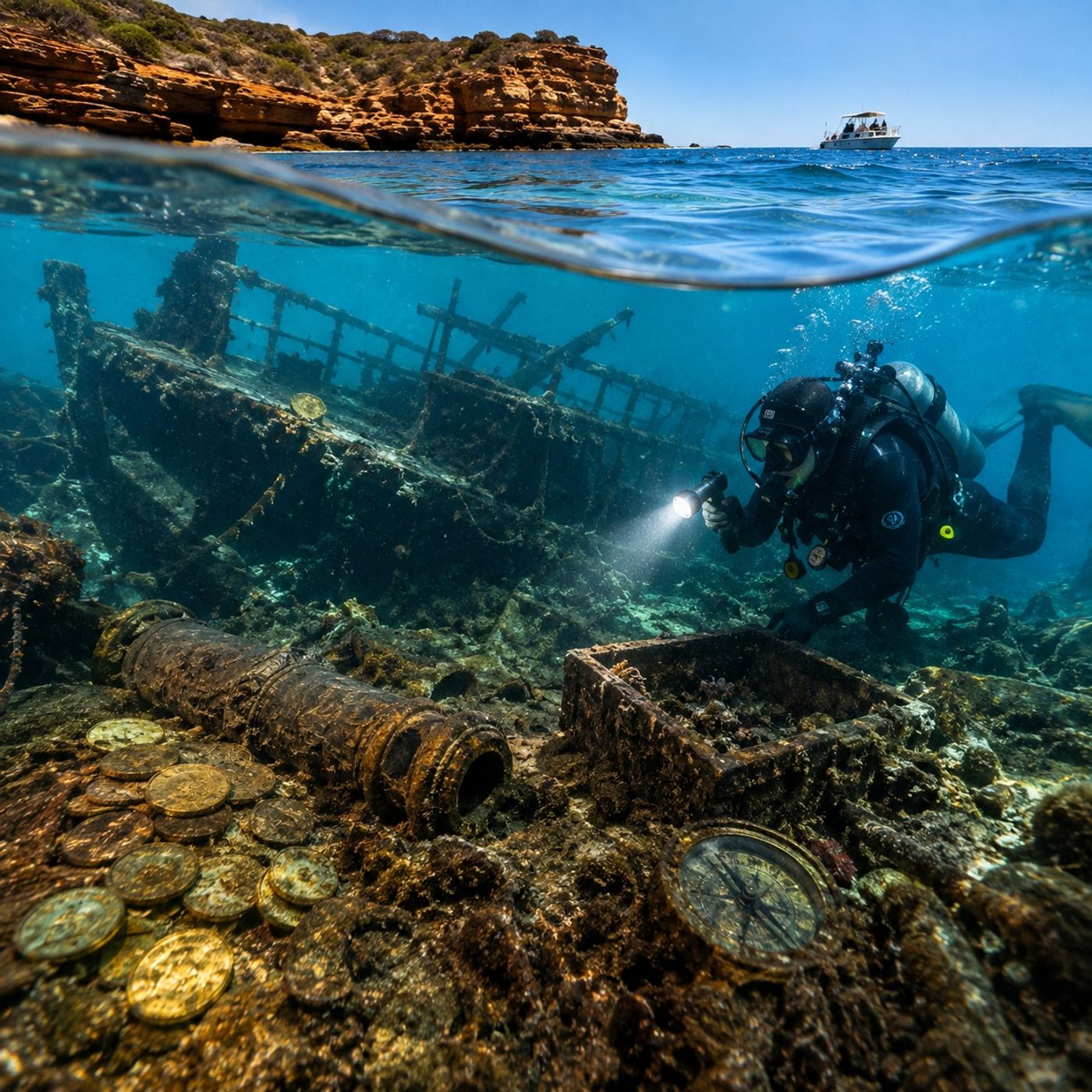 Sunken Fortunes: Searching for Australia’s Lost Treasure Ships 17.09.2026 25mAustralia's coastline is a vast underwater graveyard, hiding thousands of shipwrecks and centuries of lost history beneath its waters. From the earliest Dutch and English voyages to ships carrying valuable cargo, countless vessels disappeared along the treacherous coast, leaving behind scattered artifacts and unanswered mysteries.Divers continue to explore these underwater sites in search of legendary wrecks and lost treasures. Their discoveries range from cannons and navigational equipment to Spanish silver coins and other remnants of long-forgotten voyages. Some wrecks, such as the Batavia and the Pandora, reveal stories far darker than simple maritime accidents, exposing mutinies, violence, and desperate struggles for survival.Yet the search for treasure is rarely as spectacular as legend suggests. Many artifacts have been heavily corroded, buried beneath sediment, or covered by coral, while some famous treasures were recovered decades ago. Others may remain hidden, their exact locations still unknown.The story also extends beyond European shipwrecks. Aboriginal rock art and local traditions preserve another layer of history, documenting the encounters and cultural impact created by centuries of maritime exploration.Together, these discoveries reveal Australia's coastline as a vast underwater archive—one where every wreck can contain a story, but where uncovering the secrets of the past requires patience, technology, and sometimes a little luck.You can listen and download our episodes for free on more than 10 different platforms:https://linktr.ee/Hidden_History
 -
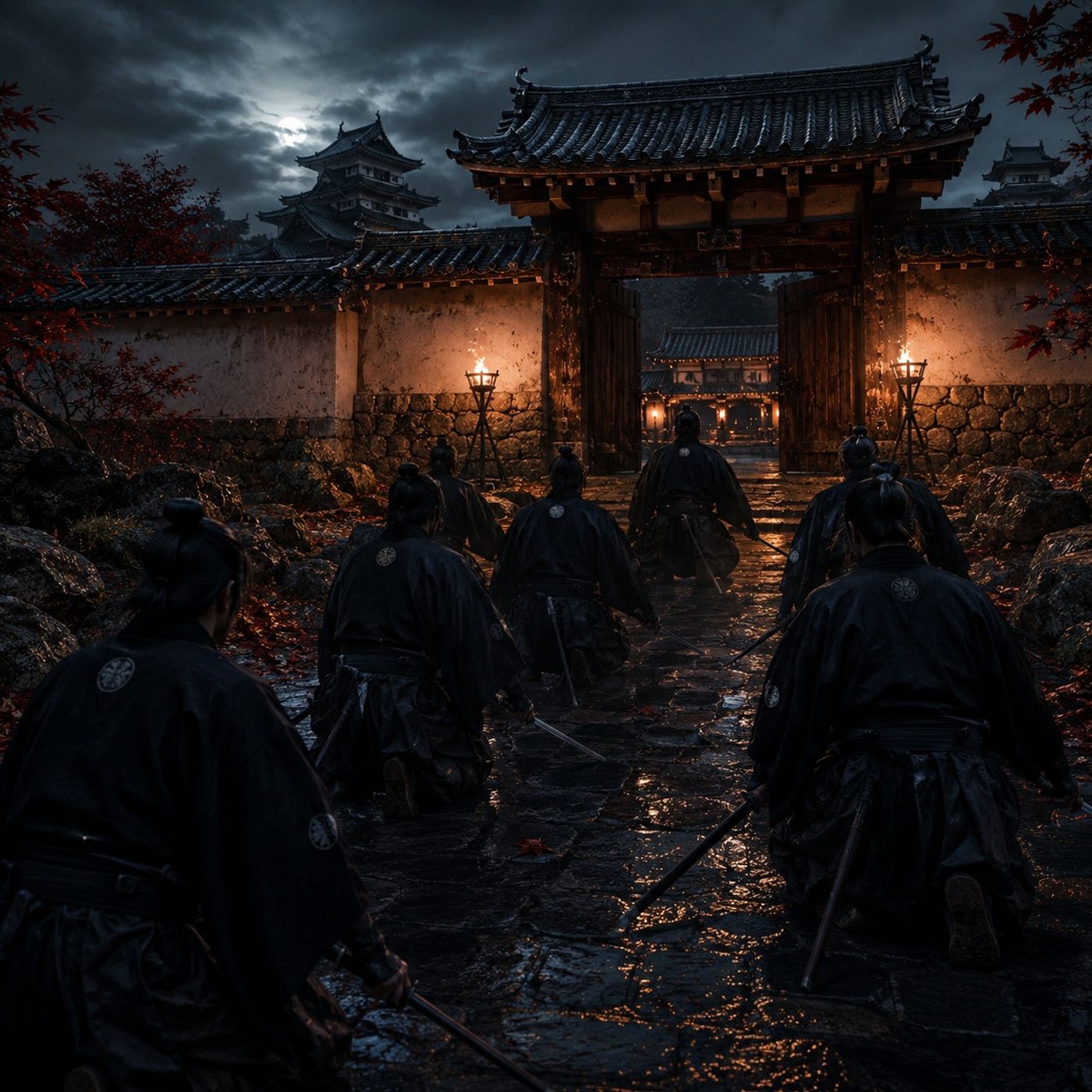 The Bloody Revenge of 47 Ronin 16.09.2026 23mThe legendary story of the 47 Ronin is one of the most famous tales of loyalty, revenge, and honor in Japanese history. After their master, Lord Asano, was forced to take his own life, his followers were left without a lord and became ronin. Rather than accepting their master's death, they devoted themselves to a carefully planned mission of vengeance against Lord Kira.Led by Oishi Yoshio, the ronin spent years deliberately disguising their intentions. They scattered, lived ordinary lives, and allowed Kira to believe that they had abandoned any desire for revenge. Behind this deception, however, they were patiently preparing for their final strike.When the moment came, the warriors launched a coordinated nighttime assault on Kira's fortified residence. Using traditional weapons, discipline, and carefully planned tactics, they overcame the defenders and finally confronted their enemy.Their victory came at an enormous personal cost. After completing their mission, the surviving ronin were ordered to commit seppuku, accepting death rather than abandoning the principles that had guided them.The story transformed the 47 Ronin from displaced warriors into enduring symbols of loyalty and sacrifice. Their legend captures the ideal of the bushido spirit—a warrior's absolute devotion to duty, honor, and the willingness to face death rather than betray his principles.You can listen and download our episodes for free on more than 10 different platforms:https://linktr.ee/Hidden_History
 -
 The 102 Minute Timeline of 9/11 15.09.2026 24mSeptember 11, 2001, unfolds through a tense reconstruction of the terrorist attacks that changed the world forever. As air traffic controllers struggle to understand the sudden disappearance and hijacking of multiple aircraft, American Airlines Flight 11 and United Airlines Flight 175 are diverted toward New York City.The episode captures the desperate communications from the aircraft, including the crucial information provided by flight attendant Betty Ong, before the attacks on the World Trade Center and the Pentagon. It also follows the chaotic military response and the courageous passengers aboard United Airlines Flight 93 who fought back against the hijackers.From the first signs of danger to the final moments of Flight 93 and the nation's stunned response, the story reveals the confusion, bravery, communication failures, and devastating human loss surrounding one of the most consequential days in modern history.You can listen and download our episodes for free on more than 10 different platforms:https://linktr.ee/Hidden_History
Similar podcasts


Popular in
The podcast also appears in the podcast charts of these countries.
