
Hyperfocus with Rae Jacobson
Rae Jacobson, Understood.org
0
Hyperfocus is a show that zeroes in on what fascinates us about ADHD, mental health, and learning. It explores big questions like whether ADHD makes you more likely to have postpartum depression, and addresses common misconceptions from social media. The podcast features personal conversations with old bosses, comedians, and leading researchers. On this show, hyperfocus isn't the distraction — it's the assignment.
Episodes
-
 The fawn response: The survival instinct behind people-pleasing 08.10.2026 21mAre you mad at me? It’s a question “Hyperfocus” host Rae Jacobson has asked more times than she can count. So when Rae saw a book with that exact title, she was a little unnerved. The book is by psychotherapist Meg Josephson, and it’s about the fawn response: a survival instinct that can look like people-pleasing. In this conversation, Meg breaks down what fawning is and why it’s hard to spot — and even harder to stop doing Meg explains how fawning overlaps with (but isn’t identical to) rejection sensitive dysphoria and why it shows up as masking for a lot of neurodivergent people. And she talks about the moment she realized that years of people-pleasing meant she really didn’t know herself at all. In this episode of “Hyperfocus,” learn about a pattern a lot of us have been running on autopilot without realizing it. And learn subtle strategies for change.
 -
 Introducing “Zero Reject: The Uncertain Future of Special Education” 01.10.2026 31m
 -
 PJ Vogt’s decades-long quest to understand his own brain 24.09.2026 26mPodcaster PJ Vogt has talked about his ADHD for years. Casually. Almost cheerfully. Then things changed. He decided to go off his ADHD medication, and he found the neuropsych report from when he was 13. It didn’t say what he thought. On this episode of Hyperfocus, PJ, who’s spent his entire career making some of the most popular podcasts around – like Reply All and Search Engine — talks about his journey to understand his own brain. And how when he reread that old assessment, he found something messier than the story he’d been telling himself. Host Rae Jacobson follows him through that reckoning and the big question: What happens when the label that shaped your identity turns out to be blurrier than you imagined? They talk through the trade-offs he’s still sorting out now that he’s stopped taking medication, and the advice he’d give younger people with a brain like his.
 -
 I’ve never felt like a good woman: ADHD and femininity 10.09.2026 28mHow does ADHD collide with femininity and gender expression? This has been a big question on Rae’s mind. So recently, she sat down with her friend and colleague Cate Osborn for a chat on her podcast, Sorry I Missed This. We’re sharing that episode with you today. Cate and Rae dig into what it felt like to watch other girls “get it.” The tidiness. The calm. The effortlessness. All things that executive dysfunction made feel out of reach. They talk about the pressure to be nurturing, organized, and endlessly available — and what happens when your brain doesn’t cooperate with any of it. And they look at the research on outcomes for women and girls with ADHD.
 -
 The brain is the last frontier of privacy. And you’re the target. 27.08.2026 23mYour smartwatch tracks your steps and your pulse. Soon, devices like it could track your brainwaves, and even tell if the wearer is neurodivergent. Brain-monitoring wearables that purport to help with focus, sleep, and even ADHD are already being sold online. This is called “neurotechnology,” and it’s a fast-moving market with almost zero regulation. Stephen Damianos of the Neurorights Foundation joins us to unpack the potential promise — and dangers — of this emerging technology. We discuss the unique risks it poses for neurodivergent people, and why your brain data might be the most valuable, and least protected, information you own.
 -
 Is your ADHD brain fog actually CDS? 13.08.2026 22mMany people with inattentive ADHD feel like something is missing from their diagnosis. That missing piece might be cognitive disengagement syndrome, or CDS: a cluster of symptoms including daydreaming, confusion, daytime sleepiness, and more. CDS isn’t officially its own disorder. But scientists and clinicians are beginning to recognize it as something distinct from ADHD — though it often overlaps. Pediatric psychologist Melissa Miller explains how CDS differs from ADHD, what it looks like, and why it’s linked to anxiety and depression. She also shares early research on treatment, plus the strengths that may come with it.
 -
 “Hope is not a plan:” How to manage ADHD at work (classic) 30.07.2026 24mADHD can create all kinds of challenges in the workplace. Like a list of infinite things to do and to remember. A busy, ever-changing schedule. And co-workers who don’t always know what’s going on in your mind. There’s a lot to figure out. But recently, Rae Jacobson found herself wondering what it's like on the other side — to manage someone who’s neurodivergent and still figuring it out. So, Rae called her former boss, Caroline Miller, the editorial director of the Child Mind Institute. On this episode of “Hyperfocus,” Rae and Caroline go over this question and Caroline shares some advice on ADHD at work — for employees and managers alike.
 -
 What the rise of fidget toys means for neurodivergence 16.07.2026 17mFidget toys, like NeeDohs, are sold out and banned in classrooms. Journalist Anna North joins us to unpack how fidget toys went from gag gifts to a generational obsession, and what that shift reveals about neurodivergence, attention, and play. Plus, fidget toys are not just for kids. We look at how they are destigmatizing fidgeting for neurodivergent adults. And we dig into the science behind fidgeting, the history of the fidget spinner, and whether this wave of acceptance for sensory needs will survive.
 -
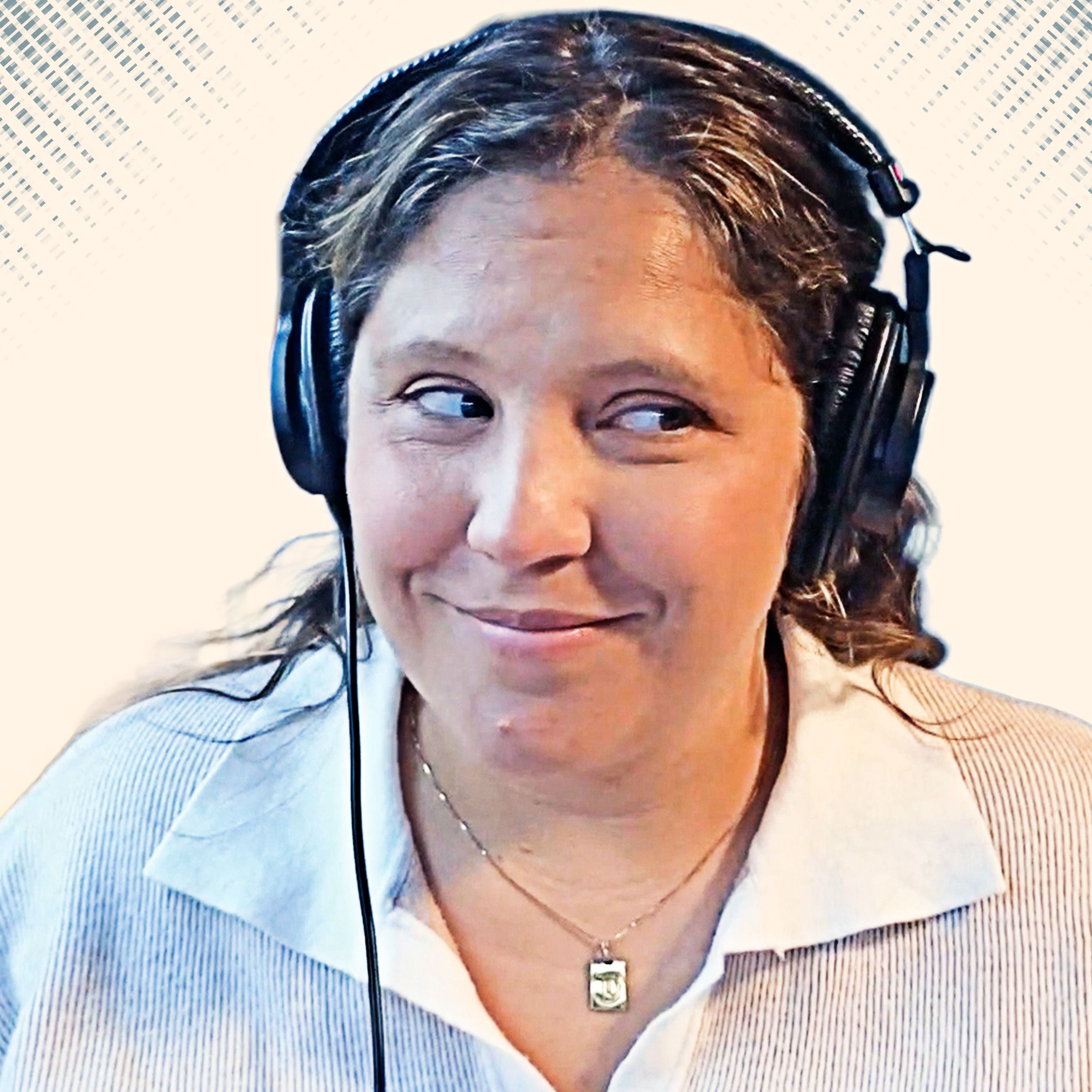 Why people with ADHD quit therapy 02.07.2026 15mFinding a therapist is hard. Finding one who actually understands ADHD? That’s a different problem entirely. Clinical psychologist Dr. Michelle Frank, who has ADHD herself, breaks down why people with ADHD struggle to stick with therapy. She looks at everything from the executive function demands of just getting there, to sensory issues, to the rejection sensitivity that makes you think “Does my therapist hate me?!” Plus: How to advocate for yourself in the room, even when your provider doesn’t specialize in ADHD.
 -
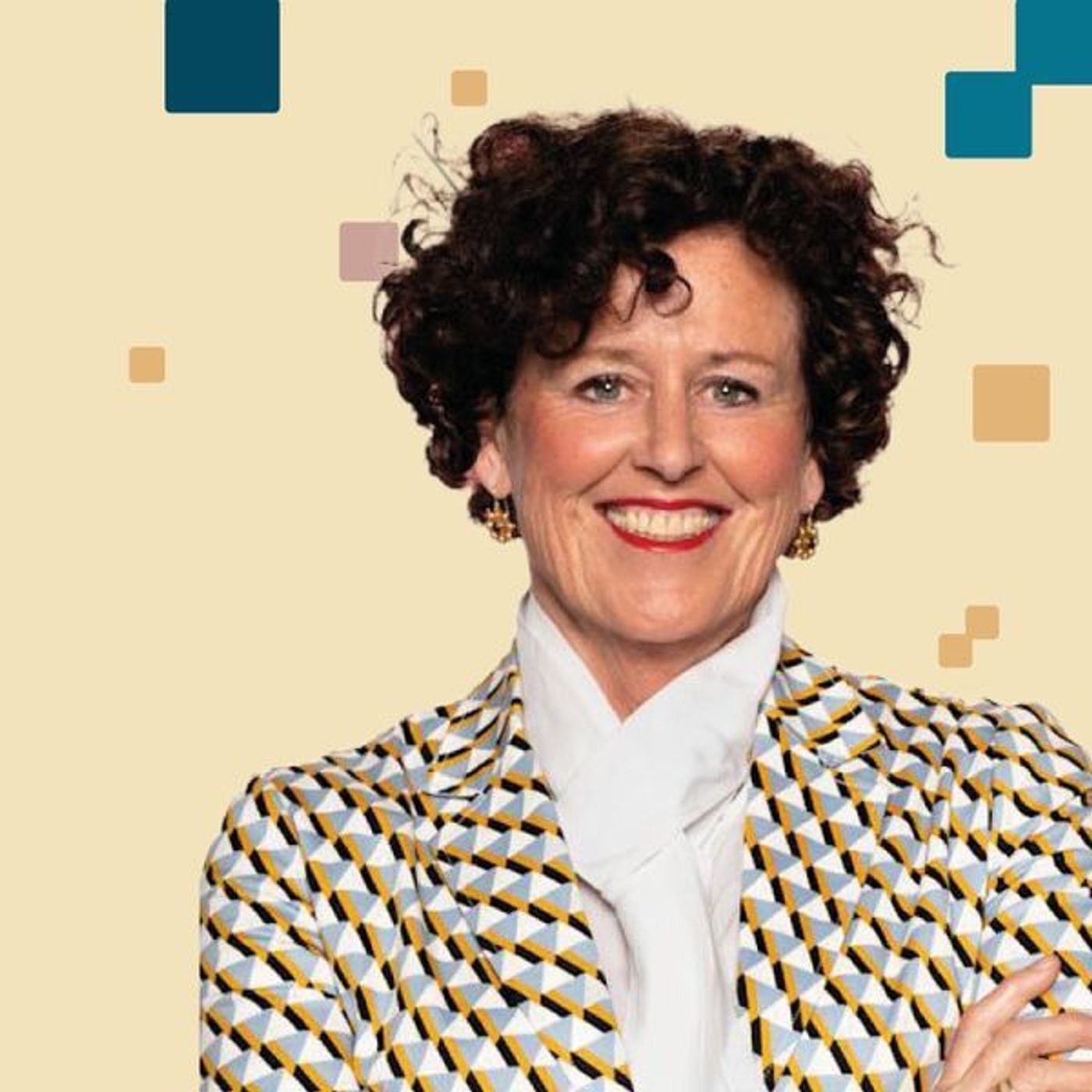 Head, heart, hormones: Why women’s ADHD care should treat the whole person (classic) 18.06.2026 27m
 -
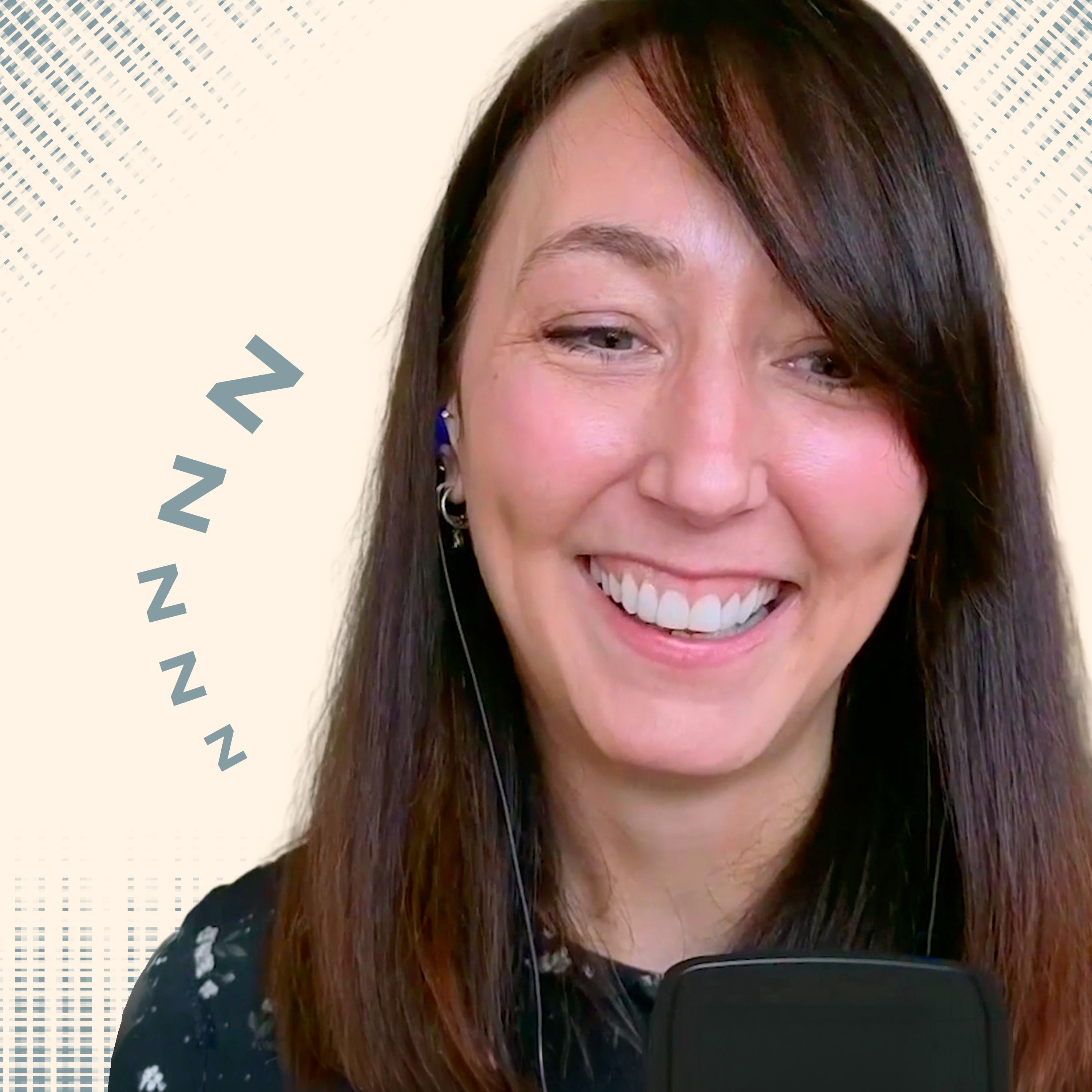 Why people with ADHD can’t sleep (and what actually helps) 04.06.2026 25mIf you have ADHD, you’re probably exhausted — and there’s a real neurological reason for it. Sleep expert Marlee Boyle, co-founder of Sleep Works, joins us to explain why ADHD brains are wired against a good night’s rest. Plus how perimenopause can make it worse. She walks us through CBT-I techniques, the truth about melatonin, and some surprisingly low-tech tools that can fix your circadian rhythm. If you have trouble falling asleep or staying asleep, this one is for you.
 -
 I’m an ADHD expert. My kid still can’t get help. 21.05.2026 24mToday’s episode is a crossover with Understood’s new podcast, Everyone Gets a Juice Box. Host Jessica Shaw interviewed Rae about something she rarely discusses on Hyperfocus: Being a mom to a fabulous kid with ADHD. Even with Rae’s 20 years of experience studying and writing about ADHD, getting help for her child in school has been really challenging. Here’s how she’s supporting her daughter while they wait for school services.
 -
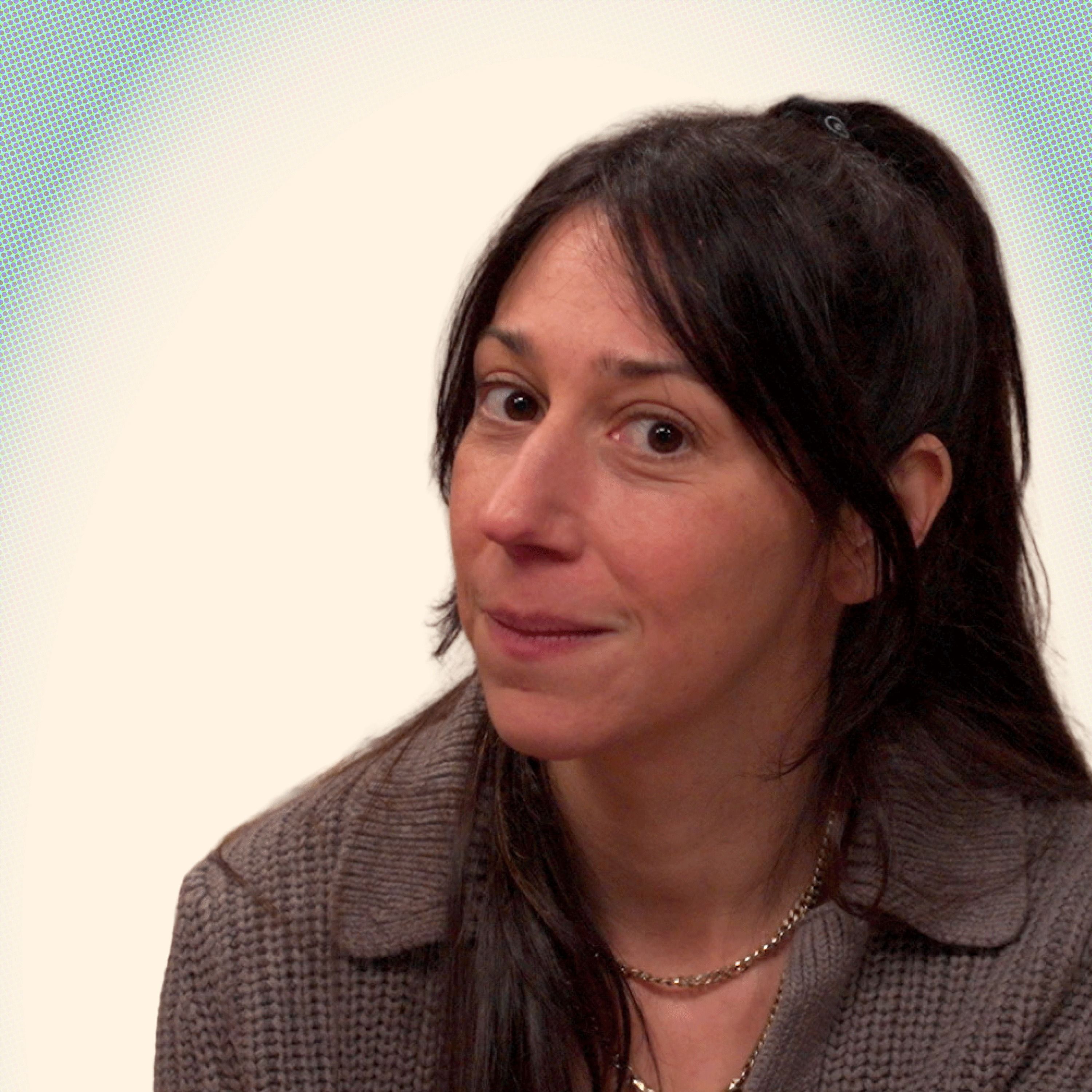 The gene that could change how we treat ADHD 07.05.2026 18mWhat if your brain had a volume knob? Researcher Dr. Zachary Gershon joins Rae to explain Homer1a, a gene variant that may hold the key to how we focus. When levels are lower during development, the brain gets better at filtering out distractions, or what scientists call “neural noise.” This discovery could one day lead to non-stimulant treatment options for ADHD. And it started with one scientist’s very personal question.
 -
 Can I get rid of my adult sensory issues? 23.04.2026 27mRae puts on her most uncomfortable pants (on purpose!) to ask a fashion designer and former special ed teacher whether adults can actually get over sensory issues. Julia DeNey, founder of sensory clothing brand Sense-ational You, breaks down why tactile sensitivity doesn’t disappear at 18, what adaptive fashion can (and can’t) fix, and why telling yourself “today’s the day I get over it” is the worst possible strategy.
 -
 PMDD: Why women with ADHD are 4x more likely to struggle 09.04.2026 20mHyperfocus listener Jenna Plonsky opens a raw conversation about ADHD, late diagnosis, and the mental health struggles many women face in silence. From postpartum depression to PMDD, this episode explores how hormonal shifts intersect with neurodivergence — and why so many go undiagnosed for decades. It’s an honest look at shame, self-perception, and the turning point that comes with finally understanding your brain.
 -
 Is “ring of fire” ADHD real? 26.03.2026 26mOur team has been seeing something called “ring of fire” ADHD spreading across the internet. It’s a supposed subtype of ADHD promoted by Daniel Amen, a celebrity psychiatrist with clinics in multiple states and a huge online following. But in reporting this episode, we found that “ring of fire” ADHD isn’t recognized by mainstream science. Nor are brain scans approved by the FDA as a diagnostic tool for ADHD. Our guest today, clinical psychologist Roberto Olivardia, PhD, explains why he believes Dr. Amen’s approach is unethical — and how it may lead to real harm for patients seeking answers.
 -
 This changed my mind on what’s possible with a learning disability 12.03.2026 19mRae has a lifelong misconception about her dyscalculia turned on its head. And she learns why labels don’t mean limits.
 -
 Why there’s no “gold standard” for adult ADHD tests 26.02.2026 26mLast fall, I heard something that floored me: The tests we have for ADHD in adults don’t work very well. As an adult with ADHD, I think about this all the time because our diagnosis is so stigmatized and so misunderstood. It’s overdiagnosed. It’s underdiagnosed. Everybody has it. Nobody has it. If only there were a silver bullet or some test that could definitively say yes or no. So, I asked the two Chicago School faculty members who got me thinking about this after their presentation at the CHADD conference last year: Jessica Rosenfeld, a clinical psychologist, and Reneh Karamians, a neurorehabilitation psychologist. They explained why adult ADHD diagnosis is so difficult, and how new scan technology holds promise for spotting ADHD in the brain.
 -
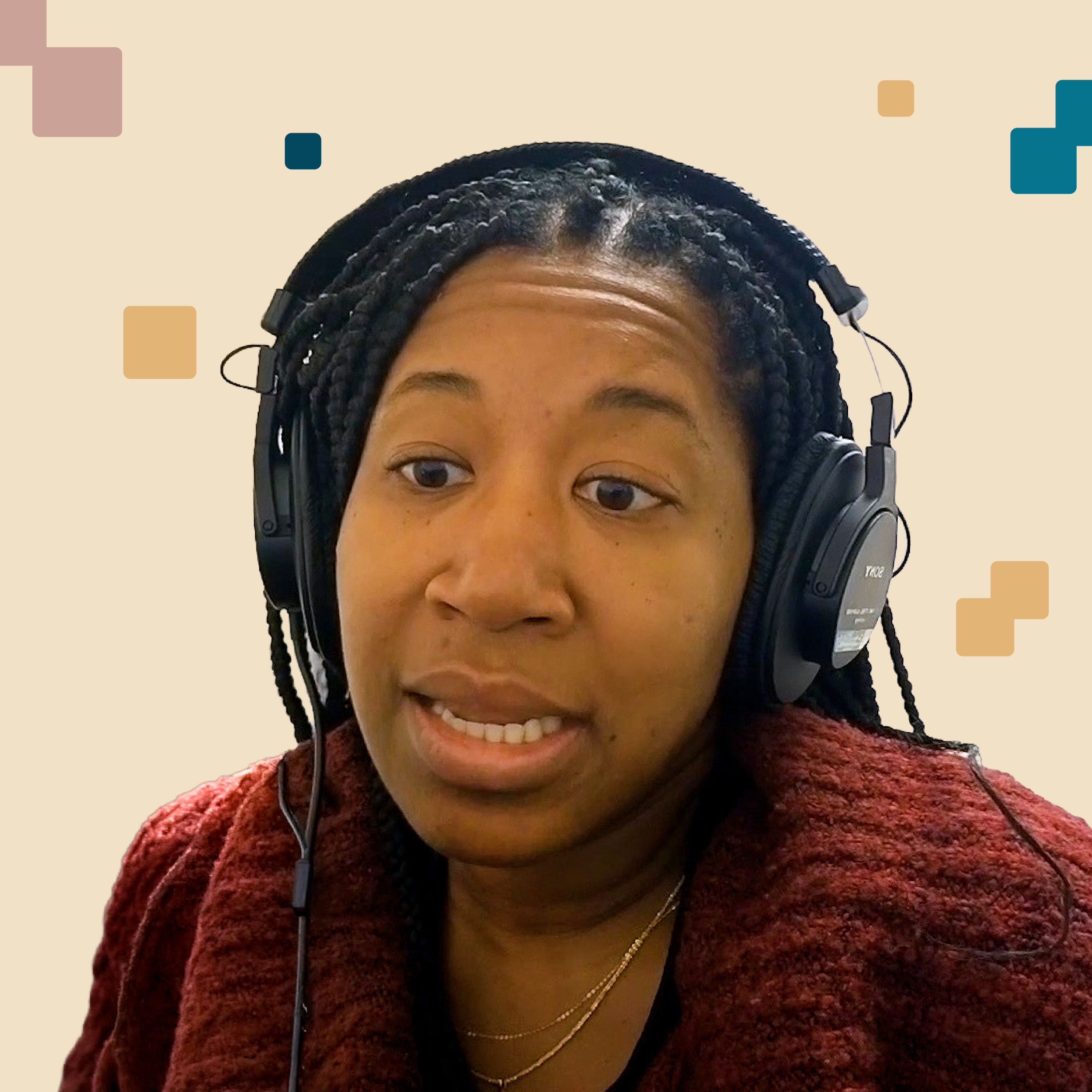 Conduct disorder: A controversial diagnosis with lifelong consequences 12.02.2026 25mDiagnoses are meant to help people access care, but some diagnoses carry far more consequences than others. Conduct disorder is one of them. Diagnosing someone with conduct disorder can be like placing a lifelong label on them — a label that can shape how educators, clinicians, and institutions interpret behavior long after the diagnosis is made. Studies show that Black, brown, and low-income children are far more likely to be diagnosed with conduct disorder. And the stigma attached to that label can be severe. Even life-altering. For this episode, we spoke with our brilliant colleague, Dr. Kristin Carothers, a licensed clinical psychologist. She explains what conduct disorder is and why it’s so controversial. And she looks at how race and other biases factor into diagnosis — and what it means to give someone a label that is anything but neutral.
 -
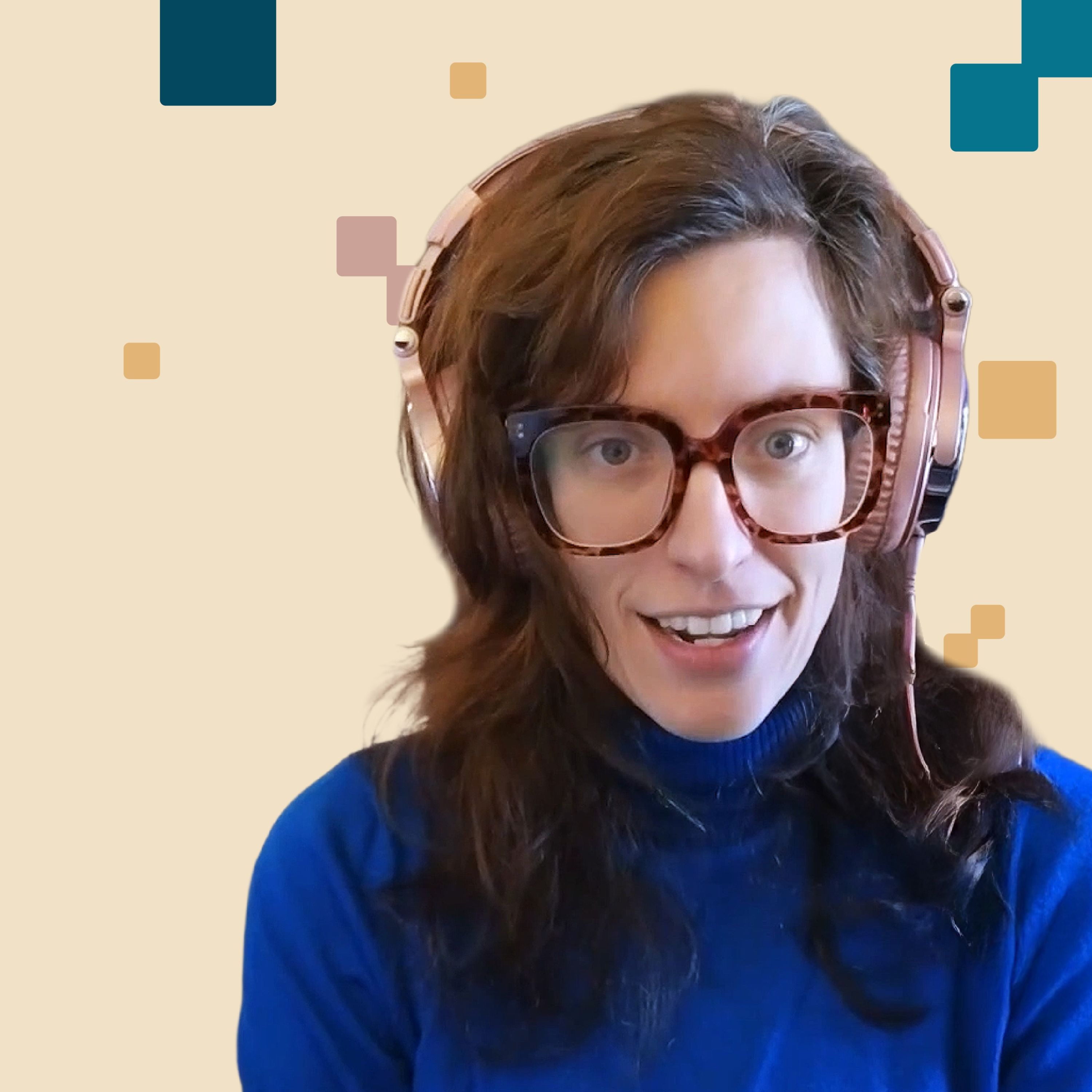 The ADHD content economy: How algorithms and incentives turn help into grift 29.01.2026 41mThe ADHD internet is crowded — and not all content is created equal. From unlicensed coaches to miracle cures and viral “hacks,” misinformation spreads fast and wide. The problem is that many prominent voices have little to no formal training. And algorithmic incentives encourage creators to bait their audience. Cate Osborn, known online as @catieosaurus, joins Hyperfocus to explain how the ADHD content economy works. She looks at why grifting thrives and how power, profit, and trust in online mental health spaces affect our understanding of ADHD.
Similar podcasts


Popular in
The podcast also appears in the podcast charts of these countries.

