
The Academic Minute
Academic Minute
0
This podcast presents brief academic insights covering topics from astronomy to zoology. Each segment features experts discussing their research and knowledge. It offers a quick and accessible way to learn about diverse scholarly subjects. The show is produced by Academic Minute.
Episodes
-
 Matt Simoneau, University of Wisconsin-Stout - From Norway to Wisconsin, Children Want to be Social Media Influencers When They Grow Up 14.10.2026 2mBeing an influencer has become a popular career goal for young people.Matt Simoneau, professor of career and technical education at the University of Wisconsin-Stout, explores why.Faculty Bio:Dr. Matt Simoneau is a professor of Career and Technical Education at the University of Wisconsin–Stout. His research explores how young people develop career aspirations, with a particular focus on the influence of social media, career education, and vocational pathways. He collaborates with researchers in the United States and Norway to study how students imagine their futures and how schools can better support career development. His work has been featured in The Conversation and has been presented at national and international education conferences.Transcript:When a second grader in Norway drew a YouTube logo instead of writing down a career, my colleagues and I asked why. The child simply replied, “Because YouTubers are famous and make lots of money.”We expected that answer to be unique. It wasn’t.When we asked second graders in Wisconsin the same question, many gave remarkably similar responses. They also wanted to become YouTubers or social media influencers.Since 2021, my colleagues and I have been studying how children and teenagers in the United States and Norway imagine their futures.What we found surprised us.More than 60 percent of the middle and high school students we surveyed said social media influenced their career aspirations. For many young people, TikTok, YouTube and Instagram have become powerful sources of career information, second only to family members, teachers and friends.Social media isn’t always a negative influence. Some students told us they discovered careers like marine biology, filmmaking or engineering through videos they watched online.The challenge is that schools often rely on career assessments and planning programs developed before social media transformed how young people learn about work. Many students described these activities as repetitive or disconnected from the careers they were actually considering.One student even called a required career survey a “waste of time” because it recommended becoming a truck driver after she had already been accepted into nursing school.Young people are clearly thinking about their futures. But increasingly, those futures are being shaped not only in classrooms and counseling offices, but also through the content they scroll past every day.Understanding where students get their career ideas may be just as important as helping them decide where those ideas should lead.Read More:[The Conversation] - From Norway to Wisconsin, children want to be social media influencers when they grow up This is a public episode. If you would like to discuss this with other subscribers or get access to bonus episodes, visit www.academicminute.org
 -
 Claire Strom, Rollins College - History of Hunger 13.10.2026 2mHow has our society’s view of hunger and response to it changed over time?Claire Strom, professor of history at Rollins College, explores the history.Faculty Bio:An agricultural historian, Claire Strom is a history professor and the Rapetti-Trunzo Chair of History at Rollins College in Winter Park, Florida. Her areas of specialization include: Agricultural history; the American South; and the progressive era. She is co-author of the 2024 book Empty Plates: A History of Hunger Relief covering a worldwide review of hunger relief over the centuries until the 1960s, then delving deeper into U.S. domestic hunger relief and the national food bank movement through to present day. Strom earned her PhD from Iowa State University. For more than a decade, she served as editor of the Journal of Agricultural History. Her Professional Organizations include: Southern Association of Women’s Historians Southern Historical Association Agricultural History Society. Among her Awards and Honors: The Gladys Baker Lifetime Achievement Award, Agricultural History Society, 2021.Transcript:A deep dive into the history of hunger reveals that the lack of adequate food is ubiquitous in human history. No society has existed without hungry people. Methods of addressing hunger are equally old and have varied greatly over time. In England, during the reign of Elizabeth I, relief became a governmental responsibility with little sympathy for the able-bodied poor. This notion migrated from England to Colonial America, where some communities paid families to take in paupers, even auctioning them off to the lowest bidder. The Enlightenment and social Darwinism of the 18th and 19th centuries heightened beliefs that poverty was a moral failing, leading to the incarceration of many paupers in workhouses. The intense poverty and hunger of the Great Depression muted condemnation of the poor and increased governmental social programs. The years after World War II continued this expansion of governments’ involvement in their citizens’ welfare, with the development of the idea of universal human rights, in which food figured significantly. In the US, this culminated in reforms of the Great Society, including the Food Stamp Act of 1964.In 1967 businessman John Van Hengel opened the first food bank, relying on surplus food from fields and packing sheds. Food banks spread throughout North America and the world in the subsequent decades. And, by the 1980s, with the retreat of government from social justice, food banks and their corporate donors became increasingly important in combating hunger. Second Harvest, renamed Feeding America, has surveyed hunger in the United States since 1993, offering longitudinal data. The agency’s studies show that the problem of hunger is worsening, not improving. Such findings leave many food bank employees conflicted, stating that they recognize the need to feed the hungry but hope that government and corporate interests would devote more attention and resources to ending poverty itself.Read More:[Rollins] - Strom Publishes Book on History of Hunger Relief[Rollins] - Strom Receives Lifetime Achievement Award from the Agricultural History Society This is a public episode. If you would like to discuss this with other subscribers or get access to bonus episodes, visit www.academicminute.org
 -
 Joseph Friedman, University of California San Diego - US Overdose Deaths Dropped in 2024 Amid Uneven Progress 12.10.2026 2mThe fourth wave of the opioid crisis may be receding, but progress is still uneven overall.Joseph Friedman, resident physician at the University of California San Diego School of Medicine, examines this.Faculty Bio:Joseph Friedman, MD, PhD, MPH joined UC San Diego School of Medicine as a Psychiatry Research Medical Resident from the University of California, Los Angeles, where he completed his MD and PhD in Social Medicine. Before that, he undertook a master’s in public health and a three-year data science fellowship at the Institute for Health Metrics and Evaluation at the University of Washington. His research combines epidemiological and anthropological approaches to studying substance use, drug overdose, mental illness and other socially-bound causes of mortality and morbidity. He has a particular interest in the US-Mexico border region, and has spent several years living and working in Tijuana, Mexico.Transcript:After years of record-breaking increases, drug overdose deaths in the United States fell sharply between 2023 and 2024. In our new study, we found that the national overdose death rate declined by almost a quarter, driven largely by decreases in deaths involving illicit fentanyl.These findings represent a significant turning point in the overdose crisis. Researchers often describe the epidemic as unfolding in four waves: prescription opioids, heroin, fentanyl and, most recently, fentanyl combined with stimulants such as methamphetamine and cocaine. For the first time, we observed declines in deaths involving both fentanyl and stimulants, suggesting that the fourth wave of the crisis may also be beginning to recede.This is a historic shift. After years of watching overdose deaths climb higher and higher, it is encouraging to see evidence that the trend is moving in the opposite direction. At the same time, the findings offer important reasons for caution. Deaths involving methamphetamine and cocaine without fentanyl continued to increase and accounted for a growing share of overdose fatalities. If these trends continue, stimulants may soon surpass opioids as the defining addiction-related public health challenge in the United States. We also found that xylazine, a veterinary sedative increasingly found in the illicit drug supply, was involved in a growing proportion of overdose deaths.The study also highlights persistent inequities. Although Black Americans experienced the largest decline in overdose death rates between 2023 and 2024, their rates remained substantially higher than the national average. American Indian and Alaska Native populations continued to experience the highest overdose death rates of any group we examined.The recent decline in overdose deaths is encouraging, but it does not mean the crisis is over. Sustaining this progress will require continued investment in addiction treatment, harm reduction and overdose prevention, while ensuring that the communities most affected by the epidemic are not left behind.Read More:[Wiley] - Charting the decline of the fourth wave: US overdose deaths by race, ethnicity and substance involvement This is a public episode. If you would like to discuss this with other subscribers or get access to bonus episodes, visit www.academicminute.org
 -
 Andrew Lee, Houston Methodist Research Institute - All Eyes on America's Pickleball Problem 09.10.2026 2mOn Houston Methodist Research Institute Week: Are you a pickleballer?Andrew Lee, professor of neuro-ophthalmology, looks at the rise of the sport and the injuries that come with it.Faculty Bio:Professor in the Department of Ophthalmology, Neurology, and Neurosurgery at Houston Methodist. Dr. Lee received his first faculty appointment in 1994 as an Instructor in the Department of Ophthalmology, Neurology, and Neurosurgery at the Baylor College of Medicine in Houston, Texas. Dr. Lee joined Houston Methodist Hospital and Research Institute in 2009 and is currently Chair of the Blanton Eye Institute at Houston Methodist Hospital and Professor of Ophthalmology, Neurology, and Neurosurgery at the Weill Cornell Medical College. Dr. Lee is interested in optic nerve disorders and, in particular, tumors of the optic nerve. He is involved in ophthalmic graduate medical education and in the teaching and assessing of the ACGME competencies.He serves on the editorial boards of 12 journals including the American Journal of Ophthalmology, Canadian Journal of Ophthalmology, and Eye and is the Editor in Chief of the Journal of Academic Ophthalmology. Dr. Lee is a recipient of the Honor Award, Secretariat Award, and Senior Achievement Award from the American Academy of Ophthalmology. Resident training is a particular interest of Dr. Lee. He has published several papers on teaching and competency testing methods in ophthalmology residency programs.Transcript:Pickleball is one of the fastest-growing sports in America, attracting millions of players with its easy-to-learn rules and social appeal. But as participation rises, so does an important health concern that many players may not consider: eye injuries. This study looked at national patterns of eye injury related to not just pickleball but also dodgeball, and kickball in the U.S. with emphasis on incidence, demographics, injury mechanisms, and diagnoses. Using data from the U.S. Consumer Product Safety Commission’s National Electronic Injury Surveillance System, we analyzed eye injury cases reported between 2014 and 2023. We found thousands of sports-related eye injuries during that period, including more than 3,800 cases linked to dodgeball, more than 2,500 linked to pickleball, and more than 1,500 linked to kickball. One of the notable findings was the difference in who was getting injured. Pickleball-related eye injuries primarily occurred in older adults, while dodgeball and kickball injuries were most common among younger teenagers. Across all three sports, the leading cause of injury was direct impact from the ball. The most common diagnosis was a corneal abrasion, or a scratch on the surface of the eye. However, pickleball injuries were more likely to involve falls and orbital fractures, which are breaks in the bones surrounding the eye. We observed a significant increase in pickleball-related eye trauma over the past decade, reflecting the sport’s growing popularity nationwide. The good news is that many of these injuries may be preventable. Protective eyewear can provide an additional layer of safety and help reduce the risk of serious vision-threatening trauma. As more Americans embrace recreational sports to stay active and healthy, awareness of eye safety is becoming increasingly important. Our findings highlight a simple message: protecting your vision should be part of the game plan. This is a public episode. If you would like to discuss this with other subscribers or get access to bonus episodes, visit www.academicminute.org
 -
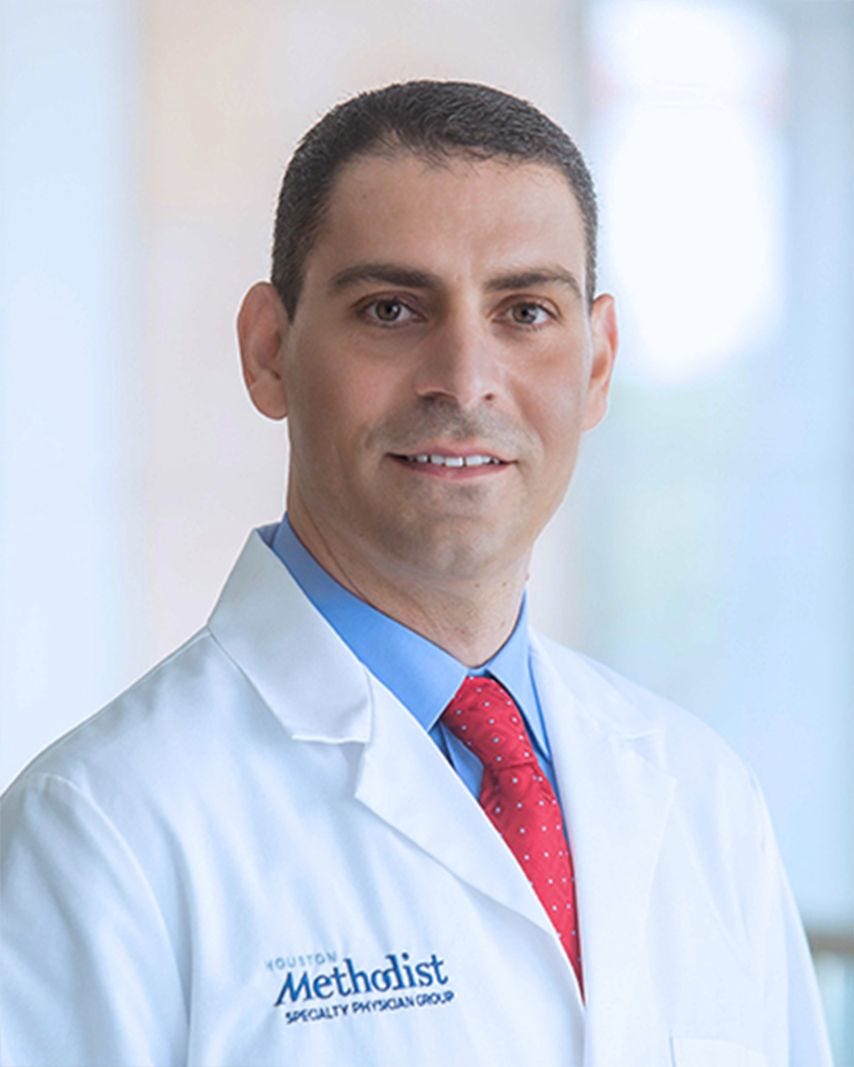 Maen Abdelrahim, Houston Methodist Research Institute - Detecting Cancer Recurrence Earlier via Blood Test 08.10.2026 2mOn Houston Methodist Week: A simple blood draw alongside imaging could benefit cancer patients in the future.Maen Abdelrahim, chief of gastrointestinal medical oncology, explains why.Faculty Bio:Dr. Abdelrahim earned his PharmD, followed by a PhD in Pharmacology and Toxicology, and subsequently an MD from Texas A&M University. He completed his residency at Baylor College of Medicine and a fellowship in Medical Oncology at Duke University.As Chief of Gastrointestinal Medical Oncology at Houston Methodist Neal Cancer Center, Medical Director of the Cockrell Center for Advanced Therapeutics (CCAT) Phase I Program, and Professor of Medicine at Weill Cornell Medical College, Dr. Abdelrahim is leading efforts to shape the strategic direction of GI and transplant oncology. He integrates cutting-edge clinical trials with patient-centered care to drive transformative outcomes. Under his leadership, CCAT has established a robust pipeline for early-phase clinical trials, including novel CAR T cell therapies for gastrointestinal cancers such as cholangiocarcinoma (CCA) and colorectal cancer (CRC). He oversees the design, scientific review, and execution of these trials while fostering multidisciplinary collaboration and innovation across oncology and research teams.Transcript:For patients who’ve had a liver transplant to treat liver cancer, one of the biggest fears is recurrence, the cancer returning. Our team set out to see whether a blood test could help us catch that earlier, and with fewer invasive procedures. The test is called circulating tumor DNA, ctDNA. It picks up tiny fragments of cancer DNA that tumors shed into the bloodstream. We made this test personalized: we first analyze each patient’s own tumor tissue to identify its unique genetic fingerprint, then we design a blood test that watches for that exact fingerprint after transplant. In our study, we followed 38 liver transplant recipients with hepatocellular carcinoma or cholangiocarcinoma, two of the most common forms of liver cancer. We tested these patients with ctDNA alongside our usual surveillance tools: imaging scans and standard tumor-marker blood tests. Over the course of the study, we confirmed cancer recurrence by imaging in six patients. Three of them also had a positive ctDNA result. And importantly, when the ctDNA test came back positive, it was right, we saw no false positives, meaning a positive result reliably confirmed real recurrence. I led this study alongside my colleagues, here in our GI oncology program. We believe catching recurrence sooner can change outcomes for transplant patients, who often have limited treatment options once cancer returns. This is the first study to test this approach prospectively, and we’re continuing to study it on a larger scale before it becomes standard practice. But it points to a future where a simple blood draw could work alongside imaging to give our patients, and their doctors, more confidence, and maybe more time.Read More:[Houston Methodist] - Using ctDNA to Detect Recurrence & Guide Management of Hepatocellular Carcinoma This is a public episode. If you would like to discuss this with other subscribers or get access to bonus episodes, visit www.academicminute.org
 -
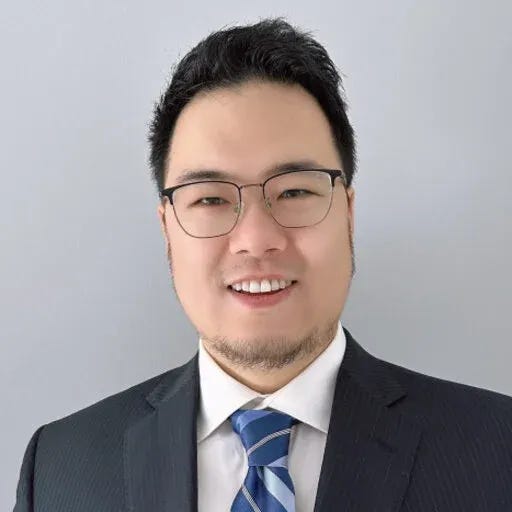 Weichaun Dong, Houston Methodist Research Institute - Discovering America's Epilepsy Belt 07.10.2026 2mOn Houston Methodist Week: Is epilepsy more prevalent in certain regions of the country?Weichuan Dong, assistant research professor of cardiology, examines whether it is.Faculty Bio:Dr. Weichuan Dong is a scientist in spatial epidemiology, population health, and machine learning, with a focus on how environmental and social factors shape chronic disease risk and outcomes. Dr. Dong’s work integrates large-scale clinical data, advanced AI/ML methods, and geospatial analysis to generate insights that support better prevention, diagnosis, and care delivery.Dr. Dong has led and contributed to multidisciplinary projects across cardiology, cancer, neurology, and public health, partnering with clinicians, data scientists, and industry collaborators. His research has resulted in high-impact first-author publications (e.g. JAMA Neurology, JAMA Network Open, Annals of Surgery, JNCCN, CEBP, Cancers, and Nature Scientific Reports), national media coverage, and translational findings that inform healthcare systems and policy discussions.Dr. Dong’s long-term goal is to bridge data science, healthcare, and real-world impact—advancing precision population health by turning complex datasets into actionable, scalable, and equitable solutions.Transcript:For decades, we’ve known about America’s “Stroke Belt”—a region in the South where stroke is especially common. But until now, we didn’t know whether epilepsy showed a similar pattern. Our research analyzed health records from nearly five million Medicare beneficiaries across the United States. By combining data with advanced geographic mapping, we created the first nationwide map of new-onset epilepsy in older adults. What we found was striking. Epilepsy was not evenly distributed across the country. Instead, we identified an “Epilepsy Belt” stretching across parts of the South, including Louisiana, Mississippi, eastern Texas, and central Oklahoma, where older adults were much more likely to develop epilepsy. Epilepsy risk later in life is shaped not only by biology, but also by the environments in which people live. Communities with higher epilepsy rates also tended to have more insufficient sleep, more days of extreme heat, lower levels of physical activity, and limited access to health care. That does not mean these factors directly cause epilepsy. Many cases are related to stroke, brain injury, or other neurological diseases. But understanding why certain communities carry a greater burden may help identify where earlier detection, diagnosis, and targeted prevention efforts are needed most. As our population ages and extreme heat becomes more common, understanding how communities shape brain health will become increasingly important. By revealing where epilepsy is most common—and the conditions those communities share—we hope to help public health leaders target resources where they can make the greatest difference.Read More:[JAMA Neurology] - Incidence and Risk Factors of Epilepsy Among Older Adults in the US Medicare Population[Houston Methodist] - Discovering America’s ‘epilepsy belt’: First-of-its-kind national study reveals US regions with high epilepsy rates among older adults This is a public episode. If you would like to discuss this with other subscribers or get access to bonus episodes, visit www.academicminute.org
 -
 John P. Cooke, Houston Methodist Research Institute - Radiation-Induced Skin Damage and Telomerase Therapy 06.10.2026 2mOn Houston Methodist Week: What are free radicals, and how are they affecting our cells?John P. Cooke, professor of cardiovascular sciences, discusses this.Faculty Bio:Dr. John P. Cooke is the Chair of the Department of Cardiovascular Sciences at the Houston Methodist Research Institute, Director of the Center for Cardiovascular Regeneration, and Medical Director of the RNA Therapeutics Program in the Houston Methodist DeBakey Heart and Vascular Center in Houston, Texas.He trained in cardiovascular medicine and obtained a Ph.D. in physiology at the Mayo Clinic. He was recruited to Harvard Medical School as an assistant professor of medicine. In 1990, he was recruited to Stanford University to spearhead the program in vascular biology and medicine, and was appointed professor in the Division of Cardiovascular Medicine at Stanford University School of Medicine, and associate director of the Stanford Cardiovascular Institute until his recruitment to Houston Methodist in 2013.Dr. Cooke’s research program is focused on vascular regeneration, vascular cell identity and cell fate. The Cooke group aims to understand the mechanisms underlying epigenetic plasticity that are required for functional adaptation to cellular challenges. Innate immune signaling causes global changes in the expression and activity of epigenetic modifiers with metabolic coupling that favors an open chromatin configuration. The translational output of this work is vascular regeneration via therapeutic transdifferentiation using small molecules or mRNA.Transcript:Every day our cells are under attack from an enemy within – reactive oxygen species, also known as free radicals. Free radicals are generated by cell metabolism, by the very nature of burning calories. The DNA in a single cell takes tens of thousands of hits per day.The good news is that our cells have outstanding DNA repair systems that fix the damage. They have to fix the damage, as the DNA is the code for the identity of the cell, and for its functions. In a surprising twist, we found recently that one such DNA repair protein is the enzyme called telomerase.You may know it! Telomerase repairs the ends of the chromosome. These ends are a bit like the ends of a shoelace, holding the chromosome together. As cells divide, the telomere gets shorter, and at some point, the cells can’t divide anymore and become aged. Telomerase can repair the ends so that the cells can keep going.Recently, we found that telomerase can also repair DNA damage throughout the length of the chromosome. We found that telomerase could repair the DNA damage caused by free radicals generated during aging.Then we gave telomerase a tougher test. Could telomerase repair DNA damage due to radiation. We treated human skin cells, and human skin, with mRNA encoding telomerase. We saw that telomerase was generated by the skin cells and protected them from radiation induced DNA damage. That protection prevented radiation-induced aging and death of the skin cells. This work indicates that the unexpected effect of telomerase to repair DNA throughout the length of the chromosome can protect human cells from free radicals, aging, and radiation.Read More:[Houston Methodist] - New study shows mRNA therapy could protect patients from radiation-induced skin damage caused by cancer treatment This is a public episode. If you would like to discuss this with other subscribers or get access to bonus episodes, visit www.academicminute.org
 -
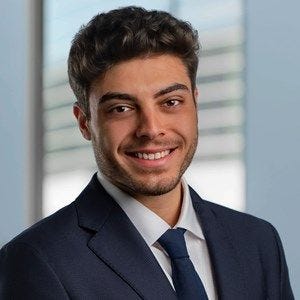 Jad Ardakani, Houston Methodist Research Institute - Your Zip-code and the Risk of Type 2 Diabetes 05.10.2026 2mOn Houston Methodist Week: Where do you live? Your answer may affect your health. Jad Ardakani, clinical research fellow, explores why.Faculty Bio:Dr. Jad Ardakani is a medical doctor and clinical research fellow in preventive cardiology at the Houston Methodist, where he works under the mentorship of Dr. Sadeer Al-Kindi and Dr. Khurram Nasir. His research focuses on the environmental and social determinants of cardiometabolic disease, leveraging large-scale clinical and geospatial datasets.His work utilizes the Houston Methodist CVD Learning Health System Registry to examine how residential address–linked environmental exposures influence the development of conditions such as type 2 diabetes and cardiovascular disease. He is particularly interested in integrating environmental exposures with precision prevention approaches—including biomarkers, wearable health data, and body composition measures—to improve cardiovascular risk prediction and population-level prevention strategies. His work also includes studying cardiovascular disease burden and risk factors in Middle Eastern and North African (MENA) populations, with an emphasis on regional disparities and prevention.Transcript:The place you call home may shape your health more than you think. When we talk about Type 2 diabetes, we usually focus on diet, exercise, and family history. But where you live — your neighborhood — may matter just as much. Our team set out to test that idea. We used a tool called the Climate Vulnerability Index. It scores how exposed a neighborhood is to stressors like extreme heat, storms, and pollution, along with social conditions such as poverty, poor housing, and limited access to care. We linked that index to the health records of more than one million adults across our health system — none of whom had diabetes when the study began. Then we followed them for up to seven years to see who went on to develop Type 2 diabetes. The results were striking. Adults living in the most vulnerable neighborhoods had a twenty-three percent higher risk of developing diabetes than those in the least vulnerable areas. And this pattern held even after we accounted for age, sex, race and ethnicity, obesity, blood pressure, cholesterol, and baseline blood sugar. In other words, the environment around us leaves a measurable mark on our health — one that traditional risk factors alone can miss. Why does this matter? Because it gives us a new way to see risk. By mapping climate and community vulnerability onto clinical data, we can spot the neighborhoods that need help before disease takes hold, and direct prevention where it will do the most good. This is one of the largest studies of its kind, but it is really just a starting point. Recognizing that health is shaped not only by our choices, but by the places we live, is the first step toward building healthier, more equitable communities.Read More:[National Library of Medicine] - Climate Vulnerability Index and Incident Type 2 Diabetes in a Large Integrated Health Care System This is a public episode. If you would like to discuss this with other subscribers or get access to bonus episodes, visit www.academicminute.org
 -
 Rotem Rozental, University of Southern California - Gen Z Resurrects Film Photography and the Analog World 02.10.2026 2mIs film photography dead? Not so fast.Rotem Rozental, lecturer in critical studies at the Roski School of Art and Design at the University of Southern California, explores the unlikely rebirth of this photographic medium.Faculty Bio:Dr. Rotem Rozental is Executive Director and Chief Curator of the Los Angeles Center of Photography and lecturer in Critical Studies at USC Roski School of Art and Design. She holds a Ph.D. in Art History from Binghamton University, where her dissertation examined photographic archives and nationalism.Her monograph “Pre-State Photographic Archives and the Zionist Movement” (Routledge, 2023) won the Jordan Schnitzer First Book Award from the Association for Jewish Studies. Her scholarly work appears in peer-reviewed journals including Photographies and Philosophy of Photography, while her cultural criticism has been published in Artforum, Afterimage, Jewish Currents, and other outlets.Dr. Rozental’s current research examines visual literacy in the age of AI, generational relationships with technology, and institutional leadership during cultural transformation. She has curated 50+ exhibitions exploring photography’s intersection with memory, technology, and collective identity, and has mentored over 60 international artists. Her work bridges academic research with public-facing cultural criticism, making complex ideas about images, technology, and visual culture accessible to general audiences.Follow her writing and connect on Substack: Transcript:It wasn’t too long ago that analog photography was declared all but dead.Digital cameras had taken over nearly all areas of photographic production. Film industry titans like Polaroid and Kodak had shrunk dramatically. Darkrooms, shuttered at high schools and college campuses across the country, replaced by digital labs. For most people, the spirit of analog photography was mainly channeled through Instagram filters.But within the past five years, younger people have been increasingly drawn back to the darkroom. Gen Z is going back to the darkroom and is resurrecting analog photography.In 2025, 35% of the 42 million active film camera users worldwide were reported to be between the ages of 18 and 30. The photography journal PetaPixel announced 2024 as “film’s best year in decades,” as major brands have introduced new cameras in response to renewed demand and revived classic models. In my work as a historian of photography and lecturer at the University of Southern California, I’ll often ask my students about how they take photos. This year, for the first time, they discussed printing photos, mounting them or crafting photo albums. They now write letters, send postcards. The inaugural festival AnalogCon that we organized this year at the Los Angeles Center of Photogrhaphy, showed how analog photography – as a practice, ritual and community – is flourishing.This move goes beyond nostalgia—it’s hard to yearn for an analog world you never knew. If anything, it’s postalgic, a deliberate and conscious insistence on a relationship with past technology and media that rejects algorithmic feeds and the alienation of social media. They might find them online, but they practice them IRL, opting for tangible cultural objects and perhaps a healthier relationships with peers and visual culture.Read More:[The Conversation] - Why Gen Z is falling in love with film photography[Los Angeles Center of Photography] - AnalogCon This is a public episode. If you would like to discuss this with other subscribers or get access to bonus episodes, visit www.academicminute.org
 -
 Eugen Wassiliwizky, Max Planck Institute For Empirical Aesthetics - The Gender Attractiveness Gap 01.10.2026 2mWhy do we evaluate male and female beauty differently?Eugen Wassiliwizky, senior researcher at the Max Planck Institute of Empirical Aesthetics, looks for an answer.Faculty Bio:Eugen Wassiliwizky has an interdisciplinary background in neuropsychology, classics, and musicology and has conducted research in Germany, Canada, and Norway. His work examines the neural and evolutionary foundations of aesthetic experience across domains including language, film, music, and facial perception. Alongside his academic research, he has extensive experience as a communication coach, helping researchers, policymakers, and professionals communicate complex ideas clearly and persuasively.Transcript:More than 150 years ago, Charles Darwin made an intriguing observation. Unlike many animal species, in which males are the more ornamented sex—think of lions or birds of paradise—he argued that humans are unusual because it is women who are generally regarded as “the beautiful sex.” In other words, the typical pattern of sexual ornamentation appears to be reversed in humans. Surprisingly, however, this idea remained untested for more than a century and a half. Yet the answer had been hiding in scientific data all along.Together with colleagues, we recently analyzed one of the largest collections of facial-attractiveness data ever assembled: more than 1.5 million ratings from around the globe. The result was remarkably consistent: across cultures, age groups, and sexual orientations, female faces received higher attractiveness ratings than male faces. On average, a female face outranked about 60% of male faces. We call this robust phenomenon the Gender Attractiveness Gap.The findings also revealed several surprising details. Women showed the strongest preference for female faces, even stronger than men did. Moreover, facial structure explained a substantial part of the effect: differences in facial femininity and masculinity accounted for roughly 40% of the observed GAP. Another unexpected pattern emerged when we looked beyond average ratings. Whereas female attractiveness followed an almost perfectly normal distribution, male faces exhibited a small but distinct group of exceptionally attractive individuals. This raises the intriguing possibility that exceptional male attractiveness occupies a more specialized role than previously assumed.Rather than closing a chapter, these findings open an entirely new one. Why do humans evaluate female and male beauty so differently? And what do attractiveness ratings actually reveal about the way our minds perceive human beauty? Sometimes important scientific discoveries are not entirely new, they are patterns that have been hiding in plain sight for decades, waiting to be recognized.Read More:[The Royal Society Publishing] - The gender attractiveness gap This is a public episode. If you would like to discuss this with other subscribers or get access to bonus episodes, visit www.academicminute.org
 -
 Christian Martinez, Brooklyn College, City University of New York - The Accidental Author 30.09.2026 2mStudent work can serve a larger purpose than simply earning a grade.Christian Martinez, adjunct lecturer at Brooklyn College, City University of New York, tells us how.Faculty Bio:Christian A. Martinez is a graduate instructor at Brooklyn College, City University of New York, where he teaches reproducible research and data science. His work focuses on open science, civic open data, and designing educational experiences that enable students to create publicly available research and open-source software.Transcript:What happens to most student assignments after they’re graded?In many courses, the answer is simple: they disappear. A paper is submitted, a project is graded, and the work ends there.In my teaching, I began exploring a different approach. Instead of designing assignments for a single reader—the instructor—I asked students to create work that could have a life beyond the classroom.Using reproducible research methods and publicly available government data, students developed analyses that could be shared openly. Some projects became published online portfolios. Others were incorporated into an open educational resource used by future students. Several students contributed directly to open-source software that is now freely available to researchers around the world.I call this the “Accidental Author” framework because many students never expected to become authors or software contributors. They simply completed a course assignment. But by designing assignments around authentic audiences, transparency, and reproducibility, their work became something larger than a grade.This approach also changes the educational experience. Students know their work may be read by peers, employers, or members of the public, encouraging greater attention to documentation, communication, and reproducibility. Rather than treating assignments as temporary products, they begin thinking like researchers, collaborators, and contributors.The goal isn’t simply to produce better assignments. It’s to create learning experiences where the knowledge students generate can continue to educate others, contribute to open science, and remain valuable long after the semester has ended.Read More:NYC Open Data Student Gallery - Brooklyn CollegeReproducible Research Using RReproducible Research Using R: Student Work in PracticeThe OpenData Package Developer’s Guide This is a public episode. If you would like to discuss this with other subscribers or get access to bonus episodes, visit www.academicminute.org
 -
 Krista Mehari, Michigan State University - To the Problem of Teen Takeovers, Teens Can Be the Solution 29.09.2026 2mWhat are ‘teen takeovers’, and do we need to curb them?Krista Mehari, associate professor of public health at Michigan State University, says teens themselves can be part of the solution.Faculty Bio:Krista Mehari is a licensed clinical psychologist and an Associate Professor in the Charles Stewart Mott Department of Public Health in Michigan State University’s College of Human Medicine. Her work focuses on improving the safety and well-being of youth from minoritized groups in overburdened, underresourced communities, with a specific focus on youth violence and firearm injury prevention. She takes a participatory action research approach to partner with communities to develop, implement, and evaluate violence prevention strategies. Her work has been funded by the Centers for Disease Control and Prevention, the National Institutes of Health, and others.Transcript:“Teen takeovers”—youth-led gatherings fueled by social media—have occurred in cities like Detroit, Pittsburgh, and Raleigh. The headlines often focus on curfews and crackdowns, but beneath the headlines lies a bigger question: How could we partner with teens to come up with solutions, instead of deciding that teens are the problem?Teen takeovers demonstrate young people’s creative energy, their desire for community, and their capacity to spread information quickly.In my work as a youth violence prevention researcher, I have found that youth participatory action research—working with young people to identify problems and create potential solutions—works for the good of communities and for the young people themselves.Research shows that involving young people in participatory action promotes leadership skills, boosts academic engagement, grows strong social bonds, and builds safer communities for everyone.But here’s the catch: Sometimes youth partnership is just for show—adults pretend that they are including young people but still exclude them from real power. Teens don’t just spot hypocrisy; they call it out. To quote one frustrated youth leader: “Honestly, people are irrelevant after they hit 25.” This sentiment isn’t about age; it’s about adults who violate their trust and resist making real change. The research on youth partnerships shows that teens need more than empty promises. To make adult-youth partnerships successful, teens need mutual respect and trust, collaborative goal setting, shared decision making, and transparency. Adults can build successful youth partnerships through warmth, consistency, curiosity, and flexibility. Youth partnerships are most successful when adults are transparent, share decision-making power, collaborate in brainstorming solutions, and support implementation of solutions.By partnering with young people, decisionmakers can monitor the pulse of their communities and implement relevant, attractive, sustainable solutions in real time.Read More:[Sage Journals] - Project GRIP: An Illustration of Participatory Action Research with Communities of People Who Own and Use Firearms[Taylor & Francis] - Transdisciplinary participatory action research: how philosophers, psychologists, and practitioners can work (Well) together to promote adolescent character development within context[Taylor & Francis] - Impact of a participatory action approach to virtue promotion among early adolescents[ScienceDirect] - Facilitating youth participatory action research (YPAR): A scoping review of relational practice in U.S. Youth development & out-of-school time projects[Annual Reviews] - Youth-Led Participatory Action Research and Developmental Science: Intersections and Innovations[Wiley Online Library] - Youth participation: Adultism, human rights and professional youth work This is a public episode. If you would like to discuss this with other subscribers or get access to bonus episodes, visit www.academicminute.org
 -
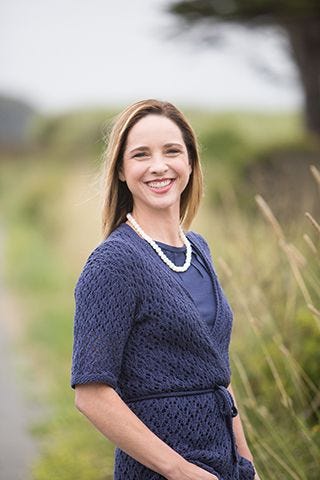 Katharine Mach, University of Miami - Actionable Knowledge Adapting Cities to Relentless Heat 28.09.2026 2mHow do we beat the heat in cities going forward?Katherine Mach, professor and chair of environmental science and policy at the University of Miami, explores some tools that can help.Faculty Bio:Katharine Mach is professor and chair of the Department of Environmental Science and Policy at the University of Miami Rosenstiel School of Marine, Atmospheric, & Earth Science. During Spring 2025, she was the Coleman P. Burke Distinguished Visiting Professor at the Yale School of Environment. Her research assesses climate-related risks and response options to address increased flooding, extreme heat, wildfire, and other hazards. Through innovative approaches to integrating evidence, she informs effective adaptations to the risks. Mach was the 2020 recipient of the Piers Sellers Prize for world leading contribution to solution-focused climate research. Mach has served as a chapter author or lead in the Fourth through Sixth US National Climate Assessments and the IPCC Sixth Assessment Report and as a member of the National Academies Climate Security Roundtable. She serves as Co-Editor in Chief for Climate Risk Management, an editorial board member for Oxford Open Climate Change and Environmental Research: Climate, and an advisory committee member for the Aspen Global Change Institute. Across all of her research projects, she engages in relevant policy processes and explores and discusses climate risk and adaptation with the media, the private sector, nongovernmental organizations, and communities.Transcript:As global temperatures rise, extreme weather isn’t just becoming more severe, it’s becoming continuous. Many people are grappling with new relentless hazards. Chronic heat is one of them, defined as dangerous conditions that persist for 90 days or more every year. The impacts of chronic heat add up. Our research shows that some residents are enduring indoor home heat indexes that average over 100 degrees Fahrenheit for 24 hours a day, consecutively. Chronic heat can severely impact physical and mental health, household finances, and community well-being. This isn’t a brief spike, it’s an underrecognized, daily crisis happening in our communities. Meeting this threat requires what my colleagues and I call actionable knowledge. Our Chronic Heat Research Group brings together over 100 scientists, doctors, community leaders, and officials monthly. Together, practitioners are taking action, and we’re using complex climate modeling and analysis to provide evidence on the risks and the effectiveness of different responses. The tools for decision making range from hyper-local indoor heat risk mapping to policy blueprints. By connecting climate risk science to decision makers, we empower cities to deploy cooling resources preemptively to protect residents, and update the infrastructures needed, ideally before crisis points occur. Intensifying chronic heat isn’t just a temporary surprise, it’s a new normal. Treating chronic heat as a permanent adaptation challenge is how we build safer and more resilient cities worldwide. This work demands that we reimagine urban planning, public health systems, and energy grids for a hotter reality, turning short-term emergency response of the past into stable protection for people and the environment at large. This is a public episode. If you would like to discuss this with other subscribers or get access to bonus episodes, visit www.academicminute.org
 -
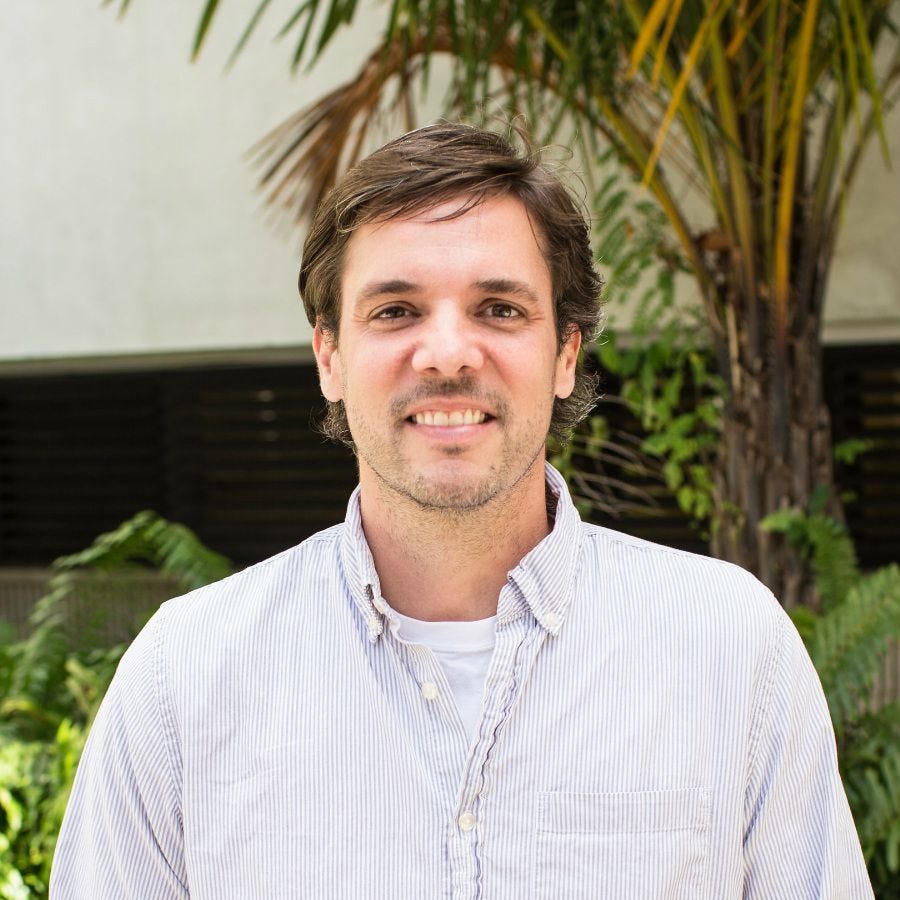 Matthew Sutherland, Florida International University - How Sleep Disorders Change the Brain 25.09.2026 2mOn Florida International University Week: Sleep disorders may be changing your brain. Matthew Sutherland, associate professor of psychology, explores how.Faculty Bio:Matthew Sutherland is a cognitive neuroscientist and associate professor of psychology at Florida International University. His research uses brain imaging to better understand how conditions such as substance use, sleep disorders and other health challenges affect brain function and behavior.Transcript:Most people know that poor sleep can leave them feeling tired, unfocused or irritable. But sleep disorders may do more than affect how you feel. They may actually be associated with changes in the brain itself.We wanted to better understand what happens in the brain across different types of sleep disorders. Sleep disorders affect an estimated 50 to 70 million Americans, yet most research has only examined these conditions one at a time.Our team conducted a meta-analysis of 57 brain imaging studies, looking at disorders such as insomnia and sleep apnea, as well as sleepwalking, nightmare disorder and sleep terrors. By analyzing many studies together, we were able to identify patterns that might not be visible in individual investigations.Across multiple sleep disorders, we found structural changes in a region of the brain called the thalamus. More specifically, changes appeared in an area known as the pulvinar, which helps direct attention, filter information and support higher-level thinking.These findings may help explain why people with chronic sleep problems often report brain fog, difficulty concentrating, slower reaction times and challenges with decision-making.We also found unique changes among people with parasomnias, disorders that disrupt the sleep cycle itself. These changes occurred in a brain region involved in motivation, emotional regulation and decision-making, which may help explain some of the mood and behavioral symptoms associated with these conditions.Understanding how sleep disorders affect the brain could help researchers develop better diagnostic tools, identify problems earlier and create more personalized treatments.Read More:[Nature] - Sleep disorders and structural alterations in brain regions linked with motivation: a neuroimaging meta-analysis This is a public episode. If you would like to discuss this with other subscribers or get access to bonus episodes, visit www.academicminute.org
 -
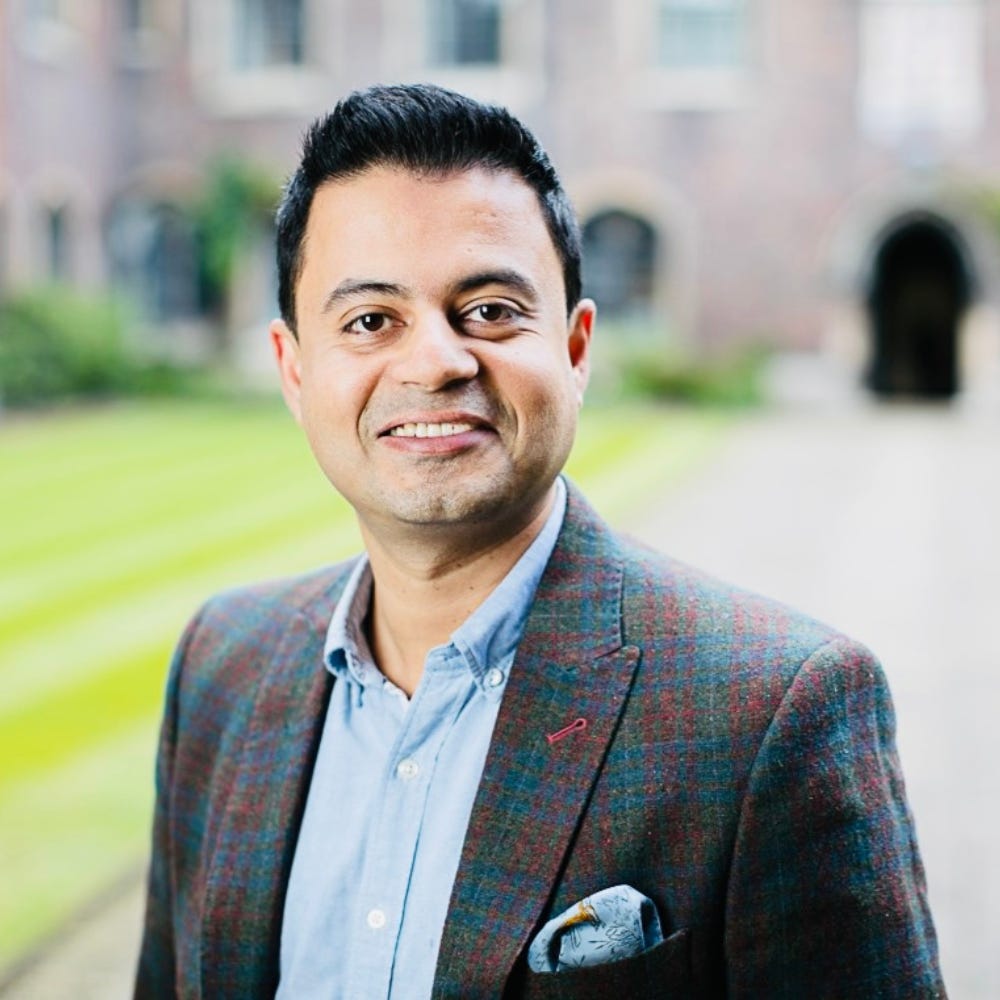 Rajiv Chowdhury, Florida International University - Saltwater Intrusion and the Health of Coastal Communities 24.09.2026 2mOn Florida International University Week: How much salt is in your drinking water? Rajiv Chowdhury, chair and professor of global health, explores this question.Faculty Bio:Dr. Rajiv Chowdhury is chair of the Department of Global Health at FIU’s Robert Stempel College of Public Health & Social Work. An internationally recognized global health researcher and educator, he previously held faculty roles at the University of Cambridge and the University of Exeter. His research focuses on the causes of chronic diseases, including cardiovascular disease, diabetes and dementia, and how social, biological and environmental factors shape health outcomes. He has authored more than 150 scientific publications, with work informing global health guidelines and appearing in outlets such as The New York Times, CNN and BBC.Transcript:Most people think about salt as something that comes from food.But for millions of people, salt may also be coming from another source: the water they drink.My research looks at drinking water salinity: the amount of dissolved salts, mainly sodium, in a water supply, and how it may affect cardiovascular health.This issue is becoming more important in coastal areas. As sea levels rise, saltwater can push into freshwater sources, including underground aquifers. This process is called saltwater intrusion.For communities that rely on groundwater, that can mean drinking and cooking with water that contains more sodium than expected.My team and I wanted to understand whether this matters for blood pressure.We conducted a systematic review and meta-analysis, bringing together data from 27 population-based studies involving more than 74,000 people across several countries.We found a consistent pattern. People exposed to higher-salinity drinking water had higher blood pressure than those exposed to lower-salinity water.On average, systolic blood pressure — the top number in a reading — was about 3.2 points higher. Diastolic blood pressure — the bottom number — was nearly 2.8 points higher.Higher drinking water salinity was also associated with a 26 percent increased risk of hypertension, especially in coastal populations.These numbers may seem modest for one person. But across large communities, even small increases in blood pressure can have major public health effects.Food remains the main source of sodium for most people. But our findings suggest that water quality should also be part of the conversation, especially as saltwater intrusion becomes a growing concern for coastal regions.Read More:[BMJ Journals] - Association of drinking water salinity with elevated blood pressure and risk of hypertension among coastal and other populations: a systematic review and meta-analysis of observational studies[FIU News] - Salty drinking water could be increasing your blood pressure – people living in coastal areas are most at risk[FIU News] - Could salty drinking water be a risk factor for high blood pressure? This is a public episode. If you would like to discuss this with other subscribers or get access to bonus episodes, visit www.academicminute.org
 -
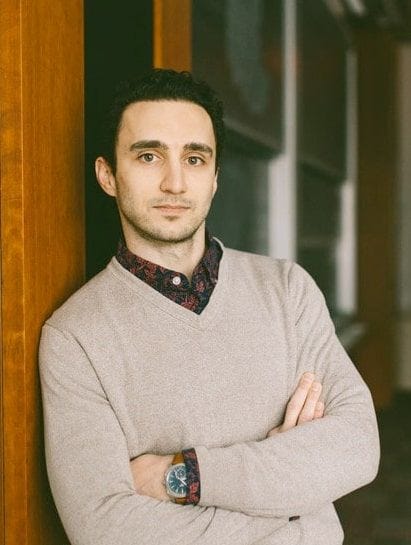 Joel Carnevale, Florida International University - The Reputational Cost of Creative AI 23.09.2026 2mOn Florida International University Week: Using generative AI in creative work may come at a cost. Joel Carnevale, assistant professor of management, examines how your reputation could be affected.Faculty Bio:Joel Carnevale is an assistant professor of management in FIU Business’ Department of Global Leadership and Management whose research examines the interpersonal dynamics that shape how people think, feel and behave at work. His work focuses on leadership, behavioral ethics and, most notably, reputation — including how creative reputations are built, perceived and managed inside organizations. Carnevale’s research has been published in leading academic journals, including the Journal of Applied Psychology, Organizational Behavior and Human Decision Processes, the Journal of Management, the Journal of Business Ethics and the Journal of Organizational Behavior, and has drawn media attention from outlets such as Bloomberg News, Forbes, Fast Company, Business Insider, Entrepreneur and TIME.Transcript:Generative artificial intelligence is rapidly becoming part of creative work, from music composition and advertising to design and content creation. But while AI may improve efficiency and even enhance creative output, our research suggests it can also change how creators themselves are perceived.Along with my co-authors Anand Benegal and Lynne Vincent, I studied how people evaluate creators who use AI in the creative process.In one experiment, participants evaluated the same piece of music written for a fictional video game soundtrack. Some participants were told the composer was Hans Zimmer, the well-known film composer associated with movies like Dune and The Dark Knight. Others were told the exact same composition came from a first-year college music student.We then varied whether participants were told the music had been created in collaboration with artificial intelligence.What we found was consistent across both high- and low-reputation creators: once AI use was disclosed, evaluations became significantly more negative. Participants rated creators lower in both creative competence and reputational prestige, even when the creator had an elite reputation.In a second experiment focused on the workplace, we found similar results involving an employee in an advertising firm. The key driver behind these negative evaluations was authenticity. When people believed AI played a role in the core creative process, they became more likely to question whether the creativity felt genuine or human.Our findings suggest that creators today must manage not only the work they produce, but also perceptions surrounding how that work was created.As AI becomes more integrated into creative industries, understanding those perceptions may become increasingly important for organizations, managers and creative professionals alike.Read More:[Academy of Management] - Creative or Contrived? How AI Use Shapes the Social Evaluations of Individuals with Creative Reputations[The Conversation] - Artists and writers are often hesitant to disclose they’ve collaborated with AI – and those fears may be justified[FIU News] - AI may boost productivity — but it can hurt a creator’s reputation, new research finds This is a public episode. If you would like to discuss this with other subscribers or get access to bonus episodes, visit www.academicminute.org
 -
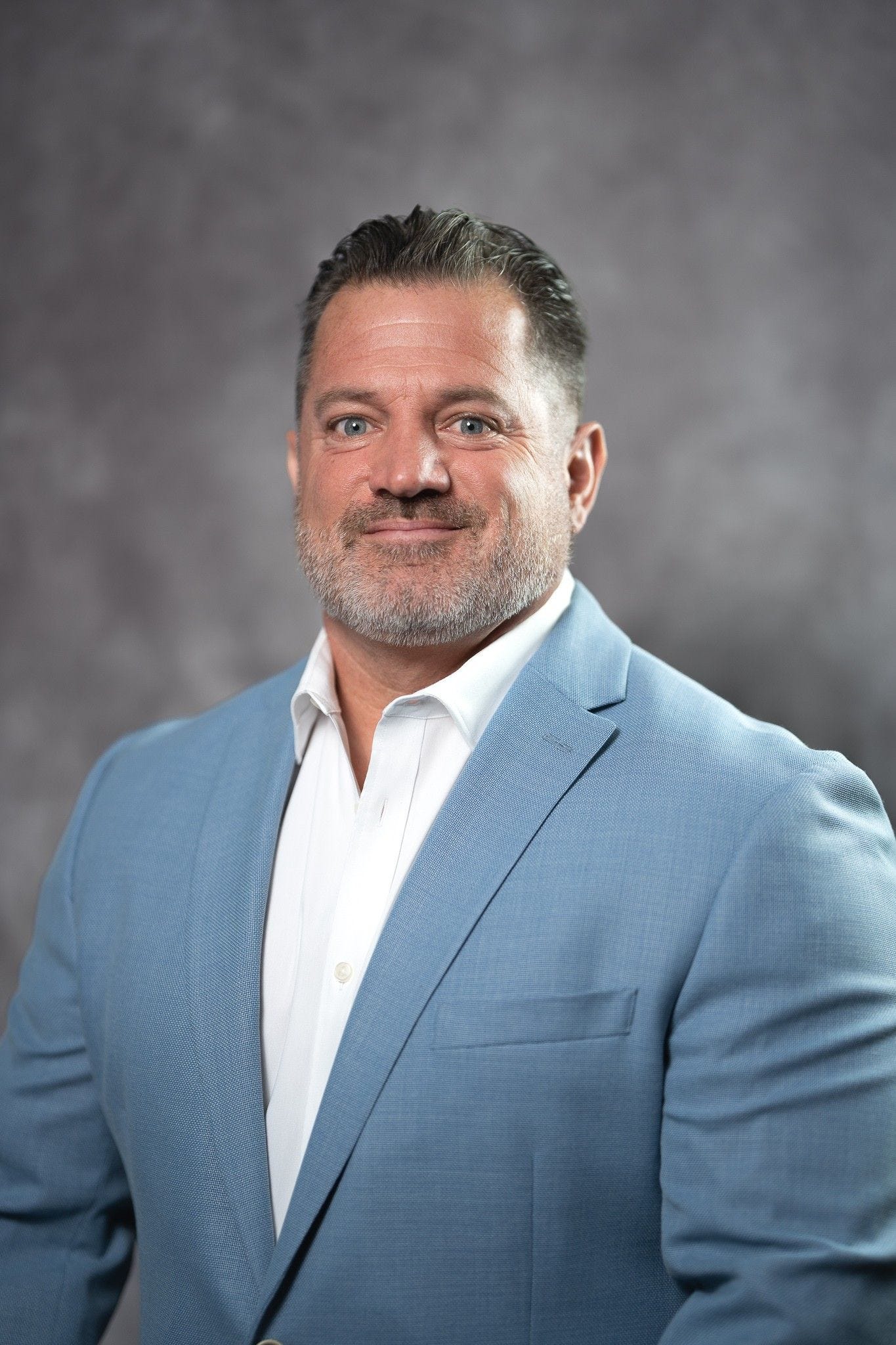 Charles J. Dimitroff, Florida International University - Glycoengineering to Improve Cancer Immunotherapy 22.09.2026 2mOn Florida International University Week: We’re learning more about how to treat blood cancers. Charles J. Dimitroff, professor of cellular and molecular medicine, explores new approaches.Faculty Bio:Charles J. Dimitroff, Ph.D. is a global leader in the study of sugars, known as glycobiology, and is highly motivated to translate glycobiological findings to help cure diseases and improve the overall health of humans. His research focuses on understanding how complex sugars or ‘glycans’ regulate immune and cancer cell functions with the goal of developing new approaches to boost the immune system to fight diseases and to treat cancer progression. As an NIH-funded investigator for more than 25 years, his efforts have helped identify the nature and impact of glycans on inflammation and cancer, while operating one of the most reputable translational glycobiology programs in the world.Dimitroff studies the nature of lectin – carbohydrate interactions and their impact in inflammation and cancer for more than 3 decades. He has a unique knowledge-base on the glycobiological (glycome) mechanisms relating to tumor biology, metastasis, and adaptive immunity, and is highly skilled in performing pre-clinical investigations on how glycome-related molecules contribute to the pathogenesis of inflammation and cancer. He conducts both in vitro and in vivo experiments designed to characterize the identity and function of lectins and their carbohydrate-binding ligands on leukocytes and cancer cells.Transcripts:In 2026, more than 67,000 Americans are expected to be diagnosed with leukemia, and more than 20,000 will be diagnosed with lymphoma, another type of blood cancer.Advances in medical technology have transformed how doctors treat blood cancers.CAR-T therapy is one of these treatments. It helps fight cancer using a patient’s own immune cells. However, the cancer fights back. Cancer behaves like a gated community. It has its own residents, rules and security systems. Together, they create what scientists call the tumor microenvironment.This harsh environment can exhaust CAR-T cells, so they shut down before they can finish their job. My research team discovered a way to give these cancer-fighting cells a protective shield. While studying blood samples from both healthy volunteers and patients with lymphoma, my team found that those with cancer had high levels of a protein called galectin-3. This weakens CAR-T cells. That’s where glycoengineering comes in. This method changes the sugar coating of CAR-T cells, making them more resistant to the harsh tumor environment. This enhanced sugar coating acts as a shield against the tumor. In preclinical studies, tumors shrank significantly.Compared with conventional CAR-T therapy, the number of CAR-T cells doubled. Their survival time also increased, allowing the cells to attack the cancer longer. Our research shows that the fight against cancer is stronger than ever. The next step is to determine whether these enhanced CAR-T cells can be used to fight cancers beyond lymphoma, including ovarian cancer.Read More:[The Conversation] - Killing cancer requires immune cells to infiltrate tumors’ hostile microenvironment – sugar shields can help them break in[ScienceDirect] - Protecting the sugar coat on anti-tumor T cells to conceal destruction by tumor microenvironmental landmines[Frontiers] - Glycoengineering CAR-T cells to overcome galectin-3-mediated immunosuppressionOriginal artwork by FIU student Lulu Perez This is a public episode. If you would like to discuss this with other subscribers or get access to bonus episodes, visit www.academicminute.org
 -
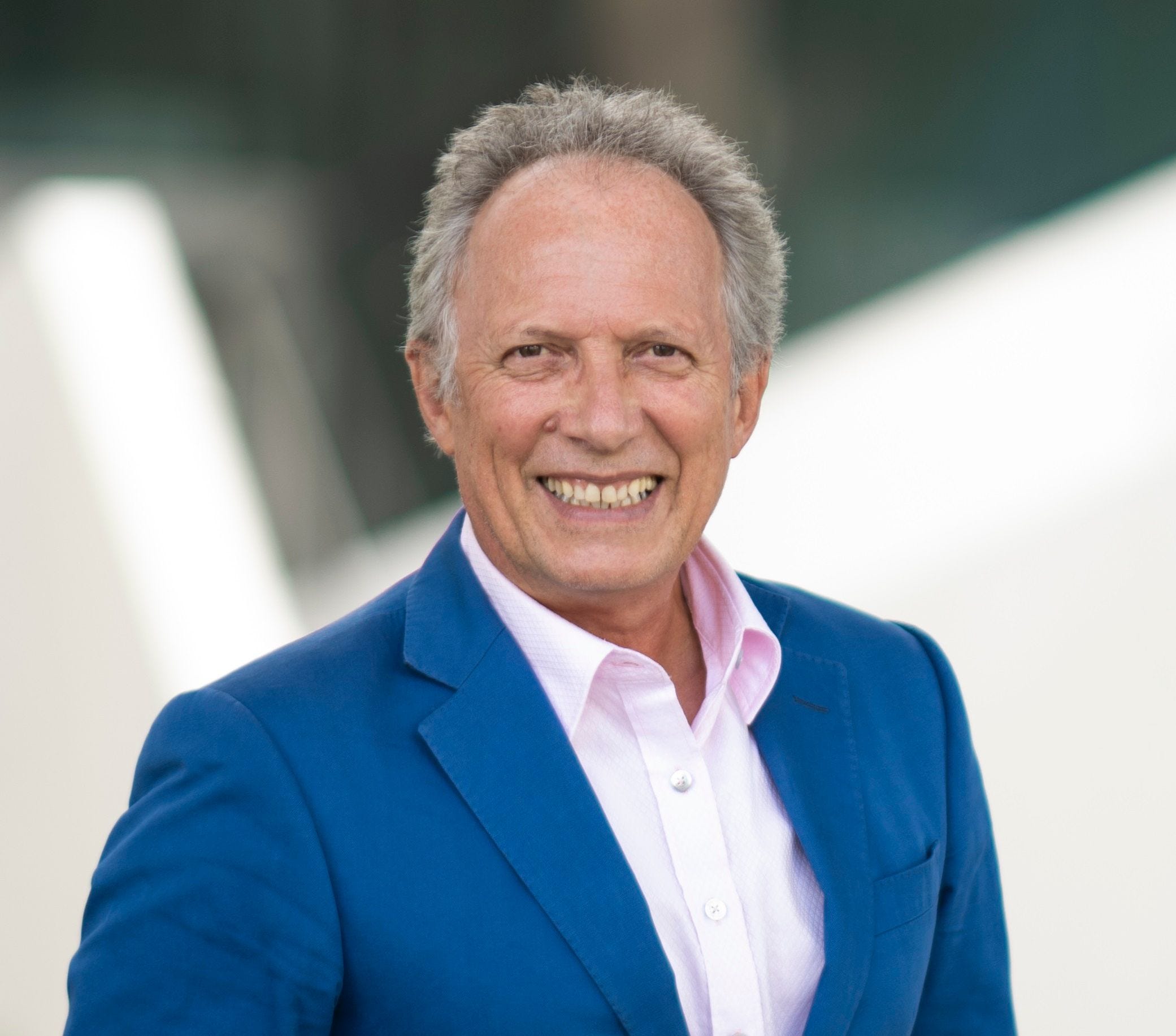 Roberto Lucchini, Florida International University - The Long-Term Brain Health Effects of 9/11 21.09.2026 2mOn Florida International University Week: First responders at Ground Zero on 9/11 are aging. What effects could their exposure be having on their brains? Roberto Lucchini, professor of environmental health sciences, looks into this.Faculty Bio:Dr. Roberto G. Lucchini is a professor of environmental health sciences at FIU. A physician specializing in occupational medicine, his research examines how environmental and occupational exposures affect the nervous system across the lifespan, from neurodevelopment to neurodegeneration. At FIU, he leads the World Trade Center research program studying the long-term health effects of toxic exposures and trauma among 9/11 responders who relocated to Florida. His work also addresses global environmental health issues, including mercury contamination and co-exposures such as microplastics and agrochemicals in Amazon Basin communities.Transcript:Nearly 25 years after September 11, thousands of World Trade Center responders are still living with the health effects of that day.For years, much attention has focused on lung disease, cancer, PTSD and depression. But another question is now emerging: what did 9/11 exposure do to the aging brain?At Ground Zero, responders were exposed to more than trauma. They breathed dust, smoke and fumes from collapsed buildings, burning materials and contaminated debris. These exposures included particulate matter, chemicals and metals that may contribute to inflammation in the body and brain.At the same time, many responders experienced chronic post-traumatic stress disorder, or PTSD. PTSD can keep the body’s stress response activated long after the danger has passed.Our research looks at how these combined exposures — toxic substances and psychological trauma — may influence brain aging and cognitive health.In World Trade Center responder studies, researchers have found signs of cognitive impairment, changes in memory and processing speed, and brain changes that resemble features seen in neurodegenerative disease.One study found that nearly 18 percent of responders already showed cognitive impairment at their first evaluation. Another 14 percent developed mild cognitive impairment over about two and a half years.These findings do not mean every responder will develop dementia. But they show why brain health must be part of long-term disaster response.For responders who served at Ground Zero, monitoring should not stop at the lungs, cancer or mental health. We also need to watch the brain.Read More:[The Conversation] - 9/11 survivors’ exposure to toxic dust and the chronic health conditions that followed offer lessons that are still too often unheeded[FIU News] - Professor reflects on his work helping first responders exposed to 9/11 toxic dust This is a public episode. If you would like to discuss this with other subscribers or get access to bonus episodes, visit www.academicminute.org
 -
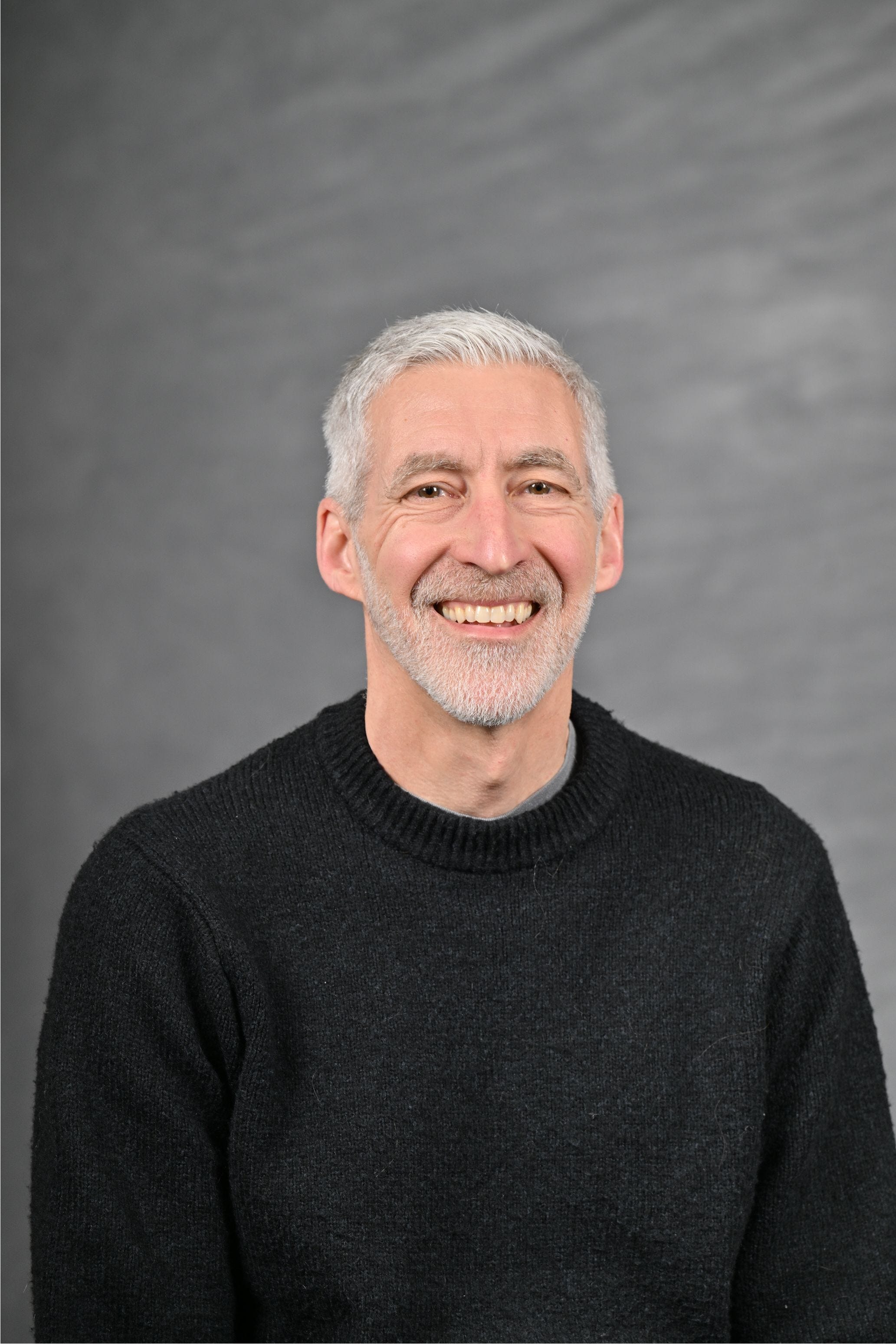 Daniel Thornton, Washington State University - AI Speeds Up Conservation Science 18.09.2026 2mArtificial intelligence can be a boon to conservation science.Daniel Thornton, associate professor of wildlife ecology at Washington State University, details why.Faculty Bio:Dr. Thornton studies the spatial ecology and conservation of mammals, with an emphasis on mammalian carnivores. His work spans the Americas, and integrates a variety of partners from agencies, NGOs, and communities. Dr. Thornton’s research interests include the influence of human activities on the distribution of species, methods for studying carnivores, and transboundary conservation.Transcript:One of the most common methods to study elusive and threatened species like wolves, jaguars and lynx are motion-activated cameras placed in forests and other wild landscapes that can collect millions of images of wildlife during a project. However, a major challenge is processing the images - somebody must go through all those photos and identify what species appears in each one. Traditionally, that’s meant graduate students and undergraduate volunteers spending months reviewing images before the actual science begins.Our new research asked a simple question: what if artificial intelligence could handle that process almost entirely on its own?We tested a Google AI system called SpeciesNet using wildlife images collected in Cascade Mountains, Glacier National Park, and Guatemala’s Maya Biosphere Reserve. Then we compared statistical models of species distribution that were produced either using AI or human-based identifications of species.What surprised us was how close the results were.The AI-based models matched the human-based models for about 85 to 90% of the species. Even when AI occasionally misidentified animals in the images, the overall ecological patterns were still remarkably accurate. In other words, our conclusions about where species were located and what factors influence their presence were the same, whether we used the AI identifications or the human ones.That matters because it changes the timeline of camera-based studies dramatically, from several months to less than a week.For conservation, speed is important. The faster researchers can process information, the faster wildlife managers can make decisions. For example, if cameras detect fewer lynx in one area or show wolves moving into a new region, managers could spot those trends sooner and make decisions rapidly. Smart use of AI can remove a major bottleneck so scientists can spend less time sorting photos and more time understanding and protecting wildlife.Read More:[British Ecological Society] - Identification of camera trap images by artificial intelligence and human experts produces similar multi-species occupancy models This is a public episode. If you would like to discuss this with other subscribers or get access to bonus episodes, visit www.academicminute.org
 -
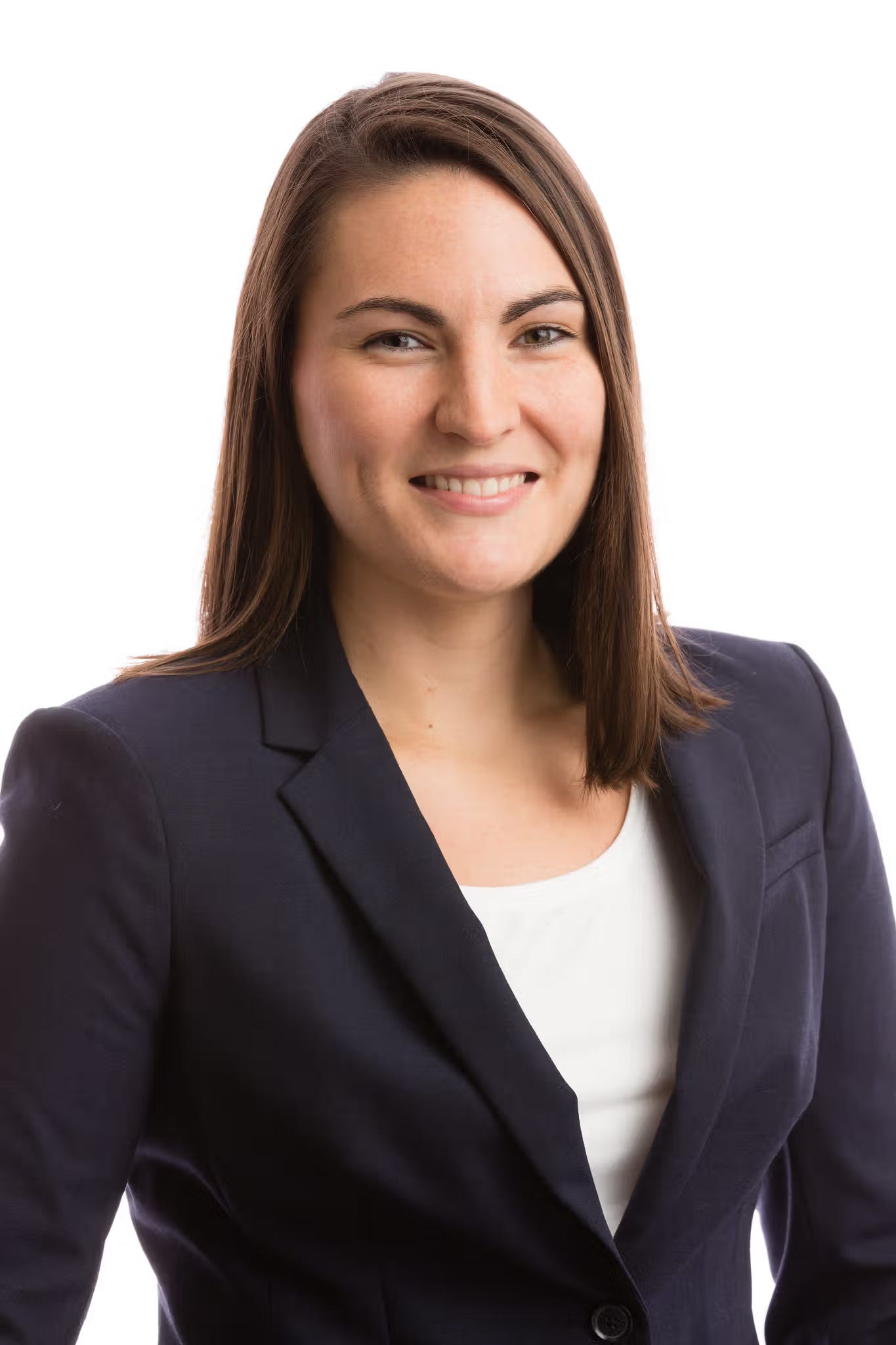 Whitney Coyle, Rollins College - Understanding How Rocket Launches may Impact Local Communities 17.09.2026 2mWhat are the long-term impacts of rocket launches on nearby communities?Whitney Coyle, associate professor of physics at Rollins College, examines this.Faculty Bio:Whitney L. Coyle, PhD is an Associate Professor of Physics and Coordinator of the Pre-Engineering Program at Rollins College in Winter Park, Florida, where she serves as Chair of the college’s Department of Physics.At Rollins, Coyle leads undergraduate-centered research exploring how sound is produced and measured in both musical instruments and large-scale systems like rocket launches. Her work connects fundamental physics with real-world acoustic environments while providing students with hands-on research opportunities.She is the recipient of the 2026 R. Bruce Lindsay Award from the Acoustical Society of America (ASA), one of the world’s leading professional organizations in acoustics.Transcript:A rocket launch produces rumblings, vibrations, and high-intensity sound near the launch pad that can also travel to communities tens of miles away. My research focuses on how that sound propagates into communities near Cape Canaveral and how repeated launches may affect the local environment as launch cadence increases. Unlike aircraft noise, rocket launches contain strong low-frequency energy that can travel long distances and interact with homes and buildings in ways that are still not fully understood.I work with a team of undergraduate physics majors using calibrated sound level meters, accelerometers, and ground vibration sensors to measure both the audible and very low-frequency components of rocket launches. These instruments allow us to study not just how loud a launch is, but how the sound and vibration interact with the environment. We are measuring how windows, walls, and structures respond to the low-frequency energy produced during launch.These low-frequency sounds are especially important because they are not fully captured by traditional aircraft-based noise metrics currently used by the FAA. Those standards were developed for airplanes flying overhead on very different flight paths than modern heavy-lift rockets.A major goal of this work is to improve understanding of how rocket launches are experienced in nearby communities. Residents along the Space Coast are overwhelmingly supportive of spaceflight and excited about continued growth in launch activity, but local planners and agencies currently have limited data available to evaluate long-term acoustic and vibration impacts.This research is helping build the foundation needed to better characterize rocket-specific noise environments, evaluate potential structural response in nearby buildings, and eventually connect those measurements to how people perceive and respond to launches. As access to space continues to grow, understanding the broader environmental and community impacts of launch noise will become increasingly important and this work is helping lay the groundwork for that future understanding.Read More:[Rollins] - Coyle Receives Prestigious International Acoustics Award[Rollins] - What It’s Like ... to Partner with Your Professor This is a public episode. If you would like to discuss this with other subscribers or get access to bonus episodes, visit www.academicminute.org
Similar podcasts


Popular in
The podcast also appears in the podcast charts of these countries.


