
Franciscan Spirit
Franciscan Media
0
Franciscan Spirit features conversations with authors, artists, and educators who explore faith, spirituality, and the human experience through a Franciscan lens. Each episode draws inspiration from St. Francis and St. Clare of Assisi, offering storytelling, reflection, and practical wisdom for living a life of harmony and simplicity.
Episodes
-
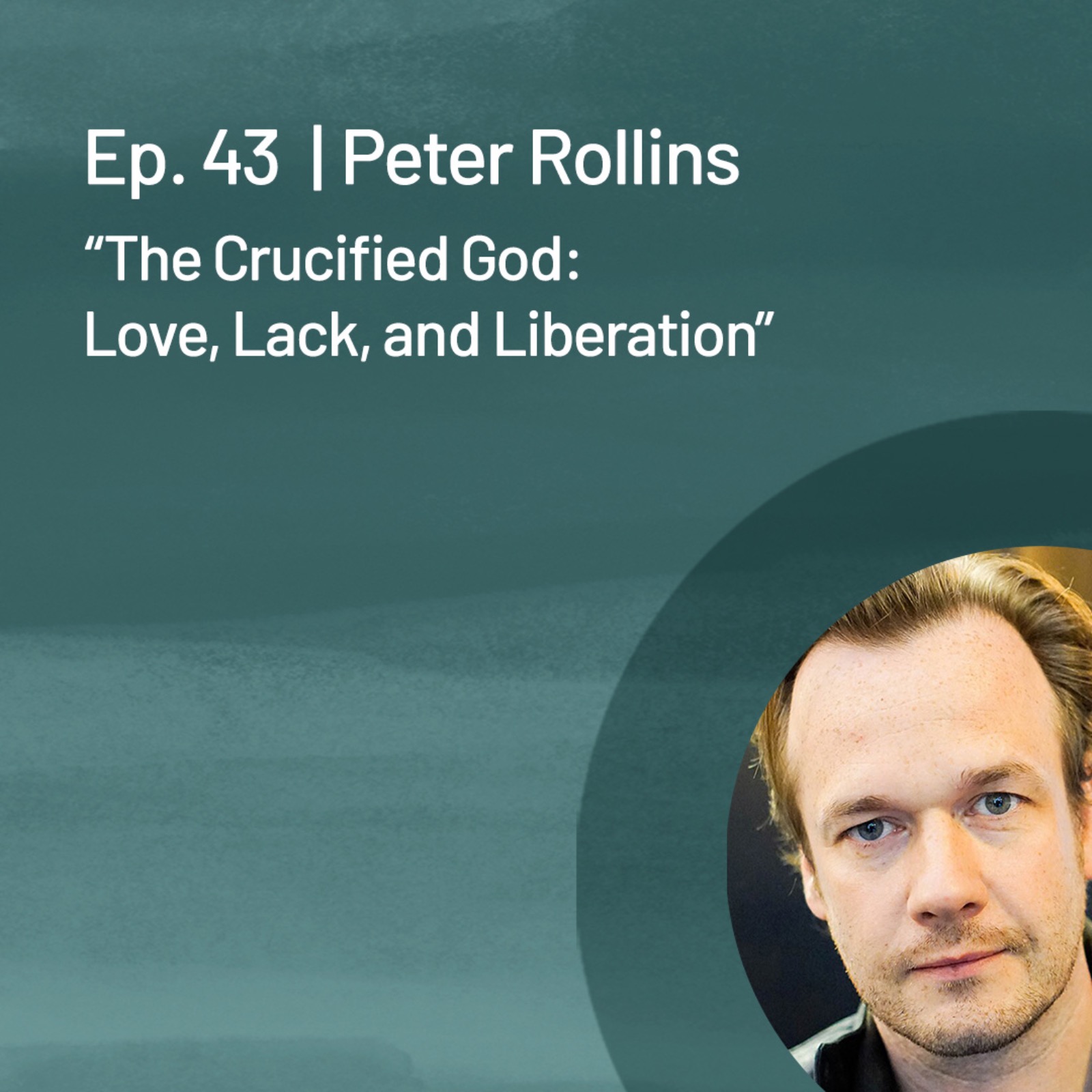 Peter Rollins — The Crucified God: Love, Lack, and Liberation 09.10.2026 1h 32mWhat if the path to freedom isn’t found in finally becoming whole and complete but in learning to embrace our lack? This episode's guest, Peter Rollins, PhD, is a public intellectual known for his work in radical theology, psychoanalysis, and continental philosophy. In this conversation, Pete unpacks his life project, "pyrotheology," a provocative theological approach that invites us into an encounter with the mystery, division, and alienation at the heart of reality itself. Rather than promising wholeness through belief, success, self-improvement, or even traditional religion, pyrotheology suggests that true liberation comes when we stop fleeing our lack and discover that this very brokenness is shared—even woven into the absolute. Pyrotheology's emphasis on the Crucified God and relationality also makes way in this episode for dialogue about its fascinating overlaps with Franciscan theology. This conversation will stretch you, unsettle you, and perhaps even liberate you.Explore the show notes here.(00:00:01) Introduction(00:02:25) What is Pyrotheology?(00:07:50) The Danger in Promises of Wholeness and Completeness(00:15:28) Capitalism, Drive, Desire, and Enjoyment(00:20:01) Reflection No. 1: Sacred Objects and Desire(00:24:25) Cultivating Enjoyment(00:29:56) Hedonistic and Nihilistic Religions vs. Religions of the Absurd(00:36:50) Reflection No. 2: Christ Crucified and the San Damiano Cross(00:40:57) Community, Communion, and the Commons(00:46:24) Christ Crucified and the Eucharist(00:49:21) What About the Trinity?(00:57:43) The Apophatic Tradition and Catholicism(01:01:23) Parable: The Mystic, Evangelical, and Fundamentalist(01:04:26) Parable: Seamus Goes to Las Vegas(01:07:43) Relationality, Lack, and Love(01:11:50) Reflection No. 3: Letting Lack Guide Us(01:16:50) The Contemplative Mystical Tradition and Pyrotheology(01:20:50) Shared Alienation(01:25:33) What Does this Conversation Mean for Our Everyday Lives?(01:30:58) Conclusion
 -
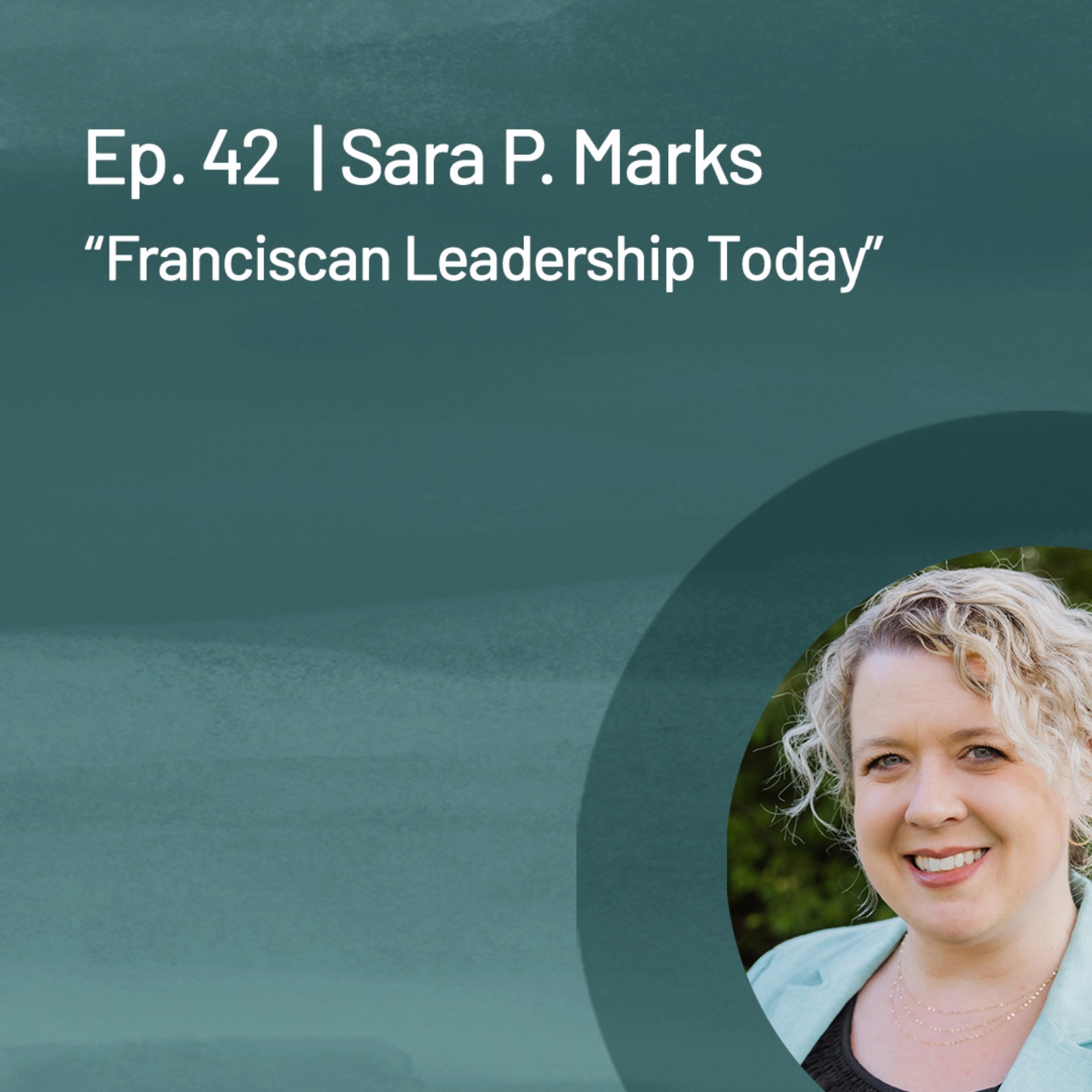 Sara P. Marks — Franciscan Leadership Today 26.09.2026 1h 25mPolitics, workplaces, education, sports...no matter where you look, it seems that so many avenues of American life are experiencing a crisis in leadership. What might the Franciscan posture of relationship, mutuality, and humble listening offer an age in crisis? Is there such a thing as Franciscan leadership, and if so, what is it? How have different leadership models evolved throughout history, and where might they be leading us? Sara P. Marks is the founder and CEO of Fina Catalysts LLC (https://finacatalysts.wordpress.com). Sara works with Catholic nonprofits to transform organizations for a mission-driven future. She facilitates congregational assemblies and chapters, works with leadership teams, associate communities, and leads retreat experiences grounded in charism and mission. As a former vowed Franciscan, she understands the intricacies of religious life and the unique challenges congregations face in the 21st Century. Sara holds a bachelor’s degree from West Chester University in Literature and a master’s from The University of Dayton in Pastoral Ministry. She is currently working on her PhD in Organizational Leadership with a concentration in nonprofit and public administration at Eastern University. (00:00:01) Introduction (00:03:13) Leadership Background and Experiences (00:10:20) Adaptive Leadership (00:17:00) Reflection No. 1: Exploring Servant and Adaptive Leadership (00:21:50) Impact of Personal Experiences on Leadership (00:25:48) Franciscan Leadership: Listening, Relationships, and Sine Proprio (00:35:24) Reflection No. 2: Exploring Sine Proprio and the Essence of Ideas (00:39:05) Adaptive Leadership: The Challenge of Making Decisions (00:41:27) Evolving Leadership Models and Integrating Franciscan Principles (00:48:52) Addressing the Crisis of Leadership in Society (00:54:39) Franciscan Community and Political Discourse (00:57:42) Reflection No. 3: Considering the Whole in Political Discourse (01:03:30) Navigating Political Differences with Grace (01:11:21) The Role of Technology in Dialogue (01:15:25) The Call for a Franciscan Renaissance and Posture (01:24:39) Conclusion
 -
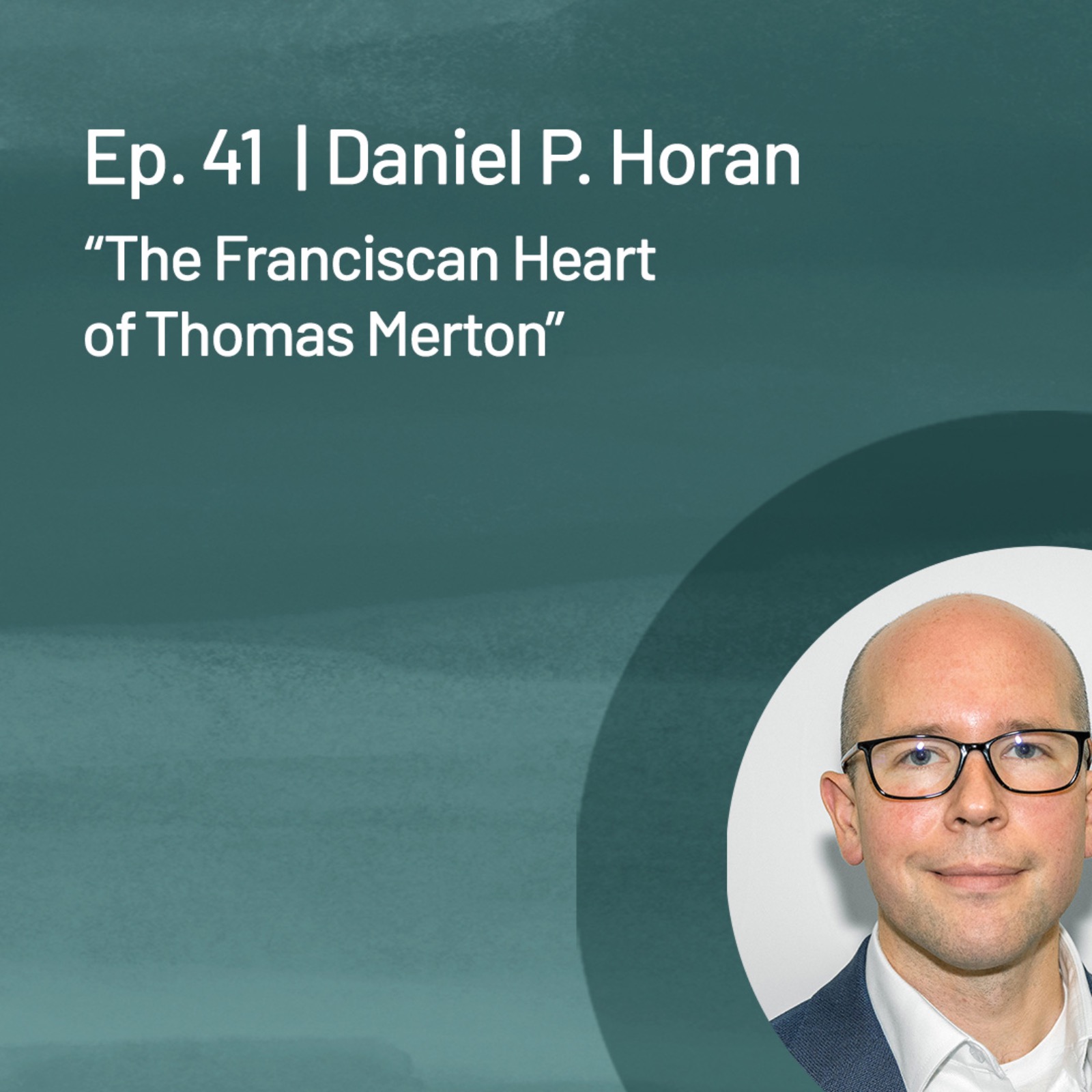 Daniel P. Horan — The Franciscan Heart of Thomas Merton 12.09.2026 1h 10mDaniel P. Horan, PhD, a longtime Thomas Merton scholar, professor, and author of a book on Merton’s deep Franciscan roots, sits down to discuss how the Franciscan tradition helped shape the journey and spirituality of Thomas Merton, one of the 20th century’s most influential contemplatives. Horan discusses Merton’s surprising path that led him deep into the Franciscan tradition and the fascinating details as to why he became a Trappist monk instead of a Franciscan friar; how John Duns Scotus’s idea of particularity shaped Merton’s famous teaching about the true self and false self; and how both Scotus and St. Bonaventure informed Merton’s expansive Christology. Lastly, Horan unpacks how a life grounded in contemplation freed Merton for prophetic engagement in the world, inter-religious dialogue, and exploring some of the most pressing social questions of his time.Whether you’re a longtime Merton reader or just beginning to explore the Franciscan tradition, this conversation reveals how deeply the two are intertwined—and why both still speak so powerfully and prophetically to us today. Throughout the episode, Horan relates Merton's journey to ours and explores why his spirituality is so important for us to consider today. If you’re interested in supporting this podcast and donating, visit friars.us or franciscanfriarscharities.org.Daniel P. Horan, PhD, is Professor of Philosophy, Religious Studies and Theology at Saint Mary’s College in Notre Dame, Indiana. A columnist for the National Catholic Reporter, he is the author or editor of sixteen books, including Catholicity and Emerging Personhood: A Contemporary Theological Anthropology, A White Catholic’s Guide to Racism and Privilege, and The Way of the Franciscans: A Prayer Journey Through Lent. Prof. Horan’s most recent books are titled Engaging Thomas Merton: Spirituality, Justice, and Racism and Fear and Faith: Hope and Wholeness in a Fractured World. He is currently working on a book on Christology tentatively titled, Not Because of Sin: Reconsidering the Reason God Became Human. His academic research, writing, and teaching focuses on medieval and contemporary spirituality, medieval and modern philosophy, theological anthropology, Christology, antiracism and LGBTQ issues, and theologies of creation. Prof. Horan regularly lectures around the United States and abroad; and serves on several university, academic, and publication editorial boards, including the Board of Directors of the Catholic Theological Society of America and the Society for the Study of Christian Spirituality. He is recipient of numerous awards for his writing and service and is co-host of The Francis Effect Podcast.Explore the show notes here.(00:00:01) Introduction(00:03:50) Thomas Merton: Spiritual Companion(00:10:43) Rain and the Rhinoceros(00:15:14) Merton and the Franciscan Tradition(00:23:44) Why Merton Never Became a Franciscan Friar(00:31:42) The Impact of a Franciscan Education on Merton(00:35:16) How Scotus Informed Merton's Writings on the True Self(00:48:30) How Scotus and Bonaventure Informed Merton's Christology(00:58:33) Franciscanism in Merton's Later Works(01:06:41) Final Thoughts(01:08:18) Conclusion
 -
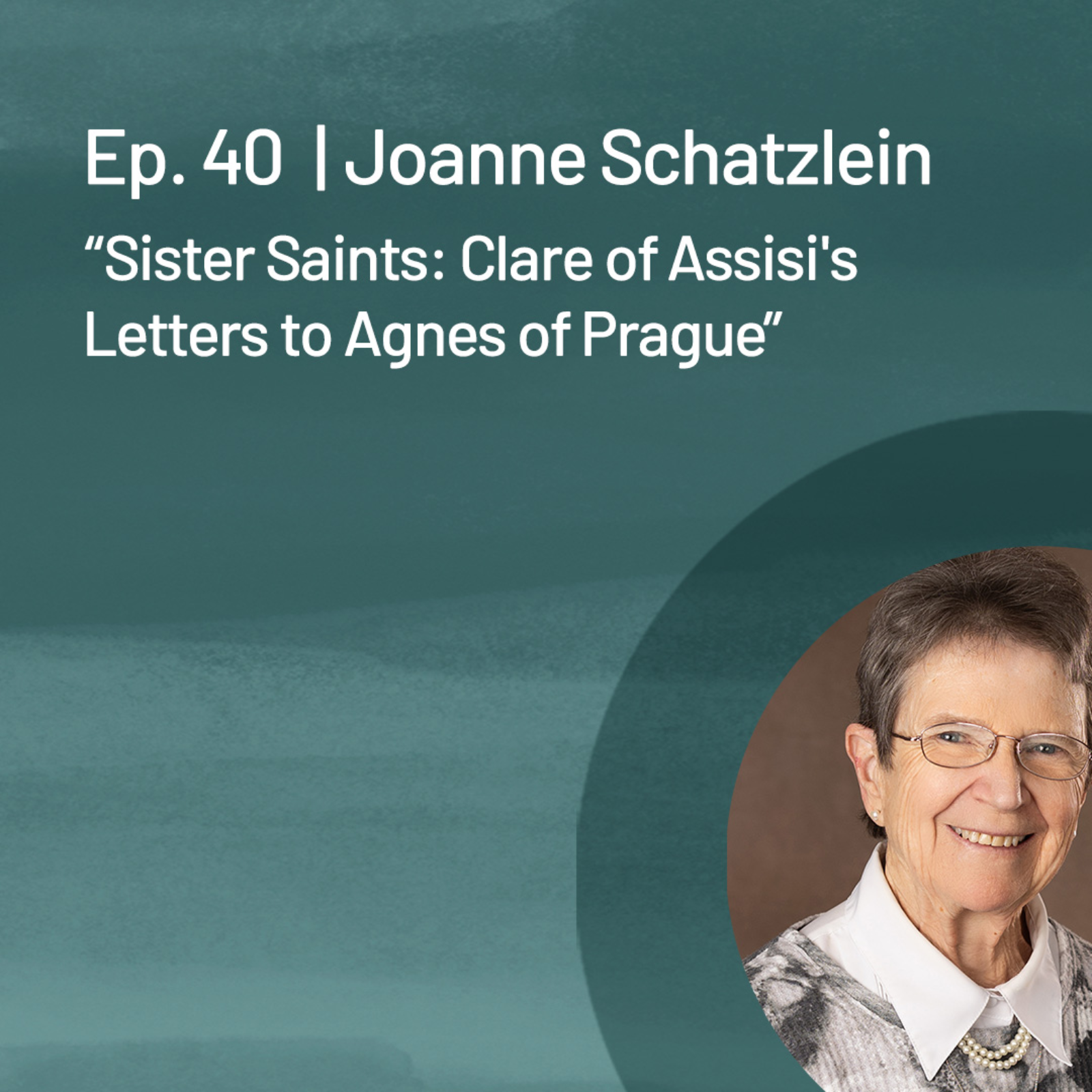 Joanne Schatzlein — Sister Saints: Clare of Assisi's Letters to Agnes of Prague 09.08.2026 1h 25mThe focus of this special feast day episode is St. Clare of Assisi’s remarkable, poetic letters to another woman of nobility, St. Agnes of Prague. Guiding listeners through these four letters is Sister Joanne Schatzlein, OSF, a Franciscan scholar, co-author of a major study on Clare of Assisi, and lifelong student of her spirituality. Sister Joanne is a member of the Sisters of St. Francis of Assisi, whose Motherhouse is in Milwaukee, Wisconsin. She is a native of Minneapolis, Minnesota, and entered her Congregation in 1965. In this episode, Sister Joanne echoes to us Clare's invitation to Agnes: to gaze, consider, contemplate, and imitate in our lives what Christ has taught us. (00:00:01) Introduction (00:05:24) Background (00:11:21) Agnes and Clare’s Correspondence (00:21:23) First Letter: Spousal Language (00:25:26) First Letter: Absolute Poverty (00:30:27) Second Letter: Background and Introduction (00:35:12) What is Franciscan Poverty Today?(00:43:37) Second Letter: God's Poverty and Humility; Clare's Formula for Prayer(00:52:52) Third Letter: Background and Introduction (00:55:59) Third Letter: Mirror of Eternity, Stigmata, and the San Damiano Cross(00:1:04:13) Third Letter: Embracing the Poor Christ (01:09:38) Fourth Letter: The Mystical Letter (01:12:28) Fourth Letter: Mirror Metaphor; Oneness with the Suffering Christ(01:18:23) Fourth Letter: Franciscan Relationality, Follower of Francis (01:21:47) Benediction (01:23:57) Conclusion
 -
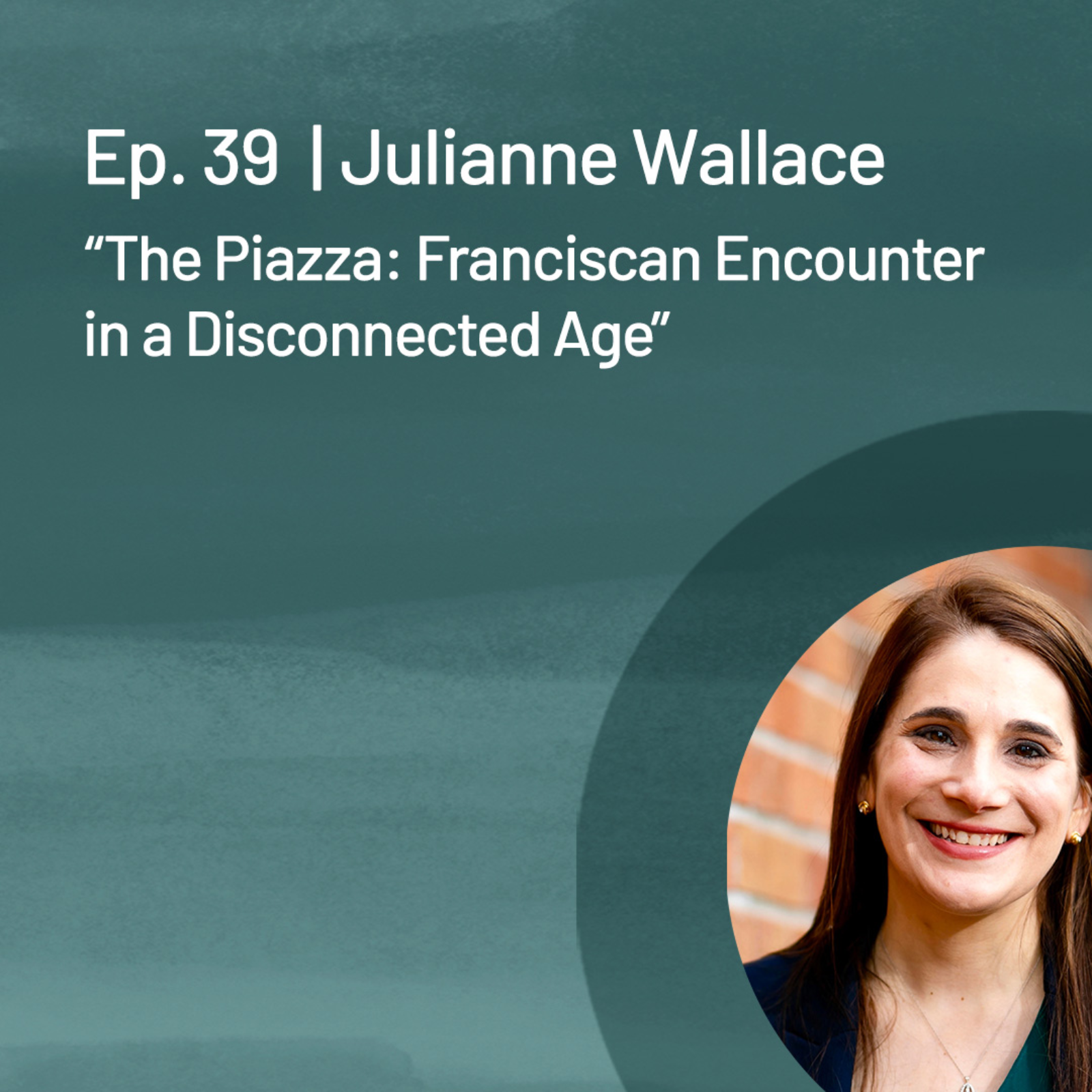 Julianne Wallace — The Piazza: Franciscan Encounter in a Disconnected Age 31.07.2026 1h 16mIn a time when loneliness and disconnection are at historic highs, how can resurrecting community help us awaken to what Thomas Merton called our “true selves”? In an age of division, how might principles from the Franciscan way help us to uncover our “original unity”? What does real, authentic, diverse community look like today? And what does Pope Leo’s new encyclical Magnifica Humanitas say about using digital tools to build a universal human family? What might a digital “piazza” offer in this technological age?This episode’s guest is Julianne Wallace, D.Min., the executive director of the Franciscan Federation and a ministry professional deeply rooted in the Franciscan tradition. Throughout her career, Julianne has worked with all branches of the Franciscan family—friars, sisters, secular Franciscans, associates, as well as serving a year with the Franciscan Volunteer Ministry—and she continues to build bridges and foster collaboration across the wider Franciscan world.The Franciscan Federation is a member organization that brings together vowed religious, secular Franciscans, associates, and all who seek to live out a Franciscan life today. The Federation also hosts the Piazza, a digital gathering place inspired by the Piazza del Comune in Assisi, where people from every Franciscan path can meet, pray, learn, and build community together. To learn more about Fran Fed, visit www.franfed.org. To join the Piazza, visit thepiazza.franfed.org.View the show notes here.(00:00:01) Introduction(00:02:33) Exploring the Franciscan Federation(00:07:06) The Piazza Project: A Digital Community(00:19:01) The True Self and the Common Good(00:27:14) Reflection No. 1: Deep Gladness and Deep Need(00:29:57) Masks and Ego(00:34:38) From Communication to Communion(00:42:39) Reflection No. 2: Moving Toward Communion(00:45:10) Echo Chambers and the Role of Community(00:55:57) Reflection No. 3: Remembering Who We Are(00:59:40) Exploring Magnifica Humanitas(1:07:03) In the Footsteps of Mary Magdalene(1:14:10) Final Thoughts and Conclusion
 -
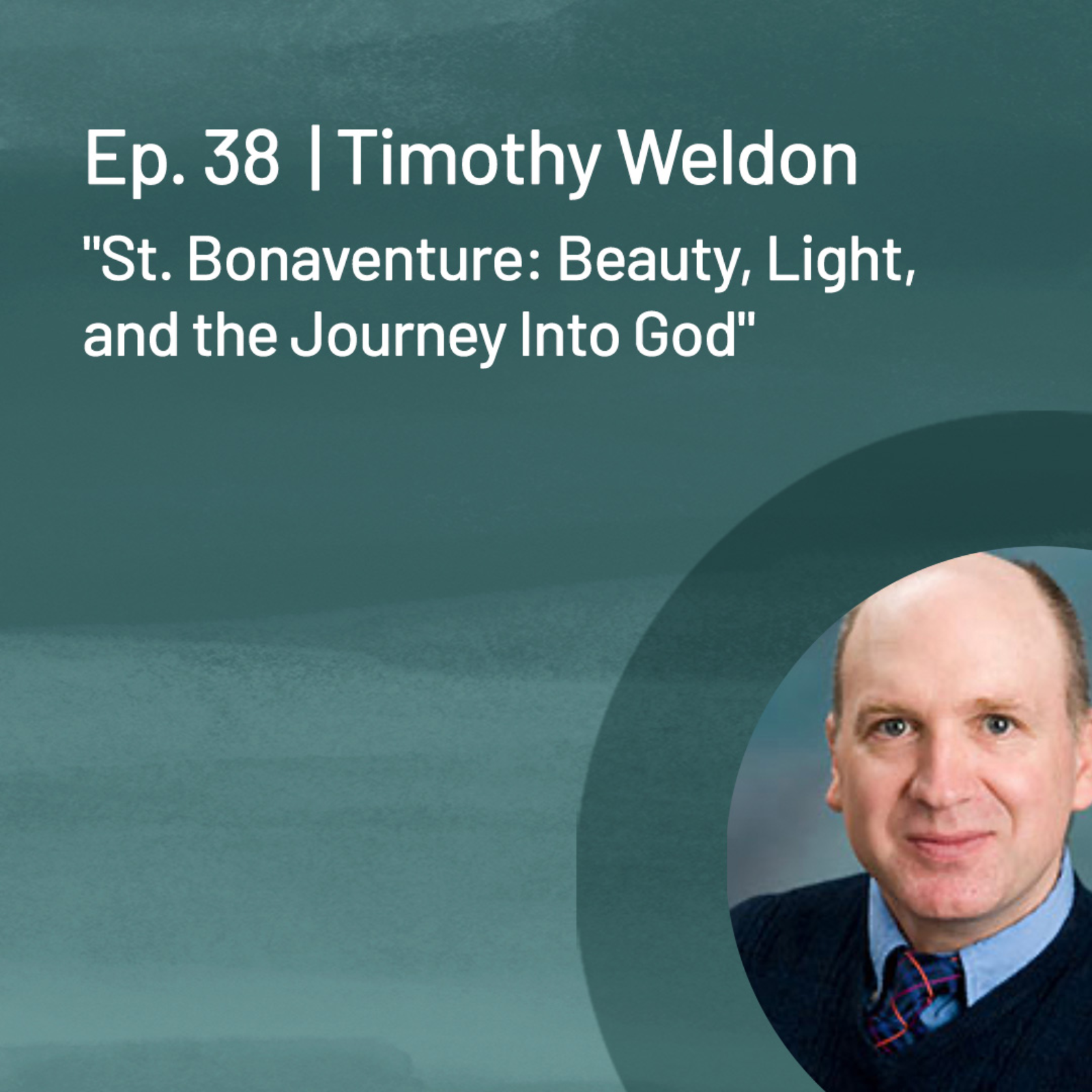 Timothy Weldon — St. Bonaventure: Beauty, Light, and the Journey Into God 15.07.2026 56mIn this episode celebrating the Feast Day of 13th-century Franciscan philosopher St. Bonaventure, Professor Timothy Weldon helps listeners encounter a saint whose heart-centered wisdom still speaks powerfully today. Weldon explores Bonaventure's life of humble service, brilliant leadership, and profound vision of beauty, light, and the Trinity. Dr. Weldon, a philosophy professor who has taught for 25 years at the University of St. Francis in Joliet, Illinois, explores a number of topics in this episode: from Bonaventure’s deep connection to St. Francis, his beautiful Hymn to the Cross, the soul’s journey to God, and how themes of order, light, relationality, and everyday faithfulness can renew our own lives. Whether you’re Franciscan-curious or well-versed in the tradition, this episode offers both inspiration and practical invitation. (00:00:01) Introduction (00:02:05) The Life of St. Bonaventure (00:15:22) What St. Francis Lived, Bonaventure was to Think (00:24:09) Beauty's Invitation to Contemplation and Action (00:38:30) Trinity, Relationality, and Love (00:44:52) Applying Bonaventure Today in Our Lived Experience (00:55:48) Conclusion
 -
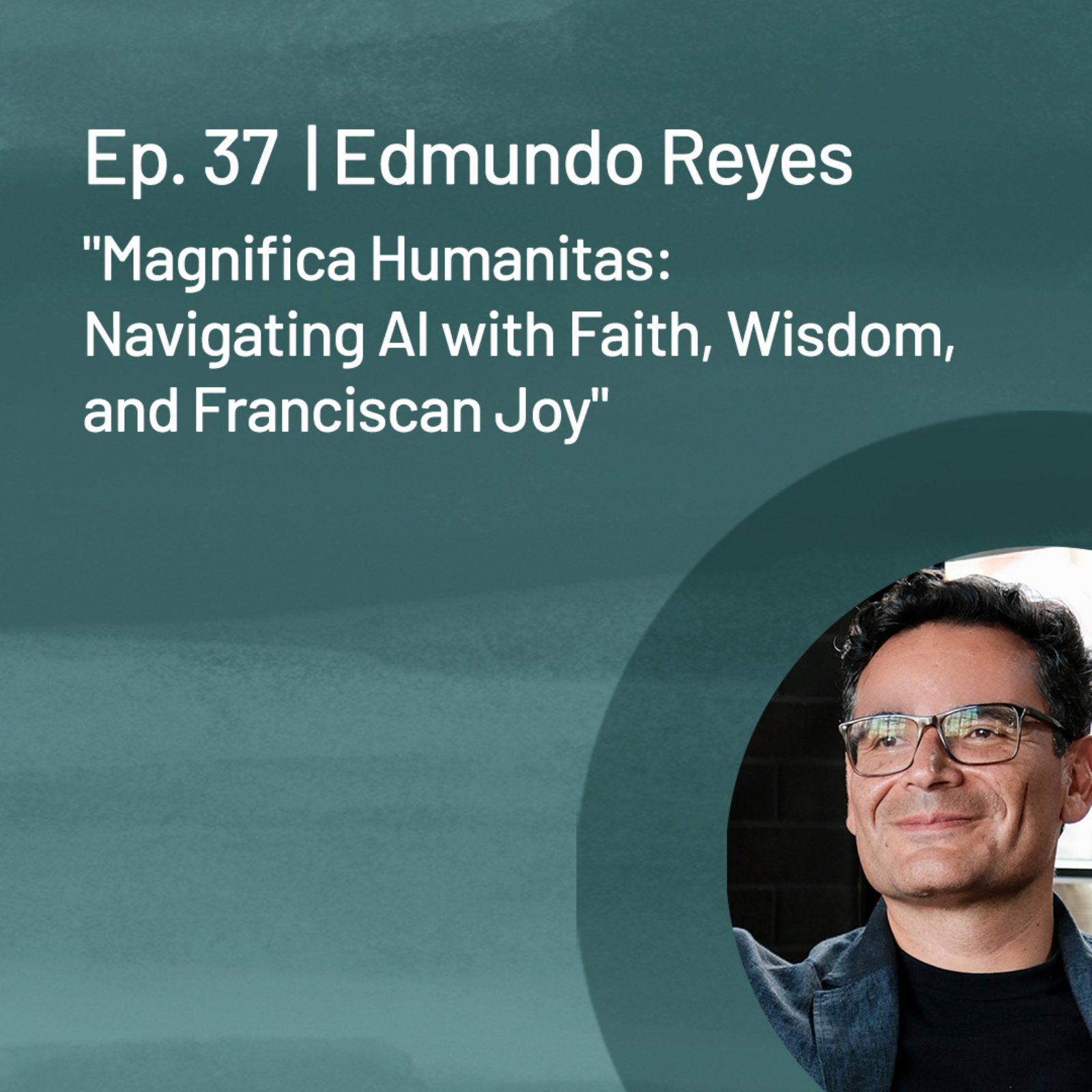 Edmundo Reyes — Magnifica Humanitas: Navigating Al with Faith, Wisdom, and Franciscan Joy 06.07.2026 1h 31mIn this episode, we dive into one of the most urgent conversations of our time: faith and artificial intelligence, which Pope Leo XIV just explored in his groundbreaking encyclical “Magnifica Humanitas.” What does this new encyclical teach us about AI and what it is not? What does it teach us about how to navigate the age of AI and Robotics? How can wisdom from this encyclical help us harness AI for mission? Our guest, Edmundo Reyes, dives into all this and more in this episode of Franciscan Spirit.Edmundo Reyes is an award-winning producer and recognized leader in marketing, communications, fundraising, and public relations. His career has been dedicated to advancing evangelization through digital media, technology, and storytelling. He is the founder of Digital Continent, a Catholic media company telling stories of the Good, the True, and the Beautiful to make Christ known and loved in the digital culture. He serves as founder and executive producer of several acclaimed projects, including:Seeking Beauty with David Henrie, a new documentary series on art, culture, and faith, available on EWTN+ and EWTN.comReal+True, a digital apostolate under the patronage of the Holy See’s Dicastery for Evangelization, which unlocks the beauty and truth of the Catechism of the Catholic Church to the next generation.Based on a True Saint, a documentary series presented by The Augustine Institute that tells the stories of modern and soon-to-be saints through firsthand testimony.Revive Parishes, an online formation platform equipping parish leaders with practical tools for mission.His work has been honored with multiple regional Emmy Awards, Catholic Media Association awards, and national nominations. Previously, he served as Director of Communications for the Archdiocese of Detroit, where he led one of the most innovative communications teams in the Church and was twice recognized with the Father John Catoir Evangelization Award.(00:00:01) Introduction(00:02:25) Backstory: Faith & AI Project(00:08:43) Reaction to Magnifica Humanitas(00:12:21) How Do We Approach this Technology?(00:15:35) Can AI Make Us More Human?(00:20:55) Reflection No. 1(00:28:02) Discerning AI(00:43:22) Using AI to Slow us Down, Cause Friction, and Deepen Relationship(00:54:34) Reflection No. 2: Becoming More Human(01:00:28) Using AI For Mission, Attuning Our Hearts to Beauty(01:09:17) Reflection No. 3: Beauty(01:13:49) AI and its Impact on the Environment(01:18:55) Structural Issues and Economic Interests(01:23:39) The Desire to Be Known and Loved(01:30:51) Conclusion
 -
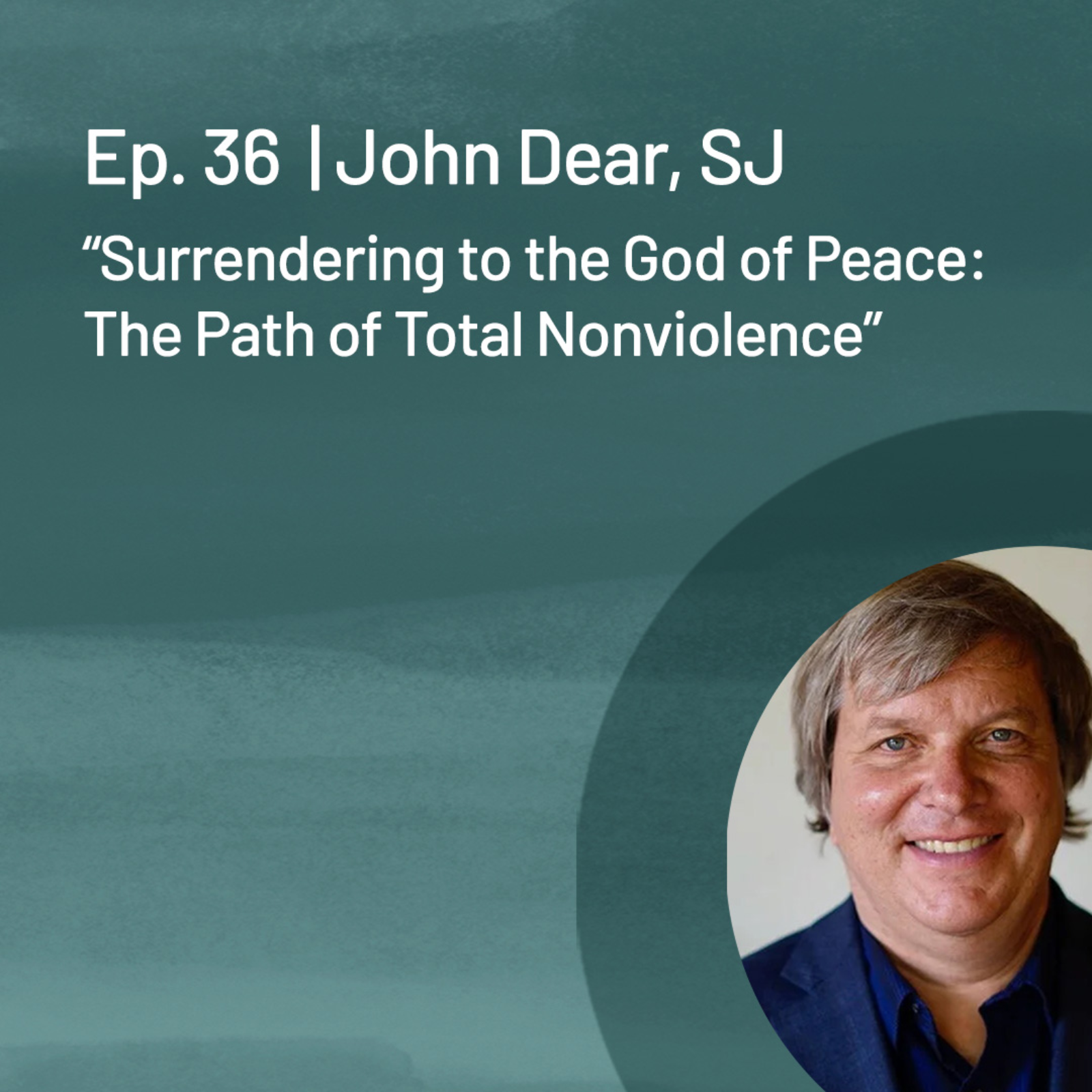 John Dear — Surrendering to the God of Peace: The Path of Total Nonviolence 19.06.2026 1h 12mLongtime peace activist, priest, and author Fr. John Dear has been a leading voice for Gospel nonviolence for decades, drawing deeply from the examples of Jesus, St. Francis, Gandhi, and Dr. Martin Luther King Jr. In this conversation, Fr. John explores the inner and outer dimensions of violence and nonviolence, the radical call to surrender our will to the God of Peace, and what it truly means to live as extensions of God’s universal love in a world on the brink. He discusses his powerful new book, "Universal Love: Surrendering to the God of Peace," along with his Gospel commentary "The Gospel of Peace." Be sure to check out John’s work at BeatitudesCenter.org and his global podcast, "The Nonviolent Jesus Podcast," available on all major platforms and featured on the front page of National Catholic Reporter. Reflection segments throughout the episode are brought to you by Ela Milewska, the Director of Evangelization at the Province of Our Lady of Guadalupe.Show notes are available here.(00:00:01) Introduction(00:01:47) Understanding Violence and Nonviolence(00:06:29) The Inner Dimensions of Violence(00:11:05) Reflection No. 1: Violence is Forgetting Who We Are(00:14:50) Surrendering to God's Will(00:20:57) What Fr. John Learned From Archbishop Desmond Tutu(00:26:33) Reflection No. 2: Working Through Resentment(00:30:27) Not My Will, But Yours Done(00:37:37) What Fr. John Learned from Henri Nouwen(00:39:36) Political Dimensions of Nonviolence(00:50:26) Reflection No. 3: They Want Us to Be Angry(00:55:14) Historical Context of Nonviolence(00:59:12) Urgency of Nonviolence in Today's World(01:03:14) New Book: Surrendering to the God of Peace(01:11:23) Conclusion
 -
 Mark Soehner — Grief, Grace, and Letting Go 05.06.2026 1h 15mThis episode contains a deeply personal and moving conversation with Father Mark Soehner, a Franciscan friar whose life has been shaped by decades of living the Gospel in community, among the poor, and through profound personal trials.From his early rebellion and brief season of atheism, to discovering a God who doesn’t love us because we’re good—but makes us good because God loves us—Father Mark takes us through his journey into religious life. He shares stories of living with the homeless in Cincinnati, the healing power of brotherhood, and how the downward path of descent has continually drawn him closer to the heart of God.We also walk with him through one of life’s darkest valleys: the murder of his sister and the long road of rage, grief, and forgiveness. And in a spirit of courageous honesty, Father Mark opens up about his recent diagnosis of mild cognitive impairment due to Alzheimer’s—and how he is learning, even now, to entrust every detail of his life into the hands of a humble, accompanying God. This is a conversation about expanding our view of God, embracing our full humanity, and daring to bring everything—our anger, our fear, our limitations—before the One who never leaves us.Read "Becoming Church," an article Father Mark wrote in reflecting on this conversation.Show notes are available here.- - - - - - - - - -Mark Soehner, OFM, is a Franciscan friar and priest with over four decades of pastoral, formation, and leadership experience in the Order of Friars Minor. Throughout his ministry, Fr. Mark has served in diverse settings including homeless shelters (St. Vincent Hotel in Dayton and Zacchaeus Friary), campus ministry at the University of Cincinnati, and parish leadership. From 1995 to 2008 he served as Pastor of St. Aloysius Parish in Detroit, guiding the community through significant change while also maintaining a licensed professional counseling practice (M.S. in Pastoral Counseling from Loyola University Maryland). He has been deeply involved in Franciscan formation as a formator in Chicago and Cincinnati/Detroit, and served on the Provincial Council. In 2017 he was elected Provincial Minister of St. John the Baptist Province, and in 2023 was elected Vicar Provincial of the newly formed Province of Our Lady of Guadalupe. Known for his compassionate presence, commitment to those on the margins, and dedication to Franciscan life, Fr. Mark brings a wealth of wisdom, lived experience, and spiritual insight to conversations on faith, service, leadership, and community.- - - - - - - - - -(00:00:01) Introduction(00:02:48) Childhood and Spiritual Background(00:10:29) A Personal Faith: Evolving One's Godview(00:20:11) Reflection No. 1: We Are God's Beloved(00:21:39) When the Church is Alive(00:24:45) Moses and the Burning Bush(00:26:51) The Franciscan Way and the Path of Descent(00:30:50) God's Poverty and Humility(00:35:19) Reflection No. 2: The Path of Descent(00:37:39) Bringing Our Full Selves to God and Our Community(00:46:02) Being Converted by the Poor and Homeless(00:50:16) Moving through Rage, Bitterness Toward Forgiveness(00:58:27) Reflection No. 3: Being Vulnerable with God(1:00:32) An Unknown Road Ahead: A Lifestyle of Surrender(1:10:27) Trusting God's Embrace on the Path of Descent(1:13:38) Final Words(1:14:52) Conclusion
 -
 Guesnerth Josué Perea — Lectio Divina: How Sacred Reading Can Transform Our Lives 07.05.2026 1h 23m“Lectio Divina,” which means sacred reading, is one of the most ancient contemplative practices in the Christian tradition, dating back to the Desert Fathers and Mothers, who sought renewal away from the city in open desert spaces and relied on the Word for spiritual sustenance. What does it mean to root our lives in this kind of sacred reading? How does this reading extend beyond words? As many Franciscan theologians say, Creation is God’s “first book.” The Word is alive and active in sacred texts but also in and through the world around us. If the Word, the logos, the Universal Christ, is holding all things together, then all that is good and true and beautiful is constantly rising up in our world, in our lives, in the signs of the times, in our Bibles and liturgies, to be read and received. Guesnerth Josue Perea is breaking open Lectio in a fun and unique way. Josue serves as Director of Black Lives and Contemplation for the Center for Spiritual Imagination and belongs to the Community of the Incarnation, a new monastic community which embodies and teaches engaged contemplative spirituality in response to what Father Bede Griffiths called “the universal call to contemplation.” Perea was part of the team that founded the AfroLatine Theology Project, and he was Executive Producer of the documentary "Faith in Blackness." His perspective has been featured in prominent publications such as the New York Times, the New Yorker, and USA Today, and his writing has been featured in Sojourners, the Los Angeles Review of Books, and numerous anthologies. A dedicated Brooklynite, he wholeheartedly believes that cultivating our inner lives through contemplative practice is instrumental for liberation, allowing us to embody Biggie's call to spread love "the Brooklyn way." Show notes are available here.(00:00:01) Introduction (00:03:10) Spiritual Background (00:15:52) How Contemplation Informs Vocation (00:20:04) What is Lectio Divina? (00:25:23) Reflection No. 1: The Simplicity of Lectio (00:29:12) What's the Point of Lectio and Contemplative Practice? (00:36:29) Howard Thurman and "The Sound of the Genuine" (00:40:55) Slowing Down and Remembering How to Read (00:45:40) Ritual and the Heart (00:48:15) Reflection No. 2: Franciscan Lectio (00:52:14) Ritual: Reading As If for the First Time (00:57:44) Hip-Hop Lectio, Kendrick, and Peeling Back Layers of Mystery (1:10:42) Reflection No. 3: Thich Nhat Hanh and the Universe Within a Sheet of Paper (01:13:45) The Power of Slowing and Reading with the Eye of the Heart (01:18:41) Final Thoughts and the Play of Lectio (01:22:45) Conclusion
 -
 Greg Friedman — A Poet's Approach to the Canticle of the Creatures 17.04.2026 1h 12mSt. Francis of Assisi was many things. Peacemaker. Mystic. Contemplative. Prophet. But one of the things we seldom talk about is the fact he was a poet. His poem “Canticle of the Creatures” contains some rich theology and story but what about its beauty as a poem? What happens when we approach this iconic text not first as theologians or historians, but as poets? When we, too, slow down and name the world around us? When we, too, dare to find language for mystery? Father Greg Friedman—Franciscan friar, longtime writer, pilgrim guide, and serious poet in his own right—shares how he approached the Canticle during a 2025 retreat for the Conventual Franciscans marking its 800th anniversary: not as a scholar, but as a fellow poet who has spent years in writing communities, learning the humility of observation, the power of naming, and the way a single well-chosen word can jolt us into wonder. (00:00:01) Introduction (00:01:45) Poetry Background (00:05:14) Poetry and Spirituality (00:07:02) Beauty of Naming (00:13:46) Francis the Poet (00:17:09) Per: A Dynamic Relational Word (00:17:56) Reflection No. 1: Pathways to the Divine (00:19:53) New Names: Brother and Sister (00:25:18) Per and Multidimensional Words (00:30:48) The Poem’s Popularity and Background (00:38:01) Reflection No. 2: Surrender and Self-Emptying (00:40:46) Sister Bodily Death, the Stigmata, and Letting Go (00:53:36) Sun, Moon, Wind, Fire, Water, Earth (00:59:16) Reflection No. 3: Art and the Incarnation: Expanding Our Image of God(01:02:46) Final Thoughts and Praying with Each Element (01:11:01) Conclusion
 -
 Eunice Park — A 50-Month Journey Into Franciscan Poverty 27.03.2026 1h 15mThere’s a line from a John O’Donahue poem that goes like this: “I would love to live like the river flows, carried by the surprise of its own unfolding.” What does it look like to be that free? To release the grip of control and trust in life’s unfolding? In this episode, Eunice Park embodies that river-like freedom in a radical way. For 50 months—over four years—she lived an itinerant, “wonky” life, moving every few days from convents and friaries to friends’ homes, often living out of a single bag with no fixed itinerary. Triggered by the loss of her father, a layoff during COVID, and a deep desire for rest and healing, Eunice stepped into a modern Franciscan journey that echoes the early days of Francis and his companions. Now back in one place and recalibrating to “normal” life, Eunice reflects on the profound lessons from her time on the road: the healing power of Franciscan spirituality in addressing guilt and shame cultures, the liberation found in the Franciscan emphasis on the Incarnation as an act of divine love rather than primarily a response to sin, and the surprising freedom that comes from embracing poverty of control. Through candid stories of convent beds, late-night kitchen raids, deep conversations with old ministry friends, and learning to receive hospitality, Eunice explores what it truly means to let ourselves be loved, to see ourselves as “pockets of joy” for others, and to practice openness in daily life. She shares how this journey revealed her own resiliency and tenacity while challenging her to release transactional mindsets and embrace mutuality in relationships. Whether you’re drawn to Franciscan theology, navigating ministry burnout, wrestling with self-worth, or simply longing for greater freedom and presence, this conversation offers rich wisdom on building community, choosing what we tether ourselves to, and living with open hands in a world that prizes control. Eunice J. Park is a spiritual life coach, retreat facilitator, multilingual kimchi maker, cultural critic, spiritual accompanist, cook, writer, crafter, musician, editor, hot-sauce brewer, and dinner party comic. Above all, she is a follower of Francis and Clare.(00:00:01) Introduction(00:02:02) Background(00:10:47) Itinerancy's Call and Struggles in Ministry(00:27:00) Reflection No. 1: Interrupting Patterns of the Heart and Mind(00:29:54) Gifts of Itinerancy(00:35:47) Understanding Franciscan Poverty(00:38:44) Theology of Worthiness(00:42:55) Reflection No. 2: Poverty of Control(00:45:38) The Joy of Receiving and Community Building(00:49:08) Allowing Oneself to be Loved(01:02:17) Reflection No. 3: 'You Are a Little Pocket of Joy for Someone Else'(01:04:44) Moving Beyond Transaction, Living Freely, and Knowing Yourself(01:11:38) 'Is this Building Community?'(01:14:45) Conclusion
 -
 Suzanne Susany — Are We Losing the Soul of America? 13.03.2026 1h 32mOne of the issues that has dominated the headlines in the United States is immigration and this administration’s approach to deportation. How do our Christian and Franciscan values serve as a guiding light in an issue that is complex and nuanced, yet at the same time crystal clear when it comes to human dignity and the importance of serving the margins? This episode's guest, Sister Suzanne Susany, OSF, of the Sisters of St. Francis of the Neumann Communities, is an immigration lawyer who lives and works in Pittsburgh, Pennsylvania. After a number of twists and turns in her career, Sister Suzanne attained a degree in law from Duquesne University in 2010. Sister Suzanne is on the front lines of immigration and deals first hand with migrants seeking refuge in the United States. In this candid conversation, Sister Suzanne shares her experiences as an immigration lawyer and the challenges she has faced the last two years. She shares how her Franciscan values animate her work and invites listeners to recover the soul of America as we approach its 250th birthday.The show notes are available here.(00:00:01) Introduction(00:04:33) Sister Suzanne's Franciscan and Legal Background(00:11:39) Why Become an Immigration Attorney?(00:13:53) If Our Immigration System had a Franciscan Heart(00:19:46) Reflection No. 1: What is the Common Good?(00:22:11) The Danger of Labeling(00:28:13) Stories of Immigrants(00:39:51) Reflection No. 2: Story as Spiritual Encounter(00:43:21) Unprecedented Shifts in Immigration Law(00:53:56) 2025: The Most Trying Year as an Immigration Attorney(00:57:09) Why is this Happening?(00:59:38) Reflection No. 3: America at 250(01:03:16) ICE and Recovering the Soul of America(01:11:09) Responding to Opposing Arguments(01:19:17) What is Wrong with This Picture?(01:23:39) America at 250 and the Brilliance of the Founding Fathers(01:28:59) Looking Forward(01:31:57) Conclusion
 -
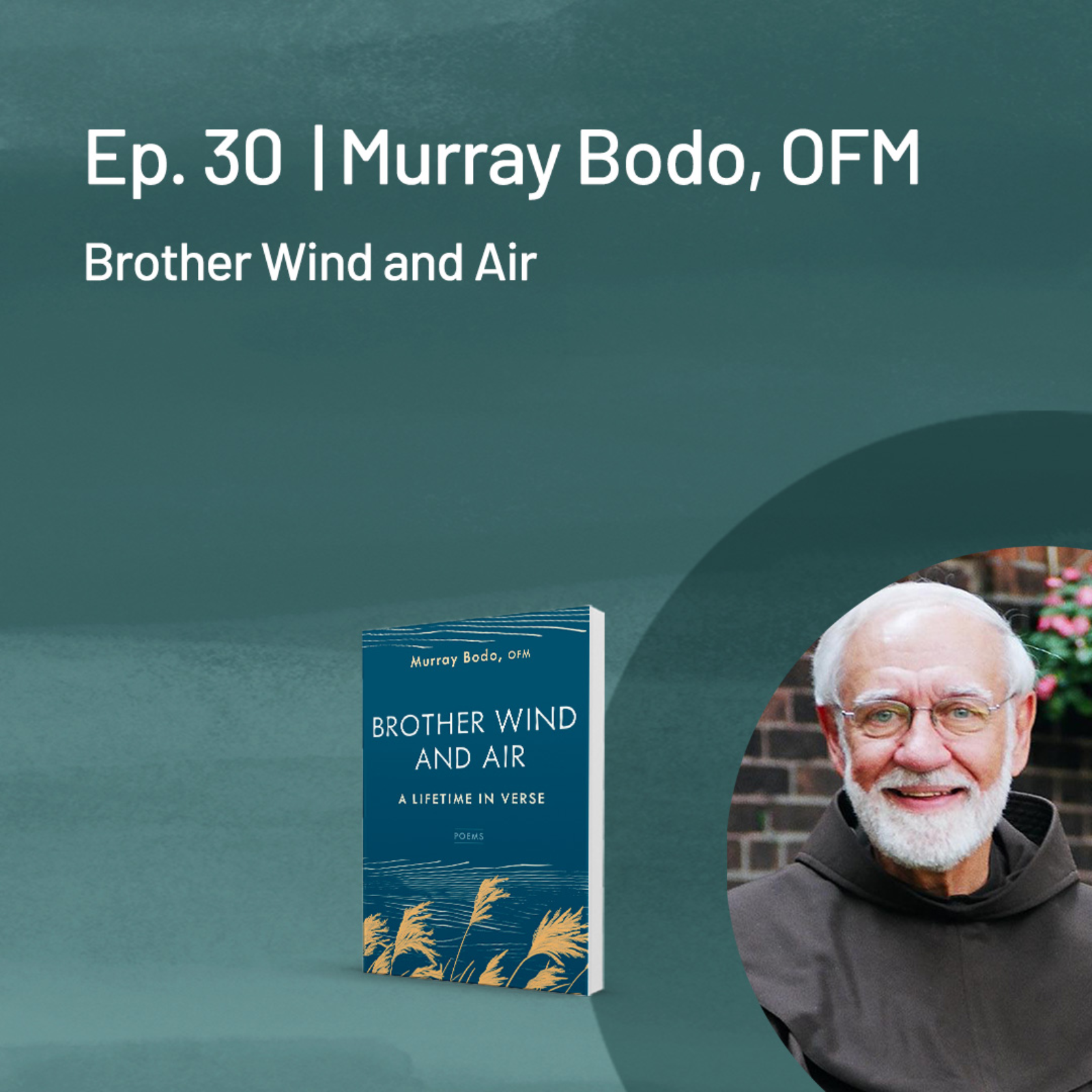 Murray Bodo — Brother Wind and Air 27.02.2026 1h 12mMurray Bodo, OFM, is a Franciscan priest and an award-winning author of numerous books, including the bestselling, Francis: The Journey and the Dream. He has had poems, stories and articles published in magazines and literary journals in the United States, England, and Ireland. A founding staff member of Franciscan Pilgrimage Programs, he led yearly pilgrimages to Assisi, Italy for over 40 years before retiring in 2020.Father Murray recently wrote his 12th book of poetry, Brother Wind and Air: A Lifetime in Verse, which is the focus of this episode. This interview was recorded last April when this book was originally released, but when Franciscan Media discontinued its book line, people were no longer able to find the book and order it. That is, until now. The book can now be ordered exclusively through Ascension Press’s website. The themes of wind and air permeate this work, as Father Murray likens them to the divine breath that animates us all. No title could be more fitting, for Father Murray has spent a lifetime turning “momentary stays” into verse, breathing life into all who read.The show notes are available here.(00:00:01) Introduction(00:02:46) Why Write this Book?(00:06:34) Poem No. 1: "Fountain Pen"(00:12:52) Poetry as a Journey Into God(00:17:34) Poem No. 2: "Thin Air"(00:25:32) Poem No. 3: "Why I Write"(00:32:43) Poem. No. 4: "Thunder and Rain"(00:42:30) Poem No. 5: "Playing at Solar Eclipse"(00:51:42) Poem No. 6 "An Illuminated Miniature"(00:56:41) Poem No. 7 "Snow, Christmas Morning"(01:08:37) Poem No. 8 "When We Were Meteors"(01:11:11) Conclusion
 -
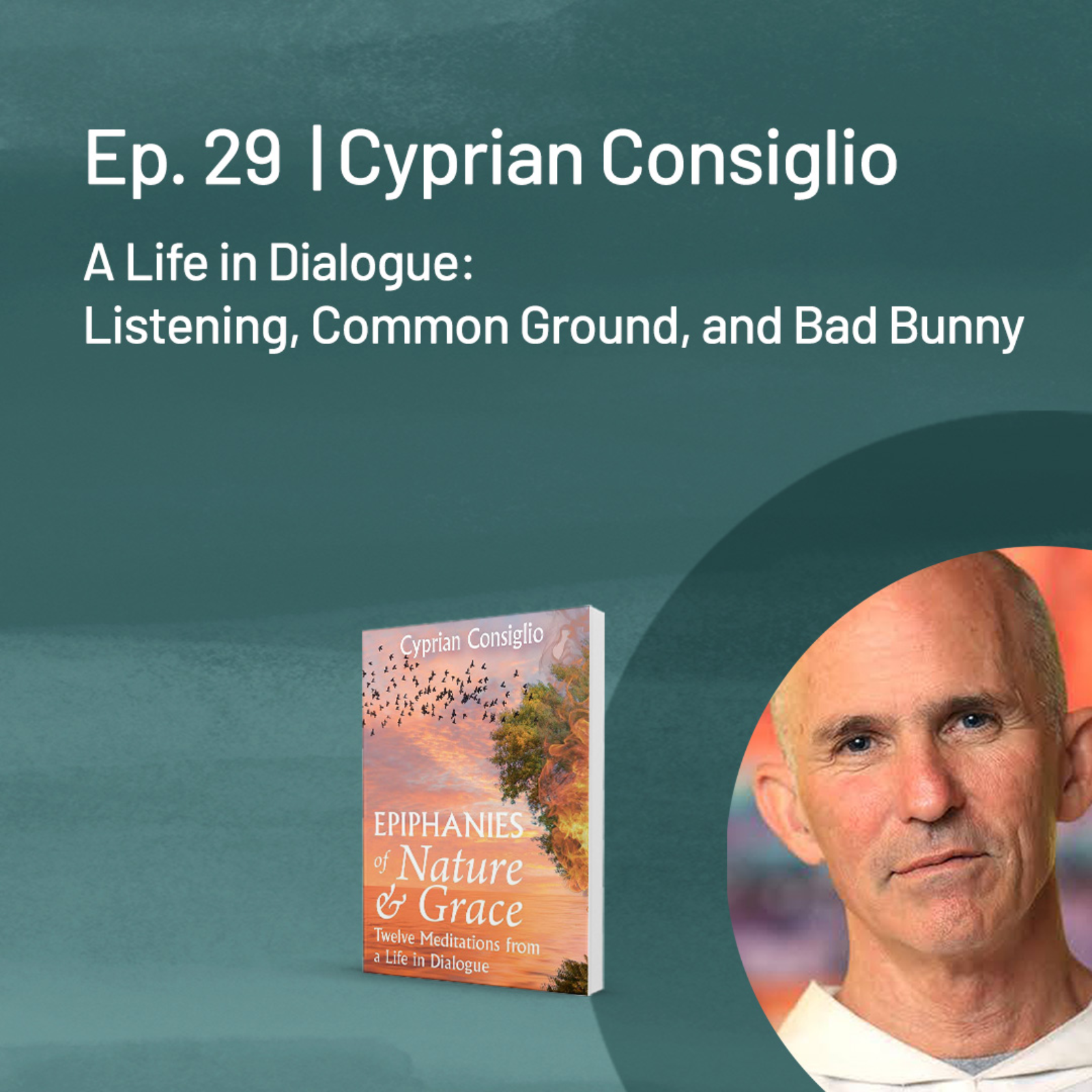 Cyprian Consiglio — A Life in Dialogue: Listening, Common Ground, and Bad Bunny 13.02.2026 1h 14mWhat does it mean to live a life of true dialogue—not just talking, but deeply listening to the world, to other traditions, and even to unexpected voices like Bad Bunny? In this rich, free-flowing conversation, Father Cyprian Consiglio, OSB Cam., a Camaldolese Benedictine monk, musician, and current Secretary General of Monastic Interreligious Dialogue in Rome, discusses themes from his new book, Epiphanies of Nature and Grace: Twelve Meditations from a Life in Dialogue. Father Cyprian explores:How a chance encounter with Bede Griffiths decades ago sparked a lifelong journey into universal wisdom and interreligious encounter.Why real dialogue isn't two monologues crossing, but a humble openness to receive truth, beauty, and goodness wherever they appear—from ancient Taoist texts to modern pop spectacles.A theology of the Word (Logos) that bridges Christianity with other traditions, seeing manifestations of the divine in nature, culture, consciousness, and even the evolving spectrum of the human psyche.How grace builds on (but never destroys) nature, challenging rigid monocultures in religion, politics, and identity.The urgent call today: evolving our consciousness through contemplative practice to heal divisions, embrace diversity, and return to the sources so we can move forward together.The show notes are available here.(00:00:01) Introduction(00:02:39) Religious Order and Background(00:04:42) What is Dialogue?(00:08:45) Listening and Receptivity(00:15:56) Reflection No. 1: Open to Receive(00:18:22) Encountering Father Bede Griffiths: Universal Wisdom(00:26:19) Father Bede's Lasting Impact: Body, Soul, Spirit(00:33:47) A Theology of the Word(00:41:44) Truth, Beauty, and Goodness: Reverse Evangelization(00:48:42) Reflection No. 2: The Wealth of Nations(00:52:05) Bad Bunny, Inculturation, and Echo Chambers in Politics Today(01:01:44) Reflection No. 3: Bad Bunny and Unitive Consciousness(01:05:24) Call to Action: Evolving our Consciousness, Going Back to the Sources(01:11:02) May We Be Stonecutters(01:12:50) Conclusion
 -
 James Martin — Work in Progress 30.01.2026 1h 6mHave you ever looked back on your adolescent and young adult years and wondered how those experiences formed your personality, conscience, ambitions, desires, and even insecurities? What did your ordinary jobs throughout these formative years teach you about yourself, God, and the world you were stepping into? As you stepped into young adulthood, what did you learn about the cruelty and goodness of the world? About being mean or kind? About who you wanted to become?In this episode, Fr. James Martin, SJ — Jesuit priest, New York Times bestselling author, and one of the most relatable voices in contemporary spirituality — sits down for a heartfelt, often hilarious, conversation about his new memoir, Work in Progress: Confessions of a Busboy, Dishwasher, Caddy, Usher, Factory Worker, Bank Teller, Corporate Tool, and Priest. Rev. James Martin is the founder of Outreach, editor at large of America Magazine, and host of The Spiritual Life Podcast. Fr. Jim is also the chaplain of Stephen Colbert's The Colbert Report and is a frequent commentator for major news outlets, including CNN, NPR, and The New York Times.Whether you’re spiritually curious, wrestling with your own calling, longing to understand yourself more deeply, or just craving a reminder that your story matters, this episode is for you. God meets us exactly where we are—flawed, funny, and still very much a work in progress.The show notes are available here.(00:00:01) Introduction(00:03:16) Why Write This Book?(00:04:58) Learning from the Past(00:11:38) Reflection No. 1: How Memories Can Become Our Teacher(00:16:17) Developing the Superpower of Not Caring What Others Think(00:20:05) The Spiritual Practice of Memoir(00:22:11) Navigating Guilt and Shame, Embracing Our Humanity(00:26:41) The Connection Between Kindness and Being Comfortable in One's Own Skin(00:29:16) Turning Point: Losing His Best Friend(00:33:35) The Gift of Friendship(00:36:06) Memoir as Spiritual Practice: Cultivating Gratitude(00:38:55) What Does it Mean to Be Yourself?(00:43:55) Reflection No. 2: Mining Desire and Discovering the True Self(00:46:15) Finding One's Vocation(00:53:00) The Book's Impact and Golf Stories(00:57:51) Kindness and Working at the Ice Cream Inn(00:59:58) Reflection No. 3: Kindness is Everything(01:02:10) Kindness and Closing Thoughts(01:05:27) Conclusion
 -
 Mary Beth Ingham — John Duns Scotus: Four Theological Insights that Change Everything 16.01.2026 1h 18mWhat if the Incarnation wasn’t primarily about fixing our sin but about God’s extravagant desire to become one with all creation? What if beauty isn’t just something we admire—it’s the heartbeat of reality, calling us to slow down, receive gifts, and respond with hope in a fractured world? Franciscan friar and philosopher Blessed John Duns Scotus (1265/66-1308), known as the “Subtle Doctor,” is one of the most underappreciated major theologians throughout Church history. His complexity also makes him one of the most misunderstood. Scholars like Dr. Mary Beth Ingham have helped make his theology accessible to people all around the world. This episode explores four important theological insights from Scotus that can impact our approach to life and faith today:Scotus’s mystical vision of beauty as a transformative encounter with God’s abundant love (and why it’s a lifeline in our attention-overloaded, reactive culture).His profound take on free choice and thoughtful self-restraint—rooted in our innate dignity and perfect for today’s conversations on sustainability, poverty, and genuine freedom.The revolutionary Franciscan view of the Incarnation (the absolute primacy of Christ)—shifting the focus from sin at the center to God’s loving initiative at the heart of everything.The wonder of haecceity (“thisness”)—the unique, unrepeatable gift of every person, rock, leaf, and moment—and how it invites us to celebrate particularity in community.Mary Beth Ingham, CSJ, is Professor Emerita in Loyola Marymount University’s philosophy department and is a former professor of philosophical theology at the Franciscan School of Theology. She holds a doctorate in medieval philosophy from the University of Fribourg (Switzerland) and has published widely on the thought of Blessed John Duns Scotus. Her recent publications include: Scotus for Dunces: An Introduction to the Subtle Doctor (2003), Rejoicing in the Works of the Lord: Beauty in the Franciscan Tradition (2009), and The Harmony of Goodness: Mutuality and Moral Living in John Duns Scotus (2012). In her current research, she argues that the spirituality of beauty is at the heart of the Franciscan intellectual tradition.The show notes are available here.(00:00:01) Introduction (00:05:58) Who was Blessed John Duns Scotus? (00:16:37) First Insight: Mystical Vision of Beauty (00:30:09) First Reflection: Beauty and the Beholder (00:31:55) Second Insight: Free Choice and Thoughtful Self-Restraint (00:47:28) Second Reflection: Covenant as a Pathway to Freedom (00:49:10) Third Insight: A Franciscan Approach to the Incarnation (01:04:59) Third Reflection: Psychological Implications of the Incarnation (01:07:29) Fourth Insight: Haecceity (Thinness) (01:13:04) Fourth Reflection: The Sound of the Genuine (01:15:26) Final Thoughts (01:18:17) Conclusion
 -
 Michael Calabria — The Sultan and St. Francis 02.12.2025 1h 12mThe historic 1219 meeting between St. Francis of Assisi and Sultan Malik al-Kamil during the Fifth Crusade is a powerful (and often overlooked) example of peacemaking and respectful dialogue between Christians and Muslims. While most people only know Francis’s side of the story, the Sultan’s openness and courage were just as important. Their surprising friendship still offers a hopeful model today for bridging deep divisions, reducing polarization, and having real conversations across religious and cultural lines.Fr. Michael Calabria is a Franciscan friar at the Province of Our Lady of Guadalupe and director of the Center for Arab and Islamic Studies at St. Bonaventure University. With more than 40 years of experience in the Middle East and Islamic world, he first fell in love with the region as an Egyptology student doing archaeological work in Egypt (BA Johns Hopkins, MA Brown). After working as an academic librarian in New York, he joined the Franciscan Order in 1996, later earning divinity degrees and a PhD in Islamic Studies from the University of Exeter in England. He has lived in Cairo multiple times, ministered in a leprosarium, and taught English at a Coptic Catholic seminary. Since 2003 he has taught Arabic and Islamic Studies at St. Bonaventure University, where he founded the Center for Arab and Islamic Studies. He is the author of the 2022 book The Language of the Taj Mahal, which explores the Qur’anic inscriptions on the monument, and has appeared in documentaries including The Sultan and the Saint (2016) and Islam’s Greatest Stories of Love (2025).The show notes are available here.(00:00:01) Introduction(00:03:20) Historical Context(00:09:37) Francis’ Arrival in Egypt and His Mission(00:16:19) The Encounter with Sultan Malik al-Kamil(00:23:20) Francis’ Counter-Cultural Approach(00:27:15) The Sultan’s Impact on Francis(00:31:29) Francis’ Legacy and Missionary Approach(00:36:26) Bridging Faiths(00:42:55) Lessons from History: Interfaith Dialogue and Vatican II(00:45:12) This Story’s Relevance Today(00:48:00) The Nature of Goodness: Understanding Faith Beyond Labels(00:52:02) Religion, Conflict, and the Human Element(00:56:03) The Enrichment of Faith: Learning from Other Traditions(01:02:34) The Call to Open Hearts: Interfaith Dialogue in Action(01:09:20) Conclusion
 -
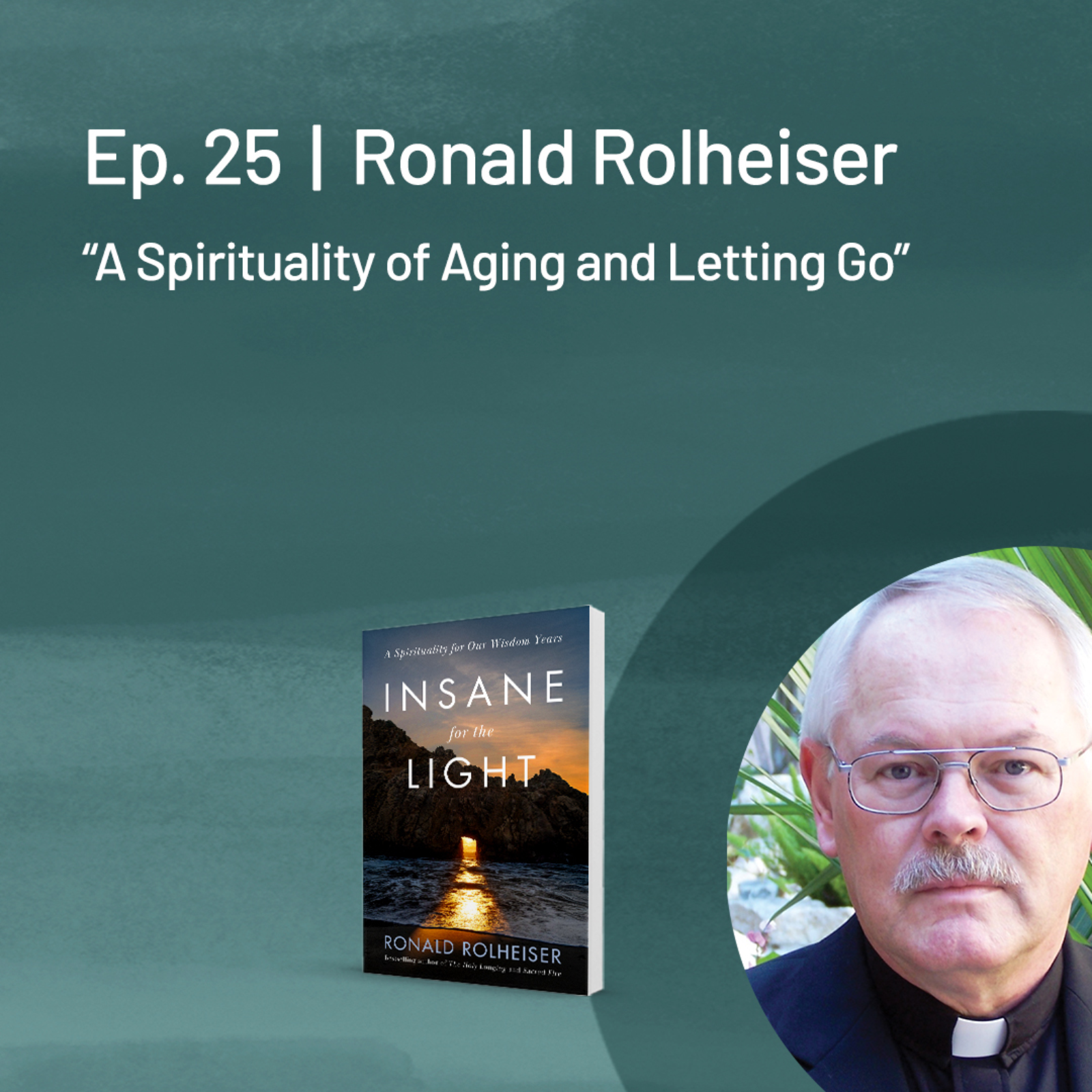 Ronald Rolheiser — A Spirituality of Aging and Letting Go 30.10.2025 1h 10mWhat does it mean to age with grace, to let go without losing hope, and to face life’s deepest losses with open hands? What does it mean to move toward spiritual maturity as life unfolds, and how can a spirituality of letting go help take us there? In this conversation, Fr. Ronald Rolheiser joins Off the Page to explore themes from his powerful new book, Insane for the Light: A Spirituality for Our Wisdom Years, which was released on October 28, 2025. From the raw beauty of metanoia to the transformative power of passivity, Fr. Ron reveals how suffering, helplessness, and even death can become our greatest gifts—if we dare to live while we’re dying.Ronald Rolheiser, OMI, is a Roman Catholic priest and member of the Missionary Oblates of Mary Immaculate. He is a theologian, professor, award-winning author, and served as president of the Oblate School of Theology. He is known for his lectures, globally-syndicated column "In Exile," and his bestselling books The Holy Longing and Sacred Fire. The show notes are available here.(00:00:01) Introduction(00:01:57) Spirituality of Aging(00:03:46) Wisdom Years(00:05:41) Insane for the Light: Story Behind the Title(00:07:45) Getting Our Lives Together, Giving Our Lives Away(00:12:53) Reflection No. 1: Seven Movements Toward Spiritual Maturity(00:14:32) Giving Your Death Away(00:15:58) Metanoia and Paranoia(00:20:36) Pondering: Carrying and Transforming Tension(00:27:27) How Pain Can Deepen Us(00:34:59) Dark Nights of Faith(00:38:37) “My God, My God, Why Have You Forsaken Me?”(00:42:57) When the Power Point Stops Working(00:43:53) Reflection No. 2: Take On Your Higher Mind(00:46:43) Understanding More By Not Understanding(00:48:06) Activity and Passivity(00:54:10) When You Feel Helpless(00:58:16) Reflection No. 3: Activity and Passivity(00:58:30) The Gift and Challenge of Passivity (Passion)(01:03:50) When You’re Told You Don’t Have Much Time to Live(01:07:07) A Creed for Giving Your Life and Death Away(01:09:15) Conclusion
 -
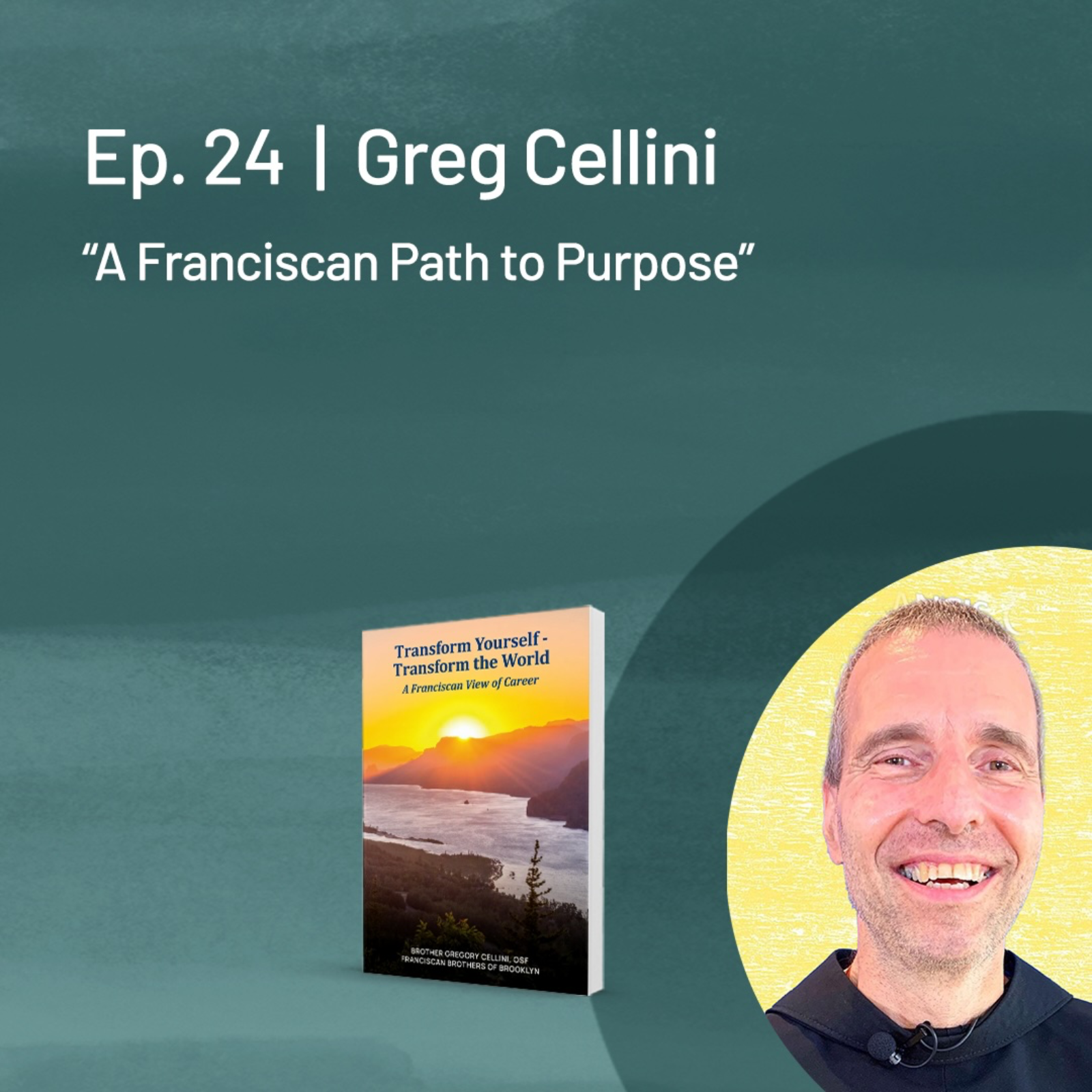 Greg Cellini — A Franciscan Path to Purpose 08.10.2025 1h 10mSt. Francis of Assisi famously prayed, “Who are you, my God, and who am I?” Greg Cellini found himself praying a similar prayer after almost three decades of working and climbing within the pharmaceutical industry. That's when everything changed. He began the process of entering religious life.His journey is one that invites each of us to contemplate the source of our dreams and desires and consider who we are at the core of our identity. The timing of this conversation, just after the Feast Day of St. Francis and at the start of Franciscan Month, invites each of us to consider our own callings and dare to pray the prayer St. Francis prayed.Brother Greg Cellini, OSF, is a Franciscan Brother of Brooklyn. His primary ministry is at St. Francis College where he has served as an adjunct professor as well as director of the Office of Mission, Ministry, and Interfaith dialogue. He is the host of "Thank God For Monday," a weekly radio talk show about the workplace. He is a graduate of St. Bonaventure University’s advanced certificate in Franciscan Studies. He also earned degrees at Rutgers Graduate School of Management and Seton Hall University Stillman School of Business. He is the author of Transform Yourself - Transform the World: A Franciscan View of Career.Click here to view the show notes for this episode.(00:00:01) Introduction (00:01:59) Climbing in the Corporate World (00:03:59) Spiritual Background (00:05:43) When God Calls You Elsewhere (00:10:18) Dreams and Desires: What is the Source? (00:13:38) Holy Surrender (00:17:26) Reflection No. 1: Dreams and Desires (00:20:02) A Mysterious Encounter and the Call to Religious Life (00:25:18) Why the Franciscans? (00:27:36) Ordered Love, Dis-ordered Love, and Performance (00:31:49) Reflection No. 2: Remembering Your Identity (00:35:13) Entering Religious Life and Going Inward (00:38:57) The Blessings of Failure and Endings (00:44:13) What is Downward Mobility? (00:48:10) Reflection No. 3: Downward Mobility (00:49:56) Education and the Franciscan Charism (00:55:06) The Challenges Young People Face (01:00:26) What is Franciscan Month? (01:08:20) Closing Reflections and Prayer (01:09:54) Conclusion
Similar podcasts


Popular in
The podcast also appears in the podcast charts of these countries.
