
Catholic Daily Reflections
My Catholic Life!
1
My Catholic Life! presents the beauty and splendor of our Catholic faith in a down to earth and practical way. These daily audio reflections come from the "Catholic Daily Reflections Series" which is available in online format from our website. They are also available in e eBook or paperback format. May these reflections assist you on your journey of personal conversion!
Episodes
-
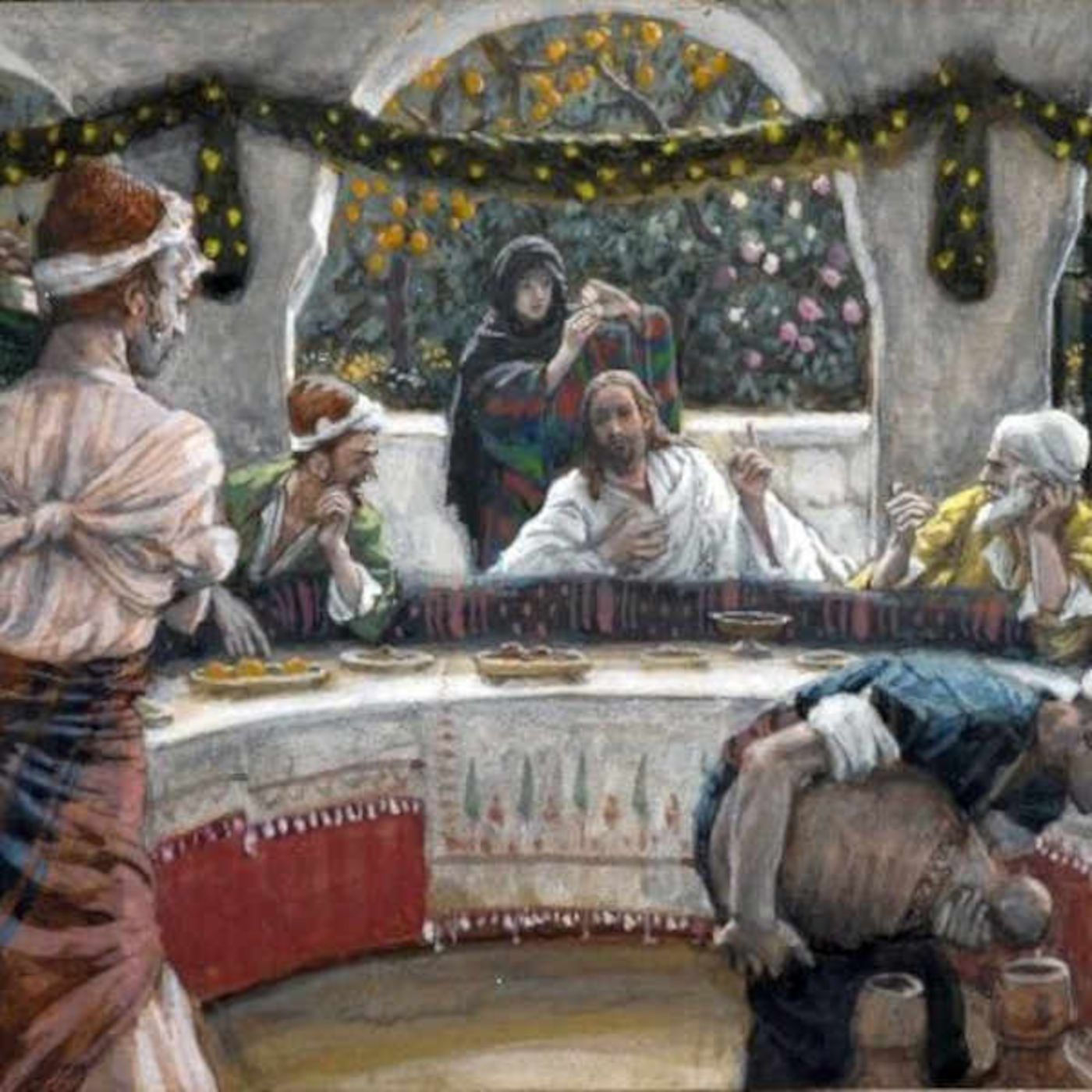 Saturday of the Thirtieth Week in Ordinary Time - When Pride Swells the Soul 30.10.2026 7mRead OnlineWhen Pride Swells the Soul“When you are invited by someone to a wedding banquet, do not recline at table in the place of honor. A more distinguished guest than you may have been invited by him, and the host who invited both of you may approach you and say, ‘Give your place to this man,’ and then you would proceed with embarrassment to take the lowest place.” Luke 14:8–9 Jesus told this parable during a dinner at the home of a leading Pharisee. We are told that “the people there were observing him carefully.” On one hand, such attentiveness might seem commendable. We could imagine ourselves listening to His every word, captivated by divine teaching. That kind of attentiveness would certainly qualify as “observing Him carefully.” However, the Greek verb used here conveys a tone of suspicion, even hostile scrutiny. Jesus, fully aware of their hidden judgments, responds not with defensiveness but with deliberate action. In the passage preceding today’s Gospel, He heals a man with dropsy—an abnormal swelling caused by fluid retention—at the very start of the meal and on the Sabbath. Though clearly an act of compassion, this healing was also a provocation, meant in part to elicit a response from those who believed such a deed violated the Sabbath law of rest. Jesus then observes how the guests scramble for the places of honor at the table. Seizing the moment, He offers the parable found in today’s Gospel. Once again, he intentionally provokes his listeners. These guests, associated with a prominent Pharisee, were likely among the social and religious elite. By defying their expectations and social customs, Jesus challenges them with what might rightly be called a holy provocation. Ordinarily, to provoke others would be uncharitable. As Christians, we are called to kindness, patience, and unity. But in His divine wisdom, Jesus saw a higher good: their conversion. He provoked not to shame but to bring hidden sins to light. Once those sins are acknowledged and repented of, healing can begin. The sin He targets is prideful desire for status, recognition, and honor. Watching the guests seek places of prominence, Jesus sees the deeper ailment: spiritual swelling. Their condition was more serious than the physical condition of dropsy; they were inflated with self-importance. Just as the man’s body retained fluid, their souls were bloated with ego and the need for esteem. Their self-promotion masked insecurity, a disordered self-understanding, and a failure to grasp their true worth in God’s eyes. Jesus confronts this not with condemnation, but with divine wisdom. He doesn’t denounce honor itself; rather, He teaches that true honor is a gift, never something to be seized. In the parable, the humble guest takes the lowest place and is later exalted by the host. There is little doubt that those at table could picture the embarrassment of being asked to step down or the delight of being invited to move up. He used their worldly desire to teach a spiritual lesson. It is striking that Jesus transforms their pride into a moment of revelation and an invitation to grace. In the spiritual life, we must descend in humility so that God may lift us up. He desires to clothe us in glory and to let others rejoice in that honor, but only He can bestow it. When we exalt ourselves, the honor we gain is hollow, and we will eventually be humbled. Only the glory granted by God is real. Reflect today on the humility Christ invites you to embrace. Are there areas of your life in which you seek recognition or esteem? Ask for the grace to take the lowest place, trusting that your true dignity will come not from the world or your self-elevation, but from the One who sees the heart and lifts the lowly on high. Most humble Lord, You descended into poverty and obscurity, and submitted to the...
-
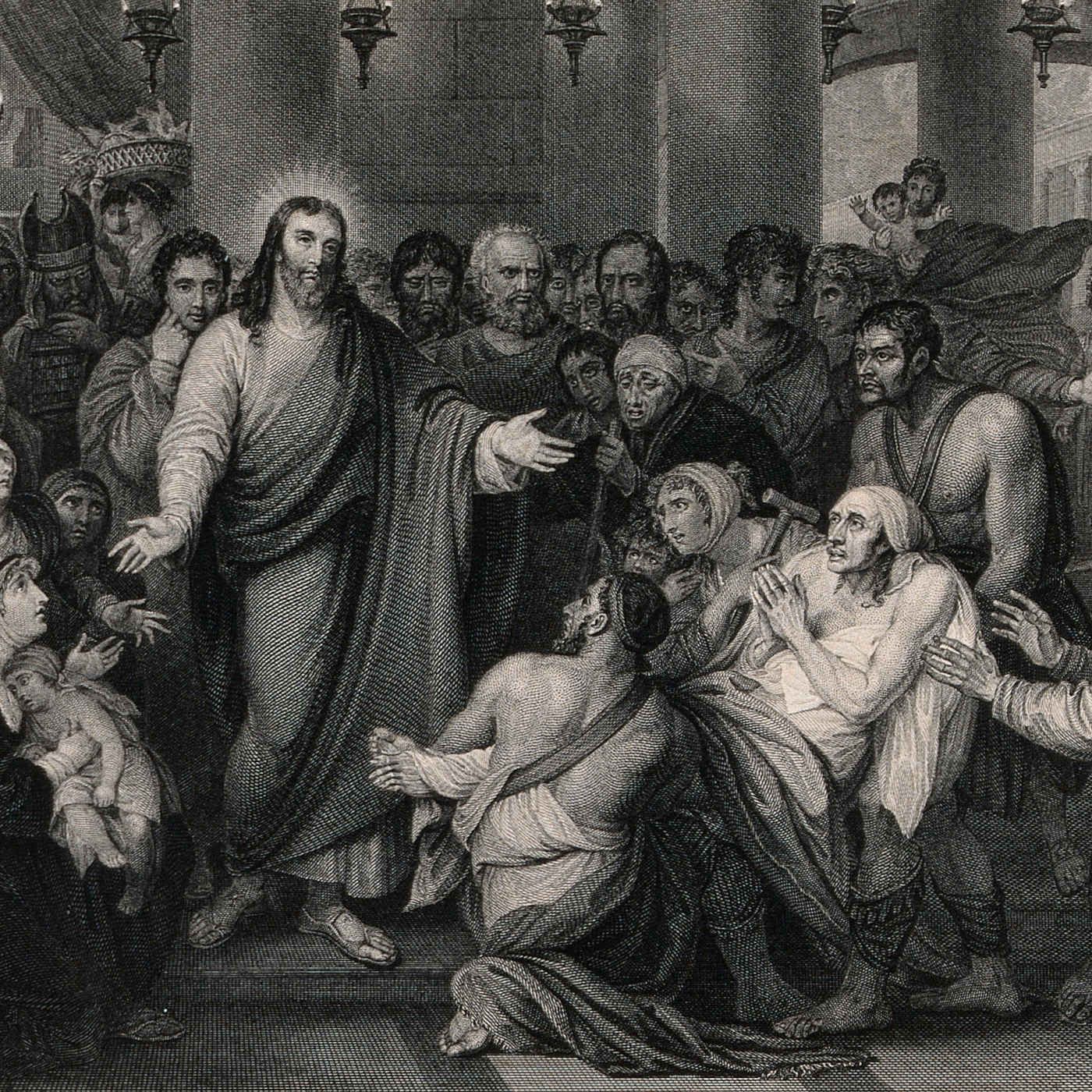 Friday of the Thirtieth Week in Ordinary Time - Overcoming Rash Judgment 29.10.2026 7mRead OnlineOvercoming Rash JudgmentOn a sabbath Jesus went to dine at the home of one of the leading Pharisees, and the people there were observing him carefully. In front of him there was a man suffering from dropsy. Jesus spoke to the scholars of the law and Pharisees in reply, asking, “Is it lawful to cure on the sabbath or not?” Luke 14:1–3Today, we can easily and confidently answer Jesus’ question: “Yes, it is lawful to cure on the Sabbath!” But the scholars of the Law and the Pharisees were unable or unwilling to answer that question. And when Jesus healed the man on the Sabbath of dropsy—a condition of swelling from fluid retention—they continued their silence.Why were they silent in the face of a miracle? Most likely because they were guilty of a sin against the Eighth Commandment: rash judgment. The Catechism of the Catholic Church explains, “He becomes guilty: of rash judgment who, even tacitly, assumes as true, without sufficient foundation, the moral fault of a neighbor” (CCC 2477). It goes on to say, “To avoid rash judgment, everyone should be careful to interpret insofar as possible his neighbor’s thoughts, words, and deeds in a favorable way” (CCC 2478).The religious leaders at that dinner appear to have presumed the worst. They were watching Jesus closely, seemingly trying to find fault with Him. Such an attitude hardens the heart and blinds it to the truth because it begins with a presumption of guilt. While we may not commit the same legalistic sins as the Pharisees, especially toward the Messiah, rash judgment of others is a common fault we should all strive to overcome.Consider those closest to you and those with whom you regularly interact. Do you presume the worst about certain people? Perhaps someone has hurt you or has shown a pattern of behavior that offends you. When that happens, it becomes easy to hold onto resentment and remain critical. The difficulty with rash judgment is that it can seem justified. We convince ourselves that, based on certain facts, we know what this person is like. But such reasoning is flawed.The truth is that every person is deeply complex. Only God is simple—that is, as Saint Thomas Aquinas explains, He is undivided, wholly consistent, and always acting with perfect charity. We, on the other hand, are burdened with past wounds, emotional and mental struggles, attachments to sin, and inner conflicts that we often don’t fully understand ourselves.This reality should inspire us to be generous in how we think of others. We are called to “be careful to interpret insofar as possible [our] neighbor’s thoughts, words, and deeds in a favorable way.” This takes great charity, especially when we’ve been hurt.One of the most freeing dispositions we can foster to overcome rash judgment is forgiveness. Recall the fifth petition of the Lord’s Prayer: “Forgive us our trespasses as we forgive those who trespass against us.” Even when someone has sinned against us, or appears to have done so, we are still called to forgive, holding nothing in our hearts against the one who has hurt us.A spirit of complete forgiveness uproots rash judgment. We must remind ourselves that it is good and holy to surrender every judgment, especially those that seem warranted. God alone is Judge. By withholding judgment, we are not excusing another’s sin; we are simply acknowledging that judgment is not our task. It belongs to God alone. Reflect today on whether you hold on to any judgments toward others. Ask our Lord to soften your heart, give you clarity, and fill you with the charity needed to see others as He sees them. Forgive, be merciful, and entrust all judgment to the One who sees perfectly. Overcoming this sin is not only...
-
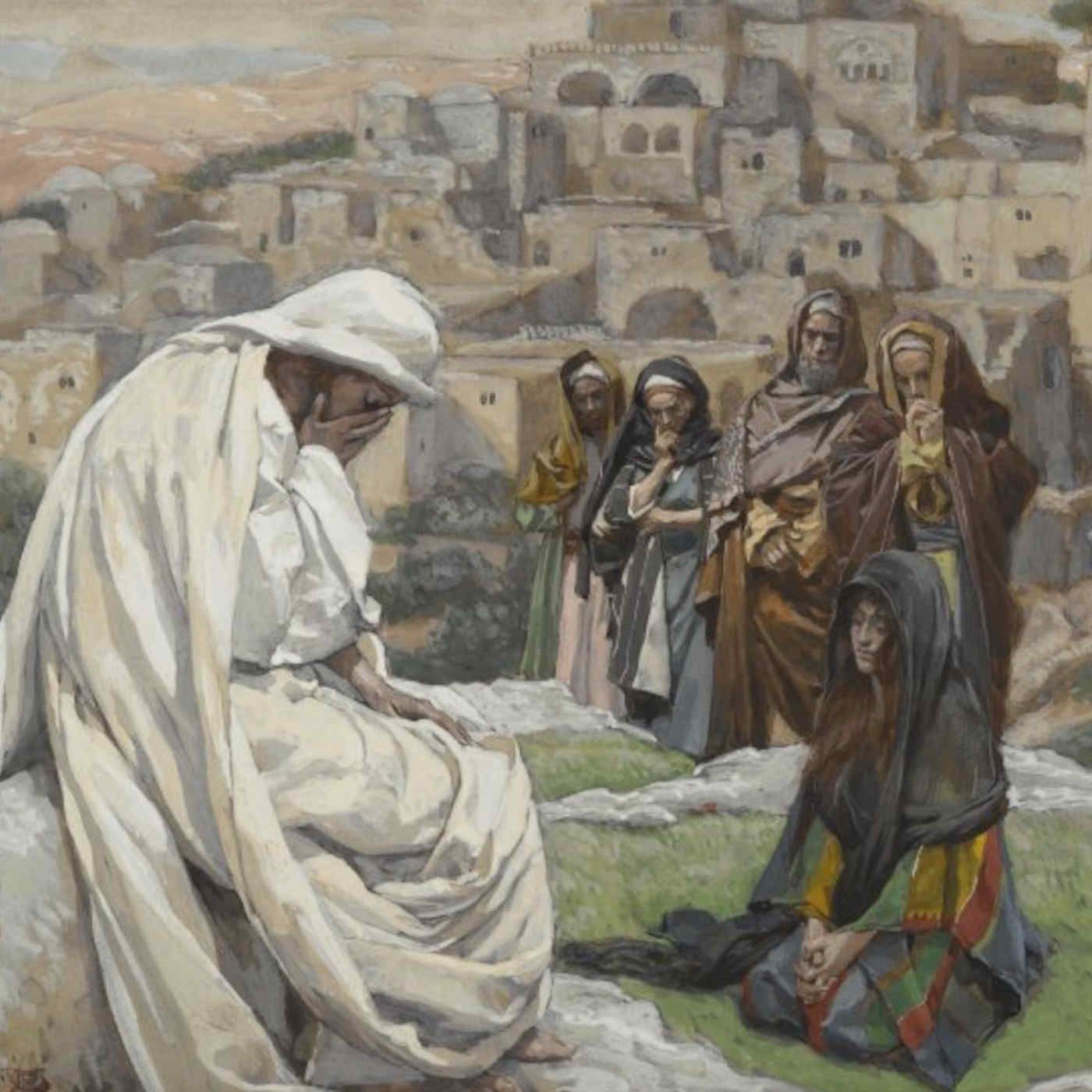 Thursday of the Thirtieth Week in Ordinary Time - Consoling Jesus’ Sorrowful Heart 28.10.2026 7mRead OnlineConsoling Jesus’ Sorrowful Heart“Jerusalem, Jerusalem, you who kill the prophets and stone those sent to you, how many times I yearned to gather your children together as a hen gathers her brood under her wings, but you were unwilling! Behold, your house will be abandoned. But I tell you, you will not see me until the time comes when you say, Blessed is he who comes in the name of the Lord.” Luke 13:34–35In today’s Gospel, Jesus laments Jerusalem’s tragic history of persecuting the prophets sent by God to call His people back to fidelity. The deaths of Zechariah and Isaiah stand out, but the broader implication is that Jerusalem—the city of the Temple and the seat of divine worship—had often become the very place where divine truth was violently rejected. In lamenting this, Jesus reveals His deep love for His people and foreshadows His own death at their hands, which would also take place in Jerusalem.Of note, Jesus’ words drip with holy sorrow and compassion, but also resolute clarity. Though He offers a condemnation in the form of a prophetic warning—that the Temple would ultimately be destroyed and the city overtaken by the Romans in AD 70—His tone is one of loving lament, not vengeful retribution.In many ways, Jesus’ lament is that of a loving father mourning a wayward son: “How many times I yearned to gather your children together as a hen gathers her brood under her wings.” Understanding this compassion in His Sacred Heart is especially helpful to us as we examine our own struggles with sin. Though God is perfectly just, His judgments are issued with a broken heart, not a violent one.When you consider your sins, examine them through this lens. See Jesus’ Sacred Heart pierced with a sword of profound sorrow. When we turn back to Him, we console Him and relieve Him of that sorrow. Though we can add nothing to God’s greatness and glory on our own, we do have the capacity to fill Him with joy when we repent and diligently strive to overcome sin in our lives.Recognizing this spiritual reality is the highest form of the spiritual Gift of Fear of the Lord. This gift of the Holy Spirit manifests itself in two ways. First, Fear of the Lord begins with what we traditionally call servile fear—that is, fear of punishment. Consider again a son who obeys his father because he fears being punished. This is a good beginning, but it is not the ideal.The ideal form of Fear of the Lord is filial fear—the fear of a loving son or daughter. This fear does not avoid sin for selfish reasons, such as fear of punishment. Rather, it leads us to avoid sin because we perceive the tender compassion in Jesus’ Sacred Heart and become vividly aware of the sorrow our sin inflicts upon Him. What’s more, we also see the joy we can give Him by remaining faithful to His will. Our love for Him grows so strong that we are compelled to do all we can to give Him joy. His joy becomes ours, and we “fear” doing anything that would oppose that joy.Though the Gift of Fear of the Lord primarily inspires us to console Jesus’ Heart, it also enables us to extend His love toward others. When this gift is alive in us, we look at those around us with the same compassion and tenderness that Jesus expressed over Jerusalem. We do not take their sins personally but share in the holy sorrow of Jesus’ Heart, longing for their conversion.Reflect today on Jesus’ Sacred Heart as He looks at you with sorrowful love. Hear Him say, “How often I have longed to gather you.” Let that invitation move you to turn away from all that saddens Him and to cling to Him with fidelity and love. As you do, look also to those in your life who struggle with sin, and allow yourself to feel the same longing that Jesus has for...
-
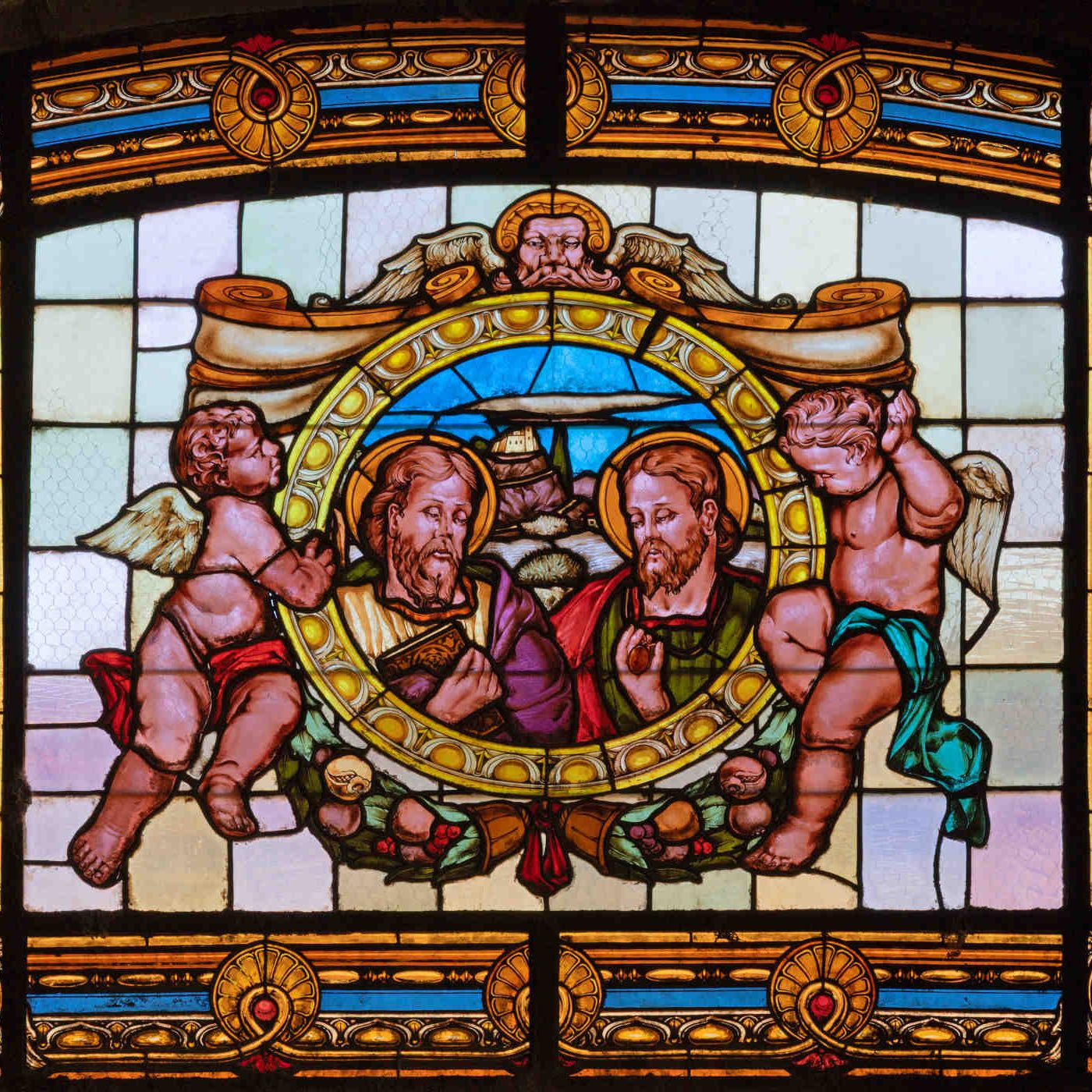 October 28, Feast of Saints Simon and Jude, Apostles - That Christ May Be Known 27.10.2026 7mRead OnlineThat Christ May Be Known[Jesus] called his disciples to himself, and from them he chose Twelve, whom he also named Apostles: Simon, whom he named Peter, and his brother Andrew, James, John, Philip, Bartholomew, Matthew, Thomas, James the son of Alphaeus, Simon who was called a Zealot, and Judas the son of James, and Judas Iscariot, who became a traitor. Luke 6:13–16Today we honor two of the Twelve Apostles: Saints Simon and Jude. In Luke’s Gospel, Simon is referred to as a Zealot. Zealots were members of a Jewish sect that sought to overthrow Roman occupation in Palestine through revolutionary means, often promoting armed resistance in hopes of restoring Israel’s independence and religious purity. Jude is identified as the son of James, a distinction made to differentiate him from Judas Iscariot, the betrayer. He is also traditionally understood to be the author of the Epistle of Jude, a brief but powerful letter exhorting the faithful to maintain the pure faith and warning against false teachings.Little is known about these two Apostles. After receiving the Holy Spirit at Pentecost, Saints Simon and Jude were among the earliest bishops of the Church, entrusted with strengthening new Christian communities and handing on the Sacraments and apostolic teaching. Though historical details are limited, many ancient accounts agree they traveled together as missionaries—traditionally to Persia (modern-day Iran)—where they boldly preached the Gospel. Around the year AD 65, tradition holds that Simon was martyred by being sawn in half, while Jude was beaten to death with a club. Though these accounts are shrouded in legend, their martyrdoms testify to their unwavering witness to Christ and their role in spreading the faith beyond the borders of Israel.In the Gospel of John, we gain a glimpse into the heart of Saint Jude. Jude asks Jesus, “Master, then what happened that you will reveal yourself to us and not to the world?” (John 14:22). This question reflects his gratitude for being privileged to receive a deeper understanding of Christ’s revelation and reveals his desire that the whole world might come to know and believe. That desire became the driving force behind the mission of every Apostle, including Simon and Jude.We honor the faithful Apostles because they are models for us. Despite their vastly different backgrounds, they shared one common trait. Except for Judas Iscariot, each underwent a radical conversion after being called by Jesus. During His three-year public ministry, they listened, often misunderstood, but persevered. When Jesus was arrested and crucified, all but one scattered, and Judas Iscariot took his own life. Yet after the Ascension, they gathered in prayer in the Upper Room and received the full outpouring of the Holy Spirit at Pentecost. From that moment on, their lives were transformed. Their faith deepened, their understanding grew, and each embraced the call to become a bold witness to the Gospel, sharing it far and wide.Today, the Twelve are in Heaven, but their mission continues in every Christian. Through the sacramental transmission of Holy Orders, each bishop is a direct successor of the Apostles. As members of the Church, we are also heirs to this apostolic mission. Having received the fullness of the Holy Spirit in the Sacrament of Confirmation, we share in the same gifts and grace bestowed on the Apostles, empowering us to continue their sacred work, a work desperately needed in the world today. Like Saint Jude, we must foster within our hearts the same desire he had to share the mysteries of the Kingdom of Heaven to the ends of the earth. Reflect today on the lives and missions of Saints Simon and Jude. Their faithful response to Christ’s call, their...
-
 Tuesday of the Thirtieth Week in Ordinary Time - From Smallness to Glory 26.10.2026 8mRead OnlineFrom Smallness to GloryJesus said, “What is the Kingdom of God like? To what can I compare it? It is like a mustard seed that a man took and planted in the garden. When it was fully grown, it became a large bush and the birds of the sky dwelt in its branches.” Luke 13:18–19The mustard seed symbolizes the humble and hidden beginnings of the Gospel. Christ Himself was born in a manger and crucified as a criminal. Spiritually speaking, He is the mustard seed par excellence. Likewise, the Church began with a handful of ordinary, mostly unlearned men, who were planted by the hand of the Divine Sower.Today, the Gospel is preached in many ways. Sometimes it comes through dynamic preaching, flashy formats, and enticing promises. However, the authentic Gospel does not need sound effects or visual spectacle. The Gospel that truly transforms us is, in fact, like that tiny mustard seed, planted quietly in the fertile soil of our hearts. When that happens, God’s Kingdom begins to grow within us.With the rise of technology and social media, it’s tempting to think we must adopt Hollywood-style approaches to share the Gospel. While technology, art, music, video, and eye-catching formats can, at times, serve the work of evangelization—especially when reaching those immersed in a world of constant stimulation—it’s essential to understand that the pure, simple, and humble Gospel always suffices in building God’s Kingdom.Consider the most important aspect of Jesus’ Gospel message: His Passion, Death, and Resurrection. The Gospel did not culminate with a grand or glorious display by human standards. Jesus did not deliver His final sermon from a golden throne amid trumpet blasts. He delivered it from His instrument of death—the cross on which He hung—naked for the world to see, humiliated, beaten, and crucified. By worldly standards, His life ended in shame and disgrace. By God’s standards, the seeds of grace poured forth from His Sacred Heart as He breathed His last.Even the Resurrection was hidden from the eyes of many, especially His detractors. He did not appear in the Temple after rising from the dead, radiating glory and majesty to silence the chief priests, scribes, Pharisees, and elders. Instead, he appeared quietly, lovingly, and in subtle, personal ways to those with faith. He did not seek to prove Himself to the hard of heart; rather, He nurtured faith in those who loved Him and believed.The Church also began in humiliation. Persecution and martyrdom followed swiftly after Pentecost. The earliest Christians worshiped in secret, often in homes or hidden places, knowing their lives were at risk. The greatest evangelist of all, Saint Paul, suffered immensely throughout his ministry, enduring floggings, imprisonments, shipwrecks, hunger, rejection, and relentless persecution. He was ridiculed, beaten, stoned, and left for dead, all for the sake of planting that miniscule mustard seed of truth in the hearts of others. Yet through his faithful endurance, the Church spread from city to city and took root in the Gentile world.The humble carpenter who was born in a cave in Bethlehem, sent into exile, raised in the obscure town of Nazareth, and became a poor, itinerant preacher, dependent on the generosity of others, has been known and loved by countless souls throughout the centuries. He has transformed lives, uprooted sin, and is building His Kingdom from among sinners—all because the humble seed of His life has been planted again and again in hearts that are open. Reflect today on the hidden ways that God’s grace is at work in your life. Do not be discouraged if your faith feels small or if your efforts to evangelize seem unnoticed. Trust that the true Gospel, humbly received...
-
 Monday of the Thirtieth Week in Ordinary Time - Long-Suffering and Silent Endurance 25.10.2026 7mRead OnlineLong-Suffering and Silent EnduranceJesus was teaching in a synagogue on the sabbath. And a woman was there who for eighteen years had been crippled by a spirit; she was bent over, completely incapable of standing erect. When Jesus saw her, he called to her and said, “Woman, you are set free of your infirmity.” He laid his hands on her, and she at once stood up straight and glorified God. Luke 13:11–13Eighteen years is a long time to have suffered under the bondage of satan. This healing took place on the Sabbath day in a synagogue while Jesus was teaching. Unlike many of Jesus’ miracles, this woman did not approach Him or ask for healing. Instead, He saw her in the crowd, listening to Him teach. Given that He possessed the fullness of knowledge, He was immediately aware of her long-suffering and silent endurance.How satan had bound her with this ailment is not mentioned, but we can be certain that our Lord knew. Most likely, God permitted her oppression in preparation for this very moment when His power would be made manifest through her healing. This is an important point that goes to the heart of the mystery of evil: Every evil God permits is allowed because He knows a greater good can come from it. He does not arbitrarily permit satan to oppress without His knowledge and consent.In your life, are there circumstances that feel oppressive? Perhaps you have suffered from an ailment, a hostile relationship, a difficult work environment, or some more direct form of diabolical oppression. When that happens, we are often tempted toward discouragement, wondering why God allows it to continue, whether He even cares, and why He seems silent to our pleas.By reflecting on this woman’s eighteen years of diabolical oppression followed by her healing and deliverance, we learn that everything God permits is ultimately for our good. In the midst of suffering, that can be hard to believe, but it is true. God never ignores our prayer and is never unaware of our afflictions. If we begin with that foundational matter of faith, it will help us patiently and silently endure sufferings with hope. This is not necessarily hope that God will one day relieve us, but a deeper hope and certainty that if He allows us to endure something, it is for a reason. And that reason is always for our good, the good of others, and His glory.A second important lesson we learn from this story is the fierceness with which Jesus defends this woman against the hostile leader of the synagogue. When the leader sees her healed on the Sabbath, he rebukes her and the crowd, saying, “There are six days when work should be done. Come on those days to be cured, not on the sabbath day” (Luke 13:14). Jesus responds by calling him a hypocrite and then speaks tenderly about the woman and her suffering: “This daughter of Abraham, whom Satan has bound for eighteen years now, ought she not to have been set free on the sabbath day from this bondage?” (Luke 13:16). His defense of her causes the whole crowd to rejoice.Culturally, during those eighteen years of affliction, many would have looked at the woman with disdain, presuming her suffering was due to sin. Jesus did not look at any sin she may have had. Instead, He saw the strength with which she silently endured all those years. Even if she had not been cured, her soul was likely far closer to God for having borne her long-suffering than if she had not suffered at all. Jesus’ defense of her highlights His love and His awareness of her fidelity amid affliction. When He looks at our souls, He perceives the same.Reflect today on those you know who have endured great suffering. It’s easy to pity them or even judge them, assuming their hardship stems from their own fault. Try...
-
 Thirtieth Sunday in Ordinary Time (Year A) - The Eternal Law of Love 24.10.2026 7mRead OnlineThe Eternal Law of LoveWhen the Pharisees heard that Jesus had silenced the Sadducees, they gathered together, and one of them, a scholar of the law tested him by asking, “Teacher, which commandment in the law is the greatest?” Matthew 22:34–36The Law of Moses, found in the Torah—the first five books of our Old Testament—is traditionally said to contain 613 commandments: 248 positive (“dos”) and 365 negative (“don’ts”). Among these laws, there was a longstanding debate among the rabbis about which commandment was the greatest. Therefore, though the Pharisee who posed this question to Jesus was testing Him, it was also likely a sincere inquiry.Jesus certainly perceived the testing nature of the question, but He also recognized the genuine desire for truth. In response, He gently and directly offered a comprehensive answer, presenting a twofold summary that encompasses the entire Law and the prophets: “You shall love the Lord, your God, with all your heart, with all your soul, and with all your mind” and “You shall love your neighbor as yourself.”These two commandments do more than summarize the Law and the prophets, they also encapsulate the essence of the petitions of the Lord’s Prayer. Once we acknowledge God as our Father, we pray, “Hallowed be Thy name” and “Thy Kingdom come.” These are the highest petitions we can make.To hallow God’s name is to give Him His due. God is thrice holy—holy, holy, holy. Our greatest duty is to hallow His name and His very being by magnifying and glorifying Him. This is the highest way to love Him with all our heart, soul, and mind.In this life, we also turn to God in other ways. We ask for the grace to do His will, for His providential care, and for mercy and forgiveness. We pray to overcome trials and to be kept safe from the evil one. Each of these petitions, found in the Lord’s Prayer, is essential and finds expression throughout the Torah and the New Testament. Yet in the end, every petition we make must ultimately lead to the highest commandment: to hallow God’s name—to love Him with all we are—not merely because of what He does for us, but because of who He is. He is worthy of our love for His own sake, and it is our highest duty to offer Him that love.In Heaven, many of the commandments and petitions we now make will cease. We will not ask for forgiveness, since we will be purified and sin no more. We will not pray for daily bread—pointing to the Sacraments and God’s temporal care—because we will enter the eternal Banquet. Nor will we ask for strength to endure or receive protection from the evil one, because all trials will have been conquered in Christ. But we will eternally fulfill the greatest commandment and the first petition of the Lord’s Prayer by forever hallowing God’s name, crying out “holy, holy, holy,” and loving Him with a purified and perfected love.Likewise, the second greatest commandment will also be fulfilled in Heaven, just as the second petition of the Lord’s Prayer—“Thy Kingdom come”—is fulfilled. The coming of God’s Kingdom is our eternal participation in His glory and holiness, united with all our “neighbors”—the angels and saints. Our love of God will overflow into love of neighbor, and our love for one another will reflect and participate in our perfected love for God.Reflect today on the inseparable bond between love of God and love of neighbor, and the eternal nature of these commandments. Does your life bear witness to these two great commands? Does your daily prayer arise from and lead to this twofold love? Hallow God’s name not only with your lips, but also with your heart, soul, and mind. Allow that love to overflow to all people—especially those hardest to love—so that you show them the...
-
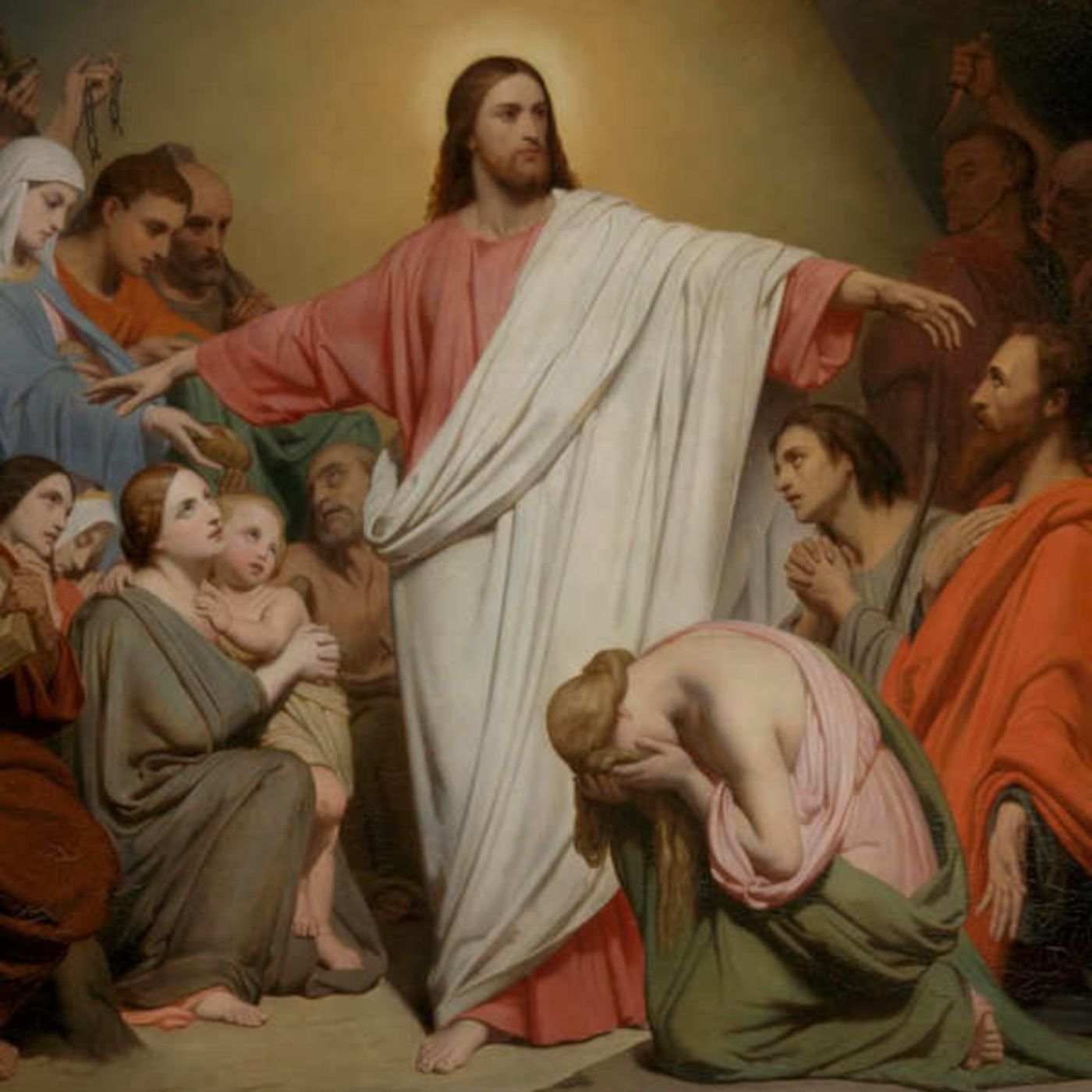 Saturday of the Twenty-ninth Week in Ordinary Time - The Goodness of Repentance 23.10.2026 7mRead OnlineThe Goodness of RepentanceSome people told Jesus about the Galileans whose blood Pilate had mingled with the blood of their sacrifices. He said to them in reply, “Do you think that because these Galileans suffered in this way they were greater sinners than all other Galileans? By no means! But I tell you, if you do not repent, you will all perish as they did!” Luke 13:1–3In Jesus’ time, it was commonly believed that suffering and tragedy were signs of divine punishment. The incident mentioned above is one such example. Although neither the Scriptures nor other historical records provide details of this event, it can be reasonably inferred from the passage that Pilate had ordered the massacre of certain Jews, perhaps even in the Temple in Jerusalem during worship. To the people, this horrific event appeared to signify that God was displeased with those victims and had allowed their deaths as a form of divine justice.Jesus then refers to another recent tragedy in which eighteen people were killed when the tower at Siloam collapsed on them. This, too, was interpreted by many as a sign of God’s judgment and disfavor.Jesus, however, corrects this misconception and turns it into a personal call to repentance. He makes it clear that those who suffered were not greater sinners than anyone else. This would have been a sobering statement. No one wanted to share the fate of those killed by Pilate or crushed by the falling tower. By clarifying that they were no more sinful than the rest, Jesus would have caught His listeners’ attention and provoked serious introspection.Instead of allowing His audience to focus on the faults of others, Jesus calls them to examine their own lives. “But I tell you, if you do not repent, you will all perish as they did!” In other words, the real tragedy is not physical death but spiritual death—the eternal loss that comes from an unrepentant heart. Jesus redirects the conversation from judging others to a sober recognition of our own need for conversion. He teaches that suffering in this life is not always the result of sin, but unrepented sin will ultimately lead to the far more serious and permanent suffering of separation from God.Prayerfully sit with both of these tragedies and see yourself in them. Though unpleasant, imagine being one of those murdered by Pilate while offering worship to God in the Temple. Or imagine being next to the tower at Siloam when it fell on you. Such a thought is jarring. In modern times, we might imagine a sudden death in a car crash or being killed in a robbery. Why would we want to ponder such possibilities? Because Jesus contrasts these visible and imaginable sufferings with an evil that is far greater: the refusal to repent.The point is straightforward: If we rightly shudder at the thought of experiencing one of these tragedies, how much more should we shudder at the idea of not repenting. By saying, “If you do not repent, you will all perish,” Jesus wants us to feel the urgency of repentance. He wants us to become so acutely aware of our sins that we flee from sin as one would flee from a collapsing tower. In fact, our urgency should be even greater and more decisive when it comes to turning away from sin.Sometimes the term “repent” carries a negative connotation. It can feel harsh, judgmental, or condemning. Our fallen tendency toward pride tempts us to resist, rationalizing that we are not “serious sinners” and should focus only on the good. But that attitude is a grave mistake because one of the greatest goods we can do is, in fact, to repent and reunite ourselves with God’s love through His mercy.Reflect today on how easily we can fall into the trap of self-assurance, focusing on the sins of others or...
-
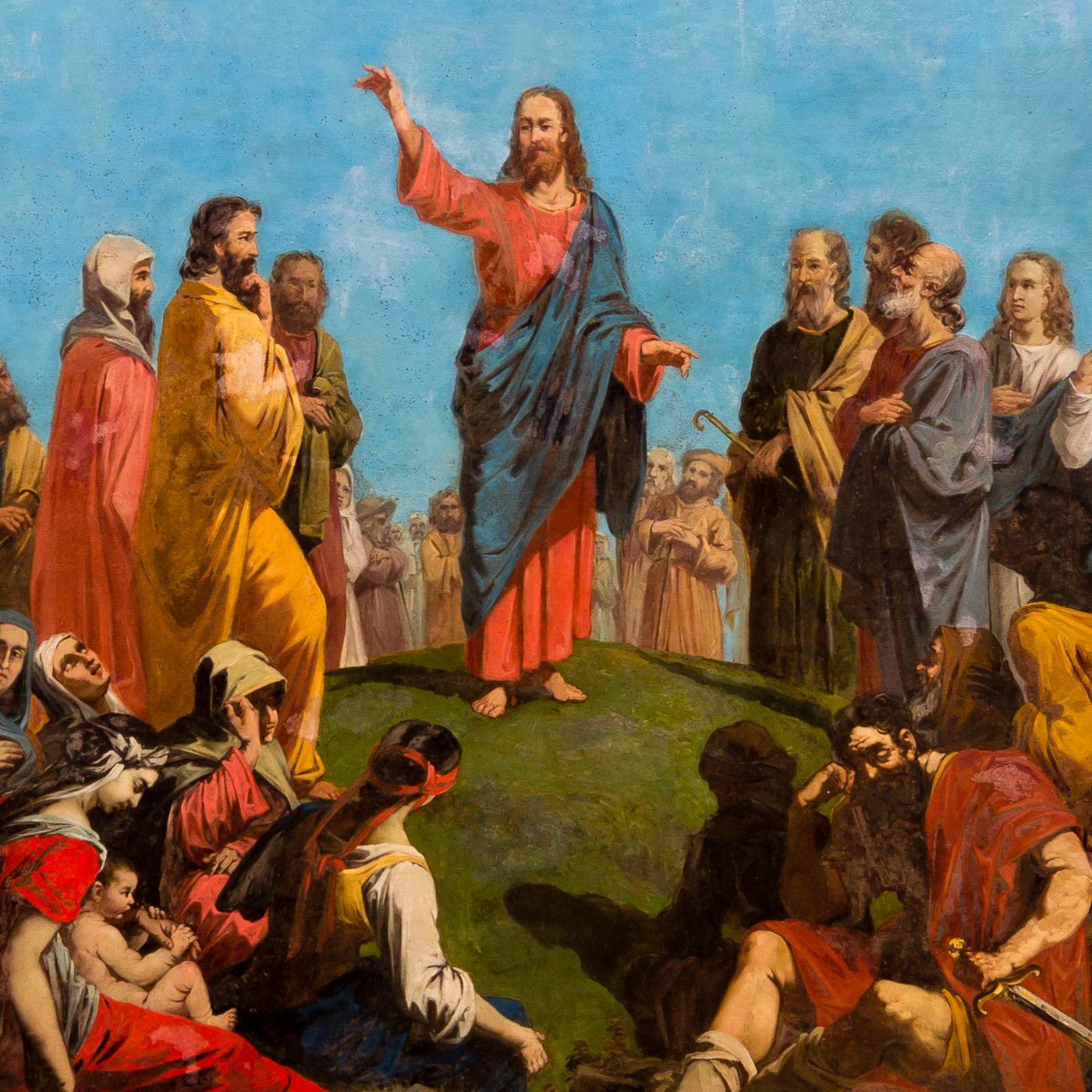 Friday of the Twenty-ninth Week in Ordinary Time - Awakened to His Presence 22.10.2026 7mRead OnlineAwakened to His PresenceJesus said to the crowds, “When you see a cloud rising in the west you say immediately that it is going to rain—and so it does; and when you notice that the wind is blowing from the south you say that it is going to be hot—and so it is. You hypocrites! You know how to interpret the appearance of the earth and the sky; why do you not know how to interpret the present time?” Luke 12:54–56Today, when we want to know the weather forecast, we turn to an app, a website, or the evening news. As a result, most of us have lost the skill of reading the sky, the wind, and the shifting temperatures with our senses. In Jesus’ time, however, people depended on direct observation. That practical wisdom served as a point of comparison for Jesus, who used it to rebuke the people for failing to recognize something far more important: the spiritual signs of the times in which they lived.Those years when Jesus walked the earth were the most consequential in all of human history. They marked the moment when God took on flesh, proclaimed the coming of His Kingdom, offered His life as a sacrificial gift for the salvation of souls, and conquered death through His Resurrection.Imagine being alive at that time. Would we have recognized Jesus as the Messiah? Or would we, like so many, have simply found Him intriguing, perhaps believed He was a prophet, admired His miracles, but ultimately failed to grasp the fullness of who He was and is?Some did recognize Him. Ordinary men and women; repentant sinners like Mary Magdalene; tax collectors like Matthew; fishermen such as Peter, Andrew, James, and John; and even Gentiles like the Syrophoenician woman and the Roman centurion all responded with faith. Yet many others, especially among the scribes, Pharisees, chief priests, and residents of cities like Capernaum and Nazareth, did not perceive the reality before them. They failed to see the divine presence and the eternal significance of that moment in history.While we may hope that we would have responded with faith had we lived then, Jesus’ sharp rebuke—“You hypocrites!”—invites us to pause in humility. Rather than take offense, we should receive these words as if spoken to us, not to discourage, but to awaken deeper faith. By admitting that we, too, sometimes fail to recognize Christ’s presence and His mission in our lives, we open ourselves to a greater awareness of His action and an increased attentiveness to His divine mission, in which we are now called to participate.In truth, Jesus’ words apply to us all in some measure. Even His closest disciples, with the exception of His Blessed Mother, struggled to comprehend the mystery unfolding before them. Likewise, even those who today manifest profound faith fail in subtle ways to perceive God’s presence among us. Therefore, Jesus’ loving rebuke invites us to approach the present moment with vigilance and faith, striving each day to interpret rightly the signs of God’s grace active in our lives and in the world. Do you recognize God’s presence in your daily life and the presence of His Kingdom of grace? It takes a discerning eye and an open heart. Everywhere we look, God is present. He is present in silence and activity, in nature and in others, in the saint and even the sinner. When we look at sinners with judgment and disdain, for example, we close our eyes to the inherent dignity they possess by being created in God’s holy image. God is constantly present and at work among us if we only have the spiritual eyes of faith. Reflect today on how well you perceive God’s presence in the ordinary moments of your day. Do you interpret those moments as opportunities to grow in holiness by loving God and serving His will, even in...
-
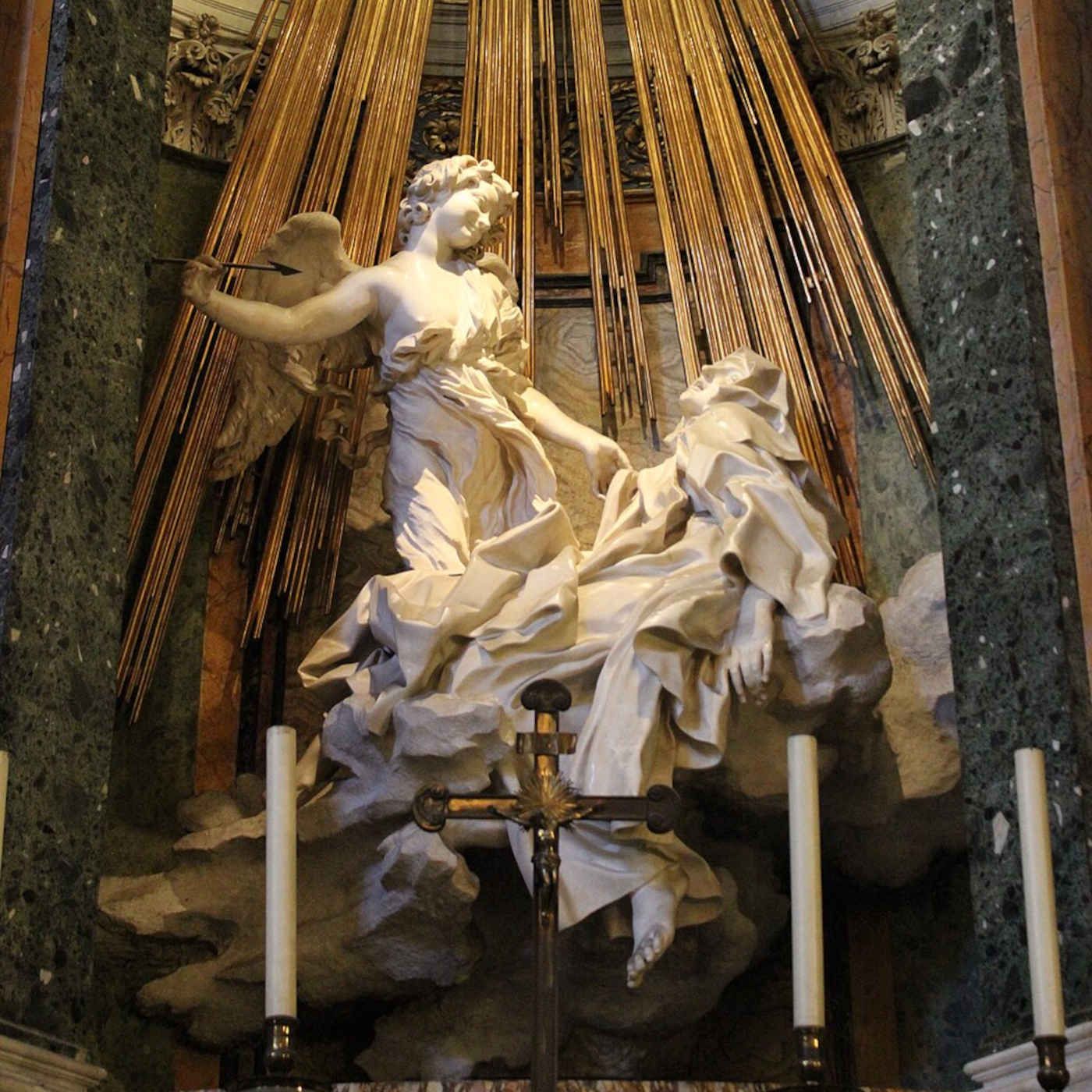 Thursday of the Twenty-ninth Week in Ordinary Time - A Soul on Fire! 21.10.2026 7mRead OnlineA Soul on Fire!Jesus said to his disciples: “I have come to set the earth on fire, and how I wish it were already blazing! There is a baptism with which I must be baptized, and how great is my anguish until it is accomplished!” Luke 12:49–50What a powerful image! Jesus declares His desire to set the earth on fire—not just a small fire, but a fire that is already blazing. A small fire gives warmth and light, but a blazing fire consumes everything in its path. Jesus is speaking of the purifying and transforming fire of divine love. This image is a metaphor for the interior union of the soul with God and reveals how divine love, when ignited within us, burns away all that is not of God and sets the soul aflame with holy charity. Through souls ablaze with divine fire, the whole earth can be set spiritually aflame.When Jesus says, “I have come to set the earth on fire,” He is speaking about hearts and souls. He desires that His love so penetrate our being that it radiates outward, illuminating and transforming the world. Saint John of the Cross, one of the greatest mystical doctors of the Church, develops this metaphor beautifully. He teaches that the soul is like a log of wood. At first, the log is cold, hard, and damp. But once it is placed into the fire of God’s love, it begins to change.At first, the fire may cause pain. It crackles and smokes as it purges moisture and impurities. This stage corresponds to the purification of the senses and spirit. The soul must be stripped of worldly attachments and disordered affections. The fire burns away sin, imperfections, and even the soul’s self-will. This purification is necessary for deeper union.As the burning continues, the log becomes more and more like the fire itself. Eventually, the log glows, radiates heat, and becomes one with the flame. So too, the soul that has been purified by grace is gradually transformed into God by love. It no longer only receives God’s love, it becomes love, fully united with the divine will, shining with the radiance of the Holy Spirit.This is what Jesus longs for: not lukewarm souls, but souls so fully inflamed with divine charity that they become living flames, blazing across the earth, igniting other souls, and glorifying the Father.Saint John calls the perfection of this deepening conversion the Living Flame of Love, which not only transforms the soul but delights and glorifies it as it becomes an instrument of God’s own life and action in the world. In this state, the soul no longer lives for itself but for the divine will alone. It is in this fire that the saints are forged.When you look into your own soul, what do you see? Is there a spark of faith, struggling to remain lit? Do the winds of the world, the temptations of the flesh, and the pressures of daily life overpower that flame within you? If so, fan the flame of faith so that it grows and becomes more intense. This is done by entering into the “baptism” into which Jesus was baptized—His sacrificial Passion and Death. By dying with Him, we turn from the selfishness of sin that waters down the fire God sets in our souls. By turning from sin, especially those sins that are hard to overcome, our souls become primed to burn brightly with God’s grace. Reflect today on the fire that Christ came to cast upon the earth. Is your soul burning, smoking, or still untouched by that flame? Are you willing to be set on fire and to undergo the purifications necessary to become one with the divine flame? Allow the Word of God, the Sacraments, and deep prayer to be the sparks that enkindle your soul. Say “Yes” to this baptism of fire, and let your soul become a light to the world.My Lord of blazing Love, You desire to consume me with...
-
 Wednesday of the Twenty-ninth Week in Ordinary Time - God’s Holy Demands 20.10.2026 7mRead OnlineGod’s Holy Demands“That servant who knew his master’s will but did not make preparations nor act in accord with his will shall be beaten severely; and the servant who was ignorant of his master’s will but acted in a way deserving of a severe beating shall be beaten only lightly. Much will be required of the person entrusted with much, and still more will be demanded of the person entrusted with more.” Luke 12:47–48This sobering conclusion to Jesus’ parable about the watchful servant and the thief contains some of His most direct and weightiest teachings on personal responsibility, culpability, and divine justice.The first truth revealed in this passage is that greater knowledge of God’s will brings greater responsibility. The one who knowingly chooses evil, despite understanding what is right, is more gravely culpable. It is this servant, Jesus says, who “shall be beaten severely.” By contrast, ignorance of God’s will can lessen culpability, even when the objective action remains sinful.The Church traditionally teaches that for a sin to be mortal, three conditions must be met: The action must involve grave matter, the sinner must have full knowledge of its gravity, and the sinner must give complete consent of the will. If one or more of these conditions is lacking, the sin—though still serious—does not carry the full weight of mortal guilt. This teaching raises an important moral question: Is it better to remain ignorant of God’s will or to understand it fully? Some might believe that ignorance protects the soul from full culpability. Such reasoning, however, is spiritually dangerous. Jesus never praises ignorance. He calls us to know, love, and serve God. Intentionally avoiding the truth does not lead to safety; it leads to greater accountability for the truth we chose to ignore.Jesus concludes this moral teaching by saying, “Much will be required of the person entrusted with much, and still more will be demanded of the person entrusted with more.” The ideal of the Christian life is not to shy away from responsibility in order to avoid punishment, but rather to become the one entrusted with more, so that more may be drawn forth from us. Why? Because what is “demanded” is not a burden; it is a call to holiness, purity of heart, and divine union.When viewed in this light, Jesus’ teaching becomes a sacred invitation. Growth in the spiritual and moral life offers exponential rewards. As we desire to be entrusted with more and respond more generously, we become the saints God calls us to be.Traditionally, the spiritual writers speak of three stages of spiritual growth, each representing deeper entrustment: the beginner, the proficient, and the perfect, who journey through the purgative, illuminative, and unitive ways. The beginner lives in a state of grace but still struggles with attachments to sin. The proficient has overcome those attachments and lives in ongoing illumination and contemplation. The perfect has been deeply purified and enters into stable divine union. Each stage is more glorious than the last, bearing increasing fruit and eternal reward.Today’s Gospel warns us of the danger of being spiritually and morally complacent, while highlighting the immense value of doing the opposite. Striving for full knowledge of God’s will so that we can give complete consent of our will to Him is worth it. The journey can be difficult because it requires ongoing and deepening purification. Yet we must remember the inestimable value of growing in holiness and never waver in our pursuit of it. Reflect today on your knowledge of God and His perfect will. Do you diligently seek to know Him more so that more is demanded of you? Are you vigilant, always listening to Him...
-
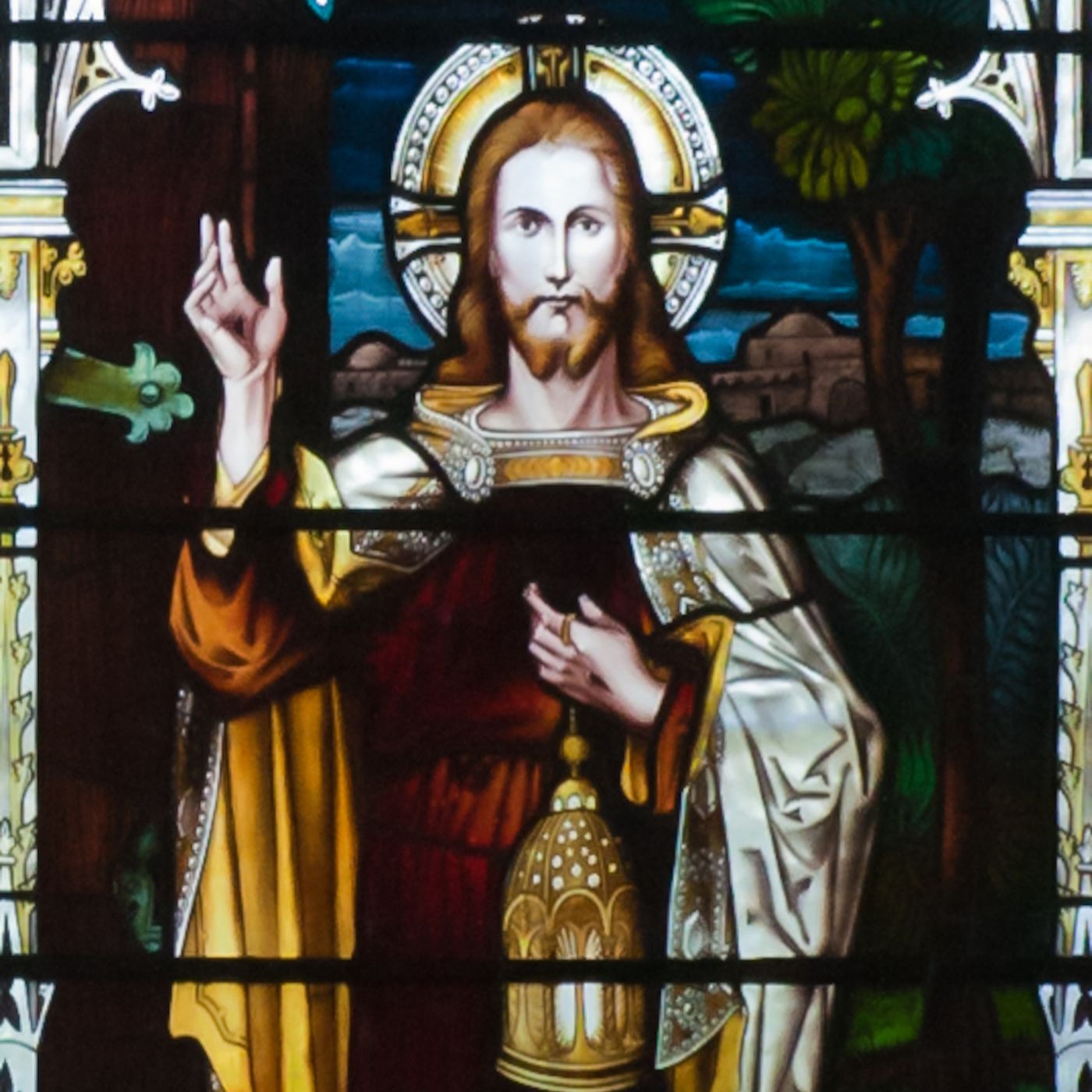 Tuesday of the Twenty-ninth Week in Ordinary Time - Christ is Coming Today! 19.10.2026 7mRead OnlineJesus said to his disciples: “Gird your loins and light your lamps and be like servants who await their master’s return from a wedding, ready to open immediately when he comes and knocks.” Luke 12:35–36In biblical times, men wore long tunics that extended below the knees, often to the ankles. Though suitable for daily life, these garments could hinder strenuous activity. To “gird one’s loins,” a man would pull the back hem of his tunic forward between his legs, gather the fabric in front, and tuck it into his belt—creating a kind of makeshift pair of shorts. This freed the legs for running, fighting, or working.Jesus uses this image to express the vigilance we must maintain in anticipating His coming. “Light your lamps” further implies that we live in a world of spiritual darkness, requiring the illumination of grace to recognize His arrival.The Church Fathers often interpreted the “wedding” as the Heavenly Wedding—the union of Christ with the angels and saints. The master’s return symbolizes three things: Christ’s final coming at the end of time, His particular judgment at our death, and His continual coming by grace into our souls.Christ’s return in glory is a certainty. What a glorious day that will be. Sin and evil will be vanquished, the condemned separated, and the righteous—fully purified—will enter His Eternal Kingdom. Yet it’s easy to lose sight of this reality and become absorbed in daily life, as though this world were all that matters. If that were true, then a long and prosperous life here would be the goal. But since eternal life is our true destiny, this life must be lived in preparation for what is to come.Though the Second Coming may seem distant, our own death is ever before us, especially as we age. This Gospel invites us to prepare not only for the end of the world but for the end of our lives. That preparation isn’t just a matter of prayer at death’s door, it begins now. We gird our loins and light our lamps daily by seeking God’s grace and responding to His promptings.As you go about each day, where is your focus? Of course, we have an obligation to fulfill our daily responsibilities, but woven into that routine must be a consistent attentiveness to God, who is always coming to us. “Blessed are those servants whom the master finds vigilant on his arrival.” Jesus adds, “Should he come in the second or third watch and find them prepared in this way, blessed are those servants.” In biblical times, the second watch (9 p.m.–midnight) and the third watch (midnight–3 a.m.) were the hardest times to remain alert, symbolizing the more difficult moments of life.Our Lord is telling us that vigilance matters most when it’s hardest to maintain. The early morning watch may represent the easier seasons of life, such as times of peace, joy, and spiritual clarity. The second and third watches reflect moments of suffering, discouragement, illness, or confusion, especially when we’re tempted to turn inward and forget to look to God. Even our prayers in those times can become self-focused: “Lord, help me with this” or “Please take that away.”True spiritual vigilance means our prayer remains consistent. In both joy and sorrow, we keep our gaze on God and cry out, “Hallowed be Thy name! Thy Kingdom come!” Our deepest desire is not comfort, help in trials, or an easier life, but God’s glory and our share in it, together with others.Reflect today on the consistency of your own prayer. Are you vigilant in every season, especially in the second and third watches of the night? Are you especially faithful to God when life is challenging? Seek to make every moment an offering to God, watching and waiting for Him with love and trust.My Lord and...
-
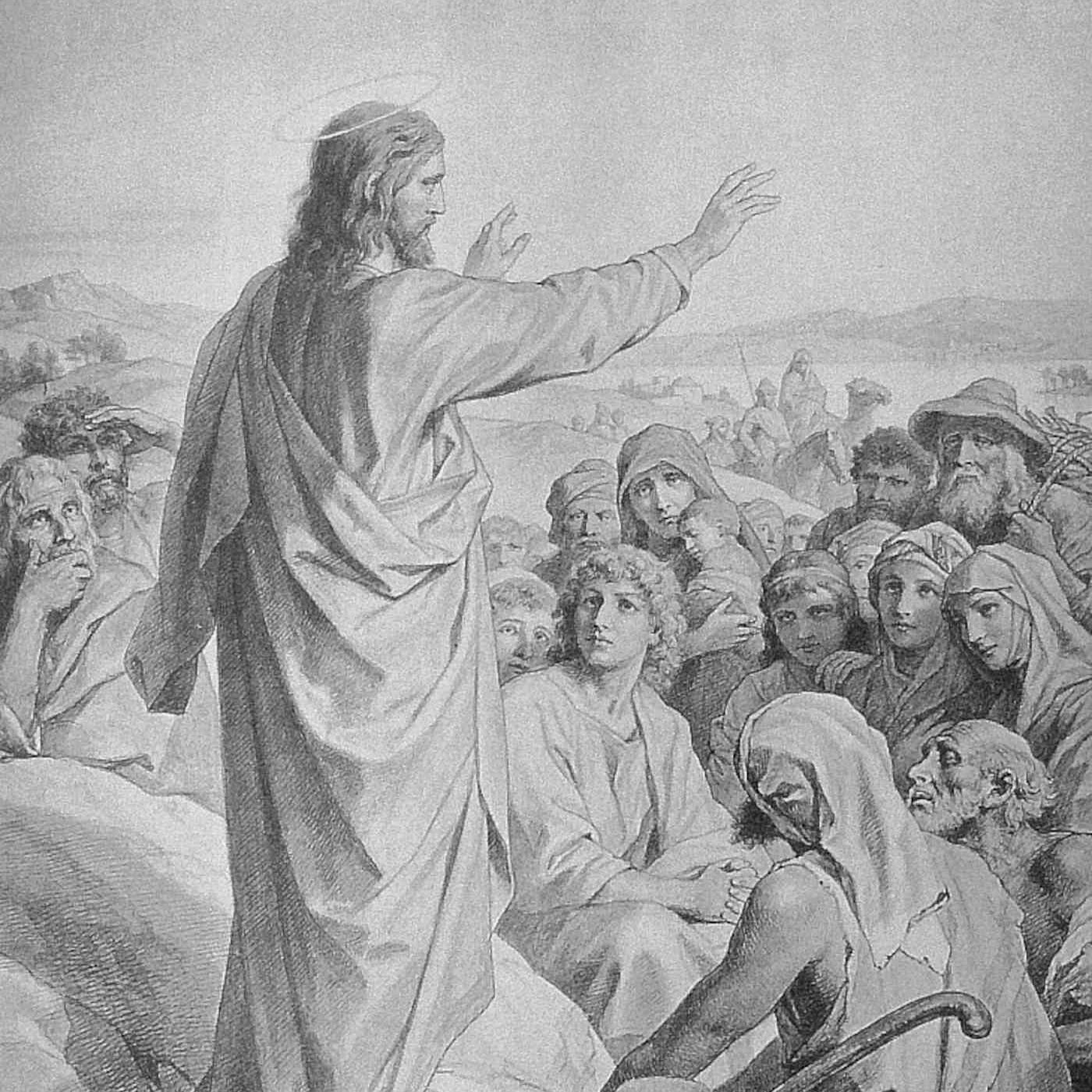 Monday of the Twenty-ninth Week in Ordinary Time - An Insatiable Desire 18.10.2026 8mRead OnlineAn Insatiable DesireSomeone in the crowd said to Jesus, “Teacher, tell my brother to share the inheritance with me.” He replied to him, “Friend, who appointed me as your judge and arbitrator?” Then he said to the crowd, “Take care to guard against all greed, for though one may be rich, one’s life does not consist of possessions.” Luke 12:13–15Imagine if you were exceptionally rich. Would great wealth change your life? For many people, it would. In today’s Gospel, Jesus addresses material wealth directly, identifying greed as a grave danger. Perhaps the most important line He speaks is: “One’s life does not consist of possessions.”Interestingly, Jesus does not condemn wealth itself. He doesn’t say, “one ought not be rich,” but “though one may be rich.” This phrasing implies that wealth is neither good nor bad in itself. Instead, He condemns two things: greed, which can infect both rich and poor, and the error of allowing wealth to become the foundation of one’s life.In the New Testament, various Greek words are translated as “greed.” The term used in this passage conveys more than a general desire for wealth. It implies an insatiable craving, often for what rightfully belongs to others, which is a form of injustice. Those who harbor such a desire make the pursuit and longing for wealth the central aim of their hearts. This is not only sinful but foolish, which is why Jesus goes on to tell the Parable of the Rich Fool.Greed clouds judgment. On a natural level, wealth is often seen as a blessing. One might imagine the pleasures it affords, the security it brings, or even the good it might enable us to do. But Jesus shatters this illusion, not by condemning wealth itself, but by exposing the foolishness of greed.To be a fool is to believe a lie. Greed leads a person to the false belief that the desire for wealth is a good and noble desire. But it is not. “One’s life does not consist of possessions.” That truth is essential to grasp.What, then, does one’s life consist of when it is lived well, in justice and truth? It consists of the utmost generosity—a heart devoted entirely to the charity that flows from union with Christ. Jesus’ generosity is without equal. He is the King of Kings who embraced earthly poverty. He is the Creator of all who emptied Himself for our sake. He is the very foundation of life, yet He chose to die for our salvation. His life was one of total self-gift, a love more generous than we can comprehend. We are called to share in that self-giving love. Only in doing so can we discover the true meaning and purpose of our lives and become truly rich in the things of God.Greed is the opposite of this call. It is self-centered and directly opposed to our dignity. Extreme wealth may bring admiration in the eyes of the world, but the world cannot save us or transform us into who we are meant to be. Only God can do that.As you examine your heart, what desires do you find? When we act in foolishness, we often find selfish longings, such as the craving for wealth. Perhaps the first step in rooting out this desire is to name it for what it is: foolishness. If we view wealth simply as a good that will improve our lives, we begin to walk the path Jesus warns against. Of course, we must fulfill our duties to provide for ourselves and our families, relying on God’s providence, but there is a fine line between responsible stewardship and the foolishness of an unquenchable desire for more. In the end, perhaps the ideal is to desire only what is necessary for ourselves and our families—no more, no less. Reflect today on the subtle ways greed might influence your thoughts, choices, or desires. Consider whether you ever equate your worth with what you possess...
-
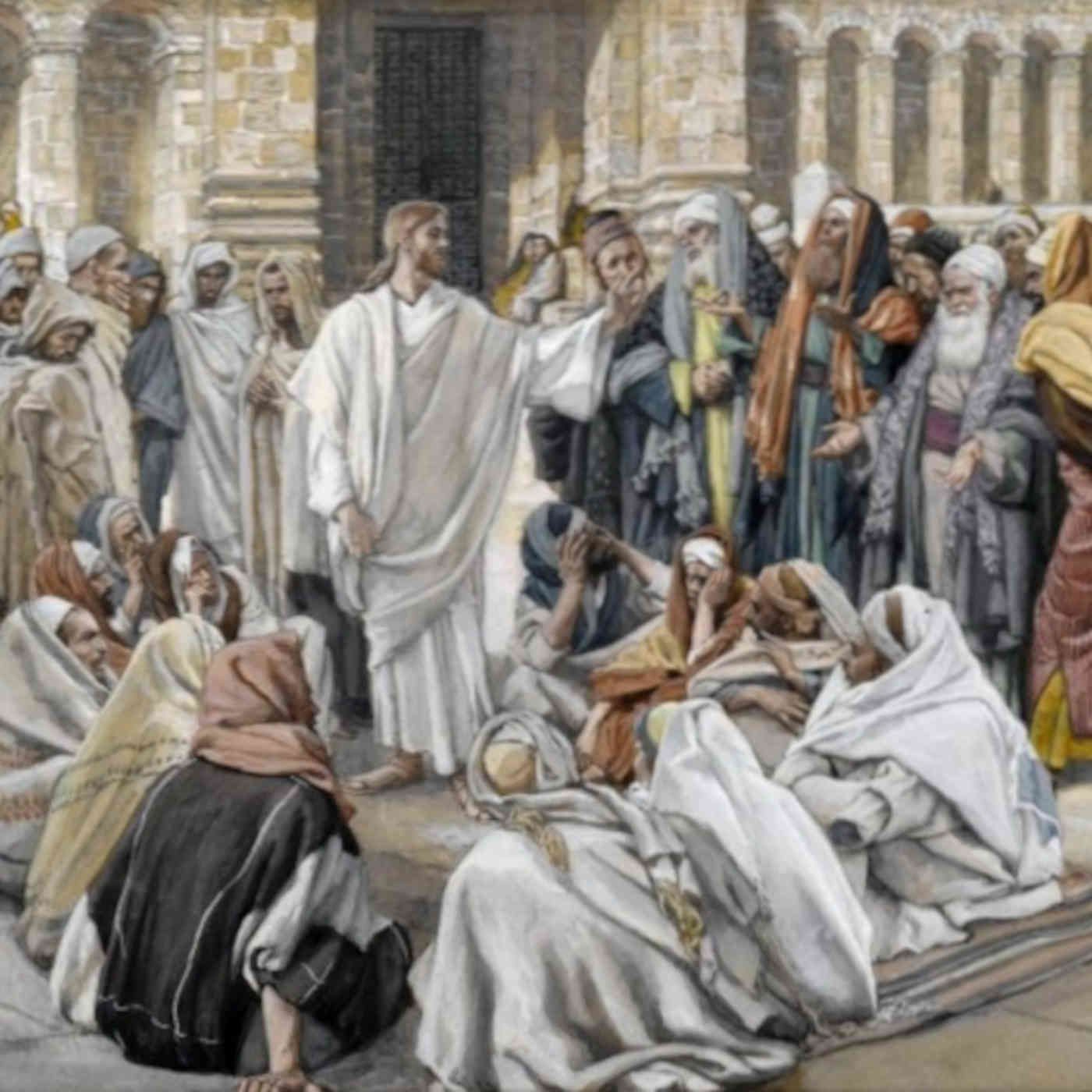 Twenty-ninth Sunday in Ordinary Time (Year A) - An Alliance in Christ 17.10.2026 7mAn Alliance in ChristThe Pharisees went off and plotted how they might entrap him in speech. They sent their disciples to him, with the Herodians, saying, “Teacher, we know that you are a truthful man and that you teach the way of God in accordance with the truth. And you are not concerned with anyone’s opinion, for you do not regard a person’s status. Tell us, then, what is your opinion: Is it lawful to pay the census tax to Caesar or not?” Matthew 22:15–17The Herodians were a political group who supported the rule of Herod Antipas and his dynasty. They favored collaboration with the Roman Empire and upheld the Herodian line as the legitimate rulers over Judea. For the sake of national stability, they promoted political compromise.The Pharisees, on the other hand, were a religious sect devoted to the Law of Moses and the strict observance of Jewish customs, though often corrupted by legalism. They viewed Gentile rule as a threat to the sanctity of God’s covenant and wielded great influence over the people due to their outward piety and perceived religious authority.Given their stark political and theological differences, the alliance formed between the Pharisees and the Herodians in their plot against Jesus is both startling and revealing. Despite their longstanding enmity, they found common ground in their mutual hatred of Jesus. The Pharisees sought to undermine His credibility among the people, while the Herodians hoped to present Him as a threat to the Roman authority. Together, they constructed a trap, hoping Jesus would either speak against the Law or against Caesar—either of which would serve their purposes.Hatred, envy, jealousy, pride, and self-righteousness can forge what appears to be unity—even among rivals—but it is a unity rooted in darkness, a counterfeit communion built on shared agendas rather than truth. It is the kind of alliance in which satan himself rejoices. Such false unity always unravels. Anything built on pride and sin cannot stand. Unity can only endure where truth, humility, and love prevail.As we look around us, we see many such counterfeit alliances formed not by shared conviction in what is good and true, but by convenience in opposing what threatens personal influence or power. Individuals and groups unite to silence voices that speak uncomfortable truths. This is frequently seen in politics and culture, but is also tragically found even within the Church. In every case, truth is twisted, motives are disguised, and God’s pure and holy will becomes the object of attack. When such unholy alliances take root within the Church, they do grave damage to our common mission to proclaim the Gospel in truth.True Christian unity is not grounded in shared ambitions or human agendas, but in the Person of Jesus Christ. It is expressed through charity, humility, and fidelity to God’s will. It is not built on calculation or convenience but on the self-emptying love of Christ, who calls us to die to self and live for Him. Our only agenda must be that God be glorified and His children drawn into His glory and sanctification. As members of His Body, the Church, our unity must reflect the communion of the Most Holy Trinity, rooted in divine love, not in political expediency or pride.Reflect today on the unity to which you are called. Do you form alliances based on personal ambition or on wholehearted worship of God? Reflect especially upon your involvement within the Church and consider whether, even unintentionally, you act more like a politician or lobbyist than a true disciple of Christ. Commit yourself not to an agenda, but to Jesus. Worship Him, surrender your life to Him, and allow Him to unite you with other members of His Body, the Church. Such unity is the only unity that endures all things and bears lasting fruit.My Jesus and Head of Your Church, You call all Christians to form a...
-
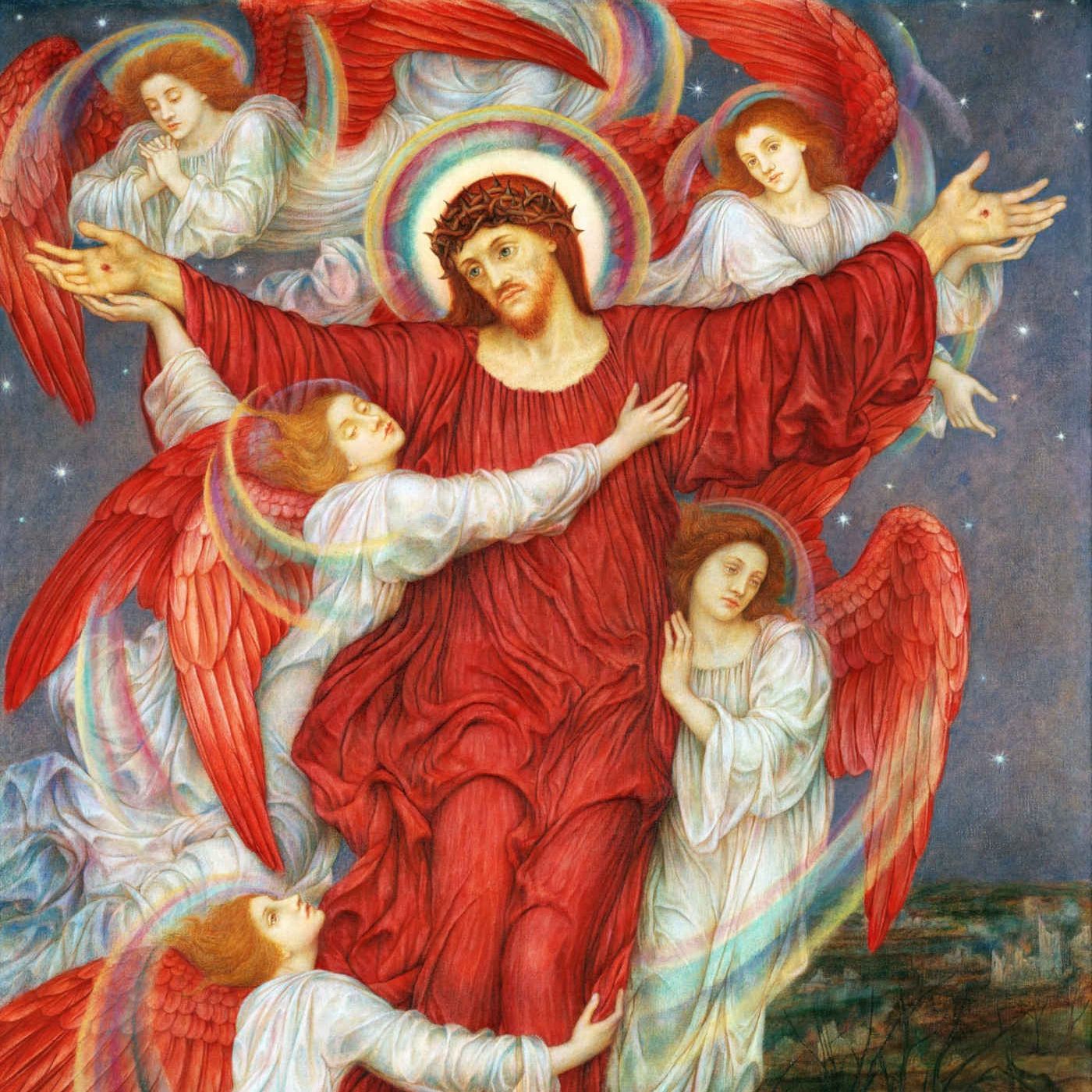 Saturday of the Twenty-eighth Week in Ordinary Time - Our Confession of Faith 16.10.2026 8mRead OnlineOur Confession of FaithJesus said to his disciples: “I tell you, everyone who acknowledges me before others the Son of Man will acknowledge before the angels of God. But whoever denies me before others will be denied before the angels of God. Everyone who speaks a word against the Son of Man will be forgiven, but the one who blasphemes against the Holy Spirit will not be forgiven.” Luke 12:8–10Why would those who speak a word against the Son of Man be forgiven, but those who blaspheme against the Holy Spirit not be forgiven? One common interpretation is that speaking “against the Son of Man” represents a misunderstanding of Jesus’ earthly teaching. We know that even the Twelve Apostles misunderstood Him during His earthly ministry. On a number of occasions, Jesus asked them, “Do you still not understand?” (cf. Mark 8:17–18; 7:18; Matthew 15:16).To lack understanding of the Gospel is certainly a deficiency, and it may become sinful, especially when that misunderstanding is expressed in words. That’s why Jesus says that those who speak a word “against the Son of Man will be forgiven.” This sin is often the result of weakness or ignorance and does not necessarily involve grave matter. It is still sin and must be repented of. But Jesus identifies a far graver sin: blasphemy against the Holy Spirit.Of this sin, the Catechism of the Catholic Church states: “There are no limits to the mercy of God, but anyone who deliberately refuses to accept his mercy by repenting, rejects the forgiveness of his sins and the salvation offered by the Holy Spirit. Such hardness of heart can lead to final impenitence and eternal loss” (CCC 1864).Since such obstinacy in sin is deadly and can lead to eternal damnation, it must be avoided at all costs. We must never persist in sin with a hardened heart. Such obstinacy is itself a grave sin, even if the particular sin we cling to is not, in itself, objectively serious.Obstinate persistence in sin, then, is the lowest point we must never reach. But we are called to more than just avoiding obstinate persistence in sin. The ideal is found in Jesus’ earlier statement: “I tell you, everyone who acknowledges me before others the Son of Man will acknowledge before the angels of God.”Do you acknowledge the Son of Man before others? What does that look like, practically speaking? It means living your faith openly and without shame. It means speaking of Christ when the opportunity arises, defending the truth of the Gospel with charity and clarity, and bearing witness through your actions, even when doing so is difficult. To acknowledge Christ is to live in such a way that others see Him in your words, your decisions, your priorities, and your love. This public witness may at times bring rejection, ridicule, or even persecution. But when we confess Christ in this life, He will confess us in the next, before the angels and before the Father in Heaven.Sometimes, when we think about this life and the next, we focus only on avoiding what is gravely sinful. We may reason, “As long as I’m not a serious sinner, I’ll make it to Heaven.” While that might be true, obstinacy in small sins can be magnified over time. Recall the words spoken to the Apostle John in his vision: “So, because you are lukewarm, neither hot nor cold, I will spit you out of my mouth” (Revelation 3:16).Reflect today on the sincerity and fervor of your faith. Are you “hot,” burning with love for God and eager to proclaim Him? Or have you grown lukewarm, complacent, or hesitant to fully live and share your faith? Consider especially any patterns of small sins or compromises that, over time, may have hardened your heart or dulled your spiritual zeal. God calls you not to minimalism...
-
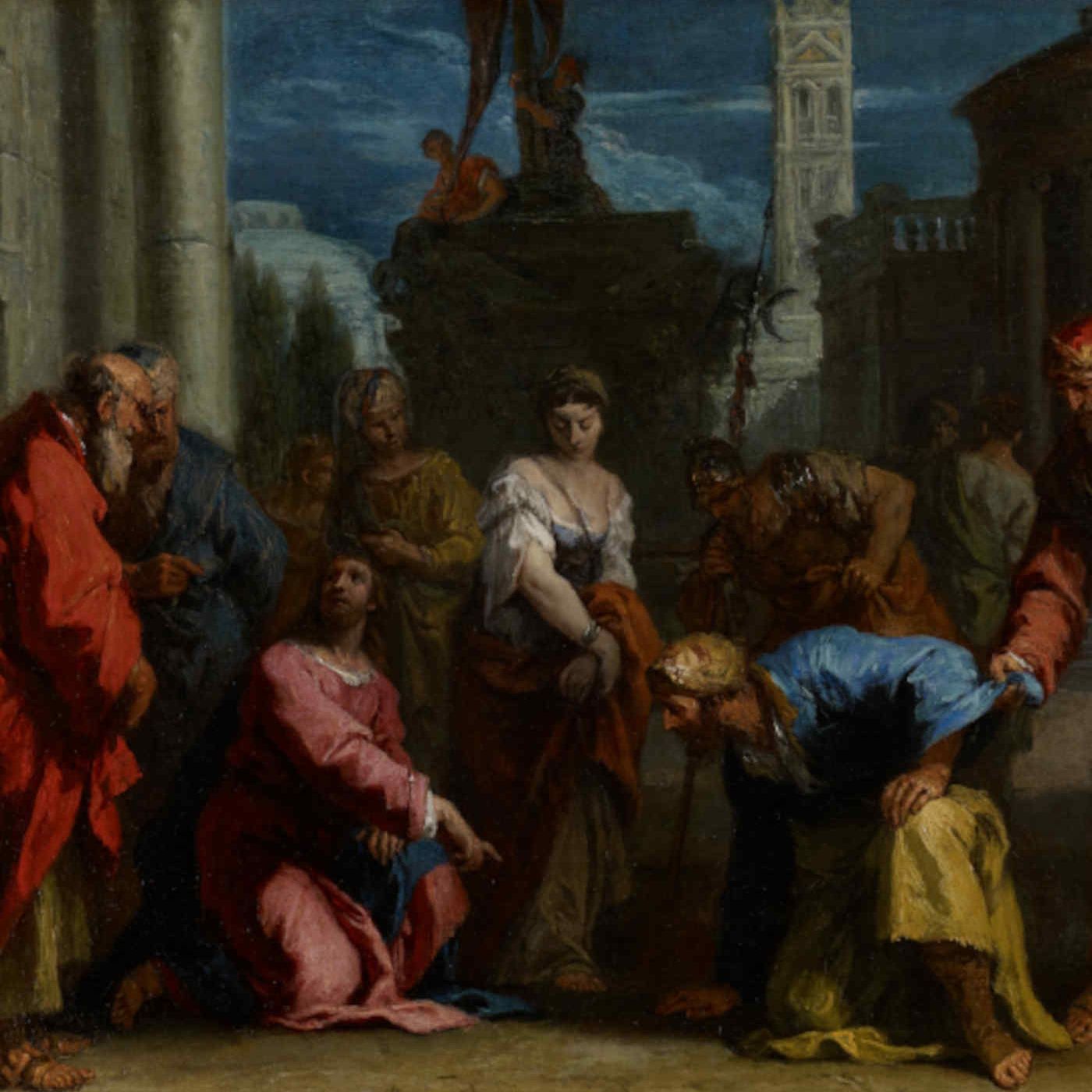 Friday of the Twenty-eighth Week in Ordinary Time - Properly Ordered Fear 15.10.2026 7mRead OnlineProperly Ordered Fear“I tell you, my friends, do not be afraid of those who kill the body but after that can do no more. I shall show you whom to fear. Be afraid of the one who after killing has the power to cast into Gehenna; yes, I tell you, be afraid of that one.” Luke 12:4–5Physical harm, or even death, is not the greatest threat we face. Certainly, many people fear the idea of dying suddenly; when such a tragedy occurs, the deceased’s loved ones rightly enter into mourning. The pain of loss is real. Jesus, however, is clear that our far greater fear should be eternal separation from God. In fact, many martyrs throughout history have been highly honored for courageously facing death with faith and ultimate trust in God—choosing to fear sin more than their physical well-being.In the passage above, Jesus prefaces His exhortation by lovingly calling His disciples, “my friends.” He says the same to us. He then exhorts us not to fear those who can only kill the body but can do no more. Instead, we should fear only the one “who after killing has the power to cast into Gehenna.”At first read, it might appear that Jesus is speaking of the devil, but He’s not. Satan has no power to cast a soul into Gehenna—that is, hell. Only God has that power. Jesus is clear: we must fear God—“Yes, I tell you, be afraid of that one.”Do you fear God? While this could seem confusing, it is actually liberating when understood properly. The fear of which Jesus speaks is not a disordered fear based on evil threats. It is a holy fear—one of the seven Gifts of the Holy Spirit. That gift was first articulated in the Old Testament: “The beginning of wisdom is fear of the LORD, and knowledge of the Holy One is understanding” (Proverbs 9:10).When one fears God in the sense of reverent awe and childlike obedience, worldly threats and even diabolical attacks lose their power. The fear that holy souls possess is the fear of losing their friendship with God. This form of holy fear is the beginning of wisdom because it rightly orders all other fears. Fear in and of itself is not evil. It is a natural emotion that must be properly ordered, so that holy fear remains and unholy fear is overcome. Holy fear—such as fear of Gehenna (hell) or of disobeying God’s perfect will—brings forth the good fruits of repentance, vigilance, and spiritual freedom.When our soul’s fears are properly ordered, we will fear only that which separates us from God: sin. Worldly fears are diminished when we have a holy fear of God alone. We fear neither persecution, misunderstanding, loss, unexpected tragedy, nor anything else in this world.Just as Jesus begins this exhortation by tenderly calling His disciples “my friends,” so He continues His compassion by revealing His Father’s perfect providence toward those who trust in Him: “Are not five sparrows sold for two small coins? Yet not one of them has escaped the notice of God. Even the hairs of your head have all been counted. Do not be afraid. You are worth more than many sparrows” (Luke 12:6–7).Jesus’ exhortation to fear God remains clear and absolute. It is softened by the revelation that if the Father cares even for common sparrows and if He counts every hair on your head, then God, who is both all-loving and all-knowing, can and should be fully trusted. At the same time, a holy fear of separation from God should draw us ever closer to Him in humility and love.Reflect today on whether your fears are rightly ordered. Do you fear the loss of eternal life more than the trials of this passing world? Allow the fear of the Lord to take root in your soul—not to cause anxiety, but to deepen your faith, increase your trust, and strengthen your resolve to remain always close...
-
 Thursday of the Twenty-eighth Week in Ordinary Time - Knowledge of God’s Kingdom 14.10.2026 7mRead OnlineKnowledge of God’s Kingdom“Woe to you, scholars of the law! You have taken away the key of knowledge. You yourselves did not enter and you stopped those trying to enter.” When Jesus left, the scribes and Pharisees began to act with hostility toward him and to interrogate him about many things, for they were plotting to catch him at something he might say. Luke 11:52–54Jesus speaks of the grave failure among the scholars of the law who “have taken away the key of knowledge.” This key symbolizes the grace and responsibility entrusted to religious leaders to open the way to divine truth, to guide souls into the mysteries of God, and to lead them toward eternal life. Rather than use their role to invite, teach, and illuminate, these scholars obscured the truth. They not only refused to enter the Kingdom themselves through faith and humility, they also hindered others who sincerely sought salvation.By distorting the law of God and burdening the people with fabricated human traditions, they effectively locked the door of understanding and silenced God’s Word. Such a betrayal of truth leads to scandal and spiritual blindness, and Jesus warns that it merits severe judgment.This passage speaks to all of us who are entrusted with the task of teaching and leading within the Church, the family, and our communities. The truths of our faith are not to be distorted or diluted. They must be faithfully handed on with clarity, humility, and love, even when the message is challenging to the listener.In many ways, the distortion of the Gospel is worse than its outright rejection. Those who reject the Gospel must seriously examine their consciences and repent. But those who profess faith and then misrepresent it to others are guilty of a double sin—their own lack of authentic belief and the confusion they cause in others.Though Jesus’ criticism of the scribes and Pharisees pertained to their distortion of the Torah, prophets, and Wisdom Literature, Saint Paul offered a parallel warning to the early Church. In 2 Corinthians 11:1–15, he speaks of those who proclaim “another Jesus,” preach “a different gospel,” and possess a “different spirit” than the one originally received. He calls them “false apostles, deceitful workers,” and adds that “Satan disguises himself as an angel of light,” so it is no surprise if “his ministers also disguise themselves as ministers of righteousness.”Paul’s warning mirrors Christ’s own. Those who outwardly appear religious or apostolic may, in fact, distort the Gospel in subtle yet deadly ways. They may present a message more appealing to worldly sensibilities, more accommodating to vice, or more flattering to human pride, but it lacks the transforming truth of Christ crucified. Their words may sound pious, compassionate, and welcoming, but if they lead souls away from the narrow path of truth, they are not from God.Such deception is especially dangerous because it cloaks itself in the appearance of holiness and is not always easy to discover. For this reason, Saint Paul calls for vigilance, fidelity, and deep rooting in the authentic Gospel handed down once and for all. The same warning applies today. We must be alert to teachings that reshape the Gospel into a human project rather than a divine revelation, and we must humbly pray for the grace to remain faithful stewards of the key of knowledge.Reflect today on the great responsibility entrusted to the Church to uphold and pass on the truth of the Gospel. Whether you are a parent, teacher, minister, or simply a witness in the world, consider whether you clearly, lovingly, and courageously proclaim Christ in both word and deed. Pray for the grace to lead others not by your own opinions, but by the saving...
-
 Wednesday of the Twenty-eighth Week in Ordinary Time - Love and Conflict 13.10.2026 8mRead OnlineLove and ConflictThen one of the scholars of the law said to him in reply, “Teacher, by saying this you are insulting us too.” And he said, “Woe also to you scholars of the law! You impose on people burdens hard to carry, but you yourselves do not lift one finger to touch them.” Luke 11:45–46Just prior to this exchange, Jesus delivered three piercing rebukes to the Pharisees: “Woe to you Pharisees!” He condemned them for ignoring “judgment and love for God,” for seeking “the seat of honor in synagogues and greetings in marketplaces,” and for being “like unseen graves over which people unknowingly walk.” These are not the words of the inoffensive Jesus often portrayed in secular culture, nor of a Jesus reduced to a vague symbol of kindness and passive tolerance. When a scholar of the law objected, saying He was being offensive, Jesus did not retreat. He intensified His message: “Woe also to you scholars of the law!”Jesus did, in fact, perfectly embody gentleness, joy, and kindness. But these virtues were never in conflict with the fullness of truth, justice, and righteous indignation. His mercy did not negate His zeal for holiness, nor did His love dilute His call to conversion. Every virtue in Jesus existed in perfect harmony, including the courage to confront sin and hypocrisy for the sake of salvation.When we encounter Gospel passages in which Jesus sharply rebukes the Pharisees, we may find ourselves uncomfortable and tempted to gloss over them. This is understandable. In our own experience, a cry of “Woe to you!” often flows not from pure love but from wounded pride, resentment, or a desire for revenge. When we are offended, we are prone to respond with judgment, often irrational and emotionally charged.But in Jesus, there is no disordered anger. His rebukes are never the result of frustration or loss of control. Rather, they issue from a burning charity—piercing, purposeful, and redemptive. His words to the Pharisees were not fueled by hostility, but by a profound desire to draw them back to the Father. Gentle words and reasoned teaching had proven ineffective for them; what remained was a necessary spiritual jolt. His rebuke, though severe, was rooted in divine love meant to awaken their consciences and call them to repentance.This kind of love can be difficult to receive and even more difficult to imitate. But discomfort is not a reason to avoid entering into the “drama” of divine charity. While it may feel easier to reflect on scenes of Jesus embracing children, healing the sick, or forgiving sinners, today’s Gospel reveals another essential dimension of His love—one that we must also meditate on, understand, and learn to accept.Though God may not call us to confront others with the same divine authority as Jesus, there will be times when charity compels us to correct, challenge, or admonish someone we love. When that moment comes, the devil will surely seek to distort our intentions, stirring pride, impatience, or resentment so that our correction loses its charity and becomes the sin of anger. If we have not prayerfully reflected on the love that animates Christ’s rebukes, we risk acting from our passions instead of by the prompting of the Holy Spirit.Reflect today on how God may be calling you to love with truth and clarity, even when it’s difficult. Ask for the grace to be courageous yet charitable, bold yet compassionate, and always rooted in the burning charity of Christ. By entering deeply into today’s Gospel in prayer, placing ourselves within this charged scene, and viewing it through the lens of divine love, we can begin to understand what holy correction looks like. Jesus teaches us not only how to love gently, but also how to love with strength, especially in...
-
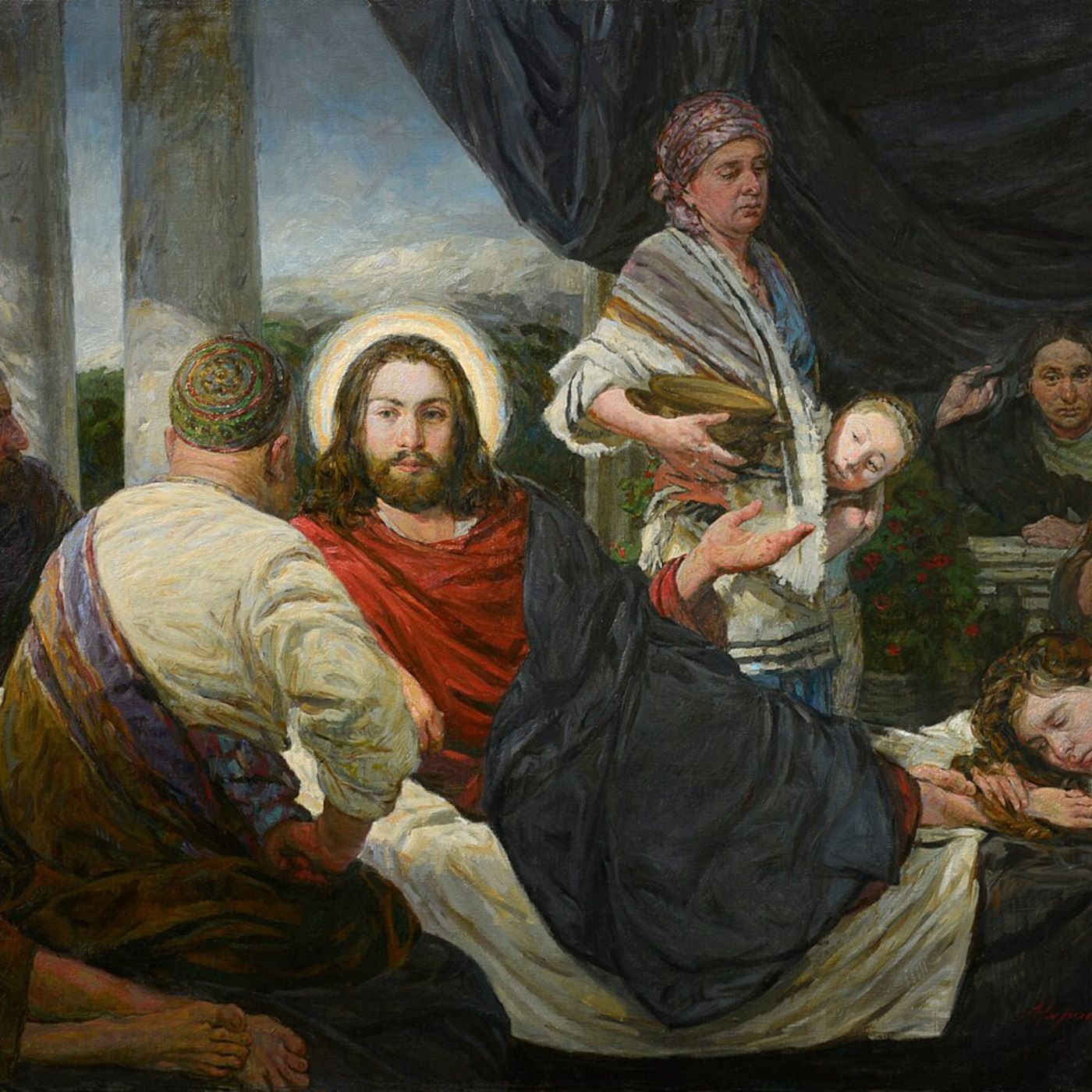 Tuesday of the Twenty-eighth Week in Ordinary Time - Unity of Heart and Action 12.10.2026 7mRead OnlineUnity of Heart and ActionAfter Jesus had spoken, a Pharisee invited him to dine at his home. He entered and reclined at table to eat. The Pharisee was amazed to see that he did not observe the prescribed washing before the meal. Luke 11:37–38Did Jesus break the Law of Moses by failing to observe the prescribed ritual handwashing before sitting down to eat? He did not. This ceremonial washing was not a precept of the Mosaic Law but rather a tradition developed by the elders. It was intended to signify ritual purity before meals. But Jesus rejected it because it had become a superficial religiosity that separated outward actions from inward holiness.The Pharisee’s amazement reveals how distorted his and others’ sense of holiness had become at that time. Their faith had become focused on external practices while blind to interior decay. In dismissing the handwashing, Jesus may have been exposing the foolishness of those who cling to appearance while neglecting the heart.As the passage continues, the Pharisee either expressed his amazement outwardly or Jesus perceived his heart and responded with a passionate rebuke, making for an uncomfortable moment: “Oh you Pharisees! Although you cleanse the outside of the cup and the dish, inside you are filled with plunder and evil. You fools!”The word translated as “fools” means “without reason,” “without understanding,” or “lacking in moral and spiritual discernment.” It is not used here as an insult but as a prophetic indictment revealing the irrationality of the Pharisees’ priorities in giving excessive significance to an external act while neglecting the interior life.Though we no longer observe this particular ritual handwashing—likely because of Jesus’ correction—His teaching remains relevant. Many outward religious actions are part of our Catholic devotional life: making the Sign of the Cross, genuflecting, using holy water, kissing a blessed object, and more. Each of these is good and important. However, in light of Jesus’ words, we must continually examine whether our external expressions of faith are joined to sincere interior devotion.For example, the Sign of the Cross is meaningful only if it is made prayerfully, acknowledging the Holy Trinity. Genuflecting before the tabernacle is a true act of reverence, but it loses its significance if done out of habit or distraction and without an interior acknowledgment of Christ’s Real Presence.The same principle applies to our interactions with others. Imagine a situation in which you’ve offended a family member and, to avoid conflict, you quickly say, “Oops, I’m sorry.” While the words may be correct, the act is hollow unless it flows from true humility—recognizing the wrong committed, feeling sorrow for it, and sincerely asking for forgiveness.Jesus’ passionate response to the Pharisee shows us that the unity of our interior and exterior actions is not optional—it is essential. God, who made both body and soul, desires worship that is whole, integrated, and sincere. Holiness is not a mask we wear but a transformation of the heart that radiates outward in word and deed.Reflect today on the unity between your outward expressions of faith and the inner disposition of your heart. Ask yourself whether your devotional practices, gestures of reverence, and even your interactions with others arise from a heart purified by grace and animated by love. Let this Gospel passage remind you that God sees not only the “outside of the cup” but especially its interior. Strive to ensure that what God sees within you is pleasing to Him—marked by integrity, sincerity, and holiness of life. When the heart is cleansed by truth and charity, every outward act becomes a true offering of...
-
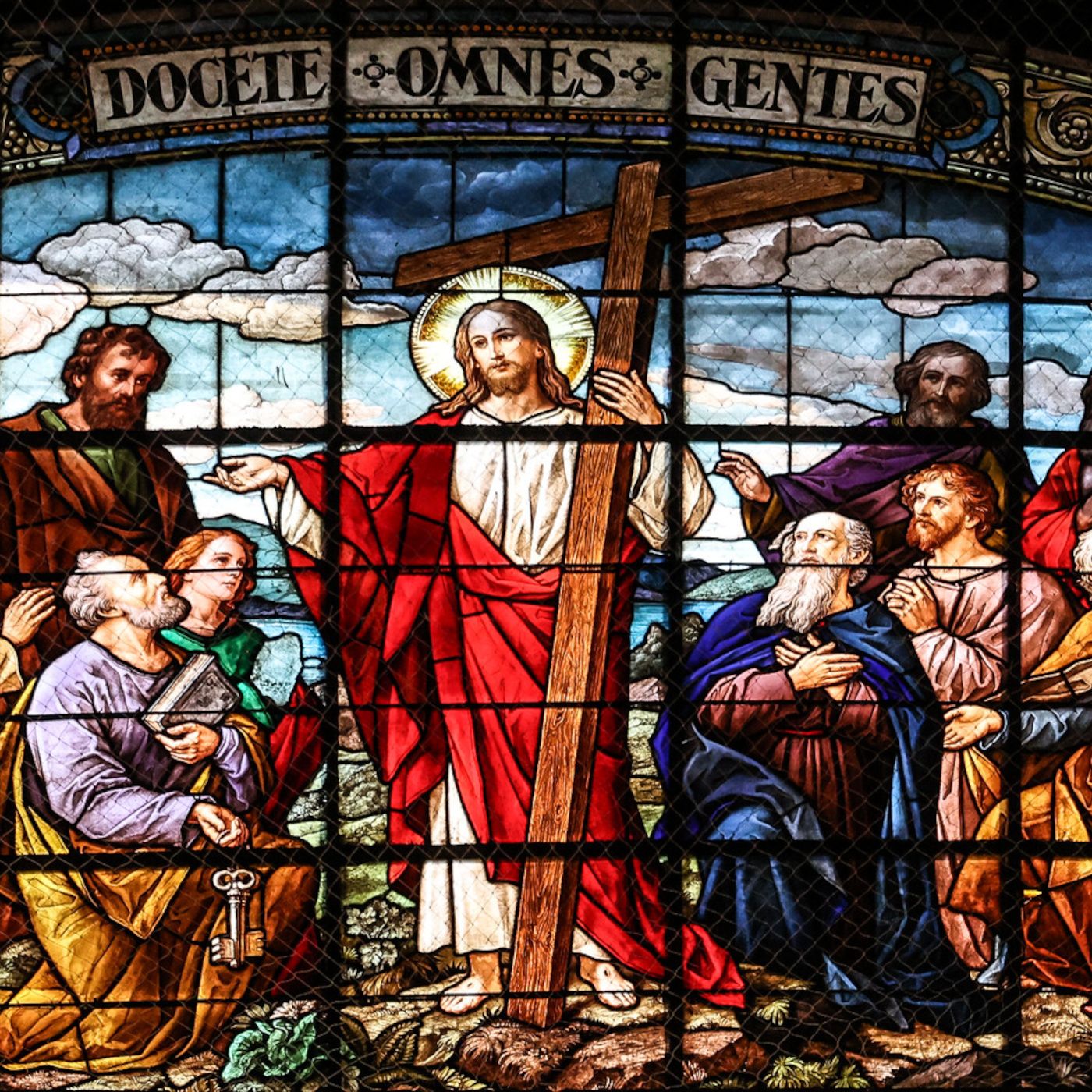 Monday of the Twenty-eighth Week in Ordinary Time - An Evil Generation? 11.10.2026 7mRead OnlineAn Evil Generation?While still more people gathered in the crowd, Jesus said to them, “This generation is an evil generation; it seeks a sign, but no sign will be given it, except the sign of Jonah. Just as Jonah became a sign to the Ninevites, so will the Son of Man be to this generation.” Luke 11:29–30Imagine a homily beginning with these words: “This generation is an evil generation…” Such a proclamation would surely draw attention and perhaps provoke outrage. Yet these are the very words our Lord spoke to a growing crowd. The “generation” Jesus condemned was not defined by chronological birth within a specific era. Rather, it referred to a spiritual generation—a collective mindset of hardened unbelief. Specifically, it referred to those descendants of Abraham who had been entrusted with the Law and the Prophets and who awaited the coming of the Messiah, but failed to recognize Him when He arrived. The irony is tragic.God had initiated a covenant with Abraham, which passed to his son Isaac, then to his grandson Jacob, whose name was changed to Israel. Israel’s twelve sons became the patriarchs of the twelve tribes. During a time of famine, Israel and his family migrated to Egypt, where Joseph had risen to a position of power second only to Pharaoh.As the generations passed, the Israelites multiplied and became a threat to the Egyptians, who enslaved them. God then raised up Moses and Aaron to deliver the Israelites from bondage. During those forty years in the wilderness, God revealed His covenant to Moses and gave the people the moral, liturgical, and civil laws now contained in the Torah—the first five books of the Bible.When the forty years were complete, God led them into the Promised Land under Joshua’s leadership—a land flowing with milk and honey, the region we identify as modern-day Israel and its surroundings. There, the twelve tribes settled, and Saul was anointed as the first king, uniting the tribes under a monarchy.The Law given through Moses became the foundation of Israel’s national and religious life. Priests from the tribe of Levi offered sacrifices in the Temple in Jerusalem, and scribes and scholars interpreted and applied the Law in daily life. Yet despite the covenantal privileges they enjoyed, many in Israel repeatedly turned away from the Lord. God, in His mercy, sent prophet after prophet to call His people back, and though there were moments of renewal, apostasy often returned. Over time, Israel was repeatedly conquered and oppressed due to the people’s infidelity. By the time of Jesus, they lived under Roman occupation and longed for the Messiah promised by the prophets.It was into this religious and historical context that Jesus entered and revealed Himself as the promised Messiah. He confirmed His identity not only by words but by miracles. Given their sacred heritage, one would expect the people of Israel to have recognized and received their Savior. Tragically, many failed to do so. Why? Because their hearts were closed to grace. They expected signs on their terms, not God’s. And so, Jesus rebuked them.This warning is not confined to the past. It speaks just as clearly to us, the spiritual descendants of Abraham. It resounds in every age. Our generation is no less tempted to demand signs from God while remaining spiritually indifferent, turning from fidelity to His New Law of Grace. We may cling to religious structures or identity while failing in a true conversion of heart. The real question is not whether Jesus was addressing them—but whether His words also speak to us. It’s fair to say that His words transcend time and apply to many today.Reflect today on the spiritual condition of your soul. Are you among the faithful who respond to...
Similar podcasts


Popular in
The podcast also appears in the podcast charts of these countries.


