
Expert Voices on Atrocity Prevention
Expert Voices on Atrocity Prevention
0
Expert Voices on Atrocity Prevention is a podcast from the Global Centre for the Responsibility to Protect. Hosted by Deputy Executive Director Jaclyn Streitfeld-Hall, it features one-on-one conversations with practitioners working in human rights, conflict prevention, and atrocity prevention. The discussions explore the personal and professional side of protecting populations and share lessons from the field. The podcast aims to identify challenges and best practices for more effective human rights and atrocity prevention work.
Episodes
-
 Episode 60: Nicole Namwezi Batumike 23.10.2026 59mThe Global Centre for the Responsibility to Protect’s Expert Voices on Atrocity Prevention podcast features one-on-one conversations with practitioners in the fields of human rights protection and atrocity prevention. In this episode, we sat down with Nicole Namwezi Batumike, Policy and Advocacy Lead at the Panzi Foundation. Nicole explains how the exploitation of the Democratic Republic of the Congo’s (DRC) vast mineral wealth fuels harm and directly intersects with the experiences of survivors of conflict-related sexual violence. She also reflects on the limitations of due diligence alone and the need for stronger protections, reparations and meaningful participation by Congolese civil society in decisions that affect their future. The episode closes with Nicole emphasizing the urgent need to rethink systems that continue to perpetuate inequality, exploitation and conflict.
-
 Episode 59: Sarah Teitt 25.09.2026 48mIn this episode, we sat down with Dr. Sarah Teitt, Director of the Asia Pacific Centre for the Responsibility to Protect and Senior Lecturer in Peace and Conflict Studies in the School of Political Science and International Studies at the University of Queensland. During the episode Sarah discusses the critical connections between peacebuilding and atrocity prevention. Drawing on examples from Myanmar (Burma) and Bangladesh, she explores how integrating an atrocity prevention lens into peacebuilding initiatives can broaden those efforts. The episode concludes with reflections on the importance of locally-led prevention efforts and continued creative action at a time when the multilateral system is under significant political and financial strain.
-
 Episiode 58: Daniel Akech 14.08.2026 42mIn this episode, we sat down with Daniel Akech, Senior Analyst for South Sudan at the International Crisis Group. Daniel examines the unraveling of South Sudan’s 2018 revitalized peace agreement, including its power-sharing arrangement between President Salva Kiir and First Vice President Riek Machar, and the risks surrounding the country’s elections tentatively scheduled for December. He also discusses the role of the UN and regional actors in preventing further atrocities. Throughout the conversation, Daniel challenges common assumptions about how power and conflict operate in South Sudan and reflects on why sustainable peace will ultimately depend on South Sudanese leadership and a shared political vision.
-
 Episode 57: Mai El-Sadanny 17.07.2026 41mIn this episode we sat down with Mai El-Sadany, Executive Director of the Tahrir Institute for Middle East Policy, to discuss the escalating crisis in Lebanon and its implications for civilian protection and international law. Drawing on her experience as a human rights lawyer, Mai examines the humanitarian consequences of repeated military escalation, the erosion of ceasefire agreements and the urgent need to center Lebanese voices in discussions about the country’s future. The conversation also explores the relationship between accountability, reconstruction and long-term peace, as well as the broader consequences of the erosion of international legal norms. This episode was recorded on 23 June 2026 and does not reflect subsequent developments or the most recent casualty figures in Lebanon. his episode was recorded on 23 June 2026 and does not reflect subsequent developments or the most recent casualty figures in Lebanon. For more information see this article co-authored by Mai here: What Does the Trilateral Framework Mean for Lebanon? https://timep.org/2026/07/01/what-does-the-trilateral-framework-mean-for-lebanon/
-
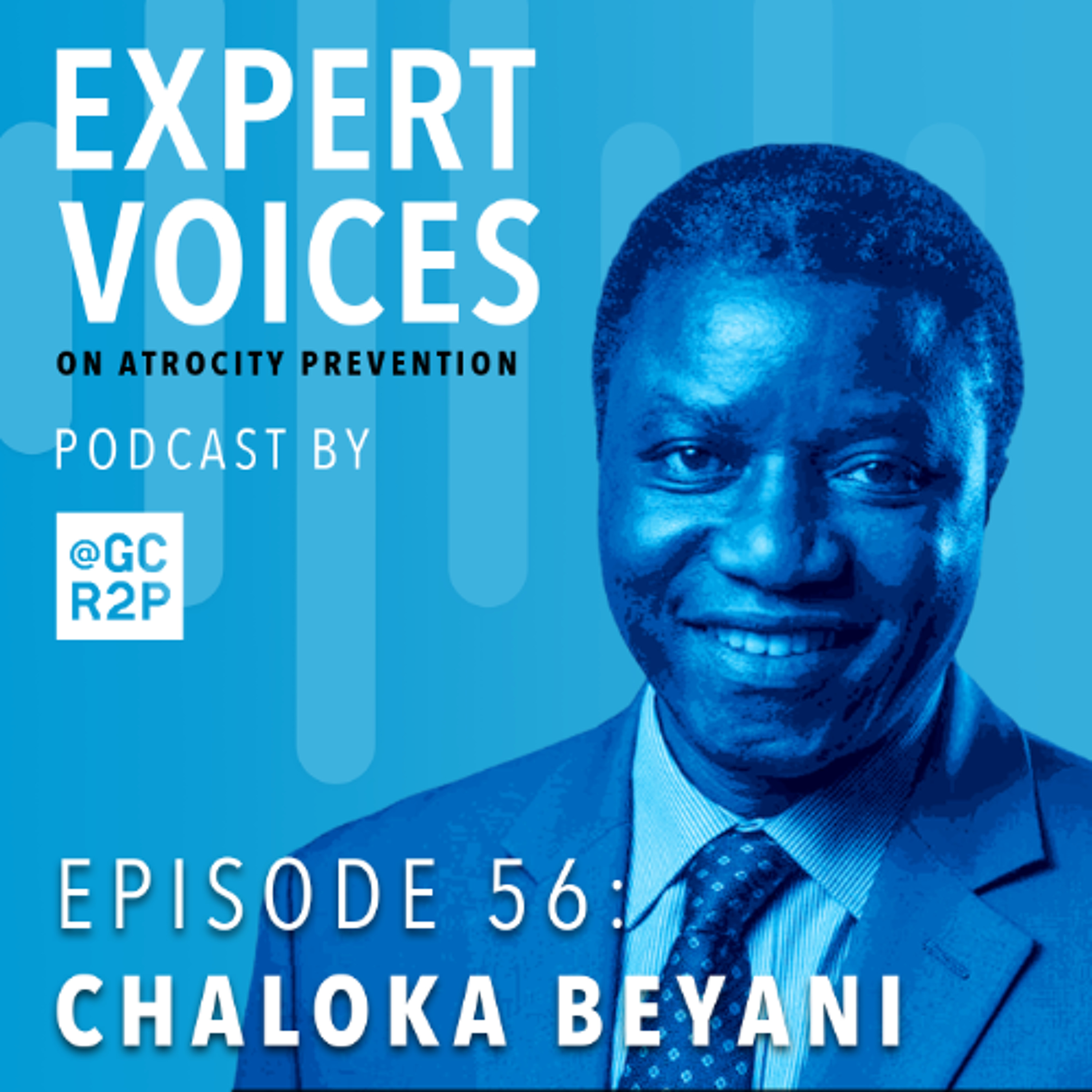 Episode 56: Chaloka Beyani 26.06.2026 42mIn this episode we sat down with Chaloka Beyani, the Special Adviser of the UN Secretary-General on the Prevention of Genocide. During the episode, Special Adviser Beyani explores the role of the UN Office on Genocide Prevention and the Responsibility to Protect in early warning and the prevention of atrocities. He examines the international community’s response to ongoing crises in Sudan, South Sudan and the Great Lakes region, emphasizing the need for early action and stronger international cooperation. Special Adviser Beyani also reflects on the Office’s engagement with civil society and the importance of adapting existing frameworks to address emerging threats to human rights.
-
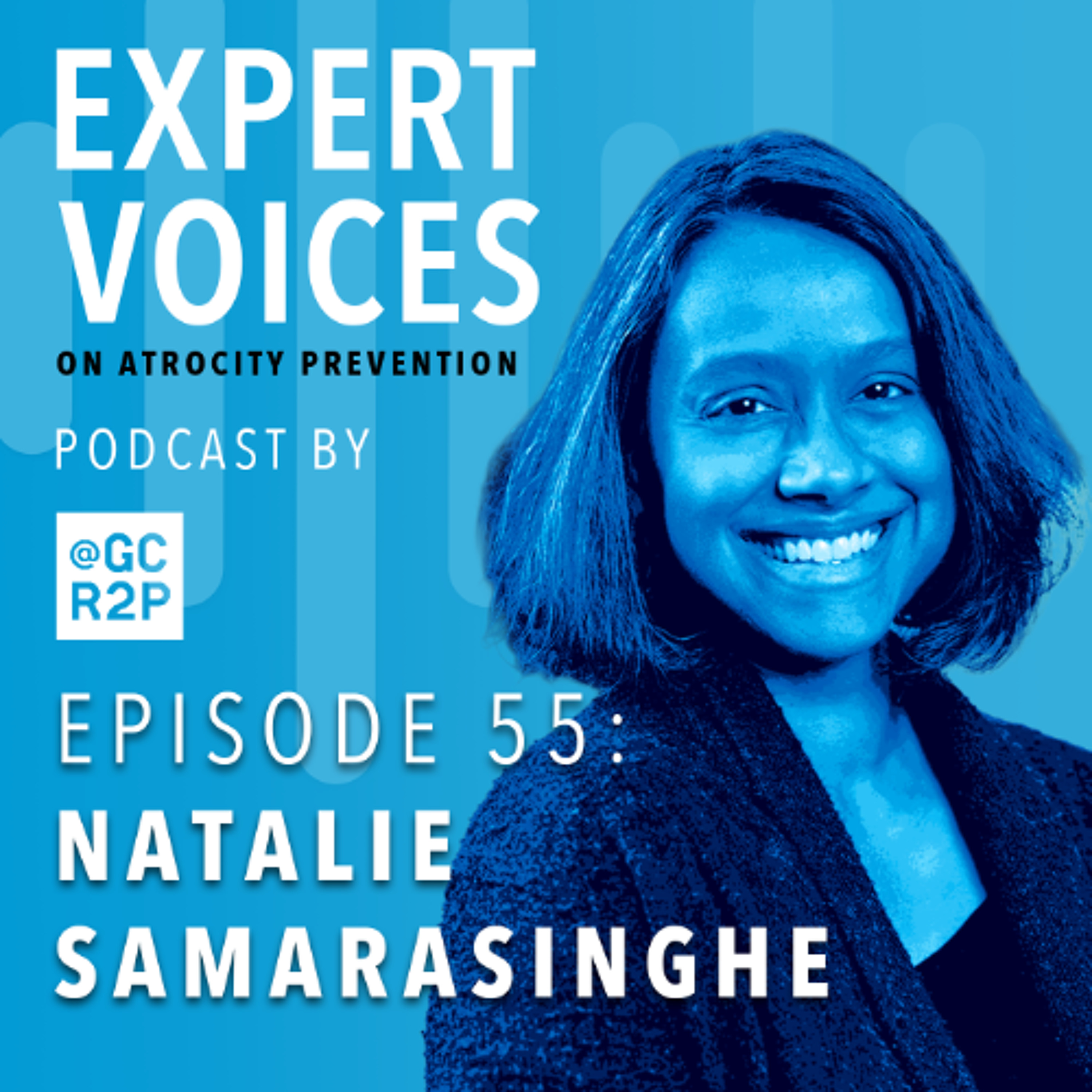 Episode 55: Natalie Samarasinghe 29.05.2026 38mIn this episode we sat down with Natalie Samarasinghe, Executive Director of the Public Engagement Platform for Climate Action and co-founder of the 1 for 8 Billion campaign. During the episode, Natalie discusses her career in human rights and the UN system, and how those experiences shaped her advocacy for greater transparency and public engagement in the UN Secretary-General selection process. She discusses the qualities needed in a Secretary-General who can navigate geopolitical constraints, address systemic issues and effectively leverage the UN’s role. Natalie also explores the importance of visionary leadership that can balance peace and security with development and humanitarian efforts, while proposing reforms to strengthen the UN’s efficiency and legitimacy.
-
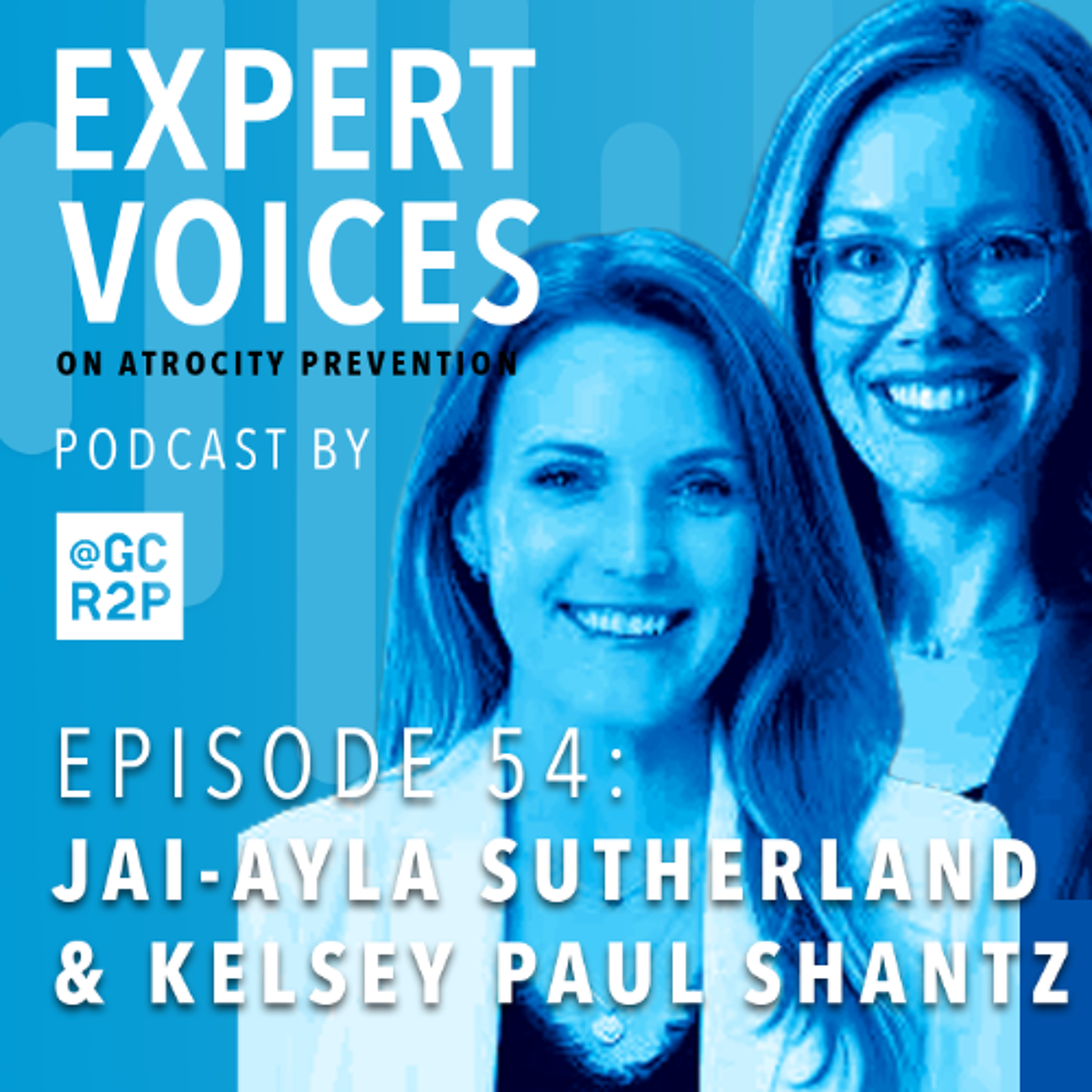 Episode 54: Jai-Ayla Sutherland and Kelsey Paul Shantz 23.04.2026 47mIn this episode we sat down with Jai-Ayla Sutherland and Kelsey Paul Shantz, Program Officers for Mass Violence and Atrocities at the Stanley Center for Peace and Security. Jai and Kelsey discuss their work on preventing mass violence, including their recently published co-edited volume, Identity-Based Mass Violence in Urban Contexts: Uncovered. The conversation highlights the importance of early warning and structural prevention, with a particular emphasis on the role of city leaders in addressing identity-based harm. They also underscore the need for stronger collaboration between global and local actors to enhance prevention efforts and improve community safety.
-
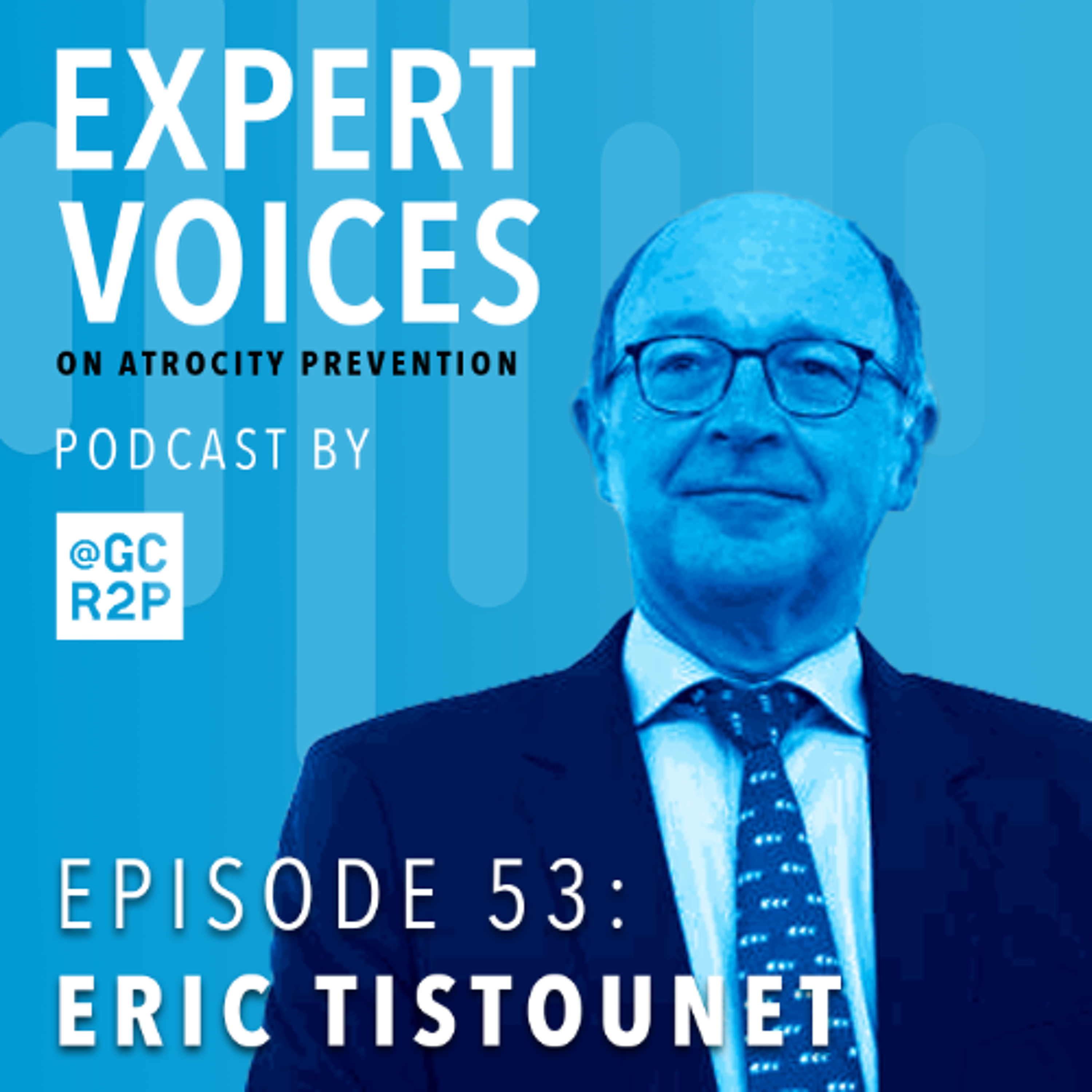 Episode 53: Eric Tistounet 13.03.2026 51mIn this episode, we sat down with Eric Tistounet, founder of the Lake Room Initiative and former Chief of the Human Rights Branch at the Office of the UN High Commissioner for Human Rights. During the discussion, Eric reflects on 20 years since the establishment of the UN Human Rights Council (HRC) and how it has responded to human rights crises across the globe. The conversation also explores the Council’s unique tools for atrocity prevention, the gap between Geneva and New York and what reforms could strengthen the HRC’s effectiveness in an increasingly polarized international system.
-
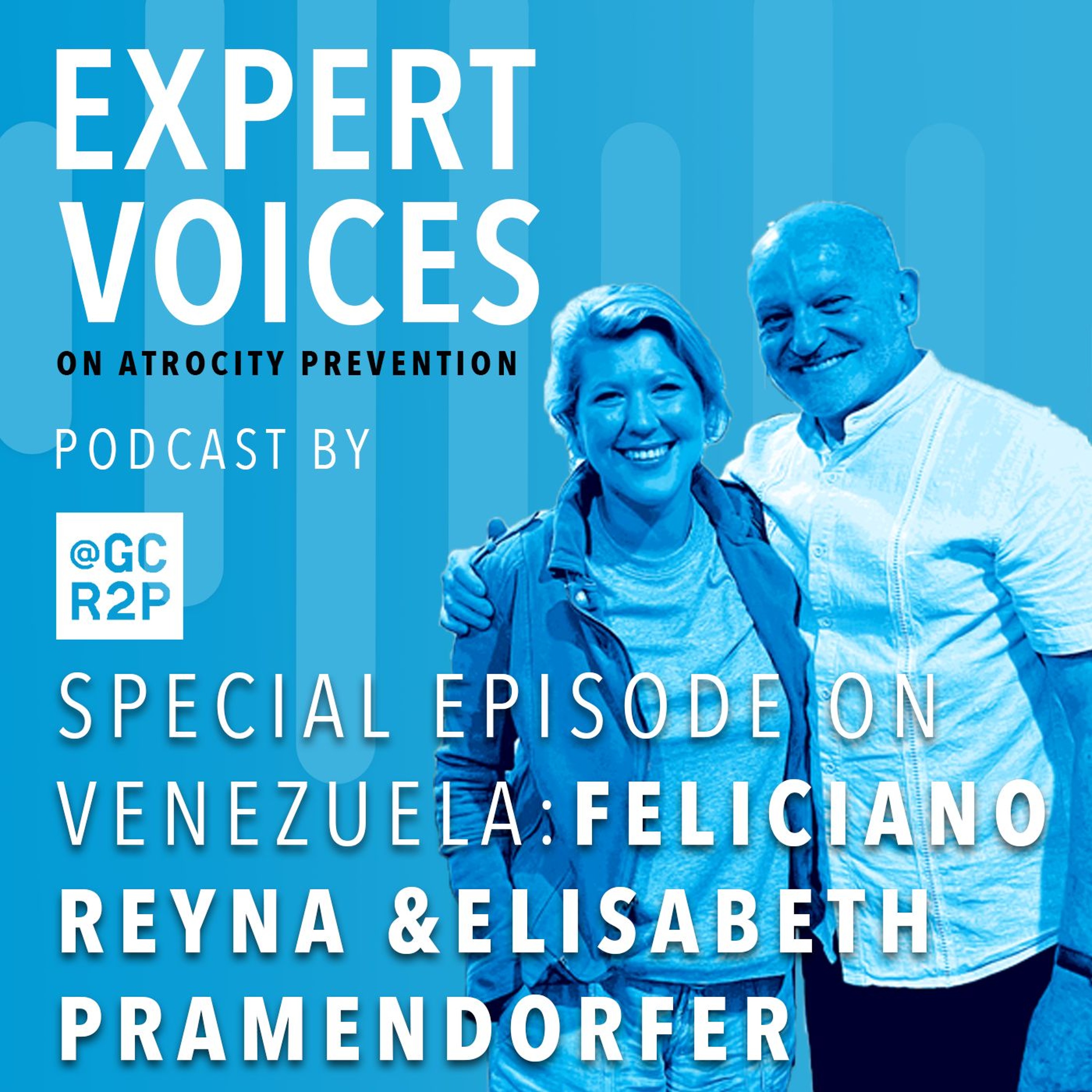 Special Episode on Venezuela: Feliciano Reyna and Elisabeth Pramendorfer 06.02.2026 1hIn this special episode, we sat down with Feliciano Reyna, founder of Acción Solidaria and a Venezuelan humanitarian and human rights defender, alongside Elisabeth Pramendorfer, the Global Centre’s Geneva Director and Venezuela expert. During the discussion Feliciano reflects on the evolution of Venezuela’s multidimensional crisis and its impact on the human rights of populations in the country. Together, Feliciano and Elisabeth provide insight on how Venezuela's human rights situation has – and has not – changed since the United States removed Nicolás Maduro from power on 3 January. The episode concludes with a discussion on how the international community can support Venezuelans in realizing their human rights and shaping the country’s future.
-
 Episode 52: Tom Andrews 30.01.2026 39mIn this episode, we sat down with Tom Andrews, UN Special Rapporteur on the situation of human rights in Myanmar and Director of the Asia Center and the Southeast Asia Human Rights Project at Harvard University. Marking the fifth anniversary of the 2021 military coup in Myanmar (Burma), Tom examines the escalating atrocity risks for populations amidst the junta's ongoing "elections" and how the coup has shaped the ongoing crises across the country. Tom also discusses how he has leveraged his role as Special Rapporteur to highlight enablers of atrocities and explore avenues for justice, among other issues. He also addresses the critical role of civil society and discusses what the international community must do differently to respond more effectively to the myriad crises in Myanmar today.
-
 Episode 51: Shamala Kandiah Thompson 09.01.2026 50mIn our first episode of 2026, we sat down with Shamala Kandiah Thompson, Executive Director of Security Council Report. During the episode Shamala offers a behind-the-scenes look at how the UN Security Council functions, particularly during moments of crisis. She explores how Council dynamics, working methods and political divisions shape decisions on conflict, humanitarian access and civilian protection – and where opportunities for effective action still exist. Shamala ends by reflecting on the evolving role of elected members in strengthening the Council’s capacity to respond when it matters most.
-
 Episode 50: Meetali Jain 19.12.2025 33mIn our last episode of 2025, we sat down with Meetali Jain, Director of the Tech Justice Law Project. During the episode Meetali reflects on her unexpected path into tech reform and how it was shaped by the alarming rise of online disinformation and hate speech. She explores how weak global data protections and unregulated algorithms can fuel real-world violence. Drawing on her litigation experience and work with communities targeted by surveillance and profiling, Meetali offers insights into corporate accountability, the limits of soft law and how to approach meaningful regulation.
-
 Episode 49: Bushra Khalidi 21.11.2025 45mIn this episode, we sat down with Bushra Khalidi, Oxfam’s Policy Lead in the Occupied Palestinian Territory. Bushra reflects on her dual identities as a Palestinian and a humanitarian, and how this has shaped her approach to her work. She speaks to the critical role that humanitarian actors have played in not just providing physical aid, but also in highlighting the truth of abuses they are witnessing. Bushra also discusses how the the dehumanization and dispossession of Palestinians in Israel and in global media and policy spaces has fueled longstanding impunity for Israel's violations of international law. In this regard, she emphasizes the need for breaking paternalistic patterns and for meaningfully including Palestinians in decisions on their future.
-
 Episode 48: Hala Al-Karib 17.10.2025 41mIn this episode, we sat down with Hala Al-Karib, Regional Director of the Strategic Initiative for Women in the Horn of Africa (SIHA Network), a coalition that builds the capacity of women’s rights organizations in the greater Horn of Africa. During the episode Hala reflects on the 25th anniversary of the Women, Peace and Security Agenda, exploring its intersections with atrocity prevention. Hala discusses how grassroots organizations in the region continue their work amid political pressure and conflict, and describes how these challenges have shaped efforts to protect women and girls in Sudan over the last two decades. The episode ends with a powerful call to action for accountability for abuses against women and girls in the Horn.
-
 Episode 47: Alexander Bellamy 12.09.2025 56mTo mark the 20th anniversary of the Responsibility to Protect (R2P), this year we are featuring a special series of interviews with experts, practitioners, academics, civil society and human rights defenders who reflect on the conceptual and operational development of R2P over the past two decades, as well as the impact of R2P and atrocity prevention on their work. In this episode, we sat down with Alexander Bellamy, Professor of Peace and Conflict Studies at The University of Queensland, Australia. During the episode, Alex shares insights from his extensive scholarship on R2P, including his collaboration with Edward Luck, the first UN Special Adviser on R2P. The conversation also explores the role of regional organizations in advancing R2P, the consequences of its uneven implementation and concludes with a message to the next generation of atrocity prevention scholars and practitioners.
-
 Episode 46: Pascale Solages 22.08.2025 47mIn this episode, we sit down with Pascale Solages – a renowned Haitian grassroots feminist organizer, human rights advocate and founding member and general coordinator of Nègès Mawon, one of Haiti’s most active feminist organizations. During the episode, Pascale shares her personal journey into activism and reflects on the powerful role feminist organizations play in supporting communities across Haiti. She unpacks the historical and political roots of Haiti's ongoing multidimensional crisis, highlighting its impact on women, girls and other marginalized groups. The conversation closes with a powerful call to reframe the narrative around Haiti, centering dignity, resistance and the transformative potential of grassroots solutions.
-
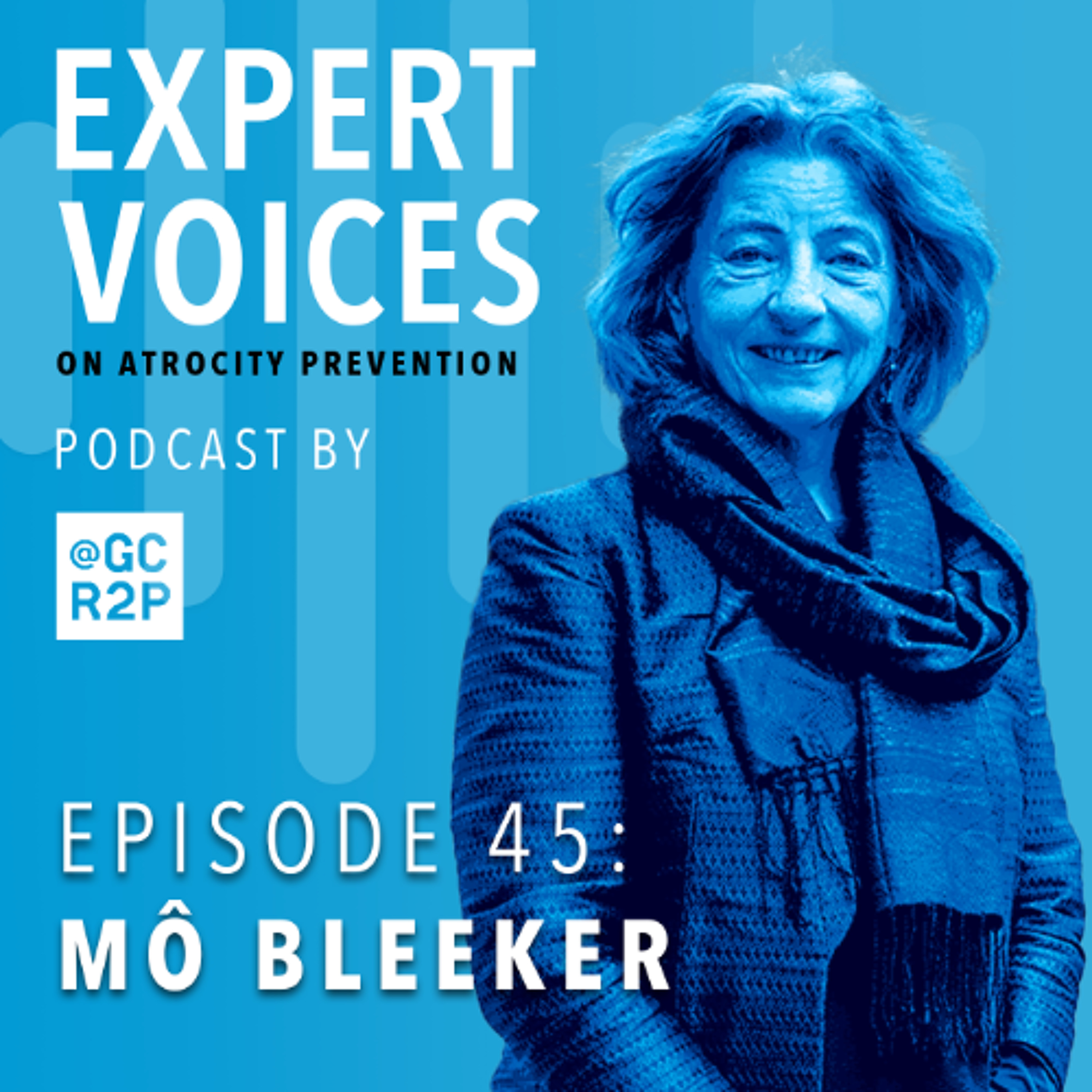 Episode 45: Mô Bleeker 20.06.2025 48mTo mark the 20th anniversary of the Responsibility to Protect (R2P), this year we are featuring a special series of interviews with experts, practitioners, academics and civil society and human rights defenders who will reflect on conceptual and operational development of R2P over the past two decades, as well as the impact of R2P and atrocity prevention on their work. In this episode, we sat down with Mô Bleeker, the UN Special Adviser on the Responsibility to Protect. During the episode, Mô shares insights into her current work as Special Adviser, reflecting on what is at stake in ensuring states act to prevent and respond to atrocities and on the diplomatic challenges of advancing R2P. The episode concludes with an overview of the key messages from the 2025 UN Secretary-General’s report on R2P ahead of the upcoming General Assembly annual debate on 25 June.
-
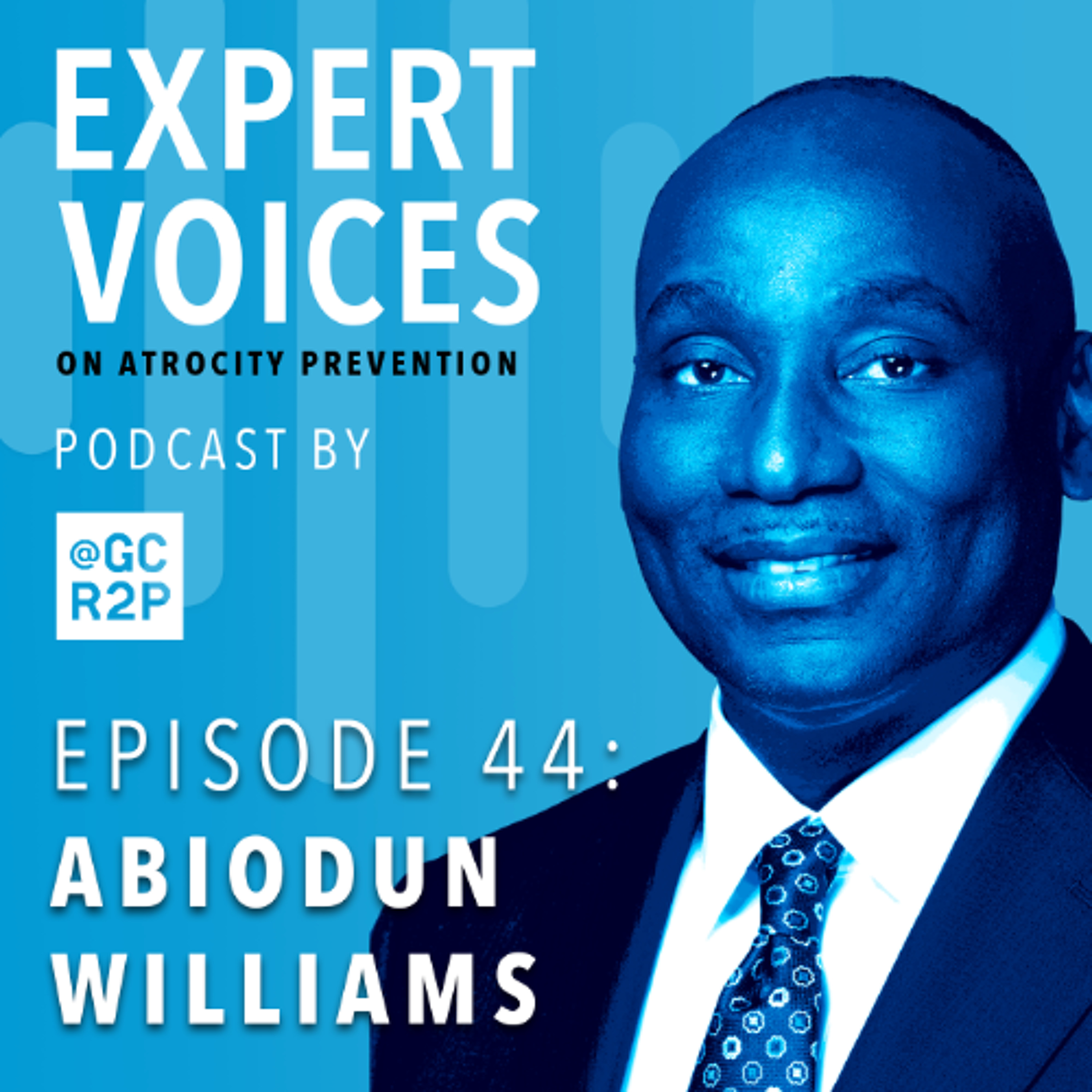 Episode 44: Abiodun Williams 09.05.2025 34mTo mark the 20th anniversary of the Responsibility to Protect (R2P), this year we are featuring a special series of interviews with experts, practitioners, academics and civil society and human rights defenders who will reflect on conceptual and operational development of R2P over the past two decades, as well as the impact of R2P and atrocity prevention on their work. In this episode, we sat down with Dr. Abiodun Williams, Professor of the Practice of International Politics at the Fletcher School of Law and Diplomacy, and the Tisch College of Civic Life at Tufts University. As the former Director of Strategic Planning for UN Secretaries-General Kofi Annan and Ban Ki-Moon, he explores Secretary-General Annan’s pivotal role in the early development and implementation of R2P, emphasizing the influence of personal commitment on these efforts. Dr. Willams also highlights the contributions of non-Western states to the promotion of R2P and shares his perspective on the future of atrocity prevention in an increasingly complex geopolitical environment.
-
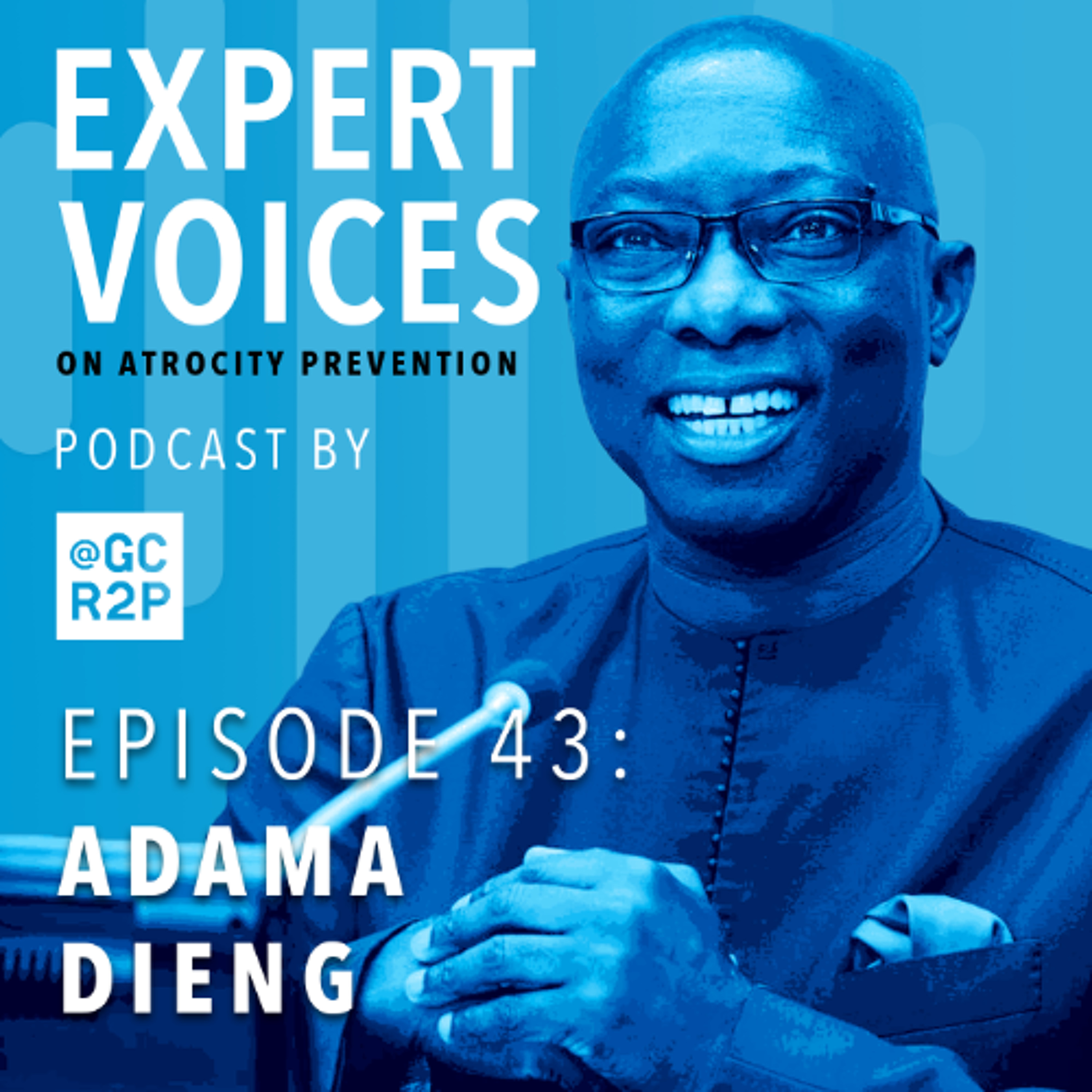 Episode 43: Adama Dieng 11.04.2025 48mTo mark the 20th anniversary of the Responsibility to Protect (R2P), this year we are featuring a special series of interviews with experts, practitioners, academics and civil society and human rights defenders who will reflect on conceptual and operational development of R2P over the past two decades, as well as the impact of R2P and atrocity prevention on their work. In this episode, we sat down with Adama Dieng, African Union (AU) Special Envoy on the Prevention of Genocide and Other Mass Atrocities and Deputy Chair of the Global Commission on Modern Slavery and Human Trafficking. Adama reflects on his distinguished career in the prevention of atrocities, including his time as the UN Special Adviser on the Prevention of Genocide. He shares insights on how he is using his role as the AU's first ever Special Envoy on the Prevention of Genocide and Other Mass Atrocities to draw attention to and mobilize response for crises across the continent. The conversation concludes with a discussion on the observance of Genocide Prevention and Awareness month and progress made in the prevention of mass atrocities over the past two decades.
-
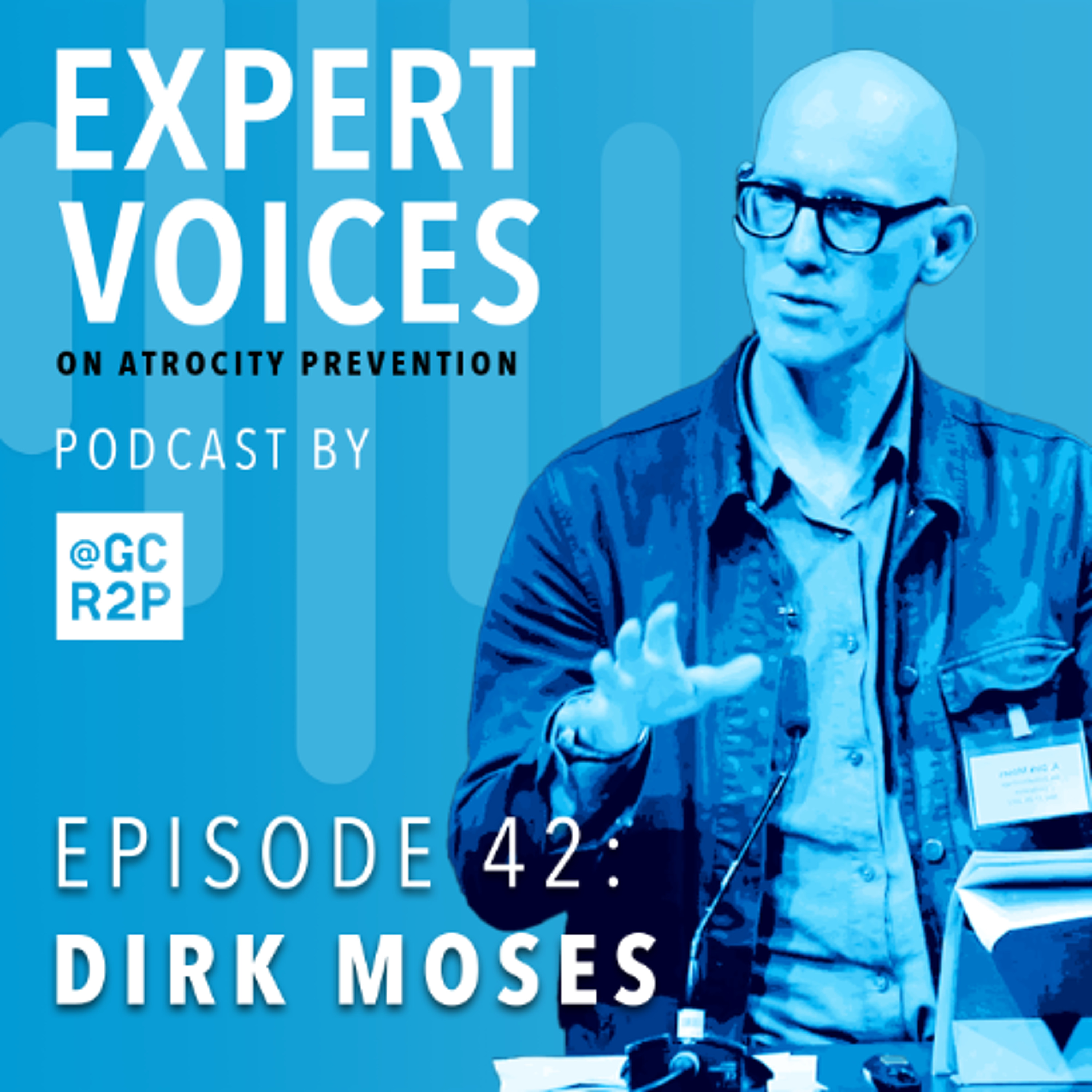 Episode 42: Dirk Moses 28.03.2025 46mIn this episode, we sat down with Dirk Moses, Anne and Bernard Spitzer Professor of International Relations at the City College of New York and editor-in-chief of the Journal of Genocide Research. Dirk explores common misconceptions in contemporary discussions about atrocity crimes and examines how these misunderstandings, both intentional and unintentional, impact international response. He also discusses how these misconceptions increasingly impact both practitioners and academic discourse, particularly following the recent escalations of the crises in Gaza and Ukraine. Dirk highlights how the recognition of genocides is increasingly obscured by geopolitical interests, which in turn impacts victim communities worldwide.
Similar podcasts


Popular in
The podcast also appears in the podcast charts of these countries.
