
Sovereign Stack
Stephane Boghossian
0
Sovereign Stack is a twice-weekly podcast about practical software engineering, legal architecture, and data sovereignty at the intersection of AI and regulation. Host Stéphane Boghossian cuts through hype with segments that critique overhyped claims, examine real enterprise AI deployments and multi-jurisdiction data routing, and extract operational lessons. Tuesday episodes feature deep dives with engineers, legal experts, and operators, while Thursday episodes are shorter host-led analyses of regulatory changes and technical papers. Each episode runs about 25 minutes and focuses on what survives production and regulatory scrutiny.
Episodes
-
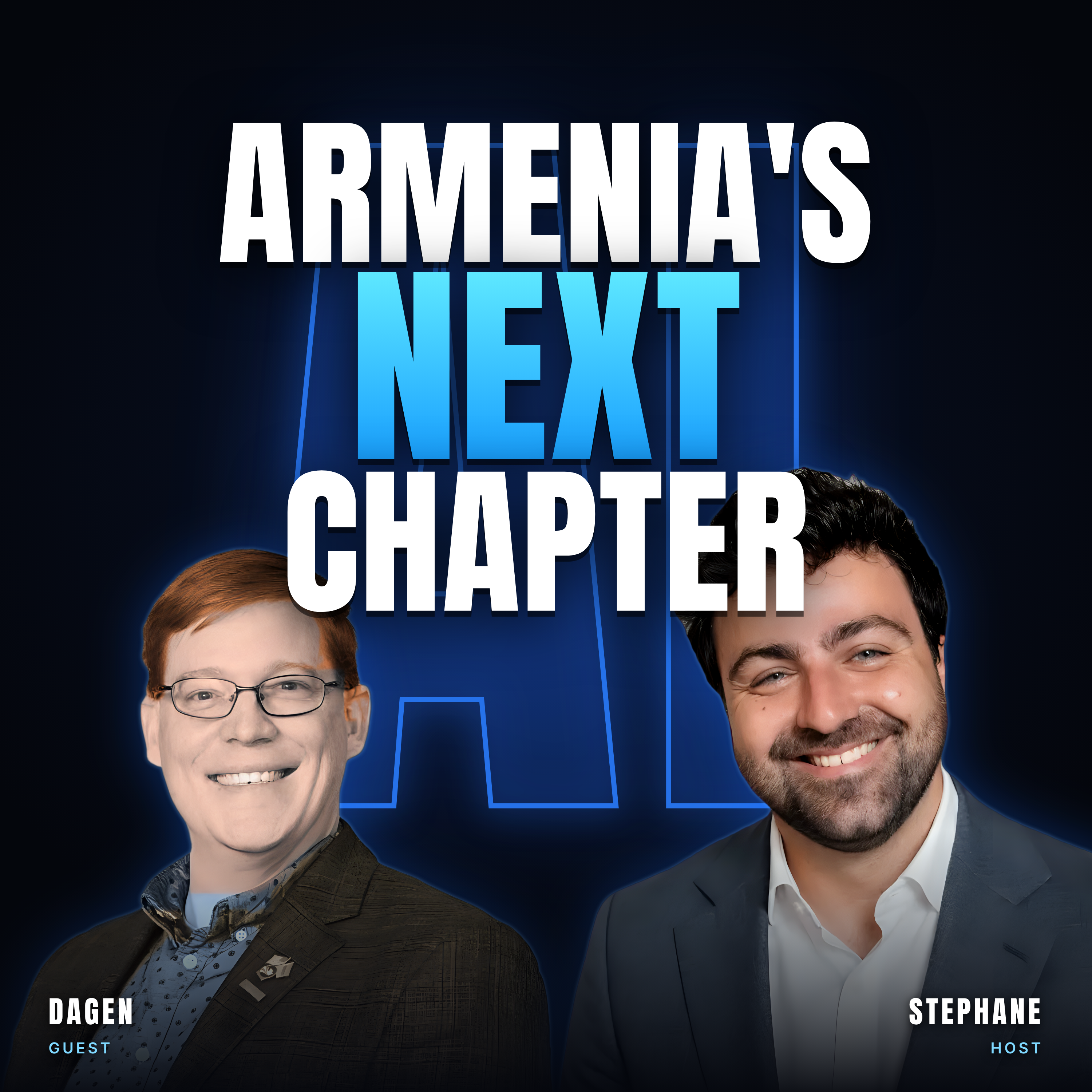 Building Armenia’s Future Through Policy, Business and Partnership 12.11.2026 20mIn this episode of the Sovereign Stack podcast, Stephane speaks with a longtime observer of Armenia Dagen Valentine about how the country has changed over the past two decades—from the end of telecom monopolies and the arrival of mobile networks to digital payments, improved infrastructure and more open government procurement.They discuss why consistent, predictable policy matters to businesses making long-term investments; how public-private partnerships and engagement between government and business can support development; and Armenia’s ambitions to strengthen trade and regional connections through its “Crossroads of Peace” initiative. The conversation also reflects on everyday changes—from better roads and digital payments to new rules and the work of putting policies into practice—and the role those changes play in quality of life.A conversation about governance, economic development and Armenia’s place between regional and global partners.
-
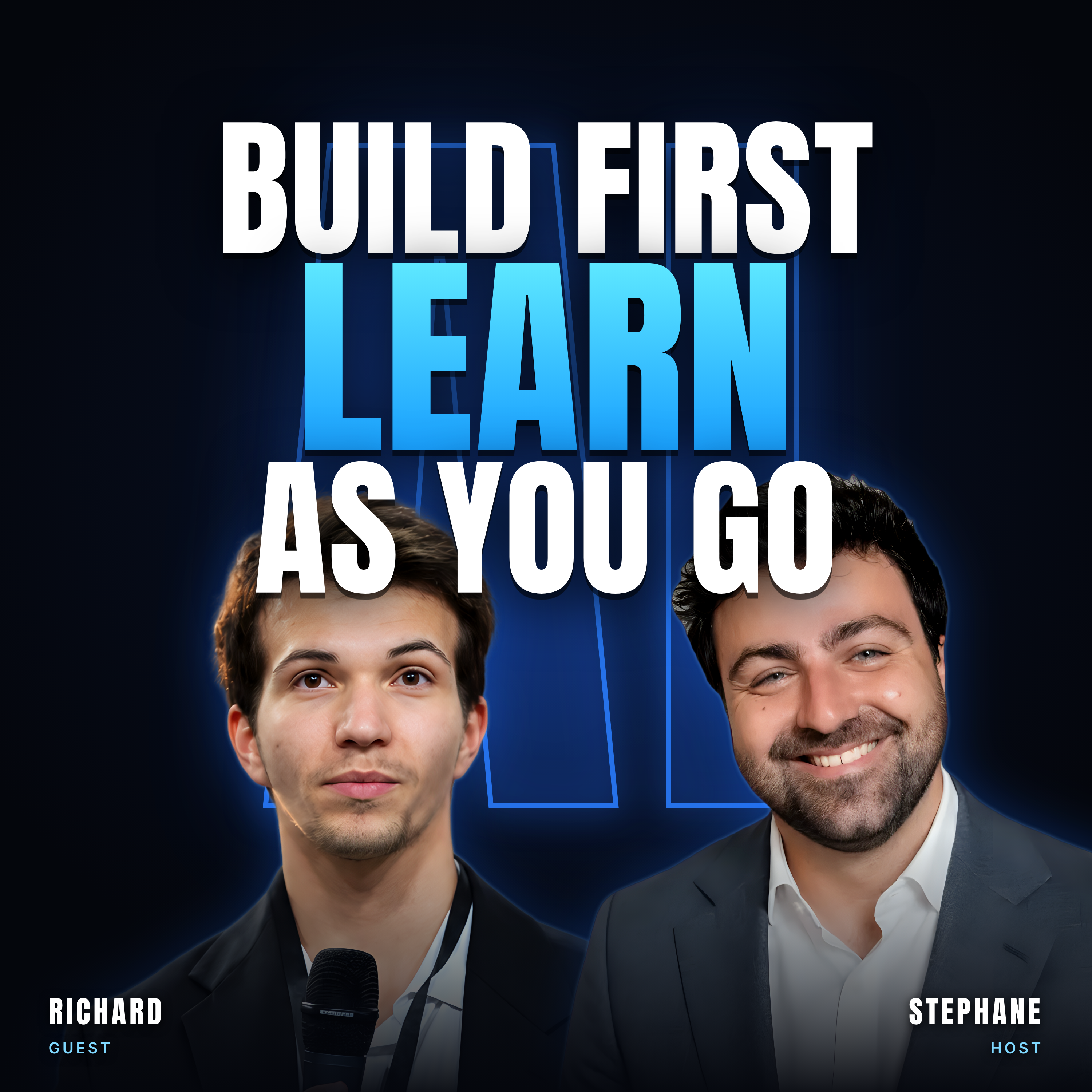 Build First, Learn as You Go: How Richard Created a One-Person AI Company 12.11.2026 30mIn this episode of the Sovereign Stack Podcast, Stephane talks with Richard, a young founder and AI educator who launched a business at 19 and built Networking Navigator, a platform for business and networking events in Slovakia. He shares how he automated the company, what he learned when things went wrong, and why he believes the best way to learn AI is to start building.They discuss:Why copying what already works can beat reinventing the wheelHow to start building with AI before worrying about scale—and when security needs to become a priorityWhy giving AI more context can help it connect ideas and find useful patternsRickard’s automated knowledge system, which brings information from sources like email, WhatsApp and transcripts into ObsidianUsing AI to surface answers, remember past conversations and spot company bottlenecksUnexpected projects—from learning Spanish through bachata lyrics to looping dance videos for practiceWhy failed experiments aren’t wasted if they teach you somethingThe takeaway: don’t wait until you have a five-year plan. Build, experiment and learn by doing.
-
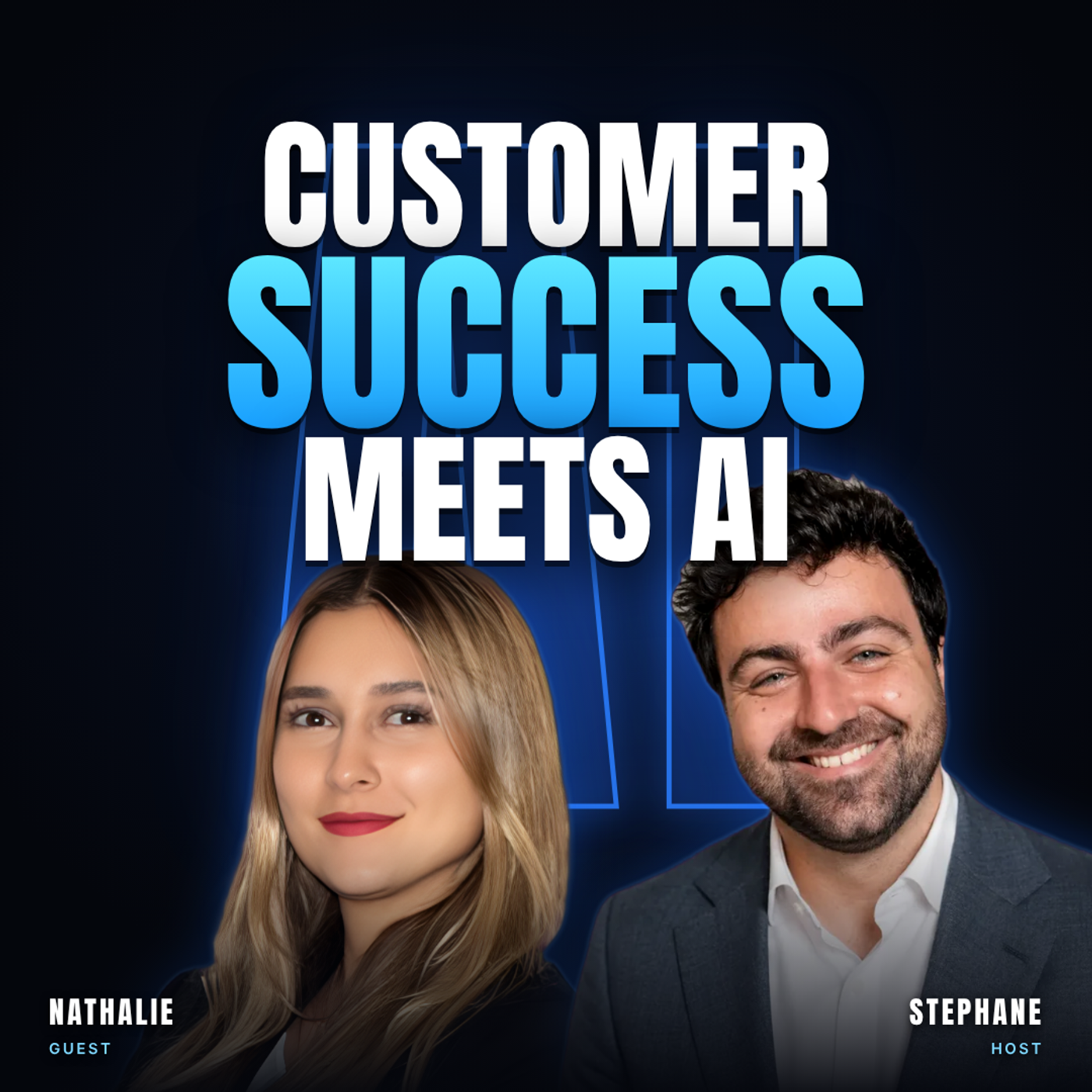 Customer Success in the Age of AI: Where Humans Still Matter 03.11.2026 27mIn this Sovereign Stack Podcast episode, Stephane talks with Nathalie Rachid, VP of Customer Success at HAQQ. She joined recently and built the department from scratch. They discuss how a customer success team can use AI without losing the trust that keeps customers.What they coverBuilding the foundation: Why a single source of truth comes first. HAQQ moved its data into Salesforce before any automation or agents, and set clear handover standards between sales and customer success.Metrics that matter: Net revenue retention is the north star. It sits alongside ARR, leading indicators such as adoption and health signals, and operational metrics like renewals and sentiment.Smarter support triage: Simple questions, such as how credits are consumed, go to documentation and automated replies. Larger accounts get a person.Money conversations stay human: Single-user renewals and refunds can be automated. Big accounts, cancellations and feedback calls need people.Building trust with clients: Transparency, a public source of truth, and letting the client run their own prompts and comparisons on screen.Nathalie's AI setup: AI drafts replies and summarizes calls. It also keeps Salesforce and Teams updates current. She builds a second brain with Claude, GPT, Obsidian and Notion. Nothing goes to a client without her approval.The future of customer success: Teams that replace people with AI agents risk losing sales and retention. Expertise-driven AI, with a human in the loop, wins.
-
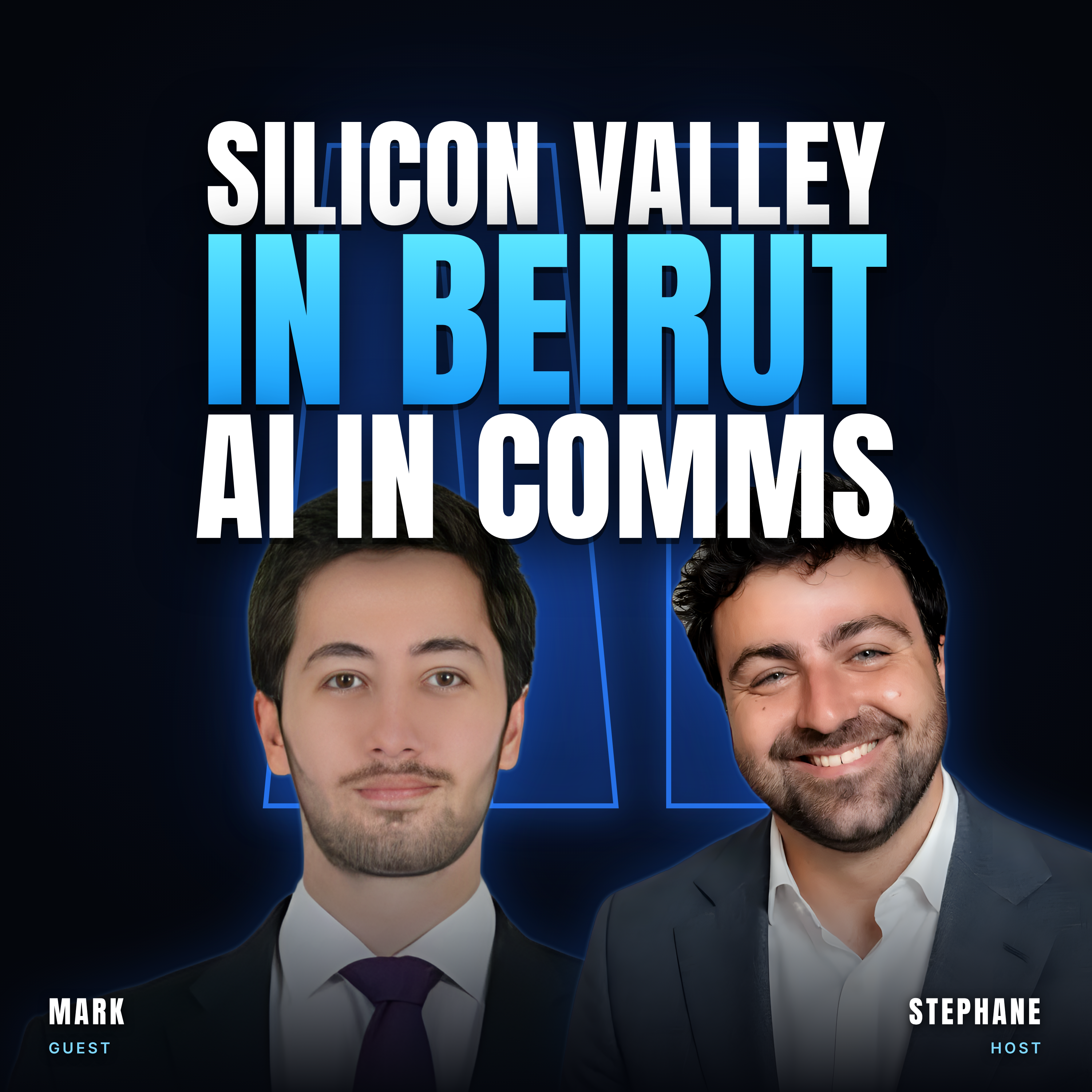 Silicon Valley in Beirut: Using AI in Communications at HAQQ 03.11.2026 27mIn this Sovereign Stack Podcast episode, Stephane talks with Marc Elian, who handles communications and press at HAQQ. Marc is the company's newest hire. He's a self-described "old school" Sciences Po graduate who came back to Lebanon after five years abroad. He went from never expecting to work at an AI company to using AI every day.What they coverHow Marc joined HAQQ: He took a photo of a HAQQ hiring billboard on the highway, sent it to the CEO, and ended up with a job offer after three interviews.Learning AI the right way: Good results come from context, structure, a defined audience and careful review, not from accepting the first answer.What AI can't replace: Relationships, trust with journalists, cultural sensitivity and responsibility for every word.What a communications role involves at a growing AI company:Press outreach, and knowing which journalist and outlet fits each storyPress releases adapted for different countries and languagesPersonal and employee brandingMonitoring competitors on LinkedInWriting for different audiences: Lawyers want proof it fits their work, newcomers need to start with the problem, and journalists want a human story. They also discuss checking AI-translated Arabic with a native expert.AI in content: The risk of AI slop, how different AI models handle writing and translation differently, and why using AI just to use AI is a mistake.Digital twins and personal sovereign AI: Building an AI that reflects your own work and context.Their takeaway is that the question isn't whether to use AI but how to use it well. Learn by doing, and keep a person in charge.
-
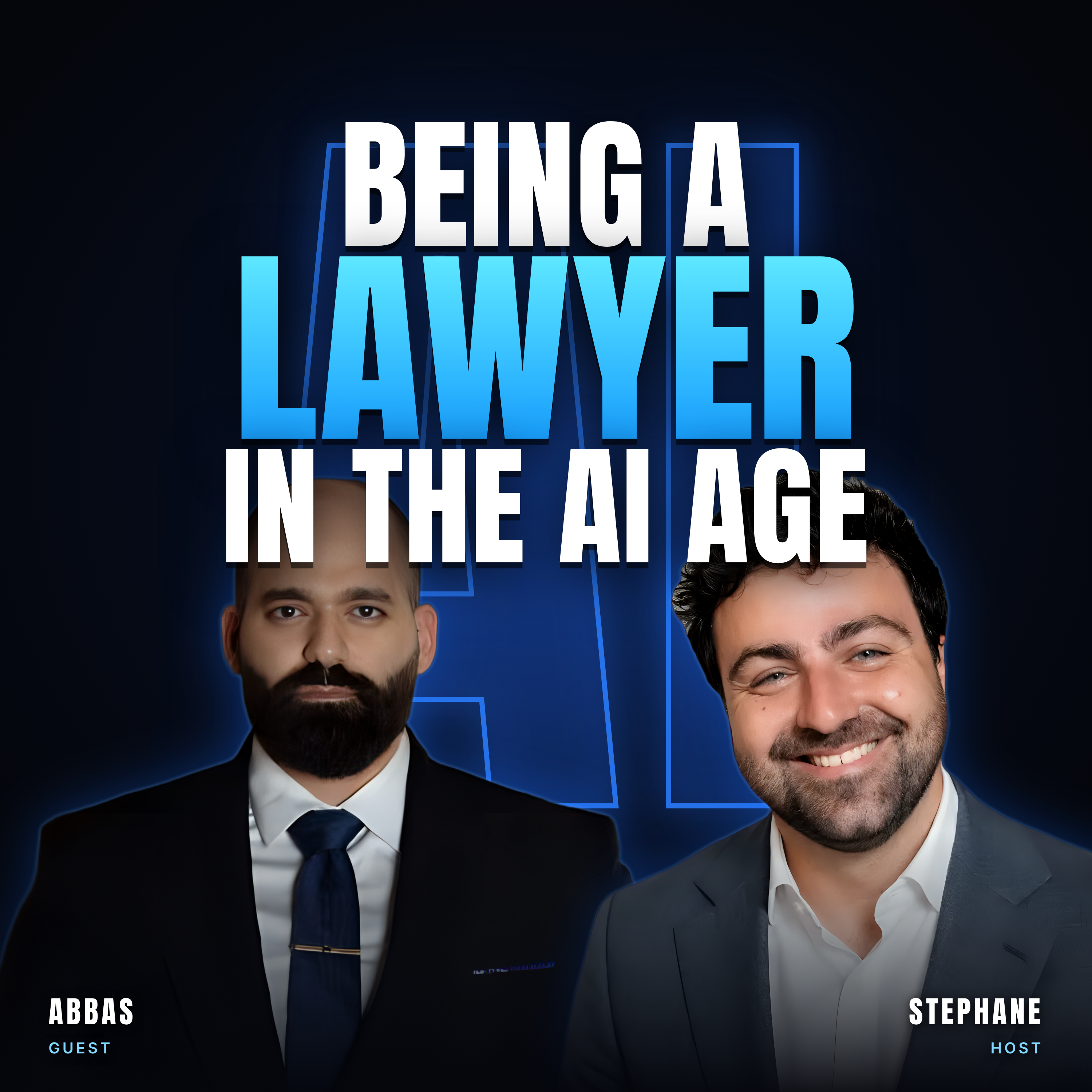 Being a Lawyer in the Age of AI: Skills, Sovereignty and the Future of the Profession 02.11.2026 27mOn this episode of the Sovereign Stack Podcast, Stephane talks with Abbas, Chief Legal Officer at HAQQ, about practicing law now that AI is part of the job. They start with some of the strangest cases and laws from around the world. Then they move on to what AI means for lawyers, clients and the legal profession.What they coverDefending clients: Why everyone has a right to a defense, and why a lawyer can still refuse a case they can't take on morally.Law in Lebanon vs. abroad: How paper-based courts slow justice, and why civil law and common law systems can't be compared like for like.AI makes good lawyers better: Abbas argues AI will make a good lawyer exponentially better and a bad lawyer worse. Without foundational knowledge, you can't judge the output.Wrapper vs. proprietary engine: How a thin interface over a general AI model differs from a purpose-built legal engine. He explains what he calls the "AI paradox": more data can mean less accuracy, which is why ontology and sovereignty matter.Billable hours: Faster work is pushing firms toward lump-sum fees or higher hourly rates for fewer hours.Regulation and ethics: Why lawyers shouldn't wait for rules to use AI ethically, and why regulatory sandboxes help.Limits of AI: Where your data goes matters, and a skilled lawyer must stay in the loop.Where the profession is heading:New specializations such as AI governance and data protection.Firms that use AI grow, small firms merge, and firms that don't use it fall behind.Over-reliance on AI by young lawyers is a bigger risk than AI itself.His advice to law students: Build your legal knowledge as if you had no access to AI, then use AI to multiply it.
-
 Your Own AI, On Your Own Device: Why Personal Sovereign AI Is the Next Big Shift 02.11.2026 19mIn this solo episode of the Sovereign Stack Podcast, Stephane records a voice memo from a balcony at his office. He thinks out loud about where AI is heading and why everyone should have a personal AI of their own.Starting from a simple question, "how do I get real work done from my phone?", he explores:The limits of mobile AI: Today's phones can send commands to AI tools, but they can't yet replace a laptop. Hardware, screens and interfaces still need to catch up.Local models and privacy: The case for running a model on your own device, trained on your own context, with your data staying with you. He also looks at what that could mean for Siri, Alexa and ad-driven business models.Personal sovereign AI: The idea that sovereign AI isn't only for companies. Individuals should have a native AI that builds securely for them alone."Your tool," not "internal tool": Build for yourself first. If it works, consider offering it to others.How to start learning AI now:Build a "second brain" that captures your conversations and context.Automate daily routines like email sweeps and morning briefs.Go further with quarterly reports and financial dashboards.Filtering the noise: Learning by doing helps you tell copycat tools from genuinely useful ones.Human in the loop: AI makes good choices fast, but you make the final decision.He also explains why he doesn't edit this podcast: it's meant to be a human voice, not a polished studio production. His advice is to learn from each other and use AI to give yourself a more efficient life and a better work-life balance.
-
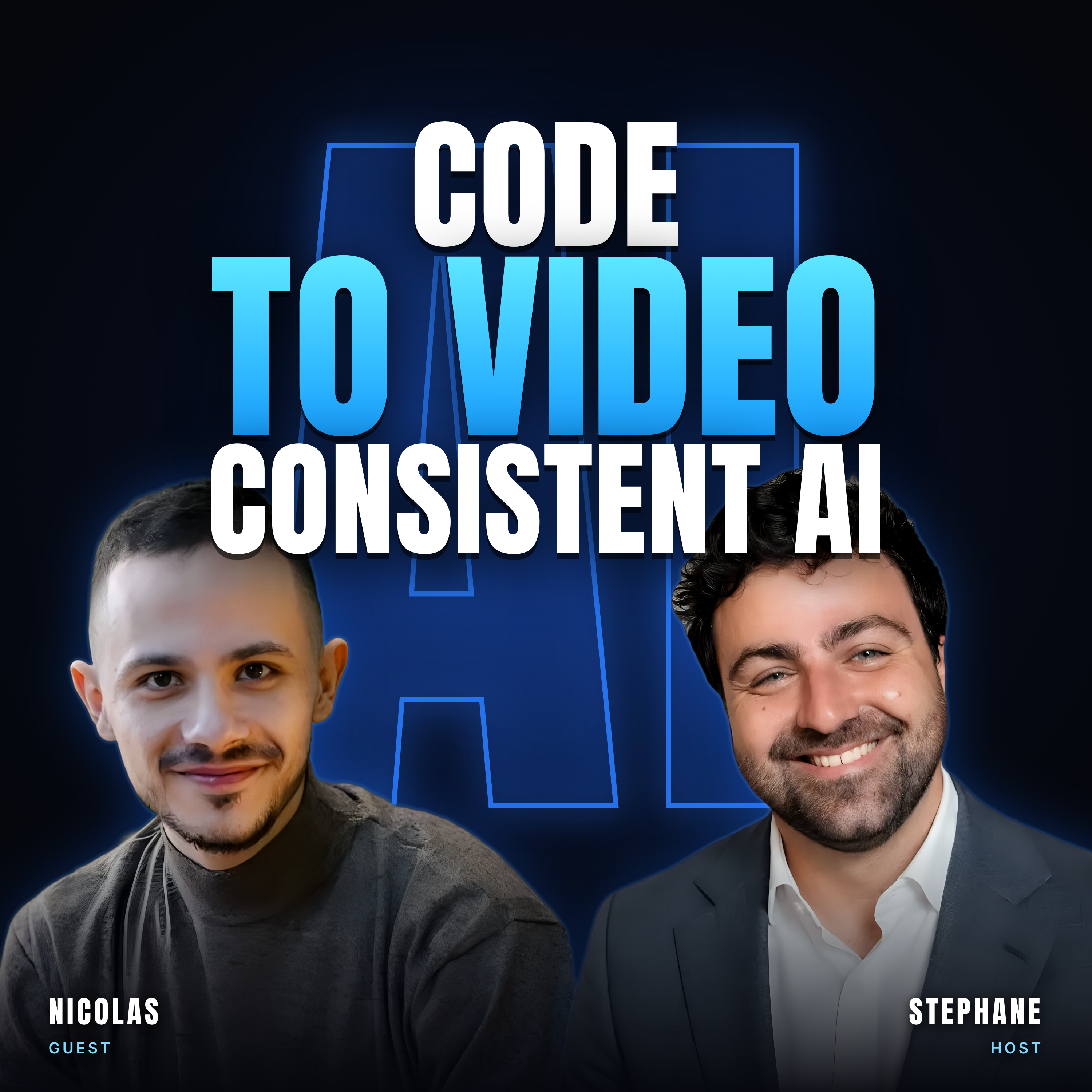 Code to Video: Making Consistent AI Content With Hyperframes and Higgsfield 30.10.2026 28mStephane talks with Nicolas, community manager at HAQQ, who taught himself AI video production without a video background. They explain the process behind the AI videos HAQQ now publishes. Their goal is to avoid the generic, one-shot look people call "AI slop."What they cover:Why code-to-video is taking off: Large language models are good at writing code, so they can turn plain-English ideas into animated, watchable video.Hyperframes vs. Higgsfield: Hyperframes works as the editor that sequences and animates. Higgsfield generates the assets, routing to different models for images, audio and video. They work together rather than compete.The Picker: A review page where the team chooses between AI-generated versions of each frame. It lets them check consistency before spending time on a full render.Their playbook:Start with a story.Plan a frame-by-frame version.Generate cheap static images first.Turn those into GIFs.Build the full video with transitions.Add music and edit.Better prompts: They write detailed prompts in a task manager, covering story, characters, colors and style, instead of sending a raw idea.Testing before posting: They try content as Instagram trial reels, then post the winners on other platforms.Humans and tools: Taste, storytelling and direction still need a person. Motion graphics tools like After Effects are increasingly replaceable with code.Their advice: build your taste by consuming good content, keep a person in the loop at every step, and focus on quality, speed and consistency.
-
 Solo Session: Building a Personal AI Operating System With Claude 29.10.2026 32mIn his first solo episode of the Sovereign Stack Podcast, host Stephane Boghossian shares his screen and walks through how he works with AI day to day. The setup centers on Claude Projects, Claude Code and artifacts, plus Aleph, the system he built to hold his knowledge base and automations.What I cover:Projects and workflow: How he splits his work into projects and threads. He sends ideas, notes and Instagram links to the right project at night, then reviews the finished artifacts and tasks in the morning.Artifacts as a learning tool: Interactive graphs and visual explainers he built to understand topics like the Anthropic IPO and frontier models. He also made a full hardware and GPU course with a 100-question exam.His "second brain": A knowledge graph built from his meeting transcripts and AI sessions. It lives on his own machine and in a private repository.Work artifacts: A centralized sales materials hub with PDFs in Arabic and English, a legal taxonomy, a database of Lebanon's history, and redesigns of the product onboarding and chat.Daily rituals: An 8 AM briefing that tracks news, stocks and competitors, plus an AI trends explorer. It maps 51 clusters, 301 micro trends and 27 sources.Human in the loop: He reviews and approves what the system produces and checks its claims before anything ships.His message is that you don't need to copy his setup. Build your own system, because the people going this deep into automation and AI agents are about 2% of the population, and this show is for everyone else.
-
 How HAQQ's Sales Team Uses AI Without Leaking Client Data 28.10.2026 27mIn this episode of the Sovereign Stack Podcast, Stephane talks with Ronald Harfouche, VP of Sales at HAQQ. Ronald was previously a chief revenue officer across several regulated industries. They look at how a sales team can use AI when client data is sensitive.Ronald explains how the team brings in leads and turns them into meetings and customers:Demo bookings go straight to a tailored demo, built around each prospect's use case.Free sign-ups are scored on factors like credit usage, email type and stated profession. The best ones are exported to Apollo and placed into outreach sequences by email, phone and LinkedIn.Outbound lists are built by company, location and persona, then enriched with Apollo contact data.Salesforce syncs with Apollo and uses enterprise AI agents to log meeting notes and update next steps.They also cover:How AI helps sales teams quickly customise collateral, proposals and presentations with a client's logo and use caseWhy the team keeps strict limits on what AI can connect to, to protect client emails and phone numbersWhere AI helps salespeople (prioritising leads, refining messaging) and where humans still matter, especially on calls and voice
-
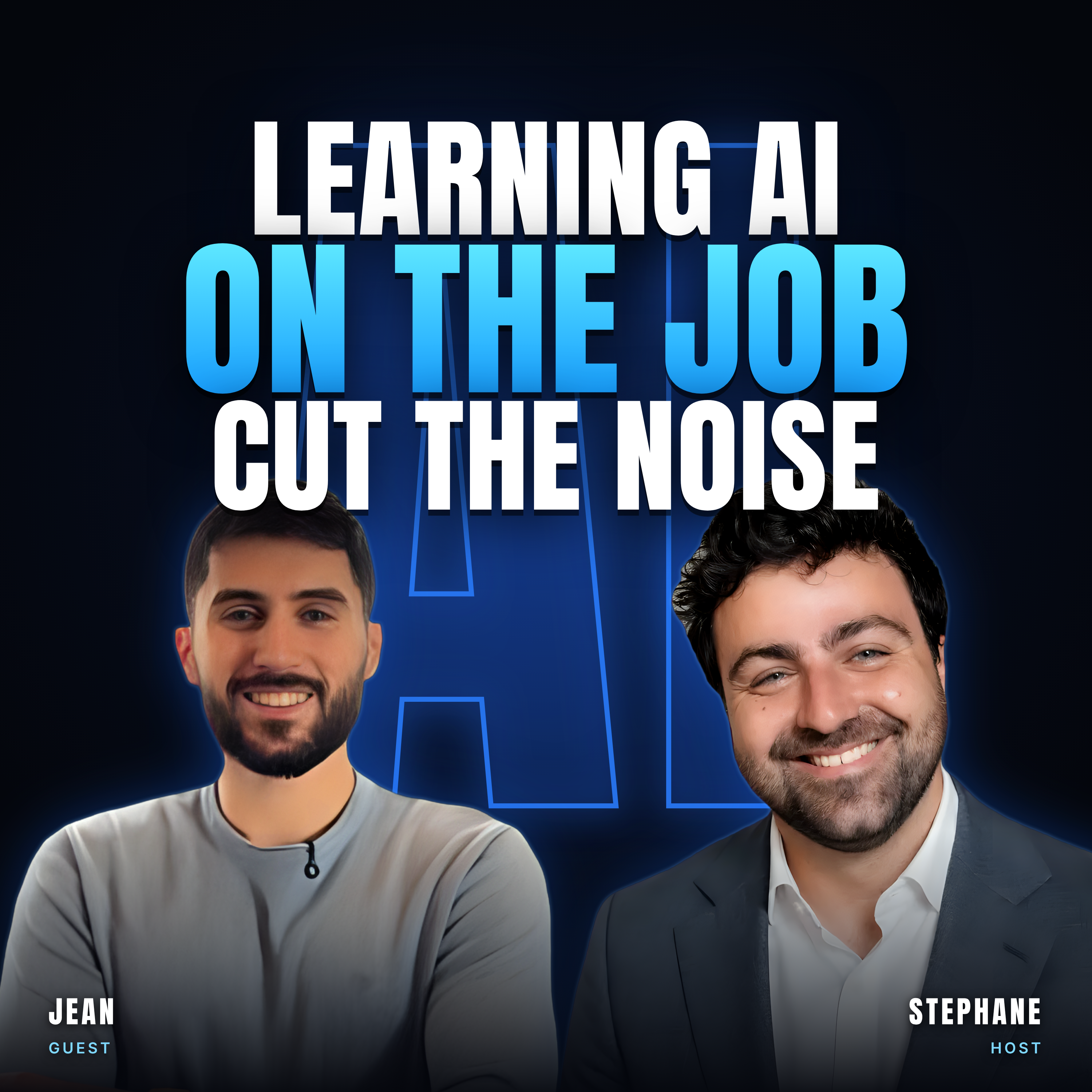 Learning AI on the Job: Filtering 100 Events Down to the Ones That Matter 27.10.2026 19mStephane sits down with Jean, who recently moved from operations to growth at HAQQ. They talk about how he went from using AI as a "Google++" to building his own automations.Jean has worked on more than 300 events over six years. He explains how he built an AI scoring system that rates each event out of 100 on location, timing, speakers, agenda and other factors. Out of about 100 events for 2026 and early 2027, it helped narrow the list to 4–5 events to speak at or exhibit at, and about 10 to attend.In this episode:Why Jean joined HAQQ and how his role shifted from ops to growthHow the event scoring system works, plus a story of a two-hour trip to meet one key personWhy AI can recommend, but humans must make the decisions and show upHow to choose which repeating tasks to automate, and when to stop iterating (set clear KPIs first)Why he approves each automation step instead of letting the tool run on its ownStephane's 5-step framework for starting with AI:Identify the task to automate.Map the possible steps.Define the output.Gather context and research.Prepare your prompt and monitor the conversation.Jean's two biggest lessons: AI helps you do things you couldn't do manually, and the time it saves lets you learn things outside your expertise
Similar podcasts


Popular in
The podcast also appears in the podcast charts of these countries.
