
Trenches in Transplant Surgery
Sabin Subedi
0
Trenches in Transplant Surgery explores advances and persistent challenges in abdominal transplant surgery. It discusses machine perfusion and normothermic regional perfusion as tools for organ preservation and donor utilization, along with ischemia–reperfusion injury, biliary complications in DCD grafts, and the logistics of perfusion platforms. The show also considers how transplantation is moving toward planned, daytime practice and the longer-term goal of organ banking. It is independent educational commentary created with AI assistance and is not a substitute for institutional protocols or clinical judgment.
Episodes
-
 The Cr is 6.4. Would you accept this kidney? 30.10.2026 24mA clinical case study addressing whether to accept a high-risk kidney from a donor with severe acute kidney injury and dialysis dependence. Through this scenario, the text emphasizes that donor dialysis does not automatically signal permanent organ failure and that biopsy findings must be interpreted cautiously alongside perfusion trends. Experts recommend conditional acceptance by carefully balancing acute versus chronic damage against the recipient's health status and dialysis history. Ultimately, the guidance urges surgeons to rely on comprehensive clinical judgment rather than isolated metrics when deciding to transplant marginal organs.Disclaimer: Prepared with AI assistance, reviewed by physician. Educational content; not patient-specific medical advice.
-
 AI Transplant Agents: Autonomy and Accountability 24.10.2026 30mThis episode examines the integration and ethical implications of artificial intelligence in healthcare, focusing heavily on organ transplantation and patient referral processing. Platforms like Afflo utilize real-time transactional data to streamline clinical workflows, from parsing faxed referral documents to predicting organ graft survival and waitlist risks. Concurrently, medical institutions such as the Mayo Clinic have successfully deployed generative AI to drastically reduce referral processing times, ensuring critically ill patients receive urgent care promptly. However, academic discussions emphasize that moving toward agentic AI—systems capable of autonomous, multi-step goal execution—introduces significant challenges regarding accountability, data privacy, and the transformation of the traditional patient-physician relationship. To address these concerns, regulatory bodies like the FDA provide updated guidance to distinguish non-device clinical decision support software from regulated medical devices, while researchers advocate for robust clinical validation and ethical foresight to ensure AI supports rather than replaces human medical judgment.Disclaimer: Created with AI assistance and physician reviewed. For professional education only - not individualized medical advice or a substitute for clinical judgment, operative planning, institutional protocols, device instructions, or regulatory requirements.
-
 Too Sick to Transplant? 14.10.2026 39mAcute-on-chronic liver failure is a critical medical syndrome characterized by the acute deterioration of chronic liver disease, resulting in severe organ failures and high short-term mortality. The condition is primarily driven by an excessive systemic inflammatory response triggered by factors such as bacterial infections, alcohol abuse, or viral hepatitis relapses. Because traditional scoring systems often fail to account for extrahepatic complications, specialized tools like the CLIF-C ACLF score have been developed to more accurately assess patient prognosis and track dynamic clinical changes during hospitalization. While liver transplantation remains the definitive curative treatment, patient selection is exceptionally challenging for those requiring maximal life support due to high surgical risks and severe organ damage. Consequently, ongoing research emphasizes the importance of early risk stratification, trajectory monitoring, and potential immunomodulatory therapies to improve survival outcomes in this vulnerable population.Disclaimer: This podcast is created with AI assistance and physician review. It is intended for professional education only and is not individualized medical advice or a substitute for clinical judgment, institutional protocols, current regulatory labeling or product information.
-
 Liver Allocation Paradox and HCC Priority 12.10.2026 47mLiver transplantation for hepatocellular carcinoma (HCC) requires balancing tumor biology, medical urgency, and waitlist equity, as standard Model for End-Stage Liver Disease (MELD) scores often fail to capture cancer progression risks. Recent policy shifts, such as the adoption of MMaT-3 and donor-hospital exception frameworks, have successfully equalized transplant rates between cancer and non-cancer candidates while reducing overall waitlist mortality, though they have simultaneously lengthened waiting times and increased relative dropout for patients with HCC. To address this ongoing debate over optimal resource allocation, researchers have developed novel stratification tools such as the Model of Urgency for Liver Transplantation in HCC (Multi-HCC) and intention-to-treat survival benefit models which incorporate objective variables like alpha-fetoprotein (AFP), tumor burden, and radiological response. By categorizing patients into distinct benefit and risk groups based on these biological and tumor-specific metrics, clinicians can better prioritize high-benefit candidates, identify individuals who should be removed from waiting lists due to nil benefit, and achieve a fairer distribution of scarce donor organs.Disclaimer: This podcast is created with AI assistance and physician review. It is intended for professional education only and is not individualized medical advice or a substitute for clinical judgment, institutional protocols, current regulatory labeling or product information.
-
 Upfront vs Back to Base Liver Perfusion 07.10.2026 18mThis episode examines the critical oversight in liver transplantation literature where the broad label of normothermic machine perfusion (NMP) is used to describe fundamentally different preservation workflows. They emphasize that comparing portable organ care systems initiated at the donor site against back-to-base platforms connected after cold transport requires separating preservation timing from hardware performance. The materials highlight how variables such as donor warm ischemia, regional perfusion, and organ selection heavily influence patient outcomes and biliary complications. Furthermore, the texts argue that current observational data and randomized trials do not establish the universal superiority of any single device over another. Ultimately, the sources advocate for a comprehensive recording of the entire preservation sequence and standardized endpoints to accurately evaluate the true net benefit of each transplant strategy.
-
 Before the Waiting List: Preventing Liver Transplantation 02.10.2026 44mThis episode emphasizes that liver transplantation is often preceded by years of progressive disease that can sometimes be intercepted through proactive clinical intervention. While an initial diagnosis does not automatically dictate a future transplant, healthcare providers must address modifiable exposures like alcohol consumption alongside treatable metabolic risks to successfully manage liver health. Advanced diagnostic strategies, including noninvasive fibrosis testing, help identify silent damage before symptoms manifest, allowing for timely management of conditions such as viral hepatitis and metabolic dysfunction. Although recent studies demonstrate that patient recompensation is possible following sustained lifestyle modifications and targeted therapies, these improvements do not guarantee that organ transplantation will be avoided entirely. Ultimately, a balanced medical approach requires pairing comprehensive prevention and disease surveillance with parallel transplant evaluations when a patient reaches advanced stages of liver failure.Disclaimer: This podcast is created with AI assistance and reviewed by a physician. It is intended for educational purposes only and does not constitute medical advice.
-
 Beyond Insulin: The Promise and Price of Islet Transplantation 01.10.2026 1h 6mIslet transplantation represents a promising approach to restoring insulin production, though achieving a comprehensive solution requires overcoming significant hurdles related to cell supply, engraftment, and immune rejection. While FDA-approved treatments like Lantidra and emerging alternatives such as zimislecel demonstrate strong clinical efficacy in halting severe hypoglycemia and achieving insulin independence, they currently demand the continued use of systemic immunosuppression. Innovative strategies, including hypoimmune engineering and cell encapsulation, aim to bypass this heavy reliance on immune suppression by protecting the transplanted cells from rejection. Furthermore, procedural risks like portal-vein thrombosis and the limited availability of deceased-donor tissues highlight why manufacturing scalable stem-cell sources is crucial for future progress. Ultimately, the field seeks to balance dependable glycemic control with an acceptable treatment burden, ensuring these therapies become safer, more durable, and widely accessible.Disclaimer: This podcast is created with AI assistance and reviewed by a physician. It is intended for educational purposes only and does not constitute medical advice.
-
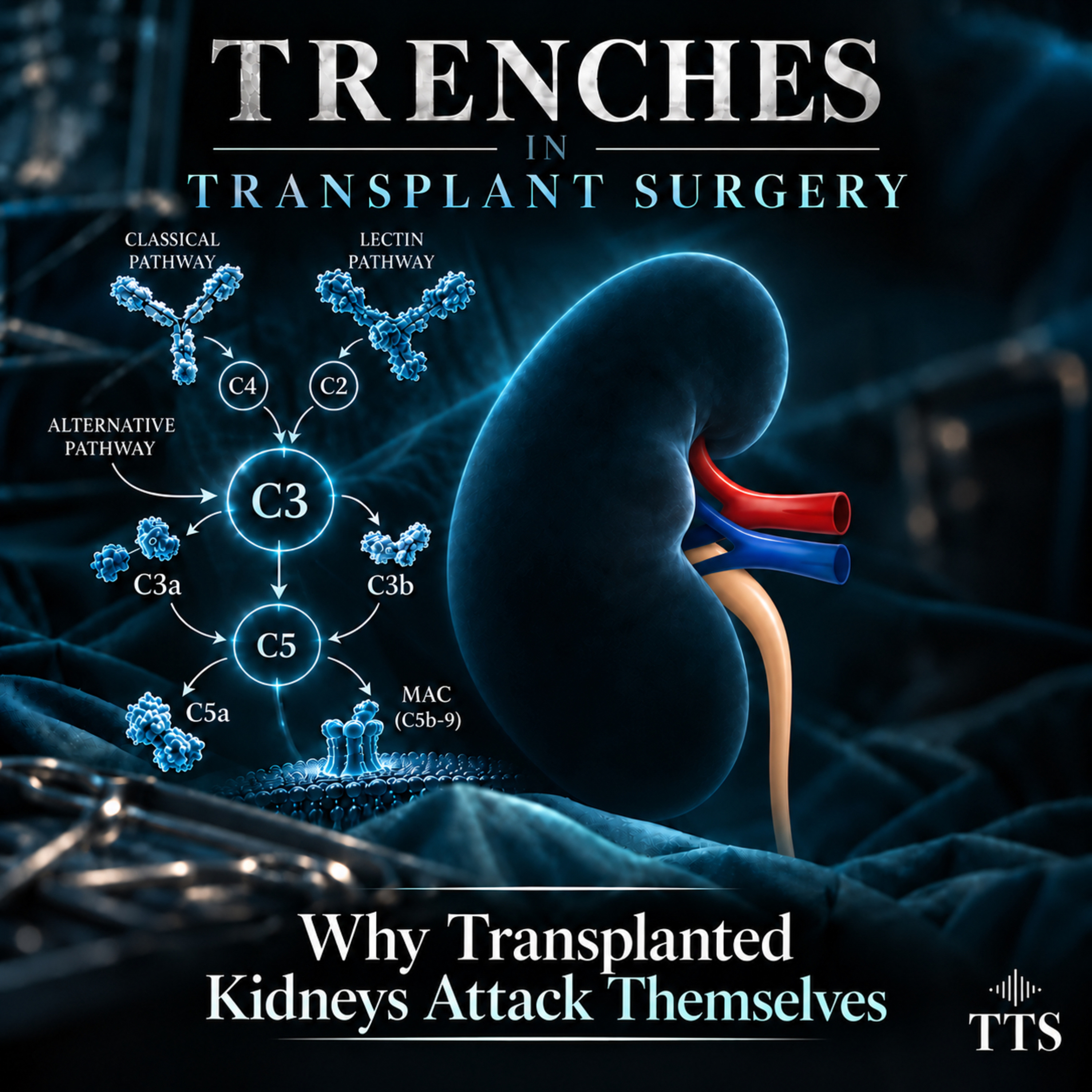 Why Transplanted Kidneys Attack Themselves 27.09.2026 58mThe complement system is emerging as a major determinant of kidney transplant injury, rejection, and recovery. Rather than acting only as a terminal lytic pathway, complement connects innate and adaptive immunity and contributes to ischemia/reperfusion injury, delayed graft function, T-cell activation, antibody-mediated rejection, and thrombotic microangiopathy.The most clinically important perioperative risk factors for delayed graft function are DCD donation and recipient anuria. When both are present, DGF risk rises markedly—reported around 70% in one retrospective cohort—and older recipients appear particularly vulnerable to severe perioperative complications.Mechanistically, C3 and C5 are central players in ischemia/reperfusion injury. The kidney allograft itself can generate substantial local C3, while C3a and C5a amplify leukocyte recruitment, endothelial activation, vascular permeability, and cytokine release. This helps explain why complement activation begins very early, often before conventional rejection is clinically apparent.Complement also participates in rejection. In T-cell-mediated rejection, locally generated C3a and C5a enhance T-cell survival and alloreactivity. In antibody-mediated rejection, classical-pathway activation produces C4d and can drive endothelial injury through C5b-9 and inflammatory signaling. However, C4d-negative AMR and the importance of NK cells show that not all antibody-mediated injury is complement dependent.Another major application is post-transplant thrombotic microangiopathy, especially in patients with complement-regulatory gene abnormalities or endothelial injury from calcineurin inhibitors, rejection, or ischemia. In this setting, terminal complement blockade with agents such as eculizumab can be particularly effective.Therapeutically, however, complement inhibition remains more convincing for specific diseases such as aHUS and complement-mediated TMA than for routine prevention of DGF or chronic rejection. Eculizumab has produced mixed results in deceased-donor transplantation and sensitized recipients, while newer agents such as ravulizumab are being studied in high-risk DGF populations.The most interesting future direction may be combining complement-directed therapy with machine perfusion. Ex vivo perfusion could allow complement inhibitors or other anti-inflammatory agents to be delivered directly to the kidney before implantation, potentially limiting ischemia/reperfusion injury without exposing the recipient to prolonged systemic immunologic suppression.Bottom line: complement is not merely a marker of kidney transplant injury—it is part of the mechanism. But the clinical challenge is identifying which patients, which pathway, and which phase of transplantation are most appropriate for complement-targeted intervention.Disclaimer: This podcast is created with AI assistance and reviewed by a physician. It is intended for educational purposes only and does not constitute medical advice.
-
 Edit the Disease - or Replace the Liver? 24.09.2026 56mEdit the Disease - or Replace the Liver? examines whether mRNA therapy, gene replacement, CRISPR and base editing could eventually prevent the need for liver transplantation.Human studies already show that therapeutic mRNA can temporarily replace missing hepatic enzymes, while gene editors can modify hepatocytes after intravenous delivery. Early BEAM-302 results in alpha-1 antitrypsin deficiency are particularly relevant: correcting the PiZ mutation may address both toxic protein accumulation in the liver and inadequate functional protein in the circulation.The central distinction is that correcting a molecular defect is not the same as restoring a damaged organ. Genetic medicine is most likely to replace transplantation in monogenic diseases treated before fibrosis, portal hypertension or multiorgan injury. It cannot currently reconstruct advanced cirrhotic architecture, rapidly replace lost hepatocyte mass in acute liver failure or reliably eliminate established liver cancer.Moderna’s personalized melanoma mRNA therapy offers a useful model for sequence-guided cancer treatment, but it is not a proven cure and has not been shown to replace transplantation for HCC. Meanwhile, machine perfusion could eventually allow donor livers to be genetically modified before implantation - transforming transplantation from organ preservation toward active organ repair.Bottom line: Genetic medicine may eliminate selected indications for liver transplantation before it eliminates transplantation itself. The decisive variable will be timing: correcting the disease before the liver becomes irreversibly damaged.
-
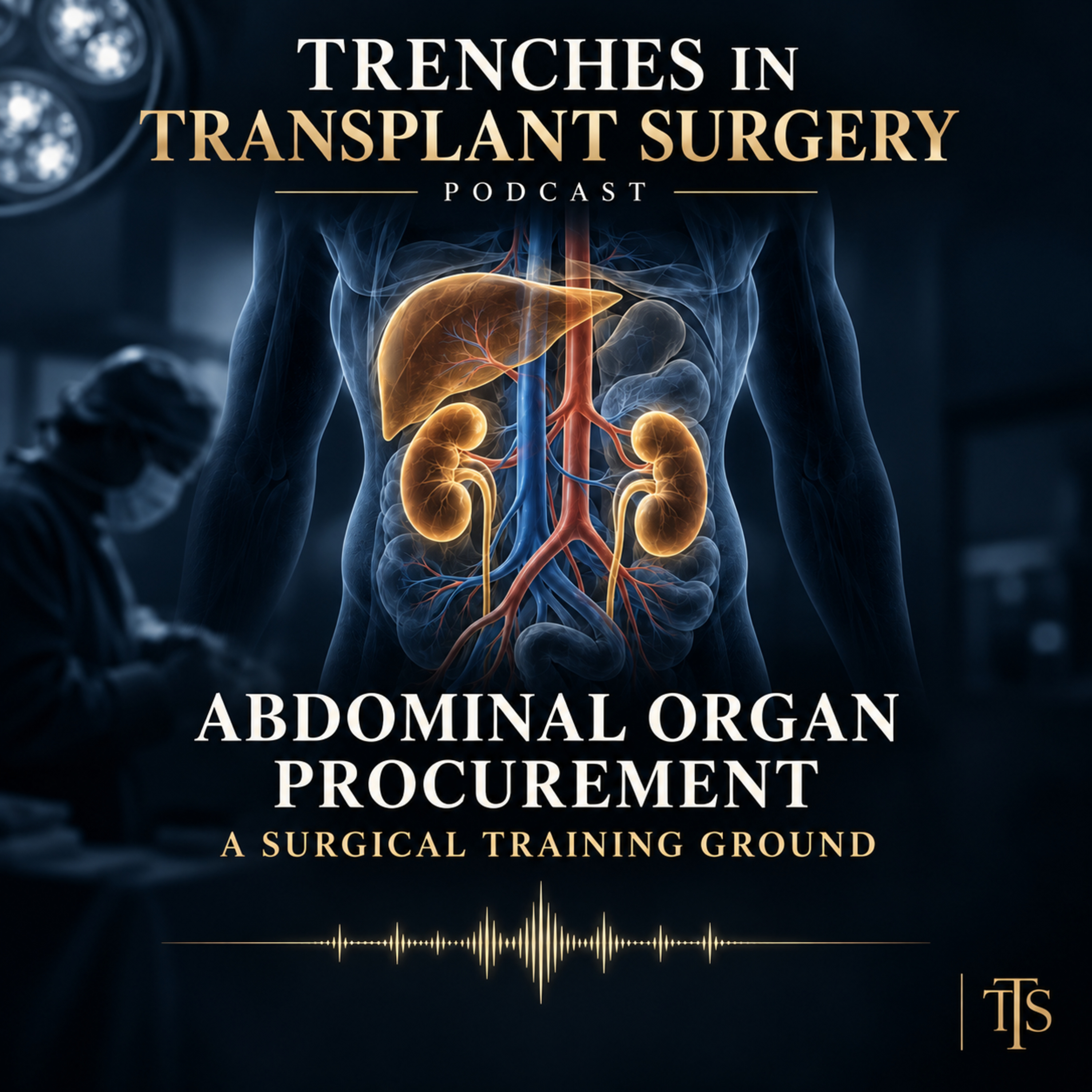 Abdominal Organ Procurement as Advanced Surgical Training A Contemporary 12-Week Curriculum — 2026 Update 22.09.2026 38mThis episode makes the case that abdominal organ procurement—especially DBD recovery—is one of the most underused training environments for major abdominal surgery.The central argument is that procurement should not be viewed simply as “organ removal.” A well-structured DBD recovery exposes trainees to the supraceliac and infrarenal aorta, IVC, renal hila, porta hepatis, celiac axis, SMA, mesenteric root, pancreas, and retroperitoneum in a single operation. That makes it a powerful platform for learning vascular control, complex anatomy, tissue handling, operative efficiency, and surgical judgment.The episode also updates this idea for the modern transplant era. A contemporary procurement surgeon must understand more than classical DBD technique: DCD workflows, NRP, hypothermic and normothermic machine perfusion, organ-quality assessment, preservation strategy, logistics, and coordination across thoracic, abdominal, OPO, anesthesia, and perfusion teams.A proposed 12-week immersive curriculum uses DBD procurement as the technical backbone. Trainees progress from observation and basic exposure to organ-specific liver, kidney, and pancreas recovery, then to DCD, NRP, machine perfusion, complication management, and ultimately supervised leadership of a complete multiorgan recovery.A major theme is that training should be competency-based rather than case-count based. The goal is not merely to attend a certain number of procurements, but to demonstrate reliable performance in anatomy, vascular control, organ stewardship, decision-making, teamwork, and leadership.The broader message is simple:Abdominal organ procurement can function as a concentrated fellowship in major abdominal anatomy.For residents, fellows, and even practicing surgeons, repeated DBD procurement can provide exposure to vascular and retroperitoneal maneuvers that might otherwise take years to accumulate through conventional general surgery alone.
-
 Rethinking the Liver Donor Risk Index 21.09.2026 54mThe Number on the Offer: Rethinking the Liver Donor Risk IndexThe liver donor risk index helped transplant teams quantify donor-associated graft risk. But an organ-offer decision requires more than a score: it depends on the recipient’s urgency and reserve, procurement findings, preservation and transport, operative complexity, and the consequences of continued waiting.This episode examines why weak predictive performance does not mean donor biology is irrelevant. Outcomes among transplanted livers already reflect clinical selection, matching, and management—and cannot establish that declined organs would have performed equally well. Modern preservation may change historical risk relationships, but it does not eliminate uncertainty.The practical takeaway: use LDRI as context, not an acceptance threshold. Identify the specific concern, explain its relevance to this candidate, document feasible mitigation, and compare accepting now with the realistic alternative of declining.The central question is not simply “How risky is this liver?” but “Does this liver offer this patient a better chance than waiting?”Evidence note: The cited September 2026 study and its reported AUC of 0.58 remain unverified pending the original paper or DOI.
-
 Preservation Pathways in Liver Perfusion 07.09.2026 18mThis episode examines the critical oversight in liver transplantation literature where the broad label of normothermic machine perfusion (NMP) is used to describe fundamentally different preservation workflows. They emphasize that comparing portable organ care systems initiated at the donor site against back-to-base platforms connected after cold transport requires separating preservation timing from hardware performance. The materials highlight how variables such as donor warm ischemia, regional perfusion, and organ selection heavily influence patient outcomes and biliary complications. Furthermore, the texts argue that current observational data and randomized trials do not establish the universal superiority of any single device over another. Ultimately, the sources advocate for a comprehensive recording of the entire preservation sequence and standardized endpoints to accurately evaluate the true net benefit of each transplant strategy.Created with AI assistance and reviewed by a physician. For educational purposes only.
-
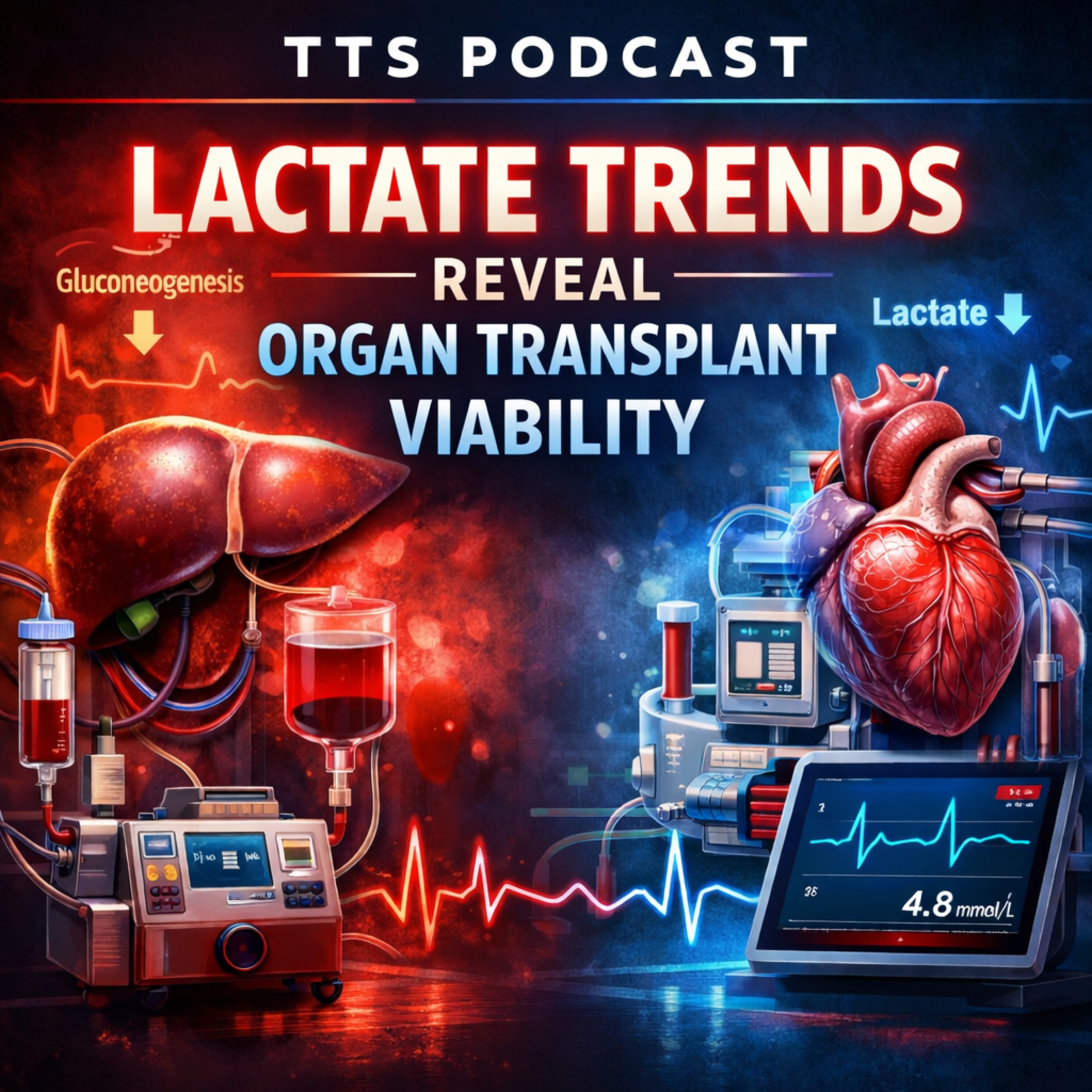 Lactate trends reveal organ transplant viability 22.02.2026 17mThis episode explores the critical role of **lactate metabolism** as a biomarker for assessing organ quality in **Donation after Circulatory Death (DCD)** compared to **Donation after Brain Death (DBD)**. While the heart typically consumes lactate and the liver clears it, the **warm ischemia** inherent in DCD causes a shift toward anaerobic metabolism and significant lactate accumulation. To mitigate this injury, advanced **ex vivo perfusion** and **normothermic regional perfusion** techniques are utilized to monitor **lactate clearance trends** as a primary indicator of graft viability. While absolute thresholds exist, such as specific millimole targets for livers and hearts, the **downward trajectory** of lactate levels during perfusion is a more reliable predictor of post-transplant success. Clinical data suggest that when these metabolic markers are managed effectively, DCD organs can achieve **survival outcomes** comparable to traditional DBD grafts. Ultimately, the conversation highlights how **metabolic monitoring** transforms high-risk donor organs into viable options for transplantation.
-
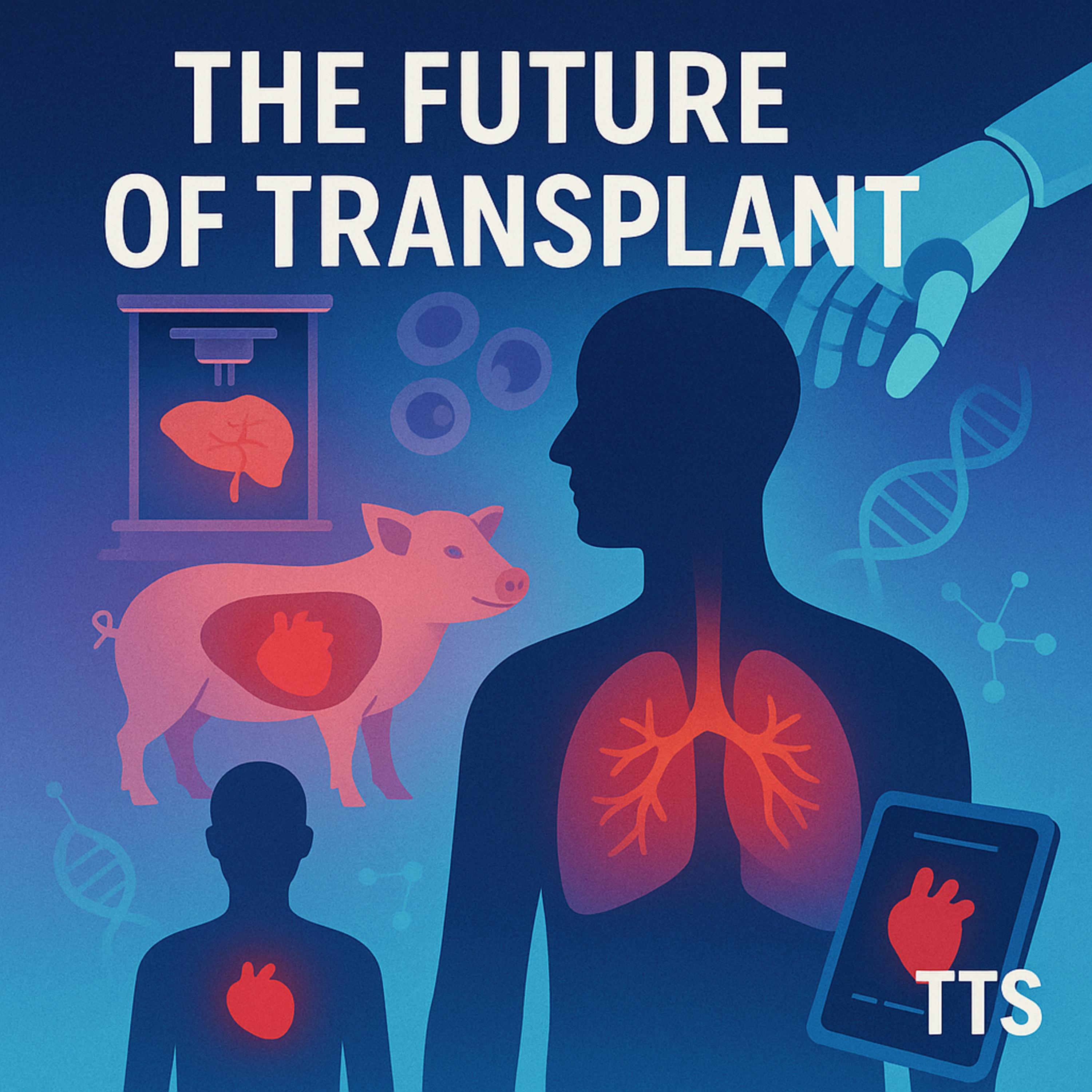 The Future of Transplant (Organ Transplantation in 2050) 30.10.2025 43mBy 2050, organ transplantation will be radically transformed—from a scarce, donor-dependent therapy into a diverse ecosystem of biological and technological solutions. Patients will receive organs from genetically engineered pigs, bioprinting labs, or even their own regenerated cells, while many others may avoid transplantation altogether through regenerative medicine, gene editing, and artificial organ implants. Advances in AI-driven allocation, precision medicine, and opt-out donation policies will expand access and efficiency, though disparities may persist between rich and poor regions. As bioengineered and artificial organs blur the boundaries between human, animal, and machine, the ethical, psychological, and cultural dimensions of identity, equity, and mortality will become central. Ultimately, the future of end-stage organ disease lies not only in replacing organs but in redefining what it means to heal, live, and thrive beyond biological limits.
-
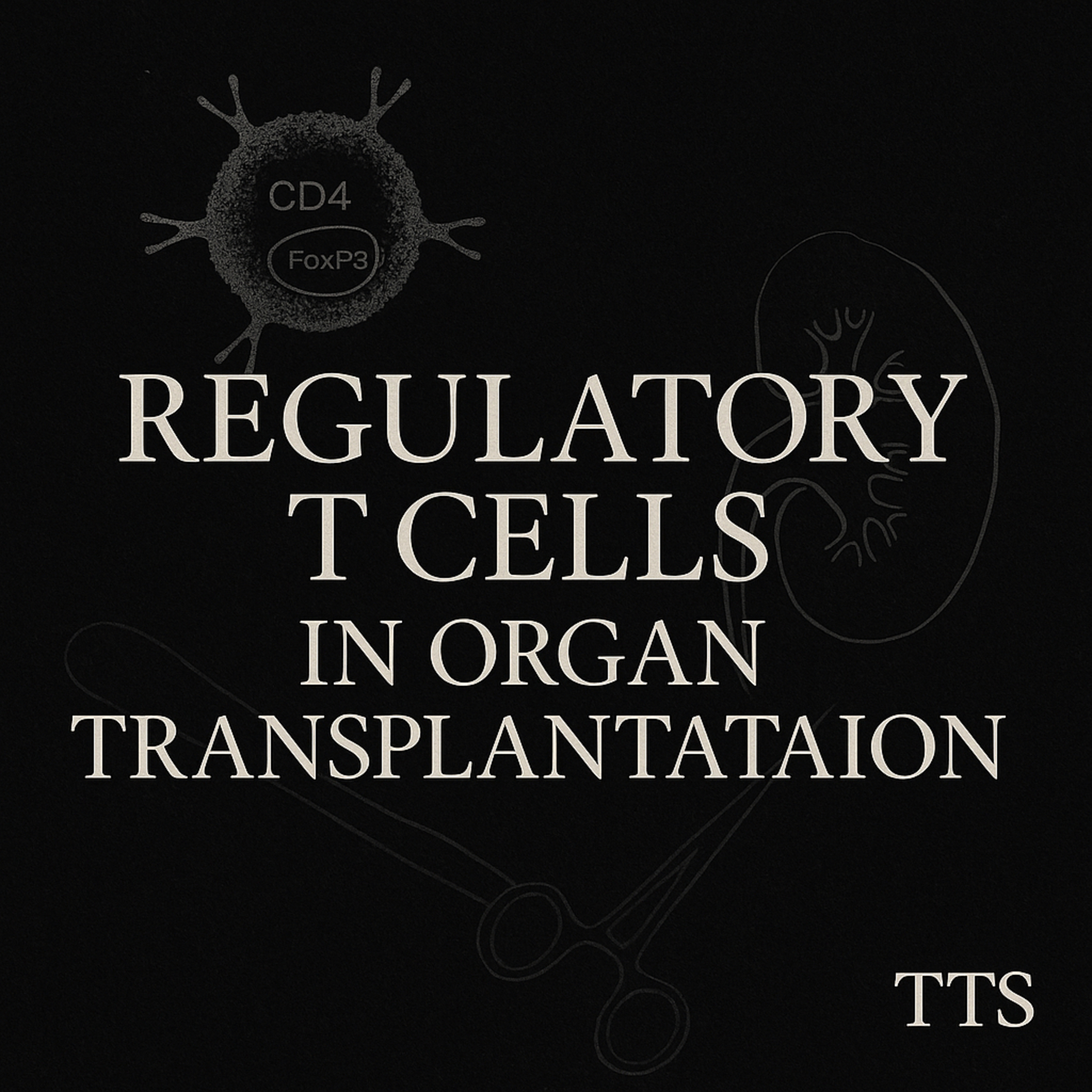 Regulatory T Cells in Organ Transplantation 07.10.2025 41mRegulatory T cells (Tregs)—discovered by Shimon Sakaguchi, Mary Brunkow, and Fred Ramsdell, who were awarded the 2025 Nobel Prize—are central to inducing immune tolerance and preventing organ transplant rejection. These CD4⁺FoxP3⁺ cells suppress alloimmune responses through multiple mechanisms (IL-10, TGF-β secretion; CTLA-4–mediated dendritic cell modulation; IL-2 consumption; cytotoxic effects on effector T cells). Clinically, higher Treg levels correlate with better graft survival and fewer rejection episodes. Early-phase trials in kidney and liver transplantation show that adoptive Treg infusions are safe, reduce acute rejection, and allow lowering of toxic immunosuppressive drugs. Approaches include polyclonal Tregs, donor-specific Tregs (darTregs), low-dose IL-2 to expand Tregs in vivo, and cutting-edge CAR-engineered Tregs for precise graft targeting. Key challenges remain—maintaining Treg stability and specificity, avoiding off-target immunosuppression, and overcoming complex cell manufacturing. Future directions focus on CAR/FOXP3-engineered “super Tregs,” orthogonal IL-2 systems for selective in vivo expansion, biomaterial-based delivery, and scalable Treg production from thymus or iPSCs. These advances aim to achieve durable, donor-specific tolerance with minimal lifelong immunosuppression—potentially transforming transplant care.
-
 Desensitization and Pheresis in Kidney Transplant 03.10.2025 56mDesensitization has transformed kidney transplantation for patients with high immunologic risk by lowering or removing antibodies that would otherwise cause graft loss. Pre- and peri-transplant plasmapheresis (therapeutic plasma exchange) with low-dose intravenous immunoglobulin (IVIG), sometimes combined with B-cell depletion (rituximab) or newer agents (imlifidase, bortezomib, daratumumab), is standard for HLA- or ABO-incompatible living and deceased donor transplants. Plasmapheresis is also first-line therapy for antibody-mediated rejection and for recurrent focal segmental glomerulosclerosis (FSGS), where early, intensive sessions can induce remission; resistant cases may benefit from lipoprotein apheresis. Highly sensitized patients are identified by elevated panel reactive antibody (PRA/cPRA) levels; allocation systems now prioritize these candidates, but desensitization remains key when compatible organs are unavailable. Pediatric protocols aim to minimize apheresis burden while maintaining good graft survival. In parallel, xenotransplantation—especially gene-edited pig kidneys—is entering early human trials; here, preemptive or rescue plasmapheresis/IVIG has shown utility in controlling anti-pig antibody responses. Emerging strategies target long-lived plasma cells, complement pathways, and precise antibody monitoring to make incompatible and xenogeneic transplantation safer and more durable.
-
 Organ Offer Review - Kidney and Liver Transplant 02.10.2025 39mWhen a deceased-donor offer arrives, the on-call surgeon rapidly weighs donor organ quality, recipient need, and logistics within OPTN/UNOS policy. For kidneys, decisions hinge on KDPI, creatinine/AKI course, machine-pump metrics, procurement biopsy (e.g., glomerulosclerosis/arteriosclerosis), HLA antibodies/virtual or physical crossmatch, and the patient’s wait time/sensitization; kidneys tolerate longer cold ischemia and can be deferred a few hours if needed. For livers, the focus is MELD/urgency, donor stability (pressors/arrest), DCD status and warm ischemia, steatosis by appearance/biopsy, extreme transaminases, size match, and the ability to transplant quickly (short cold time ± normothermic perfusion), with far less emphasis on HLA. Logistics—distance/transport mode, OR and team readiness, projected cold ischemia, and availability of perfusion—can tip the balance for either organ. Donor infections (e.g., HCV NAT+) are acceptable with informed consent and modern antivirals; ABO compatibility is mandatory (liver ABO-incompatible only in rare emergencies). UNOS DonorNet, offer filters, image/biopsy sharing, and emerging AI triage tools streamline evaluation, while center-specific protocols and national metrics encourage timely, appropriate acceptance rather than reflexive decline. Ethically, surgeons balance utility and equity—accepting enough risk to save the right patient now without wasting scarce grafts—recognizing that kidney transplantation is comparatively elective in timing, whereas liver transplantation is often urgent and less forgiving of delay.
-
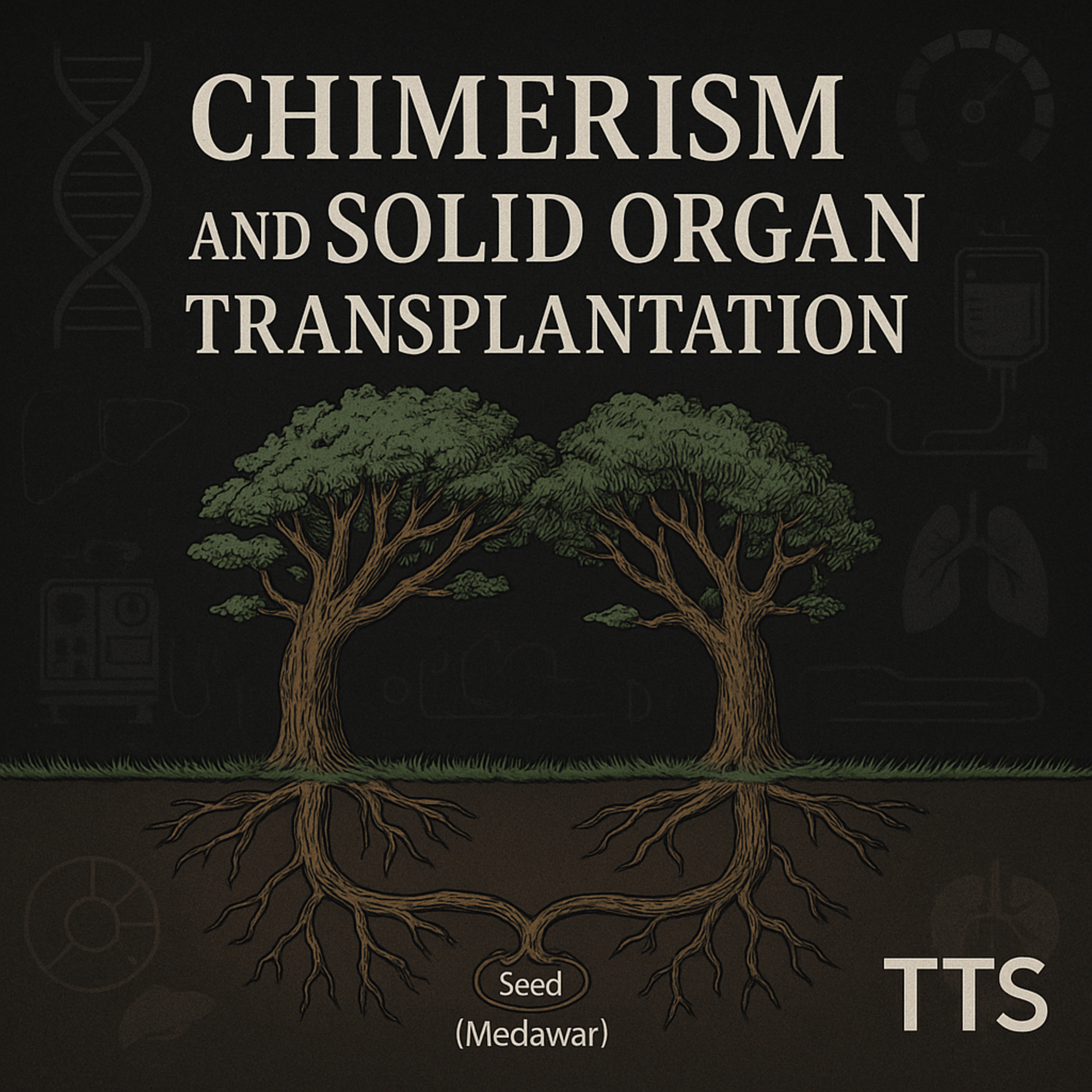 Chimerism and Solid Organ Transplantation 01.10.2025 48mChimerism—the coexistence of donor and recipient hematopoietic cells—has become central to understanding and inducing immune tolerance in solid organ transplantation. Early work by Owen, Medawar, and later Starzl revealed that donor “passenger leukocytes” can persist as microchimerism in recipients, reshaping the once one-way host-versus-graft paradigm into a bidirectional model. Stable mixed chimerism can induce central and peripheral tolerance by deleting or regulating donor-reactive lymphocytes, while microchimerism may help sustain long-term graft acceptance but is not uniformly protective. Clinical trials combining kidney or liver transplants with donor stem cell infusions have shown that mixed or even transient chimerism can allow safe withdrawal of immunosuppression, though challenges include toxic conditioning, GVHD risk, inconsistent predictability, and unclear biomarkers. Advances in non-myeloablative regimens, regulatory cell therapies, costimulation blockade, precision immune monitoring, and bioengineering hold promise for making chimerism-based tolerance safer and more broadly applicable.
-
 DCD vs DBD — Inside the Critical Step of Organ Procurement 28.09.2025 42mFollowing a recent New York Times report that questioned the ethics and safety of donation after circulatory death (DCD), this episode clarifies how DCD and donation after brain death (DBD) actually work in U.S. organ procurement. We explain why DCD now accounts for ~43% of deceased donors (≈7,300 in 2024, 13,496 transplants) and how it complements the ~9,700 brain-dead donors who still provide most organs. We explore the surgical, ethical, and logistical safeguards that make procurement safe and trustworthy, the innovations (machine perfusion, NRP) that expand DCD use, and why expert procurement is the critical bridge that preserves organ quality, upholds public trust, and makes every transplant possible.
-
 Red Flags in Normothermic Machine Perfusion 25.08.2025 25mDuring normothermic machine perfusion (NMP), several red flags may prompt declining a liver for transplantation. The most critical biochemical warning is failure to clear lactate to <2–2.5 mmol/L within 2–3 hours, or a rebound rise after initial clearance, indicating poor hepatocellular metabolism. Persistent metabolic acidosis despite heavy bicarbonate support and sharply rising ALT/AST (especially ALT >6000 IU/L) reflect ongoing hepatocellular injury. Perfusion parameters such as low hepatic artery (<150 mL/min) or portal flow (<500 mL/min) at target pressures, or rising vascular resistance, signal microvascular dysfunction. Absent or minimal bile output and, more importantly, abnormal bile chemistry (acidic pH <7.4, high bile glucose nearly equal to perfusate) are strong predictors of biliary complications and graft non-viability. Morphological red flags include patchy discoloration, uneven perfusion, severe steatosis, or firm/nodular architecture. Histology, if available, showing extensive hepatocyte necrosis, endothelial injury, or cholangiocyte death further supports declining. While absolute thresholds vary between centers, the combination of failing metabolic recovery, poor perfusion, absent bile, and histologic injury reliably predicts a high risk of primary non-function or ischemic cholangiopathy, making such livers unsuitable for transplant.
Similar podcasts


Popular in
The podcast also appears in the podcast charts of these countries.
