
Prism of Torah
Prism of Torah
0
Prism of Torah illuminates the depths of Jewish wisdom through a weekly exploration of the parasha and Jewish holidays. Reb Asaf Aharon Prisman masterfully blends profound insights with practical guidance, unlocking the layers of meaning in each Torah portion through the four main aspects: Pshat, Remez, Drash, and Sod. Cultivate your connection with Hashem and apply timeless wisdom to your daily life.
Episodes
-
 When Thank You Sounds Like Goodbye • Parshas Vayeitzei • Ep. 460 19.11.2026 13mThe Gemara in Berachos says Leah was the first person since creation to truly thank Hashem. Yet the very next words say she stopped giving birth, and several rishonim say this hinted that something was lacking in her thank-you. How can the first real thank-you in history be lacking? We end off with a ruined man who travels for months to meet Rothschild, and the very unique thing Rothschild hands him.If your "Baruch Hashem" is just a way to thank Hashem, perhaps this podcast is for you.
-
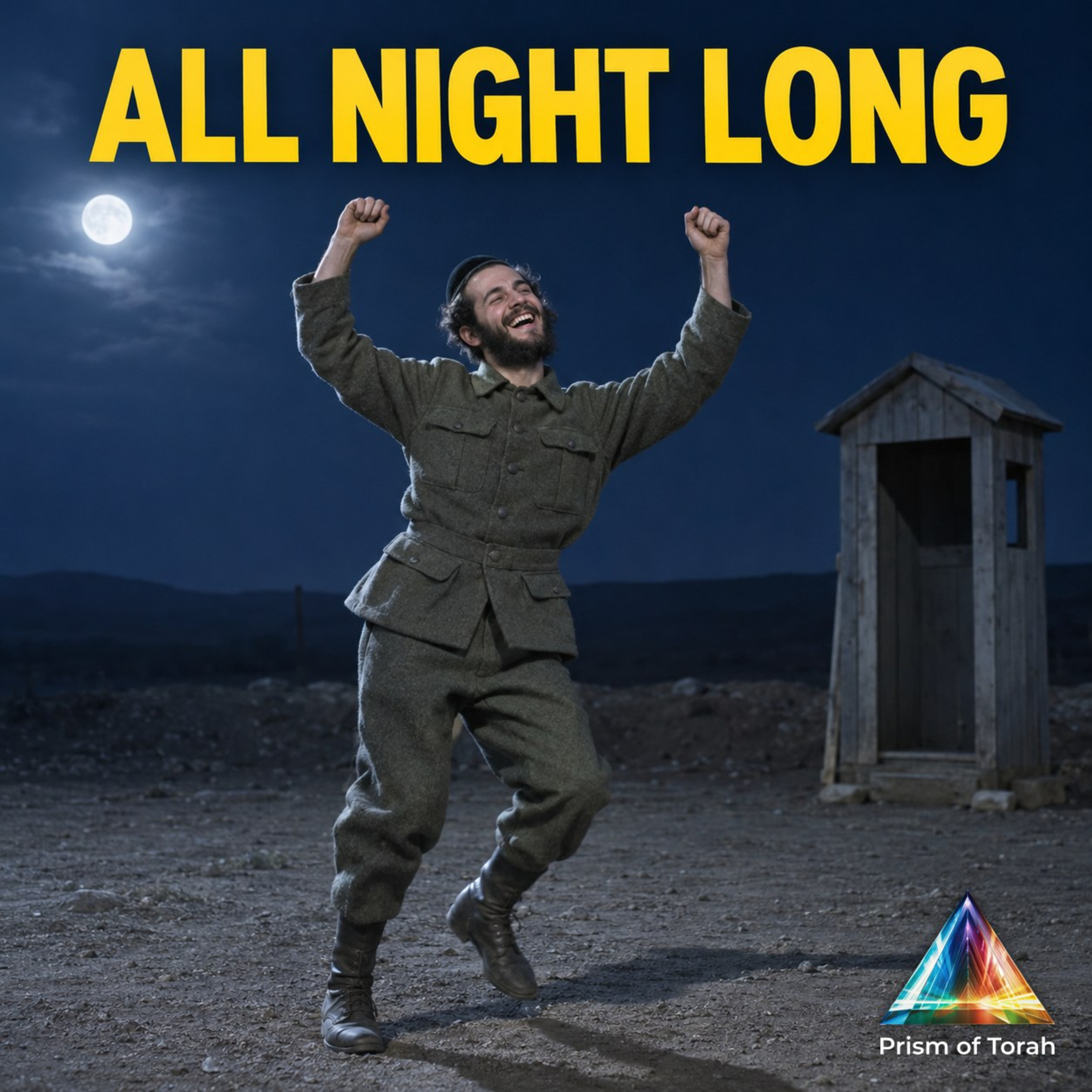 A Veteran on His First Day • Parshas Toldos • Ep. 459 12.11.2026 12mA Jewish soldier walks in to see the Slonimer Rebbe on the first day of Sukkos. The Rebbe takes one look at his face and asks, “What mitzvah did you do last night?” The soldier gives a beautiful answer, but the Rebbe shakes his head: “There must be something more than that.” Perhaps the answer is hidden in why a vav is missing when the Torah says Yaakov was “sitting” (יֹשֵׁב) in the tent of Torah.
-
 Mincha: The Money Ball of Your Day • Parshas Chayei Sarah • Ep. 458 05.11.2026 13mWhy does the Gemara single out Mincha as the tefillah that needs extra care, and why was Eliyahu answered on Har HaCarmel specifically at Mincha? Shacharis is the first thing we do in the morning and the longest davening, so what is so special about a tefillah in the middle of the day? This week starts with Yitzchak going out to the field toward evening and the Tur's answer. A hidden gem in Eshes Chayil, which we say every week around the Shabbos table, ties right into the answer. Then comes a true story Rabbi Zecharia Wallerstein zt"l told about his father: a lunch meeting with Milton Petrie,...
-
 The Pajamas That Kept Shabbos • Parshas Vayeira • Ep. 457 29.10.2026 10mWhat does it mean to bow to the dust on your feet? Of all the idols in the ancient world, why would anyone worship that? This question is raised and answered by the Maharal, but in this episode we will share with you a game-changing concept by Rav Moshe Shapiro, zt"l. Then we meet a man from Radin who was fired every Friday for two years rather than break Shabbos, until the war came. Listen for what his wife did before dawn, and ask yourself which of your values you live by and which ones you use.
-
 Would You Pass the Boring Test? • Parshas Lech Lecha • Ep. 456 22.10.2026 12mAvraham walked out of Nimrod's blazing furnace alive, so why does the Torah never tell the story? Why is one of the biggest miracles of his life hidden inside a place name, while a plain command to pack up and move gets open, detailed pesukim? Rabbi Asaf Prisman brings Rav Frand and the Sam Derech on Avraham's ten tests, and tells the story of a wounded soldier in Lebanon whose friends could not understand why he kept rolling onto his side. A Lech Lecha episode about what the Torah really counts, and where in your own week it may be hiding.
-
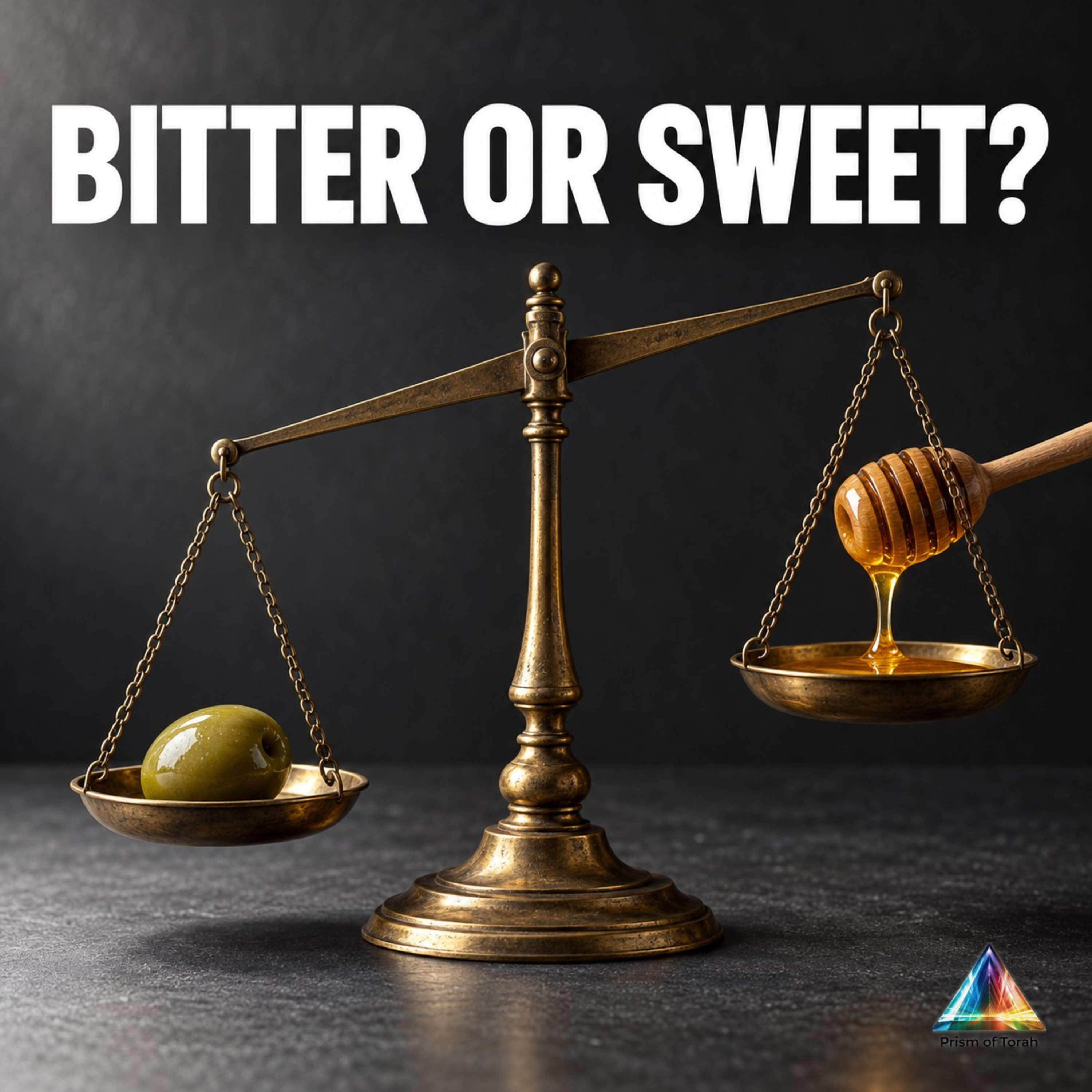 When Bitter Becomes Sweet • Parshas Noach • Ep. 455 15.10.2026 12mOf all the leaves in the world, why did the dove come back to Noach with an olive leaf, and why would anyone choose bitter over sweet? The answer takes Rabbi Asaf Prisman from a Gemara in Eiruvin all the way to a struggling young man in the diamond district and two phone calls he never questioned.
-
 The Main Ingredient That Makes a Mensch • Parshas Bereishis • Ep. 454 08.10.2026 12mIf Hashem didn't want Adam and Chava to eat from the Eitz HaDaas, why plant it at all? And why right in the middle of the garden, where they would pass it every single day, when any loving father would push the danger into a corner? Rabbi Asaf Prisman opens the new cycle with a chiddush of the Tiferes Shlomo on one small word in the pasuk, and why the creation of Chava comes right after it. From a crown on a king to a lifeguard's summer job, this one changes how you look at every limit in your life.
-
 Do You Earn Your Gifts? • Sukkos • Ep. 453 24.09.2026 15mWhy is Sukkos in Tishrei? The Clouds of Glory first surrounded us in Nissan, when we walked out of Mitzrayim, so the festival that commemorates them should really fall in the spring. The Tur asks it, and the Vilna Gaon answers it in a way that quietly rewrites what the whole Yom Tov is about: the Clouds we sit under are not the first Clouds at all.To bring it to life, I share the story of a young man who drove to his warehouse at two in the morning, in his pajamas, and watched every dollar he had ever earned dissolve in front of him. That night he nearly gave up entirely. What he did the next...
-
 The Prison Sentence That Saved His Life • Parshas Haazinu • Ep. 452 17.09.2026 13mWhy does Hashem say "I" twice in Haazinu? What is the sin of "timhon levav" that we confess every Yom Kippur? And why would the seforim call the holiest day of the year "a day like Purim"? In this week's episode, Rabbi Asaf Prisman follows the Kli Yakar and Rav Gedaliah Schorr into a concept that is basic to these days of Aseres Yemei Teshuva, as we prepare for Yom Kippur. He ends with a remarkable story of how this idea shows itself, sometimes in a very unusual way: how going to prison for a crime he never committed turned out to be the best thing that ever happened to one man.
-
 The Worst Thing You Can Do to a Picasso • Rosh Hashana • Ep. 451 10.09.2026 11mWhat is the single worst thing you could do to a priceless Picasso? Slashing the canvas ruins the picture, but it doesn't destroy the value. In this Rosh Hashana episode, Rabbi Asaf Prisman uncovers why our calendar seems completely backwards. Rosh Hashana is the Day of Judgment and Yom Kippur is the Day of Forgiveness, so why are we judged before we are cleansed? Should we not come into the Day of Judgment with a clean slate? The answer reaches why Hashem refuses to audit your failures on the Day of Judgment, and the hidden royal signature inside every single soul that no mistake on earth can...
-
 The Inheritance You Cannot Fake • Parshas Nitzavim • Ep. 450 03.09.2026 13mWhy does the Torah tell us to choose life so that both we and our children will live? Why should a parent's choice determine what the next generation wants? Rav Moshe Feinstein finds a startling warning in the wording: a person can keep every mitzvah and still fail to pass Torah on. A father preparing for his son's bar mitzvah faced five stranded yeshiva students and made a choice that turned an entire feast into something his son would never forget. This episode asks what children truly inherit when they watch our avodas Hashem, and why the feeling they see may matter as much as the actions t...
-
 Are You Chasing It, or Is It Chasing You? • Parshas Ki Savo • Ep. 449 27.08.2026 12mKi Savo promises that the blessings will chase you down and overtake you. But who runs away from a bracha in the first place? And what does it even mean that a bracha has to catch you, if Hashem already promised you would get it?Hold that question, and listen to this. A young father in kollel dies, and his nine-and-a-half-year-old son shuts down completely. The specialist's diagnosis runs several conditions long, and the treatment plan costs more money than the family will ever see. So the mother goes to the Rosh Yeshiva of Chibin and asks him to pay for it. He listens to the whole thing, and...
-
 Is It Your Nature, or Just Your Opinion? • Parshas Ki Seitzei • Ep. 448 20.08.2026 12mAmmon and Moav did not come out to meet us with bread and water. Amalek attacked us in cold blood, and we are commanded to erase their memory. So why does the Torah bar a convert from Moav from marrying into Klal Yisrael forever, while a sincere convert from Amalek may marry right in, and the descendants of Haman himself learned Torah in Bnei Brak?The answer turns on where a nation's failing actually lives, and it changes what you think is fixable about yourself.I also tell the story of a woman who waited two days outside a Berlin office in the late 1930s. She was told the visas were finished....
-
 The Soldier Who Was Sent Home • Parshas Shoftim • Ep. 447 13.08.2026 14mWhy does the Torah send a soldier home from the front line — not for cowardice, but for having spoken between his tefillin shel yad and his tefillin shel rosh? Of every aveirah in the Torah, why is that the one that disqualifies him? This week we bring the Tolner Rebbe's approach: the arm-tefillin is a man's own strength, the head-tefillin is his awareness of Who gives him that strength, and the whole avodah is refusing to let the two come apart. A soldier who has already severed them is right to be afraid. And we are all going out to some battle every day.
-
 Don't Waste Your Tears • Parshas Re'eh • Ep. 446 06.08.2026 13mA woman locks herself in her house for months after losing a child, furious at anyone still laughing, still living. Dragged to a wedding against her will, she escapes into an old pay phone just to scream and cry without being watched — and an elderly woman selling nothing but a dollar's worth of tzedaka walks over and tells her she's "wasting her tears." Then that old woman reveals she lost ten children in Auschwitz. What she says next — about where grief is supposed to go — is the whole episode. This is not a Holocaust story. It's a story about what your own tears are actually for.
-
 Who Is Flying Your Plane? • Parshas Eikev • Ep. 445 30.07.2026 10mHashem asks only one thing of you. Then the pasuk lists four more. So which is it? In Parshas Eikev, Rabbi Prisman opens a question that sits in plain sight in Devarim, and finds the same puzzle again in L'Dovid Hashem Ori, where Dovid HaMelech asks for one thing and then names several. The answer reframes what yirah actually is: not dread of punishment, but awe -- the same letters as re'iyah, seeing. And it explains why Chazal read the word Ma as Me'ah and built a hundred brachos a day on top of it. A man once told Rabbi Yaakov Galinsky he was still researching his surgeon. Galinsky asked him...
-
 The Man Who Stayed Silent, and Lost the Temple • Tisha B'Av • Ep. 444 21.07.2026 13mA man gets blamed by the Gemara for destroying Jerusalem — and he didn't do anything. He wasn't invited to the party. He didn't start the fight. He just stood there and watched someone get humiliated and thrown out, and said nothing. That silence, Rabbi Prisman argues, is the real story of the Churban — not hatred, just people who stopped noticing each other. This Tisha B'Av, that's the connection worth making: not just mourning a building, but closing the gap between not hating someone and actually feeling their pain. Ahead of Tisha B'Av, a hard question worth sitting with: if "I don't hate a...
-
 The Grudge That Was Blocking a Marriage • Parshas Devarim • Ep. 443 16.07.2026 15mA family did everything to find their daughter a match: every segulah, every school, every tzedakah, and nothing worked. Then a Rav asked one question that had nothing to do with shidduchim: is there someone you're holding a grudge against? What they uncovered, and what happened the very next year in their own backyard, is one of the most quietly stunning stories about what's actually blocking our brachos. This episode is about why sometimes the good isn't missing, it's just waiting for us to clear something out of the way first.
-
 The Sacred Vessel That Made a Promise Come True • Parshas Mattos & Masei • Ep. 442 09.07.2026 13mA chassidish performer made a joking promise to an 18-year-old boy dying of cancer: "Hashem will dance at your wedding." The boy just smiled and said, "maybe in another life." Years later, an invitation arrived from a wedding he didn't recognize — and what happened on that dance floor is why Rabbi Asaf Aharon Prisman says your mouth might be the most powerful thing you own. It all comes back to two words hidden in this week's parsha that most people read straight past.
-
 When Cutting Someone Off Is the Peaceful Thing to Do • Parshas Pinchas • Ep. 441 02.07.2026 14mWhy does a violent act earn the title “covenant of peace”? And why, in the Sefer Torah, is the very word Shalom in that covenant written with a broken letter — with a gap in the center? Pinchas stopped a plague that had already killed 24,000 people, and Hashem's reward wasn't subtle — it was peace itself. This week we trace that reward back through a strange detail in Maaseh Bereishis, a story about a businessman who refused to take off his kippah before closing a major deal, and a pasuk that tells us which comes first: truth or peace. The answer reframes what “keeping the peace” actually requ...
Similar podcasts


Popular in
The podcast also appears in the podcast charts of these countries.

