
A is for Architecture Podcast
Ambrose Gillick
0
Explore the world of architecture with the A is for Architecture Podcast hosted by Ambrose Gillick. Through conversations with designers, scholars and practitioners, Ambrose unpacks the creative and theoretical dimensions of architecture. Whether you're a professional, student, or design enthusiast, the A is for Architecture Podcast offers the best insights into how buildings shape society and society shapes buildings.
Episodes
-
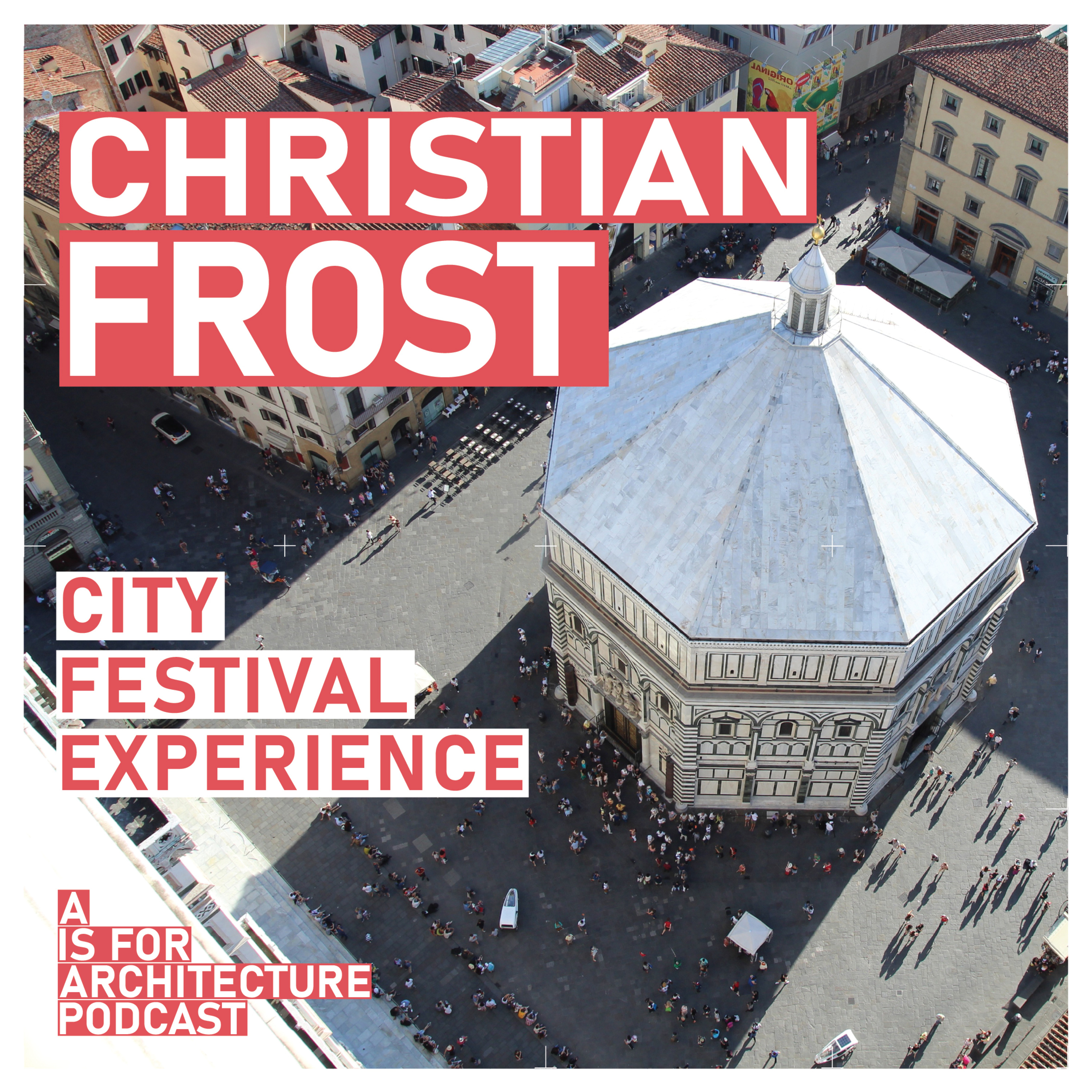 Christian Frost: City, festival, experience. 11.11.2026 1h 5mIn latest A is for Architecture Podcast episode Cristian Frost, architect, professor and Head of Research at the School of Art, Architecture and Design, London Metropolitan University, about his 2025 book, Architecture and Cultural Continuity: The Making of Festival, Experience and Historicity, and published by Bloomsbury.In our discussion, we approach Christian’s argument that architecture is part of culture, not an expression of it, and that it should be understood as lived experience rather than as form. To recover depth lost in modernism’s architecture, festival – public, civic, ritual and...
-
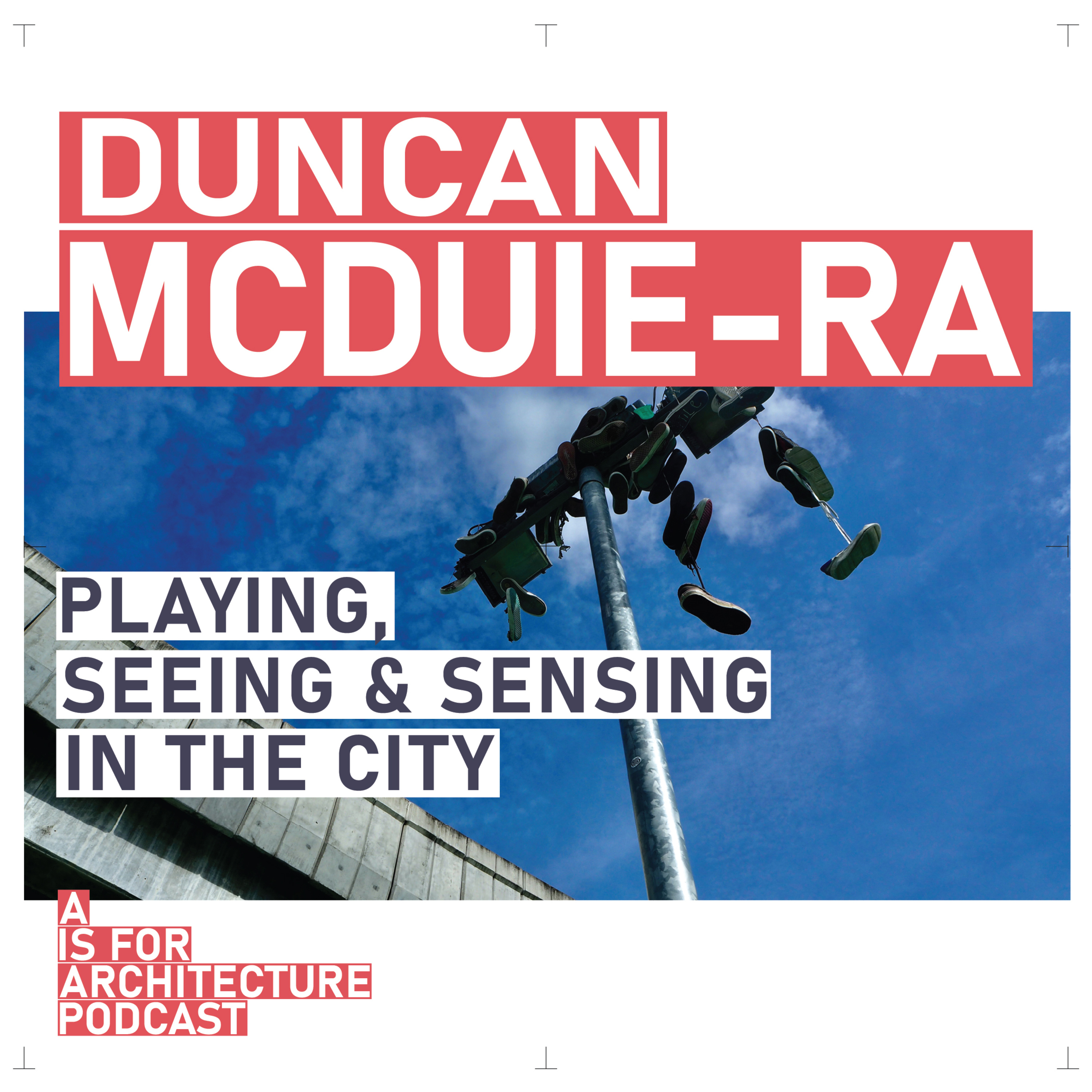 Duncan McDuie-Ra: Playing, seeing and sensing in the city. 03.11.2026 47mThe latest A is for Architecture Podcast episode is a conversation with Duncan McDuie-Ra, professor and head of school at Monash University, Malaysia campus, about his book, Insurgent Play: Social Worlds of Urban Disruption, published by Anthem Press in July 2025. Skateboarding is the basis for Duncan’s and my discussion, a form of skilled play that is minimally bounded by rules, equipment and behaviour and yet remains marginal and, in many places, actively prohibited. Through their play, skateboarders – insurgent players - develop what Duncan refers to as a radical attunement to urban space,...
-
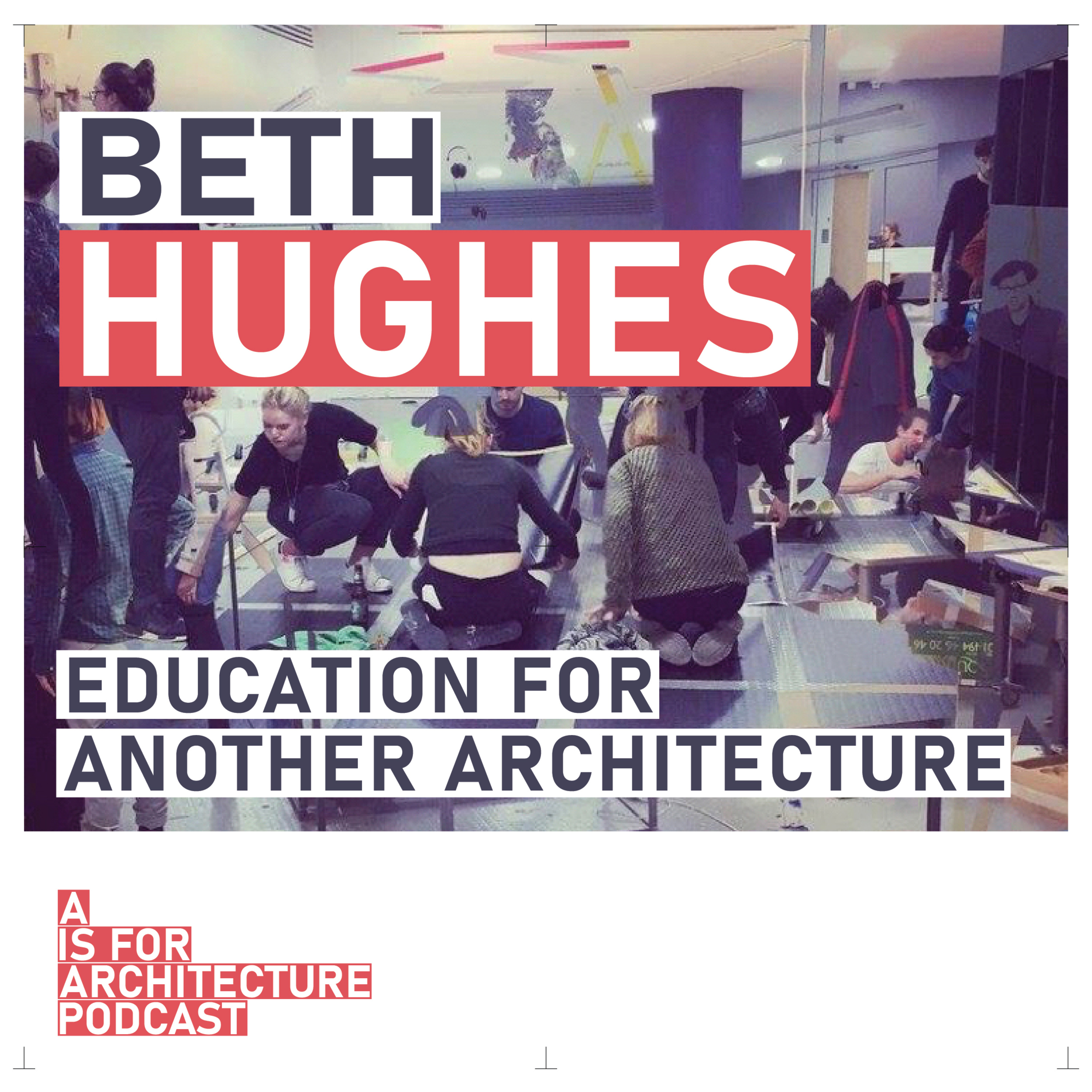 Beth Hughes: Education for another architecture. 27.10.2026 59mIn the newest episode of the A is for Architecture Podcast Beth Hughes, Head of Architecture at the Royal College of Art, London, spoke with me about, well, all sorts – but mainly how architecture is taught now, what sort of thinkers and doers this produces, and therefore what sort of urbanism and architecture we can expect to get from them. The financial and social barriers built into how architects are trained shapes who designs cities and buildings, which changes the shape of the places we end up living in.To this end, Beth and I discuss Britain’s Architects Registration Board’s proposals t...
-
 Witold Rybczynski: Coming to terms with architecture. 20.10.2026 1h 21mIn this episode of the A is for Architecture Podcast architectural totem, Canadian American architect, professor and writer Witold Rybczynski, Professor Emeritus at the University of Pennsylvania, spoke with me about his forthcoming book, What Architecture Is, published by Yale University Press on October 27th this year. Rather than the perhaps more expected question – what is architecture? – Witold turns it and us around. What Architecture Is is composed of seven chapters, riffing on John Ruskin’s Seven Lamps – exploring the value of History, Order, Ornament, Meaning, Beauty, Drawing and Plac...
-
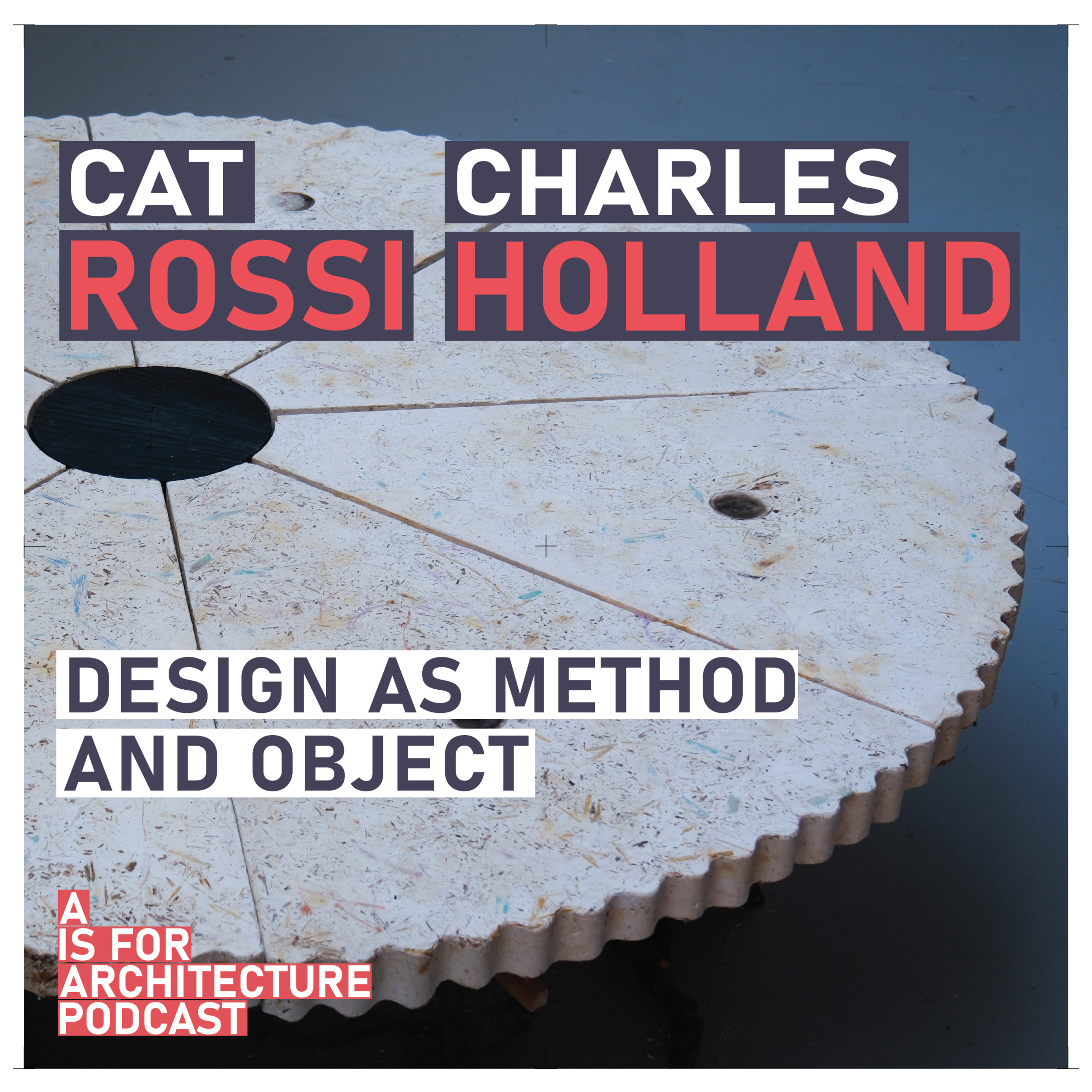 Cat Rossi and Charles Holland: Design as method and object. 13.10.2026 1h 16mThis episode of the A is for Architecture Podcast features a brace of professors, Cat Rossi and Charles Holland, both of UCA and Charles, Founder director of Charles Holland Architects. We met in the English port town of Dover to discuss Harvest, from the summer to autumn 2025, and Harvest Moon, a round table made from waste harvested within a forty-mile radius of Canterbury, and coproduced since the winter of 2025 with Local Works Studio, in partnership with Steffi Klenz and Stephen Knott of the Crafts Study Centre, Perry Court Farm and Perry Court Farm and Torry Hill Chestnut Fencing.The Har...
-
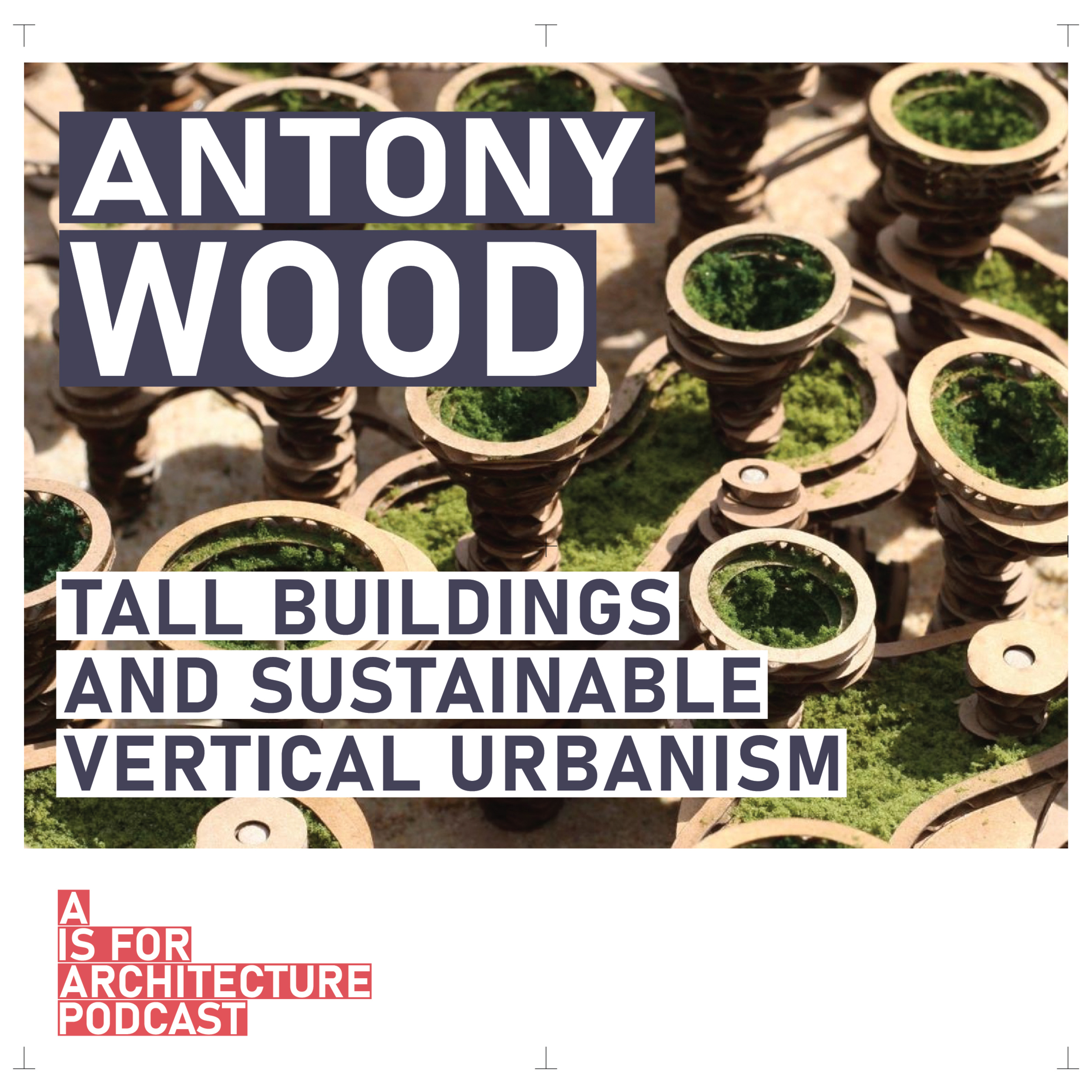 Antony Wood: Tall buildings and sustainable vertical urbanism. 02.10.2026 54mIn this episode of the A is for Architecture Podcast, Professor Antony Wood PhD, Tall Building Expert, Professor of Sustainable Vertical Urbanism at the Illinois Institute of Technology, author, architect and former president and CEO of the Council on Tall Buildings and Urban Habitat, now the Council of Vertical Urbanism, discusses… very tall buildings.The Council of Vertical Urbanism is the body that oversees the certification of the world’s tallest buildings. Tallness, as our cities now attest, is seemingly the predominant solution to almost all urban problems, from sprawl, to banality to su...
-
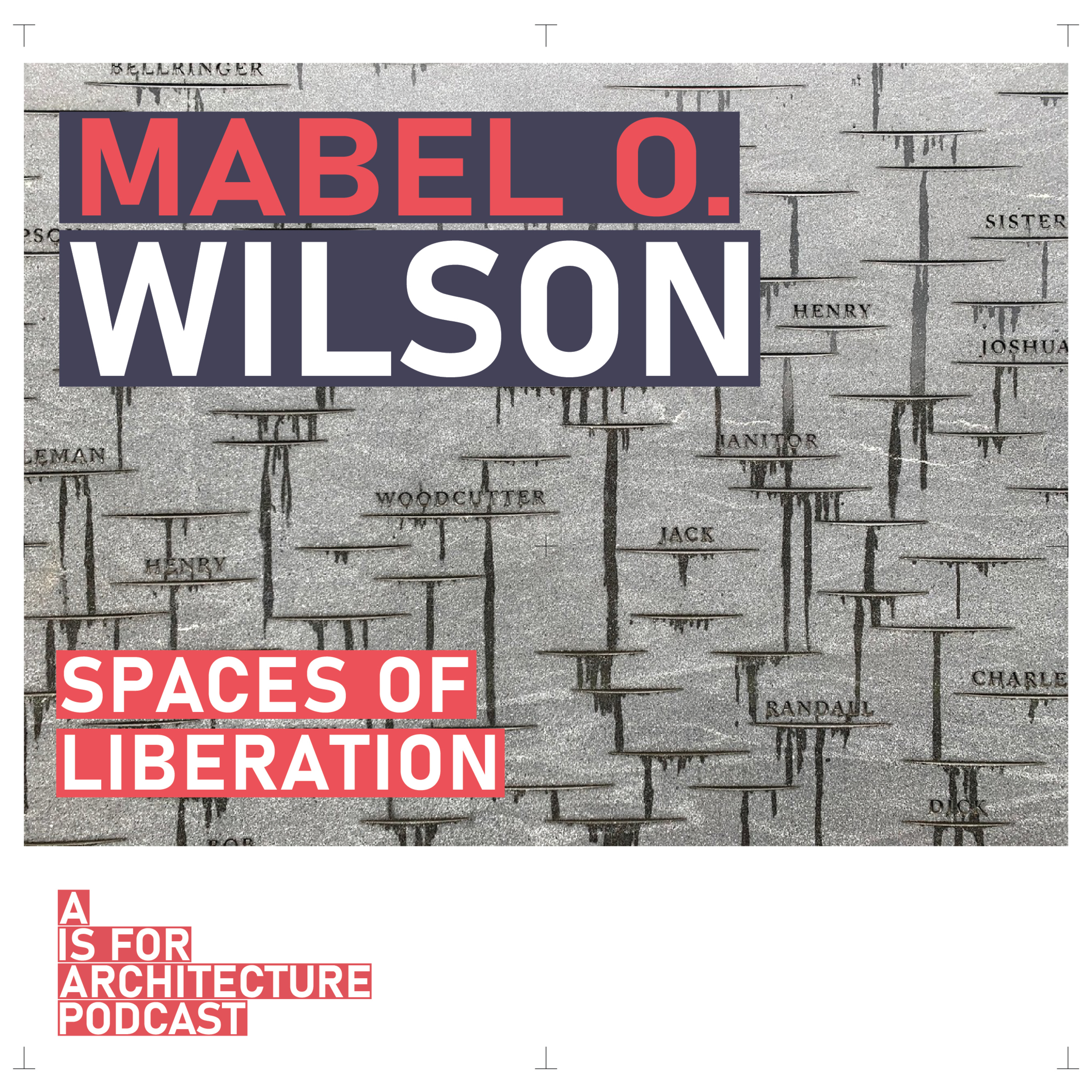 Mabel O. Wilson: Spaces of liberation. 26.09.2026 53mIn this episode of the A is for Architecture Podcast, Mabel O. Wilson - architect, historian, and professor at Columbia University, director of the Institute for Research in African American Studies - speaks about Thinking from Black: A Lexicon, published by FSG Editions this September. Thinking from Black – a product of the Practicing Refusal Collective, a forum of artists and scholars dedicated to initiating dialogues on blackness, anti-black violence and black futurity in the twenty-first century brings together artists, scholars, poets, architects and activists to build a vibrant, experime...
-
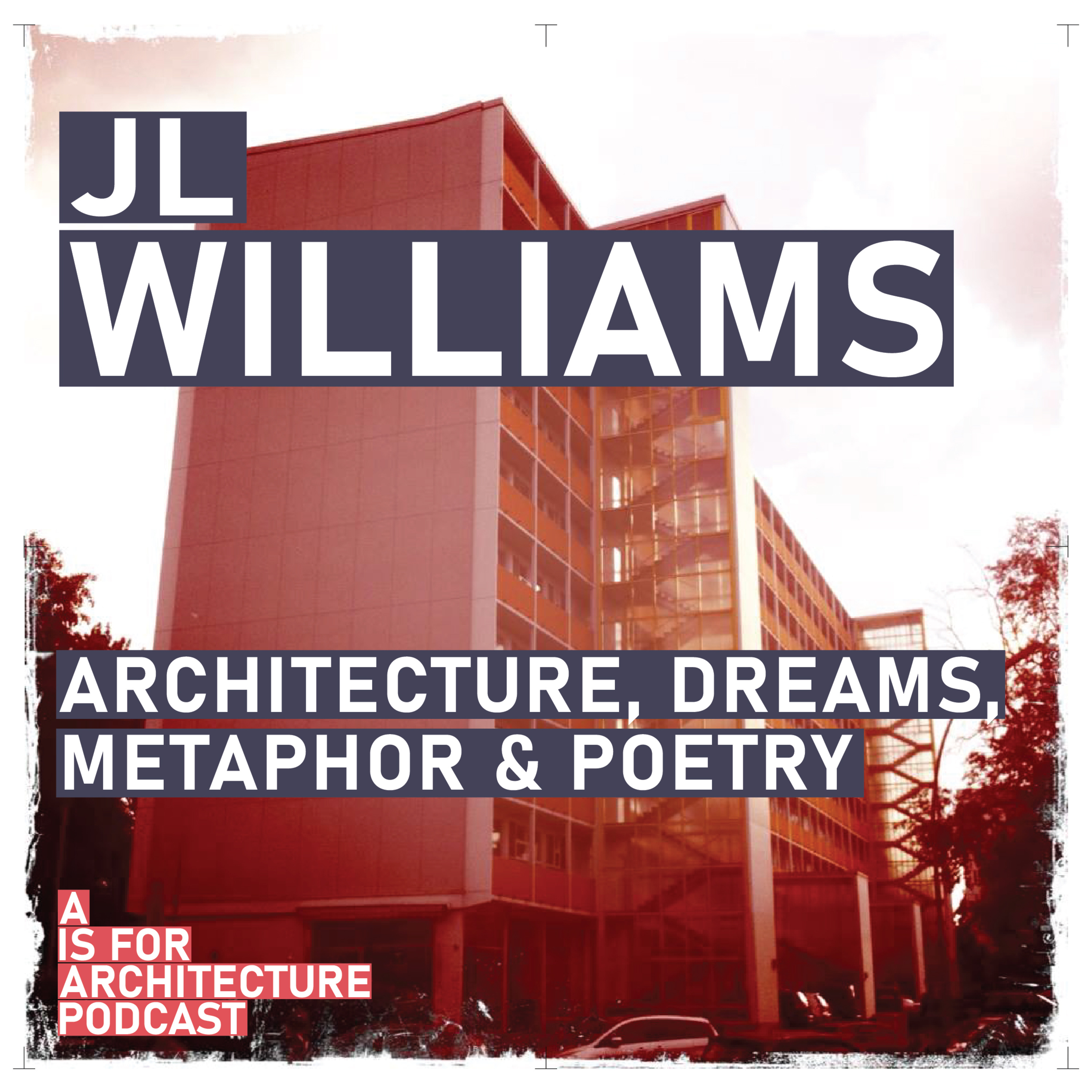 JL Williams: Architecture, dreams, metaphor & poetry. 18.09.2026 1h 26mIn this episode of the A is for Architecture Podcast, poet and Creative Projects Manager at the Edinburgh Futures Institute, JL Williams, spoke to me about her recent collection of poetry, Strange Architectures, her fifth book of such with Shearsman Books. In the poems, Jennifer presents visions of architectures dreamed and written, taking us the audience over thresholds and into spaces of her – and perhaps our own – inner worlds. The relationships between architecture, the psyche – literally ghost or soul in Greek– and dreamworlds is deep in architecture, manifest I’d argue throughout our mod...
-
 Shumi Bose: Words relating to theory. 12.09.2026 1h 6mIn this episode of the A is for Architecture Podcast, I spoke to Shumi Bose, about her work as a curator, chief editor of KoozArch, senior lecturer in architecture at Central Saint Martins in London and, I’d suggest, something like an activist-not-activist. Speaking here, Shumi makes a clear case for the role of critical distance as she has found it – and I’d suggest – used it in her various roles and projects. We speak about Shumi’s journey to architectural teaching and thought, her various initiatives in support of diversified knowledges and justice, and the spaces we can make to model integ...
-
 Maximillian Sternberg: Hans Dollgast: Designing in history 05.09.2026 1h 16mIn this episode of the A is for Architecture Podcast, Professor Max Sternberg discuss the Bavarian architect Hans Döllgast, the subject of his latest book, Hans Döllgast: Reconstruction and Modernity, which is being published by Lund Humphries in late September this year. Born in 1891 and surviving all Germany’s many troubles to 1974, Döllgast is known chiefly for his postwar reconstruction work in Munich. However, Max argues, in this he has been misread. Rather than an ambivalent light touch ruin architect, his post-war reconstructions in fact grew from a consistent ethos of an anti-dogmatic...
-
 Ole Bouman: Bicycles, buildings and an ethic of care. 28.08.2026 56mArchitecture’s conscience – as building, buildings, materials and practices – is a bolt-on at best, but more often a semantic, sophistic trick. Architecture as a profession talks ethically but it’s very difficult to see where this manifests in real life. This is an agency problem but also a discipline problem – at a profession-level individualism resists collective action to solve broad social problems. At a policy level, any attempt by anybody to suggest architects have some social obligation that impinges on “design” gets shot down. In a May 2026 op-ed for the Journal of Architecture entitle...
-
 Maria Fusco: Site writing, sensing, place. 20.08.2026 1h 6mAs architects, the nature of buildings is as drawings. Even when on site, a building is read in terms of its relationship to the documents off its legal production, preeminent among which – after the contract - are the plan and elevation. As such, the buildings of architects are abstractions. To use Hayles and Gannon, 'design is a mode of practice that represents a reality, but is not the reality it represents.'For others - normal people - perhaps buildings are the sum of their stuff – materials, light, tone, smell, thresholds and transitions - bodily things. In any case, for this episode of t...
-
 Gabriella Bennett: Other possible cities. 31.07.2026 1h 12mWhat would a failing city look like? Would one be able to tell if, for example, London or New York were a busted flush? What would be the markers? Social discord, unwalkable streets, cultivated inequality and polarization, declining mental and physical health might seem like some measures to test.Perhaps a better question is what would a growing city look like? This, as I read it, is the question Gabriella Bennett seeks to answer in her book, How to Build a City: Journeys into the Urban Future, which is coming out with Headline Press on the 13 August, and documents both her personal story and...
-
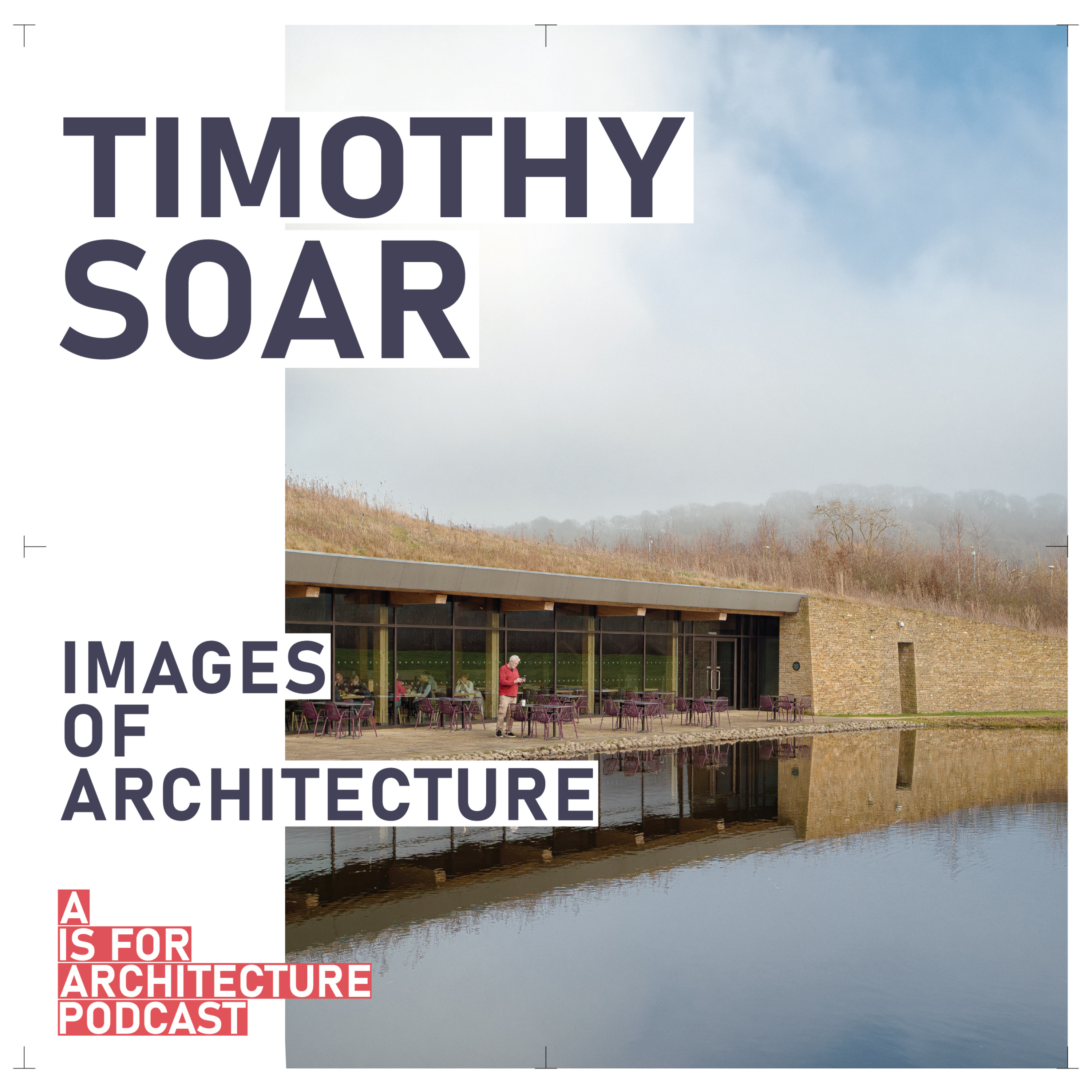 Timothy Soar: Images of architecture. 16.07.2026 1h 4mAs George Berkeley almost almost said, if architecture is built in a city but no one takes its picture, does it make a sound? Photography is intrinsic to architecture, so much so that most of us only know buildings through the images made of them. What the photographer does then is to manifest architecture in the general imagination; arguably, it makes buildings architecture, elevating it beyond context and into objects: known, identifiable and desired. That means the photograph has in itself meaning, which in turn lends photography ethical content. So it’s an important job. It needs to be don...
-
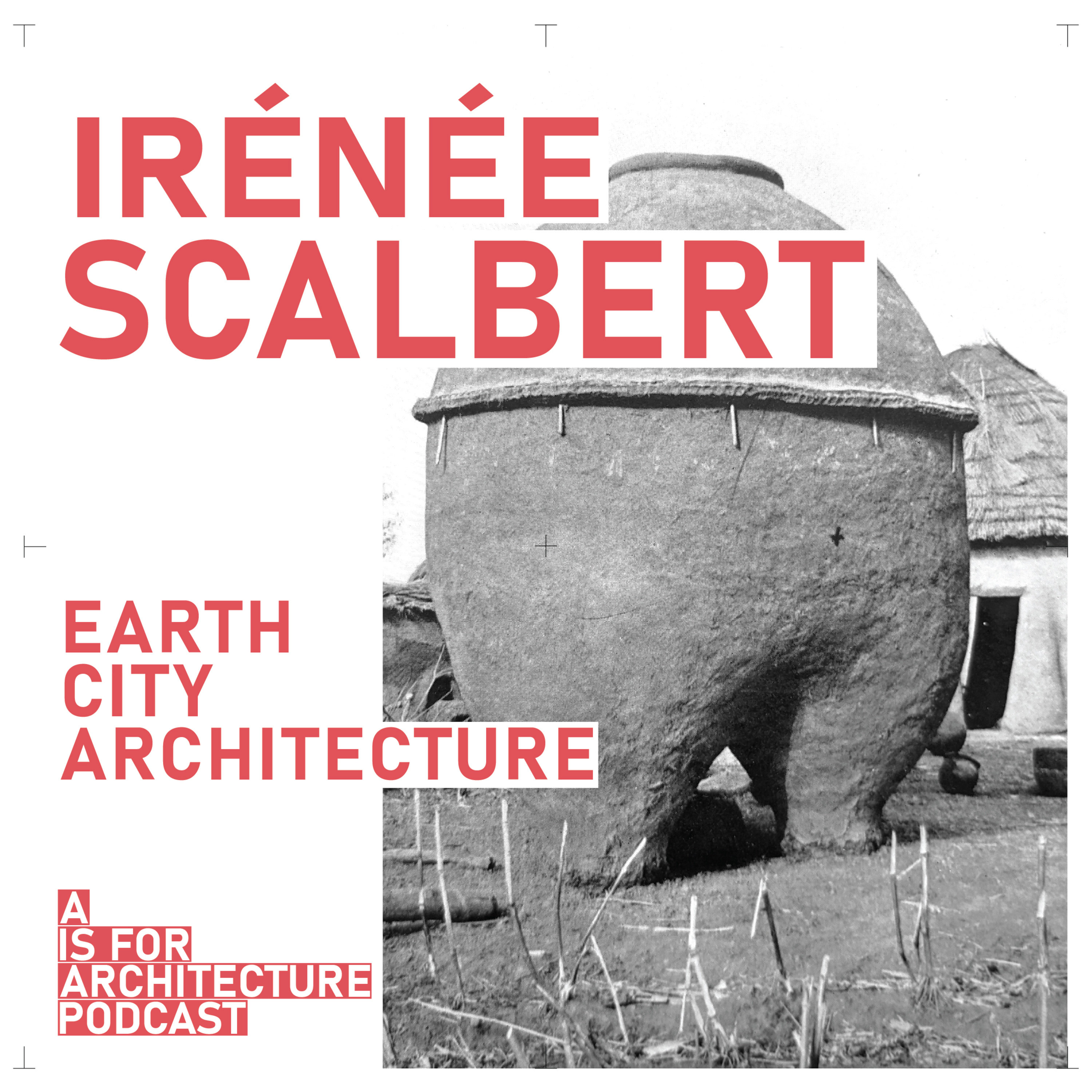 Irénée Scalbert: Earth City Architecture. 03.07.2026 1h 11mAfter the exhaustion of modernist functionalism and Koolhaasian bigness, architecture should be reconceived within the limits of the earth, as craft, stewardship, locality and bricolage. In short, architecture is just more complicated than that. So suggests Irénée Scalbert, architectural critic and historian, in his recent book, Totems: Selected Essays on Architecture, published by Park Books this year,The title image of the totem — an object whose power comes from its correct form and from its community's investment in it or that, and not from mere symbolism — seems to me to gather in Irénée’...
-
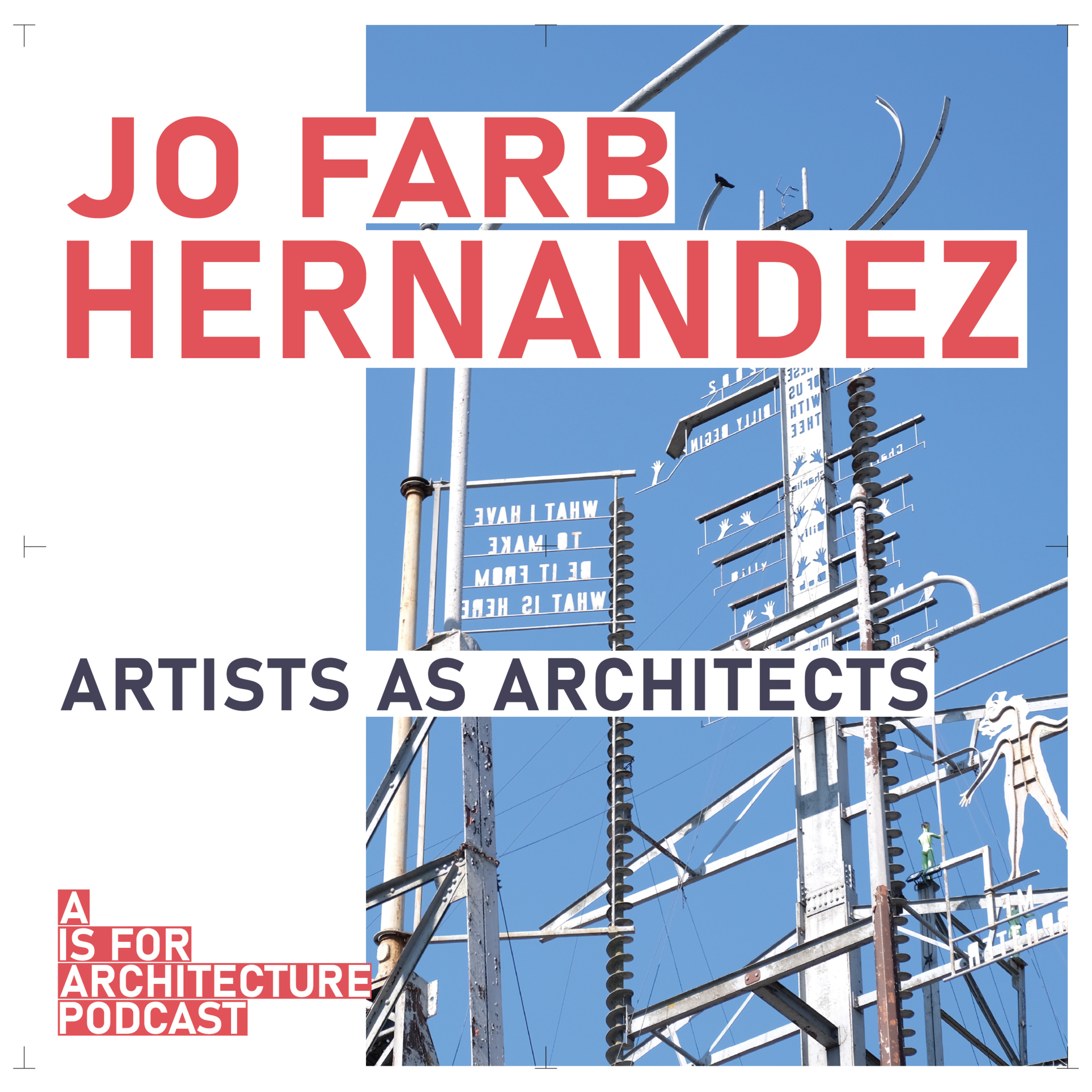 Jo Farb Hernández: Artists as architects. 26.06.2026 52mFor Immanuel Kant, an aesthetic experience required four conditions: disinterestedness, universality, purposiveness and necessity. Architecture, as such, has always struggled with this, because its appreciation is fundamentally tied to a sense of its utility – as shelter, symbol, status, want – and its designedness evidence of its adherent beauty relative to its purpose.Artist made architecture of the sort documented in scholar, author, folklorist and former director and curator of SPACES, Jo Farb Hernández's Architectural Fantasies: Artist-Built Environments, and published by Tra Publishing i...
-
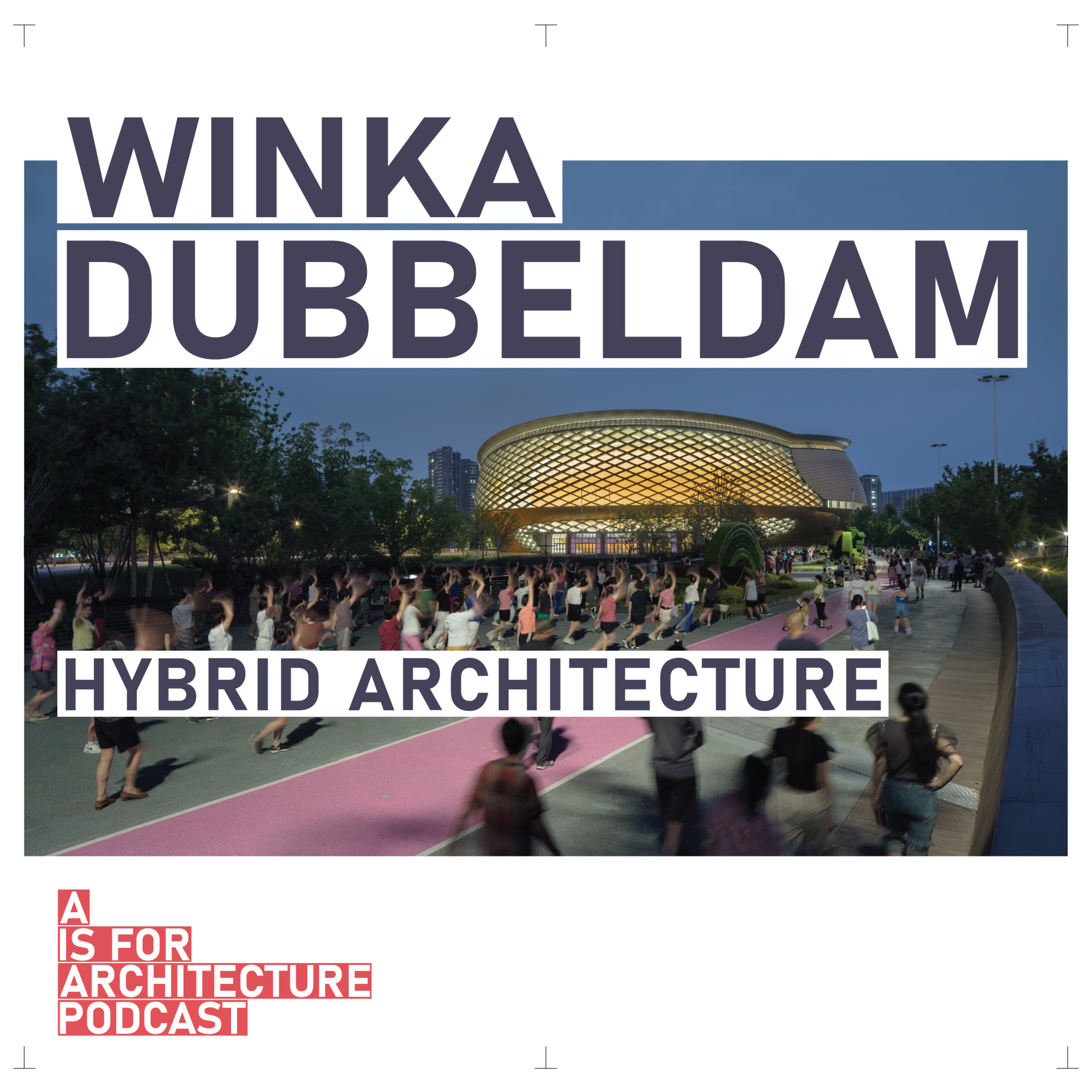 Winka Dubbeldam: Architecture and hybridity. 18.06.2026 53mWhat if buildings could free themselves – or be freed by their architects – of the stricture of type, of discrete identity, of typology? What might happen if, for example, a school and a house - schoolness and houseness – were hybridized? What if building and non-building, even, were wedded? Might this, perhaps, offer a way to negotiate, heal even, the nature-architecture divide?This is not pompous and pretentious speculation, but the proposal of Winka Dubbeldam, founder-director of Archi-Tectonics and director and CEO of the Southern California Institute of Architecture (SCI-Arc), in her rece...
-
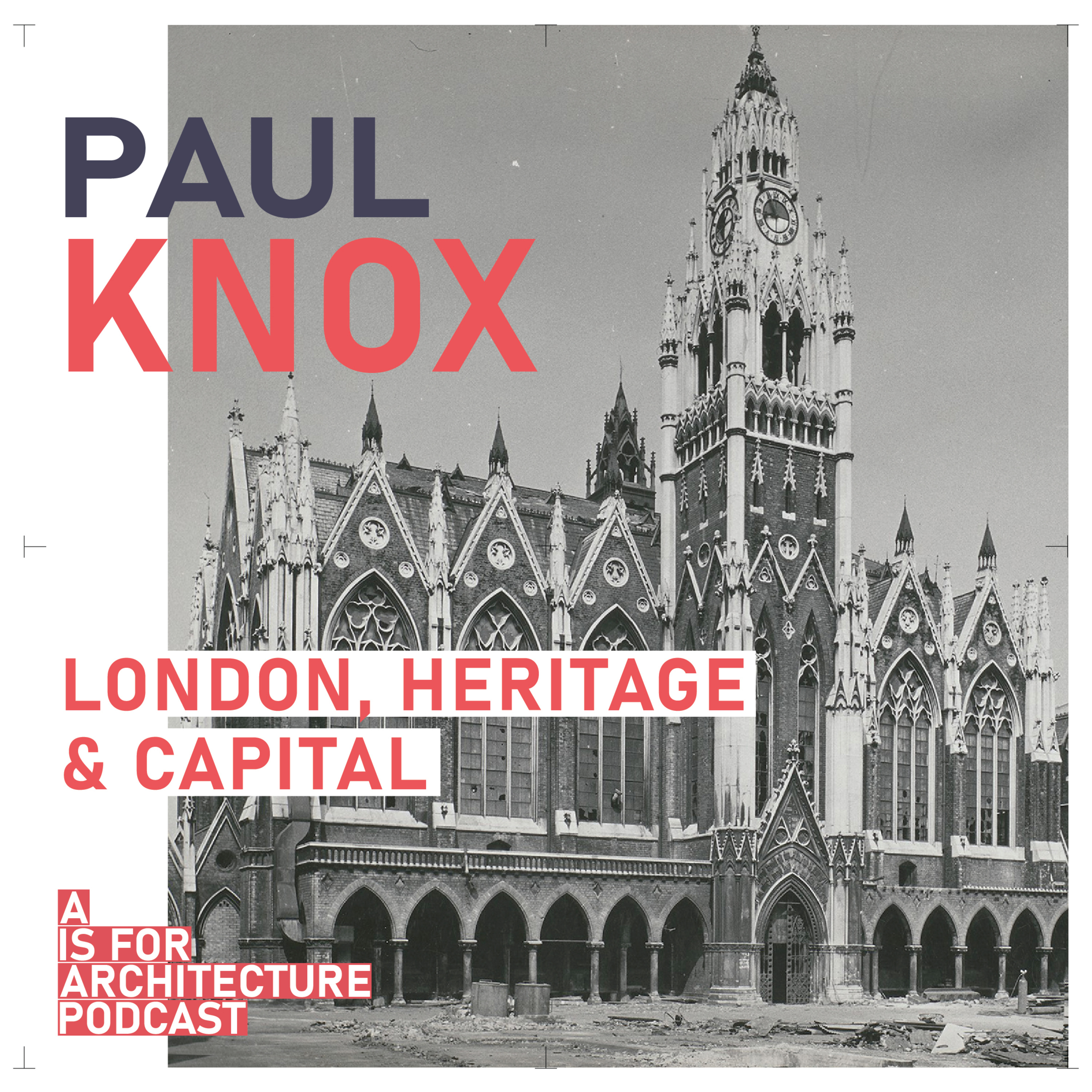 Paul Knox: London, heritage and capital. 11.06.2026 1h 5mIn this episode of the A is for Architecture Podcast, I spoke with Paul Knox, University Distinguished Professor at Virginia Tech, about his 2025 book, Lost London: From Crystal Palace to Heston Airport, a History in 25 Missing Buildings, published by Yale University Press in April this year.Lost London’s provocative move is to insist that ordinary buildings — a pub in Poplar, a roadhouse on a bypass, a block of council flats in Hackney — deserve the same analytical attention as a Wren church or a Robert Adam terrace. As one perhaps should expect from an urban geographer, this pushes back agai...
-
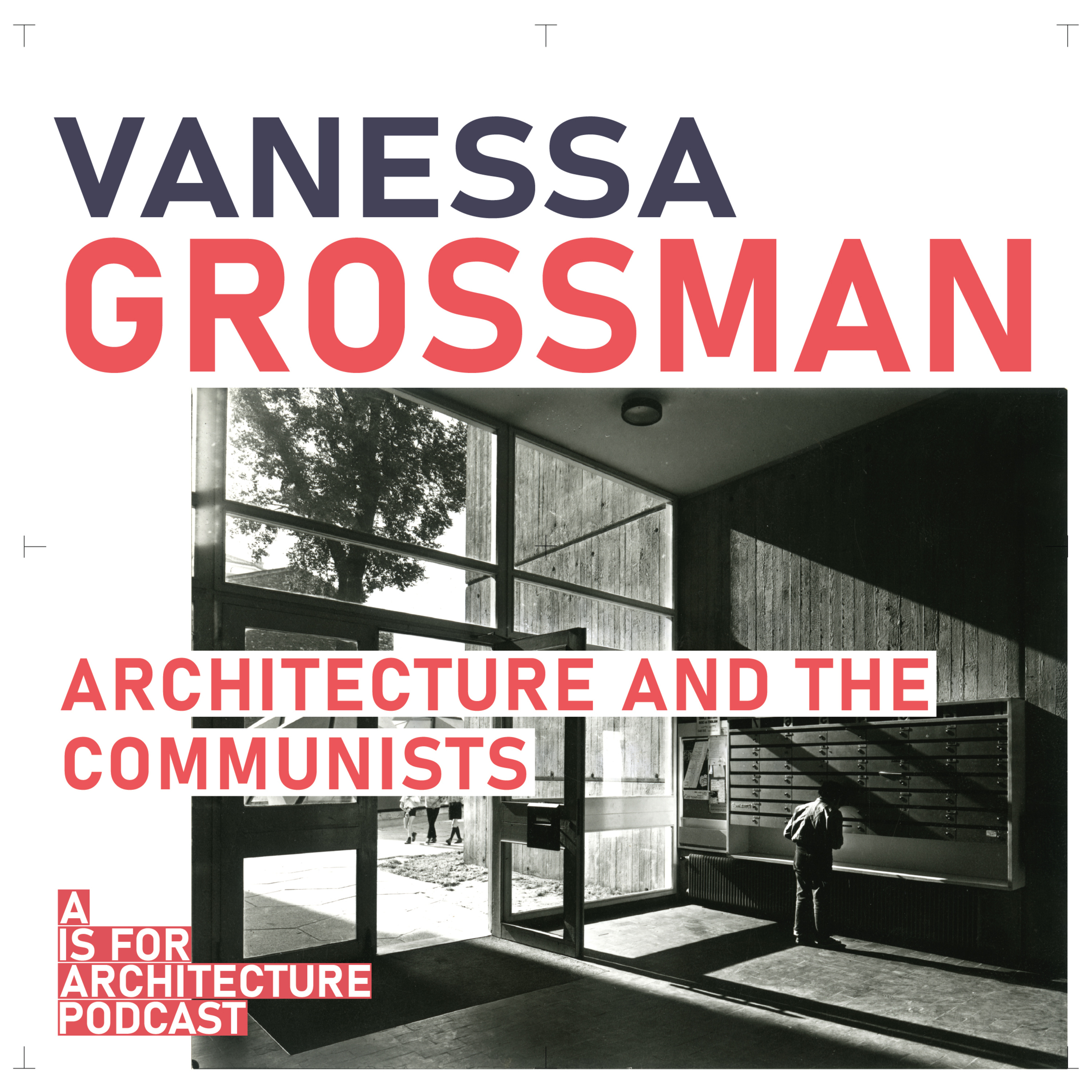 Vanessa Grossman: Architecture and the communists. 04.06.2026 1h 9mIn this episode of the A is for Architecture Podcast, I spoke to architect and historian, Vanessa Grossman, Assistant Professor of Architecture at the University of Pennsylvania’s Weitzman School of Design, about her 2024 book, A Concrete Alliance: Communism and Modern Architecture in Postwar France, published by Yale University Press. Sampling only the most tantalizing soupçon of the book’s ideas, Vanessa and I discuss the relationship between the French Communist Party and postwar modernist architects, and how for them concrete served not just as a symbol of avant-garde taste but also politi...
-
 Asma Mehan: Architecture in the shadow of oil. 28.05.2026 45mIn the latest episode of the A is for Architecture Podcast, I spoke to architect and scholar, Asma Mehan, Assistant Professor at the Huckabee College of Architecture, Texas Tech University and director of the Architectural Humanities and Urbanism Lab (AHU_Lab), about her edited volume, After Oil: A Comparative Analysis of Oil Heritage, Urban Transformations, and Resilience Paradigms, published by Springer in 2025. In our conversation, Asma speaks about the close link between modern architecture, urbanism and the extraction, production and consumption of oil, what Peter Droege, I think, termed...
Similar podcasts


Popular in
The podcast also appears in the podcast charts of these countries.


