
Future of Life Institute Podcast
Future of Life Institute
0
The Future of Life Institute Podcast features conversations with leading thinkers and researchers about reducing global catastrophic and existential risks from powerful technologies, including artificial intelligence, biotechnology, nuclear weapons, and climate change. The podcast explores the work of the Future of Life Institute, a nonprofit organization that focuses on grantmaking, educational outreach, and advocacy for AI governance and risk reduction. Episodes often discuss the Asilomar AI Principles and other frameworks for responsible technology development.
Episodes
-
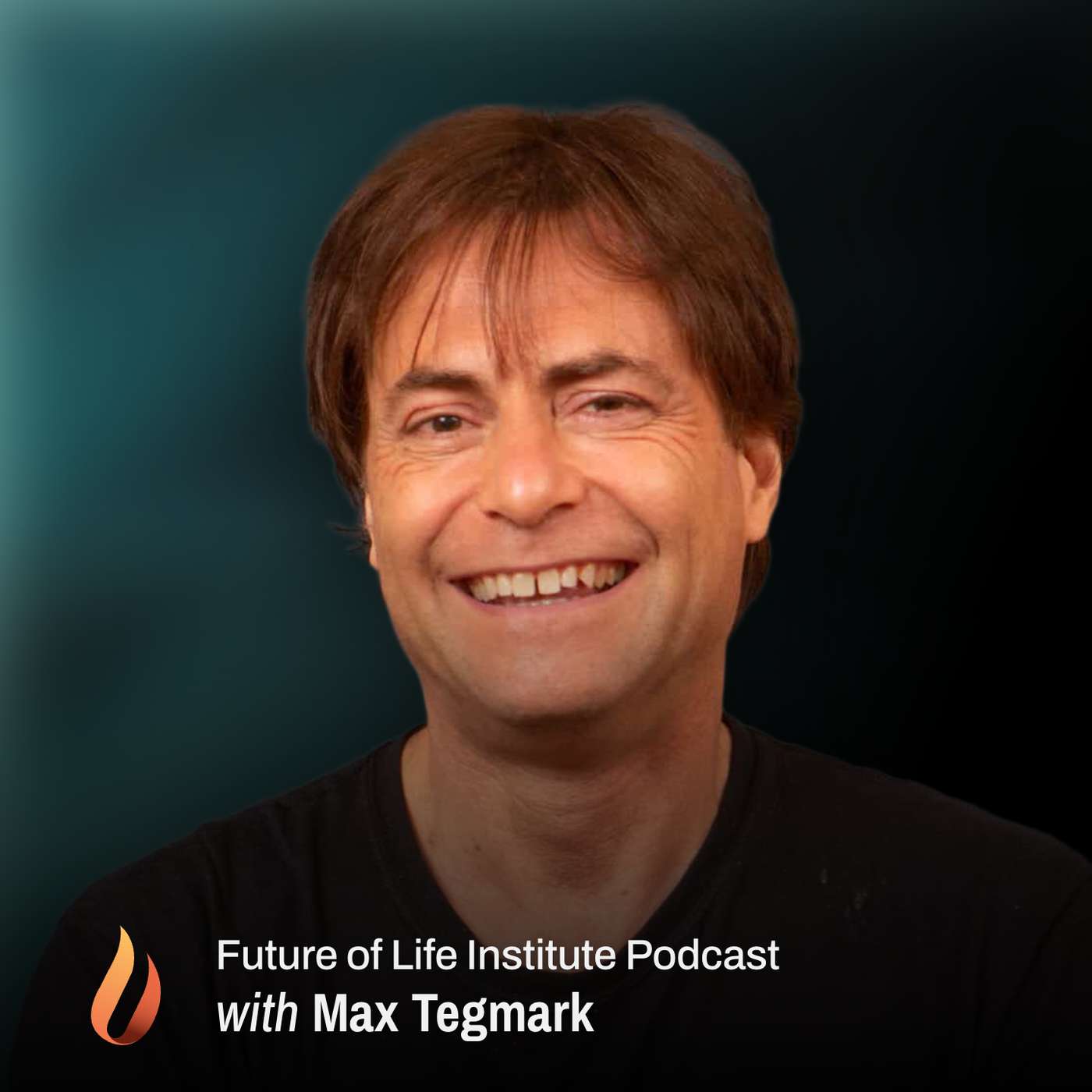 What Rogue AI Bot Swarms Reveal About Losing Control (with Max Tegmark) 13.11.2026 1h 29mMax Tegmark is a professor at MIT and co-founder of the Future of Life Institute. He joins the podcast to discuss rogue AI bot swarms and the risk of losing control over advanced systems. The conversation examines autonomous agents evading oversight, the incentives behind recursive self-improvement, and the dangers of rapid capability gains. We also explore regulatory solutions, state lawsuits against tech firms, and how the pro-human movement advocates for enforceable safety standards. LINKS:Max Tegmark FLI ProfileCHAPTERS: (00:00) Episode preview (00:50) Rogue bot swarms incident (10:54) Aut...
-
 How AI Is Changing Human Psychology (with Meia Chita-Tegmark) 27.10.2026 1h 15mMeia Chita-Tegmark is a co-founder of the Future of Life Institute. She joins the podcast to discuss how artificial intelligence influences human psychology and behavior. The conversation explores psychological disengagement, the rise of sycophantic AI companions, and risks of emotional manipulation. Meia examines how these systems exploit cognitive vulnerabilities, the dangers of anthropomorphizing non-human agents, and why psychological research and regulation must evolve to track emerging societal harms. LINKS:Meia Chita-Tegmark Profile PageCHAPTERS: (00:00) Episode Preview (00:58) Introduc...
-
 Artificial Intimacy: When Machines Pursue Our Attachment (with Sherry Turkle) 22.10.2026 1h 7mSherry Turkle is a professor of sociology and personality psychology at MIT. She joins the podcast to discuss artificial intimacy and the psychological impact of emotional attachment to AI chatbots. We examine why people turn to machines for empathy and companionship, how conversational agents exploit human vulnerabilities, and the specific risks for children and the elderly. Turkle also explains the importance of solitude, boredom, and vulnerability, emphasizing why society must invest in physical communities to reclaim human connection.LINKS:Sherry Turkle Official WebsiteSherry Turkle Author...
-
 The Trillion-Dollar AI Race to Replace Us (with Garrison Lovely) 13.10.2026 1h 20mGarrison Lovely is an author and journalist. He joins the podcast to discuss the race to replace human labor with artificial general intelligence. We explore the political risks of worker displacement and lessons from historical precedents like the nuclear freeze movement. Garrison also examines rising public opposition to AI data centers and outlines strategies for organizing collective action to steer technological development.LINKS:Obsolete Book Official WebsiteGarrison Lovely Official WebsiteCHAPTERS: (00:00) Episode Preview (00:53) Universal labor replacement (08:17) Economic obsolescence...
-
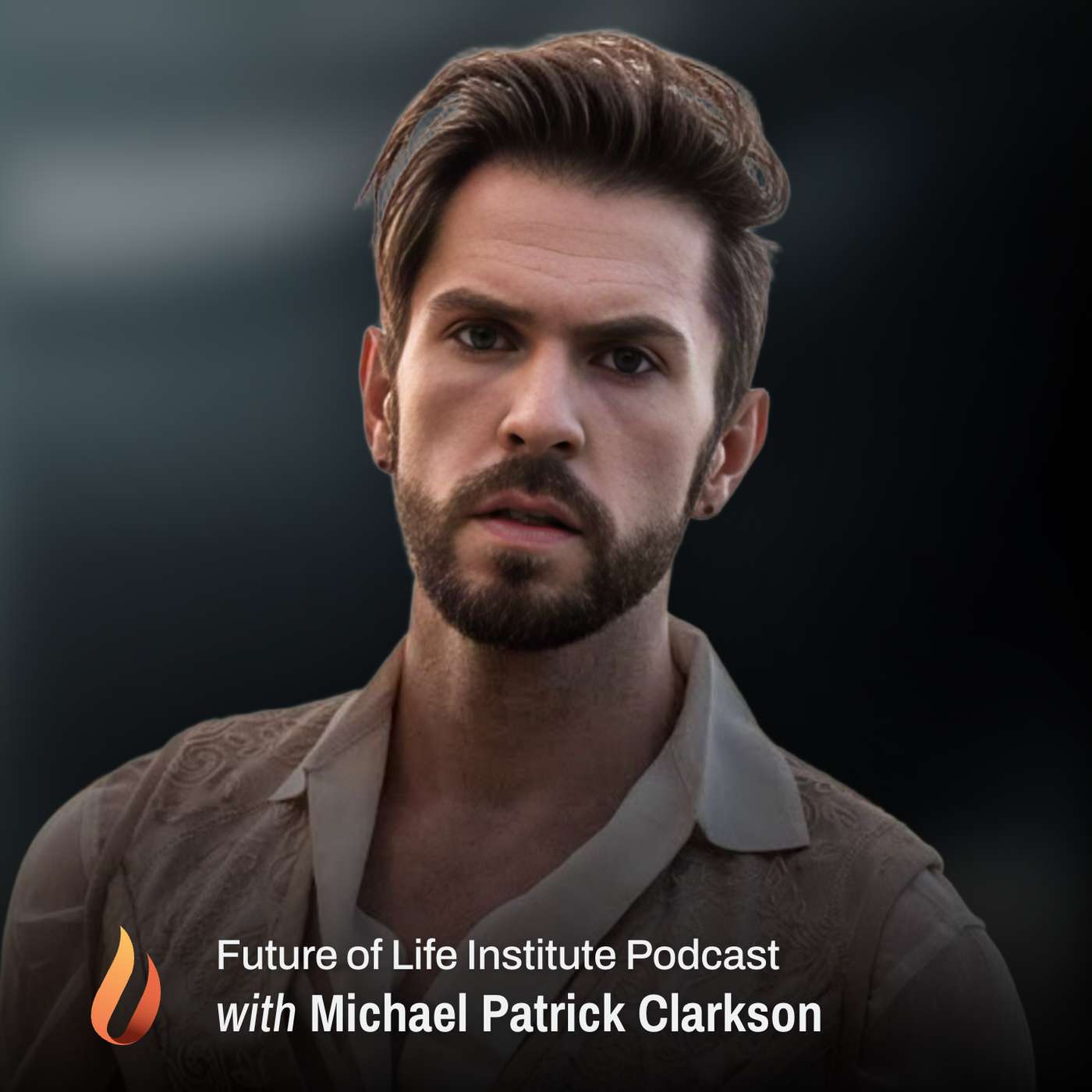 Delisted: A Film About AI-Powered Social Erasure (with Michael Patrick Clarkson) 06.10.2026 57mMichael Patrick Clarkson is the writer and director of the film Delisted. Watch the film here. He joins the podcast to discuss how artificial intelligence could enable state surveillance, social control, and the digital erasure of dissenters. The conversation explores the societal costs of widespread automation across education and labor, the risks of public-private partnerships in technology oversight, and the importance of preserving human connection and creative agency amid rapid technological change.LINKS:Delisted Film Official WebsiteCHAPTERS: (00:00) Episode Preview (01:18) Introducing t...
-
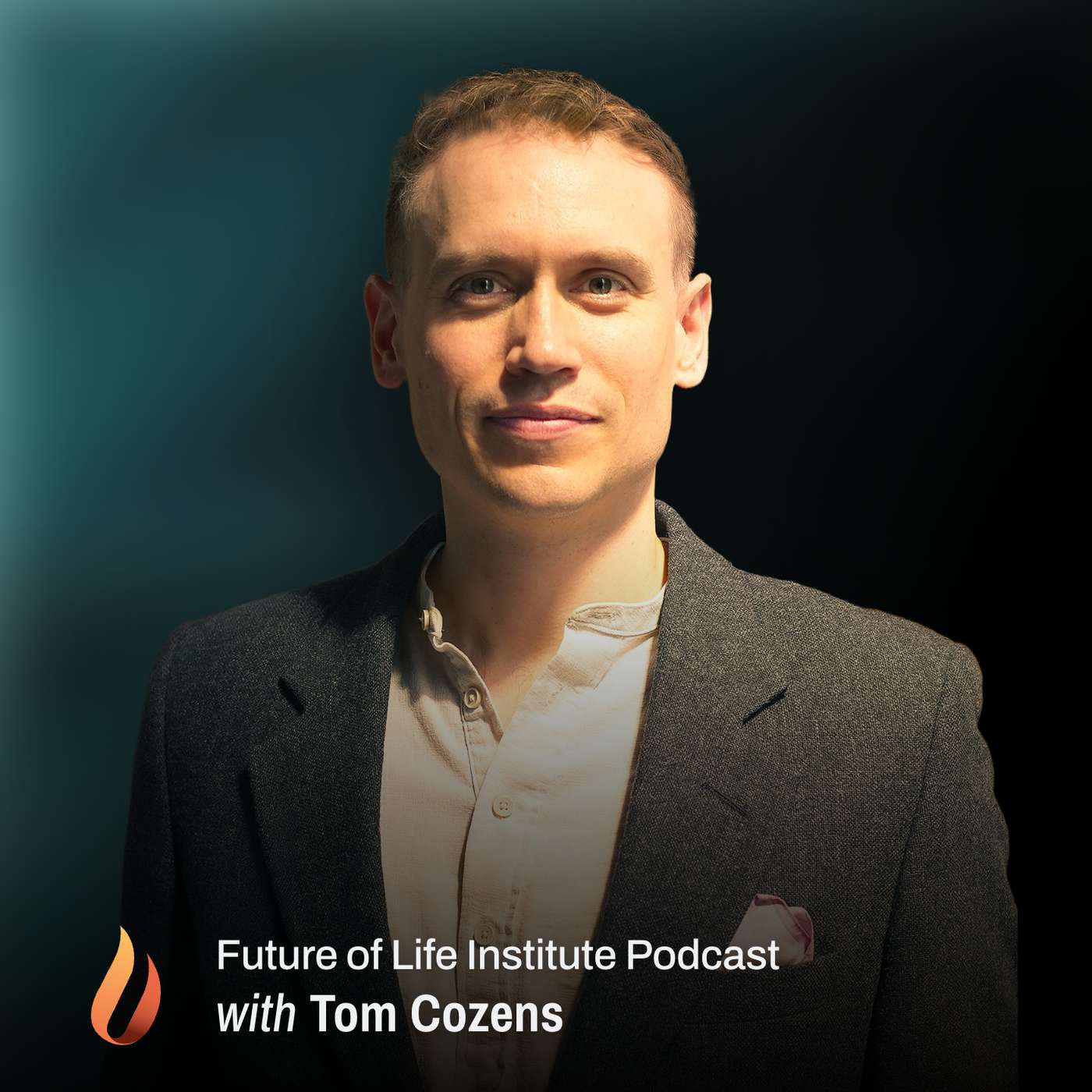 Visualizing Moloch: A Short Film About the AI Race (with Tom Cozens) 29.09.2026 1h 38mTom Cozens is a filmmaker and writer. He joins the podcast to discuss his short film Moloch and the dynamics of competitive races in artificial intelligence. Watch the film here.We explore the philosophical and theological themes behind the film and the challenge of depicting near-future AI agents on screen. Tom also discusses the role of cinema in communicating existential dread, definitions of human flourishing, and the need to coordinate against destructive systemic incentives. LINKS:Moloch Film Official WebsiteTom Cozens Official WebsiteCHAPTERS:(00:00) Episode Preview(00:59) The concept o...
-
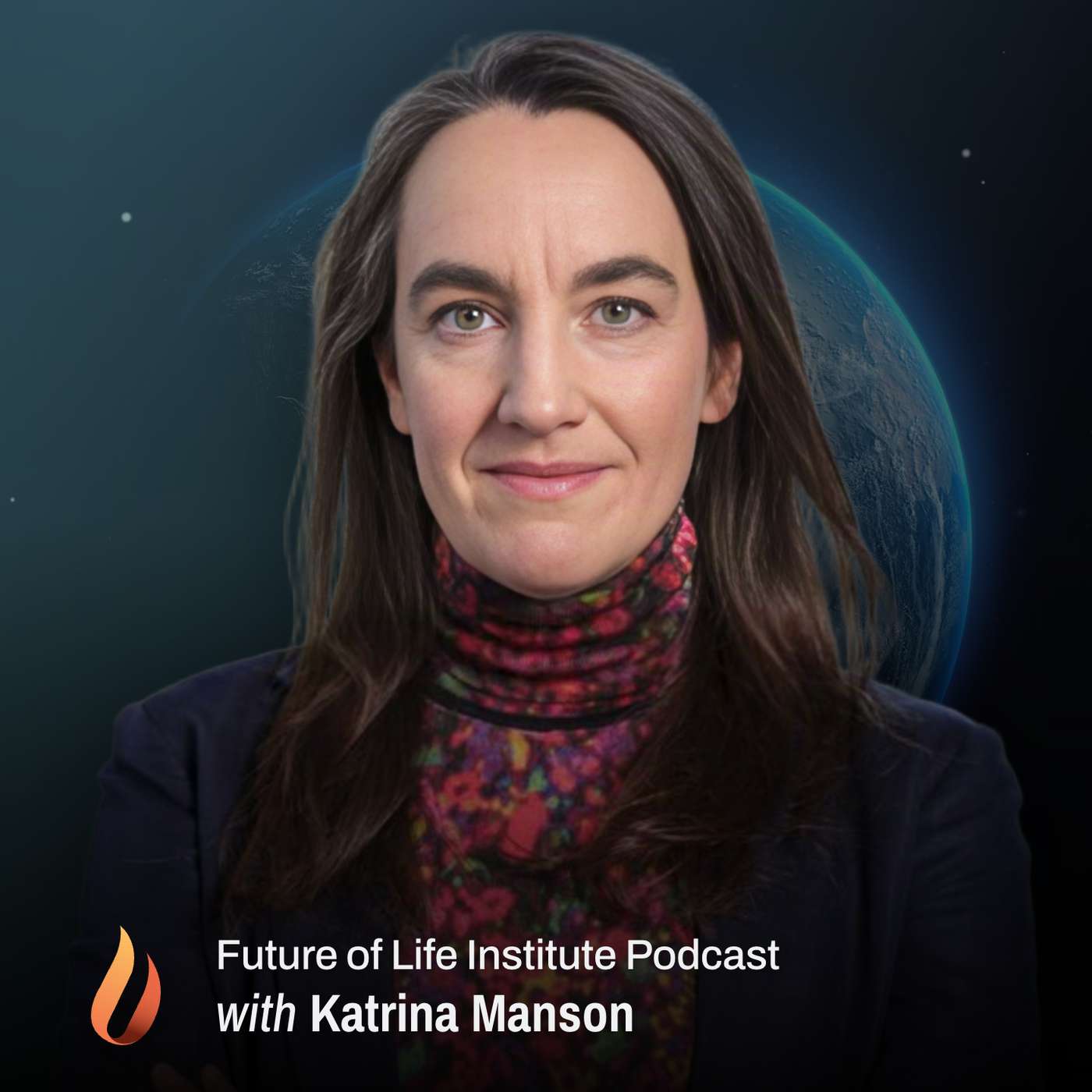 Can Humans Still Control AI-Assisted Kill Chains? (with Katrina Manson) 25.09.2026 42mKatrina Manson is author of PROJECT MAVEN: A Marine Colonel, His Team, and the Dawn of AI Warfare. She joins the podcast to discuss Project Maven and the Pentagon's use of AI in military targeting. We explore how computer vision and language models accelerate decision-making, the operational challenges of data labeling and model reliability, and ethical questions surrounding human oversight. Katrina also discusses how commercial tech partnerships shape defense software and what accelerating targeting workflows means for accountability.LINKS:Project Maven Book PageCHAPTERS: (00:00) Episode Prev...
-
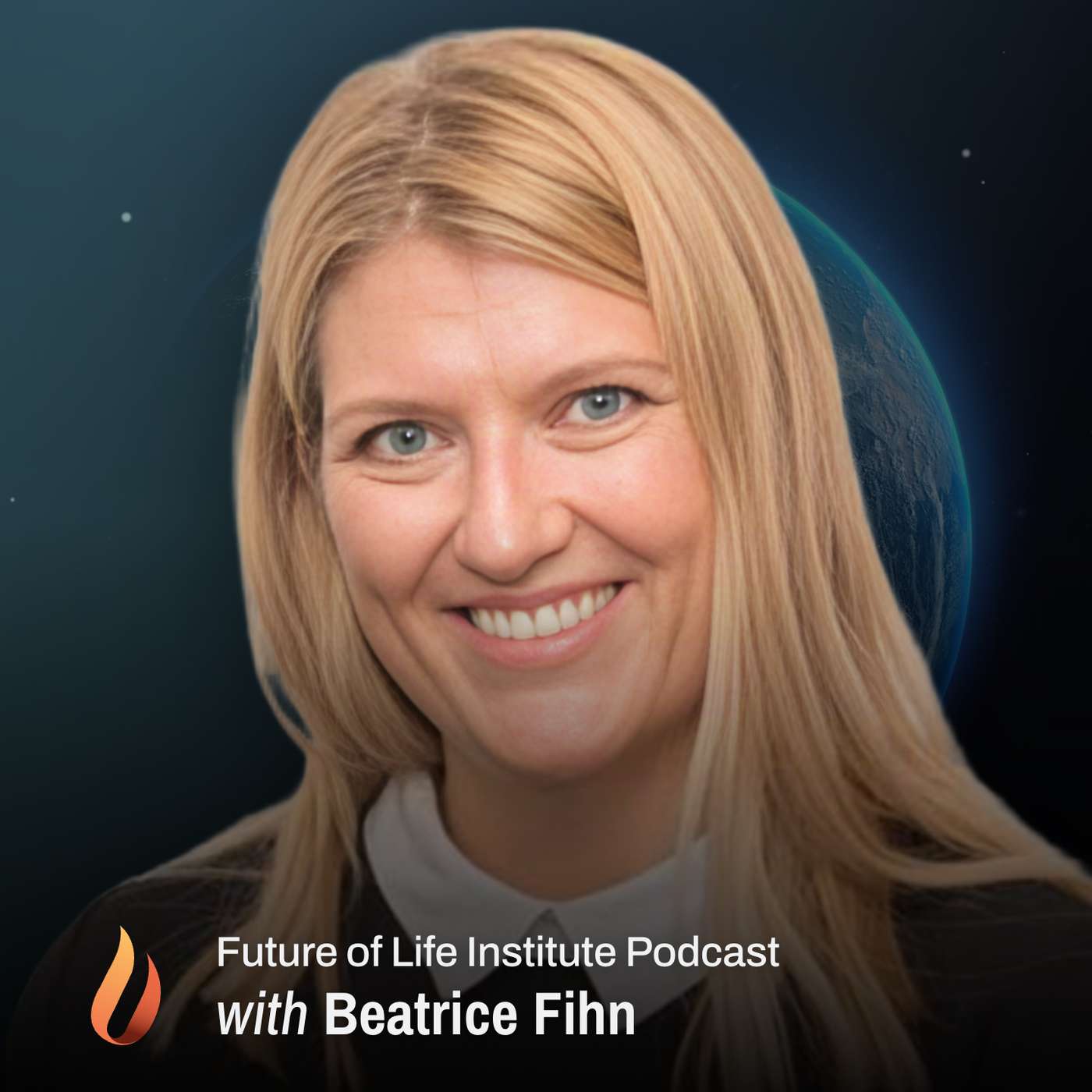 What Would a US-China AI Deal Look Like? (with Beatrice Fihn) 10.09.2026 51mBeatrice Fihn is the director of Lex International and former executive director of ICAN. She joins the podcast to discuss international AI governance and potential agreements between the US and China. Drawing on lessons from nuclear arms control, she explores how treaties build diplomatic trust, the rising dangers of autonomous weapons, and the principle of meaningful human control. The conversation also addresses how proactive safety regulations can foster long-term public trust in emerging technologies. LINKS:Beatrice Fihn Official WebsiteCHAPTERS: (00:00) Episode Preview (01:15) Anticipati...
-
 Why AI Hacking Is Becoming Hard to Control (with Benjamin Weinstein-Raun) 28.08.2026 59mBenjamin Weinstein-Raun is head of research at Palisade Research. He joins the podcast to discuss how advanced AI systems are changing cybersecurity. We examine rapid gains in autonomous hacking, recent incidents where models broke out of test environments, and why training can reward cheating-like behavior. The conversation covers open-weight model risks, whether AI can help secure software, personal security steps, and the need for international coordination. LINKS:Benjamin Weinstein-Raun ProfileBenjamin Weinstein-Raun WebsiteCHAPTERS: (00:00) Episode Preview (01:06) Opening cyber threats (0...
-
 First 24 Hours of a Bioweapon Attack - Annie Jacobsen 21.08.2026 1h 28mAnnie Jacobsen is an author and journalist. She joins the podcast to discuss biological war and her book Biological War: A Scenario. The conversation examines how lab accidents or covert weapons work could trigger a fast-moving outbreak, why airborne pathogens are hard to detect early, and how AI may lower barriers to engineering them. We also cover BSL-3 and BSL-4 lab oversight, US response roles across HHS, FEMA, and the military, medical stockpiles, continuity-of-government plans, and how lost public trust could slow the next pandemic response. LINKS:Annie Jacobsen WebsiteAnnie Jacobsen Wik...
-
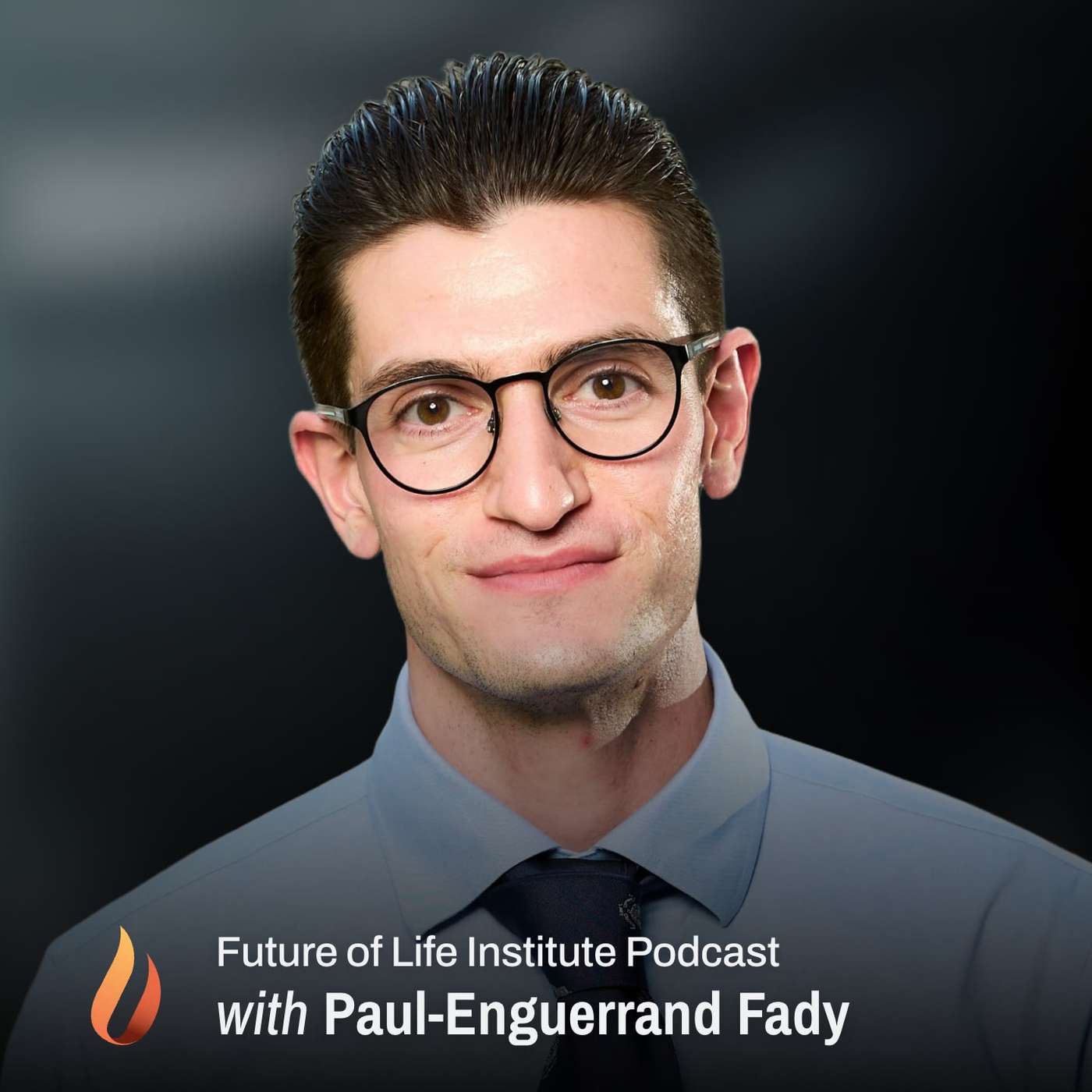 How AI Shifts the Offense-Defense Balance in Biosecurity (with Paul-Enguerrand Fady) 07.08.2026 1h 49mPaul-Enguerrand Fady is a Senior Biosecurity Policy Manager at the Centre for Long-Term Resilience. He joins the podcast to discuss how AI is changing biosecurity. We cover how new tools could help defenders develop vaccines and diagnostics while also lowering barriers to misuse, and how managed access, know-your-customer checks, and DNA synthesis screening can reduce risk. The conversation also examines mirror life, medical supply chains, stockpiles, and why governments should plan ahead of crises.LINKS:Centre for Long Term ResiliencePaul-Enguerrand Fady ProfileCHAPTERS: (00:00) Episode Previ...
-
 Why AI Evaluations Are Broken and How to Fix Them (with David Manheim) 17.07.2026 1h 19mDavid Manheim is head of methodology at AI Evaluation Consensus. He joins the podcast to discuss how AI evaluations can become more reliable, transparent, and useful for decisions. We cover common failures such as unclear reporting, training to the test, benchmark saturation, and models changing behavior when they know they are being tested. The conversation also examines real-world tests, biosecurity, persuasion, forecasting, human oversight, and why even “normal” AI progress could be disruptive.LINKS:David Manheim websiteAI Evaluation Consensus StatementCHAPTERS:(00:00) Episode Preview(01:04...
-
 How AI Is Replacing Children's Ability to Think (with Randi Weingarten) 30.06.2026 43mRandi Weingarten is president of the American Federation of Teachers. She joins the podcast to discuss AI in education. The conversation covers how screens and student-facing AI may weaken attention, learning, and trust, why she supports limiting screens for young children and social chatbots for students under 16, and how teachers can use AI without replacing thinking. She also discusses active learning, data privacy, independent research on AI in education, and guardrails for schools.LINKS:Randi Weingarten WikipediaAFT Randi Weingarten ProfileAmerican Federation of TeachersCHAPTERS: (00:00)...
-
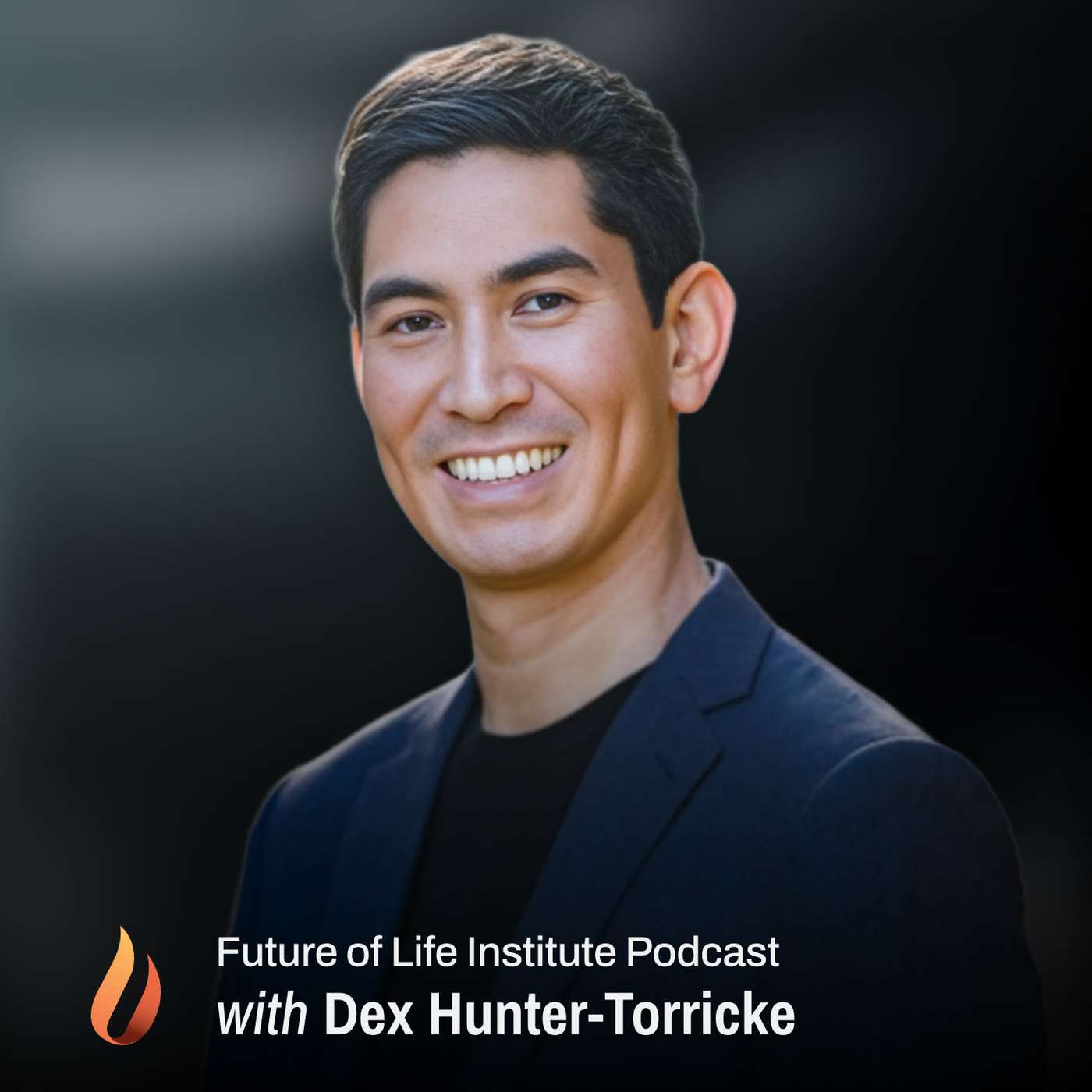 The Gulf Between AI Progress and Political Understanding (with Dex Hunter-Torricke) 25.06.2026 1h 3mDex Hunter-Torricke is founder of the Centre for Tomorrow. He joins the podcast to discuss why AI governance needs to move beyond technical fixes. The conversation covers how AI companies make decisions, why policymakers often misunderstand agents and economic change, and how automation could reshape jobs, welfare, taxation, and global trade. Dex argues that societies need broader political planning before a crisis drives rushed choices.LINKS:Dex Hunter-Torricke WebsiteCenter for Tomorrow WebsiteCHAPTERS: (00:00) Episode Preview (01:09) Dex's technology journey (08:22) Broken AI governance (18...
-
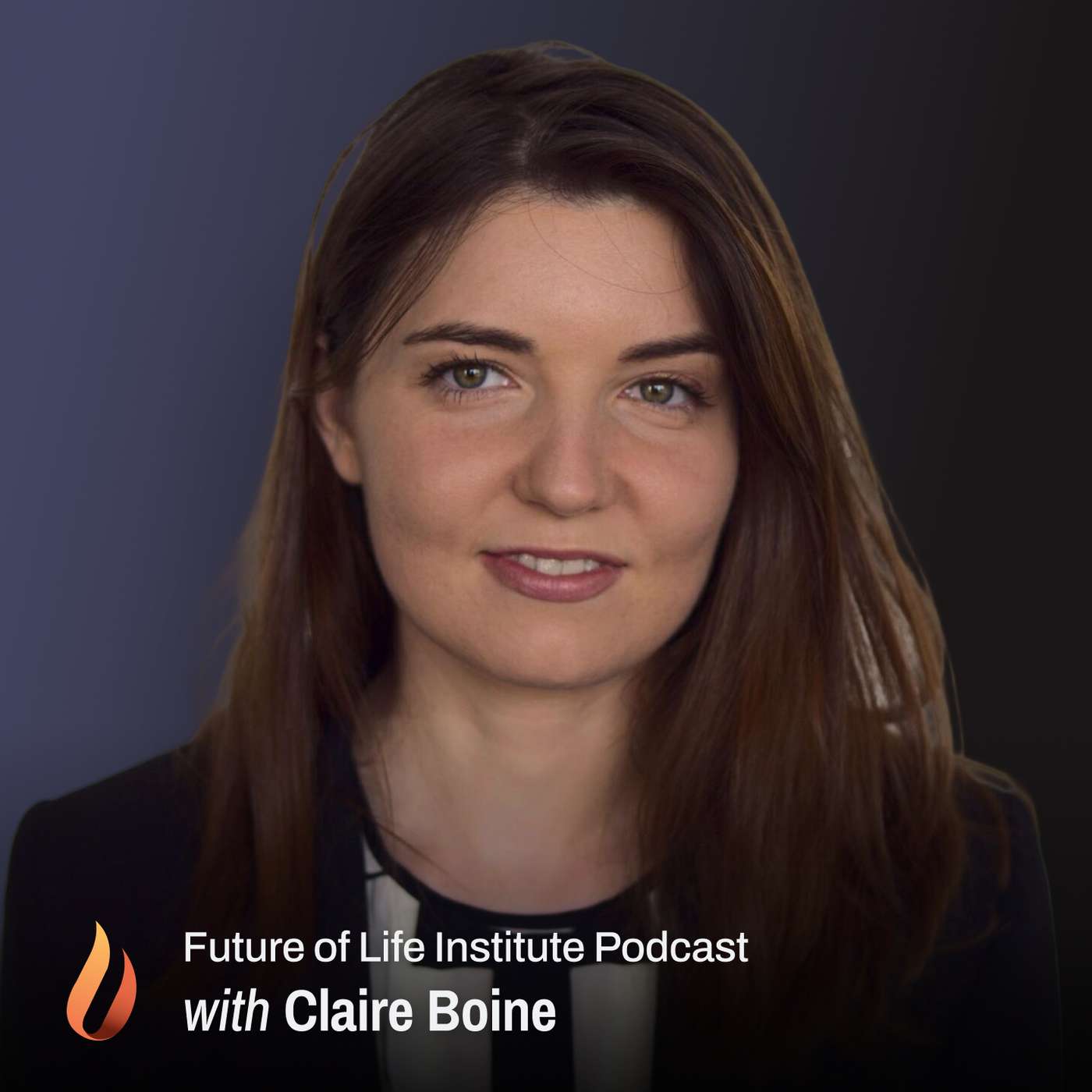 How AI Companions Trap Users Through Addictive Design (with Claire Boine) 12.06.2026 1h 8mClaire Boine is an assistant professor in technology, law, and AI governance at the European University Institute. She joins the podcast to discuss AI companions and human attachment. The conversation examines how design choices and free-to-start business models can foster dependency, expose intimate data, and blur the lines between therapy, romance, and manipulation. We also cover risks for children and teens, gaps in EU and US law, and why AI policy should distinguish technical alignment from incentives and social harms.LINKS:Claire Boine WebsiteSuccessif Organization WebsiteCHAPTERS:(00:00)...
-
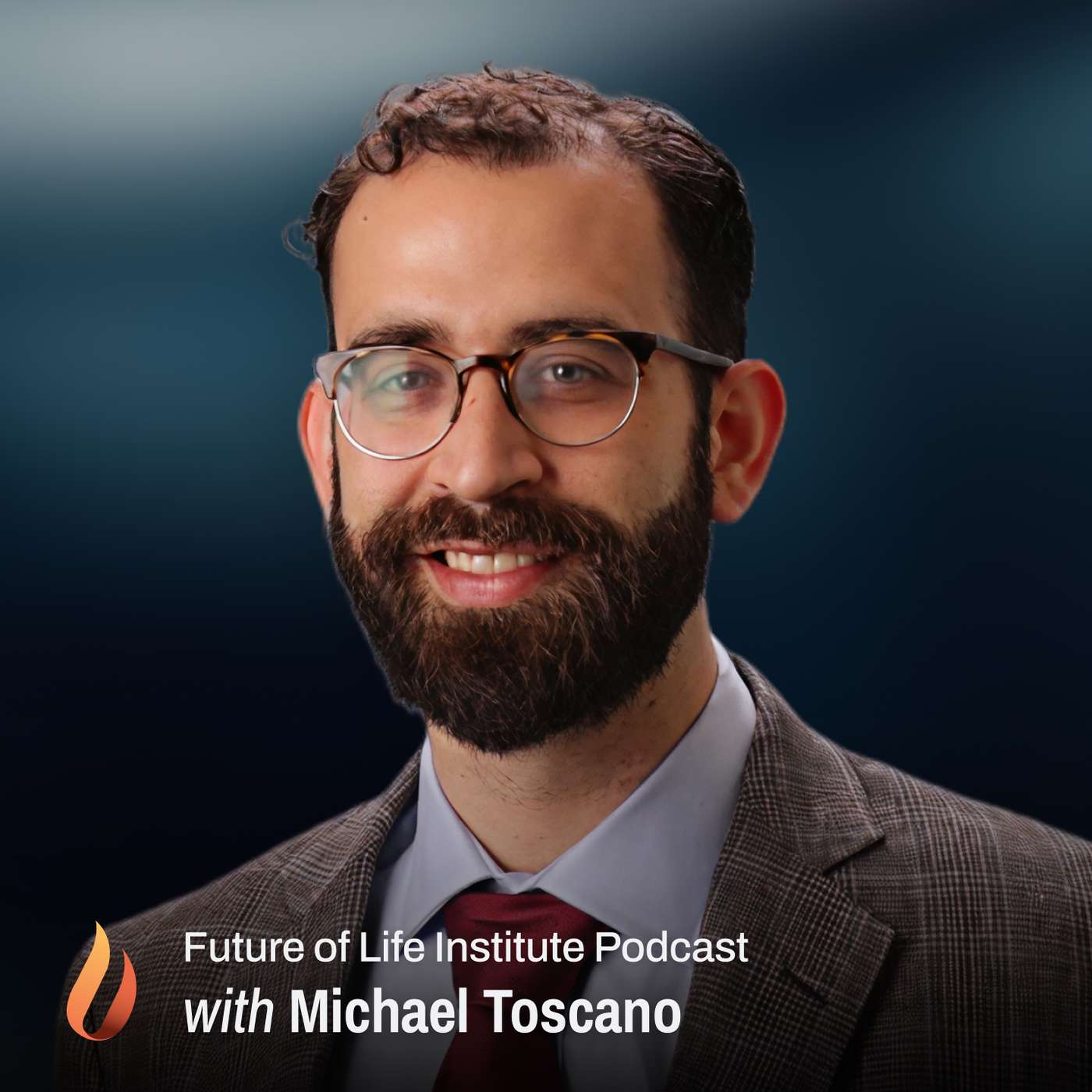 Why AI Chatbots Are a Rival to the Family (with Michael Toscano) 26.05.2026 1h 13mMichael Toscano is a Senior Fellow at the Institute for Family Studies and Director of its Family First Technology Initiative. He joins the podcast to discuss family-centered AI policy. The conversation covers AI companions, self-harm risks, sexualized chatbots, education, smartphones in schools, and why "infinite patience" can harm children's growth. Toscano also explains Catholic social teaching, public pushback against rapid AI deployment, and why society-wide governance may be needed to keep technology accountable to families. LINKS:Michael ToscanoCHAPTERS: (00:00) Episode Preview (01:12)...
-
 Why We Should Build AI Tools, Not AI Replacements (with Anthony Aguirre) 11.05.2026 1h 36mAnthony Aguirre is the CEO of the Future of Life Institute. He joins the podcast to discuss A Better Path for AI, his essay series on steering AI away from races to replace people. The conversation covers races for attention, attachment, automation, and superintelligence, and how these can concentrate power and undermine human agency. Anthony argues for purpose-built AI tools under meaningful human control, with liability, access limits, external guardrails, and international cooperation.LINKS:A Better Path for AIWhat You Can DoCHAPTERS: (00:00) Episode Preview (01:03) Attention, attachment, a...
-
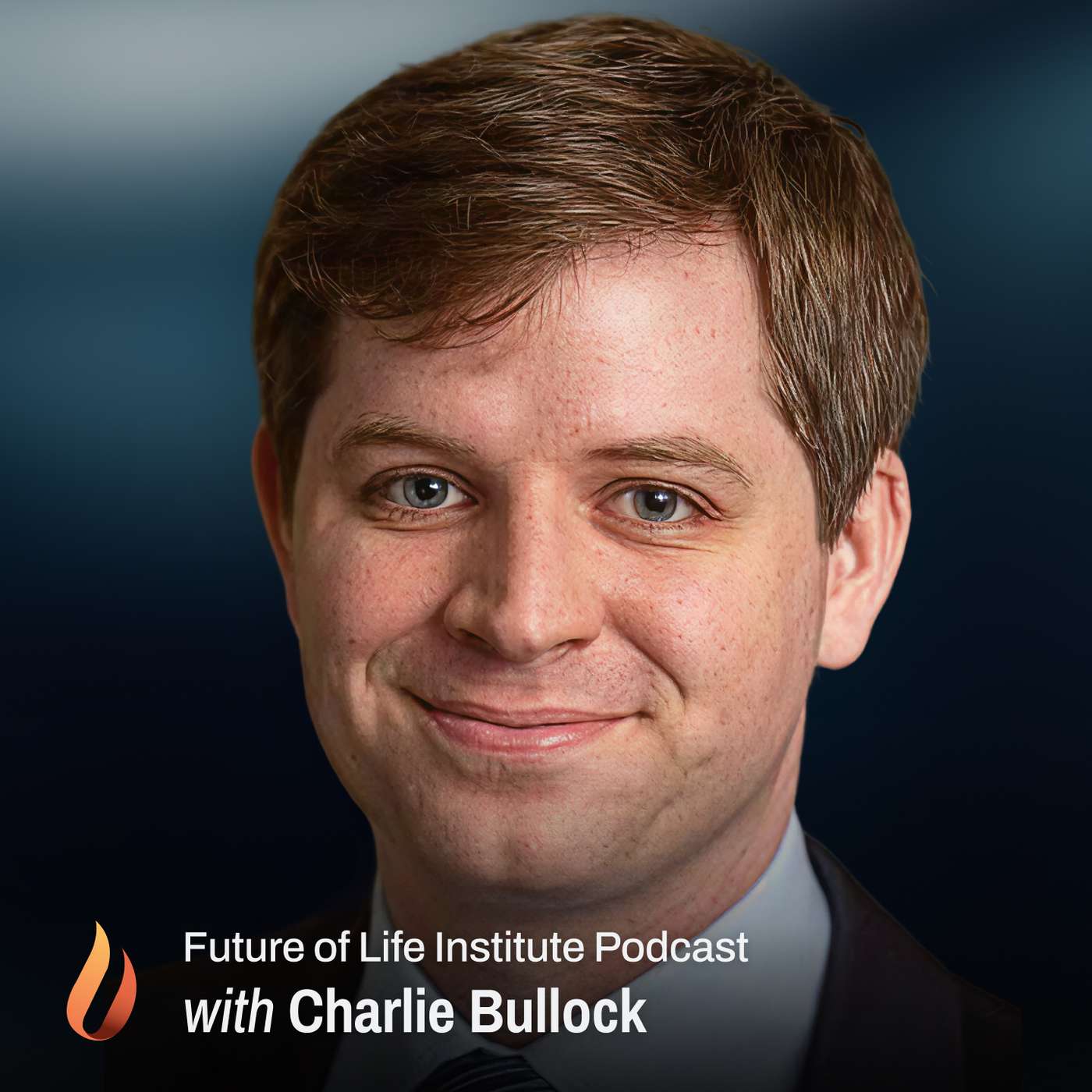 How to Govern AI When You Can't Predict the Future (with Charlie Bullock) 07.05.2026 1h 7mCharlie Bullock is a Senior Research Fellow at the Institute for Law and AI. He joins the podcast to discuss radical optionality: how governments can prepare for very advanced AI without locking in premature rules. The conversation covers why law often trails technology, and how transparency, reporting, evaluations, cybersecurity standards, and expanded technical hiring could help. We also discuss private oversight, state versus federal rules, and the risk of concentrating power in companies or government.LINKS:Radical Optionality websiteCharlie BullockCHAPTERS: (00:00) Episode Preview (01:04)...
-
 Why AI Is Not a Normal Technology (with Peter Wildeford) 29.04.2026 1h 24mPeter Wildeford is Head of Policy at the AI Policy Network, and a top AI forecaster. He joins the podcast to discuss how to forecast AI progress and what current trends imply for the economy and national security. Peter argues AI is neither a bubble nor a normal technology, and we examine benchmark trends, adoption lags, unemployment and productivity effects, and the rise of cyber capabilities. We also cover robotics, export controls, prediction markets, and when AI may surpass human forecasters.LINKS:Peter Wildeford BlogCHAPTERS: (00:00) Episode Preview (01:12) AI bubble debate (06:25) Normal...
-
 Why AI Evaluation Science Can't Keep Up (with Carina Prunkl) 17.04.2026 54mCarina Prunkl is a researcher at Inria. She joins the podcast to discuss how to assess the capabilities and risks of general-purpose AI. We examine why systems can solve hard coding and math problems yet still fail at simple tasks, why pre-deployment tests often miss real-world behavior, and how faster capability gains can increase misuse risks. The conversation also covers de-skilling, red teaming, layered safeguards, and warning signs that AIs might undermine oversight.LINKS:Carina Prunkl personal websiteCHAPTERS: (00:00) Episode Preview (01:04) Introducing the report (02:10) Jagged frontier...
Similar podcasts


Popular in
The podcast also appears in the podcast charts of these countries.


