
unSILOed with Greg LaBlanc
Greg La Blanc
0
unSILOed with Greg LaBlanc is a podcast that features interdisciplinary conversations aimed at inspiring new ways of thinking about the world. It seeks to build a community of lifelong learners who are curious and eager to gain insights about themselves and the world around them. The podcast is produced by University FM.
Episodes
-
 703. Breaking the Routine: Sabbaticals and the Modern Career Path with DJ DiDonna 24.11.2026 47mDJ DiDonna is a lecturer at the Harvard Business School, the founder of The Sabbatical Project, and the author of the connected book, Big Time Off: The Transformative Power of Sabbaticals and How to Take One. DJ defines a sabbatical as an intentionally taken, months-long leave from one’s routine job that creates a life rupture for recovery and identity exploration. Greg and DJ contrast the historical roots of sabbaticals with modern, employee-driven breaks. They discuss why many sabbaticals are triggered by crises and how planning, savings, and employer policies can make them proactive. DJ arg...
-
 702. Saying No, Selectively, to New with Eric Athas 20.11.2026 52mNewness is essential for the human experience and a healthy brain, but just like anything else, too much of a good thing can eventually deteriorate its benefits. Eric Athas is an editor at The New York Times and author of the book, Saying No to New: Why New Things Are Stealing Your Time, Money, and Happiness―and How to Take Back Your Life, which helps readers understand their impulse to consume new things and how to reshape that relationship. Eric and Greg discuss how, in a world obsessed with new, to have a healthy relationship with new things. The conversation delves into the functionality o...
-
 701. Navigating Technology and Cognitive Control Beyond the Screen with Adam Gazzaley 16.11.2026 45mAdam Gazzaley is a professor at UCSF running the Neuroscape lab. He’s also the co-founder of Akili Interactive Labs and also the co-author of the book, The Distracted Mind: Ancient Brains in a High-Tech World. Greg and Adam discuss why the book’s neuroscience of attention and interference remains valid while modern technology has intensified distraction and reward cycles. Adam explains human cognitive control and goal-setting, the prefrontal cortex’s role in top-down regulation, and how information overload and multitasking create goal interference. He distinguishes attention from working memo...
-
 700. The Science of Misery: Exploring Emotional Mechanisms with George Loewenstein 13.11.2026 51mGeorge Loewenstein is a professor of economics and psychology at Carnegie Mellon University and an author. His latest work is titled The Opposite of Happiness: How Bad Feelings Make and Break Us. Greg and George discuss why negative emotions dominate over positive emotions in human attention and experience. George argues emotions are evolved “programs” that reconfigure perception, memory, and preferences, undermining the economics assumption of stable preferences and highlighting intrapersonal and interpersonal empathy gaps that distort forecasting, judgment of addicts, and understanding of re...
-
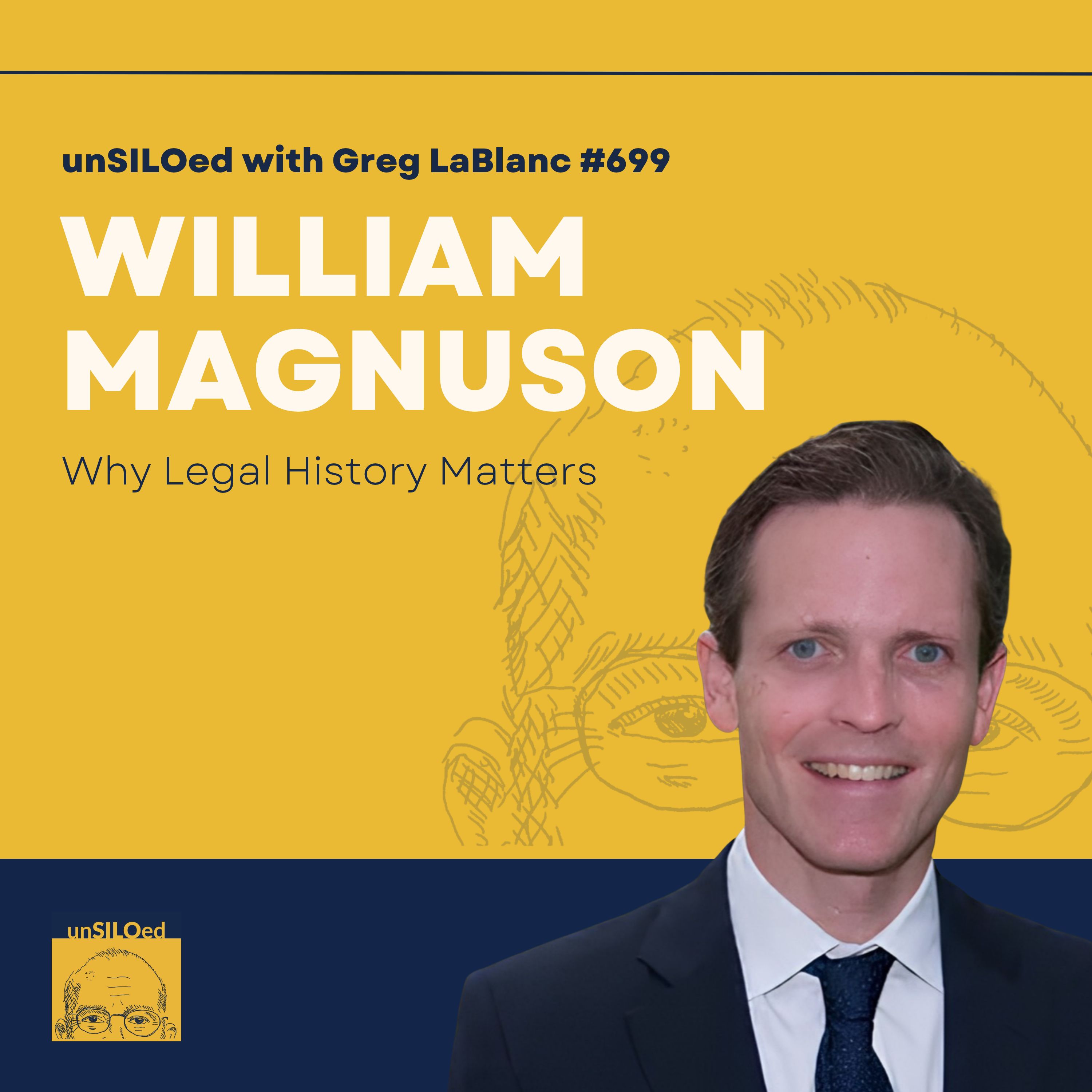 699. Why Legal History Matters with William Magnuson 11.11.2026 50mWhat makes a law, a law? What’s the difference between rules and laws? And where did the western legal system start? William Magnuson is a professor of law at Texas A&M and the author of The Just and the Good: How Law Made the Western World, a sweeping look at the history of the law dating back to the ancient Greeks. He’s also the author of For Profit: A History of Corporations. William and Greg discuss why legal history is worth studying, how these systems and institutions of law were invented, and how the lessons from history can help us understand this moment of division we’re in. *unSILOed...
-
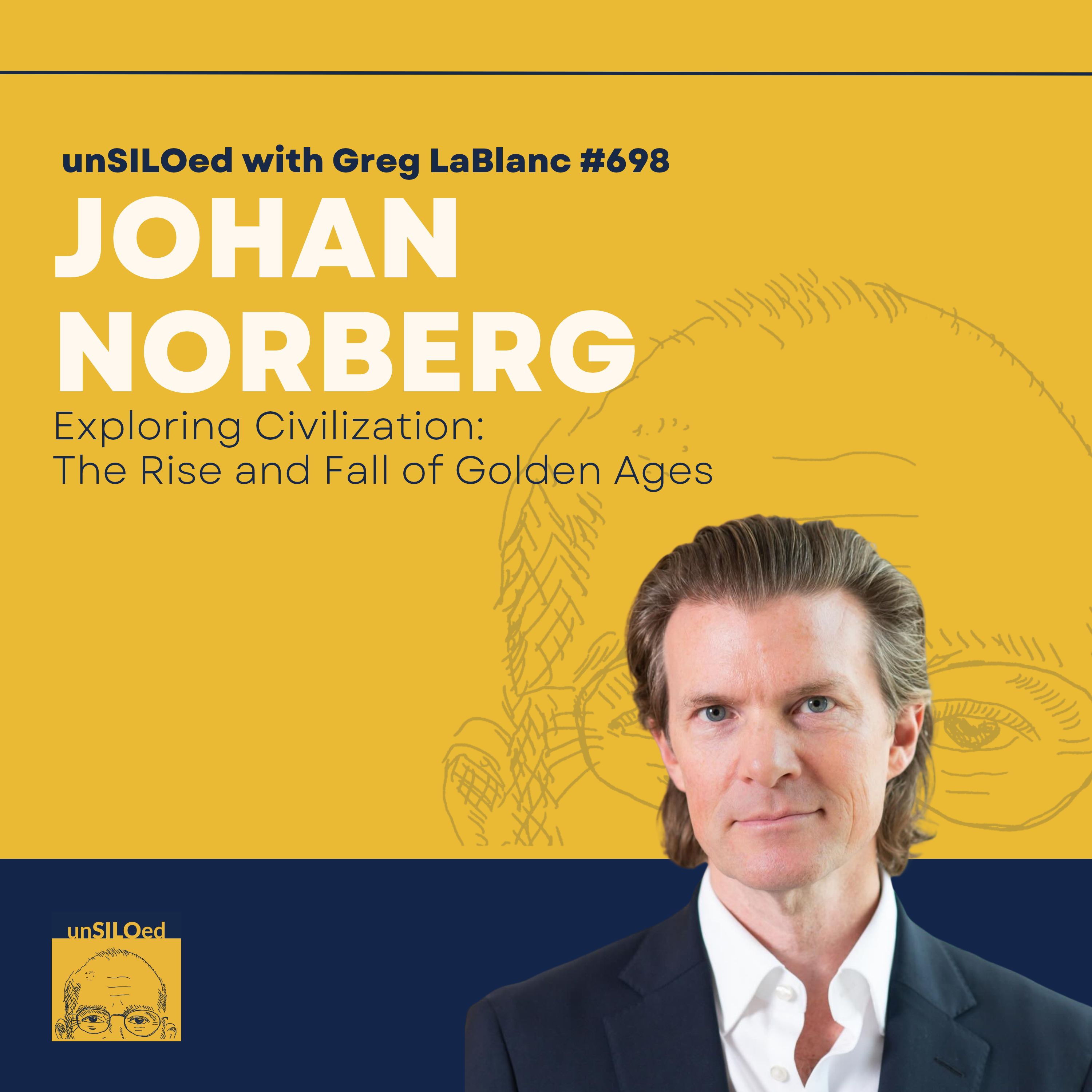 698. Exploring Civilization: The Rise and Fall of Golden Ages with Johan Norberg 09.11.2026 44mJohan Norberg is a senior fellow at the Cato Institute and a prolific author of several books. His latest titles are Peak Human: What We Can Learn From History’s Greatest Civilizations and Open: The Story of Human Progress. Greg and Johan discuss the overall reasons why civilizations rise and fall. Johan argues progress is not linear and depends on ideas and institutions that sustain openness to trade, migration, experimentation, and free expression. He explains how decline follows insularity, tribalism, and veto coalitions of incumbents protecting their positions (Cardwell’s law). They also d...
-
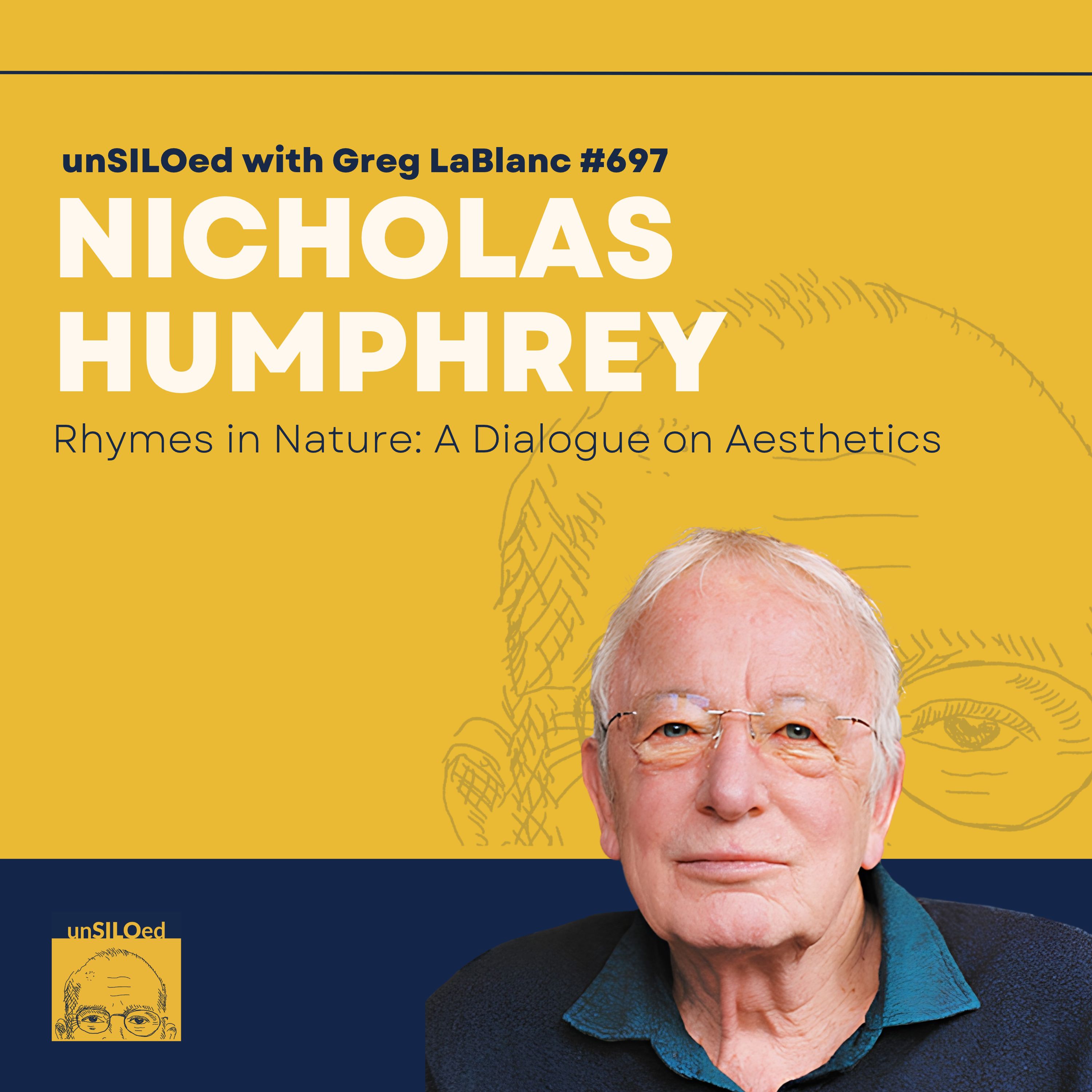 697. Rhymes in Nature: A Dialogue on Aesthetics with Nicholas Humphrey 04.11.2026 51mNicholas Humphrey is a fellow at Darwin College at Cambridge University, and the author of many books. His latest works are titled, Why Is the World So Beautiful?: Our Minds in Search of Nature's Rhymes and The Mind Made Flesh: Frontiers of Psychology and Evolution. Greg and Nicholas discuss why humans uniquely among all creatures seek and feel aesthetic emotion, especially toward “pointless” natural beauty like sunsets and rainbows, which seems puzzling for Darwinian adaptation. Nicholas gives evolutionary explanations for beauty in bodies, landscapes, and also design, and then unifies them t...
-
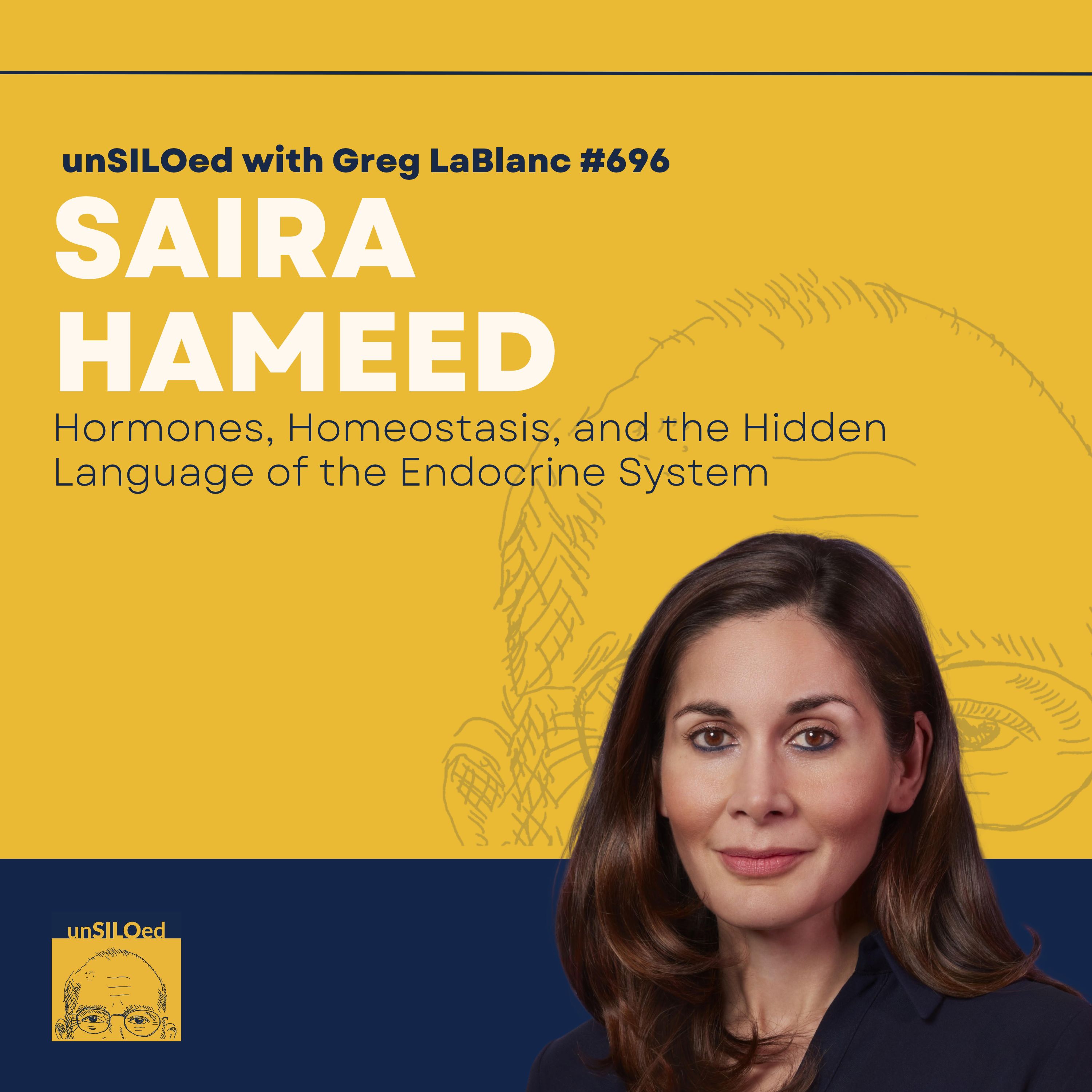 696. Hormones, Homeostasis, and the Hidden Language of the Endocrine System with Saira Hameed 02.11.2026 54mOur body contains a complex communication network, with hormones providing the signals. How do these signals regulate our energy, our appetites, our growth, and our moods? And does our environment shape the nature and intensity of these signals? Saira Hameed is a consulting endocrinologist who is also a clinician and lecturer at Imperial College London. She is also the author of the new book, Signals: The Hidden Power and Secret Language of Hormones - A Scientific Guide to Understanding How the Body Talks to Itself. Greg and Saira discuss how hormones regulate moment-to-moment homeostasis thro...
-
 695. Faith, Reason, and Habit: Living Philosophically with Clare Carlisle 28.10.2026 55mClare Carlisle is a professor of philosophy at King’s College London and the author of several books. Her latest works are titled, Transcendence for Beginners: Life Writing and Philosophy and The Marriage Question: George Eliot’s Double Life Greg and Clare discuss what it means to be religious today through a Spinozist (Baruch Spinoza) lens, contrasting medieval religion as a virtue (behavior and “due honor to God”) with modern religion as ‘belief and belonging’ after the Reformation. Clare explains how Spinoza rethinks virtue as “power and flourishing” and God as “God or nature,” why he was s...
-
 694. What We Can Learn From The Luddites with Brian Merchant 22.10.2026 56mThe term “Luddite” is often used today in a pejorative way for people standing in the way of progress and averse to technology. But for the Luddites of the 19th century, pushing back against technological advancements was a matter of life and death. Tech journalist Brian Merchant, author of Blood in the Machine: The Origins of the Rebellion Against Big Tech, unveils the history behind the first time machines came for human jobs and the lessons we can glean for today’s fight against big tech. He’s also the author of The One Device: The Secret History of the iPhone. Brian and Greg discuss the ti...
-
 693. Spiritual Journeys in the Age of AI with Meghan O’Gieblyn 20.10.2026 50m
-
 692. Level Up: Fixing Broken Hierarchies and Organizations with Nir Halevy 16.10.2026 44mNir Halevy is a professor of Organizational Behavior at the Stanford Graduate School of Business, and the author of the new book called Level Up: Why Hierarchies Are Broken and How to Fix Them. Greg and Nir argue that hierarchy can never be eliminated from organizations because of coordination needs, division of labor, and human drives for social comparison, achievement, predictability, and safety, yet it can become self-reinforcing and abusive. Nir diagnoses “broken hierarchies” via his three interlinked symptoms—ultra-competitiveness, injustice, and instability—which damage wellbeing, retent...
-
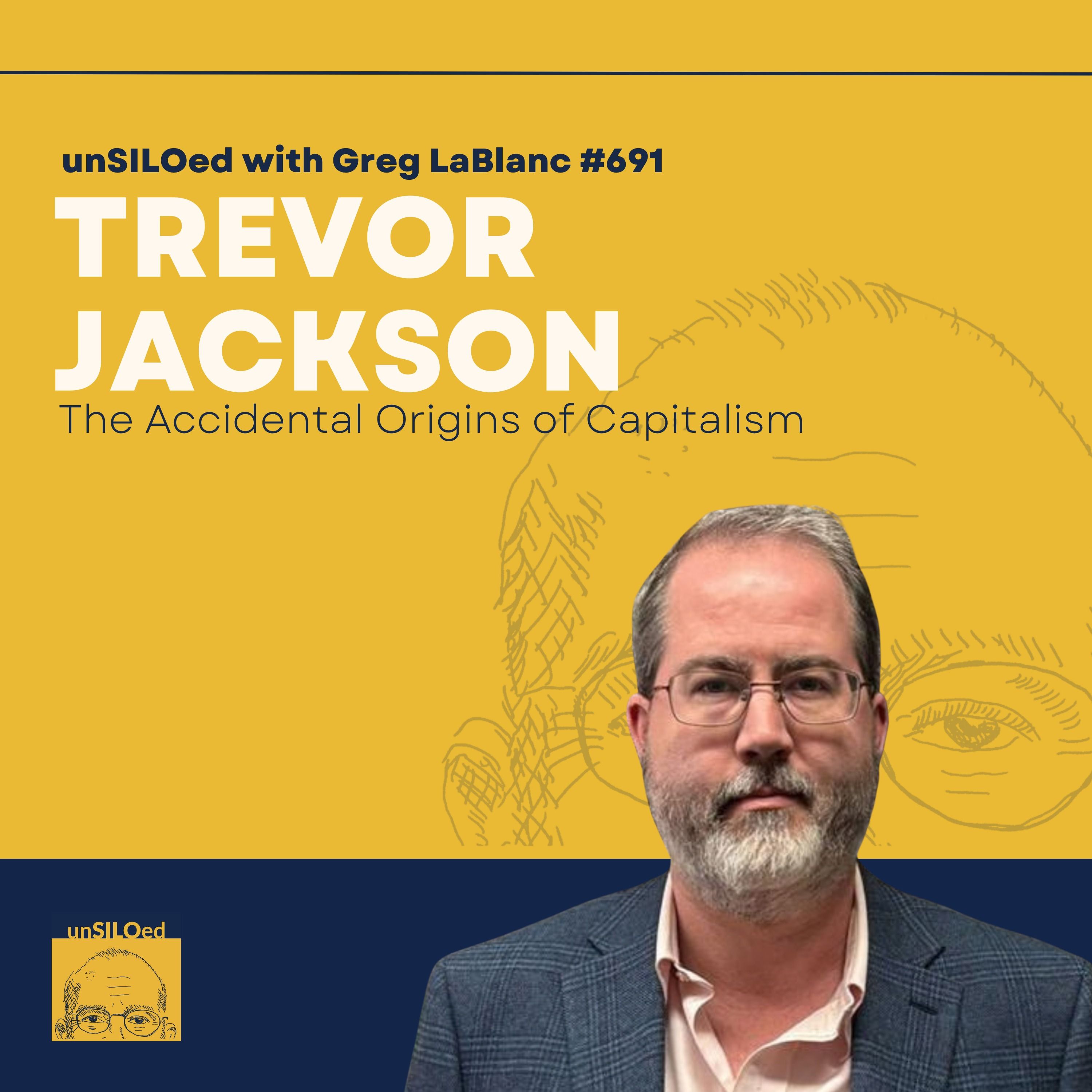 691. The Accidental Origins of Capitalism with Trevor Jackson 13.10.2026 51mWhy is it easier to imagine the end of the world than the end of capitalism? Believe it or not, the economic system was not inevitable in human history, and it’s not inevitably in our future either. Trevor Jackson is a professor of history and political economy at UC Berkeley. He's the author of The Insatiable Machine: How Capitalism Conquered the World, a book that traces the origins and evolution of capitalism, as well as Impunity and Capitalism: The Afterlives of European Financial Crises, 1690–1830. Trevor and Greg discuss how capitalism emerged not by design but through accidental solutio...
-
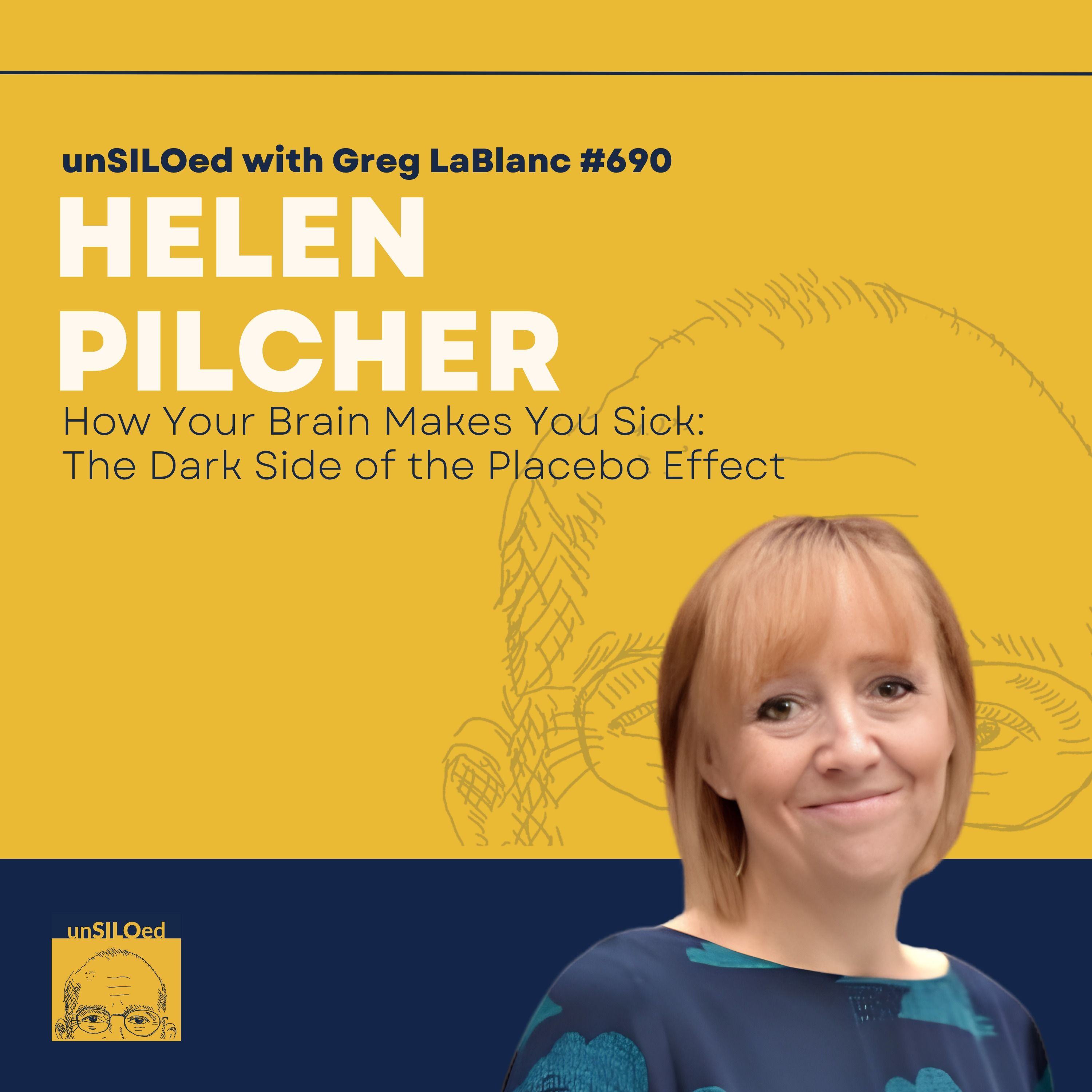 690. How Your Brain Makes You Sick: The Dark Side of the Placebo Effect with Helen Pilcher 09.10.2026 1h 7mWhat happens when your brain predicts a symptom that doesn't belong — and your body obeys? Can a diagnosis itself make you sicker? And could the way your doctor delivers bad news change the course of your disease? Helen Pilcher is a science writer whose work has appeared in Nature, The Guardian, and the BBC. Her new book, This Book May Cause Side Effects: The Curious and Dangerous Power of the Nocebo Effect, Placebo's Evil Twin, explores how negative expectations can produce real, measurable harm in the body. Helen and Greg discuss how the nocebo effect turns clinical warnings into self-fulfil...
-
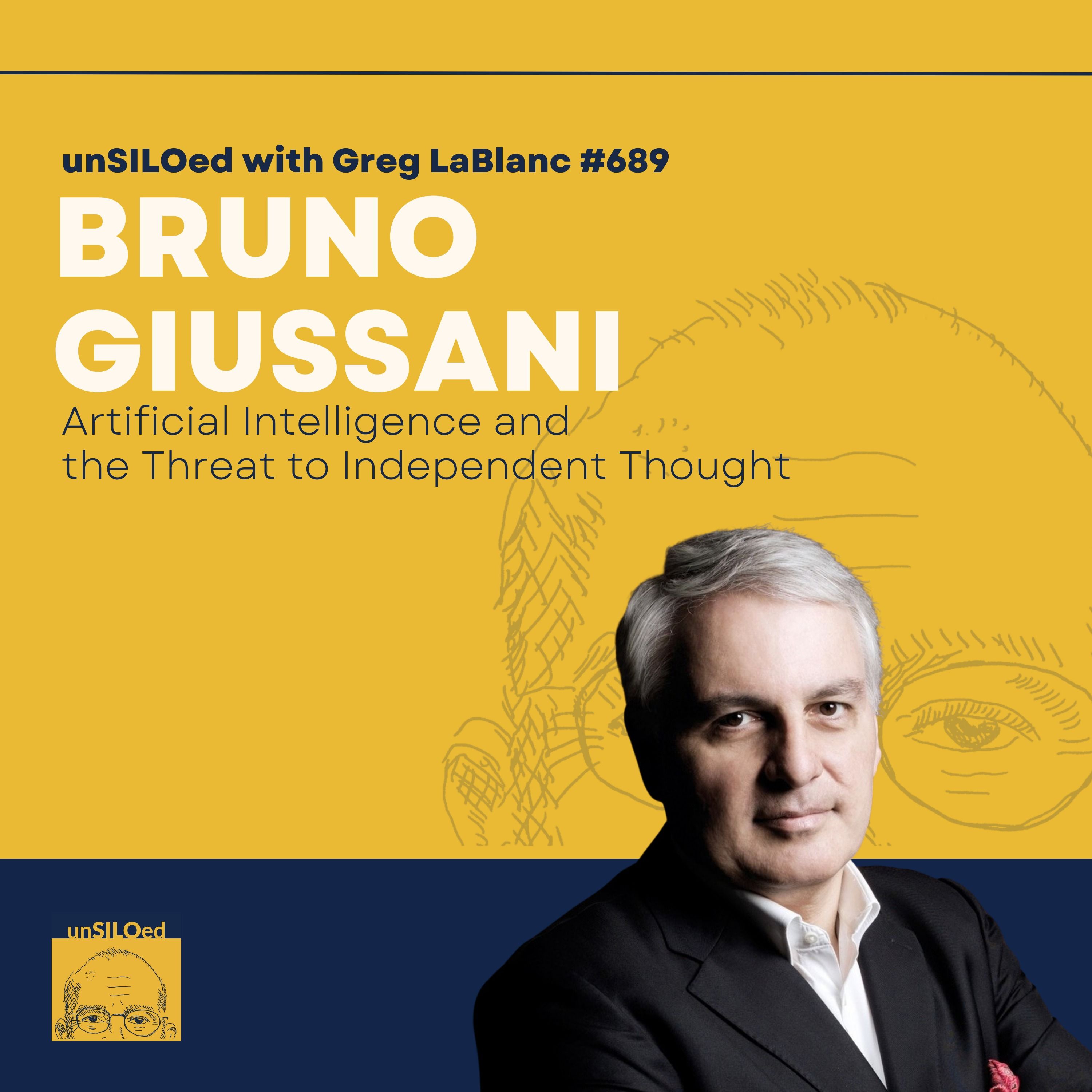 689. Artificial Intelligence and the Threat to Independent Thought with Bruno Giussani 05.10.2026 52mBruno Giussani is a speaker and consultant, formerly the head of TED in Europe and an author of many works in Italian and the new English work Our Minds Under Siege: How to Avoid Being Manipulated in the Age of Artificial Intelligence. Greg and Bruno discuss how AI, social media, and other algorithmic technologies capture and steer attention, eroding “cognitive integrity,” or the ability to understand reality lucidly and decide autonomously. Bruno argues that today’s personalization of chatbots enables society-scale influence person by person, amplified by cheap AI-generated content and politi...
-
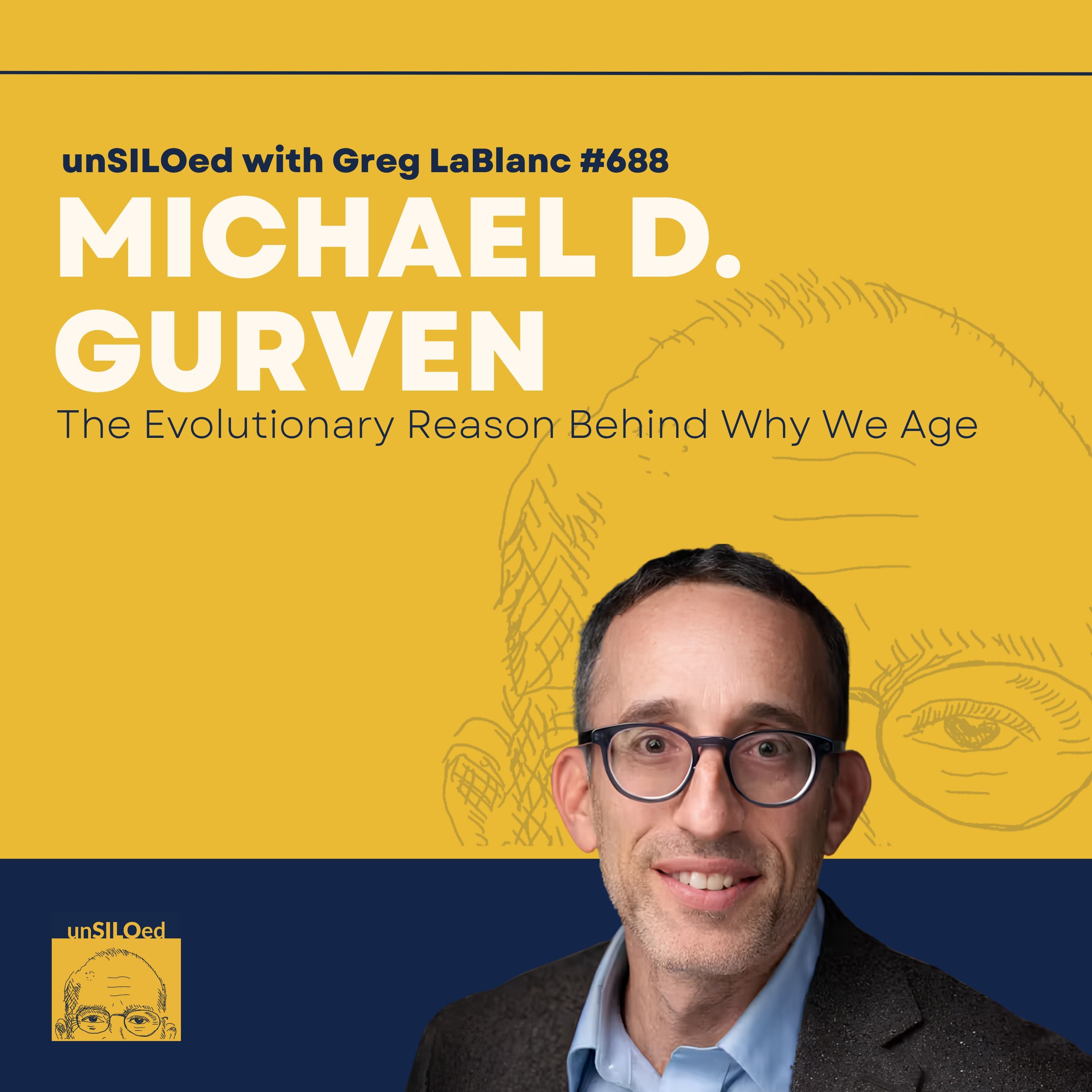 688. The Evolutionary Reason Behind Why We Age with Michael Gurven 29.09.2026 55mEven without the contributions of modern medicine and technology, humans have been evolving to live longer lives for centuries. So what led to this evolution and why is aging important? Michael Gurven is a professor of anthropology at the University of California Santa Barbara. He’s also the author of, Seven Decades: How We Evolved to Live Longer, a book that examines the evolutionary causes behind life expectancy. Michael and Greg discuss the key reasons behind why we age, how Michael’s field work with the Tsimané people in Bolivia informed his conclusions about life expectancies, and whether...
-
 687. The Key to a Happier Life Starts With Social Connection with Nicholas Epley 24.09.2026 56mSocial connection is essential for humans, yet we live in a world that is increasingly designed to limit our in-person social interactions. So why, if being social makes us happier, do we willfully avoid it more and more? Nicholas Epley is the John Templeton Keller Distinguished Service Professor of Behavioral Science and Director of the Roman Family Center for Decision Research at the University of Chicago Booth School of Business. His new book, A Little More Social, explores how the little choices we make can dramatically shape our connections. Nicholas and Greg discuss the science behind wh...
-
 686. The Risk of ‘Artificial Intimacy’ with Sherry Turkle 22.09.2026 53m
-
 685. Decoding Conspiracy Theories: Insights from Business and Behavior Experts with Hayagreeva “Huggy” Rao and Henrich R. Greve 18.09.2026 50mHuggy Rao is the Atholl McBean Professor of Organizational Behavior and Human Resources at Stanford University’s Graduate School of Business and Henrich Greve is the Rudolf and Valeria Maag Chaired Professor in Entrepreneurship at INSEAD. They are also co-authors of the new book Ctrl+Alt+Doubt: Decoding the Language of Online Conspiracy Talk. Greg, Henrich, and Huggy discuss their new book and the language of online conspiracy talk. They describe entering the topic via research on managerial talk, the 1857 Indian mutiny rumor, and pandemic effects on collective action, then the COVID-era “dist...
-
 684. Picky Eaters of the 20th Century: How Americans Learned to Eat with Helen Zoe Veit 15.09.2026 47mHelen Zoe Veit is a professor of history at Michigan State University and also an author and editor. Her latest books are titled Picky: How American Children Became the Fussiest Eaters in History and Modern Food, Moral Food: Self-Control, Science, and the Rise of Modern American Eating in the Early Twentieth Century. Greg and Helen discuss changes in American eating habits during the 20th century. Helen explains that food history became a viable academic field largely in the last 25 years, and describes early-20th-century shifts toward government regulation, nutrition science, calories, home e...
Similar podcasts


Popular in
The podcast also appears in the podcast charts of these countries.


