
Museum Archipelago
Ian Elsner
0
A tiny show guiding you through the rocky landscape of museums. Museum Archipelago believes that no museum is an island and that museums are not neutral. Taking a broad definition of museums, host Ian Elsner brings you to different museum spaces around the world, dives deep into institutional problems, and introduces you to the people working to fix them. Each episode is rarely longer than 15 minutes.
Episodes
-
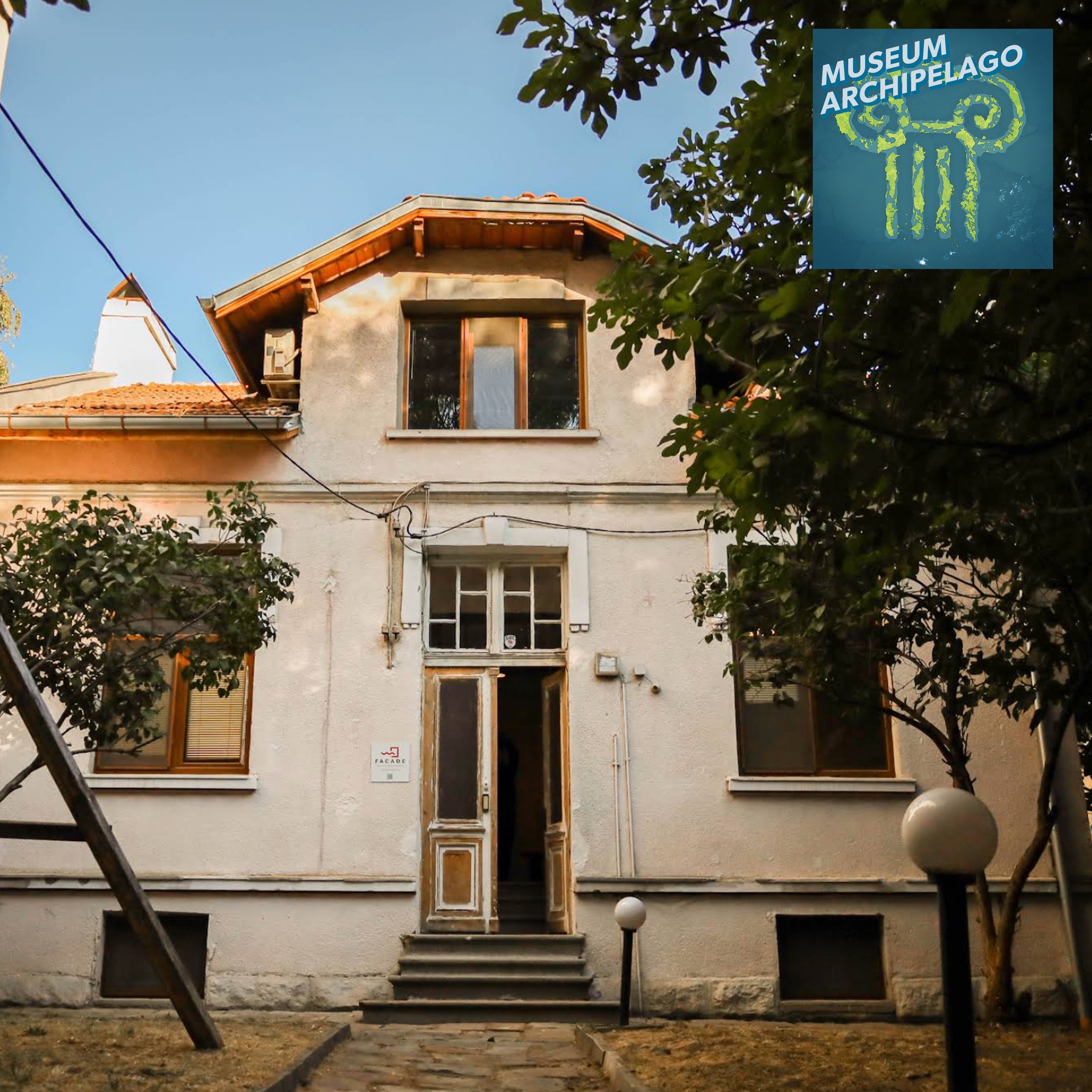 114. Bulgaria Doesn’t Have A Museum of Communism. That Might Be Changing Soon. 09.11.2026 17mThirty-seven years after the collapse of Bulgaria's communist regime, the country still doesn’t have an interpretive museum about the period. But even if one existed, I know Bulgarians who would never visit, confident that a museum of communism would be an endorsement of the regime. Political scientist Louisa Slavkova, founder of the Sofia Platform Foundation, is hoping to solve both problems with Facade, a new museum set to open in Sofia in 2028. The name points to the gap between the regime's promises and its human cost. In this episode, Slavkova describes how her team's work at the former B...
-
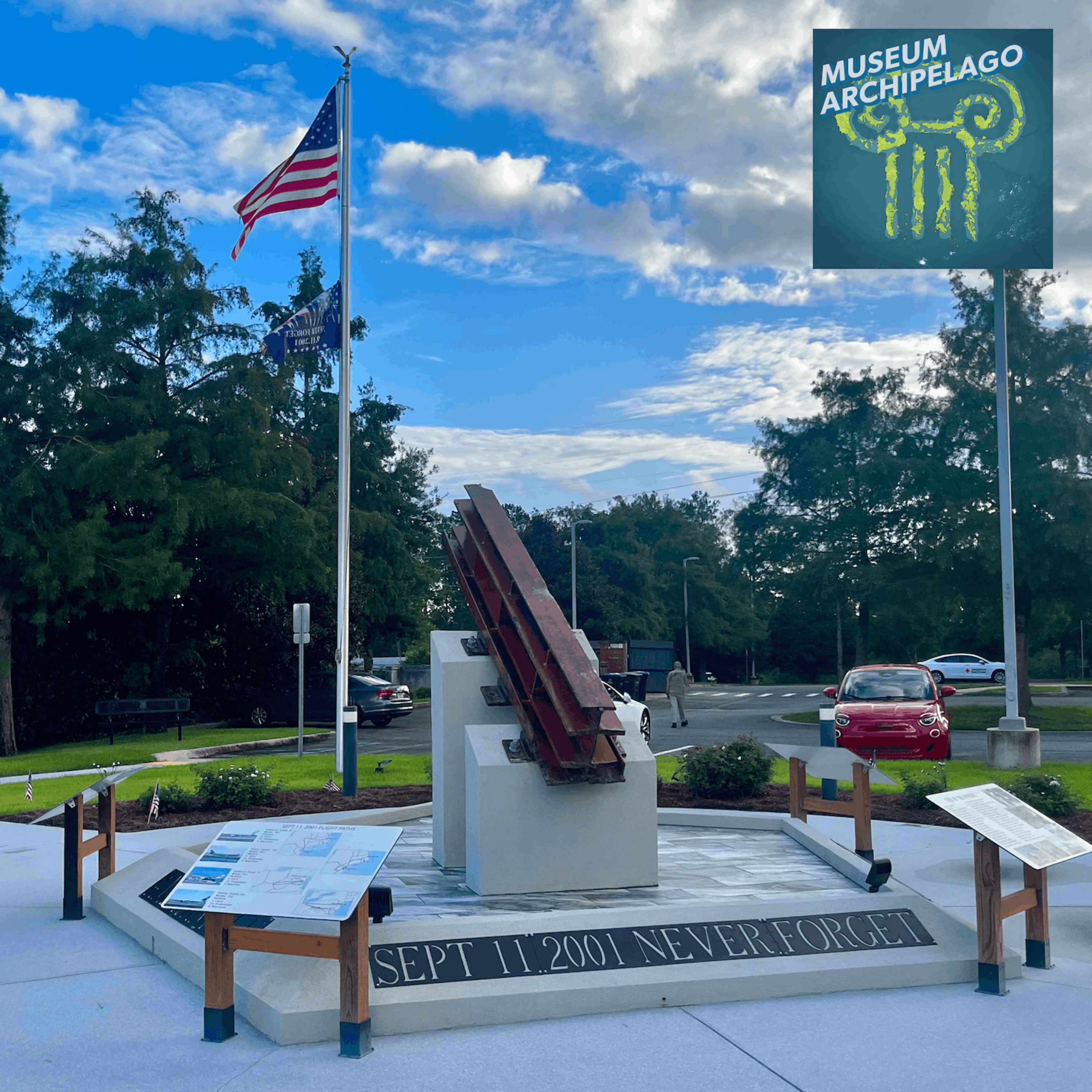 113. World Trade Center Steel in Your Area 20.07.2026 17mSteel from the World Trade Center has spread to every corner of the U.S. When the 10th anniversary of the 9/11 attacks approached, the Port Authority of New York and New Jersey gave away more than 1,800 pieces of steel saved from Ground Zero, and communities in all 50 states built them into memorials. A few were designed by famous architects, but most were welded by volunteers. Artist and researcher Sam Holleran first encountered the steel in a posting for a small-town public art commission. The listing described the steel in almost sacred terms and requested that the material be unaltered. Ho...
-
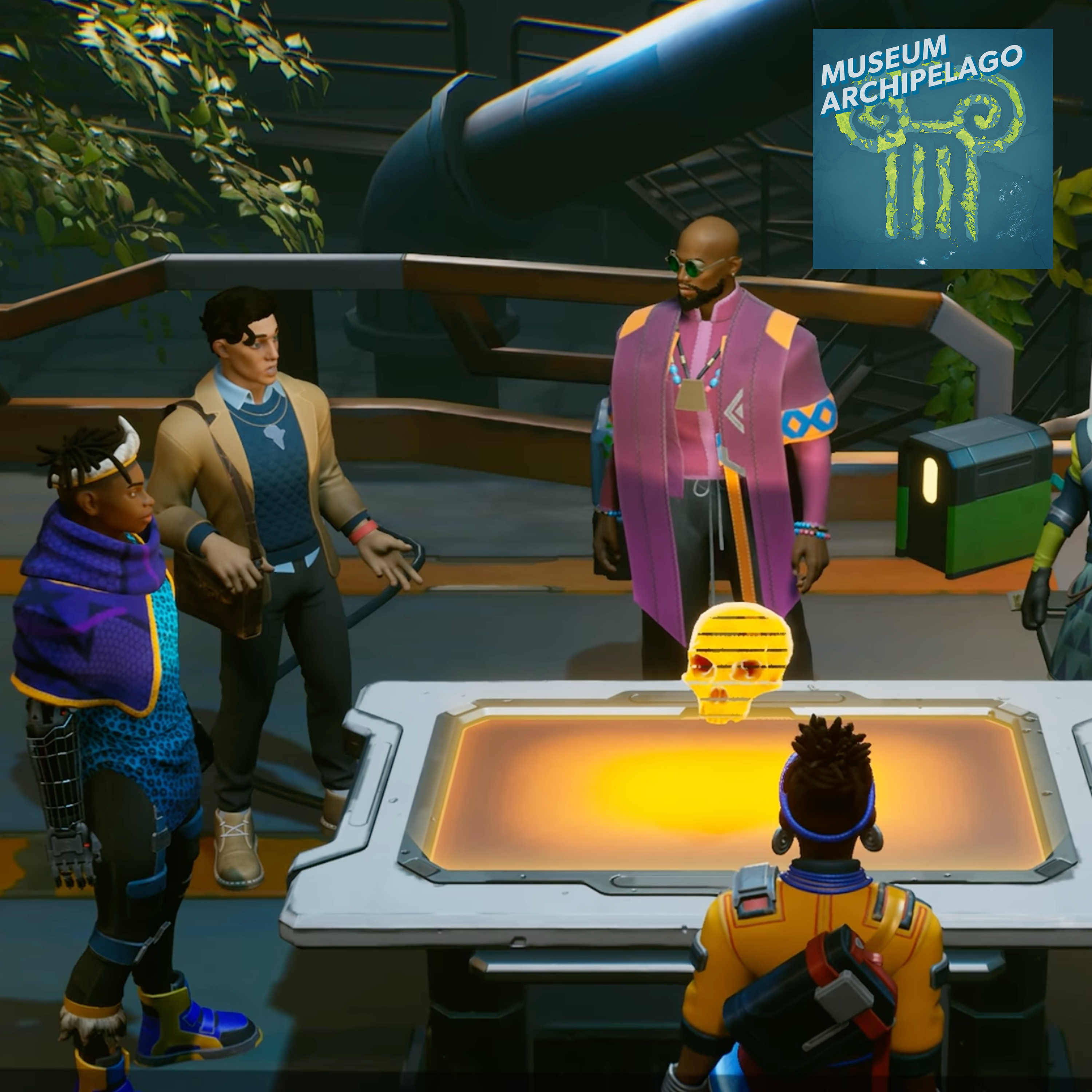 112. In Relooted, You Steal Back What Museums Won't Return 02.03.2026 15mIt's 2099, and you and your heist team are about to case an unnamed high-security museum in Europe. One of the targets: the Kabwe skull, a roughly 300,000-year-old early human skull found in present-day Zambia in 1921. This is Relooted, a new video game from South African game studio Nyamakop, where your job is to steal back looted artifacts by mapping entrances and exits, positioning your crew, and making it past robot security using your parkour skills. Several things about this are unrealistic. For one, the actual Kabwe skull, currently on display in the Natural History Museum in London, mi...
-
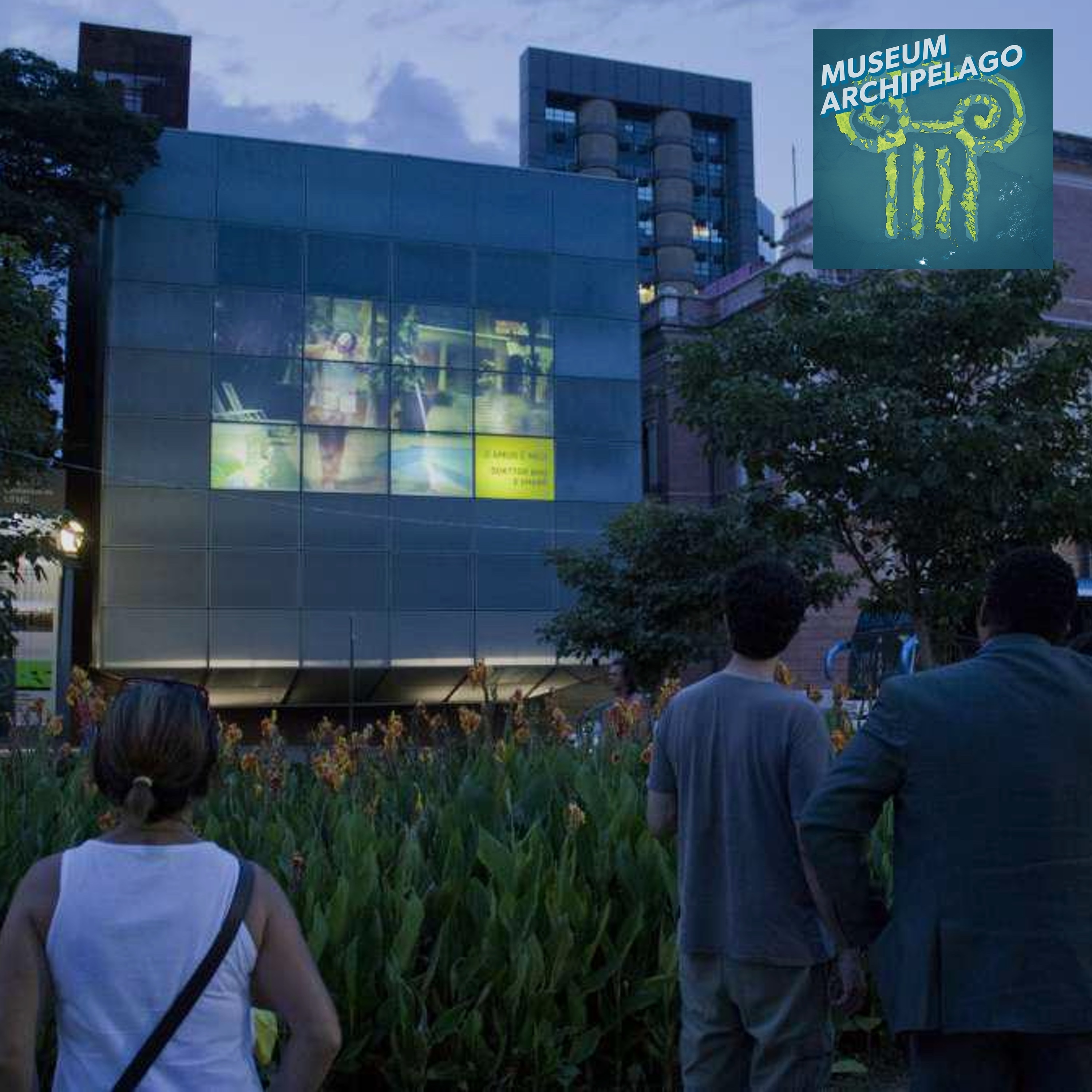 111. Why Software Hasn't Eaten Museums (Yet) 15.12.2025 13mMuseums today are filled with software, yet they've largely avoided being "eaten" by the tech industry. Unlike music or movies, exhibitions can't be downloaded or scaled infinitely. There's only one Mona Lisa. But if the wrong platform finds the right leverage, that immunity may not last. Which is why the kind of software museums choose matters. TilBuci is a free, open-source tool used by museums to build touchscreens, kiosks, and projections. It was created by Brazilian software developer Lucas Junqueira after watching too many digital exhibitions quietly break down once the opening buzz fade...
-
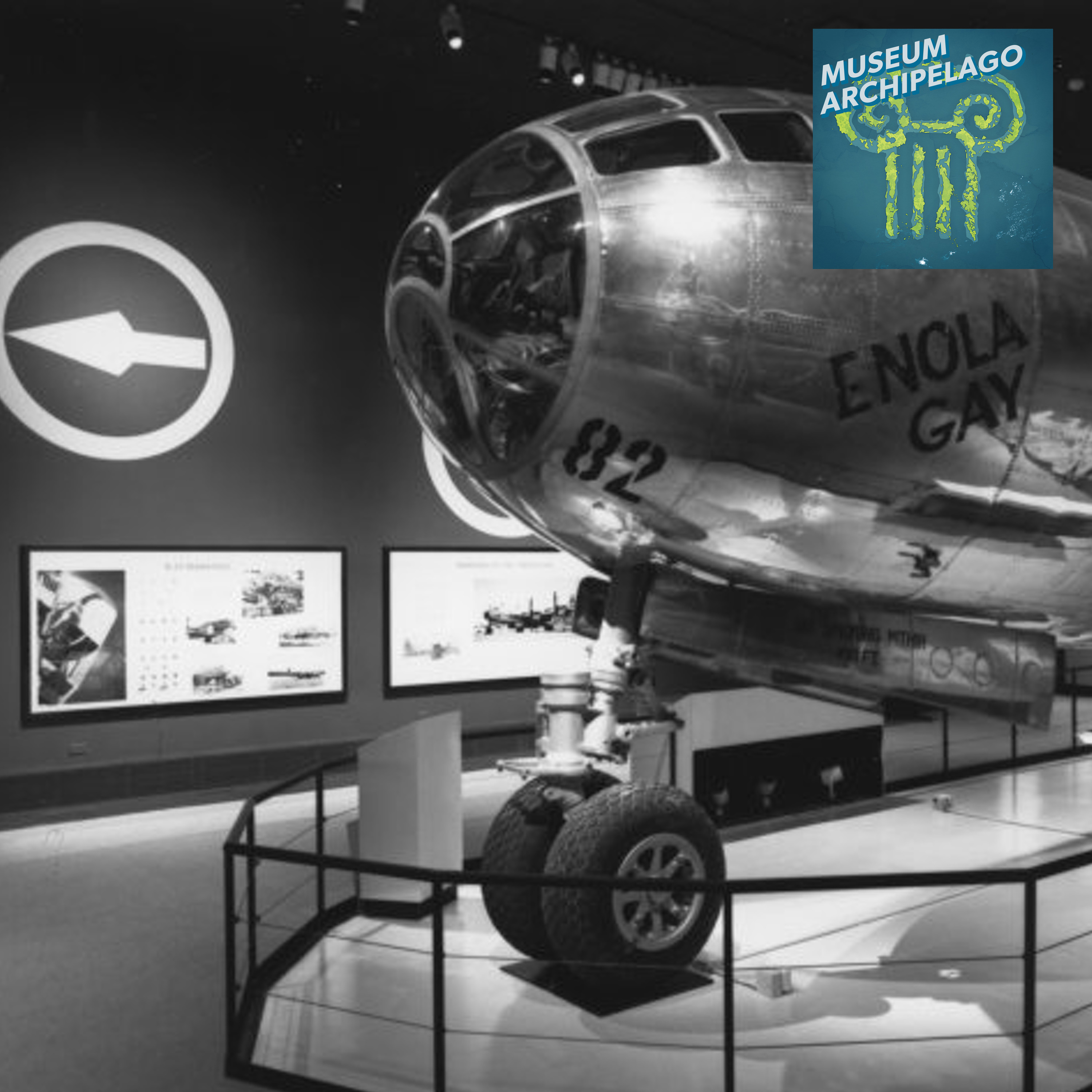 110. Revisiting The ‘Enola Gay Fiasco’ Today 14.04.2025 21mFor the 50th anniversary of the end of World War II, the Smithsonian National Air and Space Museum planned to display the Enola Gay, the Boeing B-29 that dropped the atomic bomb on Hiroshima. The plane was restored to be part of a full exhibit, presented alongside context about the atomic bombing's mass civilian casualties. But that exhibit never opened. Instead, after years of script revisions and intense pressure from veterans' groups and Congress, the museum displayed the restored bomber's fuselage with minimal interpretation. The exhibit was primarily dedicated to the technical process of...
-
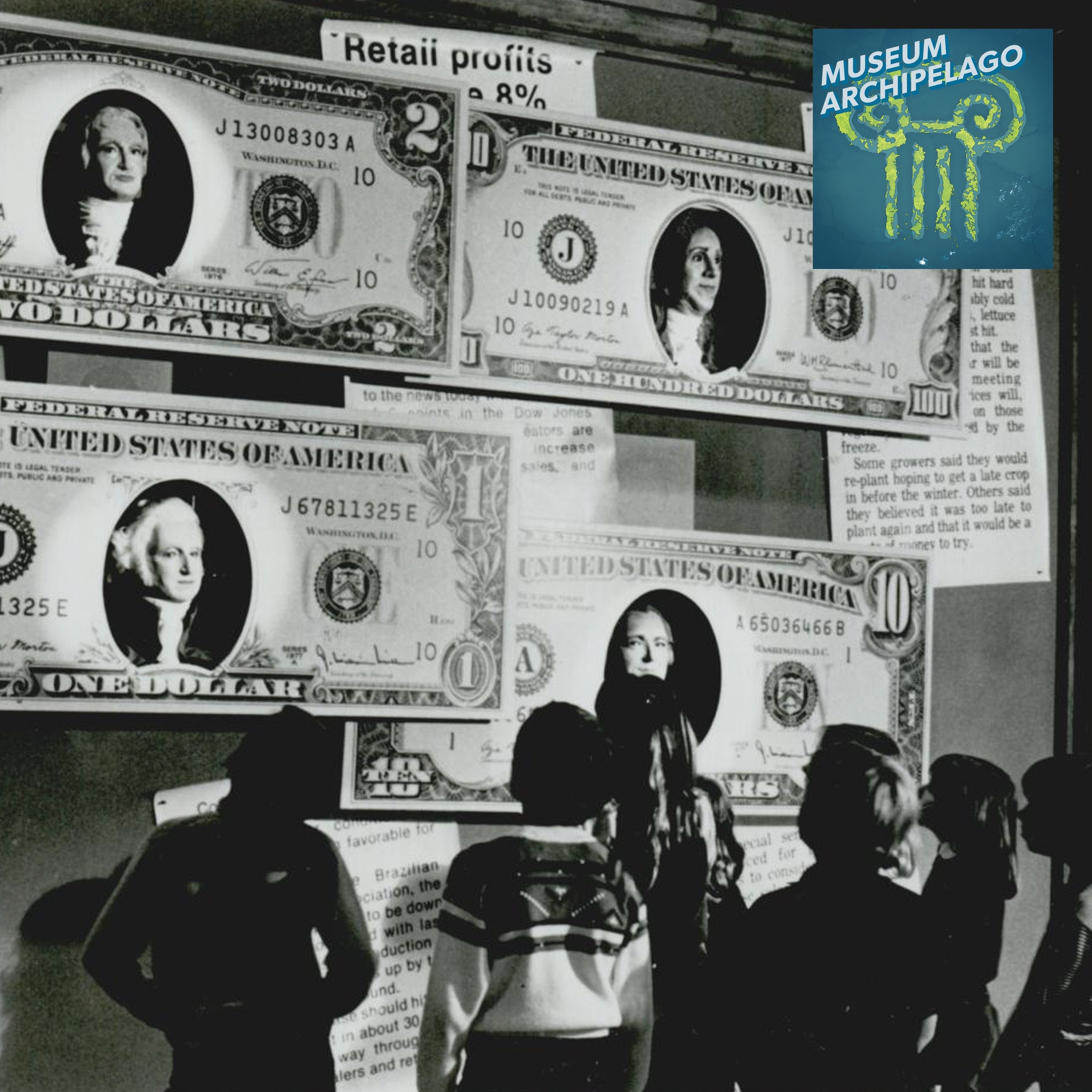 109. The Rise and Fall of Enterprise Square, USA 24.02.2025 15mFor the last few decades of the 20th century, if you visited Oklahoma City, Oklahoma, you could have been serenaded by a barbershop quartet of audio-animatronic portraits of America's founders as framed on U.S. currency. This was one of the many exhibits at Enterprise Square, USA, a high-tech museum dedicated to teaching children about Free Market Economics. The museum, which found itself out of money almost before it opened, shut down in 1999. Barrett Huddleston first encountered these exhibits as a wide-eyed elementary school student in the 1980s, mesmerized by the talking puppets, giant ele...
-
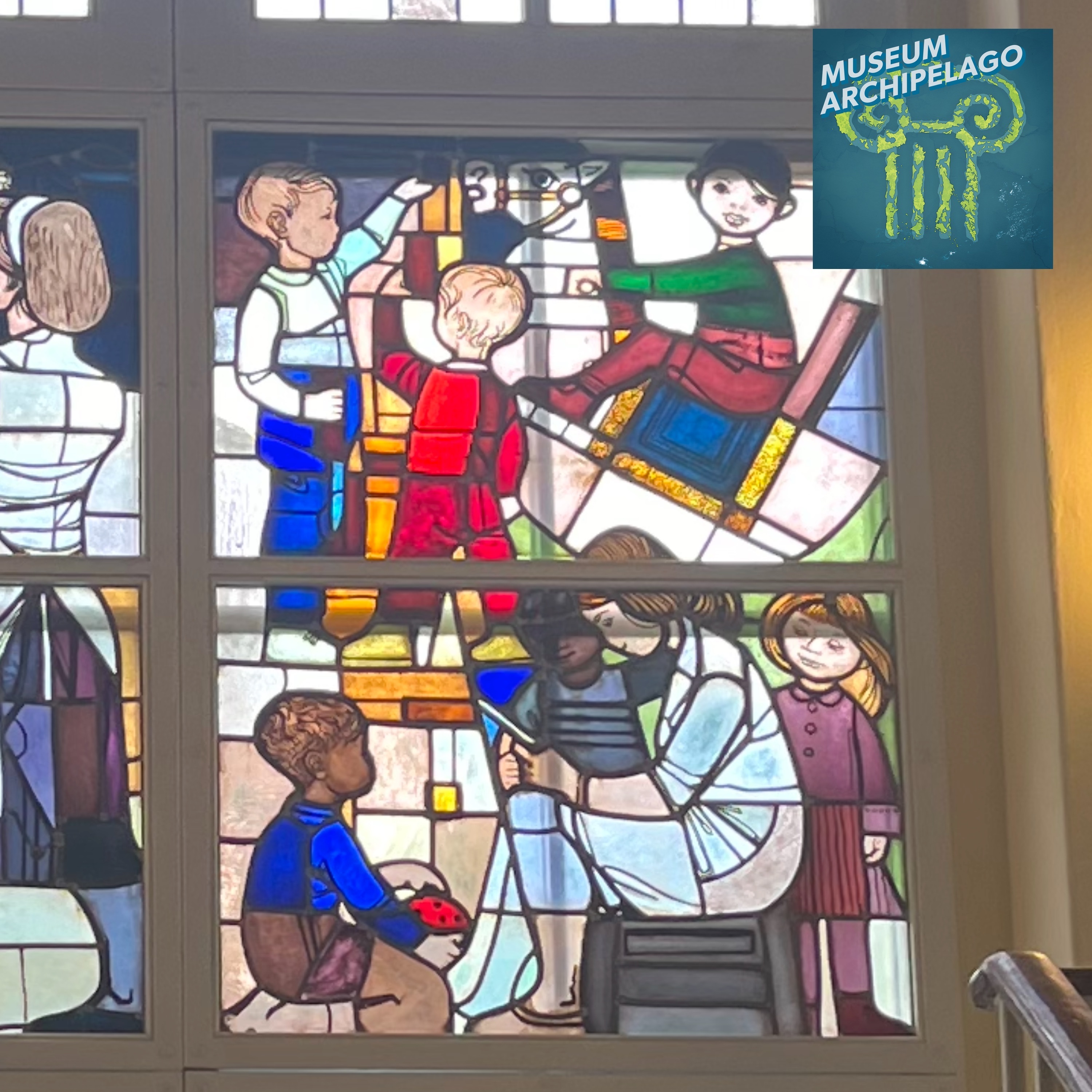 108. The Museum of Utopia and Daily Life 09.12.2024 19mThe tension is right there in the name of the Museum of Utopia and Daily Life. It sits inside a 1953 kindergarten building in Eisenhüttenstadt, Germany, a city that was born from utopian socialist ideals. After World War II left Germany in ruins, the newly formed German Democratic Republic (GDR) saw an opportunity to build an ideal socialist society from scratch. This city – originally called Stalinstadt or Stalin’s city – was part of this project, rising out of the forest near a giant steel plant. The museum's home in a former kindergarten feels fitting – the building's original Socialist Rea...
-
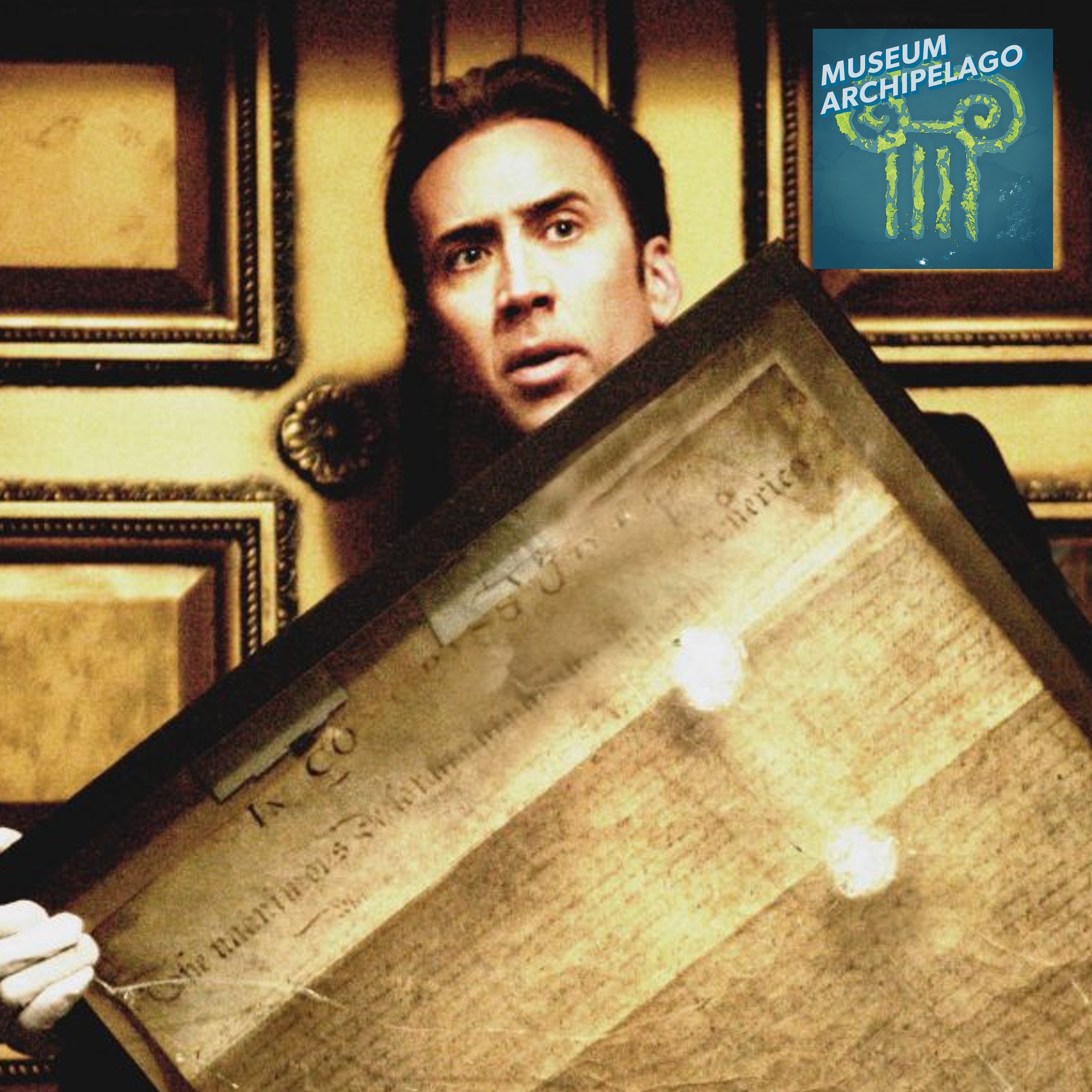 107. Crypto and Museums Part 1 23.09.2024 18mIn November 2021, an extremely rare first printing of the U.S. Constitution was put up for auction at Sotheby's in New York, attracting a unique bidder: ConstitutionDAO, a decentralized autonomous organization. This group had formed just weeks earlier with the sole purpose of acquiring the Constitution – and would not have been possible without crypto technology. While museums and crypto don't commonly coexist at the moment, they may increasingly intersect in the future. They actually address similar fundamental issues: trust and historical accuracy. Both can help answer the question: what rea...
-
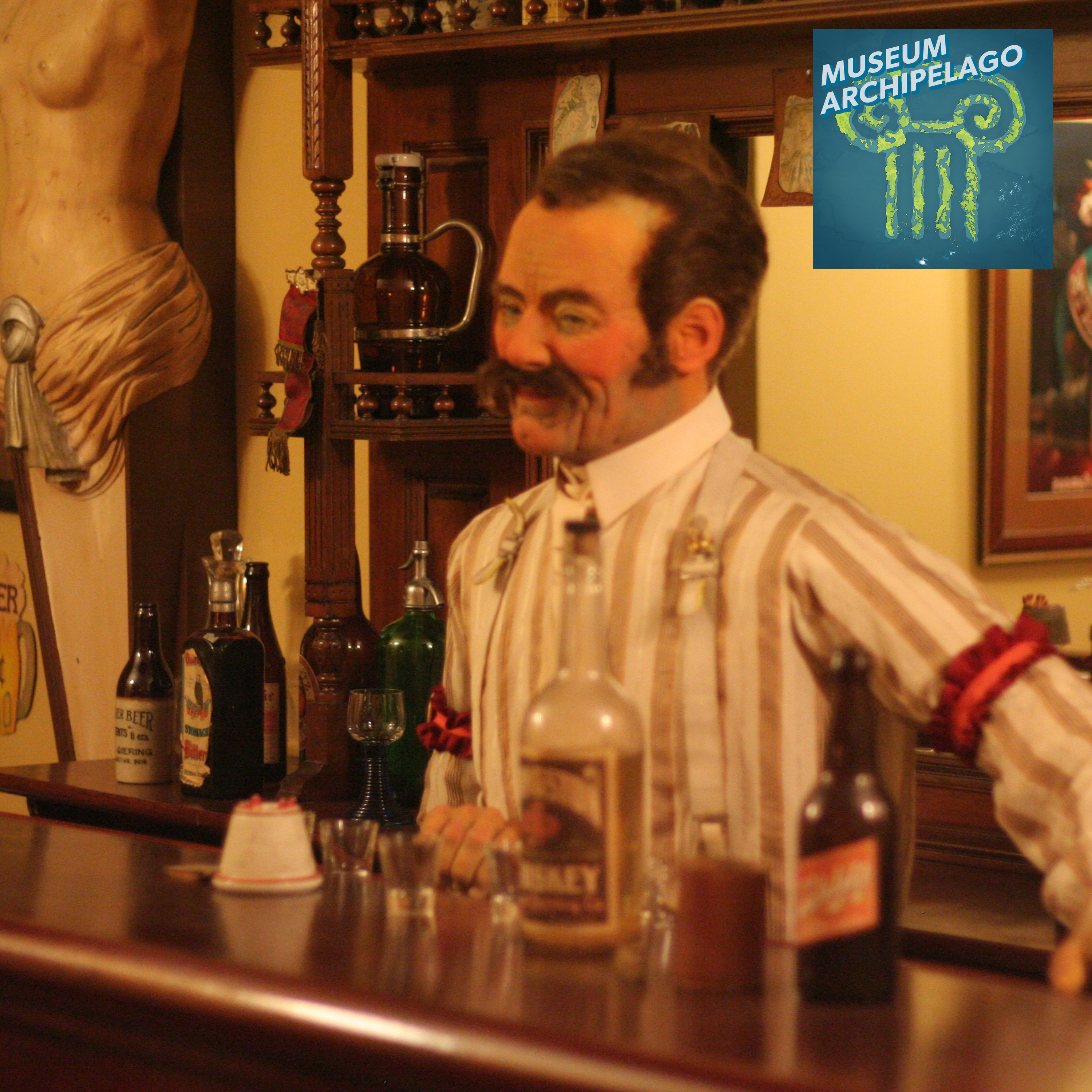 106. Last Call on 'The Streets of Old Milwaukee' 29.07.2024 18mI remember visiting – and loving – The Streets of Old Milwaukee exhibit at the Milwaukee Public Museum (MPM) as a child. Opened in 1965, it’s an immersive space with cobblestone streets and perfect lighting that evokes a fall evening in turn-of-the-20th-century Milwaukee. The visitor experience isn’t peering into a diorama, it’s moving through a diorama, complete with lifelike human figures. And I’m not the only one with fond memories. When the museum announced that the exhibit would not move over to the planned new museum down the street, the public reacted negatively. Dr. Ellen Censky, presi...
-
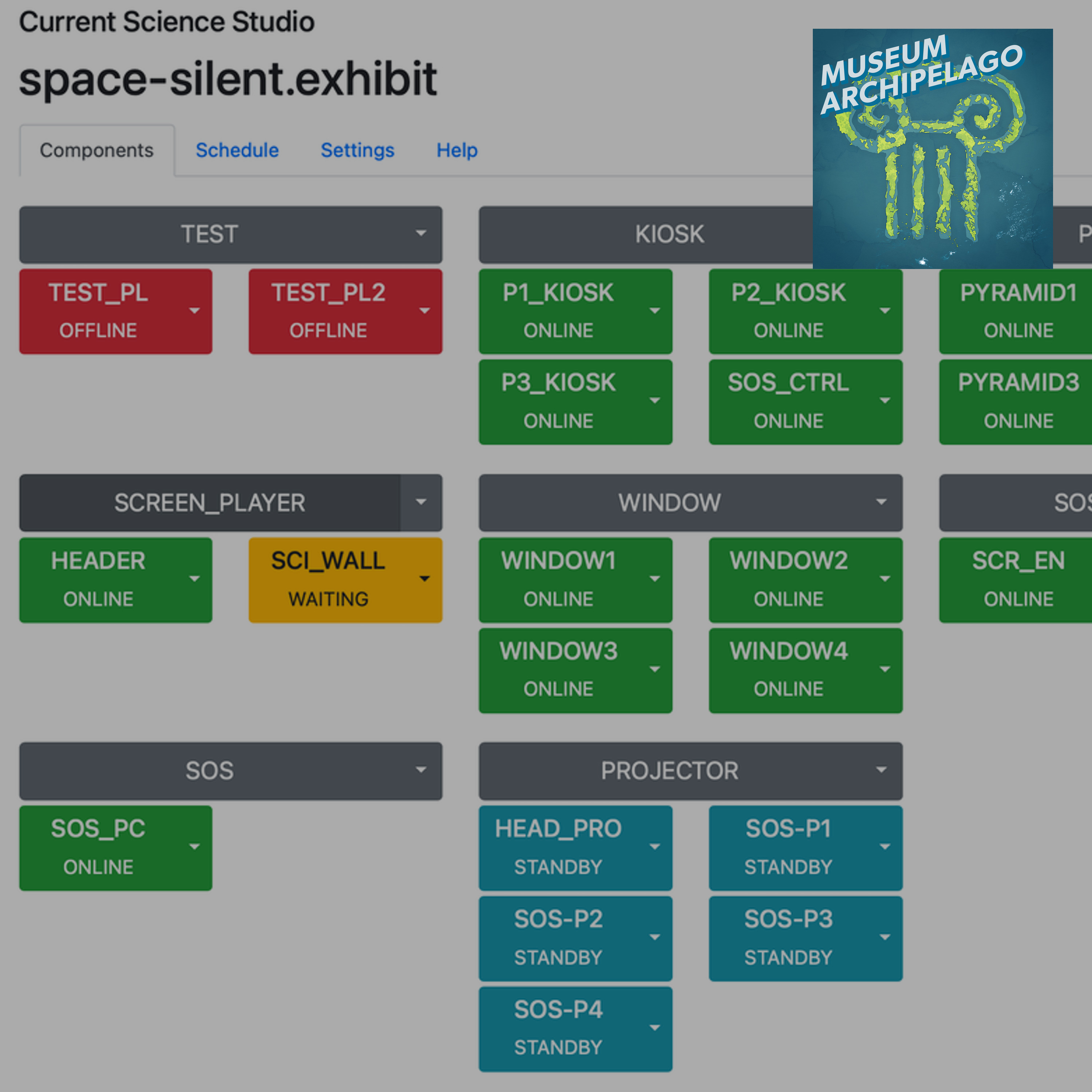 105. Building a Better Visitor Experience with Open Source Software 15.04.2024 14mWhile working at the Fort Worth Museum of Science and History during the pandemic, Dr. Morgan Rehnberg recognized the institution's limited capacity to develop new digitals exhibits with the proprietary solutions that are common in big museums. This challenge led Rehnberg to start work on Exhibitera, a free, open-source suite of software tools tailored for museum exhibit control that took advantage of the touch screens and computers that the museum already had. Today, as Vice President of Exhibits and Experiences at the Adventure Science Center in Nashville, Rehnberg continues to refine and ex...
-
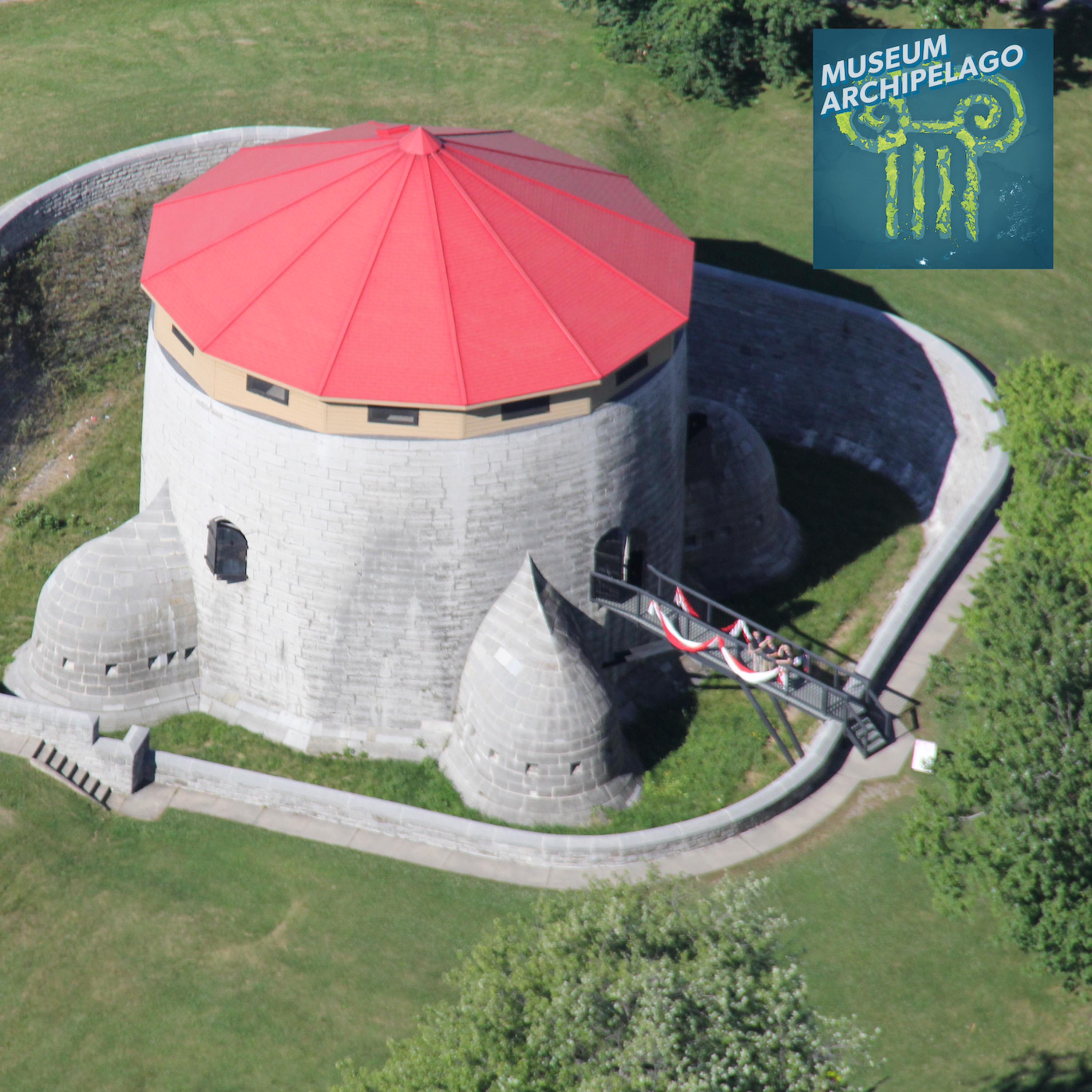 104. What Large Institutions Can Learn From Small Museums 26.02.2024 14mThe Murney Tower Museum in Kingston, Ontario, Canada is a small museum. Open for only four months of the year and featuring only one full-time staff member, the museum is representative of the many small institutions that make up the majority of museums. With only a fraction of the resources of large institutions, this long tail distribution of small museums offers the full range of museum services: collection management, public programs, and curated exhibits. Dr. Simge Erdogan-O'Connor has dedicated her studies to understanding the unique dynamics and challenges faced by small museums, and is...
-
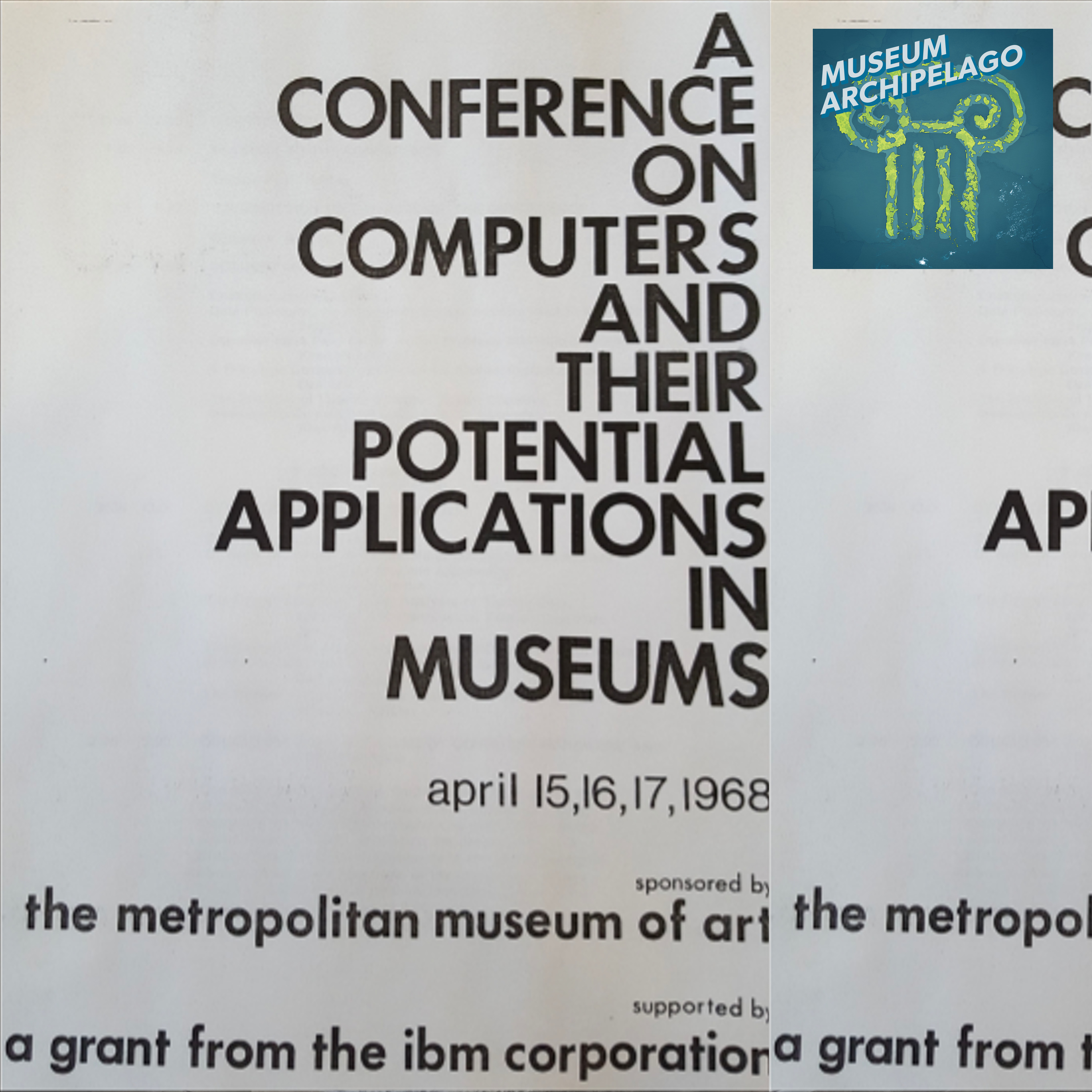 103. How Computers Transformed Museums and Created A New Type of Professional 13.11.2023 14mComputing work keeps museums running, but it’s largely invisible. That is, unless something goes wrong. For Dr. Paul Marty, Professor in the School of Information at Florida State University and his colleague Kathy Jones, Program Director of the Museum Studies Program at the Harvard Extension School, shining a light on the behind-the-scenes activities of museum technology workers was one of the main reasons to start the Oral Histories of Museum Computing project. The first museum technology conference was hosted in 1968 at the Metropolitan Museum of Art. This prescient event, titled “Conferenc...
-
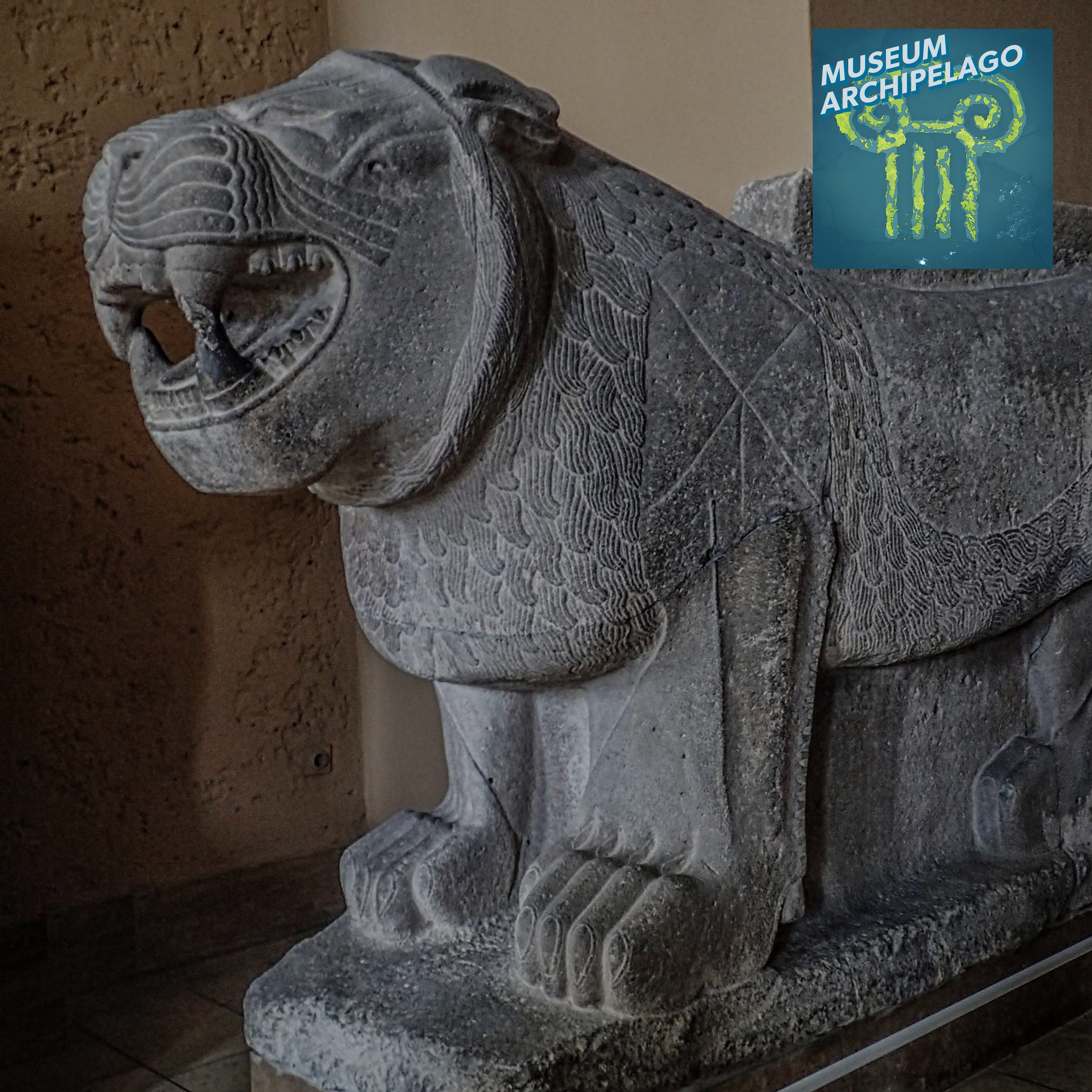 102. Copies in Museums 31.07.2023 14mOn Berlin’s Museum Island, four stone lion statues perch in the Pergamon Museum. Three of these lions are originals — that is to say, lions carved from dolerite rock between the 10th and 8th centuries BCE in Samʼal (Zincirli) in southern Turkey. And one is a plaster copy made a little over 100 years ago. Pergamon Museum curator Pinar Durgun has heard a range of negative visitor reactions to this copy — from disappointment to feeling tricked — and engages visitors to think more deeply about copies. As an archeologist and art historian, Durgun is fascinated by the cultural attitude and history o...
-
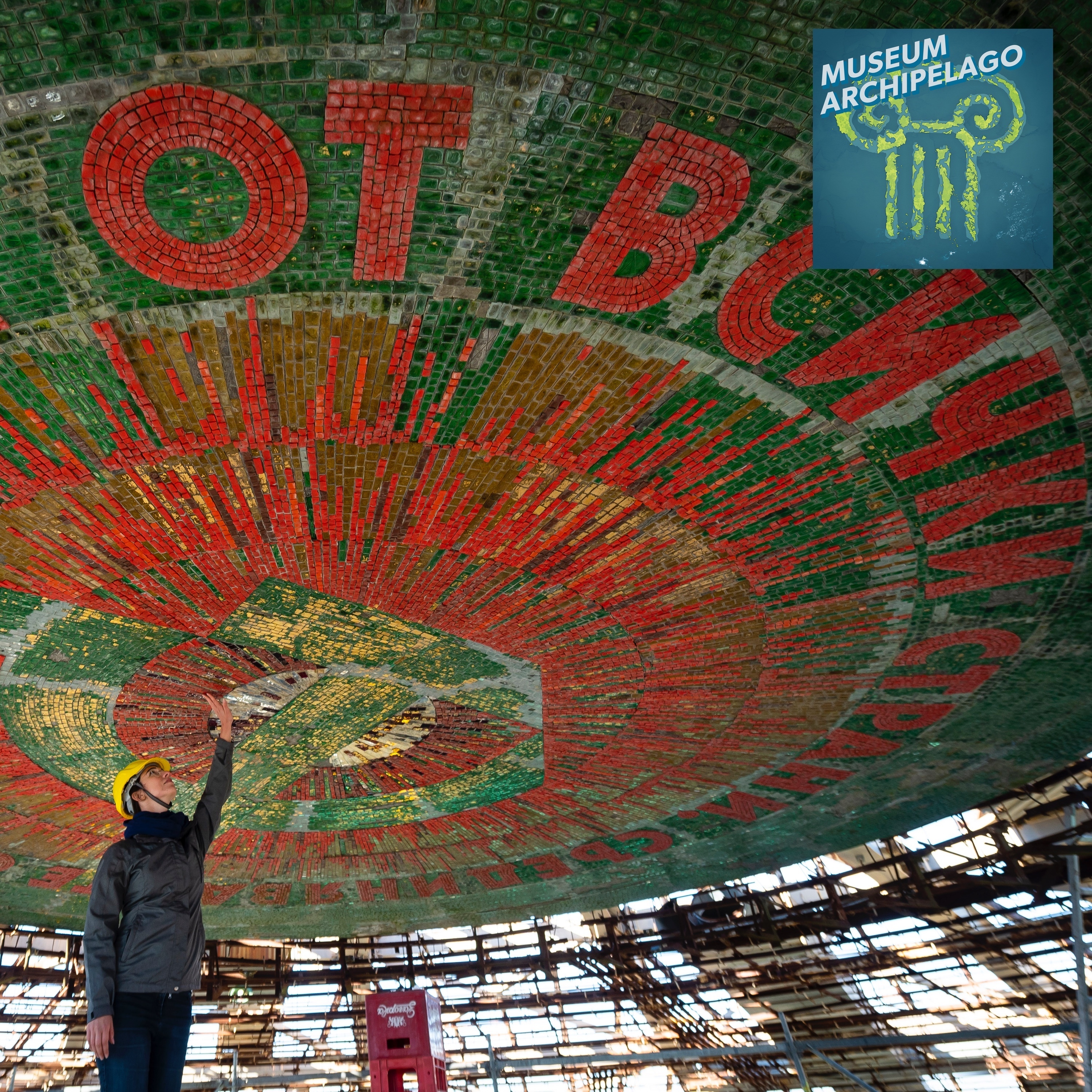 101. Buzludzha Always Centered Visitor Experience. Dora Ivanova is Using Its Structure to Create a New One. 23.01.2023 19mSince it opened in 1981 to celebrate the ruling Bulgarian Communist Party, Buzludzha has centered the visitor experience. Every detail and sightline of the enormous disk of concrete perched on a mountaintop in the middle of Bulgaria was designed to impress, to show how Bulgarian communism was the way of the future – a kind of alternate Tomorrowland in the Balkan mountains. Once inside, visitors were treated to an immersive light show, where the mosaics of Marx and Lenin and Bulgarian partisan battles were illuminated at dramatic moments during a pre-recorded narration. But after communism fell...
-
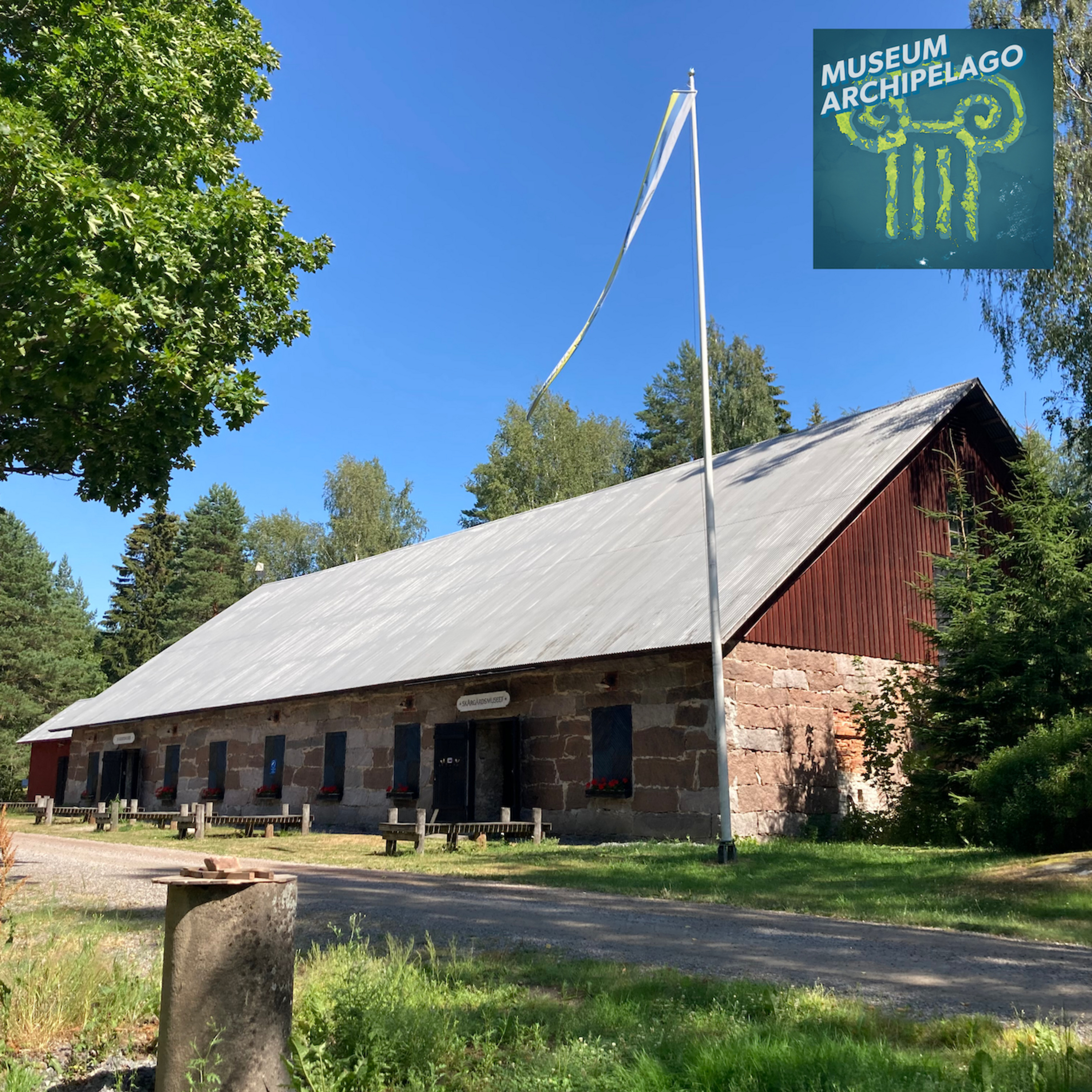 100. The Archipelago Museum 28.11.2022 11mIn the early days of this podcast, every time I searched for Museum Archipelago on the internet, the top result would be a small museum in rural Finland called the Archipelago Museum. As my podcast continued to grow and my search rankings improved, I didn’t forget about the Archipelago Museum. Instead, I wondered what they were up to. What were the exhibits about? Did they ever come across my podcast? Were they annoyed by my similar name? And while the museum had a website and a map, there was no way to directly contact them. Years went by as the realization sank in—the only way to reach the m...
-
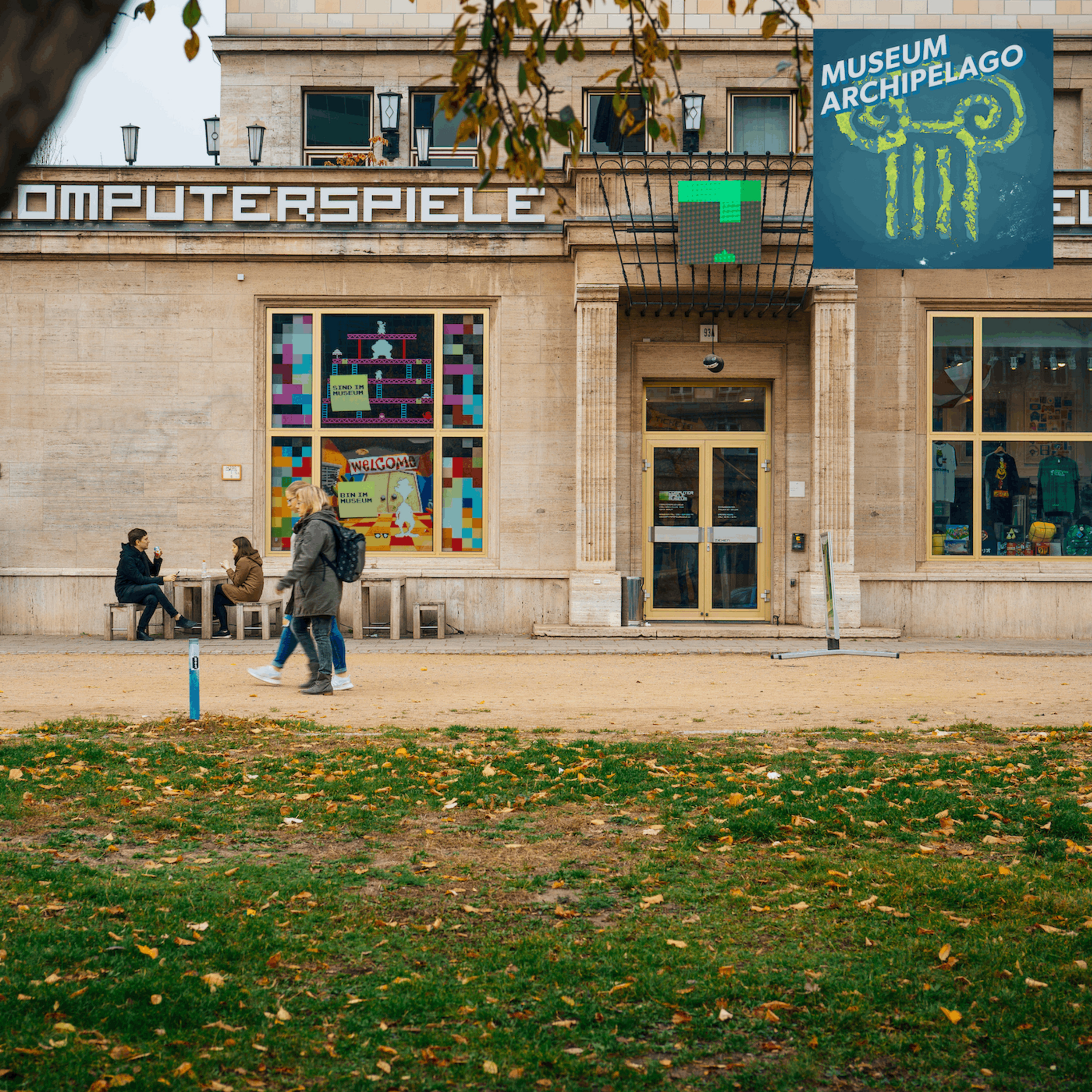 99. Museums in Video Games 08.08.2022 14mThe Computer Games Museum in Berlin knows that its visitors want to play games, so it lets them. The artifacts are fully-playable video games, from early arcade classics like PacMac to modern console and PC games, all with original hardware and controllers. By putting video games in a museum space, the Computer Games Museum invites visitors to become players. But, players can become visitors too. Video games have been inviting players into museum spaces for decades. In the mid 1990s, interaction designer Joe Kalicki remembers playing PacMan in another museum – only this one was inside a video...
-
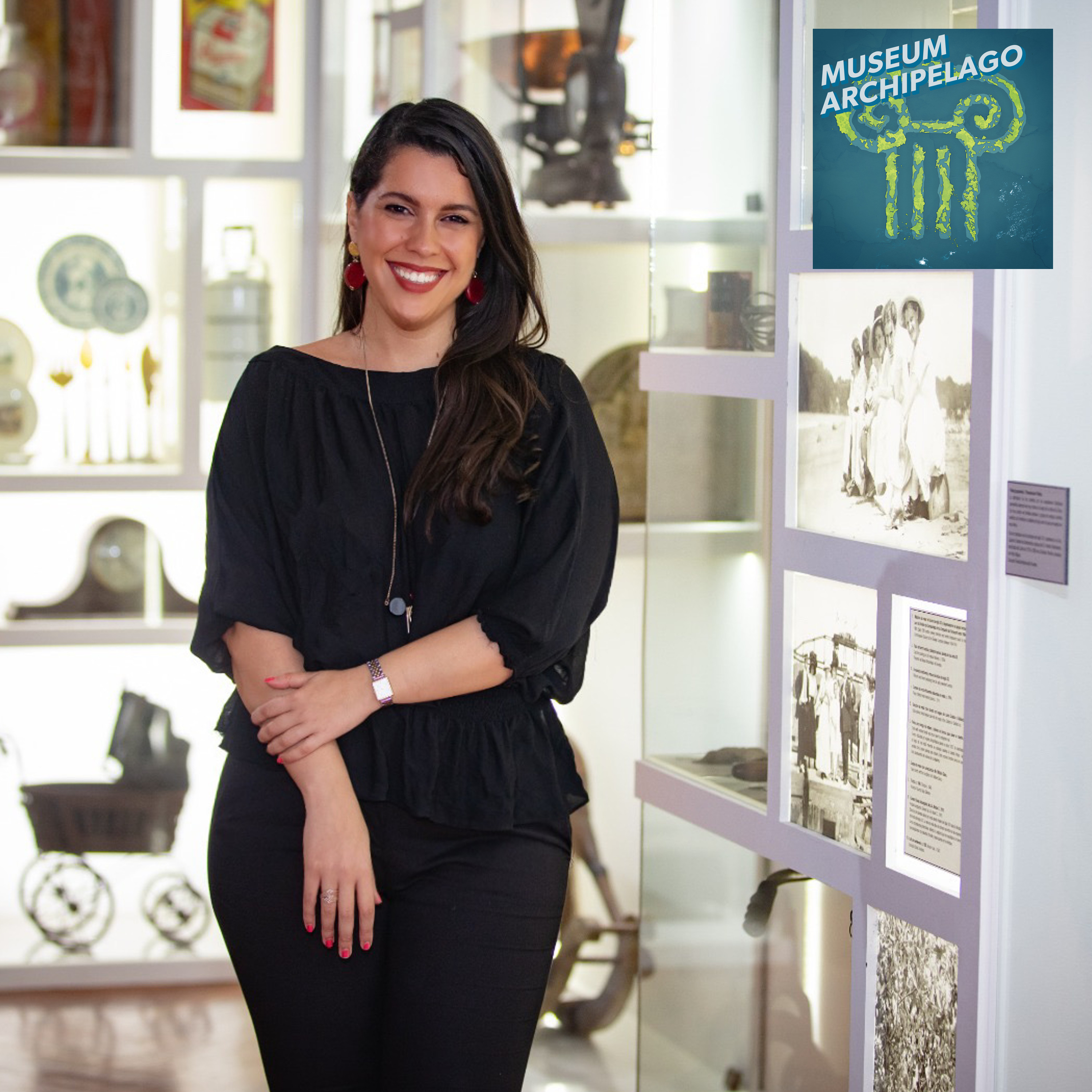 98. At the Panama Canal Museum, Ana Elizabeth González Creates a Global Connection Point 14.02.2022 13mWhen Ana Elizabeth González was growing up in Panama, the history she learned about the Panama Canal in school told a narrow story about the engineering feat of the Canal’s construction by the United States. This public history reflected the politics of Panama and control over the Canal. Today, González is executive Director of the Panama Canal Museum, and she’s determined to use the Canal and the struggles over its authority to tell a broader story about the history of Panama – one centered around Panama as a point of connection from pre-Colonial times to the present day. In this episode, Gon...
-
 97. Richard Nixon Hoped to Never Say These Words about Apollo 11. In A New Exhibit, He Does. 17.01.2022 14mAs the Apollo 11 astronauts hurtled towards the moon on July 18th, 1969, members of the Nixon administration realized they should probably make a contingency plan. If the astronauts didn’t make it – or, even more horrible, if they made it to the moon and crashed and had no way to get back to earth – Richard Nixon would have to address the nation. That haunting speech was written but fortunately was never delivered. But you can go to the Museum of the Moving Image in New York City and watch Nixon somberly reciting those words. It looks like real historic footage, but it’s fake. Artists Francesc...
-
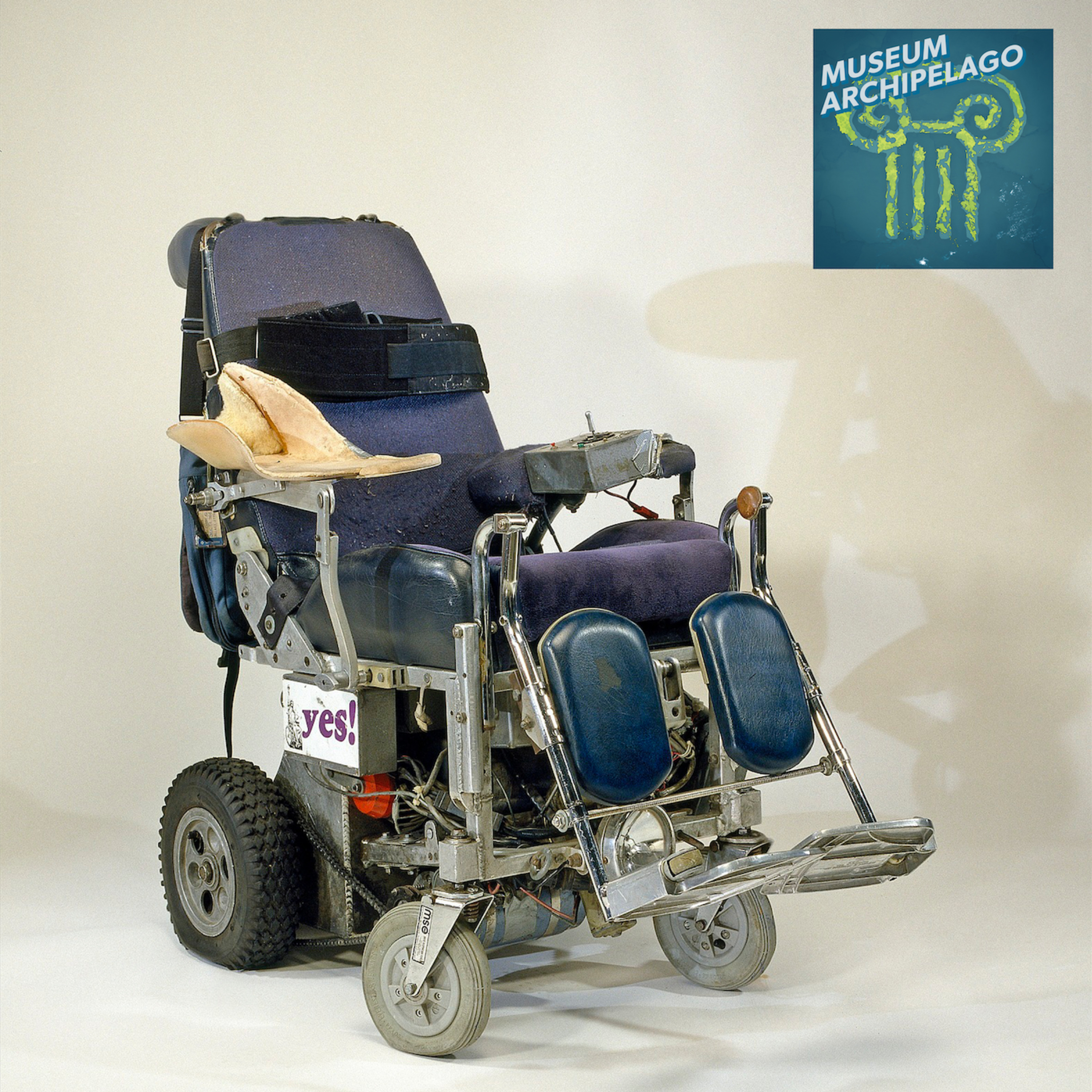 96. Tegan Kehoe Explores American Healthcare Through 50 Museum Artifacts 15.11.2021 14mPublic historian and writer Tegan Kehoe knows that museum visitors act differently around the same object presented in different contexts—like how the same visitor excited by a bayonet that causes a triangular wound in an exhibit of 18th-century weapons could be disgusted by that same artifact when it’s presented in an exhibit of 18th-century medicine. Kehoe, who specialises in the history of healthcare and medical science, is attuned to how objects can inspire empathy, especially in the healthcare context. Kehoe’s new book, Exploring American Healthcare through 50 Historic Treasures, looks fo...
-
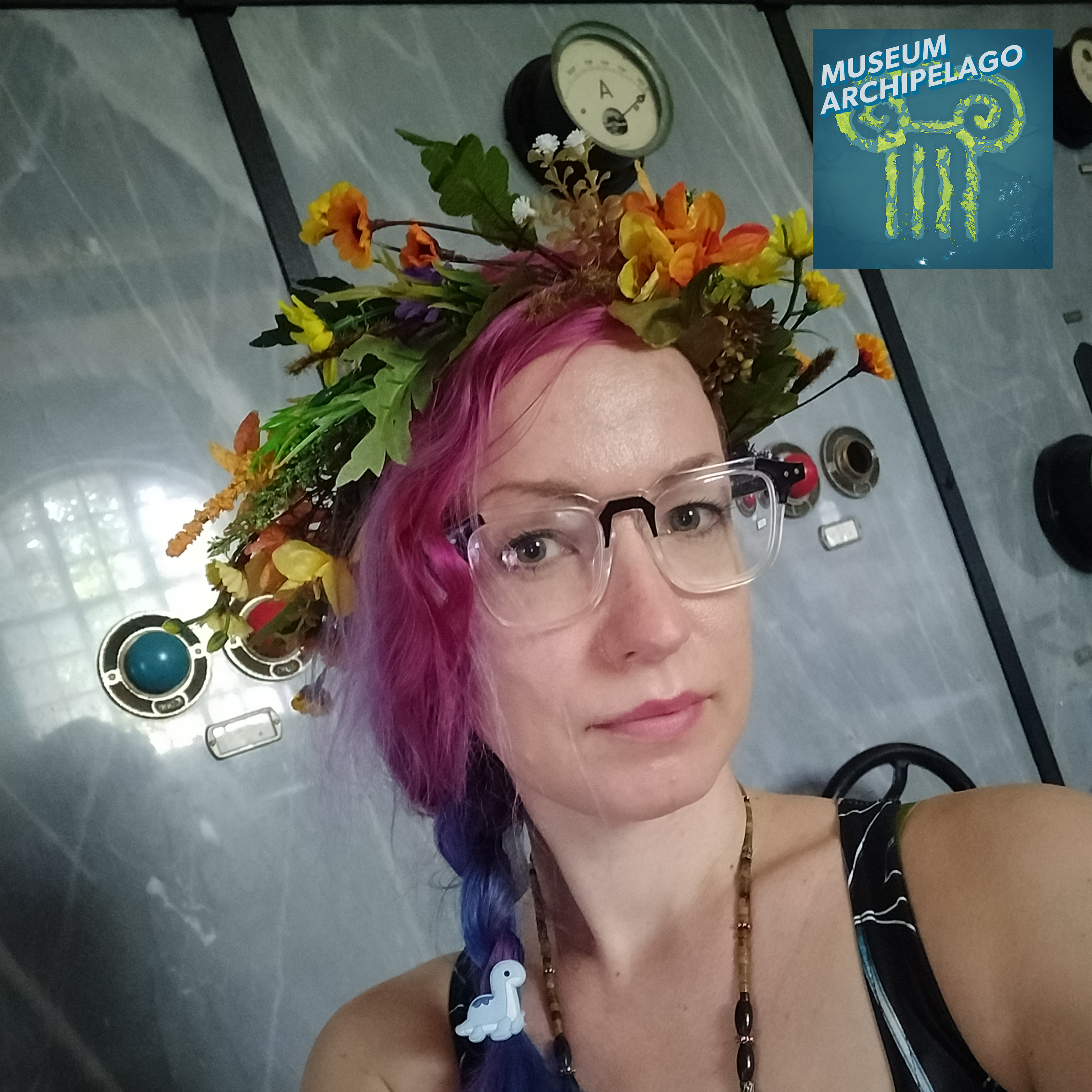 95. The Museum of Technology in Helsinki, Finland Knows Even the Most Futuristic Technology Will One Day Be History 30.08.2021 11mIn 1969, noticing that technological progress was changing their fields, heads of Finish industry came together to found a technology museum in Finland. Today, the Museum of Technology in Helsinki is the only general technological museum in the country. But of course, technical progress didn’t stop changing, as service coordinator Maddie Hentunen notes, and that can be challenging for a museum to keep up. In this episode, Hentunen describes the museum’s philosophical stance on technology, how the museum balances industrial development with more open source design practices, and how the museum...
Similar podcasts


Popular in
The podcast also appears in the podcast charts of these countries.

