
Talking Conservation
Stephen Boniface and Rich Alesbury
0
Talking Conservation is a podcast about built heritage, covering topics related to historic buildings and heritage sites. The hosts, Stephen Boniface and Rich Alesbury, interview architects, surveyors, archaeologists, and other professionals. The show is aimed at owners of historic buildings, heritage site managers, and anyone interested in conservation. It discusses listed buildings, traditionally constructed buildings, and various heritage aspects.
Episodes
-
 Old House Maintenance: Avoiding Costly Repairs with SPAB’s Mary Henn 07.11.2026 43mHave we lost the habit of looking after our buildings? And why do we so often wait for something to go wrong before doing anything about it?In this episode of Talking Conservation, Rich and Stephen visit SPAB headquarters to meet technical officer Mary Henn for a conversation about old house maintenance — from disappearing DIY skills and the “rip it out and start again” approach to renovation, to the real difficulties of finding trustworthy advice and getting awkward jobs done.We discuss the cost of neglect, why heavier rainfall presents challenges for older buildings, and the conservation dil...
-
Worried About Woodworm? The Complete Guide Before You Spray 12.09.2026 44mFound woodworm holes in your floorboards, roof timbers or old furniture? Before you pay for chemical treatment, this in-depth guide explains how to tell whether the infestation is actually active, why moisture matters, and what you should do next.This is our detailed look at woodworm treatment, going beyond the usual advice to simply spray the timber. We explain the science behind wood-boring beetles, why old flight holes don't necessarily mean you have an active infestation, and why controlling the conditions in the timber is often more important than reaching immediately for chemicals.In Par...
-
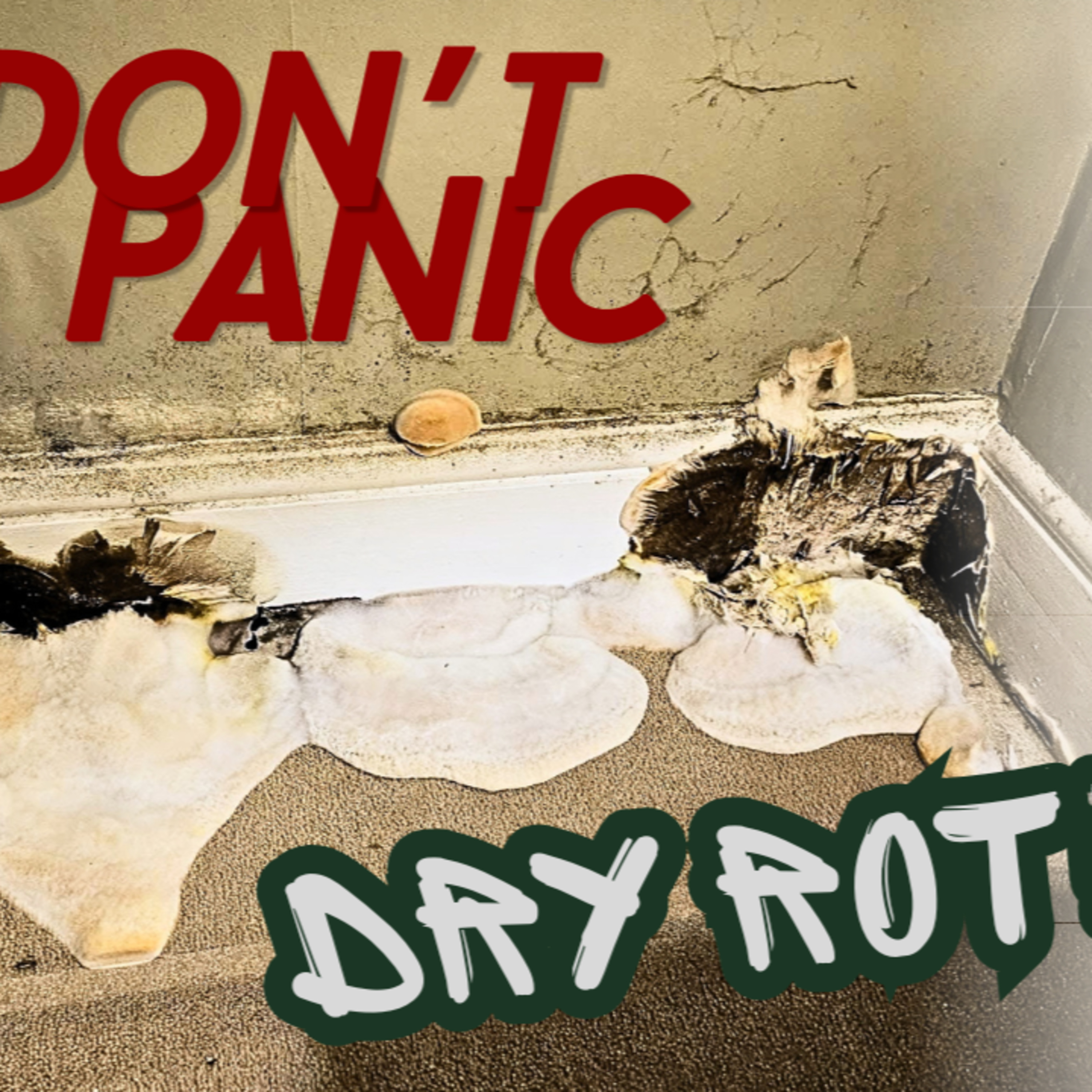 Worried about Dry Rot? Understand it first 28.05.2026 45mIn this episode of Talking Conservation, Rich and Stephen unpack one of the most feared problems in old buildings: Dry Rot.We look at what dry rot actually is, why the name is misleading, how it differs from so-called wet rot, and why the presence of a fruiting body does not always mean you need to panic. We also explain why moisture is still the key factor, how rot really spreads, when identification matters, and why some of the old advice around chemicals and cutting back timber simply does not stand up.This episode is not about turning viewers into rot identification experts. It is about he...
-
Why Timber Rots in Old Buildings (and how to stop it) 24.04.2026 58mWhy does timber rot, and what actually causes wood to decay in old buildings?In this second episode of our Talking Conservation timber series, Rich and Stephen dig into the real reasons timber rots, and why it is not simply a case of “old wood going bad”. We explore the role of moisture, fungal growth, ventilation, drying, and environment, and explain why understanding these basics is essential before you can diagnose or fix any timber problem properly.We also look at how moisture meters work, why they can be useful, how they can be misleading in the wrong hands, and what early warning signs t...
-
How Timber works in Old Buildings 12.04.2026 54mWhat actually is timber, and why is it such an important material in old buildings?In this first episode of our new Talking Conservation timber series, Rich and Stephen go right back to basics to explain how timber works, where it comes from, and why understanding it is essential before diagnosing any problems in historic buildings.From how trees grow, to the difference between heartwood and sapwood, to how timber is converted and used in buildings, this episode lays the foundation for everything that follows in the series.If you own, work on, or are interested in older buildings, understandin...
-
Listed Building Myths that can get you into serious trouble | Part 2 06.02.2026 59mWhat happens if you rely on a builder’s advice, skip consent, or try to “fix it later” on a listed building?In this second myth-busting episode, we unpack the real legal risks of getting listed building works wrong. Joined again by conservation architect Claire Truman, Stephen and Rich explore some of the most dangerous misconceptions homeowners have about listed buildings, planning consent, and enforcement. From criminal liability and prosecution to enforcement notices that follow properties for decades, this episode explains why “asking forgiveness later” is rarely a safe strategy.We cover:-...
-
What CAN you do to a Listed Building? Part 1 30.01.2026 42mWhat can you actually do to a listed building?In this episode of Talking Conservation, we cut through the confusion, myths, and half-truths that surround listed buildings and planning consent.Joined by conservation architect Claire Truman, we explore what homeowners are often told they can’t do, versus what the legislation and real-world practice actually allow. Drawing on professional experience and real case studies, this conversation is about empowerment, understanding the system, and knowing where to get the right help.We discuss:• Common myths about listed buildings and consent• What chan...
-
Talking Conservation Turns One – What We’ve Learned & What’s Next 01.11.2025 27mIt’s been one year of Talking Conservation — and in this special anniversary episode, Rich and Stephen step back to reflect on the journey so far. From favourite episodes to lessons learned behind the mic, they also reveal what’s coming next.In this episode:• Key takeaways from 12 months of podcasting• Exciting plans for 2025 — including hands-on training and a conservation day• Updates on Stephen’s new CPD training platform for professionals• How Rich’s platform, Expertible, is helping homeowners access independent conservation advice• How you can shape future episodes with your feedback🎯 Go...
-
Lime Plaster Ceiling Repair for Old Homes | Decorative Cornice & Moulding Restoration Tips 26.09.2025 49mIn this final episode of our Lime Series, we’re joined once again by master plasterer Sean Wheatley to explore the finer details of working with lime plaster on ceilings, restoring decorative cornices, and repairing historic mouldings in older UK homes.We cover:How to approach lime plaster ceiling repairs safely and effectivelyWhy cornices and ceiling roses matter for character and breathabilityCommon causes of ceiling failure in older buildingsRepairing and replacing traditional decorative plasterworkReal-world tips from decades of experience working on Victorian and Edwardian homesHow to ble...
-
How to Fix Ceilings in Older Homes – Lath, Plaster & Lime Advice with Master Plasterer Sean Wheatley 17.09.2025 59mIn this episode of Talking Conservation, we’re joined by expert heritage plasterer Sean Wheatley, who brings decades of hands-on experience in the restoration of traditional ceilings and plasterwork in older homes. From sagging lath and plaster to hairline cracks and inappropriate repairs, Sean explains what to look out for, how to fix it — andwhen to call in a pro.🧱 We discuss:● What materials were historicallyused for ceilings (and why it matters)● How to tell if a ceiling needsrepair or replacement● Spotting signs of serious failurevs. cosmetic issues● Why modern materials often makethings...
-
Up High: How Rope Access Protects Historic Buildings – Talking Conservation with Steve Hogarth 17.08.2025 29mIn this follow-up episode of Talking Conservation, we’re back with Steve Hogarth – SPAB Fellow, heritage mason, and rope access conservator with Highlife Rope Access – to dive deeper into how conservation really happens at height.From blocked gutters and cracked coping stones to wildlife nests and fragile leadwork, Steve shares what really goes on when you're dangling from ropes on cathedrals, castles, and churches – and why rope access can offer major advantages over traditional scaffolding.We explore:• What rope access actually is and when it’s used• Real-world examples of unexpected issues...
-
Lime Mortar Details That Matter – Drip Detailing, Exposure & High-Level Repairs 08.08.2025 36mWhat’s the biggest threat to your historic building? Water.In this special episode of Talking Conservation, we’re joined by Steve Hogarth — SPAB Fellow, heritage mason, and rope access conservator with Highlife Rope Access — to explore how the smallest details up high can make the biggest difference to your building’s long-term health.We dig into:- Why effective drip detailing is critical to keeping water off your building- What causes damage when high-level details are missing or poorly repaired- Sky-facing joints and how they differ from vertical surfaces- How to assess and choose the right...
-
Understanding Substrates in Older Homes – Lime Mortar Series Bonus Episode 11.07.2025 1hBefore choosing your lime mortar or plaster, you need to understand your substrate.In this bonus episode of Talking Conservation, Stephen and Rich explore the importance of knowing what's behind or beneath your mortar; from soft handmade bricks and old stone to chalk walls and cob. Whether you're repointing, plastering, or rendering, understanding the substrate is critical to choosing the right mix and achieving long-lasting results.We cover: - What a “substrate” actually means in traditional buildings- Common types found in historic homes (brick, stone, cob, timber) - How substrate affects yo...
-
Which Lime Mortar to Use? Part 3 – Floors, Chimneys & Exposured Areas 04.07.2025 22mNot sure which lime to use for a chimney, solid floor, or coping stone? In this episode of Talking Conservation, we explain how to choose and apply the right lime mix for floor construction and high-exposure areas in older homes.In this episode, Rich and Stephen continue their deep dive into lime mortars, exploring how to apply them in real-world contexts where performance under pressure really matters.We cover the use of limecrete floors and lime ash floors, debunking common myths about moisture performance and clarifying where lime-based solid floors offer real benefits (and where they don’t...
-
Which Lime Mortar to Use? Part 2 – Plasters & Renders for Traditional Homes 28.06.2025 21mLime Plaster & Render Uses Explained — How to choose the right mix for old buildingsIn this episode of Talking Conservation, Stephen and Rich continue their deep dive into lime applications; this time focusing on internal plasters and external renders for traditional and historic buildings.We discuss the different types of lime used in plaster and render work; including air lime, NHL 2, NHL 3.5, hot lime, and pozzolanic mixes and how to choose the right one based on the substrate, exposure, and performance needs.We cover:Why flexibility and vapour movement matter in internal plaster systemsWhe...
-
Which Lime Mortar to Use? Part 1 – Building & Pointing Old Brick and Stone 18.06.2025 20mLime Mortar Uses Explained — How to apply the correct mix for your historic homeIn this episode of Talking Conservation, Stephen and Rich explain how different types of lime mortar are applied to traditional buildings; from soft brick pointing to bedding stone walls. We cover the pros and cons of air lime, NHL 2, NHL 3.5, and hot lime mixes and how they compare to cement-based mortars often found in repairs.When considering pointing; we talk about the adage that "the pointing should always be softer than the surrounding masonry" and explain this. We discuss when to consider repointing and brie...
-
Lime Mortar Types Explained – Essential Knowledge for Older UK Buildings 11.06.2025 26mIn this episode of Talking Conservation, we explain the different types of lime used in building and restoration work. If you have ever wondered what the difference is between air lime, natural hydraulic lime (NHL), pozzolans, or hybrid lime mixes, this video will give you a clear introduction.Understanding the types of lime is essential before starting any work on older or historic buildings. Whether you are a homeowner, builder, surveyor or anyone dealing with traditional construction, choosing the right lime can make a big difference to the long-term condition of the building.We cover: What...
-
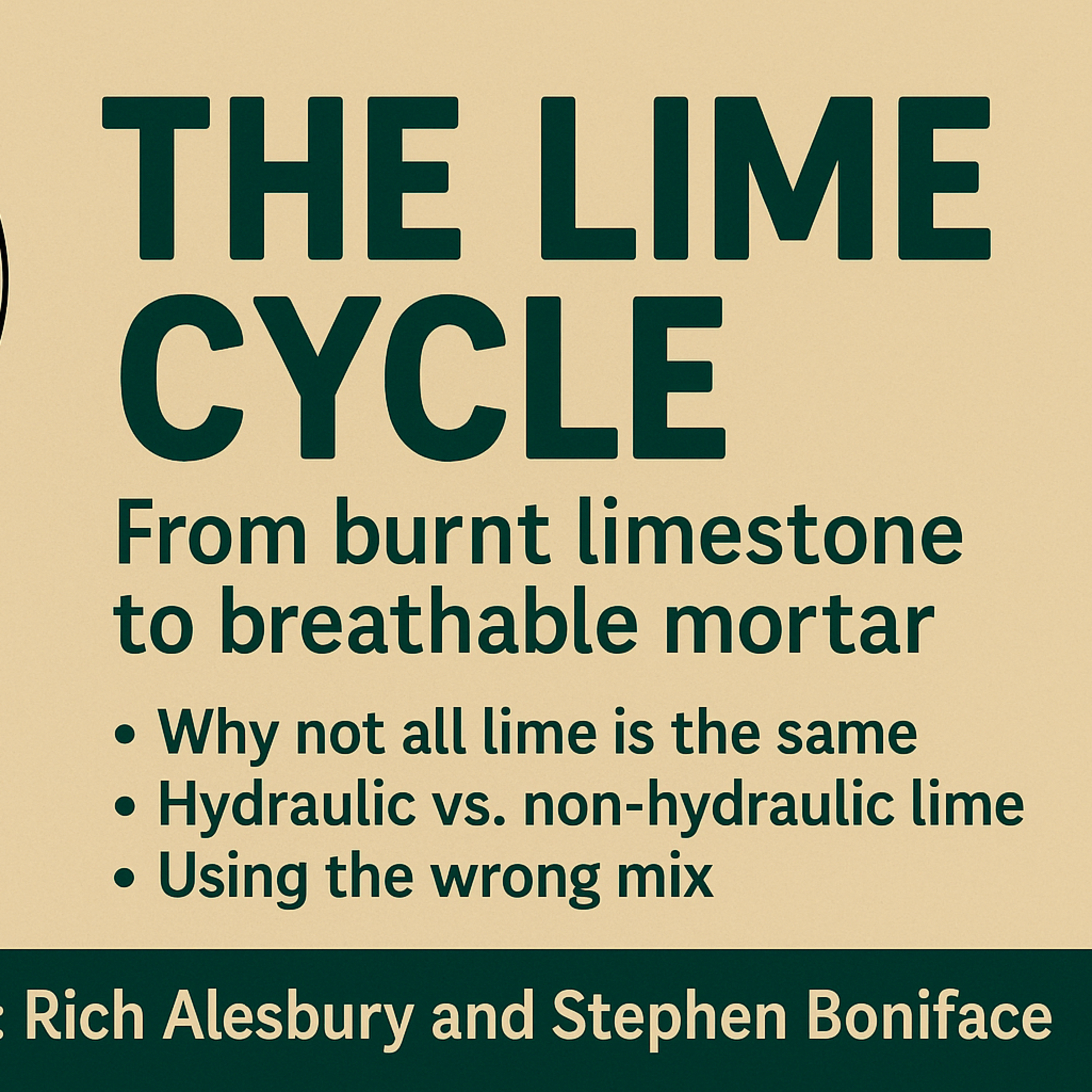 Lime Mortar for Old Homes – Chemistry, Conservation & Why It Still Works 25.04.2025 6mRich finds a lime kiln. Stephen nerds out on chemistry. Somehow, it all makes sense.In this episode of Talking Conservation, we walk through the full lime cycle — from burnt limestone to breathable lime mortar — and explain why it still matters today. Packed with practical knowledge, dry humour, and the occasional chemistry flashback, this is your crash course in the building material that’s been quietly doing the heavy lifting for centuries.Rich comes across an old disused lime kiln and this leads us to discuss the Lime Cycle. Stephen talks about how a source of Calcium Carbonate (e.g. Limest...
-
The Old Sun Inn - Past, Present, & Future 04.04.2025 53mDouglas Kent is the Technical Secretary ofSPAB, but in his private capacity purchased The Old Sun Inn, Saffron Walden, afew years ago, having previously acquired the neighbouring properties. We talkabout how Douglas got involved in conservation and how he came to the point ofbuying these buildings. We discuss thechallenges he has so far faced and those he is yet to tackle. Amongst theissues discuss3ed we consider how to undertake appropriate repairs, dealingwith inappropriate past works, upgrading to modern requirements and dealingwith building regulations. Douglas tellsus about his plans for...
-
The Highs and Lows of an Aviation Museum - with Ian Flint 11.03.2025 55mIan is the CEO of Stow Maries Great War Aerodrome (museum). We talk about his past and how he came to be at Stow Maries, as well as describing the site and its buildings. Some issues we specifically talk about are Hoop Iron and Asbestos. We also discuss the use of volunteers and how these are essential to the running of the museum. An ongoing problem that faces most museums is funding and we talk about funding for Stow Maries. We also look at future plans and Ian also tells us what inspires him.Chapters00:00:00 Music intro. 00:07:09 General introduction.00:30:07 Introduction to the museum and...
Similar podcasts


Popular in
The podcast also appears in the podcast charts of these countries.
