
The Science or Fiction Podcast
The Science or Fiction Podcast
0
We interview researchers to separate the science from the fiction in news headlines. Catch new episodes on the first Monday of the month.
Episodes
-
 Live! Why don't scientists look like me? 05.08.2026 1h 4mIn this very special live recording of The Science or Fiction Podcast, we asked: why does representation in science matter, and how do we build spaces where more people feel like they belong?Thank you to everyone who came along and supported us at the live event. It meant so much to see so many of you there, and we can’t wait for the next one!Why this topic mattersLack of diversity in science isn’t just an equity issue. It shapes the quality of the research itself, and ultimately, its impact on society. Only 12% of young people surveyed felt that scientists represented their values, and even f...
-
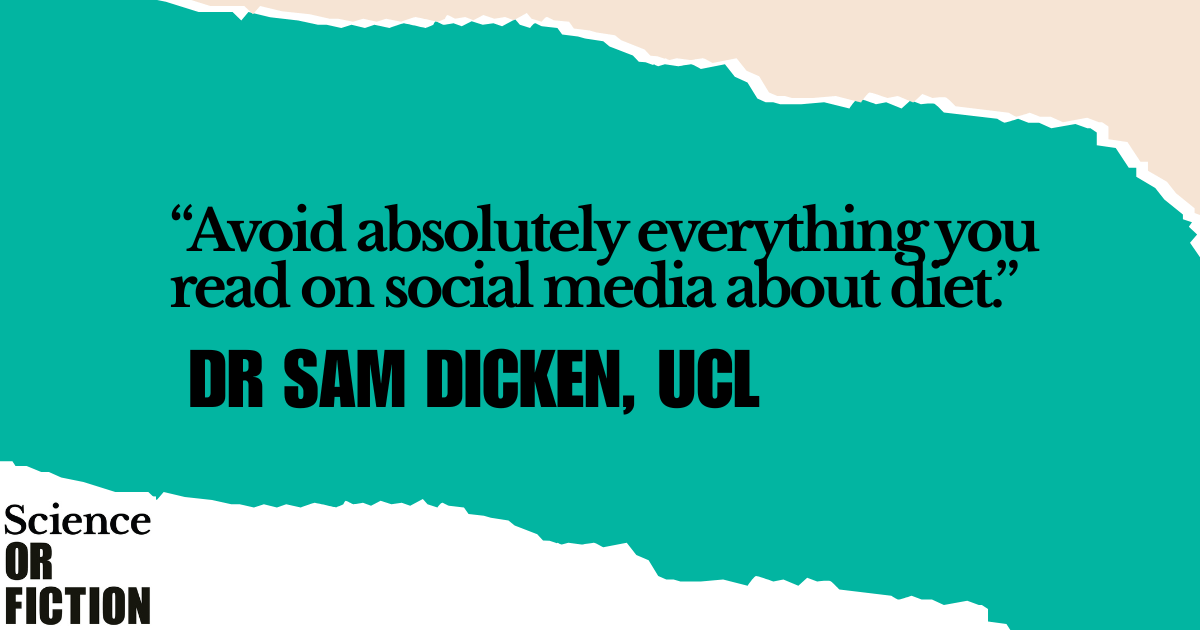 Are ultra-processed foods harming our health? 12.05.2026 58mWhat is ultra-processed food? Why do things like sweets and crisps fall under the same ultra-processed label as plant milks and cereals? Produced by and co-hosted with MSc Health Psychology student, Emily McLaughlin, we asked how ultra-processed foods are defined, how they affect our health, and how we’re supposed to navigate our consumption of them. In each episode, we dive into the evidence behind issues that matter to you. Dr Sam Dickens (Research Fellow at UCL) explained the findings from his latest trial testing the impact of ultra-processed and minimally-processed diets on weight and car...
-
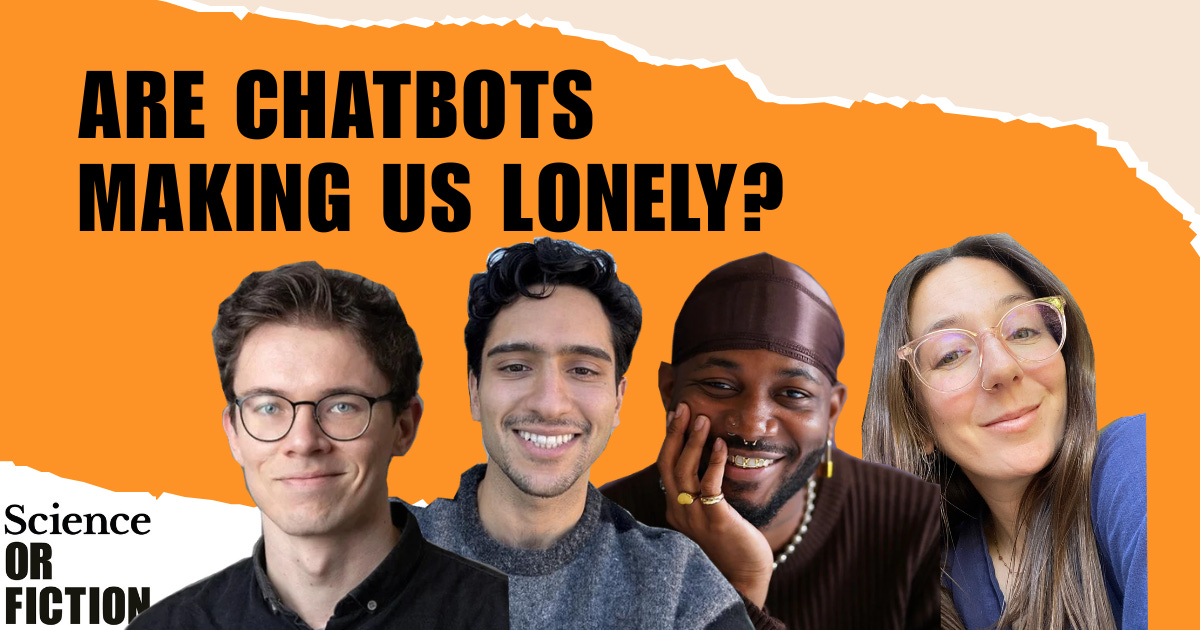 Are chatbots making us lonely? 02.03.2026 37mNot only can we get any question answered at any time, but we can also have human-like conversations without interacting with a single person. AI-powered chatbots, systems like ChatGPT that simulate two-way conversations with the user, are now widely available. Many are turning to chatbots for relationship advice and mental health support - with some saying they find it easier to talk to chatbots than people.Experts are worried about this increasing reliance on non-human interaction. In a recent paper published in the British Medical Journal, researchers raised concerns around people further i...
-
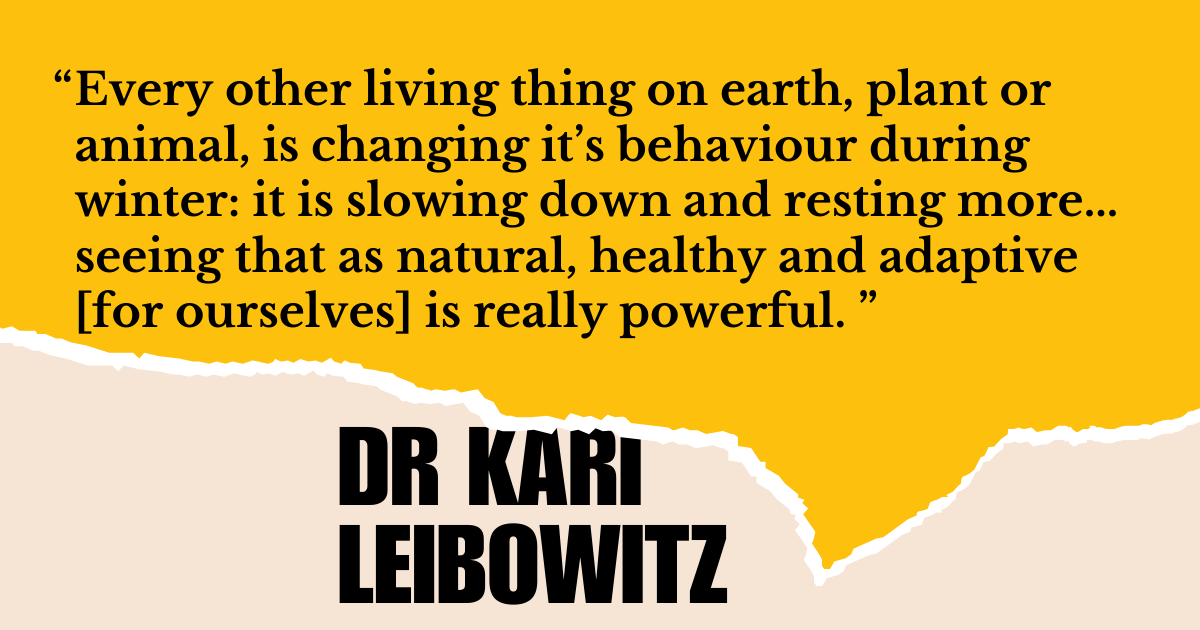 Rewind: Can embracing winter improve mental health? 02.02.2026 57mIt is the first week of February and my alarm has woken me up to another dark, Monday morning. As I make a cup of tea with my eyes half closed struggling against the big light in the kitchen, I’m already dreaming of sunny summer days and dreading the fact that when I get home from work - surprise! - it is going to be dark again.My current mindset is unhelpful: it is only going to make me feel worse. I could shift my perspective. I likely feel sleepy because evidence suggests we need more sleep in winter. I put the big light on to try and force myself awake, but why? I could put on soft lamps a...
-
 Can gene therapy cure Huntington's disease? 04.12.2025 31mHuntington’s disease is an inherited condition that causes neurodegeneration - the progressive loss of neurons in the brain. This can lead to changes in movement, thinking, and mood. Reports of a breakthrough hit the headlines last week: a press release from a clinical trial reported that using gene therapy they have managed to slow disease progression for the first time.Some are warning that it is too early to say we have a cure for Huntington’s given that these results are very early and have not yet been reviewed.What does it mean to treat a neurodegenerative disease like Huntington’s? How...
-
 Is sleep important for the brain? 05.11.2025 27mMost of us spend about a third of our lives asleep. We feel the effects of a bad night of sleep, waking up groggy and turning to caffeine to get through the day. While we might think that our sleep habits have a strong influence on brain health, the evidence is not so clear.There is a lot of advice out there on how to get a good night’s sleep, as well as reports about the consequences of poor sleep. But sleep doesn’t look the same for everyone: age, sex, gender, and culturecould influence sleep patterns.Why do we sleep? What does “good sleep” mean for different people? And how does sleep affec...
-
 What is a brain-computer interface, and can it read your mind? 01.09.2025 51mBrain-Computer Interfaces, or BCIs for short, are all over the news (like here and here). These systems – which can be implanted into the brain – have the potential to help people with neurological conditions control devices (from mobile phones to robotic arms) using only their thoughts.Headlines often use futuristic terms like ‘mind reading’. These phrases might grab our attention, but they could also distort our understanding of what BCIs are capable of (and what they are not).In this episode, we interviewed Dr. Hunter Schone, BCI expert and post-doctoral researcher at the University of Pitt...
-
 How do we address inequalities in chronic pain treatment? 18.08.2025 45mIn this second episode of our two part series on chronic pain, we spoke to Misha Gardner to discover how healthcare providers can address the structural bias and inequalities to better support people with chronic pain. The PEACs (Pain: Equality of Care and Support in the Community) programme was co-designed with Black people to develop a person-centred and bio-psycho-social approach to treating chronic pain in diverse communities. Black women are twice as likely to experience chronic pain than white women, and less likely to be referred to tertiary care. The PEACs programme was developed with...
-
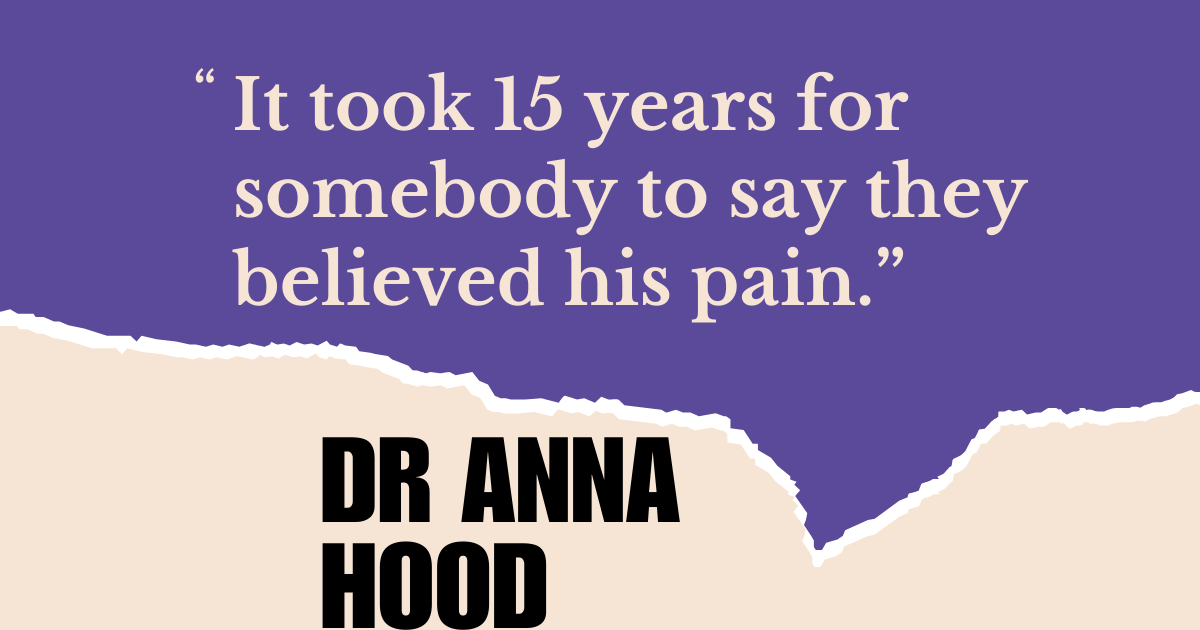 What does it mean to live with chronic pain? 12.08.2025 44mWhat is chronic pain, and why is it different for different people? How do we begin to treat chronic pain? If my pain fluctuates, what can I do about it? We answer these questions and more in our latest episode. This is the first of two episodes about chronic pain, produced by Trainee Clinical Psychologist, Mariam Shah, and Research Fellow, Dr Kathryn Bates. In this first episode, we interviewed Dr Anna Hood, Lecturer at the University of Manchester and expert in the biological, psychological and social challenges experienced by young people living with chronic pain. This eye-opening conversat...
-
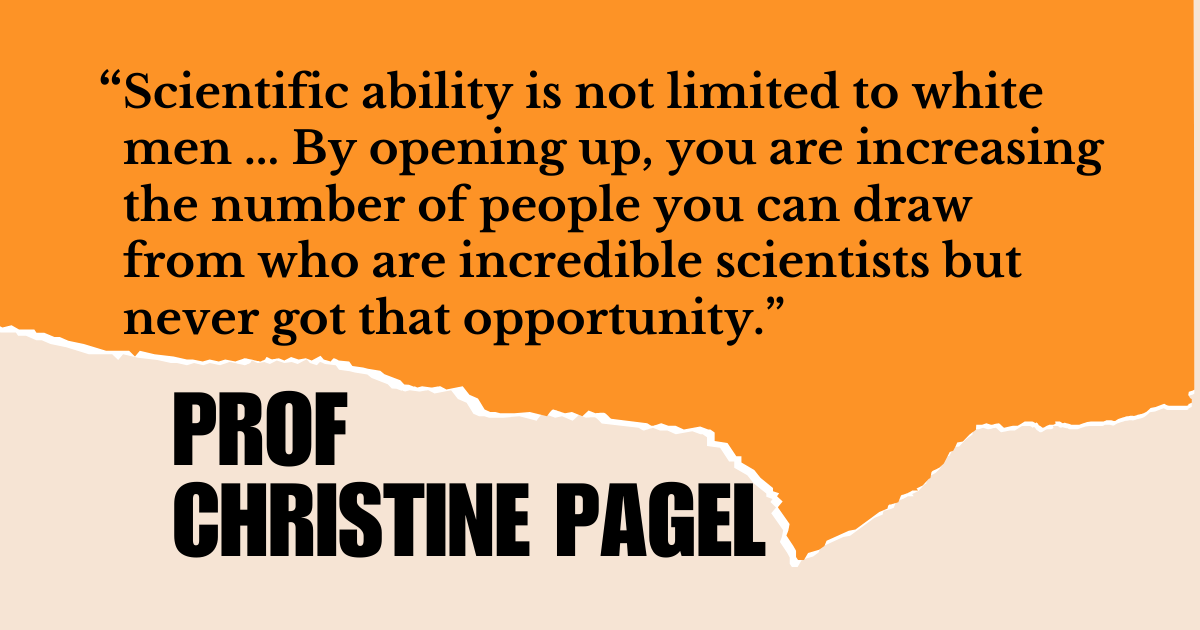 Why is diversity important in science? 18.04.2025 26mMental health, climate science, ethnicity, LGBTQ, disability, inequality, gender, women, elderly make up just 10 of the 200 terms now banned from research with US government funding. And this is not just in the US, but in other countries that receive US funding.The National Institute of Health, which funds billions of dollars of medical research, has already pulled funding from hundreds of grants, including projects on discrimination in healthcare and LGBTQ+ teen health.Diversity, equity, and inclusion programs have also been terminated – several companies have dropped diversity targets and sc...
-
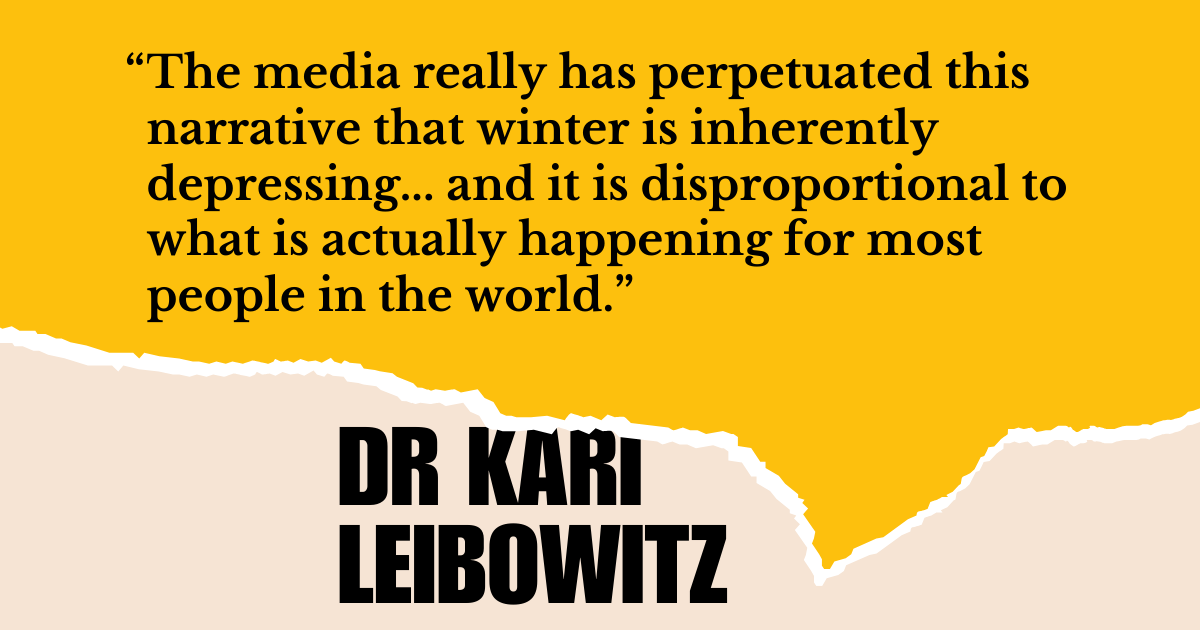 Can embracing winter improve mental health? 03.12.2024 57mIt is December: it is darker and colder, and seasonal affective disorder, or SAD, has come up in conversation again. Articles are popping up left, right, and center on how to beat the winter blues. It can be difficult to be positive about the winter; especially in the UK where complaining about the weather comes before “hey, how are you?”. It can sometimes feel like we’re surviving this season until the days, and our moods, become brighter. Dr Kari Leibowtiz is challenging our gloomy view of winter. Kari is a Health Psychologist with a PhD from Stanford University – she has spent her career st...
-
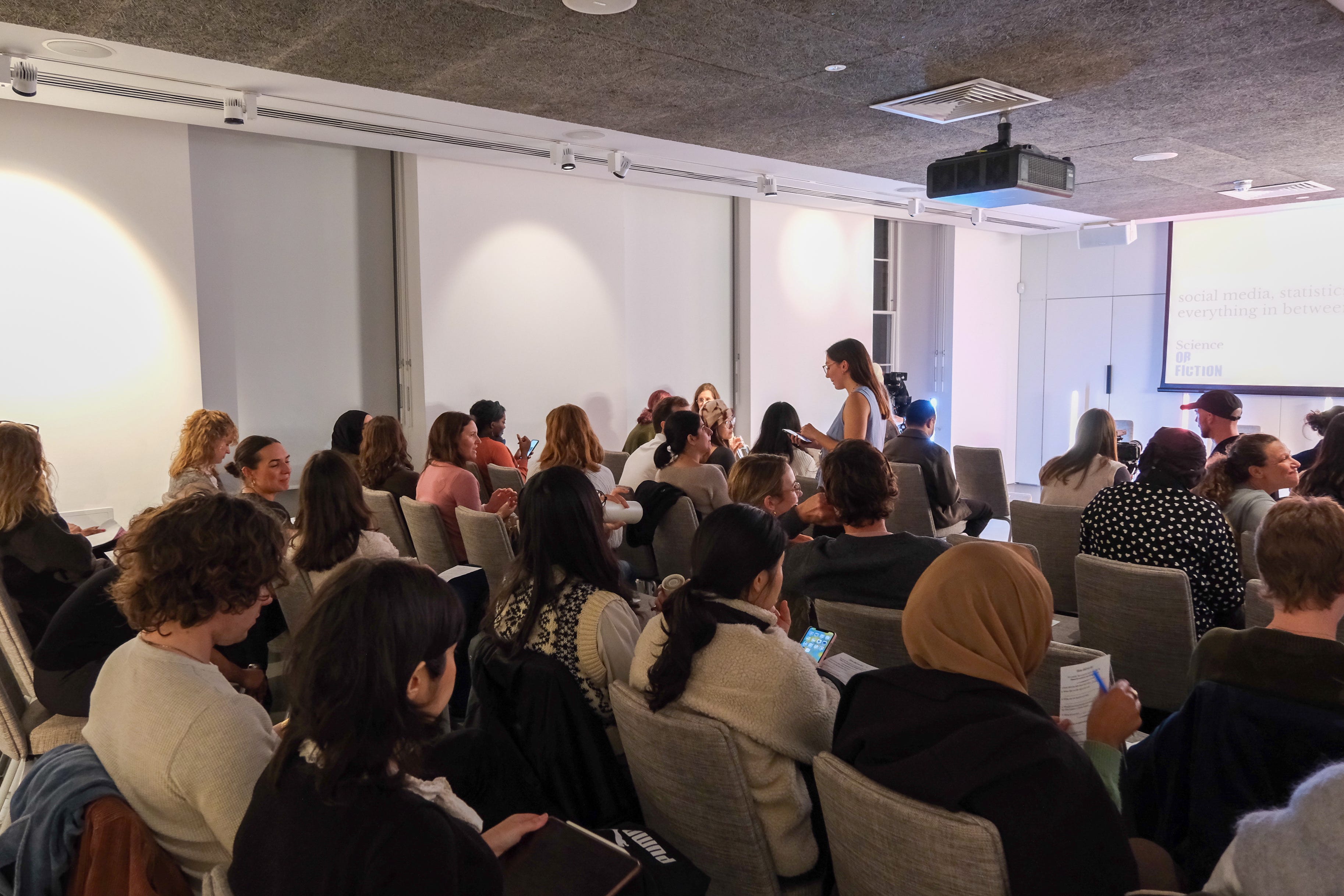 Live! Self-diagnosing ADHD: social media, statistics and everything in-between 04.11.2024 1h 8mOur very first live episode recording is here! Thank you to everyone who joined at the Science Gallery London and online, it was lovely to meet so many of you!In case you missed it, this week we hosted our first live podcast recording with ADHD experts Ellie Dommett and Shauna Campbell on self-diagnosing ADHD. For our sold-out event, we hosted an interview and audience Q+A, we had a subscription raffle where the winner took home a stack of popular science books signed by the authors (congratulations Lise!), and everyone took home a Science or Fiction Live tote bag. Make sure you subscribe to b...
-
 What happens to the brain during pregnancy? 07.10.2024 53mIt’s October, which means, our first live event is just weeks away! Very excited (only a little bit terrified). Thank you to everyone who has signed up! We have sold out of in-person tickets but we do have a waiting list - if you’d like to come along please sign up. We also have an online option, which will remain open. More info and tickets here.Content warning: in this episode, we are discussing pregnancy. We use the terms 'women' and 'female' to discuss pregnancy-related topics, but we recognise that not all women will experience pregnancy, and not all who experience pregnancy identify as w...
-
 Is problematic smartphone use affecting mental health? 02.09.2024 38mWe've been very busy in our month off! We have launched our very first Science or Fiction Live, we’ve got a snapshot of ADHD Babes in this month’s episode, and our new episode covers the latest findings on problematic smartphone use and mental health. First, the live event! We are hosting our first Science or Fiction Live: a live podcast recording in London and streamed online. We will be interviewing ADHD researcher Professor Ellie Dommett (King’s College London) and ADHD advocate and podcast director Shauna Campbell (ADHD Babes) on self-diagnosing ADHD: social media, statistics and everythin...
-
 Is AI a threat to elections? 30.06.2024 36mThis month, we are talking about artificial intelligence and the potential impact on the integrity of elections and our democracy as a whole.A recent report on this topic published by AI researcher, Sam Stockwell, from the Alan Turing Institute hit the headlines. We unpack the evidence, explained the implications, and Sam outlined recommendations for what governments and regulators need to do to protect our democratic process.How do we measure the impact that AI might be having? Does AI pose a real danger to the future of elections across the globe?Read the report here:Briefing paper by Sam St...
-
 Under Review: Behind The Podcast with Mariam Shah 03.06.2024 24mIn the first episode of our new series, Under Review, where a youth advisor takes over as host, Mariam Shah interviews Dr. Kathryn Bates, founder and producer of The Science or Fiction Podcast, to discover why we make the podcast, how science communication needs to adapt to the ever-changing landscape of social media, and what the podcast has coming up this year.Hosted on Acast. See acast.com/privacy for more information. This is a public episode. If you would like to discuss this with other subscribers or get access to bonus episodes, visit www.scienceorfiction.co.uk
-
 Why does the gender pay gap persist in higher education, and how can we eliminate it? 05.05.2024 45mThe gender pay gap is identified as the difference in pay between men and women. A new report from the Higher Education Policy Institute has revealed that women are paid on average 11.9% less than men in higher education institutions – that’s colleges and universities across the UK where students undertake undergraduate and postgraduate degrees.Women outnumber men at university – 57% of undergraduate students are women – and they make up just under 50% of the higher education workforce – so why does the pay gap still exist and what are we doing to eliminate it?A new report from the Higher Educ...
-
 How does science make the headlines? 01.04.2024 47mInstead of talking to a researcher or scientist about a controversial headline, we interviewed Fiona Fox, CEO of the Science Media Centre and author of Beyond the Hype: Inside Science’s Biggest Media Scandals from Climategate to Covid to find out how the science makes it into the headlines.When news articles cover new research findings, you’ll often see a quote from a scientist giving their opinion on the evidence. This journalist has likely gone via the Science Media Centre to find an expert to comment on the story.Communication between journalists and scientists is not always smooth sailing....
-
 Is social prescribing the prescription for youth mental health? 04.03.2024 27mThe latest NHS figures show that in December 2023 nearly 750,000 children and young people were in contact with NHS mental health services. Reports from the previous year suggested young people waited on average between two weeks and 3 months to be seen by mental health professionals. The NHS is not keeping up with the need for mental health support. Could social prescribing be the answer?Social prescribing involves connecting young people with the community, through activities like cinema clubs and nature walks. NHS England launched a social prescribing service in 2018 to link patients with n...
-
 Mental health in Punjabi communities: what insights does charity research reveal? 04.02.2024 37mThe mental health research findings we see in the news are not always produced by academic research teams. They often come from research conducted by charities.Mental health charities can shape the research and mental health support landscape; they are the organisations working directly with and for communities.How do charities conduct research? Who is it aimed at? And what can we learn from it?To answer these questions, we interviewed Shuranjeet Singh and Dr Gurmukh Panesar from Taraki: a charity reshaping the approach to mental health in Punjabi communities. They talk us through their work a...
Similar podcasts


Popular in
The podcast also appears in the podcast charts of these countries.
