
Eastern Philosophy for Beginners
Eastern Philosophy for Beginners explores the ideas, stories, and practices that have shaped Asian thought for thousands of years—without assuming any prior knowledge. Each episode introduces a key figure, school, or text from traditions such as Buddhism, Hinduism, Taoism, Confucianism, Zen, and more, and connects them to questions we still wrestle with today: how to live well, handle suffering, understand the self, and act ethically in a chaotic world. Instead of dense jargon or academic lectures, you’ll get clear explanations, historical context, and down-to-earth examples you can relate to modern life. Whether you’re completely new to philosophy or looking to deepen your understanding, this series offers an accessible way into some of the world’s oldest and most enduring ways of thinking.
Episodes
-
 Ibn Rushd - Jurist and Thinker 27.11.2025 12mToday we cross the Strait of Gibraltar in our imagination and walk into twelfth‑century Córdoba, where books are copied by lamplight, law is argued in courtyards, and the moon above the Great Mosque looks like a coin balanced on the city’s palm. Our guide is Ibn Rushd, known in Latin as Averroes—judge, court physician, and the most relentless reader Aristotle ever had in Arabic. If al‑Ghazālī asked whether reason had forgotten its limits, Ibn Rushd asked whether faith had forgotten its confidence in reason. He will try to show us that properly used, reason is not a rival to revelation but its...
-
 Rumi - Persian Scholar 25.11.2025 21mRumi was a 13th-century Persian Muslim poet, jurist, Islamic scholar, theologian, and Sufi mystic, known for his influential poetry that explores themes of love, union with the Divine, and spiritual journey. His works, written in Persian, have been widely translated and continue to transcend borders and cultures. He is revered for his universalist philosophy and ability to express profound spiritual concepts beautifully, often personifying God as the "beloved" and the human soul as the "lover" seeking a reunion. Selenius Media Inc
-
 Guru Nanak - First Guru 25.11.2025 26mHe was born in a village called Talwandi, now Nankana Sahib, near Lahore, in a world turbulent enough to make meaning a daily need. The Delhi Sultanate was fading; new powers pressed from the northwest; local chiefs fenced and bargained; merchants moved along roads that laced together Kabul, Multan, Delhi, and the ports of Gujarat; farmers worked river soils that could flood and feed in the same year. Nanak’s father, Mehta Kalyan Das, wanted a practical son—one who would tend accounts, marry, and secure the household. His mother, Mata Tripta, and his older sister, Bebe Nanaki, saw in the boy a...
-
 Dōgen Zenji - Japanese Zen Buddhist monk, writer, poet, philosopher 24.11.2025 21mToday we slip off our sandals, step into a plain wooden hall, and sit facing a wall. No incense drama, no sermon to memorize—just breath, posture, and a silence thick as rain. Our guide is Dōgen (1200–1253), founder of the Sōtō school of Zen in Japan, the monk who told his students that “practice” and “realization” are not two things, that to sit is already to awaken, that time is not a river we watch pass but the very way our being happens. He left palaces and arguments to build a community in the mountains where cooking rice, sweeping floors, and copying sutras were not chores on the way to...
-
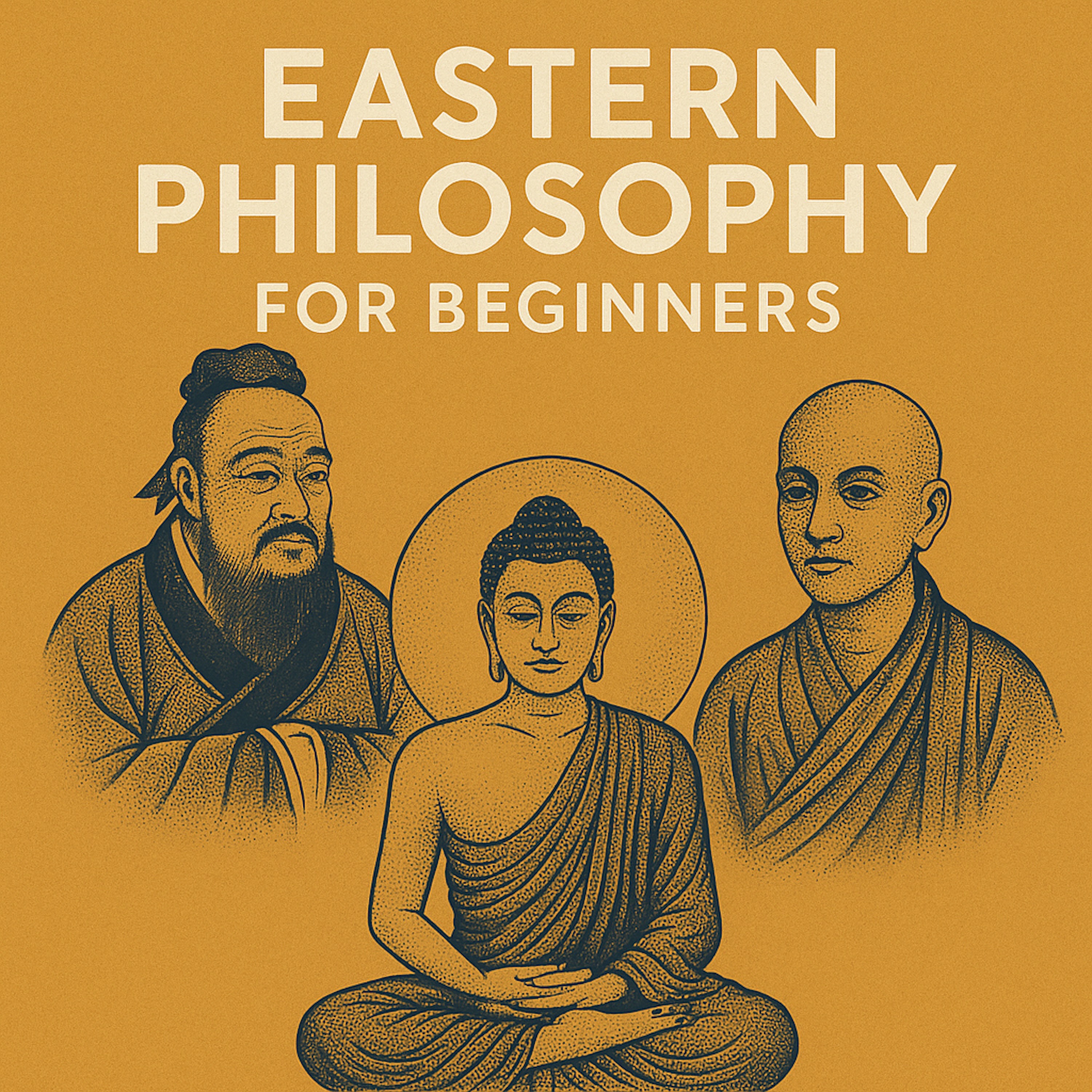 Mahavira - Ahisma & Liberation 24.11.2025 25mToday we step into the dust and sunlight of the Gangetic plain, into a world where wandering renunciants moved from village to village with bowls in their hands and fire in their questions. Our guide is Mahavira, remembered by the Jain tradition as the twenty‑fourth Tirthankara, a “ford‑maker” who showed a crossing from the fast current of suffering to the far bank of liberation. If the Buddha traced a middle way between indulgence and self‑mortification, Mahavira proved how far human resolve can go in the name of harmlessness. He lived a life that to most of us seems impossibly strict—bare fe...
-
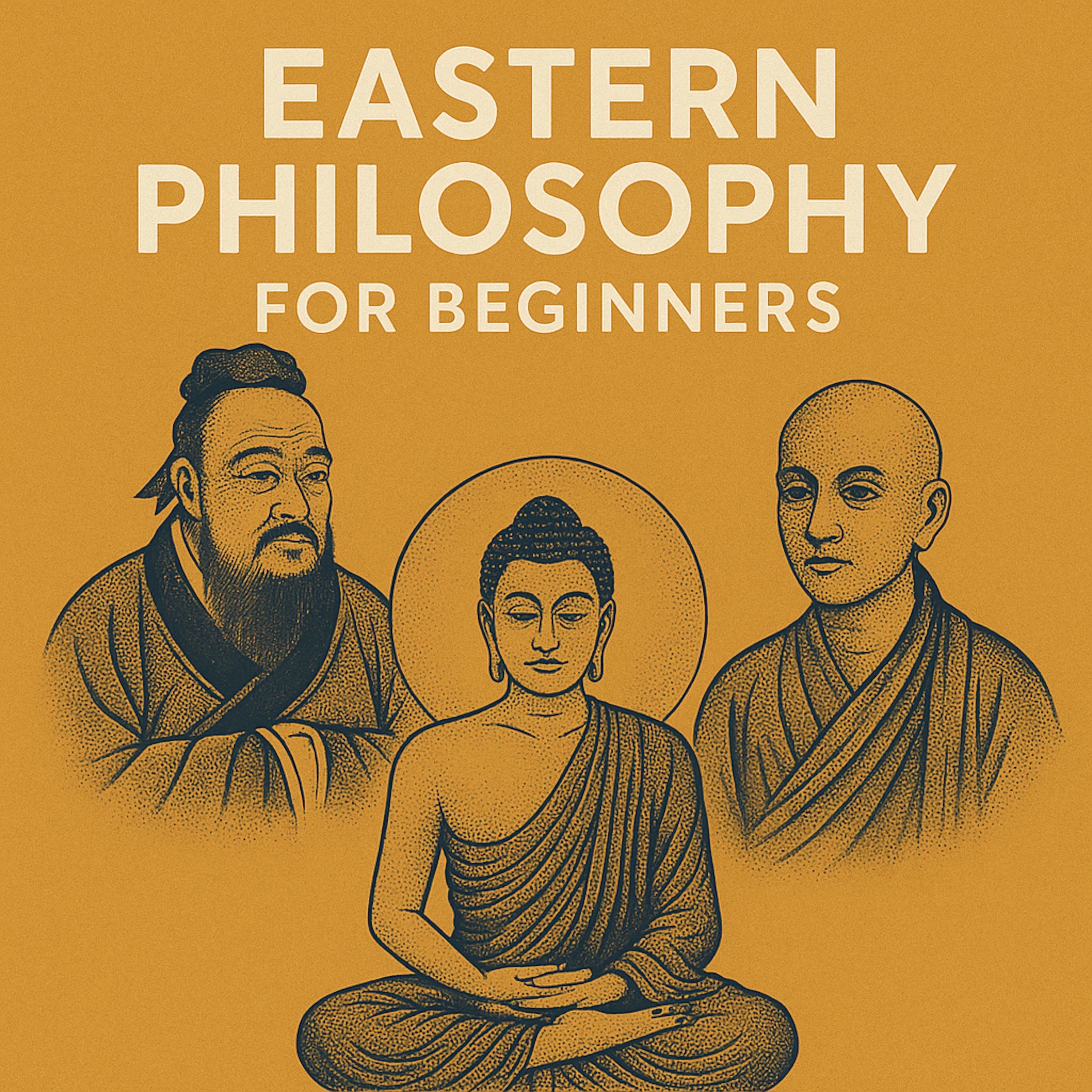 Ashoka - From Conquest to Dharma 13.11.2025 24mToday we meet a ruler whose life is a hinge between two worlds: the world where empire is measured by blood and borders, and the world where a king kneels before conscience and tries—against history’s habits—to govern for the welfare of all beings. His name is Ashoka, third emperor of the Maurya dynasty, who reigned in the third century before the common era. If Mahavira showed us the rigor of personal nonviolence, and the Buddha taught a path of liberation one mind at a time, Ashoka tried to move a continent’s politics by turning remorse into policy.Produced by Selenius Media Inc & Niklas S O...
-
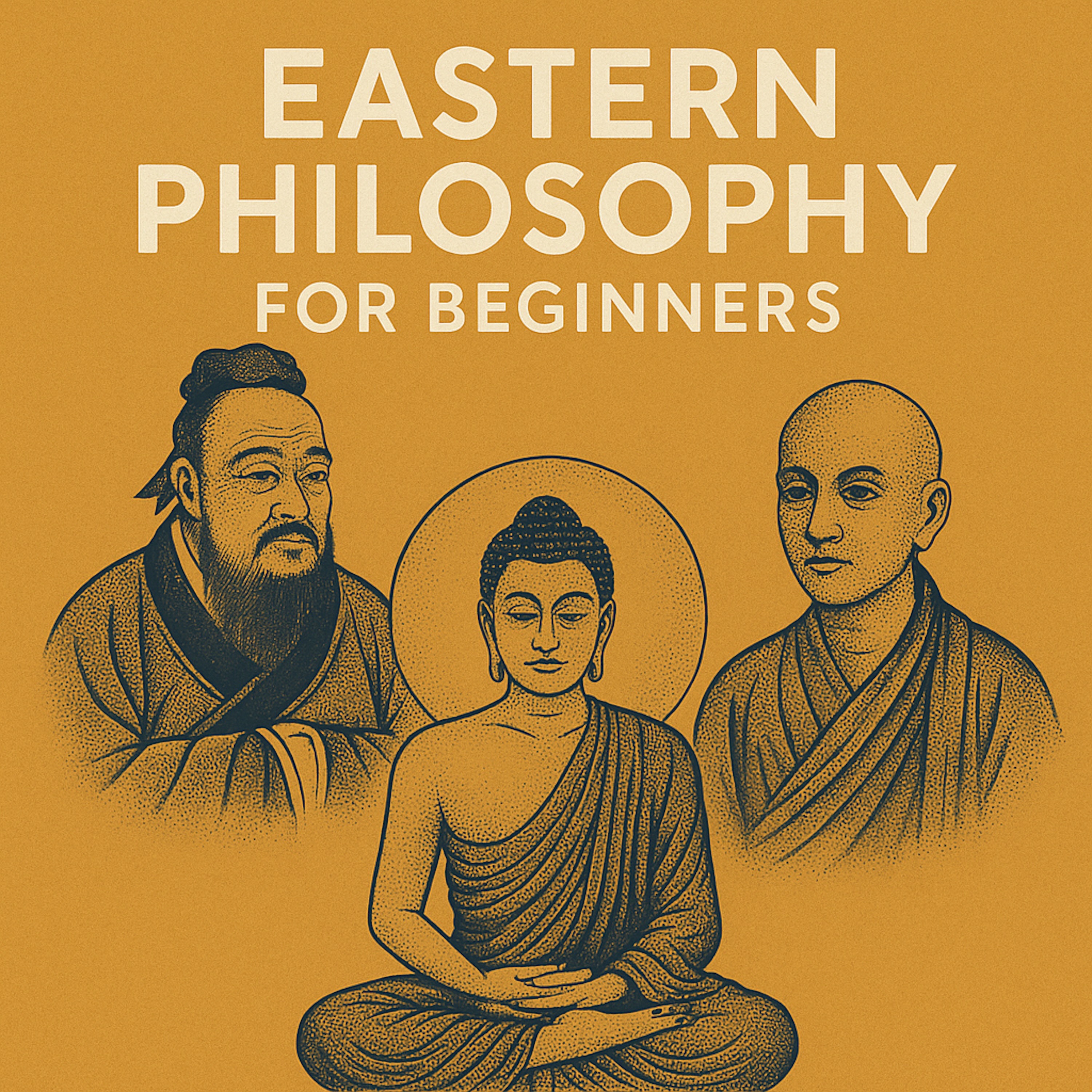 Confucius - The Teacher of Harmony 13.11.2025 50mIn a small walled town in ancient China over two and a half millennia ago, a child was born who would become one of history’s most influential teachers. This child, born in 551 BCE in the state of Lu, was named Kong Qiu – later known to the world by the Latinized name Confucius, meaning “Master Kong”. At the time of his birth, China was not a unified empire but a patchwork of feudal states. The once-glorious Zhou dynasty was in decline; its authority had fragmented, and local lords ruled their domains like independent kingdoms. It was an age of political turmoil and moral crisis. Warlords vied...
-
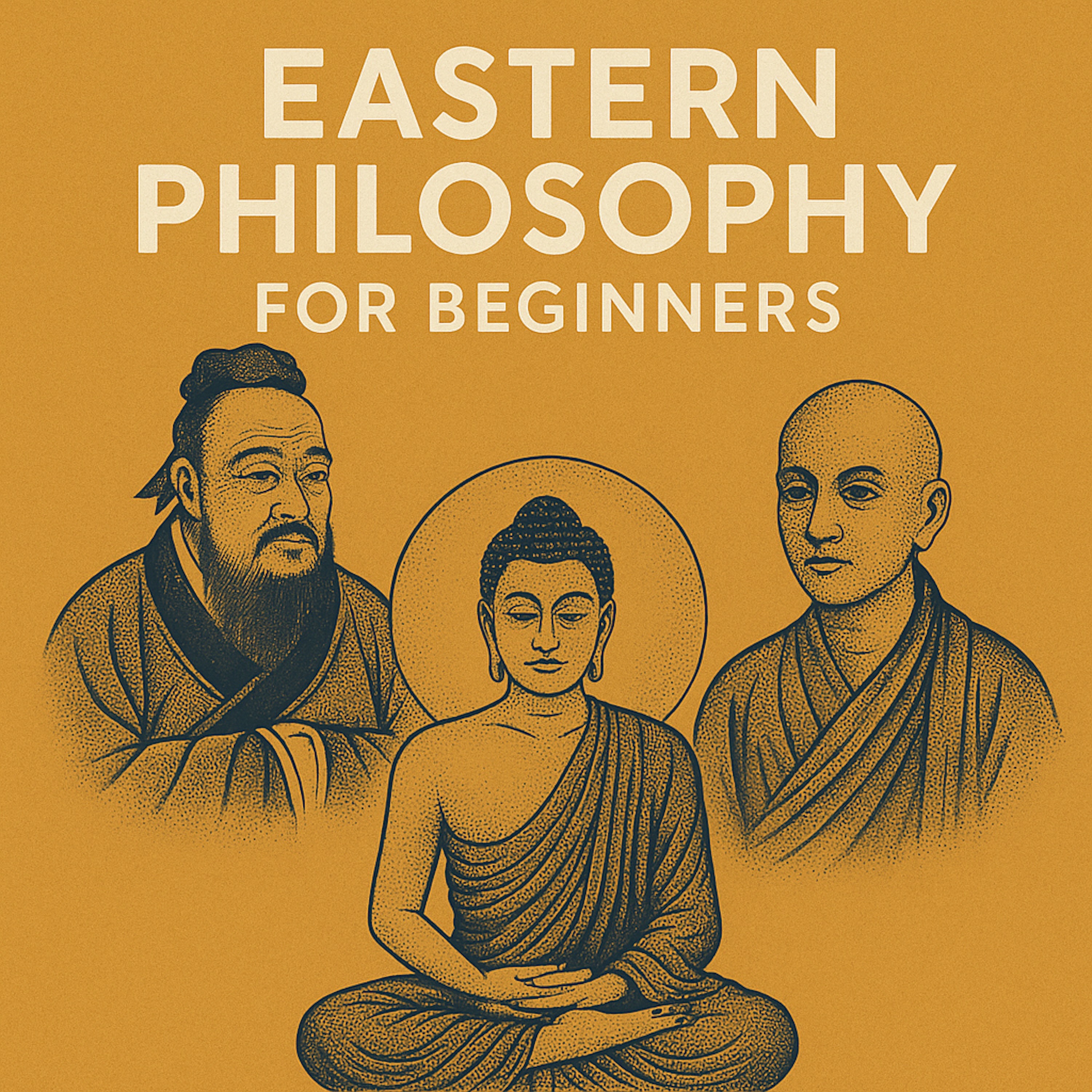 Buddha 11.11.2025 37mPicture an old sage riding on the back of a water buffalo, departing the gates of an ancient city as the sun sets. This wise old man is Laozi – literally “Old Master” – the legendary philosopher of ancient China. According to tradition, Laozi grew weary of the moral decay and turmoil of his time. In his twilight years, he chose to leave civilization behind, traveling westward toward the mountains, seeking solitude. At a frontier pass, a guard named Yinxi recognized the sage and begged him to record his wisdom before he vanished into the wilderness. Laozi stopped and composed a slender book of...
Similar podcasts


Popular in
The podcast also appears in the podcast charts of these countries.
