
She’s So Scripture Podcast
The Bible, in context. For people who want the whole story.
0
She’s So Scripture Podcast is a Bible teaching show hosted by Diane Ferreira. It focuses on studying Scripture within its historical, cultural, and theological context, aiming to provide clarity and depth. The podcast is not about surface-level inspiration but rather careful interpretation and precise teaching. Listeners learn to read the Bible more accurately and engage with it confidently.
Episodes
-
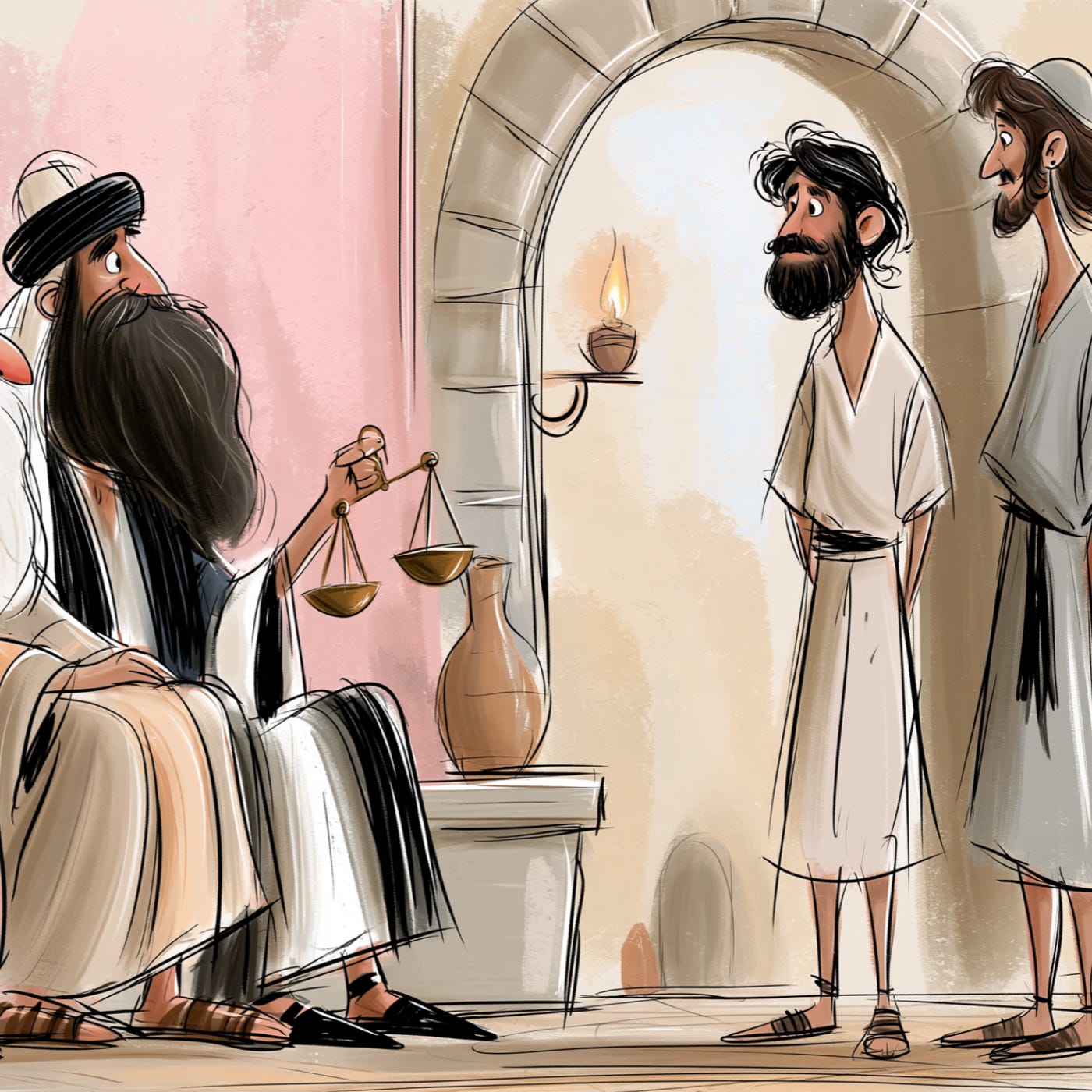 An Eye for an Eye - The Verse That Put a Ceiling on Revenge 17.11.2026 20mAn Eye for an Eye: Justice, Retaliation, and What Yeshua Really SaidDiane explores the meaning of “an eye for an eye” across its four key appearances, arguing it’s commonly misunderstood as personal vengeance rather than a legal standard limiting penalties within a court system. She begins with Lamech in Genesis 4 as an example of unchecked revenge, then examines the three Torah passages (Exodus 21, Leviticus 24, Deuteronomy 19) in their judicial contexts, noting surrounding laws about compensation, consistent justice, and false witnesses. She contrasts Torah with Hammurabi’s class-based penal...
-
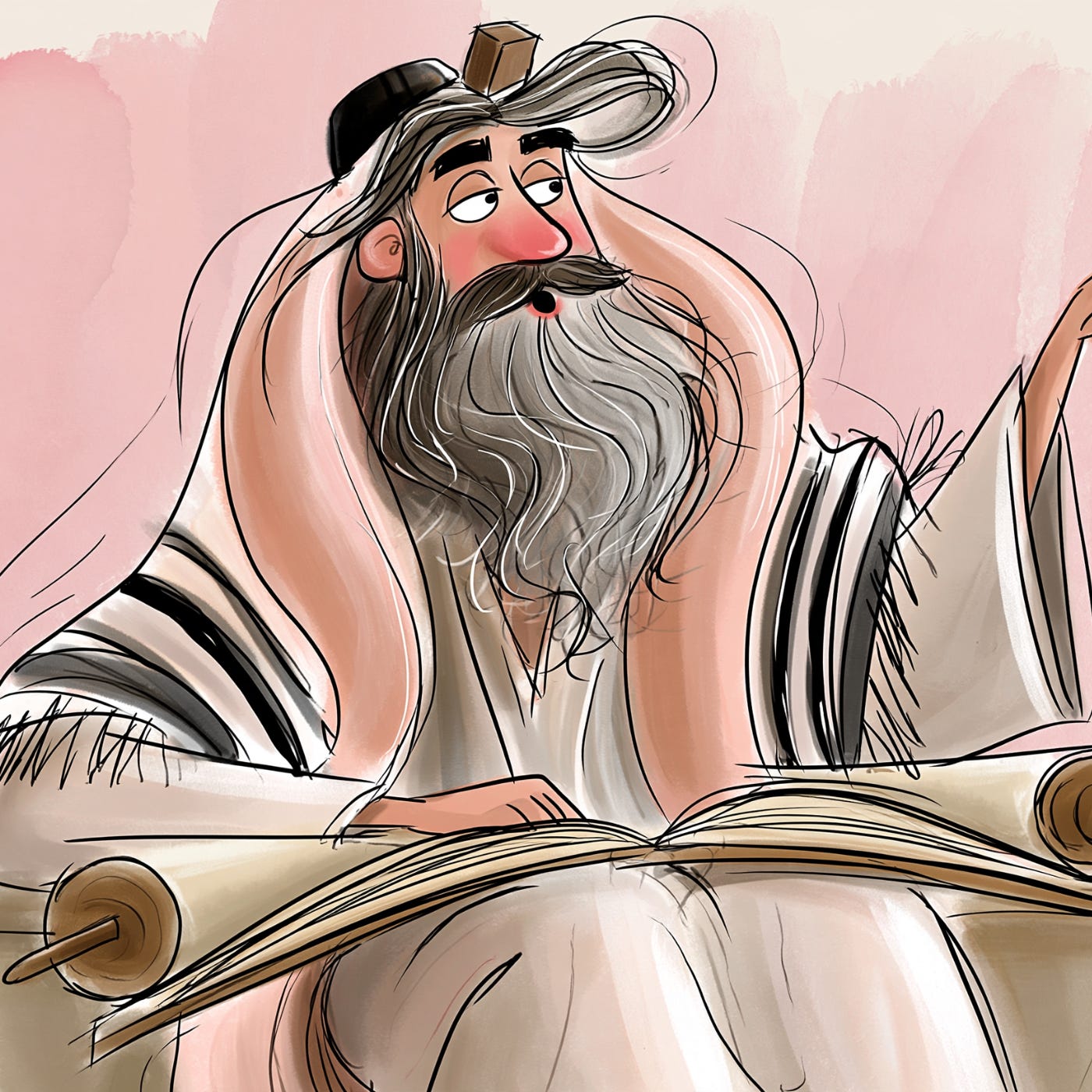 The Pharisees Weren’t Who You Think They Were | She’s So Scripture Podcast 10.11.2026 23mDiane returns after recovering from COVID and pneumonia, announces the podcast will move to Tuesdays, and plans to add video episodes soon. She challenges the common “Pharisee as villain” caricature by reading key texts more closely, noting Paul still calls himself a Pharisee in Acts 23 and that Pharisees were a sizable Second Temple Jewish movement influential with ordinary people, known for affirming resurrection, angels, and traditions for applying Torah. She shows that Jesus sometimes shared convictions with Pharisees, treated disputes as internal Jewish debate, and even told crowds to obs...
-
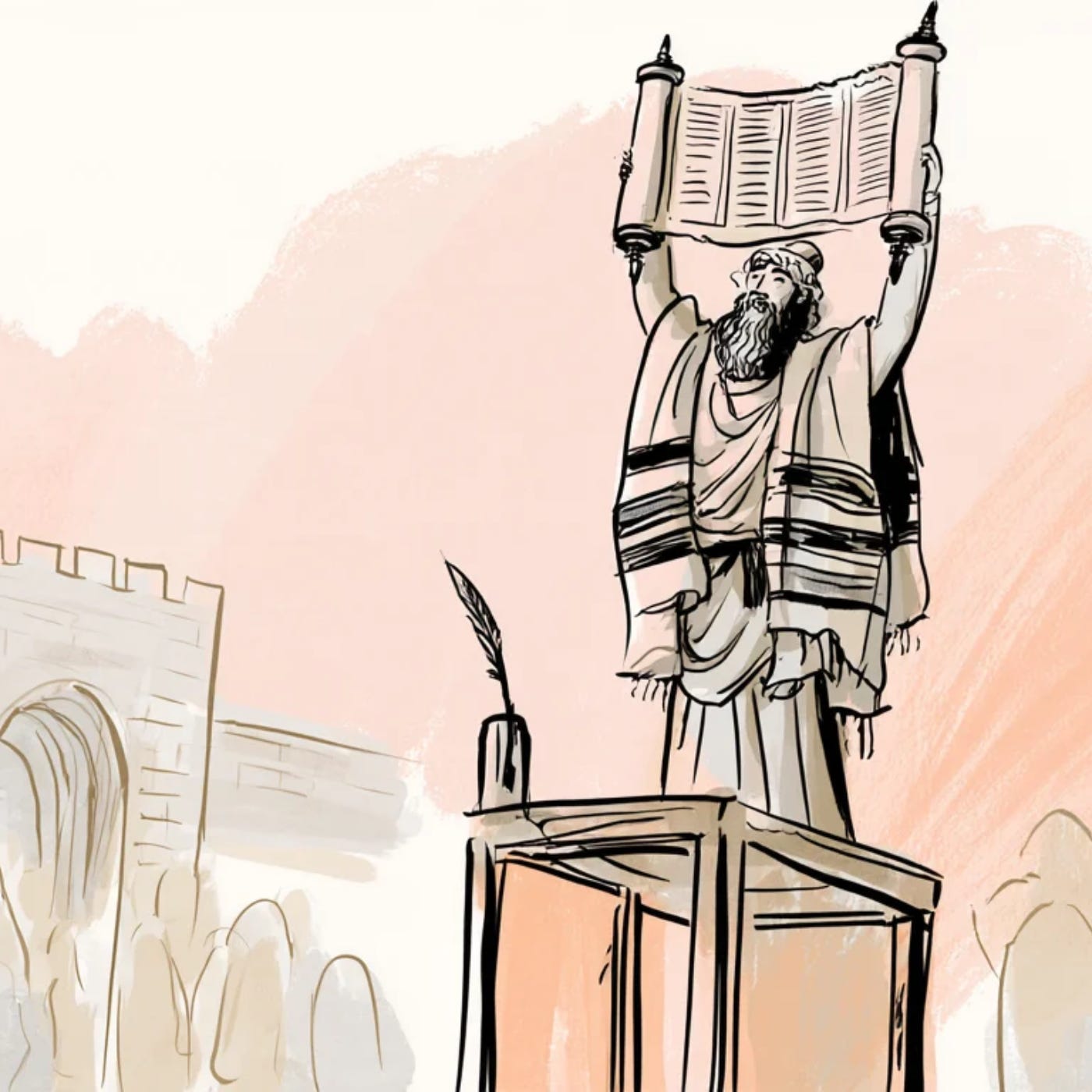 Who Was Ezra the Scribe? Seek, Observe, Teach 28.09.2026 22mThis episode introduces Ezra as a priestly descendant of Aaron and a skilled scribe who came from Babylon to Jerusalem to teach the Torah after the temple was rebuilt.It explores Ezra 7–10 and Nehemiah 8, highlighting his commitment to study, practice, and teach God’s instruction, his leadership of families on a risky journey marked by fasting and reliance on God, and his careful accountability in transporting temple offerings.It also examines Ezra’s grief and communal confession over covenant unfaithfulness, and the public reading of Torah where Levites help the people understand, leading to...
-
 The Torah Ends on the Wrong Side of the River 21.09.2026 25mDiane explores Simchat Torah (“the joy of the Torah”), observed with a yearly synagogue cycle that finishes Deuteronomy and immediately restarts Genesis with singing, dancing, and the scrolls carried in circuits, rooted in Shemini Atzeret rather than named in the Bible. She examines Deuteronomy 34’s “strange” ending: Moses dies on Mount Nebo seeing the promised land but not entering, connected to Numbers 20’s rock incident and Deuteronomy 3’s account, alongside traditions about Moses dying “at the mouth of the Lord” and God burying him in an unknown grave. Noting the Torah’s deliberate stop sh...
-
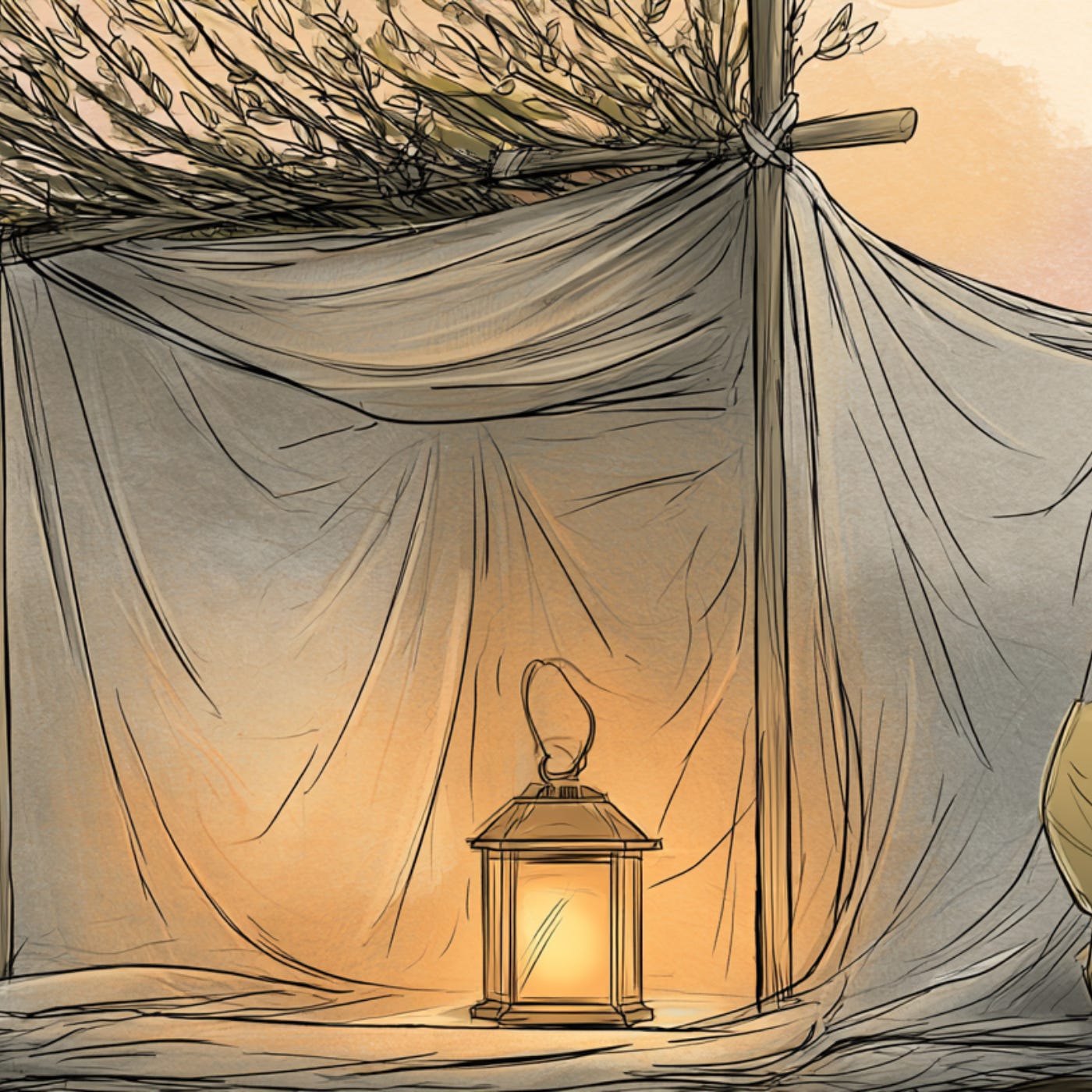 Zechariah 14: The Apocalypse Ends at Sukkot 14.09.2026 18mDiane explores Zechariah 14 as a startling end-times vision that moves from Jerusalem’s violent siege and exile to God fighting the nations, the Mount of Olives splitting, strange light, and living waters flowing from Jerusalem.She connects this “living water” imagery with Sukkot’s Second Temple water ceremony and Yeshua’s words in John 7, then highlights Zechariah’s declaration that the Lord will be king over all the earth.The chapter’s shock comes in its conclusion: surviving nations must come annually to Jerusalem to worship and keep Sukkot, with drought—and even plagues for Egypt—as enforc...
-
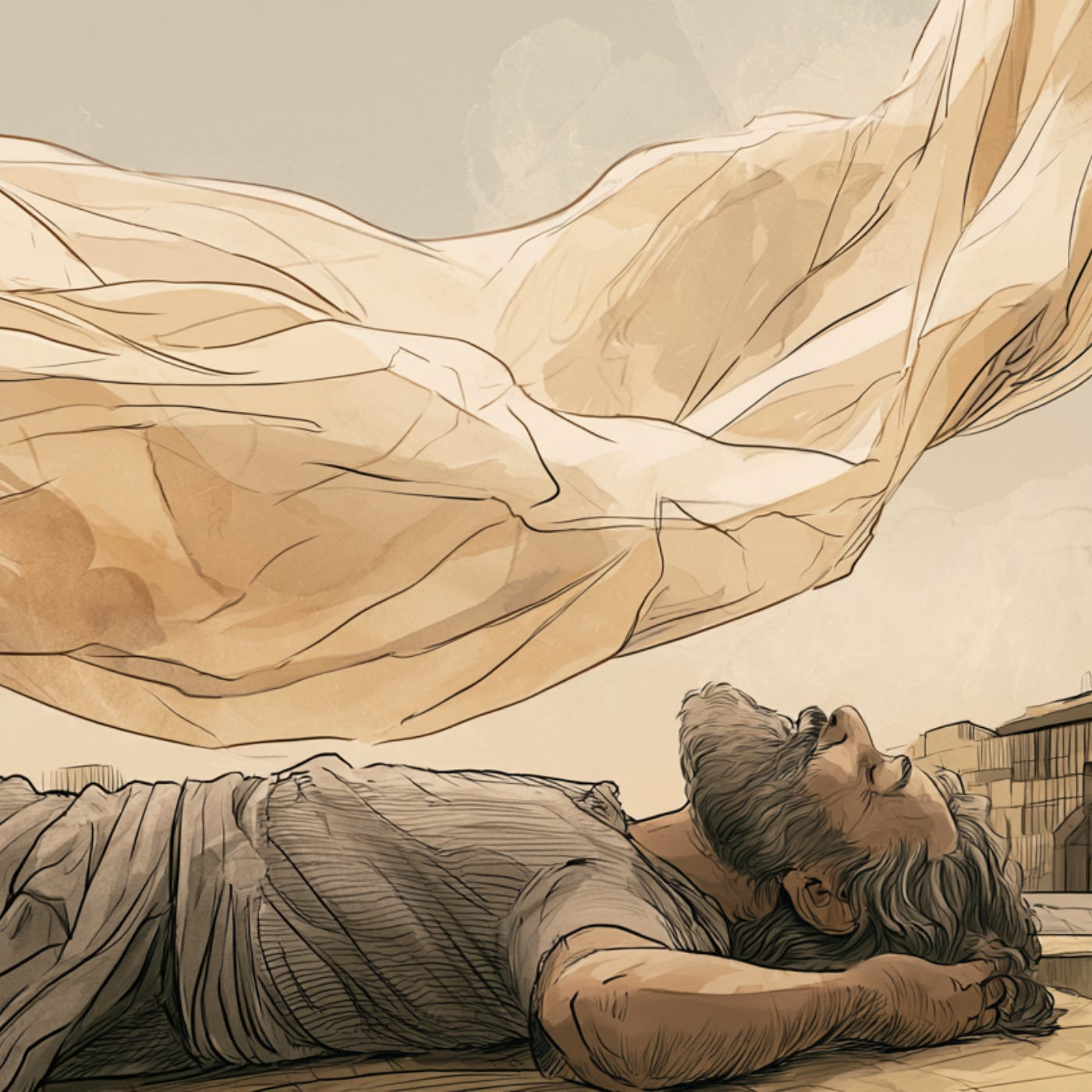 Peter and the Vision of the Sheet 08.09.2026 23mActs 10 Isn’t the “Bacon Chapter”: Peter’s Vision, Cornelius, and the Real Point of the SheetDiane revisits Acts 10 and argues Peter’s vision of the sheet is commonly reduced to permission to eat anything, even though the text shows Peter refusing three times and never actually eating.She emphasizes reading the full context: Cornelius, a devout Roman centurion and “God-fearer,” receives an angelic visit during the ninth-hour time of prayer, then Peter prays at noon and receives the vision.When Peter enters Cornelius’s Gentile household, he explains the vision’s meaning in his own words: God ha...
-
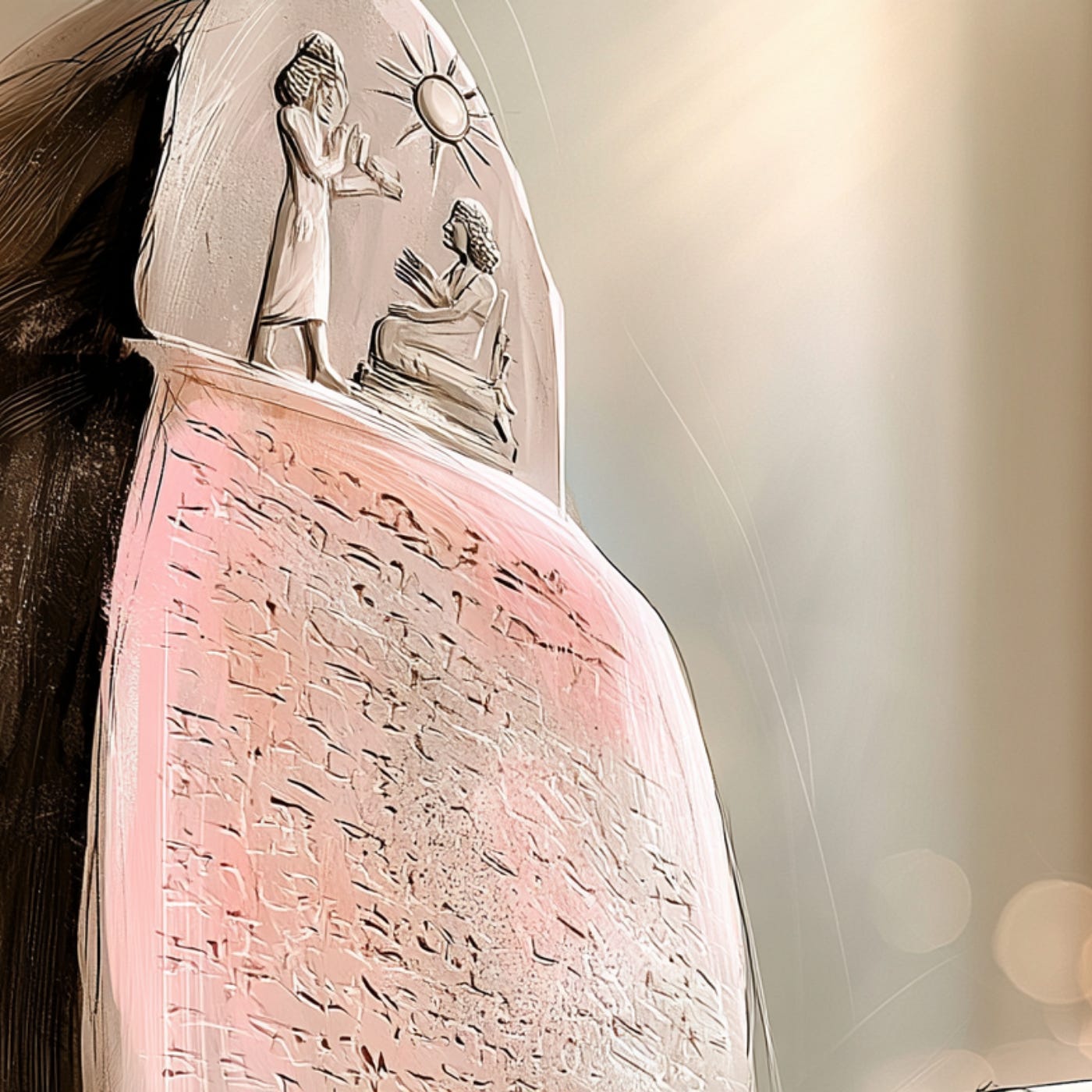 An Eye for an Eye - What It Actually Meant, From Babylon to Yeshua 31.08.2026 35mDiane kicks off a series on difficult biblical passages by reexamining the often-misquoted “an eye for an eye,” arguing it’s commonly treated as “vibes” instead of read in context. She traces the phrase back to Hammurabi’s code, contrasts its class-based penalties with the Torah’s wording, and notes the formula appears three times in the Torah with different applications, including false witness law, showing it functions as a principle of measured judicial correspondence; a ceiling on punishment, not a license for private revenge. She then summarizes rabbinic debates that establish monetary co...
-
 What the Crowd Was Really Waving - Palm Sunday, the Maccabees, and John 12 24.08.2026 25mDiane traces Palm Sunday back beyond childhood church memories to the first-century Jewish meaning of palm branches under Roman occupation. Drawing from 1–2 Maccabees, she explains how palms became linked not only to Sukkot worship but also to temple purification (164 BC), military liberation (141 BC), and later Jewish revolts, even appearing on coins with slogans like “freedom” and “redemption of Zion.” Against that backdrop, John’s account of the crowd greeting Yeshua with palms and Psalm 118’s “Hoshiana” (“save now”) takes on political and theological weight, especially since “yasha” underl...
-
 The Bald Prophet and the Bears - What Your Sunday School Never Told You 21.08.2026 14mThat infamous “bald prophet and the bears” story is disturbing but the Sunday school version adds details 2 Kings never gives. Diane walks through the Hebrew terms (na’arim qetanim and yeladim) to show the crowd’s ages aren’t clear, explains that Elisha doesn’t summon the bears, and notes that “from among them” suggests the group may have been larger than the 42 who were mauled. She also explores why Bethel matters as a Northern Kingdom center of rival worship set up by Jeroboam, framing the mockery as more than a bald joke and tied to covenant loyalty and prophetic authority. 00:00 Bald Proph...
-
 The Sound of Thin Silence 17.08.2026 18mDiane revisits 1 Kings 19 and her long-held teaching on the “still small voice,” arguing the passage isn’t about God speaking quietly so much as what happens to Elijah after Mount Carmel’s triumph. She traces Elijah’s fear, flight into the wilderness, and request to die, highlighting God’s tender provision of bread, water, and sleep before any explanation. At Horeb/Sinai—possibly “the” cave echoing Exodus 33—she unpacks the Hebrew kol demamah dakah and notes that God asks Elijah the same question twice and receives the same “I alone am left” answer even after the wind, earthquake, fire, and wh...
-
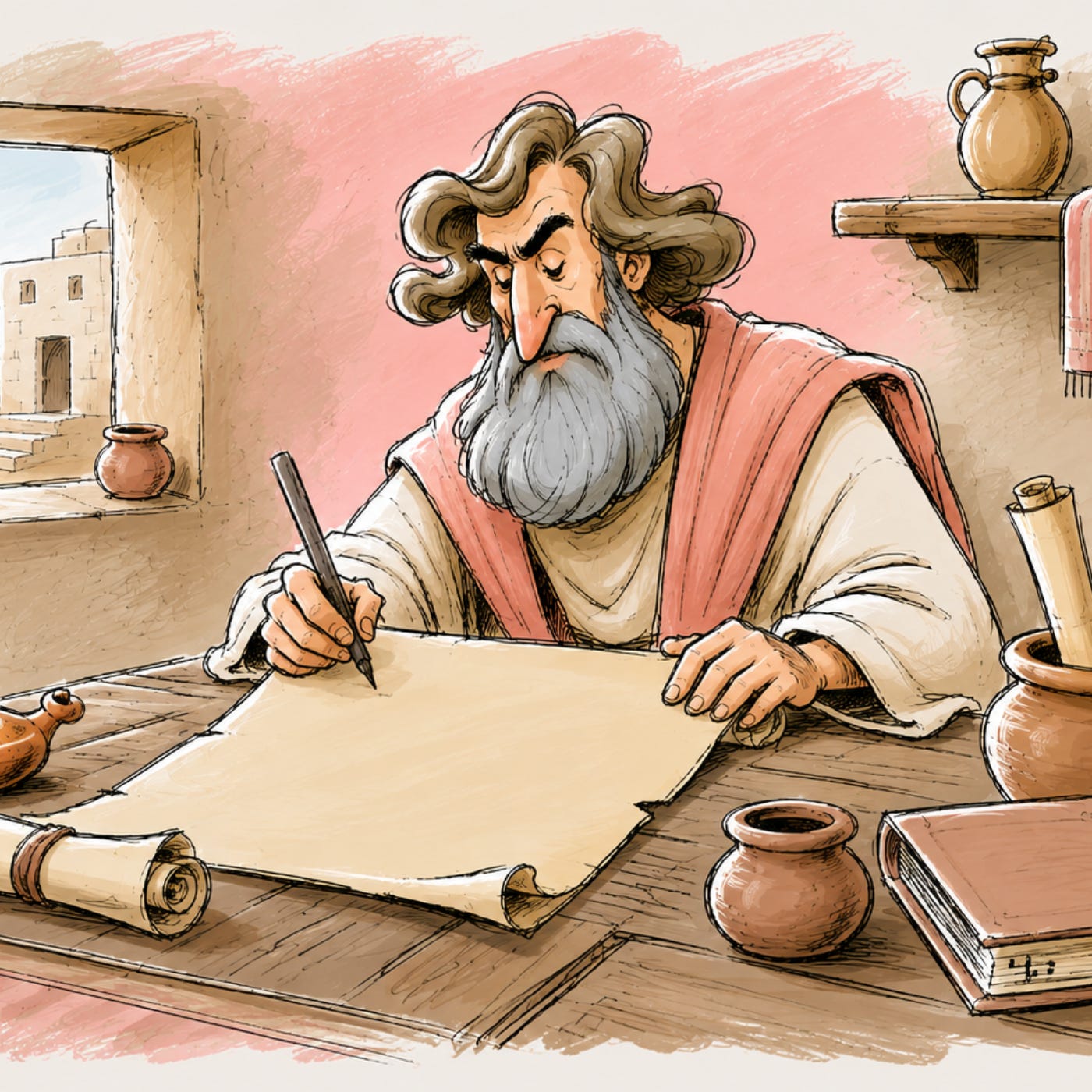 The Angriest Letter in the New Testament - What Your Sunday School Never Told You 14.08.2026 16mDiane introduces the one-chapter letter of Jude as a furious, urgent warning often skipped despite its famous closing doxology. She explains Jude (Judah), brother of James and half-brother of Yeshua, wrote not to claim status but in humility as a servant, and likely came to faith after the resurrection. 00:00 Jude’s Furious Hook01:03 Why Jude Gets Skipped01:42 Who Wrote Jude04:35 An Interrupted Warning06:35 Grace Twisted Into License08:19 Michael and Enoch Quotes11:02 Love Feasts and Hidden Reefs12:52 But You Loved Ones Pivot13:40 Doxology With Context15:07 Read Jude This Week15:45 Thanks and...
-
 Jephthah’s Vow and the Four Days Israel’s Daughters Wouldn’t Forget 10.08.2026 17mThis episode of She’s So Scripture walks through Judges 11 and the story of Jephthah’s vow, focusing on the unnamed daughter who becomes the cost of his reckless promise.In the episode I mention Phyllis Trible’s book Texts of Terror. You can find it here.00:00 Four Days Remembered00:55 Meet Jephthah01:37 The Dangerous Vow04:10 Pride Blocks Mercy05:09 Daughter at the Door06:44 Texts of Terror08:43 Two Months to Mourn09:44 Was She Sacrificed11:11 Why Four Days Matter12:58 Echoes of Isaac15:13 So Where Now16:50 Closing ThanksIf this episode stirred something in you, here's where you can find me:...
-
 The Mighty Warrior Hiding in a Hole - What Your Sunday School Never Told You Podcast 07.08.2026 14mIn this episode:This episode retells Judges 6 by reframing Gideon’s “courage” as fear-driven faithfulness: he threshes wheat inside a wine press to hide from seven years of Midianite raids that stripped Israel bare and drove people into caves. An angel calls him “mighty man of valor” while he’s still hiding, and Gideon answers with grief and doubt about God’s absence and his own weakness. God doesn’t argue, but sends him and promises, “I will be with you,” confirming it with fire from a rock. Gideon names the altar Adonai Shalom before any victory, then asks for two fleece signs without rebuke...
-
 What Did Jesus Write in the Dirt? 03.08.2026 18mDiane explores the puzzling detail in John 8 where Yeshua, confronted in the temple with a public halakhic trap over the woman caught in adultery, kneels and writes in the dirt twice while accusers demand a Torah-based verdict.00:00 Mystery In The Dust01:35 Textual Footnote Explained03:39 Temple Trap Setup06:39 He Writes Twice07:26 Popular Theories08:42 Jeremiah Written In Dirt09:51 Sukkot Living Water Link11:34 Numbers Five Resonance14:15 Interpretation Versus Text15:21 Mercy Without Condemnation16:38 Final Takeaways 17:57 Outro And SubscribeIf this episode stirred something in you, here's wh...
-
 Paul’s Damascus Road: Conversion Story or Prophetic Calling? 31.07.2026 23mDiane reexamines the Damascus Road story, arguing Paul never calls it a “conversion” in Acts, Galatians, or Philippians, but describes it with prophetic calling language like Jeremiah 1 and Isaiah 49: set apart from birth, called by grace, and sent to the nations. She challenges common assumptions that Saul’s name changed at Damascus (noting Acts keeps “Saul” for chapters and introduces “Saul, also called Paul” later in a Roman context) and that Paul was a tortured Jew crushed by Torah (citing Philippians 3 where he says he was “blameless”). 00:00 Damascus Road Question01:44 Paul Tells His Sto...
-
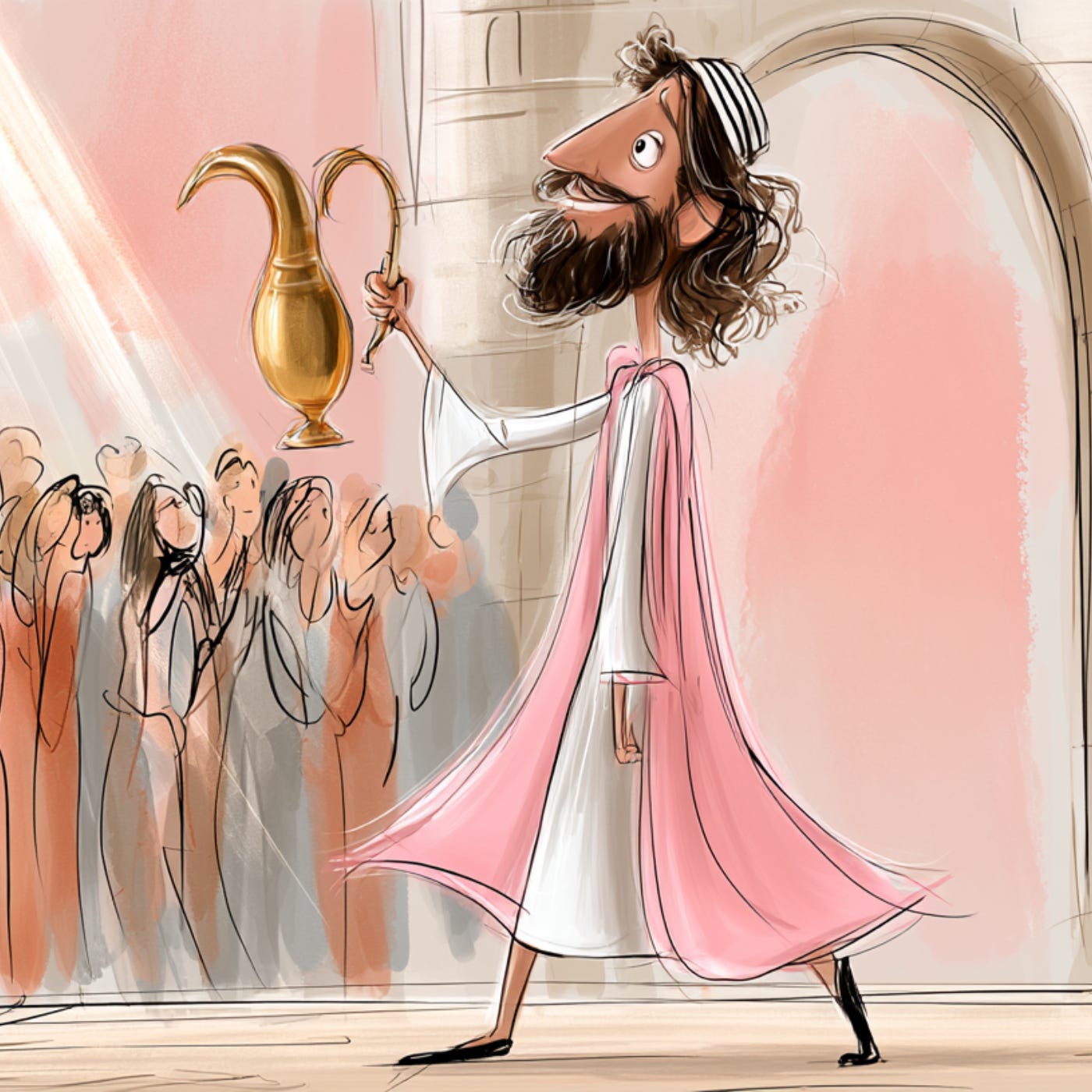 John 7 at Sukkot - The Water Ceremony Behind “Come and Drink” 27.07.2026 17mJohn 7 at Sukkot: The Water Ceremony Behind “Come and Drink”Yeshua’s famous invitation in John 7—“If anyone is thirsty, let him come to me and drink”—is unpacked in its Sukkot setting, where Jerusalem overflowed with pilgrims, commanded joy, and urgent prayers for rain. The episode explains the temple water libation tradition described in the Mishnah: priests drawing spring-fed water from the pool of Siloam in golden pitchers, pouring it at the altar amid shofars, singing, and all-night celebration (Simchat Beit HaShoevah), linked to Isaiah 12:3 about drawing water from the wells of salvation...
-
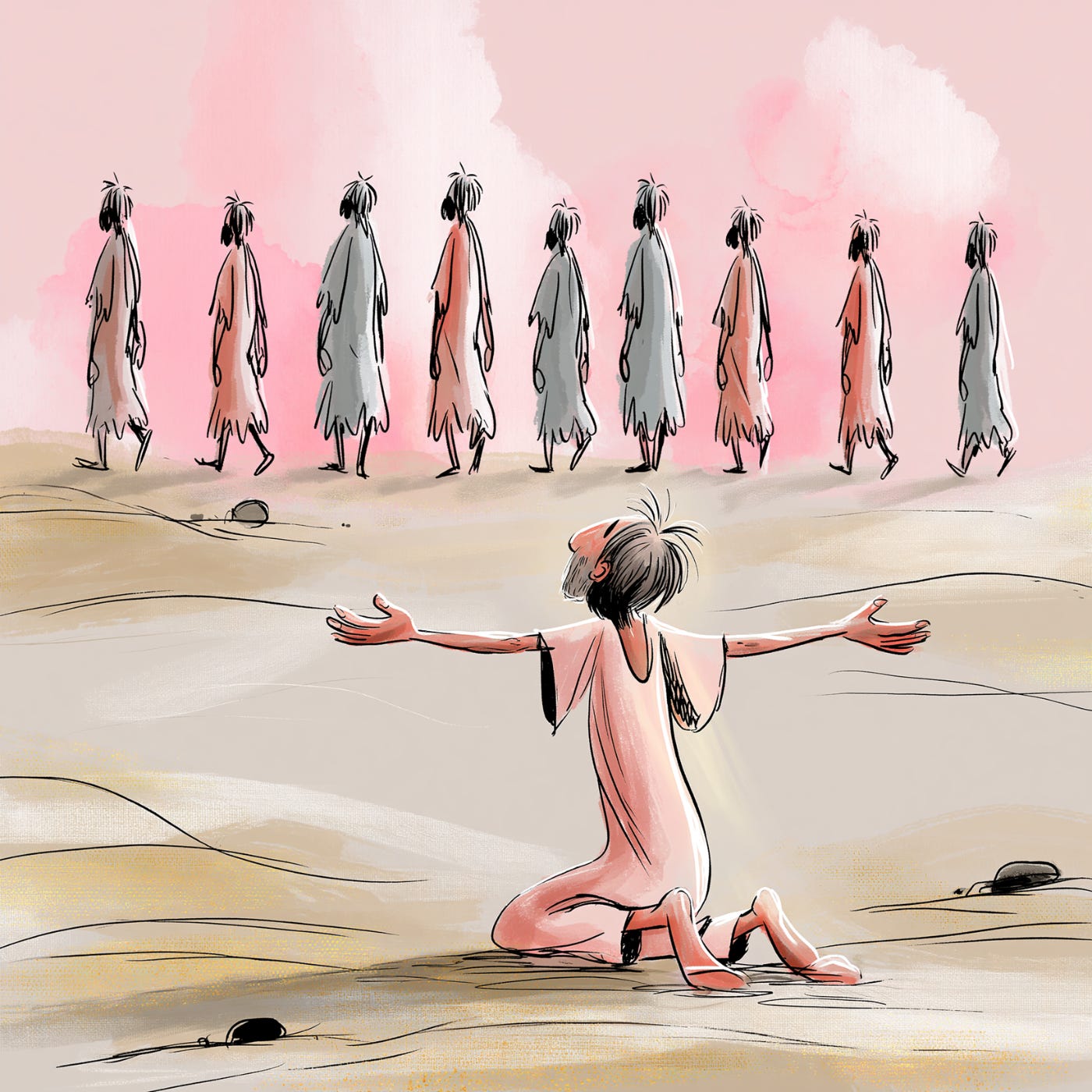 The One-Word Detail in the 10 Lepers Story - What Your Sunday School Never Told You 25.07.2026 13mDiane revisits Luke 17’s ten “lepers,” and highlights Luke’s delayed reveal that the thankful man is a Samaritan and focuses on Yeshua’s rare word for him—allogenes (“foreigner”), used only once in the New Testament and also carved on Greek warning inscriptions on the Temple’s stone barrier (a slab now in an Istanbul museum) forbidding foreigners to enter on pain of death. Gratitude is only part of the story: worship draws the outsider to Yeshua, dissolving boundaries.00:00 Gratitude Is Half01:07 Border Road Setup01:34 Tzaraath And Priests03:55 Samaritan Returns05:39 Allogenes The Word06:37 Te...
-
 Healing in His Wings: The Woman Who Touched Yeshua’s Tzitzit 20.07.2026 20mDiane retells the unnamed woman’s 12-year bleeding in Mark 5, emphasizing that ritual impurity in Leviticus 15 is not sin and highlighting her isolation, poverty, and risk in entering the crowd.She argues the woman intentionally touched Yeshua’s tzitzit (fringe), connecting it to Numbers 15 and the Hebrew kanaph (“corner”/“wing”), where scripture imagery of refuge under God’s wings aligns with Malachi’s promise of healing in the kanaph of the “Sun of righteousness.”When Yeshua stops, he refuses to let her remain anonymous, calls her “Daughter,” and shows that purity flows from him to her rathe...
-
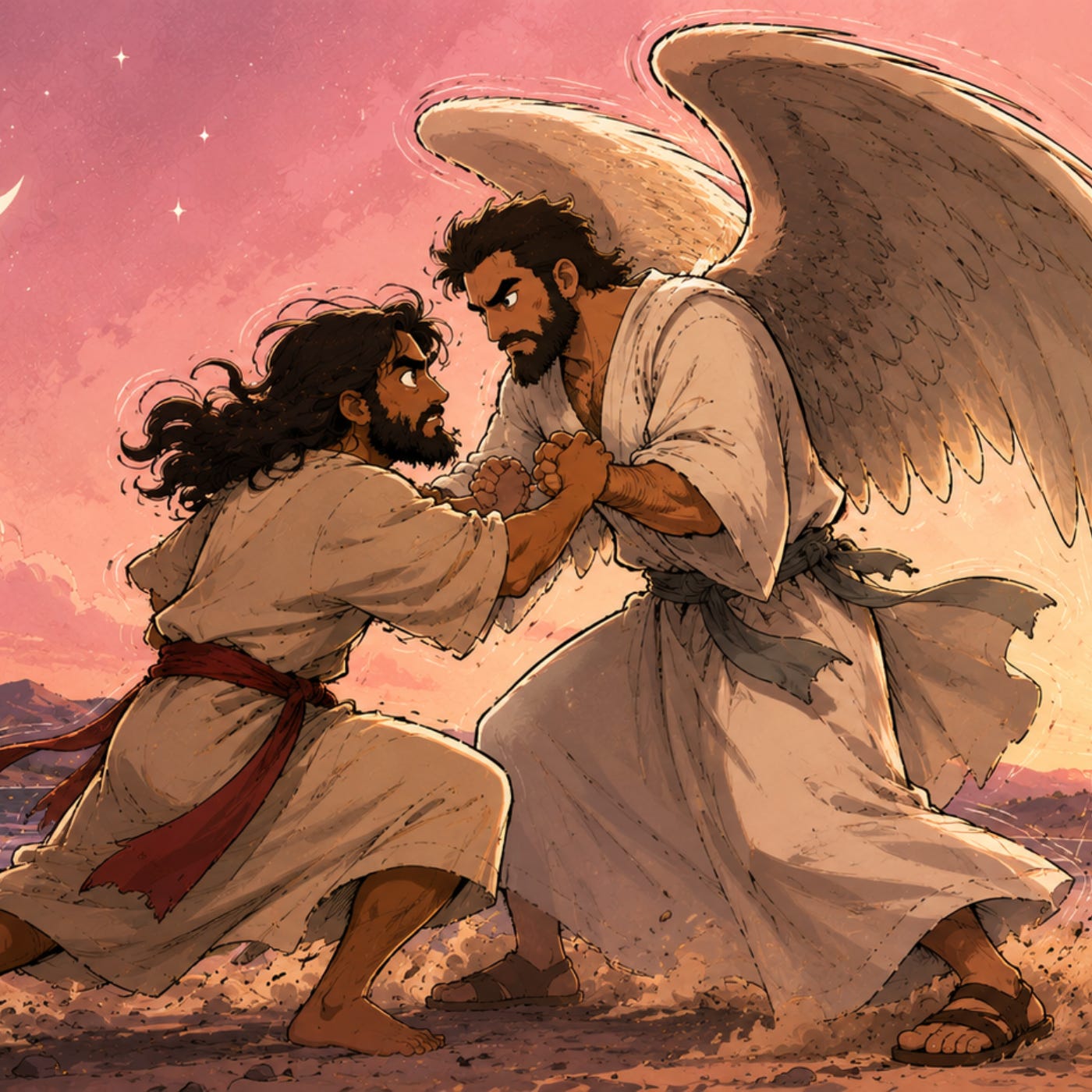 Jacob Wrestles at the Jabbok: Why God Named Israel After a Fight | What Your Sunday School Never Told You 17.07.2026 20mIn this week’s episode, we’re going back to the Jabbok, and we’re bringing the Hebrew with us.Here’s a taste of what’s inside:Genesis 32 isn’t a cute perseverance story but a theologically loaded night where Jacob (Yaakov, “heel-grabber”) is left alone at the Jabbok (Yabok) and wrestles a mysterious “man” until dawn, with Hebrew wordplay linking Yaakov, Yabok, and ye’avek (wrestle). The opponent—described across Scripture as man, angel, and God—dislocates Jacob’s hip, yet Jacob refuses to let go without a blessing and must finally speak his true name. Only then is he renamed Yisrael, because h...
-
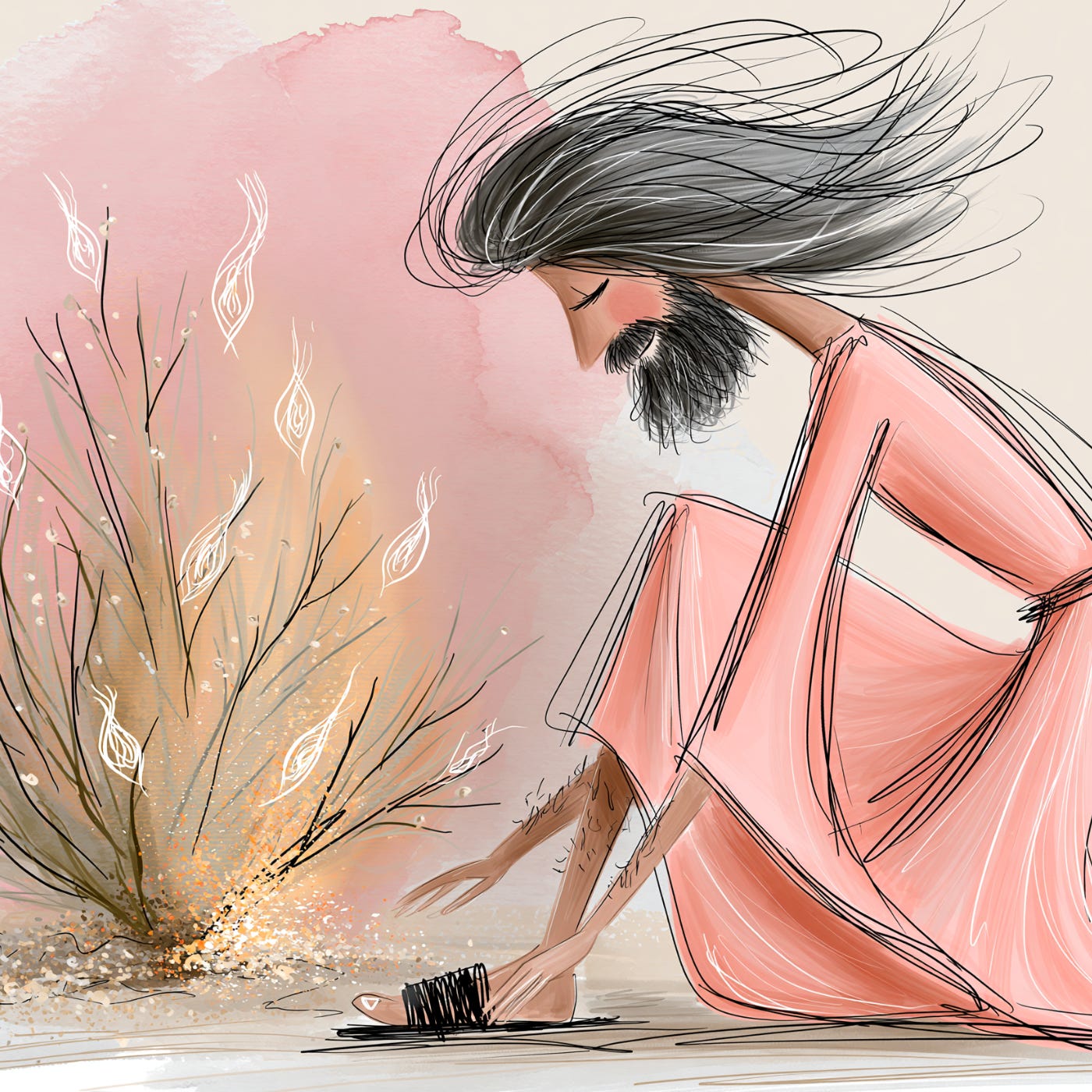 The God Who Is: Unpacking Exodus and God's Eternal Verb 13.07.2026 26mGod’s Name in Exodus 3: “I Am” or “I Will Be” (Ehyeh) and the Promise of PresenceDiane from She’s So Scripture revisits Exodus 3, arguing that when Moses asks God’s name at the burning bush, God answers with a verb—ehyeh (“to be”)—not a title, revealing Himself through action, presence, and ongoing faithfulness. She explains why ehyeh can mean both “I Am” and “I Will Be,” and connects God’s self-description to His earlier promise to Moses, “I will be with you,” using the same Hebrew form. She clarifies the grammatical link between ehyeh and the covenant name YHVH, emphasizing that God’s name i...
Similar podcasts


Popular in
The podcast also appears in the podcast charts of these countries.
