
We the People
National Constitution Center
0
A weekly show from the National Constitution Center hosted by Julie Silverbrook and Tom Donnelly where listeners can hear the best arguments on all sides of the constitutional issues at the center of American life.
Episodes
-
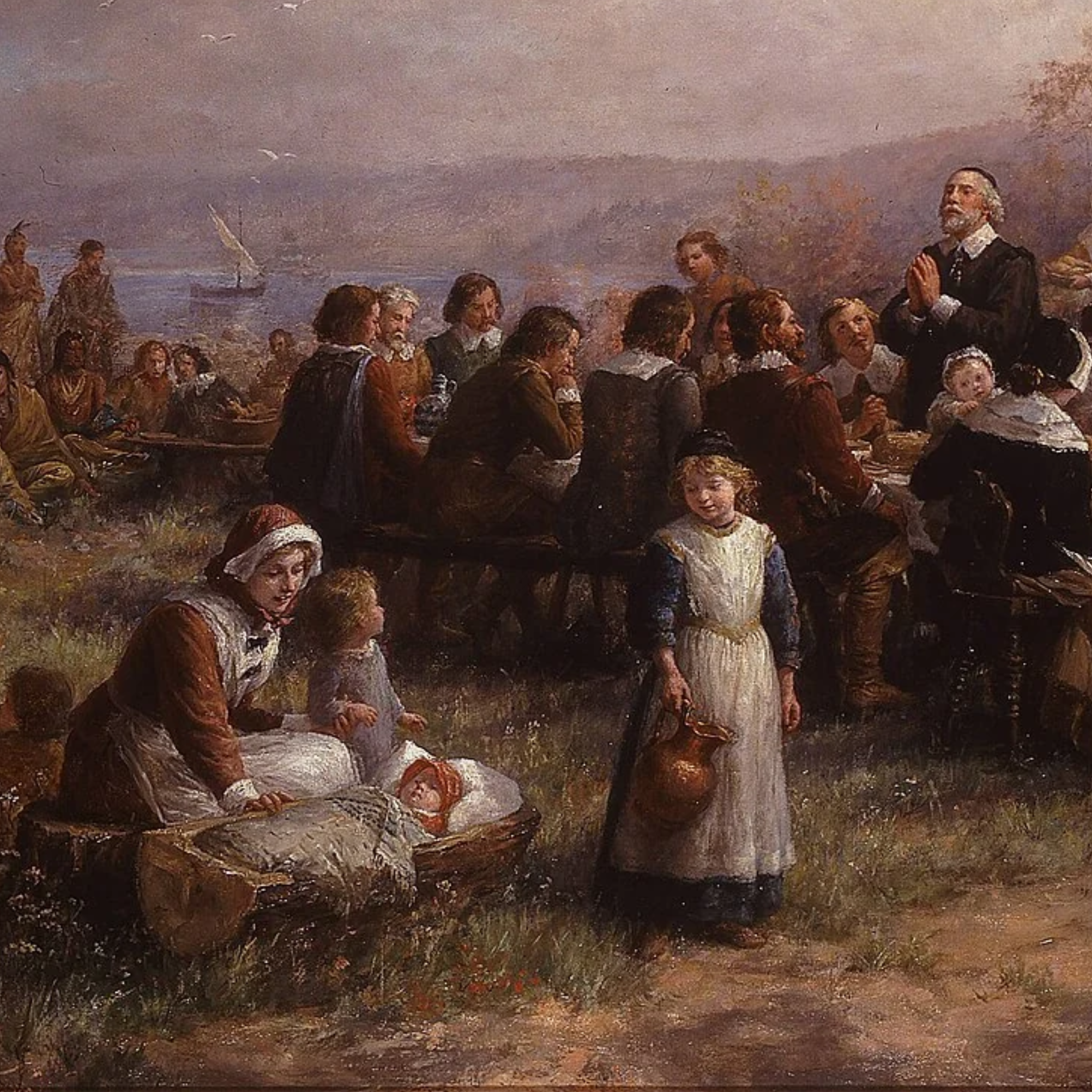 Thanksgiving: The History of America's Civic Holiday 24.11.2026 44mThanksgiving is more than a beloved family tradition. It is a distinctly American civic holiday, shaped by four centuries of history and a shared spirit of gratitude, generosity, and community. In this special Thanksgiving episode, award-winning author Melanie Kirkpatrick joins Julie Silverbrook, chief content and learning officer at the National Constitution Center, to explore the holiday’s evolution from Indigenous and colonial traditions to George Washington’s first presidential Thanksgiving proclamation, Abraham Lincoln’s call for national unity during the Civil War, and the traditions we...
-
 Can Congress Reclaim Its Constitutional Power? 19.11.2026 1h 7mIn this episode, Victoria Nourse of Georgetown Law and Adam White of the American Enterprise Institute discuss what the midterm elections could mean for Congress and the constitutional balance of power among our three branches. Across administrations of both parties, presidential power has expanded, Congress has delegated significant policymaking authority to the executive branch, and the Supreme Court has issued consequential decisions on the separation of powers. What opportunities does divided government present for Congress to reclaim its constitutional authority? How might the president r...
-
 Religious Liberty and State Funds for Preschools at the Supreme Court 12.11.2026 53mTwo leading scholars of the First Amendment’s religion clauses, Stephanie Barclay of Georgetown Law and Marci Hamilton of the University of Pennsylvania, discuss Saint Mary Catholic Parish v. Roy, an important First Amendment religious liberty case being argued before the Supreme Court. At issue is what the State of Colorado describes as a universal preschool program that provides state funds to help families send their children to the preschool of their choice. All Colorado schools—both secular and religious—are eligible for this funding. However, participating schools must meet certain state...
-
 The First Amendment and Artificial Intelligence 05.11.2026 1hTechnology and constitutional scholar Jonathan Zittrain and Distinguished Professor of Law at Rutgers Law School Ellen Goodman examine the intersection of the First Amendment and artificial intelligence, how constitutional values can help guide emerging technologies, and what the future of free expression looks like in the digital age. Julie Silverbrook, chief content and learning officer at the National Constitution Center, moderates. This conversation was recorded on September 9, 2026, at the National Constitution Center as part of First Amendment Day, a new annual celebration hosted in part...
-
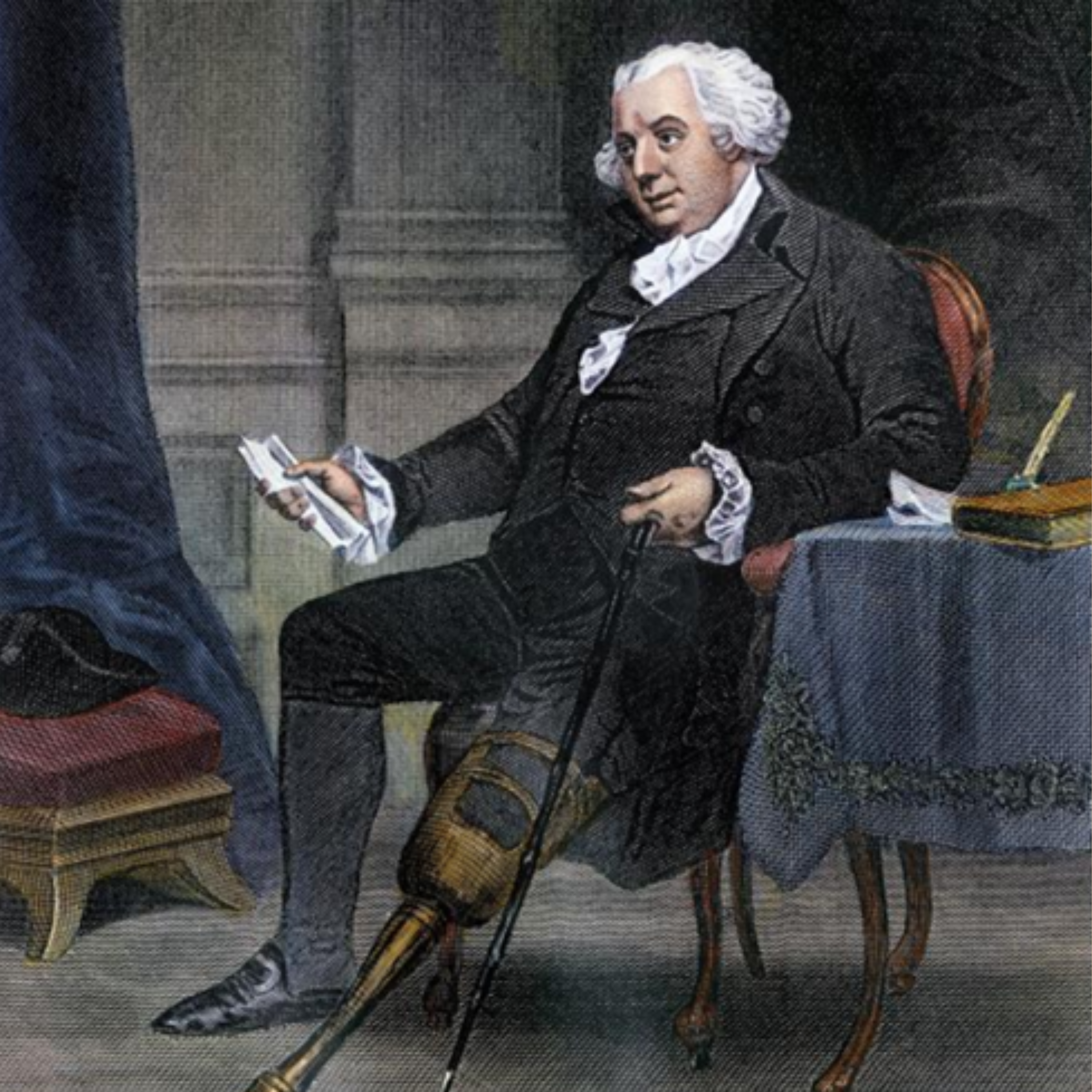 Scott Greenberger on The Forsaken Founder: Gouverneur Morris 29.10.2026 51mIn this episode, author Scott S. Greenberger discusses his new book, The Forsaken Founder, which explores the colorful life and consequential legacy of Gouverneur Morris, the “Penman of the Constitution,” an often overlooked and forgotten figure of the American founding. Greenberger highlights Morris’s indispensable contributions to the American Revolution, his central role in shaping the language and structure of the Constitution, and how he helped to guide the early republic in its fragile first years. Julie Silverbrook, chief content and learning officer at the National Constitution Center,...
-
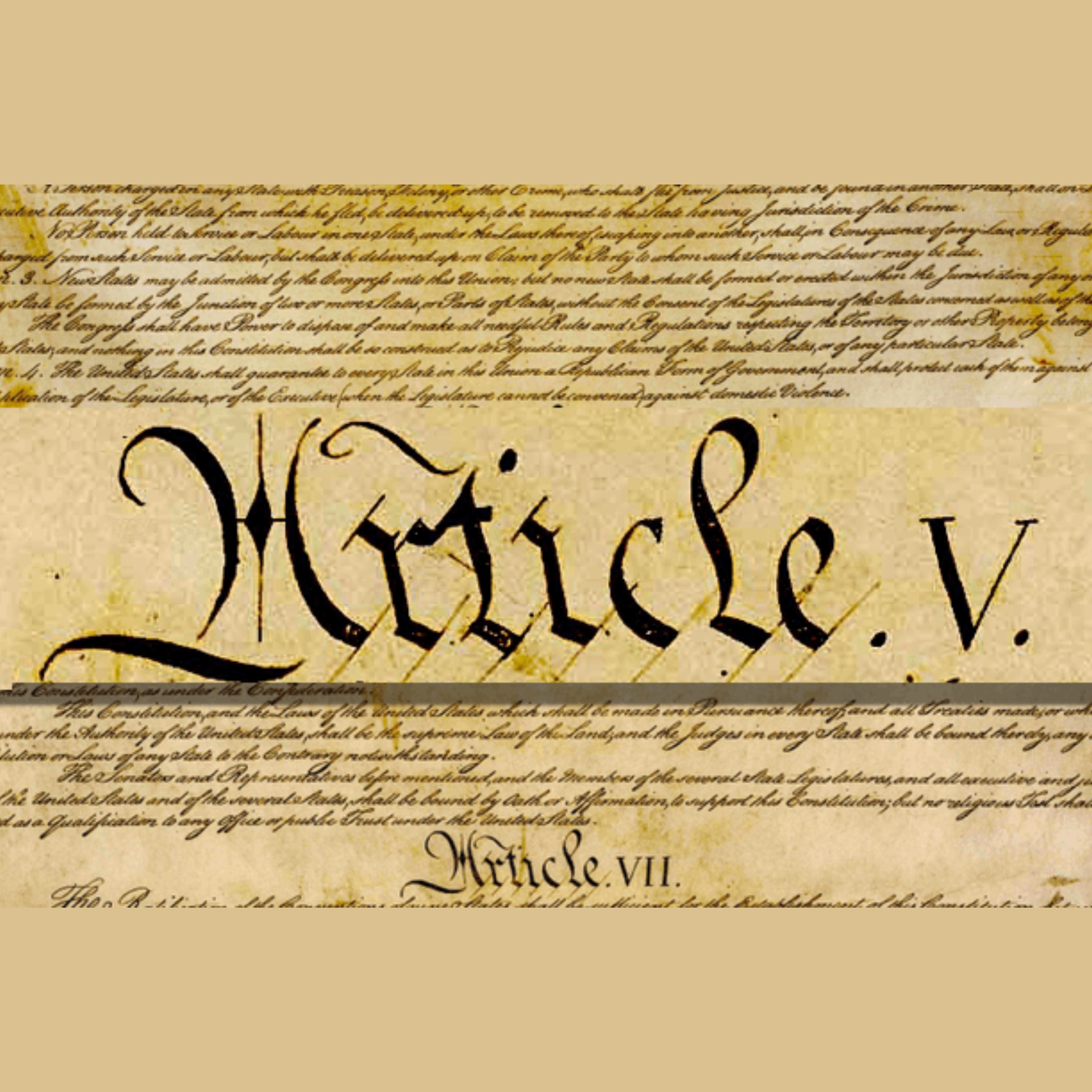 Can Article V Conventions Advance Constitutional Reform? 22.10.2026 1h 5mArticle V of the U.S. Constitution establishes two methods for proposing constitutional amendments: a two-thirds vote in both houses of Congress or a convention called by two-thirds of state legislatures. Although all 27 ratified amendments have been proposed by Congress, and no Article V convention has ever been called, the convention process remains an alternative path to constitutional reform. In this episode, Lawrence Lessig of Harvard Law School and David A. Super of Georgetown University Law Center debate whether Article V conventions offer a necessary alternative to a politically gridlo...
-
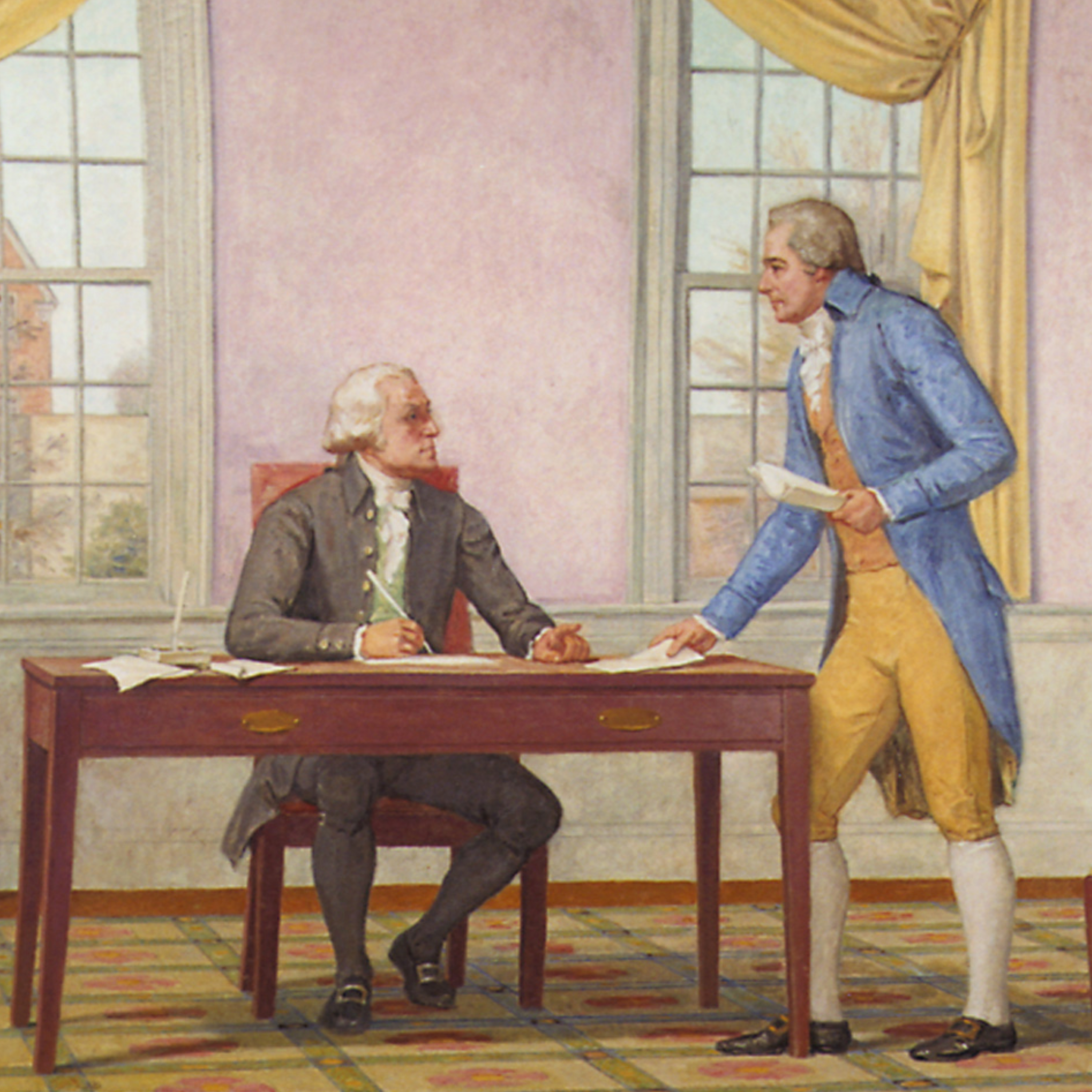 David O. Stewart on The Democracy We Must Keep 15.10.2026 47mHistorian David O. Stewart joins to discuss his latest book, The Democracy We Must Keep, which examines the foundational ideas in nine key founding-era documents that shaped America's constitutional democracy. Stewart discusses how the founders sought to create a government strong enough to govern but constrained enough to protect liberty, the compromises and debates that shaped the Constitution, and the warnings about political parties and factionalism in Washington’s Farewell Address and Jefferson’s First Inaugural. Julie Silverbrook, chief content and learning officer at the National Consti...
-
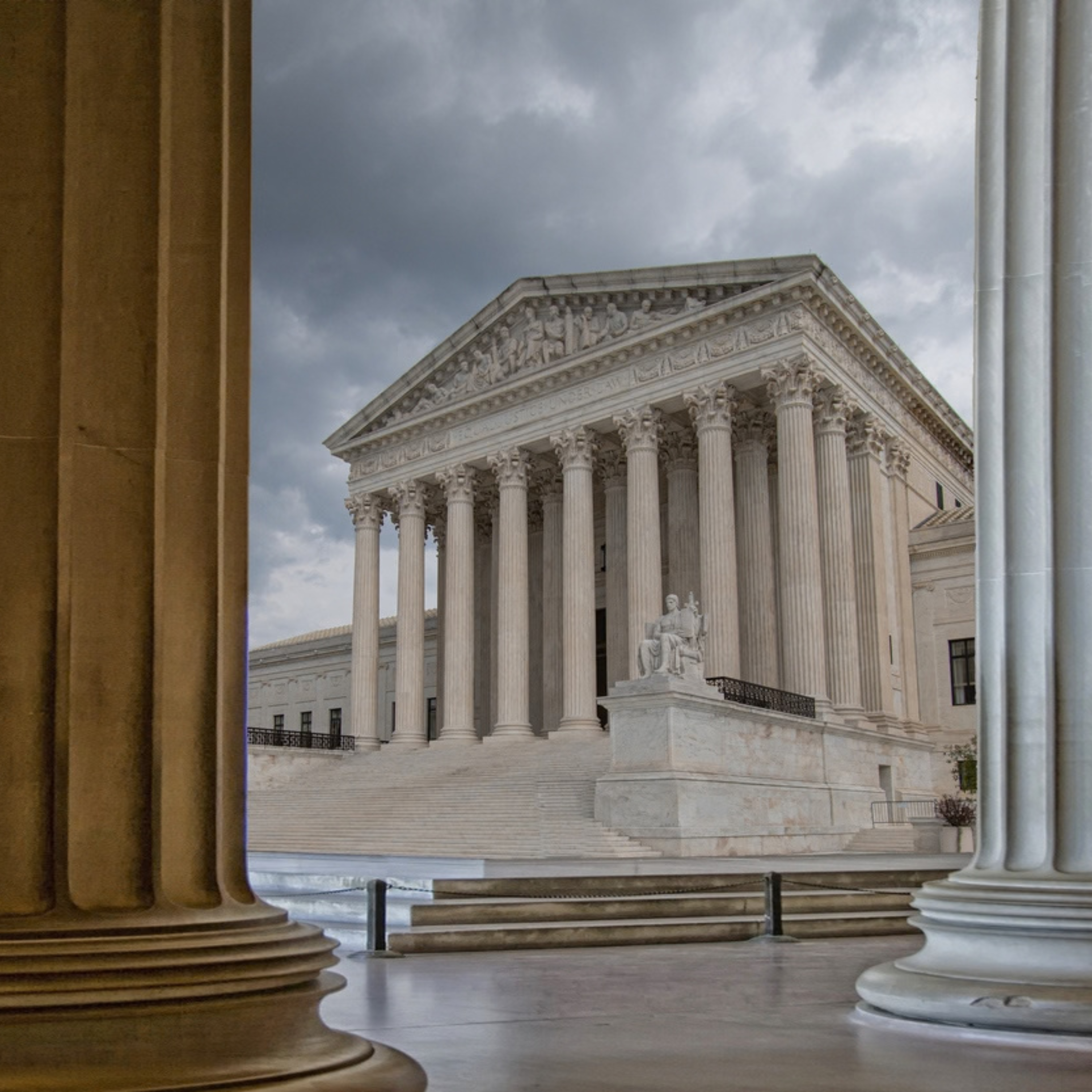 Previewing the Supreme Court’s 2026-2027 Term 08.10.2026 1hThe National Constitution Center previews the Supreme Court’s 2026-2027 term. Masha Hansford, partner at Davis Polk & Wardwell, Amy Howe, co-founder of SCOTUSblog, and Greg Stohr, Supreme Court reporter for Bloomberg News, join to break down the biggest cases on the docket, unpack the constitutional questions at stake, and explore the issues that could have the biggest impact on the Court in the year ahead. Tom Donnelly, lead scholar at the National Constitution Center, moderates. Resources New Supreme Court term features First Amendment, other challenges, Scott Bomboy for Constitution Daily,...
-
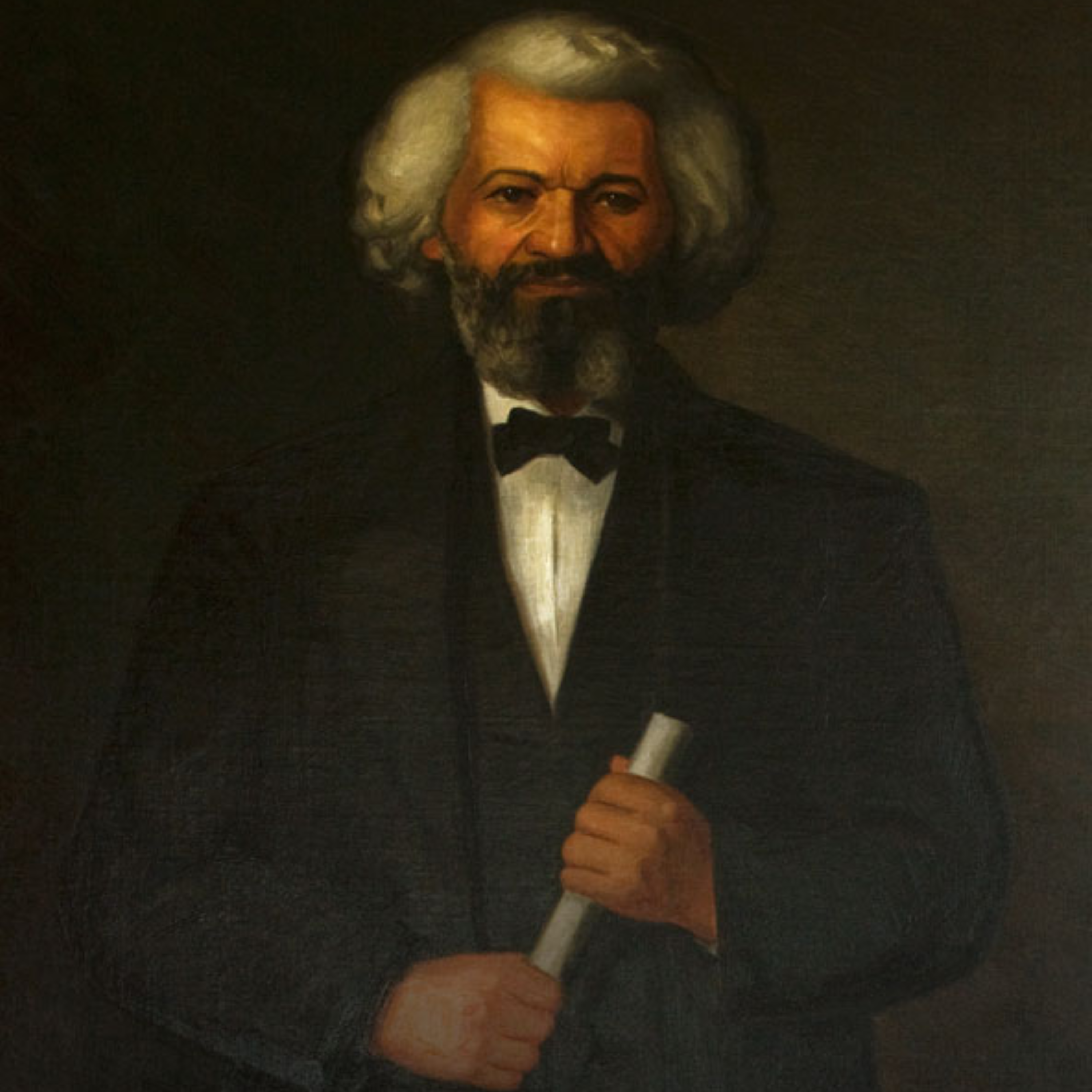 Frederick Douglass and Free Speech 01.10.2026 46mFrederick Douglass is remembered as one of the most powerful orators in American history, a leading voice for abolition, and an extraordinary champion of equal rights. He was also one of the 19th century’s most important thinkers about freedom of speech. For Douglass, free speech was not simply a constitutional protection against government censorship. It was a fundamental human right, an indispensable weapon in the struggle against slavery, and an essential condition of equal citizenship and self-government. In this episode, scholar Jacob Mchangama examines Douglass’s remarkably expansive und...
-
 The Past, Present, and Future of the Second Amendment 24.09.2026 1h 4mIn this episode, Joseph Blocher of Duke University School of Law and Clark Neily of the Cato Institute trace the ongoing debates over the Second Amendment. They analyze recent Supreme Court decisions on this key provision, preview a case on the Court’s docket this term, and look ahead to the issues on the horizon. Thomas Donnelly, lead scholar at the National Constitution Center, moderates. Resources The Second Amendment, Interpretation & Debate, National Constitution Center District of Columbia v. Heller (2008) Supreme Court Cases Library, National Constitution Center McDonald v. Chicago (201...
-
William Magnuson on The Just and the Good: How Law Made the Western World 17.09.2026 1h 4mIn this special Constitution Day episode, author William Magnuson discusses his latest book, The Just and the Good: How Law Made the Western World, which is a sweeping tour of the history of the law. He explores how the pillars of the rule of law were built—from the courts of ancient Athens to the United States Constitution, to Rosa Parks, Martin Luther King Jr., and the Civil Rights Movement. Thomas Donnelly, lead scholar at the National Constitution Center, moderates. Resources William Magnuson, The Just and the Good: How Law Made the Western World (2026) Stay Connected and Learn More Stay c...
-
The State of Free Speech in 2026 10.09.2026 1h 11mGeoffrey Stone of the University of Chicago Law School and Eugene Volokh, senior fellow at the Hoover Institution and UCLA School of Law, discuss the First Amendment and the rapidly evolving speech landscape—from social media and artificial intelligence to college campuses and the press. Thomas Donnelly, lead scholar at the National Constitution Center, moderates. Resources Moody v. NetChoice, LLC (2024) “What is Section 230?,” We the People (June 4, 2020) Citizen United v. Federal Election Commission (2010) National Constitution Center, Supreme Court Case Library “Meta reaches landmark $18 bi...
-
Mary Sarah Bilder on the Origins of the Bill of Rights 03.09.2026 39mIn this episode, Mary Sarah Bilder, Founders Professor at Boston College Law School, explores the history of rights and liberties in America and the origins of the Bill of Rights. She traces how ideas about rights developed before, during, and after the American Revolution, shaped debates over the Constitution, and ultimately led to the adoption of the first 10 amendments. She also explores how those amendments came to be known collectively as the Bill of Rights and gained the significance they have today. Julie Silverbrook, chief content and learning officer at the National Constitution Cente...
-
Chatrie and the Future of the Fourth Amendment 27.08.2026 46mIn a recent decision, the U.S. Supreme Court held that law enforcement’s use of a geofence warrant, which collected identity and location data from mobile phone users, violated the Fourth Amendment's protection against unreasonable searches and seizures. Professor Orin S. Kerr of Stanford University unpacks the decision in Chatrie v. United States and explores what it means for the future of the Fourth Amendment, privacy, and government surveillance in the digital age. Julie Silverbrook, chief content and learning officer at the National Constitution Center, moderates. Resources Orin S. Kerr,...
-
Fergus Bordewich on Centennial and the Great Fair of 1876 20.08.2026 1h 19mIn this episode, prize-winning author and historian Fergus M. Bordewich discusses his latest book, Centennial: The Great Fair of 1876 and the Invention of America’s Future, which explores the story of the nation’s 100th birthday and the first world’s fair. Bordewich traces the lives of President Rutherford B. Hayes, the inventor Alexander Graham Bell, railroad magnate Tom Scott, and the African American sculptor Edmonia Lewis—revealing a country striving to live up to the promise of the founders while bracing for the tidal wave of the 20th century. Thomas Donnelly, lead scholar at the National...
-
Rosemarie Zagarri on The Declaration’s Grievances 13.08.2026 51mWhen Americans think about the Declaration of Independence, we tend to remember its most famous words: “We hold these truths to be self-evident,” and its promise of “Life, Liberty and the pursuit of Happiness.” But to fully understand the Declaration we also need to read the section most Americans skip: its 27 grievances against King George III. For the founding generation, these grievances were not simply a list of complaints. They were central to the Declaration’s argument, laying out the case for how the King and Parliament had violated their rights and why independence had become necessary...
-
What the 2025-2026 Supreme Court Term Revealed About the Roberts Court 06.08.2026 1h 6mThe Supreme Court's latest term featured landmark decisions on executive power, birthright citizenship, voting rights, and more. But beyond the headlines, what did the term tell us about the Roberts Court itself? In this episode, Masha Hansford and Jonathan Adler examine the justices' opinions to explore the defining decisions, shifting coalitions, and influential concurrences and dissents that shaped the term. Together, they consider the Court's institutional role, the distinct jurisprudence of its individual justices, and what this term may signal for the future of constitutional law. Julie...
-
Free Speech in a Changing World 30.07.2026 58mIn this episode, Nadine Strossen, New York Law School professor emerita and former president of the American Civil Liberties Union (ACLU), and Jacob Mchangama, the founder and executive director of The Future of Free Speech, discuss the history, enduring debate, and ongoing importance of free expression in our changing world. Julie Silverbrook, chief content and learning officer at the National Constitution Center, moderates. This program is part of the NCC Across America series and is presented in partnership with the City of Asylum Bookstore in Pittsburgh, PA. It was recorded on July 21, 202...
-
Does Article II of the Constitution Grant the President Power to Fire Anyone in the Executive Branch? 23.07.2026 1h 11mIn this episode, legal scholars Michael Ramsey and Jed Shugerman the Supreme Court’s recent decisions in Trump v. Slaughter and Trump v. Cook, which address the president’s authority to remove members of the executive branch. They trace the history of presidential removal power from the founding era through the Court’s 1935 landmark Humphrey’s Executor decision to the present day and explore what Slaughter and Cook may mean for the future of executive power. Thomas Donnelly, lead scholar at the National Constitution Center, moderates. Resources Trump v. Cook (2026) Trump v. Slaughter (2026) Hu...
-
Civil Discourse and the Supreme Court 16.07.2026 48mIn this episode, legal scholars Jonathan Adler, Greg Garre, Katherine Mims Crocker, and Howard Wasserman discuss the state of civil discourse inside the Supreme Court and in public debate about the Court. Julie Silverbrook, chief content and learning officer at the National Constitution Center, moderates. This conversation was recorded live in Philadelphia on July 7, 2026, as part of the National Constitution Center’s 2026 Supreme Court Review, which is presented in partnership with the Center on the Structural Constitution at Texas A&M University School of Law. The program featured three pane...
Similar podcasts


Popular in
The podcast also appears in the podcast charts of these countries.


