
Critique of the Podcast Form
Critical Theory Working Group
0
Critique of the Podcast Form is a bi-weekly podcast by the Critical Theory Working Group. It covers topics such as Critical Theory, socialism, philosophy, Marxism, and social theory. New episodes featuring a rotating cast of hosts and guests are posted every other Thursday.
Episodes
-
 Episode 31: Law and Order: Nihilistic Intent 18.11.2026 1hIn this episode we are on trial. And like K, find ourselves desperately hoping someone can tell us just what the hell is going on. Re, Cam and Imogen hold one another to account for the unknowing each claim of this “strange ambience” in the courtroom drama Gillian Rose constructs around us in Part One of her Dialectic of Nihilism. What right does reason have to what it claims to know? And what standing does it have to bring this action against itself? How has this difficulty of critical philosophy been variously displaced onto sociological and ontological questions? In attempting to trace the...
-
 Episode 30: Sappho, Diotima and the Mysteries of Eros 31.10.2026 1h 16mEsther joins Mac to perform a dialectic between Sappho and Diotima and look at the relationship between the account of desire given in Sappho's poems and the mysteric figure of Diotima in Plato's Symposium. Along the way, they get into the thorny questions of Platonic authorship, whether Diotima is meant to recuperate Sapphic desire for a patriarchal philosophical project, what effects this might have had on the history of thought, and much more.Episode readings:If not, winter : fragments of Sappho translated by Ann Carson https://archive.org/details/ifnotwinterfragm0000sappPlato, The Symposiu...
-
 Episode 29: Ibn Sina and Materialism 16.10.2026 57mIn this episode, our islamogauchist subset discusses Ernst Bloch's gripping work Avicenna and the Aristotelian Left. On Bloch's account, the history of materialism inherits a problem from Aristotle out of which two opposing lineages emerge: a clerical right-wing that weaponizes the afterlife against feudal European class-society, and a left-wing inaugurated by Islamic Enlightenment figures Ibn Sina and Ibn Rushd. Why should Marxists care? Does naturalism make us better communists? How can historical materialism account for hope? Let us leave you with a Maoist proverb: There's chaos under the h...
-
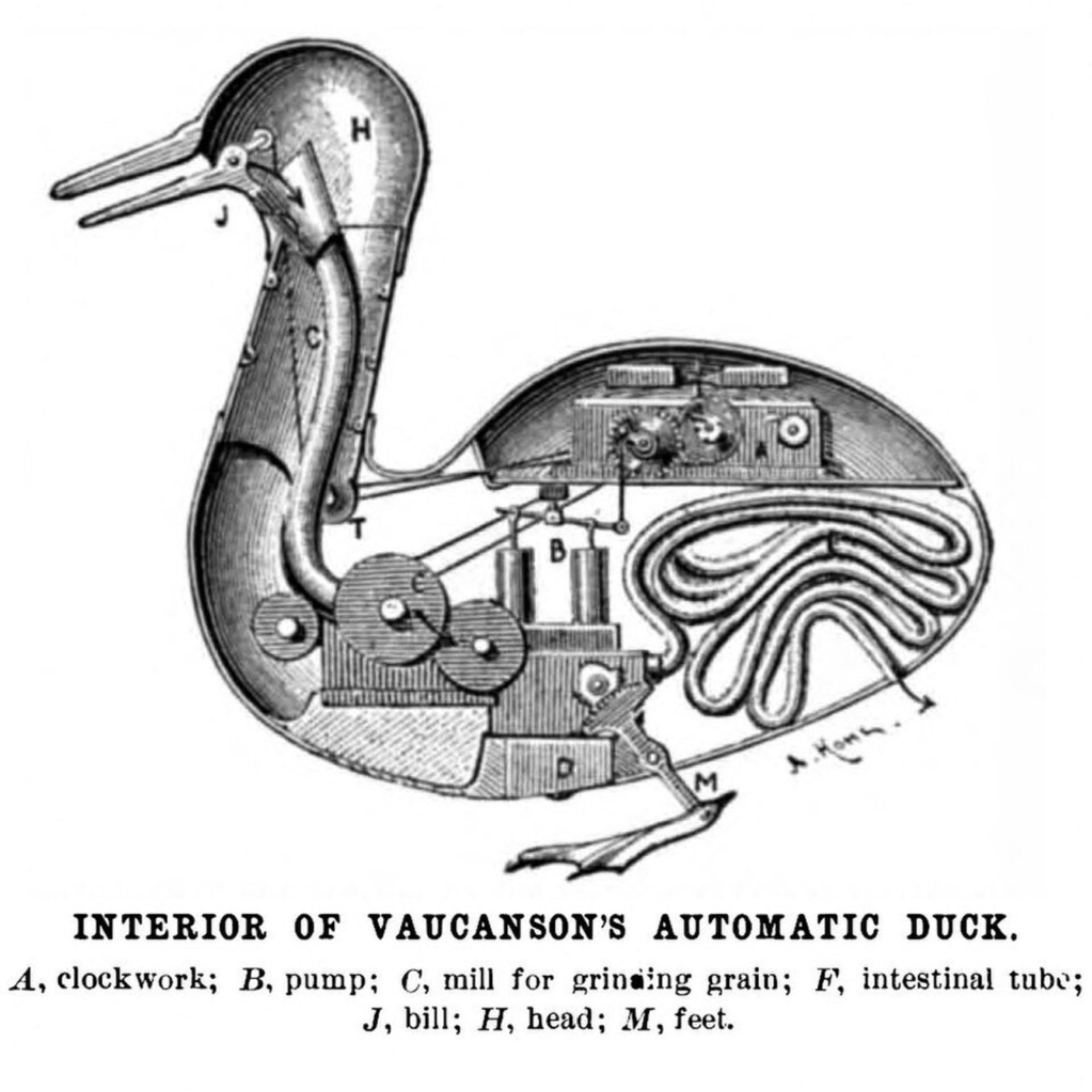 Episode 28: On meta-meta science 20.09.2026 1h 4mThe CTWG Marxist science subcommittee returns! In this episode, we discuss Pietro Daniel Omodeo’s Political Epistemology, which develops the Berlin school of historical epistemology (discussed in episode 19!). We examine Omodeo’s enlarged conception of ideology as the dialectic of identity and position as applied to science studies broadly construed, what political epistemology even is, and how action, understood as the unity of praxis and poiesis, mediates history, the middle term between the polis and episteme.Episode reading:Pietro Daniel Omodeo. Political Epistemology: The Problem of Ideol...
-
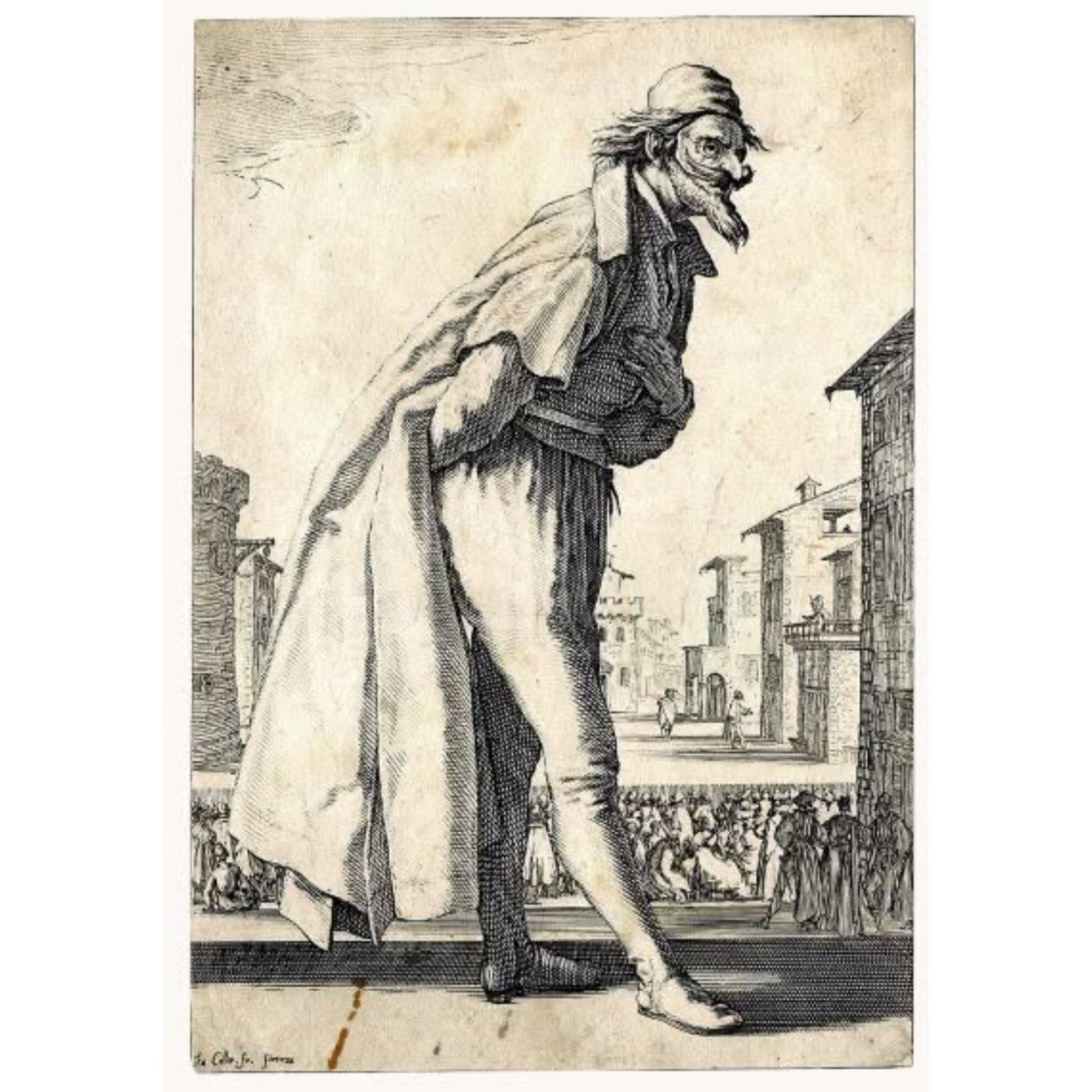 Episode 27: A History of Marx's Charaktermaske feat. Billie Cashmore 03.09.2026 1h 7mNora and Imogen are joined by Billie to discuss her forthcoming essay 'Charaktermasken: Value, Relation and Performance in Marx's Critique of Political Economy' in which she traces the history of Marx's concept of the Charaktermasken.. With excursions into Goethe's Faust, the critique of Marx brought to bear by Black radical thinkers (namely Sylvia Wynter and Fred Moten), the antinomies of the structuralist reading of Capital and the comedy of the Rosean recovery of speculative thought, the three consider the Charaktermaske first as tragedy and again as farce.Donate to Billie's FFS fund! https...
-
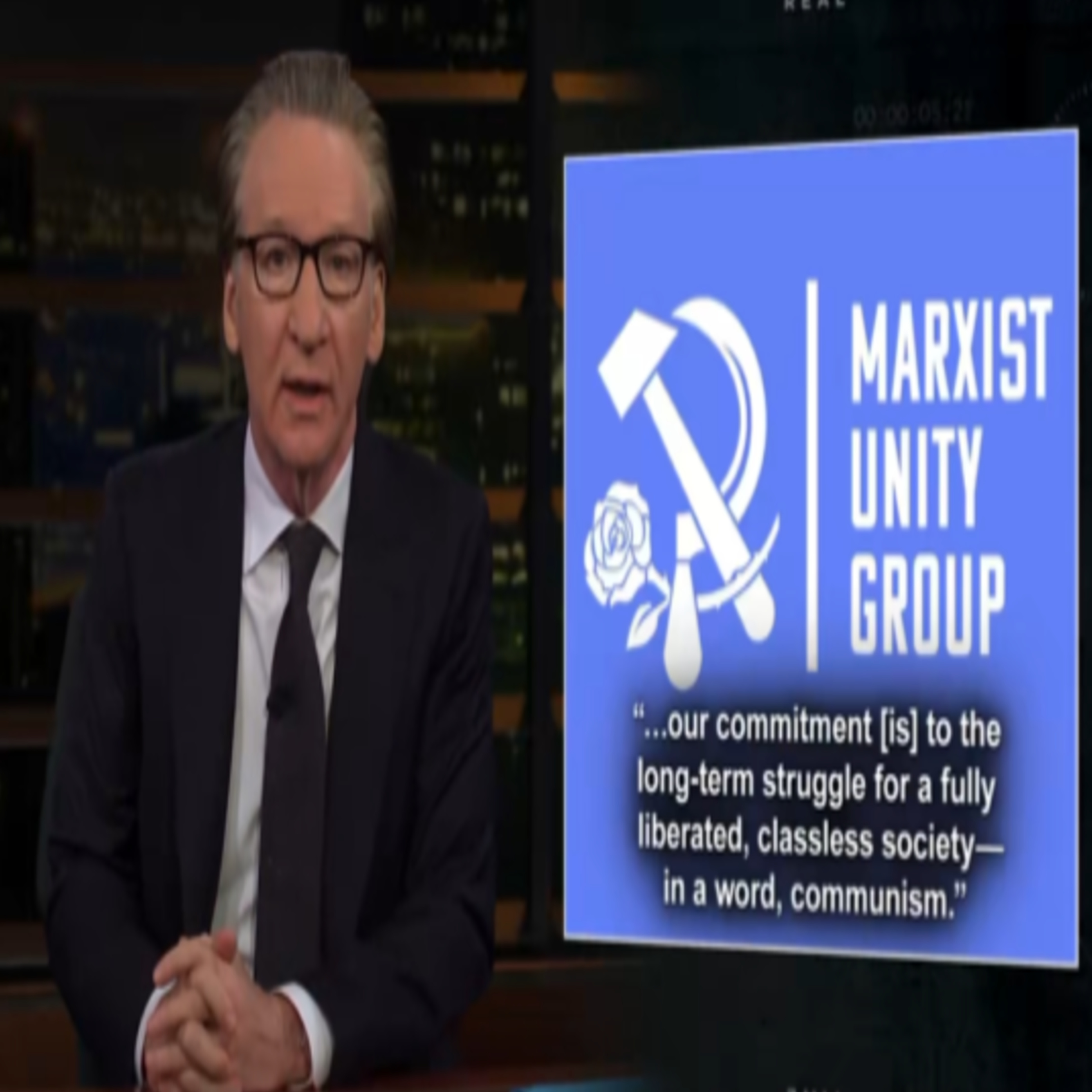 Episode 26: MUG Moment (ft. Ben L) 20.08.2026 1h 21mResident CTWG Infantiles Morrain and Cam meet CTWGs resident Marxist Unity Group member Mac, with backup from NYCDSA MUG member Ben, to get to the bottom of what the heck this renegade Kautsky guy is all about and why today's hot TV stars such as Bill Maher can't get enough of him. In play is Lars Lih's book Lenin Rediscovered, as well asRevolutionary Social Democracy: Working-Class Politics Across the Russian Empire (1882-1917) by Eric BlancRevolutionary Strategy: Marxism and the challenge of left unity by Mike Macnairhttps://prometheus-mag.com/2026/07/29/a-short-course-on-the-history-of-the-...
-
 Episode 25: Cisification of the Bourgeoisie (ft. Ashley) 06.08.2026 1h 1mNora, Imogen, and Helen are joined by friend of the pod Ashley to discuss two articles from the new volume of Mediations: Emma Heaney's "On the Cisness of the Bourgeoisie" and Amy De'Ath's "Two Substantialisms: On Value and Sexual Difference." Together, they answer a burning question of our movement: are trans women bourgeois?
-
 Episode 24: Schelling’s Clara: Conversations on the Absolute. 23.07.2026 1h 20mFor episode 24 and part 2 in our Schelling series, James is joined by Imogen and Nora to discuss one of Schelling's unfinished works: Clara, or On Nature's Connection to the Spirit World. After situating the text within Schelling's wider oeuvre and patiently clearing the author from accusations of dark magic, we ruminate on its themes of resurrection, transmigration, the singularity of the soul and the magnificence of beavers. Putting Schelling in discussion with Kant, Fichte, Hegel, Freud, Mao, Bordiga and Kazuo Ishiguro we ask the ultimate question: can Naturphilosophie mourn?
-
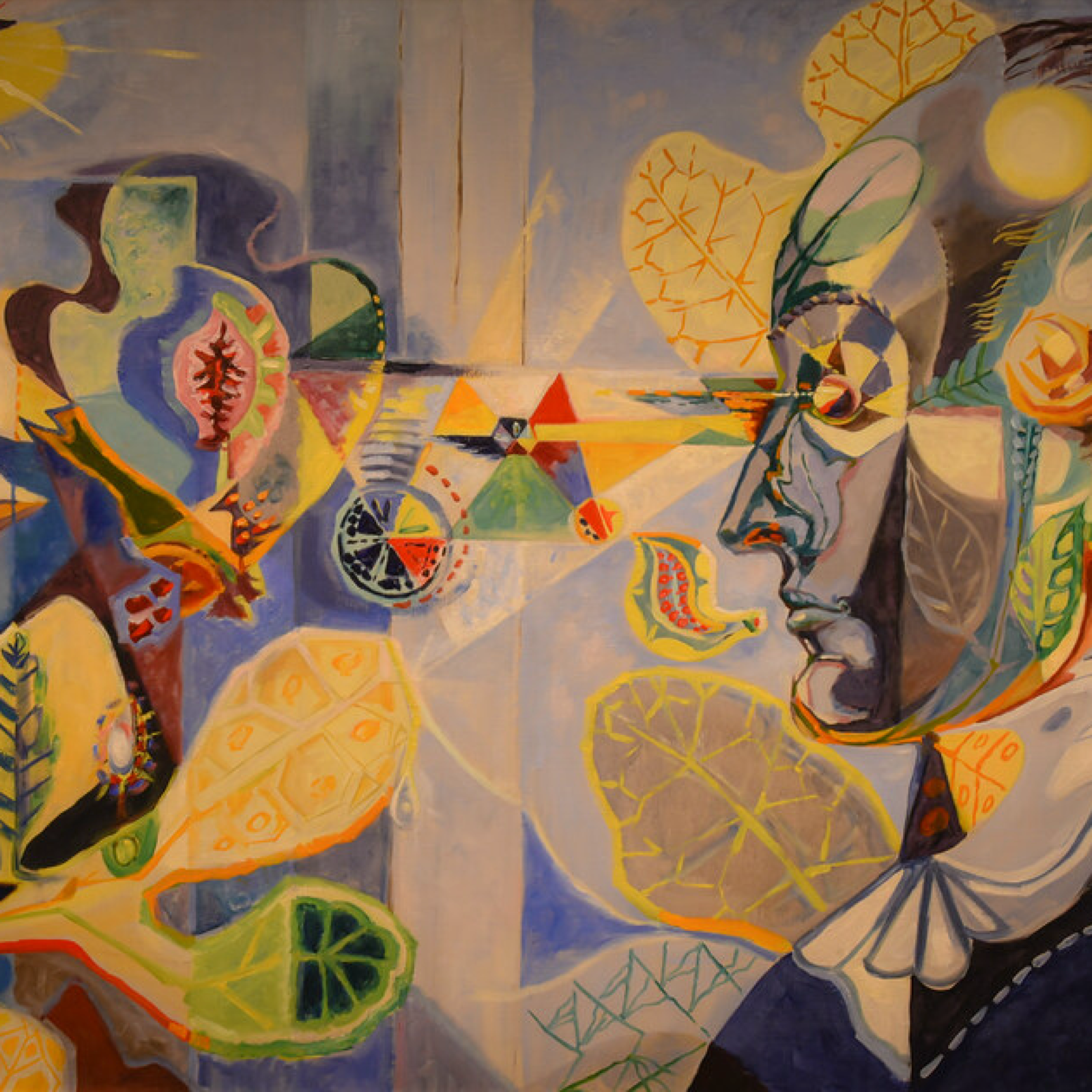 Episode 23: Schelling's Early Philosophy of Nature 09.07.2026 1h 31mIn this episode, Anatarah, Bile, and Crane discuss the introduction to Schelling’s 1797 Ideas for a Philosophy of Nature and the introduction to Schelling’s 1799 First Outline. Working up to Schelling’s ambitious declaration that philosophy is a “natural history of our mind,” the hosts discuss some of the fundamental concepts—like force, equilibrium, and organism—in Schelling’s philosophy of nature, the difference between Schelling’s earlier philosophy of nature and his “identity system,” and the relationship between Schelling’s project and those of his contemporaries in philosophy and natural...
-
 Episode 22: Everybody Female 26.06.2026 55mImogen, Helen, and Nora kvetch about "The Logic of Gender" from Endnotes 3. Topics include whether capital is a totality (it is), whether Butler reduces gender to the value-form (they don't), and whether this article gets into enough detail regarding the history of the family (absolutely not.)Texts:The Logic of Gender in Endnotes Vol 3: https://www.endnotes.org.uk/issues/issue-3/endnotes-the-logic-of-gender
-
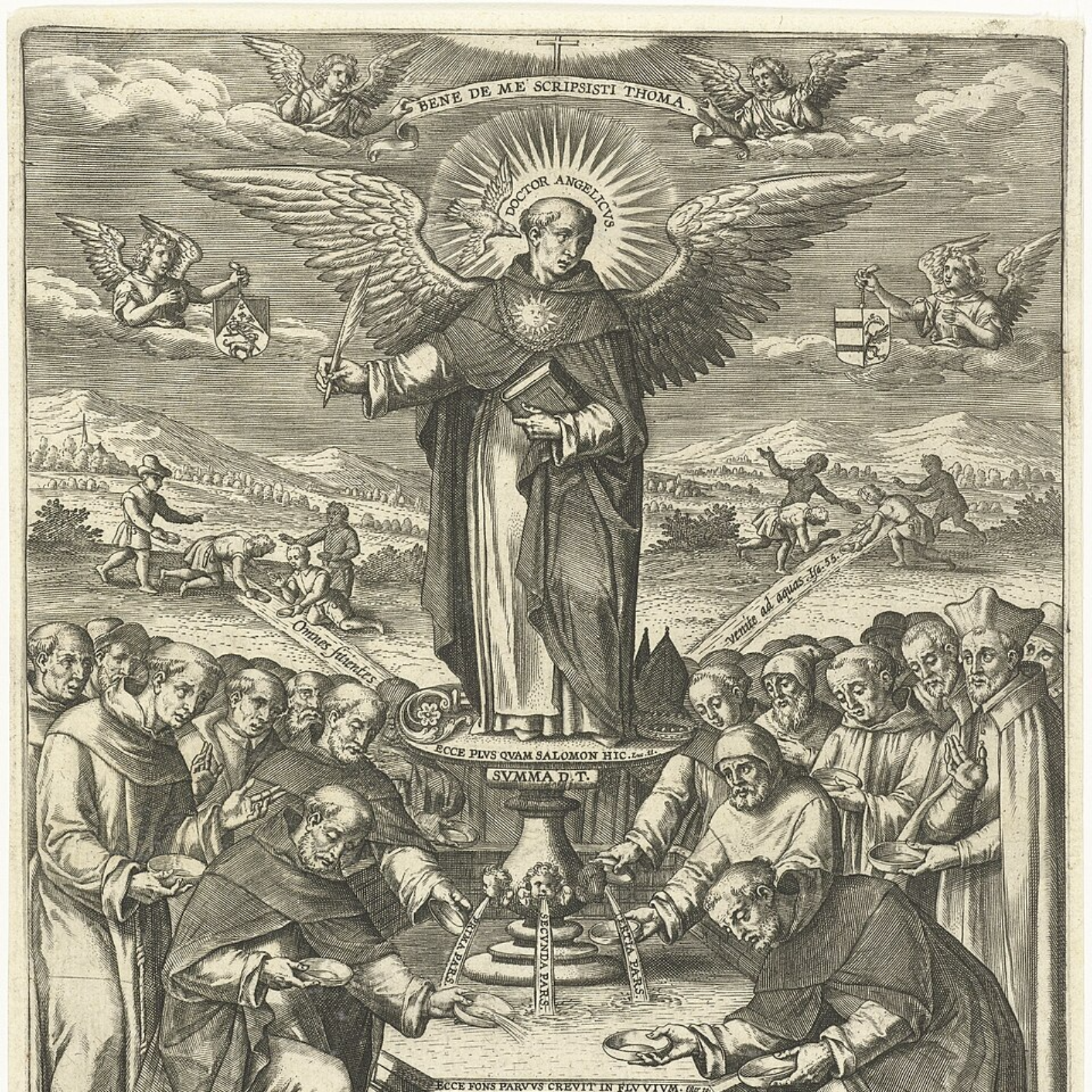 Episode 21: A Critical Theory of Christianity? (Ft. Julian Assele) 13.06.2026 1h 37mIn this episode, Crane is joined by Julian Assele to discuss Max Horkheimer’s long-running critical engagement with contemporary Neo-Thomism, the history of Catholic thought, and the social content of theological controversies dating back to the early Christian church. Starting from Horkheimer’s 1930s short-form polemics on the church and fascism, the hosts turn to his extensive criticism of Neo-Thomism in “Conflicting Panaceas” from Eclipse of Reason (1947)—as well as the earlier version of the text, the unpublished “The Revival of Dogmatism” (1943)—and conclude with a critical look at the la...
-
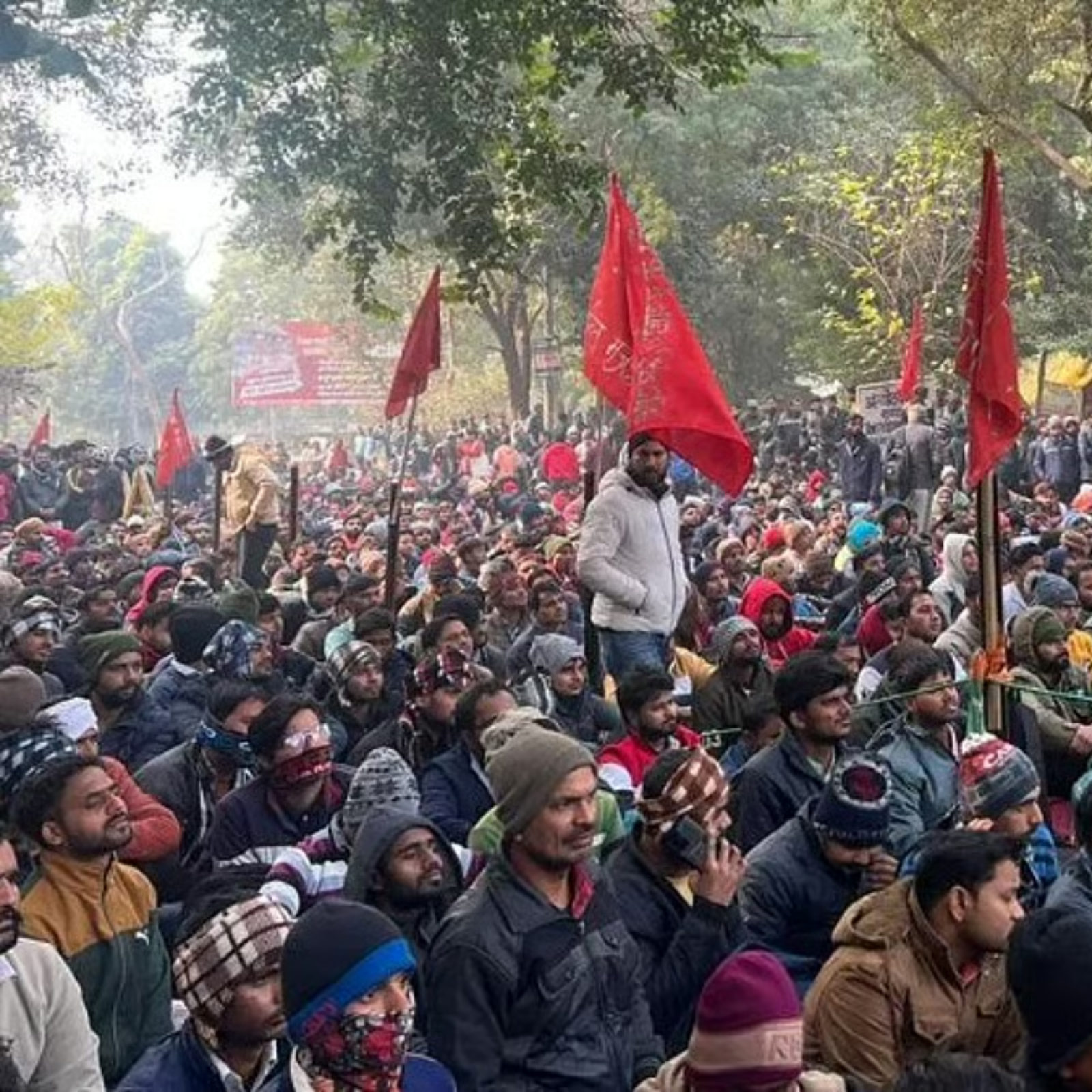 Episode 20: Inside the Manesar Labor Movement (ft. Shreya) 28.05.2026 58mMac and Re are joined by Shreya from the Center for Struggling Trade Unions (CSTU) to discuss the recent workers strikes in various industries of North India. Since March, workers in the automobile and garment industry were joined by domestic service workers to mobilize against low wages, unpaid overtime and deteriorating labor conditions. We also discuss the history of the workers mobilization in North India and raise some questions of the problems of labor organizing today.History of the Manesar automobile workers struggle: https://class-notes.org/2025/06/04/maruti-story-book/If you want to...
-
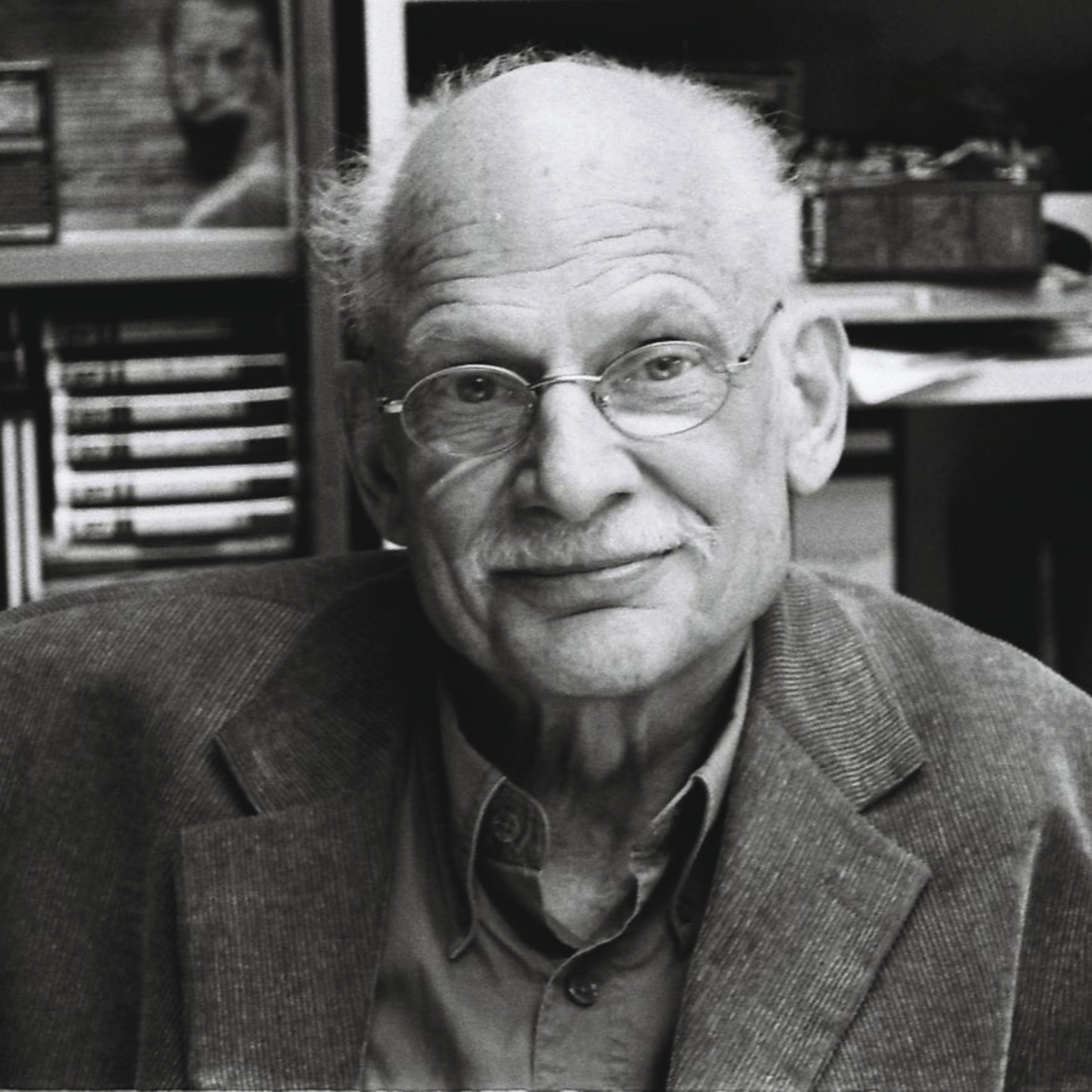 Episode 19: Peter Damerow and the Ontogeny of Thinking 14.05.2026 1h 12mAnatarah, Mac, and Re return once more to the realm of science studies. This time it is to discuss the indomitable Peter Damerow and the Max Planck history of science’s program of historical epistemology via their book Abstraction and Representation: Essays on the Cultural Evolution of Thinking. We discuss the usage and development of (reflective) abstractions, the similarities between Piaget and Hegel, and finally the genesis of the number concept. Along the way, we discuss Damerow's theory of writing and language as well as his concept of historiogenesis.Recommend readings:The new Damerow tr...
-
 Episode 18: Rupture Theory (Ft. Cam West) 30.04.2026 1h 15mJ. E., Cam, and Mac are joined by Cam West of Negation Magazine to discuss his essay "Rupture Theory" and the possibility of politics at a distance from the state. We discuss the status of the party-form, the dialectic of spontaneity and organization, and so on, especially as they pertain to the last 10 years in the US.Cam West's article = https://www.negationmag.com/articles/rupture-theory
-
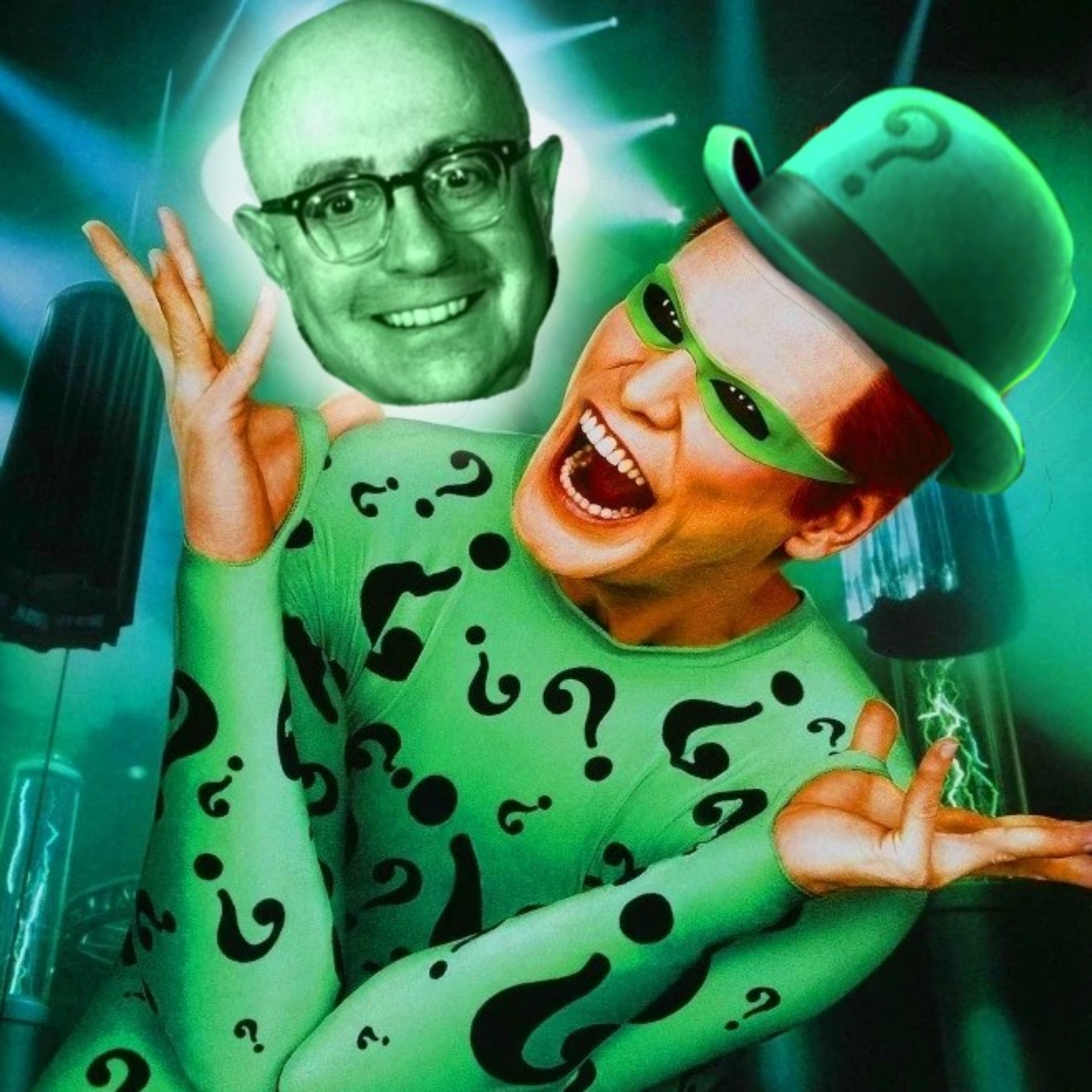 Episode 17: Who Paid The Riddler of Western Marxism? (Part 2) 21.04.2026 1h 11mBy popular demand, J. E. and Crane unite in a two-part episode (of which this is the second part) to, uh... review? critique? lampoon? Gabriel Rockhill's book Who Paid the Pipers of Western Marxism Inter alia, they answer pressing questions like, who controls the academic world? (Probably not annoying "idealist" grad students) Did the Frankfurt School destroy the American labor movement? (No, lol) And, what does it mean to use wissenschaftlich DHM hermeneutics to dialectically situate subjective agency with the objective totality of material conditions? (Hell if we know!)
-
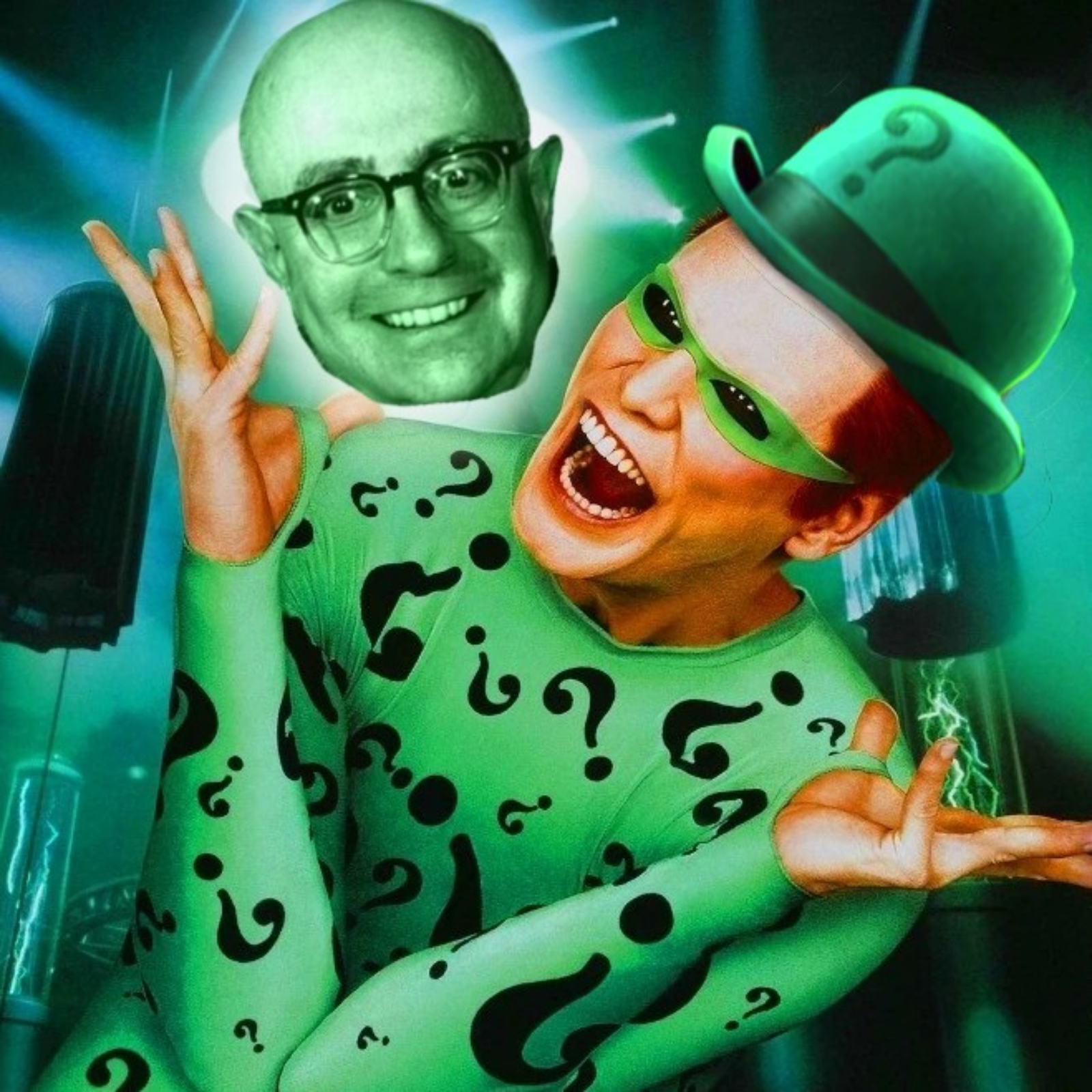 Episode 16: Who Paid The Riddler of Western Marxism? (Part 1) 21.04.2026 1h 11mBy popular demand, J. E. and Crane unite in a two-part episode to, uh... review? critique? lampoon? Gabriel Rockhill's book Who Paid the Pipers of Western Marxism. Inter alia, they answer pressing questions like, who controls the academic world? (Probably not annoying "idealist" grad students) Did the Frankfurt School destroy the American labor movement? (No, lol) And, what does it mean to use wissenschaftlich DHM hermeneutics to dialectically situate subjective agency with the objective totality of material conditions? (Hell if we know!)
-
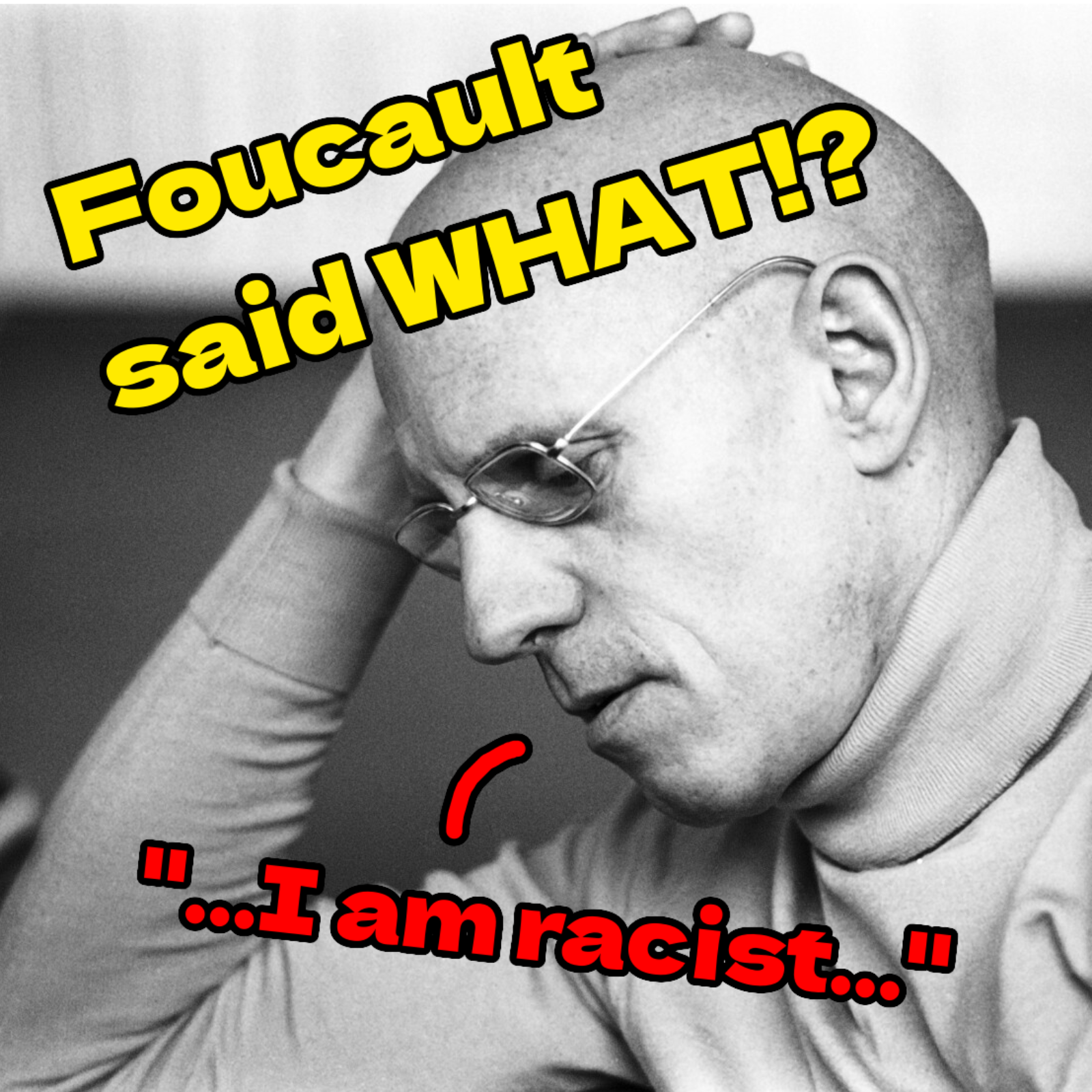 Episode 15: Wokeness Must be Defended 03.04.2026 1h 13mThe description: JE, Cam and Re interrogate Foucault's mid 1970s lectures at the Collège de France, Society Must be Defended. They discuss Foucault's method, his genealogy from Race Wars to Racism and modern conspiratorial thinking among other things.
-
 Episode 14: Theoretical Players' Ball 21.03.2026 1h 6mJ. E. and Anatarah discuss Johan Huizinga's classic book Homo Ludens, a foundational work for game studies.
-
 Episode 13: Discoursing the Discorsi 05.03.2026 1h 31mHelen, Esther, and Crane tackle the first book of Machiavelli's Discourses on Livy, reading Machiavelli as a precursor to historical materialism and a radical republican. In the process, they pose the question: what can the critical theory of society learn from Machiavelli today?
-
 Episode 12: A User's Guide to Montaigne and the Function of Skepticism 20.02.2026 1h 57mCrane and Helen talk about Horkheimer's 1938 essay "Montaigne and the Function of Skepticism," which sees Horkheimer both show the skeptical core of both religious dogmatism and philosophical skepticism, as well as its changing valence throughout the development of the capitalist mode of production.
Similar podcasts


Popular in
The podcast also appears in the podcast charts of these countries.
