
Think from KERA
KERA
0
Think is a daily, topic-driven interview and call-in program hosted by Krys Boyd. It covers a wide variety of topics ranging from history, politics, current events, science, technology and emerging trends to food and wine, travel, adventure, and entertainment.
Episodes
-
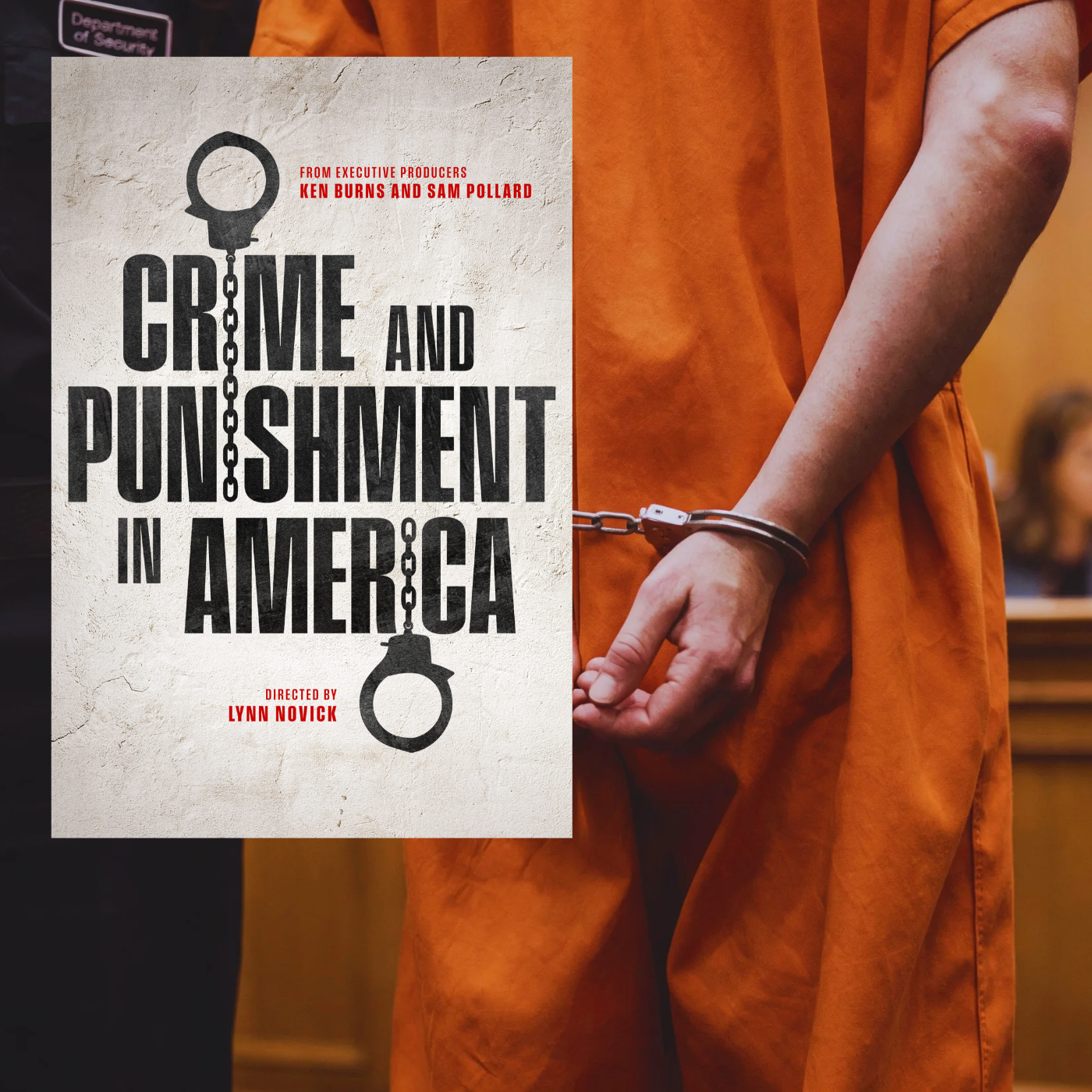 America experiments with criminal justice 16.11.2026 46mLiberty and justice for all are American hallmarks – and so is punishment. Documentary filmmaker Lynn Novick joins host Krys Boyd to discuss how laws have changed over time, how they are shaped by things like drugs and poverty and why, with less than 5% of the world’s population, the U.S. is home to 20% of incarcerated people on Earth. Her documentary “Crime and Punishment in America” airs on PBS.
-
 Use your mindset to shape your reality 13.11.2026 44mStress can change the physiology of the body, but there are ways to fight back. Alia Crum is associate professor of psychology at Stanford University and the principal investigator of the Stanford Mind & Body Lab, and she joins host Krys Boyd to discuss research into mindset, how we can process distress, and how new findings are changing the way we understand medicine, health and even organizations. Her book is “Changing Your Mindset: How Shifting Your Mental Framework Can Transform Your Actions.”
-
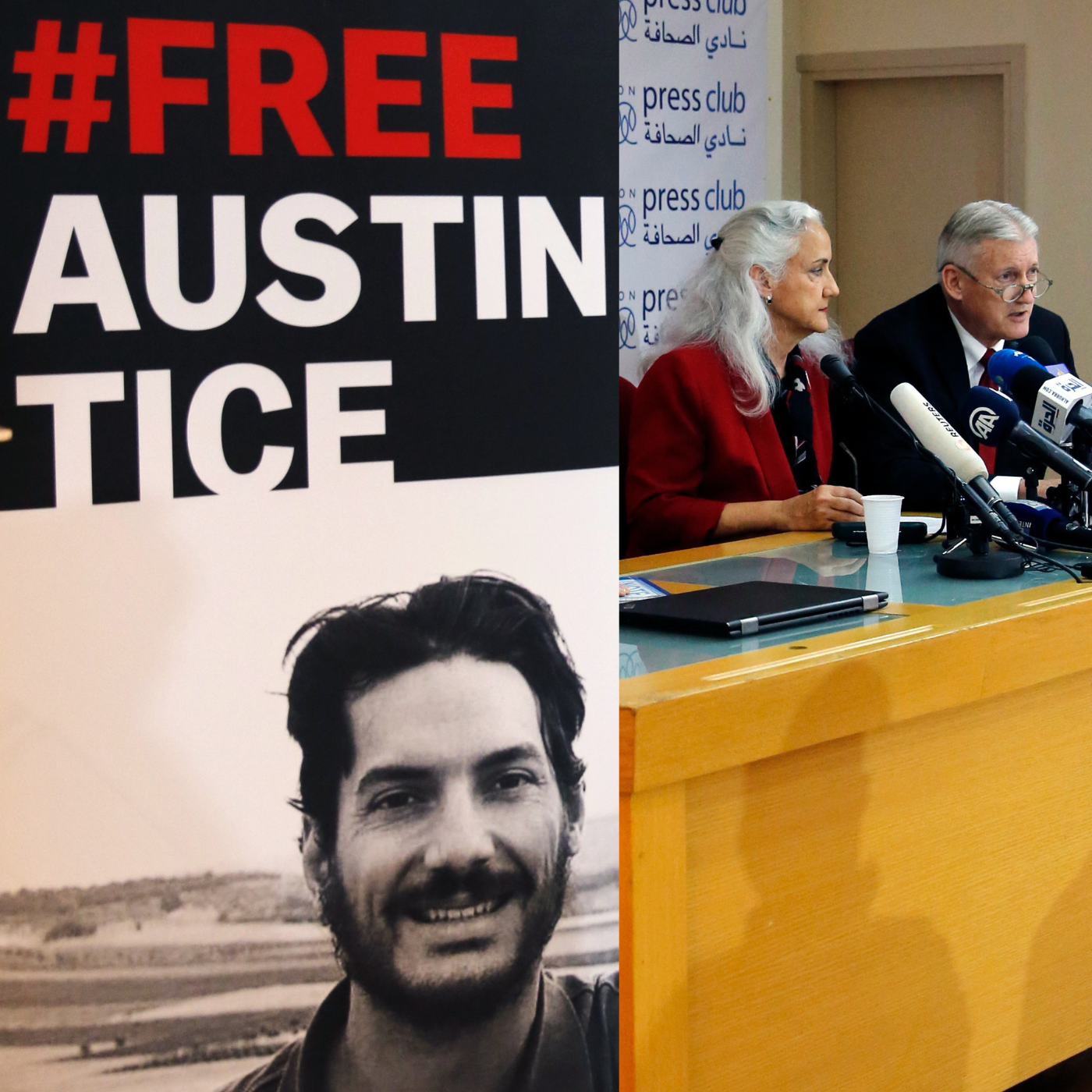 Journalist Austin Tice: missing for 14 years 12.11.2026 45mFourteen years after the disappearance of American journalist Austin Tice in Syria, there are still efforts to find him. Josh Baker and Sara Obeidat are investigative journalists with the podcast “Embedded: Where is Austin Tice?” and they join host Krys Boyd to discuss the life and work of Tice – who went to Syria to be a war correspondent – their dogged attempts to trace his last steps, and their relationship to Tice’s mother, who has never given up hope he will be found.
-
 The baby product market is booming 11.11.2026 45mSleepless nights nursing a baby can make any mother frantic for a solution — and big corporations know that. Chabeli Carrazana, economy and child care reporter for The 19th News, joins host Krys Boyd to discuss why women’s social feeds — more than men’s — are set up to pitch baby products to expectant and new mothers, how Big Box stores track purchases to target ads, and why a lack of a federal parental leave policy might feed into the spending frenzy. Her article is “You’ll do anything for your baby. The algorithm knows how to exploit that.”
-
 Alzheimer’s is no longer hopeless 10.11.2026 45mWhile there’s no stopping Alzheimer’s disease, there are new treatments to slow it down. Dylan Scott covers health for Vox, and he joins host Krys Boyd to discuss hopeful new breakthroughs in understanding the disease, what’s different between the new drugs and previous ones that ultimately failed, and if GLP-1s can help ward off cognitive decline. His article is “Alzheimer’s treatment is advancing rapidly — and there’s one thing all of us can do to help.”
-
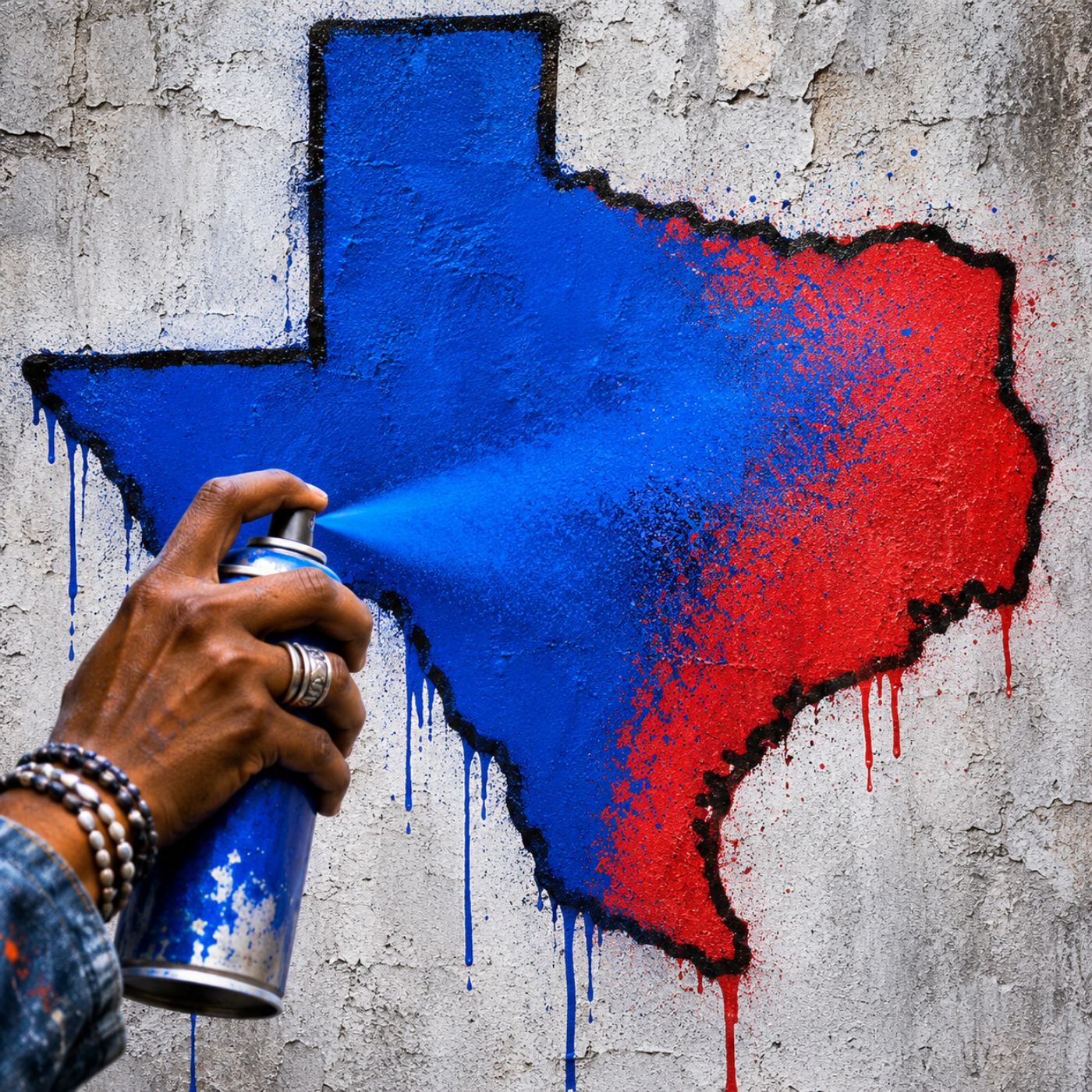 Can Texas stay blue? 09.11.2026 45mA decisive blue wave swept across the country on election night, and nowhere was it more surprising than Texas. Nick Miroff, staff writer for The Atlantic, and Lauren McGaughy, Texas politics correspondent for The New York Times, join host Krys Boyd to discuss the Democrats’ sweep of the Texas ballot from senator to governor on down, whether this signals a new era of governance for the state, and what we can extrapolate out for the rest of the country.
-
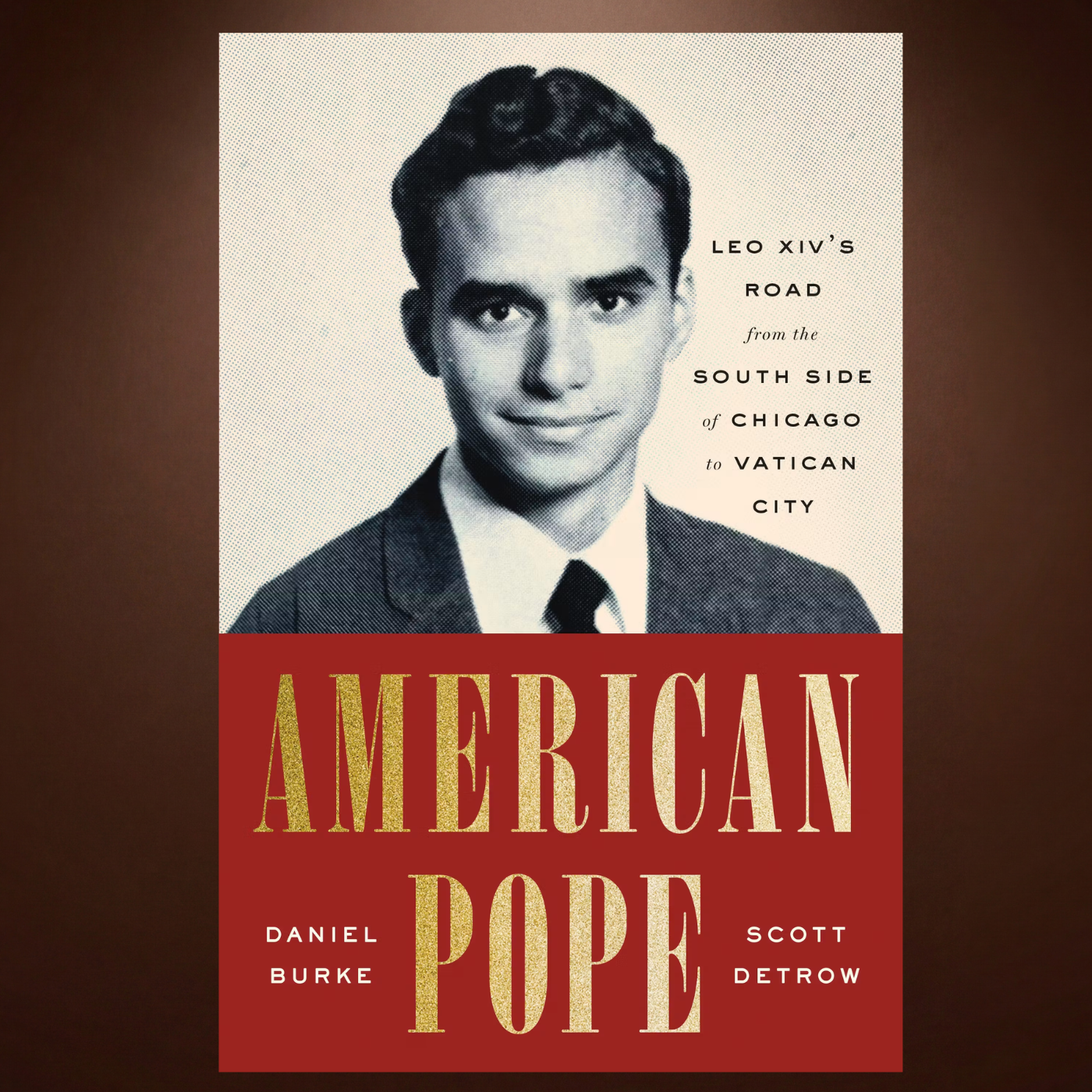 Get to know the first American pope 06.11.2026 45mHis selection was seen as a longshot, but now the first American Pope has been a clear voice on immigration, poverty and A.I. Scott Detrow, co-host of All Things Considered, and Daniel Burke, senior editor of religion and spirituality at NPR, join host Krys Boyd to discuss the life and the health of the man born Robert Prevost, his rise in the Augustinian order to advise Pope Francis, and his pushback on “America First” policies that President Trump champions. Their book is “American Pope: Leo XIV’s Road from the South Side of Chicago to Vatican City.”
-
 The people finding God in their machine 05.11.2026 45mSome people are convinced A.I. can let them connect to a supernatural world. Sam Kestenbaum is a journalist covering religion in America, and he joins host Krys Boyd to discuss the issue of A.I. delusions – when people believe whole-heartedly their chatbot can see the future or commune with the dead – and what this new technology says about the ways emerging tech is encroaching on our analog world. His article “Communion of Saints” was published in Harper’s Magazine.
-
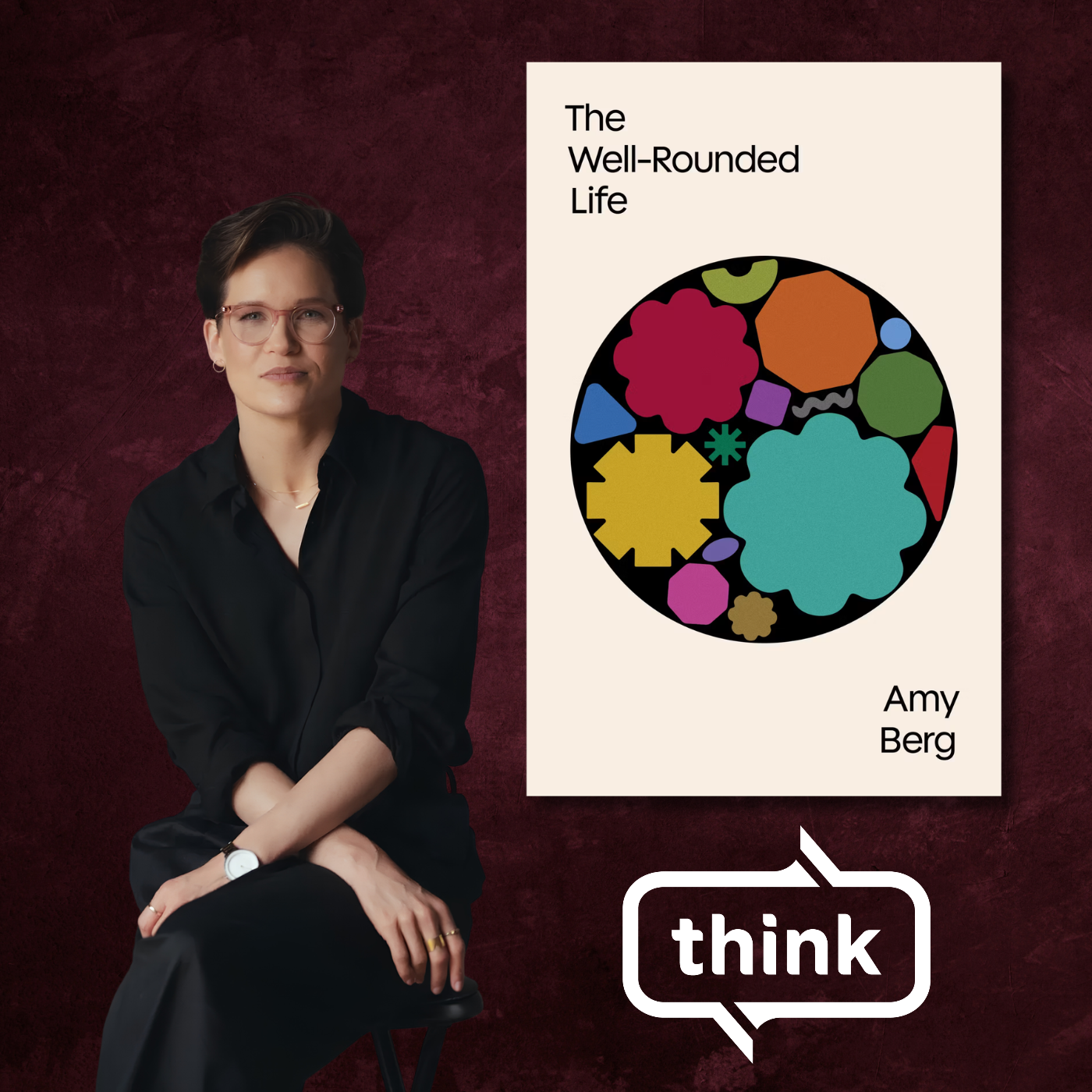 There’s value in being mediocre 04.11.2026 46mPassionately pursuing one goal might lead to an accomplishment – but it may not make us any happier. In fact, sometimes we have to be so-so at something to be happy. Amy Berg, associate professor of philosophy at Rice University, joins host Krys Boyd to discuss the simple joys of mediocrity, about the benefits of being pretty good at a lot of things, and why striving for excellence is a well-trod path to burnout. Her book is “The Well-Rounded Life.”
-
 Election Day: the big test for polling 03.11.2026 46mPolls might get you excited that your preferred candidate is on the path to victory – but we’ve all been burned before. Marc Novicoff is a staff writer at The Atlantic, and he joins host Krys Boyd to discuss why polling has gotten election results so wrong in the past, about how polls are conducted in an age when no one wants to take part, and about if we should brace for more surprises. His article is “How the Polls Could Be Wrong Again.”
-
 Why kids need Black teachers 02.11.2026 45mThe integration of public schools meant deep cuts to Black teacher jobs – and restoring the pipeline of Black educators potentially means better outcomes for Black students. Emmanuel Felton, investigative journalist and author, joins host Krys Boyd to discuss why representation matters in the classroom and to tell the story of a man who has started a school to train and deploy Black educators. His article “This Philadelphia Educator is Rebuilding the Black Teacher Pipeline” was published in Hammer and Hope.
-
 The demise of the open casket funeral 30.10.2026 46mOpen caskets used to be fairly standard, but we’re losing the artists who make that possible. John Semley joins host Krys Boyd to discuss the history, culture and economics of morticians, why their particular trade is quickly going out of fashion, and how losing this restorative mortuary science is changing the way we grieve. His article “A Dying Art: The last of the morticians” was published in Harper’s Magazine. This episode originally aired August 8th, 2026.
-
 Iran is a forever war 29.10.2026 45mPresident Trump has said the Iran War will end after the mid-terms, but there is no sign either side is willing to come to the table. Ali Vaez, deputy program director for the Middle East and North Africa at the International Crisis Group, joins guest host Paige Phelps to discuss why both Iran and the U.S. have dug into a war that seems indefinite and unwinnable, how the conflict is changing our partnerships with Arab Gulf States and why both sides are emerging weaker eight months in. His essay “The New Forever War” was published in Foreign Affairs.
-
 The CDC is barely hanging on 28.10.2026 45mThirty percent of the Centers for Disease Control staff has either resigned, retired or been laid off. Apoorva Mandavilli, science and global health reporter for The New York Times, joins guest host Paige Phelps to discuss the once-revered CDC that is now a skeleton of its former self, what that means for both domestic and international public health responses, and what that means for the general public now that flu seasons is here. Her article is “'Zombified’ C.D.C., Hobbled by Cuts, Struggles to Fulfill Scientific Mission
-
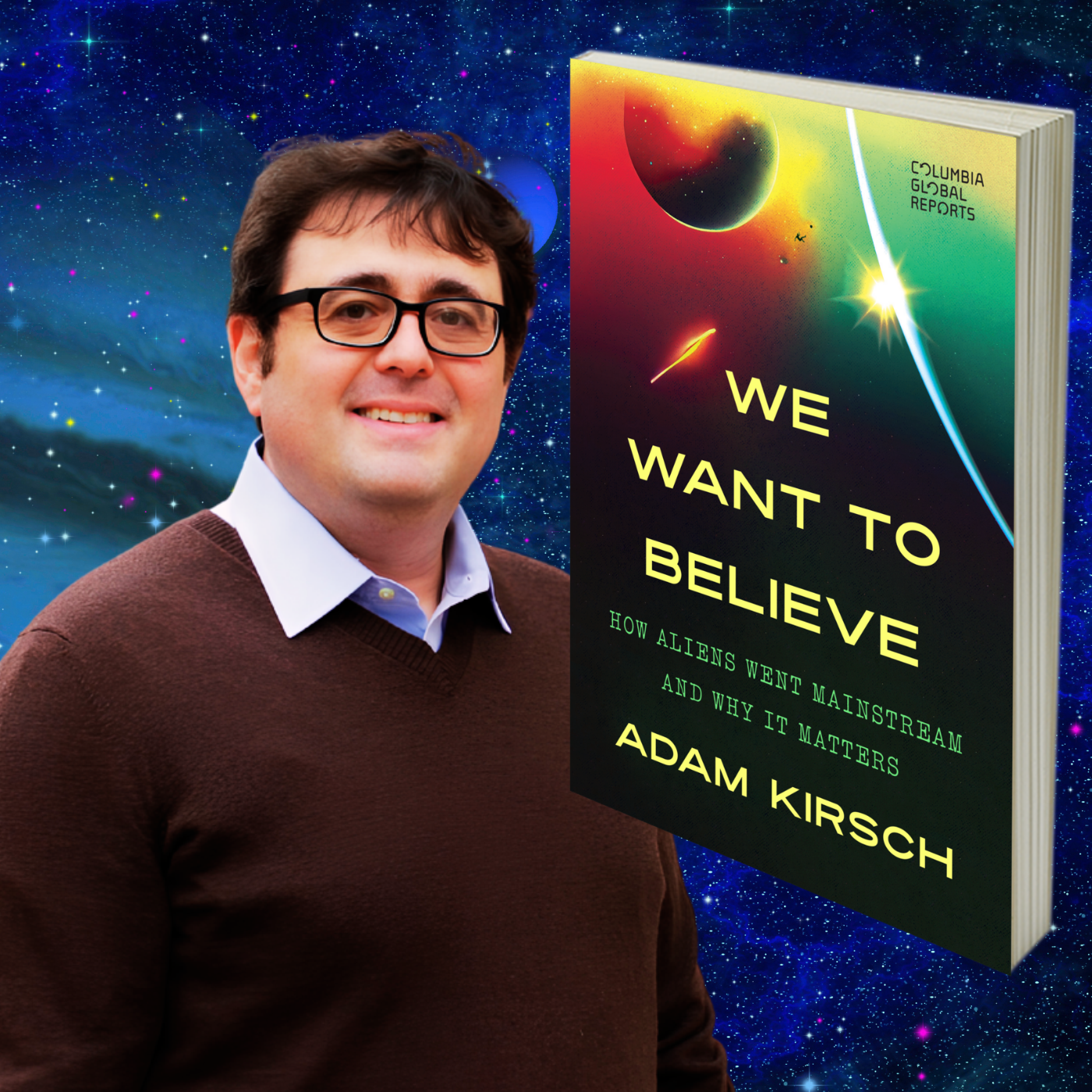 We want to believe in UFOs 27.10.2026 46mThe search for life outside our planet can be seen as a yearning to find out what makes us human. Adam Kirsch is a poet, literary critic and senior editor at The Atlantic, and he joins guest host Paige Phelps to discuss the search for life in the cosmos —both UFOs and the scientific hunt for biological matter outside our universe — and what happens to our collective trust when we don’t find it. His book is “We Want to Believe: How Aliens Went Mainstream and Why It Matters.”
-
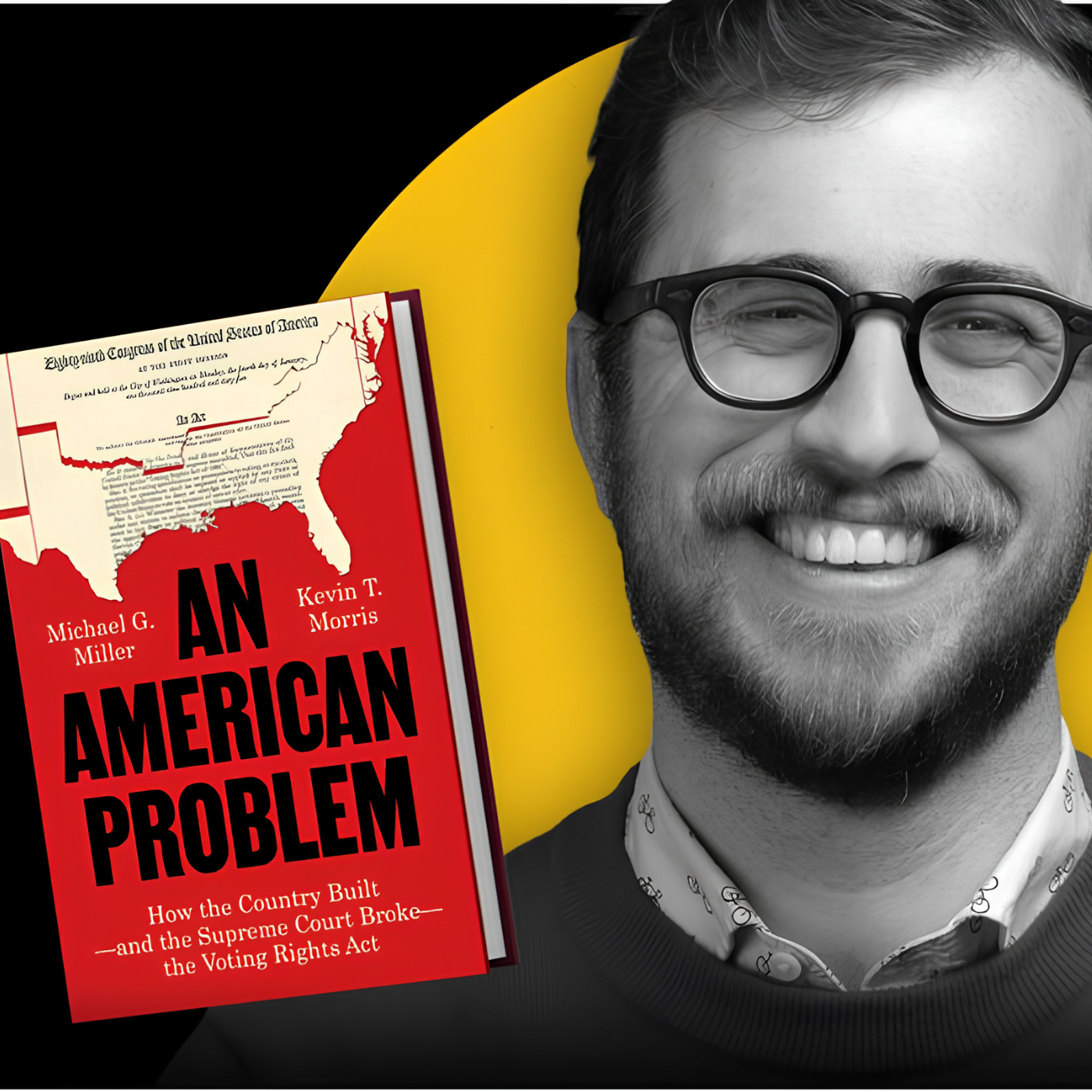 We’ve gutted voting rights 26.10.2026 46mThe Voting Rights Act of 1965 was a landmark bill. So why has a conservative Supreme Court been so willing to knock it down? Kevin Morris, senior research fellow and voting policy scholar at the Brennan Center for Justice at New York University School of Law, joins host Krys Boyd to discuss what the Voting Rights Act did for representational democracy across the country, why it’s fallen out of favor and the ways the Supreme Court has neutered key sections to weaken the legislation. His book, written with Michael Miller, is “An American Problem: How the Country Built—and the Supreme Court Broke—the Voting Rights Act.”
-
 Even blueberries aren’t safe from China’s IP thieves 23.10.2026 46mCompanies looking to expand in the Chinese market face a looming problem: intellectual property theft. Wall Street Journal reporter Jon Emont joins host Krys Boyd to discuss the example of Driscoll’s berries, which sought to corner the Asian market with a new fruit there but found its plant cuttings stolen and greenhouse growing methods copied. His article is “Driscoll’s Gave China Its Blueberries—Then China Swiped the Secret to Growing Them.”
-
 It's way too easy for chat bots to make bioweapons 22.10.2026 45mIn September, Anthropic blocked attempts to create a biological weapon with A.I., but biosecurity experts have been alarmed ever since. Carl Zimmer writes the Origins column and covers news about science as a freelance contributor to The New York Times. He joins host Krys Boyd to discuss why scientists are concerned about the potential for chatbots to make pathogens more deadly, the race to safeguard these systems from nefarious use, and why, for now, concerns may be overblown. His article is “A.I. Queries from Abroad Raise Fears of a Biological Weapons Race.”
-
 All y’all have accents 21.10.2026 46mWhether you notice it or not, you speak with an accent. Valerie Fridland, professor of linguistics in the English Department at the University of Nevada, Reno, joins host Krys Boyd to discuss how accents from the Southern drawl to the California Valley Girl came to be, why accents are key to culture, and why, in our mass media world, some are fading away. Her book is “Why We Talk Funny: The Real Story Behind Our Accents.” This episode originally aired, May 11th, 2026.
-
Your perfect person doesn’t have to be perfect 20.10.2026 46mIn dating, finding “the one” might be easier if you stop assuming “the one” will be a perfect match. Paul Eastwick is professor of psychology at UC Davis, where he serves as the head of the Social-Personality Psychology program and the director of the Attraction and Relationships Research Laboratory. He joins host Krys Boyd to discuss why we need to look past imperfections when choosing a mate, why what we know about evolutionary biology has been exaggerated, and the pros and cons of dating apps. His book is “Bonded by Evolution: The New Science of Love and Connection.” This episode originally aired, April 20th 2026.
Radio station
Similar podcasts


Popular in
The podcast also appears in the podcast charts of these countries.


