
Berkeley Talks
UC Berkeley
0
Berkeley Talks is a podcast from Berkeley News that features lectures and conversations at UC Berkeley. It covers a wide range of topics presented by university speakers and guests.
Episodes
-
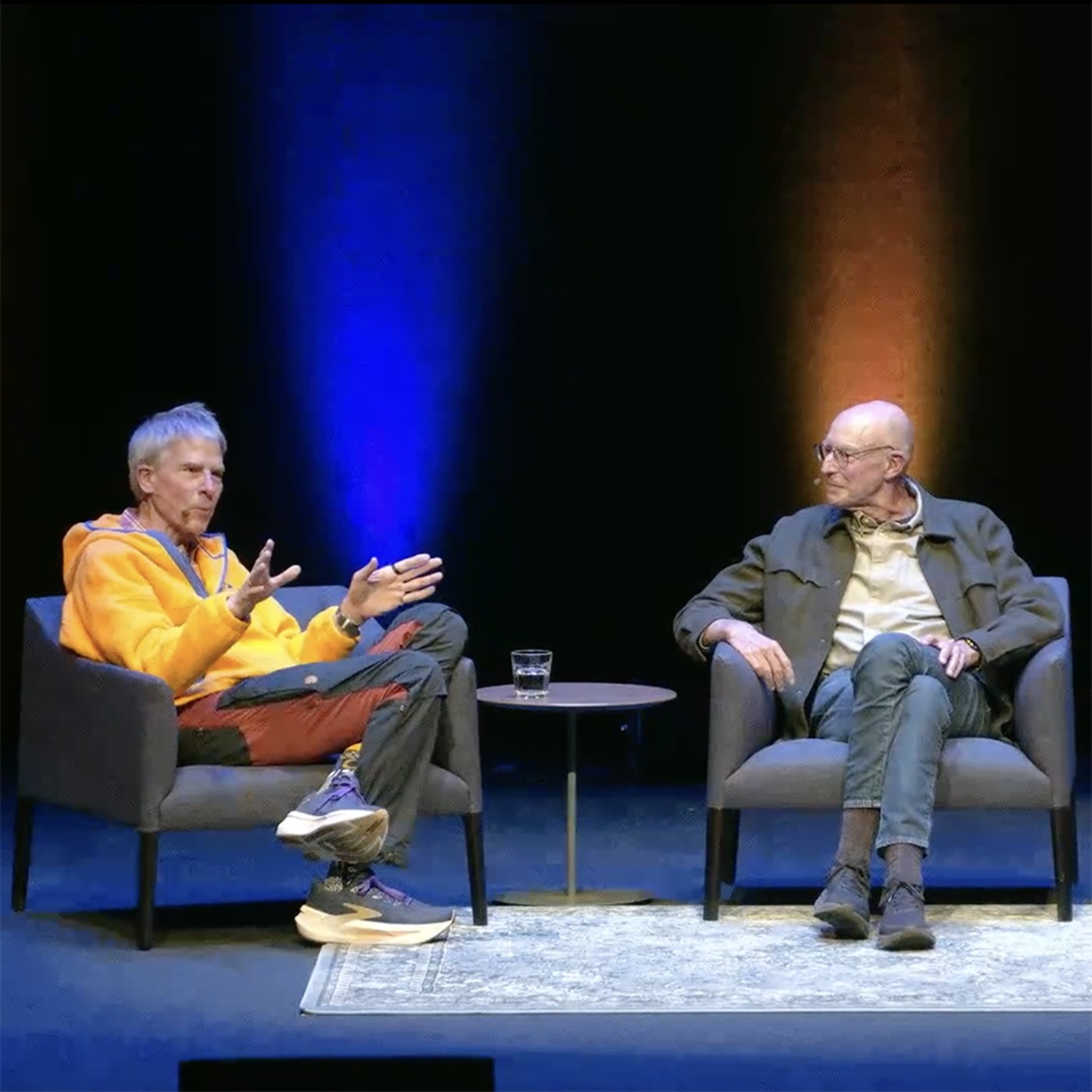 Michael Pollan and Christof Koch talk psychedelics and consciousness 16.10.2026 1h 9mDuring a psychedelic experience in his garden, Michael Pollan became convinced that the plants around him were conscious. They seemed to be returning his gaze, he said — benevolent and perhaps grateful for his gardening. Back in ordinary consciousness, the author and UC Berkeley journalism professor emeritus faced a harder question: What should he do with that conviction? Was it an insight into reality, or simply an effect of the drug?In this episode of Berkeley Talks, Pollan joins Christof Koch, a leading researcher on the neuroscience of consciousness, and moderator Shayla Love, a science jo...
-
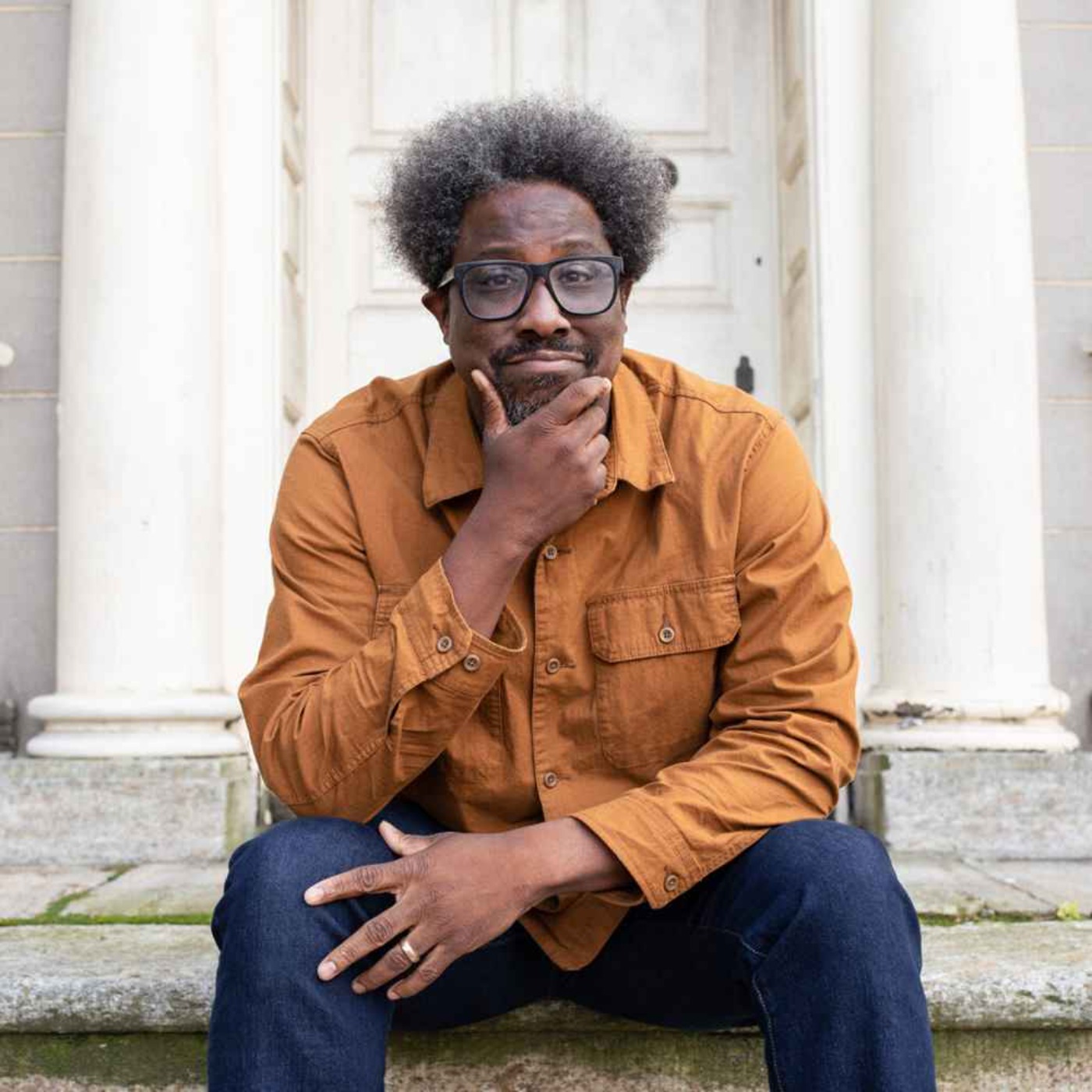 W. Kamau Bell on AI, creativity and resisting the pull of automation 18.09.2026 1h 5mWhen W. Kamau Bell was a child, his mother bought the family a Commodore VIC-20, a popular home computer of the early 1980s. He also had Pong, a ColecoVision and, later, a MiniDisc player. Today, he is still the person his family calls when the TV stops working — and the father who sees technology’s potential to connect his introverted 11-year-old with cousins over FaceTime. “I am not a technophobe,” Bell said at a recent UC Berkeley Journalism event. “If you say, ‘We’re going there, there’s no Wi-Fi,’ I’m not going there.”But Bell — a comedian, filmmaker and author known for using humor to ex...
-
 Leaping robots, AI companies and a NASA mission 21.08.2026 53mWhen Aravind Srinivas arrived at UC Berkeley in 2020 hoping to join Pieter Abbeel’s robotics lab, he encountered an immediate obstacle: The lab was already full.Undeterred, Srinivas proposed that he and Abeel work together for six months so he could prove himself. What followed was such a prolific stretch of research that Abbeel found himself repeatedly asking about his new student’s well-being.“Honestly, the only big advice I ever had to give Aravind was the question, ‘Did you sleep?’” Abbeel recalls. He says Srinivas replied, “I cannot afford to sleep until I’m officially in your lab.” After...
-
 How we've long misread gun violence (and ways to prevent it) 07.08.2026 1h 28mIn the early hours of November 2007, Amadou Cisse, a 29-year-old University of Chicago chemistry graduate student, was walking home when Demetrius Warren, then 17, and Benjamin Williams, 21, approached him. According to trial testimony, Warren pointed a gun at Cisse while Williams attempted to grab his backpack. A struggle ensued, and Warren shot Cisse in the chest. Cisse died from the wound.“Behind every news headline and every statistic, there is a mom who has just lost the most important person in their life,” says Jens Ludwig, a University of Chicago economics professor and director of its...
-
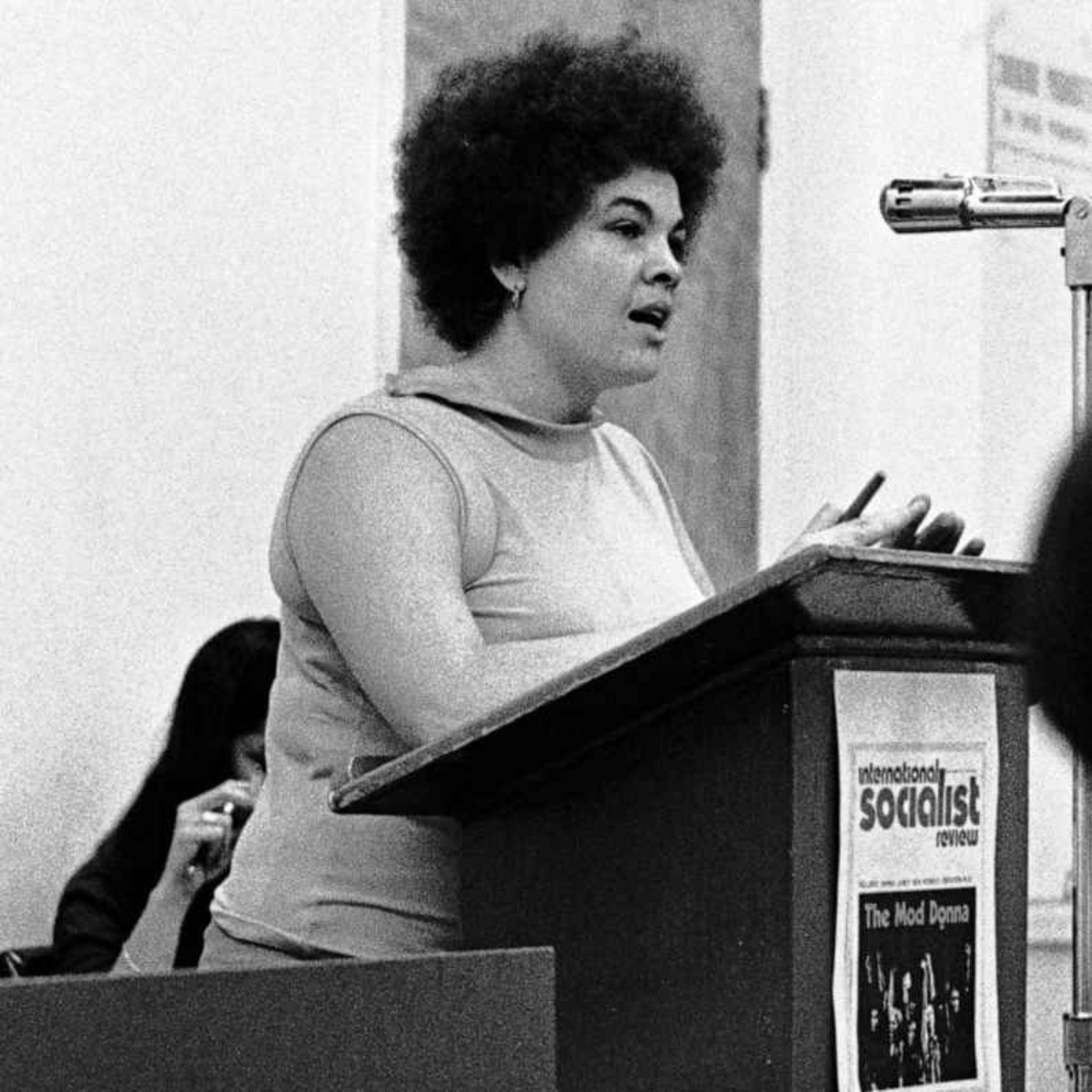 The making of pioneering Black feminist Frances M. Beal 24.07.2026 43mIn 1957, a terrified 17-year-old girl lay on a Harlem kitchen table undergoing an illegal, backstreet abortion. Nearly dying from complications, she was rushed to a hospital ward where nurses badgered her and demanded to know what she had done. That teenager was Frances M. Beal.Long before she would write the seminal 1969 manifesto "Double Jeopardy: To Be Black and Female" or co-found the Third World Women's Alliance, Beal was navigating the violent realities of being young, Black and female in America. In this episode of Berkeley Talks, Ula Taylor, a UC Berkeley professor and chair of African...
-
 When we talk to AI, what are we talking to? 10.07.2026 1h 50mIn the early days of personal computing, people imagined artificial intelligence as a single, self-contained system — a kind of digital brain with a fixed identity. Talking to AI meant asking questions to a clearly defined machine.That picture no longer holds, says David Chalmers, a professor of philosophy and neural science at New York University. Today’s large language models, or LLMs, run on distributed cloud infrastructure, so they don’t behave like a single fixed machine with one clear physical boundary.While LLMs likely lack consciousness, he says, they are not merely passive tools. Inst...
-
 Philosopher Mark Johnston asks, 'Is this our only life?' 26.06.2026 1h 27mWhen Princeton University Professor Mark Johnston's daughter was 18 months old, she stood on a beach with what he describes as a "quizzical philosophical look on her face, as if she was thinking, 'Is this my only life?'"That question is the heart of Johnston’s talk at UC Berkeley this past March, where he revisits a topic he wrote about two decades ago. Back then, he believed that the hope for an afterlife was impossible. But now, he has changed his mind. "Today, I want to show why I was wrong," says Johnston, author of the 2010 book Surviving Death. "That decent and comprehensible hope is not...
-
 Why kids need awe — and how puppets can help 12.06.2026 57mAs Halle Stanford drove through Topanga Canyon in Southern California, with Dolly Parton blasting from the car speakers, she was struck by a moment of inspiration. “I had this vision of a little hedgehog on the side of the road in her little pink hiking boots, with her guitar in her bag, out to find the wows of the world,” says Stanford, an independent television producer. A few days later, she came across research from UC Berkeley’s Greater Good Science Center showing that awe — the emotion we experience when we encounter vast mysteries that we don’t understand — inspires us to care for the p...
-
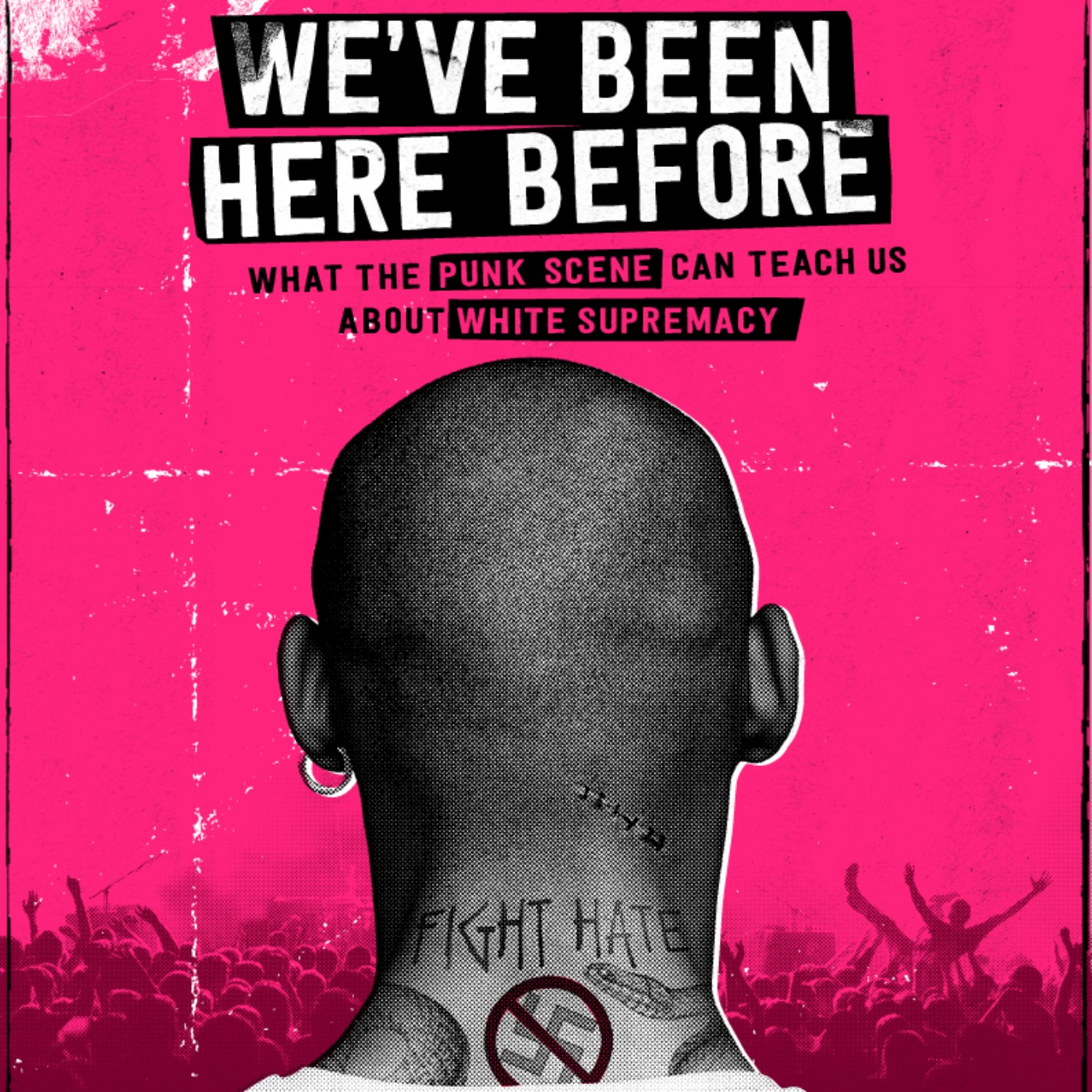 What punk subcultures can teach us about resisting hate 29.05.2026 1h 12mAcross the American West Coast in the 1980s, the burgeoning punk rock and skinhead scenes were much more than just raw music and counterculture fashion — they quickly became contested ground in an ideological battle against white supremacy. Neo-Nazi groups actively targeted these subcultures to recruit alienated kids, and anti-racist punks were forced to step up in response, organizing grassroots community defense networks, confronting extremist infiltration and building alternative spaces rooted in inclusion.Those strategies — forged in clubs, at shows and within tight-knit local scenes — off...
-
 Musician Lara Downes celebrates the sound of America 15.05.2026 29mIt was the morning after the 2016 U.S. presidential election, and pianist Lara Downes was catching a flight from California to Kentucky, where she was set to perform later in the evening. “It was a very weird day to be anywhere,” she recalls.That night, she performed songs from her album America Again in Louisville, a city that mirrored the country's own jagged political divide. Coming from California, Downes expected Louisville to feel tense after the election.Instead, she found that the music — curated to explore the “American Dream” through the lens of diverse composers like Florence Price...
-
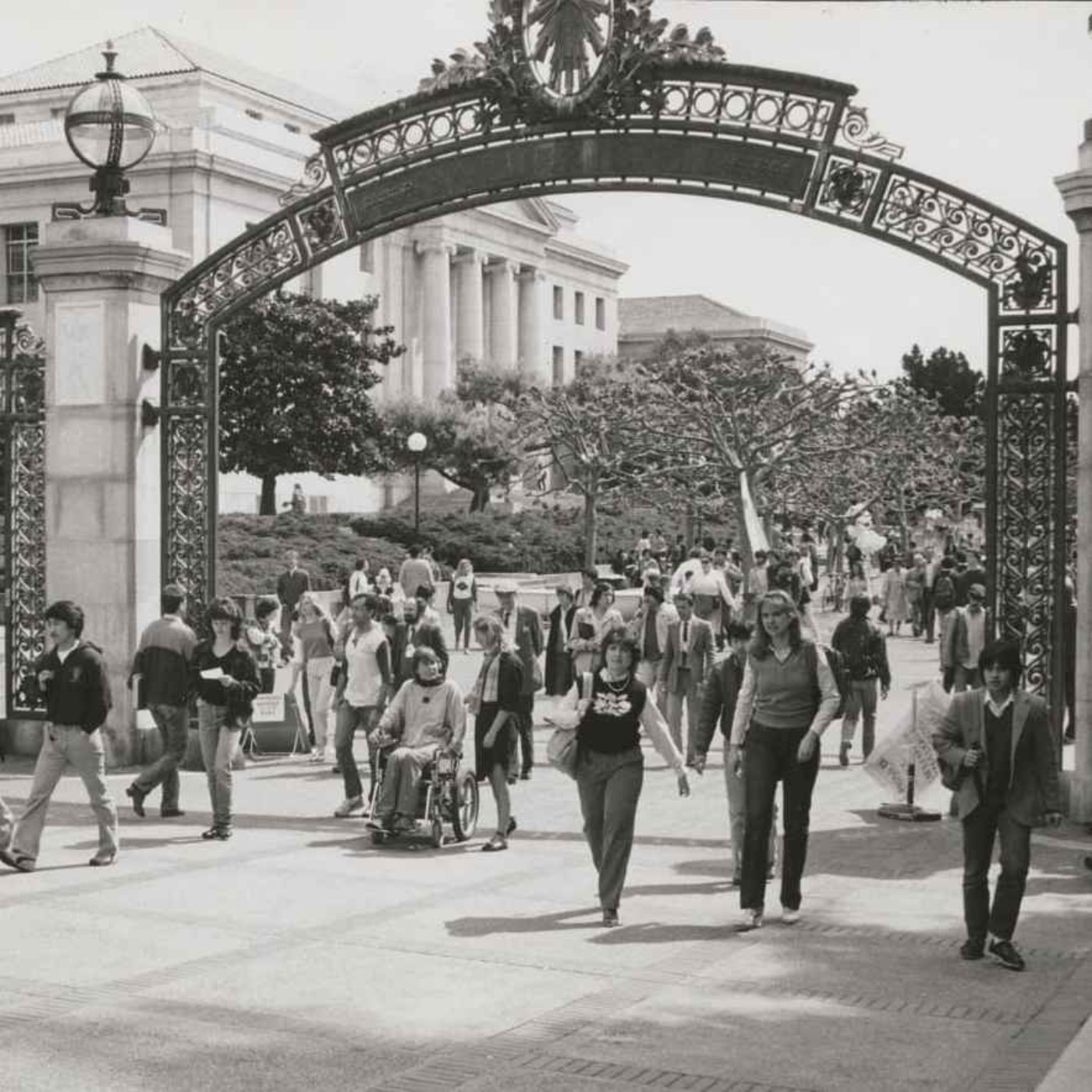 How the American university’s success led to its modern challenges 01.05.2026 1h 4mWhile preparing his lectures for UC Berkeley, Princeton University President Christopher Eisgruber spent hours poring over the memoirs and writings of former University of California President Clark Kerr, seeking wisdom from the architect of California’s 1960 Master Plan for Higher Education.Reflecting on this research, Eisgruber notes that he found more than just strategy; he found a personal connection. "I have been impressed by Kerr's wit, wisdom and decency,” he says, “and I have come to feel not only admiration but affection for him.”In his first of two lectures at Berkeley in February, E...
-
 Alison Gopnik on why AI is no match for a 4-year-old 17.04.2026 1h 24mOver her decadeslong career as a developmental psychologist, Alison Gopnik has observed a striking phenomenon: When children are given a new toy without an obvious use, they often outperform high‑achieving college students in figuring out how it works. While adults tend to test the most likely possibilities and quickly get stuck, children respond with playful experimentation. "What children are doing is exactly the kind of open-ended, non-utilitarian, exploratory learning that allows you to find out things about the world that you would never find out any other way,” says Gopnik, a UC Berkeley...
-
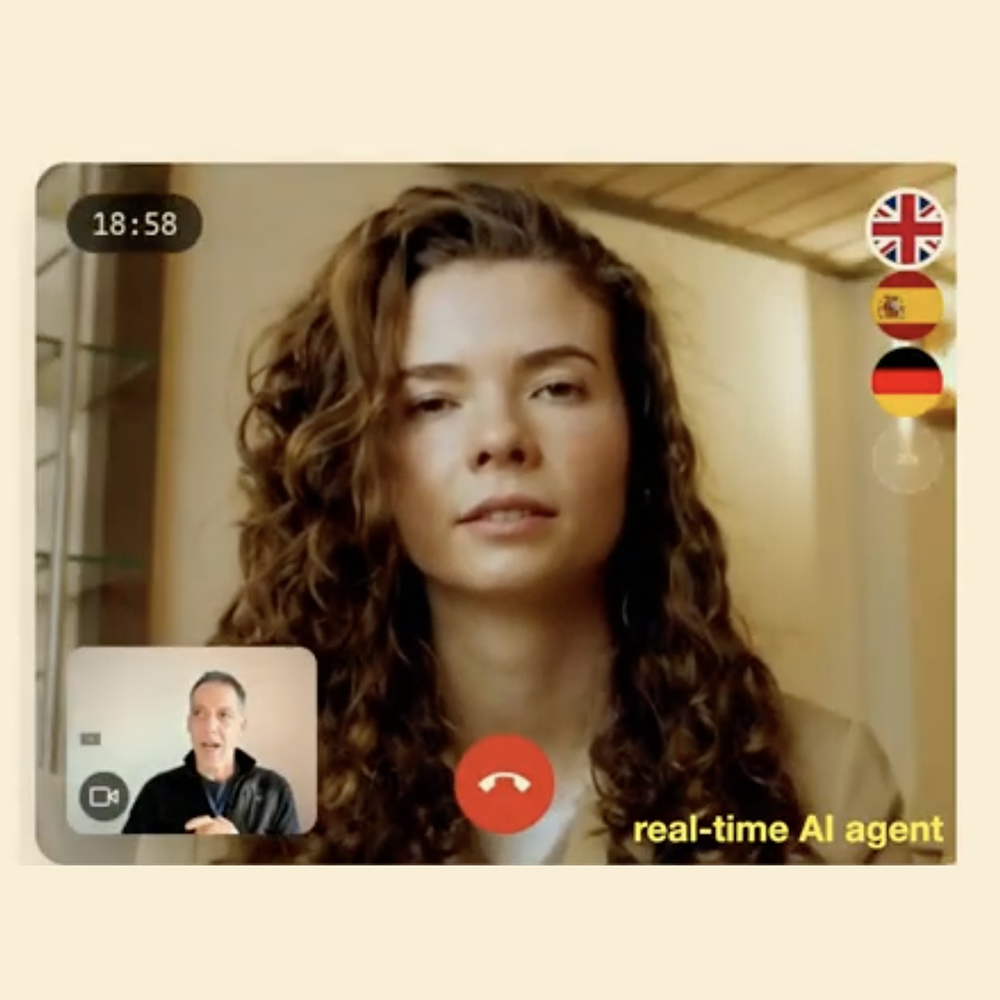 Hany Farid on the erosion of shared reality in the age of deepfakes 06.04.2026 51mTwo decades ago, when Hany Farid first began studying digital misinformation and manipulated media, fake content was easier to detect. Today, that landscape has shifted with a speed that he describes as “breathtaking.” In just the last year or two, he says, we’ve moved from an era where a computer takes seconds or minutes to produce a static file to "full-blown interactive deepfakes" that can hold a live conversation in real time.In this Berkeley Talks episode, Farid, a digital forensics expert and professor at UC Berkeley’s School of Information, discusses the rapidly accelerating landscape o...
-
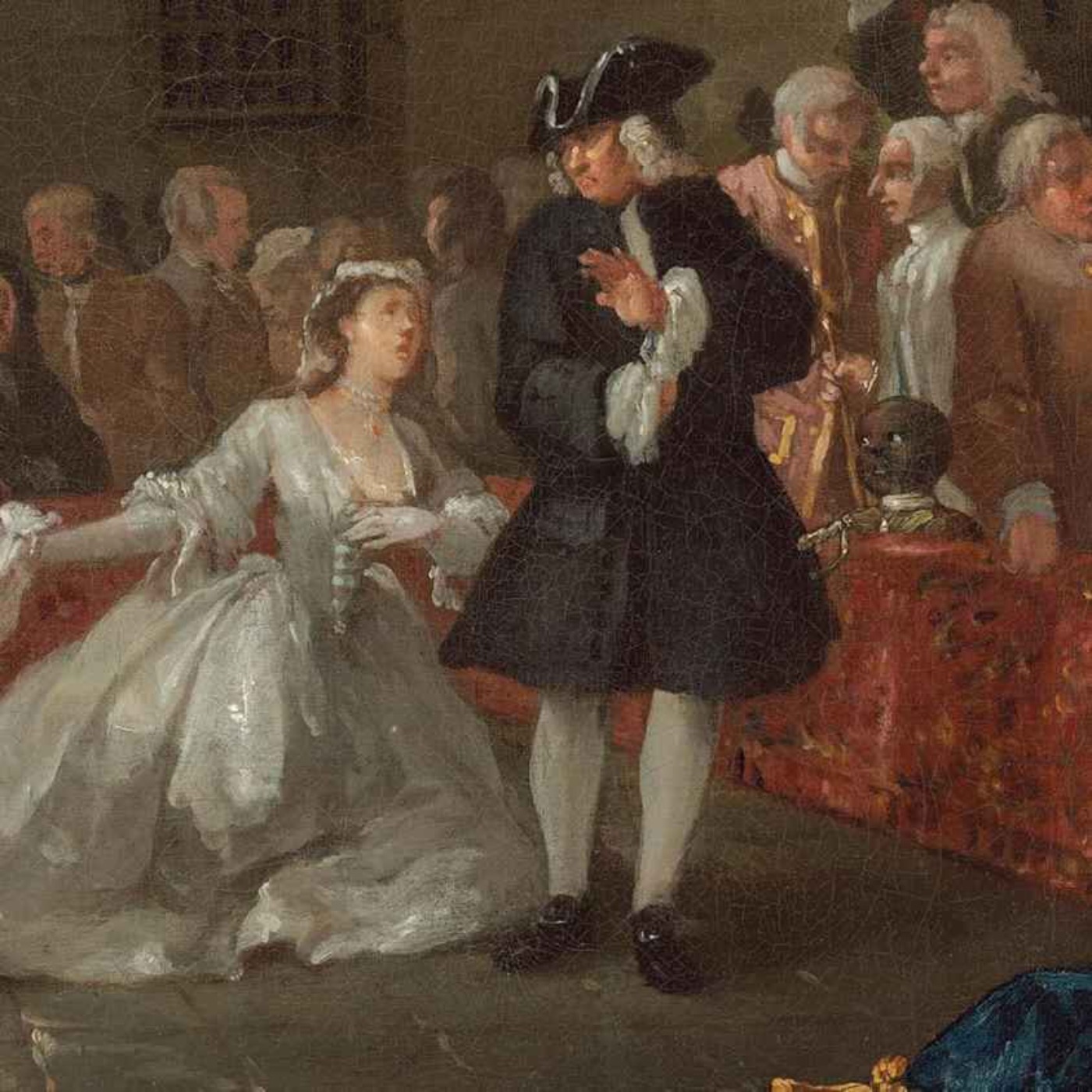 First a plague, then a fire: How a changing city rebuilt the modern stage 20.03.2026 44mWhen William Shakespeare wrote Hamlet around 1600, the power of London’s theater lived almost entirely in language. The stage was mostly bare and the scenery imagined. To mark a shift in setting, an actor might simply declare, “This is the Forest of Arden.”But by the mid-17th century, this mode of performance began to change. Following decades of civil war and Puritan rule, King Charles II’s 1660 restoration of the monarchy reopened public theaters that had been closed for nearly two decades. It marked the beginning of the Restoration era, when movable scenery debuted — massive painted flats s...
-
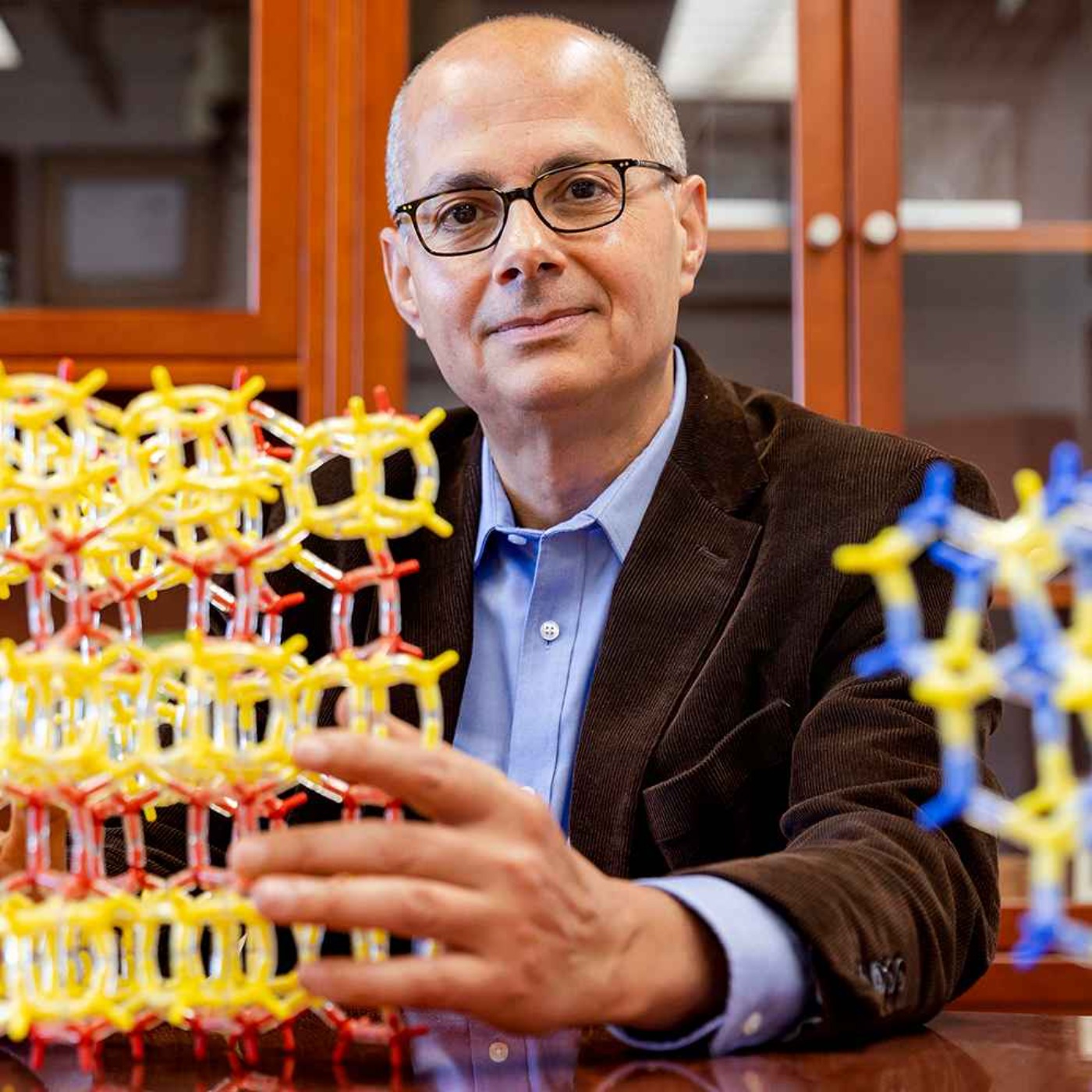 Nobel laureate Omar Yaghi on turning air into water for all 06.03.2026 55mAt age 10, Omar Yaghi walked into a school library in Amman, Jordan, and opened a book that changed his life. He saw molecular drawings — complex structures he didn’t yet understand, but which immediately captivated him. "I thought I discovered something that nobody had ever seen before," Yaghi recalls. Yaghi, now a professor of chemistry at UC Berkeley, shared this story during a recent Brilliance of Berkeley lecture to illustrate how a life defined by scarcity can be transformed through the pursuit of science. Growing up in a family of 10 children, Yaghi lived in a single room that lacked el...
-
 The rule of law depends on the courage of judges 20.02.2026 58mIn 1957, 6-year-old Bernice Bouie Donald started first grade in rural DeSoto County, Mississippi. Although the U.S. Supreme Court had struck down school segregation three years earlier in Brown v. Board of Education, the young girl’s educational reality remained unchanged: Her all-Black school was a two-room cinderblock building with no indoor plumbing, and her books were hand-me-downs discarded by white students.Donald went on to have a decadeslong career as a federal judge, and at a recent UC Berkeley Law event, she shared her personal memories to highlight a sobering truth: The rule of law...
-
 An evolutionary biologist makes the case for pausing AI 06.02.2026 51mIn the early 20th century, factory workers — later known as the “Radium Girls” — were hired to paint watch and instrument dials with radium‑based luminous paint. They were instructed to keep their brushes sharp by shaping them with their lips. In the following years, many of these workers developed devastating illnesses, including severe bone and jaw damage, anemia and cancer, that were ultimately traced to chronic radium exposure.For Holly Elmore, an evolutionary biologist and executive director of PauseAI US — an organization that seeks a global pause to advanced AI development — this traged...
-
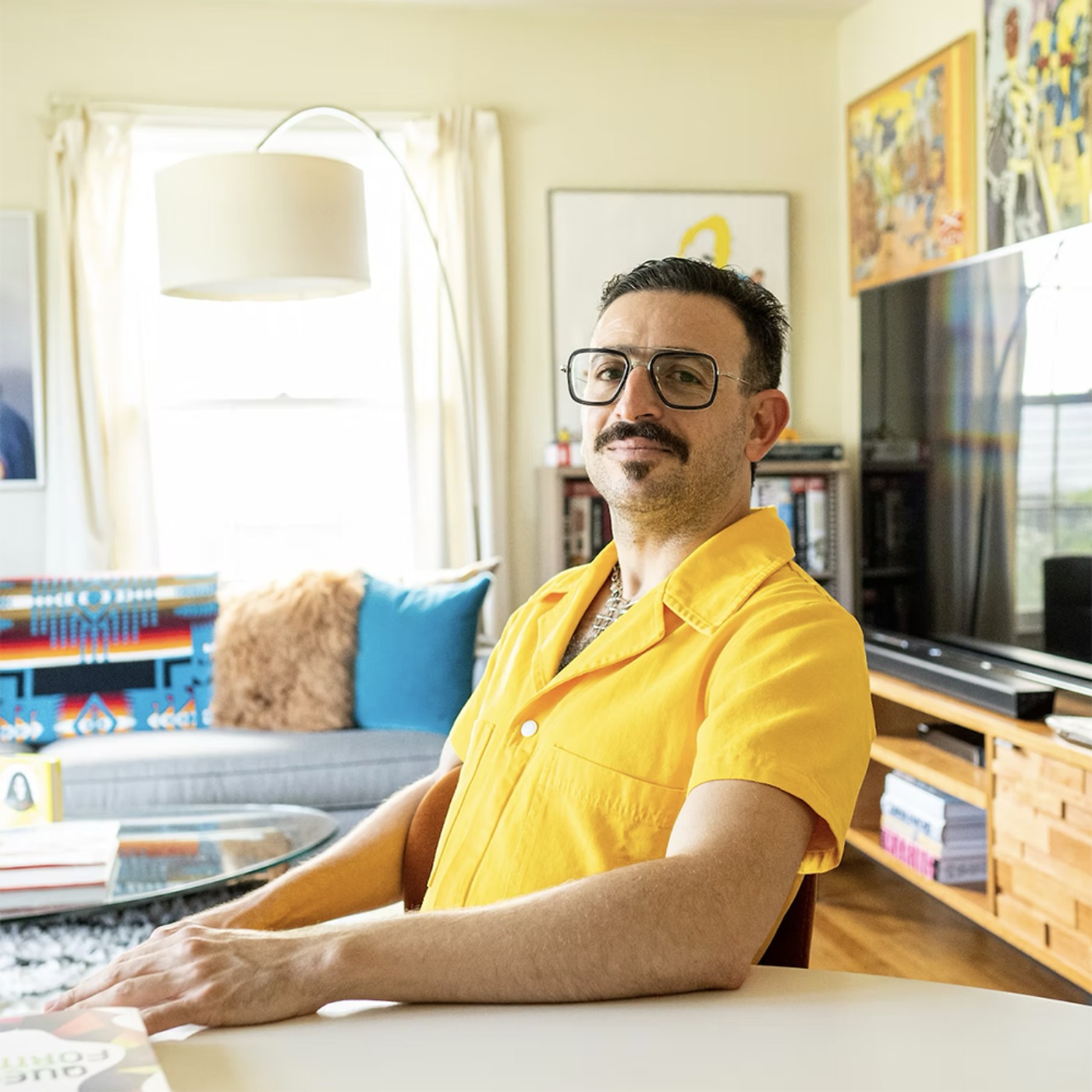 Ramzi Fawaz on the psychedelic power of the humanities 23.01.2026 1h 19mIn this Berkeley Talks episode, Ramzi Fawaz, a professor of English at the University of Wisconsin–Madison, explores why the humanities and psychedelics might have more in common than you’d think, and how literature, much like psychedelics, can help open one’s mind to the world.Fawaz, who spoke at UC Berkeley in September, argues that the humanities classroom functions as a vital space for shared sense-making, where deep engagement with art and literature can rewire the brain much like a psychedelic experience — helping students heal from the rigid constraints of competitive individualism.Duri...
-
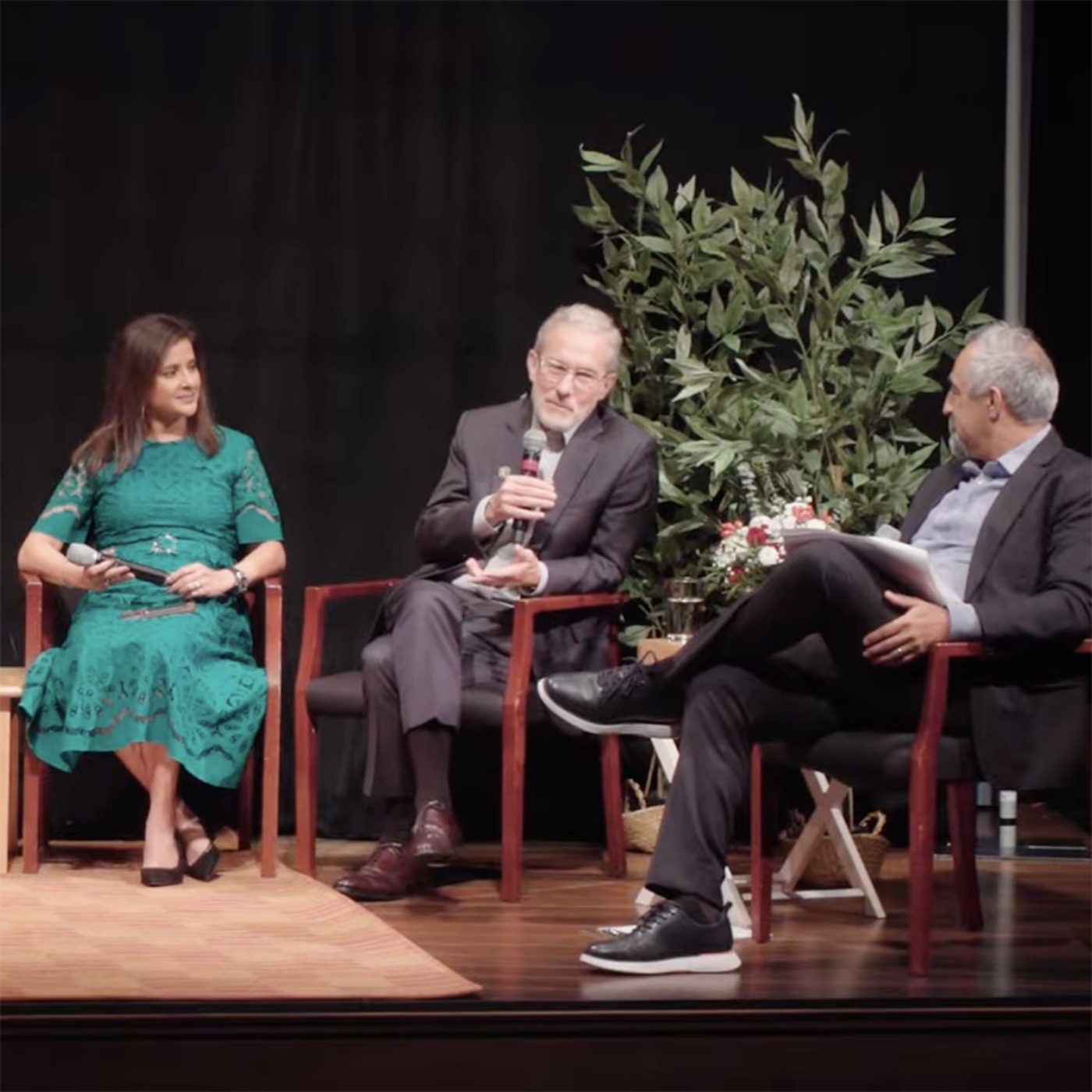 Why kind leaders finish first (according to science) 09.01.2026 1h 38mA broad group of leaders from academia and the private sector — including UC Berkeley Chancellor Rich Lyons and neuroscientist Emiliana Simon-Thomas of the Greater Good Science Center — discuss how kindness is a strategic asset rather than a professional weakness, and why the traditional “jerk” model of leadership is scientifically flawed.This shift toward evidence-based management, the panelists point out, is backed by massive datasets. “When companies perform very well, we find that prosocial CEOs are more likely to share credit with others,” explains Weili Ge, a professor at the University...
-
 How do we make better decisions? (revisiting) 26.12.2025 1h 5mToday we are revisiting a Berkeley Talks episode in which a cross-disciplinary panel of UC Berkeley professors, whose expertise ranges from political science to philosophy, discuss how they view decision-making from their respective fields, and how we can use these approaches to make better, more informed choices. Panelists include: Wes Holliday, professor of philosophy. Holliday studies group decision-making, including the best methods of voting, especially in the democratic context. Marika Landau-Wells, assistant professor of political science. Landau-Wells studies the effect that threat per...
Radio station

Similar podcasts


Popular in
The podcast also appears in the podcast charts of these countries.


