
Deeper Look At The Parsha
Rabbi Pini Dunner
0
Rabbi Pini Dunner, senior rabbi at Beverly Hills Synagogue, presents a weekly shiur that delves deeper into the Parsha of the week. The podcast originated from his daily radio show on London's Spectrum Radio in the late 1990s, where he discussed current events. Now based in the US, he continues to offer insightful Torah teachings.
Episodes
-
 GOD IS IN THE DEAL 20.11.2026 32mJacob’s ladder reaches heaven, but Vayetzei then moves swiftly into wages, contracts, business disputes and money. Rabbi Dunner explores why Jewish law treats commercial honesty as a religious test, from Jacob’s dealings with Lavan to Rav Safra, Shimon ben Shetach and the laws of tzedakah. The message is simple: God is not only in shul. He is in every financial transaction we make.
-
 MOVE THE STONE 19.11.2026 9mFlorence Nightingale transformed a military hospital by refusing to accept that dysfunction was inevitable. In Vayetzei, Jacob encounters shepherds waiting beside a well because a stone blocks the water — and simply moves it. Rabbi Dunner explores what these stories teach about challenging assumptions, questioning systems, and recognizing when progress requires not revolution, but the courage to move the stone.
-
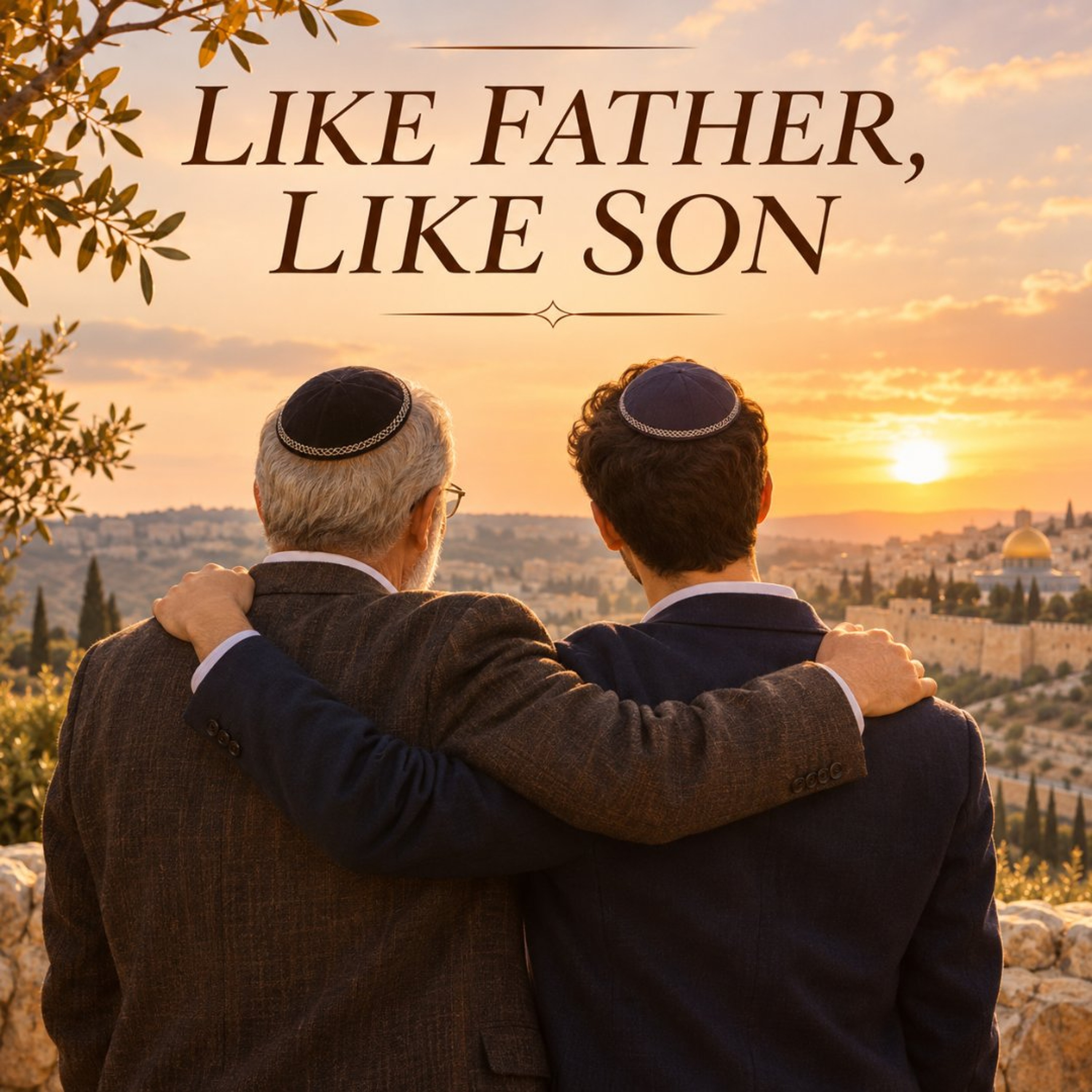 LIKE FATHER, LIKE SON 12.11.2026 34mToldot opens by stressing that Yitzchak was truly Avraham’s son. Rabbi Dunner explores why that resemblance was so important: from Yitzchak retracing his father’s path and reopening his wells, to the struggle between Yaakov and Esav over blessing, identity and destiny. A compelling look at second-generation greatness, inherited responsibility, and how Jewish continuity depends on making an ancient legacy live again today.
-
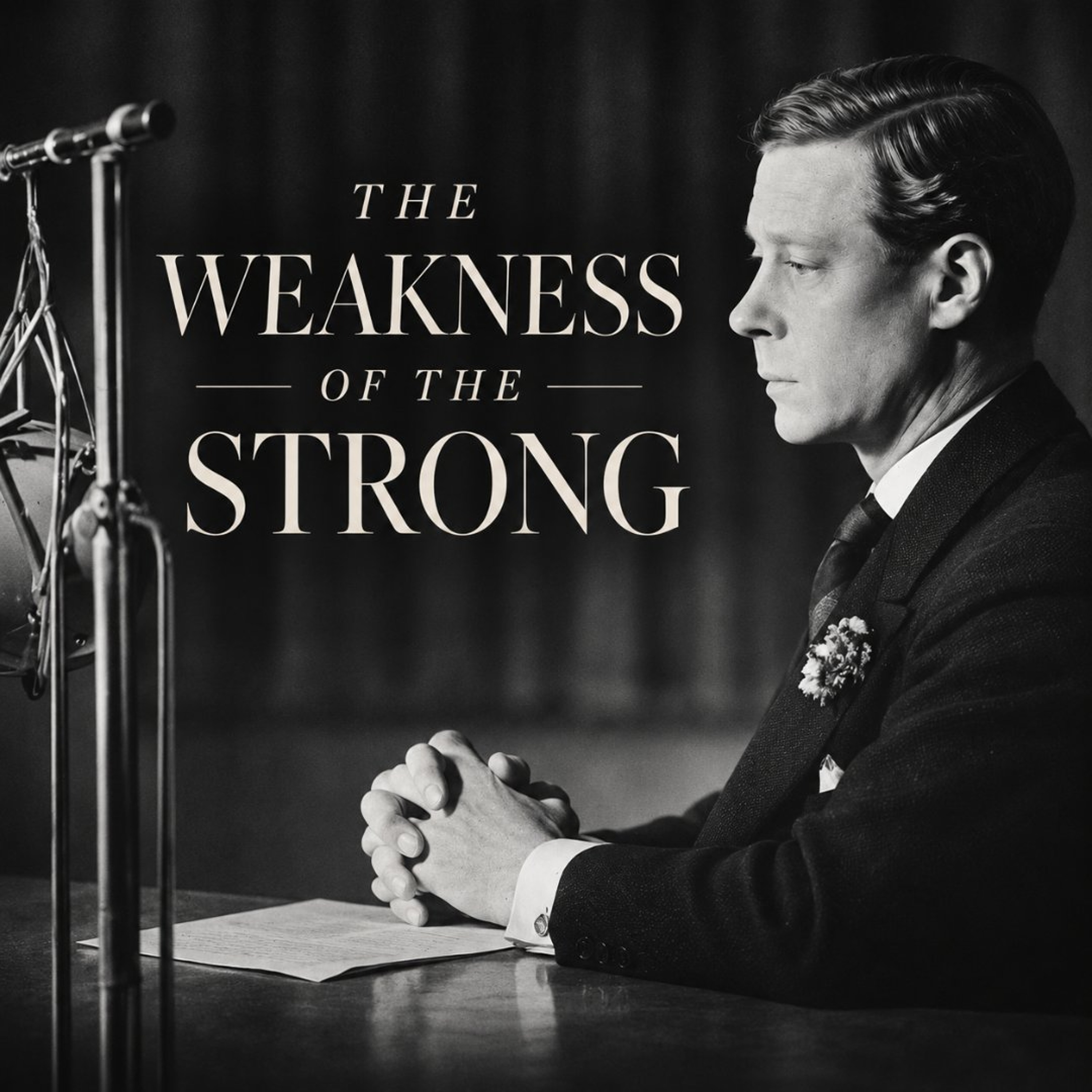 THE WEAKNESS OF THE STRONG 12.11.2026 9mEdward VIII gave up a throne for the woman he loved; Esav traded his birthright for a meal. Rabbi Dunner explores the surprising weakness hidden beneath outward strength, contrasting Esav and Yaakov, Edward and George VI, and asking what real strength looks like when impulses collide with duty, responsibility and the demands of a future larger than ourselves.
-
 DAWN OF A NEW ERA 05.11.2026 8mIsrael’s political landscape is shifting, and so is its relationship with America. To understand this moment, Rabbi Dunner turns to Abraham’s declaration, “I am a stranger and a resident,” to explore what Israel must learn from Chayei Sarah: gratitude without dependence, friendship without entitlement, and the confidence to take responsibility for its future as old assumptions begin to fall away.
-
 A LIFE WELL LIVED 05.11.2026 32mChayei Sarah begins with Sarah’s death, yet the Torah calls it “Sarah’s life.” To explain why, Rabbi Dunner explores Sarah’s character and prophetic vision, Avraham’s grief, Rivka’s kindness, and the return of Sarah’s miraculous tent. In this shiur, you'll discover a powerful idea: that a Jewish life continues wherever its values, light, faith, and goodness are carried forward across generations.
-
 THE TOWN THAT OPENED ITS DOORS 26.10.2026 9mIn Sodom, strangers met cruelty; at Abraham’s tent, they found generosity. Thousands of years later, when September 11 forced 38 planes to land in Gander, Newfoundland, townspeople faced the same moral choice. Rabbi Dunner tells how they welcomed nearly 7,000 strangers into their homes, showing that Abraham’s hospitality is not merely ancient history, but a sacred and enduring human trait.
-
 BEYOND THE STARS 21.10.2026 8mRobert Williams risked Hubble telescope time by pointing it at an empty patch of sky. But what appeared to contain nothing revealed thousands of galaxies. Rabbi Dunner connects that discovery to Abraham’s encounter with the stars, and to a powerful Jewish idea: expert predictions matter, but they are never the final word on what a person, or a people, can become.
-
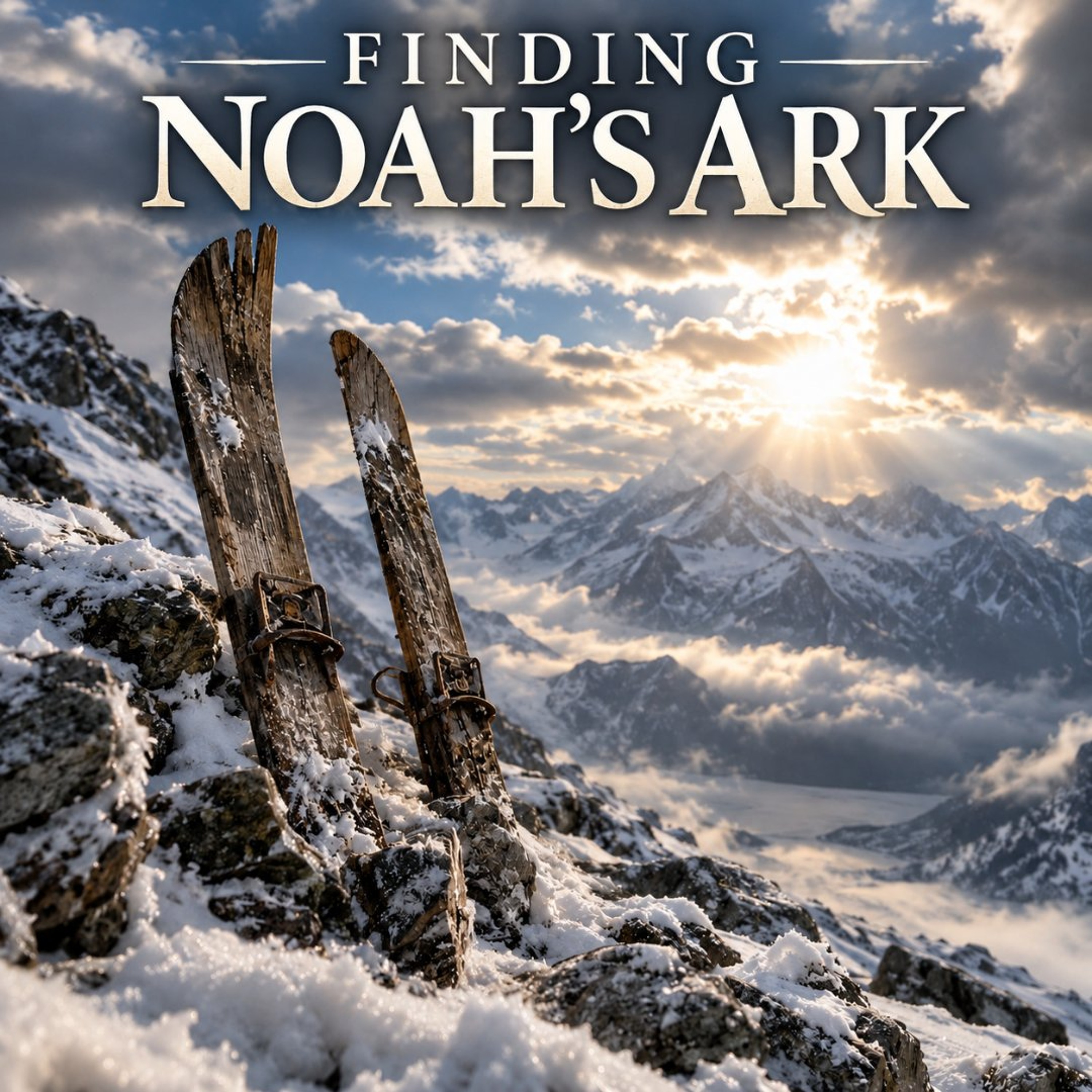 FINDING NOAH'S ARK 15.10.2026 8mIn 1982, astronaut James Irwin climbed Mount Ararat searching for Noah’s Ark and found something far less impressive: a pair of abandoned skis. Yet the ancient flood stories uncovered in Mesopotamia reveal a more important discovery. Rabbi Dunner compares them with the Torah’s account of Noach and asks what the real legacy of the Ark was meant to be for humanity after the waters receded.
-
 TWO QUESTIONS 13.10.2026 49mParshat Bereishit begins with creation, but its deepest questions are strikingly personal. God asks Adam, “Where are you?” and Cain, “Where is your brother?” Rabbi Dunner traces these questions through creation, responsibility, failure, repentance, loneliness, Shabbat, and the value of every human life, showing how the entire Torah can be understood as an answer to those two questions.
-
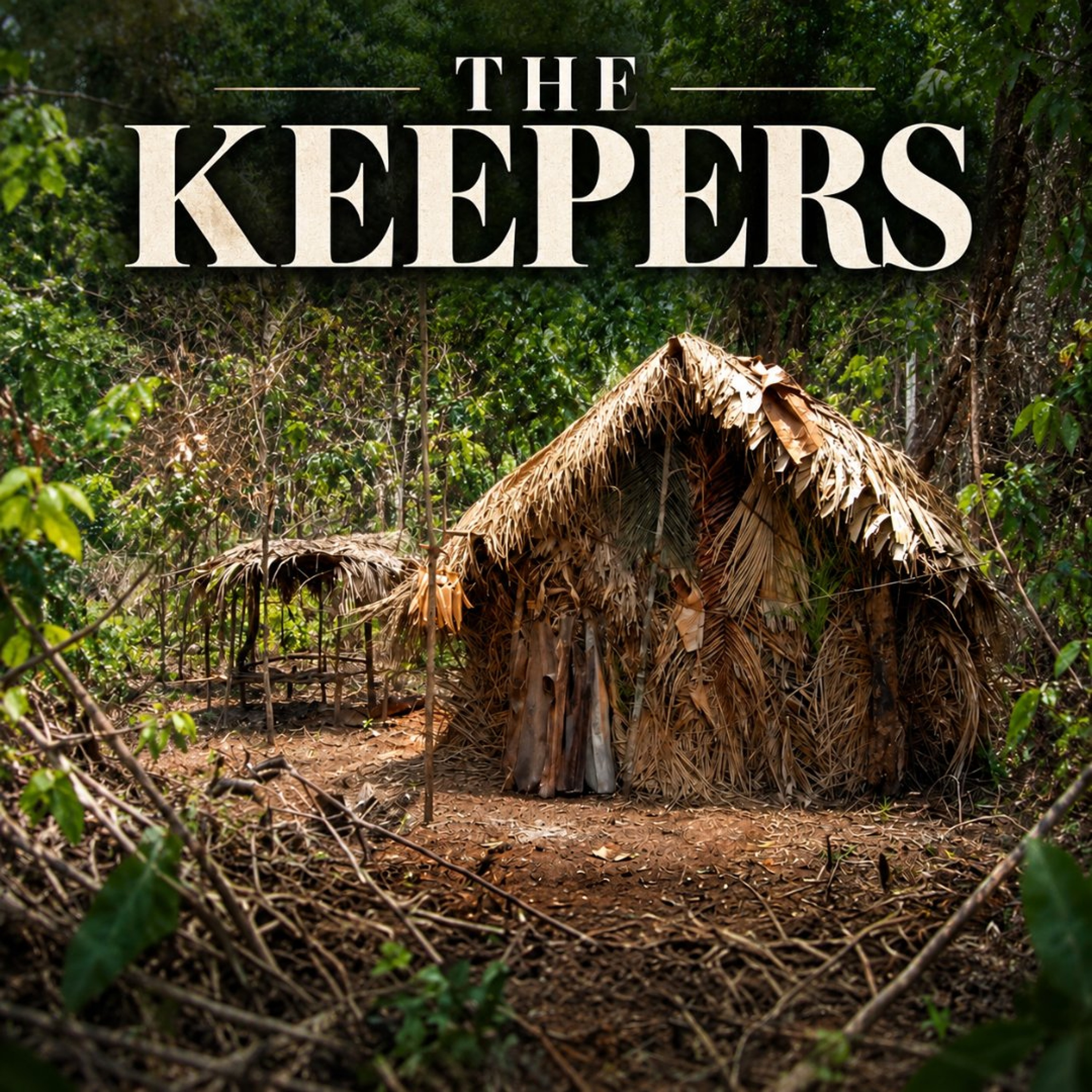 THE KEEPERS 08.10.2026 7mFor twenty-six years, Brazil’s “Man of the Hole” lived alone in the Amazon, the last survivor of a destroyed people, while strangers quietly protected him from afar. His story makes Cain’s question — “Am I my brother’s keeper?” — painfully literal. Rabbi Dunner explores responsibility, isolation, lost worlds, and what it means to guard another human being, even without gratitude or recognition.
-
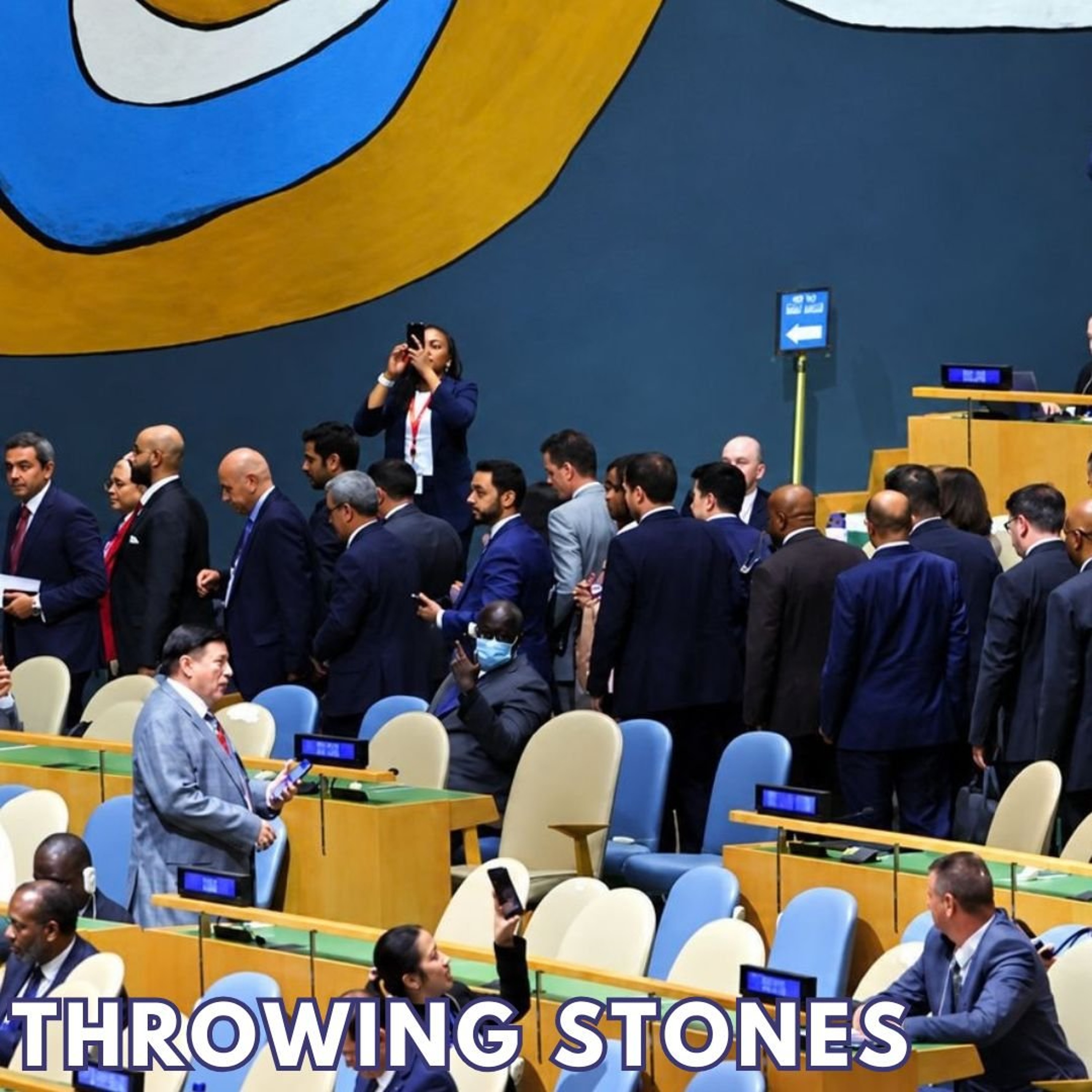 THROWING STONES 01.10.2026 9mAncient idol worship sometimes turned desecration itself into ritual: stones were thrown, and degradation became devotion. Watching the latest UN General Assembly, Rabbi Dunner sees an unsettling parallel. From Javier Milei’s blistering attack to António Guterres’s rhetoric and the walkout during Netanyahu’s speech, the institution’s sacred status seem increasingly at odds with how it is treated. Sukkot offers a radically different vision of nations gathering together.
-
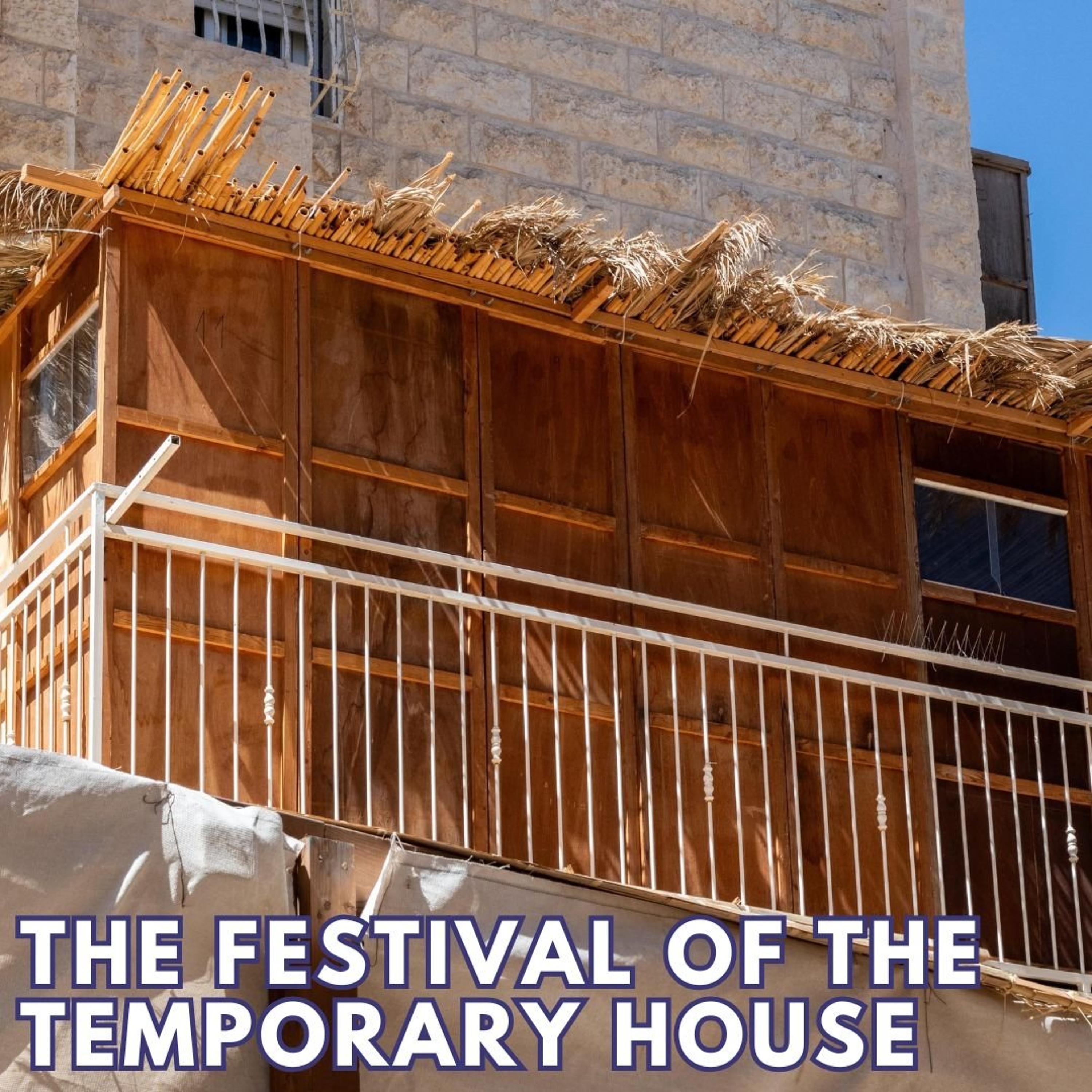 THE FESTIVAL OF THE TEMPORARY HOUSE 24.09.2026 34mSukkot begins with a flimsy hut and ends with dancing around a Torah scroll. In between come the four species, Kohelet, Hoshana Rabba, Shemini Atzeret, and a series of rituals that seem oddly disconnected. Rabbi Dunner shows how they form one argument: life is temporary, joy is deliberate, belonging requires participation, and every apparent ending is really another fresh beginning.
-
 THE MAN WITH THE UMBRELLA 23.09.2026 8mJonas Hanway became famous in eighteenth-century London for carrying an umbrella when respectable Englishmen considered them ridiculous. Sukkot asks us to do something almost opposite: leave our solid homes and sit beneath a deliberately incomplete roof. Rabbi Dunner explores security, vulnerability, happiness, and the crucial difference between protecting ourselves wisely and imagining that we are somehow invulnerable.
-
 WRITTEN IN BLOOD 20.09.2026 36mCan a Jew ever be too far gone? In 1917, more than four centuries after Portugal forced its Jews into hiding, Polish Jew Samuel Schwarz found a community still guarding fragments of Judaism in secret. From the anusim and Dona Gracia Nasi to Menashe ben Israel and modern genetics, Rabbi Dunner explores an astonishing truth at the heart of Shabbat Shuva: Jewish identity can be buried, but it refuses to disappear.
-
 DON'T GO OVERBOARD 17.09.2026 8mBarney Barnato rose from London’s East End to become one of the richest men in the British Empire, only to die at forty-six after going overboard in the Atlantic. His extraordinary life reads almost like all of the contrasts in Unetaneh Tokef. Rabbi Dunner explores uncertainty, reversal, despair, hope, and why Yom Kippur refuses to let any of us believe the story is over yet.
-
 A DAY OF JUDGEMENT AND JOY 17.09.2026 38mYom Kippur can feel like a day to endure: fasting, confession, white garments, and hours in shul. But beneath the solemnity lies one of Judaism’s most radical promises — that people can truly change. From the shattered second tablets to Kol Nidrei, forgiveness, apology, and Neilah, Rabbi Dunner explores why the holiest day of the year is ultimately a day of joy.
-
 LEARNING SOMETHING NEW 11.09.2026 32mThe Rosh Hashana machzor has 100’s of pages and the davening is really long. You already know about the shofar, the apple, the honey, and about Unesaneh Tokef. But you don’t know everything. In this shiur, Rabbi Dunner helps you notice the messages behind what you know, because what Rosh Hashana really demands is that you get yourself off autopilot.
-
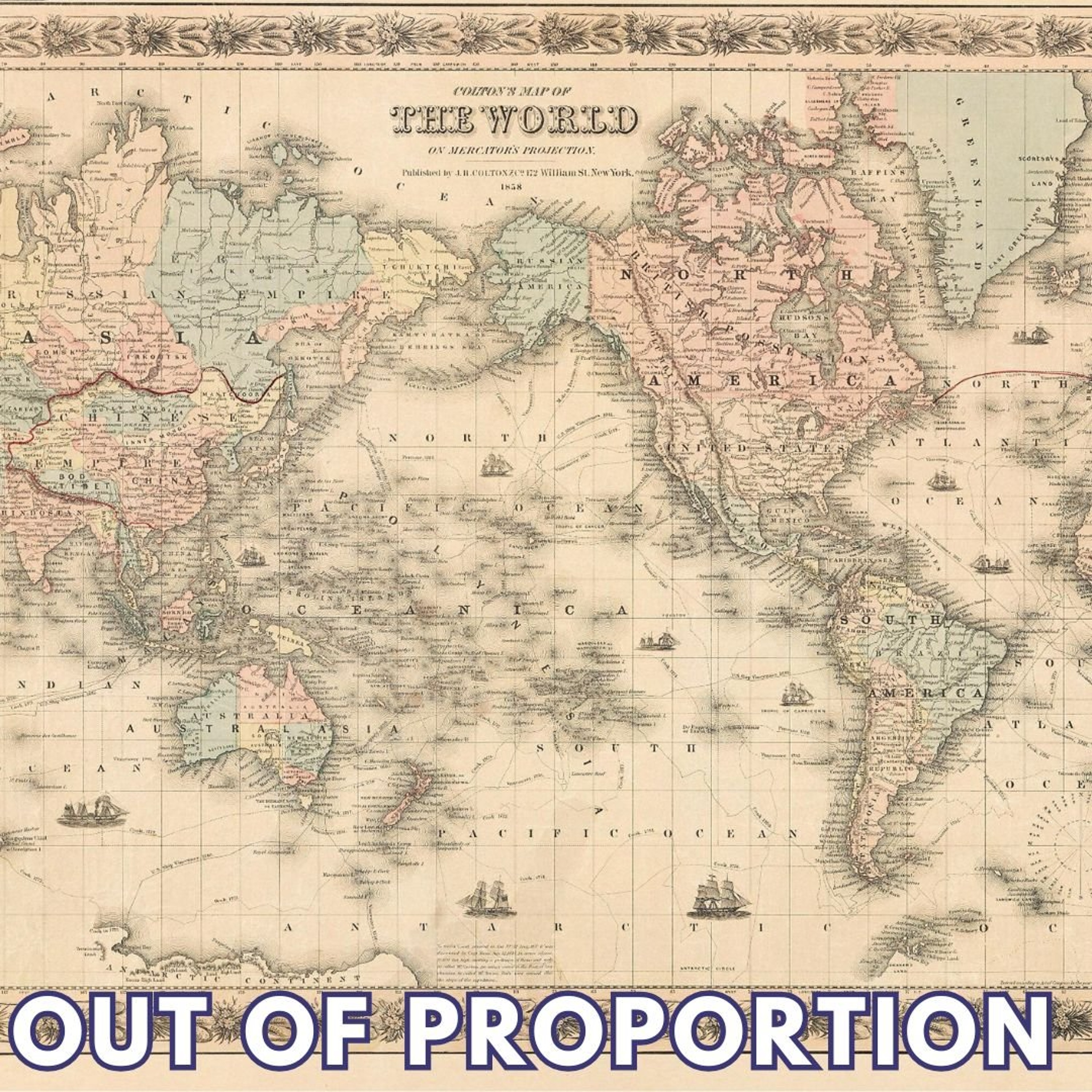 OUT OF PROPORTION 10.09.2026 8mIn 1544, a Flemish mapmaker sat in a castle dungeon on a charge of heresy. Twenty-five years later he published the map that still hangs in every classroom, and still makes Greenland look the size of Africa. Like him, we are all guilty of distorting proportion - but Rosh Hashana forces us to redraw our map.
-
 THE MAN WHO SOLD THE EIFFEL TOWER 03.09.2026 8mIn 1925, master conman Victor Lustig managed to “sell” the Eiffel Tower to a respectable Paris scrap dealer. The scam was outrageous, but its success exposed something deeply human: we are often easiest to fool when we desperately want a story to be true. Rabbi Dunner finds an unsettling echo of this exact weakness in Parshat Nitzavim.
Similar podcasts


Popular in
The podcast also appears in the podcast charts of these countries.
