
SAPIENS: A Podcast for Everything Human
SAPIENS
0
SAPIENS is a podcast that explores human stories from an anthropological perspective. Each episode delves into topics like the origins of chili peppers, the criminal justice system, and historical artifacts. The show aims to understand what it means to be human through diverse narratives. It is produced by SAPIENS, an anthropology magazine.
Episodes
-
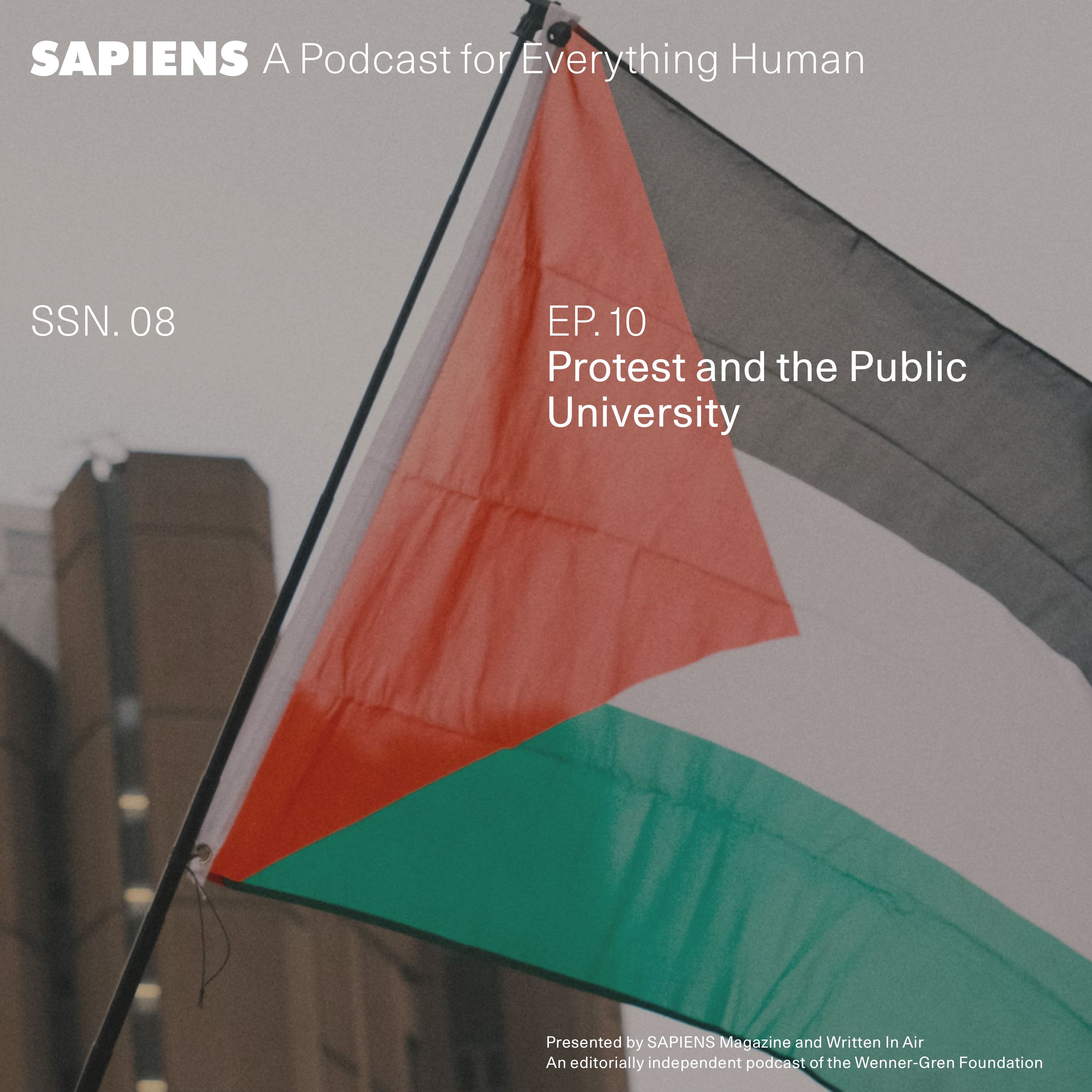 Protest and the Public University 03.06.2025 30mMembers of an encampment at a public university in New York City are on trial for felony charges. In 2024, students across the world launched encampments to challenge university financial ties to Israel in response to the genocide against Palestinians in Gaza. The City University of New York (CUNY), the largest urban public university system in the United States, celebrates and valorizes its long and storied history of activism. However, the administration reacted differently during the 2024 police raid on the Gaza Solidarity Encampment at its flagship campus in Harlem. Comparing the CUNY stud...
-
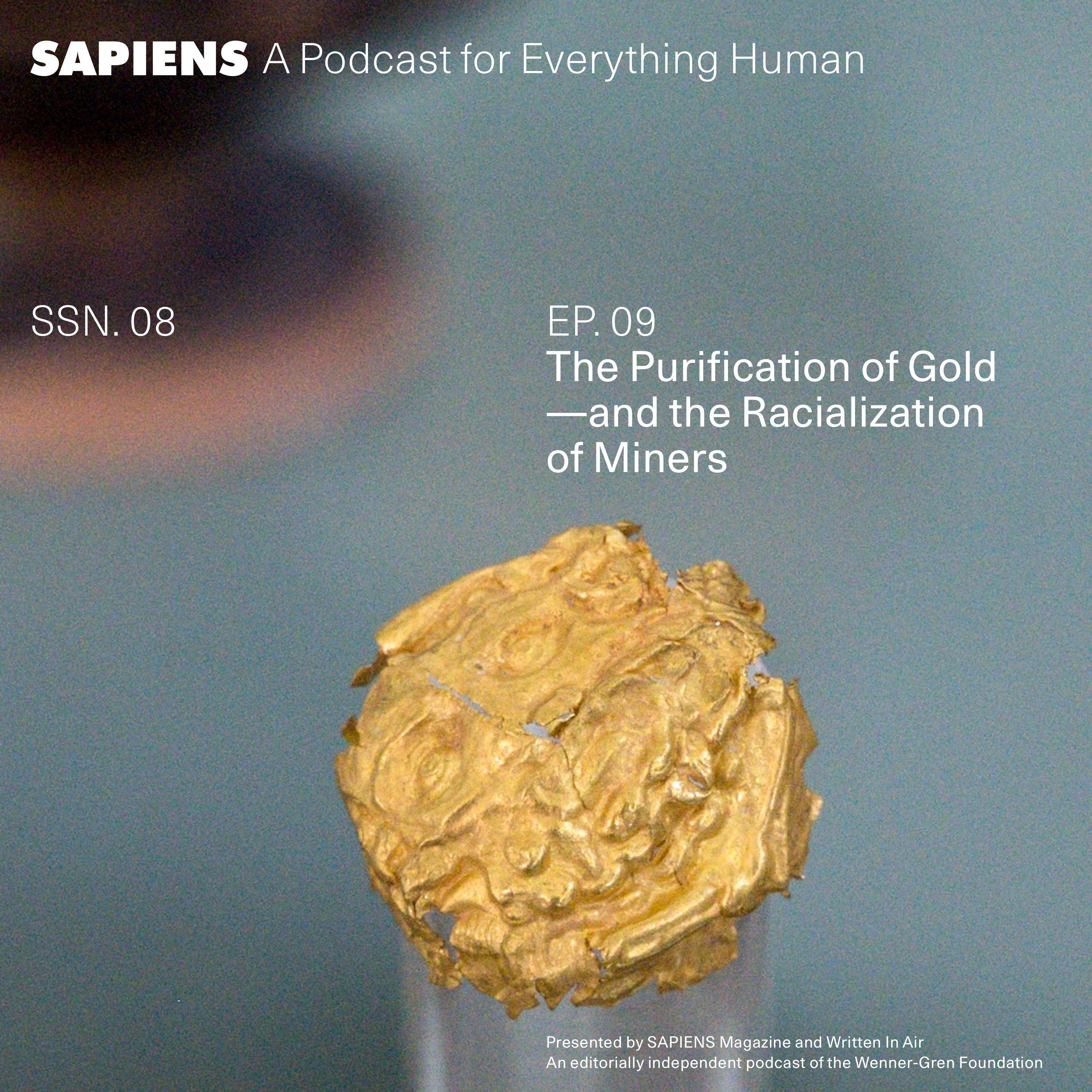 The Purification of Gold—and the Racialization of Miners 27.05.2025 34mThe gold industry, alongside nation-states, has marginalized the artisanal and small-scale mining (ASM) sector for decades, but now things seem to be changing. The industry has realized that engaging with the ASM sector could be more beneficial for their reputation than excluding it. While once ASM was viewed as a risk, now it is seen as an opportunity. Anthropologist Giselle Figueroa de la Ossa spent more than 20 months studying the gold value chain and the actors involved in it. In this episode, she explores this recent shift around ASM and its unintended consequences. Giselle Figueroa de la...
-
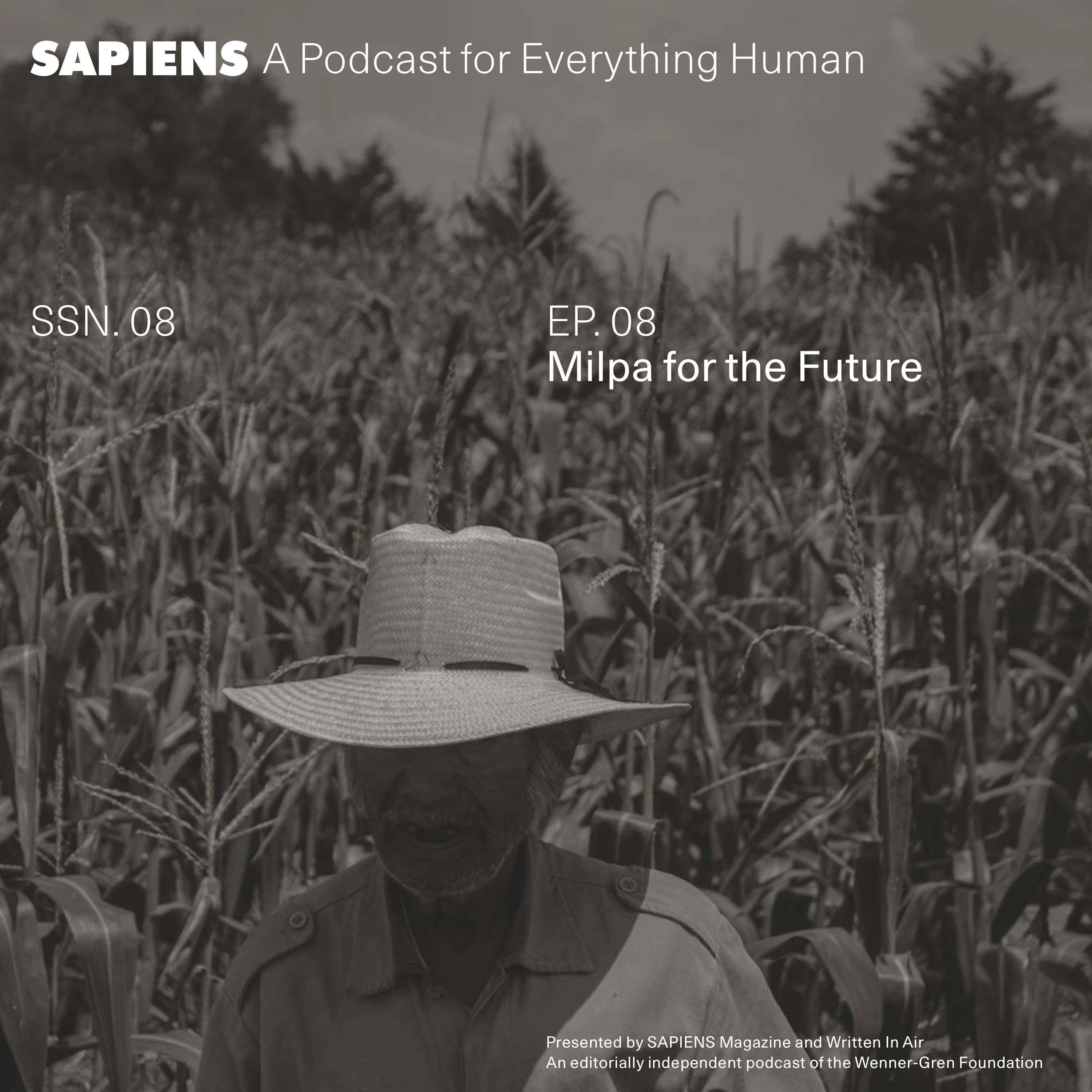 Milpa for the Future 20.05.2025 25mMilpa is an ancestral way of farming in Mexico and other regions of Mesoamerica that involves growing an assortment of different crops in a single area without synthetic pesticides and fertilizers. This provides people in the region with a wide variety of foods and a balance of nutrients. In recent years, with the introduction of farming based on synthetic herbicides, milpa has changed, and land is used to grow just a single crop. This change in agriculture has led to the rise of ultra-processed foods in these rural areas, which is impacting the nutritional health of the people. This change in...
-
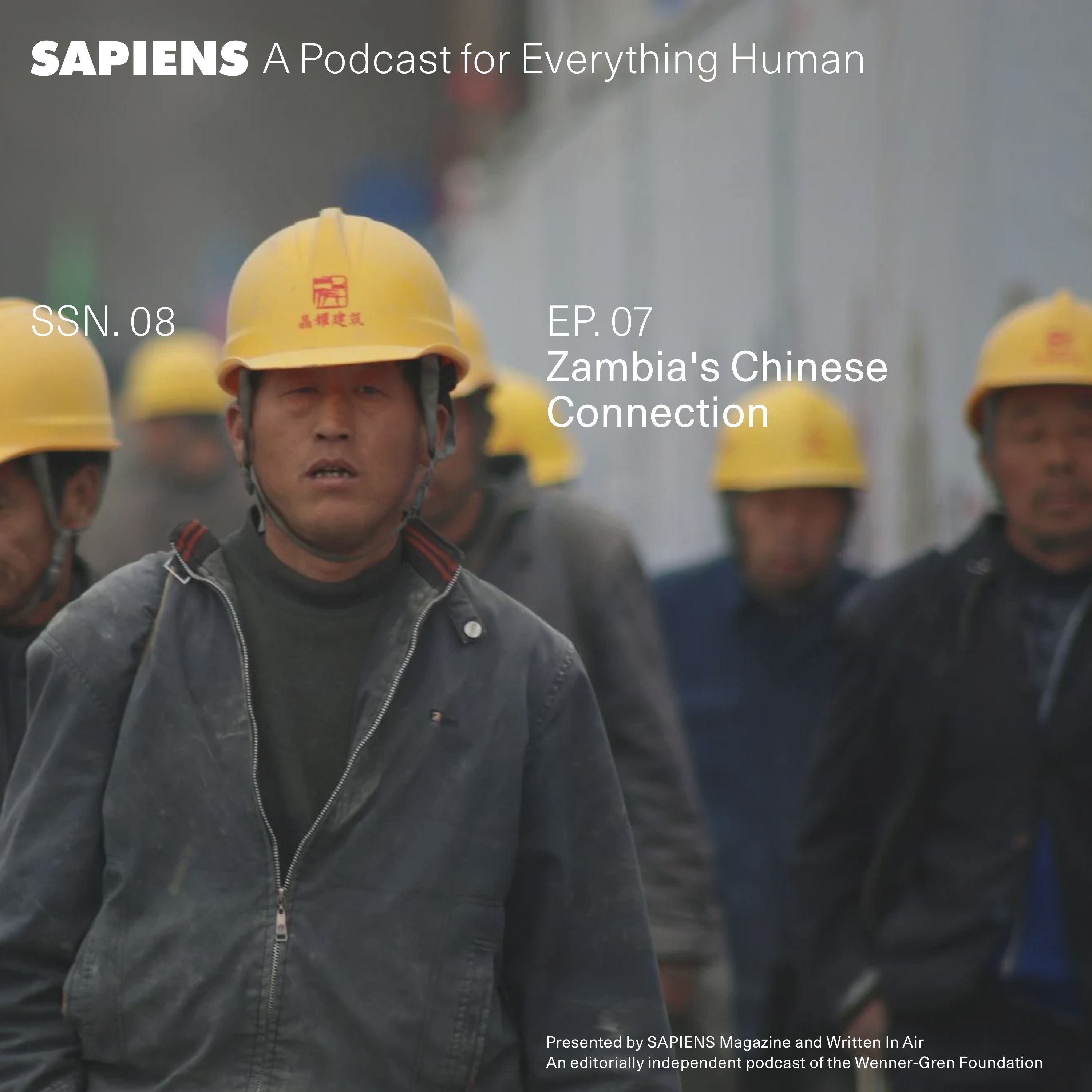 Zambia’s Chinese Connection 13.05.2025 29mIn the last two decades, an unprecedented wave of Chinese investment and migration to Africa has transformed many economies on the continent. But this has also provoked a storm of controversy, as some criticize the situation as exploitative neocolonialism. Others defend this migration as development assistance and an act of solidarity between regions jointly victimized by European colonialism. In this episode, anthropologist Justin Lee Haruyama takes us to Zambia, where Chinese investment is bringing two cultures together in the country's mines. Justin speaks with local Zambians and researcher...
-
 South Africa’s Road Out of Colonialism 06.05.2025 29mWhile researching the history of parole in South Africa, a lawyer and anthropologist discovers the origins of the N2 road, which she drives everyday. Now interested in this highway’s history, she explores how this and other roads were used to expand territory and exploit people during South Africa’s colonial periods under Dutch and British rule, and how they kept people separate during the country’s apartheid government from 1948 to 1994. In the present, she learns of a new highway project that threatens to repeat this legacy of racist displacement. Nicole van Zyl is a South African lawyer and...
-
 Ceasefire From the Earth and Sky 29.04.2025 33mIn existence for more than 70 years, the Korean Demilitarized Zone (DMZ) is the site of the longest ceasefire in the world. What can this region teach us about the long, intended—and unintended—consequences of this form of a truce? In this episode, sociocultural anthropologist T. Yejoo Kim uncovers how residents have been surviving through decades of sonic violence and propaganda, and explores recent developments in such long-lasting psychological warfare. She also details how a former excavationist remembers discovering human remains at the DMZ. Even after more than 70 years, the ceasefire al...
-
 A Venezuelan Election … in Chile 22.04.2025 32mIn this episode, social anthropologist Luis Alfredo Briceño González talks about his experiences as a foreign researcher in Chile. During his fieldwork, he met Marta, a Venezuelan woman residing in an informal settlement on the outskirts of Santiago. Marta and her family held a mock election to protest not being able to vote in their home country during the presidential elections in 2024. Through her story, Luis discusses the enduring emotional and political ties that migrants often have with their home countries. Luis Alfredo Briceño González is a doctoral candidate at the Potificia Universid...
-
 Hunting, Gathering, and the Fluidity of Gender Roles 15.04.2025 38mWhen it comes to the division of labor in hunter-gather societies, the stereotype is generally that men hunt and women gather. But when a recent study claimed that women in hunter-gather societies hunt just as much as their male counterparts, the finding made news around the world. But why does gender equality in the past matter so much today? This episode focuses on the complexities of work, gender, and power throughout human evolution. Evolutionary anthropologist Cecilia Padilla-Iglesias guides us through what these can tell us about gender roles in humanity’s past and the origins of uneven...
-
 A Linguist’s Night at the Ball 08.04.2025 38mSince its emergence in 1960s Harlem, the LGBTQ+ “ballroom scene” has expanded into a transnational subculture. For outsiders, understanding how a ball functions can take time. Join linguistic anthropologist Dozandri Mendoza as they “walk” us through a night at a kiki ball in Puerto Rico. They introduce us to DJs, commentators, performers, and the Boricua Ballroom children who are refashioning the techniques of their trans-cestors. Dozandri guides us through both the expectations of those on the sidelines of the ballroom runway and the anticolonial political meanings behind the Puerto Rican bal...
-
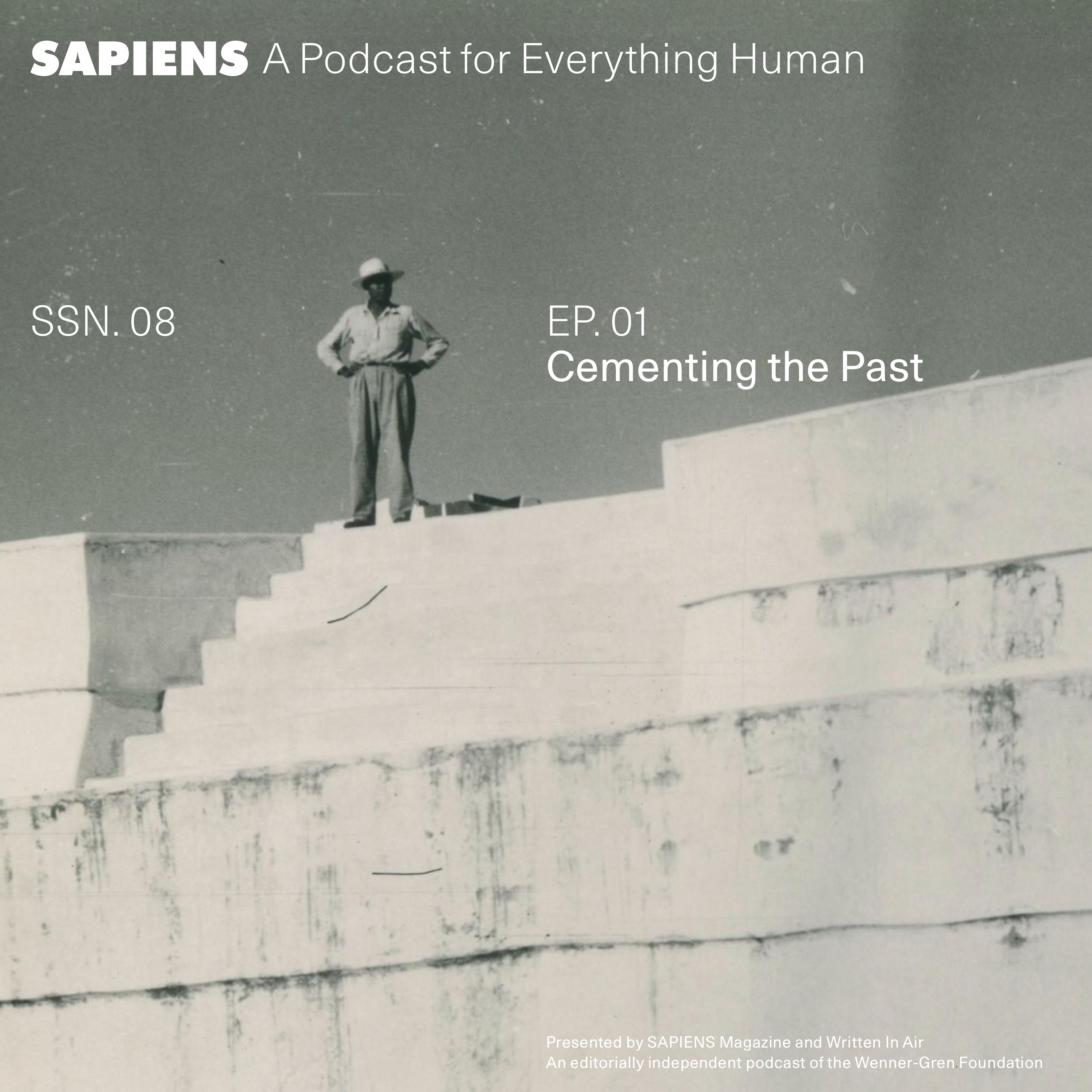 Cementing the Past 01.04.2025 34mThe United Fruit Company was a U.S. multinational corporation and at one time, the largest landholder in Central America. To maintain authority in this part of the world, the company stamped out labor reform, collaborated with U.S.-backed coups, and, oddly enough, invested in archaeology. Why? In this episode, anthropologist Charlotte Williams explores the company’s role in preserving the past. She discusses United Fruit's botched conservation project at the Maya site of Zaculeu and the ongoing impacts of that program. Charlotte Williams is a Mellon Democracy and Landscapes Initiative fellow a...
-
 Where Cultures Collide: Season 8 Trailer 25.03.2025 1mCulture is a force that makes us who we are. It drives social interactions and relationships, shapes beliefs and politics, ignites imaginations, and molds identities. Cultural conflicts are at the heart of many crises facing the world—increasing inequality, persistent bigotry, ecological collapse. In this season of the podcast, we’re investigating these intersections of culture: how past flashpoints echo into today, how present flashpoints are forging our futures. Through the lens of anthropology, we will examine what happens when human cultures meet, merge, and clash—and what these encounters...
-
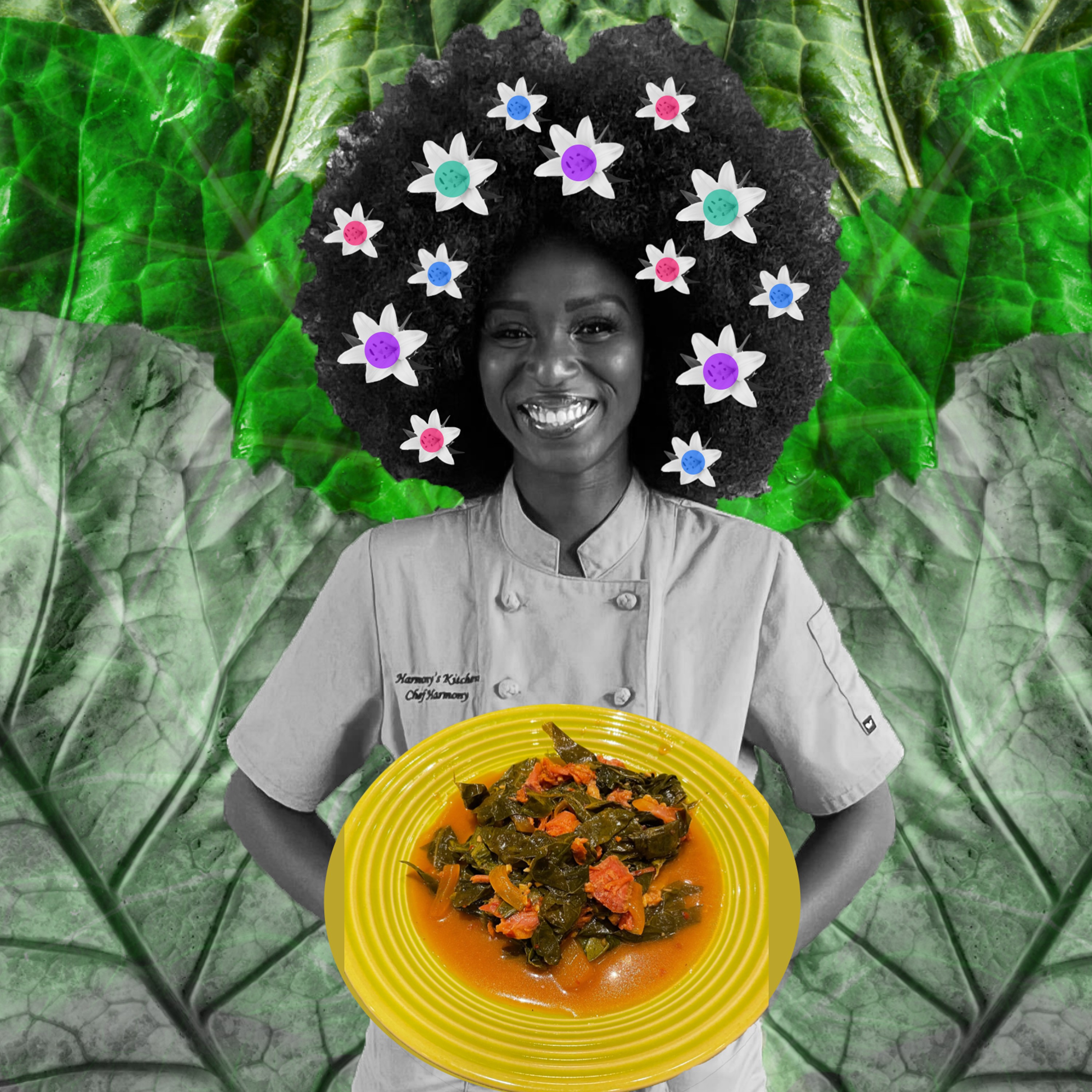 Introducing: Homegoings 03.10.2024 35mHost Myra Flynn unpacks one soul food recipe: collard greens, with local and world-renowned chefs, and even her own mother. Together they explore how the history of a once undesirable food mimics the resilience, innovation, and perseverance of a once considered undesirable people. * Homegoings is a: Podcast, TV show, and event-series where no topic is off the table, and there’s no such thing as going too deep. Host and musician Myra Flynn brings you candid conversations about race with artists, experts and regular folks all over the country about their literal skin in the game—of everyday life...
-
 The Ancient Child Who's Changing Archaeology 24.07.2024 37mCan museums and archaeology harm the dead? An Indigenous archaeologist from Brazil challenges traditional approaches to studying human bones. Her work reveals how standard practices—such as assigning catalog numbers to ancient bodies—are violent and biased. As she encounters the remains of a 700-year-old child in a university museum, their stories intertwine, highlighting issues of ethics, coloniality, and ethnic erasure. This encounter prompts a discussion on how archaeology and museums can address historical wounds and counter the silencing of Indigenous histories. Mariana Petry Cabral is a...
-
 Comics As a Medium for Women’s Rights 17.07.2024 29mAs a form of popular culture, comics have provided humor, action, and entertainment to readers of all ages and across generations. But comics also intertwine art and humor to creatively make political statements, challenge media censorship, and address controversial issues of the times. This podcast episode focuses on how comics can be tools for social action and transformation by highlighting the life history of the first woman Pakistani comic artist Nigar Nazar and her character Gogi, whom she created in the 1970s. Gogi comics shed light on important themes of education, health, rights, and...
-
 Smartphones Are Bicycles For Our Minds 10.07.2024 26mWhere is your smartphone right now? If you’re like most smartphone users in the United States, it’s probably within a few feet of your reach, if not sitting in your hand. In the last 15 years, smartphones have quickly, seamlessly, and profoundly been embedded in the daily lives of most Americans. There are now few, if any, domains of modern life that are unaffected by smartphone use. This episode explores our interactions and relationships with these pocket-sized computers we call smartphones through the research of Alberto Navarro, a doctoral student at Stanford University. Drawing from inven...
-
 When Scientists Take to the Streets 03.07.2024 29mMaría Pía Tavella is an Argentine biological anthropologist and science writer. In conversation with host Eshe Lewis, María shares a snapshot of the multiple hurdles the scientific community is facing in Argentina and reflects on the role of science communication. How is scientific research related to our daily lives? In what ways are science contributions so valuable to our societies that we shouldn't cut spending on them, even in times of economic crisis? María Pía Tavella received a Ph.D in anthropology from the Universidad Nacional de Córdoba (Argentina) and is an assistant professor in hu...
-
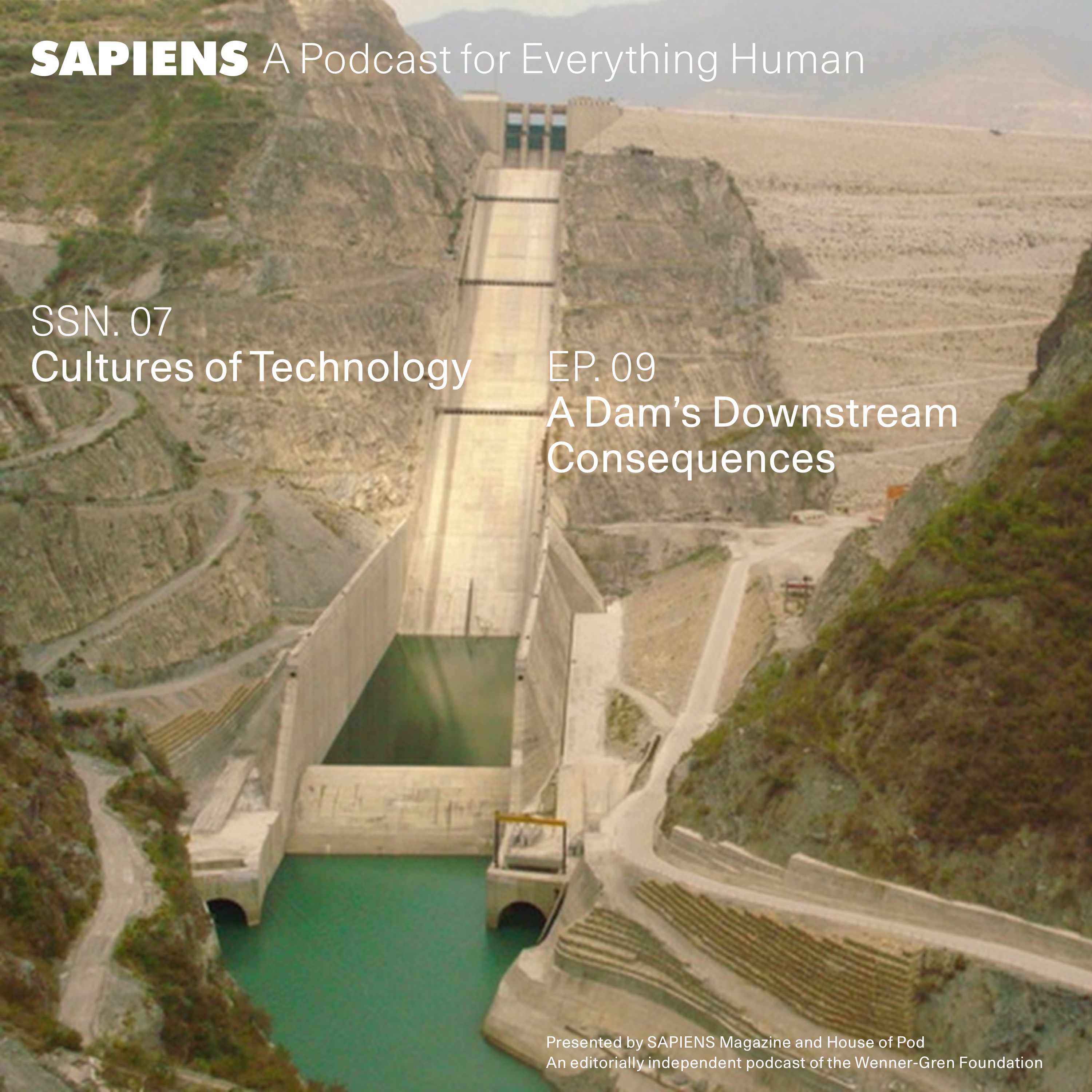 A Dam’s Downstream Consequences 26.06.2024 26mDiscussions about the impacts of dams around the world are often focused on the displacement of communities due to the creation of reservoirs and the submergence of towns and cities. What happens when a dam affects more people downstream than it displaces upstream? How does a dam impact humans living downstream? In this episode, Parag Jyoti Saikia shares how the Subansiri Lower Hydroelectric Project, one of India’s largest dams under construction, will impact the lifeways of Indigenous communities living downstream of the dam. The dam will not displace them. Instead, it will change the ways in...
-
 Why Do We Eat at Funerals? 19.06.2024 24mFuneral traditions around the world involve a range of rituals. From singing to burying to … eating. Why is food such a common practice in putting our loved ones to rest? In this episode, Leyla Jafarova, a doctoral student at Boston University, examines the role of funeral foods in different cultural contexts—from the solemn Islamic funeral rites of the former Soviet Union to the symbolic importance of rice in West Africa. Food rituals help with bereavement because they carry cultural symbols, foster social cohesion, provide psychological comfort, and contribute to the expression of collective...
-
 Chatter That Matters 12.06.2024 30mWhat role does gossip play in human societies? In this episode, Bridget Alex and Emily Sekine, editors at SAPIENS magazine, chat with host Eshe Lewis to explore gossip as a fundamental human activity. They discuss gossip’s evolutionary roots, suggesting it may have developed as a form of "vocal grooming" to maintain social bonds in groups. It also helps enforce social norms, they argue, offering a way to share information about people’s reputations and control free riders. Their conversation also touches on how gossip can aid in navigating uncertainties and expressing care. Bridget Alex earned...
-
 The Problems of Digital Evidence in Terrorism Trials 05.06.2024 34mToday most people around the world are using digital gadgets. These enable us to communicate instantaneously, pursue our daily work, and entertain ourselves through streaming videos and songs. But what happens when our past digital activities become evidence in criminal investigations? How are the data that mediate our lives turned into legal arguments? An anthropologist searches for answers. Onur Arslan is a Ph.D. candidate in anthropology at the University of California, Davis, who works at the intersections of science and technology studies, visual anthropology, law, and social studies. He...
Similar podcasts


Popular in
The podcast also appears in the podcast charts of these countries.

