
Asili Africa
Synthetic Africa
1
This podcast explores the origins of Africa's largest companies. Each episode provides an in-depth look at how these businesses began and evolved. The show focuses on the foundational stories behind their success, offering a deep dive into the early days of Africa's corporate giants.
Episodes
-
 Keroche Breweries (Kenya): Owed, or said to owe 16.11.2026 17mKeroche began in 1997 on about half a million shillings taken out of a hardware shop, making fortified wine at Naivasha. After the excise on that wine went up, it moved into spirits and, in 2008, into beer. Years of tax disputes followed. In 2019 both founders were charged with tax evasion, which they denied, and no source found records those charges being tried. The tax authority shut the plant more than once. The second generation now runs the company and is reviving it, while former workers hold court awards against it and a liquidation petition waits on the courts.
-
 East African Breweries (EABL) (Kenya): Majority owns it; Nairobi sets terms 12.11.2026 17mIn 1922, near Ruaraka on the edge of Nairobi, a brewery was founded, and Charles Hurst named its first beer Tusker after his brother George, killed in an elephant hunting accident. The company listed its shares in 1954. In 2000 majority control passed to Diageo in London, and in 2025 Diageo agreed to sell its sixty five per cent to Japan's Asahi. Control has changed hands by sale, between holders. The terms the company trades on have been set in Nairobi: by the Treasury's excise on its sorghum beer, and by the regulator that approved the sale with conditions.
-
 Mabati Rolling Mills (Kenya): Between the coil and the roof 09.11.2026 15mMabati Rolling Mills carries in its name the Swahili word for iron sheets, and it is the best-known name in Kenyan roofing steel. It does not make steel. Since an engineer, Manu Chandaria, put in a small galvanising line at Mariakani, near Mombasa, in the early 1960s, it has added steps to steel that arrives already made, as imported coil: cold rolling, colour coating, an aluminium-zinc coating, and now pre-engineered steel buildings at Athi River. In 2020, according to press reports, it won a court case over its Versatile trademark. It publishes no accounts, and who is largest in Kenyan steel...
-
 Bidco Africa (Kenya): Own what people come back for 06.11.2026 17mBidco Africa began as a family garment business stuck with unsold stock and shops that paid months late. "You don't buy a shirt every day. But you buy food every day," says Vimal Shah. The family opened a soap factory in Thika in 1985 and an edible oil refinery in 1991, and in 2002 bought the cooking fats Kimbo and Cowboy from Unilever. The episode follows a contested palm oil project in Uganda, a twelve-year customs dispute it won, and former workers' complaint to its lender. In 2024 a Bidco joint venture bought Suntory's Kenyan drinks business. Bidco publishes no audited accounts.
-
 Capitec (South Africa): Earning more outside personal banking 04.11.2026 17mCapitec was founded in 2001 in the Western Cape by senior bankers from Boland Bank, with money from Jannie Mouton's PSG, and its roots were in microlending. For more than a decade it sold a cheap account alongside unsecured loans. In its latest half-year results, insurance and its fintech business of airtime, data and its own mobile network together earned more than half of headline earnings; personal banking earned thirty-seven per cent. The episode covers the 2018 Viceroy short-seller report, which the conduct regulator later found false, misleading or deceptive, and the gap between 26.6 mil...
-
 GTBank (Nigeria): Still run from inside 02.11.2026 16mGuaranty Trust Bank was licensed in Lagos in 1990 by about thirty-five Nigerians, most of them in their thirties, and opened its first head office in 1991. No single shareholder controls it, and no founding family or government. Three times the top job has changed hands, in 2002, 2011 and 2021, and each time it went to someone already inside; the man who runs the group today joined in its first year. The episode follows that chain, the move into a holding company, GTCO, two fines on its UK subsidiary from Britain's financial regulator, and what is still open: a consumer protect
-
 Co-operative Bank of Kenya (Kenya): Owners by direction, not by market 30.10.2026 16mAfter Kenya's independence, the government directed cooperative societies to put their deposits in one bank and to buy its shares. Co-operative Bank of Kenya opened in January 1968. From about 1996 it paid no dividend for seven years. It listed in Nairobi in 2008, and for 2025 reported a record profit before tax of 40.3 billion shillings. The cooperative movement still holds about two thirds, through one society. Shareholders have been asked to approve a new parent company. A move to charge its chief executive over an alleged loss at another firm is paused by High Court orders; no court has ma...
-
 MAX (Metro Africa Xpress) (Nigeria): From the trip to the machine 26.10.2026 19mMAX began in Lagos at the turn of 2016 delivering parcels on twenty motorcycles, started by two Nigerian students from MIT Sloan. In 2018 it began financing motorcycles to its riders. When Lagos restricted motorcycle taxis and tricycles across major areas in February 2020, Rest of World reported that MAX was left with $6.7 million of motorcycles that could no longer be used there, and nearly two thousand riders were laid off. Today it assembles electric two and three wheelers in Ibadan, runs battery swap stations and lends the vehicles to drivers. Its chief executive says it is profitable in N...
-
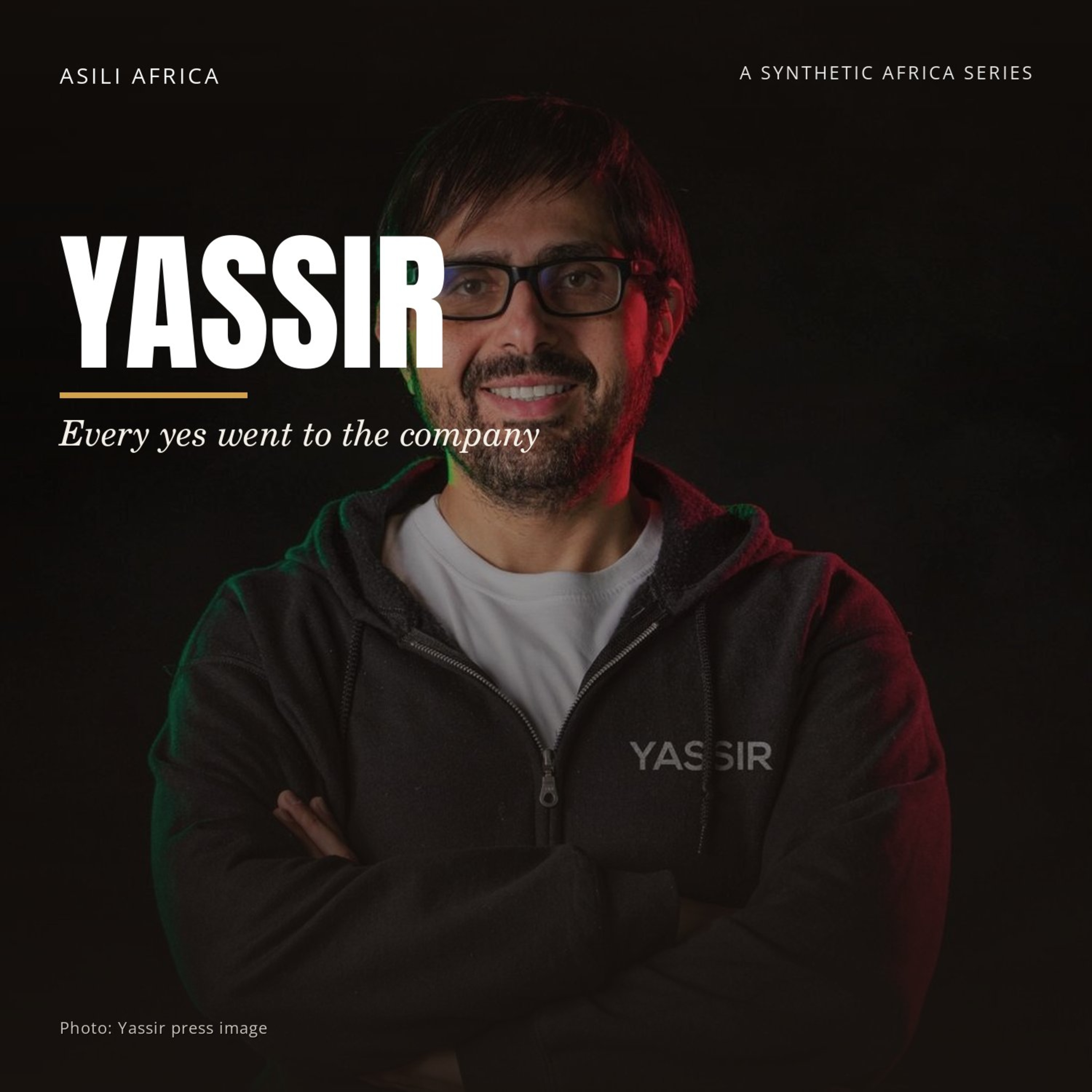 Yassir (Algeria): Every yes went to the company 24.10.2026 17mYassir started in Algiers in 2017 as a ride hailing app, founded by Noureddine Tayebi and Mahdi Yettou, and grew into a super app for deliveries, groceries and payments. Tayebi called his idea banking as a platform: earn people's trust with everyday services, then carry their money. Y Combinator admitted it, investors put 150 million dollars into a 2022 round, a Paris court chose it as one of three buyers of Flink France, and in 2026 it bought the Uno hypermarkets from Cevital. Algeria taxes the platform, but its drivers still have no legal status. A bill described as finalised had not been co...
-
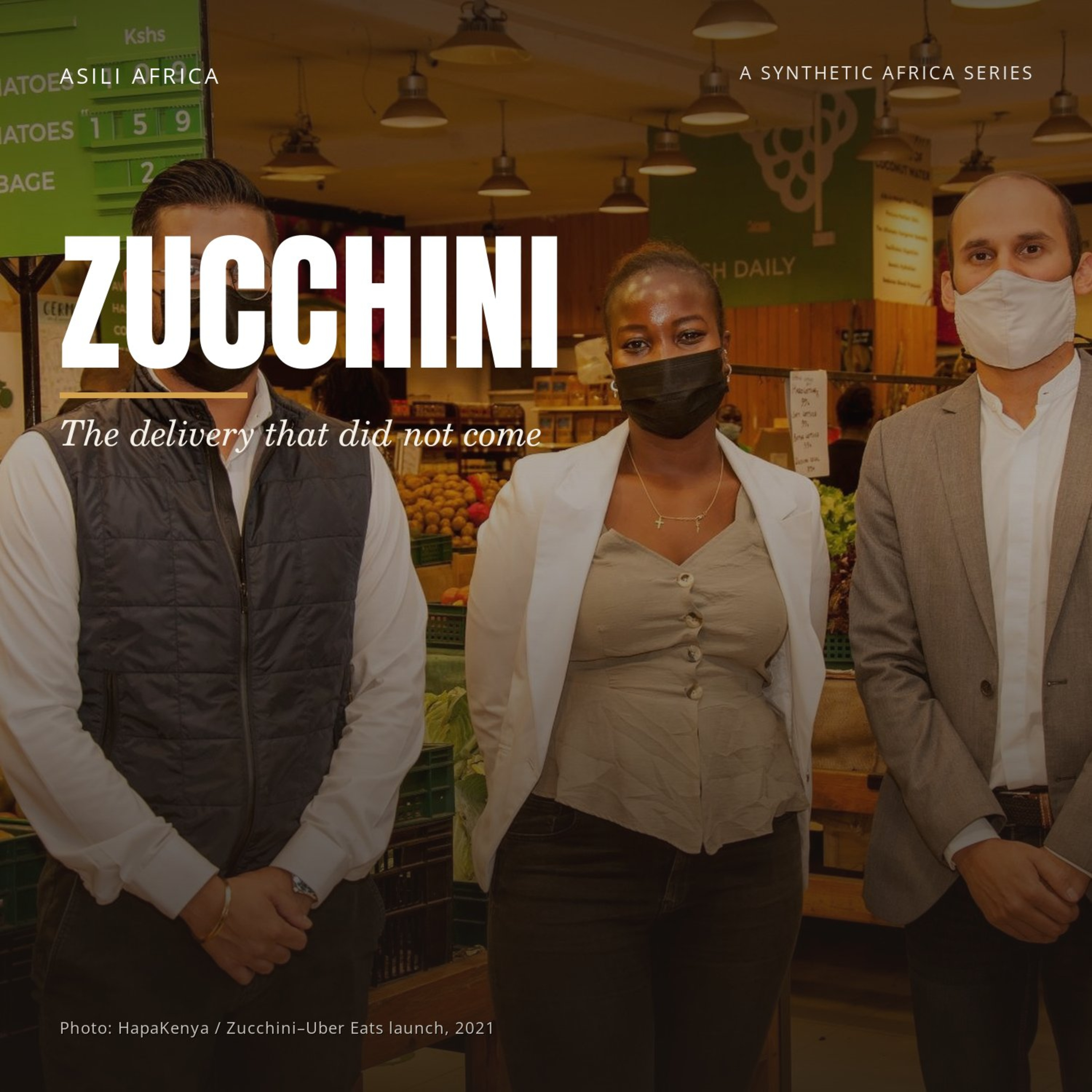 Zucchini (Kenya): The delivery that did not come 21.10.2026 15mIn 1991, a butcher at ABC Place in Westlands, Nairobi, suggested that the shopping centre needed a vegetable shop. Sukhwinder Jandu, a young biochemist, opened one in a corner of Continental Supermarket with 35,000 shillings of savings. By his own account, when a trader at Wakulima Market promised a delivery and did not make it, he drove to the market himself at four in the morning. In 1995 Zucchini stopped buying through middlemen, and it says it buys directly from farmers it visits every week. It now has nine branches in Nairobi. No farmer is named in any source we found, and nothing says wh...
-
 NCBA (Kenya): Who held it, and how? 19.10.2026 16mCommercial Bank of Africa was founded in Dar es Salaam in 1962 by a consortium based in Switzerland, moved to Nairobi, and was later bought and then sold down by Bank of America. NIC began in 1959 as an asset finance lender. By 2017 the Kenyatta family was Commercial Bank of Africa's largest single shareholder, by a route the record we found does not show, and the Ndegwa family controlled NIC. The two banks merged in 2019. In 2026 control is passing to South Africa's Nedbank, paid mostly in Nedbank shares, and the families keep a stake. The merger's stamp duty exemption is still before the Cou...
-
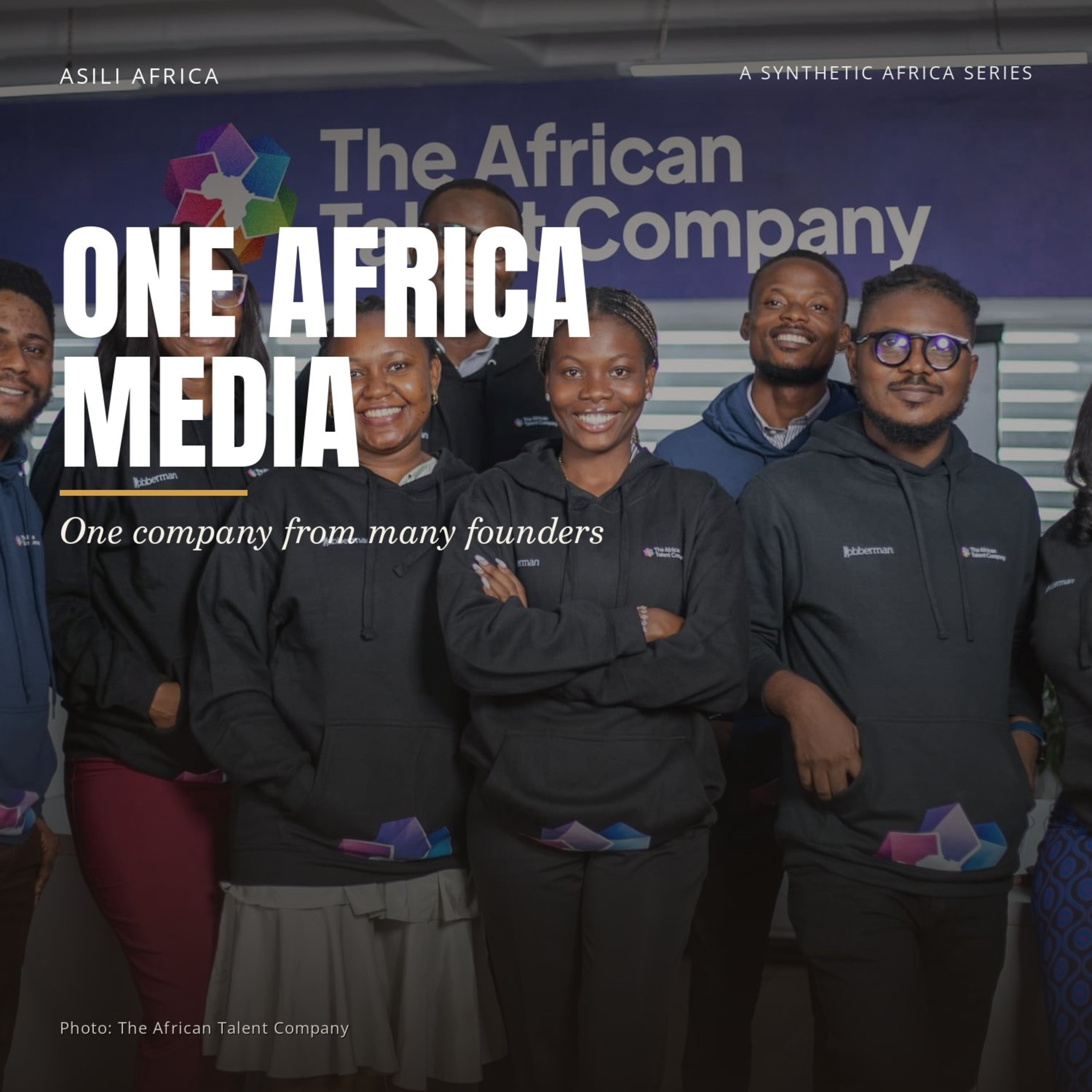 One Africa Media (Pan-African): One company from many founders 17.10.2026 16mOne Africa Media was built on one idea: that Africa's separately founded job, car and property sites were worth more as a single company. Founded in 2010 by Justin Clarke and Carey Eaton, it bought into Jobberman in Nigeria and BrighterMonday in Kenya, merged with Ringier's African classifieds, and by 2017 operated in nine countries. Then it narrowed, selling its last car sites in 2021. In December 2022, Ringier agreed to buy out SEEK and the remaining minority shareholders. Whether the whole was ever worth more than its parts, the record does not say. The two job sites, both older than the co...
-
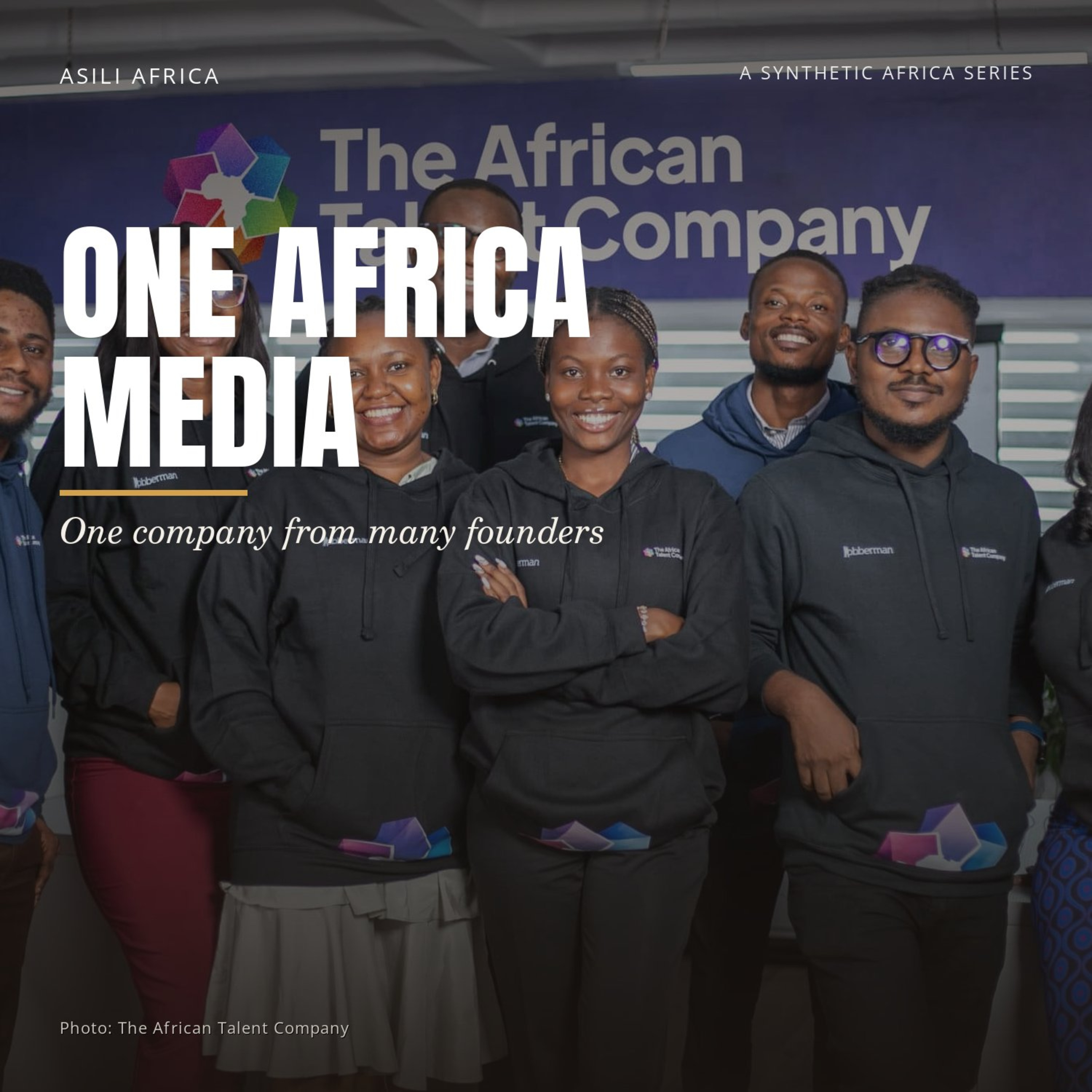 One Africa Media (Pan-African): One company from many founders 17.10.2026 16mOne Africa Media was built on one idea: that Africa's separately founded job, car and property sites were worth more as a single company. Founded in 2010 by Justin Clarke and Carey Eaton, it bought into Jobberman in Nigeria and BrighterMonday in Kenya, merged with Ringier's African classifieds, and by 2017 operated in nine countries. Then it narrowed, selling its last car sites in 2021. In December 2022, Ringier agreed to buy out SEEK and the remaining minority shareholders. Whether the whole was ever worth more than its parts, the record does not say. The two job sites, both older than the co...
-
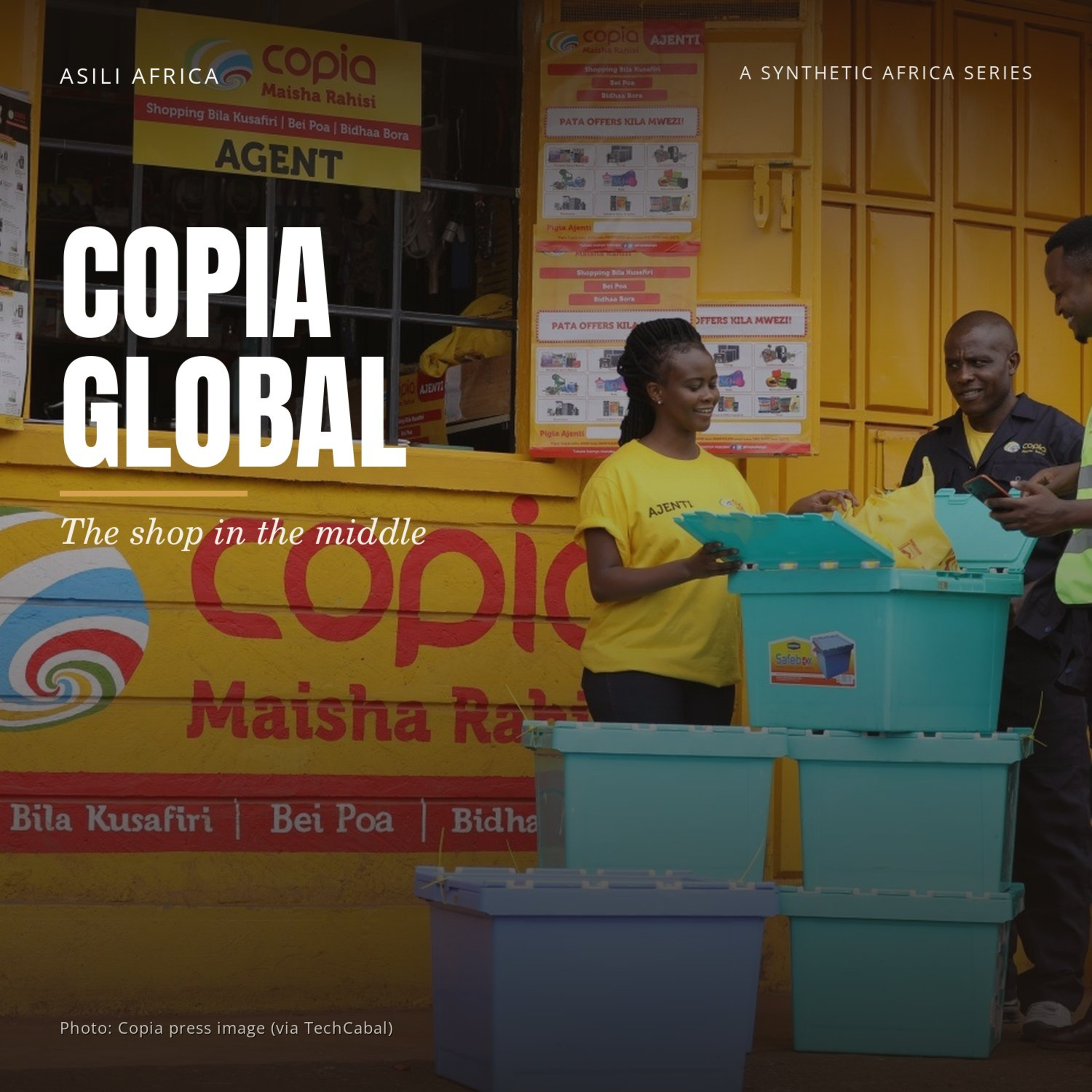 Copia Global (Kenya): The shop in the middle 16.10.2026 17mCopia, launched in Nairobi, made a small shop stand in for the customer's address: orders were placed at the counter, delivered to the shop and paid for there. It grew to tens of thousands of shops, and by March 2021 had served a million different customers, according to a Pioneers Post profile. After leaving Uganda and two rounds of job cuts, it failed to secure new funding, and its board placed it into administration in May 2024. On 17 September 2026 the High Court ordered its final liquidation. Whether staff were paid what they were owed, and what became of the shops, the record does not sa...
-
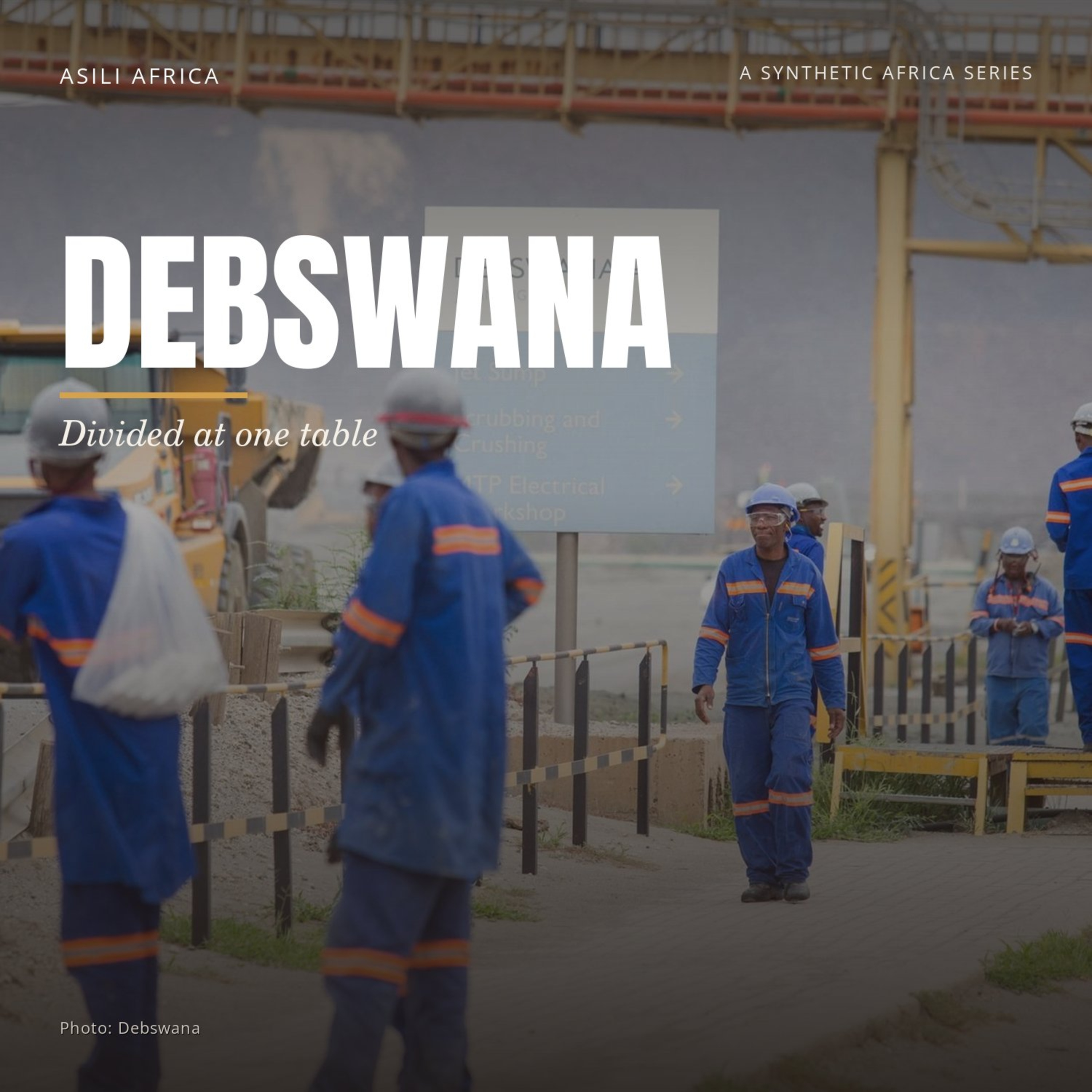 Debswana (Botswana): Divided at one table 15.10.2026 17mSince 1969 the value of Botswana's diamonds has been divided at one table, between the state and De Beers, through the company now called Debswana. The state started with fifteen per cent and won half in 1975. In 2025 a new government signed a sales agreement giving the state's own diamond trader a growing share of Debswana's output. The state also holds a right of first refusal over Anglo American's shares in De Beers, which Anglo American is selling. Meanwhile, the value of what is being divided has fallen sharply.
-
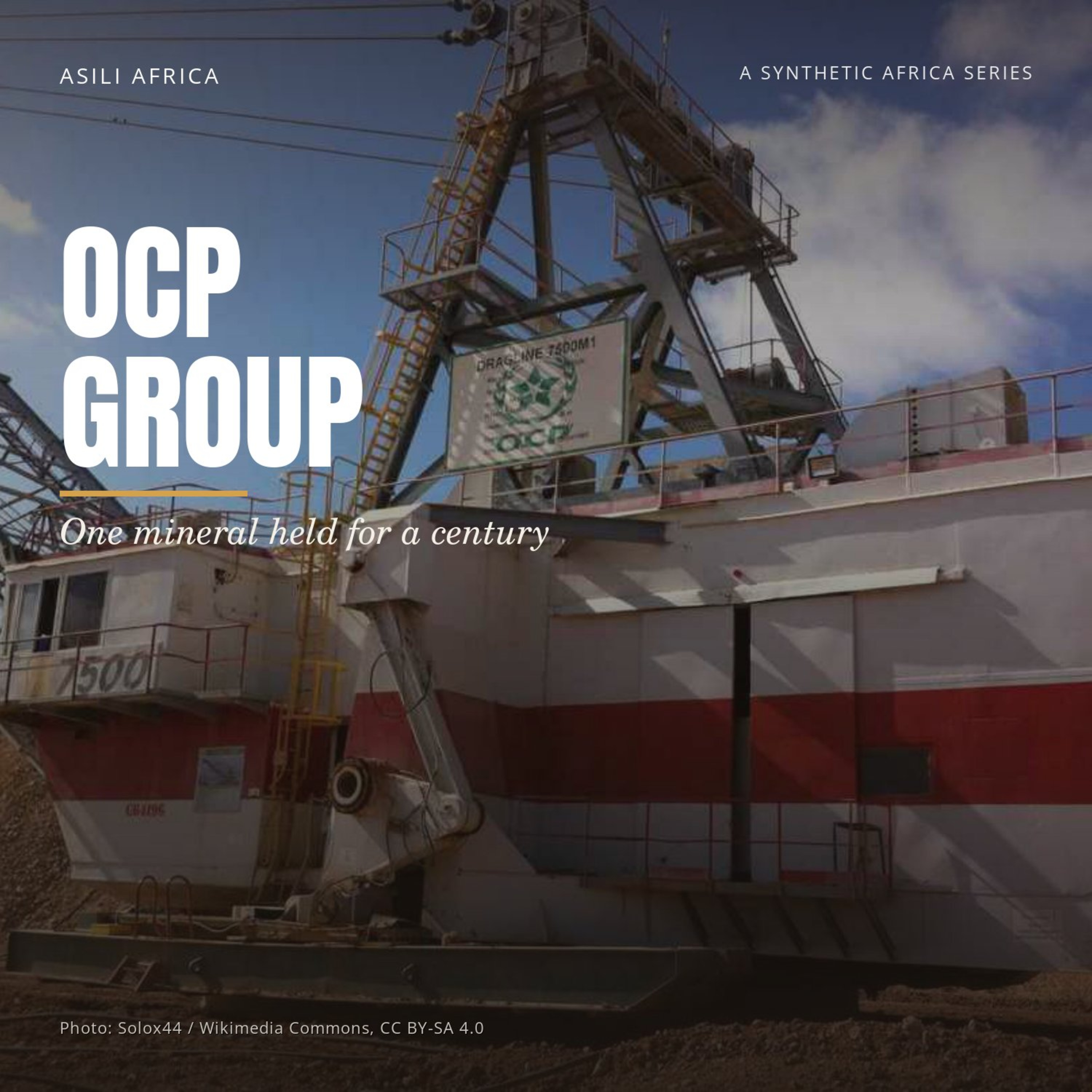 OCP Group (Morocco): One mineral held for a century 14.10.2026 17mIn 1920 a dahir created OCP to hold Morocco's phosphate, a mineral with no substitute, and the state has never sold the company. Over a hundred and six years that hold has widened: from the ground to the factory, onto Bou Craa in Western Sahara, a territory whose status has never been settled, and, through a programme still under way, toward its own ammonia and water. Every edge of that hold is still argued over: whose ground, what the state takes from its own company and what it gives, and what the sea is given.
-
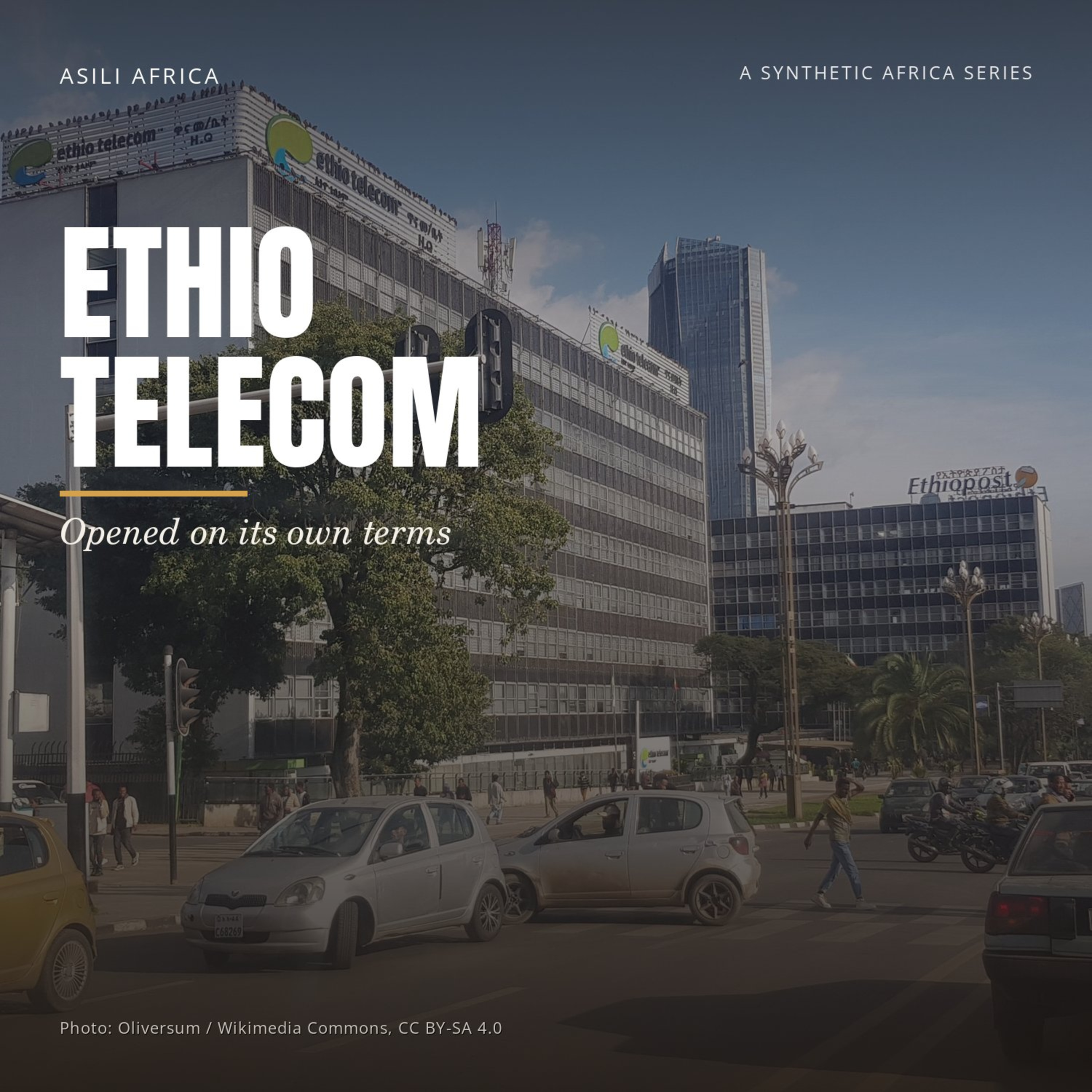 Ethio Telecom (Ethiopia): Opened on its own terms 13.10.2026 17mEthiopia's telephone network began with an 1894 line from Harar to Addis Ababa, and its only constant since has been the owner. The state opened it on its own terms, one dose at a time: Chinese supplier credit, French managers under contract, one licensed rival, then a tenth of the shares. When the public was offered that tenth, it bought about a tenth of what was offered.
-
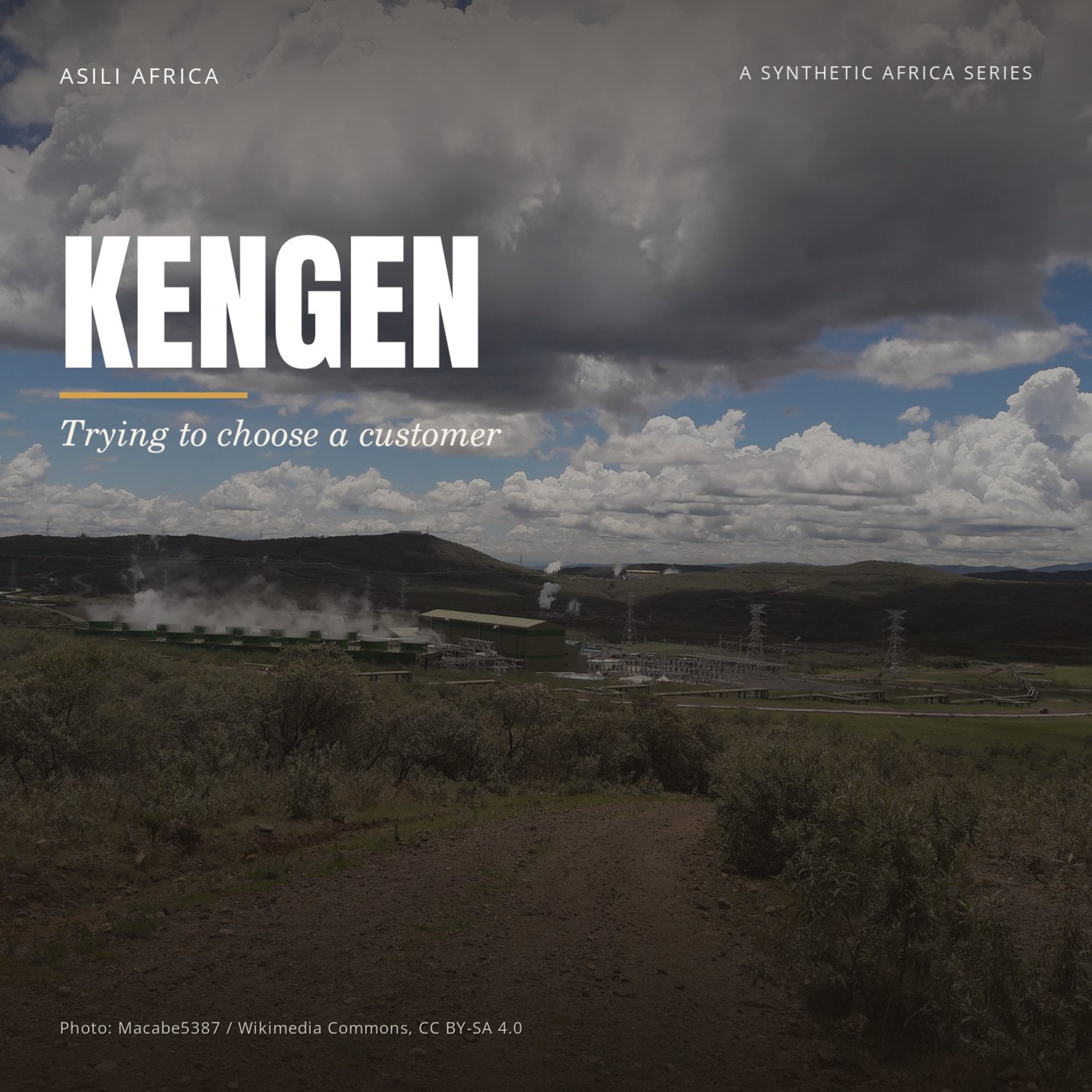 KenGen (Kenya): Trying to choose a customer 12.10.2026 18mKenGen sells every unit of its electricity to one buyer, Kenya Power, and by its own reporting supplied 59 per cent of what Kenya Power bought in the year to June 2025, on average more cheaply than private producers. The company began in 1954 to carry imported power, and was run inside the state power monopoly until reforms tied to World Bank funding separated it. Its Olkaria geothermal power came before its name. Communities moved for the Olkaria IV plant say they were resettled on smaller land, cut by ravines. In May 2026 KenGen said it would apply for a licence to sell power directly; no de...
-
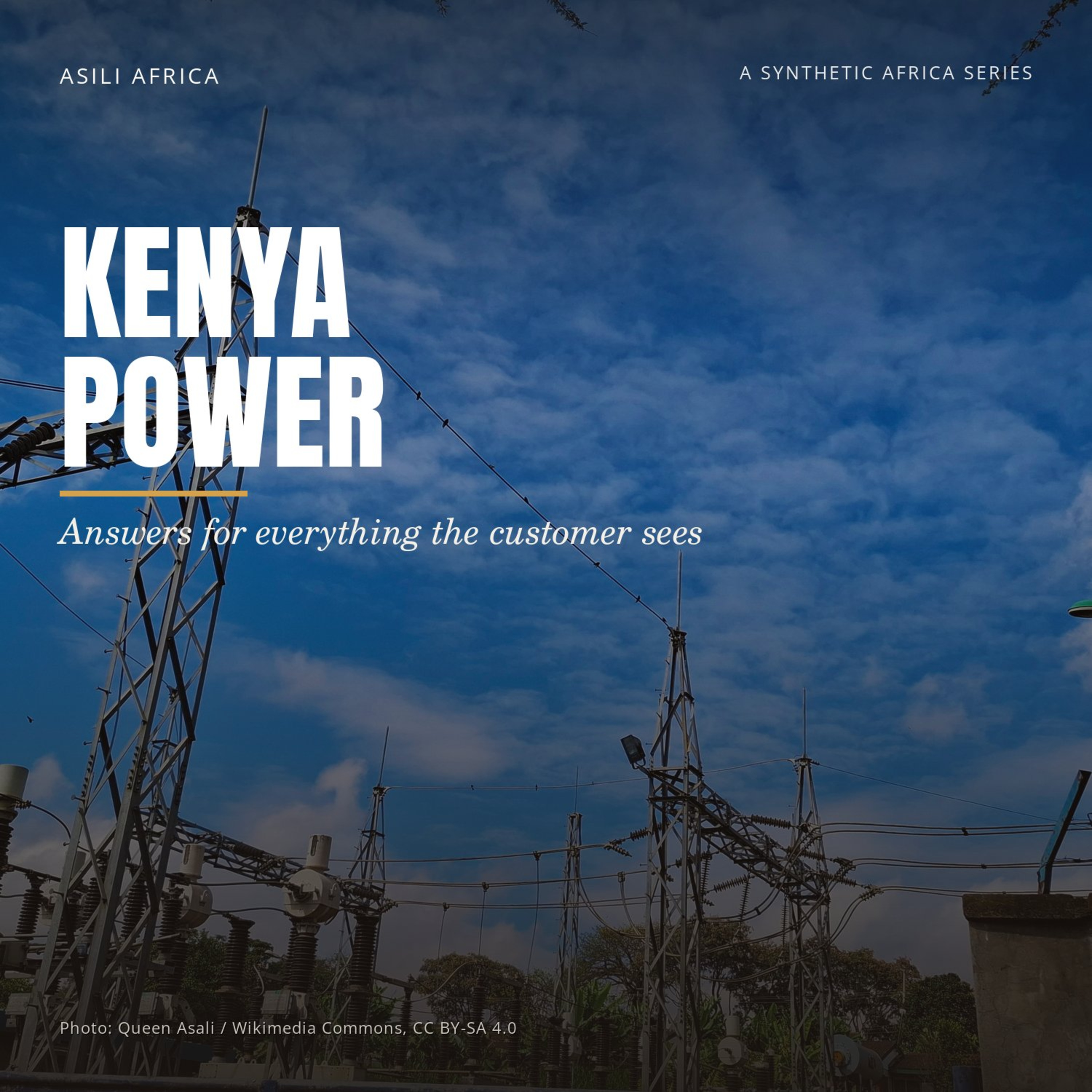 Kenya Power (Kenya): Answers for everything the customer sees 09.10.2026 17mKenya Power began as a 1922 merger of two small electricity franchises, and it is the part of Kenya's electricity system every customer touches: the wire, the meter and the bill. Generation went to KenGen in 1997, and new high-voltage lines to KETRACO in 2008. The state repaired its balance sheet in 2003, 2010 and 2022; the record shows none of those rescues changing the power purchase contracts. Its record profit of 30.1 billion shillings was decided, in large part, by the currency. As of 28 September 2026 it is financially stronger than in a decade, and its customers are on a network that st...
-
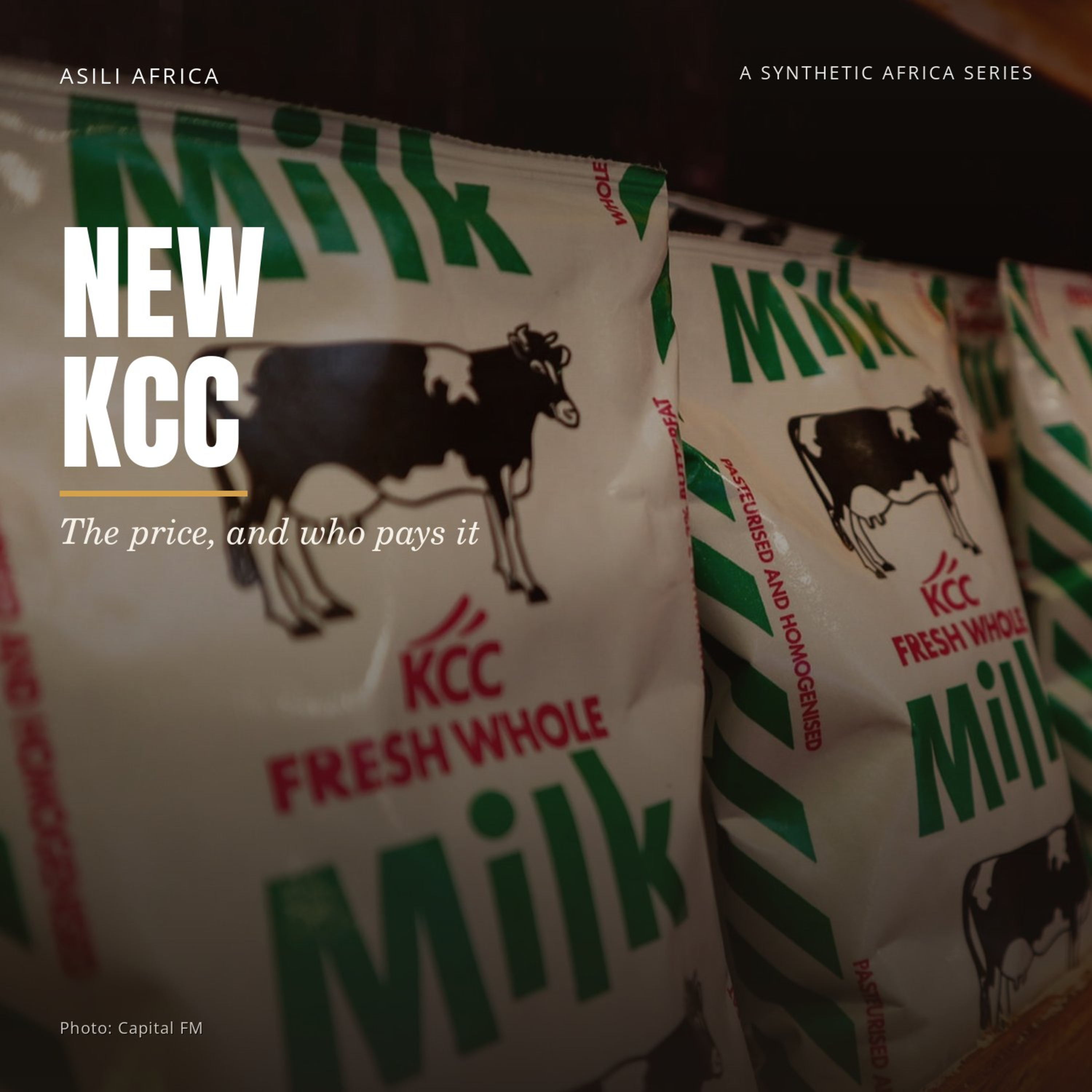 New KCC (Kenya): The price, and who pays it 08.10.2026 17mIn 1924, Rift Valley dairy farmers met because none of them could get a steady price alone. The creamery that followed, Kenya Co-operative Creameries, became in effect the only buyer for the formal urban milk market, a floor under the price. After liberalisation and years of political appointments, it went into receivership in 1999 and was sold to private investors the record does not name. In 2003 the state bought it back for more. Now New KCC pays farmers a price set by presidential directive, has made losses and owes farmers money, and Kenya is again arguing over whether to sell it, keep it...
Similar podcasts


Popular in
The podcast also appears in the podcast charts of these countries.

