
Beyond the Ballot Box
BFM Media
0
The podcast explores how democracy extends beyond elections. It features in-depth conversations about political economy and human rights in Malaysia, Southeast Asia, and around the world. Discussions approach these issues through a class lens.
Episodes
-
 The Cost of Resistance: Women Fighting Indonesia's Nickel Industry 24.11.2026 41mIndonesia's booming nickel industry has positioned the country as a major player in the global supply chain. Yet behind this economic growth lies a growing human cost, with mining and processing activities contributing to environmental destruction, the loss of livelihoods and the displacement of local communities. Indigenous and rural women, in particular, are bearing the brunt of these impacts, even as many take on leadership roles in organising resistance.So, how are women in Indonesia fighting back against the consequences of extractive industries, and what will it take to ensure that econo...
-
 What’s Behind Pakatan Harapan’s Losing Streak? 19.11.2026 48mPakatan Harapan’s poor performance in the recent Melaka state election, where it won just four of the 28 seats contested, raises further questions about the coalition’s electoral standing. This follows similar setbacks in Sabah, Johor and Negeri Sembilan, suggesting that its difficulties extend beyond any one state or election.While the coming together of UMNO and PAS has changed the electoral arithmetic, there are also deeper questions about Pakatan’s grassroots presence, political identity and ability to connect with voters. After years in government, can the coalition still offer a compelli...
-
 Looking Back at Anthony Loke’s Performance as Transport Minister 17.11.2026 47mAnthony Loke has officially resigned as Transport Minister, bringing an end to nearly four years at the helm of the ministry. During his tenure, Malaysia saw improvements in public transport reliability, new infrastructure projects and efforts to modernise transport services. Yet persistent challenges remain, from recurring train breakdowns and road safety concerns to the country's continued dependence on private vehicles.So, how should we assess Anthony Loke's performance? In this conversation, we discuss:How did Anthony Loke perform compared to his predecessors?We examine Loke's approach to...
-
 What to Do About the Refugee Crisis 12.11.2026 45mAnti-refugee sentiment in Malaysia has been brewing for months, perhaps years. In October, Molotov cocktails were thrown at several homes in a Rohingya settlement in Johor, sparking fires in the area. Fifteen Malaysian men were arrested, and four of them were formally charged with mischief by fire. They pleaded not guilty.But this arson isn’t the first sign of tension. In recent months, there has been a wave of online hostility, including a viral petition calling for refugees, specifically the Rohingya, to be sent home. There have also been TikTok videos of Rohingya children being bullied and...
-
 The World's Richest 1% Are Burning the Planet – And Cashing In 10.11.2026 44mWe often talk about climate change as a crisis that affects all of humanity. But are we all equally responsible for causing it, or equally exposed to its consequences? According to Oxfam's latest report, The Disaster Divide, the richest 0.1% of the world's population produce more carbon emissions than the poorest 44% combined, while poorer communities bear a disproportionate share of the damage.In this episode, we speak to Professor Peter Beattie, Professor in Political Economy and Political Psychology at the Chinese University of Hong Kong, about the relationship between climate change, inequ...
-
 Is unhappiness the price of productivity and achievement? 05.11.2026 30mSingapore is among the wealthiest countries in the world, yet it ranks relatively low in happiness compared to other wealthy nations. This raises a bigger question: does economic progress come at the expense of human well-being? And is unhappiness sometimes the price we pay for productivity and achievement?In this roundtable, we explore the relationship between economic development and happiness, from the pressures of capitalist modernity and the pursuit of wealth to the role of inequality, redistribution and democratic participation in shaping our quality of life.In this conversation, we disc...
-
 What Does the Future Hold For Sri Lanka? 03.11.2026 45mIn 2022, Sri Lanka plunged into its worst economic crisis since independence, triggering widespread protests and a popular uprising that forced President Gotabaya Rajapaksa from office. The crisis exposed deep-rooted failures in governance, public finance and economic management, eventually pushing the country into debt restructuring and an IMF-backed recovery programme.Four years on, Sri Lanka has restored economic stability and regained access to international credit markets. But recovery has come at a significant social cost, with rising poverty, falling real wages and growing inequality. S...
-
 MADANI Government: Yay or nay? 29.10.2026 47mIt's been almost four years since the MADANI government formed after the 2022 General Election. As we know, while Pakatan Harapan won the most seats, no coalition or party reached a simple majority, so parties that had spent years on opposite sides of the political divide found themselves governing together, with former rivals now sharing power in the name of stability. But as we approach the next general election, questions remain about how much this government, which is led by Dato Seri Anwar Ibrahim, has delivered on its promises of reform, and whether it has managed to improve the lives of...
-
What Can We Learn From Indonesia’s Development Policies? 27.10.2026 40mFor decades, many developing countries have relied on exporting raw materials to drive economic growth. But when countries export commodities without developing the industries to process them, how much of the wealth actually stays in their economies?Indonesia is attempting to change this through hilirisasi, or downstream industrialisation: a strategy to move beyond exporting raw materials towards domestic processing and manufacturing. In this episode, we speak to Faris Abdurrachman, Executive Director and Lead Economist at Industrial Policy Lab Indonesia, about Indonesia's development strategy...
-
Why is Voting Important? 22.10.2026 47mVoting is often seen as the cornerstone of democracy, giving ordinary people a say in who governs them and the direction their country takes. But what does it mean to participate in politics beyond casting a ballot every few years? And how much can voting actually change when political parties must navigate coalition politics, competing interests and the realities of governing?In Malaysia, the 2018 general election showed that votes can bring about historic political change. Yet the years since have also raised questions about the limits of electoral politics, the role of grassroots organising...
-
Gender Gap Report 2026 - Women are Highly Educated but Severely Underrepresented 20.10.2026 39mSince 2006, the World Economic Forum’s Global Gender Gap Report has measured how far countries have come in closing the gaps between men and women across four areas: economic participation and opportunity, educational attainment, health and survival, and political empowerment.This year marks its 20th edition, covering 145 economies. Among the economies tracked since the very first edition, the overall score has risen from 64.2% to 69.4%, its highest yet. But at this rate, global gender parity is still estimated to be 120 years away.So, what does this index actually tell us, and what does it le...
-
Will Ideology Help Us Navigate the Problems of the 21st Century? 15.10.2026 46mWe live in a world grappling with growing inequality, political polarisation, a climate crisis and rapid technological change. From socialism and liberalism to nationalism, conservatism and fascism, political ideologies offer different explanations for what’s wrong with society and how we might fix it. In this episode, we discuss whether ideology is still relevant today and whether it can help us navigate the problems of the 21st century.In this conversation, we discuss:Can we ever be non-ideological?Whether our political and economic choices are always shaped by an underlying set of beliefs a...
-
Does Budget 2027 Address the Needs of Regular Malaysians? 13.10.2026 46mLast Friday, the MADANI government unveiled Budget 2027, proposing RM459.8 billion in spending for the year ahead, up from the revised RM444.1 billion for 2026. With plans to raise the minimum wage to RM2,000, expand cash assistance and increase tax relief for individuals, the government says it wants economic growth to translate into better living standards. But with housing affordability, stagnant wages for graduates and the rising cost of living continuing to weigh on households, does Budget 2027 do enough to address the needs of regular Malaysians?We speak to Dr Jeyakumar Devaraj, Chairper...
-
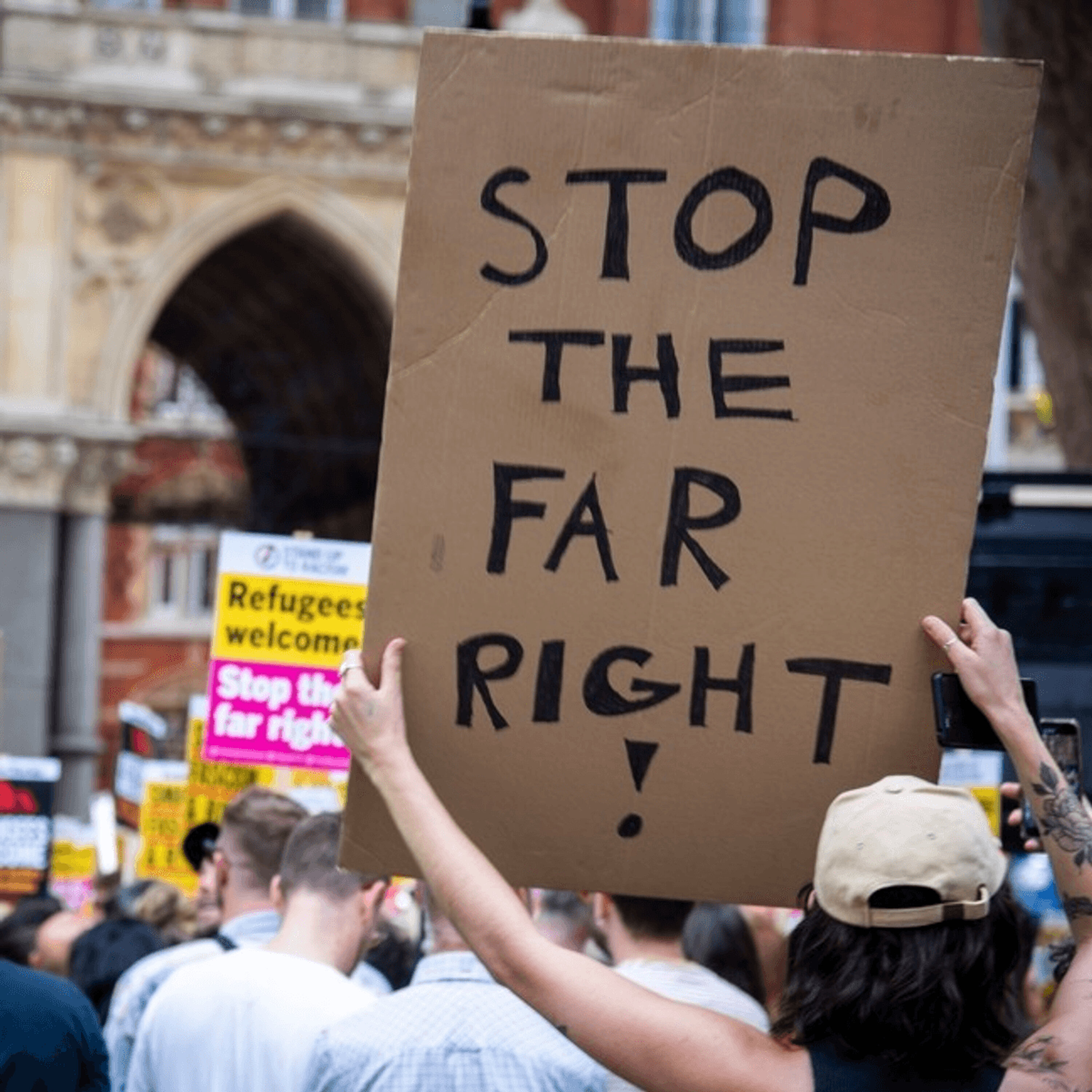 Making Sense of the Rise of Far-Right Movements Globally 08.10.2026 48mOver the past decade or so far-right parties and leaders have moved from the fringes to the forefront of global politics. Figures like Donald Trump, Marine Le Pen, Giorgia Meloni, Narendra Modi and the BJP, Nigel Farage in the UK, AFD in Germany and more who’s views were once seen as outliers or shrugged off altogether, now command mass followings, win elections and shape global political discourse in a big way. Most recently, the AFD in Germany won a state election, something a far-right hasn’t done in the country since World War II and Hitler. The far-right is now concretely in the mainstrea...
-
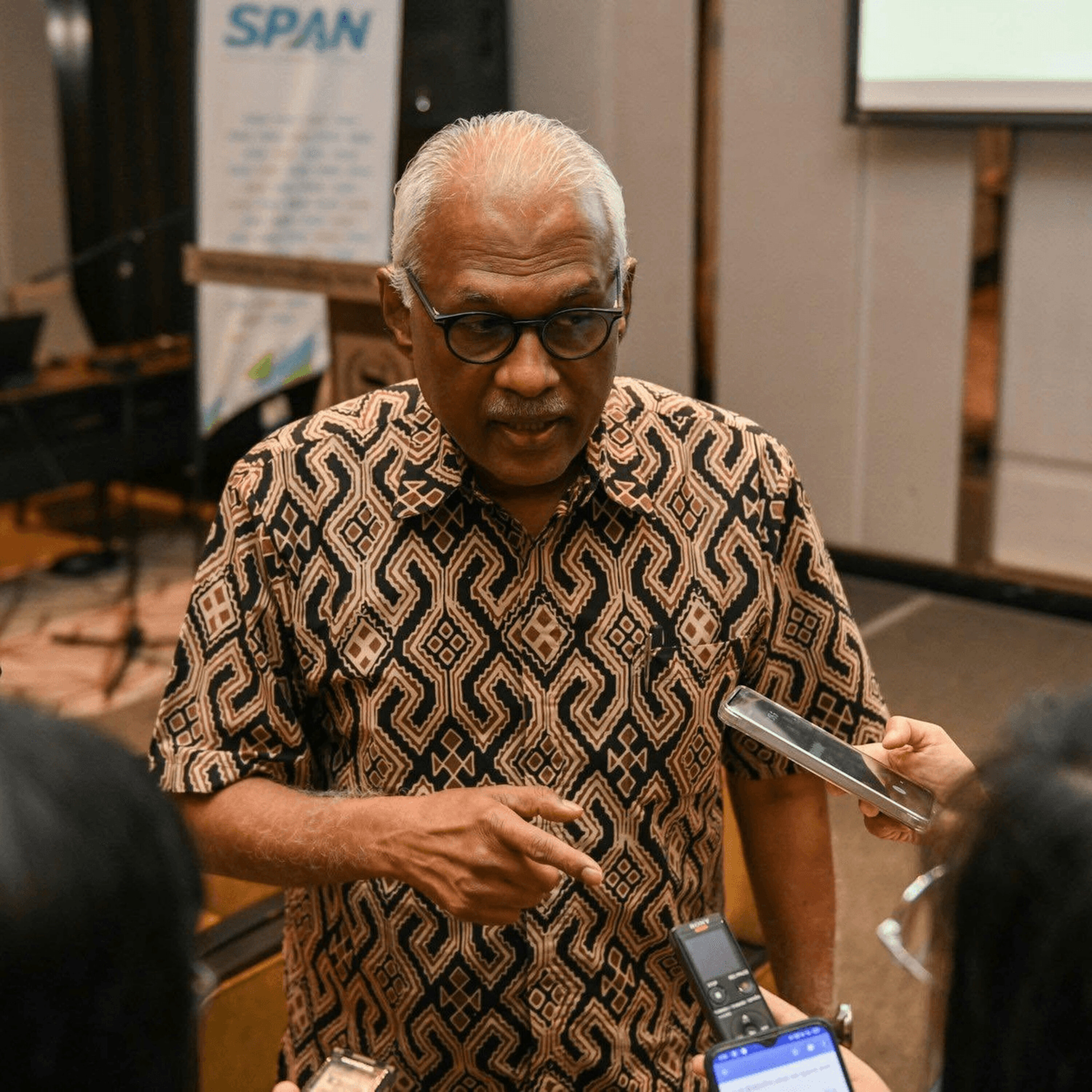 What Do Malaysian Indians Need From Budget 2027? 06.10.2026 43mBudget 2027 will be tabled in Parliament this Friday. In the lead-up to it, former Klang MP Charles Santiago who also runs the think tank Monitoring Sustainability of Globalization (MSN), has been calling for the government to put household prosperity at the centre of its economic policy with stronger wages, social protection and action on the cost of living. He argues that economic growth means little if it isn’t translating into better incomes and greater security for ordinary Malaysians. Separately, Charles is also calling for systemic reforms, including greater government accountability an...
-
 World War III, Climate Crisis, AI: Is the World on the Brink of Collapse? 01.10.2026 48mWe’re living through a period of enormous uncertainty. Great power tensions are rising, from the US and China to Russia and Europe. The climate is warming, bringing more extreme heat, floods and disruption. And AI is developing at a pace that has left even the people building these systems debating where all of this could ultimately lead.And perhaps what makes all three particularly frightening is that they’re no longer just science fiction. These are real developments happening right now, and they raise very real existential questions on the future of humanity.So, are these genuinely existent...
-
 How Unpaid Care Work Is Becoming a Foreign Policy Issue 29.09.2026 36mAcross Asia-Pacific, women continue to shoulder a disproportionate share of unpaid care work. The situation is becoming increasingly challenging as societies age, birth rates decline, and demand for elderly care grows. These pressures are further compounded by migration, the climate crisis, and rising economic insecurity, all of which are reshaping care needs across the region. The economic implications are significant: the UNDP estimates that recognising the value of women’s unpaid care work could add around US$3.8 trillion to the regional economy.Spogmay Ahmed is the Deputy Director of the F...
-
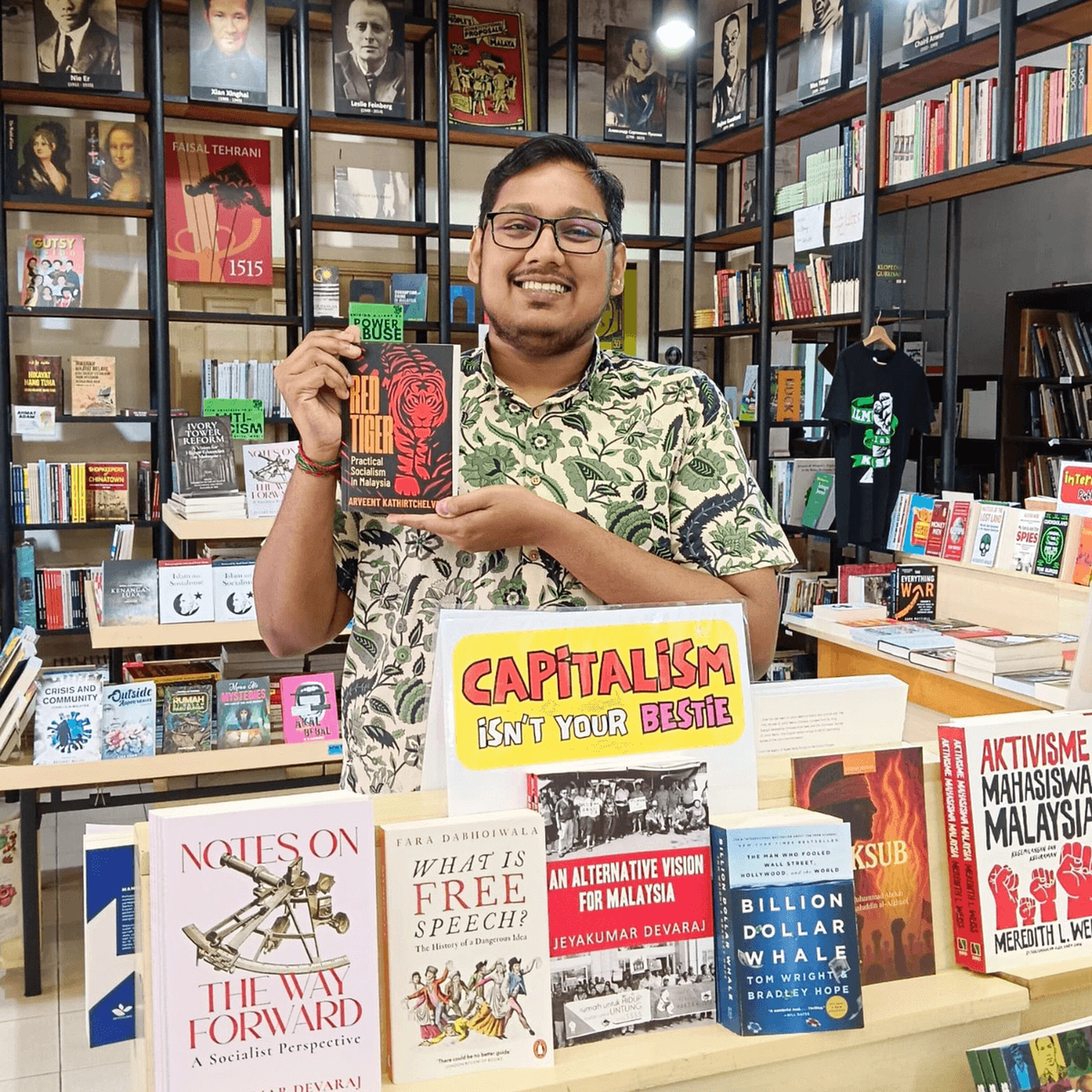 What Would an Alternative Economic System Look Like? 24.09.2026 42mRed Tiger: Practical Socialism in Malaysia is a new book by Arveent Kathirtchelvan. In it he argues that Malaysia's problems aren't simply the result of bad politicians and that things such as low wages, inequality, and concentrated economic power are connected to the underlying logic of capitalism itself. So the question isn't merely "How do we make the current system work better?" but "What would an alternative economic system look like?"In this episode, we unpack Red Tiger with its author, Arveent.Image Credit: Arveent KathirtchelvanSee omnystudio.com/listener for privacy information.
-
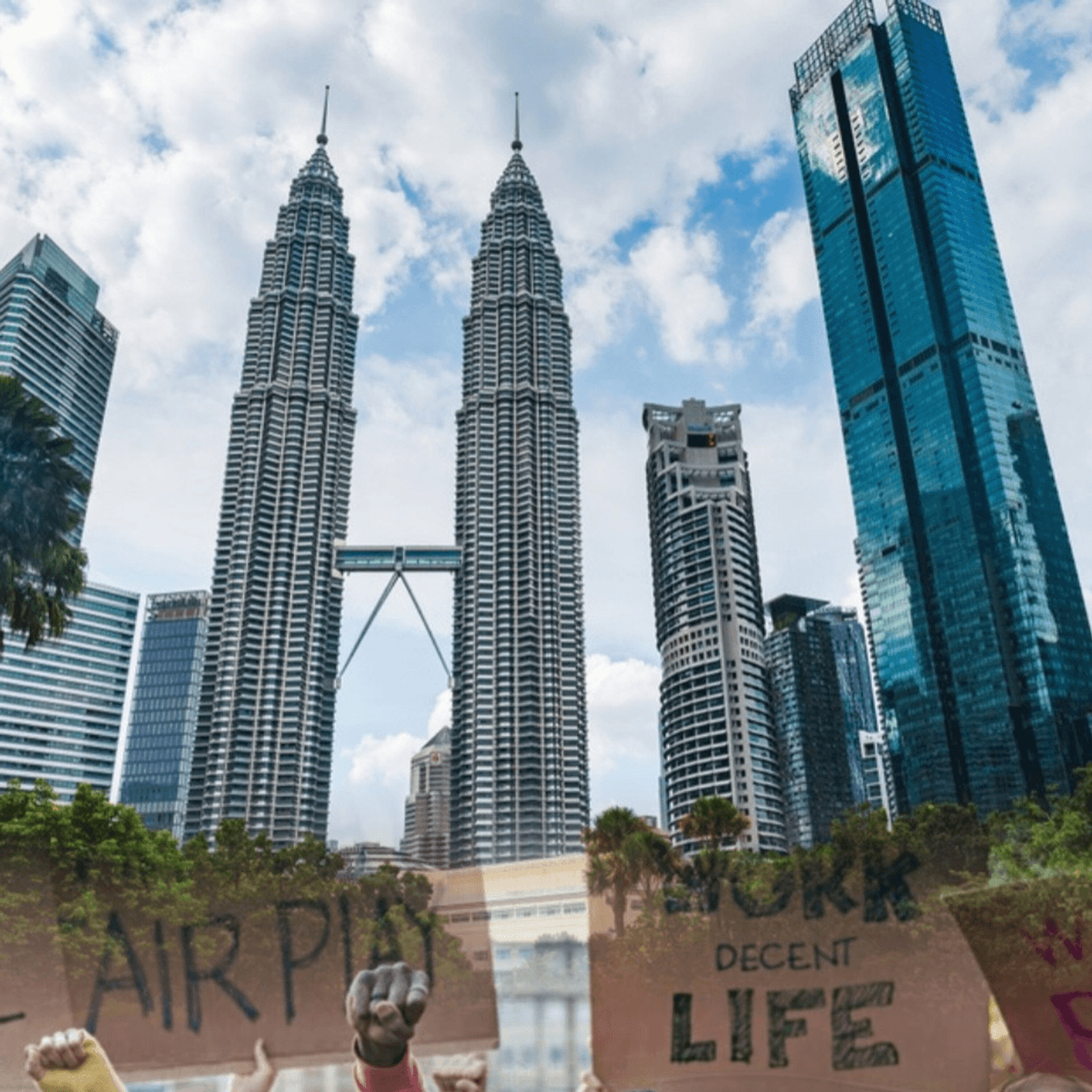 What Would Socialism Look Like in Malaysia? 22.09.2026 47mMalaysia is a parliamentary democracy and a constitutional monarchy. Like much of the world, it is also a nation-state deeply embedded in the global capitalist economy, shaped by decades of neoliberalism and privatisation. At the same time, Malaysia has universal public healthcare, a large public education system and a significant state-owned sector through government-linked companies. So, what does all of this tell us about the nature of the Malaysian economy? And what does this mean for a left-wing project in Malaysia?In this episode, we speak to Jeremy Lim, who’s an editor at Jentayu and a...
-
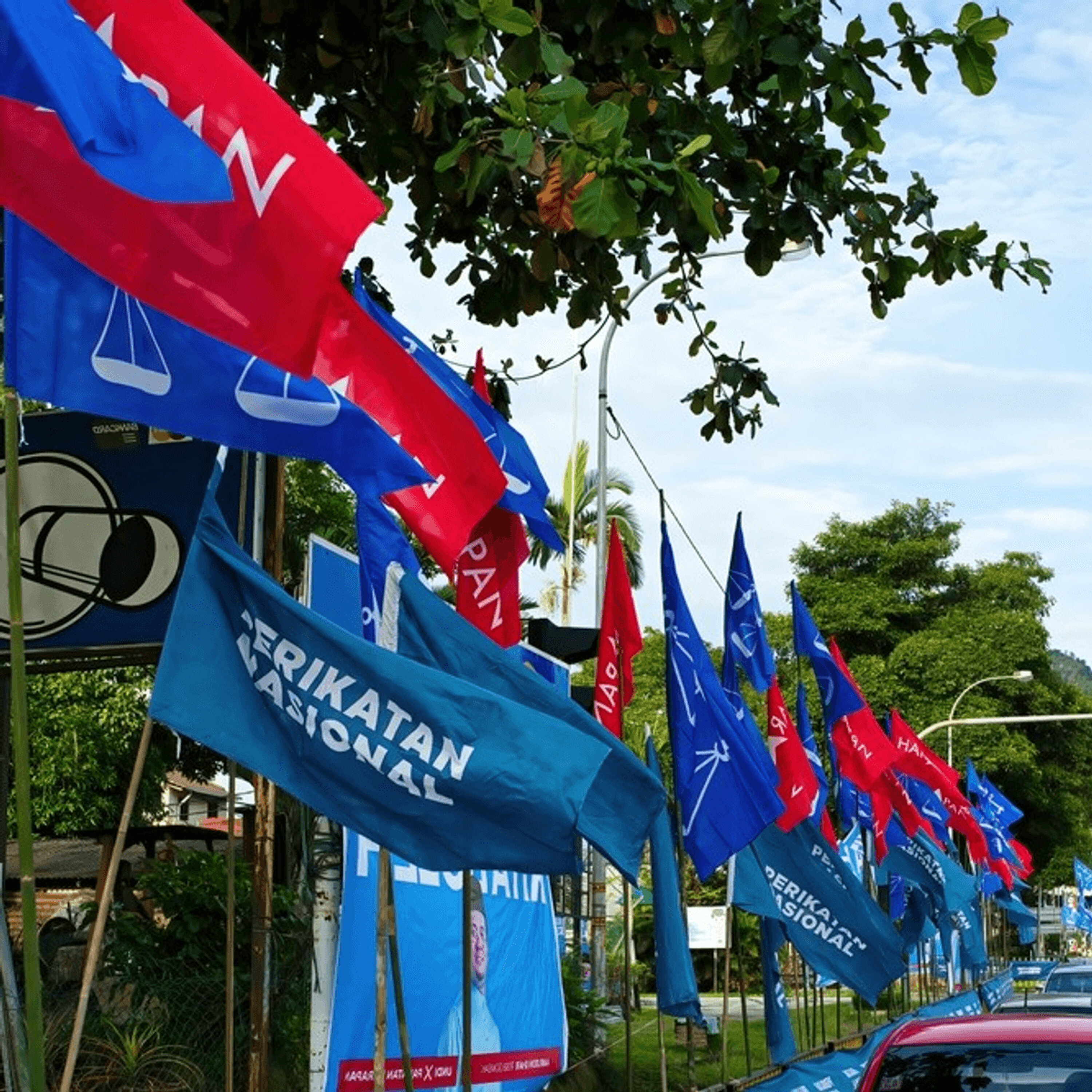 Ones to Watch #12 - Youth, Political Parties and GE-16 17.09.2026 47mIt's a wrap! The Ones to Watch series has heard the journey and stories of 10 young politicians wanting to make Malaysia a better place. To discuss how youth enter and rise in political parties, we speak with Dashran Yohan of BFM89.9 and Iskandar Fareez, National Vice Chief of DAPSY, who react and reflect to clips from different interviews.Image Credit: ShutterstockSee omnystudio.com/listener for privacy information.
Similar podcasts


Popular in
The podcast also appears in the podcast charts of these countries.
