
Tu español en uso | Spanish with Ania
Ania
0
Tu español en uso es un podcast de aprendizaje de español centrado en dejar de traducir mentalmente y ganar fluidez al hablar. Ania, entrenadora personal de español, propone dejar atrás la gramática aburrida y enfocarse en la comunicación y la locución natural. En cada episodio ofrece herramientas prácticas para soltar la lengua y sonar más como un hablante nativo. El programa está dirigido a quienes ya entienden español pero se bloquean al momento de hablarlo.
Episodes
-
 ¿Por qué algunas formas de hablar español parecen más cultas? | Clasismo lingüístico 18.10.2026 15m¿Por qué algunas personas parecen más educadas o cultas simplemente por su manera de hablar? ¿Qué nos hace pensar que ciertos acentos, palabras o expresiones son mejores que otros?En este episodio de Tu español en uso exploramos el clasismo lingüístico, los prejuicios que existen alrededor del idioma y cómo nuestra percepción del español está influida por factores sociales, culturales e históricos.Hablaremos de las diferencias entre el español formal e informal, del prestigio que atribuimos a determinadas formas de expresarnos, del origen de usted y vuestra merced, y de cómo los acentos y regionalismos forman parte de la diversidad del español.No se trata de una explicación exhaustiva de un tema tan amplio, sino de una invitación a mirar el idioma desde otra perspectiva y comprender que hablar diferente no significa hablar mejor ni peor.Si estás aprendiendo español y tienes un nivel intermedio o avanzado, este episodio también es una oportunidad para practicar tu comprensión auditiva, ampliar tu vocabulario y reflexionar sobre el idioma más allá de las reglas gramaticales.Porque aprender español no consiste solamente en saber qué decir, sino también en comprender cómo, cuándo y por qué lo decimos.Practica español conmigo:Clases individuales en italki:https://www.italki.com/en/teacher/5687811Clases de español en Preply:https://preply.in/ANIA7EN42682605102?ts=17919140Instagram:https://www.instagram.com/tu_espanol_en_uso_/Soy Ania, tu entrenadora personal de español.This is how you speak Spanish — not perfectly, comfortably.
-
 Ni siquiera: How to Say NOT EVEN in Spanish | Tiny Spanish Patterns 16.10.2026 9mNot even? Not even THAT?! In Spanish, one tiny expression can communicate frustration, surprise, disappointment, or emphasis: NI SIQUIERA.In this episode of Tu Español en Uso, you’ll discover how native Spanish speakers use ni siquiera in everyday conversations.Through natural Spanish dialogues, practical examples, and a little humor, you’ll learn how to understand and use this expression without translating every word in your head.You’ll hear expressions such as:¡Ni siquiera eso!Ni siquiera me llamó.Ni siquiera me hacen caso.¡Ni siquiera me pagan!This episode is designed for intermediate and advanced Spanish learners (B1–C1) who understand Spanish but want to feel more comfortable using it in real conversations.🎧 Listen, notice the pattern, and put your Spanish into use.Practice Spanish with Aniaitalki: https://www.italki.com/en/teacher/5687811Preply: https://preply.in/ANIA7EN42682605102?ts=17919140Watch Tu Español en Uso on YouTube: https://www.youtube.com/@spanishwithaniaInstagram: https://www.instagram.com/tu_espanol_en_uso_/Tiny Spanish Patterns — Learn Spanish through patterns, not rules.This is how you speak Spanish — not perfectly, comfortably.
-
 FUERTE: Mucho más que STRONG | Spanish Listening Practice 14.10.2026 18mFUERTE means STRONG… but not always!What does fuerte really mean in everyday Spanish?In this episode of Tu Español en Uso, we explore how one simple Spanish word can express so many different ideas.Un café fuerte, una voz fuerte, una noticia fuerte, una persona fuerte… ¿Qué tienen en común?A través de ejemplos cotidianos y una historia real sobre Ludwig van Beethoven, descubrirás cómo cambia el significado de fuerte según el contexto, desde la intensidad de un sabor o un sonido hasta la fortaleza emocional.This episode is designed for intermediate and advanced Spanish learners (B1+) who want to improve their Spanish listening comprehension, understand natural spoken Spanish, and expand their vocabulary through meaningful stories rather than memorizing definitions.🎧 Listen, follow the conversation, and discover how Spanish words come to life in different situations.Because learning Spanish isn’t just about knowing words. It’s about knowing how to use them.Tu Español en Uso — Speak Spanish, not perfectly, comfortably.#LearnSpanish #SpanishListeningPractice #IntermediateSpanish #SpanishPodcast #TuEspanolEnUso
-
 How Spanish Speakers Talk About Things They Rarely Do | 🟠 Tiny Spanish Patterns 12.10.2026 7mHow do you say RARELY or SELDOM in Spanish?In this episode of Tu Español en Uso — Spanish with Ania, you’ll discover how native Spanish speakers use RARA VEZ to talk about habits, routines, and things that don’t happen very often.RARA VEZ means rarely or seldom, but how is it different from CASI NUNCA, A VECES, or NUNCA?Through practical examples, natural Spanish conversations, and listening practice, you’ll learn how to use this tiny expression confidently in everyday situations.🎧 IN THIS EPISODE:• What RARA VEZ means and when to use it. • The difference between RARA VEZ, CASI NUNCA, A VECES, and NUNCA. • How to use MUY RARA VEZ for extra emphasis. • How to talk about present and past habits. • How to recognize this expression in natural spoken Spanish. • Realistic Spanish dialogues to improve your listening comprehension.A FEW EXAMPLES:Rara vez veo la televisión.Muy rara vez salgo de noche.Cuando era niña, rara vez viajábamos en avión.Me encanta cocinar, pero rara vez preparo postres.This Spanish learning podcast is designed for intermediate and advanced Spanish learners (B1–C1), especially English speakers who want to improve their Spanish listening skills, expand their everyday vocabulary, and speak Spanish more naturally.Learn Spanish through useful expressions, realistic conversations, and patterns—not complicated grammar rules.🟠 TINY SPANISH PATTERNS #17Learn Spanish through patterns, not rules.NOW PUT YOUR SPANISH INTO USE!¿Qué haces rara vez?Think of something you rarely do and complete this sentence:Rara vez __________.You can also think about something you rarely did in the past but do more frequently now.🎥 WATCH MY SPANISH LESSONS ON YOUTUBETu Español en Uso — Spanish with Aniahttps://www.youtube.com/@spanishwithaniaExplore practical Spanish lessons, everyday expressions, listening practice, and natural conversations to help you speak Spanish with confidence.🗣️ SPANISH SESSIONSImprove your Spanish through real conversation.Small-group and one-to-one Spanish lessons for adult learners.📩 Contact: [email protected]📚 Practice Spanish with me on italki:https://www.italki.com/en/teacher/5687811🎧 TU ESPAÑOL EN USO — SPANISH WITH ANIAPractical Spanish for real conversations.This is how you speak Spanish — not perfectly, comfortably.#LearnSpanish #SpanishPodcast #SpanishListening #IntermediateSpanish #SpanishWithAnia #TuEspañolEnUso
-
 When It’s Too Late… Say THIS in Spanish | 🟢 HABER Series 10.10.2026 6mDe haber sabido… | How to Say IF I HAD KNOWN in SpanishHow do you say “If I had known” in Spanish?In this episode of Tu Español en Uso — Spanish with Ania, discover how Spanish speakers naturally use DE HABER SABIDO and DE HABERLO SABIDO when they learn something too late and realize they would have made a different decision.Through everyday examples, realistic conversations, and practical Spanish listening practice, you’ll learn how to recognize and use these expressions with confidence.🎧 WHAT YOU’LL LEARN:• What DE HABER SABIDO and DE HABERLO SABIDO mean in English. • How to express regret and missed opportunities in natural Spanish. • How to talk about things you would have done differently. • How to recognize the pattern DE + HABER + PARTICIPLE. • How to understand these expressions in real Spanish conversations.You’ll also discover other ways to express the same idea:Si lo hubiera sabido…Si llego a saberlo…De saberlo…This Spanish podcast is designed for intermediate and advanced Spanish learners (B1–C1), especially English speakers who want to improve their Spanish listening comprehension, understand everyday spoken Spanish, and communicate more naturally.No complicated grammar explanations. Just useful Spanish expressions, meaningful examples, and real-life situations.Learn Spanish through patterns, not rules.🗣️ PUT YOUR SPANISH INTO USE!Think of something you discovered too late.De haber sabido que __________, __________.Or simply:De haberlo sabido, __________.Try creating your own example!🎥 WATCH MY SPANISH LESSONS ON YOUTUBETu Español en Uso — Spanish with Aniahttps://www.youtube.com/@spanishwithaniaExplore more Spanish listening practice, everyday expressions, natural conversations, and practical lessons to help you speak Spanish with confidence.🗣️ SPANISH SESSIONSImprove your Spanish through real conversation.Small-group and one-to-one Spanish lessons for adult learners.📩 Contact me: [email protected]📚 Practice Spanish with me on italki:https://www.italki.com/en/teacher/5687811🎧 TU ESPAÑOL EN USO — SPANISH WITH ANIAPractical Spanish for real conversations.This is how you speak Spanish — not perfectly, comfortably.#LearnSpanish #SpanishPodcast #SpanishListening #IntermediateSpanish #SpanishWithAnia #TuEspañolEnUso
-
 No tiene por qué haber: There Doesn’t Have to Be… | Learn Spanish 08.10.2026 12mHow do you say there doesn’t have to be in Spanish? Discover no tiene por qué haber—a useful expression for talking about reasons, problems, explanations and everyday expectations.Listen to clear Spanish explanations, practical examples and a conversation between two characters. Explore the difference between hay, no hay and no tiene por qué haber, and discover why por qué isn’t asking why in this expression.You’ll also hear the closely related alternative no tiene que haber.For intermediate and advanced Spanish learners who want to understand everyday Spanish and build confidence through listening.No tiene por qué haber una razón. There doesn’t have to be a reason.No tiene por qué haber tanta presión. There doesn’t have to be so much pressure.Learn Spanish with Ania at Tu Español en Uso. This is how you speak Spanish — not perfectly, comfortably.One-to-one Spanish sessions on italki: https://go.italki.com/ania2608Contacto para sesiones grupales o uno a uno: [email protected]
-
 You Know the Words… So Why Can’t You Understand Spanish? 06.10.2026 12m¿Por qué puedes leer una frase en español perfectamente… pero cuando la escuchas en una conversación parece otro idioma?En este episodio hablamos de una de las razones: en el español hablado, las palabras no siempre suenan como unidades separadas. Los sonidos se conectan, y la sinalefa nos ayuda a entender una parte de este fenómeno.Aprenderás a reconocer estas conexiones para mejorar tu comprensión auditiva, entender mejor el español hablado y acercarte al ritmo natural del idioma.No se trata de memorizar otra regla.Se trata de entrenar el oído para escuchar español como realmente suena.Escucha la frase completa.Repítela en voz alta.Imita el ritmo y las conexiones.🎧 Tu español en usoSpanish listening • Spoken Spanish • Pronunciation • Fluency🗣️ Sesiones de español conmigo:https://www.italki.com/en/teacher/5687811📱 Instagram:https://www.instagram.com/tu_espanol_en_uso_This is how you speak Spanish — not perfectly, comfortably.
-
 La Verdad Es Que: What Does It REALLY Mean in Spanish? | 🟠 Tiny Spanish Patterns 05.10.2026 8m🎧 What does “LA VERDAD ES QUE…” really mean in Spanish?You probably learned that “la verdad es que…” means “the truth is…”But in real Spanish conversation, this expression does much more than that.Spanish speakers use “la verdad es que…” all the time — not because they were lying before, but because it helps us introduce an opinion, soften an answer, explain how we really feel, or simply gain a little time to think while we’re speaking.In this episode of 🟠 Tiny Spanish Patterns, you’ll hear how this expression works naturally in everyday Spanish through lots of examples and real conversational situations.You’ll learn to recognize uses such as:👉 La verdad es que no lo sé.👉 La verdad es que cambié de opinión.👉 La verdad es que necesito pensarlo.👉 La verdad es que salió mejor de lo que esperaba.Depending on the context, English speakers might express a similar idea with:The thing is…Actually…Honestly…To be honest…The truth is…But the goal isn’t to memorize one perfect translation.It’s to RECOGNIZE → UNDERSTAND → USE the pattern naturally when you speak Spanish.This episode is especially useful for intermediate and advanced Spanish learners (B1–C1) who can understand a lot of Spanish but want to sound more natural and feel more comfortable in real conversations.🟠 TINY SPANISH PATTERNSLearn Spanish through patterns, not rules.🗣️ SPANISH SESSIONSFor group or one-to-one Spanish sessions:📩 [email protected]📚 Practice Spanish with me on italki:https://www.italki.com/en/teacher/5687811🎧 Tu español en uso — Spanish with AniaThis is how you speak Spanish — not perfectly, comfortably.#tuespañolenuso #spanishwithania #thisishowwespeakspanish #TinySpanishPatterns #LearnSpanish #SpeakSpanish #SpanishPodcast #IntermediateSpanish #SpokenSpanish #SpanishListening
-
 Analysis Paralysis: Grammar Is NOT Speaking | Spanish Fluency 02.10.2026 25m¿Estudias mucha gramática, conoces las reglas y aun así te cuesta hablar español con naturalidad?En este episodio hablamos de algo muy común entre estudiantes de nivel intermedio y avanzado: analysis paralysis.Cuando intentas pensar en la conjugación correcta, recordar la regla, elegir el tiempo verbal perfecto y analizar cada palabra antes de hablar, todo ese conocimiento puede terminar interfiriendo con la conversación.La gramática es importante. Pero saber gramática y hablar un idioma no son exactamente la misma habilidad.En esta etapa de tu español necesitas escuchar, escuchar, escuchar… y usar el idioma.Hablamos de:• Qué es la gramática de alta frecuencia• Cómo el exceso de análisis puede bloquear la conversación• Por qué escuchar tanto español es fundamental• La diferencia entre conocer una regla y poder usarla espontáneamente• Cómo pasar de estudiar español a realmente usarloPiensa en aprender música: puedes aprender a leer todas las notas, pero en algún momento tienes que tocar el instrumento.Con el español pasa algo parecido.🎧 Tu español en uso — Spanish with Ania📩 Sesiones grupales o uno a uno:[email protected]👩🏫 Clases 1:1 conmigo en italki:https://www.italki.com/en/teacher/5687811📸 Instagram:https://www.instagram.com/tu_espanol_en_uso_/This is how you speak Spanish — not perfectly, comfortably.
-
 You’re Translating “VALE LA PENA” Wrong | 🟠 Tiny Spanish Patterns 30.09.2026 7m🎯 What does “VALE LA PENA” really mean in Spanish?If you translate “vale la pena” word for word, you may completely miss how Spanish speakers actually use it.In this episode of 🟠 Tiny Spanish Patterns, you’ll learn how to understand and use “vale la pena” naturally in everyday Spanish.“Vale la pena” is commonly used to express the idea of:👉 It’s worth it.👉 Is it worth it?👉 It’s not worth it.You’ll hear natural examples such as:• Vale la pena intentarlo.• ¿Crees que vale la pena?• No vale la pena discutir.• Vale la pena esperar.• No creo que valga la pena.You’ll also discover why “valga” appears in expressions like “No creo que valga la pena” — without turning this into another grammar lesson.The goal isn’t to translate every word.It’s to RECOGNIZE → UNDERSTAND → USE the complete pattern naturally.If you’re an intermediate or advanced Spanish learner (B1–C1), Tiny Spanish Patterns will help you recognize the small expressions native speakers use constantly in real conversations.💬 Now put your Spanish into use:Complete this sentence in the comments:Para mí, vale la pena __________.━━━━━━━━━━━━━━🗣️ SPANISH SESSIONSFor group or one-to-one Spanish sessions:📩 [email protected]📚 Practice Spanish with me on italki:https://www.italki.com/en/teacher/5687811━━━━━━━━━━━━━━🎧 Tu español en uso — Spanish with AniaLearn Spanish through patterns, not rules.#tuespañolenuso #spanishwithania #thisishowwespeakspanish #TinySpanishPatterns #LearnSpanish #SpeakSpanish #SpanishConversation #IntermediateSpanish #SpanishListening
-
 Se me olvidó, se me cayó, se me rompió | The Accidental SE in Spanish 30.09.2026 9mWhy do Spanish speakers say se me olvidó, se me cayó, se me rompió?En este episodio de Tu español en uso, aprenderás uno de los usos más comunes de SE en conversaciones reales: el SE accidental o involuntario.¿Qué diferencia hay entre:Rompí el teléfono y Se me rompió el teléfono?¿O entre:Perdí las llaves y Se me perdieron las llaves?Vamos a trabajar con muchos ejemplos cotidianos para que puedas reconocer este patrón cuando escuches español y empezar a usarlo de manera natural:• Se me olvidó. • Se te cayó. • Se le rompió. • Se nos acabó. • Se les perdió.No necesitas memorizar una enorme regla de gramática. La idea es mucho más sencilla:¿Qué pasó? ¿Y a quién le pasó?Este episodio está pensado especialmente para estudiantes de español de nivel intermedio y avanzado que quieren entender mejor el español que realmente se usa en una conversación.🎧 Escucha, reconoce el patrón y pon tu español en uso.━━━━━━━━━━━━━━👩🏫 ¿Quieres practicar español conmigo?📩 Contacto para sesiones grupales o uno a uno: [email protected] individuales en italki: https://www.italki.com/en/teacher/5687811📱 Instagram — Tu español en uso: https://www.instagram.com/tu_espanol_en_uso_/━━━━━━━━━━━━━━Tu español en uso — Spanish with AniaThis is how you speak Spanish — not perfectly, comfortably.
-
 🟡 ¿Por Qué Te Bloqueas Si Ya Sabes Español? 26.09.2026 30m¿Sabes español, pero te bloqueas cuando tienes que hablar con otras personas?Quizá entiendes mucho, conoces las palabras y puedes mantener una conversación… pero cuando alguien habla más rápido, no entiendes una frase o sientes que la otra persona está esperando tu respuesta, todo cambia.En este episodio hablamos de una parte del aprendizaje del español de la que no siempre hablamos: la dimensión emocional.Porque hablar español no significa entender absolutamente todo ni responder perfectamente.También significa aprender a estar dentro de conversaciones imperfectas: pedir que repitan, buscar una palabra, equivocarte, sentir nervios y continuar.Si estás aprendiendo español y ya superaste el nivel principiante, pero todavía no te sientes completamente fluido al hablar, este video es para ti.No necesitas sentirte perfectamente seguro para hablar español.Necesitas aprender qué hacer cuando no te sientes seguro.🟡 Spanish Tips & Fluency Hacks🚀 Lleva tu español al siguiente nivel:📖 Únete a mis Reading Master Sessions: https://wa.link/ac2x4z🎙 Escucha mi Podcast para más tips: https://podcasts.apple.com/us/podcast/tu-español-en-uso/id1890828363Reserva tu clase conmigo aquí:https://www.italki.com/en/teacher/5687811📸 Sígueme en Instagram: https://www.instagram.com/tu_espanol_en_uso_?igsh=MTUxbmJsOXNpNmV2NA%3D%3D&utm_source=qr #TuEspañolEnUso #LearnSpanish #SpanishFluency #SpanishSpeaking #IntermediateSpanish #AdvancedSpanish #SpanishConversation #SpanishLearning
-
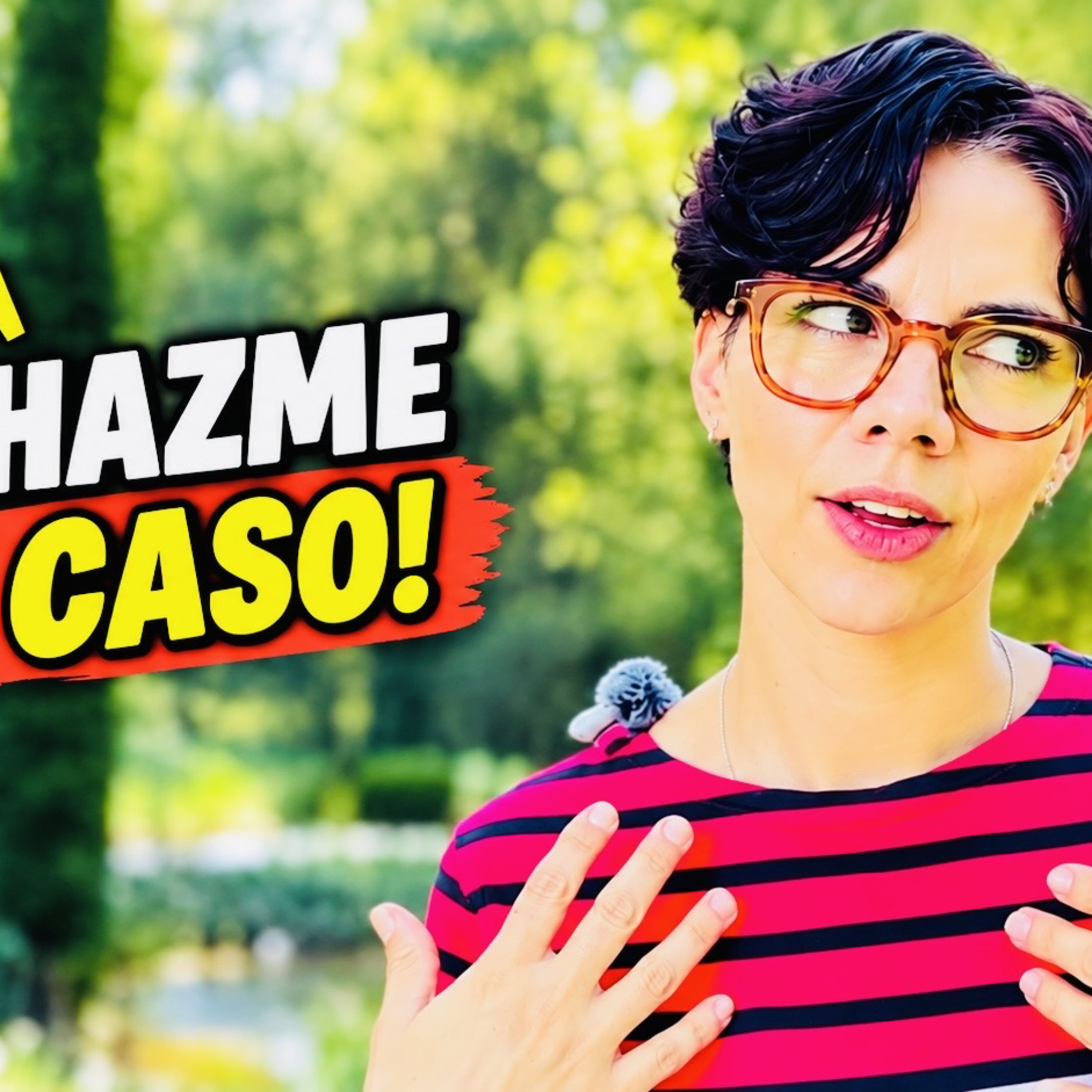 Hazme Caso: What Does It REALLY Mean? | 🟠 Tiny Spanish Patterns 23.09.2026 9m🎧 “HAZME CASO” — What Does It REALLY Mean?Have you ever heard a Spanish speaker say “hazme caso”?This common expression can mean “listen to me,” “trust me,” “take my advice,” or “take my word for it,” depending on the context.In this episode of 🟠 Tiny Spanish Patterns, you’ll learn how to naturally use:• Hazme caso.• Hazle caso.• Hazles caso.• No me hagas caso.• No le hagas caso.• Hacer caso a + persona.You’ll hear natural examples and conversations so you can recognize this pattern when Spanish speakers actually use it.Instead of translating each word separately, learn the complete pattern and start using it naturally.🗣️ Spanish Conversation CircleSmall groups • Real conversation • Only 5 people👉 Message me on WhatsApphttps://w.app/85sgfr📚 Practice Spanish with a native teacher on italki:https://go.italki.com/ania2608Buy $10 and get $5 off with code ANIA.📱 Get the italki app:https://go.italki.com/ania2608app#tuespañolenuso #spanishwithania #thisishowwespeakspanish #aniaconversationcircle #TinySpanishPatterns #LearnSpanish #SpanishPodcast #SpanishListening #IntermediateSpanish #SpeakSpanish
-
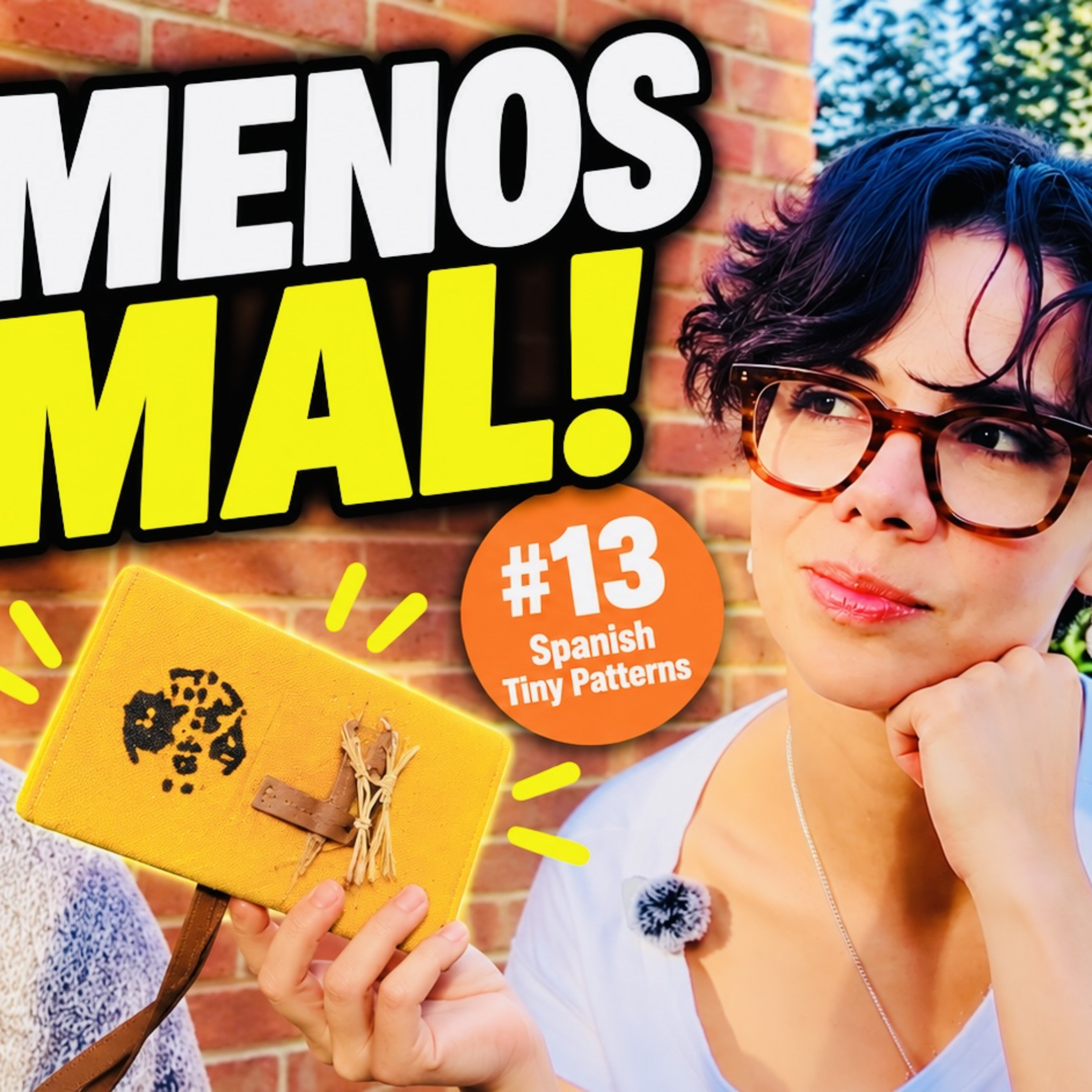 Menos Mal in Spanish: What Does It Mean? | 🟠 Tiny Spanish Patterns 22.09.2026 9m🎧 What does “menos mal” mean in Spanish?Have you ever heard a Spanish speaker say “¡menos mal!” and wondered why they were saying “less bad”?In this audio lesson, you’ll learn how Spanish speakers use “menos mal” to express relief — similar to:“Thank goodness.”“What a relief.”“Fortunately.”“Luckily.”“Good thing…”You’ll learn the most common patterns:“¡Menos mal!”“Menos mal que + situation”You’ll also hear natural examples and conversations that show how “menos mal” works in everyday Spanish.The goal is not to translate “menos” and “mal” separately.It’s to recognize the complete expression and understand the feeling behind it.🟠 Tiny Spanish PatternsLearn Spanish through patterns, not rules.🗣️ Spanish Conversation CircleSmall groups • Real conversation • Only 5 people👉 Message me on WhatsApphttps://w.app/85sgfr📚 Practice Spanish with a native teacher on italki:https://go.italki.com/ania2608Buy $10 and get $5 off with code ANIA.📱 Get the italki app:https://go.italki.com/ania2608appAfter listening, try using “menos mal” in your own sentence.For example:“¡Menos mal que…!”#LearnSpanish #SpanishListening #SpanishSpeaking #SpanishExpressions #SpanishConversation #SpanishPatterns #IntermediateSpanish #AdvancedSpanish #RealSpanish #SpokenSpanish #SpanishVocabulary #SpanishPractice #TinySpanishPatterns #SpanishTinyPatterns #MenosMal #TuEspañolEnUso #SpanishWithAnia #ThisIsHowWeSpeakSpanish #AniaConversationCircle
-
 Bien Que Mal” Makes NO Sense… Until You Know This | 🟠 Tiny Spanish Patterns 17.09.2026 8m🎧 What does “bien que mal” mean in Spanish?In this Spanish listening lesson, you’ll learn how to understand and use the expression “bien que mal” naturally — without translating it word for word.“Bien que mal” can express the idea of somehow, despite everything, or not perfectly but managing to move forward.For example:“Bien que mal, terminé el trabajo.”“Bien que mal, seguimos en contacto.”“Bien que mal, todavía funciona.”You’ll also hear the variation “mal que bien,” which expresses a very similar idea.Listen to natural examples and conversations so you can start recognizing this Spanish pattern when you hear it in real life.🟠 Tiny Spanish PatternsLearn Spanish through patterns, not rules.🗣️ Spanish Conversation CircleSmall groups • Real conversation • Only 5 people👉 Message me on WhatsApphttps://w.app/85sgfr📚 Practice Spanish with a native teacher on italki:https://go.italki.com/ania2608Buy $10 and get $5 off with code ANIA.📱 Get the italki app:https://go.italki.com/ania2608appNow go to Tu Español en Uso and leave me a comment using “bien que mal” or “mal que bien.” I’d love to read your example. 🙂#LearnSpanish #SpanishListening #SpanishSpeaking #SpanishConversation #SpanishExpressions #SpanishPatterns #IntermediateSpanish #AdvancedSpanish #RealSpanish #SpokenSpanish #SpanishVocabulary #SpanishPractice #TinySpanishPatterns #SpanishTinyPatterns #BienQueMal #MalQueBien #TuEspañolEnUso #SpanishWithAnia #ThisIsHowWeSpeakSpanish #AniaConversationCircle
-
Both… and… in Spanish? Learn “Tanto… como…” | 🟠 Tiny Spanish Patterns 15.09.2026 6m🎯 Learn how to use “tanto… como…” naturally in Spanish — without translating word for word from English.In this audio lesson, you’ll learn how Spanish speakers use “tanto… como…” to connect two people, things, moments, or possibilities.For example:“Tanto tú como yo necesitamos practicar español.”“Tanto hoy como mañana tengo mucho trabajo.”“Me gustan tanto el café como el té.”“Tanto antes como ahora, me encanta leer.”Depending on the context, “tanto… como…” can mean “both… and…” or express a comparison similar to “as much as…”The goal is not to memorize a rule, but to recognize the pattern and start using it naturally in everyday Spanish.🟠 Tiny Spanish Patterns — Learn Spanish through patterns, not rules.📚 Practice Spanish with a native teacher on italki:https://go.italki.com/ania2608Buy $10 and get $5 off with code ANIA.📱 Get the italki app:https://go.italki.com/ania2608appNow go to Tu Español en Uso and leave me a comment, either written or by audio. I’d love to both read it and listen to it. 🙂#LearnSpanish #SpanishListening #SpanishSpeaking #SpanishExpressions #SpanishForIntermediate #SpanishForAdvanced #SpanishConversation #SpanishVocabulary #TinySpanishPatterns #TantoComo #SpanishPatterns #RealSpanish #SpanishNaturally #MexicanSpanish #italki
-
Better? Think Again! “Mejor” in Spanish | 🟠 Tiny Spanish Patterns 13.09.2026 6mBetter? Think Again! “Mejor” in Spanish | 🟠 Tiny Spanish Patterns #10Personalized 1-on-1 language lessons with native teachers on italki. Buy $10 and get $5 off with code ANIA.https://go.italki.com/ania2608https://go.italki.com/ania2608app🎯 Learn how to use “mejor” naturally in Spanish — because it doesn’t always mean “better.”In this Tiny Spanish Pattern, you’ll discover how “mejor” works in everyday Spanish and how its meaning changes depending on the context.You’ll hear natural examples such as:“Mejor me voy.”“Mejor no.”“Mejor mañana.”“Hoy me siento mejor.”But there’s more.“A lo mejor” means “maybe” or “perhaps.”For example:“A lo mejor voy mañana.”“Mejor dicho” means “or rather” or “more precisely,” and we use it to correct or clarify what we just said.For example:“Vivo en Londres… mejor dicho, cerca de Londres.”This audio lesson will help you recognize these expressions as they are actually used in Spanish — without translating everything word for word.🟠 Tiny Spanish Patterns — small patterns that help you understand how Spanish is really used.#LearnSpanish #SpanishPodcast #SpanishListening #SpanishExpressions #SpanishForIntermediate #SpanishForAdvanced #SpanishConversation #TinySpanishPatterns #Mejor #MejorDicho #ALoMejor #SpanishVocabulary #LearnSpanishOnline #italki
-
Actually in Spanish? Learn “De hecho” | 🟠 Tiny Spanish Patterns 10.09.2026 9mLearn How to Use “DE HECHO” Naturally in Spanish | 🟠 Tiny Spanish PatternsPersonalized 1-on-1 language lessons with native teachers on italki. Buy $10 get $5 off with code ANIA.https://go.italki.com/ania2608https://go.italki.com/ania2608app🎯 Learn how to use “de hecho” naturally in Spanish — without translating word for word from English.In this Tiny Spanish Pattern, you’ll learn one of those small Spanish expressions that can make a big difference in how naturally you understand and speak Spanish.“De hecho” is a very common expression in everyday Spanish. You’ll hear it when someone wants to emphasize, confirm, or add information to what they have just said.In this audio lesson, you’ll hear how Spanish speakers use “de hecho” in real-life situations and learn how to recognize this pattern and use it naturally in your own conversations.🟠 Tiny Spanish Patterns — small patterns that help you understand how Spanish is really used.#LearnSpanish #SpanishListening #SpanishSpeaking #SpanishExpressions #SpanishForIntermediate #SpanishForAdvanced #SpanishConversation #SpanishVocabulary #SpanishTips #TinySpanishPatterns #DeHecho #ActuallyInSpanish #MexicanSpanish #italki #tuespañolenuso
-
1,000 Horas de Español… ¿y Todavía No Puedes Hablar? | Spanish Fluency Tips 07.09.2026 16m1,000 Horas de Español… ¿y Todavía No Puedes Hablar?Personalized 1-on-1 language lessons with native teachers on italki. Buy $10 get $5 off with code ANIA.https://go.italki.com/ania2608https://go.italki.com/ania2608app🎯 Can you study Spanish for hundreds or even thousands of hours and still feel like you can’t speak?You can study vocabulary, learn structures, complete exercises, answer quizzes and get excellent results — but using Spanish in real time is a different skill.In this episode, we talk about the difference between recognizing Spanish and actually being able to use it, why you can know a lot of Spanish and still freeze during a conversation, and why studying more isn’t always the answer.You’ll also learn why real conversations can feel so different from the Spanish you practice in books and exercises — and how to start turning the Spanish you already know into Spanish you can actually use.If you study Spanish constantly but still struggle to speak, this video is for you.Remember: You don’t need to understand 100% of what you hear to communicate. You need to become comfortable continuing, asking questions, reformulating, and using the Spanish you already have.Yo soy Ania, tu entrenadora personal de español.And remember:This is how you speak Spanish — not perfectly, comfortably.Gracias por escuchar.
-
What Happens Is… in Spanish? Learn “Lo que pasa” | 🟠 Tiny Spanish Patterns 04.09.2026 8mLearn How to Use “LO QUE PASA” Naturally in Spanish | Tiny Spanish Pattern #8Personalized 1-on-1 language lessons with native teachers on italki. Buy $10 get $5 off with code ANIA.https://go.italki.com/ania2608https://go.italki.com/ania2608app🎯 Learn how to use “lo que pasa” naturally in Spanish — without translating word for word from English.In this Tiny Spanish Pattern #8, you’ll learn one of those small Spanish expressions that can make a big difference in how naturally you understand and speak Spanish.“Lo que pasa” is a very common expression in everyday Spanish. You’ll learn how Spanish speakers use it to explain what is happening, introduce an explanation, or give a reason.In this audio lesson, you’ll hear how this pattern works in real-life situations and how you can start recognizing and using it naturally in your own conversations.🟠 Tiny Spanish Patterns — small patterns that help you understand how Spanish is really used.#LearnSpanish #SpanishListening #SpanishSpeaking #SpanishExpressions #SpanishForIntermediate #SpanishForAdvanced #SpanishConversation #SpanishVocabulary #SpanishTips #TinySpanishPatterns #LoQuePasa #WhatHappensInSpanish #MexicanSpanish #italki #tuespañolenuso #spanishwithania #thisishowwespeakspanish
Similar podcasts


Popular in
The podcast also appears in the podcast charts of these countries.
