
Chit Chat & Chill
BLiSS or MiSS
0
Chit Chat & Chill is a laid-back podcast about everyday life, with casual conversations covering a wide range of topics. The hosts are AI-generated and do not exist as real people, but they use real information to form their own thoughts and try to stay impartial. Episodes are meant for unwinding, laughing, learning, or finding inspiration. Each installment is a relaxed, informative hangout with surprising insights and humor.
Episodes
-
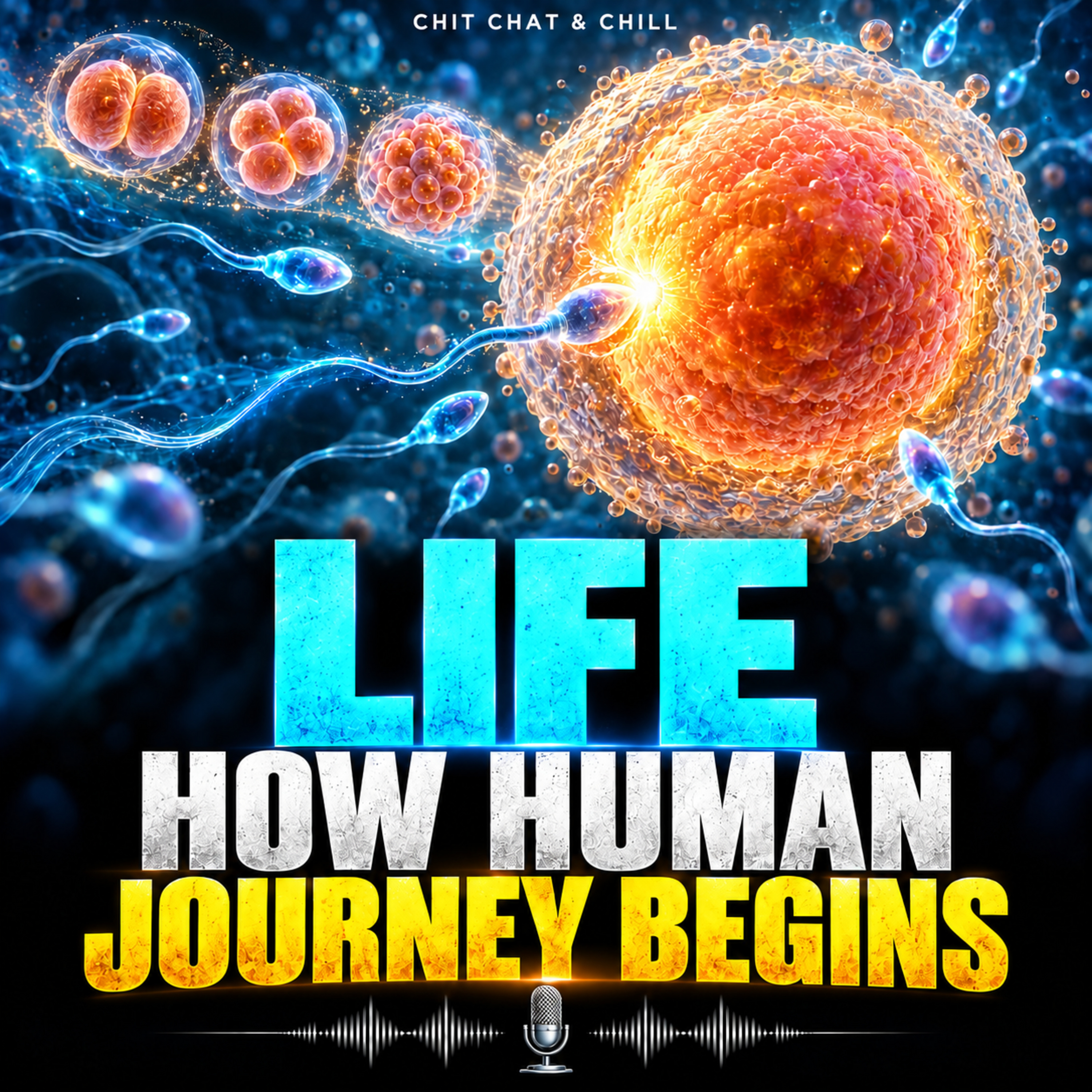 Life: How Human Journey Begins 10.10.2026 49mIn this episode of Chit Chat & Chill , AI hosts Chit and Chat explore the extraordinary scientific story of how human life begins, translating complex biological processes into a fun and accessible journey of human reproduction system. The story starts with two tiny specialized reproductive cells: the female egg (ovum) and the male sperm. While a female is born with approximately 1 to 2 million immature egg cells in her ovaries, typically only one mature egg is released each month during ovulation. In contrast, the male reproductive system continuously produces millions of microscopic, swimming sperm cells designed to deliver paternal genetic material.The episode dives into the epic biological race that takes place during conception. Following ejaculation, around 300 million sperm enter the female reproductive tract, but only a few hundred manage to successfully navigate through the cervix and uterus to reach the fallopian tube where the egg rests. When a single sperm cell penetrates the protective outer shell known as the zona pellucida, the egg instantly undergoes a chemical reaction that hardens its surface, blocking all other sperm from entering. At that exact moment of fertilization, the 23 chromosomes from the egg unite with the 23 chromosomes from the sperm to form a single-celled zygote with a complete blueprint of 46 chromosomes.Finally, Chit and Chat explain how this single cell transforms into a growing embryo. Over the next five to six days, the zygote travels down the fallopian tube toward the uterus while undergoing rapid cell divisions called mitosis. By the time it reaches the uterus, it has organized into a hollow sphere of cells known as a blastocyst. The blastocyst then attaches and implants itself into the nutrient-rich uterine lining (endometrium), establishing a pregnancy and initiating the formation of the placenta and early tissues that sustain human development
-
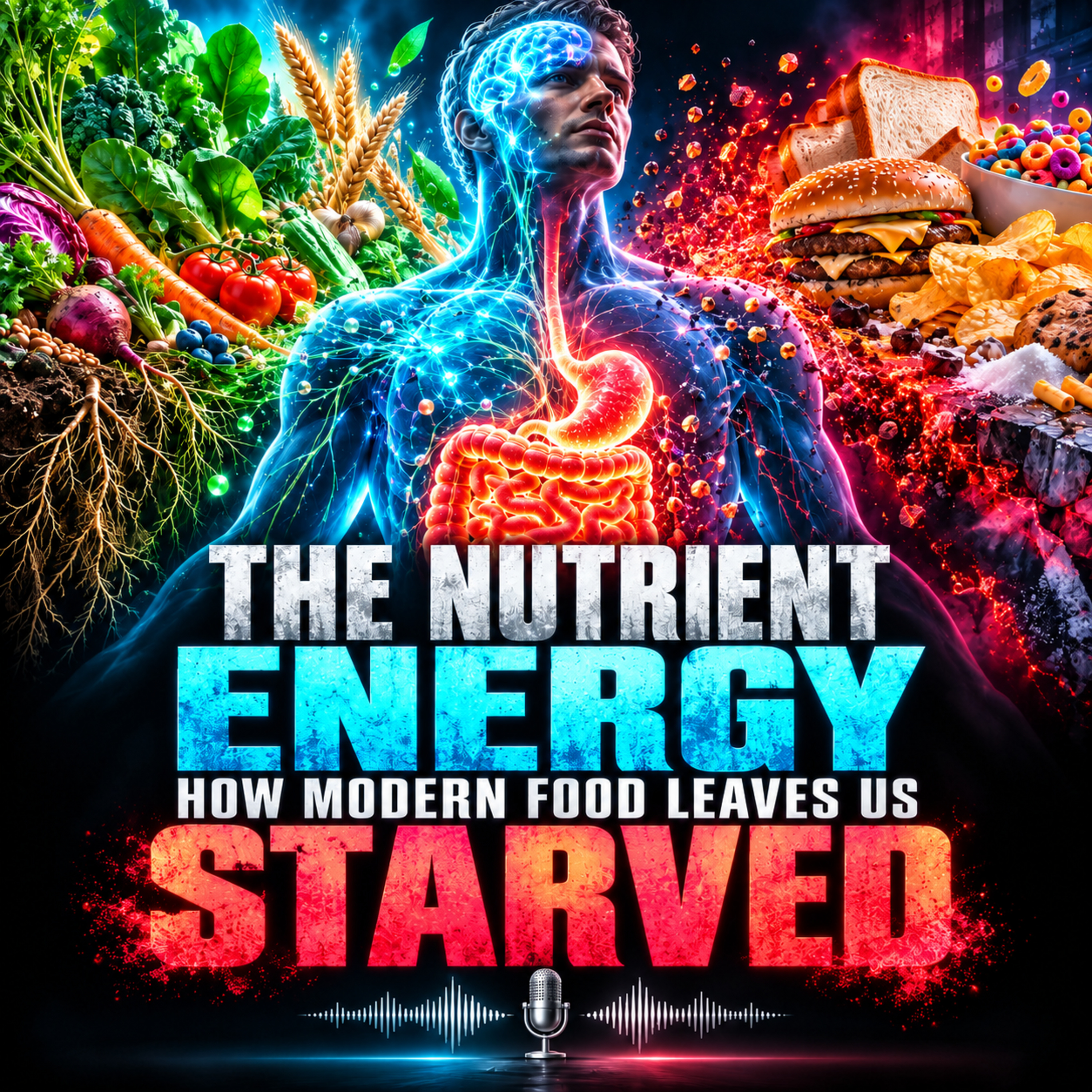 The Nutrient Energy - How Modern Food Leaves Us Starved 21.09.2026 54mThe modern agricultural system has prioritized crop volume over nutrient density, leading to a hidden decline in the essential minerals our bodies rely on. Long-term agricultural research reveals a 20% to 30% drop in key trace minerals—such as zinc, iron, copper, and magnesium—in staple grains over the last several decades, coinciding with the widespread adoption of high-yielding semi-dwarf crop varieties. Modern crop breeding dramatically increased overall agronomic yields, but it created a biological dilution effect where crops produce more bulk calories with fewer bioavailable micronutrients per serving. Furthermore, rising ratios of phytate relative to minerals in modern grains further hinder the body's ability to absorb vital trace elements.Beyond the farm, industrial food processing further dismantles true nourishment by destroying the natural physical structure of our food. Ultra-processed foods replace whole-food matrices with refined, reconstituted ingredients that act like an unchecked "nutrient flood" rather than a steady, slow-release nourishment system. This structural collapse reduces required chewing time, bypasses early oral satiety signals, and silences key distal gut satiety hormones like GLP-1 and PYY, driving passive overconsumption and metabolic organ stress. Even when ultra-processed products are artificially fortified with synthetic vitamins or isolated fibers, the lack of an intact food matrix starves beneficial gut microbes, compromises the intestinal barrier, and triggers low-grade systemic inflammation.This disconnect represents a profound evolutionary mismatch between human physiology and our modern food environment, driving a global epidemic of chronic illness. Human metabolic systems evolved over millions of years to thrive on diverse, fiber-rich, and micronutrient-dense whole foods, yet today's ultra-processed diets have become a leading cause of non-communicable diseases, including cardiovascular disease, type 2 diabetes, obesity, and mood disorders. This podcast explores evidence-based solutions from the "Food as Medicine" movement and regenerative agriculture, showing how soil health, crop diversity, and whole-food nutrition directly impact biological energy transfer and human health. By returning to intact food matrices, colorful plant variety, and nutrient-dense eating habits, we can restore gut microbiome integrity and reclaim genuine biological nourishment.
-
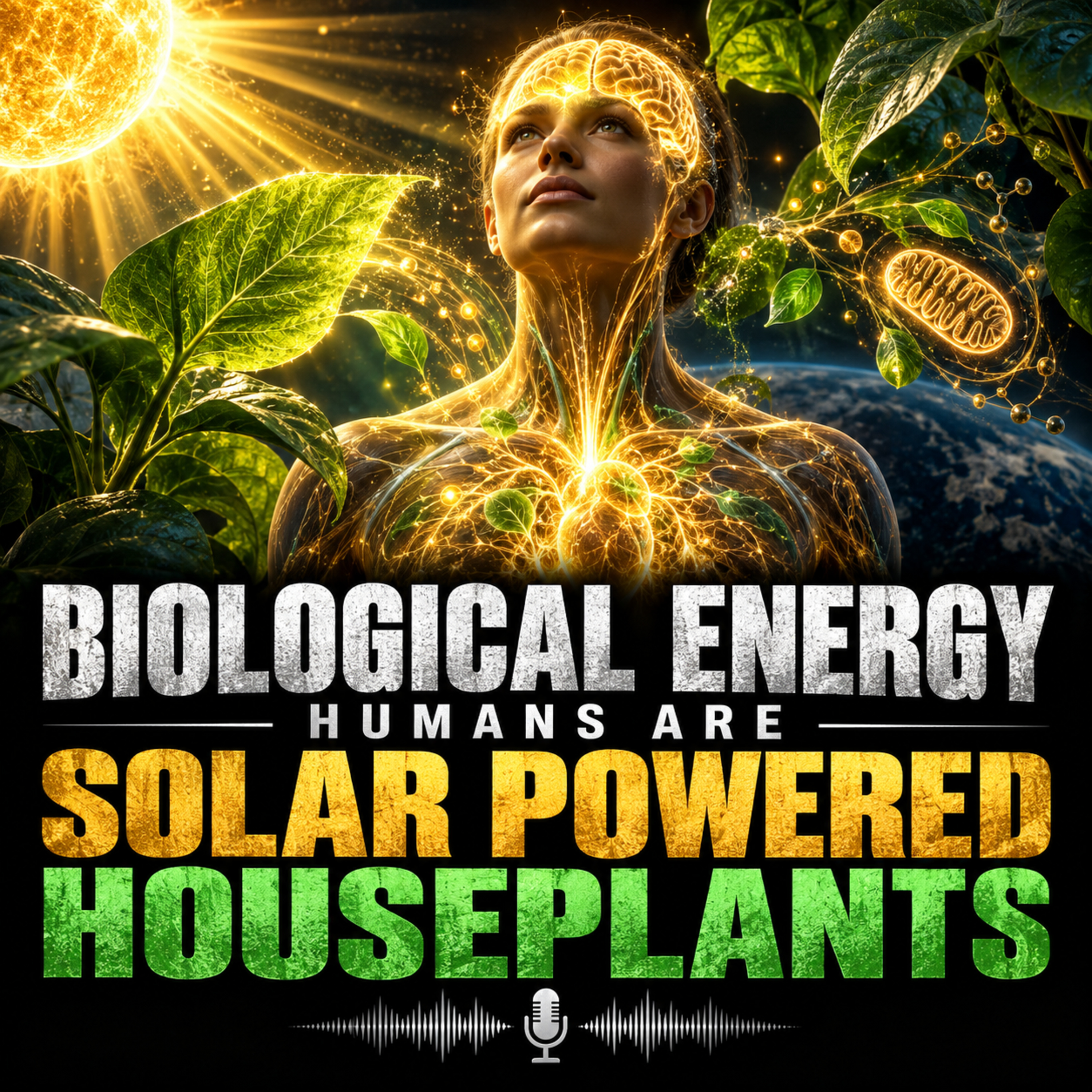 Biological Energy: Humans Are Solar Powered Houseplants 20.09.2026 48mWelcome to "Biological Energy: Humans Are Solar Powered Houseplants" - a podcast exploring the bioenergetic connections between solar radiation, plant chemistry, and human life. Energy originates from nuclear fusion in the sun, traveling through space as photons before being captured by plant chloroplasts to forge organic carbon bonds. When humans eat plant-derived foods and breathe oxygen, our mitochondria reunite these carbon electrons with oxygen, unlocking stored sunlight to build an electrochemical membrane potential. This continuous flow of transformed solar energy ultimately powers our body warmth, physical movement, and conscious thoughts.The episode dives into how this solar-derived energy supports our most demanding organ: the human brain. Neural tissue is metabolically costly, requiring approximately 16 times more energy per gram than skeletal muscle and consuming roughly 20% to 25% of an adult's resting energy budget. To accommodate these steep energetic demands without inflating overall metabolic rates, human evolution favored high-quality, nutrient-dense diets alongside key anatomical trade-offs. These adaptations include a reduced gastrointestinal tract optimized for easily digestible foods, as well as lower overall muscularity and higher body fat reserves to buffer brain growth.Finally, the episode investigates the "skin-gut axis" and the direct, non-dietary influence of sunlight on our internal ecosystem. Clinical research demonstrates that exposing human skin to narrowband ultraviolet (UVB) light significantly increases the diversity of the intestinal microbiome, enriching beneficial bacterial families such as "Lachnospiraceae." By connecting soil microbiomes, plant nutrition, and human metabolic respiration into an interconnected "One Health" framework, this podcast reveals that humans are active participants in a continuous planetary energy cycle.
-
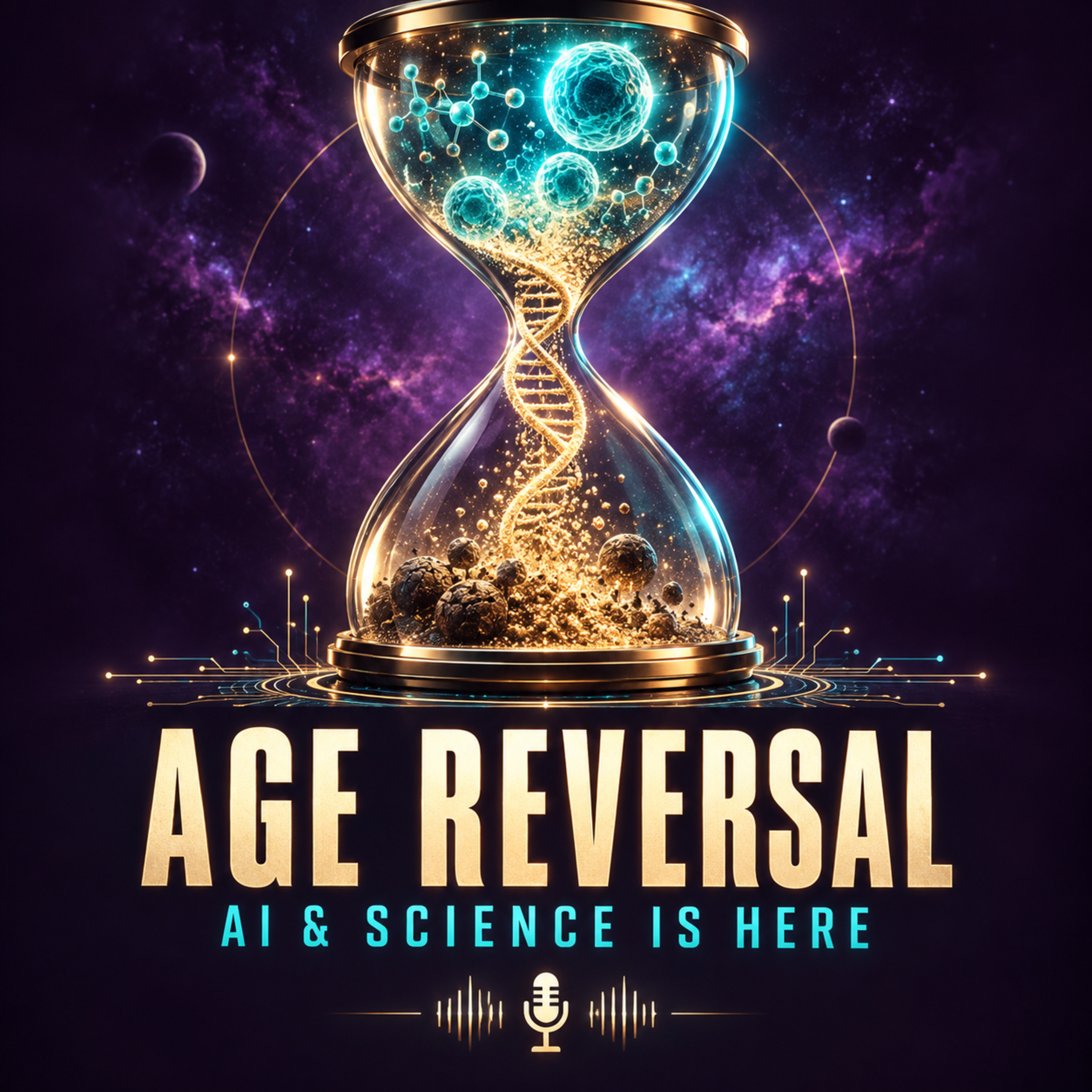 Age Reversal: AI & Science Is Here 14.09.2026 46mChronological age simply tracks the number of years lived on a calendar, whereas biological age reflects the true functional health of an individual's cells, tissues, and organs. Scientists now understand that biological aging is not an inevitable or permanent collapse, but a plastic, treatable process that can be biochemically altered. Under the Information Theory of Aging, cellular decline is likened to scratches accumulating on a compact disc, where DNA holds the original software instructions of youth but becomes hard for cells to read correctly over time.To clear away this cellular wear, researchers are using artificial intelligence to screen billions of molecules and engineer novel drug candidates—such as rentosertib—that have successfully reversed biological age markers across multiple proteomic clocks in human clinical trials[8]. In parallel, gene therapies use partial epigenetic reprogramming with a subset of three Yamanaka factors—OCT4, SOX2, and KLF4 (collectively called OSK)—to "polish" cellular damage and reset biological age without causing cells to lose their identity or form tumors. Human trials, including the FDA-cleared ER-100 gene therapy targeting eye conditions like glaucoma, are actively testing this technology alongside senolytics that remove damaged senescent cells.Targeting the root biological drivers of aging shifts medicine from reactively treating individual chronic diseases to proactively preserving systemic cellular health. Beyond personal health, extending human health span offers staggering economic benefits; adding just one extra year of healthy life in the United States is estimated to create $38 trillion in economic value by maintaining human productivity. By uniting AI drug discovery with genetic reset switches, modern longevity science is transforming age reversal from science fiction into practical medicine
-
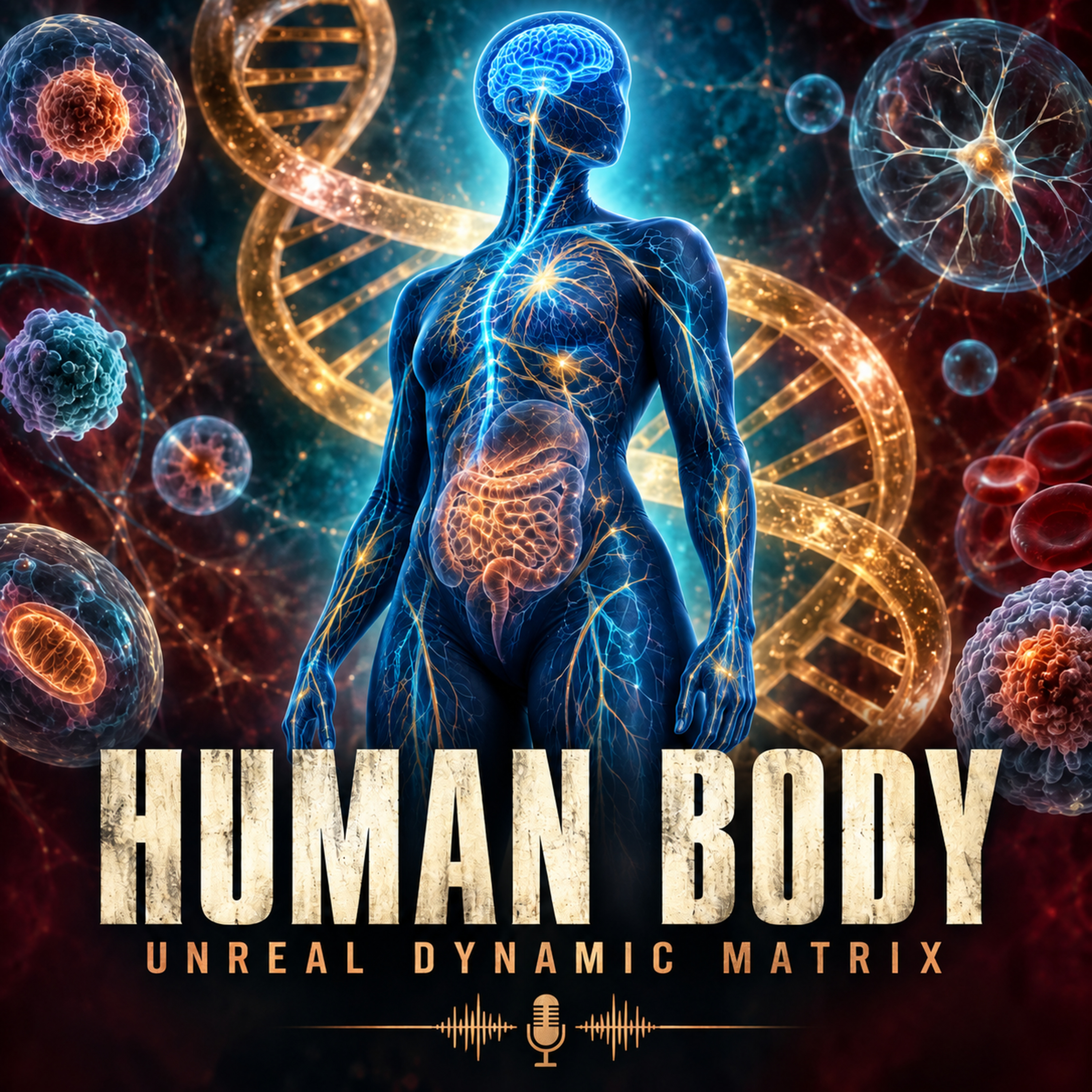 Human Body: Unreal Dynamic Matrix 13.09.2026 56mHuman Body, the Unreal Dynamic Matrix is an immersive science and wellness podcast that explores how the human body operates not as a rigid biological machine, but as a fluid, interconnected event. The show uncovers the groundbreaking field of epigenetics, revealing how daily environment, stress, and lifestyle choices act like invisible hands playing a genetic piano—turning gene expression on or off through DNA methylation and histone modifications without altering your underlying genetic code. Rather than viewing inherited DNA as an unchangeable destiny, listeners discover how cellular programming dynamically adapts, repairs, and optimizes health across a lifetime.Diving beneath the surface, the podcast illuminates the body's hidden communication superhighways that coordinate this whole-organism intelligence. Listeners explore the bodywide fascial system—a liquid-crystalline matrix housing over 250 million nerve endings that functions as our richest sensory organ and a rapid bio-signaling network. The episode also unravels the gut-brain axis, detailing how trillions of resident microbes produce roughly 90% of the body's serotonin and send continuous neural, immune, and chemical signals to the central nervous system via the vagus nerve.Finally, we ventures into the extraordinary frontiers of human adaptation, bioelectricity, and quantum biology. From bioelectrical microcurrents that guide tissue regeneration and evolutionary gene variants that enable populations to dive to extreme depths or endure severe cold, to quantum brain dynamics and biophoton light emission within neural microtubules, the show connects cause and effect across every biological scale.
-
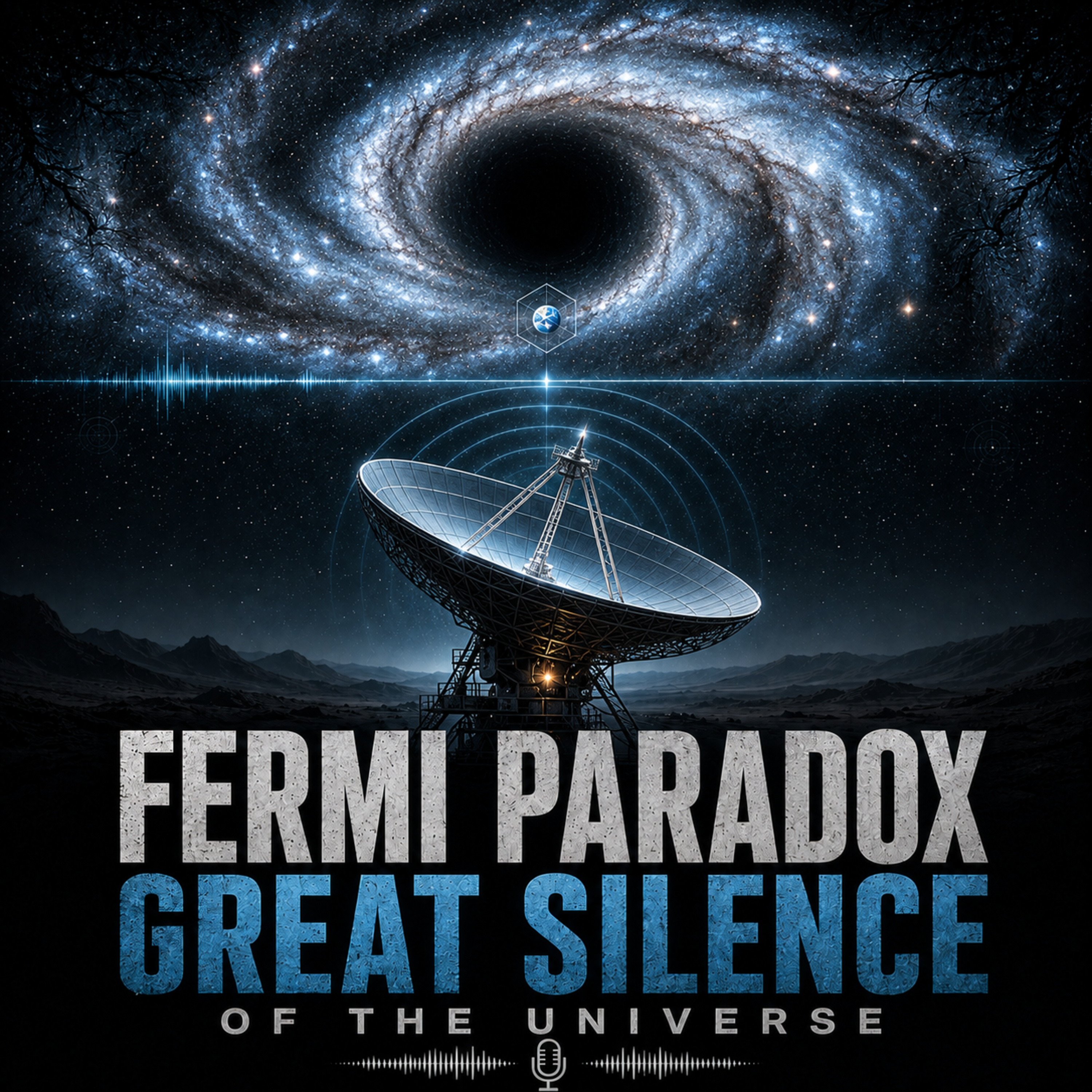 Fermi Paradox: Great Silence of the Universe 06.09.2026 33mAre we truly alone in the cosmos, or is the universe keeping a dark, quiet secret? Named after physicist Enrico Fermi, who famously blurted out the question "But where is everybody?" during a Los Alamos lunch in 1950, the Fermi Paradox highlights the haunting contradiction between the high mathematical likelihood of advanced extraterrestrial life and the complete lack of evidence for its existence. Despite trillions of potential planets in our galaxy alone, decades of searching have yielded absolutely nothing—a cosmic mystery known to astronomers as the "Great Silence". From the mathematical variables of the Drake Equation to modern astronomical surveys, scientists and astrobiologists are forced to grapple with a chilling reality: either we are biologically unique in the observable universe, or we are missing something profound.This podcast series dives deep into the most compelling and unsettling theories that attempt to solve this cosmic puzzle, starting with famous Great Filter hypothesis, which warns that an nearly impassable evolutionary bottleneck inevitably wipes out civilizations before they can reach the stars. We also explore the terrifying Dark Forest Hypothesis—which uses game theory to suggest that the universe is teeming with intelligent species who remain completely silent and hidden because they view all other life as an inevitable threat requiring preemptive destruction.In this vast "extensive-form game" of cosmic sociology, silence is not a lack of technological progress; it is a calculated survival strategy to avoid a cosmic death sentence.But what if the silence isn't a result of paranoia and destruction, but of transitions beyond our primitive comprehension? Tune in to explore these theories and discover why the silence of the night sky might be the most fascinating—and crucial—puzzle humanity has ever faced.
-
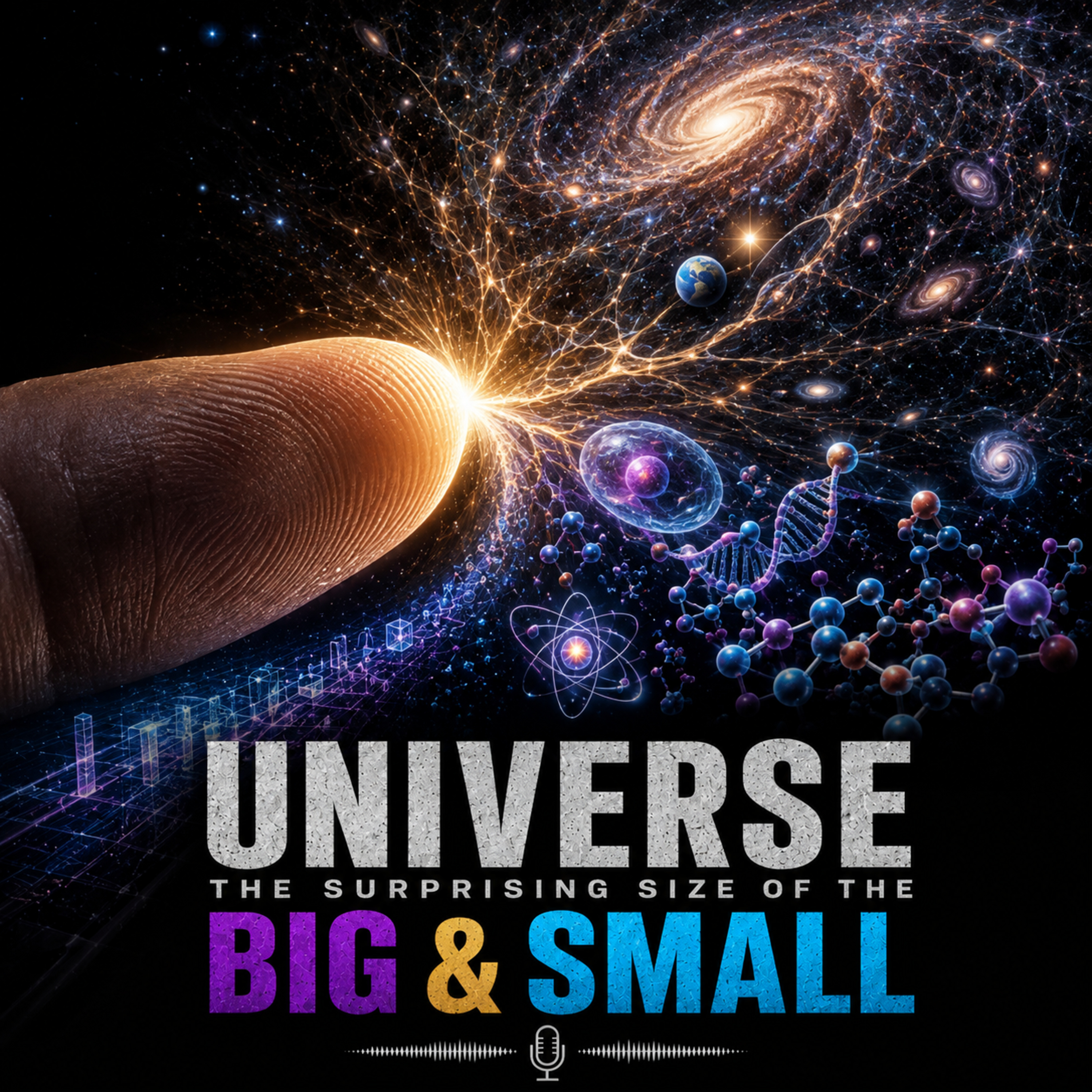 Universe: The Surprising Size of the Big & Small 06.09.2026 47mFrom our daily perspective, Earth feels like a massive, immovable home, but zooming out reveals our staggering physical insignificance. Earth is roughly 12,742 kilometers across, yet its entire volume represents less than one-millionth of the Sun’s interior, which is large enough to contain approximately 1.3 million Earths. Shifting to a galactic scale makes our presence shrink even further: if we were to compress the Milky Way galaxy down to a structure 100 feet across, our entire solar system would measure thinner than a human hair, and Earth would be completely invisible. On the grandest scale of all, the observable universe expands as a gargantuan sphere roughly 93 billion light-years in diameter. At this scale, our home planet becomes so conceptually minuscule that it ceases to register as anything measurable and effectively rounds down to zero.However, we are intellectually capable of grasping this immense scale because of where we sit between the largest and smallest limits of physical reality. If we plunge to the subatomic limit, we encounter the Planck length, the fundamental cosmic boundary where space, time, and gravity fragment. This leads to the mind-bending realization that there are far more Planck lengths packed inside a single human body than there are human heights stretching across the entire observable universe. While we are physically microscopic compared to the vast cosmic horizon, our biological scale occupies an extraordinary, complex middle ground in the architecture of reality.This cosmic perspective becomes even more profound when we realize that our minds actually mirror the structure of the colossal universe that dwarfs us. Despite being separated by 27 orders of magnitude in size, the network of the human brain and the cosmic web of galaxies show startling structural, morphological, and network similarities.The human cerebellum houses roughly 69 billion neurons, while the observable cosmic web contains a network of at least 100 billion galaxies. In both systems, these active nodes organize themselves along long filaments and dense cluster nodes, surrounded by vast, passive backgrounds—water in the brain, and dark energy in the universe.This episode dives into these impossible scales, exploring whether we are merely insignificant specks of dust, or if our minds are the very mirror where the universe finally reflects upon its own architecture
-
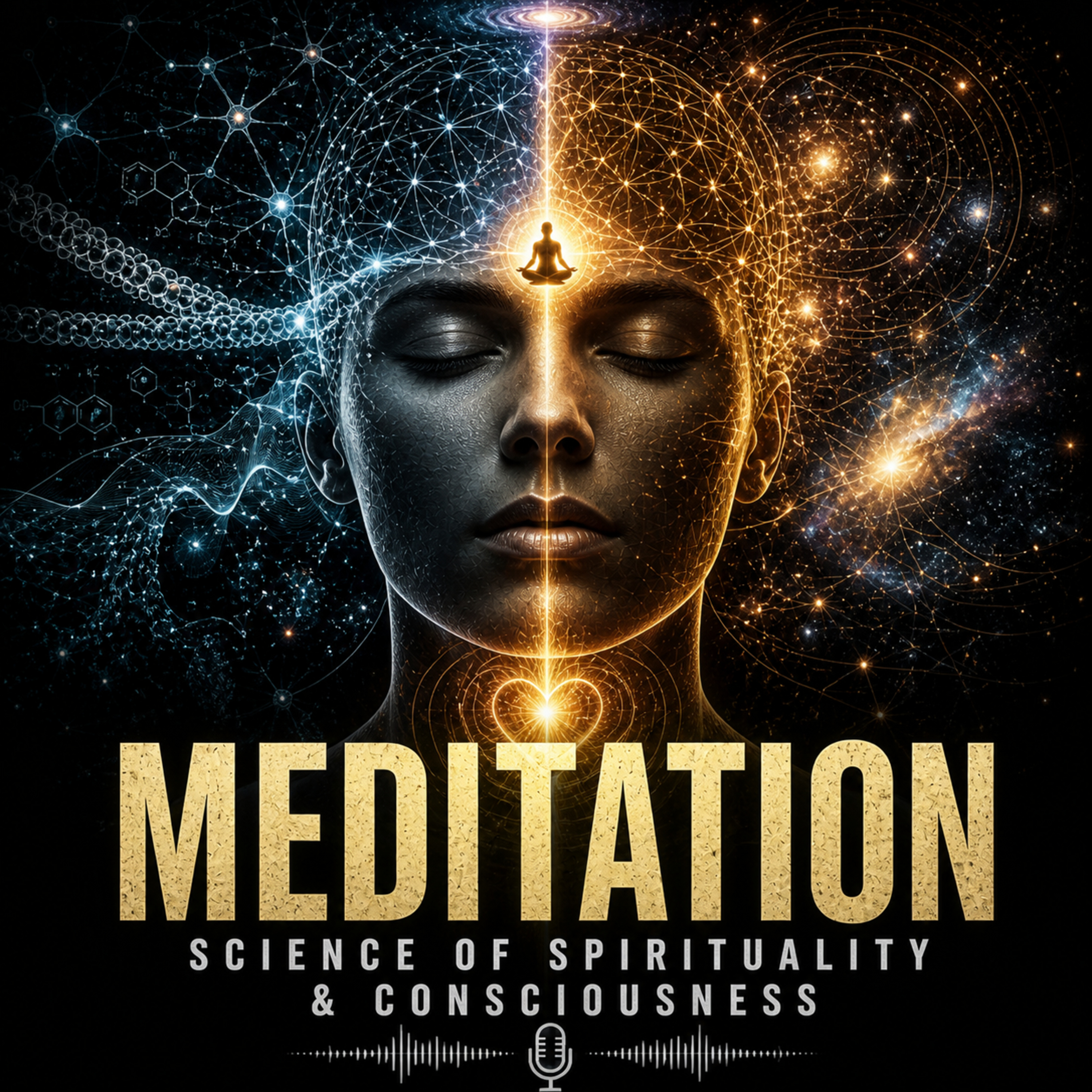 Meditation: Science of Spirituality 31.08.2026 47mWhy is meditation the ultimate biological upgrade for quieting the mind?Sitting in silence often reveals the relentless, automatic chatter of our thoughts, which ancient and modern traditions alike compare to a muddy jug of water. In both early Christian monasticism and classical Indian philosophy, spiritual masters noted that if you constantly stir a vessel of muddy water, it remains cloudy and opaque; yet if you leave it completely undisturbed, the sediment naturally settles to the bottom, leaving the water crystal clear. Rather than trying to violently suppress thoughts, true mindfulness teaches us to stop stirring the mind, allowing its busy fluctuations to settle of their own accord into a state of deep, natural clarity.Modern neuroscience reveals that this deep state of mental stillness is backed by profound changes in brain structure and function. Through experience-induced neuroplasticity, systematic meditation practice physically alters the neural networks of the brain, strengthening our cognitive control regions while dampening our stress responses. Long-term practice deactivates the Default Mode Network (DMN), the brain's self-referential default circuit that is highly active during mind-wandering, anxiety, and repetitive rumination. Simultaneously, meditation trains our attentional capacity by reducing the "attentional blink"—the limit of our visual processing when we get "stuck" on a distraction—as shown by a reduced P3b brain potential in experienced Vipassana practitioners, meaning the brain becomes far more efficient in its resource allocation. At the University of Wisconsin-Madison, pioneer neuroscientist Richard Davidson discovered that expert Buddhist practitioners could even self-induce massive, high-amplitude gamma brainwave synchrony and phase-coherence during mental practice. This unified neural firing, which coordinates widely distributed brain regions, transforms not only the active state of meditation but the long-term resting baseline of the brain, establishing a permanent state of heightened, integrated awareness.The universal nature of this inner stilling is equally evident when we transition to the heart-centered contemplative disciplines of the Abrahamic mystagogies. In the late Byzantine Eastern Orthodox tradition of Hesychasm, monks withdrew from worldly distractions to practice hesychia (stillness) and nepsis (watchfulness), guarding the mind and heart against intrusive thoughts. Their primary vehicle was the Jesus Prayer, a short, unceasing invocation repeated continually in alignment with the physical rhythms of the breath and heartbeat. This Christian mysticism bears an extraordinary structural and phenomenological resemblance to the Islamic Sufi practice of Dhikr, which is the continuous remembrance and repetitive invocation of Allah's names. In Sufism, the human heart is conceptualized as a mirror destined to reflect the uncreated divine light, but it is typically obscured by the rust and dust of the lower self, or nafs. Dhikr serves as the necessary spiritual polish that wipes this mirror clean, moving from vocal repetition to quiet, meditative absorption. Both Hesychasm and Sufism treat the physical body as a sacred temple, showing that when the mind is brought down into the heart and concentrated on a single divine name, the practitioner is protected from worldly anxieties and prepared to receive absolute divine grace.
-
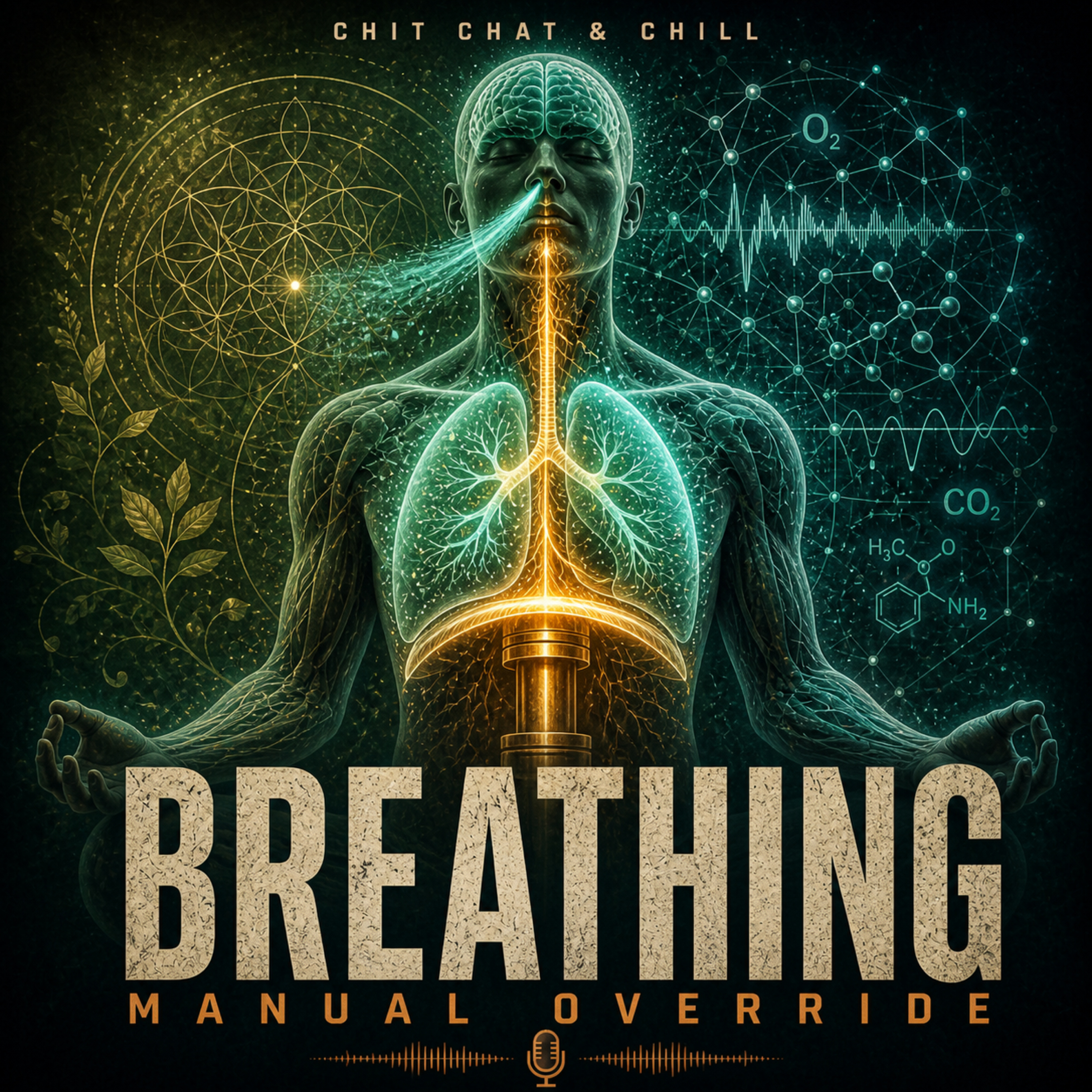 Breathing: Manual Override 30.08.2026 32mWhat if the ultimate control panel for your mood, stress levels, and brain chemistry wasn't a complex pharmaceutical or a lifetime of training, but something you already do approximately 20,000 times a day?Welcome to Chit Chat & Chill: Breathing - Manual Override. Join your friendly AI hosts, Chit and Chat, as they break down the fascinating, hard science of how changing your respiratory patterns mechanically rewires your brain. From the physical "piston" of the diaphragm stimulating the vagus nerve, to nasal breathing synchronizing your brain's neural networks, and the chemistry of CO2 tolerance, we bridge the gap between ancient meditative wisdom and cutting-edge neurobiology. It's deep science, simple language, and a fun, relaxed conversation designed to help you take the steering wheel of your own nervous system.
-
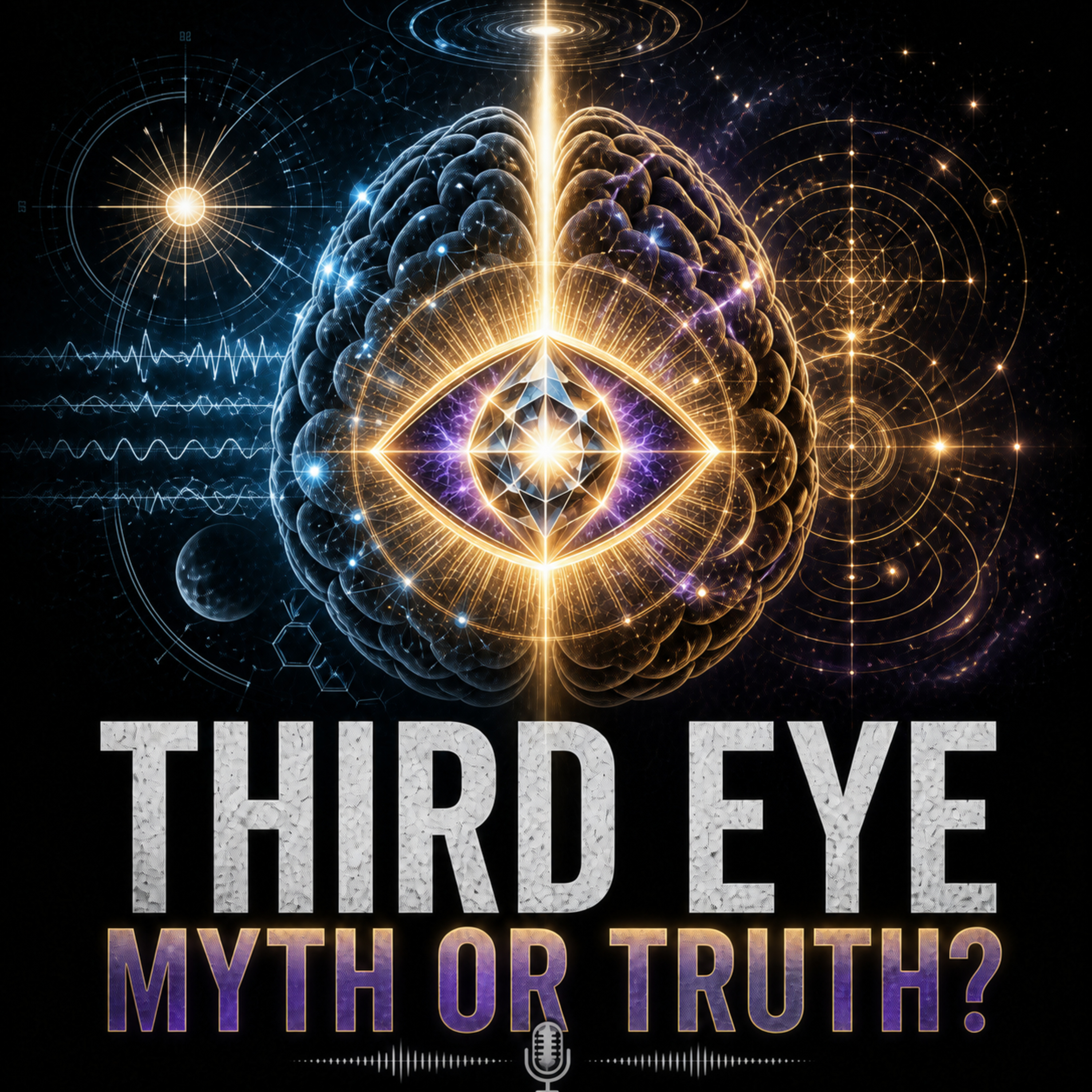 Third Eye: Myth or Truth 24.08.2026 1h 3mFor millennia, the "third eye" or " pineal gland" has captivated the human imagination as a sacred doorway to higher consciousness, intuition, and inner vision. This profound concept spans diverse spiritual lineages, from the ajna chakra of Hindu tantra to the "inner eye" of Sufi mysticism. In the West, the French philosopher René Descartes famously designated the pineal gland as the "principal seat of the soul" and the central place where all of our thoughts are formed. Later, 19th-century theosophists like Madame Blavatsky popularized the idea that this tiny gland is a dormant, atrophied vestige of a physical "third eye" that once granted humanity spiritual vision. This podcast episode explores how these diverse ancient myths, esoteric traditions, and intuitive experiences beautifully converge on a recognizable set of transcendent, altered states of consciousness.While modern neuroscience clarifies that the pineal gland's primary biological function is to produce melatonin to regulate our circadian rhythms and sleep-wake cycles, cutting-edge brain imaging is revealing that ancient meditative practices can physically alter this structure. Groundbreaking voxel-based morphometry (VBM) studies have shown that long-term meditators exhibit significantly greater structural integrity in the pineal gland and a "younger" brain age compared to non-meditators. Furthermore, the estimated lifetime hours of a practitioner's meditation are positively associated with greater pineal gland signal intensity, suggesting that consistent practice leads to physical, neuroplastic remodeling of this highly vascularized gland. When we quiet the mind through concentration practices like Samatha or Vipassana, we also deactivate the default mode network (DMN)—the brain network associated with mind-wandering and rumination—and trigger marked shifts in delta, alpha, and gamma brainwave activity, indicating a highly organized and present-centered cognitive state.The mystery deepens on the scientific frontier where biochemistry meets absolute sensory deprivation in the ancient practice of "dark retreats". Practitioners who spend several days in hermetically sealed, pitch-black environments report that once the body resets its metabolic clock, the pineal gland begins to endogenously produce N,N-dimethyltryptamine (DMT)—frequently called "the spirit molecule". Unlike unpredictable psychedelic trips, this endogenous DMT release in the dark is said to trigger a gradual, stable awakening of inner vision in full, waking consciousness. Moreover, the discovery of sharp-edged calcite microcrystals inside the human pineal gland suggests that yogic breathing and cerebrospinal fluid fluctuations could mechanically stimulate these crystals via piezoelectric induction, acting as a transducer of internal energy. This intriguing interplay of biological mechanisms—from piezoelectric microcrystals to endogenous chemistry—challenges us to ask: Is the third eye truly a mystical myth, or is it a neurobiological reality waiting to be awakened?
-
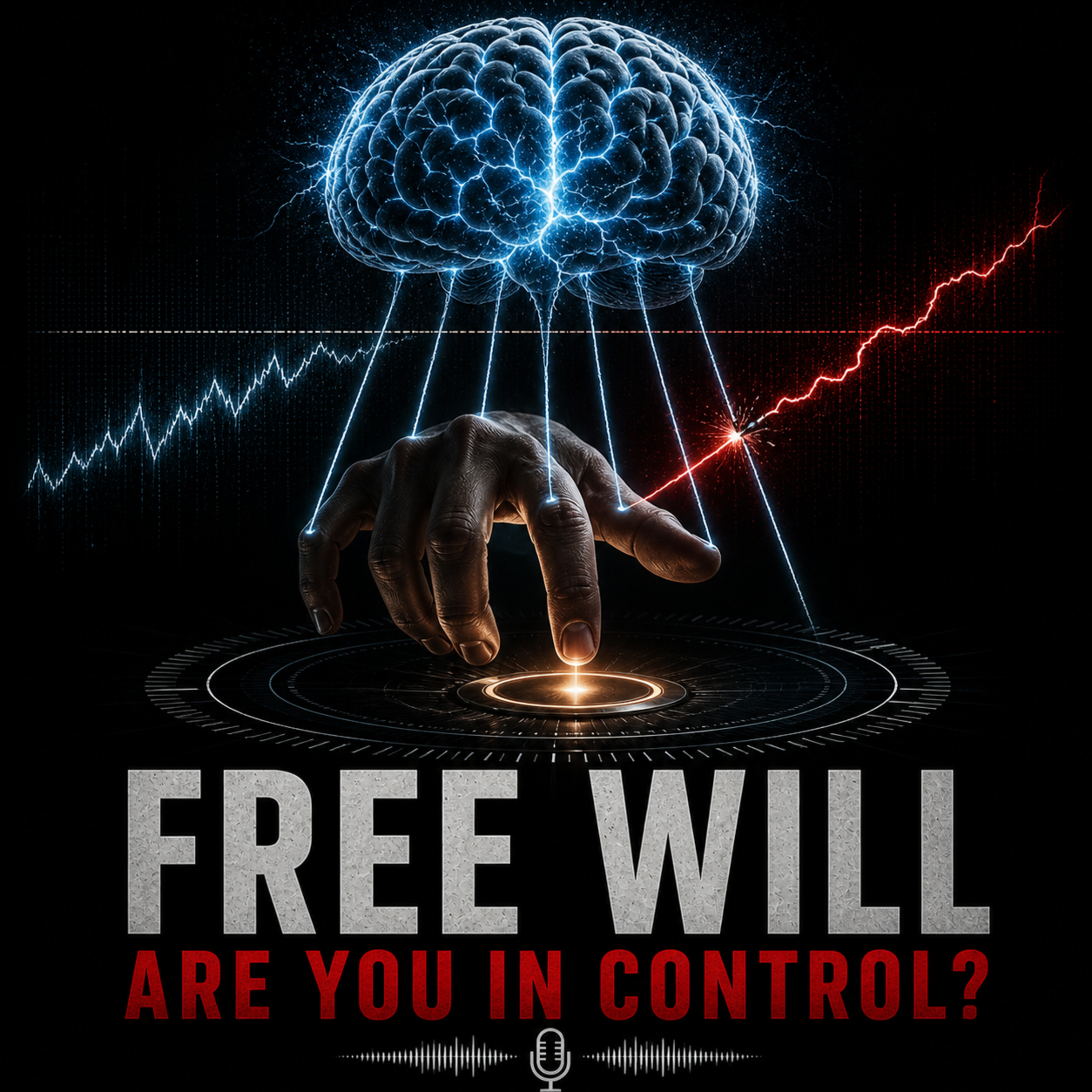 Free Will: Who is in Control 23.08.2026 53m"Free Will: Are You In Control" is a delightful and mind-expanding episode of the Chit Chat & Chill podcast, where curious AI hosts Chit and Chat break down the ancient mystery of free will into a friendly, jargon-free conversation that anyone of any age can enjoy. The episode opens with Chit and Chat inviting listeners to sit back, relax, and explore whether we are truly the captains of our own ships or merely along for the ride. They kick off the conversation by addressing a classic scientific puzzle: the pioneering 1980s experiments by Benjamin Libet, which showed that unconscious brain activity begins hundreds of milliseconds before we are even aware of our own "urge" to act. By showing how the brain's electrical readiness potential precedes our conscious intention, this experiment sparked a massive debate, leading some researchers to wonder if our cherished sense of conscious choice is simply a retrospective story our minds tell to take credit for decisions already made by our biology.But instead of leaving listeners trapped in biological determinism, Chit and Chat playfully guide us through the clever ways scientists and philosophers have tried to rescue our sense of agency. They explore Benjamin Libet's own refusal to declare free will an illusion, highlighting his famous theory of "free won't". In this view, even if our unconscious minds initially trigger our actions, our conscious awareness retains a brief, critical window—roughly 150 milliseconds—to step in, exert a veto power, and block an automatic impulse from turning into real physical movement. They compare this to a golfer taking practice swings and getting a final rubber stamp of approval. This means we might not initiate every single urge, but we still retain the ultimate power to choose which thoughts we act on, transforming the debate from a scary loss of control into an empowering reminder of our capacity to pause, train our minds, and reflect.Finally, the hosts bridge the scientific gap by exploring Eastern wisdom, specifically looking at how Buddhism and the law of karma offer a beautiful alternative to rigid Western determinism. Listeners will learn that the Buddha rejected absolute fatalism, warning that if everything were strictly predetermined by past events, there would be no reason to make an effort or try to live a good life. In Buddhist teachings, volition (cetanā) is karma, meaning that our intentional choices in the present moment are what truly matter, and we are constantly molding our own futures rather than helplessly obeying a fixed destiny. Chit and Chat wrap up this cozy and thought-provoking episode by reminding us that our past experiences are just the hand we have been dealt, but we always have the freedom to choose how we play that hand in the present
-
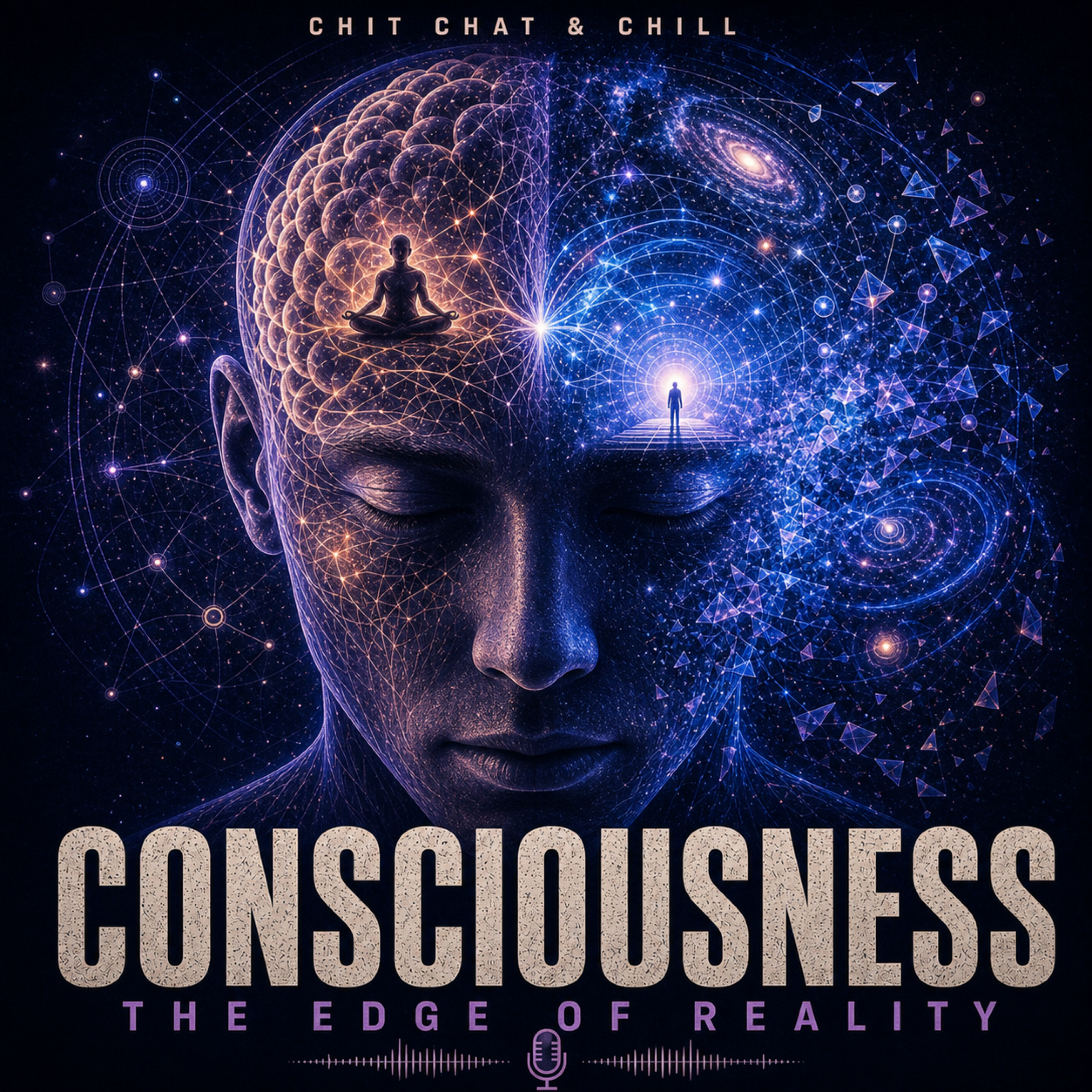 Consciousness: The Edge of Reality 17.08.2026 52mWhat is consciousness? Is it an accidental byproduct of firing neurons, or is it the fundamental fabric of the universe itself? Consciousness - The Edge of Reality is a deep-dive science and philosophy podcast that tackles the "Hard Problem" of consciousness by bridging the gap between rigorous scientific research and ancient philosophical frameworks to explore the frontiers of human experience. Every week, we bring you mind-bending discussions grounded in quantum mechanics, neurobiology, cognitive science, and meditative states.Throughout our journey, we dissect leading-edge theories such as Orchestrated Objective Reduction (Orch-OR), quantum entanglement in neural networks, and the provocative "consciousness causes collapse" interpretation of physics. Alongside quantum mechanics, the podcast examines cognitive evolutionary models—like the theory that our sensory perception is merely a "virtual reality headset" shielding us from a reality that would overwhelm us, and the neuroscientific perspective that our brains are constantly generating a "controlled hallucination" of the world. We also dive deep into the neuroscience of advanced meditation to see how deep contemplative states alter the brain's Default Mode Network (DMN), while separating scientific facts from metaphysical myths regarding the pineal gland’s neuroendocrine function and its historical association with hyperdimensional wisdom. Finally, we venture into cosmological consciousness, exploring philosophical idealism, the "Universal Mind," the holographic universe, and John Wheeler's "Participatory Universe" to investigate whether observation itself brings physical reality into being. Whether you are a scientist, a philosophy enthusiast, or simply curious about why you exist, this podcast provides clear, engaging, and thought-provoking analysis of the universe’s greatest unsolved mystery.
-
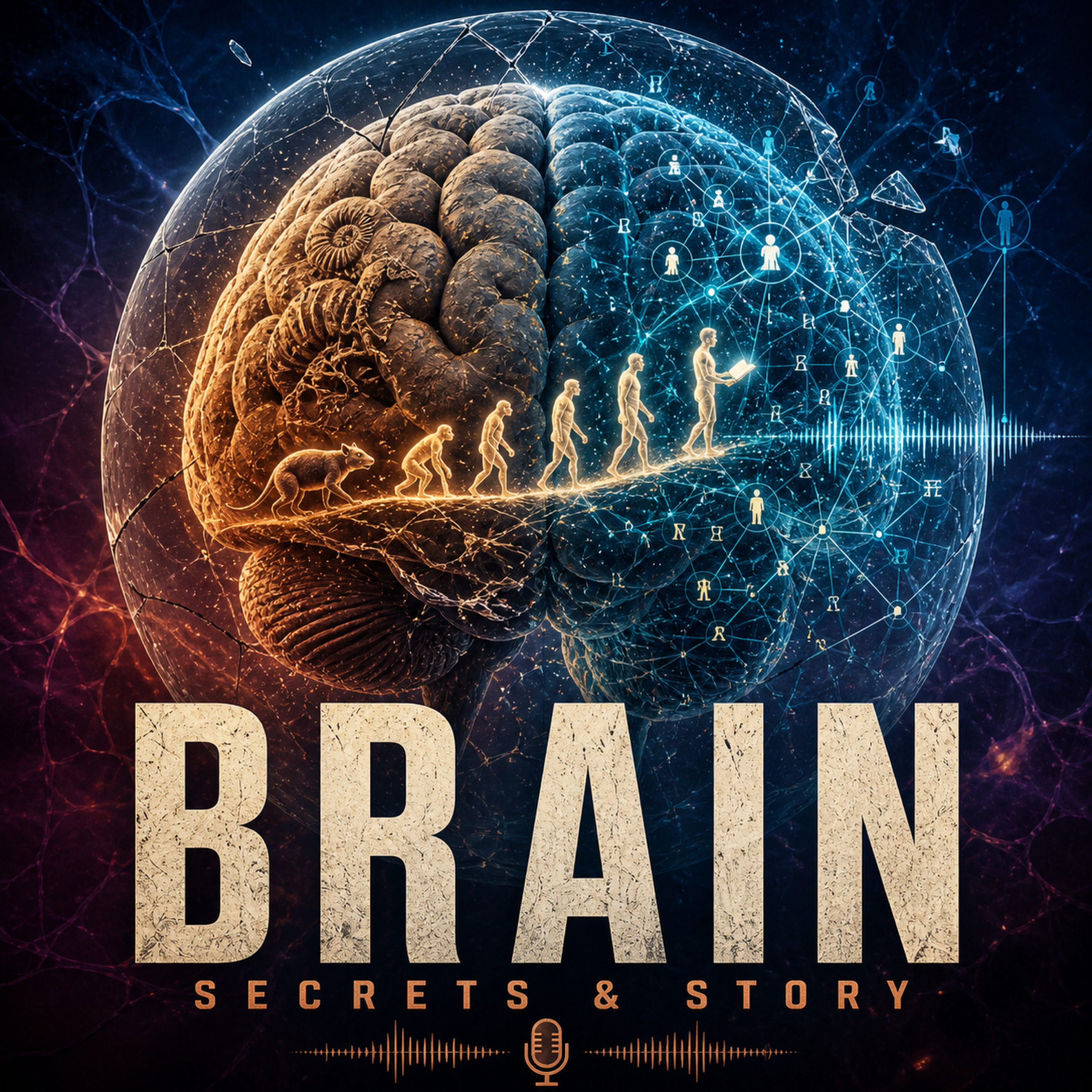 Brain: Secrets & Story 16.08.2026 50mHow did a tiny, prehistoric rat-like creature's brain bump evolve into a 100-billion-neuron storytelling machine capable of love, language, and technology? This episode explores the epic 600-million-year evolution of the human brain. We dive into the sensory glitches that expose "cracks in the matrix" of our perception - from the internet-breaking blue-and-black dress to audio illusions like "Yanny vs. Laurel". We then trace how survival shifted from escaping predators in ancient trees to managing the complex social demands of Dunbar's Number (150 close relationships) - proving that our brains did not evolve as abstract logical calculators, but as social engines built for connection
-
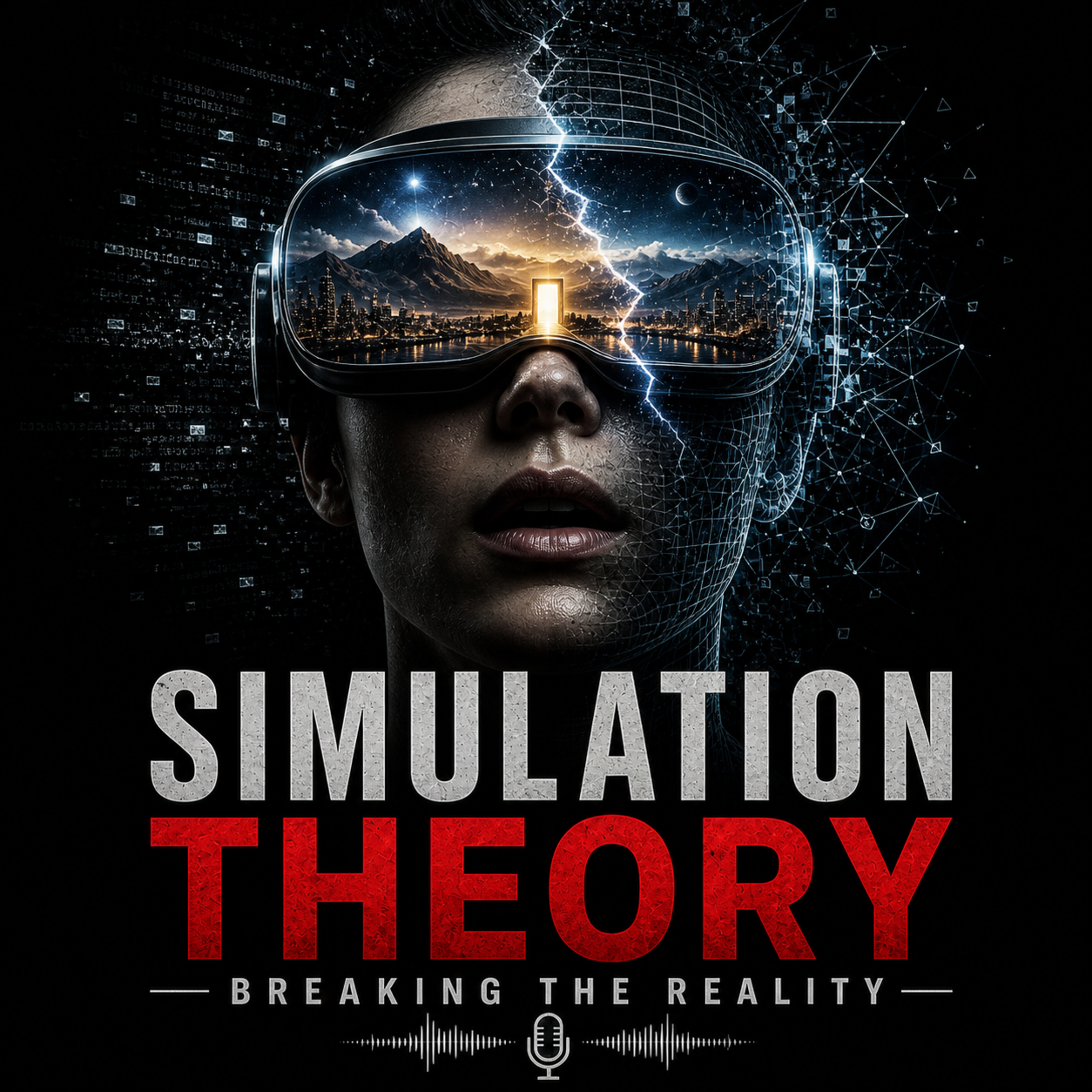 Simulation Theory: Breaking the Reality 10.08.2026 43mWhat if everything you’ve ever known - your deepest loves, your most painful heartbreaks, and even your own body - is nothing more than an immersive virtual game? In this high-stakes podcast, we investigate the Simulation Hypothesis, a radical proposition that we are conscious "avatars" living in a posthuman ancestor-simulation. We bridge the gap between ancient Gnostic warnings of a "false reality" and the "impossible" world of modern quantum mechanics.Join us as we hunt for "glitches in the matrix," from the eerie phenomenon of the Mandela Effect to the boundary-breaking reports of near-death experiences. We dive into the Holographic Principle, asking if our three-dimensional world is merely a projection of 2D code, and explore John Wheeler’s revolutionary theory of "It from Bit" - the idea that information is the true substrate of existence.Are we living in a "prison for the soul," or are we co-creators of the grand simulation? From the "Hard Problem" of consciousness to the potential of a super-intelligent AI explosion, we question if our senses are merely a survival-based user interface designed to hide the truth. Strap in for an intellectual odyssey that will leave you questioning every atom of your world. The code is all around you. Can you handle the truth?
-
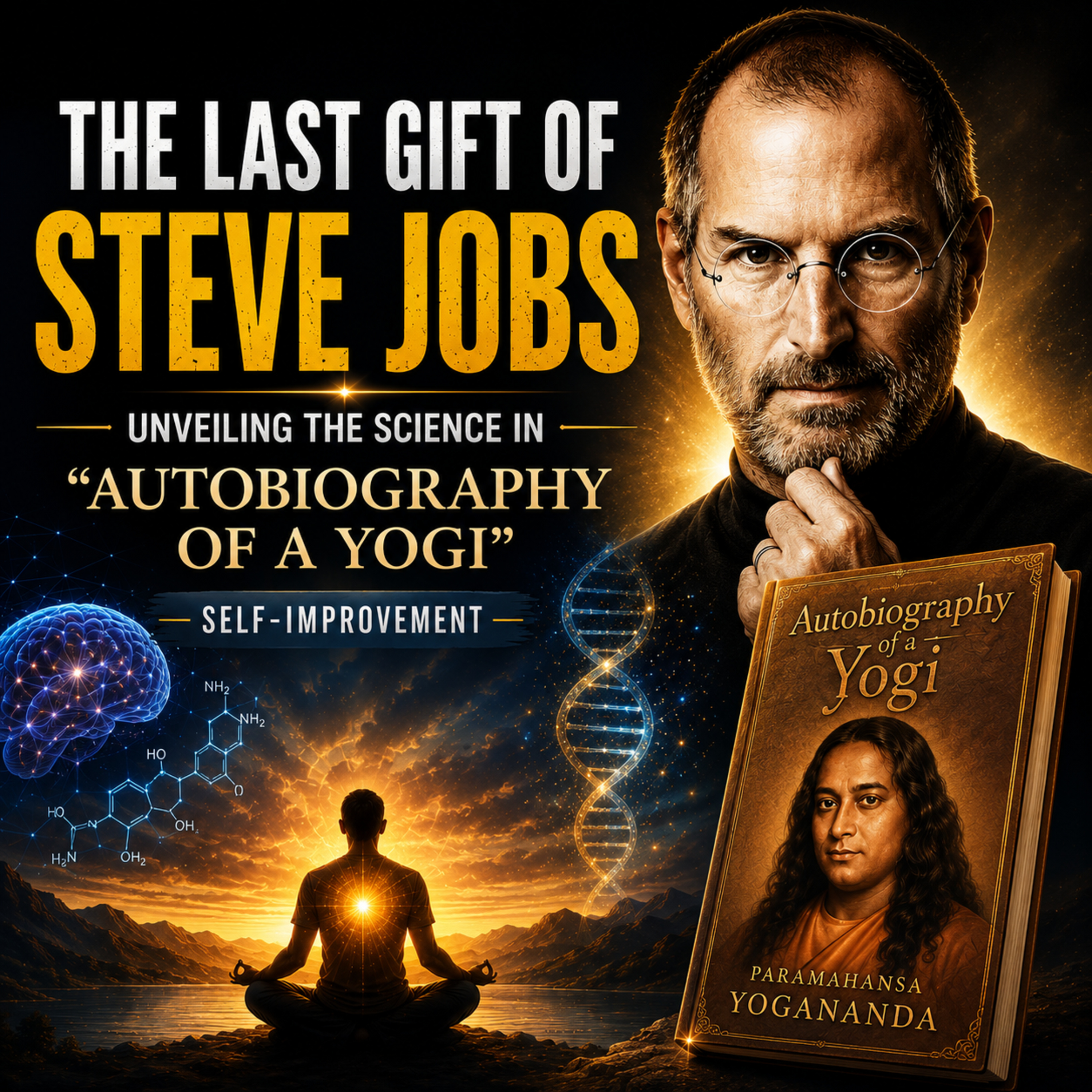 The Last Gift of Steve Jobs: Autobiography of a Yogi 09.08.2026 47mWelcome to Chit Chat & Chill! Join your AI hosts, Chit and Chat, as we chill together and dive deep into the spiritual classic that captivated the mind of Apple co-founder Steve Jobs. It was Jobs’ final wish to have a copy of this book - and only this book - handed out to every person who attended his memorial service.In this episode, we go beyond the surface to uncover the scientific heartbeat of Paramhansa Yogananda’s Autobiography of a Yogi. We explore how ancient Vedic wisdom aligns with the frontiers of modern physics, framing the universe not as a collection of solid objects, but as a "cosmic motion picture" rendered from light and thought.In this detailed Deep Dive, we discuss:The Law of Miracles & Physics: How the state of a perfected yogi fulfills Einsteinian conditions, identifying with the universal structure to overcome gravitation and materialize matter from "mind-stuff".The Psychophysiology of Kriya Yoga: An exploration of the "airplane route" to God - a scientific technique that decarbonizes the blood and recharges the body with cosmic energy through the medulla oblongata.The Unity of All Life: Insights into the research of the great Indian scientist J.C. Bose, who proved through delicate instrumentation that plants and even metals possess sensitive nervous systems and emotional responses.Hacking the Cosmic Dream: A look at maya (cosmic illusion) and the practical methods used by masters to transcend the "dream-structure" of physical reality.Join us for a conversation that bridges the gap between Western technological progress and Eastern spiritual realization, proving that "man is a soul and has a body."
-
 AI Agents: They are Here 07.01.2025 20mLet's Chill with AI Agents Chit Chat - the AI podcast where we try to understand the fascinating world of artificial intelligence agents and its impact on our everyday lives. Hosted by experts in the field, this podcast unpacks complex AI concepts, explores the latest advancements in AI agents, and delves into how these technologies shape industries, society, and the future. Whether you’re an AI enthusiast, a tech professional, or just curious about how AI works, this podcast offers clear explanations, insightful discussions, and exciting interviews with industry leaders.Chilling with one Chit Chat at a time with Artificial Intelligence!
-
 Google’s Willow Quantum Chip : Tapping into the Multiverse 31.12.2024 15mLet's Chill on the topic of Google’s Willow Quantum Chip and Chit Chat if humans have tapped into multiverse - the AI podcast where we dive into the cutting-edge world of quantum computing with Google’s Willow Quantum Chip. Could this groundbreaking technology be humanity’s first step toward accessing the mysteries of the multiverse? Join us as we explore the fascinating intersections of science, technology, and theoretical physics, unpacking what the Willow chip could mean for our understanding of reality itself. Whether you’re a tech enthusiast, a science fiction fan, or just curious about the future, this podcast promises a thought-provoking journey into the quantum realm and beyond.Chilling with one Chit Chat at a time with Artificial Intelligence!
-
 One Message Many Scriptures: Surprising Similarities 18.12.2024 34mLet's Chill with One Truth, Many Scriptures Chit Chat - the AI podcast where we dive deep into the profound wisdom of sacred texts like the Bhagavad Gita, Guru Granth Sahib, Bible, and Quran. This podcast explores the common themes of love, compassion, peace, and unity woven through these timeless scriptures. By highlighting their shared teachings, we aim to bridge divides, celebrate our spiritual oneness, and inspire humanity to walk together on a path of understanding and harmony.Chilling with one Chit Chat at a time with Artificial Intelligence!Source(s):Holy Scripture Bhagavad GitaHoly Scripture Guru Granth Sahib Holy Scripture King James Bible Holy Scripture Quran
-
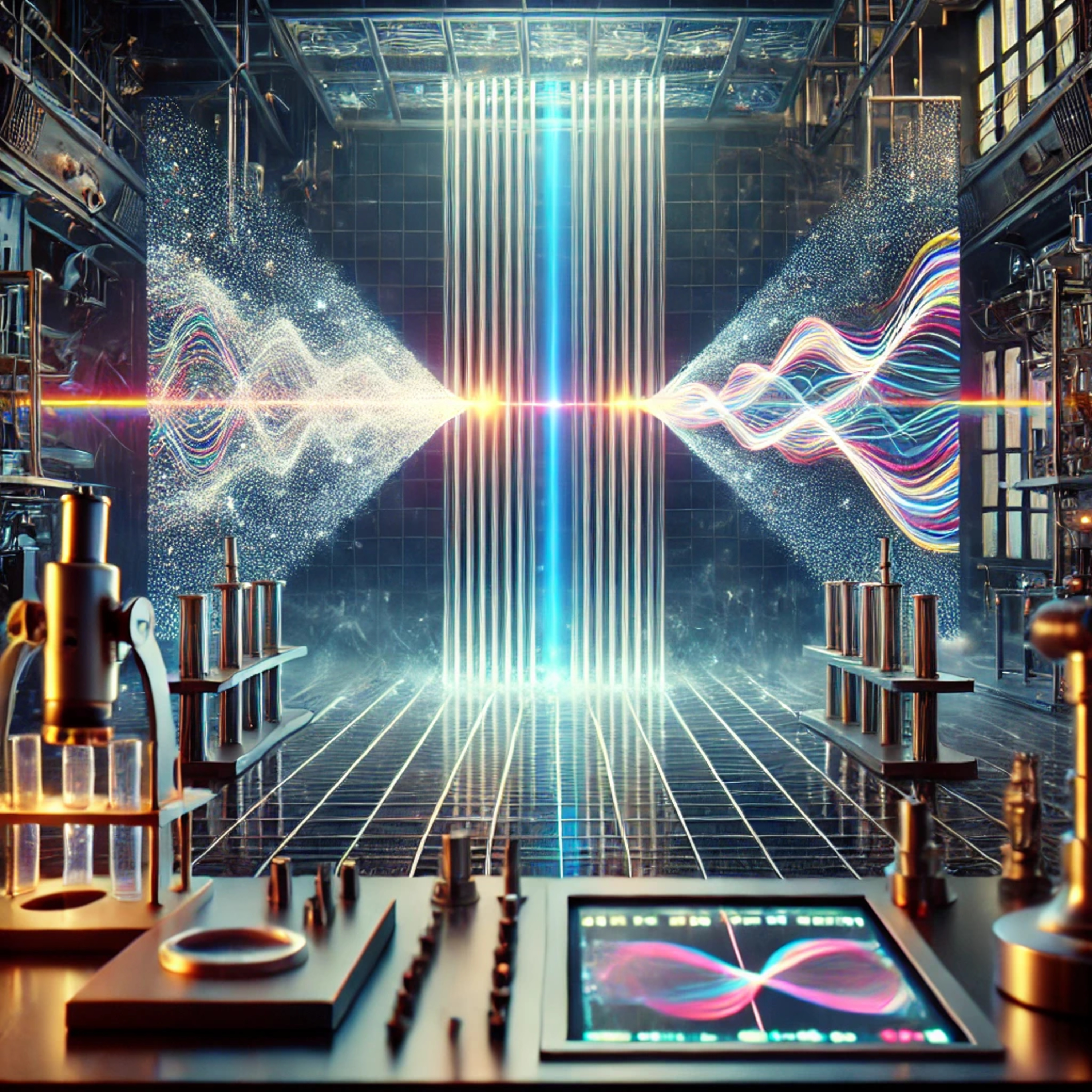 Double Slit Experiment: No One Understands 05.11.2024 16mLet's Chill with Mystery of Double Slit Experiment Chit Chat - the AI podcast where we unravel one of the most fascinating experiments in quantum mechanics: the double-slit experiment. Explore how this groundbreaking study revealed the dual nature of light and matter, the enigmatic observer effect, and the profound mysteries of quantum reality. Whether you’re a science enthusiast or simply curious about the universe, this episode dives into the heart of quantum physics and its mind-bending implications.Chilling with one Chit Chat at a time with Artificial Intelligence!
-
 Giggles & Guffaws: Laugh a Bit 09.10.2024 14mLet's Chill with Giggles and Guffaws Chit Chat - the AI podcast dose of side-splitting fun and stress-busting laughter! Inspired by the idea that laughter is the best medicine, this podcast serves up a delightful mix of kid-friendly jokes, silly anecdotes, and "punny" wordplay while talking about the benefits of laughter.Whether you are looking to boost your mood, connect with your family, or simply enjoy a few moments of pure silliness, "Giggles and Guffaws" is the perfect prescription for a happier day!Chilling with one Chit Chat at a time with Artificial Intelligence!
Similar podcasts


Popular in
The podcast also appears in the podcast charts of these countries.
