
Ideal Spaces Working Group
Ideal spaces working group
0
Ideal Spaces Working Group is a podcast about the intersection of culture, design, and innovation. It features conversations and interviews that explore how these fields shape one another and influence the spaces people use. The show aims to inform and engage listeners through accessible discussions with guests and working-group participants.
Episodes
-
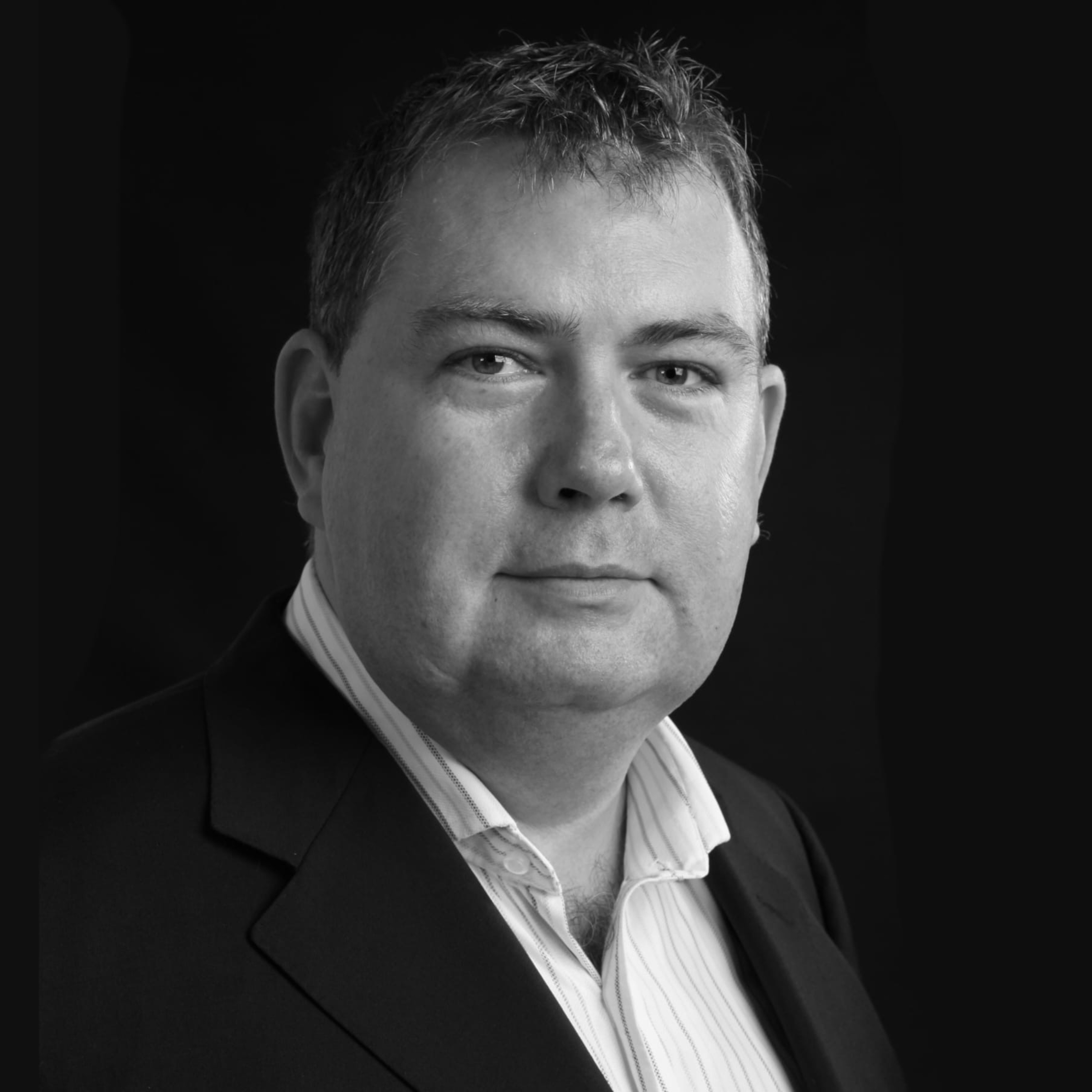 About Social Changes, Consume, Community, and Hope - Haydn Price 21.10.2026 49mHaydn Price is an award-winning broadcast journalist, film maker, and Fellow of the Royal Society of Arts whose investigative work explores how physical, legal, and economic forces change communities.Haydn examines what happens when citizens lose control over their environments and spatial identity. For four decades, he has covered stories that chart social and cultural evolution. Starting his career at BBC Radio 4 and The Guardian, his television programs have been broadcast in thirty countries and ten languages across networks like Sky, Discovery, and the BBC.In our podcast, Haydn starts with the evolution of information dispersal, reception, and the socioeconomic changes aligned to it in daily life, from the days before the internet until today. These changes affected creativity in all its domains,and its democratization in terms of accessibility. Arts and culture have been individualized, making everything more accessible, easier to produce, and cheaper. This led to an individualistic culture, with new forms of collective consciousness. In this respect, questions about democracy, the role of the state, the crumbling sense of community, and a changed fabric of society have been addressed, accompanied by a new kind of mob having TikTok. Do we really have democracy today, or just administered voting systems for bureaucratic elites? A related question is about the impact of the broad use of algorithms, in social media and elsewhere, on the loss of work and the human capability to reflect and to think. The members of a future society are consumers, and democracy becomes a secondary issue. Instead of consumption, it should be asked what makes life important. Now, we have boxes of plastic in different shapes. But as human beings, we have a choice to build a better place. We can do this - if we want to.
-
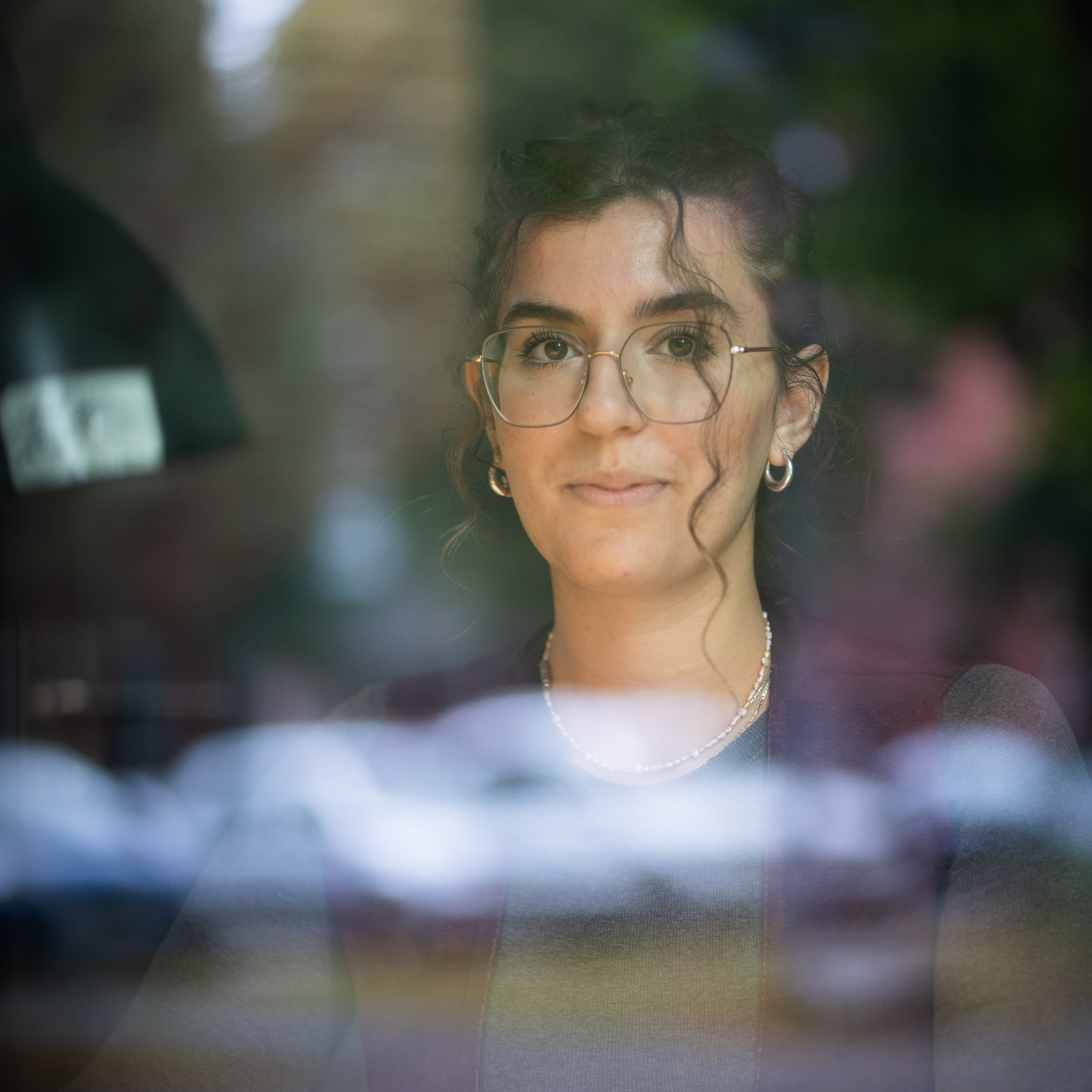 Wiederbelebung der Gemeinschaft - Chantal Keyvork 14.10.2026 32mChantal Keyvork, Master in Architektur, ist Gründerin des Architekturforum.Münster und Initiatorin von Great Good Place, einer Plattform für urbane Interventionen, Dritte Räume und Community Building. Sie beschäftigt sich mit der Schnittstelle von Architektur, Stadt und Gesellschaft. Im Mittelpunkt ihrer Arbeit steht die Frage, wie Räume für Menschen entstehen können und wie in diesem Zusammenhang Umnutzungen bereits vorhandener Räume, etwa Straßen, vollzogen werden können. Dafür entwickelt sie Projekte und Interventionen, die gewohnte Nutzungen hinterfragen. Letztlich geht es Chantal darum, daß der Stadtraum eigentlich den Menschen gehört. Das betrifft auch die Wiederbelebung eines kulturellen Erbes, das der Gemeinschaft. So etwa durch Sperrung von Straßen und ihre “Umnutzung” von einem Raum mit Häusern und Parkplätzen in einen Gemeinschaftsraum. Dies geschieht durch Aktivitäten der Anwohner, die in Gemeinschaft durchgeführt werden. Im Zusammenhang mit der Frage nach Gemeinschaft wurden auch die Tendenzen eines Rückzuges in Social Media sowie die Gegen-Tendenz einer Wiederentdeckung des Analogen besprochen.
-
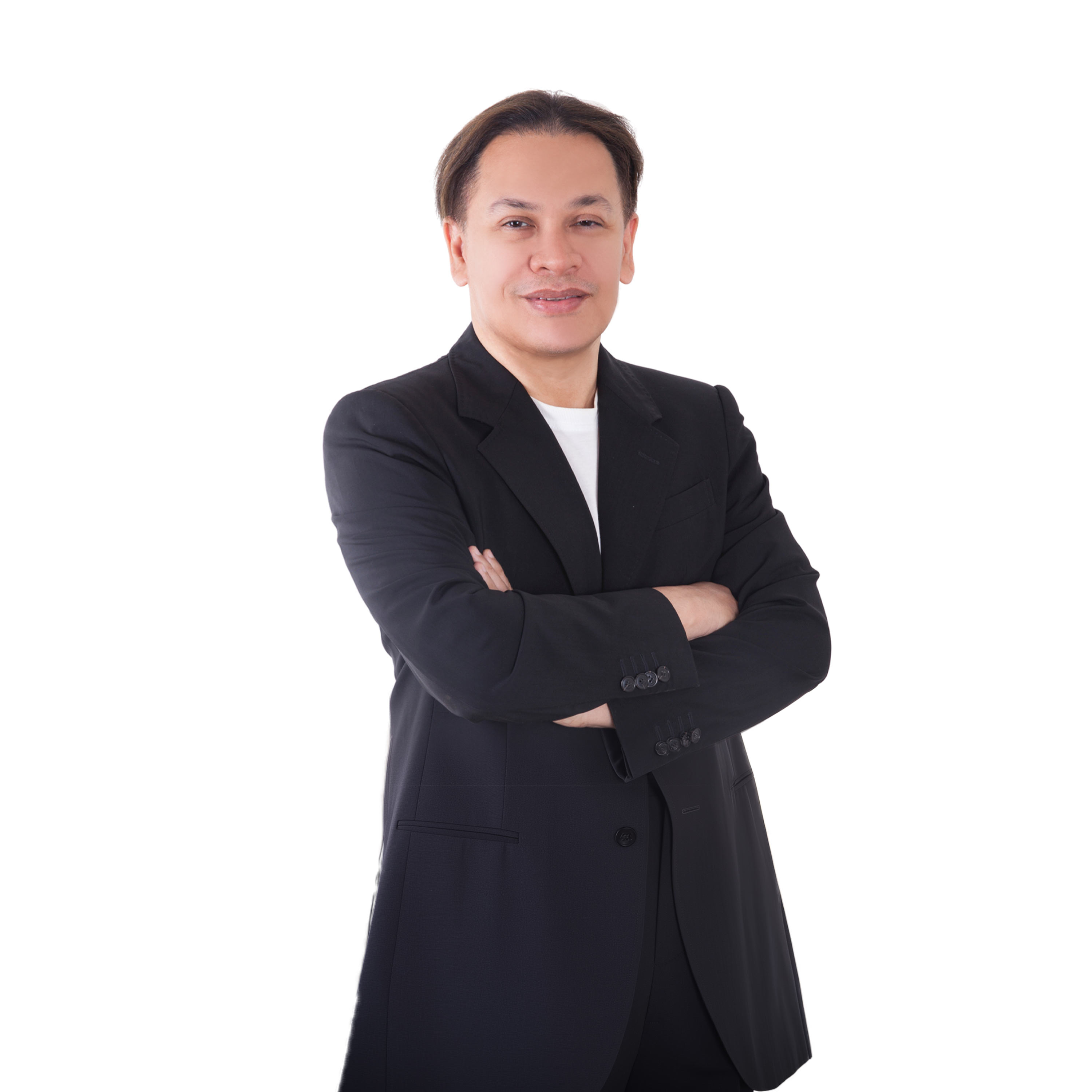 Providing Opportunities for the Younger Generation - Norman Abdul Halim 08.10.2026 22mProviding Opportunities for the Younger GenerationNorman Abdul HalimDato Norman Abdul Halim is a multi-award-winning producer and entrepreneur with over three decades of leadership in the creative industry, championing education, skills development and opportunities for future generations through Yayasan KRU (KRU Foundation). Yayasan KRU (KRU Foundation) empowers Malaysian future generations through education, creativity and skills development, celebrating cultural diversity, with AKAR as its flagship grassroots initiative nurturing creative, environmentally conscious and aspirational children.
-
 New Ways of Imagination and Change - Irit Katz 16.09.2026 52mIrit Katz is Professor of Architecture and Politics at the University of Cambridge, Fellow of Christ's College, and a Leverhulme Research Fellow (2025-26). Her academic work focuses on built environments shaped in extreme conditions, including spaces of displacement, conflict, and environmental changes, in historic and contemporary contexts. Her research has won numerous recognitions including the Mellon/SAH Author Award, the RIBA President’s Award for Research, and the John Urry Mobilities Prize. The crisis of culture is a crisis of imagination. In our podcast with Irit Katz, we addressed this very problem, looking at the context of crises going on today; and the need for new ways of imagining a liveable future. A liveable future is about the bonum commune, the common good, it emphasizes the role of the community; instead of maximizing the benefits of single individuals, as is the case in today’s global capitalist world view. According to Irit, imagination is not confined to art or mere aesthetics in its common understanding, it is a necessity of life. In regards to shaping a better future, we have to focus on collective forms of imagining, says Irit, instead of still being stuck in traditional forms of imaginaries. In this context, she addressed “classical” utopias, being detached from concrete situations and local needs, and their practical impact in shaping cities and communities until today. Based on her practical work, Irit advocates for a “situated approach” as she calls it, and for the need to train imagination. In this context, there is a difference between imagination - thinking the new - and imaginaries as ideas about a future that are stuck in the past; such as the idea of the nation state, existing capitalism with its image of the human, or the inability to see contexts. New forms and ways of a collective consciousness had been discussed with Irit, as well as a new understanding of order as a flexible, viable structure, not a rigid frame not allowing for change. Such a new concept of order is mandatory for community-based imagination and hence, for a liveable future on our planet.
-
 Wohnraumproblematik, Karl-Werner Farkhou 14.09.2026 40mDie heutige Wohnraumsituation ist von zentraler Bedeutung für Raum und Gemeinschaft, dem Leitthema unserer Stiftung. In unserem Podcast mit dem Baden-Badener Betriebswirt Karl-Werner Farkhou, geschäftsführendem Gesellschafter von zwei Firmen zur Hausverwaltung, wurden neben Fragen der Wohnraumsituation auch Aspekte zur Lösung dieser Problematik behandelt. Vor dem Hintergrund des Gemeinwohls standen Faktoren zur Debatte, die in ihrem Zusammenwirken die bestehende Wohnraumproblematik ausmachen und verschärfen. In diesen Zusammenhängen wurden machbare Lösungen besprochen, um besagte Problematik zu entschärfen.
-
 How to Preserve a (still) Alive Cultural Heritage. Chinampas in Mexico City Miriam Samir Rincon 03.09.2026 48mIn this podcast with Miriam Samir Rincón, it is about the preservation of the cultural heritage of the Chinampas system in Mexico City. The Chinampas belong to UNESCO Cultural Heritage and are a unique blend of ecological and cultural sustainability from Aztec times onwards. Now, this unique life space is endangered by urban sprawl, corrupted policies, pollution, and tourism. Miriam, holding a prize-awarded degree in architecture from University of Notre Dame, is an architect, urban designer, and heritage advocate whose work explores the intersection of culture, ecology, and the built environment. Her research focuses on the restoration of living cultural landscapes, particularly the chinampa system of Xochimilco, examining how traditional knowledge and ecological systems can inform the future of cities.Her work has earned international recognition, including the Urban Guild Award, and the Hereditas Urbium Prize. Her work has been featured in The Art of the New Urbanism, published by the Congress for the New Urbanism (CNU). She served as Director of Projects at INTBAU Mexico, where she led heritage-led design and educational initiatives. Miriam is currently an Urban Designer at Moule & Polyzoides, internationally recognized pioneers and advocates of traditional architecture, urbanism, and place-based community design.
-
 Cockroach Movement - Natasha Sharma 14.08.2026 32mAs a participating citizen, Natasha reflects on how the movement began, where it stands today, and what it reveals about the aspirations and frustrations of India’s youth. This conversation starts with the hope to open up space for more voices and perspectives in the future podcasts on youth-led political action, dissent, and the ongoing struggle to reclaim a democratic India. Natasha Sharma is an artist, designer, and researcher from India working at the intersection of urban development and social justice. She was previously featured on our podcast, Art and Community.. She is co-founder and curator of the Govandi Arts Festival and leads Public Art and Design programmes at the Community Design Agency. She is currently a recipient of the Dalai Lama Fellowship and serves on the advisory boards of the Global Cultural District Network and the Mumbai Arts and Health Festival.
-
 Community and tourism - Anna de Jong 22.07.2026 45mAnna de Jong is a professor in the School of Social and Environmental Sustainability, University of Glasgow. Anna’s research focuses on tourism governance in regional areas, guided by wider concerns of resident inequalities, accessibilities, capacities and participation. Ideal Spaces spoke with Anna about the impacts of tourism on cities in rural areas in Scotland and Gotland/Sweden, and in touristic hotspots like Tenerife. Our talk focused on major devastating effects of tourism accompanying a neoliberal economic agenda, as well as on the gentrification effects caused by it. Tourism is accompanied by a loss of the sense of place by the original inhabitants, environmental degradation, and a loss of local services for the local community. Next to these aspects, we talked about ways of government inclusion, and organizations run by local communities to balance the negative aspects of tourism.
-
 Situation of communities in recent urban contexts, Mustafa Sherif 01.07.2026 48mWe had an interview with Mustafa Sherif, urban planner and architect, about the situation of communities in recent urban contexts. According to Mustafa’s professional experience, next to the use of architecture as the “hardware” of community building, it needs the “software” of social organization, the “orgware” for bringing people together to make a change. According to Mustafa, this makes the difference between a true community and a mere audience. The prevailing mode today is to have only an audience - people fed with information. But this is not enough to create communities. In this respect, we also addressed critical success factors for building communities.
-
 The future belongs to communities that recognize culture not as a luxury, but as essential civic infrastructure. 24.06.2026 50mThis saying from Eileen Muriel Tasca can be seen as an epitome for the podcast we made with her. Eileen is active in the international film business, member of the International Academy of Television Arts & Sciences (International Emmy® Awards), and president of two cultural initiatives, the CRÉARTS Rome and the Associazione Caput New Mundi, Rome.Through CRÉARTS Rome and Associazione Caput New Mundi, Eileen Tasca develops initiatives that connect heritage, creativity, innovation, education, and public space. Her work seeks to build sustainable cultural ecosystems where artists, institutions, entrepreneurs, and citizens collaborate to create lasting social, cultural, and economic value. For her, culture is not an accessory to civic life; it is one of the principal forces that shapes the identity, vitality, and future of communities. She believes culture can serve as a catalyst for urban regeneration, civic engagement, international dialogue, and the re-imagination of public spaces as living environments that inspire participation, inclusion, and creativity.We spoke with Eileen about all these issues in our podcast, also addressing critical factors and conditions that shape life in today’s cities; taking two exemplary cases, Rome and New York.
-
 Ieva Bykova (youth series) 17.06.2026 23mIn concluding our series about the younger generation, we had a podcast with Ieva Bykova. 19-year-old Ieva, an aspiring singer and event manager, shared her thoughts on social media, the future, and communication among young people.
-
 Part 2 , Art as a Motor of Change, The Ecological Design Collective - Jessica Croteau 03.06.2026 1h 2mIn our series about art and community, we had a podcast with Dr. Jessie Croteau, Director of Communications of the College Ecological Design Collective (EDC), Baltimore/USA. Jessie is also a post doctoral fellow at Haverford College, after receiving her PhD in political Science from Johns Hopkins University, and received several awards.EDC is a space for collaboration among artists, designers, researchers, writers, activists, and communities who are all asking how we might live differently and more responsibly with one another and with nature, i.e. the more-than-human world. In our podcast, Jessie addressed the basic intention of EDC, to expand design beyond mere form-making and to build more just ecological futures. One of the main principles of such a design is to focus on relations, not on objects. In the context of the futures mentioned, we addressed the problems of cities today and the need for a paradigm shift in city redesign. Success factors in building communities via art have been illuminated, together with the vision of how an ecological, as well as socially just future can look like in its concrete terms.In a second podcast, we spoke about the difference between ecological and normal design, and how an ideal space could look like that is based on ecological design. Referring to the notion of a concrete utopia (the konkrete Utopie from German philosophy), we discussed the possibilities of implementing such an ideal space into the fabric of existing cities, under the conditions of the existing political and socioeconomic frameworks.
-
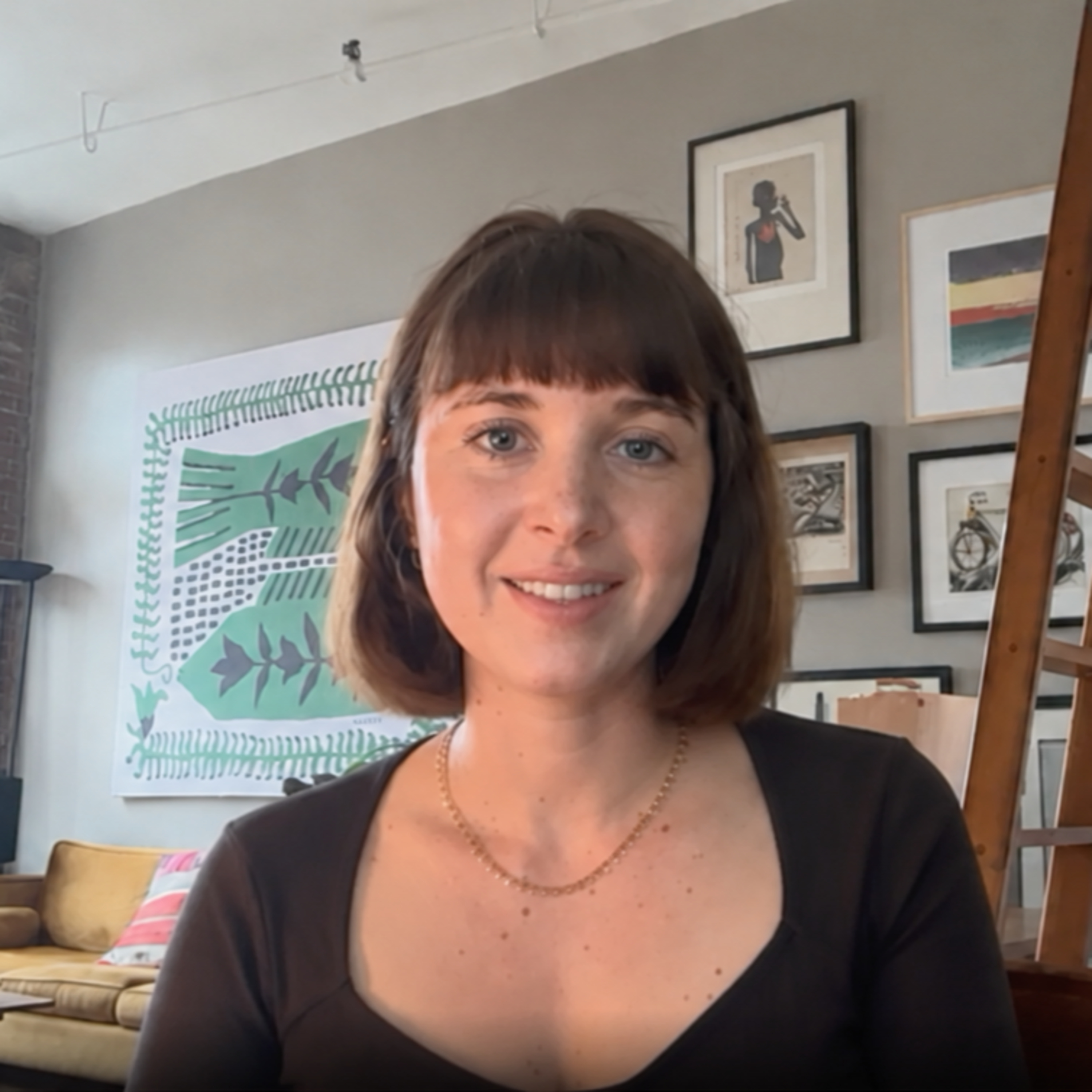 Art as a Motor of Change Jessica Croteau, The Ecological Design Collective 27.05.2026 1h 19mArt as a Motor of Change Jessica Croteau, The Ecological Design CollectiveIn our series about art and community, we had a podcast with Dr. Jessie Croteau, Director of Communications of the College Ecological Design Collective (EDC), Baltimore/USA. Jessie is also a post doctoral fellow at Haverford College, after receiving her PhD in political Science from Johns Hopkins University, and received several awards. EDC is a space for collaboration among artists, designers, researchers, writers, activists, and communities who are all asking how we might live differently and more responsibly with one another and with nature, i.e. the more-than-human world. In our podcast, Jessie addressed the basic intention of EDC, to expand design beyond mere form-making and to build more just ecological futures. One of the main principles of such a design is to focus on relations, not on objects. In the context of the futures mentioned, we addressed the problems of cities today and the need for a paradigm shift in city redesign. Success factors in building communities via art have been illuminated, together with the vision of how an ecological, as well as socially just future can look like in its concrete terms. In a second podcast, we spoke about the difference between ecological and normal design, and how an ideal space could look like that is based on ecological design. Referring to the notion of a concrete utopia (the konkrete Utopie from German philosophy), we discussed the possibilities of implementing such an ideal space into the fabric of existing cities, under the conditions of the existing political and socioeconomic frameworks.
-
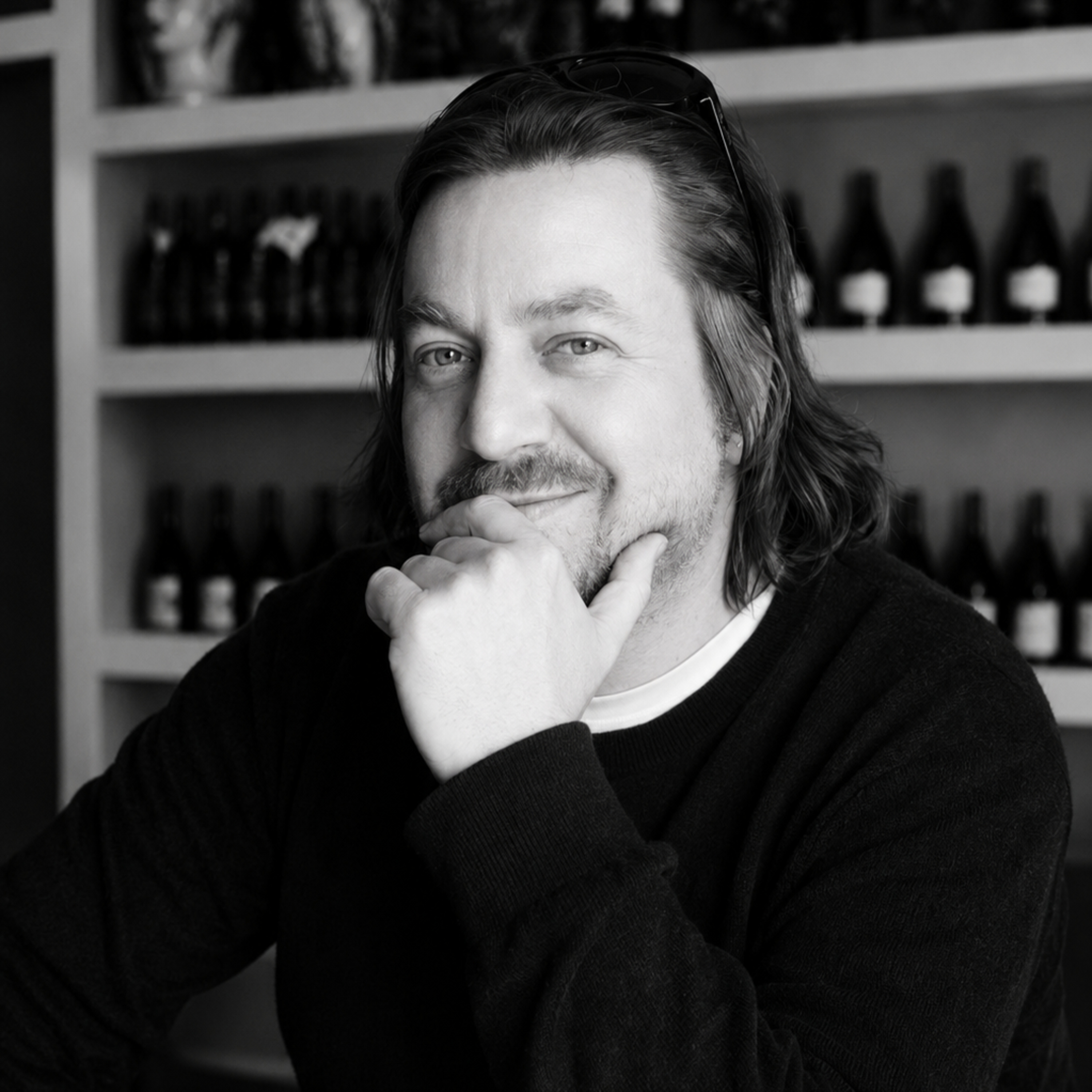 Exclosure from the City - Francesco Procacci 20.05.2026 57mIn our podcast with Francesco Procacci, a problem of increasing importance for city cohesion has been addressed: the compound settlement for a gated community, and its effects on overall city cohesion and sociability. Francesco is an Italian urban designer, planner, and independent researcher whose work explores the relationship between cities, public life, ecology, and social structures. He has a vast professional experience as an urban master planner and landscape strategist (including the urban landscape), he collaborated with developers, institutions, and architects on large-scale urban projects in Southeast Asia and Europe. His aim is to achieve urban places that are liveable and meaningful, considering the social dimension of planning. Through essays, visual storytelling, and urban design practice, his work investigates themes such as neighborhood design, ecological urbanism, gated communities, and the future of public space. His approach combines direct field experience with a strong interest in the cultural and human dimensions of cities.Compound settlement vs. community embodies two basic models, contradictory in practice, for the city of the future. An important aspect of compound development is the distraction of infrastructural supplies from the surrounding city, and its lack of profitability in the long run since the surrounding infrastructure has the tendency to deteriorate, due to demographic and economic reasons. Opposed to the compound, the neighbourhood is the base for future liveable cities.
-
 Art, Youth, Community, Liga Andersone 13.05.2026 37mWe made a podcast with Liga Andersone, a Latvian producer, founder and CEO of Light Lab Ltd./Riga. Light Lab is a motion capture and animation studio specializing in visual storytelling, performance capture and digital production for film, games and TV. We spoke about how to bring interest in communal affairs back to the younger generation via animated work; about identity questions of the younger generation; Self-understandings today, related to the global political instability today; and social media and their impacts. Regarding these topics, we addressed questions of democracy and its future.
-
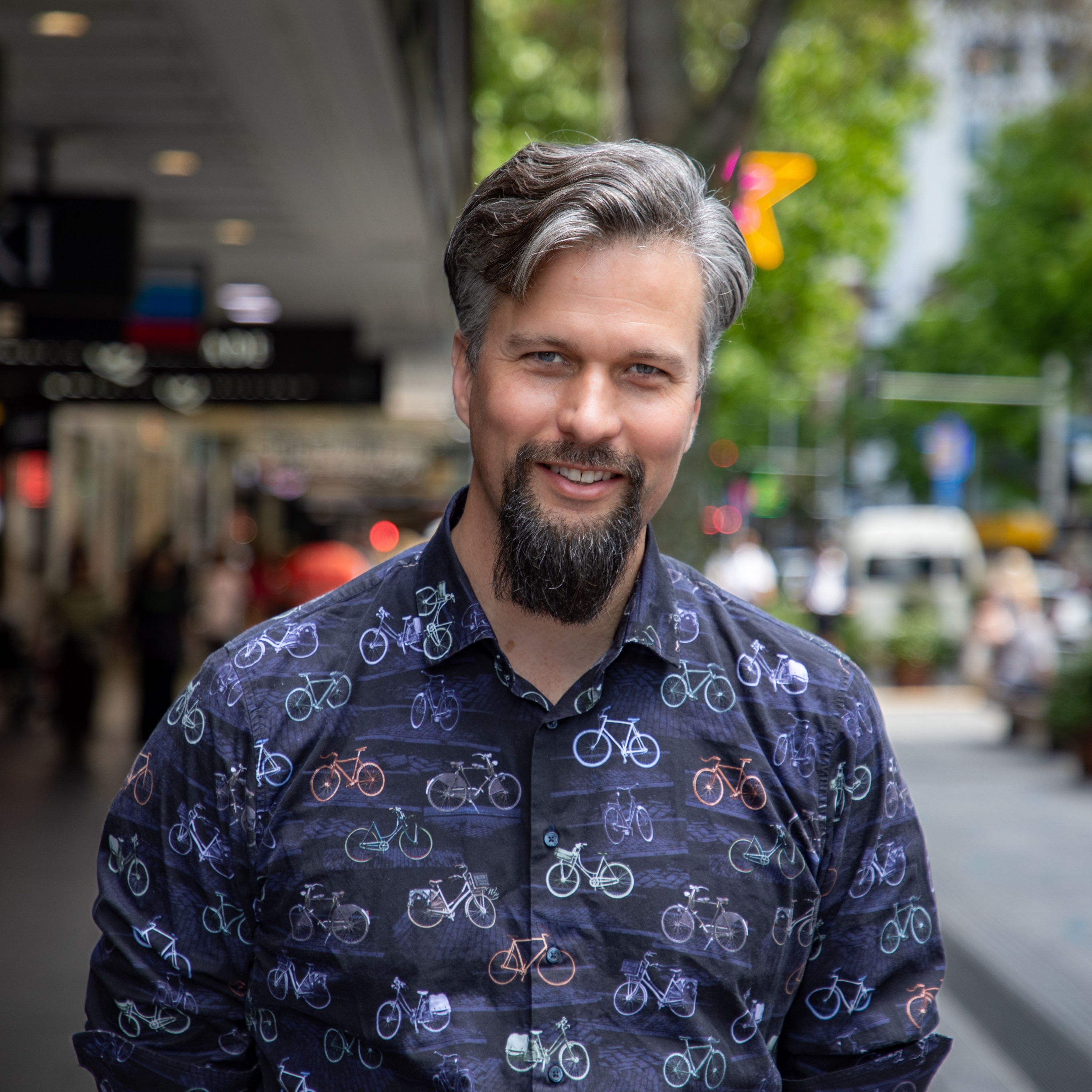 Community Building, Ethan Kent, PlacemakingX 06.05.2026 36mIn our podcast with Ethan Kent, we spoke about community building and placemaking in the framework of the overall socioeconomic situation today. Ethan is executive director of the U.S. organization PlacemakingX, active in building up a global placemaking movement. We spoke about the central role of places for community building, since places can be seen as a nucleus for transformative approaches. This includes not only architectural design, but environmental and infrastructural aspects, and also aspects of governance, social equity, and urban planning. PlacemakingX establishes international conferences on placemaking, with a focus on public space/place and urban development, helping to achieve inclusive public spaces. According to Ethan, the overall aim is to amplify and accelerate overall placemaking learning in different countries.
-
 Concrete Community Building 22.04.2026 36mIn a podcast with Ron Cox, we spoke about the possibilities of building up concrete communities, and how to keep them resilient and stable. Ron Cox has over 40 years of professional experience as a leader, facilitator, consultant, and coach. Amongst other activities, he has been the CEO of a large U.S. company (the Kincaid Group) leading a transformational turnaround, and led large projects in both public and private sector development. He became a Hall of Fame Coach in 2018 and Amazon best selling author in 2023. Our discussion with Ron focused on aspects of resilience in relation to community, and on the mindset as a basic premise for community. An essential aspect regarding the mindset is to get the younger generation out of its screen-time culture and social media-induced isolationism, and to engage in real communities instead. Also, aspects of a more humane city had been addressed.
-
 New Ways for Liveable Futures 08.04.2026 50mIn a look together with Martin Savransky, new informal or “unruly” ways of liveability are addressed. Martin Savransky is a philosopher and social theorist currently serving as Distinguished Research Fellow at the Institute for Language, Literature and Anthropology (CSIC), the biggest public research institution in Spain, where he leads the Liveable Futures Project. He is author and co-author of several works devoted to such futures, and investigates what he calls “unruly”, informal politics of liveability amidst permanent planetary instability. These informal new ways to social change and liveable futures, and our podcast with Martin addresses them in comparison to traditional approaches in utopian concepts and ways of change.
-
 Art and Community 26.03.2026 1h 3mIn a podcast with Natasha Sharma from Mumbai/India and Dee Moxon from Bristol/ UK, the role of art as a catalysator for building communities was addressed. Natasha Sharma is co-founder, creative director and curator of the Govandi Arts Festival in Mumbai. Dee Moxon is one of the directors of the Lamplighter Arts CIC in Bristol, making The Church Road Lantern Parade. Both Govandi and the Lantern Parade started under adverse conditions. The Govandi area in Mumbai is inhabited by the city’s largest resettlement population, has sanitary issues, lack of infrastructure, garbage, and crime. The Church Road Lantern Parade in Bristol began working across its local community which experiences socioeconomic problems. They work with all residents, including refugees from different cultures, the event was started after racist activity in the area by non -residents. Marginalization was the common daily experience in both Mumbai and Bristol. Both the Govandi Festival and the Lantern Parade, assisted by Jonathan Kennedy from the British Council, follow the philosophy that making art together, in a group, helps to connect people and through that, a sense of community is given purposefulness, and meaning. Installed in two different cultural contexts, Indian and English, and despite adverse conditions, the philosophy was highly successful: In its power of imagination, art is a strong catalyst in building communities, it helps to generate a space of belonging and identity.
-
 Building Communities via Art, Jonathan Kennedy 12.03.2026 52mIdeal Spaces had an interview with Jonathan Kennedy, former member of the British Council, on the role of art in building communities. Two communities were examined, located in two different regions and cultures, India and England. Critical success factors for building up and sustaining communities were examined, and how to build them from scratch under unfavourable starting conditions.
Similar podcasts


Popular in
The podcast also appears in the podcast charts of these countries.
