
The Zack Arnold Podcast
Zack Arnold
0
The Zack Arnold Podcast is a show about making work that matters, aimed at people who have built their careers around creativity. The host explores questions about the future of creative professions and whether there is still a path forward. Rather than claiming to have all the answers, he offers a commitment to helping listeners find them. The tone is encouraging and reflective, focused on sustaining a meaningful creative career.
Episodes
-
 New to the Podcast? Start Here! 19.10.2026 1mQuickly find exactly the right interview for your needs with this helpful index.If we haven't met before, hey! I'm Zack, an award-winning Hollywood editor and documentary director turned writer, speaker, and career coach who is fascinated by humans, especially the oddball, introverted, and often neurodivergent "creatives" like us who see the world just a little differently. If you're new to the podcast, I've provided the best of the best from my interview archive to get you started on the right learning path. And if you're looking to solve a specific problem, head over to zackarnold.com/episodes to search our entire library.Required ListeningOliver Burkeman | Why Optimization Isn’t the Answer (and How to Make the Most of Our Four Thousand Weeks On Earth)Amie McNee | Why the World Needs Your Art (Even When It's On Fire)James Clear | How Tiny Changes Can Create Remarkable ResultsCal Newport | Becoming a ‘Digital Minimalist’Greg McKeown | The Disciplined Pursuit of LessJay Papasan | How to Accomplish Your ‘One Thing’ Every DayGretchen Rubin | Using ‘The Four Tendencies’ to Better Understand Yourself (and Others)The Future of CreativityJay Clouse | The Intersection of Legacy Hollywood and Next-Gen Content CreatorsKylee Peña | Creativity in The Age of AIOpenAI’s Chad Nelson | How Artificial Intelligence Could Shape the Future of Creativity and Collaboration (and How We Can Survive)Navigate Your CareerChristina Wallace | How to Future-Proof Your Creative Career, Avoid Burnout, and Build a Life Bigger Than Your RésuméDr. Tal Ben-Shahar | How to Pursue Fulfilling Work and Find Your ‘Calling’Annie Duke | How to Know (Without a Doubt) If It’s Time to QuitMauro Guillén | Redefining Your Career Path in a Post Generational SocietyPhilippe Danielides | How to Know What You Actually Want (and Find Support to Make It Happen)Build Your NetworkChase Jarvis | Building Your Network of ‘A-Gamers,’ Designing the Life You Want, and Fulfilling Your ‘Creative Calling’Selena Soo | How to Build 'Rich Relationships' (Especially For Introverts)Carole Kirschner | How to Leave an Impression, Build Your Network, & Get HiredTroy Takaki, ACE | Networking (the Right Way), Mentorship, and Connecting with ‘Experts’Scott Davis | [CASE STUDY] Why People Don’t Respond to Your Cold Outreach (and How to Get a Response)Do Your Best Creative WorkJoey Cofone | What Creativity Is, How It Works, and the Laws to Learning ItScott Barry Kaufman | How We are “Wired to Create”, What It Means to Be a “Creative”, and How We Can Leverage Our Unique GiftsAllison Sweet Grant | On Vulnerability and the Courageous Act of Creating From a Place of TruthNir Eyal | How to Become ‘Indistractable’David Allen | The Zen-like Art of ‘Getting Things Done’Cal Newport | FOCUS: The Superpower of the 21st CenturyTake Care of YourselfDr. Edison de Mello | Understanding the Difference Between Integrative & Traditional MedicineDr. Azure Grant | Optimizing Sleep, Productivity, & Creativity Using Ultradian Rhythms and Self-TrackingShawn Stevenson | How to Sleep SmarterDr. John Ratey | How Regular Movement Makes You SmarterDr. Joan Vernikos | How Being Sedentary Is Damaging You (According to NASA)Be Inspired!Dr. David Fajgenbaum | What Five Near-Death Experiences Can Teach Us About LivingBevin Farrand | From Setback to Comeback: Finding Strength in the Hardest MomentsShane Burcaw | Rewiring Your Brain to Be HappierSandy Zimmerman, ANW | How to Overcome Doubting Yourself When You Know You’re Meant For MoreJimmy Choi, ANW | Using Fitness to Overcome Parkinson’s and Become a Ninja
-
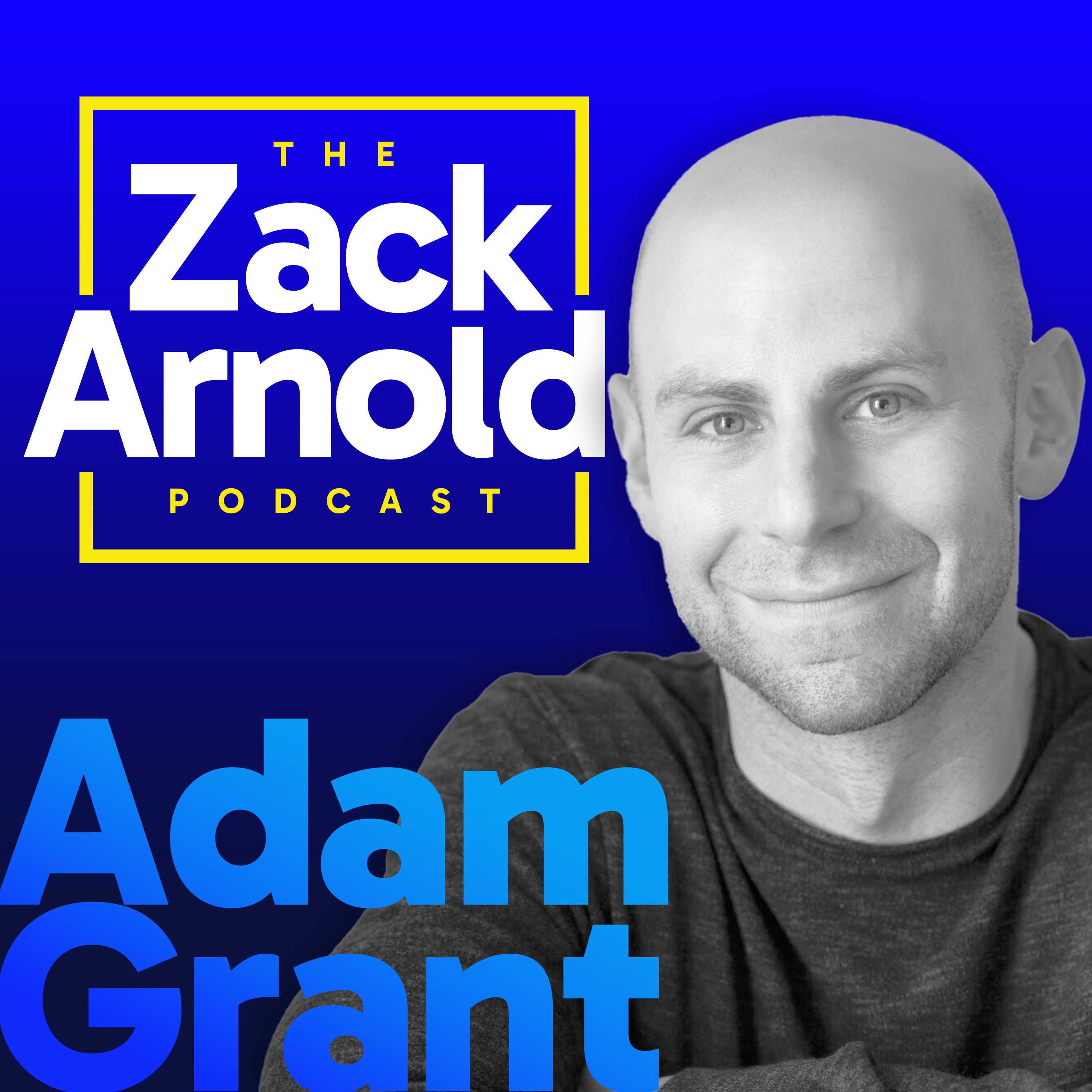 Re:Thinking What It Means to "Connect" | with Adam Grant 19.10.2026 1h 11mBefore you press play, take the Vibe quiz on Adam's website to discover your connection style and find the gaps in your portfolio of relationships.How do you truly connect with someone you admire when you are afraid of reaching out, bothering them, or even offending them?In this episode, I talk with Adam Grant, an organizational psychologist, Wharton's top-rated professor, and the #1 New York Times bestselling author of multiple books including Give and Take, Originals, Think Again, Hidden Potential, and his latest, Vibe. He is also the keynote conversation for my 5-day virtual event, The Connection Conference . In this long-awaited conversation, Adam and I talk all about what it truly means to connect on a deeper, more human level and how the most meaningful way to succeed is by helping others succeed. We both talk candidly about the fears we have of reaching out, bothering people, or even offending them, and how to truly connect with someone even just through outreach emails. If you're already a fan of Adam Grant, I promise you'll see a more personal side of him you don't often see, and you'll learn how important patience is when reaching out cold to people you admire, knowing your persistence will pay off if you always provide value to others.If you're an artist or creative who struggles with outreach but who's craving more deep, meaningful connections with those you admire, this conversation will change the way you think about networking and building relationships.Key TakeawaysBe thoughtful about when, who, and how you help. Successful givers do not help everyone with every request, and a five-minute favor is a simple way to give without burning out.Put in the effort, because there are no shortcuts when it comes to meaningful connections. You can accelerate connection, but you can’t skip the effort that it takes to show you’re taking a genuine interest in another human.Reach out even if you feel guilty about being a burden. If you’re hesitating because you don’t want a one-sided interaction or to waste their time, you are the person other people are waiting to hear from.Episode HighlightsThe people and experiences that shaped the belief that "The most meaningful way to succeed is to help others succeed"Givers vs. Takers vs. Matchers: The reciprocity styles and the general thesis behind Give and TakeThe five-minute favor in action, and what makes an introduction a true win-win for everyone involvedInside the inbox: what actually goes through the mind of the person you are afraid of botheringHow a parasocial relationship becomes a real one with synchronized brainwaves and heartbeatsWhy naming the fear of being ghosted is a bid for connection, and how to set a kind boundary for too much inboundThe eighth-grade basketball that disappeared (and found), and why there are no shortcuts when it comes to meaningful connectionGetting a psychologist who says he does not help anyone to rethink his own impactThe adverse selection problem: why the people who hesitate to reach out out of guilt are the exact people everyone is waiting to hear fromA gratitude practice built on handwritten notes and wax stampsRecommended Next EpisodeHow to Build ‘Rich Relationships’ (Especially For Introverts) | with Selena SooHow to Build Meaningful Relationships in the ‘Real World’ | with Camille VirginiaUseful ResourcesThe Connection ConferenceVibe QuizThe Curiosity Shop with Brené Brown and Adam GrantJeff ZaslowGuest BioAdam Grant is an organizational psychologist and bestselling author who explores the science of character, connection, culture, and change. He has been Wharton's top-rated professor for seven straight years, and he is the #1 New York Times bestselling author of books that have sold millions of copies, including Give and Take, Originals, Think Again, Hidden Potential, and Vibe. His TED talks have over 35 million views and his podcasts have over 100 million downloads; he hosts Re:Thinking and cohosts The Curiosity Shop with Brené Brown. He has been recognized as the world's #2 most influential management thinker and in Fortune's 40 Under 40, and he has advised leaders at Google, NASA, Pixar, and the NBA. Adam received his B.A. from Harvard and his Ph.D. from the University of Michigan, and he is a former magician and Junior Olympic springboard diver. He lives in Philadelphia with his wife Allison (a novelist and poet), two cats (who don’t get along), and three children (who mostly do).Adam's Website | Vibe Quiz Adam's Books: Vibe | Hidden Potential | Think Again | Originals | Give and Take Adam's Facebook | Instagram | X | LinkedIn | Threads | YouTube | SubstackShow CreditsEdited by: Curtis Fritsch Published by: Vim Pangantihon Music by: Thomas Cepeda
-
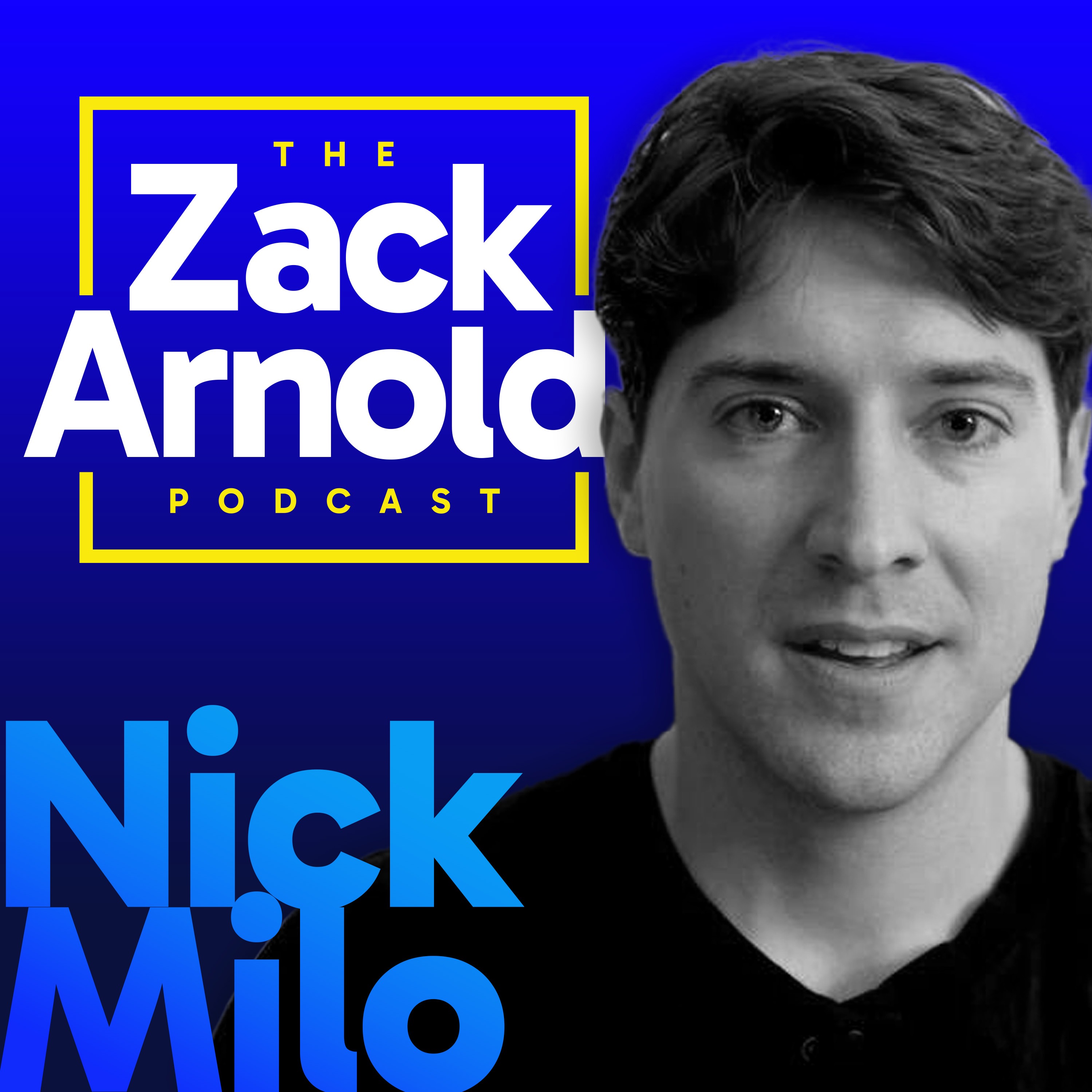 Information Is Worthless...Until You Know How to Connect It (With or Without AI) | with Nick Milo 12.10.2026 1hWhen information is everywhere and costs nothing, what actually makes any of it worth having?Nick Milo is the founder of the wildly popular program and YouTube channel Linking Your Thinking and a former student of mine who is now a leading voice in the world of personal knowledge management. In this conversation, Nick and I talk about why information on its own has never been less valuable, and why the real value comes from your ability to connect ideas and take action on them. We discuss where AI can reduce the bad friction in our lives, but also where handing over your thinking to the robots can lead to what Nick calls "cognitive surrender." You'll also get a first look (or listen) at the mind-bending Obsidian knowledge vault we built for The Connection Conference, so you can see what linked ideas actually look like in practice. And we may even talk you out of letting the robots clean your closet.If you're buried in podcasts, articles, and AI summaries you never do anything with, or if you've started letting the chatbots do your thinking because it's just easier, this conversation will show you that the value of ideas is in the struggle to turn them into action.Key TakeawaysUse linked notes to move from organization into ideation. Connecting ideas gives you a trail you can return to, helping you recall, re-internalize, and build on what matters.Protect your cognition when using AI. AI can save time, but turning to it whenever you are tired can become “cognitive surrender” and sacrifice the ability to cultivate wisdom.Make AI bring ideas to you, then engage with them in your own words. The goal is not to have AI create your thinking, but to use it as scaffolding that helps you interact with and internalize what matters.Episode HighlightsNick’s unexpected journey from engineering to becoming "Mr. Obsidian."Where the real value lies in an abundance of informationThe danger of “cognitive surrender” when we let AI do the thinkingWhat Obsidian actually is, and why "digital sovereignty" mattersThe joy of typing a link and being serendipitously reminded of "cognitive affordances"Embracing the mess: the architect and the gardener in all of usA live tour of an early beta knowledge base of the Connection ConferenceWhy direct quotes from the source can beat AI interpretationHow to turning AI output into your own wordsFinding the sweet spot between ready-made systems and the work that creates real learningRecommended Next EpisodeWhy Books Matter More In the Age of AI (And How to Read Better) | with Alex WieckowskiFrom Information Overload to Getting Better at Anything by Finding the Right Mentors | with Scott YoungUseful ResourcesObsidianAustin Kleon's Book Show Your WorkAs We May Think by Vannevar BushHow to Try Again by Steve KambForgetting Curve (Hermann Ebbinghaus)Flow by Mihaly CsikszentmihalyiThe Art of the Pivot: Going From Freelancer to Entrepreneur | with Nick MiloGuest BioNick Milo is the founder of Linking Your Thinking, the creator of the LYT framework, and a leading voice in personal knowledge management. A former civil engineer, he co-founded an international fitness boxing business, produced independent feature films, and worked as a film and TV editor. Today he guides people to link their thinking, generate value, and rediscover the joy of thinking itself. His upcoming book, Linking Your Thinking, will be published by Simon & Schuster in Spring 2027.Nick's WebsiteNick's Book: Linking Your ThinkingNick's Newsletter | YouTube | Instagram | TwitterShow CreditsEdited by: Curtis FritschPublished by: Vim PangantihonMusic by: Thomas Cepeda
-
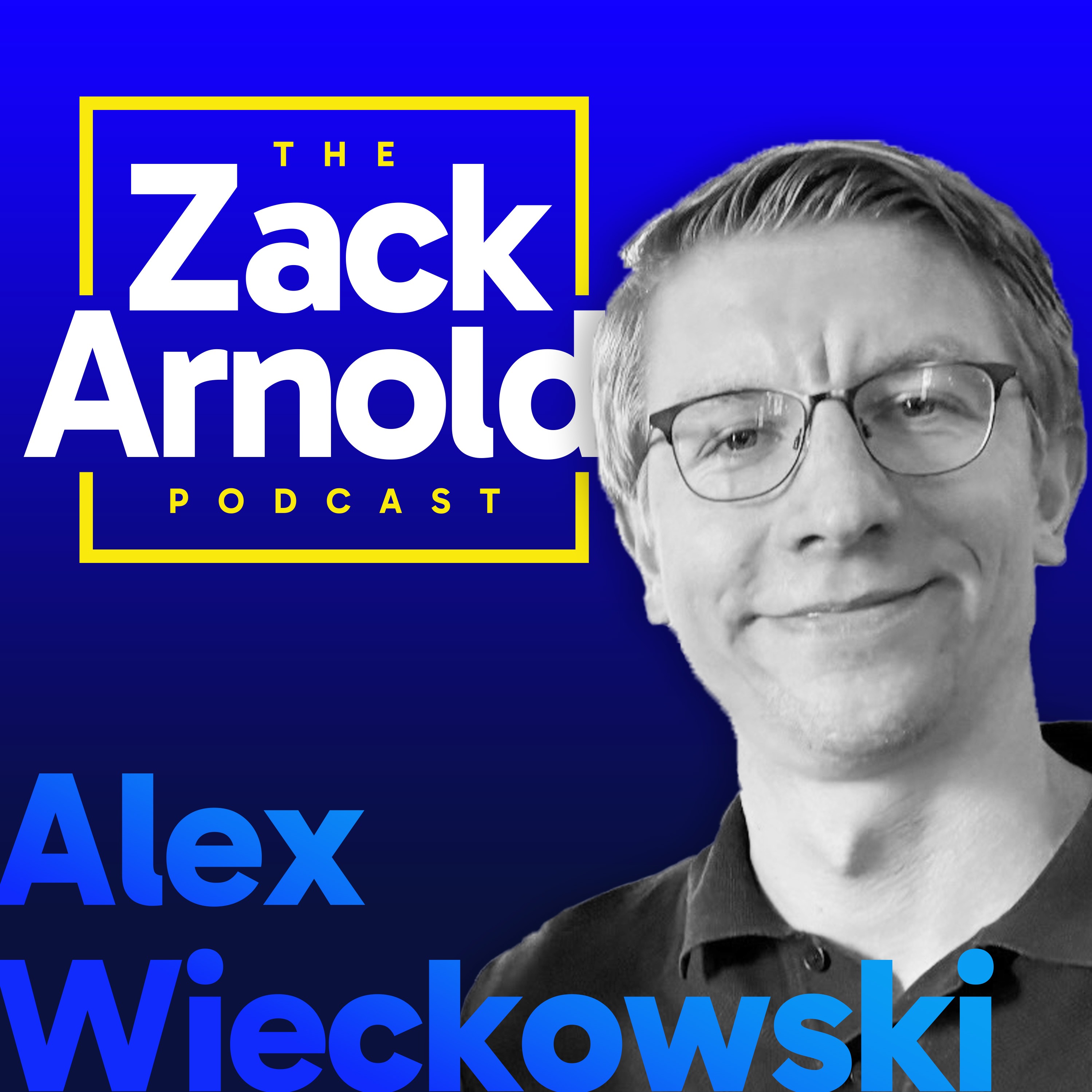 Why Books Matter More In the Age of AI (And How to Read Better) | with Alex Wieckowski 05.10.2026 58mHow do you make time to read more books and build a reading habit that lasts in a world full of distractions?Alex Wieckowski, better known online as Alex & Books, has been writing and posting about the importance of reading books to his more than 1 million followers across social media since 2017. He has read over 750 books and he's currently writing the 21st century version of Mortimer Adler's classic text How to Read a Book. In today's conversation, Alex and I talk about why reading real books matters more than ever in the age of AI. We discuss the four different types of reading and how better understanding these different approaches can help you build a more consistent reading habit. We'll help you choose what to read, reclaim the time to read it, and remember what you read long after you've closed the book.If you've got a stack of books you keep meaning to get to, or it's been so long since you read a book you don't even know where to start, Alex and I will show you that Reading is a skill anyone can develop and improve.Key TakeawaysMake reading part of the time you already have instead of waiting to find more time. Use a time journal to see where your hours are actually going, then prioritize reading or build it into an existing routine.Choose books that address what you’re working through right now. Reading when you need the information most makes it easier to remember what you learn and put it into practice.Read the whole book when the ideas matter instead of outsourcing the struggle to a summary. The stories, context, and effort of reading are part of what make the lessons memorable and meaningful.Episode HighlightsOrigin story of loving reading as a kid to losing it, then finding it again.Why books could become more popular in the age of AI as people look for ways to exercise their brains.Why the struggle of reading is part of the learning, and what gets lost when someone else does the work for you.Using the table of contents as a map and the three-chapter rule for knowing when to quit.How syntopical reading turns three to five books on one subject into a “mini PhD”.The simple time journal that reveals where your hours are actually going and helps you reclaim time for reading.Why “read it when you need it” can help you choose books that are relevant enough to remember and apply.How a simple distraction catcher can get intrusive thoughts out of your head without pulling you away from the book.Why reading 100 books a year is not the goal, and why speed reading can sacrifice the very things that make reading valuable.How the Reading Triangle forces you to choose between enjoyment, retention, and speed instead of trying to maximize all three.Recommended Next EpisodeHow Tiny Changes Can Create Remarkable Results | with James ClearHow to Become ‘Indistractable’ | with Nir EyalUseful ResourcesHow to Win Friends and Influence People by Dale Carnegie BooksHow to Read a Book by Mortimer J. AdlerWrite a Must Read by A.J. HarperWrite Useful Books by Rob Fitzpatrick4,000 Weeks by Oliver BurkemanCommunity Made by Jayson GaignardNonviolent Communication by Marshall B. RosenbergThe Elephant in the Brain by Kevin Simler and Robin HansonGuest BioAlex Wieckowski is the creator of Alex & Books, where he shares book recommendations, summaries, reviews, and reading tips from more than 750 books. He is also the author of Learn To Love Reading and creator of The Art of Reading, a course focused on helping people find books, build better reading habits, take notes, remember what they read, and apply what they learn. His work is dedicated to helping more people discover the value and enjoyment of reading.Alex's Website Alex and BooksAlex's Course The Art of RedingAlex's Book Learn To Love ReadingAlex's Instagram | Twitter | LinkedIn | YouTube | SubstackShow CreditsEdited by: Curtis FritschPublished by: Vim PangantihonMusic by: Thomas Cepeda
-
 How the Written Word Helps Us Connect (Especially In Our Hardest Moments) | with Allison Sweet Grant 01.10.2026 1h 9mWe seldom write for ourselves because we instead want our stories to touch others. Yet we’re often terrified to put our work (and ourselves!) out into the world. How can we walk the line between wanting to make things that matter while also making sure other people know we made these things for them?I discuss this (and so much more), with Allison Sweet Grant, a former psychiatric nurse practitioner turned author whose is the author of the novel I Am the Cage and the new memoir Lump: A Memoir in Ineloquent Reflections, which candidly explores her experience with breast cancer. In this conversation, we talked about the power of the written word to help create emotional connection, why she chose to write about what cancer actually feels like (rather than her “journey”), and how carefully chosen words can help someone feel less alone.If you're going through something hard, or trying to support someone who is, this conversation offers a different way to connect through uncertainty, pain, and shared experience.Key TakeawaysPut your hardest experiences into words instead of keeping them inside. Writing can help you process what happened, get it out of you, and onto something else.Write about what something feels like, not just what someone needs to do. Practical information can tell you what comes next, but emotional truth can help someone feel less alone.Stop apologizing for pain you didn't choose. Fear of being a burden can cause you to swallow your struggles and limit the possibility for connection.Episode HighlightsWhat a memoir looks like when it mirrors the most difficult period of your lifeHow the same chemo room can feel like hell to one patient and like a heaven that is saving someone's lifeWhy a book for people too sick to finish a chapter comes in bite-sized piecesWhy the language of the "cancer journey" never fit, and how they can place an identity on someoneOn Riches: a scene about pancakes that becomes a lesson in noticing the small details you want to rememberFive Letters: the poem about packing a chemo bag and leaving letters on the tableWhy putting real human words and real human experiences on the page matters moreI'm sorry, I'm okay: why we apologize for being an inconvenience and a burdenHow the involuntary combination of colors with letters and numbers has influenced her choicesJust My Luck: a rant against everything people say caused cancerRecommended Next EpisodeFrom Setback to Comeback: Finding Strength in the Hardest Moments | with Bevin FarrandHow to Keep Moving Forwards After You've Lost Everything | with Christina RasmussenUseful ResourcesOn Vulnerability and the Courageous Act of Creating From a Place of Truth | with Allison Sweet GrantGlennon DoyleZingerman'sGuest BioAllison Sweet Grant is an author who has been published in The New York Times and The Atlantic. Previously, she was a psychiatric nurse practitioner; she holds dual master's degrees from the University of Michigan. An introvert, synesthete, and avid poet, Allison can usually be found at home with a cup of hot tea in hand, reading or rewatching a film she has seen sixteen times. She lives outside of Philadelphia with her husband and their three children (and two cats, Pom-Pom and Jasper).Allison's WebsiteAllison's Books: I Am the Cage | Lump: A Memoir in Ineloquent ReflectionsAllison's Instagram | FacebookShow CreditsEdited by: Curtis FritschPublished by: Vim PangantihonMusic by: Thomas Cepeda
-
 The People You Want to Connect With Want to Connect With You 30.09.2026 11mWe’re living through a time when meaningful relationships have never been more important, yet reaching out to the people who could help us most can feel harder than ever. In this mini-episode, I explore why we’re lonelier and more disconnected despite being globally hyperconnected, and why so many of us are terrified to reach out. I share why our only path forwards through this confusing next phase of work and life is together, and how kind, thoughtful, and genuinely HUMAN outreach can turn connection into an act of service. Along the way, I pull back the curtain on how I built my entire creative career and my upcoming Connection Conference from the comfort of my pajamas, using hand-crafted, well-researched, and thoughtful cold outreach emails to connect with some of the world’s leading experts in psychology, communication, creativity, and AI.All that in more in my latest Substack → The People You Want to Connect With Want to Connect With YouWhen you're done → I'd love your thoughts here in the comments!If you enjoyed this article and you don't want to miss my future essays, my actionable insights, and my soapbox rants about navigating the world as analog humans in today's digital hellscape, make sure to subscribe at zackarnold.com/substack.
-
 Feel Like a Failure? Learn How to Try Again When Life Isn’t Going Your Way | with Steve Kamb 28.09.2026 1h 23mWhat if success isn’t about avoiding failure but instead learning how to try again when you do fail?In this episode, I talk with Steve Kamb, founder of Nerd Fitness and author of How to Try Again. Steve built a global fitness community of over 50,000 members and 20 coaches, gave a TEDx talk, and has worked with companies like Google and Facebook. But he’s also faced procrastination, perfectionism, and personal setbacks. We explore why constant optimization doesn’t always work, and how accepting failure and learning to restart might be the real key to lasting progress.Key TakeawaysStop trying to win for a moment and focus on staying afloat. Sometimes the most courageous move is not making progress but treading water long enough to see what tomorrow brings.Accept your reality with complete sincerity and compassion. Acceptance is not resignation or giving up. It is looking clearly at what is actually happening so you can decide what to do next.Recognize that change often feels more like caterpillar goo than a beautiful transformation. The messy middle is not evidence that you're failing. It is often evidence that real change is happening.Episode HighlightsWhen everything crumbles all at once and you're forced to actually live the very advice you're writing about.Brett Archibald's unbelievable survival story and what it teaches about swimming in the wrong direction.Acceptance without resignation and how to face reality without losing hope.Why waiting for things to "get back to normal" may be the most dangerous habit of all.The concept of "yes, and" as a practical framework for navigating uncertainty.Caterpillar soup: the uncomfortable truth about what transformation actually looks like.Why Atomic Habits works for many people and what happens when consistency becomes impossible.The mindset shift that starts with: “You don’t have to”How vulnerability helps you find people who will do the thing with youWhy chasing perfection paralyze creativity, and embracing your voice unlocks breakthroughWhat future Steve would tell his 10-years-younger self about success, failure, and changeRecommended Next EpisodeHow Tiny Changes Can Create Remarkable Results | with James ClearUsing ‘The Four Tendencies’ to Better Understand Yourself (and Others) | with Gretchen RubinUseful ResourcesDialectical Behavior TherapyJames Clear’s Atomic HabitsCharles Duhigg’s The Power of HabitGuest BioSteve Kamb is an author and full-time internet writer who has been publishing online since 2010. He is the founder of Nerd Fitness, an organization he launched as a hobby in 2009 that expanded into a global health and wellness community with millions of readers. Steve is a dedicated bookworm, gamer, and cinephile who explores behavior change and personal development through his weekly newsletter, Level Up With Steve Kamb. He is a TEDx speaker who has delivered presentations for major corporations and Vanderbilt University. His published work includes the book Level Up Your Life and his June 2026 release, How to Try Again.Steve’s Website | Nerd FitnessSteve’s Books: How To Try Again | Level Up Your LifeSteve’s Substack | Threads | Instagram | YoutubeShow CreditsEdited by: Curtis FritschPublished by: Vim PangantihonMusic by: Thomas Cepeda
-
 Have the robots killed cold outreach? 14.09.2026 11mAs someone who has built diverse professional networks across three industries, and secured over a decade’s worth of employment through cold outreach, I had to find out whether AI is actually killing one of the most effective and human ways we connect with one another. In this episode, I dig into the rise of AI-generated “personalized” messages, and why thoughtful, human-generated outreach may be more effective than ever in a world desperate for real, imperfect, authentic connections.All that in more in my latest Substack → Have the robots killed cold outreach?When you're done → I'd love your thoughts here in the comments!If you enjoyed this article and you don't want to miss my future essays, my actionable insights, and my soapbox rants about navigating the world as analog humans in today's digital hellscape, make sure to subscribe at zackarnold.com/substack.Not convinced yet that cold outreach can still be effective, even in The Age of AI? Join The Connection Conference, a live virtual event I’m launching in October. The guest list is absolutely BANANAS! Curious how I built my entire guest list? Yup, you guessed it.Kind, thoughtful, and value-driven cold outreach. 😁
-
 We’ve lost sight of what it means to “connect” 07.09.2026 7mIf you’ve ever wondered why we’re more “connected” than any point in human history yet somehow more lonely and isolated than ever, this conversation is for you. In this episode, I explore why we’ve lost sight of what it means to “connect,” how social media turned an awkward, messy, and imperfect human process into mindless clicks, likes, and subscribes, and why AI now threatens to remove humans from the loop completely. As a self-proclaimed extreme introvert, I’ve desperately wanted to believe I could be “discovered” while working alone in my creative cave, but I’ve learned that the quality of our lives is dictated by the quality of our relationships, and creative inspiration doesn’t happen in isolation.All that in more in my latest Substack → We’ve lost sight of what it means to “connect”When you're done → I'd love your thoughts here in the comments!If you enjoyed this article and you don't want to miss my future essays, my actionable insights, and my soapbox rants about navigating the world as analog humans in today's digital hellscape, make sure to subscribe at zackarnold.com/substack.Ready to hit the reset button and rethink what it truly means to connect as analog humans in this digital nightmare? Join me at The Connection Conference, where we’ll explore the psychology, communication, creativity, and AI behind the art and science of true human connection.
-
 Everything you've ever wanted to know about connecting with humans (but were afraid to ask) 29.06.2026 13mI’ve built my entire creative career on outreach, yet I spent years believing it was just emails, nothing special, until my students began handing me their messages and asking why they weren’t getting responses. In this mini-episode, I pull back the curtain on the first “vomit draft” of my new book, The Outreach Survival Guide, and explore why everything we’ve ever wanted is on the other side of outreach, why everyone is reachable via email, and why the robots writing email slop are making it harder than ever to genuinely connect with another human being. If you’ve ever stared at your inbox, overthought every sentence, wondered why nobody taught us how to write a good email, or felt like your hopes and dreams were trapped behind someone else’s inbox, this essay will show you why thoughtful, kind, and personal messages still matter, why our survival depends on the strength of our relationships, and why a world of opportunities opens when we stop writing messages and start telling stories.All that in more in my latest Substack → Everything you've ever wanted to know about connecting with humans (but were afraid to ask)When you're done → I'd love your thoughts here in the comments!If you enjoyed this article and you don't want to miss my future essays, my actionable insights, and my soapbox rants about navigating the world as analog humans in today's digital hellscape, make sure to subscribe at zackarnold.com/substack.
-
 So...what's up with the podcast? (I.E. Where the f*ck have I been? And what does the future hold?) 15.06.2026 6mI'm just going to dive right in and point out the giant elephant in the room (elephant SFX): It's been a LOOOOOONG time since I've released a new podcast interview. It's been almost a year now, in fact, since I hosted my 5-day virtual summit about navigating the future of entertainment. And this is by far the longest gap I've had between episodes since all the way back to when I launched the podcast in 2014. Over the last decade I've conducted well over 400 long form interviews, and I always prided myself on **being a good little content creator who pleased the algorithms by consistently releasing new content on a weekly basis.Ugh...there are so many things I hate about that sentence.One, I disdain the term "content creator." That's not to say that I disdain content creators, in fact there are several that I follow religiously, learn from, and highly recommend. But at the same time, I can't stand what this term has come to represent and the expectations that come with it. I didn't launch a podcast so I could add "content" to people's news feeds and to-do lists, I launched a podcast because I love exploring the human experience, learning about individuals and their journeys, and sharing this knowledge with others whom it can benefit. And it just so happens people ended up finding me and getting value from these conversations. So I just kept doing it. And a global community emerged around these conversations. But then the excitement of building something was overtaken by a dark pit in my stomach. An overwhelming feeling took hold that I "have to" be releasing content every single week, or else I'm letting my listeners down.The second thing I hate is the idea that content creators work for the algorithms...and let's be honest, content creators have become slaves to the algorithms across all the platforms. And I frankly have no interest in being a part of an ecosystem that deals dopamine hits with the intent of keeping analog humans tethered to their digital binkies, disassociated from their thoughts and feelings, incapable of tolerating boredom, and preventing them from being more present for the actual people around them.And third, I shudder at the term "consistently." Content creator burnout is an absolute epidemic across industries and platforms. On the surface it may sound amazing to run your own business, do your own thing, and generate revenue by making your own stuff by your own rules. But once you became a slave to the algorithms, the only way to consistently support yourself is feeding said algorithms. . And as someone with ADHD, let's just say consistency with...well...anything is not my strong suit. So in short, I'm over it. All of it. No thanks. I'm out of the consistency game.In my most recent Substack essay about declaring Expectation Bankruptcy (which you can listen to in this same podcast feed), I go into much deeper detail about this next phase of my creative career, but to briefly summarize what's relevant to you, the podcast listener:As of Wednesday, May 27th , I've started working on my first book. I’ve transitioned from the future tense mindset of “I’m going to write a book someday when all of the conditions are perfect and I have all of my ducks in a row and I’m ready and prepared” to the present tense of actually writing the fucking book despite not being ready and not having the time.To quote bestselling author and artist Austin Kleon:“If you want to be the noun, first do the verb.”If I want to be a writer, I need to be writing. Not waiting to write. Not preparing to write. FUCKING. WRITING.Given this will most likely be the most difficult professional undertaking of my entire career, and having recently declared expectation bankruptcy, these are my new zero-based expectations for you, the podcast listener:I’ll do my best to release a couple of long-form podcast interviews for per month. I might hit this goal. I might not. I might even release more! Who knows. But the book comes first.I’ll do my best to write a couple of long form Substack essays per month. I might hit this goal. I might not. But the book comes first.I will continue to work with clients and students in The Arnold Academy both privately and in small groups, but I will protect my calendar such that there is always time to write. Because the book comes first.Having said that, I will continue to explore the human condition and how we as analog humans fit into this new digital world dominated by robots. And in doing so I intend to introduce you to different ideas and perspectives from a multitude of experts, authors, filmmakers, storytellers, and inspirational humans doing awesome things. I will not be interviewing people that are trending, and by and large I will not be accepting cold solicitations for podcast guests. I will chat with people I find interesting and that have value to provide you, whether they have a book releasing this week or they haven't released anything in fifty years. If the conversation can make your life even a little better, my goal is to record it and make it available to you.Despite not having an endless conveyor belt of new and fresh content coming your way on a weekly basis, I want to remind you that my entire library of conversations are evergreen educational resources that you can now discover and search by learning path at zackarnold.com/episodes. Whether you want to navigate the next act of your career, build your dream network, do your best creative work, learn how to take better care of yourself, or just plain be inspired, you can find whatever conversation you need sorted by learning paths, your unique goals, and the obstacles standing in your way. Once again you can access my entire episode index and find the exact conversation you need when you need it at zackarnold.com/episodes.On that note, I look forward to years if not decades to come of engaging, insightful, and inspirations conversations with fascinating, highly creative humans. And I'm so glad you're along the ride with me. Thank you so much for letting me into your earbuds, your inbox, and your heart. Take care of yourself, and be well.
-
 I Declare 'Expectation Bankruptcy!' 08.06.2026 16mIf you constantly feel like you're falling behind, failing to meet your own expectations, or exhausting yourself trying to optimize every facet of your work and life, this episode is for you.In this mini-episode, I share why years of measuring my self-worth by unchecked boxes, unfinished goals, and an endless pursuit of perfection left me burned out, frustrated, and stuck chasing a version of success that no longer fit the life I wanted to build. Through stories of career pivots, painful failures, unexpected setbacks, and lessons from one of the greatest athletes of all time, I explore what happens when you stop comparing yourself to who you used to be, let go of expectations that no longer serve you, and embrace the uncomfortable reality that you may never feel ready. If you're tired of waiting for the perfect time, the perfect plan, or the perfect version of yourself before taking action, this episode might help you finally start from where you are instead of where you think you should be.All that in more in my latest Substack → I Declare 'Expectation Bankruptcy!'When you're done → I'd love your thoughts here in the comments!If you enjoyed this article and you don't want to miss my future essays, my actionable insights, and my soapbox rants about navigating the world as analog humans in today's digital hellscape, make sure to subscribe at zackarnold.com/substack.
-
 The Introvert's Pocket Guide to Building Genuine Connections In a Disconnected World 20.04.2026 53mWalking barefoot across a minefield of LEGOs or robbing Kevin McCallister on Christmas Eve still sounds more appealing than networking to me, because I used to believe “working the room” meant faking it, enduring soul-sucking small talk, and collecting connections like a used car salesman. But after years of avoiding the dance floor (literally and professionally), I learned the hard way that being awesome is only half the battle, and the other half is making sure the right people know it. In this episode, I break down how everything changed when I stopped “spraying and praying,” started building genuine relationships instead of transactions, and embraced the uncomfortable truth my dad told me years ago: you will never be ready, so just get out there, because networking isn’t about getting jobs, it’s about finding your people, and the quality of your life is ultimately determined by the quality of those relationships.All that in more in my latest Substack → The Introvert's Pocket Guide to Building Genuine Connections In a Disconnected World When you're done → I'd love your thoughts here in the comments!If you enjoyed this article and you don't want to miss my future essays, my actionable insights, and my soapbox rants about navigating the world as analog humans in today's digital hellscape, make sure to subscribe at zackarnold.com/substack.
-
 We've created a world where nobody knows our names. 13.04.2026 13mMy father was the unlikely combination of a small-town hero and a reclusive introvert, yet still built a network where everybody knew his name and showed up when it mattered most. In this episode, I explore how that analog network stood in stark contrast to a world where even simple conversations have been replaced by exhausting systems and our lives have become nothing more than an endless series of transactions. Join me as I dig into why the robots are just shovels digging our existential hole of loneliness, and why the path forward isn’t more connections or more swipes but a few incredibly valuable relationships, because the quality of your life is ultimately determined by the quality of your human relationships.All that in more in my latest Substack → We've created a world where nobody knows our names.When you're done → I'd love your thoughts here in the comments!
-
 How to Not Get F•cked by AI: A Creative's Manifesto 25.03.2026 20mIn this mini episode, I imagine being thrown back to the “Dark Ages” of 1994 with no Internet, no Google, no AI, and I ask myself where I’d be frustrated, where I’d fumble, and where I’d be absolutely f•cked. I tease how much of my work and life I’ve cognitively offloaded for the sake of convenience, and why the real danger isn’t losing access to tools but outsourcing thinking, synthesizing, and creating to the machines. As we cross the Rubicon into the Age of AI, the question isn’t just “Am I still useful?” but whether I’m protecting the parts of the creative process that must remain human. I’ll share my rules to stay the master of my technology by defining where I collaborate with the machines versus where I refuse to outsource the work before AI enshittifies and I’m f•cked.All that in more in my latest Substack → How to Not Get F•cked by AI: A Creative's ManifestoWhen you're done → I'd love your thoughts here in the comments!
-
 Is it too late to de-enshittify our humanity? 12.03.2026 19mIn this mini-episode, I explain why calling out the enshittification of modern technology doesn’t make me a Luddite, even if I’m a Xennial who still remembers life before wi-fi. I tease why algorithms may be quietly degrading how we connect, learn, and create, and why I’m setting clear rules and guardrails for how I use AI so the robots remain our servants, not our masters. Ultimately I ask a bigger question: is it already too late to de-enshittify our humanity?All that in more in my latest Substack → Is it too late to de-enshittify our humanity?When you're done, I'd love your thoughts here in the comments!
-
 The Enshittification of Everything, Everywhere, All at Once 23.02.2026 11mIn this mini episode, I vent about the moment I realized everything feels harder than it should, from parking apps to paywalls to bots talking to bots, and I dig into the enshittification of everything, everywhere, all at once. I break down how the obsession with optimization keeps degrading our tools, our platforms, and our attention, why AI productivity hype deserves serious side eye, and what it might cost us if we outsource the parts of ourselves that make us human.All that in more in my latest Substack → The Enshittification of Everything, Everywhere, All at OnceWhen you're done, I'd love your thoughts here in the comments!
-
 Feel like you're always behind and never enough? Blame work-life "balance." 16.01.2026 9mI’m doubling down on the live grenade I tossed into the room when I said work-life balance is bullshit, and in this mini-episode I unpack why building our work around our lives still doesn’t mean balance is the answer. I share why the pursuit of work-life balance only leads to guilt, why in our hyper-connected, post-pandemic hellscape it’s not just futile but meaningless, and how chasing equal time between work and life can leave us miserable. I also dig into the shift that changed everything for me after reading Four Thousand Weeks, why I’m no longer interested in balance but fulfillment, and how embracing a conscious, strategic imbalance might be the only way to create meaningful work, be at peace with how I spend my time, and avoid wasting these four thousand weeks.All that in more in my latest Substack → Feel like you're always behind and never enough? Blame work-life "balance."When you're done, I'd love your thoughts here in the comments!
-
 When setting goals triggers an existential crisis 14.01.2026 7mWhat happens when the simple question “What do you want to achieve this year? And why?” leads to an existential crisis?In this mini-episode, we pull back the curtain on why setting goals feels harder than ever, why most people aren’t at peace with how they’re spending their time, and how the endless chase for more money, more time, and more balance quietly keeps us stuck. We tease a simpler, more honest way to ask the goals question, unpack why “work-life balance” might be the wrong thing to pursue altogether, and set the stage for the mindset shift that can finally help you stop spinning in circles and feel at peace with your time.All that in more in my latest Substack → When setting goals triggers an existential crisisWhen you're done, I'd love your thoughts here in the comments!
-
 The crippling fear of never knowing what's "next" 12.01.2026 7mWhen uncertainty feels constant and exhausting, this episode explores how to ignore almost everything outside your control, accept that uncertainty is the only thing you can predict, and spend your limited time and energy on what actually matters. Using the GO FAR framework, we break down how clear and meaningful goals create focus when all hope seems lost, illustrated through a real Hot Seat coaching session where breaking big goals into tiny next steps transforms anxiety, restores clarity, and reveals exactly what to focus on next.All that in more in my latest Substack → The crippling fear of never knowing what's "next"When you're done, I'd love your thoughts here in the comments!If you enjoyed this article and you don't want to miss my future essays, my actionable insights, and my soapbox rants about navigating the world as analog humans in today's digital hellscape, make sure to subscribe at zackarnold.com/substack.
Similar podcasts


Popular in
The podcast also appears in the podcast charts of these countries.
