
Chain of Thought | AI Agents, Infrastructure & Engineering
Conor Bronsdon
0
Chain of Thought is a podcast about how AI is changing infrastructure, strategy, and industries. Host Conor Bronsdon talks with engineers and founders building and shipping AI systems in production, focusing on what works and what does not. Episodes cover model infrastructure, inference, agent frameworks, evaluation, and developer tools, with guests from companies such as NVIDIA, Google DeepMind, AMD, Databricks, and Vercel. Full transcripts and show notes are available at chainofthought.show.
Episodes
-
 How Cisco Secures Personal AI Assistants for 90,000 Employees | DJ Sampath 29.10.2026 43mCisco is giving each of its 90,000 employees a personal AI agent. Some of those same employees are already connecting agents from outside the security boundary without asking IT. DJ Sampath, SVP and GM of AI Software and Platform at Cisco, walks through what had to be in place before the rollout: scanning every prompt, sandboxing each agent, keeping agents multi-tenant, scanning the skills and tools people bring in, and settling which identities an agent may act as.New episodes, the ideas behind them and Conor's essays land in the Chain of Thought newsletter first. Subscribe: https://newsletter.chainofthought.show/We recorded at Cisco's San Francisco office, a block or two from OpenAI, where Cisco was an early Codex design partner. DJ explains how engineers rework their skills files with each model generation, how per-engineer PR bots review agent-written code, and why defenders now have to move at agent speed when an exploit can show up within minutes of a CVE going public.We cover:What Cisco's IT team required before rolling out MyAgent to 90,000+ employeesPrompt injection by email, and why the first integration everyone makes is the riskiestCisco's AI security taxonomy, DefenseClaw, and Project Quarry, a new open source language for describing agent behavior and policyHow the agents are actually used: daily briefs, meeting actions, live dashboards, 2 trillion tokens in a single weekWhy skills files need refactoring every model generationDiscovering and governing shadow agents with zero trust accessMulti-model code review, spec drift, and evals built from pull request tracesHow Cisco Cloud Control was built in about eight months with agentic codingChapters:(0:00) Guardrails tested inside Fortune 100 companies(0:21) Securing 90,000 employee AI agents(8:04) Cisco's open source agent security stack(12:01) Project Quarry: a policy language for agents(17:07) Personal agent use cases at Cisco(19:08) Early design partner on Codex(23:15) Reassessing workflows each model generation(27:27) Shadow agents and zero trust access(30:29) Security as an adoption accelerator(31:39) Multi-model code review for dependability(36:09) Defenders moving at agent speed(41:04) How Cisco Cloud Control was builtConnect with DJ Sampath:X: https://x.com/djsampathLinkedIn: https://www.linkedin.com/in/djsampath/DJ on Cisco Blogs: https://blogs.cisco.com/author/djsamProject Quarry: https://blogs.cisco.com/ai/project-quarry-agent-security-detectionsCisco: https://www.cisco.com/Related episode: Cisco President and CPO Jeetu Patel, "Parenting Your AI Agents for Best Results": https://share.transistor.fm/s/43e97aa6Connect with Chain of Thought host Conor Bronsdon:Newsletter: https://newsletter.chainofthought.show/Twitter/X: https://x.com/ConorBronsdonLinkedIn: https://www.linkedin.com/in/conorbronsdon/YouTube: https://www.youtube.com/@ConorBronsdonMore episodes: https://chainofthought.showThanks to Inngest, presenting sponsor of season four of Chain of Thought. Agents in production run long: they call models and wait on APIs and people. But the longer agents run, the more they break. Inngest handles that with durable execution. You build your agent as steps in TypeScript, Python, or Go. When a step fails, Inngest retries it with exponential backoff, and completed steps are saved and skipped. Try it out: https://inngest.link/cot-podThanks to Walrus, presenting sponsor of season four of Chain of Thought. Walrus Memory gives AI agents portable, verifiable memory that carries context across apps, sessions, and other agents. Get started at https://walrus.xyz/cotThanks to WisdomAI for sponsoring this episode. In WisdomAI's latest benchmark, Claude Code alone topped out at 73% accuracy; WisdomAI closed the gap, delivering accurate answers 3x faster at about a third of the cost. Get "The Blueprint for Trusted AI Analytics": https://wisdom.ai/benchmarkThanks to Svix, presenting sponsor of season four of Chain of Thought. Svix delivers billions of reliable webhooks for startups and the Fortune 500. Get started at https://link.svix.com/cot. Qualified startups get $12,000 in credits, and YC companies get $50,000.
-
 For AI Agent Fleets, the Model Is Rarely the Bottleneck | Theory Ventures' Andy Triedman 25.10.2026 49mAndy Triedman is a partner at Theory Ventures, and he is building his own software factory, while assessing how startups are leveraging theirs. His read after running agent fleets: the models are frankly good enough for most of the work. The vast majority of things you'd ask an agent to do are not intelligence limited. They are context limited. We have infrastructure work to do - but we can be more ambitious!Full transcript and chapters: https://chainofthought.show/podcast/79-for-ai-agent-fleets-the-model-is-rarely-the-bottleneck-theory-ventures-andy-triedman/So the hard part moves upstream. Deciding what the agents should build, what they need to know, and when they should stop and ask a person is now most of the job.We cover:Moving from solving one problem at a time to building systems that solve whole classes of problems, like generating and testing integrationsWhich tasks still need human approval, and which can be fully handed offWhy a short feature spec leaves too much unsaid, and how better questions up front cut review interruptionsKeeping shared context and company decisions current, because an agent takes everything it reads as trueInference ROI, and when well-scoped tasks can go to cheaper modelsSandboxes and simulated customer environments for agentsFirst steps for teams: shared skills, cloud agents and approval gatesProtecting customer data, and organizing agent memory from session traces to company prioritiesNew episodes, the ideas behind them and Conor's essays land in the Chain of Thought newsletter first. Subscribe: https://newsletter.chainofthought.show/Chapters:(0:00) Agents are context limited, not intelligence limited(0:34) From coding agents to software factories(5:53) What still needs human approval(10:16) Agent loops that improve the product on their own(14:52) Where agent automation breaks down(17:59) The bitter lesson and engineering as experimentation(20:08) From writing code to directing agent fleets(24:18) Shared context and stale decisions(27:25) Inference ROI and cheaper models(30:23) Moving human time from code to customer intent(34:42) Sandboxes and simulated customer environments(37:26) First steps: shared skills and cloud agents(40:14) Protecting customer data and isolating agents(42:32) Context limits and hierarchical agent memory(47:05) What Theory Ventures looks for in foundersConnect with Andy Triedman:LinkedIn: https://www.linkedin.com/in/andy-triedman/Andy at Theory Ventures: https://theoryvc.com/team-members/andy-triedmanTheory Ventures: https://theoryvc.com/Connect with Chain of Thought host Conor Bronsdon:Newsletter: https://newsletter.chainofthought.show/Twitter/X: https://x.com/ConorBronsdonLinkedIn: https://www.linkedin.com/in/conorbronsdon/YouTube: https://www.youtube.com/@ConorBronsdonMore episodes: https://chainofthought.showThanks to Svix, presenting sponsor of season four of Chain of Thought. Svix delivers billions of reliable webhooks for startups and the Fortune 500. Get started at https://link.svix.com/cot. Qualified startups get $12,000 in credits, and YC companies get $50,000.Thanks to Walrus, presenting sponsor of season four of Chain of Thought. Walrus Memory gives AI agents portable, verifiable memory that carries context across apps, sessions, and other agents. Get started at https://walrus.xyz/cotThanks to Inngest, presenting sponsor of season four of Chain of Thought. Agents in production run long - they call models and wait on APIs and people. But the longer agents run, the more they break. Inngest handles that with durable execution. You build your agent as steps in TypeScript, Python, or Go. When a step fails, Inngest retries it with exponential backoff, and completed steps are saved and skipped. Try it out: https://inngest.link/cot-podThanks to G2i for sponsoring this episode - for over a decade, they vetted and placed engineers at other companies, from startups to FAANG. Two years ago, they turned that same judgment inward, building their own bench to review RL environments, evals, and training data that models are trained on. Get access: https://fandf.co/3SFxVm6
-
 What Breaks When Agents Become the Customer | Svix CEO Tom Hacohen 14.10.2026 53mWhat breaks when agents become the customer? Most of the integration layer, APIs, SDKs and webhooks alike, was built for human developers and for servers that are always listening. Agents are neither.Full transcript and chapters: https://chainofthought.show/podcast/78-what-breaks-when-agents-become-the-customer-svix-ceo-tom-hacohen/When an agent runs on a laptop, closing the lid takes down the tunnel its webhooks come through. When the lid opens, it gets a storm of retries from 12 hours earlier. Svix founder and CEO Tom Hacohen's answer is to let the agent poll for what it missed.Svix delivers webhooks for companies like Clerk and Resend, and it created Standard Webhooks, the spec OpenAI, Anthropic and Google Gemini have adopted. In this episode of Chain of Thought, Tom joins Conor Bronsdon to talk through designing APIs for agents that adapt, whether agents still need SDKs, and why he wants less code even when agents write it. He also introduces Poke, Svix's new spec for making event-driven APIs work for agents.This episode is sponsored by Svix.We cover:Why events are harder for agents than API calls: the sender controls them, and they arrive outside the agent's sessionHow polling endpoints and Svix's plugins for Hermes and OpenClaw let an agent pick up where it left offWhy Tom calls JSON an abomination and webhooks duct tape, and why worse is better anywayWhy Svix created Standard Webhooks when everyone implemented webhooks differently, and how the spec let Kong and ngrok add webhook verificationWhether agents still need SDKs, and why Svix's skills work like a solutions engineer while its docs stay written for humansWhy Tom wants less code even when agents write it, and what piling patches on patches costsPoke, Svix's early spec for letting agents subscribe to and trigger events across services, released so feedback can shape it while it's still malleableChapters:(0:00) Duct tape, retry storms and the case for simplicity(1:19) Why integrations got easier and harder at once(2:59) How EteSync's webhook requests led to Svix(5:22) Worse is better: why webhooks persist(7:15) What changes when an agent receives the event(9:07) What happens when the laptop closes(11:08) Hermes, OpenClaw and agents that poll(13:03) Letting agents choose their own subscriptions(14:42) The long tail of the web without APIs(18:38) Why Svix created Standard Webhooks(24:17) How Standard Webhooks is governed(26:16) Following real usage, including MCP(28:17) Designing APIs for agents that adapt(30:38) Do agents still need SDKs?(31:25) Skills as documentation for agents(34:52) Less code, even when agents write it(36:19) Agentic development and the offshoring analogy(37:34) Software factories and the plumbing underneath(40:57) Keeping up while the standards change(44:18) What Svix is launching with Poke(46:39) Why Svix released the Poke spec early(47:58) Building for your customers' customers(49:38) Clerk, Resend and webhooks in the background(52:22) Where to follow TomLinks from the episode:Svix: https://link.svix.com/cotPoke: https://www.svix.com/poke/Standard Webhooks: https://www.standardwebhooks.comStandard Webhooks on GitHub: https://github.com/standard-webhooks/standard-webhooksEteSync: https://www.etesync.comssot-check: https://github.com/conorbronsdon/ssot-checkMost of the Web Will Never Get APIs for AI Agents | Dhruv Batra: https://chainofthought.show/podcast/63-most-of-the-web-will-never-get-apis-for-ai-agents-dhruv-batra/Connect with Tom Hacohen:LinkedIn: https://www.linkedin.com/in/tomhacohen/X: https://x.com/TomHacohenSvix: https://link.svix.com/cotConnect with Chain of Thought host Conor Bronsdon:Newsletter: https://newsletter.chainofthought.show/Twitter/X: https://x.com/ConorBronsdonLinkedIn: https://www.linkedin.com/in/conorbronsdon/YouTube: https://www.youtube.com/@ConorBronsdonMore episodes: https://chainofthought.showThanks to Svix, presenting sponsor of season four of Chain of Thought. Svix delivers billions of reliable webhooks for startups and the Fortune 500. Get started at https://link.svix.com/cot. Qualified startups will get $12,000 in credits, $50,000 for YC companies.
-
 Switching Models Shouldn't Mean Starting Over | Walrus Protocol's Kimberly Logan 07.10.2026 37mIf your agent's memory lives inside one model provider, switching models or harnesses means starting over. You need portable memory - yet when switching agent memory between models, you can swing accuracy by thirteen points or more, depending on which model reads them back. This episode is sponsored by Walrus.
-
 Your Best AI Engineer Might Have the Worst Metrics | Sonar CTO Andrea Malagodi 05.10.2026 56mAndrea Malagodi, CTO at Sonar, found one engineer with more than 500 PRs at a low cost per PR and another with high spend and few PRs. The two were doing very different work, and Malagodi explains why cost-per-PR dashboards miss that context.
-
 Why Context Alone Isn't Enough for Enterprise AI Agents | WisdomAI CPO Kapil Chhabra 24.09.2026 1h 23mAI agents need your company’s definitions, rules and business context to make sense of its data. WisdomAI co-founder and CPO Kapil Chhabra explains how teams maintain that context as the business changes, who owns it, and why agents also need a harness that checks and repairs their answers.
-
 AI Codes: Product Engineers Decide What to Build | Laurie Voss, Arize 22.09.2026 56mnpm co-founder Laurie Voss, now head of developer relations at Arize, argues that as agents take over typing code, product judgment and domain knowledge become the job. He explains why AI is the web in 1997, how the bubble pops, and why the missing junior ladder is the question of our time.
-
 Genspark's Bet: AI Agents Become the Users of Software | Wen Sang 17.09.2026 1h 1mGenspark co-founder and COO Wen Sang on taking the company from launch to $250 million in ARR in about a year, why a meeting note should be the start of work rather than the end of it, and the bet that AI agents, not people, become the users of software.
-
 Tuning GPU Performance with AI Agents | AMD’s Anush Elangovan on ROCm 10 09.09.2026 52mAMD’s Anush Elangovan explains how AI agents profile GPU workloads, tune kernels, and keep searching for better performance with Hyperloom and ROCm 10. He and Conor Bronsdon discuss easier deployment, reliable optimization, and the engineering work that comes next.
-
 Slack Wants to Be the Context Harness for Code | CPO Jaime DeLanghe 02.09.2026 54mSlack Chief Product Officer Jaime DeLanghe just shipped Slack Code, which puts coding agents like Claude Code and Devin into shared channels where the whole team can watch, steer, and ship. She explains why Anthropic pushes so much of its code through Slack, how channel permissions became the agent context model, and why solo-terminal coding with an army of Claudes makes teams less creative.
-
 11 Cameras, Dozens of Mics: The AI That Reads the Room | Tormod Ree, Neat 27.08.2026 54mTormod Ree is the chief product and engineering officer at Neat, the Zoom-backed video hardware company putting 11 or more cameras and dozens of microphones into a single meeting room. He explains how Neat's edge models read a room in real time, why the orchestration harness matters more than the models, and how the company trains computer vision without ever touching customer meeting data.
-
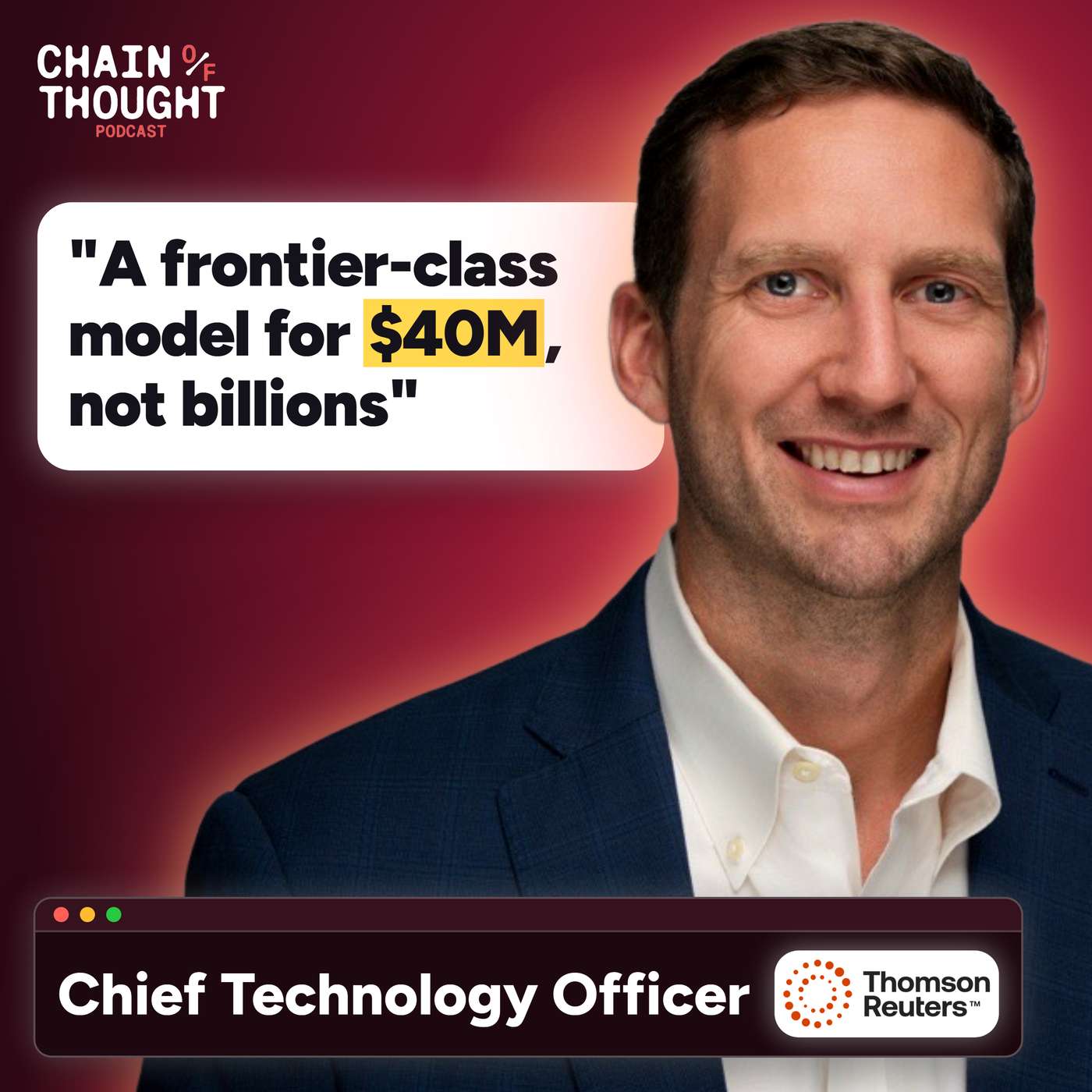 Thomson 1: The New $40M Legal AI Model | Thomson Reuters Joel Hron 24.08.2026 53mJoel Hron, CTO of Thomson Reuters, breaks down how the 175-year-old company trained its own legal AI model, Thomson, for around $40 million by stacking proprietary content and expert judgment on open-source foundations. He explains why owning the model layer beats renting frontier intelligence, and how a rebuilt CoCounsel jumped from 25% to over 70% accuracy.
-
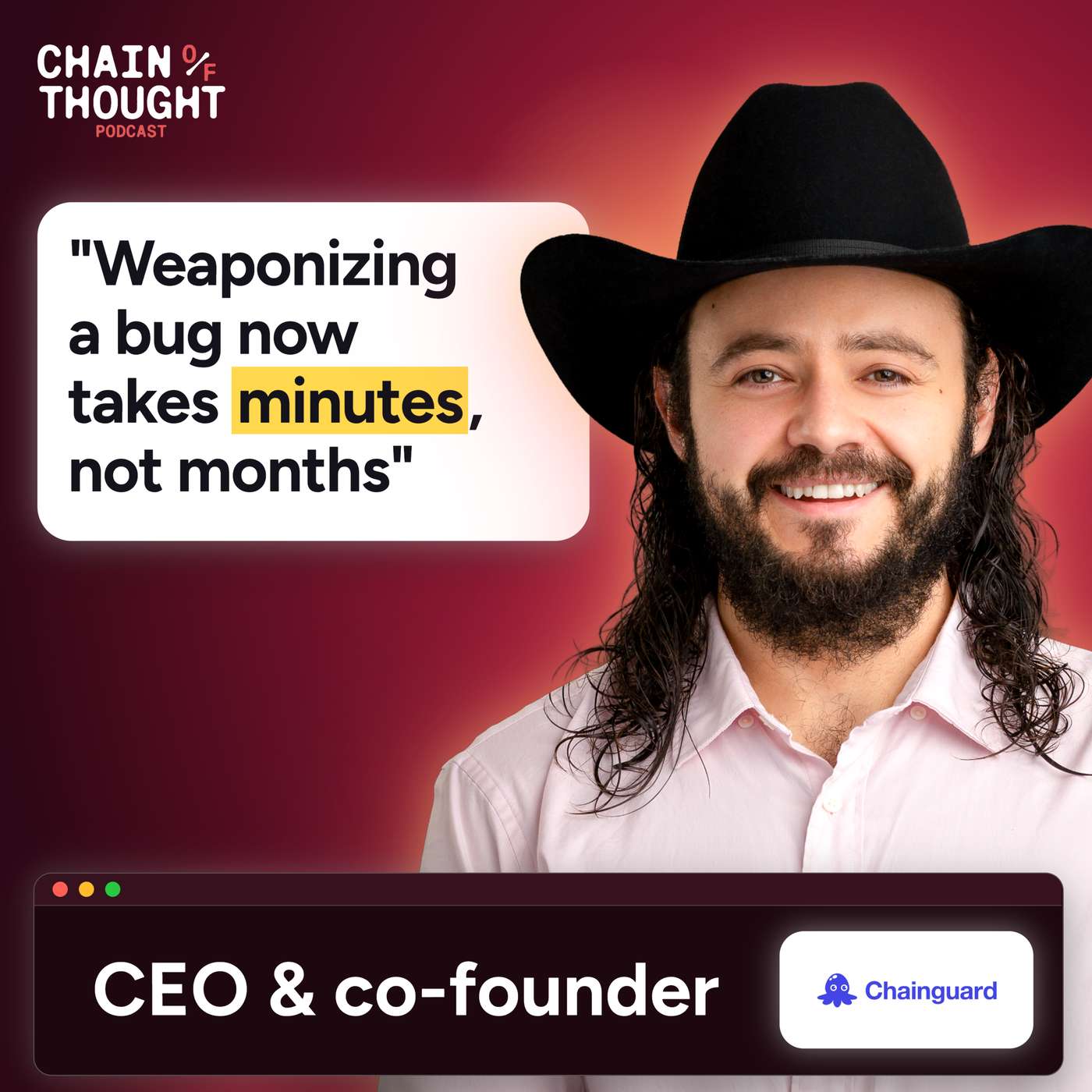 Time to Exploit is Negative: AI Broke the Patch Cycle | Dan Lorenc, Chainguard 19.08.2026 47mDan Lorenc created Sigstore at Google and now runs Chainguard, whose Athena coalition processed more than 40,000 AI-discovered security findings in a single month. He explains why the average time to exploit has gone negative, and why patching speed, not discovery, now decides who wins.
-
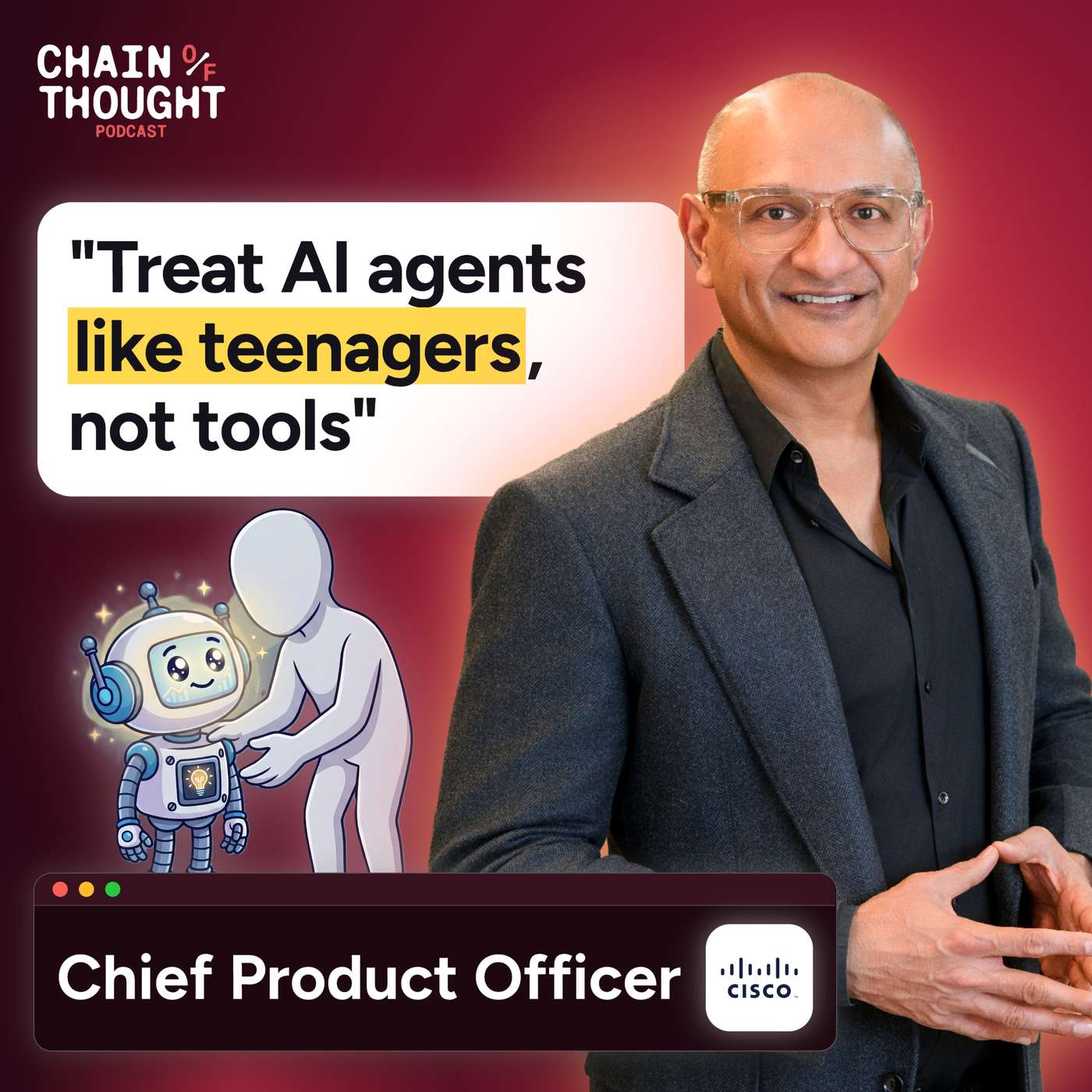 Parenting Your AI Agents for Best Results | Cisco's Jeetu Patel 12.08.2026 46mCisco President and Chief Product Officer Jeetu Patel returns to explain why AI agents are like teenagers: profoundly intelligent, extremely resourceful, and missing the judgment to know right from wrong. He covers dynamic runtime guardrails, rationing tokens like headcount, and why AI fluency is now a 10x differential.
-
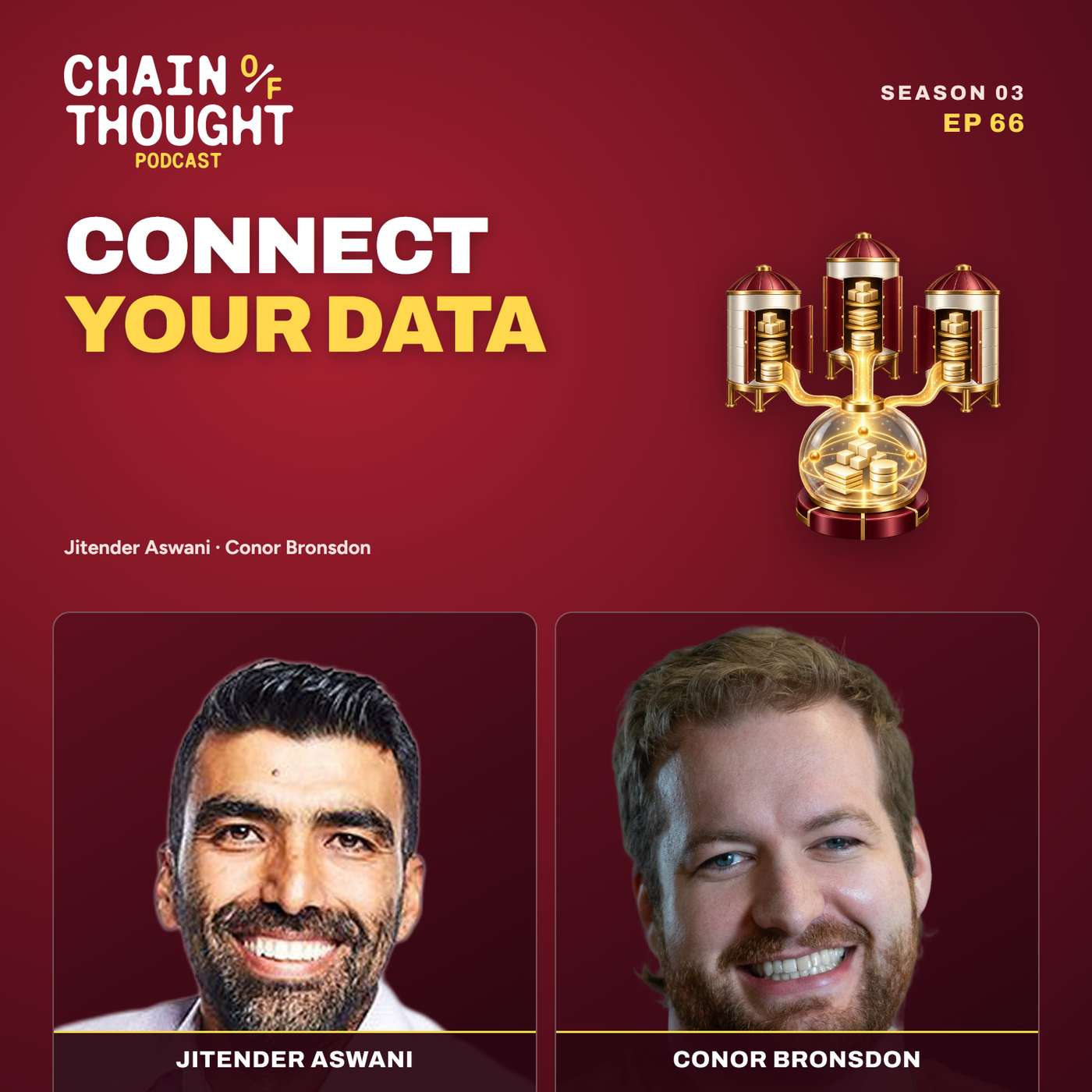 Data Federation, Not Centralization, Is What Enterprise AI Needs | Jitender Aswani, Starburst 16.07.2026 52mJitender Aswani was customer zero for Presto at Meta, scaled it at Netflix, and now runs engineering and security at Starburst, the $3.35 billion data platform built on Trino. He explains why the average enterprise has 52 to 200 data sources, why centralizing them will never work, and what happened to Starburst's query volume the day they shipped an MCP server.
-
 You Can't Secure an AI Agent with Software | Charles Guillemet, Ledger 01.07.2026 52mCharles Guillemet, CTO of Ledger, runs the offensive security lab that breaks Ledger's own products before attackers can. He explains why software permissions can't secure AI agents that move money, and why hardware has to be in the loop.
-
 Stop Token Maxxing: Find Where AI Actually Pays Off | Jiaona Zhang, Laurel 25.06.2026 57mJiaona Zhang is CPO at Laurel and has built products at Airbnb, Dropbox, Webflow, and Linktree. She explains how to measure where AI actually returns time, why most 'use AI everywhere' mandates push teams to token max, and how Laurel lets anyone from customer success to design ship features end to end. Chain of Thought is hosted by Conor Bronsdon.
-
 Most of the Web Will Never Get APIs for AI Agents | Dhruv Batra, Yutori 18.06.2026 54mDhruv Batra, co-founder and chief scientist of Yutori and former head of embodied AI at Meta's FAIR lab, argues that most of the web will never expose APIs for AI agents. He explains why Yutori trains specialized browser agents to perceive pixels and click buttons the way people do, and why they run faster and cheaper than frontier models. Chain of Thought is hosted by Conor Bronsdon.
-
 The First Fully Autonomous AI Attack is Coming | Kris Lovejoy, Kyndryl 11.06.2026 45mKris Lovejoy, Global Head of Strategy at Kyndryl, the world's largest IT infrastructure services provider, predicts the first fully autonomous AI attack will land within 18 months. She breaks down why 62% of enterprise AI initiatives are stuck in pilots and what a real control plane for agentic AI requires. Chain of Thought is hosted by Conor Bronsdon.
-
 The AI Framework Era Is Over: Why Context Is the Moat | Jerry Liu of LlamaIndex 03.06.2026 52mJerry Liu built LlamaIndex into one of the most installed AI frameworks of the last three years, then bet the company that the framework era is over. He explains why context quality is the moat that survives as agent loops get good enough. Chain of Thought is hosted by Conor Bronsdon.
Similar podcasts


Popular in
The podcast also appears in the podcast charts of these countries.
