
Don't Quit on Me
Nick C
0
Don't Quit on Me is a podcast series about alternative ways to manage the inevitability of stress and pain. Through conversations with a wide range of people, it shares personal stories, practical strategies, and different perspectives. The show aims to inspire hope, confidence, and belief that things can get better regardless of where you are.
Episodes
-
 Healing the Unseen: Chronic Illness, Mental Health, and Hope - A Conversation with Shianne Hammond 22.10.2026 46mHealing the Unseen: Chronic Illness, Mental Health, and Hope with Shianne Hammond In this episode, I sit down with Shianne Hammond, exercise physiologist, researcher, and PhD candidate, to explore the complex relationship between chronic illness, movement, mental health, and hope. Shianne shares her journey from elite horse riding and personal training into exercise physiology, a path shaped by her own experience with glandular fever and chronic fatigue syndrome. Her personal challenges led her to specialise in supporting people living with invisible illnesses such as ME/CFS and fibromyalgia. Together, we unpack the differences between exercise physiologists, physiotherapists, and personal trainers, and discuss why the word exercise can feel intimidating, or even threatening, for people experiencing chronic illness. Shianne explains the importance of gentle, individualised movement that prioritises quality of life rather than performance. We also explore post-exertional malaise (PEM), the boom-and-bust cycle many people experience, pacing strategies, and the trial-and-error process of building capacity safely. Shianne highlights the role of pain science education, understanding the difference between helpful discomfort and harmful pain, and creating sustainable approaches to movement. The conversation expands into the connection between physical and mental health, including the benefits of low-intensity practices such as yoga, Qigong, and water-based therapy. We discuss nervous system dysregulation, chronic fight-or-flight responses, grounding techniques, somatic practices, and the use of shaking exercises to help discharge stress and adrenaline. Shianne also shares insights from her work in equine-assisted therapy, discusses trauma-informed approaches to movement and healthcare, and reflects on the links between trauma, neurodivergence, chronic illness, and gut health. The episode concludes with practical advice about rest, self-compassion, and information about her current research into strength-based exercise for people living with ME/CFS and fibromyalgia. Topics Covered 00:00 Welcome and Introductions 00:26 Shianne's Career Path 01:45 Living with Chronic Fatigue Syndrome 05:52 What Exercise Physiologists Do 08:43 Movement Versus Exercise 11:27 Understanding Post-Exertional Malaise 14:29 Pain Science and Education 15:36 Movement for Mental Health 18:22 Shaking and Stress Release 20:08 Equine Therapy and Grounding 24:02 Nervous System Regulation and Fight-or-Flight Responses 26:24 Mindfulness, Self-Monitoring, and Capacity Diaries 32:59 Trauma-Informed Movement Plans 37:36 Rest, Recovery, and Self-Compassion 41:09 Connect Exercise Physiology and PhD Research Study 43:41 Closing Thoughts and Farewell For more information or to participate in the research study to do with Myalgic Encephalomyelitis/ Chronic Fatigue Syndrome or Fibromyalgia, mentioned in the interview , scan the QR code below or contact Shianne: 0407 568 513 or email: shianne.hammond@research.usc.edu.au
-
 When a System Learns to be Compassionate - Professor Liz Grant 12.07.2026 47mWhat does it look like when a system learns to be compassionate? In this thoughtful and timely conversation, we explore that question with Professor Liz Grant from the University of Edinburgh. Liz is Professor of Global Health and Development at the University of Edinburgh, where her work brings together global health, compassion, planetary wellbeing, and systems change. Across research, policy, education, and advocacy, she has focused on turning global health knowledge into action, especially in communities facing poverty, conflict, and resource constraints. Together, we move beyond the idea of mindfulness as simply an individual practice and explore what it can make possible at a systemic level. Liz reflects on how compassion helps us hold complexity, bridge division, and remain deeply human in the face of suffering, while also sharing a practical four-part framework for compassion: noticing suffering, understanding its causes, feeling with others, and taking meaningful action to reduce distress. This episode asks how we can build cultures that prioritise psychological safety, structural compassion, and collective awareness. It also challenges the misconception that compassion is simply about being nice, instead revealing its connection to accountability, justice, truth, equity, and wise leadership. From healthcare and workplaces to financial institutions and everyday life, this conversation is rooted in strength, kindness, and structural change, inviting us to consider how self-compassion and awareness can transform systems from the inside out.
-
 Quiet Strength - Caring Deeply Without Burning Out - a Conversation with Margaret Cullen 11.06.2026 53mIn this episode, I'm joined by author, and mindfulness and compassion teacher Margaret Cullen for a thoughtful conversation on equanimity - the steady, grounded quality that helps us meet life's uncertainty without being swept away by it. Together, we explore her new book Quiet Strength, and what equanimity really means, how it differs from detachment, and why it matters in a world that often pulls us toward reactivity, outrage and overwhelm. Margaret also discusses the Four Immeasurables - loving-kindness, compassion, sympathetic joy and equanimity - and reflects on how each can help us cultivate a more open, balanced and caring way of being. From navigating emotional ups and downs, to caring deeply about injustice without burning out, this conversation offers practical insight into how mindfulness and equanimity can support our wellbeing and strengthen our capacity for compassion. The episode closes with a simple guided practice to help you pause, breathe and reconnect with a sense of calm presence. Margaret's new book Quiet Strength is available through her website and booksellers: https://margaretcullen.com/
-
 Empowering Wellness: Exercise as Medicine for Mind and Body 30.04.2026 52mEmpowering Wellness: Exercise as Medicine for Mind and Body Welcome to another episode from our series exploring the profound impact of taking deliberate actions on various aspects of health, where today, we're delving into the interplay between physical exercise and mental health - particularly in individuals living with chronic illnesses. In a deeply engaging conversation with Dr. Sue Broadbent, a clinical exercise physiologist, we unravel the subtle yet powerful benefits of tailored exercise regimens for those with conditions like fibromyalgia and chronic fatigue syndrome. Discovering the Path Dr. Sue's journey into exercise science was an unexpected detour from her initial career as a high school teacher specializing in art and photography. It wasn't until her thirties, when she took up distance running, that her path led to academia and research, ultimately focusing on chronic conditions like ME/CFS, fibromyalgia, and chronic fatigue syndrome. With a personal connection through friends and family affected by these conditions, her work strives to bridge the gap in understanding and managing these illnesses through research and evidence-based practice. Exercise as a Gentle Healer One of the focal points of Dr. Sue's research is the transformative potential of aquatic exercise. Water's unique properties offer a gentle resistance environment which simultaneously promotes strength without exacerbating symptoms. The buoyancy relieves joint pressure, making it an inviting option for those who experience muscular pain and fatigue. Mental Health and Movement In our discussion, Dr. Sue emphasized how regular, self-paced physical activity can significantly boost mental health. The release of neurotransmitters such as serotonin and dopamine during exercise contributes to enhanced mood and reduced anxiety, even in severe cases of depression. Moreover, engaging in group exercises fosters social connections, providing a shared space for understanding and support which is crucial to those dealing with chronic conditions. Personal Stories and Professional Insight Our conversation also touched on personal experiences that resonate deeply with many navigating chronic health challenges. For instance, I share my journey through fibromyalgia, chronic pain, and how commitment to an exercise regimen, albeit challenging, cultivated resilience and self-efficacy. Addressing Myths and Misconceptions A recurring theme was the deconstruction of myths surrounding exercise and chronic conditions. A common misconception is that physical activity can worsen fatigue. In reality, when approached with a tailored, paced strategy, exercise can serve as a catalyst for improved energy levels and mental clarity. Practical Strategies for Moving Forward Dr. Sue offers valuable strategies for those anxious about integrating movement into their routine. Gradual, self-paced attempts—like five minutes of exercise—are celebrated wins, paving the way for longer-term health goals without overwhelming the individual. It advocates for finding joy in movement, whether it be Tai Chi, yoga, or simple home exercises built into daily routines. An Exciting Frontier in Research Looking ahead, Dr. Sue expressed enthusiasm for ongoing research, especially studies delving into strength training's potential benefits for those with chronic fatigue and fibromyalgia. Projects led by passionate researchers, including one of her PhD students who brings personal experience to her work, aim to develop practical, impactful guidelines for both patients and healthcare providers. Final Thoughts Our dialogue with Dr. Sue highlights the indispensable role of exercise as both a physical and psychological rehabilitative tool. By fostering patience, adaptability, and informed choice in exercise practices, individuals with chronic illnesses can find empowerment and improvement in their quality of life. I invite you to listen to Dr. Sue's insights that they may well inspire your approach to health and wellness, whether you're living with chronic conditions or simply curious about the healing power of physical activity. Join us in this ongoing journey - where knowledge meets personal experience, and compassion drives innovative solutions for those navigating the challenges of Complex Mental Health.
-
 A conversation with Dr Lara Boyd - Harnessing Neuroplasticity & Mastering Change in Uncertain Times 20.03.2026 52m"The brain is always capable of change ... behaviour is the price of admission." How much can the brain really change - and what does it take to make that change last? In this episode, Dr Lara Boyd shares her winding journey from sport and physical therapy into neuroscience, sparked by a deep fascination with how the brain adapts through learning and recovers after damage. Along the way, she unpacks how advances like MRI and brain stimulation helped overturn the old idea that the brain is "hardwired," revealing instead a lifelong capacity for functional, chemical, and structural change. We explore why change is still possible at any age, but often requires more effort later in life, especially when it involves unlearning long‑held habits. A key message runs through the conversation: behaviour is the true driver of brain change, and there's no shortcut or pill that can replace it. Sleep, movement, and how we spend our attention matter more than we think, also breaks down how exercise supports learning by boosting brain‑derived neurotrophic factor and lowering cortisol, a stress hormone that can block learning and damage health when chronically elevated. We discuss device addiction, chronic pain, and how ongoing stress can push memory toward survival‑based learning in the amygdala—making negative patterns harder to shift. The episode closes with practical, science‑grounded ways to support brain health and resilience, from limiting doomscrolling to practices like meditation, loving‑kindness, and yoga that reduce stress reactivity and support cognition. It's a hopeful, empowering conversation about shaping the brain through small, intentional choices over a lifetime.
-
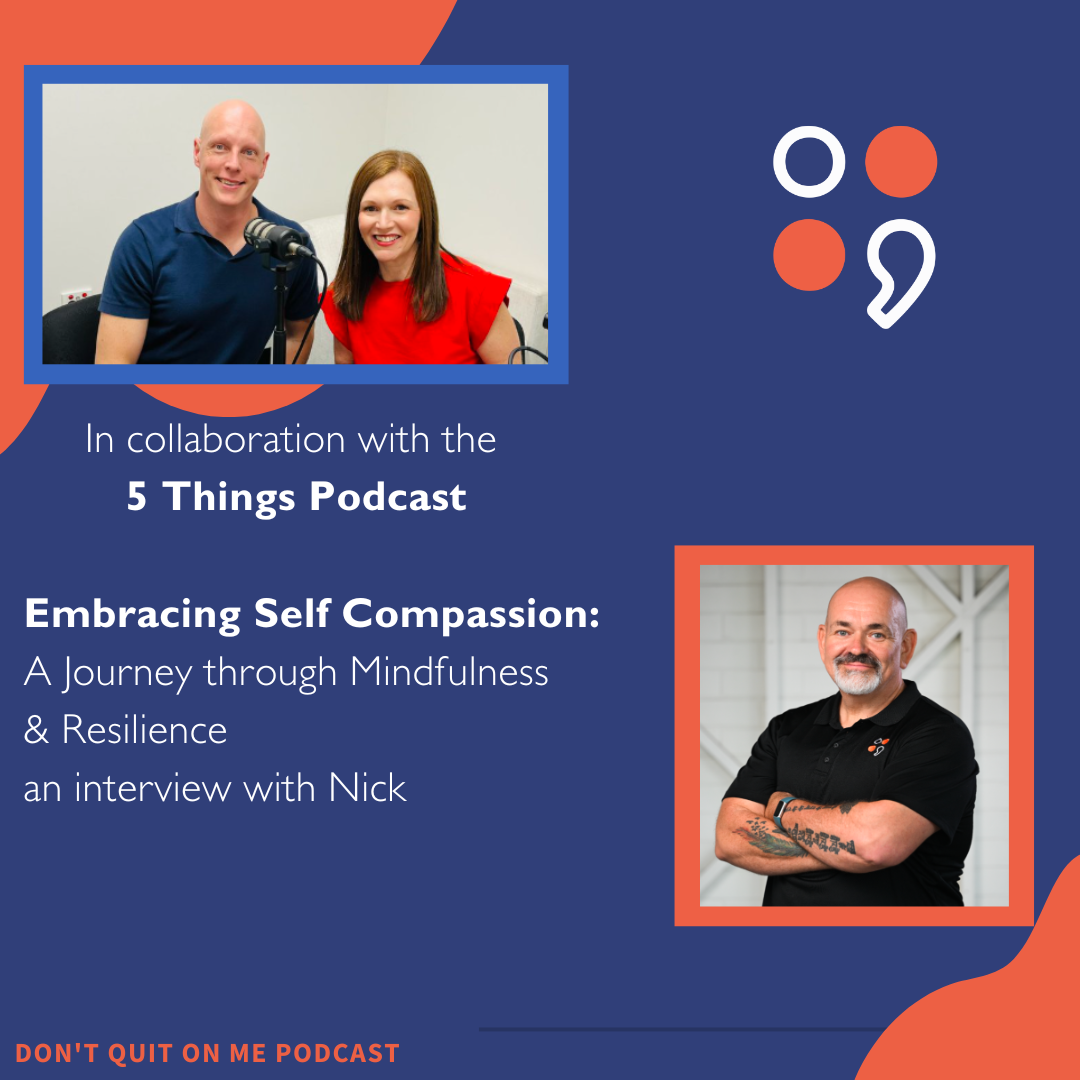 Embracing Compassion: A Journey through Mindfulness and Resilience - An Interview with Nick 12.02.2026 43mEmbracing Compassion: A Journey through Mindfulness and Resilience Welcome.This conversation is one I've been sitting with for a while. It was originally published in November on World Compassion Day in 2025. I had the chance to be interviewed by Jesse Spurr and Liz Crowe, from the 5 Things Podcast at Metro North, and together we explored compassion - not as a theory or a nice idea, but as something deeply practical. Something we come back to again and again when life is painful, uncertain, or overwhelming. I joined the conversation as a consumer representative and lived‑experience advocate, and also as someone who's still very much learning what it means to meet myself with kindness in the middle of real life. What unfolded was a grounded, honest exploration of what it means to be human. Noticing suffering, instead of running from it One of the things we spent time with was our relationship to suffering. So often, our instinct is to push discomfort away - to distract, override, or judge ourselves for feeling what we feel. And I get that. I do it too. But what we talked about was what happens when we pause long enough to actually notice our experience. When we let fear, anxiety, or sadness be there without immediately trying to fix it or make it go away. When we approach suffering with curiosity instead of resistance, something shifts. The stress around the emotion softens. We remember that these feelings aren't showing up because we're broken or failing, but because we're human, living on the earth at this moment in time. Mindfulness, in this sense, isn't about calming down. It's about turning toward what's already here. Choosing self‑kindness over self‑judgment Self‑compassion sits at the heart of how I think about emotional resilience. Through many conversations over the years, one thing keeps becoming clearer: harsh self‑judgment doesn't lead to lasting growth. Kindness does. When we meet ourselves with warmth, especially when things aren't going well, we create the conditions for real change. Not forced improvement, but sustainable wellbeing. The kind that allows us to keep showing up for our lives and for the people around us. This isn't about letting ourselves off the hook. It's about recognising that shame and self‑criticism are heavy loads to carry, and that we don't actually do our best work from that place. Remembering our common humanity Another thread we explored was the idea of common humanity. There's something profoundly regulating about remembering that we're not alone in our struggles. That others, in their own ways, are navigating pain, uncertainty, chronic illness, emotional distress, or loss. When we intentionally connect with that shared experience, isolation loosens its grip. Even just a little. Whether the pain is physical or emotional, recognising that this is part of being human can bring a sense of steadiness and belonging, especially during moments when life feels relentless. The power of simple, supportive touch We also talked about touch, something so simple, and yet so powerful. Appropriate, supportive touch, including touch we offer ourselves, can help calm the nervous system. It can release chemicals associated with safety and connection. It can remind the body that it's not alone. If you're open to it, you might even try this now: placing a hand gently on your heart. Let it rest there for about 20 seconds. There's no need to analyse what you feel. No need to label it. Just notice the sensations that are present. Sometimes compassion doesn't need words. Sometimes it's just a felt sense. Turning inward so we can meet others more fully One thing that feels increasingly clear to me is this: our capacity to be compassionate with others begins with how we relate to ourselves. When we tend to our own inner world, when we slow down, practice presence, and respond rather than react, we create a more stable foundation. From there, kindness flows more naturally outward. We talked about mindfulness and self‑compassion practices not as self‑improvement tools, but as ways of becoming more available. More grounded. Less pulled around by reactivity. A moment to pause together We closed the conversation with a short mindfulness practice. Just ninety seconds. A hand on the heart. A few slow breaths. Noticing the stillness between each inhale and exhale. It's a small reminder that even in busy, noisy lives, moments of grounding are always available. Mental clarity isn't something we earn, it's something we return to. Thank you for being here. As you reflect on this conversation, I hope you're able to offer yourself the same compassion you so readily extend to others. May you find steadiness in your own experience, and a sense of connection in knowing you don't have to navigate any of this alone. We're all learning how to meet life as it is together.
-
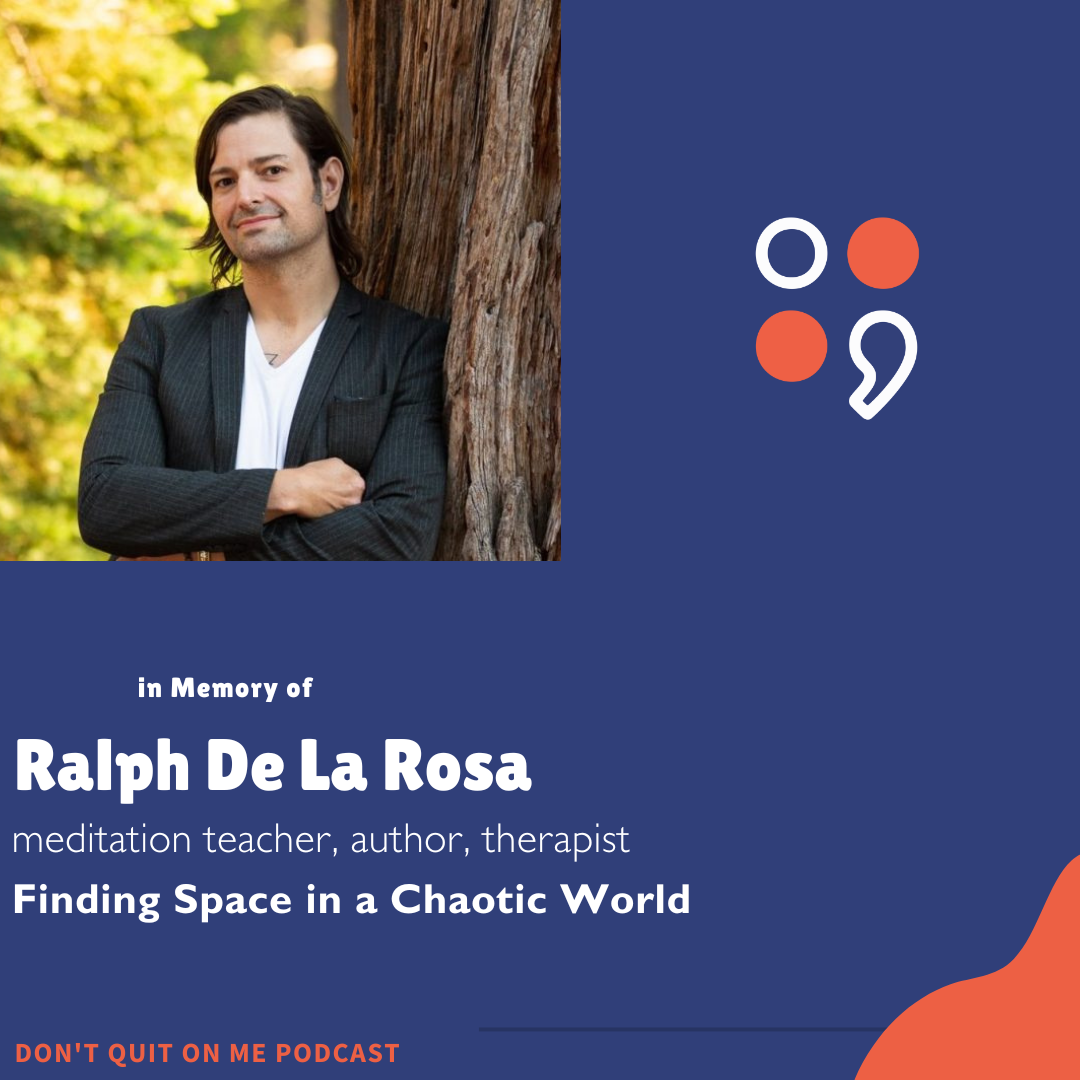 Finding Space in a Chaotic World - Ralph De La Rosa 24.12.2025 34mWelcome to this special holiday episode as we approach the end of 2025. As the year draws to a close, many of us find ourselves reflecting on what we've been working through - both personally and professionally. Today, we explore a profound question that I have been working with this year: What is the difference between pain and suffering in meditation? Pain is the raw, unavoidable sensation - physical or emotional. Suffering, however, sometimes called the "second arrow": the mental resistance, stories, and bracing we add on top of pain. Meditation isn't about erasing pain; it's about letting go of the resistance to it. This insight is especially relevant during stressful times, whether it's a tight deadline at work or the anxiety before a big presentation. By practicing "Recognizing the narrative our minds create" we can learn to pause, notice these stories we're telling ourselves, and learn to sit with any sensations that present - without adding layers of judgment or worry. This time of year can be challenging for many, and I want to Honour that. In this episode, we revisit a heartfelt conversation from Christmas Day 2022 with the late, much-loved Ralph De La Rosa. Ralph's wisdom continues to resonate, offering comfort and insight to those navigating grief and difficulty, especially during the holidays. Together, we'll delve into the realities of grief, seasonal depression, and the lingering effects of what many are calling the poly crises happening around the world. In the conversation we share personal stories and perspectives on the importance of acknowledging and processing emotions, rather than pushing them aside. Ww discuss the toll of living in survival mode, the value of wellness practices, and the power of mindfulness and meditation practices in being able to see when our mind is adding extra suffering. The episode finishes with a short practice offered by Ralph designed to help you find and access inner space and connection, leaving you with practical tools to carry forward into challenging times. Whether you're tuning in during a moment of celebration or reflection, I hope this episode offers you comfort, clarity, and actionable wisdom. May you be Happy, May You Be Well, May you be Safe and May you live with Ease. 00:00 Introduction and Seasonal Struggles 00:11 Grief and Cultural Shifts 01:03 The Reflex of Isolation 01:34 Collective Exhaustion and Survival Mode 04:57 Facing Difficulties and Finding Compassion 09:37 The Importance of Making Space 12:20 Presence and Active Receptivity 17:27 Guided Meditation Practice 28:34 Conclusion and Final Thoughts
-
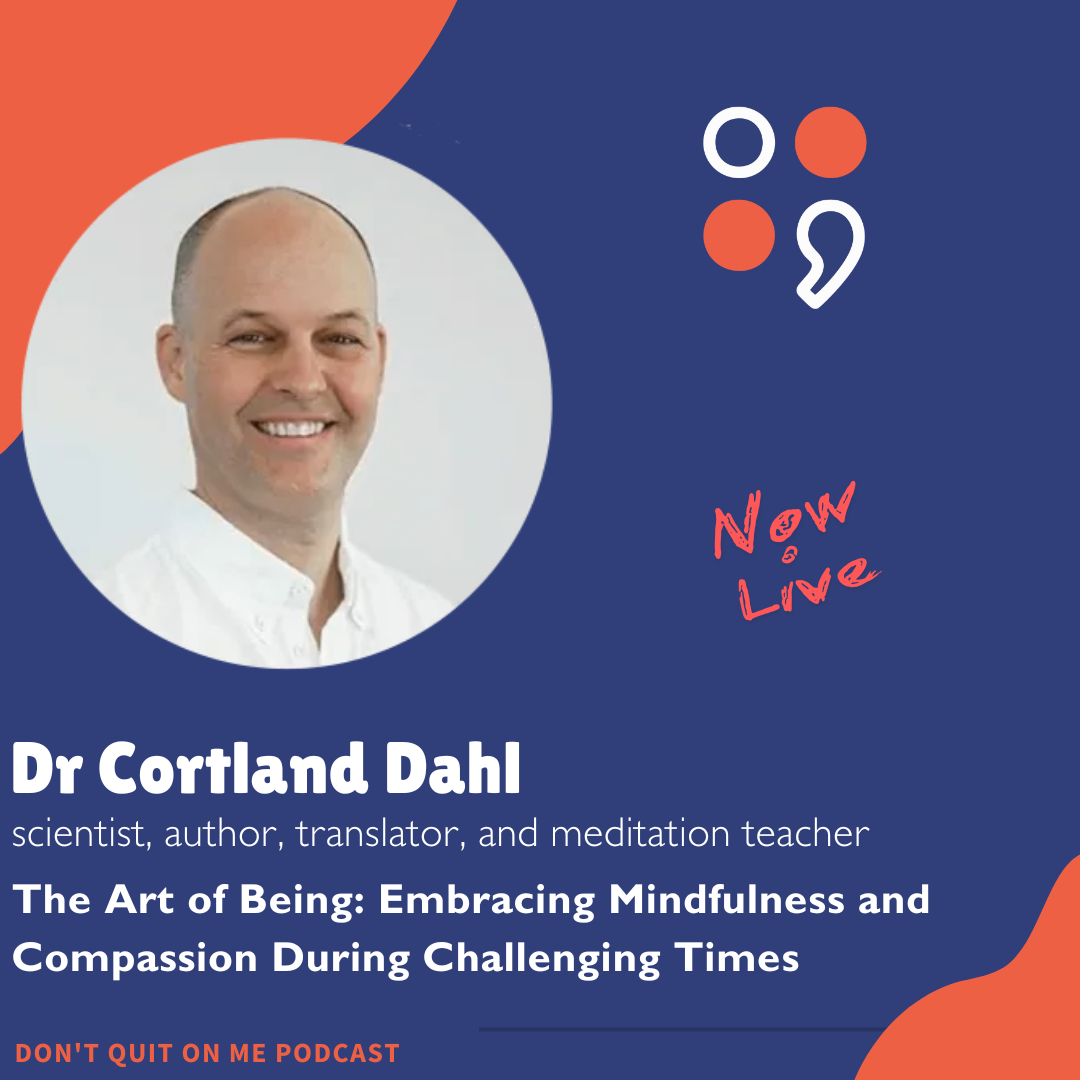 The Art of Being: Embracing Mindfulness and Compassion During Challenging Times with Cortland Dahl 17.11.2025 1h 1mThe Art of Being: Embracing Mindfulness and Compassion During Challenging Times with Cortland Dahl In this enlightening episode, we delve into the transformative journey and work of Dr Cortland Dahl, a meditation expert, scientist, translator and researcher at the Center for Healthy Minds. Cort's true passion is using ancient wisdom and modern science to help people flourish. Cort shares his personal experiences from battling anxiety as a young adult to finding solace and purpose through extensive work with meditation and compassion practices during eight years living in Tibetan refugee settlements in India and Nepal. He discusses the critical role of contemplative traditions in navigating the modern world's overwhelming pace and information overload. The conversation covers the importance of shifting from a state of doing to being, the mental health epidemic, and practical techniques for cultivating inner calm and compassion. Cort offers profound insights into how we can harness our innate capacities for wisdom and compassion. The episode concludes with a beautiful guided practice led by Cort, providing listeners with a practical experience of simply being that we can take into our daily life. Cort's work can be found here: https://cortlanddahl.com/ https://centerhealthyminds.org 00:00 Introduction to Contemplative Traditions 00:33 Struggles with Anxiety and Early Discoveries 03:21 The Impact of Modern Life on Mental Health 04:39 The Mismatch Between Evolution and Modern Society 07:10 Simple Practices for Mental Well-being 13:12 The Power of Perspective and Micro Practices 22:31 The Role of Compassion and Service 25:49 Understanding Devotion and Social Learning 28:41 The Power of Respect and Inspiration 29:32 Personal Reflections on Prince and Devotion 32:15 A Meditator's Guide to Buddhism 32:56 The Four Noble Truths and the Path to Awakening 34:37 Writing the Book: Motivation and Process 36:33 Exploring Buddhist Philosophy and Practice 39:29 Advice for Those in Pain 40:23 The Importance of Being Over Doing 50:26 A Short Guided Meditation Practice 57:59 Final Thoughts and Appreciation
-
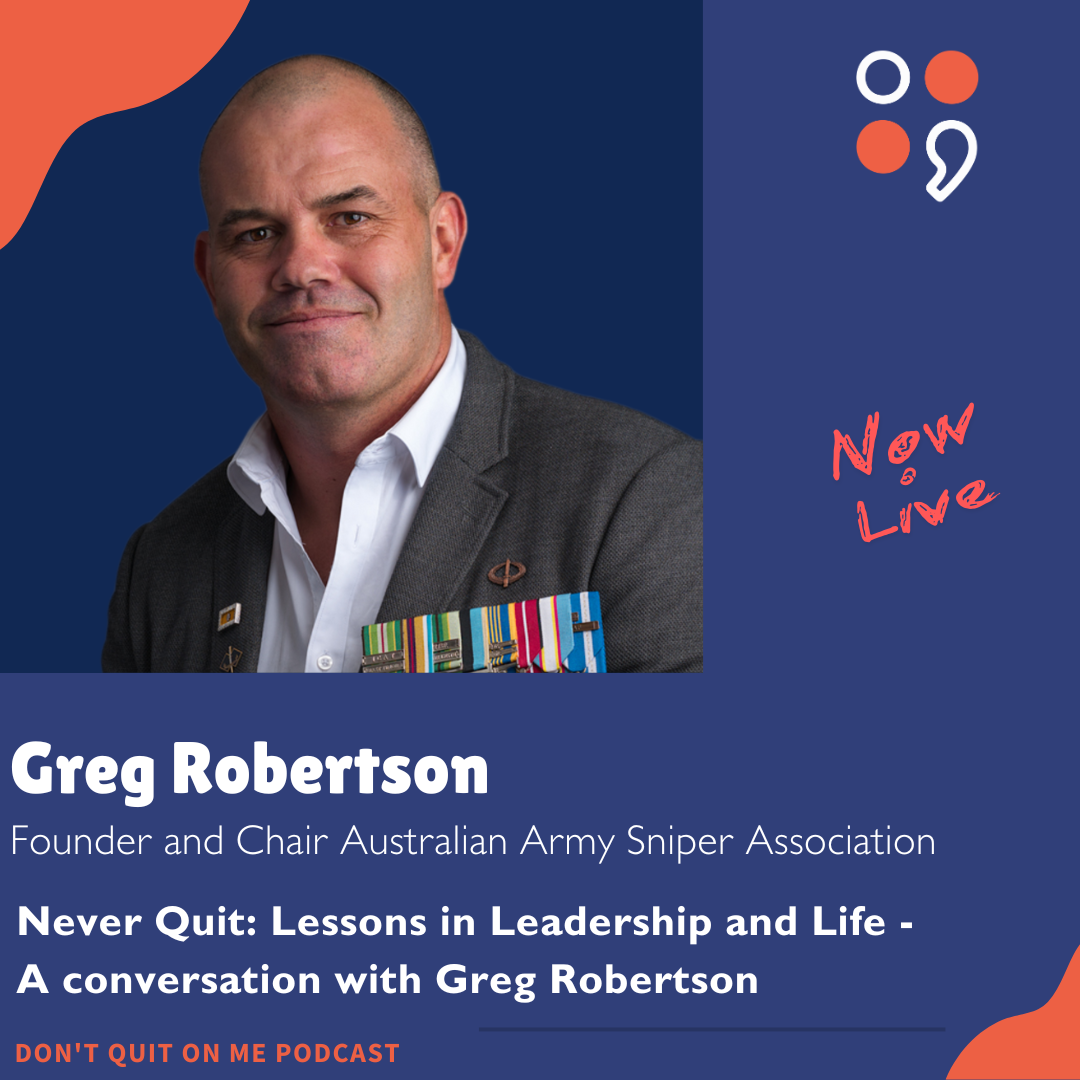 Never Quit: Lessons in Leadership and Life - A conversation with Greg Robertson 11.09.2025 48mNever Quit: Lessons in Leadership and Life - A conversation with Greg Robertson In this episode, Greg Robertson shares his extensive military background, from joining the Army at 17 and serving for 25 years, including 15 years as a sniper in special forces and regular army. Greg was inspired by the US Army Sniper Association, and after a few key experiences, established the Army Sniper Association (snipe.org.au) to maintain corporate knowledge, connection and support soldiers with practical resources relevant to them. In our conversation Greg recounts his experiences, and the challenges of transitioning back to civilian life, emphasizing the importance of resilience, community, and finding new purpose. Greg also discusses strategies for mental health, from breathing techniques & mindset to journaling, highlighting the significance of staying active and engaged in community post-service. 00:00 Introduction and Welcome 00:08 Greg's Military Journey 00:46 Inspiration Behind the Sniper Association 02:01 The Regular Army 03:38 Establishing the Sniper Association 04:51 Veteran Support and Mental Health 08:57 Lessons from the Army 12:08 Overcoming Failure and Persistence 20:26 Healing and Transitioning from the Army 26:22 Adjusting to Civilian Life After Military Service 26:38 The Bond Among Military Personnel 28:52 The Role of Humour in Mental Health 30:32 Understanding Resilience and Community 35:40 Practical Strategies for Mental Health 41:23 Finding Purpose and Identity Post-Military 44:53 Conclusion and Contact Information Finding support for trauma, especially for military and ex-military personnel, is a crucial step towards healing. Here are some of the key mental health resources and helplines available in Australia. Lifeline provides 24-hour crisis counselling, support groups and suicide prevention services. Call 13 11 14, text 0477 13 11 14 or chat online. Suicide Call Back Service provides 24/7 support if you or someone you know is feeling suicidal. Call 1300 659 467. Beyond Blue aims to increase awareness of depression and anxiety and reduce stigma. If you or a loved one need help, you can call 1300 22 4636, 24 hours/7 days a week or chat online. MindSpot is a free telephone and online service for people with anxiety, stress, low mood or depression. It provides online assessment and treatment for anxiety and depression. MindSpot is not an emergency or instant response service. Call 1800 61 44 34. Medicare Mental Health gives advice and will connect you to local mental health services. Call 1800 595 212. MensLine Australia is a professional telephone and online counselling service offering support to Australian men. Call 1300 78 99 78, 24 hours/7 or chat online. For Military and Ex-Military Personnel and their Families Open Arms - Veterans & Families Counselling: This is a fantastic service that provides free and confidential 24/7 counselling and support to anyone who has served at least one day in the Australian Defence Force (ADF), as well as their partners and families. Phone: 1800 011 046 Website: https://www.openarms.gov.au/ ADF All-hours Support Line (ASL): This is a 24-hour phone-based counselling and support service for all ADF members and their families. Phone: 1800 628 036 Defence Family Helpline: This service offers 24-hour support, information, and help in connecting with local communities for Defence families. Phone: 1800 624 608 Department of Veterans' Affairs (DVA): The DVA website is a comprehensive resource that provides information on mental health support services, treatment plans, and early warning signs of mental illness for veterans and ADF personnel. Website: https://www.dva.gov.au/ For All Survivors of Trauma 1800RESPECT: This is a confidential information, counselling, and support service available for free, 24 hours a day, 7 days a week, for anyone impacted by domestic, family, or sexual violence. Phone: 1800 737 732 Website: https://www.1800respect.org.au/ Full Stop Australia: They offer free, 24/7, confidential, trauma-specialist counselling for people impacted by sexual, domestic, and family violence, as well as their friends and family. Phone: 1800 385 578 Website: https://fullstop.org.au/ Blue Knot Foundation: As the National Centre of Excellence for Complex Trauma, the Blue Knot Foundation provides a helpline for adult survivors of childhood trauma and abuse, their families, and professionals who work with them. Phone: 1300 657 380 Website: https://www.blueknot.org.au/ General Mental Health Helplines Lifeline: Provides 24/7 crisis support and suicide prevention services. Phone: 13 11 14 Website: https://www.lifeline.org.au/ Beyond Blue: Offers 24/7 support for anyone concerned about mental health, particularly anxiety, depression, and suicide. Phone: 1300 22 4636 Website: https://www.beyondblue.org.au/ Suicide Call Back Service: Provides 24/7 telephone and online counselling for people affected by suicide. Phone: 1300 659 467 MensLine Australia: A professional telephone and online counselling service for men with emotional health and relationship concerns, available 24/7. Phone: 1300 78 99 78 Kids Helpline: A free, confidential 24/7 counselling service for young people aged 5 to 25. Phone: 1800 55 1800 If you or someone you know is in immediate danger, please call 000 for emergency services in Australia.
-
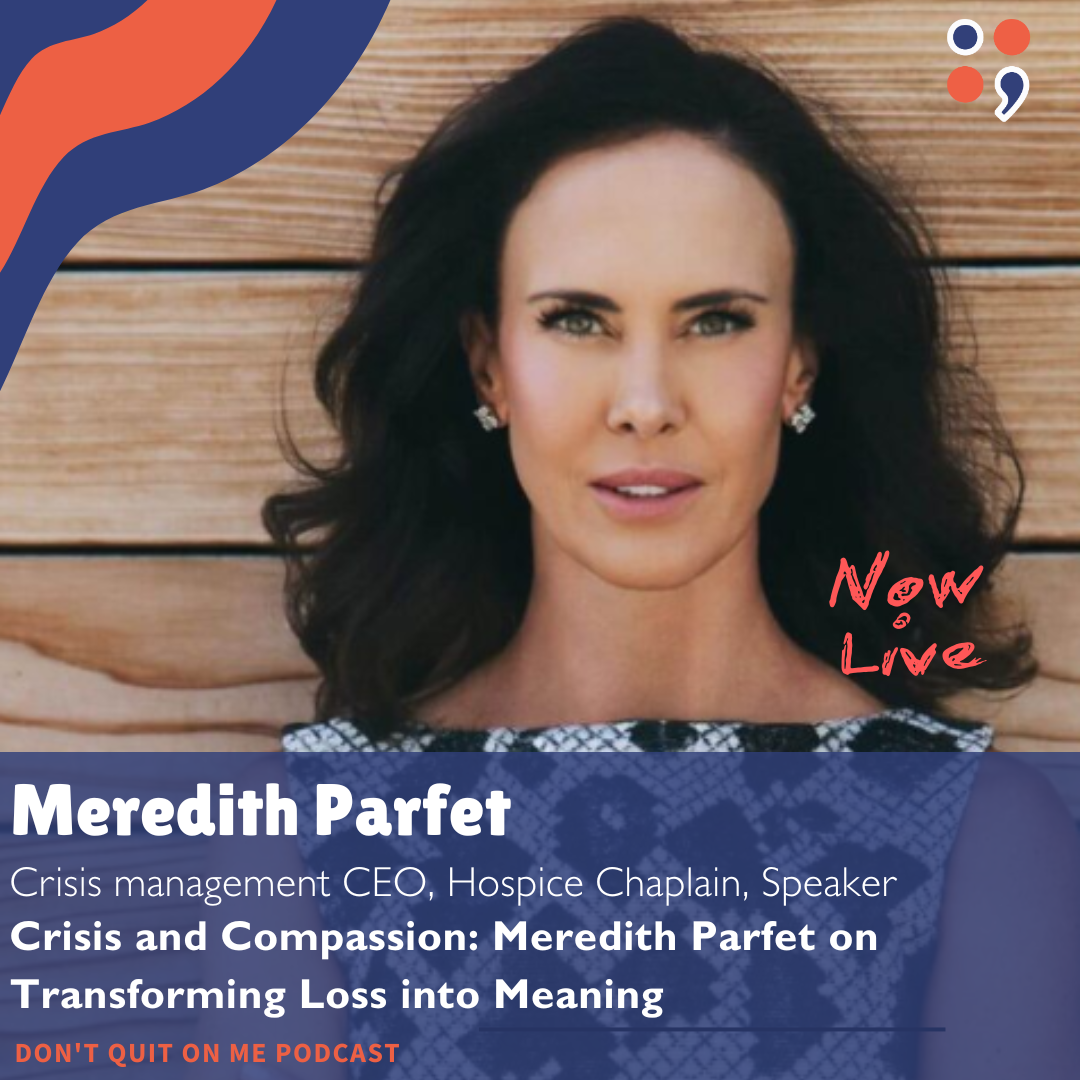 Crisis and Compassion: Meredith Parfet on Transforming Loss into Meaning 26.07.2025 52mCrisis and Compassion: Meredith Parfet on Transforming Loss into Meaning In this episode, we delve deep into the multifaceted world of grief, crisis management, and emotional resilience with Meredith Parfet, a CEO, hospice chaplain and death doula. Meredith shares her poignant and personal journey with grief, having lost her sister during the early stages of the opioid epidemic, followed by a series of other profound losses. As CEO of Raynard Group, 'Meredith works with individuals and organizations experiencing Capital C crisis – legal or regulatory action, fatalities, white collar crime, scandal, complex family office disputes. Crisis is not a bad tweet; it changes the trajectory of your life.' She transitioned from a career in finance to also working with the dying, becoming a death doula and eventually a chaplain, bringing a unique perspective to both grief and crisis management. Throughout this conversation, Meredith discusses grief, the impact of grief in professional settings, and how executive leaders can manage crises with compassion and presence. Meredith also emphasizes the significance of turning towards suffering, finding meaning in grief, and the power of 'the next right thing' in navigating life's most challenging moments. This episode is a rich tapestry of personal story, expert insights, and practical wisdom on handling grief and crises with grace and resilience. 00:00 Introduction and Welcome 00:32 Meredith's Personal Journey with Grief 02:20 Becoming a Death Doula and Hospice Chaplain 03:42 The Intersection of Finance and Mortality 04:14 Understanding Grief Beyond Death 05:24 The Profound Experience of Death and Dying 07:05 Buddhist Philosophy and the Concept of Bardo 10:07 Crisis Management and Professional Grief 20:56 Healthy vs. Unhealthy Grief 25:24 The Transformative Power of Grief 26:28 Finding Meaning in Trauma 27:40 The Role of Outrage in Grief 30:09 Prioritizing During Crisis 32:58 The Healing Power of Service 35:51 Humanizing Leadership 39:40 Balancing Spirituality and Escapism 43:55 Turning Towards Suffering 46:03 The Next Right Thing
-
 The Generous Exchange: Maria Sirois on Burnout, Resilience, Beauty and Excellence 08.07.2025 48mThe Generous Exchange: Maria Sirois on Burnout, Resilience, Beauty and Excellence In this heartfelt conversation, Nick interviews Maria Sirois, Psychologist, Leadership Consultant and Author about her journey and her book 'The Generous Exchange.' Maria shares her experiences working with families facing life-threatening diseases, encountering resilience in its most profound form. We discuss the concept of resilience as more than mere adaptation, but as an alignment with one's true self and an active engagement with life's sharp points. Maria delves into her personal struggles with burnout during the pandemic, the evolution of her resilience practices, and the role of beauty, goodness, and excellence in uplifting the human spirit. We also touch on the importance of accepting imperfection, the power of self-compassion, and the transformative potential of small acts of kindness and appreciation. This episode is a balm for anyone navigating difficult times, offering practical tools and profound insights into the nature and learnable skillset of human resilience. 00:00 Introduction and Welcome 00:15 Maria's Journey to Resilience 02:27 Defining Resilience 03:59 Permission to Be Human 07:07 Three Questions of Resilience 16:13 The Generous Exchange 23:22 Struggles with Gym Attendance 23:57 The Science Behind Motion 24:28 Building Positive Habits 25:50 Creating a Positive Environment 27:07 Mutual Flourishing and Responsibility 34:04 The Power of Simple Gestures 35:51 Finding Peace in Chaos 42:05 Meditative Practices and Self-Compassion 44:45 Conclusion and Final Thoughts
-
 The New Happy - A Journey into Compassion and Resilience - Stephanie Harrison 22.05.2025 50mThe New Happy A Journey into Compassion and Resilience - Stephanie Harrison In this insightful episode, we start with a tribute to the life and work of friend of the show Ralph De La Rosa, who graced our show on three different occasions, offering profound insights, support and wisdom. We are so grateful for their contributions and the light they brought. In our interview, we discus the importance of compassion, self-awareness, and vulnerability in today's world. Stephanie shares her personal journey in pursuing happiness, the challenges of societal expectations, and how her work aims to help others redefine happiness through connection with oneself and others. The conversation delves into strategies for dealing with mental health, embracing suffering, and finding fulfillment. With references to wisdom traditions and practical actions, Stephanie provides a holistic and easy to understand approach to achieving a balanced and realistic understanding of happiness. The episode wraps up with thoughts on resilience, community support, and actionable advice for those facing challenging times. 00:00 Introduction and Warm Welcome 00:32 The Importance of Vulnerability and Self-Awareness 02:02 Stephanie's Journey to Happiness 03:53 The Philosophy of New Happy 09:33 Challenges and Strategies for Happiness 25:53 The Concept of Resilience 36:56 Final Thoughts and How to Find the Book
-
 The Future of Behavioral Science with Steven Hayes: Beyond Bell Curves 28.04.2025 57mThe Future of Behavioral Science with Steven Hayes: Beyond Bell Curves In this captivating episode, Dr Steven Hayes returns to discuss the significant developments in the landscape of behavioral science and the ACT model over the past four years. Steven explores the limitations of traditional scientific methods in characterizing individual human behavior and introduces innovative approaches that focus on individualized analysis. He delves into the concept of idio and nomothetic measurements, emphasizing the importance of personalized processes for improving mental health and well-being. The discussion also touches on self-compassion, emotional flexibility, and the evolving needs of modern society in a rapidly changing world. Join us for an insightful conversation that bridges the gap between science and practice to empower individuals in leading meaningful lives. 00:00 Welcome Back, Steven! 00:27 Developments in ACT and Behavioral Science 03:46 Challenges in Modern Science and Society 06:11 Personalized Approaches in Behavioral Science 12:41 The Complexity of Values and Self-Compassion 17:59 Practical Advice for Self-Compassion and Emotional Awareness 27:17 Exploring Emotional Flexibility 28:38 The Self-Help Book Journey 30:16 Internet Addiction Insights 33:04 The Future of Self-Empowerment 38:54 The Changing World and Wellbeing 41:08 A Practical Exercise for Alignment 52:21 Final Thoughts on Human Progress
-
 The Healing Power of Expressive Writing: An Interview with Dr. Jamie Pennebaker 02.03.2025 48mThe Healing Power of Expressive Writing: An Interview with Dr. Jamie Pennebaker In this enlightening episode, we delve into the transformative world of expressive writing with Dr. Jamie Pennebaker, a leading researcher in the field. Dr. Pennebaker recounts the fascinating journey from his initial studies on the impact of journaling on overcoming trauma to the development of the computer program, Linguistic Inquiry and Word Count (LIWC). Discover how expressive writing can remarkably improve physical and mental health, the significance of language in understanding emotional states, and practical advice for implementing these insights into daily life. Whether it's navigating personal hardships or fostering self-awareness, this conversation uncovers the profound benefits of putting thoughts into words. 00:00 Introduction and Welcome 00:31 Discovering the Power of Expressive Writing 03:09 The First Study and Its Impact 06:02 Methodology and Instructions for Expressive Writing 09:48 Health Benefits and Challenges of Expressive Writing 17:07 Exploring Language and Mental Health 39:30 Case Study: Kathleen Folbigg and Text Analysis 43:16 Reflections and Future Outlook Mental Health Resources Australia: * Lifeline Australia: 13 11 14 or lifeline.org.au * Beyond Blue: 1300 22 4636 or beyondblue.org.au * 1800RESPECT: 1800 737 732 or 1800respect.org.au * Kids Helpline: 1800 55 1800 or kidshelpline.com.au * SANE Australia: 1800 187 263 or sane.org United States: * National Sexual Assault Hotline: 1-800-656-HOPE or RAINN (Rape, Abuse & Incest National Network) at rainn.org * National Suicide Prevention Lifeline: 988 * Crisis Text Line: Text HOME to 741741 * The National Alliance on Mental Illness (NAMI): 1-800-950-NAMI (6264) or nami.org * Substance Abuse and Mental Health Services Administration (SAMHSA): 1-800-662-HELP (4357) or samhsa.gov United Kingdom: * National Domestic Abuse Helpline: 0808 2000 247 or nationaldahelpline.org.uk * Rape Crisis England & Wales: 0808 802 9999 or rapecrisis.org.uk * Samaritans: 116 123 or samaritans.org * Mind: 0300 123 3393 or mind.org.uk * Shout Crisis Text Line: Text SHOUT to 85258 * NHS mental health services: via your GP or the NHS website.
-
 Embracing Self-Compassion: A Conversation with Chris Germer 18.01.2025 1h 1mIn this insightful conversation, Chris Germer talks about his journey in discovering and co-creating mindful self-compassion with Kristen Neff. Chris shares his personal struggles with anxiety, shame and public speaking, and how practicing loving-kindness meditation transformed his experiences of fear and shame. He discusses the complementary roles of self-compassion and mindfulness in managing intense emotions, describing the three key components: mindfulness, common humanity, and self-kindness. We also explore the application of self-compassion in preventing burnout and enhancing caregiving, and discuss strategies for fostering compassion within organizations. The conversation concludes with a guided self-compassion practice led by Chris, offering a practical tool for integrating these insights into daily life. 00:00 Introduction and Welcome 00:26 Discovering Self-Compassion 01:44 Overcoming Public Speaking Anxiety 06:55 The Role of Self-Compassion in Mindfulness 09:46 Components of Mindful Self-Compassion 13:59 Applying Self-Compassion in Daily Life 18:12 Self-Compassion for Caregivers and Burnout 22:49 Building a Compassionate Organization 29:04 Practical Advice for Difficult Times 36:46 Future Directions and New Projects 44:38 Guided Self-Compassion Practice 58:26 Closing Remarks
-
 Building Resilience in Ukraine with MMFIT - Liz Stanley 01.11.2024 49mDr. Liz Stanley is a renowned expert in resilience, stress, and trauma recovery. As a professor at Georgetown University, she has dedicated her career to understanding the social structures that drive human behaviour, especially during times of stress and conflict. Dr. Stanley is the creator of Mindfulness-based Mind Fitness Training (MMFT®), a groundbreaking program that has been empirically validated to help individuals build resilience and recover from trauma. Recently, Dr. Stanley has been at the forefront of efforts to support the mental health recovery of those affected by the conflict in Ukraine. In collaboration with the Ukrainian Catholic University and Forest Glade Veterans Hospital, she has brought MMFT® to Ukraine, providing vital self-regulation skills to veterans, first responders, healthcare providers, and community leaders. Her work is empowering Ukrainians to support their own mental health amidst the ongoing challenges of war1. Dr. Stanley's compassionate approach and dedication to healing have made a profound impact on countless lives, offering hope and practical tools for recovery in some of the most challenging environments. Liz Stanley Home Page Building Resilience: MMFIT's Impact and Insights with Liz Stanley In this episode, the conversation covers substantial ground about personal and community-level actions to support individuals in crisis, focusing on the application of Mindfulness-based Mind Fitness Training (MMFIT) in conflict zones like Ukraine. Dr Liz Stanley delves into the importance of contemplative traditions, somatic work and nueroscience to navigate challenging emotions. She provides extensive insights into working with veterans and civilians in Ukraine, highlighting the profound impact and necessity of MMFIT in aiding those dealing with PTSD and other trauma-related conditions. Liz explains the science behind MMFIT and the critical role of self-compassion and attention management in stress regulation. The conversation also touches on the importance of collective regulation and how personal calmness can positively affect societal stress levels. If listeners are inspired thay can support ongoing MMFIT projects, particularly those aiding Ukrainians in their recovery and resilience-building efforts. 00:00 Introduction to the Theme of the Show 01:01 Deep Work and Wisdom 01:32 Updates on MMFIT in Ukraine 02:11 Challenges Faced by Ukraine 03:34 Training and Translation Efforts 04:32 Impact of the War on Training 05:07 Reflections on the Work 09:15 Overview of MMFIT 12:40 Understanding the Brain's Response to Stress 18:42 The Importance of Self-Compassion 24:43 Allostatic Load and Its Effects 27:09 Internal Gaslighting 32:37 Practical Tools for Reducing Suffering 40:18 The Ripple Effect of Regulation 42:38 How to Support and Engage with the Work 44:33 Conclusion and Final Thoughts
-
 Dr Shauna Shapiro - Transforming Lives with Self-Compassion and Mindfulness 19.10.2024 25mTransforming Lives with Self-Compassion and Mindfulness: An Interview with Dr. Shauna Shapiro. In this heartfelt and insightful interview, Dr. Shauna Shapiro, a renowned psychologist and professor, shares her journey into the field of mindfulness and self-compassion, shaped significantly by a life-changing spinal surgery at age 17, Shauna discusses how she overcame pain and anxiety through mindfulness practice and devloping Self Compassion. The conversation discusses her transformative experiences in Thailand and how these relate to the scientific foundations of self-compassion and neuroplasticity. Shauna explains how resistance to pain exacerbates suffering and the importance of cultivating emotional regulation and grounding techniques. Through personal stories and practical advice, including the simple yet powerful practice of saying 'Good morning, I love you,' she illustrates the profound impact of these practices on mental and emotional well-being. The interview also touches on innovative therapies like ketamine-assisted treatment for trauma, emphasizing that it is never too late to rewire our minds for greater happiness and fulfillment. This conversation is a deep dive into the harmonious alignment of mindfulness, self-compassion, and the transformative effects of utlising these in our daily practice. Books by Shauna (drshaunashapiro.com) Articles by Shauna – Shauna Shapiro (drshaunashapiro.com) Videos – Shauna Shapiro (drshaunashapiro.com) 00:00 Introduction and Welcome 00:45 Shauna Shapiro's Journey into Mindfulness 03:29 The Concept of Units of Suffering 05:34 Exploring Self-Compassion 09:20 The Power of Self-Love: 'Good Morning, I Love You' 13:59 The Practice of Self-Love 15:23 Understanding Negativity Bias 16:47 Managing Intense Emotions 18:42 The Power of Self-Compassion 22:49 Exploring Mind Bloom and Neuroplasticity 24:24 Final Thoughts and Resources
-
 Ralph De La Rosa- Finding Meaning Amidst Chaos: A Journey Through Trauma, Compassion and Healing 05.09.2024 57mFinding Meaning Amidst Chaos: A Journey Through Trauma, Compassion and Healing In this moving episode, I have a chat with freind of the show Ralph, who is a trauma therapist, meditation teacher and author. Ralph shares candid details about his recent harrowing experience of facing sudden liver failure. Despite dealing with immense physical and emotional pain, he offers valuable insights on trauma, healing, and finding meaning even in the darkest times. We discuss the critical role of compassion, both self-directed and from others, in the recovery process. The conversation also touches on the importance of creating something meaningful out of traumatic experiences, the power of community, and the human need to connect and be validated during periods of intense suffering. This episode is a heartfelt tribute to resilience and the human spirit's capacity to turn pain into growth, and to Ralph's ongoing comitment to lessen suffering on the planet. 00:00 Warm Greetings and Catching Up 00:42 Navigating Emotional Turbulence 01:31 A Rollercoaster Journey 03:45 Facing a Health Crisis 07:52 Living with Illness 18:13 Understanding Trauma 26:58 Resuming Life Post-Isolation 27:19 A Chaotic Relationship and Polyamory 28:14 The Impact of Trauma and Context 30:17 Hospital Experience and Isolation 31:19 Support from Meditation Students 32:54 Therapy and Emotional Support 42:50 Navigating Suicidal Thoughts 45:27 Healing Through Compassion and Creativity 48:24 Forming a Band and Creative Outlets 50:40 Final Reflections and Gratitude
-
 Nikki-Szabo-Building-Resilient-Individuals-and-Communities 21.08.2024 49mNikki Szabo is a dedicated and compassionate professional with over 25 years' experience in community welfare and the education sectors. Nikki holds a graduate diploma in social science and a degree in Community Welfare from Southern Cross University, and has worked in various roles including program and project management, advocacy, wellbeing support and case management. At the Iris Foundation, Nikki is deeply involved in research, training and development. She's passionate about delivering resilience based creative programs for children and young people, and she actively contributes to policy writing and evidence based research. Nikki's person centered and strengths-based approach has earned her a reputation for positively engaging individuals of all ages and facilitating meaningful outcomes and sessions. As an accredited Mental Health First Aid Trainer and Resilience Trainer, Nikki is committed to promoting mental health awareness and resilience in the community. Her work aligns with her dedication to social justice. education and overall mental well being. Nikki's also the reason that I decided to become a certified resilience coach.
-
 Dr Jane Compson Being Mindful of Trauma in Meditation 21.07.2024 55mDr. Jane Compson is an Associate Professor in Interdisciplinary Arts and Sciences at the University of Washington, Tacoma. With a rich background in religious studies and ethics, she passionately applies insights from Buddhist traditions to contemporary contexts, including higher education, environmental education, and healthcare. Dr. Compson is a trained facilitator of Mindfulness-Based Stress Reduction and Compassion Cultivation Training, dedicated to enhancing well-being and resilience through her CARE program. Her commitment to community service and ethical engagement shines through her teaching and research, making her a beloved figure in both academic and local communities. Navigating the Intersection of Meditation, Trauma, and Compassion with Dr Jane Compson In this insightful episode, we welcome Jane, who delves into her transformative journey from Christian traditions to Buddhism and her extensive work in meditation and trauma. Jane shares personal experiences that spurred her spiritual inquiries. She discusses the nuances and challenges of meditation, particularly when influenced by trauma, and the importance of recognizing these experiences rather than ignoring them. Jane introduces the Trauma Resiliency Model, emphasizing the need for somatic awareness and gentle approaches to trauma. She also highlights her development of the CARE model of self-care, which integrates compassion, awareness, resilience, and ethics, offering a balanced approach to personal wellbeing. This episode provides valuable perspectives on how to thoughtfully and compassionately approach meditation practices, especially for those who may be struggling with their mental health. 00:00 Introduction and Welcome 00:16 Exploring Meditation and Mental Health 01:04 Jane's Journey into Contemplative Traditions 02:23 Personal Tragedy and Spiritual Questions 03:34 Discovering Buddhism 05:11 Academic Pursuits and Career Path 09:20 Meditation and Trauma 21:32 Understanding Trauma Resiliency 30:08 Understanding Trauma Resiliency 31:05 The Importance of Self-Care 32:14 Compassion and Mindfulness Training 34:09 Critiques and Context of Mindfulness 38:06 Introducing the CARE Model 41:58 Online and Community-Based Teaching 48:58 Final Thoughts and Reflections Jane's linkedin page: https://www.linkedin.com/in/jane-compson-2b1548162/ Jane's faculty page: https://faculty.washington.edu/jcompson/ Express interest in the CARE program: https://centerforcare.thinkific.com/ The Trauma Resource Institute: https://www.traumaresourceinstitute.com/ A really helpful resource for people how have had adverse meditation experience: https://www.cheetahhouse.org/
Similar podcasts


Popular in
The podcast also appears in the podcast charts of these countries.
