
Renaissance English History Podcast: A Show About the Tudors
Heather Teysko
0
Renaissance England was a bustling and exciting place...new religion! break with rome! wars with Scotland! And France! And Spain! The birth of the modern world! In this weekly podcast I'll explore one aspect of life in 16th century England that will give you a deeper understanding of this most exciting time.
Episodes
-
 Esther Inglis: The Refugee Calligrapher Who Drew Herself Into History 24.11.2026 22mIn the summer of 1599, a Scotsman called Bartilmo Kello was stuck in London, waiting to be paid. He'd delivered a gorgeous little book of Psalms to Elizabeth I, bound in velvet with a pearl-studded Tudor rose. The Queen liked it. By the middle of July, nobody had paid him. The woman who made that book was his wife, Esther Inglis. Her parents were Huguenot refugees who fled France and landed in Edinburgh. Her mother taught her to write, and Esther went on to master more than forty kinds of handwriting at a time when italic was considered the ladies' hand. She made tiny presentation books for El...
-
The Moroccan Ambassador Who Tried to Get Elizabeth I to Invade Spain 23.11.2026 29mIn August 1600, a Moroccan ambassador landed at Dover with a secret mission. Abd el-Ouahed ben Messaoud had come to Elizabeth I's court with an offer from Sultan Ahmad al-Mansur. Join forces with Morocco, invade Spain, and then go after Spain's empire in the Americas. He spent six months in London, sat for a portrait you can still look at today (the earliest known portrait of a Muslim painted from life in England), and sailed home without a deal. In this episode I dig into how a Protestant queen ended up selling weapons to a Muslim sultan, why she wrote to the Ottoman sultan about their shared...
-
Why Did Henry VIII Change So Much? | David Dishner at TudorCon 2026 22.11.2026 1h 39mHenry VIII is one of those people everybody has already made up their mind about. Golden young prince turns into a paranoid tyrant who goes through six wives. But what actually happened to him? At TudorCon 2026, David Dishner took on that question, and I loved this talk. (He confessed he originally built 300 slides for it and was told, very firmly, that he could not have three hours. I would have stayed for all three.) In this talk, David looks at the theory, first put forward by David Starkey in 2009, that childhood bereavement shaped Henry. Think about it. Henry lost his big brother Arthur w...
-
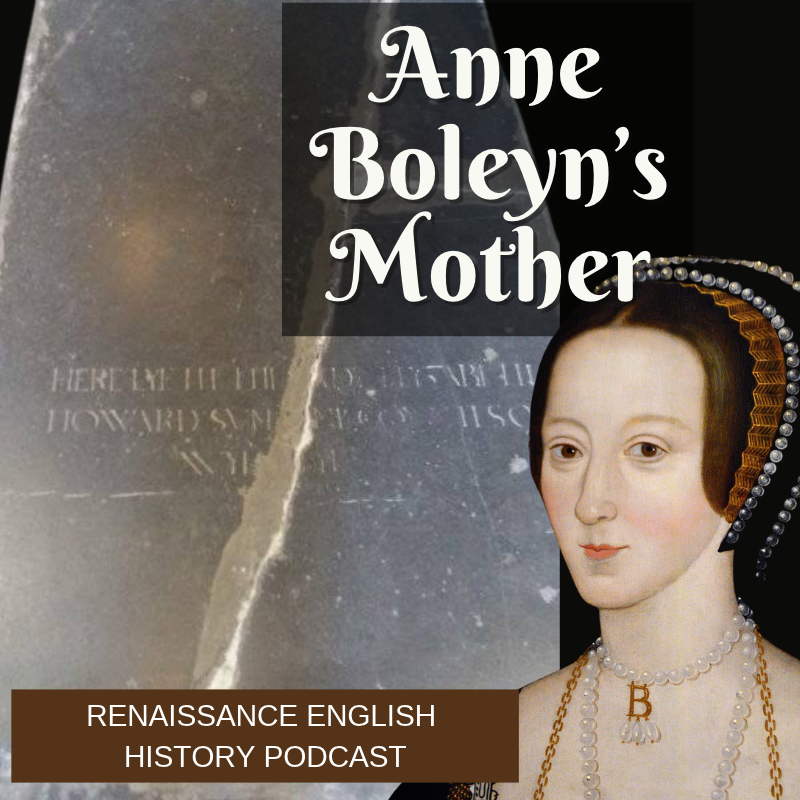 Finding Elizabeth Boleyn, Anne Boleyn’s Mother 18.11.2026 27mAnne Boleyn’s mother is one of the hardest women in the whole Tudor century to find. Most books give her a sentence or two and move on. So I went looking properly, through the letters, the gift lists and the court gossip, and I found a lot more than I expected. Elizabeth Howard was born on the losing side of Bosworth. As a teenager, she may have helped stitch a garland of pearls for the poet John Skelton, who wrote her a little poem in thanks. She married Thomas Boleyn when he had fifty pounds a year, and he later said she “brought me every year a child.” She lived to see Anne crowned. Then sh...
-
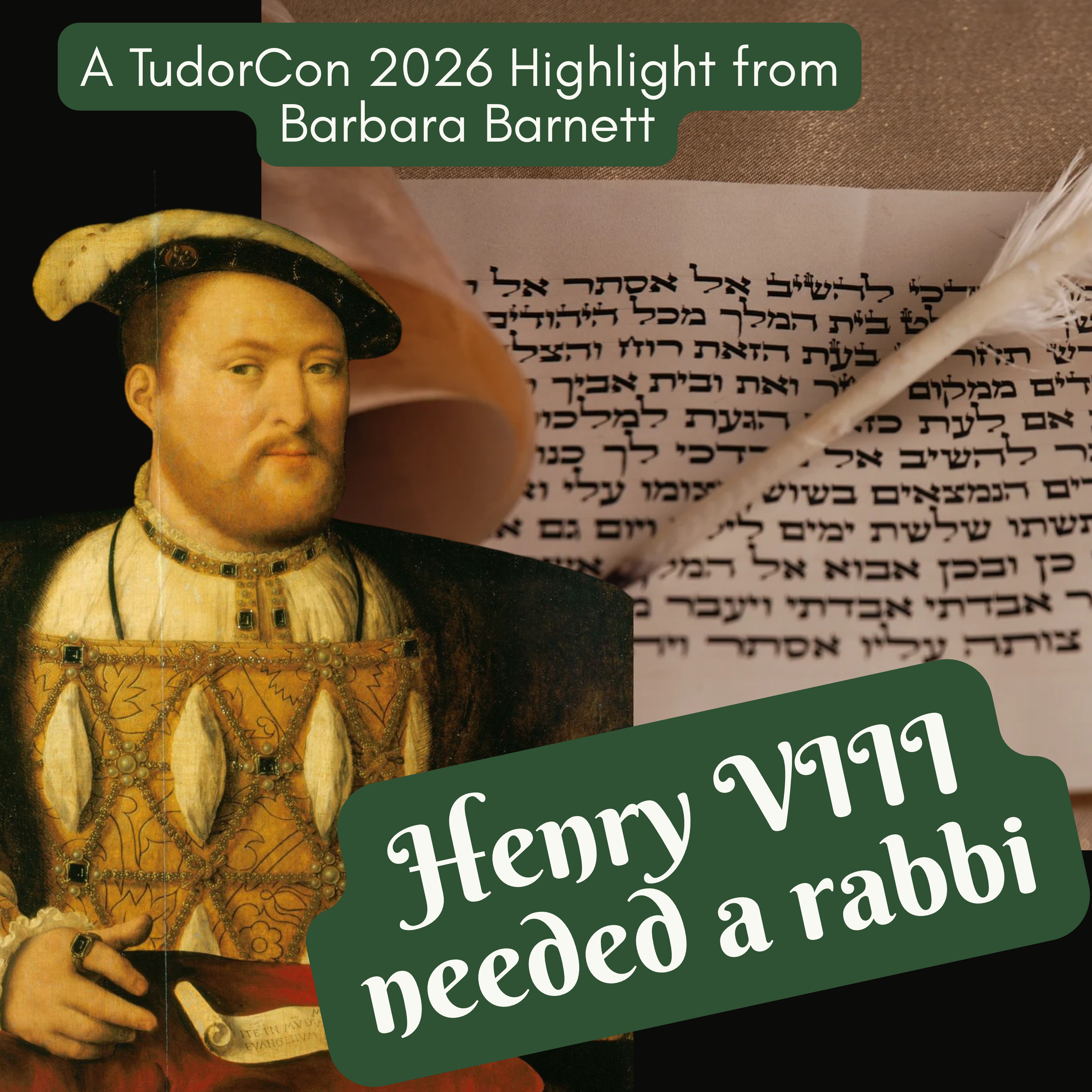 Were There Jews in Tudor England? Physicians, Musicians and Spies at the Tudor Court | TudorCon 2026 17.11.2026 27mOfficially, there were no Jews in Tudor England. Edward I expelled them in 1290, and they weren’t let back in until Cromwell in the 1650s. But as Barbara Barnett shows, “no Jews in England” was more of a legal fiction than a fact. In these highlights from her TudorCon 2026 talk, Barbara follows the converso families who fled the Spanish Inquisition and the 1492 Alhambra Decree. They made new lives in London and Bristol, lived outwardly as Christians, and kept their faith behind closed doors. Some of them ended up very close to the crown. In this talk: Henry VIII sends agents to Italy to consul...
-
How the Tudors Fought the Dark (When a Pound of Candles Cost a Day’s Pay) 17.11.2026 22mIn a Tudor November, it got dark around four in the afternoon and stayed dark for something like fifteen hours. Every bit of light in the house between dusk and dawn had to be made by somebody, and most of it had to be paid for. In this episode I’m digging into how the Tudors fought the dark. How you lit a fire with no matches, and why “curfew” started out as a fire safety rule. Why a pound of wax candles could cost a skilled carpenter a whole day’s pay. How Henry VIII’s courtiers got their candles by rank, and why Wolsey wanted the stubs back every morning. And how the Reformation turned down...
-
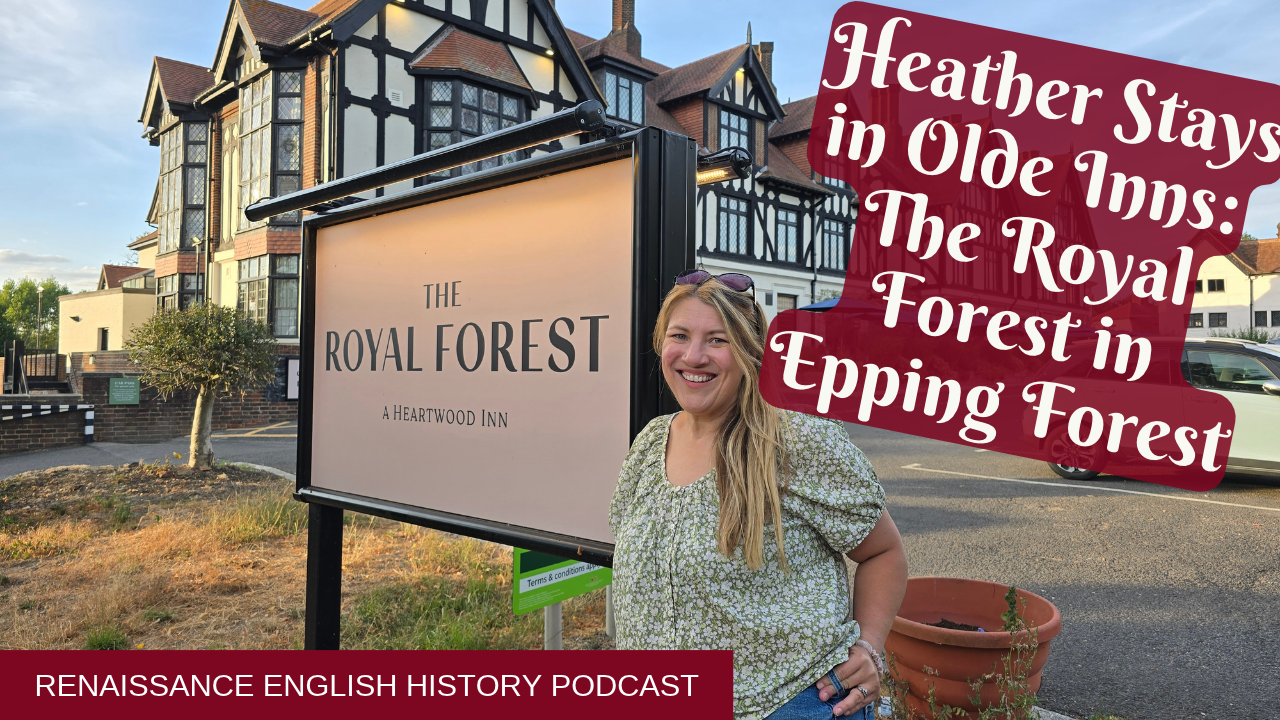 I Slept Next to Henry VIII’s Deer-Shooting Grandstand 15.11.2026 11mI slept next door to a building Henry VIII put up in 1543 so he could shoot deer without getting off his chair. It's called Queen Elizabeth's Hunting Lodge, and almost every word of that name is wrong. This is the final episode of Heather Stays in Olde Inns. We stayed at the Royal Forest in Chingford, a Victorian building dressed up as a Tudor one, right on the edge of Epping Forest. Our room had a bathtub in front of a stained glass window, and the staircase window shows Elizabeth out hunting with her court. Across the car park is the real thing, Henry's Great Standing. And the man he put in...
-
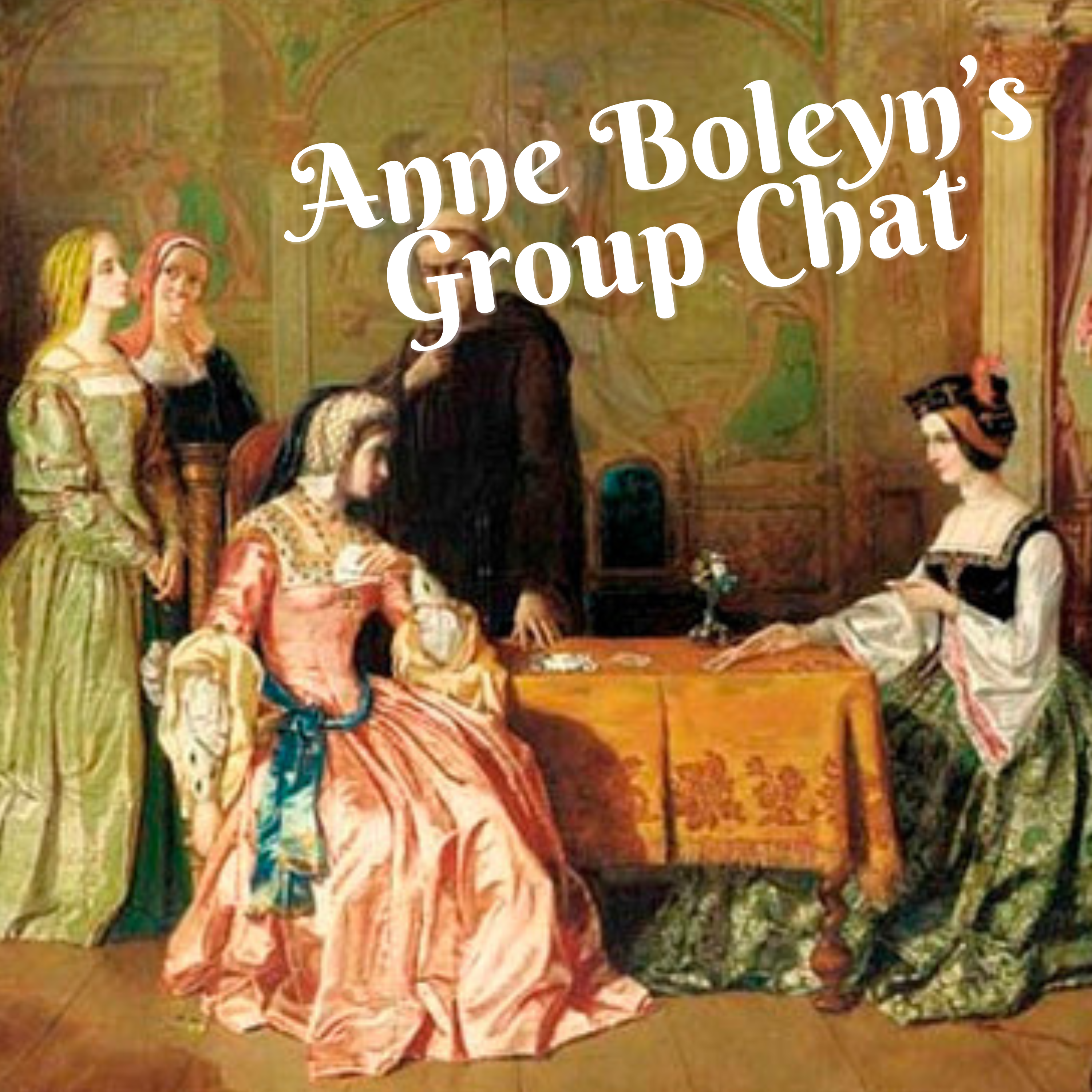 Anne Boleyn’s Ladies Had a Group Chat (And It Survived) 12.11.2026 18mIn the 1530s, a little paper book was passed around Anne Boleyn’s household. Her ladies and their friends copied poems into it, wrote their own, and argued about them in the margins. And it still exists! It’s called the Devonshire Manuscript. In this episode I’m telling the story of the people who wrote in it. Mary Shelton gets a love poem with her name hidden in it, and her friend Margaret Douglas scribbles “forget this” next to it. Margaret, Henry VIII’s niece, secretly marries Thomas Howard, and the two of them end up in the Tower. A run of love poems in the book seems to pass between them...
-
What Happened to Tudor Soldiers When They Came Home? 11.11.2026 13mIn August 1588, England beat the Spanish Armada. Weeks later, the sailors who did it were dying in the streets of Margate, sick and unpaid, with nowhere to go. So did the Tudors do anything for their veterans? It's Veterans Day, so I went looking, and the answer surprised me. We'll get into why Henry VIII's dissolution of the monasteries left wounded soldiers with nowhere to turn, why villagers were scared of the men walking home from Elizabeth's wars, and how England ended up with one of the first pension schemes for disabled servicemen. Along the way there's a fund the Armada sailors paid in...
-
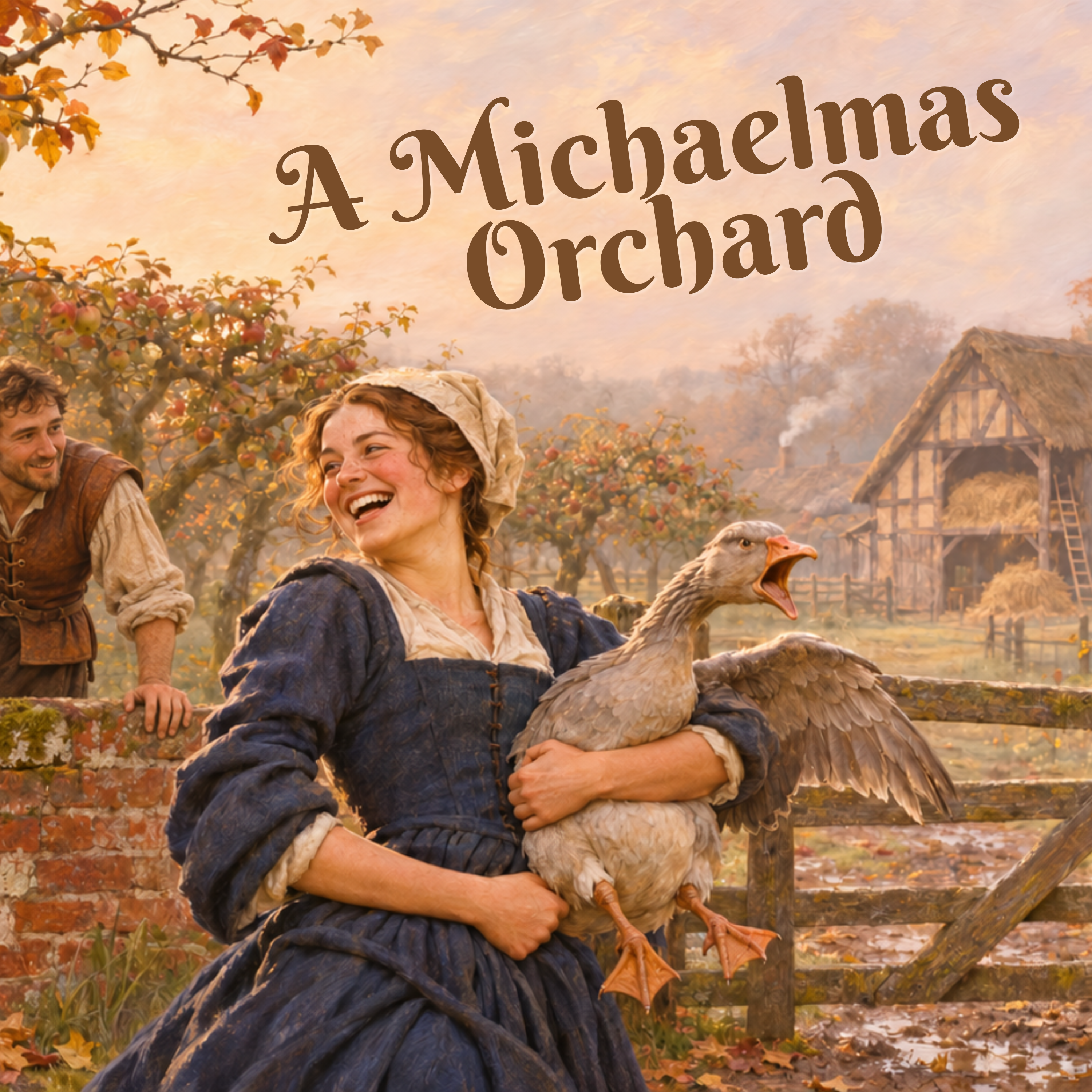 A Michaelmas Orchard | A Cozy Tudor Autumn Romance (Immersive Audio Story) 09.11.2026 25mPour yourself a cup of tea (or a mug of hot cider) and settle in for a cozy Tudor autumn romance. It’s Michaelmas, 1576, and Cecily Fenn has come down from London to buy an orchard’s apple crop for as little as she can. She’s allowed four days. Five if it rains. She did not plan on a runaway goose, a very stubborn orchard keeper, a charming rival with a lovely hat, or a storm that puts the whole harvest at risk. After you all enjoyed my Halloween audio story so much, I wanted to make another one, and this time it’s a cozy one. The people are invented, but the world around them is real. Henry V...
-
The Gunpowder Plot Was a Real-Life Thriller (And Guy Fawkes Wasn’t the Mastermind) 06.11.2026 35mIt’s November 5th, and I’ve told the Gunpowder Plot before, but never like this. This time I’m telling it as the thriller it really was. Secret oaths sworn in a London inn. A soldier who renamed himself Guido and spent months guarding 36 barrels of gunpowder under the House of Lords. An anonymous letter delivered in the dark, a midnight raid, and a gallop across the Midlands on stolen horses. And a final standoff where the conspirators managed to set their own gunpowder on fire. I could not believe some of this when I read it. We’ll also meet Robert Catesby, the charismatic man who actually dr...
-
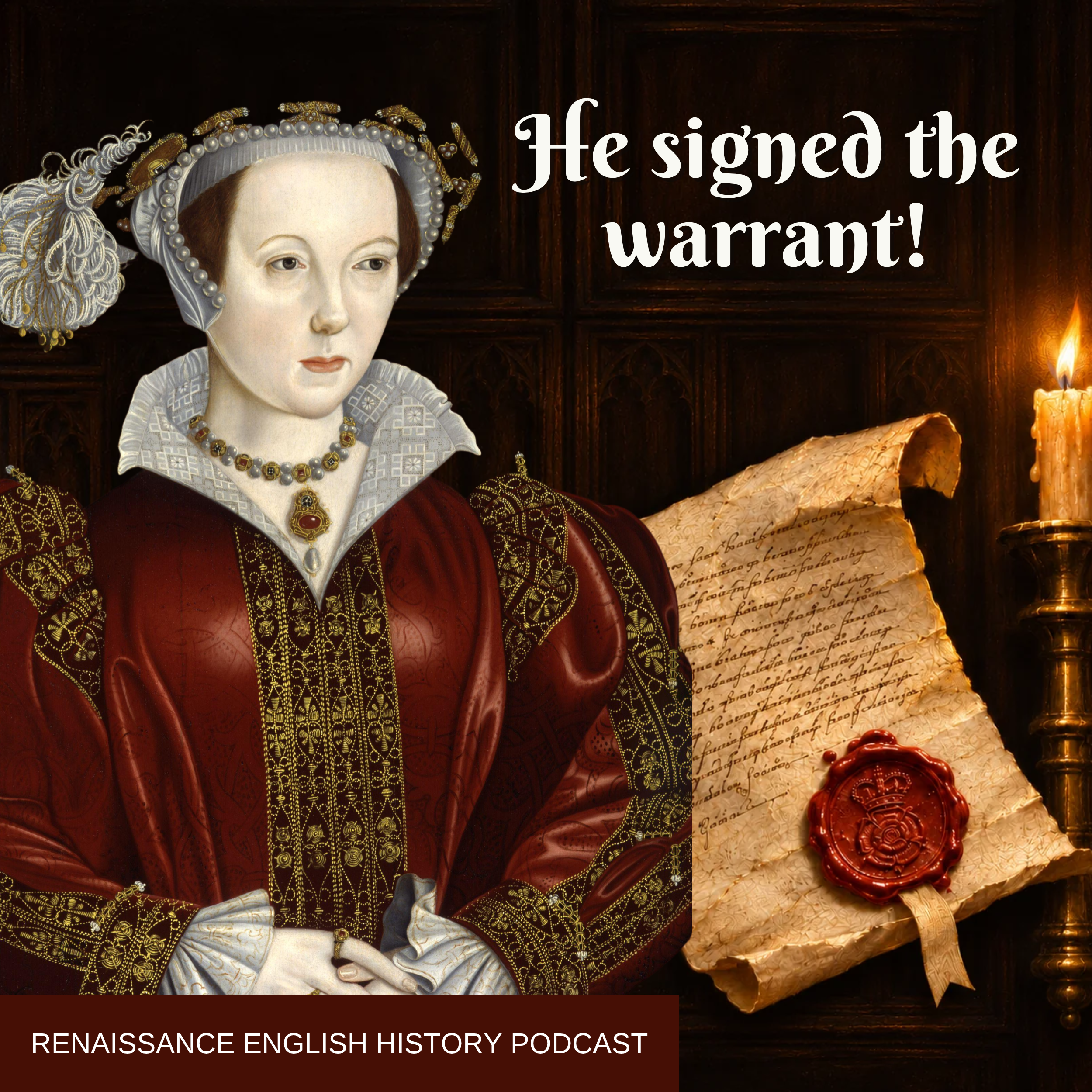 Henry VIII Signed Her Arrest Warrant. Katherine Parr Talked Her Way Out. 03.11.2026 27mIn the summer of 1546, Henry VIII signed a warrant for the arrest of his sixth wife. Katherine Parr found out because somebody dropped it on the floor. Today we're spending time with the queen who's usually remembered as Henry's nurse, and I think that does her a real disservice. Before she ever married the king, Katherine had been held hostage by rebels in a Yorkshire castle. As queen, she ran England as regent while Henry was at war in France, and she became the first woman to publish a book in English under her own name. She also turned her rooms at court into a study circle for reform-mind...
-
 How a Total Nobody Convinced England He Was Meant to Be King | Nathen Amin at TudorCon 28.10.2026 1h 20mIt’s the Wednesday after TudorCon and I’m finally coming up for air! I’m so excited to share Nathen Amin’s keynote with you. This was Nathen’s first ever talk in America, and it only took us six years to get him here. Nathen walks us through how Henry VII, the great-great-great-grandson of a king (through a female line with a whiff of illegitimacy, no less), convinced an entire country he was supposed to be on the throne. And the man put his message on EVERYTHING. Red dragons and Welsh prophecy, the Tudor rose, a fertility-themed bed of state (yes, really), naming his son Arthur, gold coins as...
-
 How Women Lost Their Magic (Medieval Charms to the Pendle Witches) 20.10.2026 31mLong before anyone in England was hanged as a witch, ordinary women had a magic of their own. They wrapped parchment girdles covered in prayers around their bellies in labor. They borrowed holy relics from the parish like library books. They baked cakes in total silence on St Agnes’ Eve, hoping to dream of the man they’d marry. Nobody called them witches. It was just how you got through life. In this audio episode, I follow what happened to that magic from the 1400s to the Pendle trials of 1612. You’ll meet Eleanor Cobham, who went to the Witch of Eye for help having a baby. There’s Ursula Kem...
-
 I Stayed in a 700-Year-Old Coaching Inn Where Dickens (Maybe) Wrote Pickwick 06.10.2026 11mThis summer I travelled around the south of England staying in historic inns, and stop number three was the White Horse in Dorking, Surrey. There's been a building on this spot since at least 1278, when it belonged to the Knights Hospitaller, and it later became one of the big coaching inns on the road from London to Horsham. We got there way too early to check in, so we played board games at Game N Play (a board game café AND a ukulele shop). Then I fell in love with St Martin's Church, spent far too long in Waterstones, and went for an evening walk toward Box Hill (Jane Austen's Emma picnic,...
-
Henry VIII's Playbook for Taking Over the Church 05.10.2026 29mHenry VIII didn't dismantle the Church in England. He took it over, one step at a time, and the plan looks an awful lot like a hostile corporate takeover. Squeeze the leadership, take the board, cut off Rome, audit everything, find some dirt, close the small houses first, and then come for the big ones. In this episode I walk through the whole playbook, from the 1531 fine on the clergy to the abbot of Glastonbury being dragged up the Tor in 1539. And I make the case for the people it was run on, the monks, nuns and friars who lost their homes, and the towns that lost their hospital, almshouse...
-
Melancholy, Mutton Candles and Banned Bells: How the Tudors Faced the Dark 01.10.2026 19mBy All Saints' Day in Tudor London, the sun was down by quarter past four. In the final episode of our autumn series, we find out how the Tudors got ready for the long dark, in their bodies, in their homes, and in their hearts. We start with the health books. Sir Thomas Elyot warned that autumn was "dangerous to all ages, all natures, and all countries," and Andrew Boorde had a whole diet for melancholy people (no red wine, sorry!). Then we light the mutton-fat candles with Thomas Tusser, find out why one doctor thought the smell of apples was dangerous, and hang out the lanterns with London's...
-
From Farm Servant to Queen: How Every Tudor Got Ready for Autumn 30.09.2026 15mEvery September, all of Tudor England was on the move. In episode 3 of our autumn series, we climb the social ladder one rung at a time, from a seventeen-year-old farm servant looking for next year's job all the way up to Queen Elizabeth watching sea gods row across a lake that was dug just for her. On the way, we find out why quitting your job without a written testimonial could land you in prison in 1563, wander through Stourbridge Fair (one of the biggest fairs in Europe, right outside Cambridge), peek into Sir William Petre's household accounts at Ingatestone, and follow the court to Elvet...
-
 Thomas Tusser's Tudor To-Do List for Autumn (Written Entirely in Rhyme) 29.09.2026 19mThe harvest is in. Now what? In episode 2 of our autumn series, we head out into the Tudor village with the best guide I could possibly have found: Thomas Tusser, a former choirboy and court musician who walked away from court, became a Suffolk farmer, and wrote an entire farming manual in rhyme. We crash a harvest home celebration spotted near Windsor by a German traveller in 1598, follow the gleaners into the stubble and the pigs into the woods, and find out why "mast fats up swine, mast kills up kine." Then we spend time with the Tudor farmer's wife, who was winnowing corn, making malt, dri...
-
Why Tudor Tenants Brought Their Landlord a Goose (Michaelmas Explained) 28.09.2026 18mSeptember 29th was one of the biggest days of the Tudor year, and most of us have never heard of it. Michaelmas, the feast of St Michael and All Angels, was when rent came due, farm servants' contracts ran out, London chose its Lord Mayor, and the lawyers and students all headed back to town. It was also goose day, and the reason tenants turned up at the landlord's door with a goose under their arm is funnier (and a little sadder) than you'd think. This is episode 1 of a four-part series on how the Tudors got ready for autumn. In this one: 🪽 Who St Michael was, and why he's weighing souls in...
Similar podcasts


Popular in
The podcast also appears in the podcast charts of these countries.


