
Complex Systems with Patrick McKenzie (patio11)
Patrick McKenzie
0
We live in a world where our civilization and daily lives depend upon institutions, infrastructure, and technological substrates that are complicated but not unknowable. Join Patrick McKenzie (patio11) as he discusses how decisions, technology, culture, and incentives shape our finance, technology, government, and more, with the people who built (and build) those Complex Systems.
Episodes
-
 Why banks pay you to use their credit cards 01.10.2026 25mPatrick McKenzie (patio11) reads his Bits about Money essay on how credit cards make money. The prompt was a listener who wondered how a card can include free travel insurance for someone who never carries a balance. He covers the four ways a card earns revenue (net interest, interchange, fees and marketing contributions), and explains why rewards competition makes some customers in the middle of the credit score ladder persistently unprofitable. He also explains why Europe's interchange cap left cards at about half of electronic payments, while Japan's uncapped interchange quietly pays for the rest of its consumer banking. In a new postscript, he walks through what a proposed 10% APR cap would mean for cardholders at the low end of the market, and how First Republic made sub-10% unsecured loans work by treating them as a way to win deposits.–Full transcript available here: https://www.complexsystemspodcast.com/why-banks-pay-you-to-use-their-credit-cards/ –Presenting Sponsors: Mercury & GranolaComplex Systems is presented by Mercury—radically better banking for founders. Mercury Spend hands your team and agents their own cards with limits you set once, so nobody waits on you to approve a SaaS invoice and nobody chases a receipt. Apply online in minutes at https://mercury.com/. If meetings consistently leave you with hazy action items and lost context, Granola handles the transcription so you can actually participate and gives you searchable notes afterward. Try it free at granola.ai/complexsystems with code COMPLEXSYSTEMS–Links:How credit cards make money: https://www.bitsaboutmoney.com/archive/how-credit-cards-make-money/ –Timestamps:(00:00) Intro(01:11) How credit cards make money(01:55) Bundling and unbundling(03:12) Revenue levers for credit cards(03:23) Net interest(06:19) Interchange(07:34) Interchange makes cards so valuable you're paid to use them(10:02) Fees(10:50) Marketing contributions(13:05) Debit cards: a horse of a different color(13:32) Sponsors: Mercury | Granola(16:54) Postscript(25:27) Wrap
 -
 Stranded? Who pays when air travel breaks 25.09.2026 41mPatrick McKenzie (patio11) got stranded overnight after a backhoe severed a single fiber optic cable, knocking out air traffic control across much of the eastern US. His airline declined to pay for the hotel. In this episode, he walks through who actually owes you what when air travel breaks: federal refund rules, the airlines' "controllable delay" commitments, credit card trip delay coverage, and the goodwill credit a well-placed phone call can unlock. Along the way, he explains why checkout-page travel insurance pays back only about 40 cents on the dollar and why 5,000 apology miles are worth about $60.–Full transcript available here: https://www.complexsystemspodcast.com/stranded-who-pays-when-air-travel-breaks/ –Presenting Sponsors: Mercury & GranolaComplex Systems is presented by Mercury—radically better banking for founders. Mercury Spend hands your team and agents their own cards with limits you set once, so nobody waits on you to approve a SaaS invoice and nobody chases a receipt. Apply online in minutes at https://mercury.com/If meetings consistently leave you with hazy action items and lost context, Granola handles the transcription so you can actually participate and gives you searchable notes afterward. Try it free at granola.ai/complexsystems with code COMPLEXSYSTEMS–Links:Seeing like a Bank: https://www.bitsaboutmoney.com/archive/seeing-like-a-bank/ –Timestamps:(00:00) Intro(00:38) A severed fiber cable and a double misconnect(02:25) The dangerous professional approach to travel disruption(05:09) Delay codes and why the cause matters(06:57) Tiered customer service at airlines(08:29) Who to talk to at the airport(12:03) Remote customer support and the trouble with chat(17:02) Waterfall item one: the DOT automatic refund rule(19:38) Sponsors: Mercury | Granola(22:57) Waterfall item two: airline commitments and controllable causes(26:18) Waterfall item three: why paid travel insurance is a bad product(30:05) Credit card travel benefits(32:37) Waterfall item four: asking the airline for a goodwill credit(36:17) Politeness, magic words, and negotiating the credit(39:24) Last resorts: DOT complaints and small claims court(41:02) Wrap
 -
 Forced vacations are a fraud control 17.09.2026 28mPatrick McKenzie (patio11) reads his Bits About Money essay "Financial systems take a holiday" (originally published February 2024), prompted by a conversation with a prior guest about how even exchanging calendars between financial institutions is hard. He explains why banks run at something closer to "five twos" of uptime than Google's five nines, using Japanese banks' idiosyncratic, company-specific "Company Foundation Day" to show how a holiday can be entirely real and consequential while appearing on no official list anywhere.–Full transcript available here: https://www.complexsystemspodcast.com/forced-vacations-are-a-fraud-control/ –Presenting Sponsors: Mercury & GranolaComplex Systems is presented by Mercury—radically better banking for founders. Mercury Spend hands your team and agents their own cards with limits you set once, so nobody waits on you to approve a SaaS invoice and nobody chases a receipt. Apply online in minutes at https://mercury.com/. If meetings consistently leave you with hazy action items and lost context, Granola handles the transcription so you can actually participate and gives you searchable notes afterward. Try it free at granola.ai/complexsystems with code COMPLEXSYSTEMS–Links:Source essay: https://www.bitsaboutmoney.com/archive/financial-systems-take-a-holiday/Alex Elliott on Complex Systems: https://www.complexsystemspodcast.com/episodes/two-banks-cant-agree-on-fourth-grade-math/ –Timestamps:(00:00) Intro(01:31) Financial systems take a holiday(03:29) What is a holiday, anyway?(10:33) Fun operational consequences of holidays(15:07) Sponsor: Mercury | Granola(18:27) Fun operational consequences of holidays (cont’d)(21:29) "This is crazy. Let's get rid of holidays"(26:31) Will this change?(27:55) Wrap
 -
 Everyone wants to be your wallet 03.09.2026 33mPatrick McKenzie (patio11) reads his Bits About Money essay on the business of wallets, with new commentary, prompted by paying his barber $100 over Venmo and wondering why PayPal so badly wants to be in the middle of that transaction. He walks through the economics that make wallets irresistible to anyone already moving money for users: funds enter the ecosystem at card interchange rates, move inside it at the cost of a database transaction, and get topped up over ACH pulls that cost about five cents at scale. From there he covers co-branded debit and credit cards, the loss-sharing language in PayPal's 10-K, Apple's 15 basis points on Apple Pay, and why a checkout page crowded with payment buttons starts to look like advertising inventory.–Full transcript available here: https://www.complexsystemspodcast.com/everyone-wants-to-be-your-wallet/–Presenting Sponsors: Mercury & GranolaComplex Systems is presented by Mercury—radically better banking for founders. Mercury Spend hands your team and agents their own cards with limits you set once, so nobody waits on you to approve a SaaS invoice and nobody chases a receipt. Apply online in minutes at https://mercury.com/. If meetings consistently leave you with hazy action items and lost context, Granola handles the transcription so you can actually participate and gives you searchable notes afterward. Try it free at granola.ai/complexsystems with code COMPLEXSYSTEMS–Links:Source essay: https://www.bitsaboutmoney.com/archive/the-business-of-wallets/Link: https://stripe.com/payments/link –Timestamps:(00:00) Intro(03:06) The big question about wallets(04:11) Wallets show up early in the life of the Internet(06:01) Stocks, flows, and whatever the heck a wallet is(09:21) What does an ACH pull cost?(11:01) Extensions on the basic wallet model(11:38) What's in your wallet? A new debit card(14:49) Sponsors: Mercury | Granola(18:09) What's in your wallet? A new debit card (cont’d)(23:06) Put the wallet on the phone already(24:50) That smells like an ads business(27:33) Speaking of Stripe and wallets(32:52) Wrap
 -
 How AI detection actually works, with Pangram’s Max Spero 27.08.2026 1h 4mPatrick McKenzie (patio11) is joined by Max Spero, co-founder and CEO of Pangram Labs, which builds models that identify AI-generated text and images. Max goes under the hood to explain how AI detection actually works. They also discuss the institutions that quietly assumed writing was expensive: credit bureaus that negotiated the right to shred templated dispute letters, grant committees where reading the application is five percent of the work, and unemployment offices staffed for a world where claims cannot plausibly rise two hundredfold. –Full transcript available here: https://www.complexsystemspodcast.com/how-ai-detection-actually-works-with-pangrams-max-spero/ –Presenting Sponsors: Mercury & GranolaComplex Systems is presented by Mercury—radically better banking for founders. Mercury Spend hands your team and agents their own cards with limits you set once, so nobody waits on you to approve a SaaS invoice and nobody chases a receipt. Apply online in minutes at https://mercury.com/. If meetings consistently leave you with hazy action items and lost context, Granola handles the transcription so you can actually participate and gives you searchable notes afterward. Try it free at granola.ai/complexsystems with code COMPLEXSYSTEMS–Links:Pangram Labs: https://textguard.ai/ –Timestamps:(00:00) Intro(00:27) Why AI detection exists(01:42) Friction as a rate limiter(05:42) What Pangram actually does(06:57) Authorship identification at scale(11:01) Common Crawl and the crawling arms race(15:52) Being in the weights(18:08) Ghostwriting letters to banks(19:45) Templated letters and the FCRA loophole(22:38) The anti-memetic property of LLM text(25:28) Value above the weights(27:03) What happens to programmers(30:19) Sponsors: Mercury | Granola(33:39) Jevons Paradox and the compiler(36:44) What comes after the coding harness(40:19) Mode collapse and the dinner recommendation problem(43:00) The patio11 fan blog(45:58) Cognitive surplus and the dead internet(49:40) Is this fight winnable?(54:35) Reputation and disclosure norms(58:02) Training on books and moral standing(01:01:52) Attention, phones, and what we've gained(01:04:17) Wrap
 -
 Two banks can't agree on fourth-grade math | Alex Elliott 20.08.2026 1h 3mPatrick McKenzie (@patio11) is joined by Alex Elliott (@alexpotato), who has spent his career in SRE and operations roles at financial firms ranging from ten-person fintechs to global investment banks, to discuss what the back office actually does all day. They cover the life cycle of a trade: execution, clearing, settlement, and the constant reconciliation between counterparties who don't quite agree on what happened. Alex recounts the Friday afternoon when twenty million shares went out to the street instead of five, and Patrick explains what happens between 4:15 and 4:30 when one bank owes another $36 million and the person who owns that process is on vacation.–Full transcript available here: https://www.complexsystemspodcast.com/two-banks-cant-agree-on-fourth-grade-math/ –Presenting Sponsors: Mercury, MongoDB & GranolaComplex Systems is presented by Mercury—radically better banking for founders. Mercury's new feature Command brings an LLM directly into your banking interface, so checking balances, finding invoices, or sending a wire is as easy as asking. Apply online in minutes at https://mercury.com/. If meetings consistently leave you with hazy action items and lost context, Granola handles the transcription so you can actually participate and gives you searchable notes afterward. Try it free at granola.ai/complexsystems with code COMPLEXSYSTEMSWhat's the point of building faster with AI if your database can't keep up? MongoDB's native data model mirrors the language LLMs already speak. Ship at the speed of AI while staying ACID compliant at Fortune 500 scale. Start building at https://mongodb.com/ai.–Links:Alex’s website: https://alexpotato.com/ –Timestamps:(00:00) Intro(01:48) The life cycle of a trade(04:37) Why you don't know who you traded with(06:01) Hiding a large block trade(10:04) Information walls inside financial firms(12:49) What the middle office does: managing positions(15:41) Calendars, time zones, and other sources of gibbering madness(19:37) War story: twenty million shares out the door(22:45) Sponsors: Mercury | Granola(25:50) Ops as an iterated game(28:53) Busting trades and who has the authority(33:38) Sponsor: MongoDB(34:29) Inside the Knight Capital collapse(35:49) Agreements, obligations, and who you have to call(36:57) Reconciliation, FTP files, and the humans behind them(39:16) Deadlines, cutoffs, and the $36 million phone call(44:26) How two banks fail to agree on fourth-grade math(48:54) When the golden record goes down(51:55) Finding the one person who can sell the position(54:09) How much business do we do with Fidelity?(56:38) Prime brokerage and extending credit(01:01:03) Smart flow, dumb flow, and payment for order flow(01:02:45) Wrap
 -
 LLMs and the economics of Evil, Inc., with Manish Goregaokar 13.08.2026 1h 2mPatrick McKenzie (patio11) is joined by Manish Goregaokar, a senior software engineer and member of the Rust security response team, to discuss what LLMs do to the cost side of running a sophisticated con. They walk through a scam built for programmers: a plausible company, a few rounds of interviews, and an NDA signed via "sign in with email" that quietly hands an attacker the identity account everything else resets against. A version of it hit at least five people in the Rust community within days of Manish publishing on the subject, and Patrick describes being targeted himself by someone posing as a Bloomberg reporter who wanted him on a Zoom call with a codec problem. They also cover money mules and the three stages of laundering, the $25 million Hong Kong transfer authorized on a fully deepfaked video call, and why the only durable individual defense is refusing to trust any communication you did not initiate.–Full transcript available here: https://www.complexsystemspodcast.com/what-llms-do-to-the-economics-of-scams-with-manish-goregaokar/ –Presenting Sponsors: Mercury, MongoDB & GranolaComplex Systems is presented by Mercury—radically better banking for founders. Mercury's new feature Command brings an LLM directly into your banking interface, so checking balances, finding invoices, or sending a wire is as easy as asking. Apply online in minutes at https://mercury.com/. If meetings consistently leave you with hazy action items and lost context, Granola handles the transcription so you can actually participate and gives you searchable notes afterward. Try it free at granola.ai/complexsystems with code COMPLEXSYSTEMSWhat's the point of building faster with AI if your database can't keep up? MongoDB's native data model mirrors the language LLMs already speak. Ship at the speed of AI while staying ACID compliant at Fortune 500 scale. Start building at https://mongodb.com/ai.–Links:Manish Goregaokar’s blog: https://manishearth.github.io/ Manish on X: https://x.com/ManishEarth–Timestamps:(00:00) Intro(00:27) The future of the con is already here(01:40) Scams are run like businesses(03:30) A scam aimed at programmers(05:12) Why single sign-on is the one ring to rule them all(06:50) Persistent threats against individuals(08:58) What LLMs change about cost(11:40) Manual scams and business email compromise(14:30) How money movement constrains scammers(17:39) The industry that helps you pay ransoms(19:32) Bespoke attacks on individual targets(21:41) The Rust community gets targeted(23:02) Supply chain attacks and long-lived impersonation(24:58) Money mules and the three stages of laundering(28:35) Why law enforcement struggles with internet crime(30:01) Sponsors: Mercury │ Granola(33:03) Patriotic hackers and the post-Soviet talent pool(35:27) What individuals can do(36:27) Only trust communication you initiate(38:21) Wire fraud in real estate closings(41:07) Why legitimate institutions look like scams(45:22) Who eats the loss(47:21) Sponsor: MongoDB(48:12) Why banks can't just block new payees(50:45) Verification protocols and family passwords(53:07) Urgency and secrecy(54:44) Systemic fixes and who pays(57:55) Open weights and the coming wave(01:02:17) Wrap
 -
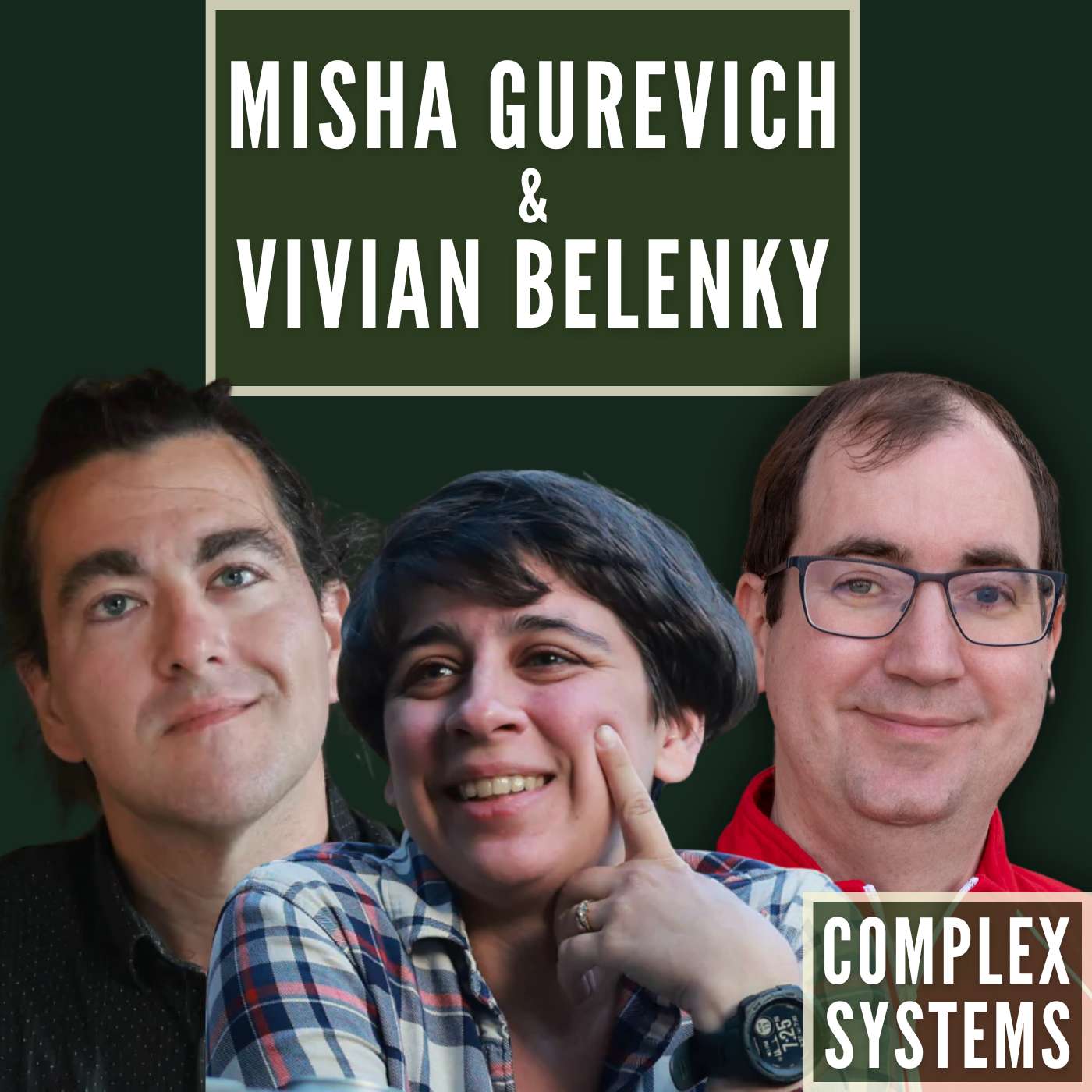 The economics of putting germicidal light in every room, with Misha Gurevich and Vivian Belenky of Aerolamp 06.08.2026 1h 16mIn this episode, Patrick McKenzie (patio11) is joined by Misha Gurevich, CEO of Aerolamp, and Vivian Belenky, its chief scientist and a researcher at Columbia, to discuss why UVC, a wavelength of light that inactivates airborne pathogens but is absorbed harmlessly by the dead outer layer of human skin, remains almost entirely undeployed. They explain the physics and safety case for 222 nanometers, the economics of installation, and preliminary South African trial results showing 90% suppression of tuberculosis transmission in hospital wards. –Full transcript available here: https://www.complexsystemspodcast.com/the-economics-of-putting-germicidal-light-in-every-room/ –Presenting Sponsors: Mercury & MongoDBComplex Systems is presented by Mercury—radically better banking for founders. Mercury's new feature Command brings an LLM directly into your banking interface, so checking balances, finding invoices, or sending a wire is as easy as asking. Apply online in minutes at https://mercury.com/. What's the point of building faster with AI if your database can't keep up? MongoDB's native data model mirrors the language LLMs already speak. Ship at the speed of AI while staying ACID compliant at Fortune 500 scale. Start building at https://mongodb.com/ai.–Links:Aerolamp: https://aerolamp.net/ –Timestamps:(00:00) Intro(00:58) What far UVC does to pathogens(03:25) Why it's safe for skin and eyes(09:24) What a typical deployment looks like(11:21) Why isn't this everywhere already?(13:55) Where the rollout should be prioritized(17:31) The economics per room and per building(20:56) Lamp lifetime and maintenance(21:48) When does the evidence become undeniable?(23:24) Tuberculosis and long-term care as early proof points(27:16) Pandemic math and kneecapping the next outbreak(30:16) Sponsors: Mercury | MongoDB(32:49) R0, K-factor, and why the built environment beats opt-in(34:23) Building codes, ASHRAE 241, and competing technologies(39:11) The deployment curve and the awareness problem(42:33) Scaling manufacturing: krypton chloride versus LEDs(45:14) Price versus cost, and where the inflection point is(47:35) Should you put one in your house?(51:51) What would make this fail?(56:09) The hygiene hypothesis objection(01:01:13) The precautionary principle and reasoning under uncertainty(01:06:04) Where the first million dollars should go(01:10:49) The business case and the heckler's veto(01:14:51) Where to find Aerolamp(01:15:52) Wrap
 -
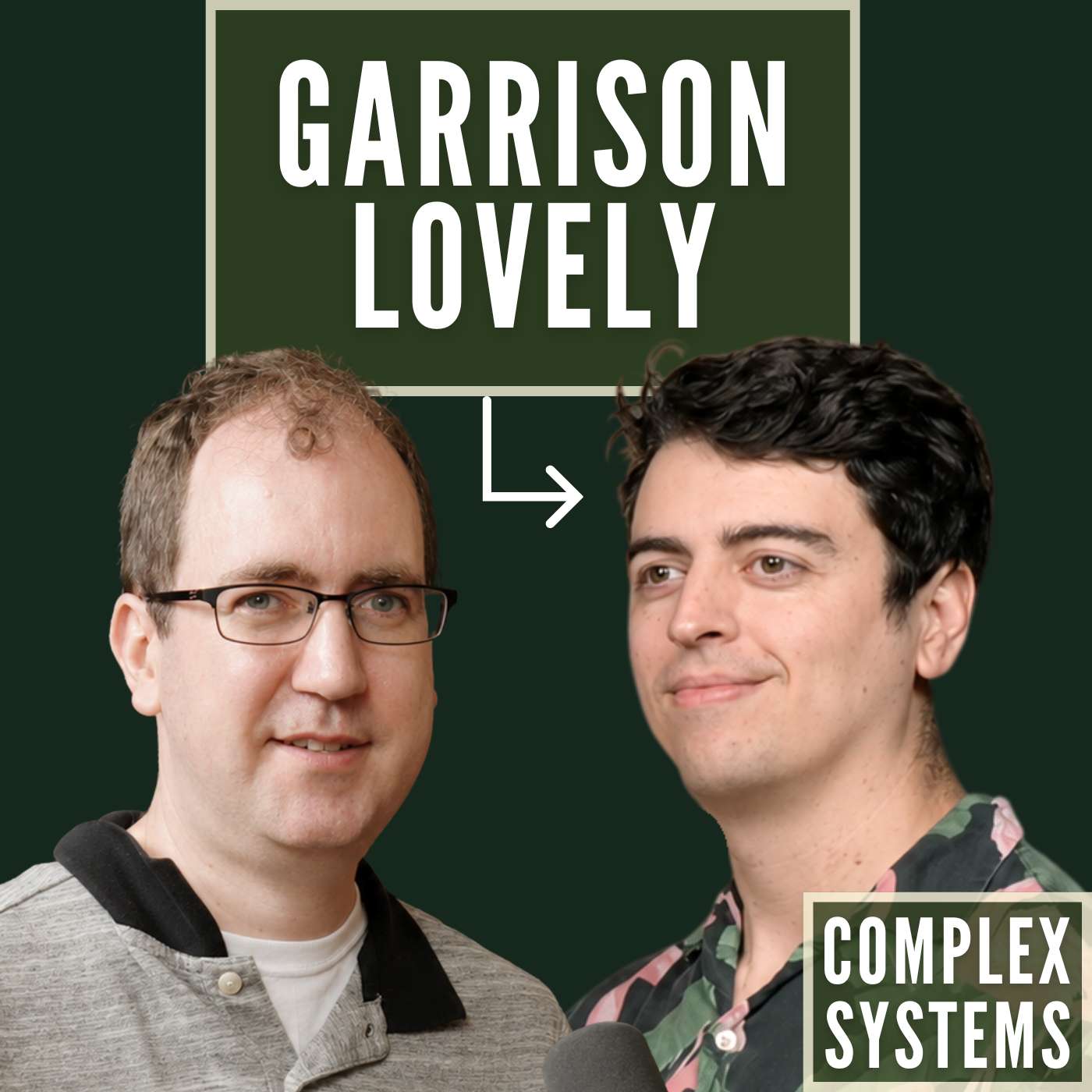 Cheap cognition, supercharged surveillance, and AI risks, with Garrison Lovely 30.07.2026 1h 20mPatrick McKenzie (patio11) is joined by Garrison Lovely, journalist and author of Obsolete: The AI Industry's Trillion-Dollar Race to Replace Us and How to Stop It, to map the three-sided debate over AI risk and why the arguments keep talking past each other. They then turn to what cheap cognition does to surveillance that already exists: FinCEN receives roughly 4 million suspicious activity reports a year and reads almost none of them, ICE agents run about a million queries against that database annually, and every podcast ever recorded is now transcribable for approximately nothing. The conversation covers capabilities denialism, ablated open-weights models, the fraud supply chain, and why AI is also unusually good at writing the Regulation E letter that gets your bank to fix your problem.–Full transcript available here: https://www.complexsystemspodcast.com/cheap-cognition-and-the-end-of-practical-obscurity-with-garrison-lovely/ –Presenting Sponsors: Mercury, MongoDB & ChainguardComplex Systems is presented by Mercury—radically better banking for founders. Mercury's new feature Command brings an LLM directly into your banking interface, so checking balances, finding invoices, or sending a wire is as easy as asking. Apply online in minutes at https://mercury.com/. What's the point of building faster with AI if your database can't keep up? MongoDB's native data model mirrors the language LLMs already speak. Ship at the speed of AI while staying ACID compliant at Fortune 500 scale. Start building at https://mongodb.com/ai.If attackers are using AI to weaponize code faster than any team can review it, your scanners won't save you. Chainguard builds libraries and container images from source, verified all the way down, with near-zero CVEs and zero malware. Build safely at https://www.chainguard.dev/. –Links:Obsolete: The AI Industry’s Trillion Dollar Race to Replace Us―and How to Stop It: https://www.amazon.com/Obsolete-Power-Profit-Machine-Superintelligence/dp/1682196305 –Timestamps:(00:00) Preview(00:43) Intro(01:51) The three-sided debate over AI risk(05:32) Power, politics, and the tech backlash(09:49) Capabilities denialism and AI tells(14:54) The obsoleting machine(17:09) The Turing test is dead(18:56) Languages for free, then software engineering(22:37) Sponsors: Mercury | MongoDB(25:09) How high up the stack do the models decide?(29:11) Surveillance and cheap cognition(32:38) Podcasts, FinCEN, and the end of practical obscurity(38:35) Section 702 and the data broker loophole(39:35) Sponsor: Chainguard(40:55) Section 702 and the data broker loophole (cont’d)(47:23) Institutional friction and a million ICE queries(53:29) Security through obscurity no longer works(54:54) Scams, fraud, and ablated models(1:00:20) Personal utility versus societal backlash(1:02:16) AI as a tool for redress(1:06:34) State capacity and regulating what you understand(1:12:37) Tobacco, nuclear, and AlphaFold: strangle it or steer it(1:18:37) Where to find Garrison and the book(1:20:32) Wrap
 -
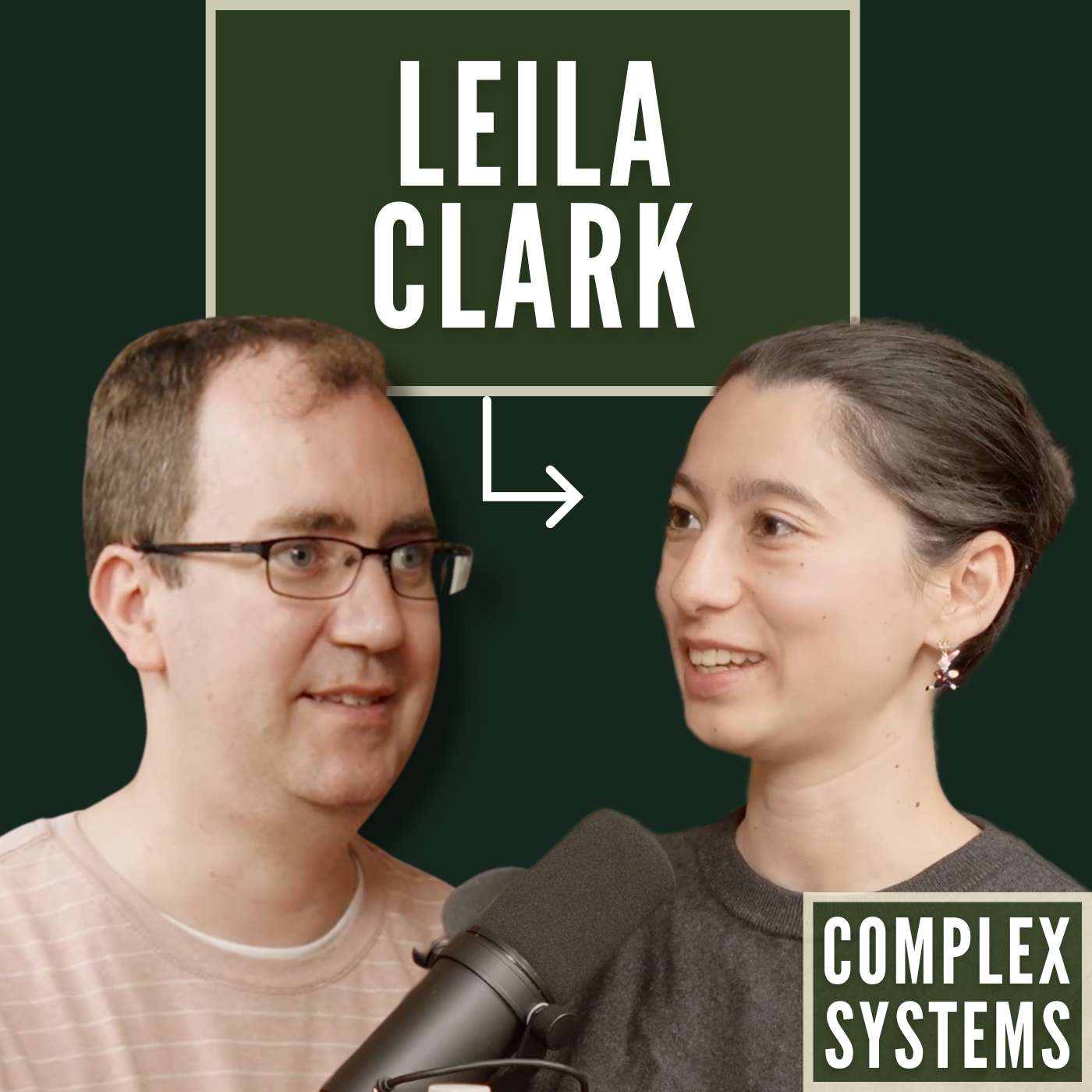 What you're actually getting paid in, with Leila Clark 23.07.2026 1h 4mIn this episode, Patrick McKenzie (patio11) is joined by Leila Clark, founder of Stardrift and formerly a software engineer at Jane Street, to discuss her essay "What Are You Getting Paid In?" They cover how a Jane Street manager staffed the firm's least lucrative corner by paying people in culture, why Ken Griffin is worth roughly fifty Taylor Swifts, and how a longtime Google product manager quietly ends up with Grammy-winner money. The conversation ranges from academia's brutal tournament structure and YC as a script to founderdom to the one currency Taylor Swift holds that Ken Griffin's $50 billion buys only awkwardly: a restaurant reservation anywhere in New York.–Full transcript available here: https://www.complexsystemspodcast.com/what-youre-actually-getting-paid-in-with-leila-clark/ –Presenting Sponsors: Mercury, Chainguard & MongoDB Complex Systems is presented by Mercury—radically better banking for founders. Mercury's new feature Command brings an LLM directly into your banking interface, so checking balances, finding invoices, or sending a wire is as easy as asking. Apply online in minutes at https://mercury.com/.If attackers are using AI to weaponize code faster than any team can review it, your scanners won't save you. Chainguard builds libraries and container images from source, verified all the way down, with near-zero CVEs and zero malware. Build safely at https://www.chainguard.dev/.What's the point of building faster with AI if your database can't keep up? MongoDB's native data model mirrors the language LLMs already speak. Ship at the speed of AI while staying ACID compliant at Fortune 500 scale. Start building at https://mongodb.com/ai.–Links:What are you getting paid in: https://www.approachwithalacrity.com/p/what-are-you-getting-paid-in –Timestamps:(00:00) Intro(01:23) What are you getting paid in?(03:16) Scripts, teacher figures, and hitting capitalism(08:18) The academia trap(11:08) Paying people in culture: Jane Street's back office(14:03) Ken Griffin vs. Taylor Swift(16:53) Learning about finance by osmosis (or not)(20:44) Sponsors: Mercury | Chainguard(23:46) Musician money vs. Google money(30:03) Keeping up with the Joneses and the meritocratic ladder(33:12) YC as a script to founderdom(36:19) What entrepreneurship pays you in(39:12) Gratitude, culture, and quirky preferences(40:11) Sponsor: MongoDB(43:48) Does winning this script look like winning to you?(48:29) Don't end the week with nothing(51:06) Fame and living in bubbles(56:57) Restaurant reservations as a currency(1:02:57) Where to find Leila(01:03:35) Wrap
 -
 What LLMs can and can't do for writers, with Clara Collier of Asterisk Magazine 16.07.2026 1h 35mPatrick McKenzie is joined by returning guest Clara Collier, editor-in-chief of Asterisk Magazine, to discuss how working writers and reporters actually use LLMs. Patrick walks through the machinery behind his recent SPLC reporting, including "parallel construction" with LLMs: when sources can't go on the record, models can surface public confirmation of the same facts in unguarded podcast interviews, press releases, and prepared remarks. They also cover why the best smoking gun sat unnoticed on the coalition's own Twitter account, the David O. Selznick theory of the corporate memo, and where hardball politics in a democracy ends and crimes begin.–Full transcript available here: https://www.complexsystemspodcast.com/llms-and-writers-with-clara-collier-of-asterisk-magazine/–Presenting Sponsors: Mercury, MongoDB & ChainguardComplex Systems is presented by Mercury—radically better banking for founders. Mercury's new feature Command brings an LLM directly into your banking interface, so checking balances, finding invoices, or sending a wire is as easy as asking. Apply online in minutes at https://mercury.com/. What's the point of building faster with AI if your database can't keep up? MongoDB's native data model mirrors the language LLMs already speak. Ship at the speed of AI while staying ACID compliant at Fortune 500 scale. Start building at https://mongodb.com/ai.If attackers are using AI to weaponize code faster than any team can review it, your scanners won't save you. Chainguard builds libraries and container images from source, verified all the way down, with near-zero CVEs and zero malware. Build safely at https://www.chainguard.dev/. –Links:Complex Systems on YouTube: https://www.youtube.com/@patio11podcast Asterisk Magazine: https://asteriskmag.com/ –Timestamps:(00:00) Preview(00:51) Intro(01:16) How legacy media feels about LLMs(05:02) Writing as thinking: why the byline matters(08:51) LLMs as feedback partners and simulated readers(12:39) The future of the corporate memo(15:58) Sponsor: Mercury | MongoDB(18:30) Memos, de-skilling, and thinking on paper(20:02) David O. Selznick's memos and the MrBeast production doc(23:28) Can models introspect on their own work?(30:06) Sponsor: Chainguard(31:27) The SPLC investigation(37:07) Chains of evidence and protecting sources(45:20) Parallel construction with LLMs(49:41) Mining podcasts for unguarded admissions(59:35) Deepen your strengths, don't just patch weaknesses(1:03:34) The smoking gun the LLM missed(1:04:48) Hardball politics versus crimes(1:10:48) Why a payments newsletter reported a political story(1:16:19) Reporting stories that will be weaponized(1:20:24) The tech right and internal company politics(1:23:44) Debanking discourse and drawing distinctions(1:30:21) Hate speech, social sanctions, and owning decisions(1:34:51) Wrap
 -
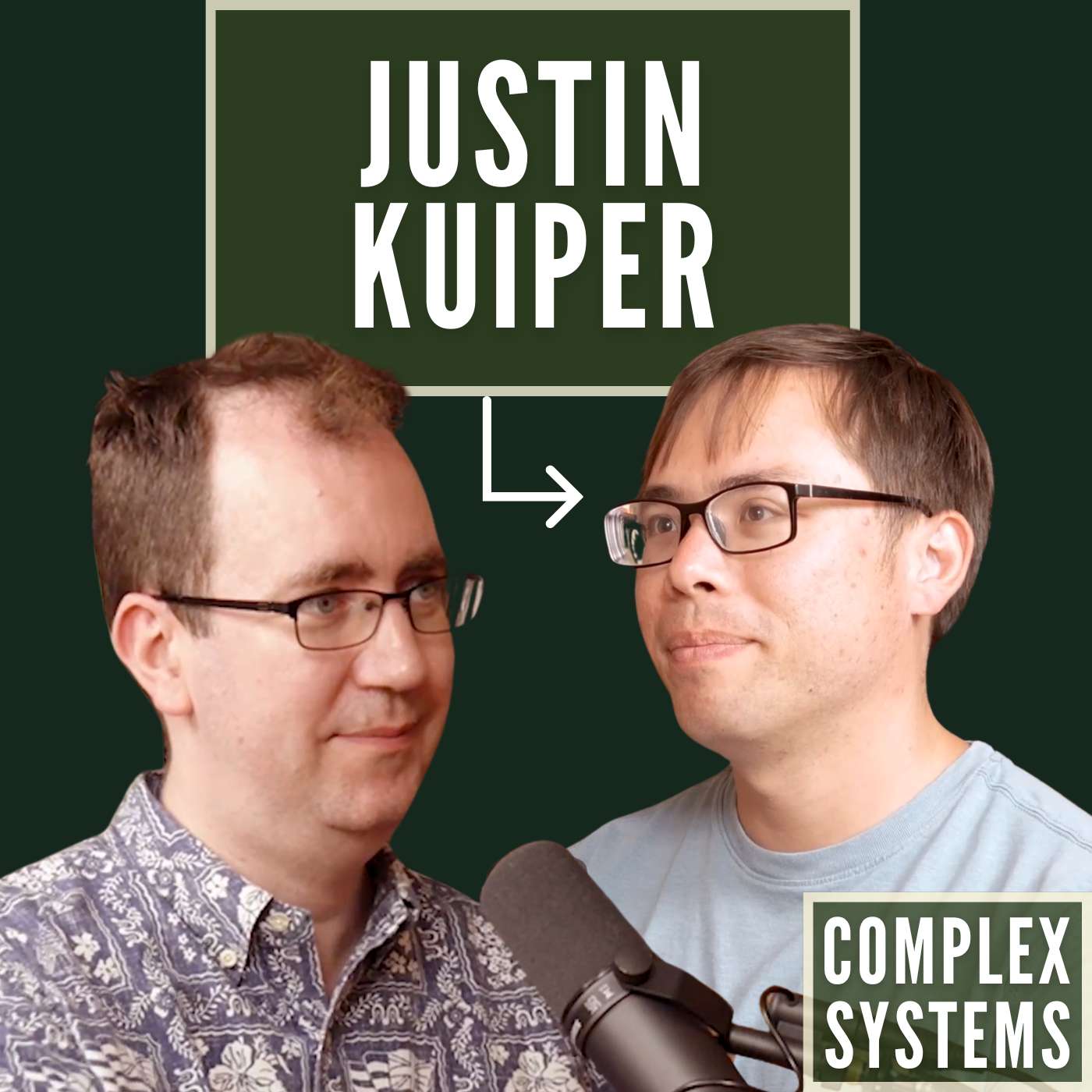 YouTube economics now, with Justin Kuiper 09.07.2026 1h 19mIn this episode of Complex Systems, Patrick McKenzie (patio11) is joined by Justin Kuiper, a longtime writer for MatPat's Game Theory family of channels and now creator of Proof Positive, to discuss the microeconomics of YouTube. They break down how creators actually get paid — from $3–$20 CPMs and the leaky funnel where a million views yields perhaps 50,000 actual ad views, to sponsor reads, Super Chats, and MrBeast selling chocolate bars as his own advertiser of last resort. Along the way, they explore how a successful channel becomes a firm that absorbs specialist labor from less successful peers, why the algorithm gives every upload a trial by attention, and what parasocial spending has in common with Mark Twain's speaking circuit.–Full transcript available here: https://www.complexsystemspodcast.com/justin-kuiper-youtube/ –Presenting Sponsors: Mercury, Chainguard & MongoDB Complex Systems is presented by Mercury—radically better banking for founders. Mercury's new feature Command brings an LLM directly into your banking interface, so checking balances, finding invoices, or sending a wire is as easy as asking. Apply online in minutes at https://mercury.com/. If attackers are using AI to weaponize code faster than any team can review it, your scanners won't save you. Chainguard builds libraries and container images from source, verified all the way down, with near-zero CVEs and zero malware. Build safely at https://www.chainguard.dev/. What's the point of building faster with AI if your database can't keep up? MongoDB's native data model mirrors the language LLMs already speak. Ship at the speed of AI while staying ACID compliant at Fortune 500 scale. Start building at https://mongodb.com/ai.–Links:Proof Positive on YouTube: https://www.youtube.com/channel/UCns_C7cPAguFSv2YdltaOsg –Timestamps:(00:00) Preview(00:45) How creators make money on YouTube(04:06) CPMs and the international ad market(06:36) From solo creator to firm: working for MatPat(09:28) Sponsors: Mercury | Chainguard(12:30) From solo creator to firm: working for MatPat (cont’d)(13:49) YouTube as a farm league for other industries(17:15) Why now is the best time to start: discovery and universal basic attention(20:47) Power users and how recommendations work(24:23) Brand safety, rabbit holes, and the money laundering short(27:38) Fads, timing, and the day-two piece(35:52) The production function: scripts, shot lists, and editing labor(42:14) The aesthetics of authenticity(46:58) Sponsor: MongoDB(47:47) Why more people should make videos(53:52) Content marketing, sponsor reads, and remnant inventory(01:00:24) Chocolate bars, paint sets, and creator products(01:05:00) Parasocial relationships and the market in status(01:16:43) Where to find Justin: Proof Positive(01:18:58) Wrap
 -
 The structural footprint of a bank run 01.07.2026 40mPatrick McKenzie (patio11) reads his 2023 essay "Deposit Franchises as Natural Hedges," written seven weeks into that year's banking crisis, making the case that deposit franchises are a natural hedge against interest rate risk (one regional banks were quietly encouraged to sell off by loading up on agency MBS). He walks through why "sweat and smiles" deposits were assumed to be sticky enough to fund long-duration assets, why that assumption broke down for retail and sophisticated depositors alike once rates rose, and how the resulting losses moved through bank balance sheets. Patrick closes with two years of hindsight: what the essay got right and wrong about how bad it would get.–Full transcript available here: https://www.complexsystemspodcast.com/deposit-franchises/ –Presenting Sponsors: Mercury, MongoDB & ChainguardComplex Systems is presented by Mercury—radically better banking for founders. Mercury's new feature Command brings an LLM directly into your banking interface, so checking balances, finding invoices, or sending a wire is as easy as asking. Apply online in minutes at https://mercury.com/. What's the point of building faster with AI if your database can't keep up? MongoDB's native data model mirrors the language LLMs already speak. Ship at the speed of AI while staying ACID compliant at Fortune 500 scale. Start building at https://mongodb.com/ai.If attackers are using AI to weaponize code faster than any team can review it, your scanners won't save you. Chainguard builds libraries and container images from source, verified all the way down, with near-zero CVEs and zero malware. Build safely at https://www.chainguard.dev/. –Links:Deposit franchises as natural hedges: https://www.bitsaboutmoney.com/archive/deposit-franchises-as-natural-hedges/ –Timestamps:(00:00) Intro(03:48) Natural hedges(07:38) Deposit franchises as an asset(10:53) The value of a deposit franchise increases with interest rates(11:30) A brief aside about deposit beta(14:58) Sponsors: Mercury | MongoDB(17:30) A brief aside about deposit beta(18:05) The deposit franchise as a hedge(21:52) Regional banks were instructed to load up on agency MBS(25:09) Why did the hedge bust?(29:42) Sponsor: Chainguard(31:03) Further bad news: the problem is bigger than MBS(34:01) It is no longer February(34:51) “Why didn’t the hedger hedge?!”(35:37) So what do we do now?(37:59) Postscript(39:45) Wrap
 -
 Forty ways to pay for coffee in Japan 25.06.2026 35mPatrick McKenzie (patio11) reads his 2021 essay "Payments in Japan," tracing how Japanese consumers navigate a landscape with dozens of competing payment methods at once: credit cards, electronic money, QR-code super apps, convenience-store cash vouchers, and bank transfers. Along the way he covers the JFTC's campaign to force credit card networks to disclose interchange rates, how Rakuten and 7-Eleven each bought a bank to solve a payments problem blocking their core business, why PayPay's subsidized 2018 launch let it run away with the QR code market, and why konbini payments remain popular despite a user experience frozen in the late 1990s.–Full transcript available here: https://www.complexsystemspodcast.com/japanpayments/ –Presenting Sponsors: Mercury & MongoDBComplex Systems is presented by Mercury—radically better banking for founders. Mercury's new feature Command brings an LLM directly into your banking interface, so checking balances, finding invoices, or sending a wire is as easy as asking. Apply online in minutes at https://mercury.com/. What's the point of building faster with AI if your database can't keep up? MongoDB's native data model mirrors the language LLMs already speak. Ship at the speed of AI while staying ACID compliant at Fortune 500 scale. Start building at https://mongodb.com/ai.–Links:Payments in Japan: https://www.bitsaboutmoney.com/archive/payments-in-japan/ An Introduction to Japanese Society: https://www.amazon.co.jp/Introduction-Japanese-Society-Yoshio-Sugimoto/dp/1107626676/ Use transit cards on your iPhone or Apple Watch in Japan: https://support.apple.com/en-us/120474 –Timestamps:(00:00) Intro(02:44) Credit cards(10:40) Payment method heterogeneity(12:57) Cash(14:57) Sponsors: Mercury + MongoDB(17:29) Cash (cont’d)(19:58) Electronic money systems(22:13) App-based payments(28:27) Convenience store payments(31:27) Bank transfers(34:03) Ambitions thwarted(34:30) Wrap
 -
 The factory behind your home loan 18.06.2026 26mPatrick McKenzie reads from his 2022 Bits About Money essay on mortgages, making the case that a mortgage is best understood as a manufactured product, not a simple loan between a bank and a customer. He walks through the assembly line behind every home loan, the loan officer and back-office staff who build the 700-page document. Then he traces the supply chain it gets sold into, where GSEs insure against non-payment risk, servicers buy the right to collect monthly checks, and pension funds and other private capital end up holding the economic exposure, because they want it more than banks do.–Full transcript available here: https://www.complexsystemspodcast.com/mortgages/ –Presenting Sponsors: Mercury & Granola Complex Systems is presented by Mercury—radically better banking for founders. Mercury offers the best wire experience anywhere: fast, reliable, and free for domestic U.S. wires, so you can stay focused on growing your business. Apply online in minutes at mercury.com.If meetings consistently leave you with hazy action items and lost context, Granola handles the transcription so you can actually participate and gives you searchable notes afterward. Try it free at granola.ai/complexsystems with code COMPLEXSYSTEMS–Links:Mortgages are a manufactured product: https://www.bitsaboutmoney.com/archive/mortgages-are-a-manufactured-product/ The 30-Year Mortgage is an Intrinsically Toxic Product: https://byrnehobart.medium.com/the-30-year-mortgage-is-an-intrinsically-toxic-product-200c901746a Michael Lewis’ The Big Short: https://www.amazon.com/Big-Short-Inside-Doomsday-Machine/dp/0393338827 –Timestamps:(00:00) Intro(02:26) Mortgages are a manufactured product(04:19) Who manufactures mortgages?(07:08) Who buys mortgages?(07:42) The risk of non-payment(10:08) Sponsor: Mercury | Granola(14:35) The risk of failing to service a mortgage correctly(17:51) Every other risk you could imagine, of which there are many(24:04) Scratching the tip of the iceberg(25:10) More about flow meters(26:24) Wrap
 -
 How brokerage transfers actually work 04.06.2026 43mPatrick McKenzie reads from his 2024 Bits About Money essay on ACATS, the Automated Customer Account Transfer Service that governs how Americans move investment accounts between brokerages, then updates it with regulatory developments (and industry infighting) from early 2026. The essay covers why a system underpinning trillions of dollars in assets was deliberately designed to skip verifying whether transfers are actually authorized, what the three-business-day shot clock means in practice, and how a bad actor armed with a stolen identity and a mobile app can drain someone's retirement account before they notice it's gone. (Good news, though: they’ll almost certainly get it back. Bad news: quite stressful, and it often isn’t obvious when staring at the zero that this is a recoverable condition.)–Full transcript available here: https://www.complexsystemspodcast.com/acats/ –Presenting Sponsors: Mercury & Granola If you have more interesting hobbies than managing your money, Mercury Personal is built for you. It allows you to automate movement between accounts—allocating paychecks and tax prep the moment they hit—with a sensible permissions model for partners or accountants. It works the way tech people expect banking to work. Go to mercury.com/personal to experience banking built by the same folks Patrick trusts for his business.If meetings consistently leave you with hazy action items and lost context, Granola handles the transcription so you can actually participate and gives you searchable notes afterward. Try it free at granola.ai/complexsystems with code COMPLEXSYSTEMS–Links:Guys what is wrong with ACATS: https://www.bitsaboutmoney.com/archive/how-acats-transfers-work/ –Timestamps:(00:00) Intro(01:49) A brief digression into self-regulatory organizations(03:04) FINRA regulates asset transfers between brokerages(04:54) How does one transfer securities account assets?(06:52) What does an ACATS request actually entail?(09:44) Brokerages frequently do not verify incoming ACATS requests(15:28) Recent developments in ACATS fraud(19:13) Should I be terrified, Patrick?(20:07) Sponsors: Mercury | Granola(23:17) Should I be terrified, Patrick? (cont’d)(24:46) Another fun wonky control(28:29) A final ACATS story(29:58) Regulatory updates: FINRA 26-02(32:34) Comment letters from the industry(43:20) Outro
 -
 Wrong numbers and why they survive, with Aaron Brown 14.05.2026 55mPatrick McKenzie (patio11) is joined by Aaron Brown, author of Wrong Number, to examine why institutions that produce bad statistics face so few consequences for doing so. They trace the pattern from Aaron's 1975 summer job, where two credentialed experts confidently produced opposite conclusions about whether American tractors ran on diesel or gasoline, through decades of case studies involving the NTSB, COVID-era research, and the eviction moratorium. Along the way they discuss why financial markets are unusually good at error-correction, why "wanna bet?" functions as a tax on bullshit, and what it means that every senior economist Aaron told about the tractor problem simply laughed and topped it with a worse story.–Full transcript available here: https://www.complexsystemspodcast.com/aaron-brown/ –Presenting Sponsors: Mercury & GranolaComplex Systems is presented by Mercury—radically better banking for founders. Mercury offers the best wire experience anywhere: fast, reliable, and free for domestic U.S. wires, so you can stay focused on growing your business. Apply online in minutes at mercury.com.If meetings consistently leave you with hazy action items and lost context, Granola handles the transcription so you can actually participate and gives you searchable notes afterward. Try it free at granola.ai/complexsystems with code COMPLEXSYSTEMS–Links:Wrong Number (book): https://www.amazon.com/Wrong-Number-Blizzard-Quantitative-Disinformation/dp/1394379781 Wrong Number with Aaron Brown (video series): https://www.youtube.com/playlist?list=PLBuns9Evn1w_SLGfUY5i__wzUF5f8e7ec –Timestamps:(00:00) Intro(01:12) The agricultural demand curve discrepancy(04:06) Why experts prioritize teaching over learning(05:17) Institutional indifference to error(06:26) The brand halo of high-status institutions(08:34) Lessons from COVID-era decision making(10:19) Financial statements versus scientific rigor(14:53) Sponsors: Mercury | Granola(18:19) The difficulty of auditing and replicating research(22:12) The CDC eviction moratorium and its justification(23:34) The NTSB curbside carrier safety study(26:41) Conspiracy versus incompetence in data manipulation(30:05) Error correction in financial markets(32:52) The culture of the advantage gambler versus the academic(35:28) Betting as a tax on bullshit(38:44) Using market pricing to evaluate risks(41:04) The track record of scary predictions(43:34) Environmental success stories and technological optimism(48:21) Energy efficiency and the path to global wealth(54:10) Wrap and where to find Wrong Number
 -
 Defendant, Censor, Politico, Spy 08.05.2026 1h 5mThe improbable but true story of how non-profits operating a private intelligence agency to combat terrorism decided to interfere with campaign infrastructure in a U.S. election.This piece includes original public interest reporting, following on the previous episode on how the Southern Poverty Law Center became financial infrastructure. If you have previously read Bits about Money's reporting on this subject, note there are two major additions here: 1) direct evidence of interference in campaign infrastructure for a declared candidate in a U.S. election, which was newly developed after our original reporting and 2) responses (and lack thereof) from the non-profits at issue.–Full transcript available here: www.complexsystemspodcast.com/defendant-censor-politico-spy/–Presenting Sponsors: Mercury, Granola & MeterComplex Systems is presented by Mercury—radically better banking for founders. Mercury offers the best wire experience anywhere: fast, reliable, and free for domestic U.S. wires, so you can stay focused on growing your business. Apply online in minutes at mercury.com.If meetings consistently leave you with hazy action items and lost context, Granola handles the transcription so you can actually participate and gives you searchable notes afterward. Try it free at granola.ai/complexsystems with code COMPLEXSYSTEMSNetworking infrastructure has a way of accumulating technical debt faster than almost anything else in IT. Meter handles the full stack (wired, wireless, and cellular) as a single integrated solution: designed, deployed, and managed end-to-end so there's only one vendor to call when something goes wrong. Visit meter.com/complexsystems to book a demo.–Links:Notes on a non-profit indicted for bank fraud (Bits about Money): https://www.bitsaboutmoney.com/archive/nonprofit-indicted-bank-fraud/ –Timestamps:(00:00) Intro(02:50) The coordinated pressure campaign, as experienced by industry(08:13) The coordinated pressure campaign, as narrated by its authors(08:36) Mid-2017: Color of Change dialogue with PayPal begins(09:27) August 11, 2017: Charlottesville Unite the Right Rally(10:58) August 21, 2017: JPMorgan Chase Foundation donates $500k to the SPLC(11:44) 2018: SPLC organizes Change the Terms, which becomes the coalition's nucleus(19:07) March 2021: Color of Change describes the meetings on a podcast(21:42) A brief interlude about causality and communications strategy(22:58) The coalition targets politicians in nonpartisan fashion(28:20) Early 2020: The SPLC describes this campaign to Congress(31:26) June 2020: Widespread protests throughout America; National Guard, Facebook deployed(35:33) July 29, 2020: Antitrust Committee hearing about market power(38:05) January 6, 2021: A riot at the Capitol(42:51) February 25, 2021: The SPLC lobbies Congress to require companies to inform on nonprofits and others to government(44:49) June 4, 2021: Facebook rescinds newsworthiness exception to multiple policies(45:22) July 2021: The Change the Terms coalition attempts nonpartisan interdiction of Trump PAC fundraising(48:16) Later in 2021: Coalition members fundraise in reliance upon this conduct(50:52) 2022 to present: The Change the Terms coalition evolves posture(52:10) January 2023: Change the Terms intervenes in its own name against a declared candidate for the presidency(53:53) A brief parable about maintaining tax-exempt status (55:30) We have invited coalition participants to comment(57:50) We received a statement from the Center for American Progress(01:02:43) No other member of the coalition offered any comment(01:03:13) The moral authority of charities is a commons
 -
 How the SPLC became financial infrastructure 01.05.2026 51mPatrick McKenzie reads from his latest Bits About Money essay, walking through why bank fraud charges are a prosecutor's favorite tool, how the Bank Secrecy Act's surveillance regime is designed to force criminals into impossible tradeoffs, and why lying to a bank is one of the easiest crimes to prove. He then applies that framework to the April 2026 DOJ indictment of the Southern Poverty Law Center, tracing how a covert informant-payment scheme run through fictitious shell entities to become a near-textbook bank fraud case. Part 2 releases next week. –Full transcript available here: www.complexsystemspodcast.com/splc-financial-infrastructure/–Presenting Sponsors: Mercury, Granola, & MeterComplex Systems is presented by Mercury—radically better banking for founders. Mercury offers the best wire experience anywhere: fast, reliable, and free for domestic U.S. wires, so you can stay focused on growing your business. Apply online in minutes at mercury.com.If meetings consistently leave you with hazy action items and lost context, Granola handles the transcription so you can actually participate and gives you searchable notes afterward. Try it free at granola.ai/complexsystems with code COMPLEXSYSTEMSNetworking infrastructure has a way of accumulating technical debt faster than almost anything else in IT. Meter handles the full stack (wired, wireless, and cellular) as a single integrated solution: designed, deployed, and managed end-to-end so there's only one vendor to call when something goes wrong. Visit meter.com/complexsystems to book a demo.–Links:Bits About Money, Notes on a non-profit indicted for bank fraud https://www.bitsaboutmoney.com/archive/nonprofit-indicted-bank-fraud/–Timestamps:(00:00) Intro(02:43) The strategic logic of bank fraud charges in white collar indictments(05:47) Some worked examples of this in white-collar prosecutions(10:49) Criminal law textbooks published on the Internet(12:22) FFIEC BSA/AML Examination Manual(19:07) A textbook prosecution of bank fraud in many respects(27:48) This written communication is a succinct confession to bank fraud.(32:27) Data products and mechanistic decisioning
 -
 The honey badger of payments 23.04.2026 29mPatrick McKenzie (patio11) reads his classic Bits about Money essay on how checks shaped the entire American payments infrastructure, from the origins of ACH to why a standard US bank account is, technically, a credit product. He then examines what happened when DOGE tried, via Executive Order 14247, to eliminate federal paper check disbursements by September 2025. The carve-outs Treasury eventually had to make map almost exactly onto the essay's original argument. Checks are the honey badger of payments: the numbers keep dwindling, but the edge cases are irreducible, and the second-best pathway for reaching them doesn't really exist yet.–Full transcript available here: www.complexsystemspodcast.com/checks/–Presenting Sponsors: Mercury & GranolaComplex Systems is presented by Mercury—radically better banking for founders. Mercury offers the best wire experience anywhere: fast, reliable, and free for domestic U.S. wires, so you can stay focused on growing your business. Apply online in minutes at mercury.com.If meetings consistently leave you with hazy action items and lost context, Granola handles the transcription so you can actually participate and gives you searchable notes afterward. Try it free at granola.ai/complexsystems with code COMPLEXSYSTEMS–Links:The Long Shadow of Checks: https://www.bitsaboutmoney.com/archive/the-long-shadow-of-checks/ –Timestamps:(00:00) Intro(01:12) A brief digression for people who use functioning payment forms(02:45) Check settlement in the pre-computer era(07:28) Some funny consequences of checks underpinning everything(13:20) Money in transit(14:42) Sponsors: Mercury | Granola(17:56) Money in transit (part 2)(21:12) Deposit accounts and their discontents(23:25) The DOGE postscript(29:03) Honey Badger Jingle
Similar podcasts


Popular in
The podcast also appears in the podcast charts of these countries.


