
On Auschwitz
Auschwitz Memorial
0
The official podcast of the Auschwitz Memorial. It explores the complex history of Auschwitz, which served both as a concentration camp and an extermination center. The podcast discusses the camp's evolution, the various groups persecuted there, and contemporary memory of this significant site.
Episodes
-
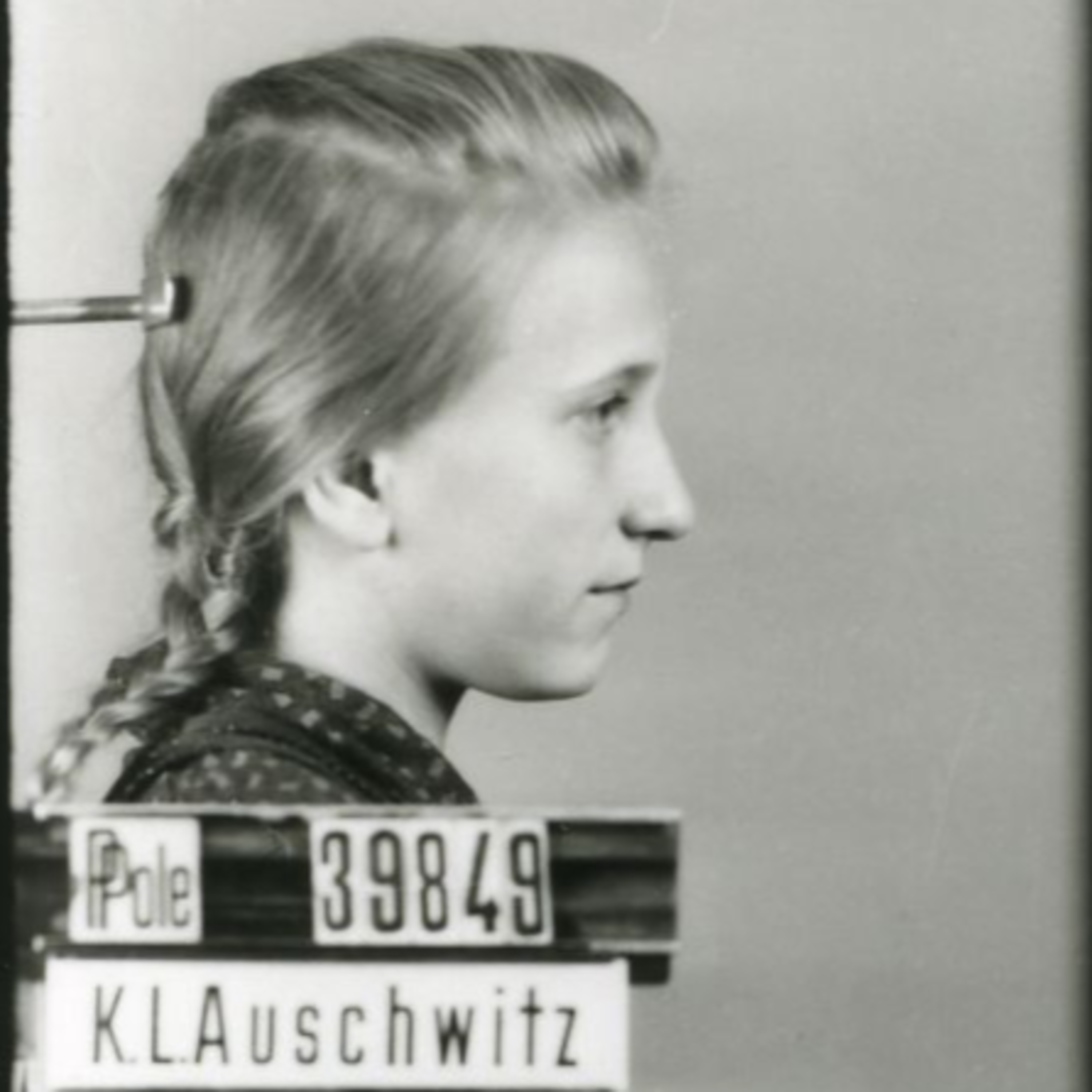 "On Auschwitz" (77): The Camp for Polish Children on Przemysłowa Street in Łódź vs. KL Auschwitz 25.11.2026 1h 10mAlthough Auschwitz was not intended for children, children appeared as prisoners from the very beginning of its existence. The situation was different in the case ofthe camp for Polish children at Przemysłowa Street in Łódź. Dr Wanda Witek-Malicka from the Auschwitz Museum Research Center and Andrzej Grzegorczyk, Head of the Research Department of the Museum of Polish Children—Victims of Totalitarianism in Łódź, talk about the situation of childrenin these camps, why they were sent there and what their fate was after the war. =====Voiceovers: Greg Littlefield, Sarah Edwards Weinstein, Kate Wei...
-
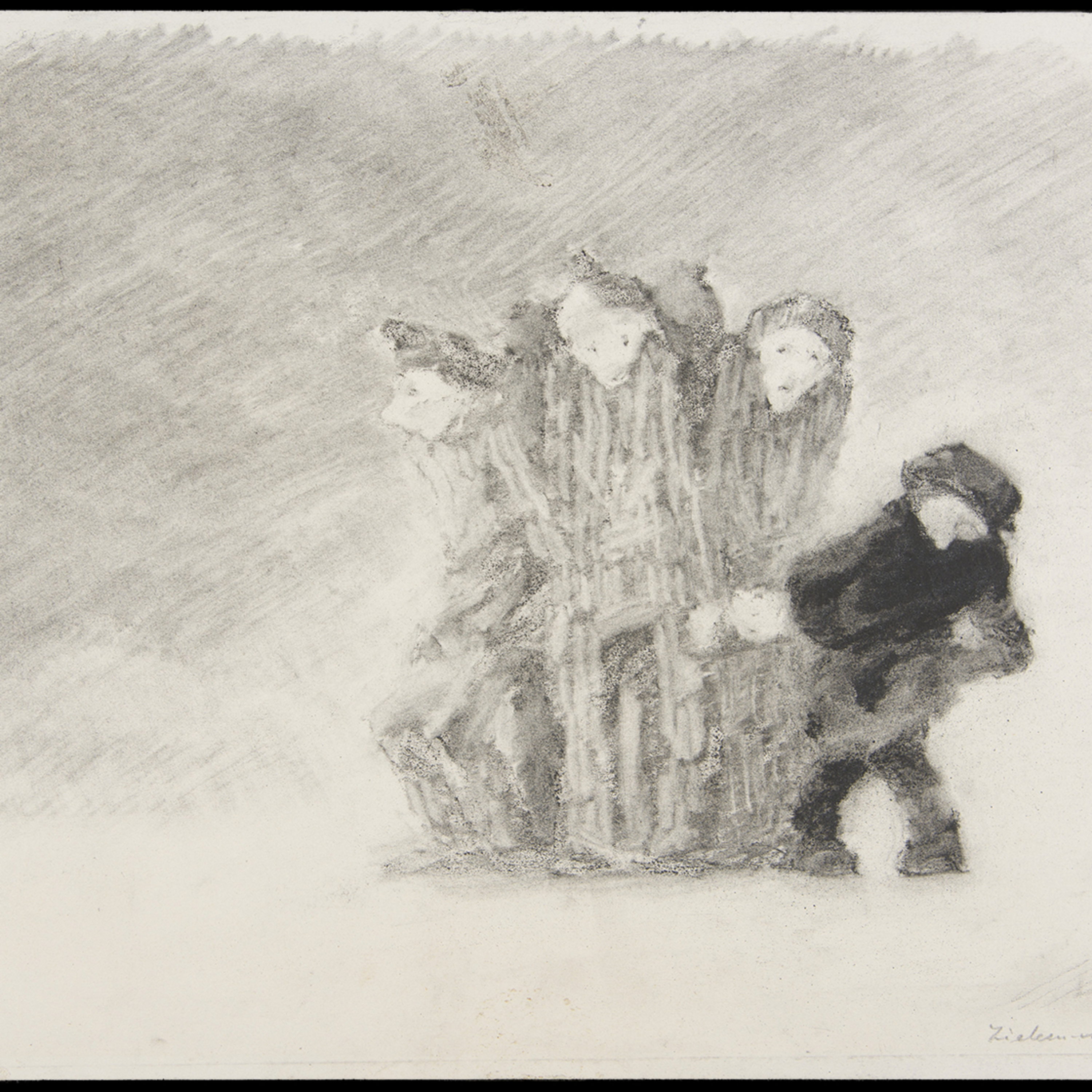 Auschwitz Prisoner Art. The Project of a Gallery in the Former Kitchen Building. 18.11.2026 33mIn drawings created by prisoners in Auschwitz, often at the risk of their lives, just a few lines could sometimes be enough to preserve a face or capture a deeply moving, emotional scene. For some Survivors, artistic work became a way of bearing witness and confronting their own trauma.Dr Piotr Cywiński, Director of the Auschwitz Museum, and Agnieszka Sieradzka, curator of the Museum Collections, discuss art as a deeply personal testimony of prisoners and Survivors, its significance for the memory of Auschwitz, and the planned exhibition of camp art that will be created in the building of the...
-
 “Auschwitz. A Monograph on the Human”. Part 10. Hope 26.10.2026 29mThe book ‘Auschwitz. A Monograph on the Human’ is the first of its kind in the world to try to depict human emotions within the reality of Auschwitz camp. Its author, Museum Director Dr. Piotr Cywiński, draws on fragments of memoirs and testimonies from more than 450 Survivors. It is the words of these direct witnesses that form the basis of this reflection on the human condition amid the process of dehumanization at the German Nazi concentration and extermination camp Auschwitz. In the podcast, we present ten chapters of this unique story about humanity facing the most extreme test. Part 10....
-
 “Auschwitz. A Monograph on the Human”. Part 9. Suicide 26.10.2026 16mThe book ‘Auschwitz. A Monograph on the Human’ is the first of its kind in the world to try to depict human emotions within the reality of Auschwitz camp. Its author, Museum Director Dr. Piotr Cywiński, draws on fragments of memoirs and testimonies from more than 450 Survivors. It is the words of these direct witnesses that form the basis of this reflection on the human condition amid the process of dehumanization at the German Nazi concentration and extermination camp Auschwitz.Part 9. SuicideRead by: Grey StaffordAdaptation for the podcast: Agnieszka Juskowiak-SawickaMusic: JivexMusic=====Te...
-
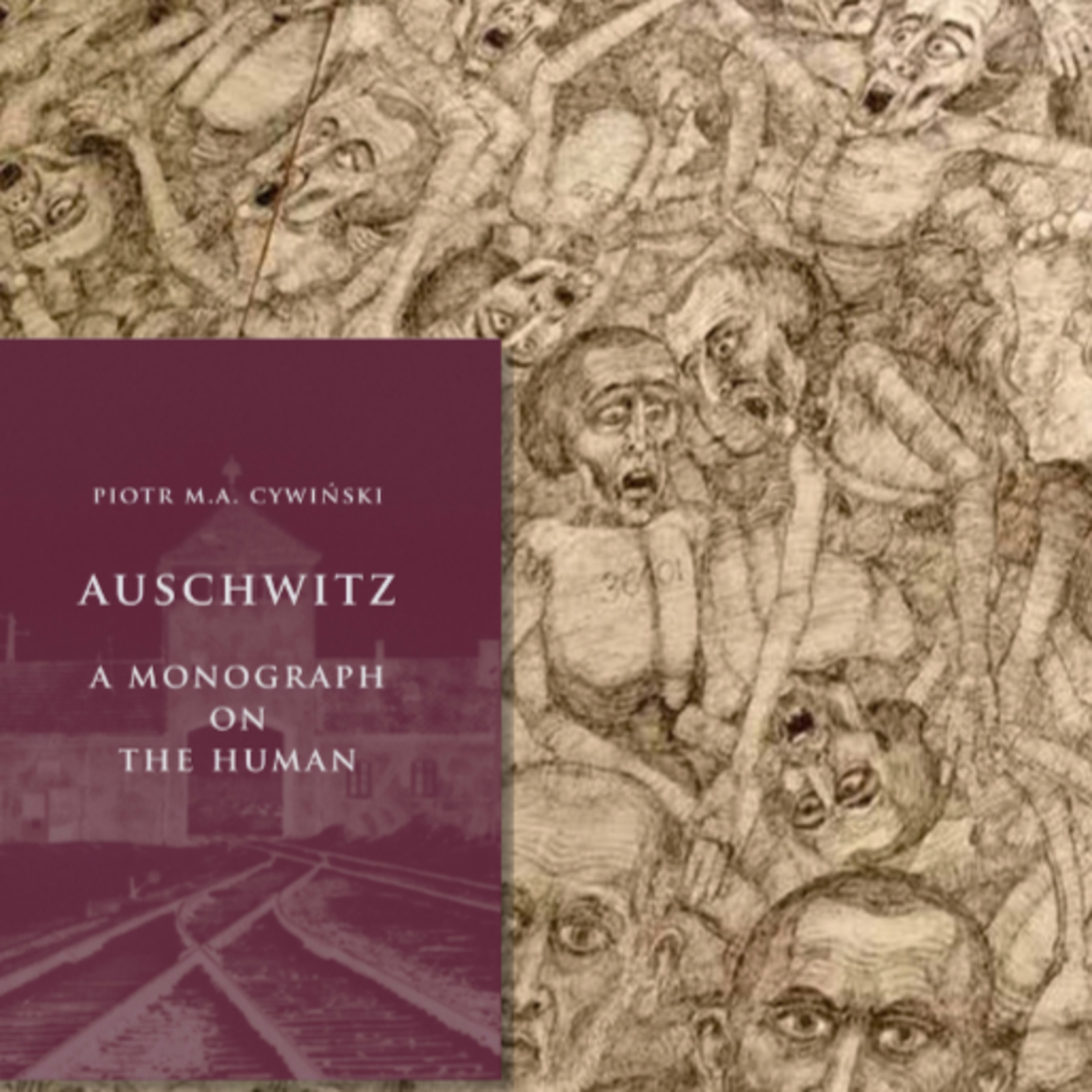 “Auschwitz. A Monograph on the Human”. Part 8. Fear 26.10.2026 20mThe book ‘Auschwitz. A Monograph on the Human’ is the first of its kind in the world to try to depict human emotions within the reality of Auschwitz camp. Its author, Museum Director Dr. Piotr Cywiński, draws on fragments of memoirs and testimonies from more than 450 Survivors. It is the words of these direct witnesses that form the basis of this reflection on the human condition amid the process of dehumanization at the German Nazi concentration and extermination camp Auschwitz.Part 8. FearRead by: Grey StaffordAdaptation for the podcast: Agnieszka Juskowiak-SawickaMusic: JivexMusic=====Testi...
-
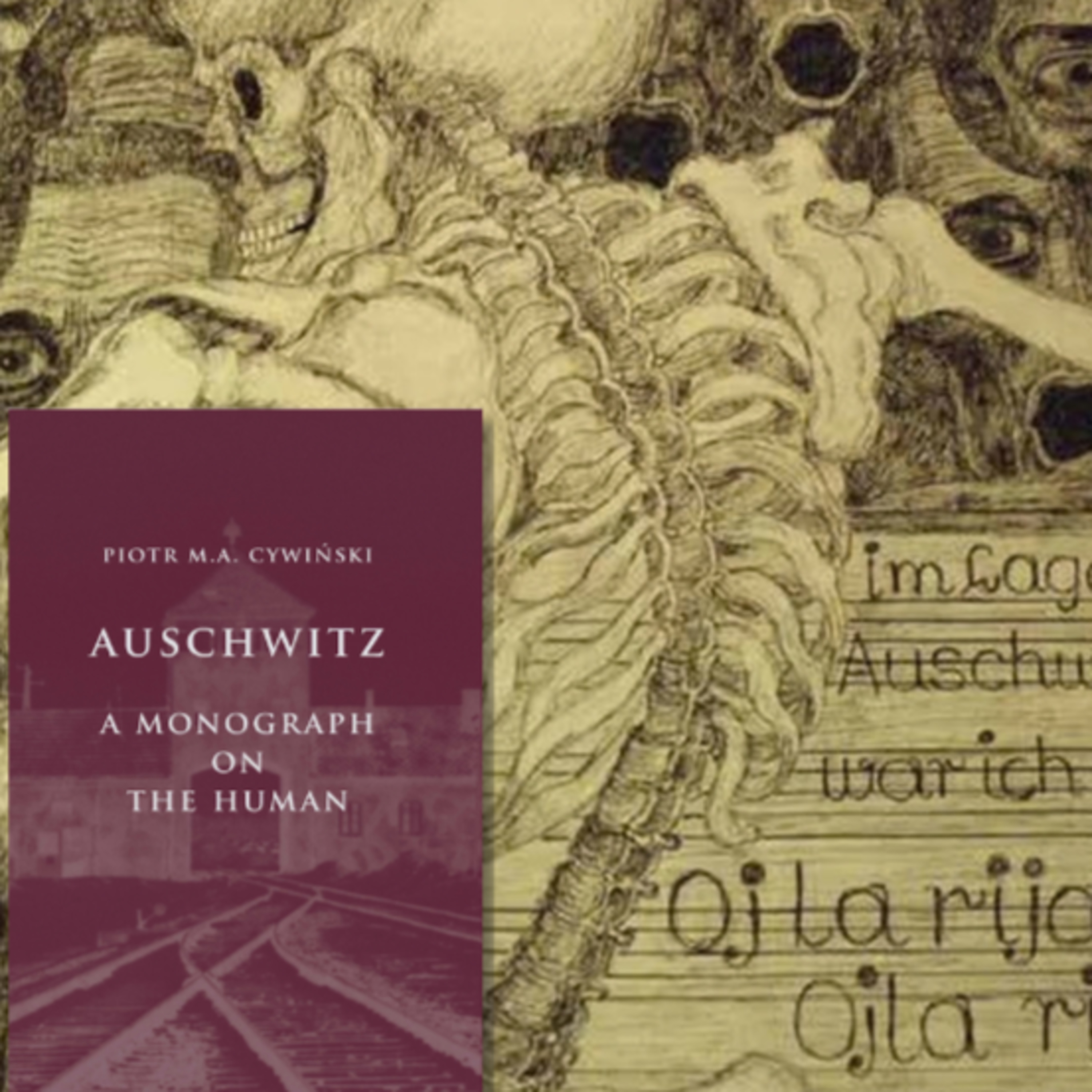 “Auschwitz. A Monograph on the Human”. Part 7. Laugh and Joy 26.10.2026 9mThe book ‘Auschwitz. A Monograph on the Human’ is the first of its kind in the world to try to depict human emotions within the reality of Auschwitz camp. Its author, Museum Director Dr. Piotr Cywiński, draws on fragments of memoirs and testimonies from more than 450 Survivors. It is the words of these direct witnesses that form the basis of this reflection on the human condition amid the process of dehumanization at the German Nazi concentration and extermination camp Auschwitz. Part 7. Laugh and JoyRead by: Grey StaffordAdaptation for the podcast: Agnieszka Juskowiak-SawickaMusic: JivexMusic...
-
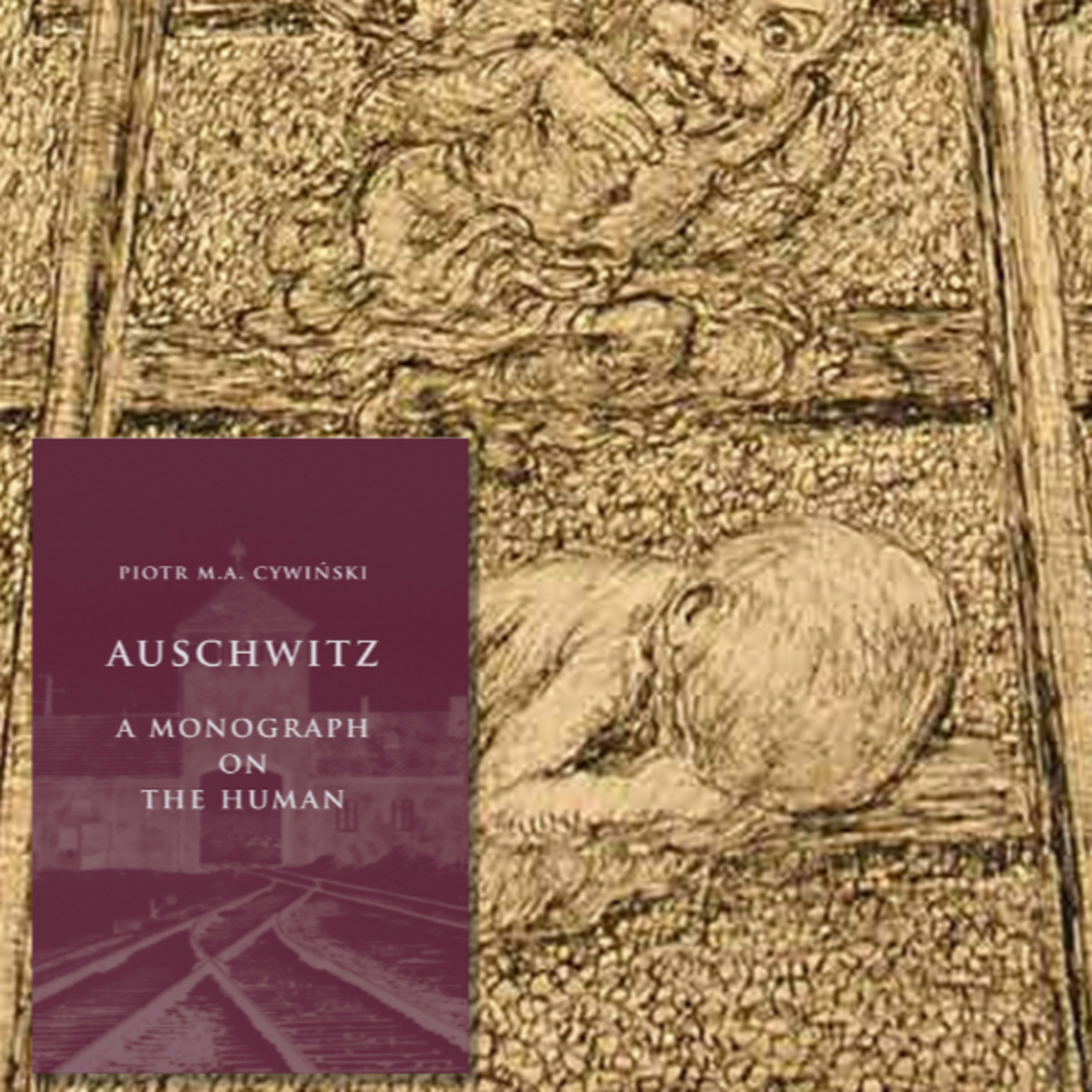 “Auschwitz. A Monograph on the Human”. Part 6. Births 26.10.2026 15mThe book ‘Auschwitz. A Monograph on the Human’ is the first of its kind in the world to try to depict human emotions within the reality of Auschwitz camp. Its author, Museum Director Dr. Piotr Cywiński, draws on fragments of memoirs and testimonies from more than 450 Survivors. It is the words of these direct witnesses that form the basis of this reflection on the human condition amid the process of dehumanization at the German Nazi concentration and extermination camp Auschwitz. In the podcast, we present ten chapters of this unique story about humanity facing the most extreme test. Part 6. B...
-
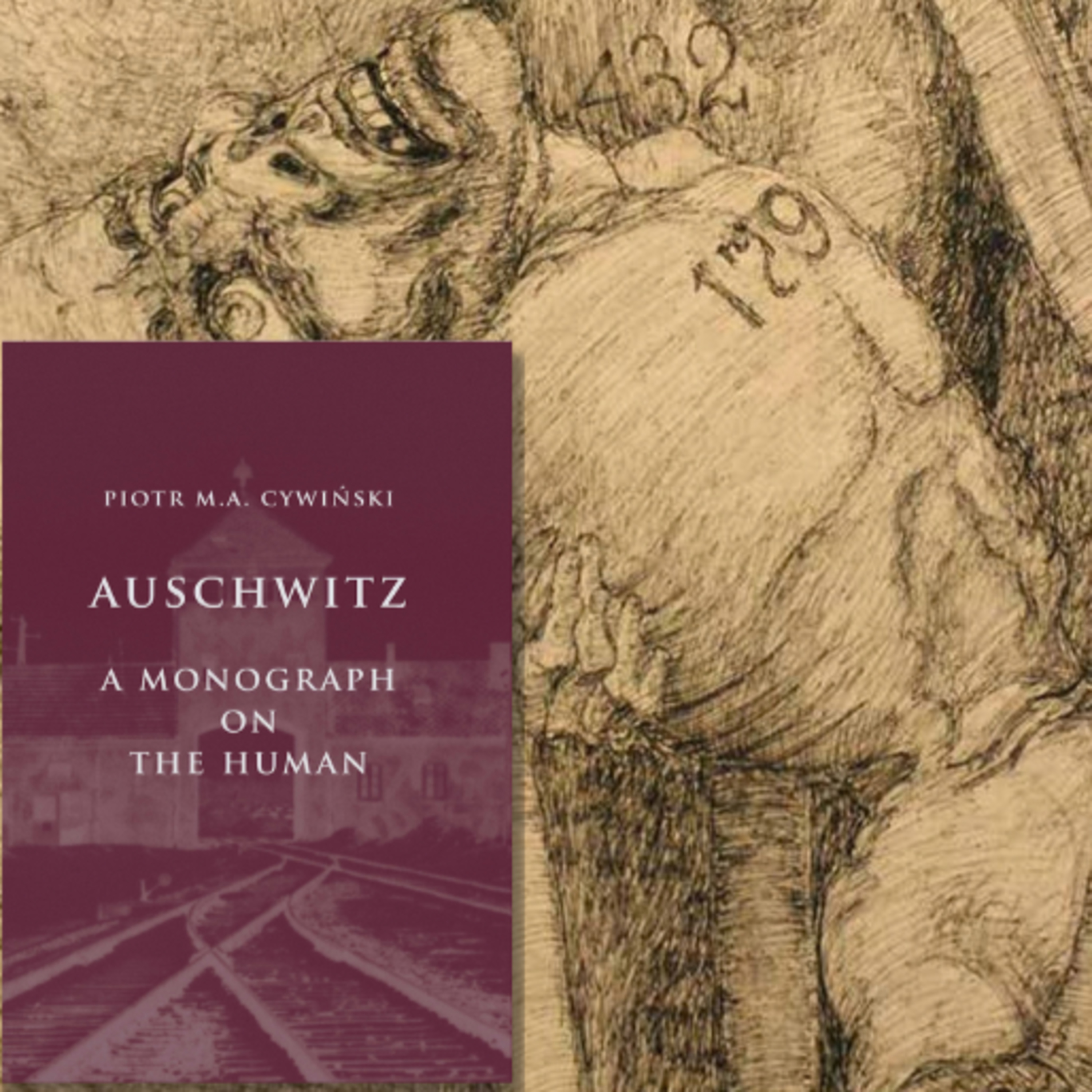 “Auschwitz. A Monograph on the Human”. Part 5. Friendship 26.10.2026 35mThe book ‘Auschwitz. A Monograph on the Human’ is the first of its kind in the world to try to depict human emotions within the reality of Auschwitz camp. Its author, Museum Director Dr. Piotr Cywiński, draws on fragments of memoirs and testimonies from more than 450 Survivors. It is the words of these direct witnesses that form the basis of this reflection on the human condition amid the process of dehumanization at the German Nazi concentration and extermination camp Auschwitz.Part 5. FriendshipRead by: Grey StaffordAdaptation for the podcast: Agnieszka Juskowiak-SawickaMusic: JivexMusic====...
-
 “Auschwitz. A Monograph on the Human”. Part 4. Emotions and Numbness 26.10.2026 25mThe book ‘Auschwitz. A Monograph on the Human’ is the first of its kind in the world to try to depict human emotions within the reality of Auschwitz camp. Its author, Museum Director Dr. Piotr Cywiński, draws on fragments of memoirs and testimonies from more than 450 Survivors. It is the words of these direct witnesses that form the basis of this reflection on the human condition amid the process of dehumanization at the German Nazi concentration and extermination camp Auschwitz.Part 4. Emotions and numbnessRead by: Grey StaffordAdaptation for the podcast: Agnieszka Juskowiak-SawickaMusic: Jiv...
-
 “Auschwitz. A Monograph on the Human”. Part 3. Inner Life 26.10.2026 26mThe book ‘Auschwitz. A Monograph on the Human’ is the first of its kind in the world to try to depict human emotions within the reality of Auschwitz camp. Its author, Museum Director Dr. Piotr Cywiński, draws on fragments of memoirs and testimonies from more than 450 Survivors. It is the words of these direct witnesses that form the basis of this reflection on the human condition amid the process of dehumanization at the German Nazi concentration and extermination camp Auschwitz.Part 3. Inner LifeRead by: Grey StaffordAdaptation for the podcast: Agnieszka Juskowiak-SawickaMusic: JivexMusic====...
-
 “Auschwitz. A Monograph on the Human”. Part 2. Death 26.10.2026 27mThe book ‘Auschwitz. A Monograph on the Human’ is the first of its kind in the world to try to depict human emotions within the reality of Auschwitz camp. Its author, Museum Director Dr. Piotr Cywiński, draws on fragments of memoirs and testimonies from more than 450 Survivors. It is the words of these direct witnesses that form the basis of this reflection on the human condition amid the process of dehumanization at the German Nazi concentration and extermination camp Auschwitz. In the podcast, we present ten chapters of this unique story about humanity facing the most extreme test. Part 2 –...
-
 “Auschwitz. A Monograph on the Human”. Part 1. Loneliness 26.10.2026 20mThe book ‘Auschwitz. A Monograph on the Human’ is the first of its kind in the world to try to depict human emotions within the reality of Auschwitz camp. Its author, Museum Director Dr. Piotr Cywiński, draws on fragments of memoirs and testimonies from more than 450 Survivors. It is the words of these direct witnesses that form the basis of this reflection on the human condition amid the process of dehumanization at the German Nazi concentration and extermination camp Auschwitz.Part 1. LonelinessRead by: Grey StaffordAdaptation for the podcast: Agnieszka Juskowiak-SawickaMusic: JivexMusic====...
-
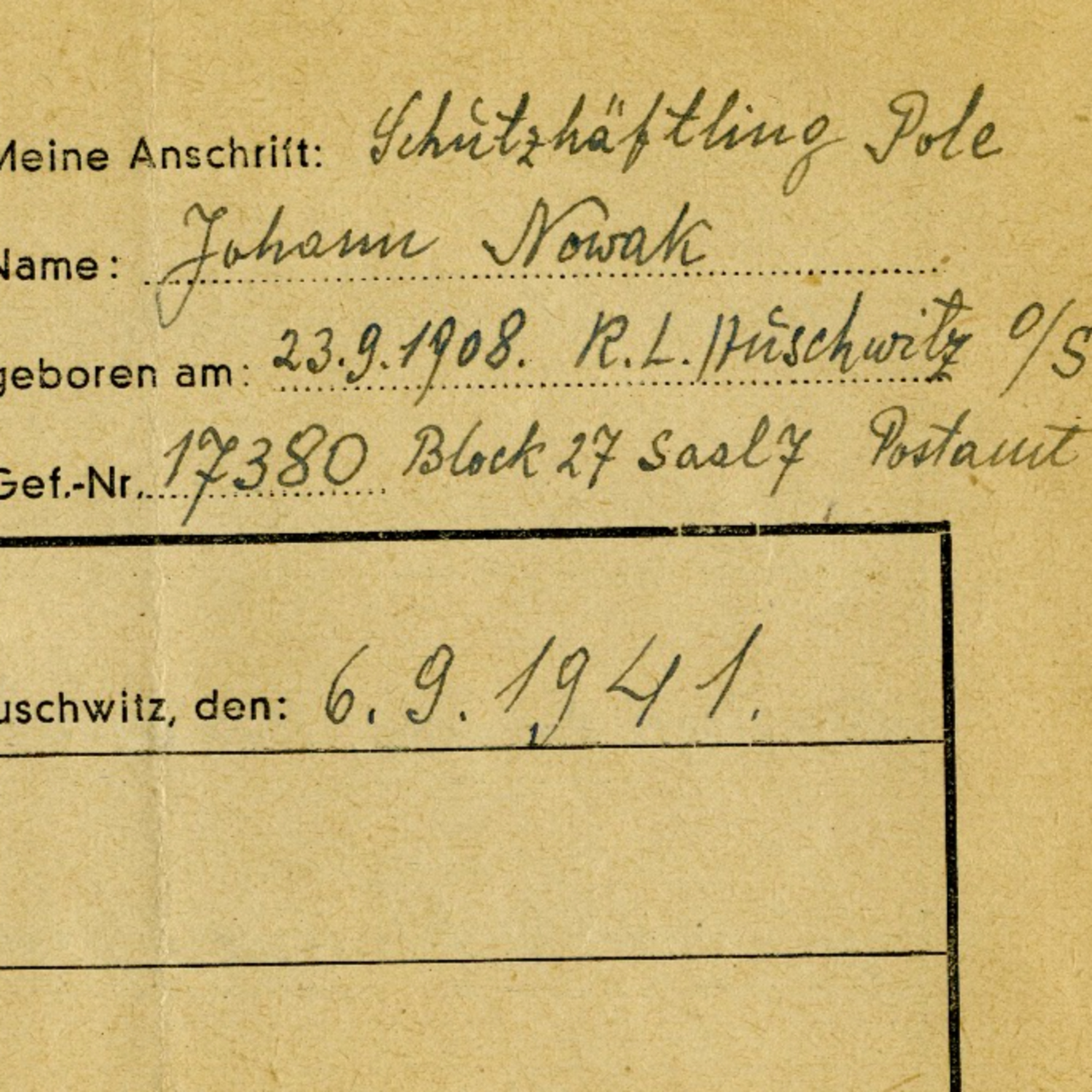 Doctor Jan Nowak’s Auschwitz Letters Donated to the Museum – An Interview with the Donor 18.10.2026 9mA collection of letters and documents related to Jan Nowak, a physician from Kraków who, as a prisoner of German Nazi concentration camps, worked in camp hospitals and helped other prisoners, has been donated to the Auschwitz Museum Archives.The documents, including a letter sent from the camp and seven letters sent to the camp by his relatives, were donated to the Archives by Marek Trybulski, owner of the Kraków Numismatic Salon. We invite you to listen to a conversation with the donor and Dr Wojciech Płosa, head of the Auschwitz Museum Archives.=====Voiceovers: Mike Skagerlind, Grey Stafford...
-
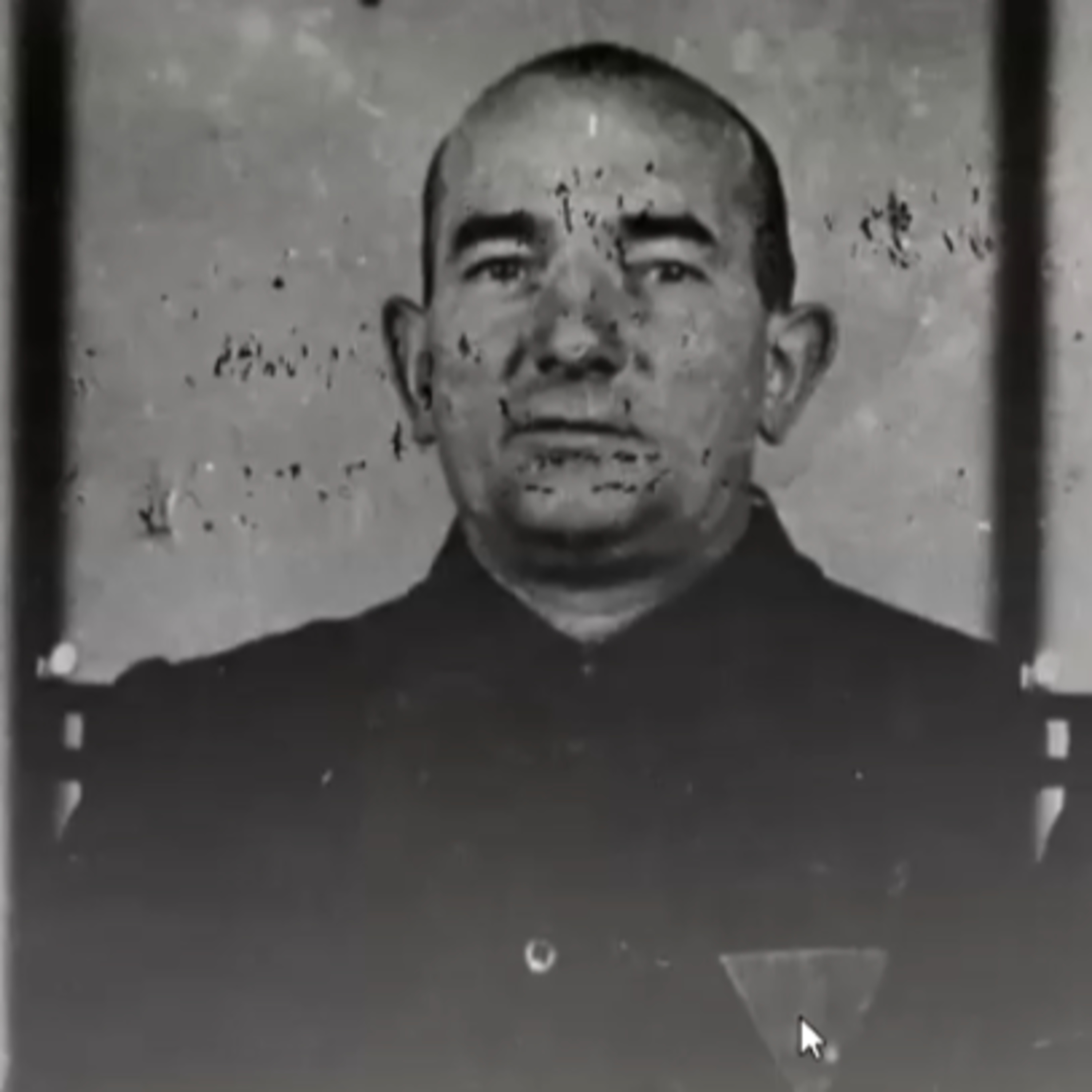 "On Auschwitz" (76): The First Thirty Prisoner Functionaries of Auschwitz 22.09.2026 28mA special group of prisoners in the Auschwitz camp were prisoner functionaries, responsible, among other things, for maintaining discipline among prisoners, keeping order in the blocks, and supervising the work being carried out. Dr Wojciech Płosa, Head of the Auschwitz Museum Archive, talks about the first thirty functionary prisoners – Germans brought to Auschwitz on 20 May 1940 and assigned numbers from 1 to 30.=====Voiceovers: Kate Weinrieb, Tom Vamos
-
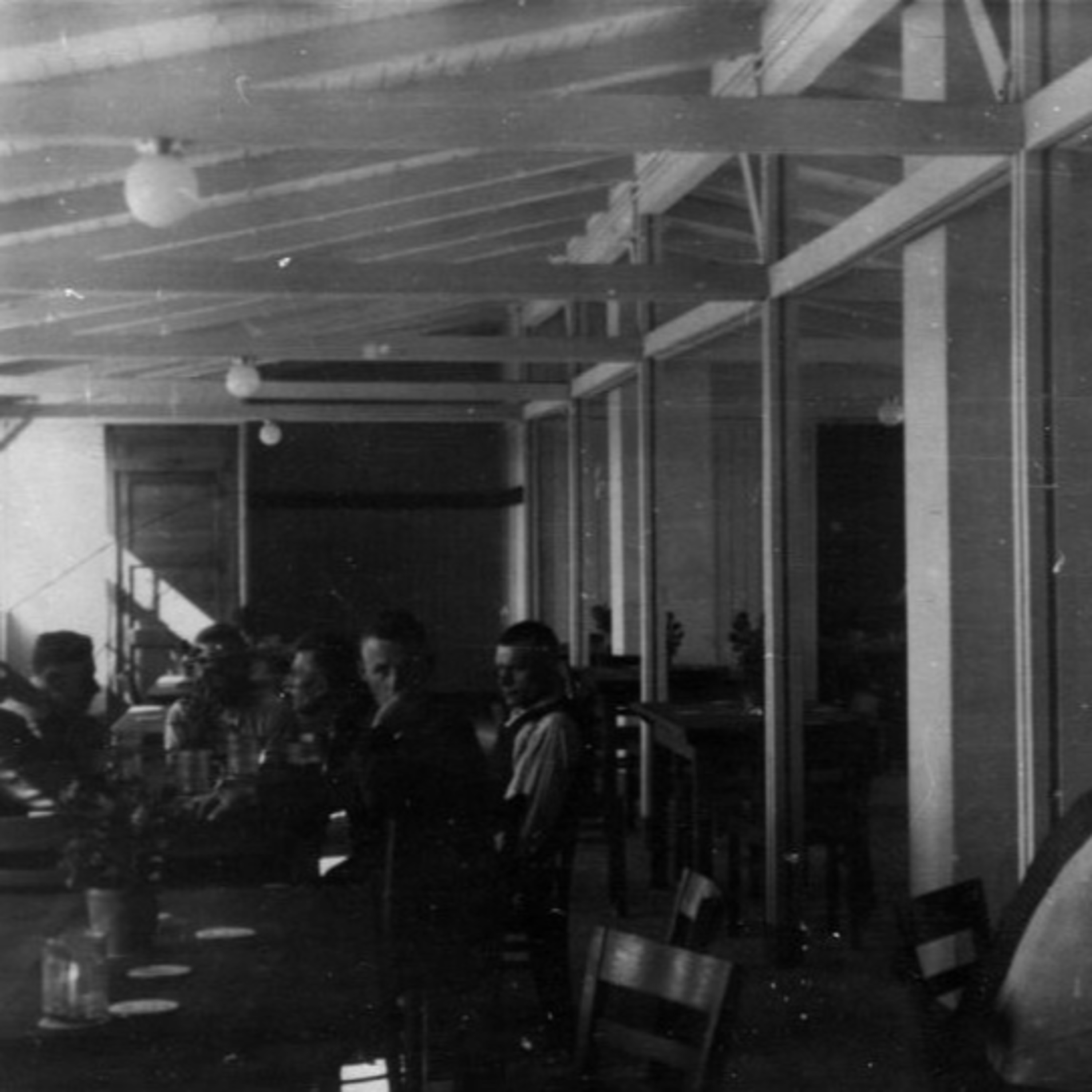 "On Auschwitz" (75): The Leisure Time of SS-Men from the KL Auschwitz Garrison in the Light of Documents from the Auschwitz Memorial Archives 24.08.2026 32mOver the nearly five years of the operation of the Auschwitz camp, around 8,200 SS men and 200 SS female overseers served there. Dr Agnieszka Kita, Deputy Head of theAuschwitz Museum Archive, talks about what their leisure time looked like, what they did after duty, when they returned to the barracks, and what their days off looked like.=====Voiceovers: Sarah Edwards Weinstein, Kate Weinrieb
-
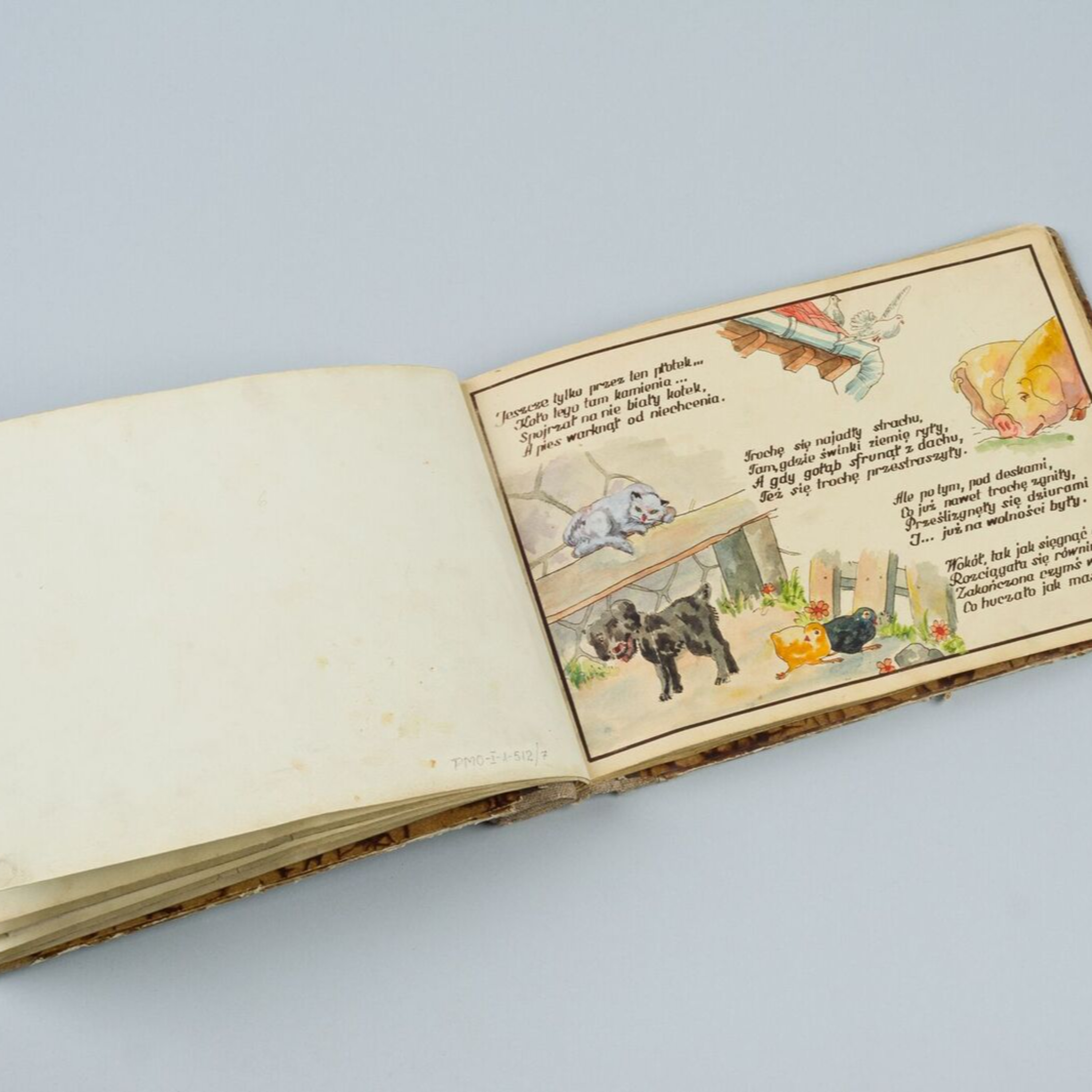 "On Auschwitz" (74): "Fairy Tales from Auschwitz" - unique witnesses to history 18.07.2026 34mAmong the unique artifacts held in the collections of the Auschwitz Memorial are fairy tales created while the camp was in operation. Crafted out of a heartfelt need, and in the hope of leaving behind a trace of their authors, these stories were smuggled out the camp. Their creators were prisoners employed in the camp’s Construction Office. With the help of people on the outside, they passed these fairy tales on to their loved ones. The story behind the fairy tales from Auschwitz is told by Jadwiga Kulasza, a retired employee of the Memorial Archives, as well as family members of the authors:...
-
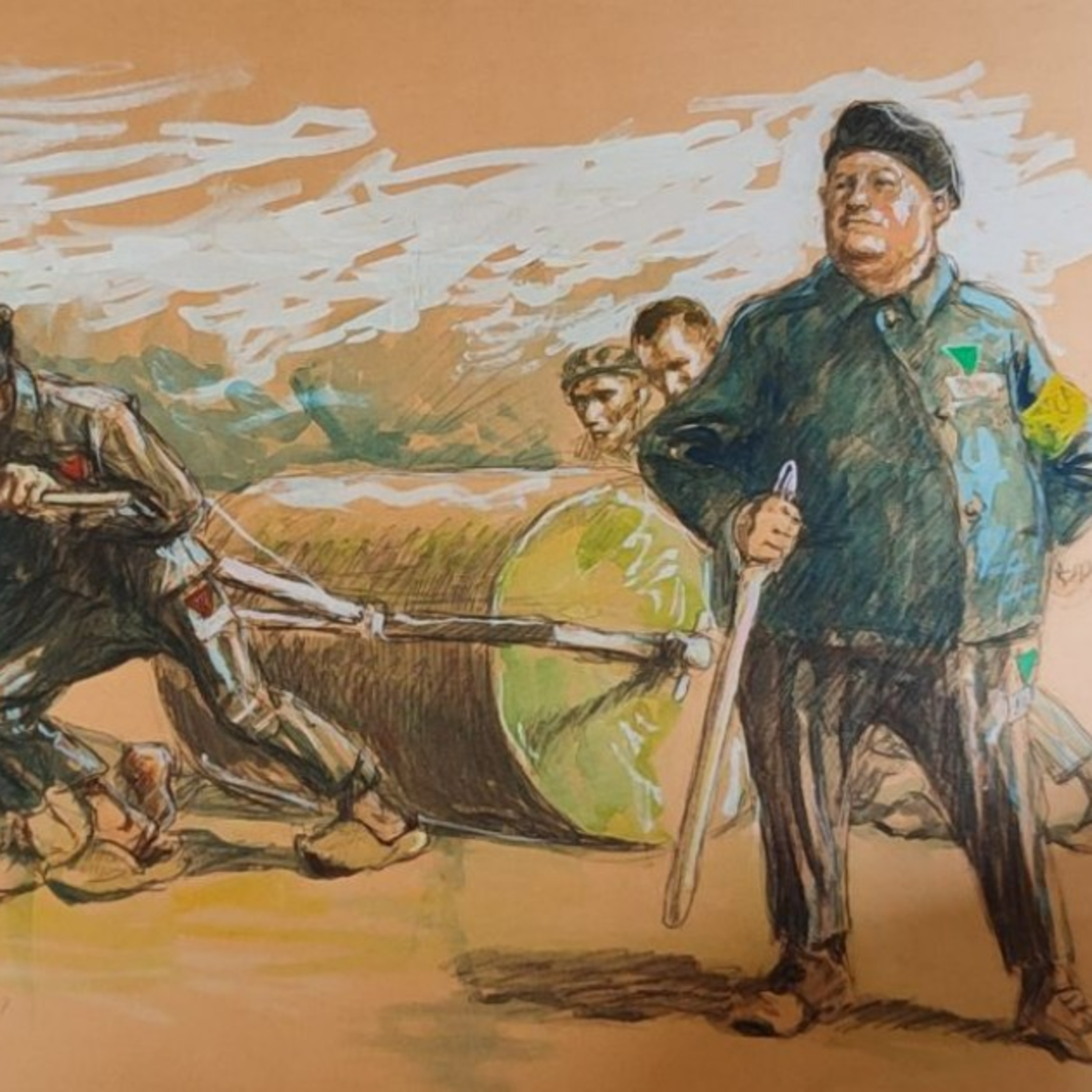 "On Auschwitz" (73): Auschwitz functionary prisoners. Selected postwar fates 21.06.2026 20mWe discussed the group of functionary prisoners at Auschwitz in one of our previous podcasts. You can find it at: podcast.auschwitz.org. In this episode Dr. Wojciech Płosa, the head of the Auschwitz Museum Archives will talk about the post war fates of some of the functionary prisoners.=====Artwork: Mieczysław Kościelniak, Praca przy walcu (Working on the roller), Auschwitz Memorial Collectons.=====Voiceover: Therese Mc Laughlin, Mike Skagerlind
-
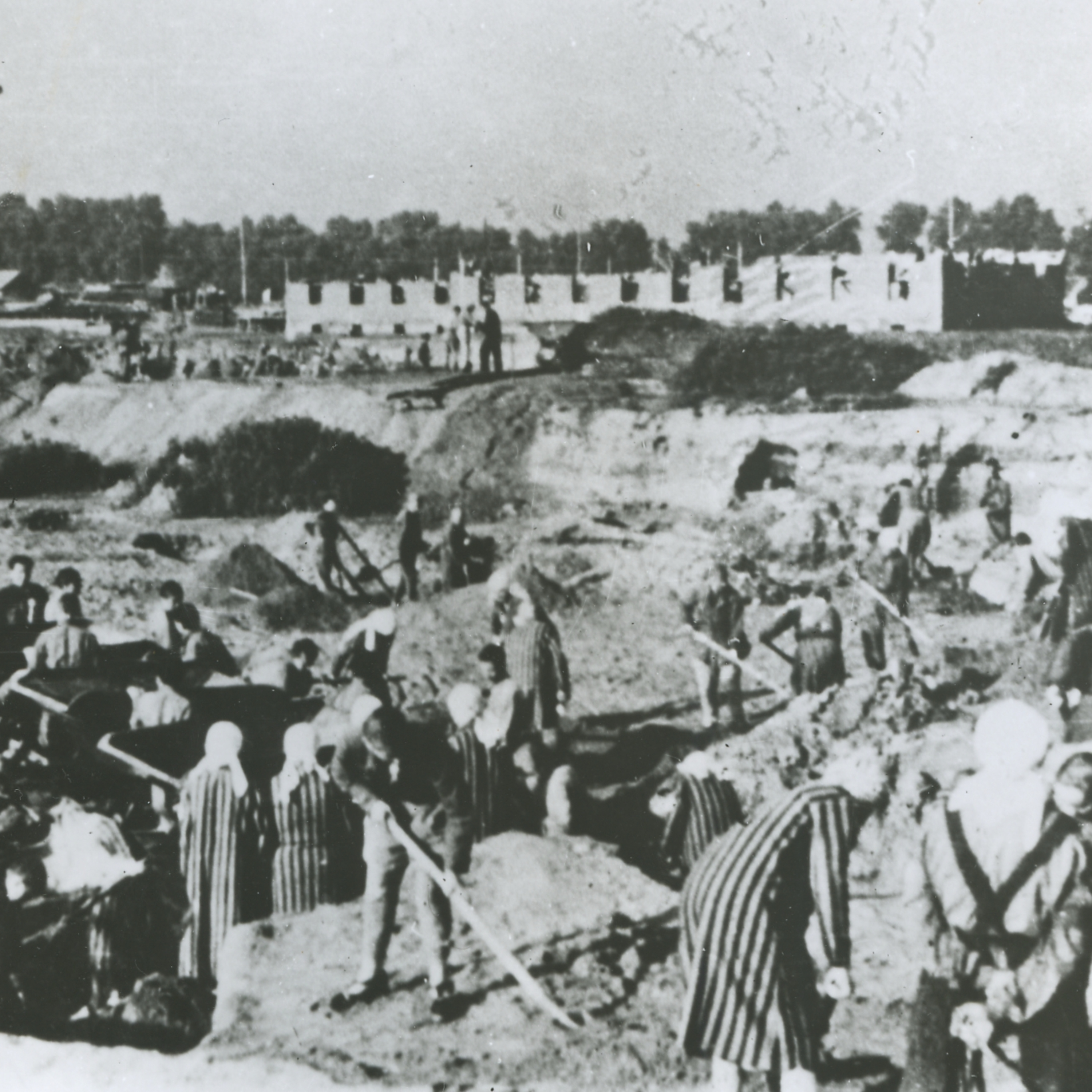 "On Auschwitz (72): The first transports of women to KL Auschwitz 23.05.2026 37mThe Germans established the Auschwitz concentration camp in the spring of 1940 for man prisoners. The first women were deported to the camp in March 1942. In total, more than 130,000 women prisoners were registered there during thecamp’s existence. The history of the first transports of women is discussed by Dr. Teresa Wontor-Cichy from the Research Center of the Auschwitz Museum.======Online lesson about women in KL Auschwitz======Voiceover: Sarah Edwards, Kate Weinrieb
-
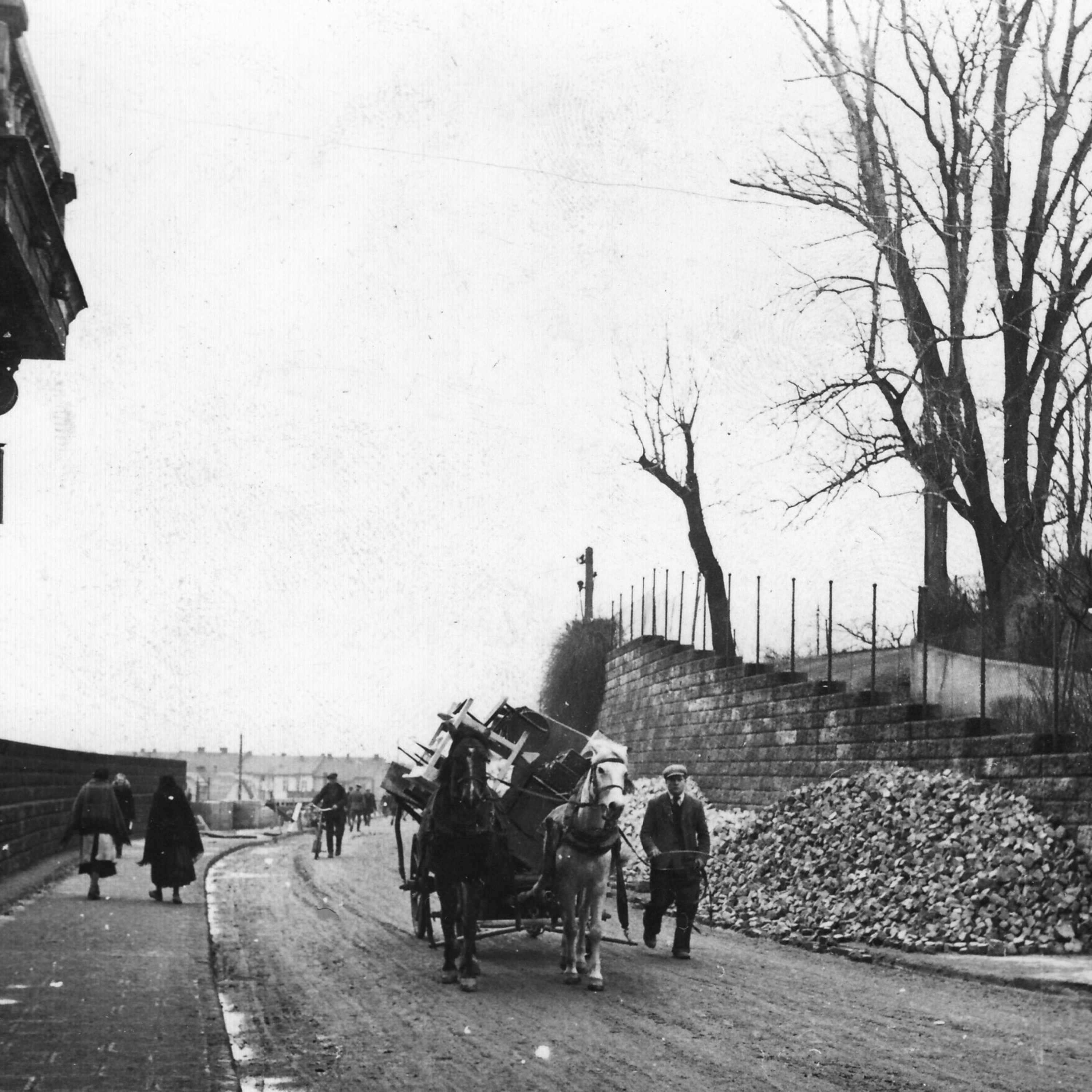 "On Auschwitz (71): Testimonies about expulsions of the local population in connection with the expansion of KL Auschwitz 25.04.2026 55mBefore the war, Oświęcim was a town inhabited mainly by Poles and Jews. During the Second World War it was annexed to Germany and the name of the town was changedto Auschwitz. At the end of 1939 the town had a population of over 12,500 people, about half of whom were Jews. Near Oświęcim there were several villages, which in December of 1939 were incorporated into the German administrative unitof Stadtbezirk Auschwitz. About 13,000 people lived in thesevillages. Due to the establishment and expansion of the Auschwitz camp, several thousand Polish and Jewish residents of Oświęcim and nearby vill...
-
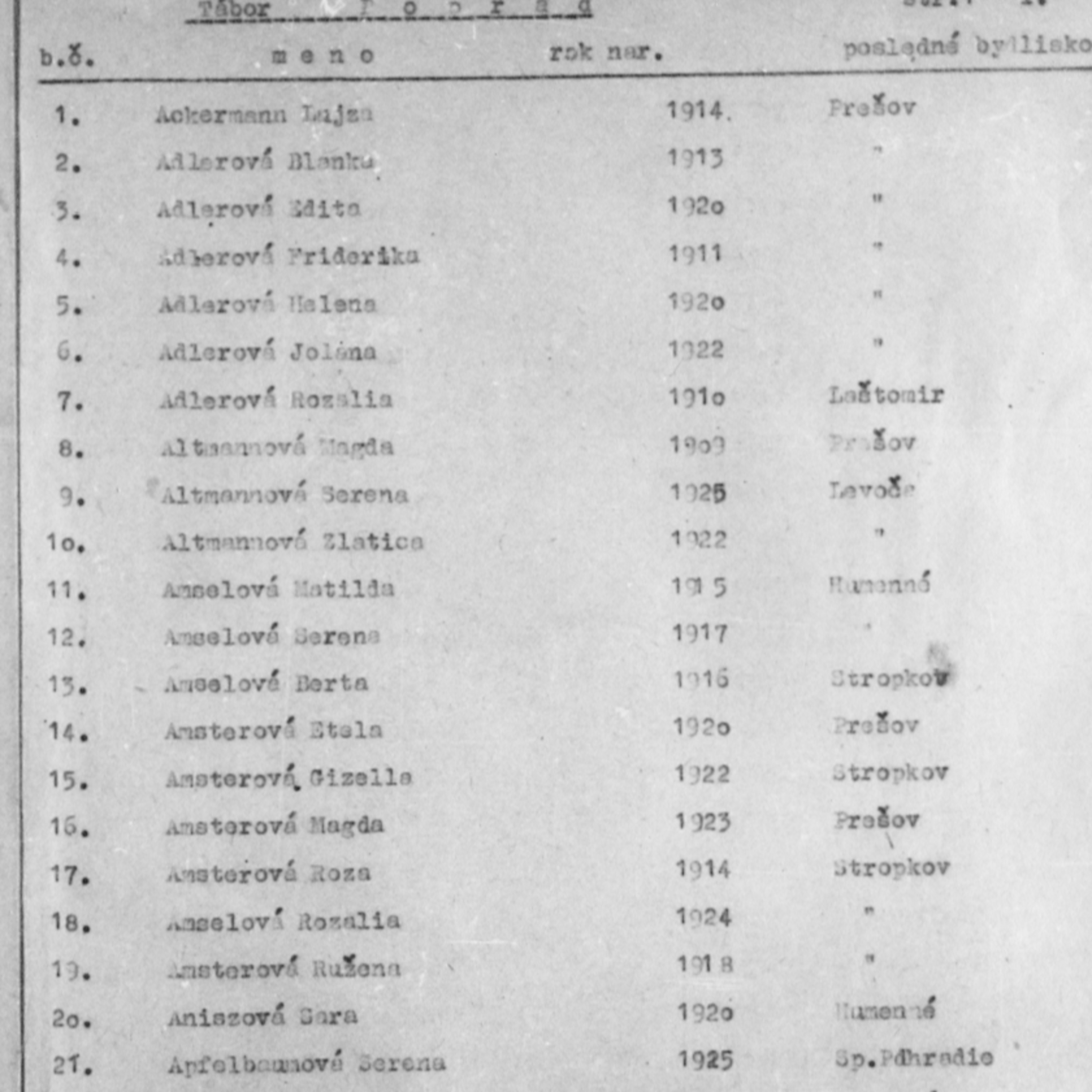 "On Auschwitz" (70): Deportations of Jews from Slovakia 26.03.2026 40mAmong the many groups of people deported to the German camp Auschwitz, Slovakian Jews occupied a special place. They were brought to the camp at a time when it was undergoing fundamental, organizational and functional transformation. From a place of concentration and gradual destruction of prisoners through dramatic living conditions and hard labor to a center of mass extermination in gas chambers. Dr. Piotr Setkiewicz, the head of the research center of the Auschwitz Museum, recounts the details of this process. =====On-line lesson about the deportations of Jews from Slovakia=====Voiceover: M...
Similar podcasts


Popular in
The podcast also appears in the podcast charts of these countries.


