
VoxTalks Economics
VoxTalks
0
Learn about groundbreaking new research, commentary and policy ideas from the world's leading economists. Presented by Tim Phillips.
Episodes
-
 S9 Ep63: Inflation and the polarisation of reality 13.11.2026 25mIn recent years, shoppers in Türkiye do not need the evening news to tell them prices have been rising, because they see it at the till. But the till only tells you about the history of inflation. When they turn on the television, the news might tell them what to expect next, and which channel they choose will matter.Orkun Saka (City St George's, University of London) and his co-authors matched a monthly household survey to the transcripts of prime-time news on 13 Turkish channels. He tells Tim Phillips about how the way a channel talks more about inflation, and how often it mentions the word,...
-
 S9 Ep62: How well do bug bounties work? 06.11.2026 20mFor three decades years, software makers have paid bug bounty hunters to break their code so they can make it more secure. Recently, some software companies have decided that bug bounties programmes aren't useful any more: Curl shut its bounty in January, and Intel suspended its own in September. And the discovery of the PHP flaw that sent websites offline in October came from researchers working with AI, not from a bounty hunter's report.Tobias Kretschmer (Imperial College London, CEPR) and his co-authors followed 86 programmes on Bugcrowd to discover how they work best. Do you run closed pro...
-
 S9 Ep61: Cooperatives in the 21st century 30.10.2026 27mGo to work, follow orders all day, and your living standards will rise. That is the deal behind the capitalist economy. In his forthcoming book, Cooperatives in the twenty-first century, Francesco Caselli (LSE, CEPR) argues that the deal has been broken for two generations. Pay at the top keeps climbing. Pay in the middle and at the bottom has barely moved.The usual fixes for spiralling inequality are higher taxes on the rich and stronger unions. Francesco's answer is to change who owns the firm. In a worker cooperative there are no outside shareholders, so the profits stay with the people who...
-
 S9 Ep60: The challenges to the international financial system 23.10.2026 27mThe 29th Geneva Report on the World Economy examines three pressures on the international financial system at once: global imbalances, the status of the dollar, and the stability of bond markets. Two of its authors, Valentina Bruno (American University, CEPR) and Cédric Tille (Geneva Graduate Institute, CEPR), tell Tim Phillips why stocks, the dollar and US Treasuries all fell on Liberation Day in April 2025, why that could happen again, and what we should do about it. So is this a rupture, or a transition in the world's financial system?The research behind this episode:Bruno, Valentina, Steve...
-
 S9 Ep59: Life after divorce 16.10.2026 20mWho gets the kids? Courts aim to decide custody in the child's best interests, but nobody has had the data to test how well those decisions work.Gordon Dahl (UC San Diego, CEPR), Costas Meghir (Yale, CEPR) and seven co-authors built the data themselves. They collected more than 56,000 Swedish custody rulings, scanning paper files by hand where no digital copy existed, and linked them to records of parents' earnings, prescriptions and children's school tests. It seems Swedish judges do not agree on how often to award joint custody. Some award it in about 60% of cases; others in about 20%. But t...
-
 S9 Ep58: Not wearing Prada 09.10.2026 18mSince March 2022, it has been harder to buy an iPhone in Russia, because Apple chose to stop selling there. So did Prada, Renault, Starbucks, Nike and more than 1,000 other firms. These private sanctions added to the official sanctions imposed by 45 countries.Beata Javorcik (EBRD, Oxford, CEPR) and her co-authors wanted to know if private sanctions did anything more than generate good headlines. To do this, they matched millions of Russian customs records to the trademarks on the goods, so they could tell an iPhone from a Samsung phone and a Gucci scarf from a Gucci bag. Would imports of goods...
-
 S9 Ep57: Merit, masters and China's imperial exam 02.10.2026 21mFor more than 1,300 years, China chose its top officials by written exam. Its top officials were chosen meritocratic ally -- or were they?When the results came out, each successful candidate went to pay his respects to the men who had marked his exam. He called the examiner master, and the bond lasted for life.Ruixue Jia (UC San Diego, CEPR) and her co-author Ying Bai followed 24,269 graduates of the Qing dynasty's imperial examination, from 1644 to 1905, to see who reached the top of the imperial state. A high mark in the examination was important, but so did an examiner who later rose to pow...
-
 S9 Ep56: Decoupling from China after Trump's Trade Wars 25.09.2026 29mIn March 2025, Apple chartered cargo flights to deliver 600 tonnes of iPhones from India to the United States. A year earlier, four in five smartphones that imported to the US came from China. One of the aims of US trade policy has been to decouple the US economy from China. So is the strategy working? Chad Bown (PIIE, CEPR) tells Tim Phillips how he examined the US import data product by product to see how American importers coped with Trump's second trade war. In consumer electronics, many firms quietly built a second supply chain in tariff-exempt countries before 2025, and switched sourcing...
-
 S9 Ep55: Loosening inheritance law 18.09.2026 25mIn most of the world you do not get to choose who inherits your money. Across continental Europe, Latin America, and countries governed by Islamic law, a minimum share of your estate will be reserved for your children, your spouse, and in some places your surviving parents. Write a will that ignores them and the law overrules you. If you want a head start in life, choose your parents carefully.Switzerland changed the rules in January 2023. The compulsory share for children fell by one third and the share reserved for surviving parents disappeared altogether. In this week's VoxTalk, Marius Brül...
-
 S9 Ep54: Does sacking the manager work? 11.09.2026 18mYour football team keeps losing. The season is slipping away. One thing can be changed by Friday, and the crowd is already singing about it: sack the manager.Jan van Ours (Erasmus School of Economics, CEPR, Feyenoord fan) has looked at seven seasons of the Dutch top flight and 31 managers who were sacrificed mid-season. To work out whether any of them deserved it, he uses bookmaker odds and expected goals to distinguish bad play from bad luck. The new-manager bounce is real: results improve after a new manager walks in. But also, not real: clubs that don't sack the manager have an upturn too....
-
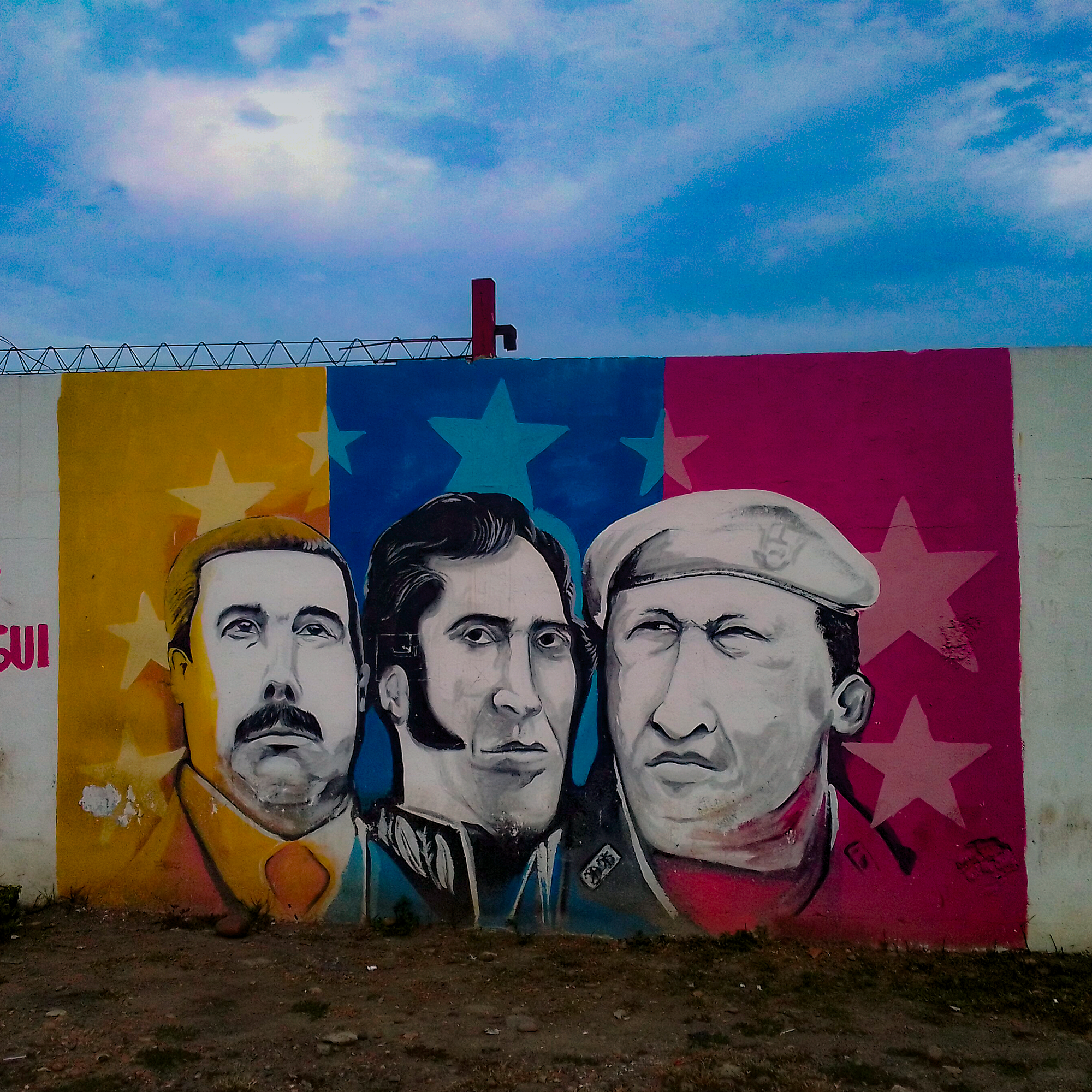 S9 Ep53: Lessons from Populism in Latin America 04.09.2026 33mThe new episode of VoxTalks Economics traces the effects of South Americans populism, left and right. Alejandro Werner (Georgetown Americas Institute) is one of the authors of a new paper that traces populist governments across Latin America back to 1970. He argues that they follow a strikingly similar script: they expand spending, weaken the institutions built to restrain them, and ride the wave until inflation catches up with them. But the most recent generation of leaders -- Chávez and Maduro, the Kirchners, Correa, and Morales -- lasted longer than their predecessors. Why?The research behi...
-
 S9 Ep52: The Dollar Anchor Is Slipping 02.09.2026 26mApril 2025: Liberation Day. President Trump announces sweeping new tariffs. And then, the dollar did something a safe haven currency is not supposed to do: it fell.Tarek Hassan (Boston University, CEPR), working with Thomas Mertens, Jingye Wang and Tony Zhang, has been investigating what makes a currency the global anchor. Being the world's biggest economy helps, but what really matters is how far an economy's shocks affect world prices. Tariffs reduce this effect. But are we near a tipping point, when the euro takes over as the global reserve currency? We might be closer than you think and, i...
-
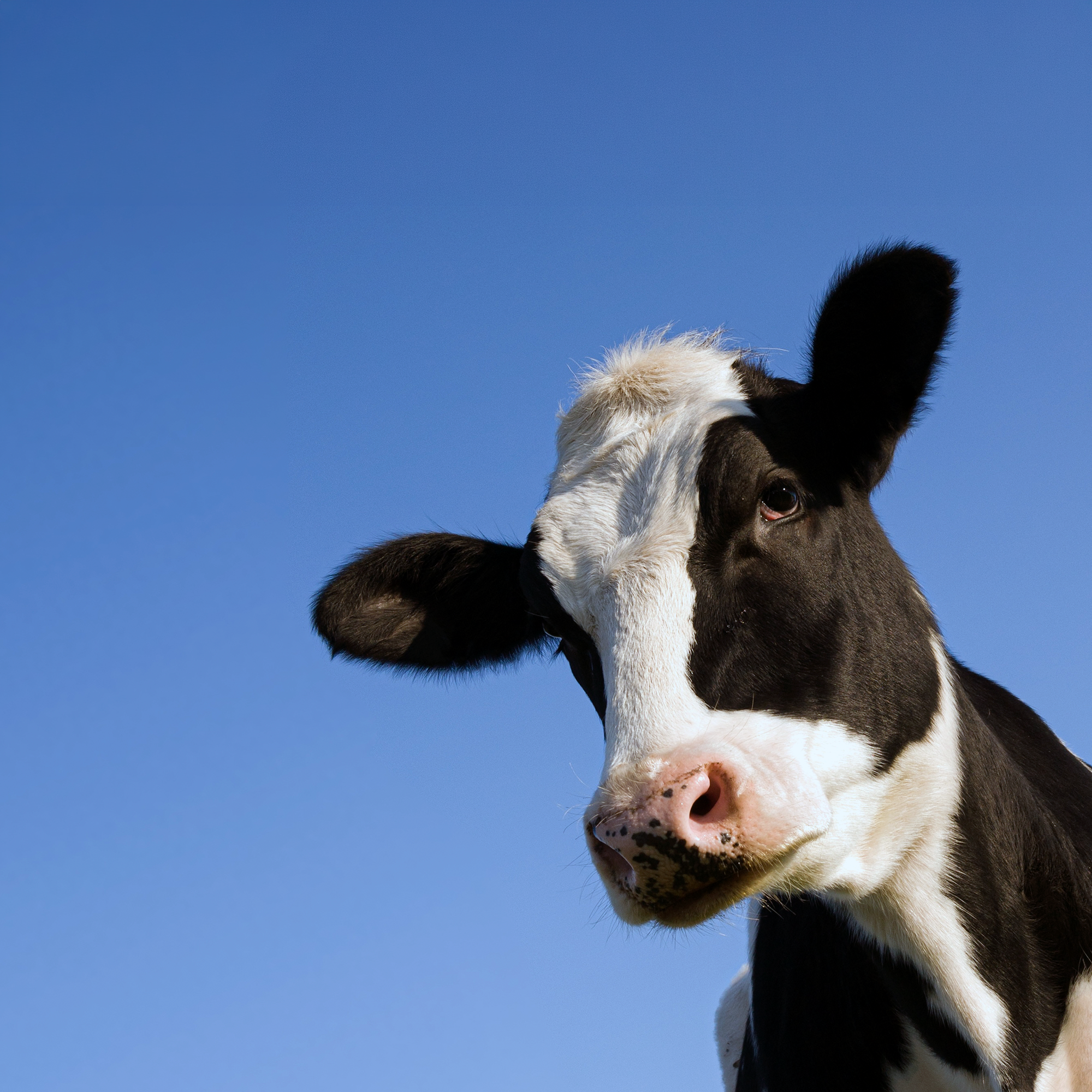 S9 Ep51: Fiscal Populism and Monetary Policy 28.08.2026 16mThere is a saying in Spanish: get burned by hot milk, and the sight of a cow makes you cry. New research implies that, decades after a populist government leaves office, the central bank it once tried to control is still flinching.Martín Uribe (Columbia) and Nicolás Magud (IMF) have investigated the long-run effect of populist governments that leaned on their central banks to print money and feed inflation. They find that these central banks raise interest rates more aggressively than others when inflation drifts above target, even decades later.This is the second of four episodes drawn from p...
-
 S9 Ep50: Tariffs, Uncertainty, and the Exchange Rate 26.08.2026 24mTextbook economics says a tariff should strengthen a country's currency. Since the start of 2025, as US tariffs rose ... and the dollar fell.In the first of four episodes of Voxtalks based on papers presented at the second Economic Policy: Papers on European and Global Issues conference, Alfonso Merendino (Bocconi University) and Tommaso Monacelli (Bocconi University, CEPR) tell Tim Phillips what they found when they looked for reasons. Their conclusion: for tariffs, it's not size, it is how permanent people expect it to be. They call this structural trade policy uncertainty. When that uncerta...
-
 S9 Ep49: Combatting sexual harassment in the military 21.08.2026 21mNorwegian conscripts arrive at boot camp straight out of school. They are assigned at random to a shared room and they live in it for the next eight weeks. Whatever the culture of that room turns out to be, they are stuck with it.We know that the military everywhere has a poor record on sexual harassment. Johanna Rickne (Stockholm University, CEPR) and her co-authors wanted to reduce its acceptance, and the number of incidents. Compulsory training, standing a in a room a showing a PowerPoint, has a poor record. It can even inspire a backlash. Instead, they included two pieces of information in...
-
 S9 Ep48: What price to save Japan's ghost towns? 14.08.2026 18mIn the oldest Japanese municipalities, close to half the residents are already over 65. As young people move to cities, the retailers close, then the clinics, then the bus that used to reach the next town. Rural Japan is not simply ageing: it is emptying.Elisa Giannone (CREI, CEPR) and her co-authors have analysed Japan's 1,741 municipalities from 1980 onwards. The oldest quarter of them lost around 26% of their population by 2010; the youngest quarter grew by 22%, and the gap between them is still widening. Taxing city dwellers could reverse the trend. But that's a century-long policy, that w...
-
 S9 Ep47: The Next Generation: PSE 2026 07.08.2026 33mTravel broadens the mind. So the Voxtalks visits a conference, we find the most interesting research from economists just starting out, and hand three of them a microphone. Ad that is today's episode, recorded at the CEPR Paris School of Economics Policy Forum 2026.Listen to hear three findings that undercut conventional wisdom. Guido Lamarmora (University of Nottingham) argues that the usual policy prescription for developing economies that want to industrialise of raising agricultural productivity can deepen their reliance on farming rather than break it. Costanza Tomaselli (Imperial College...
-
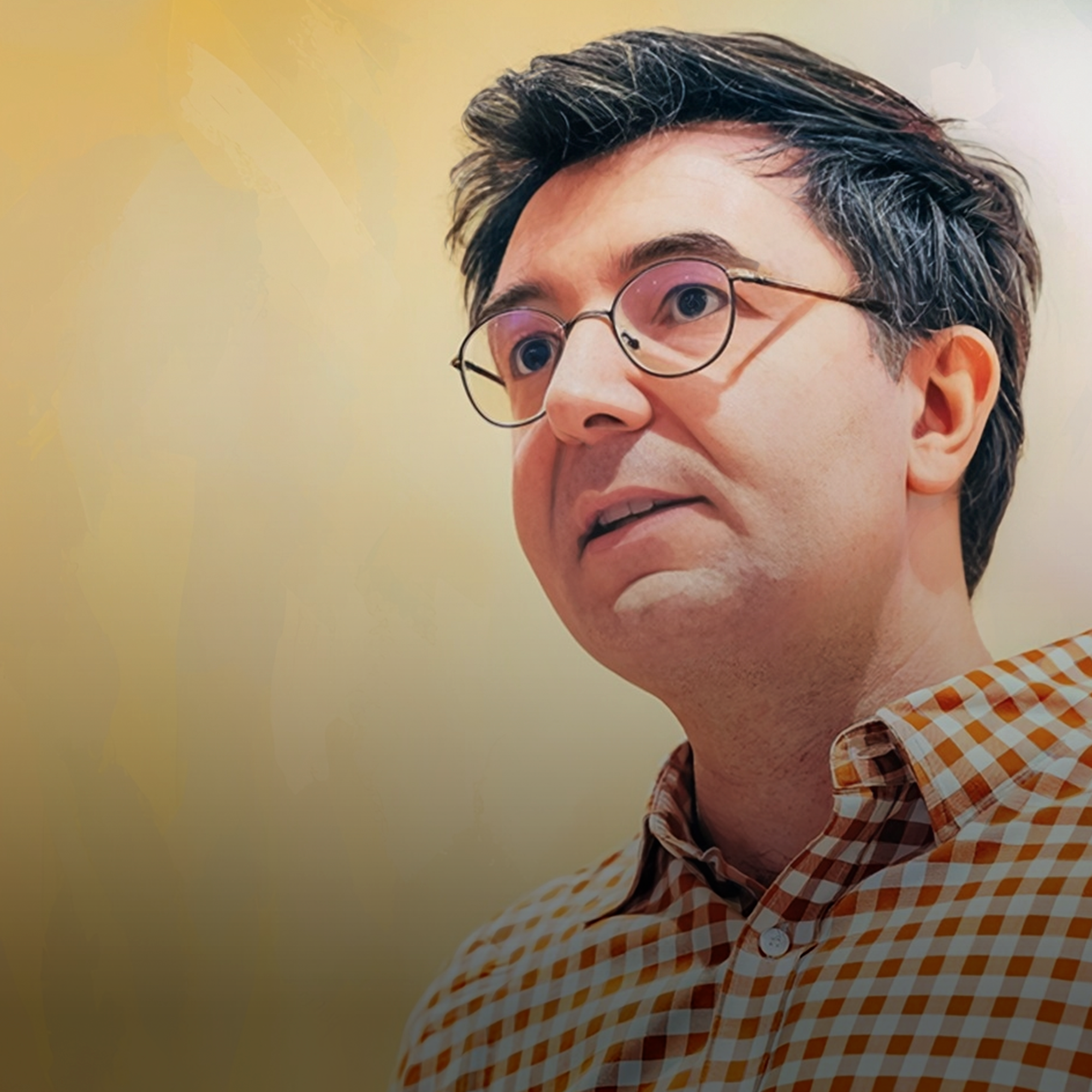 S9 Ep46: Absorbing shocks since 1891 05.08.2026 20mRecorded at the PSE-CEPR Policy Forum 2026.A country wants a stable exchange rate, it wants money to move freely across its borders, and it wants to set its own interest rates. It's a well-known trilemma. Central bankers must pick any two, because you cannot have all three. History, it turns out, did not read that memo.Eric Monnet has spent years reading the balance sheets that central bankers kept on each other. Since 1891 the Bank of France paid teams of multilingual economists to copy out the weekly and monthly accounts of every other central bank in the world. Those ledgers, now digitised,...
-
 S9 Ep45: Tariff Confusion 31.07.2026 31mIf you run a business that exports to the United States, how big is the tariff you have to pay? In 2025 that question was hard to answer. Between February and December, 53 separate announcements introduced, delayed, reinstated or changed US tariffs, with different countries and products pulled in or exempted each time.Kalina Manova (UCL, CEPR) and her colleagues built a database of every one of those announcements, but they also measured the confusion that those announcements created. She tells Tim Phillips about how tariff confusion has become a second tax on trade, as confusion puts off expo...
-
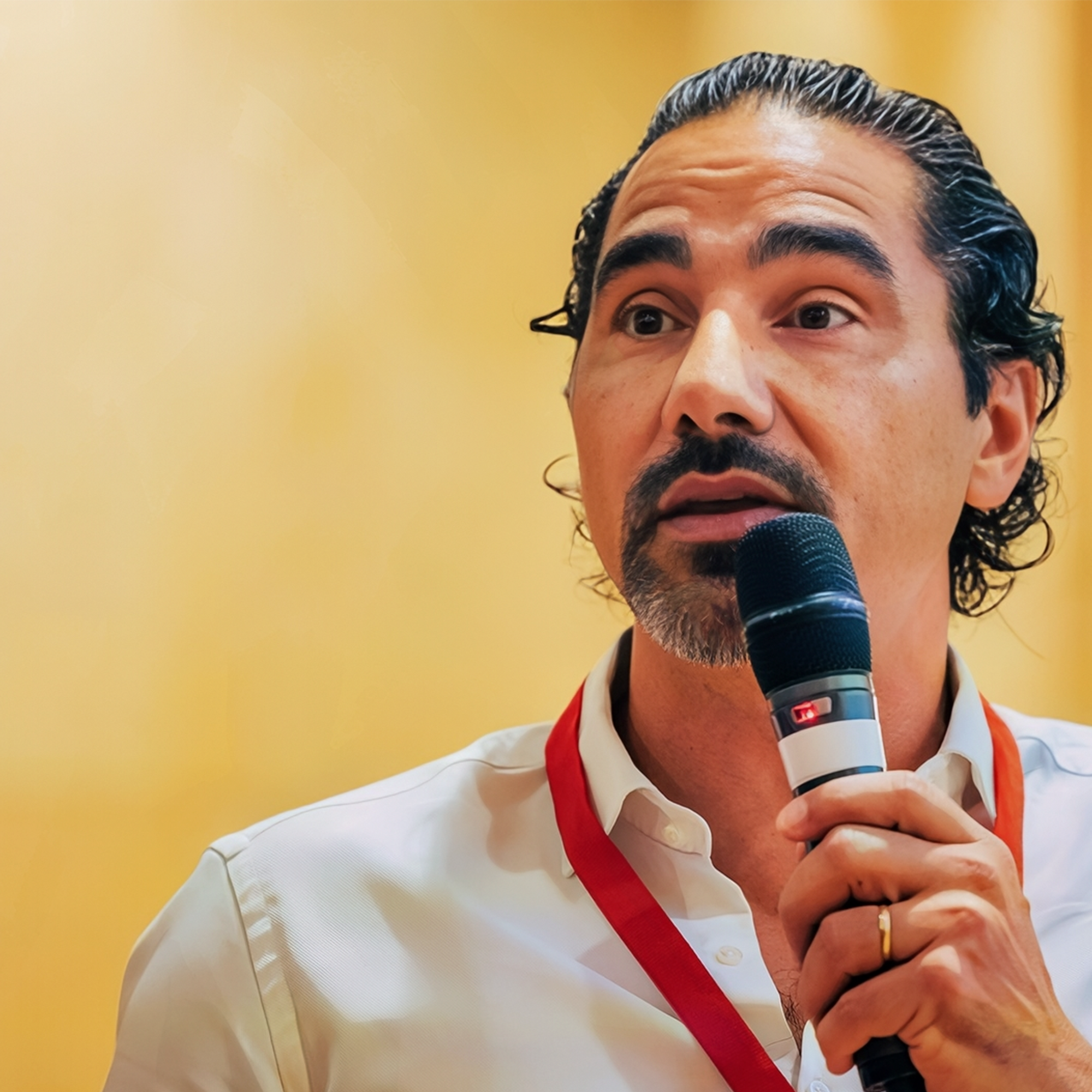 S9 Ep44: How superpowers shape trade 29.07.2026 15mRecorded at the PSE-CEPR Policy Forum, Paris School of Economics.Tariffs move trade around, but so does economic power. When one economy dominates, other countries fall into step with it. They trade with the dominant economy, and also with each other. Alberto Martin (Barcelona School of Economics, CEPR) is one of a team that has tracked the influence of hegemons, large dominant economies, on trade from the start of the 19th century. In our latest VoxTalk he tells Tim Phillips about how they used treaties (not necessarily about trade) as a proxy for alignment, and built a database of 77,000 of...
Similar podcasts


Popular in
The podcast also appears in the podcast charts of these countries.


