
The Straits Times Podcasts
The Straits Times
2
The Straits Times Podcasts is an all-in-one channel that publishes episodes almost every weekday. It covers a wide range of topics including Singapore youth perspectives, social issues, geopolitics from an Asian viewpoint, health, climate change, personal finance, and career advice. The podcast is produced by podcast editor Ernest Luis and The Straits Times, part of SPH Media.
Episodes
-
 S3E7: Why Singaporeans are actually buying electric cars to save money, not the environment 17.11.2026 31mCan going green ever be truly cheaper? The world needs to transition away from fossil fuels and save nature. But making these choices in a world where the business-as-usual involves harming the environment can sometimes involve paying a price premium. New innovations and well-executed governmental policy, however, can help to narrow this gap. In this episode, Green Pulse host Audrey Tan discusses with Frederick Teo, the chief executive officer of Temasek-backed investment platform GenZero, how sustainability can be good for business too. Highlights (click/tap above): 1:10 Why do sustainable products always seem more expensive? 4:50 How governmental policy can nudge first-movers to adopt new technologies 6:05 Sustainable aviation fuel and its climate promise 9:20 Will sustainable aviation fuel ever be as cheap as traditional jet fuel? 11:02 What are carbon credits and what do they mean for the climate? 12:55 Why would companies want to buy carbon credits? 15:20 How governmental policies are implemented matters 18:05 The business case to conserve nature 21:58 How can carbon credit buyers ensure their funds are truly going to climate-friendly projects? 25:35 How is Singapore’s green economy push faring? Follow Audrey Tan on LinkedIn: https://str.sg/848W Read her articles: https://str.sg/JLM2 Host: Audrey Tan (audreyt@sph.com.sg) Produced and edited by: Hadyu Rahim Executive producer: Ernest Luis Follow Green Pulse Podcast every Tuesday as we discuss how environmental issues intersect with business, politics and society: Channel: https://str.sg/JWaf Apple Podcasts: https://str.sg/JWaY Spotify: https://str.sg/JWag YouTube: https://str.sg/fapS Feedback to: podcast@sph.com.sg --- Follow more ST podcast channels: All-in-one ST Podcasts channel: https://str.sg/wvz7 Get more updates: http://str.sg/stpodcasts --- Get The Straits Times app, which has a dedicated podcast player section: The App Store: https://str.sg/icyB Google Play: https://str.sg/icyX --- #greenpulseSee omnystudio.com/listener for privacy information.
-
 S2E97: Are Trump, Xi and Putin about to redraw the global order? 16.11.2026 29mHear why Xi Jinping is approaching the likely trilateral with a strong hand. Synopsis: The Straits Times’ senior columnist Ravi Velloor distils 45 years of experience covering the Asian continent, with expert guests. Beijing's foreign ministry confirmed on Nov 16 that President Xi Jinping and his US and Russian counterparts - Donald Trump and Vladimir Putin respectively - will hold their first trilateral summit on Nov 19. What are the prospects for this so-called 'G3' summit on the sidelines of APEC? In this episode that was recorded last week on Nov 11, Ravi hosts Bert Hofman, an eminent development economist and China expert. Could the ongoing Jensen Huang saga affect the atmospherics between the US and China, especially in view of the upcoming Nov 18-19 APEC summit in Shenzhen, China? Also, what can Beijing do to assuage concerns that its industrial might is wiping out large sections of Asian and European industry? Highlights (click/tap above) 2:40 US-China: Why happy days are over 5:35 Addressing China's dominance, innovation in global arena 7:10 APEC’s 3 themes: Openness, Innovation, Cooperation - do they fit? 9:10 Doubts about G3's outcomes; will it be ‘Yalta with Hitler’ at the table? 14:45 Will the Jensen Huang saga complicate US-China relations? 16:50 Exporting Nvidia chips: Inner power struggle within US government? 18:25 China's export juggernaut: Can it assuage APEC partners? 26:35 Possible G3 outcome: Pax Sinica cum Americana approach? Background to the Yalta reference at 7:10: *On February 1945, as Nazi Germany teetered on defeat and the Allies advanced towards victory in the Pacific, US President Franklin Roosevelt, British Prime Minister Winston Churchill and Soviet leader Joseph Stalin met at Yalta to shape the post-war world and prevent another global catastrophe. On the Pax Sinica cum Americana reference at 26:35: *Hofman's suggestion is a possible co-existing international order where Chinese and American influence and leadership are shared rather than mutually exclusive. Read Ravi's columns: https://str.sg/3xRP Follow Ravi on X: https://twitter.com/RaviVelloor Sign up for ST’s weekly Asian Insider newsletter: https://str.sg/sfpz Host: Ravi Velloor (velloor@sph.com.sg) Produced and edited by: Fa’izah Sani & Amirul Karim Executive producer: Ernest Luis Follow Asian Insider Podcast on Fridays here: Channel: https://str.sg/JWa7 Apple Podcasts: https://str.sg/JWa8 Spotify: https://str.sg/JWaX YouTube: https://str.sg/rF3qR Feedback to: podcast@sph.com.sg --- Follow more ST podcast channels: All-in-one ST Podcasts channel: https://str.sg/wvz7 Get more updates: http://str.sg/stpodcasts --- Get The Straits Times app, which has a dedicated podcast player section: The App Store: https://str.sg/icyB Google Play: https://str.sg/icyX --- #STAsianInsiderSee omnystudio.com/listener for privacy information.
-
 S2E59: It's important to find your strengths to leverage, a career coach says 16.11.2026 36mHow compatible are you with your job? Can our MBTI help us find one that is? In this episode, career coach and co-founder of Strengths School Jason Ho sits down with hosts Kai Wen and Sue-Ann to talk about what to look out for when trying to figure out what career suits you. While personality tests can serve as a useful guide to point us in the right direction, what you are interested in, might not be what you are good at. The episode discusses how to strike that balance in your career. Highlights (click/tap above): 0:00 Introduction 2:47 Why some people stay in draining jobs 7:00 Job exploration is like food tasting 9:53 Energising vs draining tasks 11:34 How to test new interests without quitting 17:59 The 4 personality archetypes 23:28 The “ICE” framework for finding your career niche Follow See Kai Wen on LinkedIn: https://str.sg/qfwqQ Follow Sue-Ann Tan on LinkedIn: https://str.sg/A86X Read Sue-Ann Tan's articles: https://str.sg/mvSa Hosts: See Kai Wen (seekw@sph.com.sg) and Sue-Ann Tan (suetan@sph.com.sg) Produced & edited by: Amirul Karim and Yang Jiesan Cruz Executive producer: Elizabeth Law Follow the Headstart On Record Podcast here: Channel: https://str.sg/wB2m Apple Podcasts: https://str.sg/wuN3 Spotify: https://str.sg/wBr9 YouTube: https://str.sg/3psqrx Feedback to: podcast@sph.com.sg Get business/career tips in ST's Headstart newsletter: https://str.sg/headstart-nl --- Follow more ST podcast channels: All-in-one ST Podcasts channel: https://str.sg/wvz7 Get more updates: http://str.sg/stpodcasts --- Get The Straits Times app, which has a dedicated podcast player section: The App Store: https://str.sg/icyB Google Play: https://str.sg/icyX --- Do note: All analyses, opinions, recommendations and other information in this podcast are for your general information only. You should not rely on them in making any decision. Please consult a fully qualified financial adviser or professional expert for independent advice and verification. To the fullest extent permitted by law, SPH Media shall not be liable for any loss arising from the use of or reliance on any analyses, opinions, recommendations and other information in this podcast. SPH Media accepts no responsibility or liability whatsoever that may result or arise from the products, services or information of any third parties. --- #headstartSee omnystudio.com/listener for privacy information.
-
 S1E3: What I wish I knew before giving my child their first handphone? 15.11.2026 32mA parent talks about giving their child clear boundaries through a handphone usage contract. Synopsis: Join us for a five-part limited-edition podcast series this November by The Straits Times where we discuss the challenges of raising kids in a world that's always plugged in. For many parents, giving their child their first handphone can be like opening up Pandora’s box, where their children are introduced to an online world that can engage them for hours. Some parents set strict screentime and app limits, whereas others allow exploration. In order to encourage responsible phone use, should parents start their children off with dumbphones, or get them to abide by a smartphone use agreement? In this episode, Host Elisha Tushara is joined by Jiow Hee Jhee, an associate professor at the Singapore Institute of Technology. He shares his advice as a member of the Media Literacy Council, and his own experience as a father of four children. Highlights (click/tap above): 0:00 Intro 3:36 Getting my child to agree to a handphone use contract: Hee Jhee 9:10 Are ‘dumb’ phones practical for a child in this day and age? 11:00 Teaching a child self-control by setting phone use boundaries 14:09 Taking a back seat to children’s online connections 18:50 What to do when your child pleads for “five more minutes”? 21:50 The importance of setting basic handphone rules 26:30 Should parents be checking their children’s messages? --- Read more ST Screen Timeout articles: https://str.sg/screentimeout Host: Elisha Tushara (elisha@sph.com.sg) Read Elisha’s articles: https://str.sg/5VVJ Follow Elisha on LinkedIn: https://str.sg/94WA Produced and edited by: Studio+65 and Fa’izah Sani Executive producers: Ernest Luis, Amelia Teng --- Follow Screens Down, Look Up limited series every Monday (Nov 2 - 30): Channel: https://str.sg/bKan Apple Podcasts: https://str.sg/57aK Spotify: https://str.sg/agZP YouTube: https://str.sg/yxuv Feedback to: podcast@sph.com.sg --- Follow more ST podcast channels: All-in-one ST Podcasts channel: https://str.sg/wvz7 Get more updates: http://str.sg/stpodcasts --- Get The Straits Times app, which has a dedicated podcast player section: The App Store: https://str.sg/icyB Google Play: https://str.sg/icyX #screensdownlookupSee omnystudio.com/listener for privacy information.
-
 S2E96: When MAGA comes between families in the US 12.11.2026 49mOur guests explain why MAGA is more than a political ideology in their country. Synopsis: Once every month, The Straits Times gets its US bureau chief to analyse the hottest political and geopolitical talking points. On Nov 3, the US held its midterm elections. The Democrats won back control of both houses of Congress, dealing a crushing defeat to MAGA. But for Americans experiencing strains in relationships with MAGA family members, it’s not so easy to turn the page. In this episode, US bureau chief Bhagyashree Garekar chats with two special guests. They have come up close with President Donald Trump’s famous political movement, Make America Great Again (MAGA) and have mixed feelings. Julianna Forlano is a clinical psychotherapist based in Philadelphia. Since September 2025, she has been leading a support group for people across America whose close relationships have been disrupted by MAGA. She holds a master’s degree in social work and is an adjunct professor in the Department of Communications at Montclair State University. Brian Post is a retired corporate employee living in Appleton, Wisconsin. He shares how hard he has tried to make peace after seeing his family torn apart by MAGA. Highlights (click/tap above): 2:30 Why Julianna set up a MAGA family support group 7:00 How MAGA entered Brian Post’s life and disrupted his family 13:00 Julianna explains how MAGA affects families 17:40 Brian describes why he had to draw a line 22:00 What is a circle of moral concern? 27:00 What helped Brian cope; Julianna on why countering with facts does not help 37:00 What the group did on election night 39:00 Will Brian celebrate Thanksgiving with family? Read Bhagyashree Garekar’s articles: https://str.sg/whNo Bhagyashree Garekar’s LinkedIn: https://str.sg/gD6E Sign up for ST’s weekly Asian Insider newsletter: https://str.sg/sfpz Host: Bhagyashree Garekar (bhagya@sph.com.sg) Produced and edited by: Fa’izah Sani Executive producer: Ernest Luis Follow Asian Insider Podcast on Fridays here: Channel: https://str.sg/JWa7 Apple Podcasts: https://str.sg/JWa8 Spotify: https://str.sg/JWaX YouTube: https://str.sg/rF3qR Feedback to: podcast@sph.com.sg --- Follow more ST podcast channels: All-in-one ST Podcasts channel: https://str.sg/wvz7 Get more updates: http://str.sg/stpodcasts --- Get The Straits Times app, which has a dedicated podcast player section: The App Store: https://str.sg/icyB Google Play: https://str.sg/icyX --- #STAsianInsiderSee omnystudio.com/listener for privacy information.
-
 S1E118: Can Nvidia survive without Jensen Huang? 2 experts on what happens next after Huang’s affairs 12.11.2026 39mNvidia’s co-founder and CEO Jensen Huang is in a precarious position after being outed for a second alleged affair with a company executive. News of the second affair broke on Nov 12, and comes days after Huang admitted to his first extramarital affair with Chinese national Alice Huang. US intelligence services reportedly believe she was a Chinese intelligence asset. Singapore has been pulled into this scandal - Alice Huang was a top executive at a Singapore-based data centre company called Megaspeed International. Was Alice Huang indeed a “honey trapper” as media reports claim, and will this scandal have blowback for Singapore? In this episode of The Usual Place, Natasha speaks with Dr Shashi Jayakumar, the executive director of geopolitical consultancy firm SJK Geostrategic Advisory, and Alexander Neill, a security and Asia-Pacific policy analyst, as well as an adjunct fellow at the Pacific Forum. We discuss espionage tactics, if tech bros should be worried, and whether this is the end of Nvidia’s glory days? Highlights (click/tap above): 1:44 Was it a Chinese intelligence operation? 5:52 Honey-trapping - a part of spycraft? 7:50 How did Jensen Huang fall for this ploy? 11:50 Will two affairs spell the end of Jensen Huang? 14:50 Can Nvidia survive without Jensen Huang? 18:43 Why tech leaders are vulnerable to influence 24:13 Is China the only one spying? 27:06 The “Singapore-washing” conundrum 31:36 Will Singapore face US blowback from the scandal? 34:41 Is tech too dependent on personalities? Read Natasha’s articles: https://str.sg/iSXm Follow Natasha on her IG account and DM her your thoughts on this topic: https://str.sg/8KNT Follow Natasha on LinkedIn: https://str.sg/v6DN Follow The Usual Place podcast on IG: / theusualplacepodcast Follow Natasha on LinkedIn: https://str.sg/v6DN Filmed by: Studio+65 Edited by: Eden Soh & Yang Jiesan Cruz Executive producer: Danson Cheong Producers: Natasha Ann Zachariah, Elizabeth Law & Zachary Lim Follow The Usual Place Podcast and get notified for new episode drops every Thursday: Channel: https://str.sg/5nfm Apple Podcasts: https://str.sg/9ijX Spotify: https://str.sg/cd2P YouTube: https://str.sg/theusualplacepodcast Feedback to: podcast@sph.com.sg SPH Awedio app: https://www.awedio.sg --- Follow more ST podcast channels: All-in-one ST Podcasts channel: https://str.sg/wvz7 Get more updates: http://str.sg/stpodcasts --- Get The Straits Times app, which has a dedicated podcast player section: The App Store: https://str.sg/icyB Google Play: https://str.sg/icyX -- #tup #tuptrSee omnystudio.com/listener for privacy information.
-
 S3E6: Hard truths about Singapore’s natural gas dependency: Will solar save us? 10.11.2026 44mThere are limits to how much sun Singapore can tap, but solar installations still a ‘no regrets’ move here. Singapore’s energy security has come under the spotlight recently. The blockage of the Strait of Hormuz, and Indonesia’s move to reduce natural gas supplies to the Republic, have highlighted the Republic’s reliance on imported fossil fuels for its energy needs. Solar energy is considered the most viable renewable energy for the country. It is a green energy source, and one that can be generated domestically. But how much of Singapore’s energy needs can the sun power? Green Pulse host Audrey Tan discusses the role of solar energy in Singapore’s efforts to safeguard its energy security with veteran solar player Frank Phuan, the chief executive of Equator Renewables Co. Highlights of conversation (click/tap above): 5:05 Understanding the term gigawatt-peak: Singapore’s solar deployment targets for 2030 and 2025 7:05 Why solar is a “no regrets move”, and how it can lock in costs and prices long-term 11:20 Rooftops are a solar gold mine; how solar power works in HDB estates 16:22 How a ‘solar revenue surplus’ can be channelled back into town council community programmes 22:33 Creative ideas: Movable solar farms? Can vacant land plots generate power? 28:50 Peranakan-inspired designs for solar panels? For building facades? 30:05 Solar fencing? Fences that can generate power on both sides - an idea for Changi Airport perimeter? 33:05 Alternate or new ‘energy mix’ possibilities for Singapore 36:32 Regional geopolitics: How secure can energy imports truly be secure for Singapore? 42:47 How will the solar industry evolve here in the next five years? Read more: Energy 2050 Committee Report: https://str.sg/wnMF Follow Audrey Tan on LinkedIn: https://str.sg/848W Read her articles: https://str.sg/JLM2 Host: Audrey Tan (audreyt@sph.com.sg) Produced and edited by: Hadyu Rahim Executive producer: Ernest Luis Follow Green Pulse Podcast every Tuesday as we discuss how environmental issues intersect with business, politics and society: Channel: https://str.sg/JWaf Apple Podcasts: https://str.sg/JWaY Spotify: https://str.sg/JWag YouTube: https://str.sg/fapS Feedback to: podcast@sph.com.sg --- Follow more ST podcast channels: All-in-one ST Podcasts channel: https://str.sg/wvz7 Get more updates: http://str.sg/stpodcasts --- Get The Straits Times app, which has a dedicated podcast player section: The App Store: https://str.sg/icyB Google Play: https://str.sg/icyX --- #greenpulseSee omnystudio.com/listener for privacy information.
-
 S2E58: No ring in sight? How the lack of a wedding proposal can put pressure on relationships 09.11.2026 27mAre wedding proposals in Singapore not romantic anymore? In this episode, Kai Wen and Isabelle discuss why Singapore societal norms have changed the way wedding proposals are planned and carried out. While many still see the need to pop the question before getting married, does the proposal itself have to be elaborate? Isn’t it just the effort that counts? Highlights (click/tap above): 0:00 Dream proposal scenarios 4:24 How the BTO system influences expectations 7:27 Is a wedding proposal even necessary? 10:35 Proposal as a test 13:00 Engagement purgatory 16:04 Dealing with timelines and relationship pressure 19:05 Public proposals: Sweet or embarrassing? Follow See Kai Wen on LinkedIn: https://str.sg/qfwqQ Follow Isabelle Kumar on LinkedIn: https://str.sg/vRrH Hosts: See Kai Wen (seekw@sph.com.sg) and Isabelle Kumar (ibellekumar@sph.com.sg) Produced & edited by: Amirul Karim and Yang Jiesan Cruz Executive producer: Elizabeth Law Follow the Headstart On Record Podcast here: Channel: https://str.sg/wB2m Apple Podcasts: https://str.sg/wuN3 Spotify: https://str.sg/wBr9 YouTube: https://str.sg/3psqrx Feedback to: podcast@sph.com.sg Get business/career tips in ST's Headstart newsletter: https://str.sg/headstart-nl --- Follow more ST podcast channels: All-in-one ST Podcasts channel: https://str.sg/wvz7 Get more updates: http://str.sg/stpodcasts --- Get The Straits Times app, which has a dedicated podcast player section: The App Store: https://str.sg/icyB Google Play: https://str.sg/icyX --- Do note: All analyses, opinions, recommendations and other information in this podcast are for your general information only. You should not rely on them in making any decision. Please consult a fully qualified financial adviser or professional expert for independent advice and verification. To the fullest extent permitted by law, SPH Media shall not be liable for any loss arising from the use of or reliance on any analyses, opinions, recommendations and other information in this podcast. SPH Media accepts no responsibility or liability whatsoever that may result or arise from the products, services or information of any third parties. --- #headstartSee omnystudio.com/listener for privacy information.
-
 S1E2: Are school tablets changing how kids learn? 08.11.2026 38mHow parents can better navigate the home-school conflict. Synopsis: Join us for a five-part limited-edition podcast series this November by The Straits Times where we discuss the challenges of raising kids in a world that's always plugged in. When MOE fast tracked their plan to provide students with their own personal learning devices because of the Covid-19 pandemic, classrooms in Singapore schools shifted a lot of their lessons online. While teachers grappled with brushing up their skills to effectively integrate online tools into their lessons, many parents also had to deal with managing the use of these devices at home. In this episode, Host Elisha Tushara is joined by Professor May Lim, Associate Vice President of Lifelong Learning at Singapore Institute of Technology (SIT), who is also a mother of two. Two strong themes surfaced during this discussion was whether this has resulted in a generation of students who lack engaging with complex and long texts, and whether they should be taught intentionality when learning online. Highlights (click/tap above): 0:00 Intro 4:26 Is digital learning necessary for lower primary pupils? 5:59 Pen and paper or tablets: Which is better? 7:55 Using gaming to learn, with the right intentions 11:15 Not about the screen duration, but the screen activity 15:45 No smartphones in schools, effective in the long run? 19:58 Good digital habits: Eye breaks, multitasking myths 23:40 Nurturing a generation of hasty readers 27:28 Home-school conflict --- Read more ST Screen Timeout articles: https://str.sg/screentimeout Host: Elisha Tushara (elisha@sph.com.sg) Read Elisha’s articles: https://str.sg/5VVJ Follow Elisha on LinkedIn: https://str.sg/94WA Produced and edited by: Studio+65 and Fa’izah Sani Executive producers: Ernest Luis, Amelia Teng --- Follow Screens Down, Look Up limited series every Monday (Nov 2 - 30): Channel: https://str.sg/bKan Apple Podcasts: https://str.sg/57aK Spotify: https://str.sg/agZP YouTube: https://str.sg/yxuv Feedback to: podcast@sph.com.sg --- Follow more ST podcast channels: All-in-one ST Podcasts channel: https://str.sg/wvz7 Get more updates: http://str.sg/stpodcasts --- Get The Straits Times app, which has a dedicated podcast player section: The App Store: https://str.sg/icyB Google Play: https://str.sg/icyX #screensdownlookupSee omnystudio.com/listener for privacy information.
-
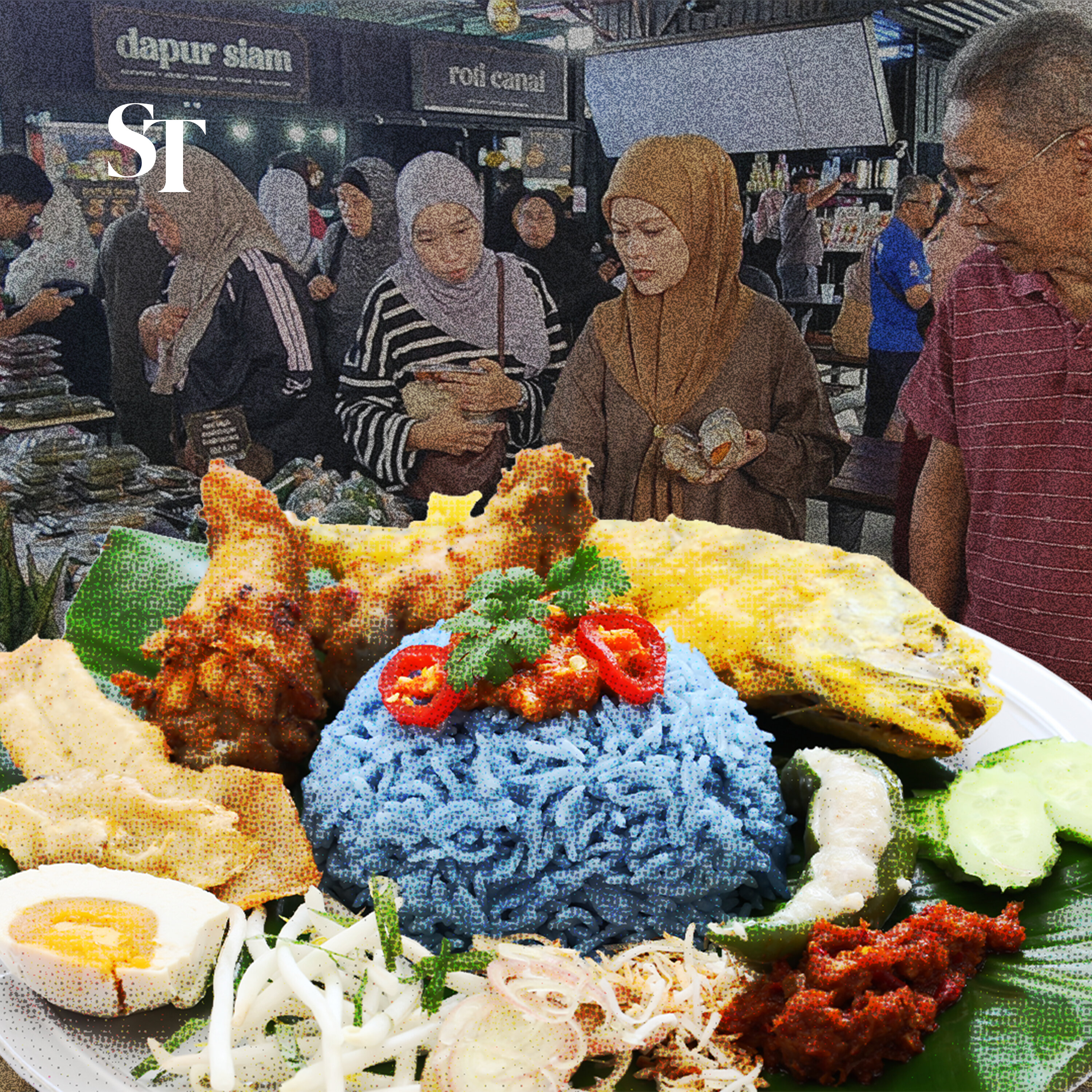 S2E95: Why KL can't get enough of Kelantan's breakfast 05.11.2026 18mHere's how an overnight supply chain brings Kelantan’s beloved dishes to feed hungry diners in Kuala Lumpur. Synopsis: Every first Friday of the month, The Straits Times catches up with its foreign correspondents about life and trends in the countries they're based in. In this episode of Asian Insider, host Li Xueying speaks with Malaysia correspondent Hazlin Hassan as she uncovers the high-speed logistics behind the massive daily food deliveries that bring authentic tastes straight from Kelantan to the capital city every morning. Hazlin shares her discovery of what drives this booming culinary phenomenon, the distinct flavours that keep food lovers waiting before dawn and why a simple breakfast can spark a cross-country operation. Highlights (click/tap above): 1:36 Vans replaced by air travel to deliver dishes 4:30 Kelantan dishes go viral in Malaysia 8:30 Surge in demand and daily deliveries 9:54 Following the supply chain to KL 15:51 Yearning for culinary authenticity 17:08 Geographic reach and limits across the border Read Hazlin Hassan’s articles here: https://str.sg/NbFG Read Li Xueying’s articles: https://str.sg/iqmR Follow Li Xueying on LinkedIn: https://str.sg/ip4x Sign up for ST’s weekly Asian Insider newsletter: https://str.sg/sfpz Host: Li Xueying (xueying@sph.com.sg) Edited by: Fa’izah Sani Executive producer: Ernest Luis Follow Asian Insider Podcast on Fridays here: Channel: https://str.sg/JWa7 Apple Podcasts: https://str.sg/JWa8 Spotify: https://str.sg/JWaX YouTube: https://str.sg/rF3qR Feedback to: podcast@sph.com.sg --- Follow more ST podcast channels: All-in-one ST Podcasts channel: https://str.sg/wvz7 Get more updates: http://str.sg/stpodcasts --- Get The Straits Times app, which has a dedicated podcast player section: The App Store: https://str.sg/icyB Google Play: https://str.sg/icyX --- #STAsianInsiderSee omnystudio.com/listener for privacy information.
-
 S1E117: Can you secretly record your boss? An employment lawyer on how this could end your career 05.11.2026 29mShould you secretly record your workplace meetings, even if it’s legally allowed? A recent case, where a PR firm director was fired after secretly recording an internal meeting, has brought into focus the issue of how employees can document such meetings without putting their jobs at risk. Also, should employment contracts now spell out the rules on recording conversations? The director brought a wrongful dismissal claim to the Employment Claims Tribunal (ECT) - and it was thrown out. In this episode of The Usual Place, Natasha asks Angel Kilian, the founder & CEO of Career inFocus, and corporate lawyer Jennifer Chih from Nair, Jen and Tan whether keeping receipts of all workplace conversations is the way to go. We also look at what a “contemporaneous record” is, and when you should write one. Highlights (click/tap above): 1:25 Do employees need creative ways to protect themselves? 5:59 How to make a “contemporaneous record” 11:36 Should contracts spell out recording rules? 15:28 Employer vs employee: an unequal balance of power? 17:44 Is keeping receipts a smart habit or a career risk? 21:41 Treated unfairly? What to do instead of recording 26:53 Can you come back after trust is broken? Host: Natasha Ann Zachariah (natashaz@sph.com.sg) Read Natasha’s articles: https://str.sg/iSXm Follow Natasha on her IG account and DM her your thoughts on this topic: https://str.sg/8KNT Follow Natasha on LinkedIn: https://str.sg/v6DN Follow The Usual Place podcast on IG: / theusualplacepodcast Follow Natasha on LinkedIn: https://str.sg/v6DN Filmed by: Studio+65 Edited by: Eden Soh & Yang Jiesan Cruz Executive producer: Danson Cheong Producers: Natasha Ann Zachariah, Elizabeth Law & Zachary Lim Follow The Usual Place Podcast and get notified for new episode drops every Thursday: Channel: https://str.sg/5nfm Apple Podcasts: https://str.sg/9ijX Spotify: https://str.sg/cd2P YouTube: https://str.sg/theusualplacepodcast Feedback to: podcast@sph.com.sg SPH Awedio app: https://www.awedio.sg --- Follow more ST podcast channels: All-in-one ST Podcasts channel: https://str.sg/wvz7 Get more updates: http://str.sg/stpodcasts --- Get The Straits Times app, which has a dedicated podcast player section: The App Store: https://str.sg/icyB Google Play: https://str.sg/icyX -- #tup #tuptrSee omnystudio.com/listener for privacy information.
-
 S1E98: What Trump’s midterm rout means for Singapore, Asean and China | Blackbox Research CEO David Black 05.11.2026 43mThe Republican Party’s crushing defeat could reshape American politics, but Asia should not expect US politics to return to what it was before President Donald Trump, says the Blackbox Research CEO David Black. In this conversation with The Straits Times' senior columnist Bhavan Jaipragas - recorded on Nov 4, hours after polls closed - Black explains why he sees Trump's defeat as an extraordinary act of political self-sabotage. With Democrats projected to take control of both chambers of Congress, what comes next for President Donald Trump? Will he moderate his approach, or become even more combative? Black also discusses what this means for Asia, and how Beijing might read the election results. Highlights (click/tap above): 3:48 Republican midterm loss is the worst result since 1974 7:21 Why voters turned up in large numbers 9:32 Why Trump might ditch MAGA 11:47 Are Republicans distancing themselves from Trump? 13:03 Trump’s scapegoat: Pete Hegseth 14:40 Potential Democrat front-runners for the US presidency 20:22 Democrats “can’t do much about” tariffs 23:47 Impact of midterm results on the Iran war and US foreign policy 26:03 Would Asian diplomats and leaders change their approach towards the US? 28:05 China’s response to the US midterm election results Read ST’s Opinion section: https://str.sg/w7sH Host: Bhavan Jaipragas (bhavan@sph.com.sg) Produced and edited by: Teo Tong Kai, Eden Soh, Hadyu Rahim and Yang Jiesan Cruz Executive producers: Danson Cheong & Lynda Hong Follow In Your Opinion Podcast here and get notified for new episode drops: Channel: https://str.sg/w7Qt Apple Podcasts: https://str.sg/wukb Spotify: https://str.sg/w7sV YouTube: https://str.sg/GjMT Feedback to: podcast@sph.com.sg --- Follow more ST podcast channels: All-in-one ST Podcasts channel: https://str.sg/wvz7 Get more updates: http://str.sg/stpodcasts --- Get The Straits Times app, which has a dedicated podcast player section: The App Store: https://str.sg/icyB Google Play: https://str.sg/icyX --- #inyouropinionSee omnystudio.com/listener for privacy information.
-
 S1E97: Young Singaporeans are turning away from institutionalised religion. Why? | IPS’ Dr Melvin Tay 04.11.2026 50mIPS research fellow Melvin Tay discusses the changing nature of religion in Singapore. More Singapore residents report having no religious affiliation, rising from one in five in 2020 to one in four in 2025, according to the Department of Statistics’ latest General Household Survey 2025. But a separate report by US-based think tank Pew Research found that almost nine in 10 Singapore adults surveyed still believe in God or unseen beings, higher than other South-east Asian countries such as Cambodia and Thailand. Is this growth in non-affiliation a cause for concern for Singapore, one of the most religiously diverse countries in the world? And what does religion do for us today? In this episode, host Zachary Lim speaks with Dr Melvin Tay, a research fellow at the Institute of Policy Studies, to examine the changing religious landscape in Singapore. They also discuss whether religious institutions are losing relevance, and the implications of alternative spiritual practices gaining traction among young people. Highlights (click/tap above): 1:40 Changes in perception of religion over time 5:59 Shift away from institutionalised religion 10:41 Changing modality of engaging with faith 16:05 Singapore’s fast pace of life on religious affiliation 18:37 Young residents on needing tangible benefits from religious experiences 20:32 The global push towards secularisation 26:28 Is Singapore’s religious diversity in jeopardy? 29:46 Emergence of alternative divination and spiritual avenues in Singapore 37:42 Morality, healing, and community beyond institutionalised religions 47:00 Is increasing non-affiliation to religion a cause for concern? Read ST’s Opinion section: https://str.sg/w7sH Host: Zachary Lim (zachlim@sph.com.sg) Produced and edited by: Teo Tong Kai Editorial producer: Elizabeth Law Executive producers: Danson Cheong, Lynda Hong Follow In Your Opinion Podcast here and get notified for new episode drops: Channel: https://str.sg/w7Qt Apple Podcasts: https://str.sg/wukb Spotify: https://str.sg/w7sV YouTube: https://str.sg/GjMT Feedback to: podcast@sph.com.sg --- Follow more ST podcast channels: All-in-one ST Podcasts channel: https://str.sg/wvz7 Get more updates: http://str.sg/stpodcasts --- Get The Straits Times app, which has a dedicated podcast player section: The App Store: https://str.sg/icyB Google Play: https://str.sg/icyX --- #inyouropinionSee omnystudio.com/listener for privacy information.
-
 S3E5: Singapore’s upcoming trash crisis: Can a drinks recycling scheme fix it? 02.11.2026 34mThe scheme could help to improve Singapore’s low domestic recycling rates. Blue recycling bins filled with non-recyclable trash have become a common sight around Singapore. This contamination has resulted in poor domestic recycling rates in the country, as food and liquid waste thrown into the commingled bins taints the other recyclables. In 2025, the Republic logged its highest amount of waste disposed of, at about 3.36 million tonnes, up from about 3.33 million tonnes in 2024. This is in tandem with economic and population growth, according to the National Environment Agency (NEA). To overcome this challenge, the National Environment Agency on Oct 1 fully implemented its Beverage Container Return Scheme (BCRS) to ensure that plastic bottles and cans are segregated for recycling. But this initiative has also been plagued with complaints. In this episode, host Audrey Tan chats with Ang Qing and Shabana Begum, environment correspondents at ST, on whether these criticisms are warranted, and whether Singapore should continue pushing ahead with the scheme. Highlights (click/tap above): 2:31 Observations on the ground 6:00 Why we need this 10-cent incentive at this stage? 7:55 Why Singapore needs this scheme now 9:11 Why the blue bin scheme is not sustainable given poorer habits in Singapore 11:05 Why BCRS is worth persevering with 13:00 Observations of current and various recycling operations in Singapore 13:56 Not ideal conditions: Seeing discarded syringes among recyclables 15:35 Shabana on the more automated processes at a BCRS recycling facility 17:25 Qing on the need for the public to sort better upstream 18:25 Behind-the-scenes additional costs that SME retailers face 23:25 Is 10 cents enough of an incentive for the public? 25:35 Should more drinks such as glass bottles be worked into BCRS scheme? 26:15 Dumpster diving? Side hustles using the BCRS scheme? Read more: Shabana Begum’s articles: https://str.sg/5EGd Ang Qing’s articles: https://str.sg/i5gT Follow Audrey Tan on LinkedIn: https://str.sg/848W Read her articles: https://str.sg/JLM2 Host: Audrey Tan (audreyt@sph.com.sg) Produced and edited by: Hadyu Rahim Executive producer: Ernest Luis Follow Green Pulse Podcast every Tuesday as we discuss how environmental issues intersect with business, politics and society: Channel: https://str.sg/JWaf Apple Podcasts: https://str.sg/JWaY Spotify: https://str.sg/JWag YouTube: https://str.sg/fapS Feedback to: podcast@sph.com.sg --- Follow more ST podcast channels: All-in-one ST Podcasts channel: https://str.sg/wvz7 Get more updates: http://str.sg/stpodcasts --- Get The Straits Times app, which has a dedicated podcast player section: The App Store: https://str.sg/icyB Google Play: https://str.sg/icyX #greenpulseSee omnystudio.com/listener for privacy information.
-
 S2E57: S&P 500: Solid investment or internet hype? | Investing basics explained 02.11.2026 40mETFs, REITs, SSBs, T-bills - what do they all mean? In this episode, SGX director of capital market development Emelia Tan breaks down different investment assets and compares which ones are suitable for you. Hosts Kai Wen and Sue-Ann discuss why ETFs are so popular now, how to diversify your investment portfolio, and whether the SGX or US stock market gives higher returns. Highlights (click/tap above): 0:00 Introduction and discussion of ETFs 7:41 Types of ETFs on the SGX 9:03 Are there drawbacks to buying ETFs 12:03 STI or S&P 500 16:27 Exploring SSBs and T-bills 26:24 REITs and the dividend play 35:50 How to build an investment portfolio Follow See Kai Wen on LinkedIn: https://str.sg/qfwqQ Follow Sue-Ann Tan on LinkedIn: https://str.sg/A86X Read Sue-Ann Tan's articles: https://str.sg/mvSa Hosts: See Kai Wen (seekw@sph.com.sg) and Sue-Ann Tan (suetan@sph.com.sg) Produced & edited by: Amirul Karim Executive producer: Danson Cheong Follow the Headstart On Record Podcast here: Channel: https://str.sg/wB2m Apple Podcasts: https://str.sg/wuN3 Spotify: https://str.sg/wBr9 YouTube: https://str.sg/3psqrx Feedback to: podcast@sph.com.sg Get business/career tips in ST's Headstart newsletter: https://str.sg/headstart-nl --- Follow more ST podcast channels: All-in-one ST Podcasts channel: https://str.sg/wvz7 Get more updates: http://str.sg/stpodcasts --- Get The Straits Times app, which has a dedicated podcast player section: The App Store: https://str.sg/icyB Google Play: https://str.sg/icyX --- Do note: All analyses, opinions, recommendations and other information in this podcast are for your general information only. You should not rely on them in making any decision. Please consult a fully qualified financial adviser or professional expert for independent advice and verification. To the fullest extent permitted by law, SPH Media shall not be liable for any loss arising from the use of or reliance on any analyses, opinions, recommendations and other information in this podcast. SPH Media accepts no responsibility or liability whatsoever that may result or arise from the products, services or information of any third parties. --- #headstartSee omnystudio.com/listener for privacy information.
-
 S1E1: Are parents making their kids' screen habits worse? 01.11.2026 38mHow to better connect with a child offline and online. Synopsis: Join us for a five-part limited-edition podcast series this November by The Straits Times where we discuss the challenges of raising kids in a world that's always plugged in. For many children and teens, there is little distinction between the online and offline world. Many parents worry that screens are getting in the way of their relationship with their children. But instead of pulling our children away from their digital worlds, should parents step into them, and journey with our children? In this episode, Host Elisha Tushara is joined by Natalie Pang, a professor at the National University of Singapore. Having done research on digital well-being and online harms, and as the mother of a teenage boy, she recommends gaming with your children. Highlights (click/tap above): 0:00 Intro 4:05 Why the online world is important to our children 7:42 Being offline and being left out 8:30 Bringing online rules into the offline world 10:50 What I learned about my child by gaming together: Natalie Pang 14:21 Screen use: Measuring by purpose, instead of time 17:55 What happens when parents are glued to their screens themselves? 21:22 It’s natural for children to get upset when screentime is over 26:02 Why do some parents find it hard to set screentime boundaries? — Read more ST Screen Timeout articles: https://str.sg/screentimeout Host: Elisha Tushara (elisha@sph.com.sg) Read Elisha’s articles: https://str.sg/5VVJ Follow Elisha on LinkedIn: https://str.sg/94WA Produced and edited by: Studio+65 and Fa’izah Sani Executive producers: Ernest Luis, Amelia Teng — Follow Screens Down, Look Up limited series every Monday (Nov 2 - 30): Channel: https://str.sg/bKan Apple Podcasts: https://str.sg/57aK Spotify: https://str.sg/agZP YouTube: https://str.sg/yxuv Feedback to: podcast@sph.com.sg — Follow more ST podcast channels: All-in-one ST Podcasts channel: https://str.sg/wvz7 Get more updates: http://str.sg/stpodcasts — Get The Straits Times app, which has a dedicated podcast player section: The App Store: https://str.sg/icyB Google Play: https://str.sg/icyX #screensdownlookupSee omnystudio.com/listener for privacy information.
-
 S2E94: Is Hong Kong really over? Warning China about a deal with Trump 29.10.2026 41mOr has US economist Stephen Roach changed his mind about Hong Kong’s survival and identity? Synopsis: Every month, The Straits Times gets its US Bureau Chief to analyse the hottest political and geopolitical talking points. In this episode, US Bureau Chief Bhagyashree Garekar chats with Dr Stephen Roach, a prominent economist with expertise on Asia. He spent three decades at global investment bank Morgan Stanley, serving as the firm's chief economist and later as chairman of Morgan Stanley Asia. He is currently a Senior Fellow at Yale Law School's Paul Tsai China Center. In this wide-ranging conversation, he says the “unfriendly takeover” by mainland Chinese has changed the character of Hong Kong dramatically. This has left the market-based city - once idolised by iconic American economist Milton Friedman - in tatters, he adds. While that might drive his critics crazy, the idea that his remarks are rooted in any bias against Hong Kong is “absolutely ludicrous,” he insists. Roach also has a word of caution for China’s President Xi Jinping, who made a state visit to Washington for a summit with US President Donald Trump in September 2026. The concept currently favoured by both the US and China to define their relationship - constructive, strategic stability - is also a bit of a mirage, he says. “There's nothing strategic about it, the best I think the Chinese can hope for would be stability,” he adds. Roach is not among those anticipating a turning of the page with the Nov 3 midterm elections, even if the Democrats seize a majority in the Congress. Roach also takes an axe to Trump’s frequent assertions of America being the “hottest economy”. “He calls it an “exaggeration” that also reflects the poor state of growth elsewhere in the world. But a Great Depression-scale collapse is not in the cards, according to him. “I don't think we're gonna have a replay of the 1930s-styled bank-driven collapse,” he says. Highlights (click/tap above): 00:50 "Hong Kong is over?": Stephen Roach clarifies the controversial headline in a Financial Times column in 2024 6:40 What’s not going right between the US and China? 7:40 Why Trump’s “shallow thinking” on AI hurts 10:28 His warning to China about a deal with Trump 14:00 Will a strong Democratic show in the Nov 3 midterm elections constrain Trump? 18:10 Is Trump’s claim of a "golden age” for America true? 24:20 As the 100th anniversary of the Great Depression nears, could there be a repeat? 30:00 Will US dollar primacy be seriously challenged? 33:00 When he sees China coming out of the slowdown 38:20 Lastly, on India: Will its economy continue to over-promise and under-deliver? Read Bhagyashree Garekar’s articles: https://str.sg/whNo Bhagyashree Garekar’s LinkedIn: https://str.sg/gD6E Sign up for ST’s weekly Asian Insider newsletter: https://str.sg/sfpz Host: Bhagyashree Garekar (bhagya@sph.com.sg) Produced and edited by: Fa’izah Sani Executive producer: Ernest Luis Follow Asian Insider Podcast on Fridays here: Channel: https://str.sg/JWa7 Apple Podcasts: https://str.sg/JWa8 Spotify: https://str.sg/JWaX YouTube: https://str.sg/rF3qR Feedback to: podcast@sph.com.sg --- Follow more ST podcast channels: All-in-one ST Podcasts channel: https://str.sg/wvz7 Get more updates: http://str.sg/stpodcasts --- Get The Straits Times app, which has a dedicated podcast player section: The App Store: https://str.sg/icyB Google Play: https://str.sg/icyX --- #STAsianInsiderSee omnystudio.com/listener for privacy information.
-
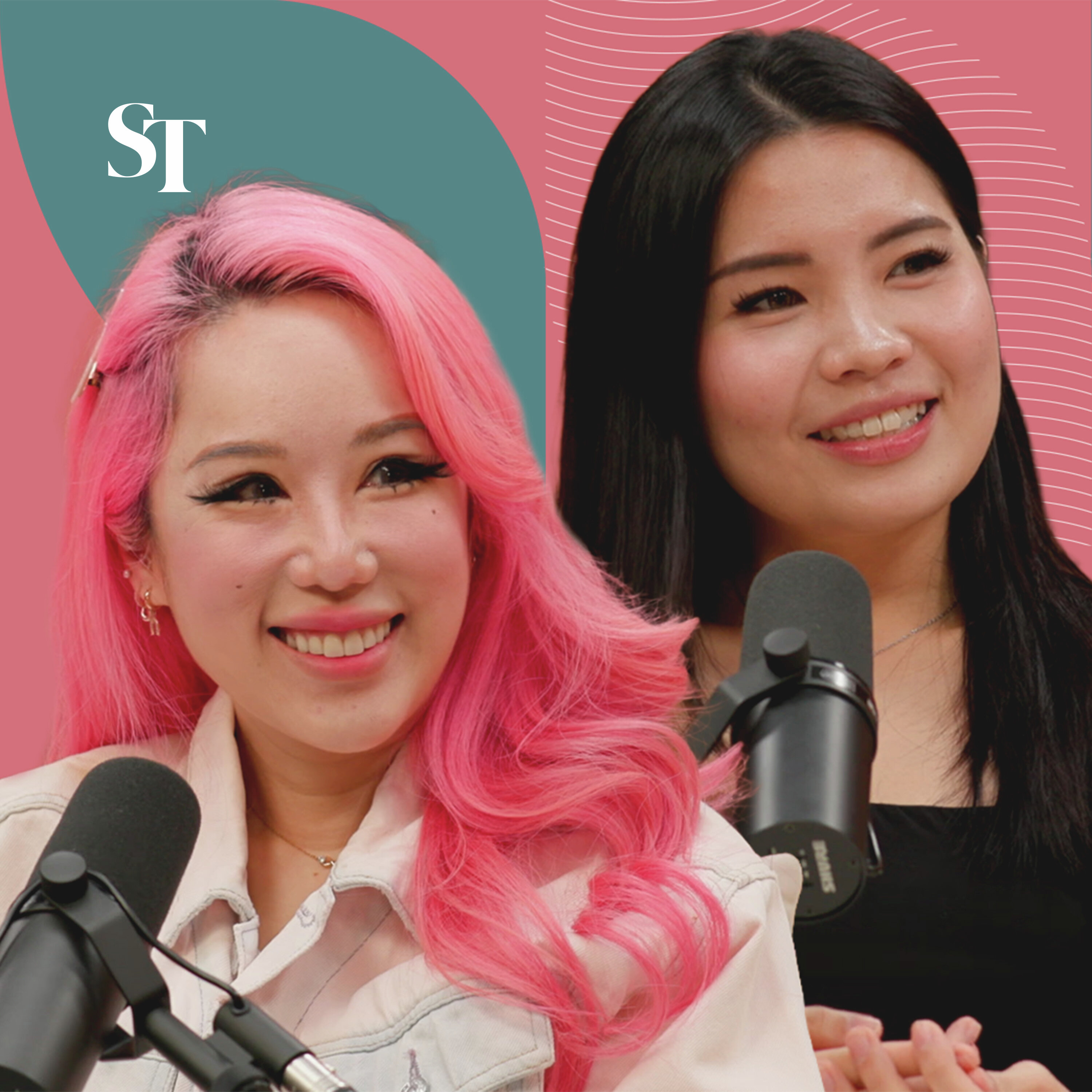 S1E116: “They treat us like dogs”: Xiaxue on the reality of being a live seller 29.10.2026 58mWould you eat 2kg of durian in one go to sell a batch of the fruit? How about yapping for eight hours straight to hit your sales numbers? Live-streaming is booming, and for some, it looks like an easy gig with easy money. But seasoned live-sellers say the market is saturated and only the top sellers get high commissions. In this episode of The Usual Place, Natasha chats with social media personality Xiaxue (@xiaxue) and fellow live-streamer Yin Peiying (@officially.poopa) about the reality of selling on platforms like TikTok or Shopee. We talk about banned words, “violations” that can hurt your viewership numbers, and why not every live-seller makes it big. Highlights (click/tap above): 1:45 Most extreme thing Peiying has done on a livestream 3:49 Why did live streaming get so big? 7:14 Why merchants give huge discounts 11:15 Can you sell anything in a live stream? 13:55 No idea if I’m a good live streamer: Xiaxue 26:04 $20k-$30k commission possible, but outlier 34:33 Why live streamers are treated differently from influencers 41:18 Does live streaming encourage drama? 45:26 Uneven rules on who gets flagged: Xiaxue 48:50 The words that you can’t say on a stream 51:10 Is the “limited stock” warning always true? Host: Natasha Ann Zachariah (natashaz@sph.com.sg) Read Natasha’s articles: https://str.sg/iSXm Follow Natasha on her IG account and DM her your thoughts on this topic: https://str.sg/8KNT Follow Natasha on LinkedIn: https://str.sg/v6DN Follow The Usual Place podcast on IG: / theusualplacepodcast Follow Natasha on LinkedIn: https://str.sg/v6DN Filmed by: Studio+65 Edited by: Eden Soh & Yang Jiesan Cruz Executive producer: Danson Cheong Producers: Natasha Ann Zachariah, Elizabeth Law & Zachary Lim Follow The Usual Place Podcast and get notified for new episode drops every Thursday: Channel: https://str.sg/5nfm Apple Podcasts: https://str.sg/9ijX Spotify: https://str.sg/cd2P YouTube: https://str.sg/theusualplacepodcast Feedback to: podcast@sph.com.sg SPH Awedio app: https://www.awedio.sg --- Follow more ST podcast channels: All-in-one ST Podcasts channel: https://str.sg/wvz7 Get more updates: http://str.sg/stpodcasts --- Get The Straits Times app, which has a dedicated podcast player section: The App Store: https://str.sg/icyB Google Play: https://str.sg/icyX -- #tup #tuptrSee omnystudio.com/listener for privacy information.
-
 S1E96: He spent 16 years at McDonald’s, now he’s growing a Chinese tea brand | Chagee APAC CMO Eugene Lee 28.10.2026 49mAfter 16 years at McDonald's, Chagee APAC CMO shares how Chinese companies operate differently in the global arena Synopsis: Conversations and interviews that give you something to think about. Each Wednesday, In Your Opinion speaks to thinkers, leaders, and the people shaping our lives and the issues of the day. What does it take to turn a Chinese tea chain into a global brand? And what can China's new generation of consumer companies learn from the likes of McDonald's and Starbucks? Eugene Lee has seen both sides of the divide. After 16 years at McDonald's, where he rose to become international chief marketing officer, he joined Shanghai-headquartered Chagee as its Asia-Pacific chief marketing officer in 2025. In this conversation with The Straits Times’ senior columnist Tan Dawn Wei, Lee describes the culture shock of moving from an 86-year-old American multinational to a fast-moving young Chinese company, where ideas can become reality within days. He explains how Chagee uses automation, standardisation and lessons borrowed from competitors to expand rapidly, and why building emotional connections with consumers matters as much as selling a good product. He also addresses Chagee’s falling market valuation, slowing sales and the risk of becoming another passing fad in the food and beverage industry. Beyond tea, the conversation explores China's remarkable transformation from the world's factory into a creator of increasingly ambitious - and desirable - global brands. Highlights (click/tap above): 2:40 A culture shock from McDonald’s to Chagee 5:12 The Chinese lack of fear of failure 15:01 Becoming “the Starbucks of tea” 18:26 The secret behind scaling a business quickly 23:14 How Chagee localises for different markets 28:19 Is Chagee expanding faster than consumer demand can keep up? 31:15 Taking lessons from other successful Chinese F&B brands 34:05 Will Chagee be yet another F&B fad? 39:57 The influx of Chinese retail brands to Singapore and the anxiety it brings 42:50 How China is building global brands Read ST’s Opinion section: https://str.sg/w7sH Host: Tan Dawn Wei (dawntan@sph.com.sg) Produced and edited by: Teo Tong Kai Executive producers: Danson Cheong & Lynda Hong Follow In Your Opinion Podcast here and get notified for new episode drops: Channel: https://str.sg/w7Qt Apple Podcasts: https://str.sg/wukb Spotify: https://str.sg/w7sV YouTube: https://str.sg/GjMT Feedback to: podcast@sph.com.sg --- Follow more ST podcast channels: All-in-one ST Podcasts channel: https://str.sg/wvz7 Get more updates: http://str.sg/stpodcasts --- Get The Straits Times app, which has a dedicated podcast player section: The App Store: https://str.sg/icyB Google Play: https://str.sg/icyX --- #inyouropinionSee omnystudio.com/listener for privacy information.
-
 S3E4: Is the ASEAN chairmanship that powerful? Can Singapore push the green agenda? 26.10.2026 34mCan Singapore balance economic survival & climate action as ASEAN chair in 2027? As Singapore prepares to take over the ASEAN chairmanship in 2027, the region faces a delicate balancing act between economic uncertainties and climate action. According to recent regional survey data from the ISEAS-Yusof Ishak Institute, many in Southeast Asia are prioritising economic survival, inflation, and recession fears over climate action. But with pressing issues like transboundary haze, coal phase-outs, and rising energy costs, how can Singapore use its leadership to align economic resilience with green initiatives? In this episode, Green Pulse host Audrey Tan sits down with veteran diplomat and climate researcher Sharon Seah. They explore the real power and limits of the ASEAN chair, how the long-awaited ASEAN Power Grid could unlock regional energy security, and why framing climate solutions around economic survival, such as carbon credits and peatland restoration, is the key to uniting the region. Highlights of conversation (click/tap above): 1:03 The power and limits of the ASEAN chair 2:55 When cutting emissions becomes crossing a red line 4:05 How can Singapore as ASEAN chair balance economy and climate change issues 6:21 Singapore as a technocratic chair v consensus builder 8:13 Can ASEAN cooperate on haze issues? 12:17 Unlocking carbon credits through peatland conservation 15:59 Economy and climate change - can ASEAN 2027 balance both? 17:36 ASEAN power grid, microgrid and financing hurdles 22:43 Plans to adapt to climate change 26:02 Impacts of Iran war and Trump at ASEAN in Nov 2026 31:40 Could ASEAN negotiate as a unified voice at COP? 33:10 Why everyday citizens should care about ASEAN Summits Follow Audrey Tan on LinkedIn: https://str.sg/848W Read her articles: https://str.sg/JLM2 Host: Audrey Tan (audreyt@sph.com.sg) Produced and edited by: Hadyu Rahim Executive producer: Lynda Hong Follow Green Pulse Podcast every Tuesday as we discuss how environmental issues intersect with business, politics and society: Channel: https://str.sg/JWaf Apple Podcasts: https://str.sg/JWaY Spotify: https://str.sg/JWag YouTube: https://str.sg/fapS Feedback to: podcast@sph.com.sg --- Follow more ST podcast channels: All-in-one ST Podcasts channel: https://str.sg/wvz7 Get more updates: http://str.sg/stpodcasts --- Get The Straits Times app, which has a dedicated podcast player section: The App Store: https://str.sg/icyB Google Play: https://str.sg/icyX --- #greenpulseSee omnystudio.com/listener for privacy information.
Similar podcasts


Popular in
The podcast also appears in the podcast charts of these countries.


