
Base by Base
Gustavo Barra
0
Base by Base explores advances in genetics and genomics, focusing on gene-disease associations, variant interpretation, protein structure, and exome and genome sequencing. Each episode breaks down key studies and their clinical relevance one base at a time. The show is AI-powered, offering a new way to learn on the go, and thanks authors who publish under CC BY 4.0 for open-access science.
Episodes
-
 478: Pathogenic, benign or uncertain: the UK rules for reading a variant 18.11.2026 18mDurkie M et al., Journal of Medical Genetics - When a genetic test finds a rare variant, someone has to decide whether it causes the disease, is harmless, or remains uncertain. These best practice guidelines from the Association for Clinical Genomic Science set out how UK NHS genomic laboratories should make that call, aligning with the ACMG/AMP and ClinGen frameworks. They cover small sequence variants and copy number variants, extend guidance to mitochondrial, non-coding, reduced penetrance and hypomorphic variants, and spell out what should and should not appear in a laboratory report. Key...
-
 477: Fish oil and the genes that change its effect 15.11.2026 19mIhejirika S et al., Human Genetics and Genomics Advances - This study asks why the same fish oil supplement can shift blood fatty acids differently from person to person. Using a two-stage strategy in UK Biobank participants of European ancestry, the authors first searched the genome for variants linked to the spread, or variance, of 14 plasma polyunsaturated and monounsaturated fatty acid traits, and then tested those variants for interaction with regular fish oil use. Key terms: gene-environment interaction, variance QTL, fish oil supplements, polyunsaturated fatty acids, UK Biobank. Study H...
-
 476: One recurring ABI2 change and a thin brain bridge 12.11.2026 10mArgilli E et al., The American Journal of Human Genetics - This research letter describes nine unrelated individuals with rare heterozygous missense variants in ABI2, a gene for a cytoskeletal adaptor protein that works in Rac-WAVE signaling and actin remodeling. Seven of them carry the same de novo change, p.Tyr491Cys, in the SH3 domain, and their brain MRIs show a consistent pattern led by a thin corpus callosum, the bundle of fibers that links the two brain hemispheres. Key terms: ABI2, corpus callosum hypoplasia, de novo variant, neurodevelopmental disorder, Rac-WAVE signaling. Study Highl...
-
 475: A Cell Line Fitness Score Predicts Cancer Risk in Li-Fraumeni Syndrome 05.11.2026 9mPenkert J et al., The American Journal of Human Genetics - Carriers of disease-causing TP53 variants range from mild to severe cancer phenotypes. Using relative fitness scores from a deep CRISPR mutagenesis screen of 9,225 TP53 mutations, this registry study of 437 individuals from 168 families shows that variants scoring 0.673 or higher go with earlier cancer and with full Li-Fraumeni syndrome. Key terms: Li-Fraumeni syndrome, TP53, deep CRISPR mutagenesis, relative fitness score, cancer surveillance. Study Highlights:A previous screen introduced 9,225 TP53 mutations into a colorectal cancer...
-
 474: Two collagen genes, two different risks 04.11.2026 19mTzoumkas K et al., The American Journal of Human Genetics - COL4A3 and COL4A4 are paralogous genes that build the same collagen IV network in the kidney filter, and variant guidelines have generally treated them as interchangeable. This episode follows a population-scale study in the UK Biobank, replicated in All of Us, showing that truncating and NC1 domain missense variants carry much stronger associations with hematuria and proteinuria in COL4A4 than in COL4A3, while glycine substitutions behave alike in both genes. Key terms: COL4A3, COL4A4, Alport syndrome, hematuria, UK Biobank. Study Hi...
-
 473: Sixty years of cells that stop dividing 03.11.2026 19mKlaver M et al., The EMBO Journal - In 1961, Hayflick and Moorhead showed that normal human fibroblasts divide only a finite number of times. This episode follows a review of the six decades since, as senescence moved from a cell-culture limit to a tumor-suppressive stress response, a tissue-remodeling program, a contributor to aging and disease, and a target for therapy. Key terms: cellular senescence, SASP, senolytics, senomorphics, aging. Study Highlights:This review traces cellular senescence from the Hayflick limit of 1961 through telomere shortening, biomarkers and oncogene-induced senes...
-
 472: 490,319 genomes that fill the gaps in genetic studies 02.11.2026 17mWienbrandt L et al., Nature Genetics - Most genetic studies read only a fraction of the genome and infer the rest from a reference panel. This episode covers a new panel built from whole-genome sequencing of 490,319 UK Biobank participants, benchmarked against the TOPMed r3 panel across 35 datasets and used to reanalyze COVID-19 association studies from four European countries. Key terms: genotype imputation, haplotype reference panel, UK Biobank, EagleImp, COVID-19 GWAS. Study Highlights:Researchers phased whole-genome data from 490,319 UK Biobank participants into reference panels of more th...
-
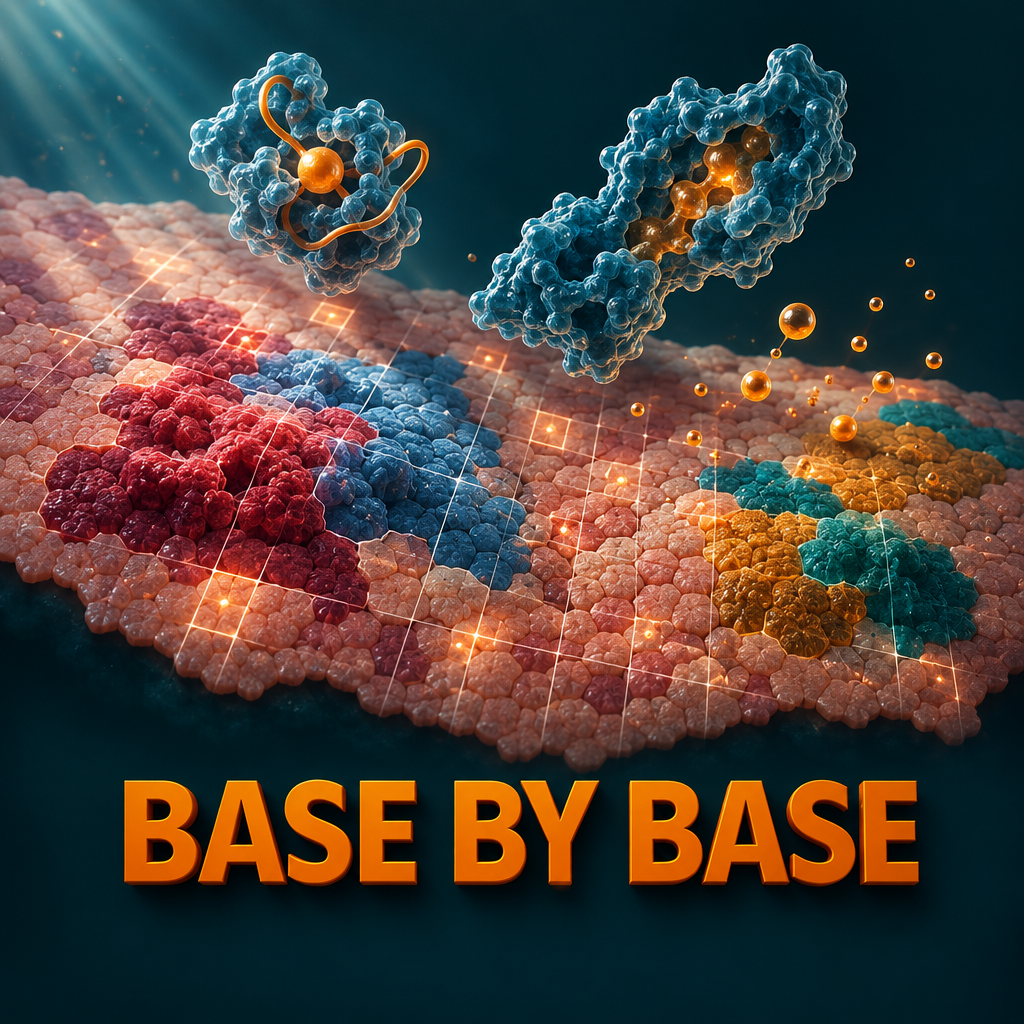 471: How cancer treatment picks winners among mutant clones in the normal esophagus 30.10.2026 17mFowler J et al., Nature Genetics - Normal esophageal lining is a patchwork of mutant clones that compete for space as we age. This study asked whether cancer treatment changes which of those clones win. Normal esophagus removed at surgery from 70 patients with esophageal cancer, who had received no treatment, combination chemotherapy (ECX, EOX or FLOT) or chemoradiation (CROSS), was analyzed with duplex (NanoSeq), whole-genome and targeted sequencing, alongside protein structure modeling and a CRISPR experiment in mouse esophageal cultures. Key terms: somatic mutation, clonal selection, esopha...
-
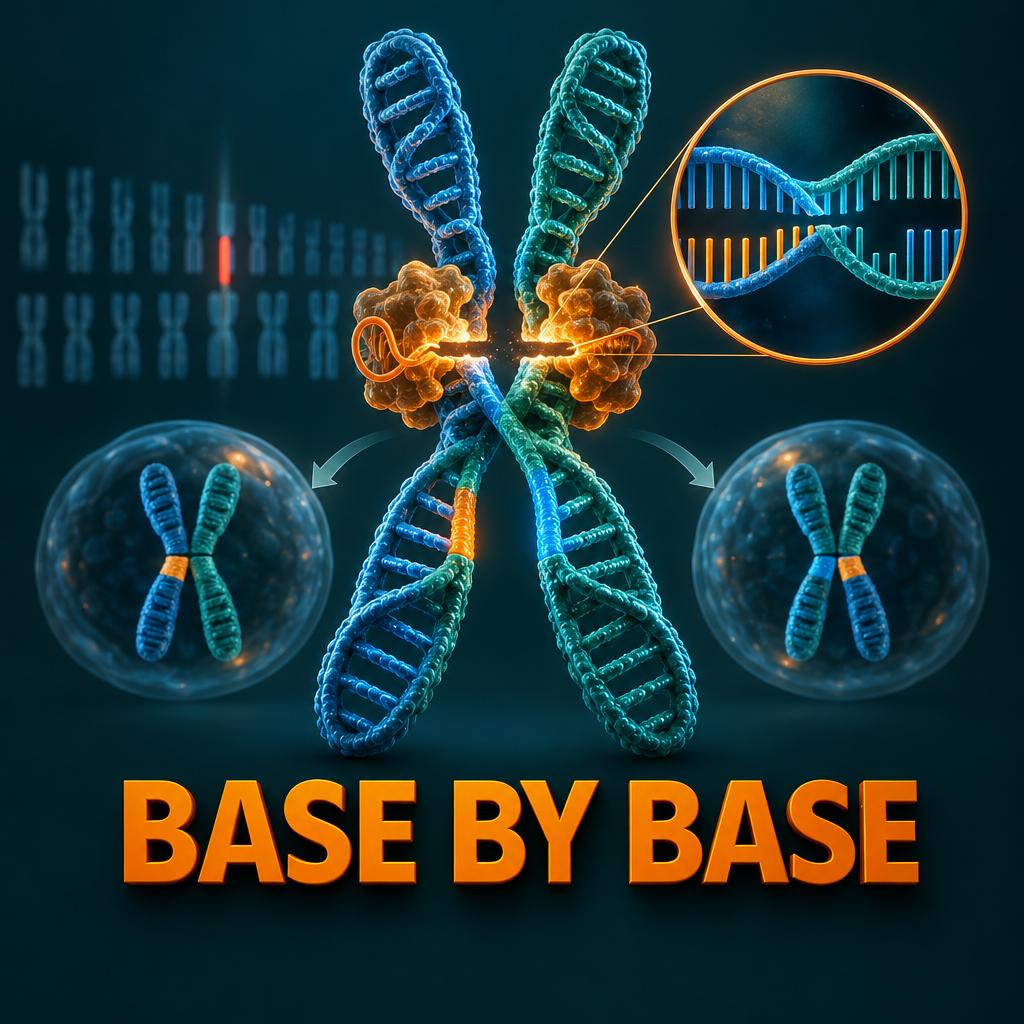 470: The hidden swaps CRISPR leaves between sister chromosomes 29.10.2026 17mChovanec P et al., eLife - When CRISPR/Cas9 cuts DNA, editing is usually judged by the small insertions and deletions left at the break. But a cut can also be repaired by swapping DNA between the two identical sister chromatids, an exchange that leaves no sequence change and is invisible to standard sequencing. Using sci-L3-Strand-seq, a single-cell method that reads which parental template strand each daughter cell inherited, this study mapped Cas9-induced sister chromatid exchange (SCE) in human cells, after cutting either one unique site or 237 repetitive Alu sites at once. Key terms: CRISP...
-
 469: What the shape of a face reveals about cleft risk 27.10.2026 18mHerrick N et al., Human Genetics and Genomics Advances - Orofacial clefts are among the most common birth defects, affecting about 1 in 700 births, yet known genetic signals explain only a fraction of their heritability, and cleft studies cannot reach the huge sample sizes used for traits like height. This study borrowed statistical power from a related trait: the genetics of normal human face shape. Using a pleiotropy-informed method called conditional false discovery rate, the team re-analyzed an existing GWAS of nonsyndromic cleft lip with or without cleft palate and found new candidate ris...
-
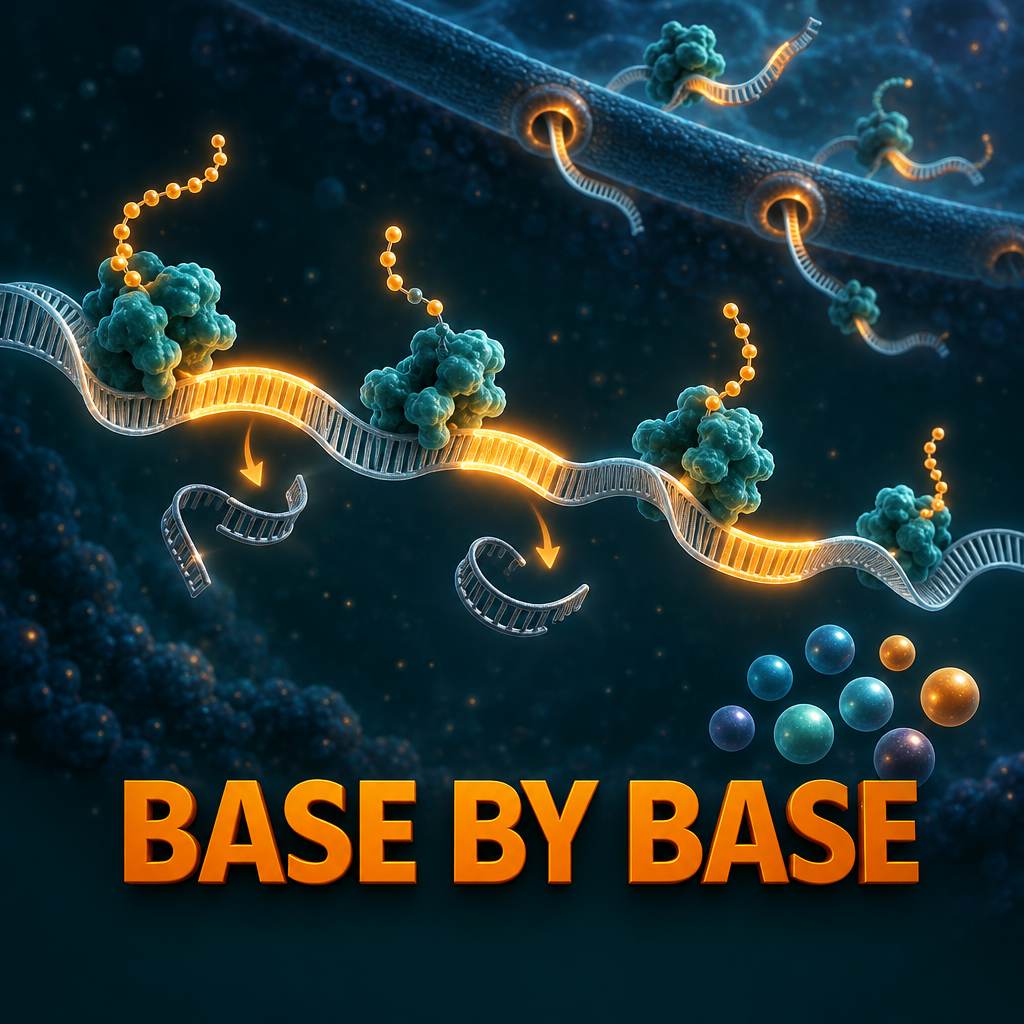 468: When a splicing factor breaks in different ways 25.10.2026 17mLisfeld J et al., The American Journal of Human Genetics - SRSF3 is an essential splicing factor, one of the serine/arginine-rich proteins that help cells cut and paste their RNA messages and send them out of the nucleus. Losing it completely is lethal in mouse embryos. This study describes nine individuals with new, non-inherited SRSF3 variants and variable developmental phenotypes, with developmental delay and/or mild to moderate intellectual disability as the most consistent feature. Functional experiments in patient fibroblasts and human cell lines showed that each variant damaged the prot...
-
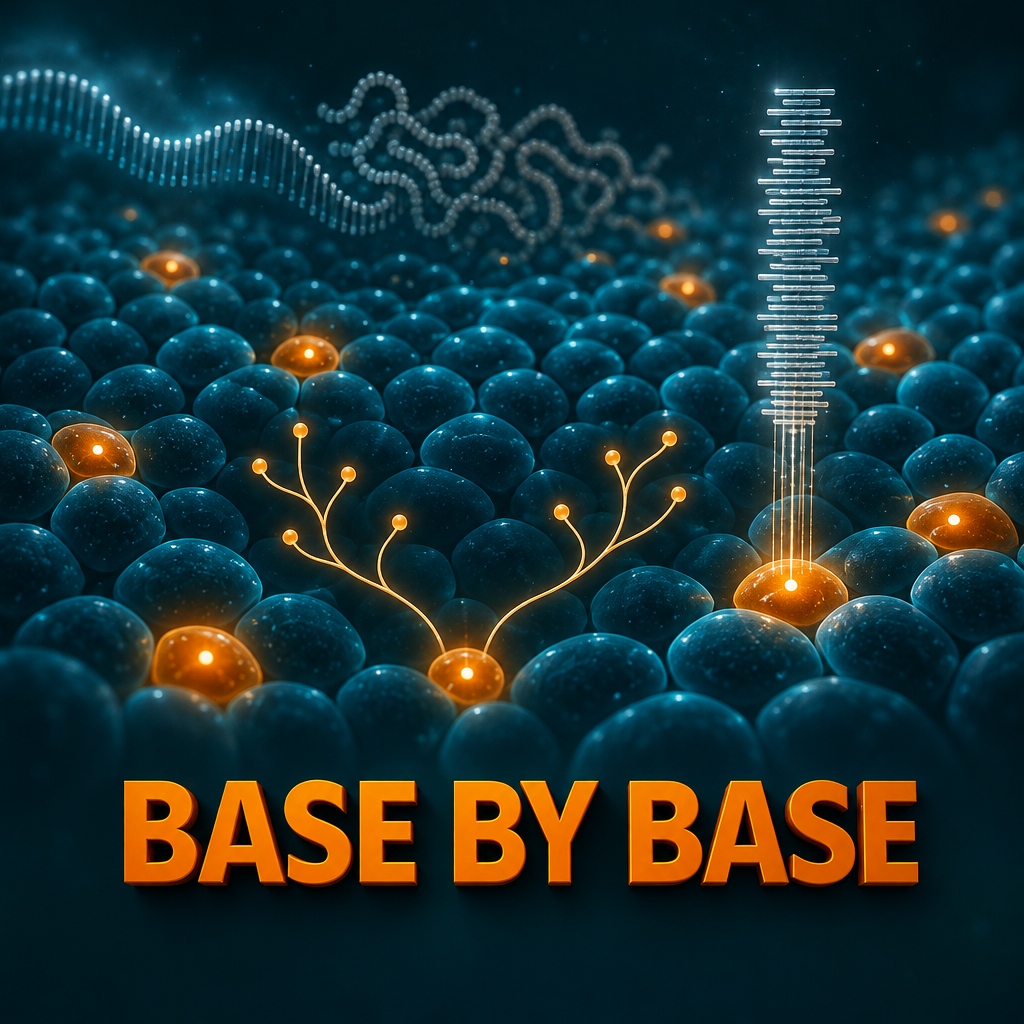 467: Finding mutations carried by fewer than 1 in 100 cells 18.10.2026 18mJang Y et al., The American Journal of Human Genetics - Every cell in the body picks up its own small set of DNA changes over a lifetime, and many of these somatic mutations are carried by only a tiny fraction of cells. This study, part of the SMaHT Network, asks how reliably standard bulk whole-genome sequencing can find mutations present at a variant allele fraction below 1%. The team built a ground truth from one donor's skin: clonal stem cell lines grown from single fibroblasts defined real mutations, and lines from other skin biopsies of the same donor defined mutations that should be abs...
-
 466: A quieter MECP2 switch and the male bias in autism 16.10.2026 18mMeyer-Schuman R et al., The American Journal of Human Genetics - Autism is diagnosed about four times more often in male individuals than in female individuals, and one explanation is mild variants in dosage-sensitive genes on the X chromosome, which a female carrier can buffer with her second copy but a male cannot. This study tests that idea in MECP2, the Rett syndrome gene, by looking at the switches that control how much of it is made rather than the gene itself. Using a massively parallel reporter assay in human stem-cell-derived neurons, the team mapped the active transcription factor bi...
-
 465: When a lysosomal storage gene shows up only in the retina 11.10.2026 20mLin et al., The American Journal of Human Genetics - Bi-allelic variants in IDUA classically cause mucopolysaccharidosis type I, a lysosomal storage disorder that affects many organs from childhood. This study describes 14 adults and young adults from 12 families who first came to eye clinics with retinitis pigmentosa and were later found to carry bi-allelic IDUA variants. Seven of them showed no systemic features of the disease even after detailed assessment, and enzyme activity in white blood cells was reduced but never absent. Cell-based enzyme assays and long-read RNA sequencing explain ho...
-
 464: Burning fat while sparing muscle on GLP-1 drugs, in mice 06.10.2026 18mThorne et al., Proceedings of the National Academy of Sciences - GLP-1 receptor agonists such as semaglutide produce large weight loss, but part of what is lost is lean mass, energy expenditure falls, and weight tends to return when treatment stops. This study tests a complementary idea in mice: switching on heat-producing fat by silencing ZFP423, a repressor of brown and beige fat identity, with an adipose-targeted antisense oligonucleotide. The RNA drug raised energy expenditure and improved metabolism on its own, and combined with semaglutide it produced more weight and fat loss while rough...
-
 463: Why brain traits leave faint, common genetic signals 04.10.2026 18mZhu et al., Proceedings of the National Academy of Sciences - Genome-wide studies of schizophrenia and other psychiatric disorders find hundreds of hits, yet those hits barely clear the significance threshold and tend to be common variants, unlike traits such as LDL cholesterol. This study shows that other traits whose heritability is enriched in the central nervous system share the same pattern, that the pattern survives careful matching of statistical power between binary and quantitative traits, and that it is best explained by an evolutionary model in which brain-related traits have very l...
-
 462: A vessel gene tied to AMD dims low-light vision in mice 30.09.2026 20mCheng et al., Proceedings of the National Academy of Sciences - Genome-wide studies have found dozens of risk loci for age-related macular degeneration, but for many of them the gene doing the work is unknown. This study combines AMD genetics with blood and retinal gene-expression data to prioritize nine candidate genes, screens them in zebrafish, and follows the strongest, CNN2, into knockout mice. Mice lacking Cnn2 lose sensitivity in dim light and to fine contrast while acuity stays normal, and their photoreceptor layer thins, even though the gene is expressed mainly in the retina's blood-v...
-
 461: Adult Ank3 loss quiets neurons and lowers a myelin protein 24.09.2026 24mYoon et al., Proceedings of the National Academy of Sciences - ANK3, which encodes the scaffolding protein ankyrin-G, is a major risk gene for bipolar disorder and schizophrenia, yet what it does in adult neurons has been unclear. This study deletes Ank3 from mouse forebrain excitatory neurons either before birth or from adolescence and finds a convergent adult profile: hyperactivity and less anxiety-like and depression-like behavior, with social behavior intact. The neurons become less active, their membrane proteome shifts, and myelin basic protein falls, a protein made by oligodendrocytes r...
-
 460: The lupus variant that also sharpens antiviral defense 21.09.2026 24mVirolainen et al., The American Journal of Human Genetics - A lupus signal on chromosome 11p15 narrows to a coding haplotype in IRF7 that most people in the world carry. This study shows the risk form moves into the nucleus more readily, binds DNA more tightly and shifts its sequence preference, raising interferon-alpha output, and that mice engineered with the equivalent change clear a respiratory virus better while producing more anti-DNA autoantibodies. The same change buys antiviral protection and costs autoreactivity. Key terms: systemic lupus erythematosus, IRF7, type I interferon, evolu...
-
 459: Cerebral palsy genetics: 515 candidate genes, evidence for 89 13.09.2026 24mArterbery et al., The American Journal of Human Genetics - Hundreds of genes have been reported as causes of cerebral palsy, yet there is no agreed model of what a pathogenic variant in a child with CP actually means. This study treats CP as a phenotypic feature that some genetic disorders make more likely, tests the reported genes against the population prevalence of CP across tens of thousands of published individuals, and finds statistical evidence of association for only 89 of 515, before applying that stratification to genome sequencing of 460 children with CP. Key terms: cerebral palsy,...
Similar podcasts


Popular in
The podcast also appears in the podcast charts of these countries.
