
Invisible Economics
Invisible Economics
0
Invisible Economics explores the hidden forces behind everyday products, prices, and industries. Each episode looks at companies, business models, and global trade to explain the economics quietly shaping what we buy and use. Topics range from supermarkets and airlines to technology, luxury, fast food, and more.
Episodes
-
 The New Lane: Why Wider Roads Fill Up Again 23.11.2026 13mA new lane opens beside an old traffic jam. For a few weeks, the morning commute gets easier. Months later, the fresh asphalt is hidden beneath another line of brake lights.The next time you drive on a freshly widened road, you'll notice how the new space attracts journeys that once took a different route, happened at another hour, or never happened at all.▌│▌│ ▌│ ▌▌│ ▌│▌ ▌│ ▌▌│▌ ▌│ ▌│▌│IN THIS EPISODE— Why adding road capacity encourages more driving— How changing routes, travel times and commercial journeys fill new lanes— Why cities keep widening highways even when congestion returnsTHE NUM...
-
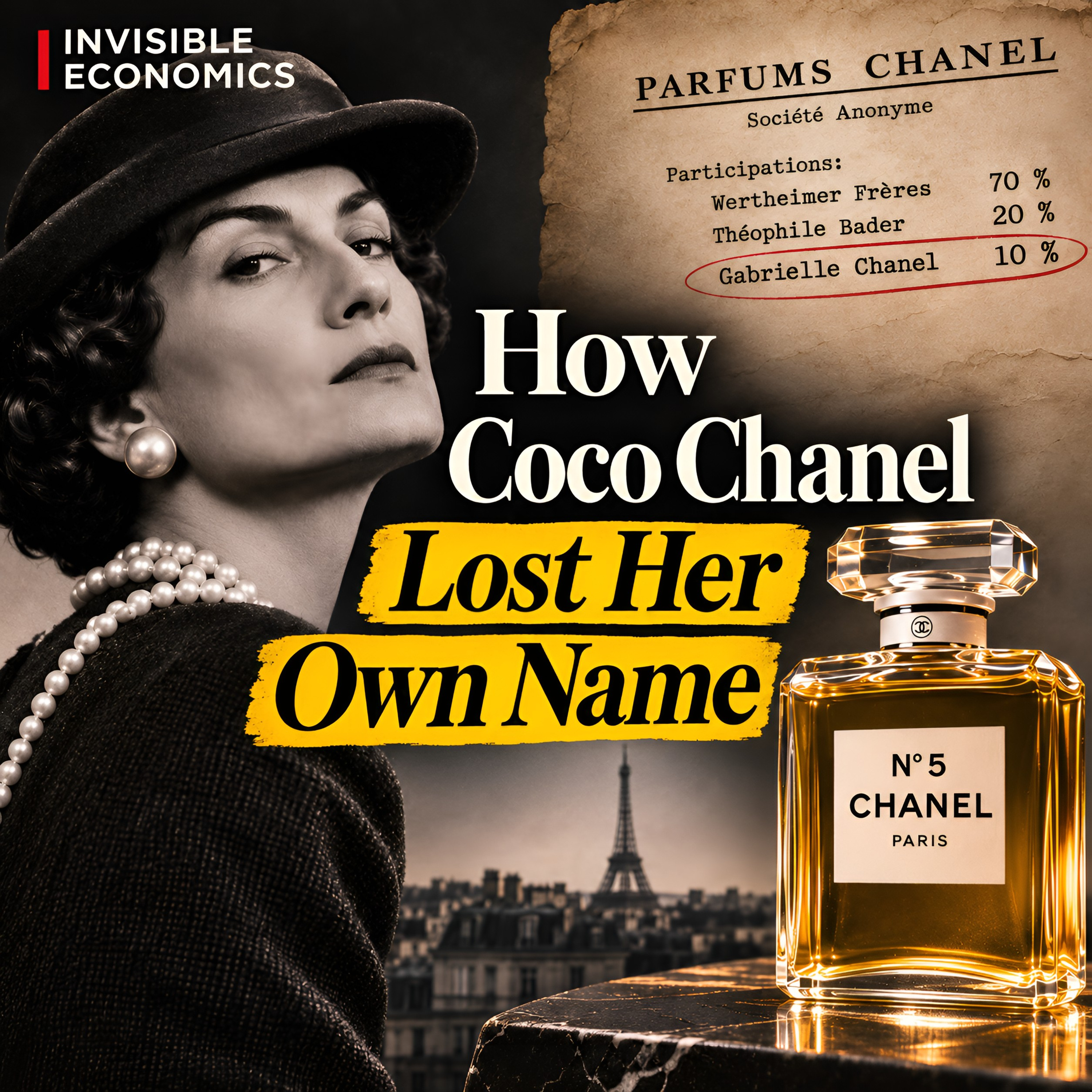 How Coco Chanel Lost Her Own Name 19.11.2026 12mA clear glass bottle sits on a perfume counter. Its squared shoulders frame one of the most famous names in luxury: Chanel No. 5. But the woman whose name appears on the label spent decades fighting for control of the business behind it.The next time you see a bottle of Chanel No. 5, you'll notice its faceted corners — and the name of a woman who became extraordinarily wealthy without controlling the company that carried it.▌│▌│ ▌│ ▌▌│ ▌│▌ ▌│ ▌▌│▌ ▌│ ▌│▌│IN THIS EPISODE— How a small Paris perfume business became a global luxury empire— Why Coco Chanel received just ten percent of the company b...
-
 The Hidden Business of Guinness World Records 16.11.2026 12mA company announces a world record. Executives pose beside a banner while an official holds up a Guinness World Records certificate. The achievement is real. But somebody arranged the visit, and somebody paid for it.The next time you see a brand celebrating a world record, you'll notice that the person confirming the achievement may also be a supplier hired by the company celebrating it.▌│▌│ ▌│ ▌▌│ ▌│▌ ▌│ ▌▌│▌ ▌│ ▌│▌│**IN THIS EPISODE**— How a brewery's promotional book became a global authority on world records— Why companies pay Guinness World Records to develop, verify and promote record-br...
-
 Who Decides When Your Milk Expires? 12.11.2026 13mA small date is printed on a carton of milk. It looks like a deadline — the moment fresh becomes unsafe. But that date may have been chosen by the company selling the milk, for reasons that have little to do with food safety.The next time you check the date on a carton of milk, you'll notice that someone chose that day without ever knowing how cold your fridge would be.▌│▌│ ▌│ ▌▌│ ▌│▌ ▌│ ▌▌│▌ ▌│ ▌│▌│IN THIS EPISODE— Why expiration dates often measure quality rather than safety— How manufacturers, retailers and regulators decide when food must leave the shelf— The surprising connection between...
-
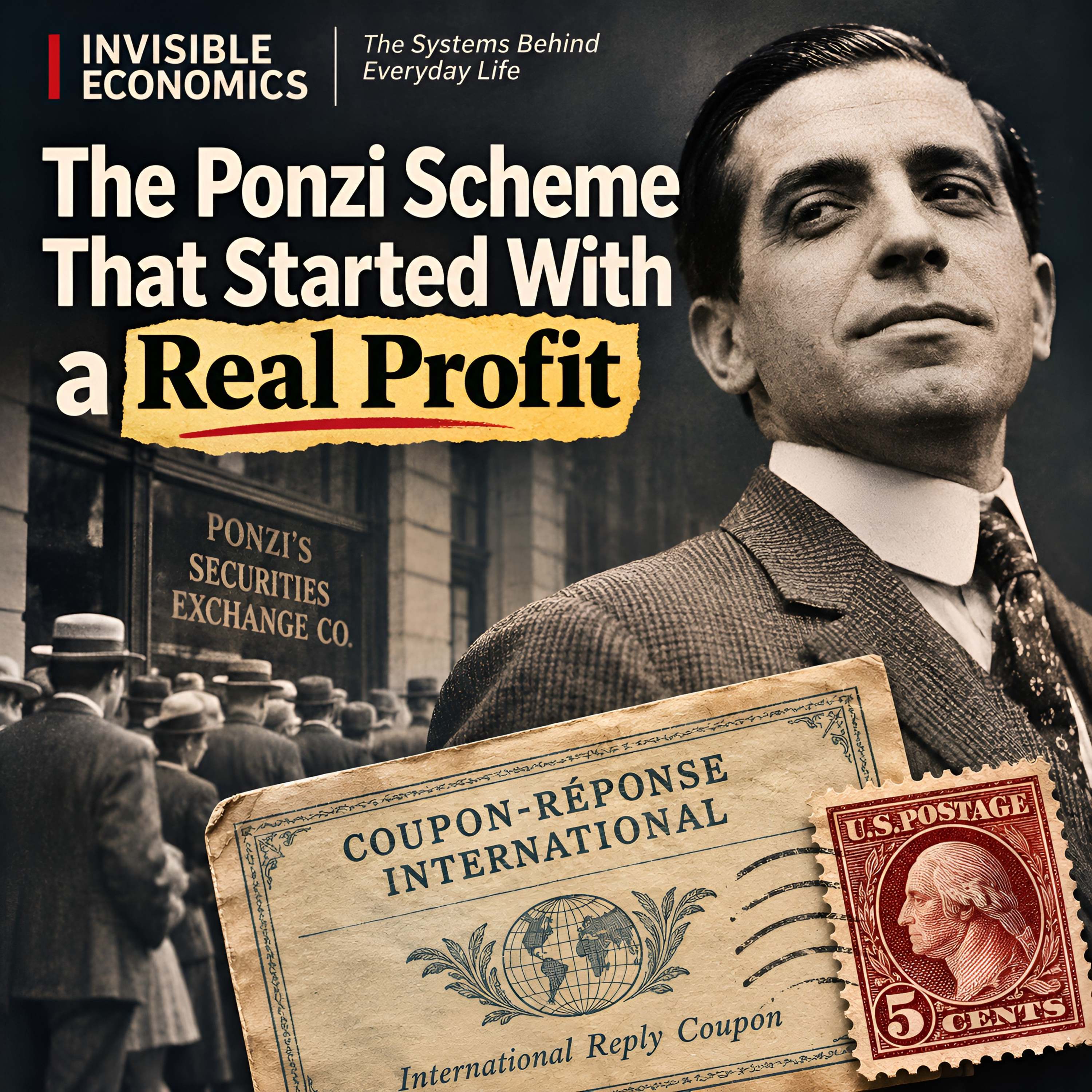 The Ponzi Scheme That Started With a Real Profit 09.11.2026 11mIn 1919, a tiny paper coupon arrived in Boston inside a letter from Europe. It could be exchanged for an ordinary postage stamp. Charles Ponzi looked at that piece of paper and saw a fortune.The next time you encounter an investment promising extraordinary returns, you'll notice the question that matters most: can the underlying business actually operate at the scale being promised?▌│▌│ ▌│ ▌▌│ ▌│▌ ▌│ ▌▌│▌ ▌│ ▌│▌│IN THIS EPISODE— How currency differences created a genuine, legal arbitrage opportunity in international postage— Why a profitable trade in postal coupons could never support millions...
-
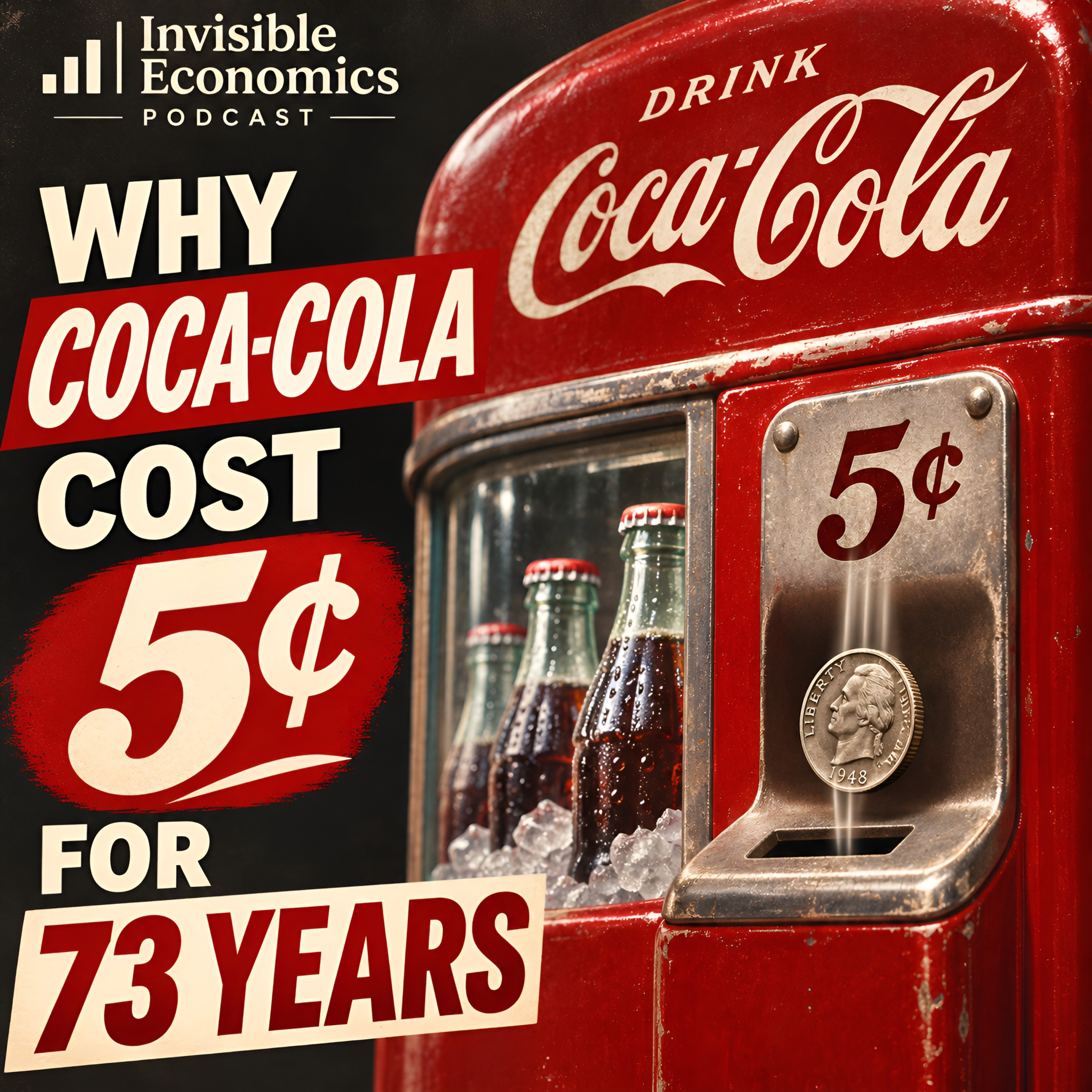 Why Coca-Cola Cost 5 Cents for 73 Years 05.11.2026 13mA red Coca-Cola cooler sits outside an American gas station in 1950. A nickel drops into a slot, a latch releases, and a cold bottle slides free. A dime won't do the same job.The next time you pay at a vending machine, you'll notice that the price can only move as freely as the machine allows.▌│▌│ ▌│ ▌▌│ ▌│▌ ▌│ ▌▌│▌ ▌│ ▌│▌│IN THIS EPISODE— How a bottling contract gave Coca-Cola a reason to defend its five-cent price— Why nationwide advertising made it difficult for retailers to charge more— How coin-operated machines locked a price in place, and the disputed story of a proposed seven-and-a-hal...
-
 Who Really Owns the Beatles' Songs? 02.11.2026 12mA car moves along a coastal road at dusk. A familiar guitar enters, followed by a voice millions would recognize. Behind those thirty seconds are two licensing agreements — neither requiring the songwriter's signature.The next time you hear a Beatles song in an advertisement, you'll notice two separate pieces of property: the composition and the recording.▌│▌│ ▌│ ▌▌│ ▌│▌ ▌│ ▌▌│▌ ▌│ ▌│▌│IN THIS EPISODE— How the Beatles lost control of their own songs in 1969— Why Michael Jackson could buy and license music written by Lennon and McCartney— How music publishing separates royalties from the power...
-
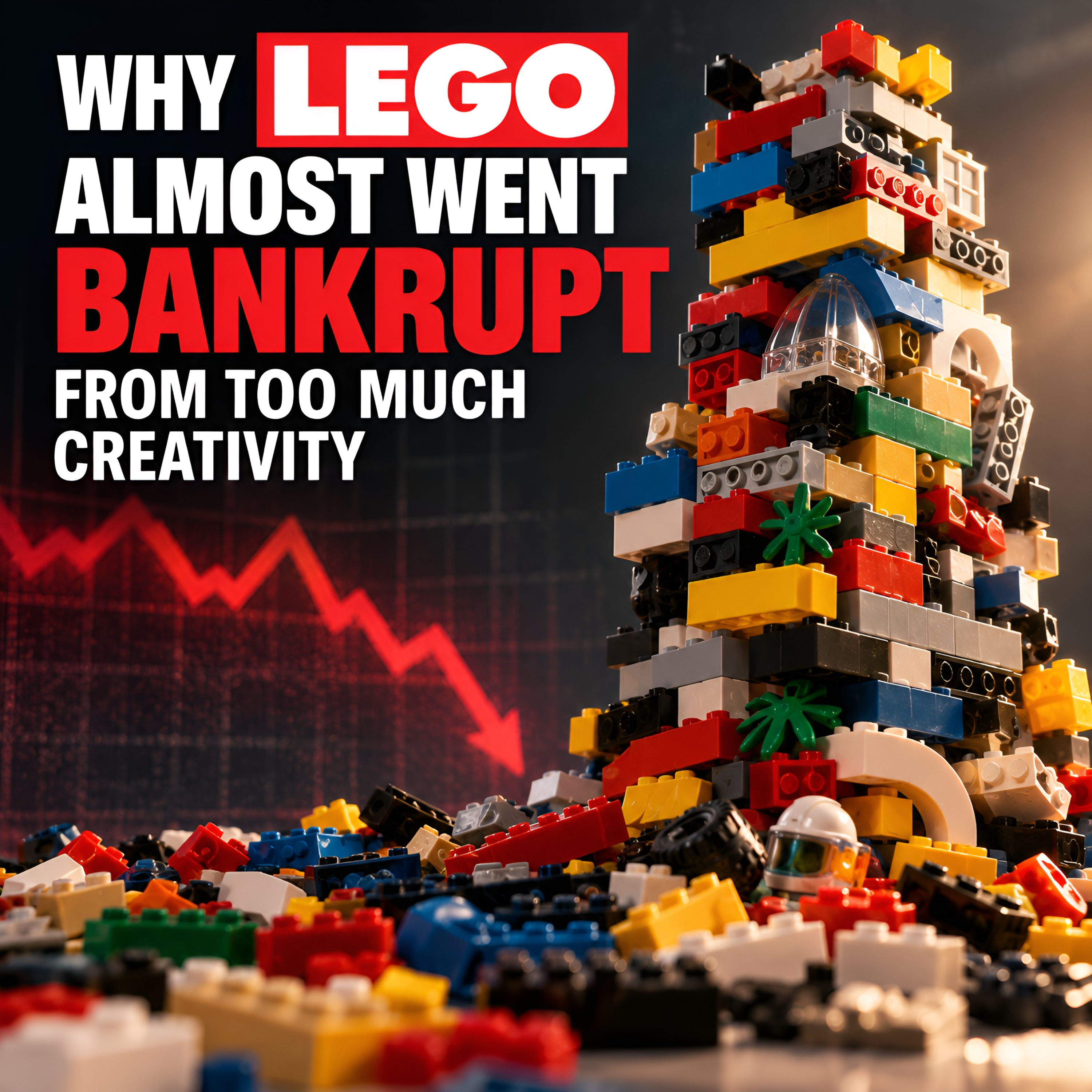 Why LEGO Almost Went Bankrupt from Too Much Creativity 29.10.2026 12mA LEGO box contains hundreds of plastic pieces. Some have been produced for decades, appearing in countless sets. Others were designed for a single spaceship, castle, or police station. Behind those tiny differences lies a cost that nearly brought one of the world's most famous toy companies to bankruptcy.The next time you open a LEGO box, you'll notice how many pieces you've seen before — and why that repetition matters.▌│▌│ ▌│ ▌▌│ ▌│▌ ▌│ ▌▌│▌ ▌│ ▌│▌│IN THIS EPISODE— How LEGO's growing catalogue of unique pieces turned creativity into an expensive problem— Why steel molds, production volumes,...
-
 The Rabbit Disney Lost and the Mouse It Kept 26.10.2026 13mA child tries on two round black ears in a theme park shop. No name, no logo, and almost everyone knows who they belong to. Those ears exist because another pair once belonged to someone else.The next time you see Mickey Mouse ears, you'll notice the shape of a decision made after Disney lost the rights to its first cartoon star.▌│▌│ ▌│ ▌▌│ ▌│▌ ▌│ ▌▌│▌ ▌│ ▌│▌│IN THIS EPISODE— How Walt Disney created Oswald the Lucky Rabbit without owning him— Why controlling distribution and intellectual property can matter more than creating the character— How Mickey Mouse changed Disney's future, and why a t...
-
 Monopoly Was Invented as a Warning 22.10.2026 12mA small red hotel stands on Boardwalk. A player lands there, counts what is left, and starts selling everything they own. Nobody cheated. The rules are working exactly as intended.The next time you collect rent in Monopoly, you'll notice that the other player had to keep moving — and you only had to wait.▌│▌│ ▌│ ▌▌│ ▌│▌ ▌│ ▌▌│▌ ▌│ ▌│▌│IN THIS EPISODE— How Lizzie Magie created a board game to expose the economics of land ownership— How Charles Darrow and Parker Brothers turned an economic warning into a commercial phenomenon— Why rising rents, fixed income, and accumulating property make bankru...
-
 Isaac Newton and the Gold Standard Nobody Chose 20.10.2026 13mThe tiny ridges along a coin's edge were designed to stop thieves from shaving off precious metal. They worked. But Britain's silver kept disappearing, and Isaac Newton was asked to explain why.The next time you run your thumb along the edge of a coin, you'll notice a security feature that stopped one kind of theft but could not stop money from leaving the country.▌│▌│ ▌│ ▌▌│ ▌│▌ ▌│ ▌▌│▌ ▌│ ▌│▌│IN THIS EPISODE— Why Isaac Newton left Cambridge to work at the Royal Mint— How merchants profited from the difference between official coin values and market prices— How Britain drifted toward the gold...
-
 Why Does a Tire Company Rate Restaurants? 16.10.2026 12mA small red star hangs beside a restaurant door. The same name appears on the tires of a car parked outside. One company makes rubber and decides which kitchens are worth traveling across the world to visit.The next time you see a Michelin star on a restaurant door, you'll notice that it is also a reason to make a journey.▌│▌│ ▌│ ▌▌│ ▌│▌ ▌│ ▌▌│▌ ▌│ ▌│▌│IN THIS EPISODE— How a free road guide encouraged more driving and more tire sales— Why charging for the guide and removing advertisements helped turn Michelin into a trusted authority— How restaurant stars became powerful drivers of tourism, an...
-
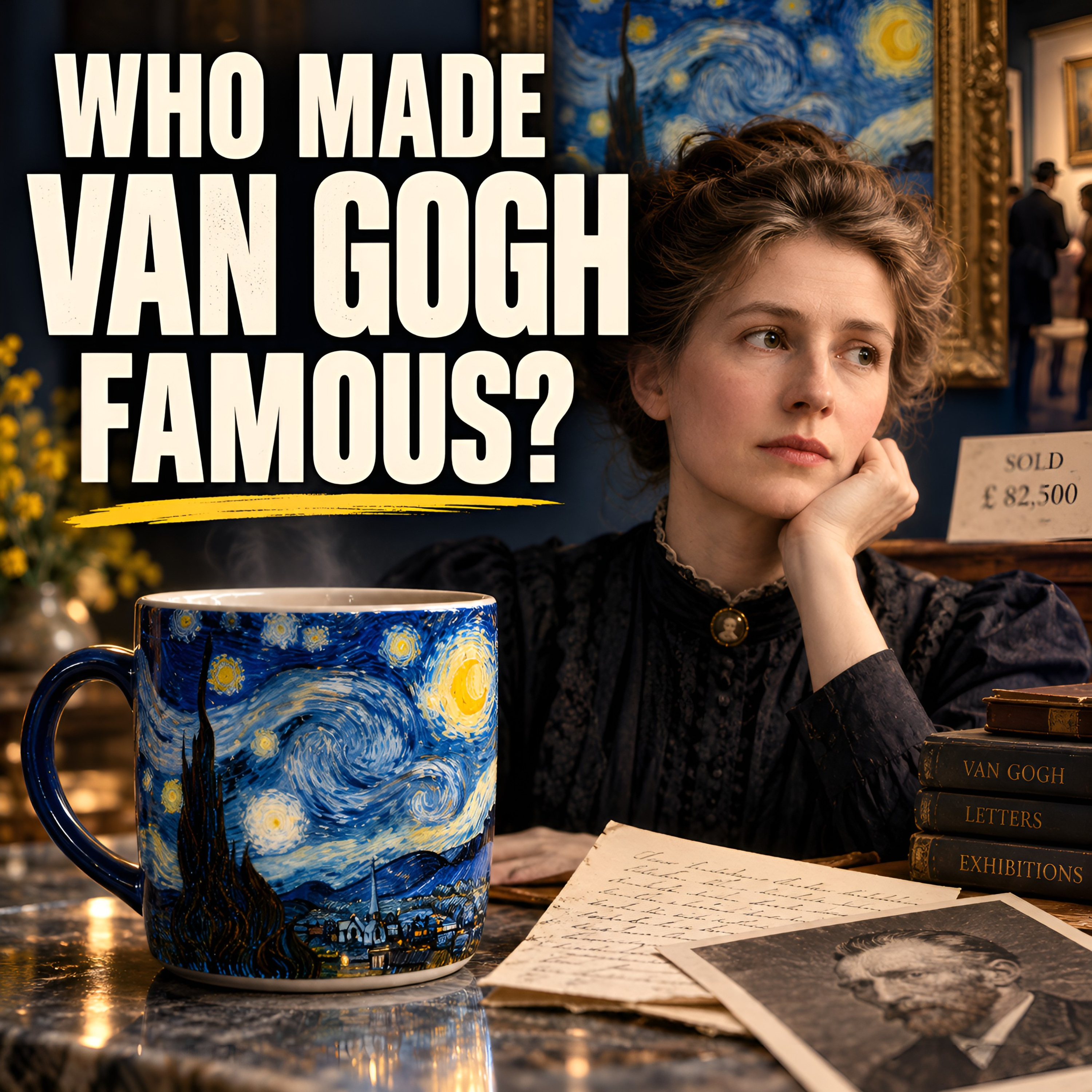 The Woman Who Made Van Gogh Famous 13.10.2026 12mA blue mug sits on a kitchen counter, decorated with the swirling stars of Vincent van Gogh's most famous painting. The artist supposedly sold only one painting during his lifetime. The truth is more complicated — and the story of what happened after his death is even more remarkable.The next time you see The Starry Night on an everyday object, you'll notice the invisible decisions that helped turn a nearly unsold artist into a global icon.▌│▌│ ▌│ ▌▌│ ▌│▌ ▌│ ▌▌│▌ ▌│ ▌│▌│IN THIS EPISODE— Why the famous story of Van Gogh's single lifetime sale is misleading— How Jo van Gogh-Bonger built his repu...
-
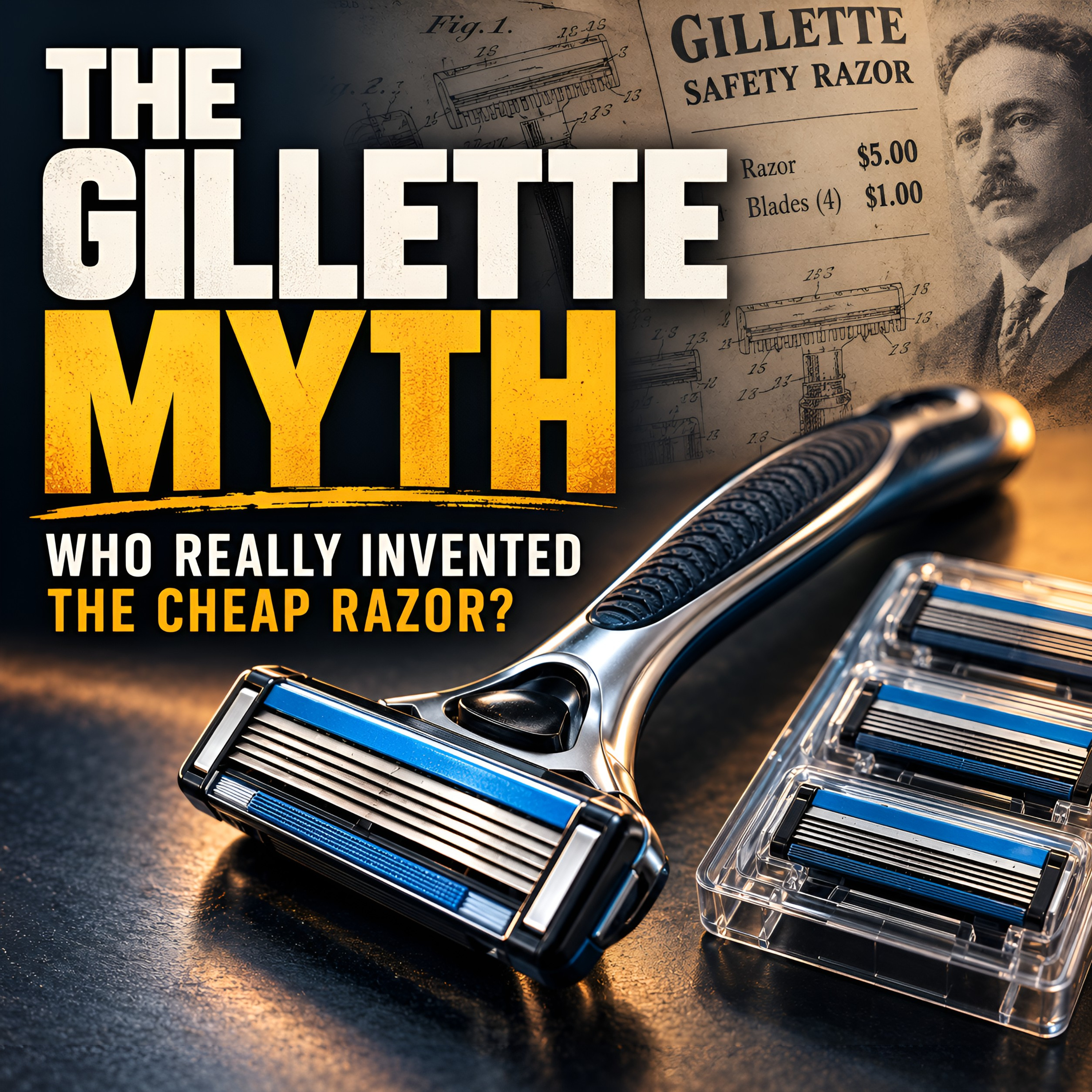 The Gillette Myth: Who Really Invented the Cheap Razor? 10.10.2026 13mA razor with two cartridges can cost less than a pack of four replacement cartridges. The handle is built to last for years. The blades are designed to be thrown away.The next time you buy replacement blades, you'll notice the cheap razor beside them — and question who really invented that pricing strategy.▌│▌│ ▌│ ▌▌│ ▌│▌ ▌│ ▌▌│▌ ▌│ ▌│▌│IN THIS EPISODE— Why Gillette charged premium prices for razors when its patents gave it the power to sell them cheaply— How forgotten competitors pioneered the inexpensive razor strategy— How a business model became one of the most widely repeated myths in eco...
-
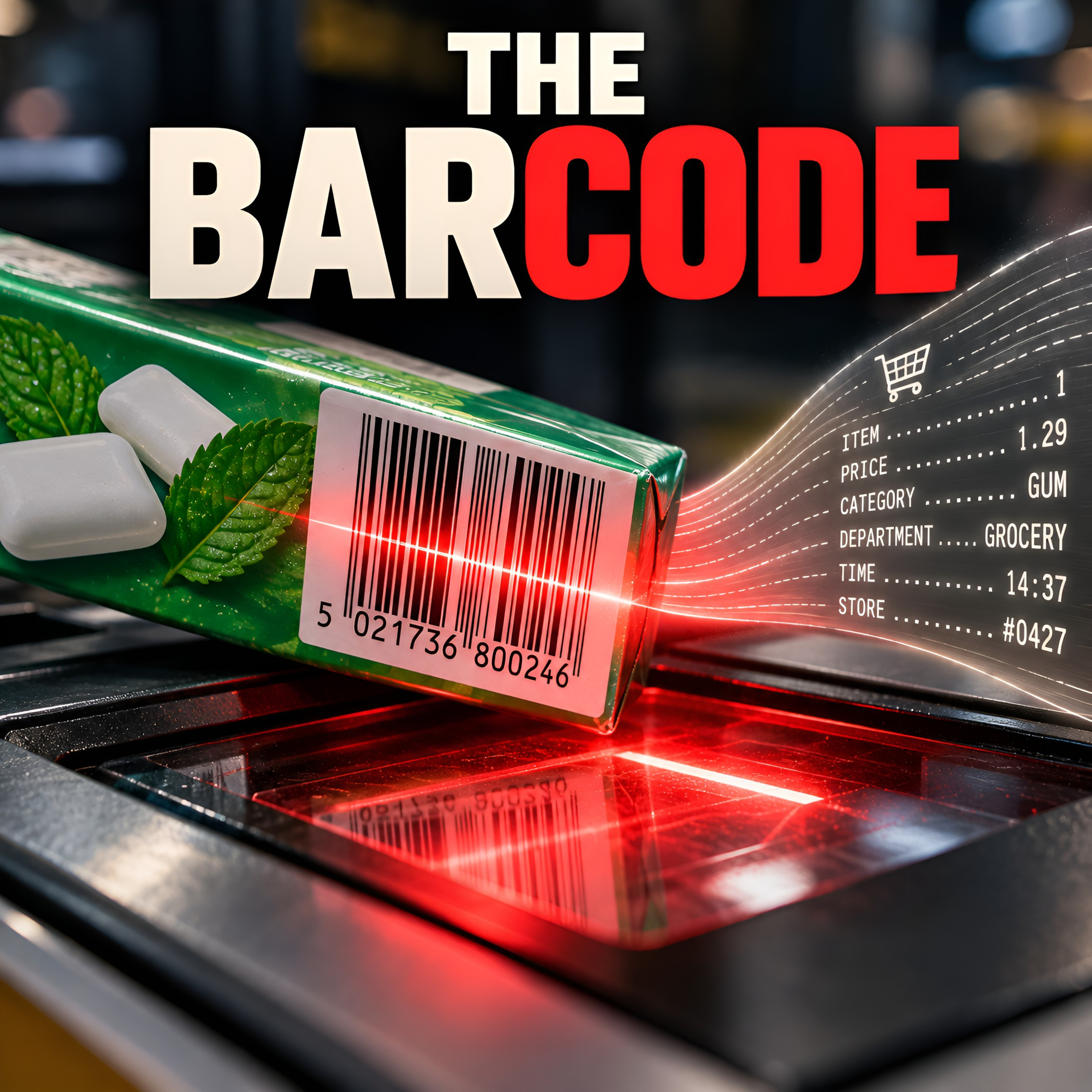 What Happens When the Scanner Beeps 08.10.2026 12mA pack of chewing gum crosses a supermarket scanner in Ohio. The register shows sixty-seven cents. It looks like a faster way to ring up a sale, but that small beep created something much larger.The next time you hear a scanner beep at checkout, you'll notice that the cashier isn't the only one learning what was bought.▌│▌│ ▌│ ▌▌│ ▌│▌ ▌│ ▌▌│▌ ▌│ ▌│▌│IN THIS EPISODE— How the barcode escaped a decades-long technology deadlock— Why manufacturers agreed to print a code that primarily helped retailers— How the checkout scanner turned shopping into a stream of dataTHE NUMBERMore than 10 billion barc...
-
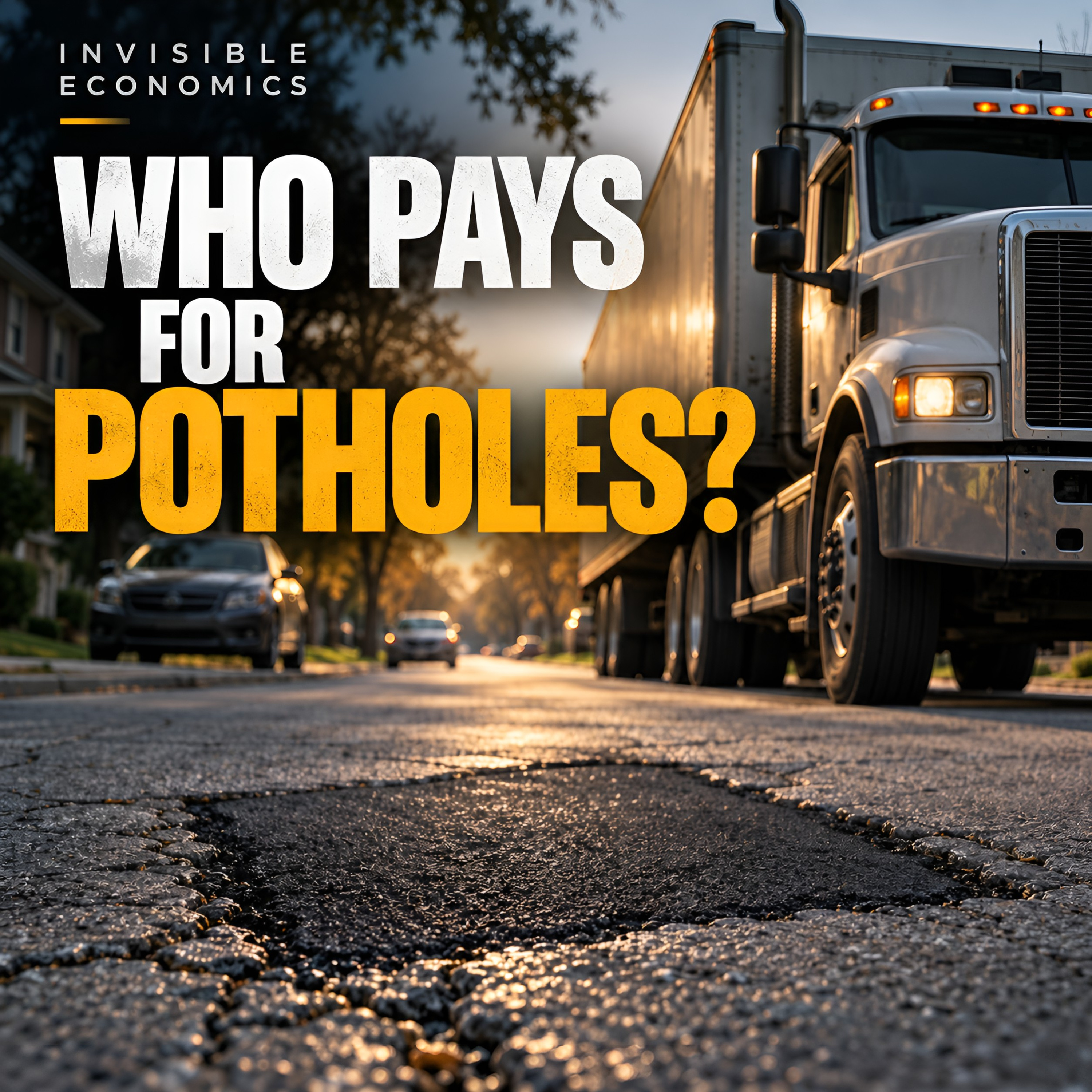 Who Really Pays for Potholes? 06.10.2026 12mA city repairs a pothole overnight. By morning, hundreds of cars and one heavy truck have crossed the fresh asphalt. They may travel the same road, but they do not leave the same mark.The next time you drive over a fresh patch of asphalt, you'll notice the heavy vehicles around you — and know that road damage and the bill for repairing it follow very different rules.▌│▌│ ▌│ ▌▌│ ▌│▌ ▌│ ▌▌│▌ ▌│ ▌│▌│IN THIS EPISODE— Why pavement damage rises dramatically as axle weight increases— Why the vehicles causing the most wear do not necessarily pay for it— How taxes, truck design and road funding separat...
-
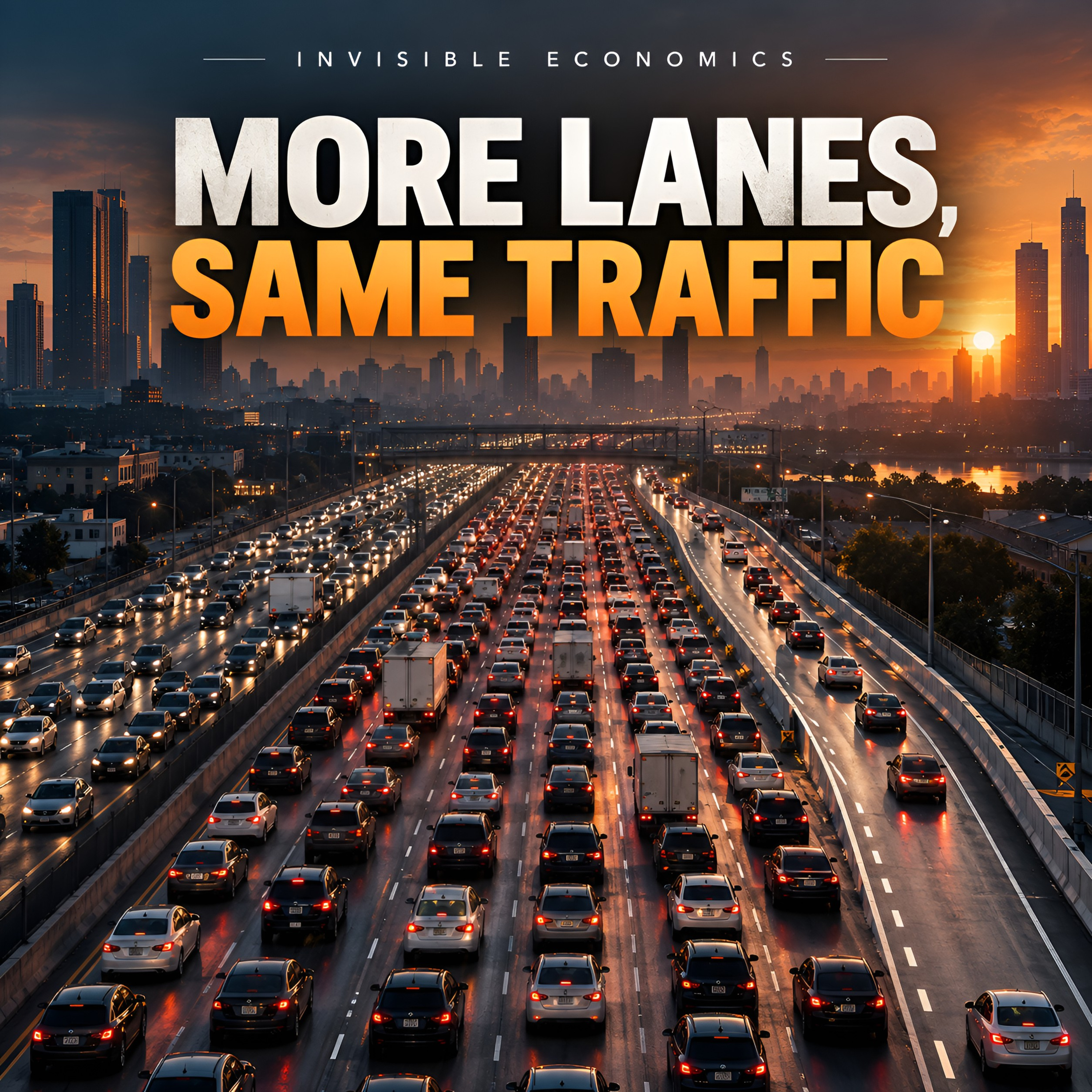 Why Adding a Lane Doesn’t Fix Traffic 03.10.2026 12mA highway spends years being widened. The new lane finally opens, the commute gets faster, and the traffic seems to disappear. Then, slowly, the road fills again.The next time you drive past a highway being widened, you'll notice the empty space differently — because faster roads can create the trips that eventually fill them.▌│▌│ ▌│ ▌▌│ ▌│▌ ▌│ ▌▌│▌ ▌│ ▌│▌│IN THIS EPISODE— Why adding road capacity can create more driving— How commuters change routes, schedules and even the trips they make— Why a traffic jam can behave like a price paid in timeTHE NUMBER10% more interstate lane capacity was ass...
-
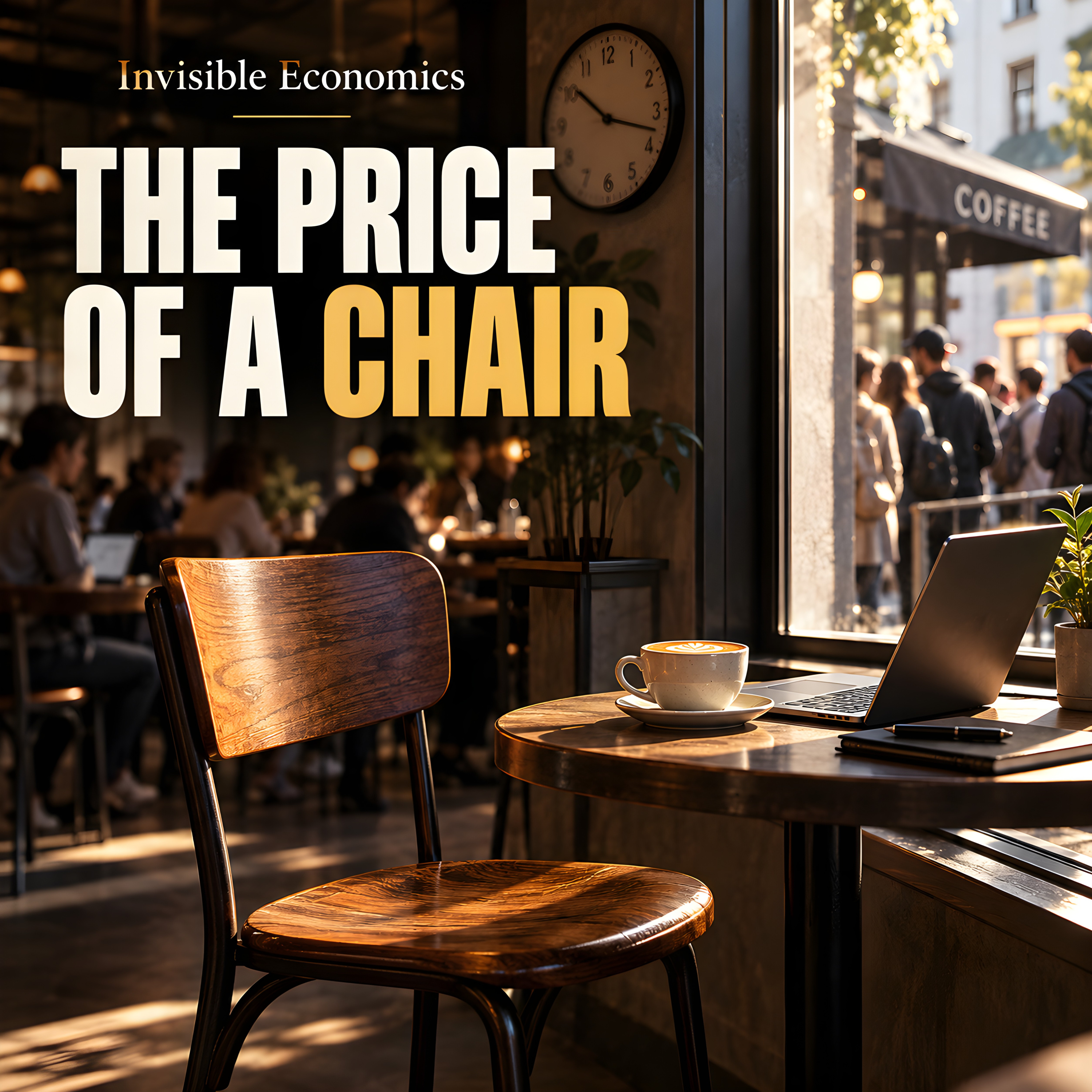 The Price of a Chair 01.10.2026 11mA woman buys one flat white and sits by the window for four hours. Another customer buys the same drink and leaves four minutes later. The café charges them exactly the same.The next time you open a laptop in a café, you'll notice the chair before the coffee.▌│▌│ ▌│ ▌▌│ ▌│▌ ▌│ ▌▌│▌ ▌│ ▌│▌│IN THIS EPISODE— Why the price of a coffee quietly includes time in a seat— Who pays when one customer stays for hours while others wait outside— Why laptop bans and plugged outlets are really a form of time-based pricingTHE NUMBER£1.80 per hour — reported rate at Ziferblat London, 2014SOURCESSheryl Kimes — C...
-
 The Economics of Hostile Architecture 29.09.2026 12mA metal armrest on a public bench can help an older person stand. Hours later, the same piece of steel can make it impossible for someone to sleep there. One object, two purposes — and a quiet decision about who public space is really for.The next time you sit on a bench divided into seats, you'll notice the armrest in the middle — and you'll know it is the one part of the bench that works the night shift.▌│▌│ ▌│ ▌▌│ ▌│▌ ▌│ ▌▌│▌ ▌│ ▌│▌│IN THIS EPISODE— How incentives shape benches, plazas and other public spaces— Why concentrated complaints can matter more than small costs spread across thousa...
-
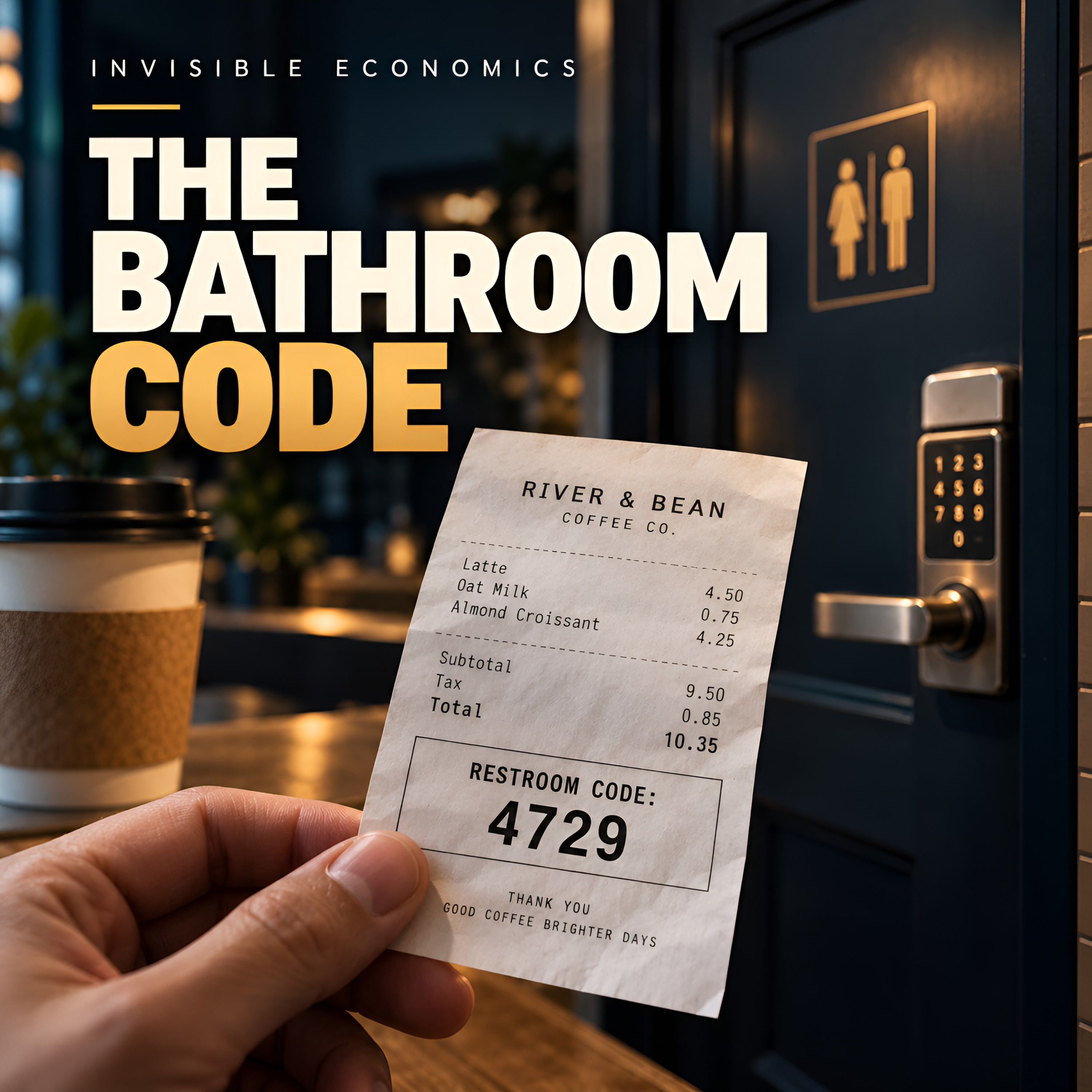 The Bathroom Code Is a Price 26.09.2026 11mA café receipt has four digits printed beneath the total. They look insignificant. But for someone who bought a coffee only to use the bathroom, those digits are the thing they actually paid for.The next time you buy something just to get a bathroom code, you'll notice that the price of the restroom never really disappeared. It moved.▌│▌│ ▌│ ▌▌│ ▌│▌ ▌│ ▌▌│▌ ▌│ ▌│▌│IN THIS EPISODE— How America went from tens of thousands of pay toilets to locked customer-only bathrooms— Who pays to keep a restroom open, and who gets left outside— How removing a ten-cent price changed the way access itself is co...
Similar podcasts


Popular in
The podcast also appears in the podcast charts of these countries.
