
Eyes and Lows
Dr. Brittany Walker
0
Eyes and Lows is a podcast of honest conversations about life in the blind and low vision community and among people with disabilities. Hosted by Dr. Brittany Walker, Director of Vocal Point (formerly GaRRS), it combines personal stories, lived experience, and expert insight into the emotional journey of vision loss. Guests share how they navigated change, adapted creatively, and found unexpected strengths, along with practical ideas and hard-earned wisdom. The show is for people adjusting to vision loss, those supporting someone close to them, and anyone seeking voices that resonate.
Episodes
-
 Author Andrew Leland on Blindness, Identity, and Finding Community 19.10.2026 1h 4mGot something to say to this podcast? Send a voicemail, and you might hear yourself on the next episode!Andrew Leland is a writer, audio producer, editor, and teacher whose work explores blindness, disability, culture, and the human experience. He is the author of The Country of the Blind: A Memoir at the End of Sight, a finalist for the 2024 Pulitzer Prize in Memoir.Andrew Leland on Blindness, Identity, and Building a Life Beyond SightIn this interview, Andrew Leland shares how night blindness in middle school eventually led to an RP diagnosis, and how that diagnosis felt abstract for years before becoming more immediate in daily life.He explains the turning point of moving to Massachusetts and committing to use a white cane consistently, which changed not just how he moved through the world, but how other people treated him.Andrew discusses the tension of being “too blind” or “not blind enough,” especially as someone with low vision who can do some things visually while needing blindness tools for others.He breaks down how asking for help is not always simple, and how blind people often have to decide case by case between independence and practical support.Andrew describes blindness as a social and cultural experience, not just a medical one, drawing on the social model of disability and the idea of blind culture.He talks about sight privilege and why accessibility can break down when people assume they should lead or manage access for disabled people without being asked. group.Andrew explains why compliance is not the same as good design, and why inclusive design works best when disabled people are consulted directly.He reflects on grief, pre-grief, and acceptance as his vision continues to change over time, while also staying active in blindness skills and tools.Andrew shares how his career moved from magazine editing to audio production to disability reporting, and why he now wants to keep working in underreported disability spaces.He offers advice for blind creators and job seekers: figure out what you need, then demand it, because employers cannot accommodate needs they do not understand.He closes by naming his current high point as returning to freelance writing and landing new assignments even after a difficult career transition.Website:andrewleland.org For Andrew’s contact details, writing, and professional inquiries, visit his website.The Country of the Blind: A Memoir at the End of Sight by Andrew Leland.Vocal Point (Home of the Georgia Radio Reading Service) is a 501c3 organization that exists to improve the quality of life for people who are blind, visually impaired, or have difficulty with the printed word.Learn more at Vocal Point at Seevp.org To support our podcast and programs, donate here: https://connect.clickandpledge.com/Organization/seevp/CreditsHost: Brittany McLemoreRecording and Engineering: Patrick Roy
-
 Kim Charlson on Perkins, Braille, and the Future of Access 10.10.2026 58mGot something to say to this podcast? Send a voicemail, and you might hear yourself on the next episode!Kim Charlson on accessibility, leadership, Braille, and the future of independent accessKim Charlson, executive director of the Perkins Braille and Talking Book Library, joins Eyes and Lows to trace how a career in accessible library services became a lifelong mission in advocacy, leadership, and innovation. She reflects on how technology, Braille, and policy have reshaped what independence can look like for blind, low-vision, deafblind, and print-disabled people.We discuss how access to information is about far more than reading books—it affects employment, education, community participation, and human rights. Kim also shares concrete examples of new tools and programs changing everyday life, from refreshable Braille and the Braille Bloom to library lending models and international book sharing.Key topicsKim explains how an early interest in advocacy led her from the Oregon State Library to a master’s degree in library science and eventually to Perkins.She describes how library automation, computers, email, and modern assistive tech made library work more accessible over time.Kim shares what it meant to become one of the first totally blind people in the United States to earn a master’s in library science.She talks about building a leadership path through volunteer work, state and national blindness organizations, and learning to lead by collaborating rather than barging in.The conversation explores how independence changed for her over time, especially when she moved from Oregon to Massachusetts and had to rebuild her routines and support system.Kim emphasizes that Braille and audio are complementary tools, not replacements for one another, and explains why Braille remains essential for literacy, accuracy, and daily living.She highlights the role of National Library Service programs in providing free access to audiobooks, Braille, and refreshable Braille devices for eligible users.Kim introduces the Braille Bloom, an attachment that turns a Perkins Brailler into a Bluetooth keyboard for writing, email, forms, and classroom use.She outlines Perkins’ “library of things,” including assistive tech demos, kitchen tools, tactile models, and 3D-printed educational objects.Kim reflects on the Marrakesh Treaty as one of her biggest professional highs because it lets countries share accessible books and avoid duplicating production efforts.About Kim CharlsonExecutive director of the Perkins Braille and Talking Book Library,Holds a master’s degree in library science.Blind library professional and longtime advocate for accessible information.Has spent more than four decades working in accessible library services.Helped advance the Marrakesh Treaty, which supports international sharing of accessible booksAdvocates for access to Braille, audiobooks, and assistive technologyVocal Point (Home of the Georgia Radio Reading Service) is a 501c3 organization that exists to improve the quality of life for people who are blind, visually impaired, or have difficulty with the printed word.Learn more at Vocal Point at Seevp.org To support our podcast and programs, donate here: https://connect.clickandpledge.com/Organization/seevp/CreditsHost: Brittany McLemoreRecording and Engineering: Patrick Roy
-
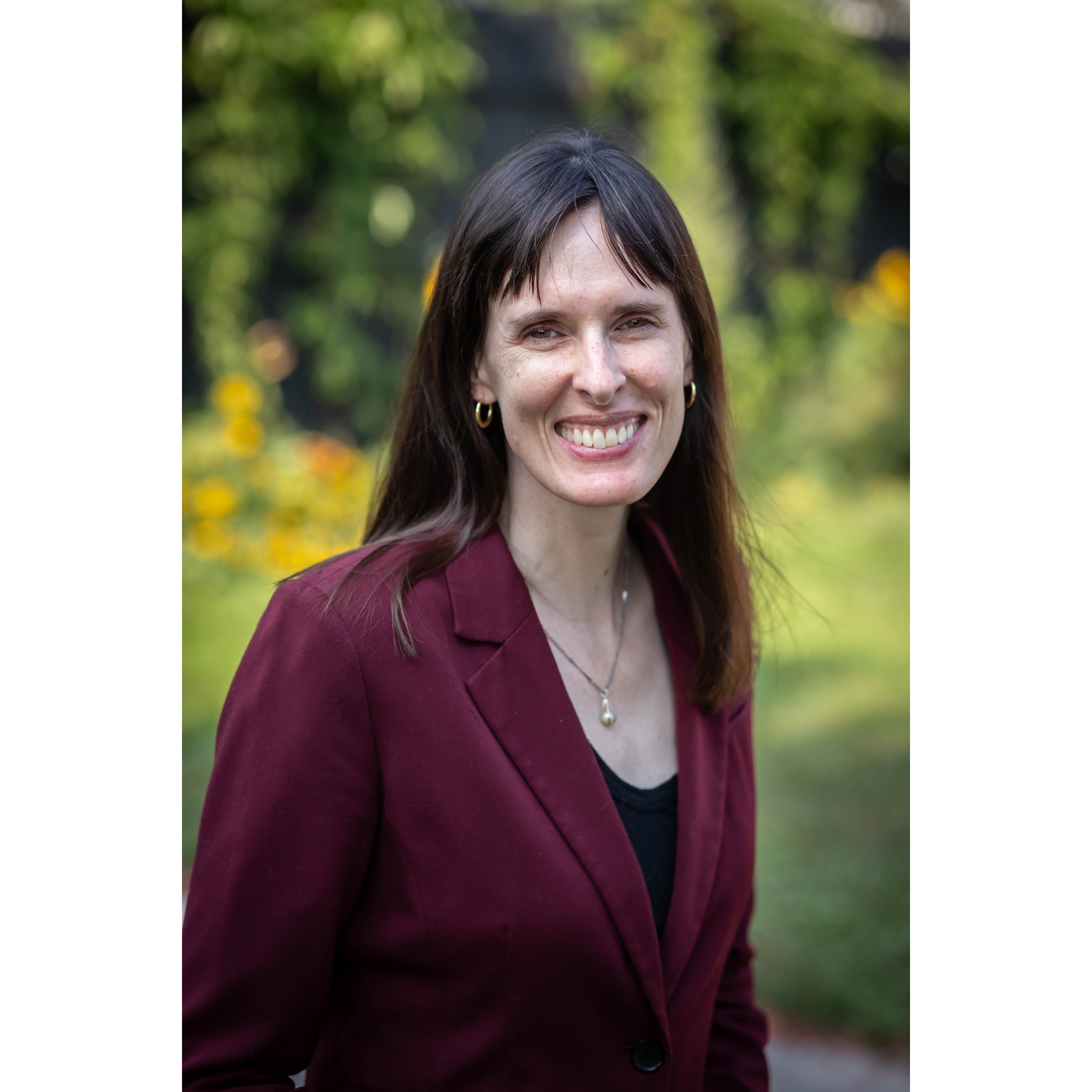 The Hidden Grief of Vision Loss Nobody Talks About: A Conversation with Dr. Ann Wagner 23.09.2026 1h 23mGot something to say to this podcast? Send a voicemail, and you might hear yourself on the next episode!Eyes and Lows with Dr. Ann WagnerIn this episode, Dr. Walker speaks with Dr. Ann Wagner, a board-certified clinical psychologist who spent 26 years working with veterans experiencing PTSD and trauma-related challenges. Dr. Wagner also shares her lived experience of blindness from retinitis pigmentosa, bringing together professional insight and personal perspective as she explores grief, anxiety, adjustment, resilience, and the emotional reality of vision loss.The conversation focuses on how people can adapt to blindness without denying the difficult parts, why grief is a natural part of vision loss, and how community, language, and compassionate support can make the adjustment process feel less isolating. Dr. Wagner also offers thoughtful insight into relationships, asking for help, and practicing self-compassion.Key TopicsDr. Ann Wagner’s background as a clinical psychologist and her lived experience with retinitis pigmentosaGrowing up in a family with blindness and learning independence through a supportive “figure it out” cultureHow family support, social expectations, and stigma can shape emotional adjustmentWhy narrative therapy and the social model of disability can be deeply validatingThe role of therapy, state services, and accommodations in supporting adjustment to vision lossWhy grief is a central part of progressive vision loss, including grief for time, independence, identity, and imagined futuresThe Tuttle and Tuttle phases of adjustment and why acceptance cannot be rushedHow helplessness and grief can point to core values, not just distressThe importance of community, especially for people who feel isolated or are the only one they know with vision lossHow naming relationship dilemmas can help couples balance support, independence, and “help by not helping”About Dr. Ann WagnerBoard-certified clinical psychologist26 years working with veterans experiencing PTSD and trauma-related challengesRetired from the VA in 2023Currently focused on consulting and invited speakingLives with blindness caused by retinitis pigmentosaServes on the Mental Health Advisory Council for the Foundation Fighting BlindnessEmail:[email protected] Point (Home of the Georgia Radio Reading Service) is a 501c3 organization that exists to improve the quality of life for people who are blind, visually impaired, or have difficulty with the printed word.Learn more at Vocal Point at Seevp.org To support our podcast and programs, donate here: https://connect.clickandpledge.com/Organization/seevp/CreditsHost: Brittany McLemoreRecording and Engineering: Patrick Roy
-
 Morgan Simon on Vision Loss, Identity, and Finding Her Way Forward 12.09.2026 56mGot something to say to this podcast? Send a voicemail, and you might hear yourself on the next episode!Morgan Simon, also known asThe Vision of Moshares how vision loss, chronic uveitis, military life, and content creation have shaped her identity and perspective. This conversation explores grief, acceptance, resilience, and the power of representation for blind and low-vision listeners. It also offers practical insight into accessibility tools, self-advocacy, and building a supportive relationship.Key TopicsMorgan explains how her content creation started during her husband’s boot camp as a way to pass time, then evolved into a platform for military spouse life and visual impairment advocacy.She shares how negative comments about her appearance motivated her to speak more openly about visual impairment and turn criticism into advocacy.Morgan talks about losing more vision in 2024 and the grieving process that followed before she reached a place of acceptance.She explains chronic uveitis, including how inflammation in the eye can flare up unexpectedly and require ongoing management.Morgan describes the 2024 health crisis that led to fluid, swelling, scar tissue, retinal detachment, and a surgery which improved her vision but did not restore it to normal.She reflects on returning home to Texas and feeling isolated because the people around her did not fully understand what she was experiencing.Morgan discusses grieving the life she expected to have, including driving regularly, working, and feeling confident in her identity.She shares how spirituality, therapy, and fact-checking negative thoughts have helped her manage anxiety and rebuild confidence.Morgan opens up about how vision loss affected her marriage and how her husband’s support helped her challenge feelings of being unworthy of love.She discusses learning to communicate her needs instead of isolating or minimizing her emotions.Morgan explains how military spouse life taught her independence through solo travel, adapting to change, and learning to trust herself.She addresses misconceptions about visual impairment, especially the belief that blind and low-vision people are not independent or always need assistance.Morgan highlights the importance of authentic representation for young visually impaired women who may not often see people like themselves in media.She shares accessibility tools and strategies that help her navigate paperwork, menus, daily tasks, and unfamiliar situations.Search for @thevisionofmo on Youtube, Instagram, and TikTokVocal Point (Home of the Georgia Radio Reading Service) is a 501c3 organization that exists to improve the quality of life for people who are blind, visually impaired, or have difficulty with the printed word.Learn more at Vocal Point at Seevp.org To support our podcast and programs, donate here: https://connect.clickandpledge.com/Organization/seevp/CreditsHost: Brittany McLemoreRecording and Engineering: Patrick Roy
-
 Nick Mendler and Eyespy.org: A Founder’s Guide to Blindness Support 22.08.2026 1hGot something to say to this podcast? Send a voicemail, and you might hear yourself on the next episode!Nick Mendler on building Eyespy.org for the blind and low-vision communityNick Mendler, founder and president of the Eyespy Foundation, joins the show to share how a retinitis pigmentosa diagnosis at 16 shaped his life and inspired him to build a resource hub for the blind and low-vision community. This conversation covers diagnosis, mental health, accessibility, AI, and the long-term vision for Eyespy as a navigator for people who need support.In this episodeNick shares how his retinitis pigmentosa diagnosis at 16 left him with a pamphlet and a follow up appointment, but little real guidance.He explains the family history behind his vision loss, including a great grandfather who described his sight as “shotgun vision.”Brittany and Nick discuss the emotional impact of vision loss, especially the uncertainty, anxiety, and identity shifts that can come with it.Nick talks about the role of therapy and why mental health support matters not only for newly diagnosed people, but also for advocates, family members, and professionals.He describes the three groups iSpy serves: the affected community, advocates like family and coworkers, and academics such as doctors, therapists, and mobility specialists.Nick explains why iSpy is built around curation and navigation, helping people find the right resource instead of forcing them to sift through fragmented information.The conversation covers accessibility as both a technology issue and a people issue, with Nick stressing universal design and building from the beginning.Nick shares his view on AI as a helpful tool with real promise, but one that still needs human oversight and caution around privacy and hallucinations.He outlines iSpy’s growth plans, including city by city navigation models, local support, and eventually dedicated navigators in major metro areas.Nick explains that his long term goal is for iSpy to outlive him and serve future generations as a trusted guide for life after diagnosis.Eyespy / Nick MendlerEyepy.org:https://eyespy.orgEyepy Foundation:https://eyespyfoundation.orgEvent mentionedFashion Pawty:https://thefashionpawty.comVocal Point (Home of the Georgia Radio Reading Service) is a 501c3 organization that exists to improve the quality of life for people who are blind, visually impaired, or have difficulty with the printed word.Learn more at Vocal Point at Seevp.org To support our podcast and programs, donate here: https://connect.clickandpledge.com/Organization/seevp/CreditsHost: Brittany McLemoreRecording and Engineering: Patrick Roy
-
 Embracing Disability and Authenticity: An Interview with Recording Artist Lachi 24.05.2026 56mGot something to say to this podcast? Send a voicemail, and you might hear yourself on the next episode!In this episode of Eyes and Lows, we dive into the dynamic world of Lachi, a powerhouse in the music and advocacy scene. Based in New York City, Lachi is not just a recording artist and songwriter, but also a touring performer, record producer, media personality, author, and a passionate advocate for disability culture. Her journey is a testament to living boldly and using her diverse talents to inspire change.In This EpisodeLachi’s Early Life:Discover how her musical journey began and the influences that shaped her path.Diagnosis and Acceptance:Learn about her experience with being legally blind and neurodivergent, and how she embraced these aspects of her identity.Glam Canes and Identity:Explore the significance of her glam canes in expressing her identity and fostering visibility.Art and Advocacy:Understand how Lachi blends her artistic pursuits with advocacy to create community and drive change.Future Projects:Get a sneak peek into her upcoming projects, including a children's album promoting disability pride.Advice and Reflections:Hear Lachi's insights on mental health, community support, and embracing your true self.Timestamps00:00 - Introduction to Lachi and the theme of authenticity02:21 - Lachi’s background and early influences06:03 - Navigating her diagnosis and embracing identity08:04 - The cultural impact of glam canes12:43 - Advocacy in the music industry20:39 - Creating allies and systemic change31:07 - Challenging misconceptions about disability40:51 - Inspiration behind her book, I Identify as Blind48:55 - Upcoming projects and advice for listenersResources & LinksI Identify as Blind (book): www.amazon.com/dp/B0CSP7LJVELachi’s official website: www.lachimusic.comRamped organization: www.ramped.orgConnect with Lachi:Twitter: www.twitter.com/lachimusicInstagram: www.instagram.com/lachVocal Point (Home of the Georgia Radio Reading Service) is a 501c3 organization that exists to improve the quality of life for people who are blind, visually impaired, or have difficulty with the printed word.Learn more at Vocal Point at Seevp.org To support our podcast and programs, donate here: https://connect.clickandpledge.com/Organization/seevp/CreditsHost: Brittany McLemoreRecording and Engineering: Patrick Roy
-
 From Shadows to Spotlight: Crafting Change with Heart and Humor an interview with Janet LaBreck 02.05.2026 1h 23mGot something to say to this podcast? Send a voicemail, and you might hear yourself on the next episode!In this episode of Eyes and Lows, Janet LaBreck shares her journey navigating blindness and advocating for disability rights. She reflects on her impactful work within a transformative administration, contributing to significant policy changes.Timestamps:00:00 - Introduction00:45 - Background and diagnosis02:08 - School challenges03:58 - Medical systems05:44 - Vision loss adaptation07:33 - Mobility training09:01 - Living with RP12:48 - Overcoming prognoses14:14 - Independence16:38 - Educational inclusivity18:36 - Academic focus22:22 - High school transition24:45 - Social acceptance27:34 - Resilience and advocacy30:27 - Policy reform33:20 - Disability policy roles36:13 - Vocational experiences39:23 - Community building45:08 - Trust and empowerment47:01 - Mobility tools48:58 - Resilience strategies50:19 - Educating others54:08 - Training guides55:36 - Humor in life58:56 - Policy advocacy62:07 - Global initiatives64:56 - Policy updates66:48 - Government contributions70:04 - Consulting work72:32 - Advice for young people74:23 - Community and self-advocacy77:38 - Contact informationResources & Links:Synergy Consulting Partners: http://jl-scp-vr.comU.S. Department of Education - Rehabilitation Services Administration: https://rsa.ed.govAmericans with Disabilities Act (ADA) - 1990: https://www.ada.govConnect with Janet LaBreck:Email: [email protected]: https://www.linkedin.com/in/janetlabreckTwitter: https://twitter.com/janetlabreckVocal Point: Home of the Georgia Radio Reading Service is a 501c3 organization that exists to improve the quality of life for people who are blind, visually impaired, or have difficulty with the printed word.Learn more at Vocal Point at Seevp.org To support our podcast and programs, donate here: https://connect.clickandpledge.com/Organization/seevp/CreditsHost: Dr, Brittany McLemoreRecording and Engineering: Patrick RoyLearn more at Vocal Point at Seevp.org To support our podcast and programs, donate here: https://connect.clickandpledge.com/Organization/seevp/
-
 How a Vision Rehabilitation Therapist Went From Total Darkness to Empowering Others 28.02.2026 58mGot something to say to this podcast? Send a voicemail, and you might hear yourself on the next episode!In this inspiring episode of "Eyes and Lows," we sit down with Aracely Rosillo, a certified vision rehabilitation therapist and member of the blind community, to explore her journey, insights, and resources that empower independence. Whether you're navigating your own journey or supporting someone who is, this conversation offers practical advice, community-building tips, and a powerful testament to resilienceChapters:(00:00) - Introduction to Aracely and her connection to the blindness community(02:10) - Understanding the role of vision rehabilitation therapists(04:35) - Exploring mental health and mental resilience in the context of blindness(06:07) - Challenging stereotypes: How to handle misconceptions in public(08:47) - Top assistive technology tools: Seeing AI, Be My Eyes, Aira(12:20) - The evolution of Aracely’s personal journey and adjustment to blindness(15:50) - Funny or awkward stories about social interactions and public reactions(19:29) - Cultural background and the impact of family dynamics(25:50) - Supporting children and youth with visual impairmentsResources & Links:Seeing AI — Microsoft’s AI tool for visually impairedBe My Eyes — Live volunteer assistance appAira — On-demand visual support serviceUnited in Stride — Connecting blind and sighted individuals for activitiesGeorgia Vocational Rehabilitation Agency — Support for employment and independenceNational Federation of the Blind — Advocacy and support organizationAmerican Council of the Blind — Resources and community for blind individualsVIBS — Visually Impaired Blindness Society of GeorgiaChelsea Nguyen Travel Planning — Accessibility-focused travel planning (hypothetical)Connect with Aracely Rosillo:Email: [email protected] Point (Home of the Georgia Radio Reading Service) is a 501c3 organization that exists to improve the quality of life for people who are blind, visually impaired, or have difficulty with the printed word.Learn more at Vocal Point at Seevp.org To support our podcast and programs, donate here: https://connect.clickandpledge.com/Organization/seevp/CreditsHost: Iisha HillmanRecording and Engineering: Patrick Roy
-
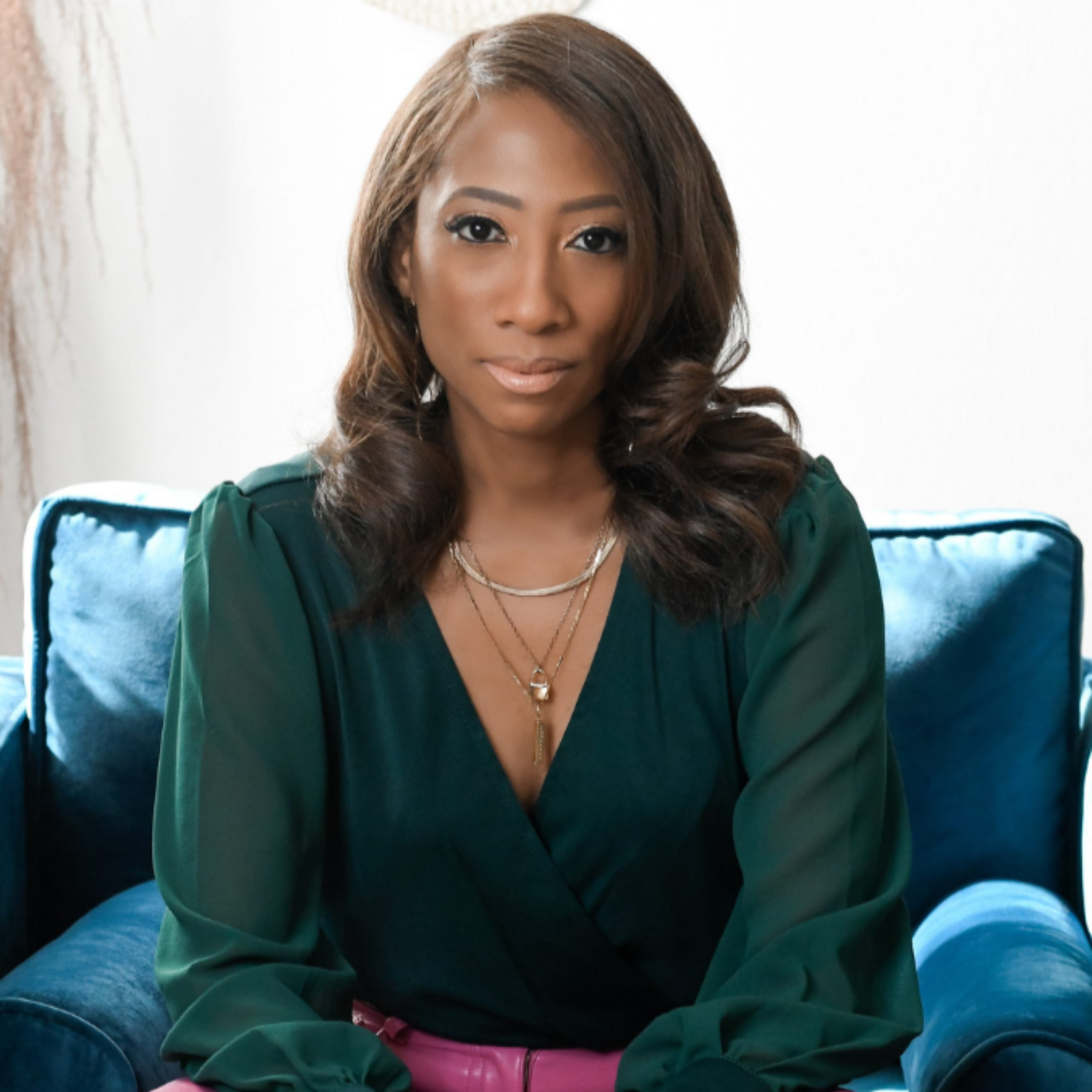 From Corporate World to Author: The Voice Found Through Stargardt Disease an interview with Tarris Marie 21.06.2026 59mGot something to say to this podcast? Send a voicemail, and you might hear yourself on the next episode!From Corporate Career to Creative Inspiration: The Reinvention of Tarris MarieDiscover the inspiring journey of Tarris Marie, a woman who transformed her life after her diagnosis of Stargardt's disease, shifting from a successful corporate career to becoming a published author and motivational speaker. Learn how faith, resilience, and a desire to inspire others drove her through loss, reinvention, and the celebration of her gifts.Chapters00:00 - Introduction: Turning moments into stories of resilience02:17 - Transition from corporate professional to author and artist04:40 - Defining success: from accolades to serving others06:07 - The impact of vision loss and redefining purpose08:55 - Understanding Stargardt’s disease and diagnosis experience11:22 - How vision loss shaped her relationships and work life16:24 - A pivotal moment during a presentation that confirmed her diagnosis18:47 - Walking away from a corporate career: emotional reflections21:10 - The low point: battling depression and anxiety post-diagnosis23:28 - Leaning on faith and spirituality during transitions25:46 - Rediscovering writing from childhood to present day28:38 - Writing as therapy, purpose, and creative outlet34:17 - Surprising realizations and achievements in her reinvention35:44 - Learning to adapt: tools and technology that enabled independence39:26 - Heightened senses: embracing the full experience of life and perception44:08 - Representation and community support for Black women with disabilities45:34 - The importance of open conversations about disability and community efforts47:28 - Using voice and platform to reshape culture and break stereotypes50:13 - Unique and surprising facts about her journey and resilience52:54 - Highs and lows: celebrating victories and overcoming struggles54:20 - Words of encouragement for those facing vision loss and self-doubt56:45 - Upcoming books and how to stay connected with Tarris Marie's workResources & Links:Blaque Pearle by Tarris Marie: www.amazon.com/dp/B09V5G84L7Empress Creed by Tarris Marie: www.amazon.com/dp/B0BXYZ1234Pre-order: Black Juliet (Available on Audible): www.audible.com/pd/Black-JulyetTarris Marie on Instagram: instagram.com/TarrismarieTarris Marie on Facebook: facebook.com/TarrismarieauthorTarris Marie's Official Website: Tarrismarie.comConnect with Tarris Marie:Instagram: instagram.com/TarrismarieFacebook: facebook.com/TarrismarieauthorYouTube: youtube.com/TarrismarieVocal Point (Home of the Georgia Radio Reading Service) is a 501c3 organization that exists to improve the quality of life for people who are blind, visually impaired, or have difficulty with the printed word.Learn more at Vocal Point at Seevp.org To support our podcast and programs, donate here: https://connect.clickandpledge.com/Organization/seevp/CreditsHost: Brittany McLemoreProducer: Patrick Roy
-
 From Viral Videos to Low Vision Advocacy: One Creator’s Journey of Resilience with Neisha Aireal 14.02.2026 47mGot something to say to this podcast? Send a voicemail, and you might hear yourself on the next episode!In this episode of Eyes and Lows, host Brittany McLemore speaks with Neisha Aireal, a low vision advocate and content creator. Neisha shares her journey of resilience, navigating life with low vision, and the importance of education and advocacy. They discuss the challenges of social media perceptions, the significance of accessibility tools, and the need for community support. Neisha emphasizes the importance of mental health and finding joy in life despite challenges, while also encouraging others to pursue their passions and start their journeys in content creation.TakeawaysNeisha started content creation during COVID on TikTok.Going viral helped Neisha embrace her low vision perspective.Education is crucial in combating ignorance about disabilities.Neisha's condition is called optic nerve hypoplasia.She experienced a lack of resources in early education.Advocacy is about sharing experiences and educating others.Mental health is important for those with disabilities.Finding community is essential for support and encouragement.Starting is the key to success in content creation.Chapters00:00Introduction to Resilience and Advocacy03:01Neisha's Journey into Content Creation06:00Understanding Low Vision and Its Impact09:05Navigating School and Resources12:13Social Interactions and Friendships15:08Stereotypes and Misconceptions17:56Accessibility Tools and Technology21:04Advocacy Through Transparency Tuesdays24:13Mental Health and Isolation27:00Finding Community and Support30:11Personal Interests and Hobbies33:00Resilience and Overcoming Challenges36:00Goals and Aspirations for the Future39:06Advice for Aspiring Content CreatorsContact Neisha Aireal:https://www.instagram.com/neisha_airealwww.tiktok.com/@neisha_airealhttps://www.youtube.com/@Neisha_AirealVocal Point (Home of the Georgia Radio Reading Service) is a 501c3 organization that exists to improve the quality of life for people who are blind, visually impaired, or have difficulty with the printed word.Learn more at Vocal Point at Seevp.org To support our podcast and programs, donate here: https://connect.clickandpledge.com/Organization/seevp/CreditsHost: Brittany McLemoreRecording and Engineering: Patrick Roy
-
 Matthew Reeves: Insights on Mental Health and Disability 22.11.2025 53mGot something to say to this podcast? Send a voicemail, and you might hear yourself on the next episode!In this episode of Eyes and Lows, Matthew Reeves LPC, NCC, CRC, a licensed professional counselor, shares his journey and insights on navigating life with a disability. He discusses his personal experiences with Stargardt disease, the importance of resilience, and how he helps clients overcome challenges related to depression, anxiety, and trauma. Matthew also highlights the significance of self-care and building community for individuals with disabilities.TakeawaysResilience is about transforming challenges into strengths.Stargardt disease affects central vision, leading to legal blindness.Self-care involves nourishing activities, not just indulgence.Building community is crucial for individuals with disabilities.Matthew Reeves specializes in depression, anxiety, and trauma therapy.Vision loss can lead to profound isolation and unique grieving processes.Matthew's approach focuses on solving root problems, not just symptoms.Entrepreneurship can be a viable path for people with disabilities.Matthew emphasizes the importance of self-advocacy and independence.Contact Matthew at integralMHS.com for counseling services.ChaptersIntroduction to Eyes and Lows- 00:00:00Matthew Reeves' Background- 00:03:00Understanding Stargardt Disease- 00:09:00Living with an Invisible Disability- 00:15:00Building Community and Resilience- 00:21:00Therapeutic Approaches and Insights- 00:27:00Dating and Disability- 00:33:00Societal Perceptions and Challenges- 00:39:00Entrepreneurship and Independence- 00:45:00Contact Matthew Reeves:Email: http://integralmhs.com/Podcast; http://insightoutpod.com/Certifications: LPC, NCC, CRCServices: Counseling services specializing in helping clients navigate depression, anxiety, and trauma. He also has expertise in dealing with issues related to disability and chronic illness, particularly focusing on vision loss and mental health.Vocal Point (Home of the Georgia Radio Reading Service) is a 501c3 organization that exists to improve the quality of life for people who are blind, visually impaired, or have difficulty with the printed word.Learn more at Vocal Point at Seevp.org To support our podcast and programs, donate here: https://connect.clickandpledge.com/Organization/seevp/CreditsHost: Brittany McLemoreRecording and Engineering: Patrick Roy
-
 Saving Ven's Vision: Empowering Through the Visually Impaired Blind Society 12.11.2025 56mGot something to say to this podcast? Send a voicemail, and you might hear yourself on the next episode!In this episode of Eyes and Lows, we explore the inspiring journey of Saving Ven, a visionary leader and co-founder of the Visually Impaired Blind Society. Despite losing her sight at 41, Saving has dedicated her life to empowering others in the blind community. She shares her experiences of resilience, the challenges of navigating life with vision loss, and the importance of community support. Saving also discusses the founding of the Visually Impaired Blind Society and its mission to promote social interaction and independence among the blind and low vision communities.TakeawaysSaving Ven's journey from sighted to blind has fueled her passion for helping others.The Visually Impaired Blind Society was founded to promote social interaction and independence.Community support is crucial for individuals navigating vision loss.Saving emphasizes the importance of resilience and persistence in overcoming challenges.The society organizes events to bring together the blind and sighted communities.Saving's personal story highlights the power of turning adversity into opportunity.The society provides resources and guidance for those experiencing vision loss.Saving's leadership has inspired many within the blind community.The society's annual fundraising event is a key part of its outreach efforts.Saving's story is a testament to the strength and determination of the human spirit.Chapters00:00:07 Introduction to Saving Ven00:00:36 Saving's Journey and Challenges00:01:52 Founding the Visually Impaired Blind Society00:26:47 Community Support and Events00:48:33 Saving's Personal Interests and Hobbies00:52:16 Contact Information and Closing RemarksWebsite:www.vibsociety.orgEmail:[email protected]:770-609-7439Vocal Point (Home of the Georgia Radio Reading Service) is a 501c3 organization that exists to improve the quality of life for people who are blind, visually impaired, or have difficulty with the printed word. Learn more at seevp.org. To support our podcast and programs, donate here: https://connect.clickandpledge.com/Organization/seevp/CreditsHost: Brittany McLemoreRecording and Engineering: Patrick Roy
-
 Breaking Barriers: Dennis Darnes on Overcoming Adversity 16.10.2025 58mGot something to say to this podcast? Send a voicemail, and you might hear yourself on the next episode!In this episode of Eyes and Lows, host Brittany McLemore speaks with Dennis Darnes, a certified peer specialist and veteran, about his journey with vision loss, mental health, and recovery. Dennis shares his experiences with glaucoma, the challenges of navigating life as a blind person, and the importance of community support and advocacy. He discusses his journey to becoming a certified peer specialist, the tools and technology that assist him, and the significance of mental health awareness, especially within the blind community. Dennis emphasizes the need for education and understanding about blindness and shares inspiring stories of overcoming fears and achieving personal goals.TakeawaysDennis Darnes is a certified peer specialist and Marine Corps veteran.He was diagnosed with glaucoma in 2008, leading to vision impairment.Dennis faced significant challenges in his daily life due to his condition.He found support and training at the Center for the Vision Impaired.Dennis became a certified peer specialist to help others with similar experiences.He emphasizes the importance of community and support systems.Technology has played a crucial role in his adaptation to blindness.Dennis learned to navigate life with humor and resilience.He encourages others to embrace their challenges and seek help.Dennis highlights the need for awareness and resources for the visually impaired. Independence can be redefined after losing sight.Trust is essential in navigating relationships post-vision loss.Building a support network is crucial for personal growth.Stigma around blindness often stems from a lack of education.Advocacy is necessary to raise awareness about blindness.Mental health issues can arise from significant life changes.Recovery is possible with the right support and resources.Engaging in community activities can foster understanding.Overcoming fears can lead to new and exciting experiences.Personal responsibility is key to navigating life with blindness.Chapters00:00Introduction to Mental Health and Blindness01:59Dennis Darnes: A Journey Through Vision Loss08:17Becoming a Certified Peer Specialist14:01Navigating Life with Blindness22:08Tools and Technology for the Visually Impaired30:31Trust and Vulnerability in Relationships36:17Advocacy and Education for the Blind Community44:55Mental Health Awareness and Stigma52:10Overcoming Fears and Achievements55:04Connecting with the CommunityVocal Point (Home of the Georgia Radio Reading Service) is a 501c3 organization that exists to improve the quality of life for people who are blind, visually impaired, or have difficulty with the printed word. Learn more at seevp.org. To support our podcast and programs, donate here: https://connect.clickandpledge.com/Organization/seevp/CreditsHost: Brittany McLemoreRecording and Engineering: Patrick Roy
-
 Jackie's Journey: From Student to Educator, an Illuminating Perspective from a Teacher of the Visually Impaired 27.09.2025 59mGot something to say to this podcast? Send a voicemail, and you might hear yourself on the next episode!In this episode of Eyes and Lows, Jackie Anderson shares her journey as an educational specialist in the field of blindness. She discusses her experiences growing up with visual impairment, her transition from general education to special education, and the importance of braille and non-visual skills. Jackie reflects on her personal struggles with identity and acceptance, the impact of family and community, and the role of therapy in her life. She emphasizes the need for understanding and support within society for individuals with visual impairments and offers valuable advice for young people navigating similar challenges.TakeawaysJackie's journey into education was influenced by her personal experiences with blindness.She emphasizes the importance of braille and non-visual skills for blind students.Jackie believes in the value of general education experience for teaching blind students.She faced challenges with identity and acceptance throughout her life.Jackie encourages parents to allow their children to fall and learn from their experiences.The role of community and support is crucial for individuals with visual impairments.Jackie highlights the need for society to understand and accept individuals with disabilities.Therapy played a significant role in Jackie's journey of self-acceptance.She advocates for asking questions and not making assumptions about blind individuals.Jackie advises young people to take advantage of opportunities and develop their skills.Chapters00:00 Introduction to Mental Health in the Blind Community03:11 Jackie's Journey into Education05:58 Transitioning from General to Special Education08:58 The Importance of Braille and Non-Visual Skills11:55 Personal Experiences with Visual Impairment14:53 Navigating Life with a Visual Impairment17:53 The Impact of Family and Community21:03 Struggles with Identity and Acceptance23:55 The Role of Therapy and Support26:26 Building Relationships and Community29:31 Understanding Blindness in Society32:36 Advice for Young People with Visual Impairments35:20 Conclusion and Final ThoughtsVocal Point (Home of the Georgia Radio Reading Service) is a 501c3 organization that exists to improve the quality of life for people who are blind, visually impaired, or have difficulty with the printed word. Learn more at seevp.org. To support our podcast and programs, donate here: https://connect.clickandpledge.com/Organization/seevp/CreditsHost: Brittany McLemoreRecording and Engineering: Patrick Roy
-
 Staying Strong: A Journey of Resilience with Ryan and Misty Guillebeau 13.09.2025 59mGot something to say to this podcast? Send a voicemail, and you might hear yourself on the next episode!Ryan lost his sight due to a traumatic injury but maintained a positive outlook.Misty and Ryan met in a peer support group, finding connection through shared experiences.Family support played a crucial role in Ryan's adjustment to life without sight.Misty emphasizes the importance of boundaries in their relationship during tough times.Ryan's journey includes pursuing a career in massage therapy after losing his sight.The couple discusses the challenges of dating and building trust amidst their struggles.Misty shares her experience with PTSD and the importance of peer support in her healing.Ryan created bracelets with motivational messages to inspire others.The couple highlights the importance of seeking mental health resources and support.Resilience is defined as maintaining positivity and character through difficult times.00:00 Journey of Resilience: Overcoming Adversity01:20 Finding Connection: The Power of Peer Support03:47 Life After Loss: Navigating Emotional Turmoil10:27 Building Confidence: Rediscovering Abilities11:55 Seeking Resources: The Struggle for Support15:45 Shared Struggles: Mental Health and Relationships23:52 Navigating Together: Supporting Each Other's Mental Health29:42 Navigating Relationships with Disabilities36:51 Mental Health and Seeking Help40:27 Highs and Lows: Personal Reflections47:43 Finding Joy in Everyday Activities55:02 Understanding ResiliencyVocal Point (Home of the Georgia Radio Reading Service) is a 501c3 organization that exists to improve the quality of life for people who are blind, visually impaired, or have difficulty with the printed word. Learn more at seevp.org. To support our podcast and programs, donate here: https://connect.clickandpledge.com/Organization/seevp/CreditsHost: Brittany McLemoreRecording and Engineering: Patrick Roy
-
 Ashley Innis: Living by Faith and Not by Sight 03.09.2025 49mGot something to say to this podcast? Send a voicemail, and you might hear yourself on the next episode!In this episode of Eyes and Lows, host Brittany McLemore welcomes Ashley Innes, a visually impaired entrepreneur, artist, and doctoral student. Ashley shares her journey with retinopathy of prematurity, her career aspirations, and her advocacy work for the blind community. She emphasizes the importance of a positive attitude, community, and faith in overcoming challenges. The conversation delves into Ashley's experiences with education, entrepreneurship, and her mission to inspire others through her work and faith.Chapters:[0:00] - Introduction to Ashley Innis, her diagnosis of Retinopathy of Prematurity, and her background as an entrepreneur and doctoral student[5:20] - Ashley's educational journey and how faith and creative expression became central to her identity[11:10] - Building community with visual impairment and recent achievements including Mary Kay sales directorship[17:15] - Advocacy work with the National Federation of the Blind and choosing entrepreneurship over traditional employment[24:15] - Overcoming mental health challenges and proper etiquette when assisting people with visual impairments[33:40] - Perspectives on disability, inspirational figures in Ashley's life, and words of wisdom for listenersContact:Ashley InnissFacebook: Ashley InnissInstagram: safe_harbor_galleryResources:National Federation of the BlindFor people with disabilities:Focus on capabilities rather than limitationsBuild community through shared interests and experiencesTake personal responsibility for expressing your gifts and talentsConsider joining advocacy organizations like the National Federation of the BlindFor sighted individuals interacting with visually impaired people:Always ask before offering assistanceDon't assume incapacity or underestimate abilitiesMaintain respect for independence while being available to helpKeep interactions in public spaces when first getting to know someoneFor everyone:Practice gratitude and maintain a positive perspectiveFind outlets for self-expression like writing, music, or artTake personal responsibility for your joy instead of waiting for circumstances to changeFocus on what you have rather than what you lackVocal Point (Home of the Georgia Radio Reading Service) is a 501c3 organization that exists to improve the quality of life for people who are blind, visually impaired, or have difficulty with the printed word. Learn more at seevp.org. To support our podcast and programs, donate here: https://connect.clickandpledge.com/Organization/seevp/CreditsHost: Brittany McLemoreRecording and Engineering: Patrick Roy
-
When Retrospect Brings Clarity - Keith Bailey’s Journey with Autism 21.08.2025 52mGot something to say to this podcast? Send a voicemail, and you might hear yourself on the next episode!In this episode of Eyes and Lows, host Brittany McLemore engages in a heartfelt conversation with Keith Bailey, exploring the complexities of mental health within the blind, low vision, and disability communities. Keith shares his personal journey with autism, bipolar disorder, and ADHD, offering insights into his experiences with family, education, and the healthcare system. The discussion delves into the challenges and triumphs of navigating life with these diagnoses, highlighting the importance of community, understanding, and advocacy. Join us for an inspiring episode that sheds light on resilience and the power of sharing one's story.CHAPTERS:[1:20] Reconnecting with Keith’s biological family[6:20] Keith’s diagnosis journey[10:20] Living with autism and how Keith’s diagnosis provided clarity on his past[17:30] Coping mechanisms and school challenges[22:15] Keith’s family connections to autism and advice for others[33:20] Keith’s advocacy goals for adult autism services[44:15] Experiences with the educational system[51:30] Impact of Keith's time in treatment facilitiesFor parents of children with autism:Practice patience as early autism behaviors may present as other conditionsLearn about how autism presents differently at various agesFind activities that engage children's hands when they get upsetProvide items children can safely take apart to redirect behaviorFor individuals with autism:Have patience with yourself as many things won't make sense until later in lifeFind activities to keep yourself occupied when feeling overwhelmedUse distractions to help manage sensory issuesFor improving autism support:Develop transitional services for adults with autismCreate opportunities for adults with autism to mentor younger people with autismIncrease specialized teacher training for different types of learning needsVocal Point (home of the Georgia Radio Reading Service) is a 501c3 organization that exists to improve the quality of life for people who are blind, visually impaired, or have difficulty with the printed word. Learn more at Seevp.org. To support our podcast and programs, donate here: https://connect.clickandpledge.com/Organization/seevp/CreditsHost: Brittany McLemoreRecording and Engineering: Patrick Roy
-
From Frustration to Empowerment: Janice Barrocas’ Work with the Newly Blind 21.08.2025 49mGot something to say to this podcast? Send a voicemail, and you might hear yourself on the next episode!In this episode of "Eyes and Lows," we delve into the mental health challenges faced by the blind, low vision, and print impaired community. Janice Barrocas, founder of Adjusting to Vision Loss, LLC, shares her journey and insights into providing mental health counseling for adults dealing with vision loss. She discusses the emotional stages of adjusting to vision loss, the importance of empowerment, and the need for accessible mental health services. Janice also highlights the role of community support and the ongoing efforts to improve resources for the visually impaired.Chapters[01:03] Introduction to Janice Barrocas and her work in rehabilitation counseling[02:50] Journey into specializing in rehabilitation counseling for the newly blind and identifying gaps in services[06:08] Common emotional stages after vision loss diagnosis (shock, trauma, denial, withdrawal) and frustration with available services[07:25] Client referral resources and accessibility of mental health services[15:48] The importance of empowering clients to advocate for themselves with medical professionals[20:22] Trust building and family dynamics in vision loss journey[23:24] Addressing mental health stigma[32:05] Community involvement and professional development[39:05] Highs and lows of Janice's work, including founding a nonprofit[43:27] Self-care practices and maintaining work-life balance for mental health[49:03] Ways to connect with Janice Barrocas and final words of encouragementContact Janice Barrocas:Email: [email protected]: LPC, MS, CRC, NCCServices: Individual mental health counseling for adults experiencing vision loss in Georgia and ColoradoNext StepsFor Mental Health Professionals:Consider getting specialized training in working with visually impaired clientsList yourself as blind-allied on Psychology Today, if qualifiedFor Community Members:Subscribe to Janice's newsletter to stay informed about resourcesShare information about available services with those who might need themFor Those Experiencing Vision Loss:Don't hesitate to seek mental health support - you deserve itAsk specific questions when looking for a counselor about their experience with vision lossConsider joining peer support groups or book clubs for additional community connectionVocal Point (Home of the Georgia Radio Reading Service) is a 501c3 organization that exists to improve the quality of life for people who are blind, visually impaired, or have difficulty with the printed word.Learn more at Vocal Point at Seevp.org To support our podcast and programs, donate here: https://connect.clickandpledge.com/Organization/seevp/CreditsHost: Brittany McLemoreRecording and Engineering: Patrick Roy
-
 Season One Trailer 21.08.2025 1mGot something to say to this podcast? Send a voicemail, and you might hear yourself on the next episode!Hosted by Dr. BrittanyWalker, Eyes and Lows brings you authentic conversations exploring the landscape of vision loss, featuring personal stories from the blind and low vision community alongside expert insights and practical resources. Whether you're navigating vision loss, supporting a loved one, or simply seeking to understand, Eyes and Lows is here to remind you, you are not alone. Join us as we break the silence and shine a light on the emotional side of vision loss. New episodes are coming soon and will drop every other Monday, wherever you get your podcasts.Vocal Point (Home of the Georgia Radio Reading Service) is a 501c3 organization that exists to improve the quality of life for people who are blind, visually impaired, or have difficulty with the printed word. Learn more at seevp.org. To support our podcast and programs, donate here: https://connect.clickandpledge.com/Organization/seevp/CreditsHost: Dr. Brittany WalkerRecorded and Engineered: Patrick Roy
Similar podcasts


Popular in
The podcast also appears in the podcast charts of these countries.
