
Travelers In The Night
Albert D. Grauer
0
Travelers In The Night is a short astronomy and space science podcast hosted by Dr. Al Grauer, a member of the Catalina Sky Survey. Each episode offers a quick "science snack" about asteroids, comets, near-Earth objects, planetary defense, and other extraterrestrial topics. The show draws on Grauer's experience with a survey that has led the world in near-Earth asteroid discoveries. It also features music by John Lyell.
Episodes
-
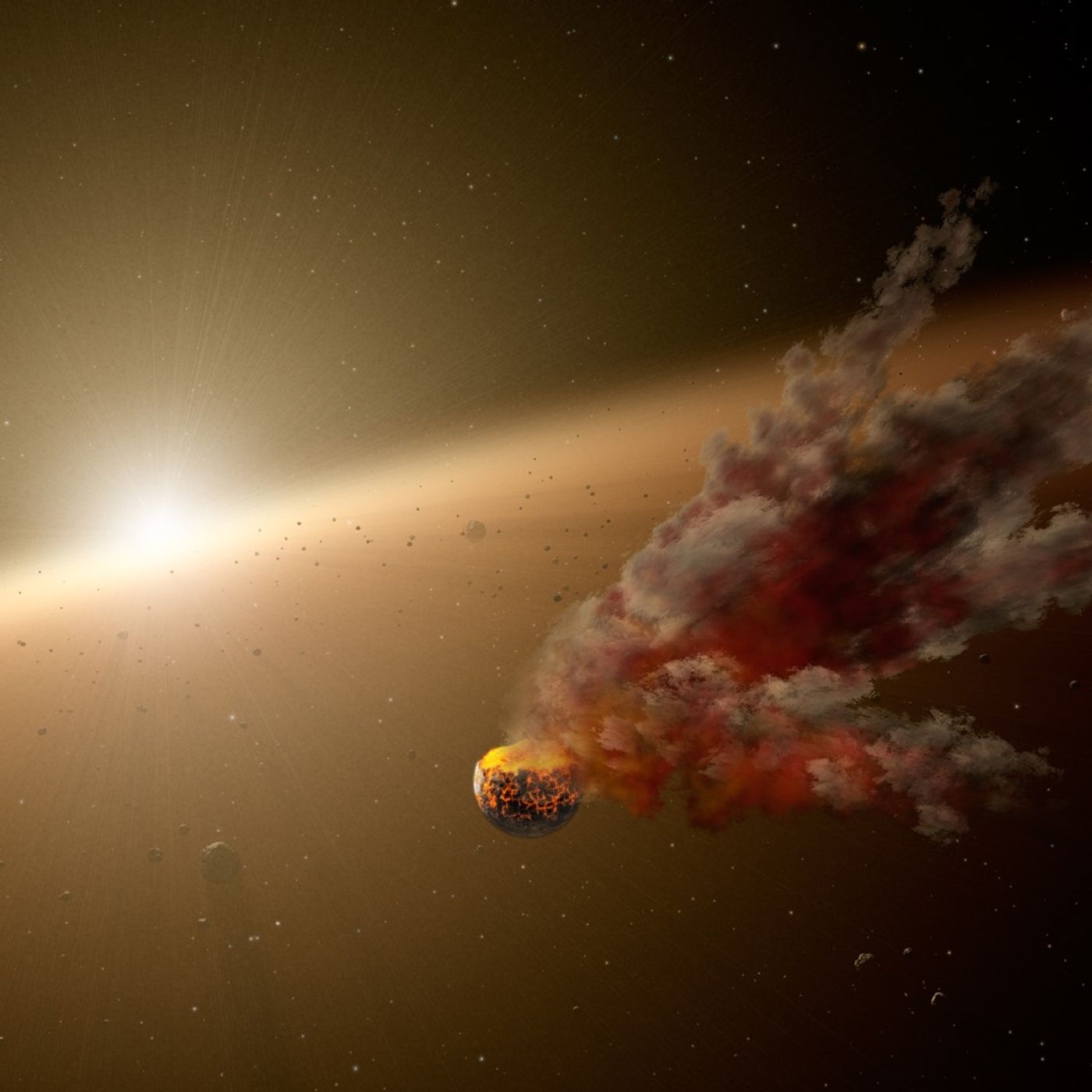 415E-457-30 Years Of Fireballs 17.11.2026 2mFireballs are meteors which become brighter than the planet Venus and can sometimes be seen in the daytime. If you are lucky to see a fireball send in your report to the American Meteor Society and become a citizen scientist.
-
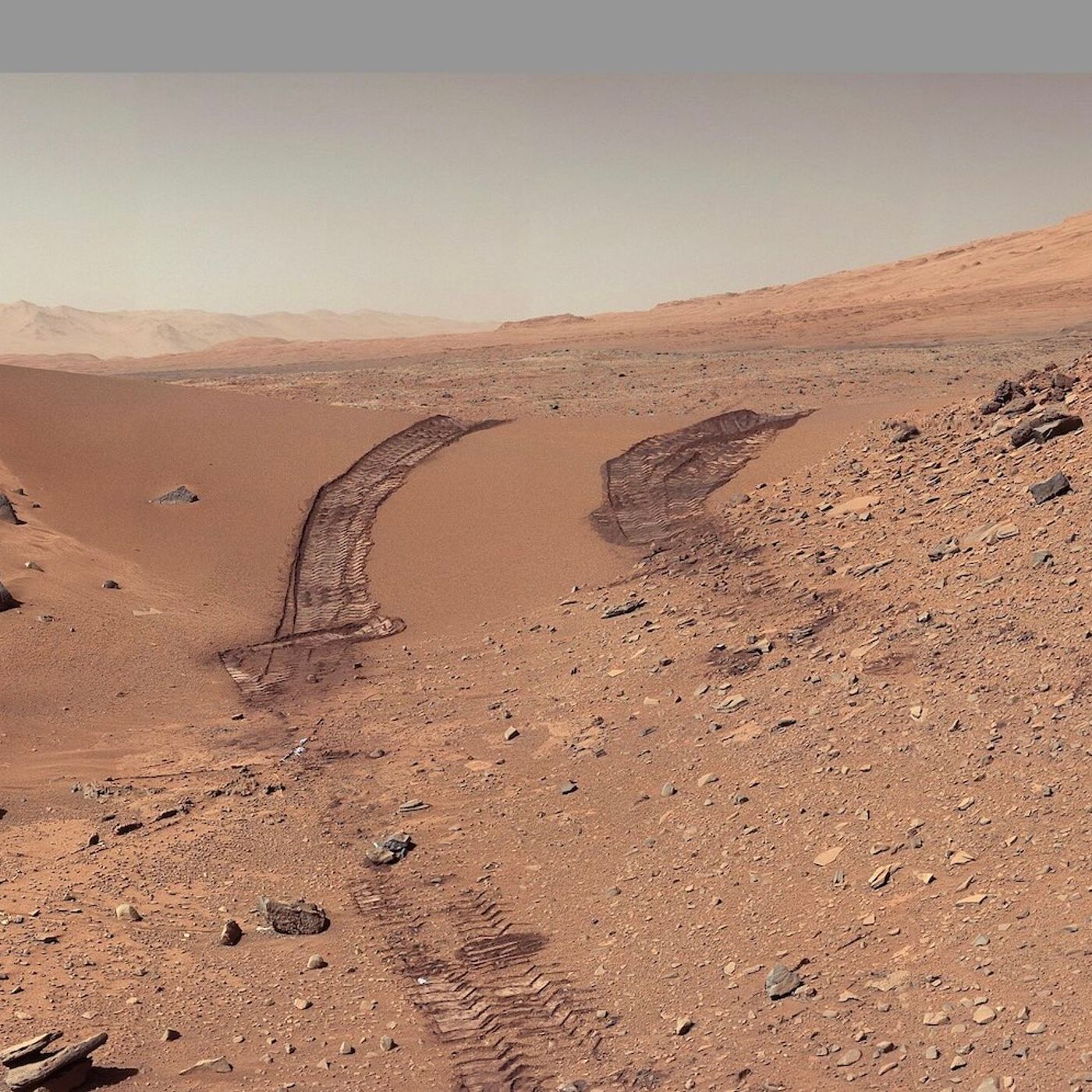 925-Farming Martian Soil 13.11.2026 2mHumans are dreaming and planning settlements on Mars. There are ice deposits which with solar power could be used to produce oxygen to breathe, water to drink, and hydrogen and oxygen to fuel vehicles of all sorts. Food remains a challenge since the Martian soil contains poisonous perchlorate salts that can harm human health if absorbed by crops, has no organic material, and when wet can pack down like concrete making it difficult for plant roots to grow. Please don’t take the environment we have on Earth for granted.
-
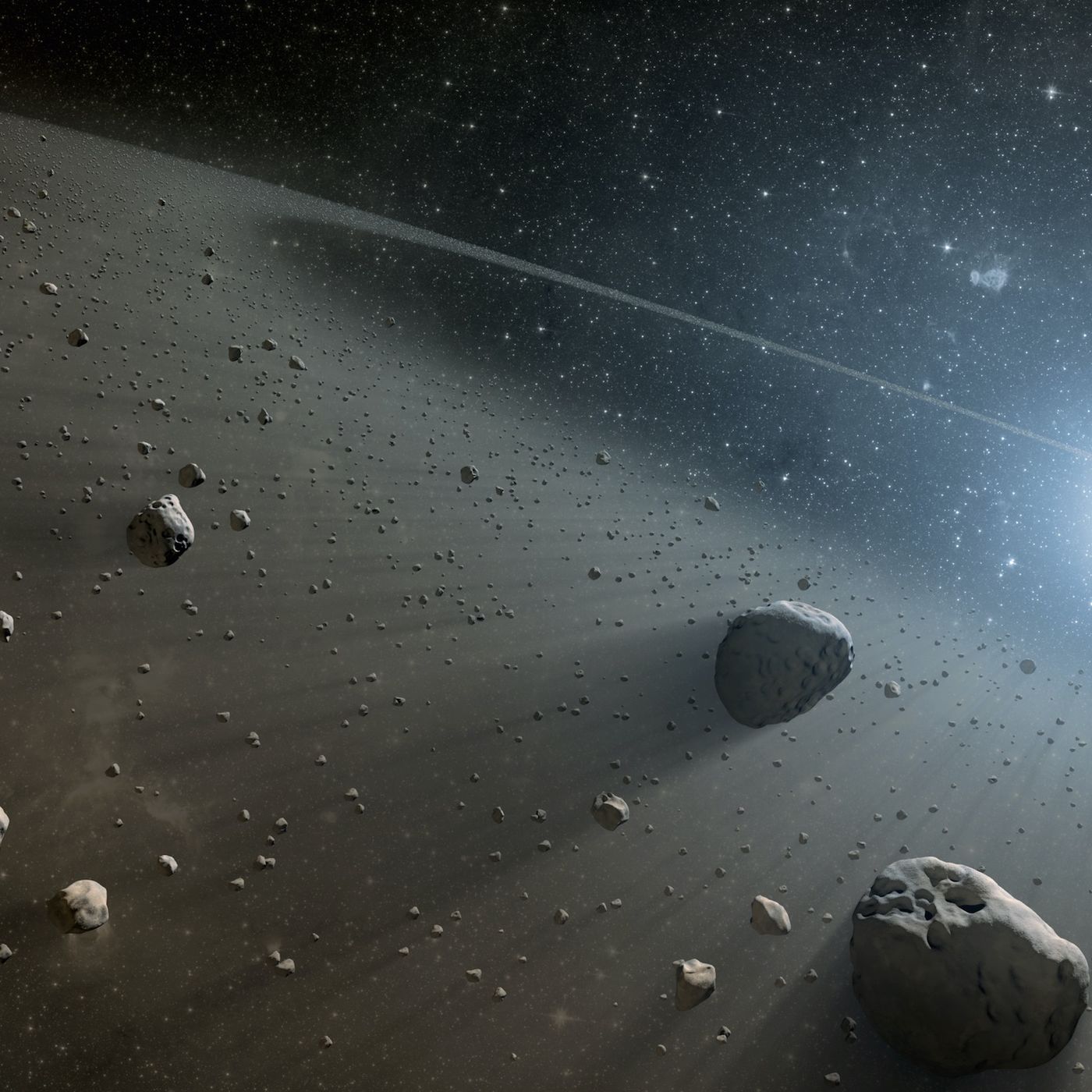 414E-456-Dangerous Trio 10.11.2026 2mIn the space of only four days, my Catalina Sky Survey teammates, Brian Africano, Alex Gibbs, and Greg Leonard, discovered three Potentially Hazardous Asteroids. Searching for such a large space rock on an impact trajectory with planet Earth is what keeps my team, the Catalina Sky Survey, going to our four telescopes, 24 nights per month, when the moon isn't too bright, in the Catalina Mountains north of Tucson Arizona.
-
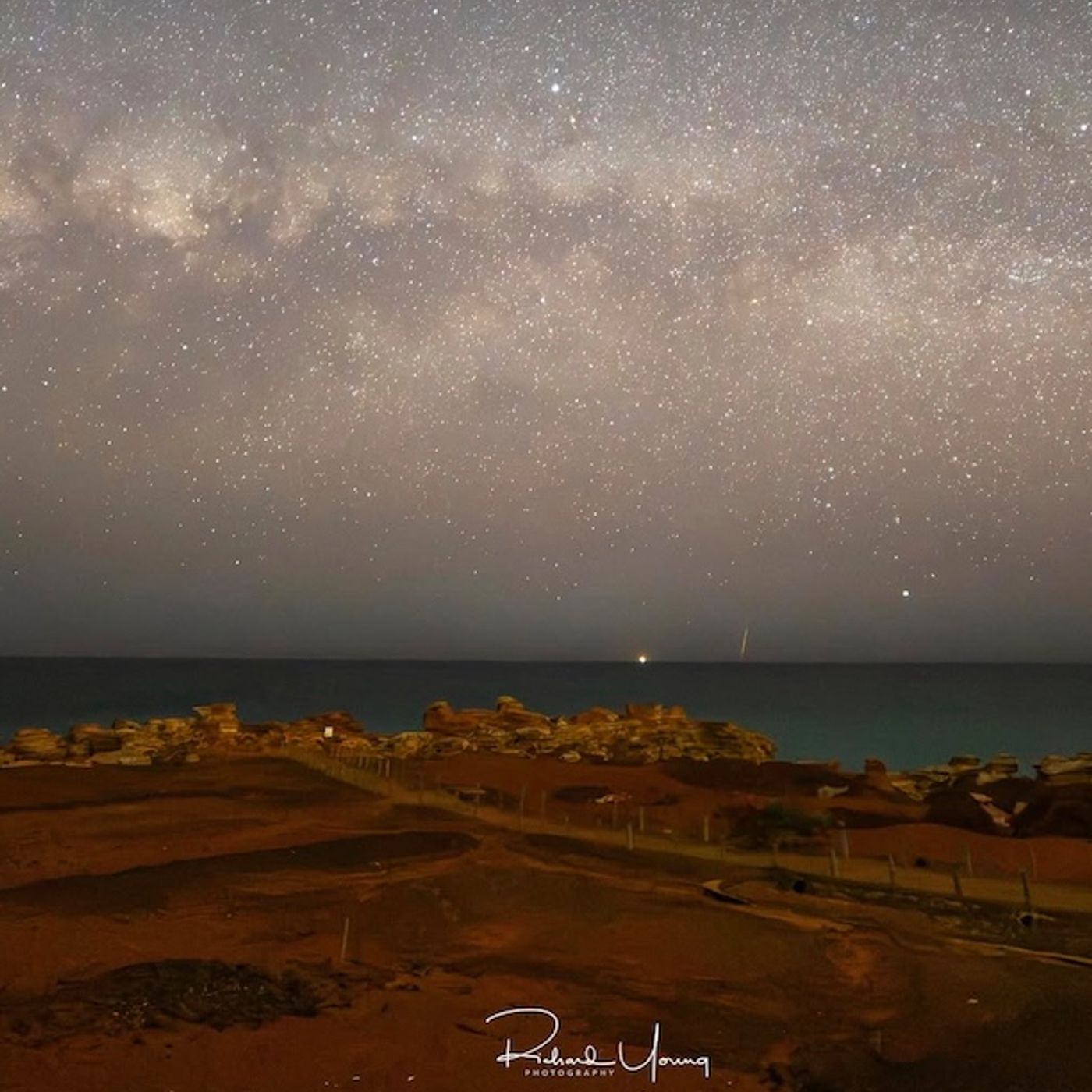 924-Alessandra's Impactor 06.11.2026 2mMy Catalina Sky Survey teammate Alessandra Serrano was asteroid hunting in the constellation of Cetus with our 60 inch telescope on Mt. Lemmon, Arizona when a rapidly moving unknown object streaked through a set of her images on its way to impact Earth.
-
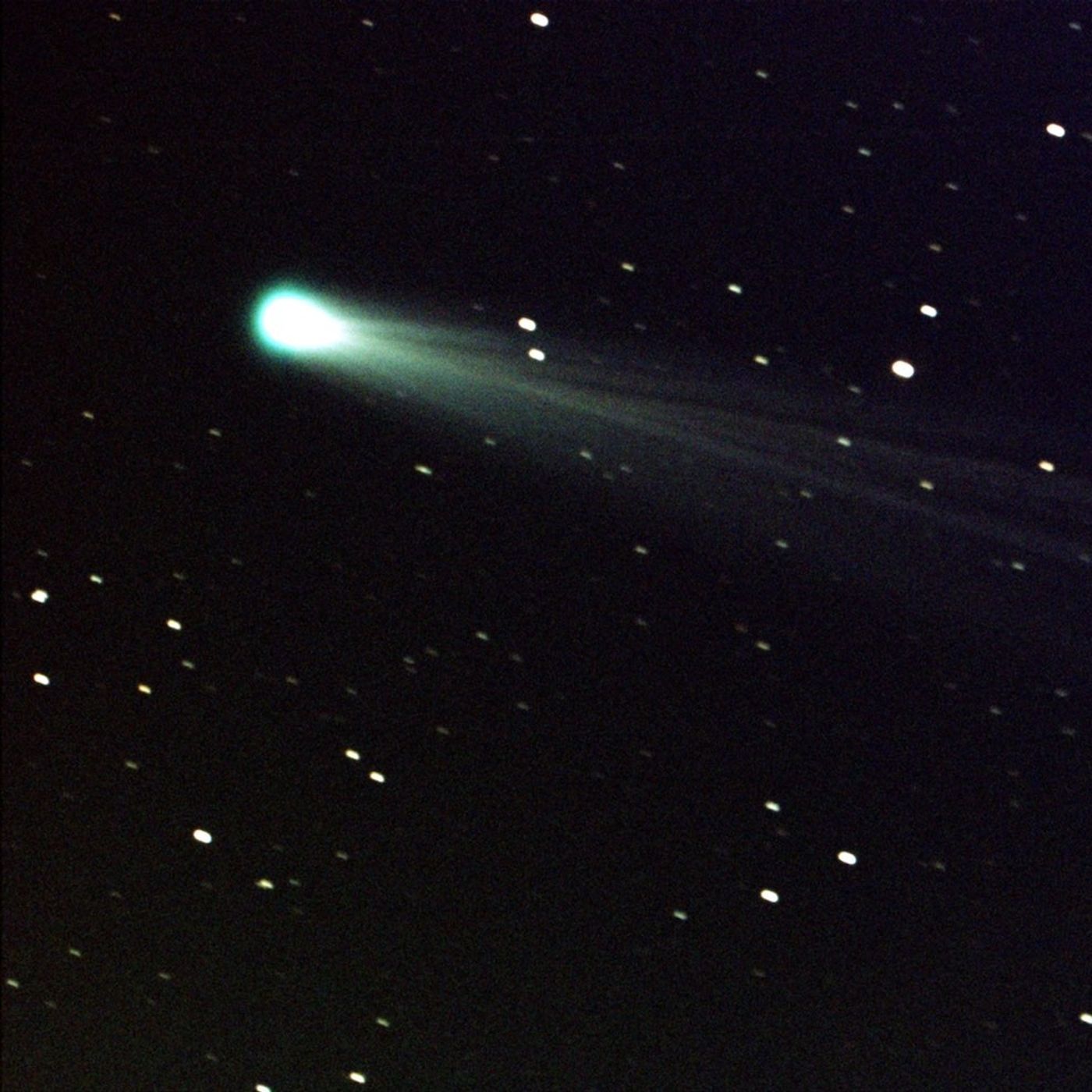 413E-454-Comets And Asteroids 03.11.2026 2mIf you set your mind to it, you can find and hold a sample of an asteroid, called a meteorite, which has landed on the Earth's surface. On the other hand, watching major meteor showers will allow you to see but not touch comet dust as it enters and burns up in the Earth's atmosphere.
-
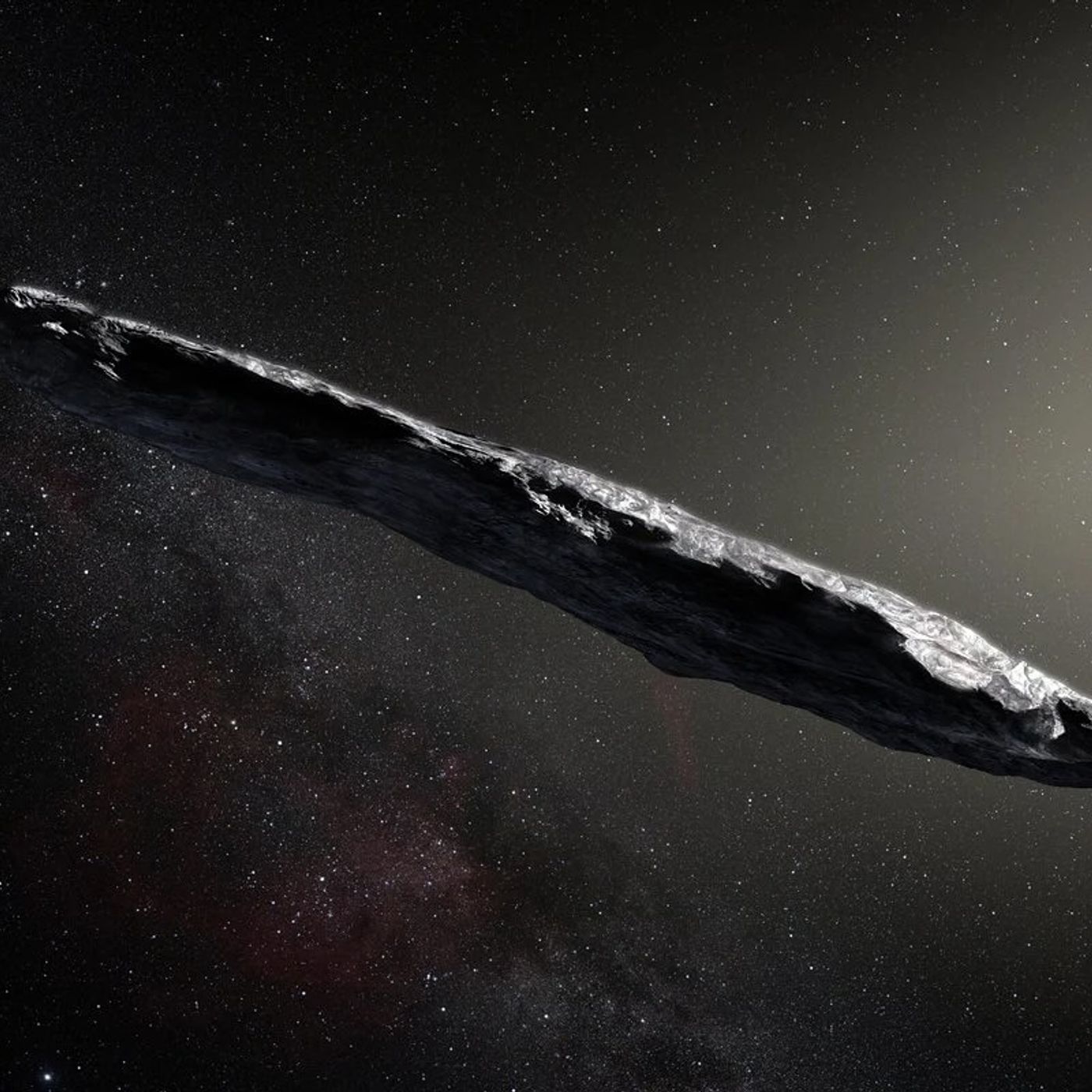 923-From Alpha Centauri Star With Love 30.10.2026 2mA fascinating research paper suggests the possibility that there is an exchange of chemical elements, organic molecules, and potentially life’s precursors between star systems. Could it be possible that microorganisms or complex organic molecules could hitch a ride inside rocky meteorites ejected from a living planet? If so living organisms in our neighborhood of the Milky Way might be related to each other.
-
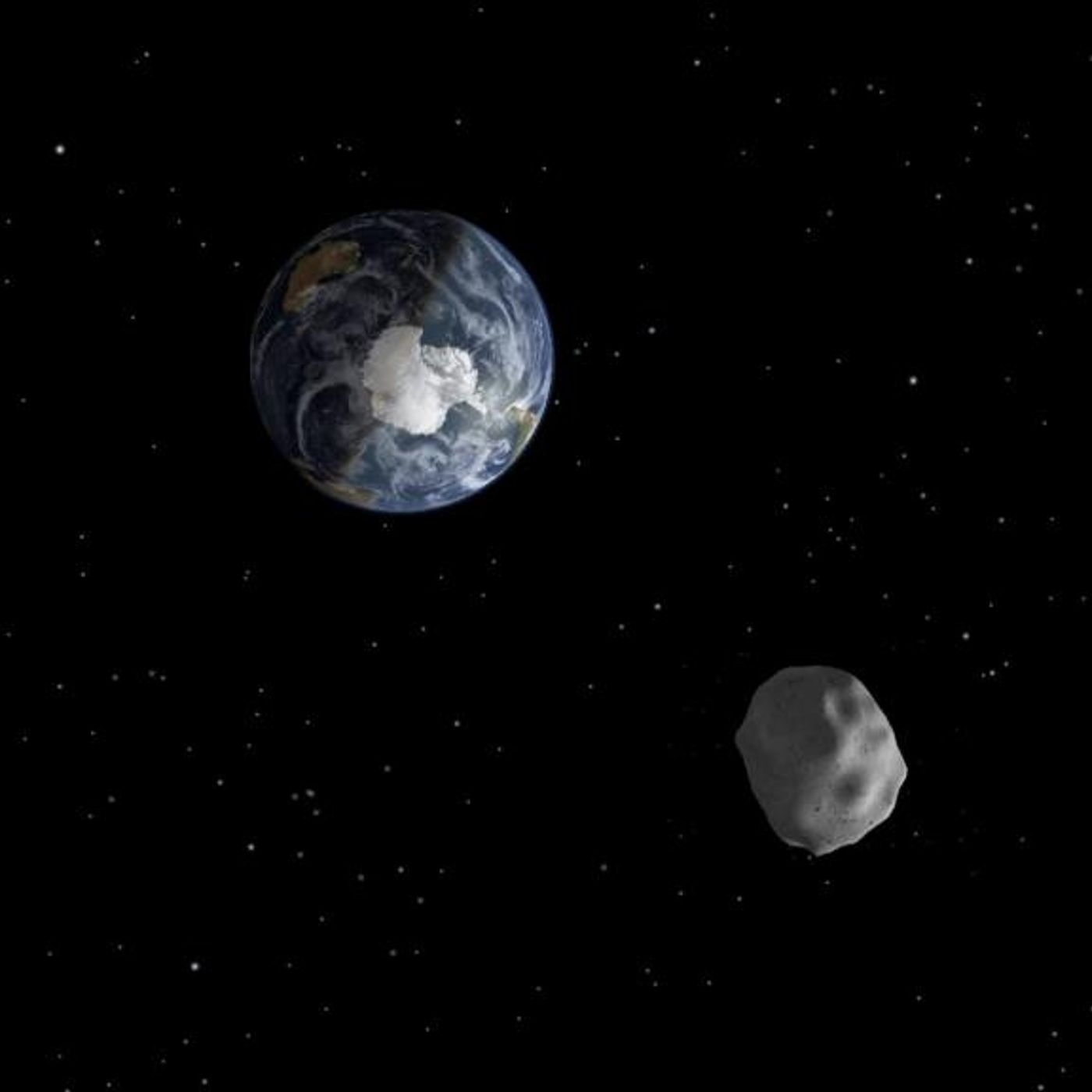 412E-453-HAMMER 27.10.2026 2mTheoretically, If an asteroid on a collision course with our planet could be slowed sufficiently it could be made to pass behind our planet as it orbits the Sun.
-
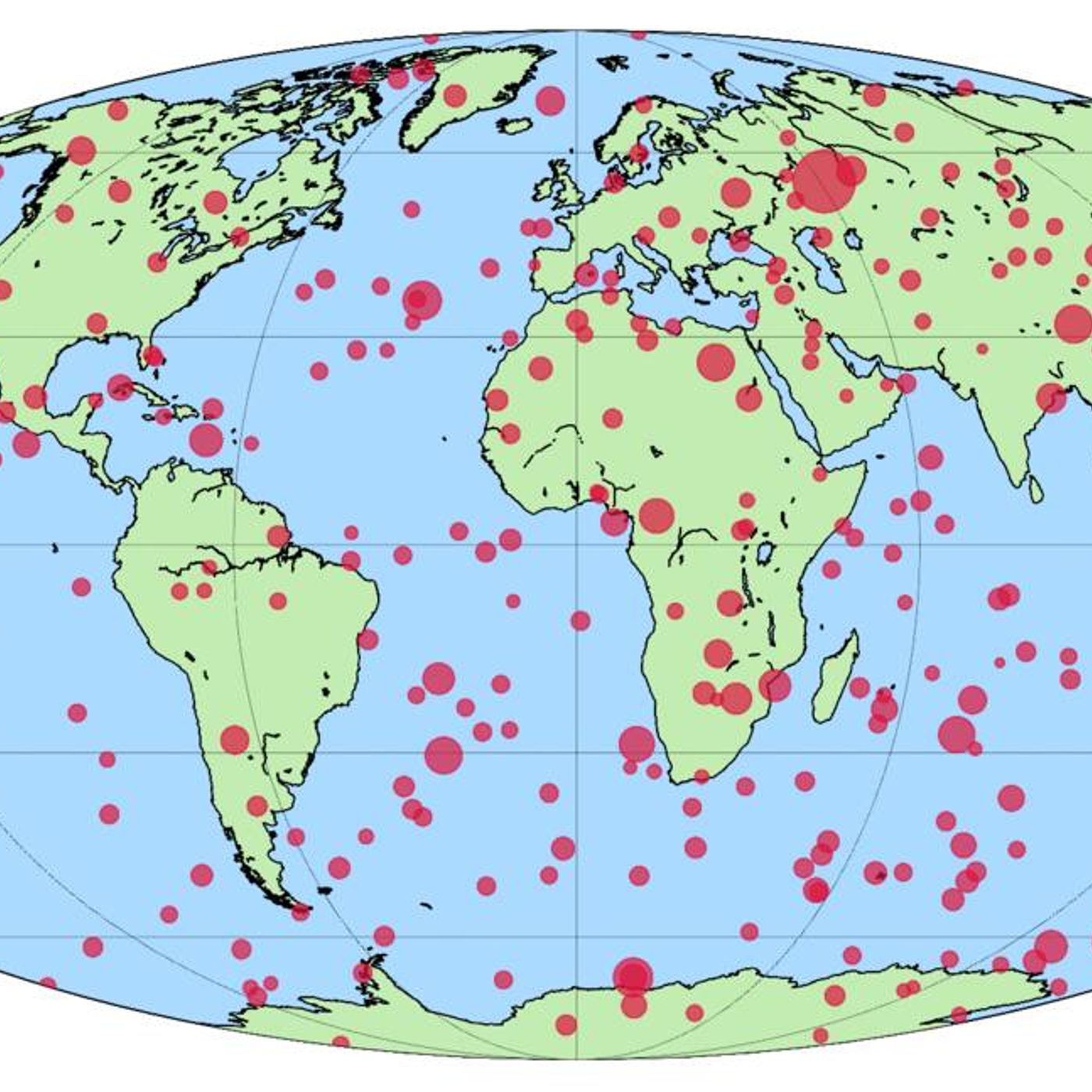 922-Earth Impactors from Vera Rubin 23.10.2026 2mThe Vera C. Rubin Observatory, also known as LSST, with its 8.4 m mirror, the width of a tennis court, and the worlds largest 3.2 gigapixel camera, roughly the size of a small car, will image the entire sky every 3 or 4 nights in such a way as to detect objects that change in position and/or brightness. It is estimated the LSST will discover one or two new impacting small asteroids per year and provide several days of lead time for follow up telescopes to track an impactor into the atmosphere to find meteorites whose chemical composition will tell us about where they originated.
-
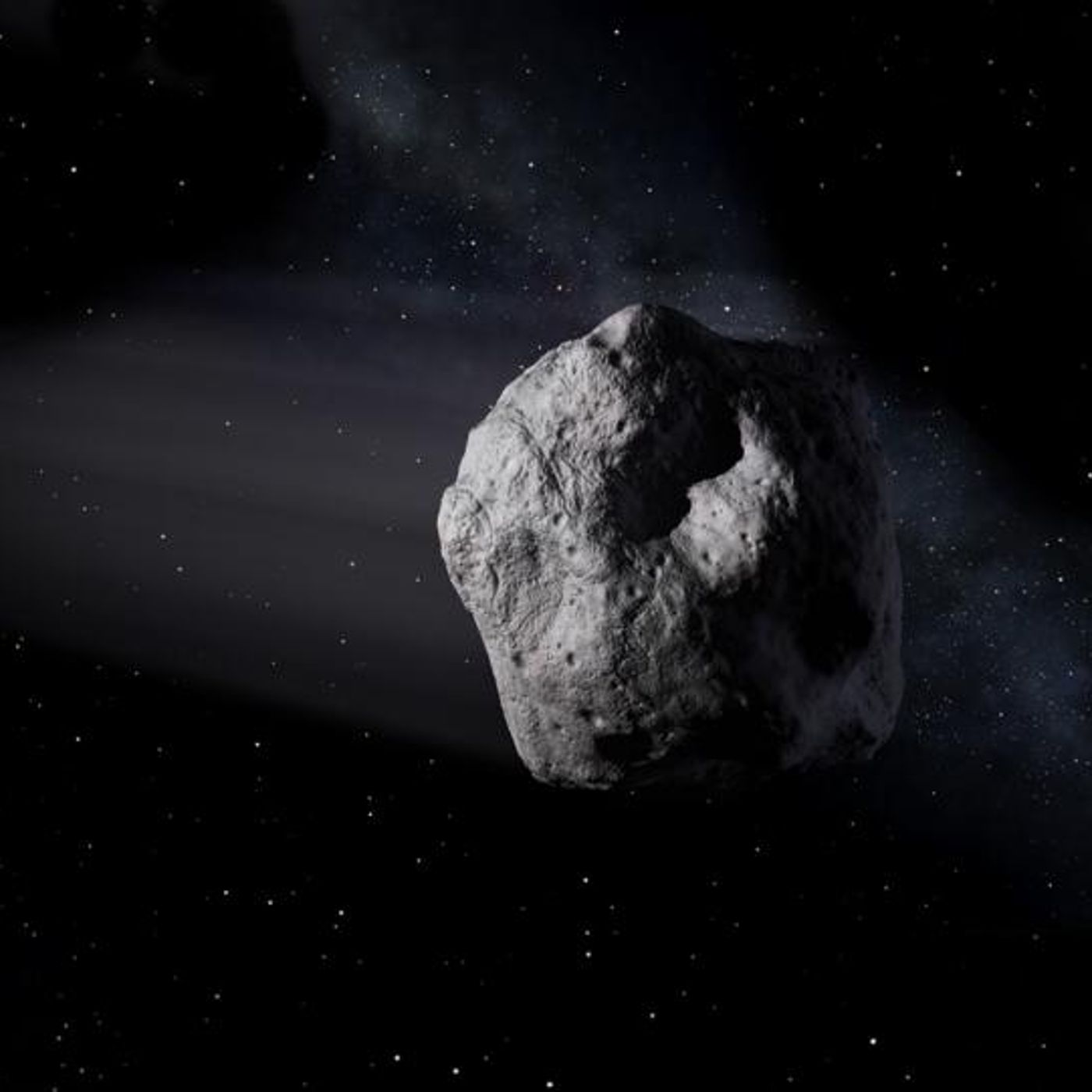 411E-452-Small But Deadly 20.10.2026 2mMy Catalina Sky Survey teammate Greg Leonard's discovery of, 2018 FO5, a three football field diameter asteroid that can come closer than our Moon is a reminder that we need to keep searching for the many thousands of Potentially Hazardous asteroids larger than 500 feet in diameter which are likely to exist.
-
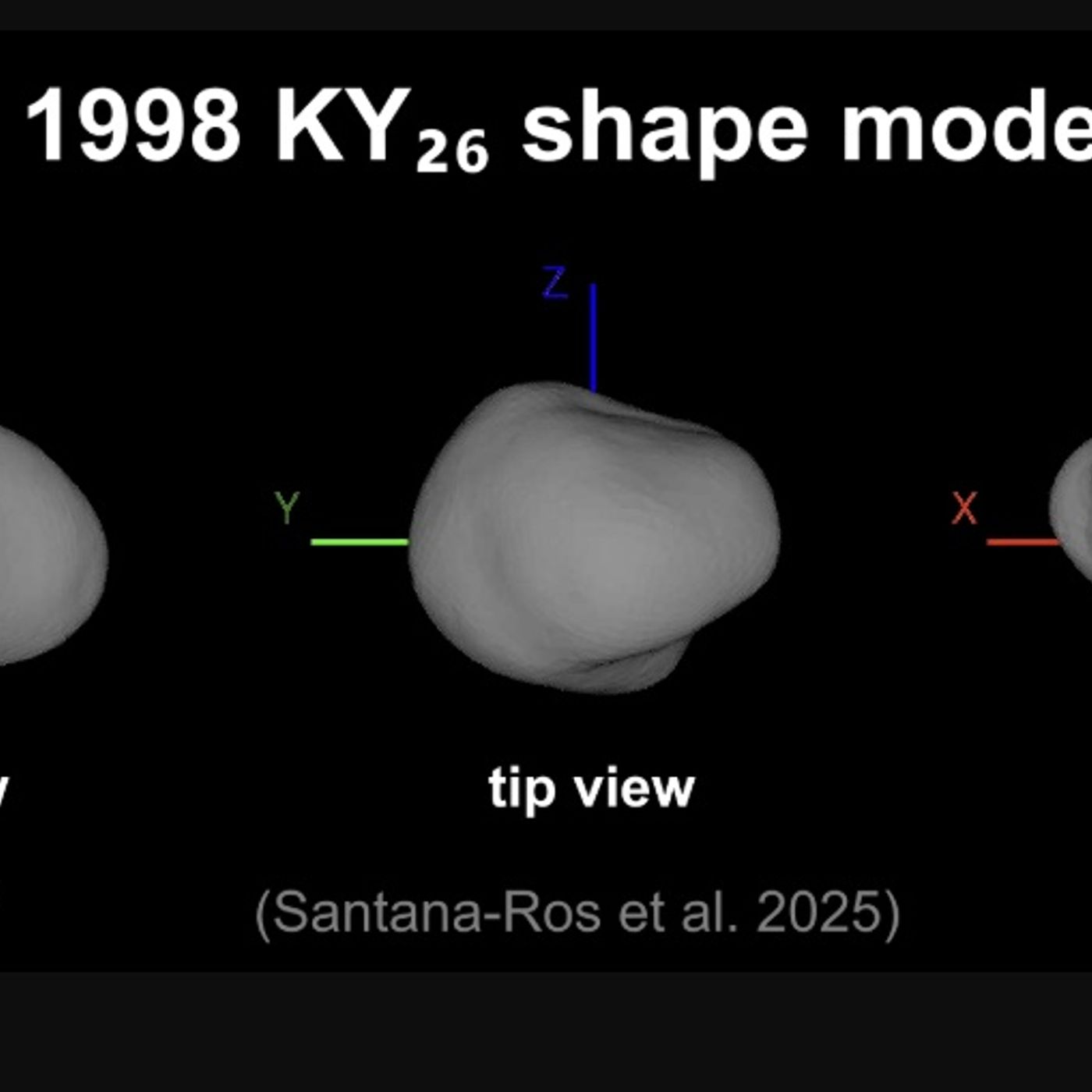 921-Little Spinner 16.10.2026 2mAfter completing a sample and return mission to the asteroid Ryugu (ree-oo-goo) and a fly by of asteroid Torifune (toh-ree-foo-neh), the Japanese asteroid exploring spacecraft Hayabusa2 (high-yah-BOO-sah-too )is on its way to fly by the rapidly spinning tiny asteroid 1998 KY2 .
-
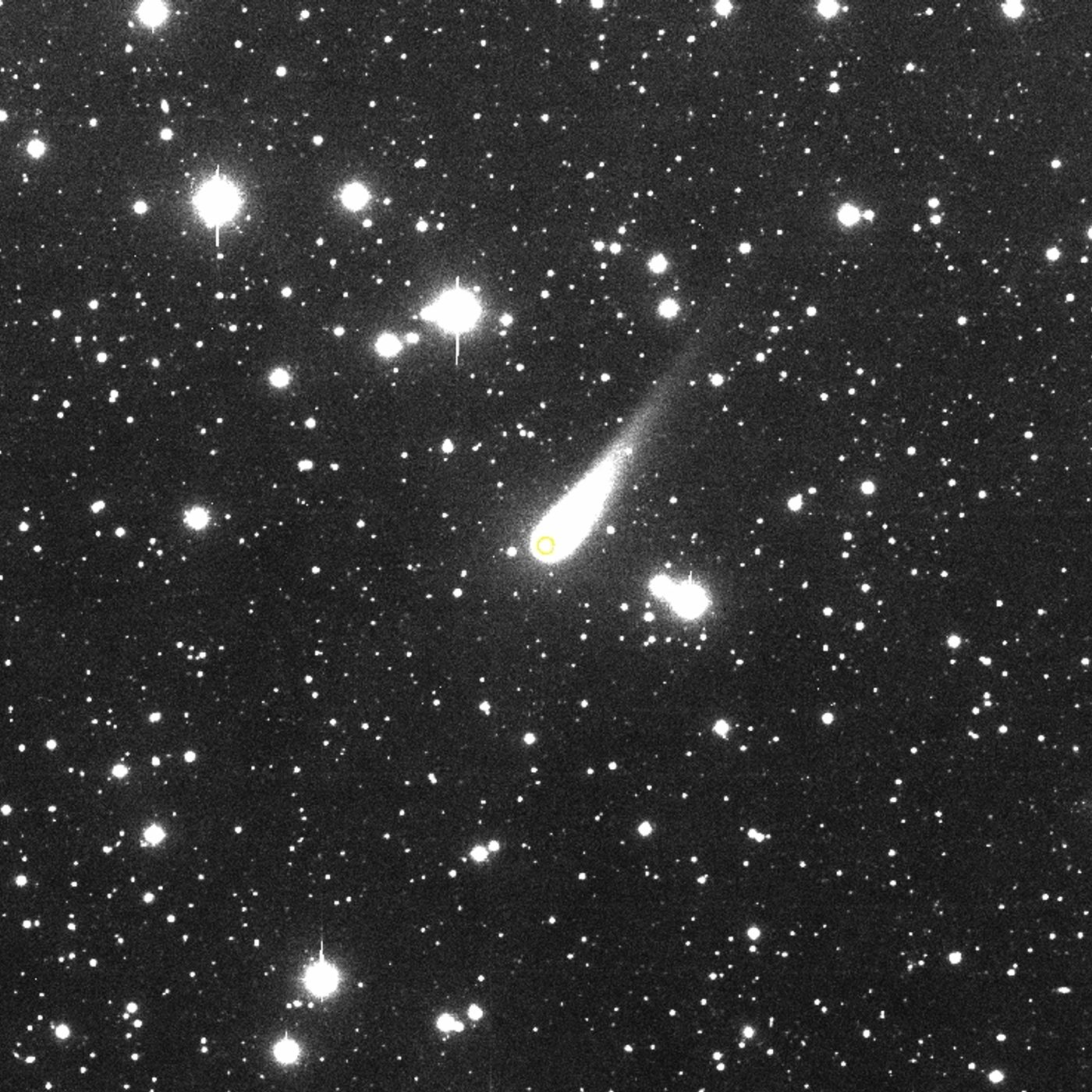 410E-451-Going Far 13.10.2026 2mMy Catalina Sky Survey teammate Jess Johnson was very surprised when the large comet with a long stringy tail, which he has just imaged with our 60 inch telescope on Mt. Lemmon, Arizona, was an unknown object. Jess quickly emailed his discovery observations along with a description of the comet's coma and tail to the Minor Planet Center. Over the next eight days astronomers at 11 different observatories around the world tracked Jess's new comet. Scientists at the Minor Planet used these data to calculate it's path around the Sun, verify it to be a comet, and give it the name C/2018 F3 (Johnson...
-
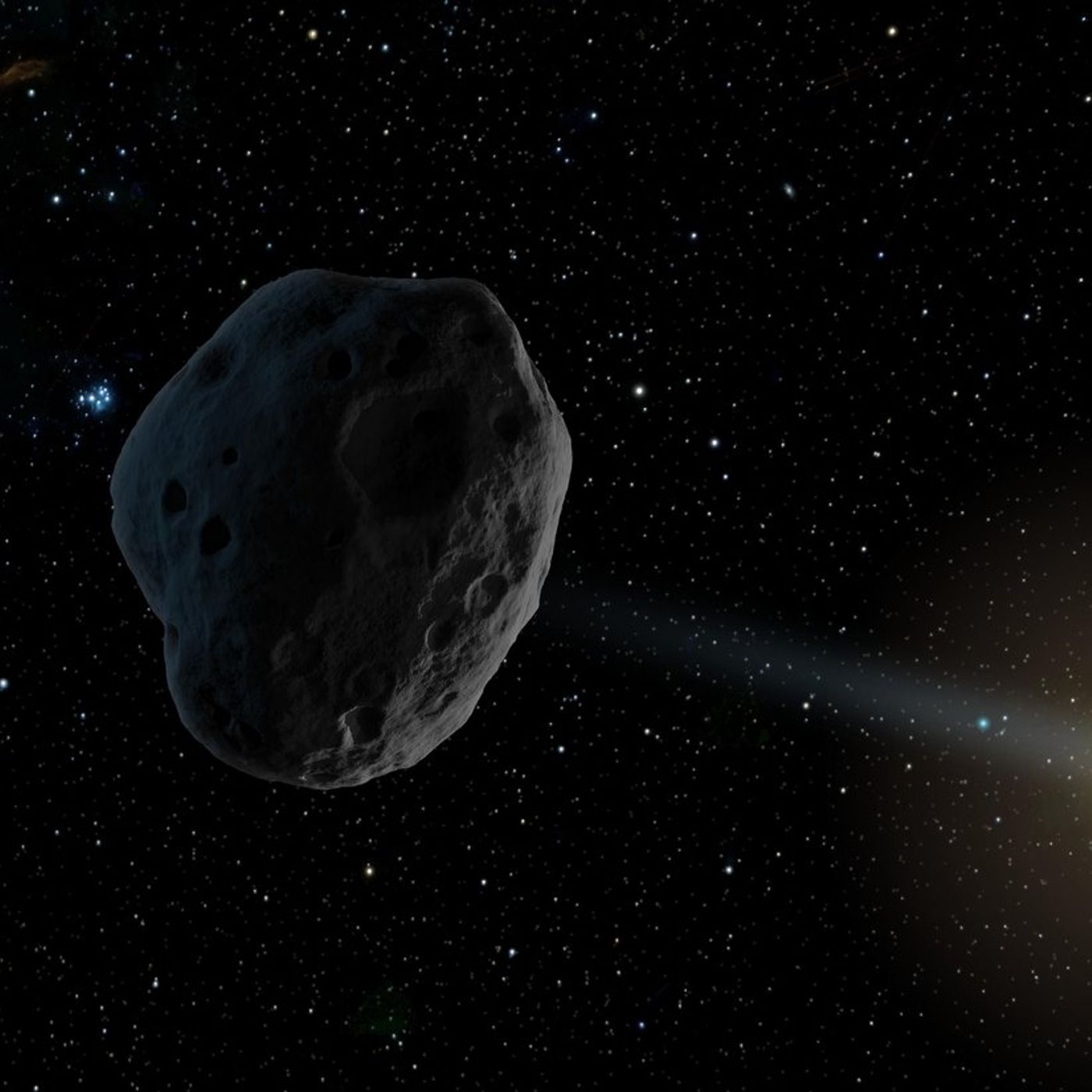 920-Cometary Rocket 09.10.2026 2mViewed in a telescope an asteroid appears as a moving star like point of light while a comet often appears to be a fuzzy point of light with a tail. The orbit of an asteroid is governed force of gravity exerted by the Sun, planets, and in some cases our moon. In addition the Yarkovsky Effect can cause the orbit of a spinning asteroid to shift slightly over millions of years as the heat it absorbs from the Sun radiates back into space. Comets on the other hand can have orbits which change erratically as its nucleus emits small rocket like bursts when frozen gases trapped within it are heated by...
-
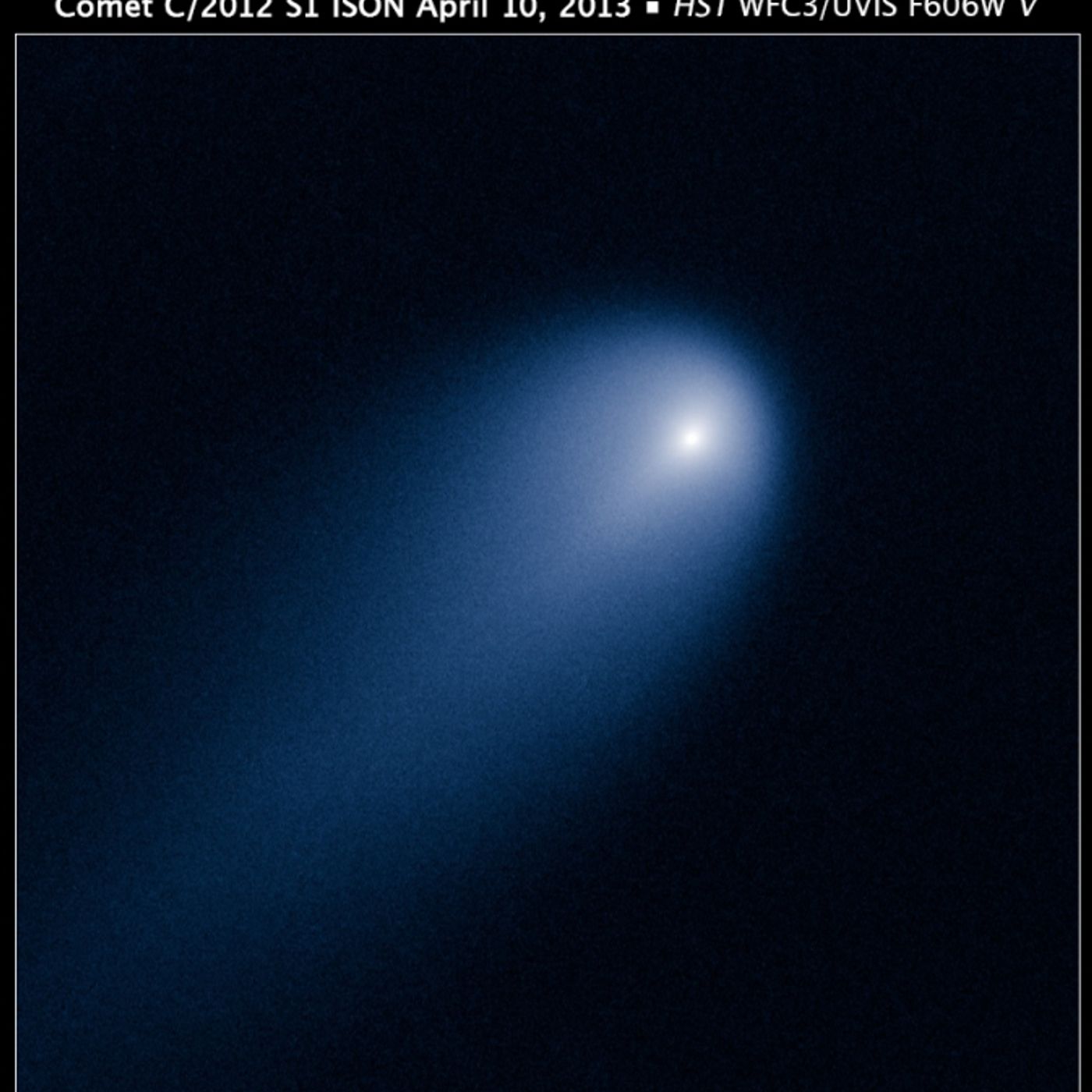 409E-450-Saint Patrick's Day Comet 06.10.2026 2mOn Saint Patrick's Day, while searching for Earth approaching asteroids with the Catalina Sky Survey's 60 inch telescope on Mt. Lemmon, Arizona I spotted a slightly enlarged star like object with a tiny tail moving through the constellation of Virgo. After checking to see that it was not a known comet, I sent my discovery observations along with a description of it's coma and tail to the Minor Planet Center. Turns out that it had been observed as a moving point of light, but not noticed to be a comet, by the PanSTARRS group in Hawaii 3 month's earlier. Given the PanSTARRS historical observatio...
-
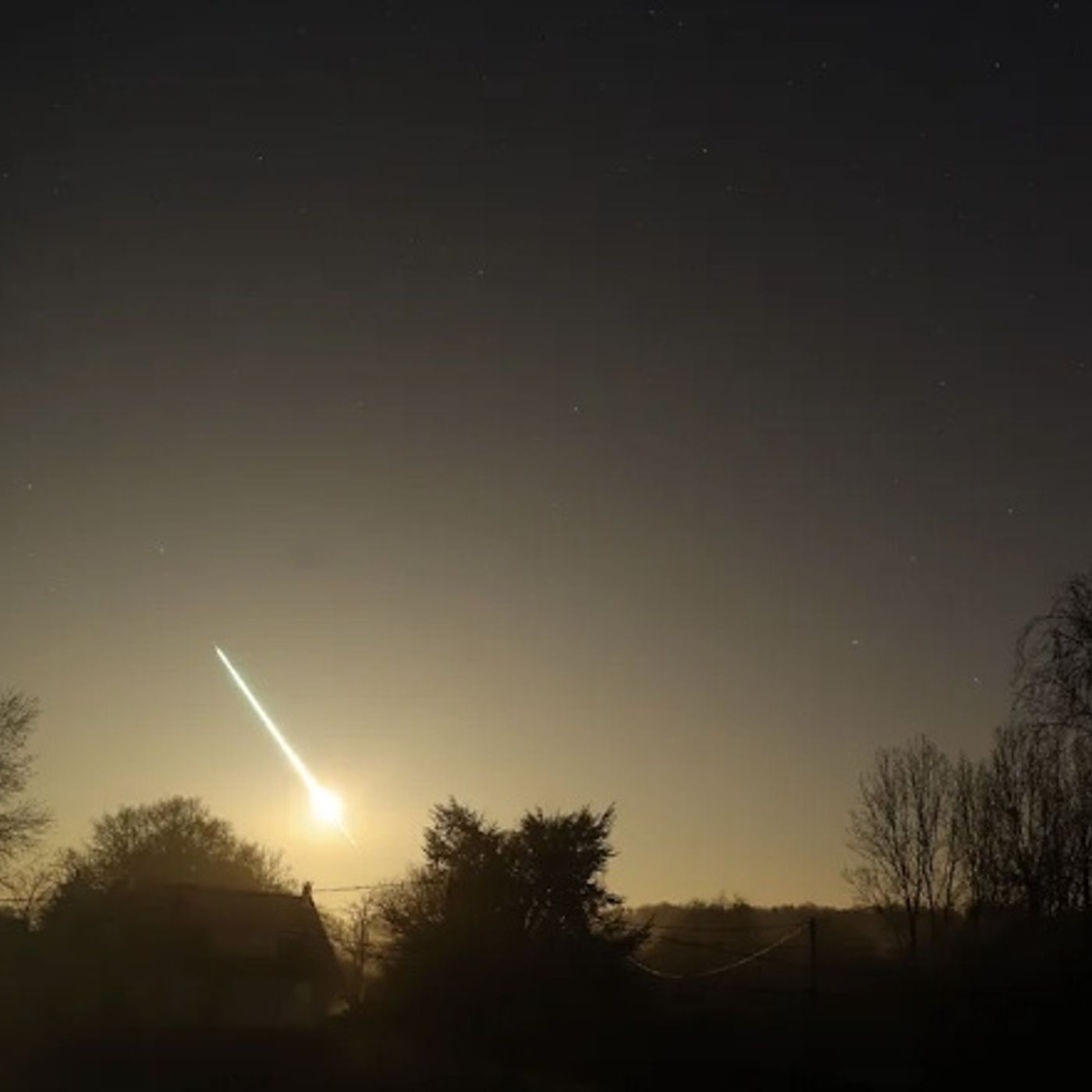 919-Automatic Detection Of An Impactor 02.10.2026 2mRecently a pair of JPL SynTrack Robotic automated telescopes located at a high altitude low light pollution site in California provided 4 tracking data points taken less than 30 minutes apart which indicated that a small space rock with a diameter smaller the height of a human being was on a collision course with Earth.
-
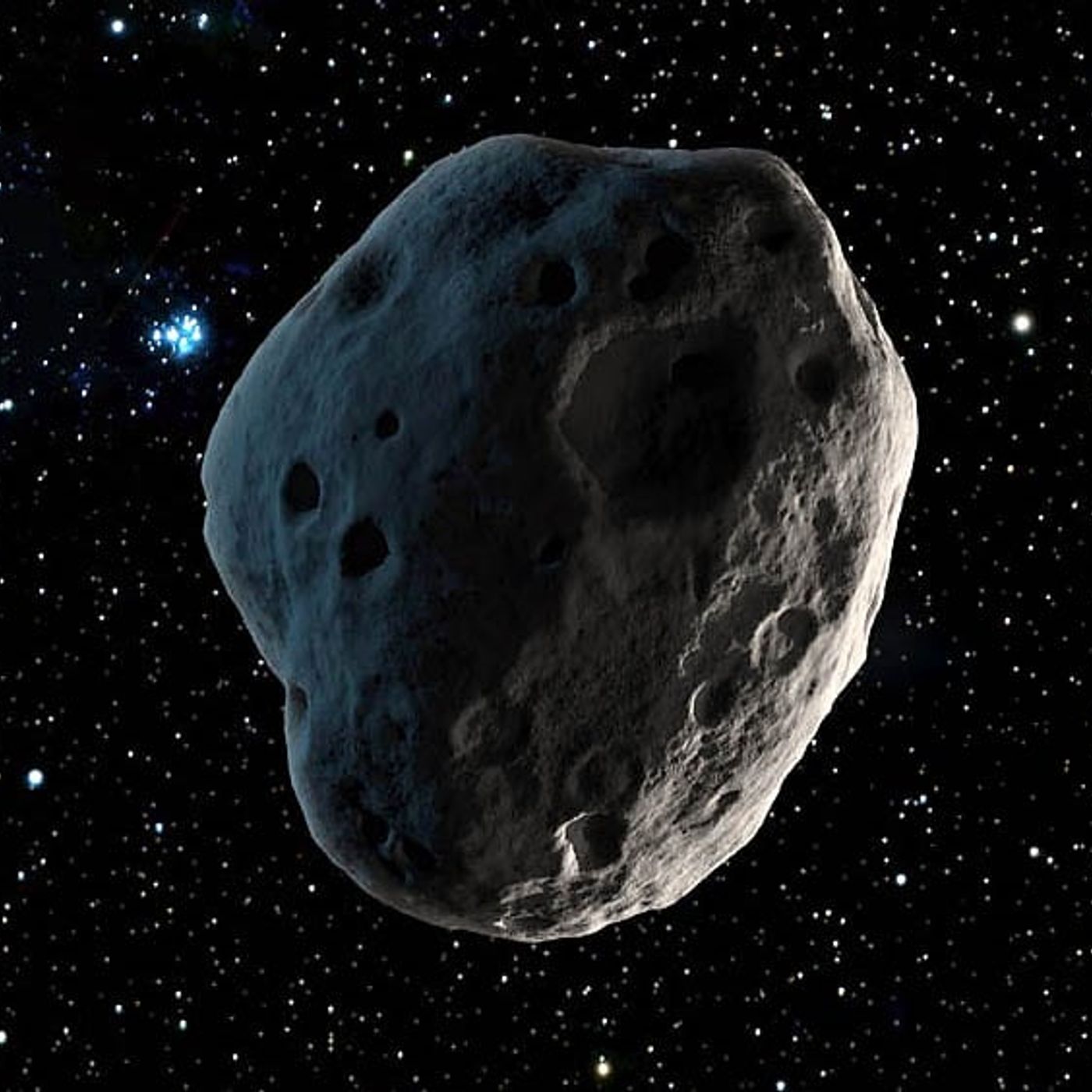 408E-449-Cloud 7 29.09.2026 2mTo give you an idea of the asteroid traffic in our neighborhood, on a mostly cloudy night, through holes in the clouds, in a space of less than 2 hours, my Catalina Sky Survey teammate Richard Kowalski posted 7 new close approaching asteroid discoveries on the Minor Planet Center's Near Earth Object Confirmation Page
-
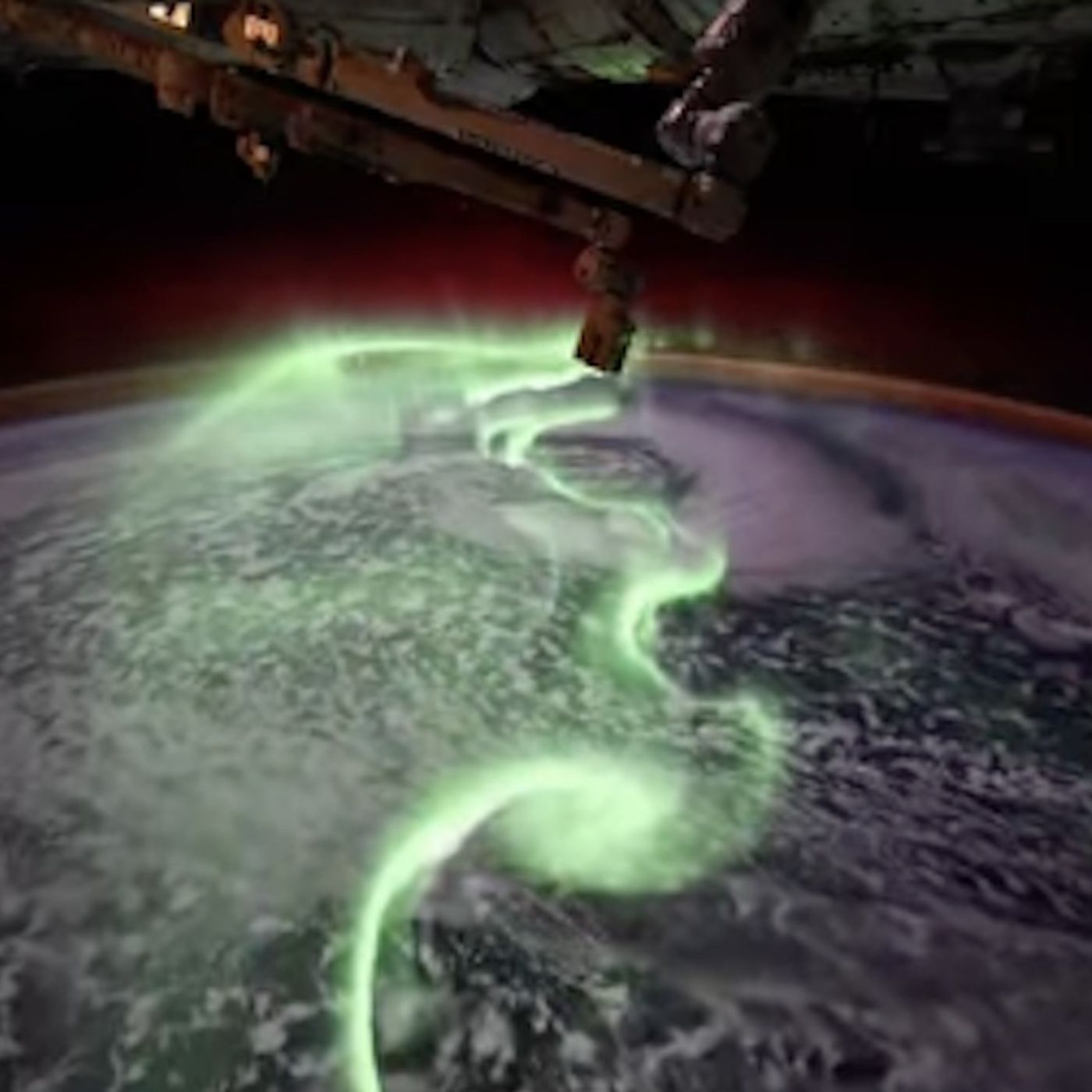 918-Auroras from Space 25.09.2026 2mThe northern lights or Aurora Borealis have fascinated humans throughout the ages. Today aurora watching is a multimillion dollar industry in places like Alaska, Canada, Norway, Sweden, Finland, Greenland, and Iceland. Auroras are manifestations of the interaction between the solar wind, radiation, and our atmosphere we call space weather.
-
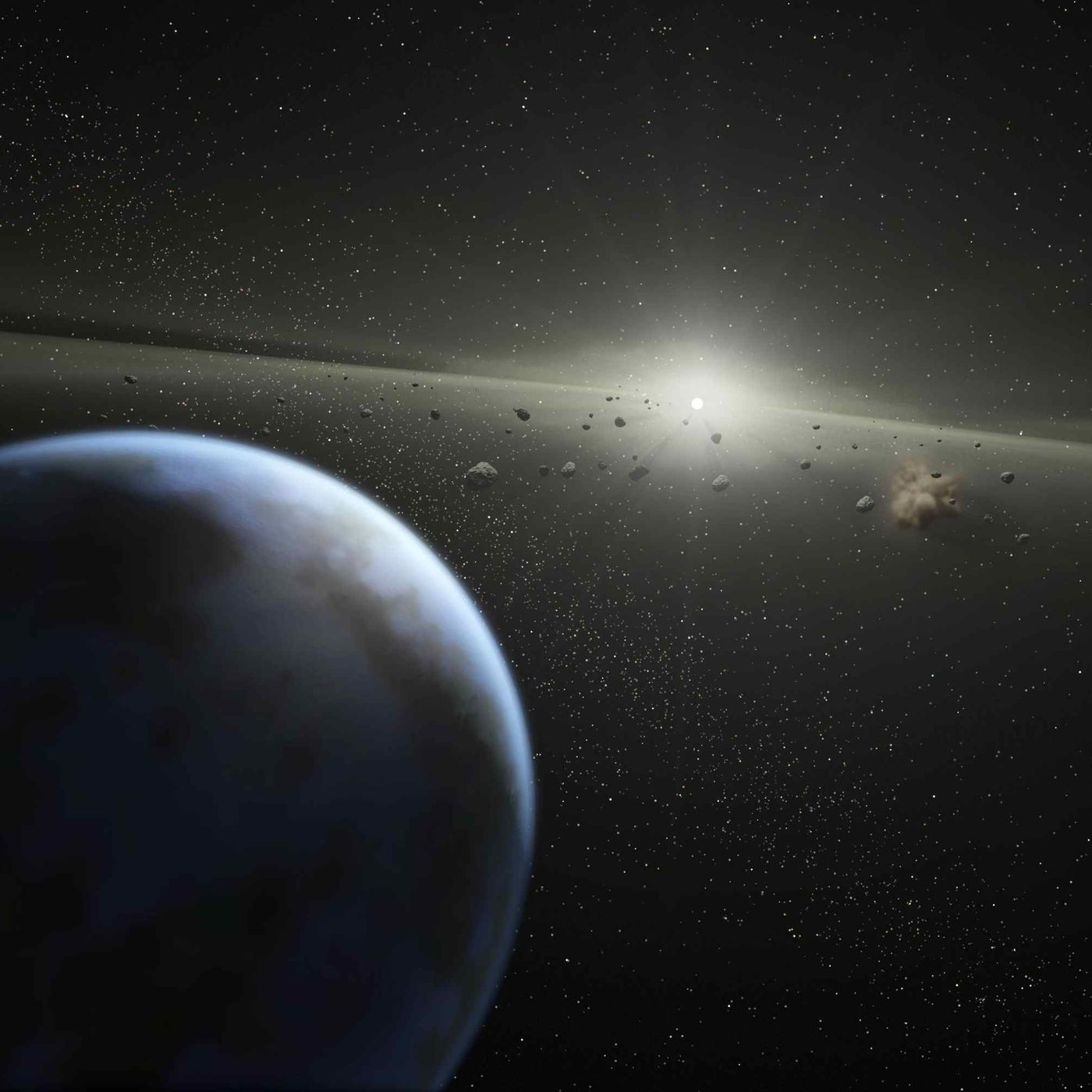 407E-448-Two PHA's 22.09.2026 2mThe large dangerous asteroids that we don't know about are what keep asteroid hunters going to the telescope.
-
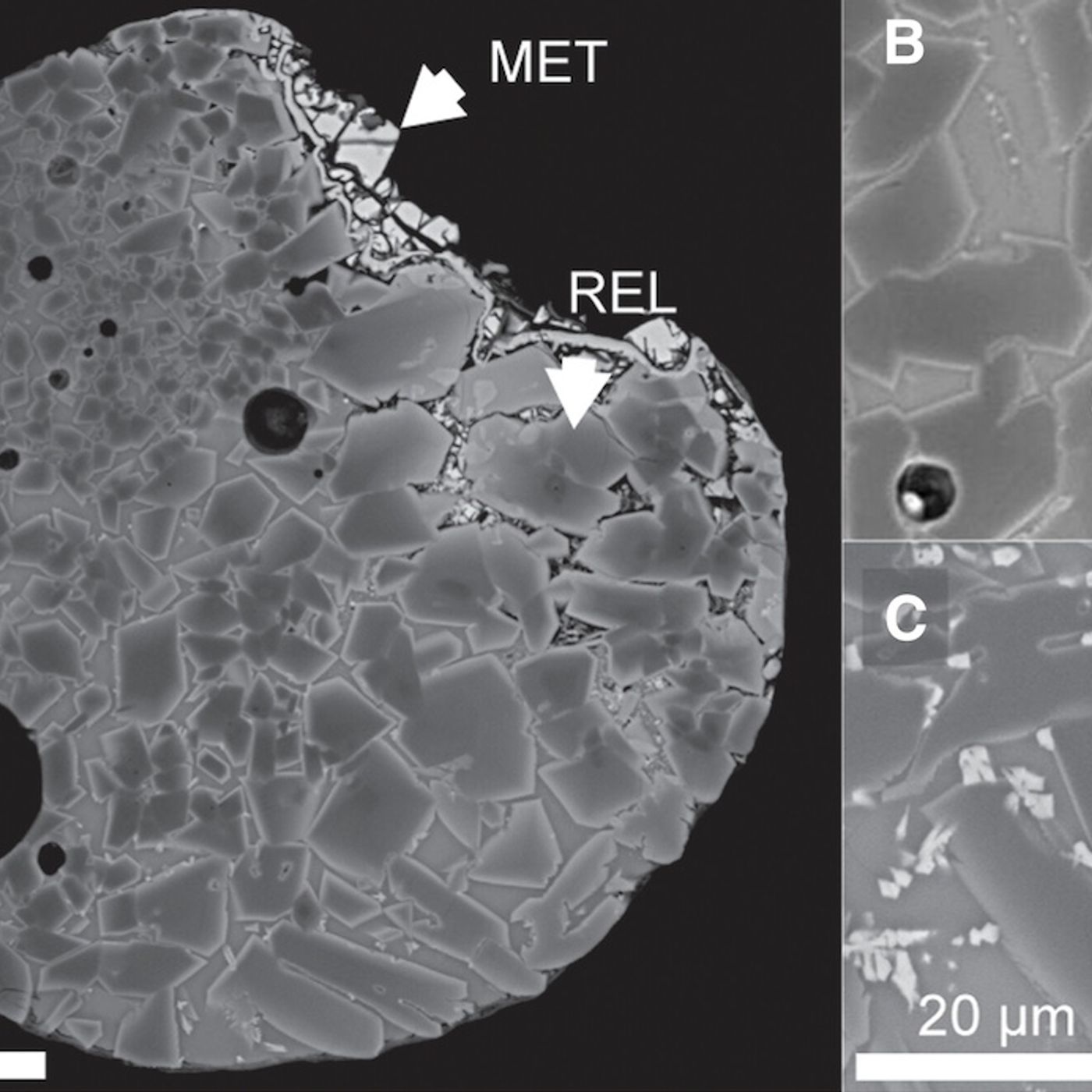 917-Space Dust 18.09.2026 2mAs the Earth orbits the Sun at 18.5 mi/s it sweeps up about 100 tons of micrometeorites and space dust every day of which some 14 tons eventually makes it to the ground. You can even find some of these particles of space dust by using a magnet on material in the rain gutters attached to your roof.
-
 406E-447-Nuking An Asteroid 15.09.2026 2mTonight, even though the chances are extremely slim, an asteroid hunter could find a sizable asteroid on a collision course with planet Earth. If we have decades warning, the potential impactor's arrival time could be changed by impacting the dangerous object with a high velocity mass or if we have less time we will need to nuke it which will either blow it to bits or give it a rocket like push.
-
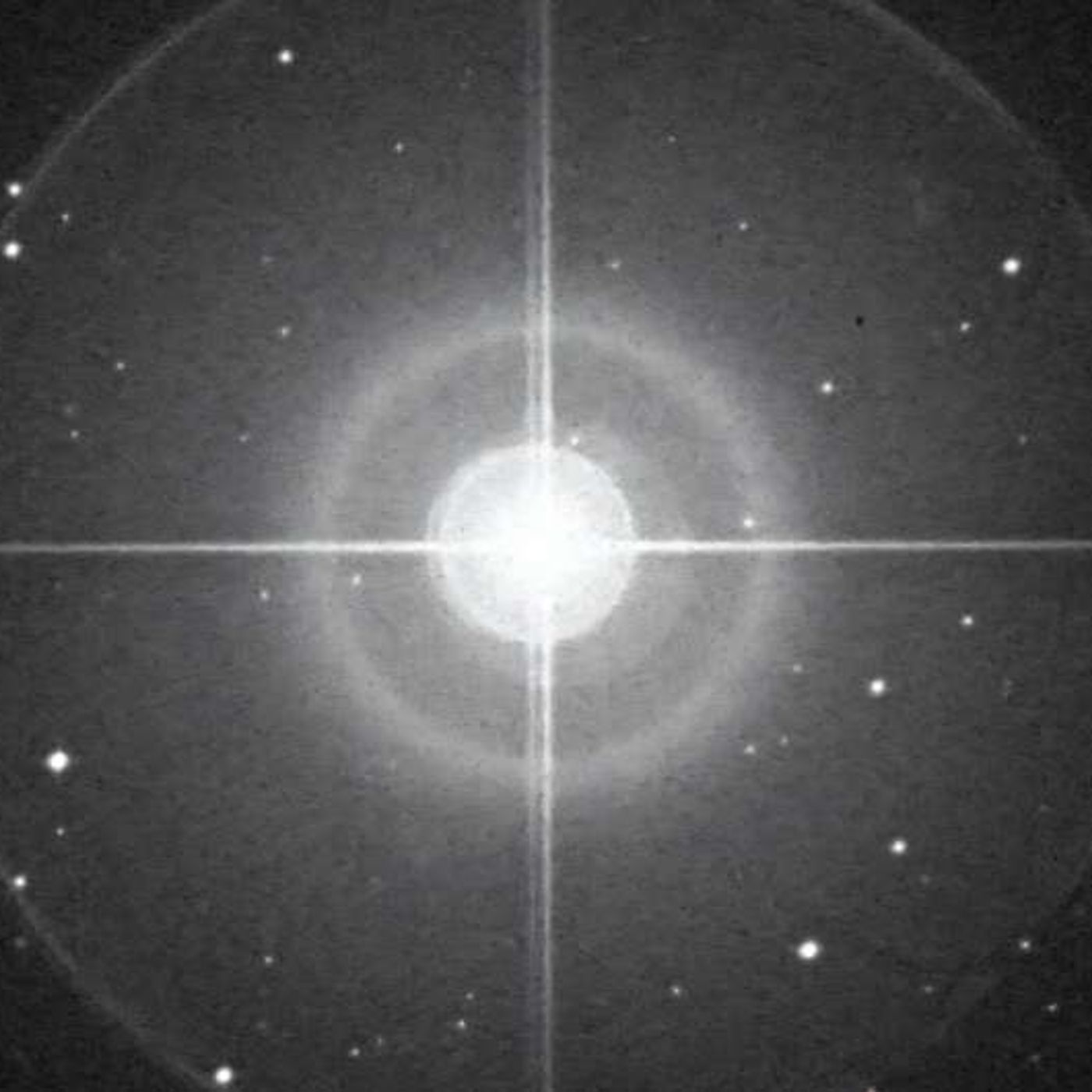 916-Past Glory 11.09.2026 2mWhen accurately recorded historical observations do not agree with what we what we see today it is often very rewarding to find out why. In modern telescopes we see Theta Eridani to a be pair separated by about 425 times our distance from the Sun orbiting a common center of gravity. Detailed observations of the spectrum of one of these show it to be itself a pair of stars orbiting each other every 4.1 days. One of this very close pair, as it is aging, dumps matter onto its companion causing it to brightened significantly. In the past this mass transfer rate was much higher than it is today and...
Similar podcasts


Popular in
The podcast also appears in the podcast charts of these countries.

