
Finovate Podcast
Finovate Podcast
0
Finovate is a global conference series focused on cutting-edge banking and financial technology, featuring short-form demos and expert takeaways. The Finovate Podcast, hosted by Greg Palmer, extends those conversations in a concise, interview-based format inspired by Finovate's signature seven-minute demos. Guests include fintech innovators, bankers, and analysts who share their views and predictions on the future of financial technology.
Episodes
-
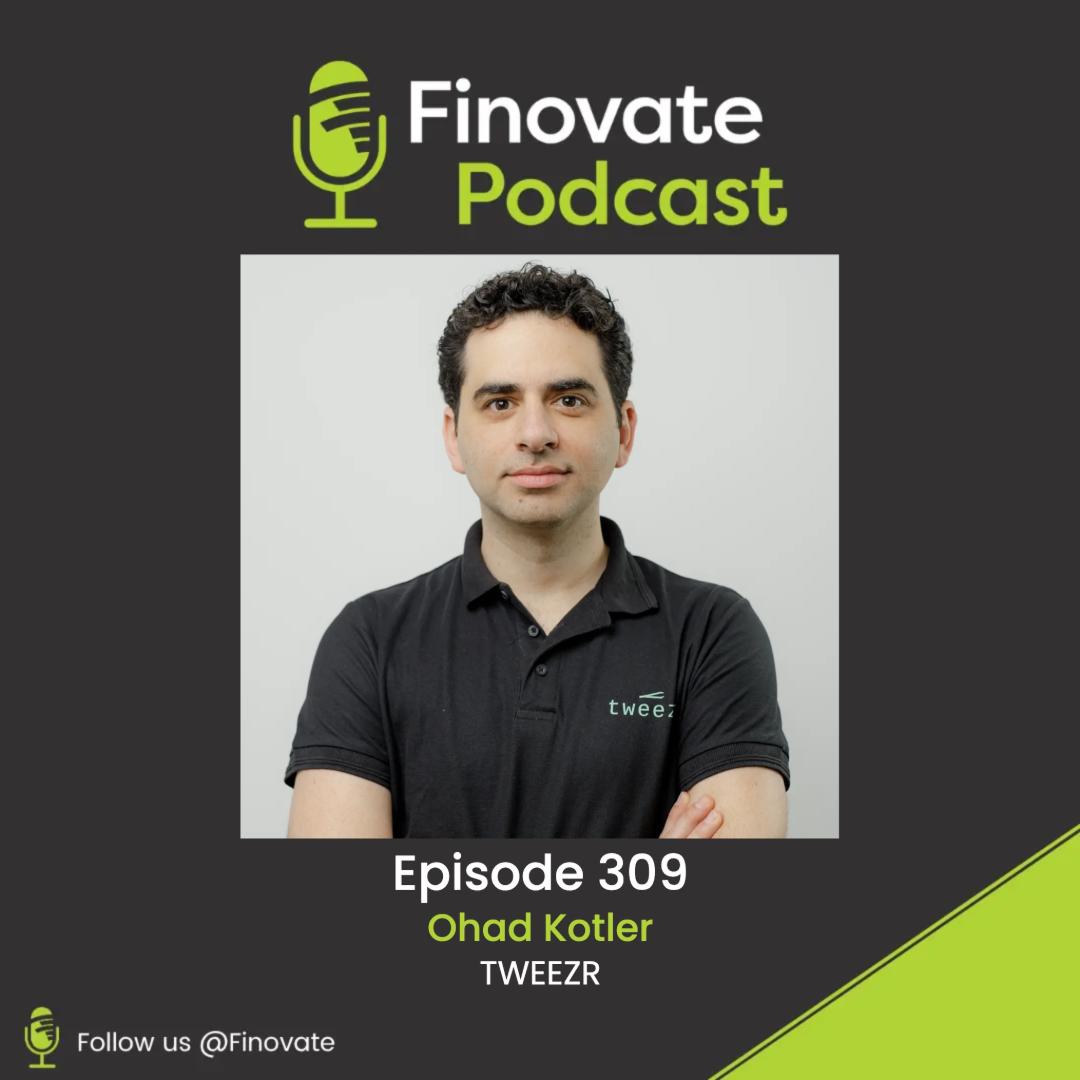 FinovateFall Best of Show winner Tweezr celebrates completing a hat trick of BoS wins and shares the background behind the technology. 21.10.2026 18mHost Greg Palmer sits down with Ohad Kotler, CEO and co-founder of Tweezr, fresh off the company's third Best of Show win—a remarkable hat trick spanning FinovateEurope 2025, FinovateEurope 2026, and now FinovateFall 2026 in New York. Ohad shares the origin story behind Tweezr, rooted in his own frustrating experience as a head of product at a large European bank, where a seemingly simple feature request for joint accounts turned into a year-long ordeal because only one engineer truly understood the legacy codebase. That pain point inspired him to build Tweezr: a platform that creates a "digital twin" of legacy systems using deterministic, formal code analysis to build a knowledge layer, giving developers, product managers, and AI agents expert-level, traceable answers about how their core systems actually work.The conversation dives into how Tweezr's platform has evolved over the past 18 months, growing from a code-based knowledge layer into a tool capable of driving end-to-end software development lifecycle transformation—even enabling changes to be deployed directly onto mainframe and core systems. Ohad also reflects on the timing and challenges of expanding into the U.S. market, candidly noting the personal sacrifice of traveling with a four-month-old baby at home, balanced against the clear business opportunity of tapping into American financial institutions. He offers a revealing comparison between European and U.S. banking relationships with technology, observing that many U.S. regional and community banks have outsourced their technology stack to core providers like FIS, Fiserv, and Jack Henry, creating a sense of detachment and "lock-in" that differs sharply from the tightly coupled technology ownership common among European banks.The episode closes on a forward-looking note, with Ohad challenging the common assumption that banks must wait for a full system migration before modernizing. Instead, he argues that institutions can achieve the "future of banking" today by gaining control and understanding of their existing systems, without the years-long disruption of a migration. Looking ahead, Ohad predicts a future where programming languages and underlying infrastructure—whether mainframe or distributed—become far less of a constraint, as natural language increasingly becomes the primary interface for understanding and evolving code.More info:Tweezr: https://www.tweezr.io ; https://www.linkedin.com/company/tweezr/Ohad Kotler: https://www.linkedin.com/in/ohad-kotler/Greg Palmer: https://www.linkedin.com/in/gregbpalmer/Finovate: https://www.finovate.com; https://www.linkedin.com/company/finovate-conference-series/FinovateFall: https://informaconnect.com/finovatefall/#Finovate #FinovateFall #Tweezr #fintech #financialinstitutions #banking #communitybanking #creditunion #cufintech #backoffice #infrastructure #legacyfintech #modernization #technology #businessbanking #fintechstrategy #data #digitaladoption #podcast #fintechpodcast #financialservices #innovation #digitraltransformation #finserv
-
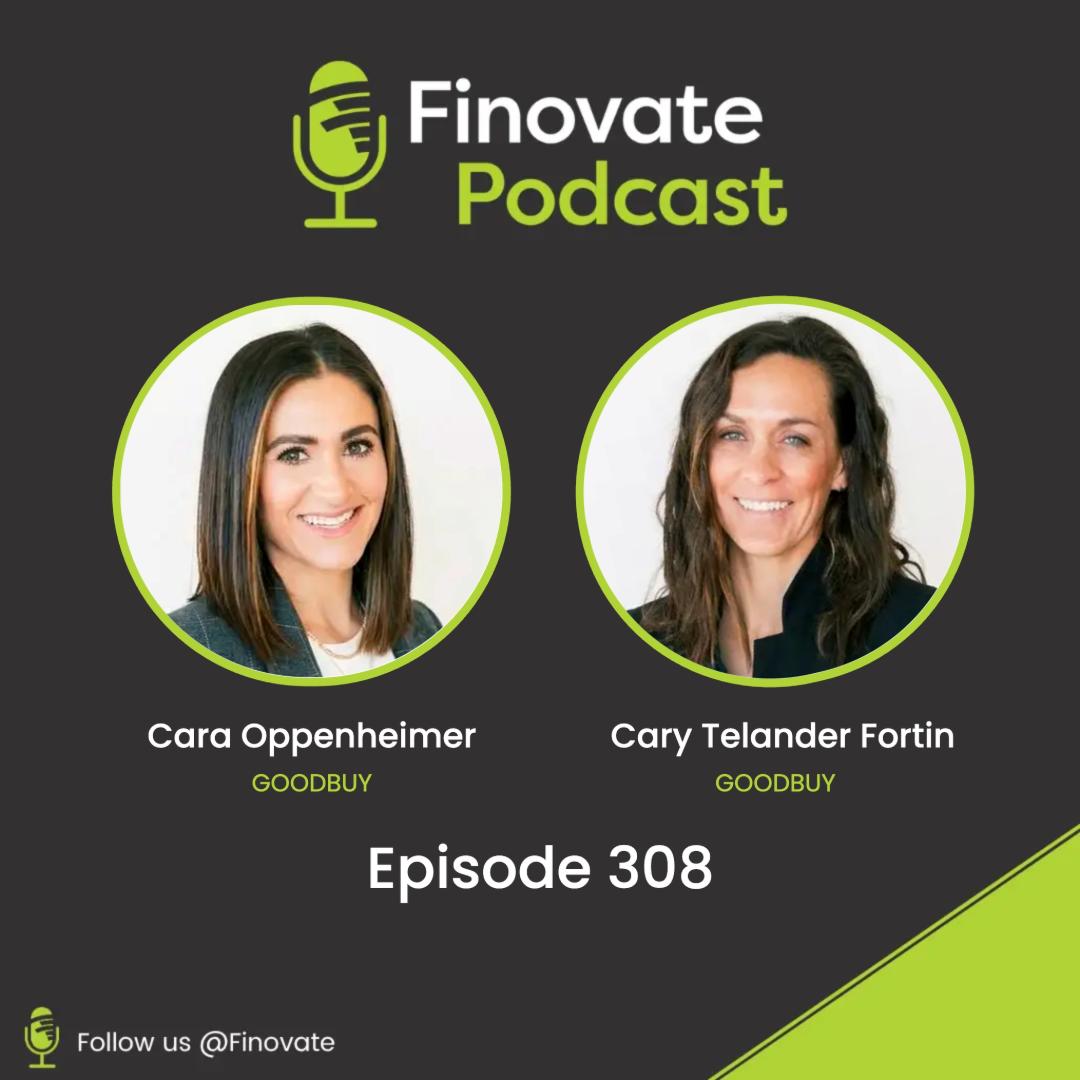 FinovateFall Best of Show winner Goodbuy on their unusual path to success and the future of fintech for small businesses. 15.10.2026 21mThe Finovate Podcast returns with host Greg Palmer continuing his series of conversations with the FinovateFall 2026 Best of Show winners. In this episode, Cara Oppenheimer and Cary Telander Fortin, co-founders of Goodbuy, share the unconventional origin story behind their company. The two met in Boise in 2017 while touring a daycare, discovered they were both pregnant with their first children, and went on to become close friends and business partners whose kids now attend the same school. Goodbuy began nearly five years ago as a B Corp marketplace for local businesses, born out of Cara's personal experience watching her parents' small business struggle against Amazon and ultimately close during COVID. The idea for the company and its name reportedly came to Cara in the middle of the night, and within a month and a half the pair had raised their first funding round and left their jobs to build Goodbuy full time.Goodbuy has since evolved into an FI-branded community commerce platform that connects a bank or credit union's member base directly to small businesses in their community, creating a new marketing and growth channel for those businesses while offering members incentives and education. The founders explained that after running their direct-to-consumer marketplace and onboarding 1,500 businesses in just 10 months, they recognized that community financial institutions already had deep, trusted relationships with both small businesses and everyday customers, which led to a strategic pivot into a QSO model around 2025 and 2026. The platform is designed to grow small business deposits, deepen account relationships, and increase interchange income and engagement across a bank's entire customer base. A pilot with MSU illustrated the impact: among 300 businesses onboarded in one region over three months, 56 percent opened new products or grew deposits. The founders also highlighted a compelling insight from their Finovate conversations: since roughly half of Americans work for or own a small business, individual members and small business owners often overlap, meaning that strengthening engagement with one group can unlock value with the other.Looking ahead, Cara and Cary outlined plans to use their growing base of first-party and third-party data, combined with artificial intelligence, to help banks and credit unions move beyond simply having data on small business prospects toward actively informing go-to-market and relationship-building strategies. In terms of growth, Goodbuy has expanded from a single proof-of-concept partner a year ago to an expected 10 credit union partners by year's end, with more in the pipeline, and the founders expressed hope of tripling that partner base within the next year. Beyond commercial growth, the co-founders emphasized their identity as a B Corp focused on creating real impact for small businesses and the financial institutions that serve them, with a long-term vision of fostering a more equitable, interconnected commerce ecosystem where small businesses across different regions support and learn from one another.More info:Goodbuy: https://www.trygoodbuy.com ; https://www.linkedin.com/company/trygoodbuy/Cary Fortin: https://www.linkedin.com/in/caryfortin/Cara Oppenheimer: https://www.linkedin.com/in/cara-oppenheimer-149b4418/Greg Palmer: https://www.linkedin.com/in/gregbpalmer/Finovate: https://www.finovate.com; https://www.linkedin.com/company/finovate-conference-series/FinovateFall: https://informaconnect.com/finovatefall/#Finovate #FinovateFall #Goodbuy #fintech #financialinstitutions #AI #banking #communitybanking #creditunion #cufintech #smallbusiness #modernization #technology #businessbanking #fintechstrategy #data #digitaladoption #podcast #fintechpodcast #financialservices #innovation #digitraltransformation #finserv
-
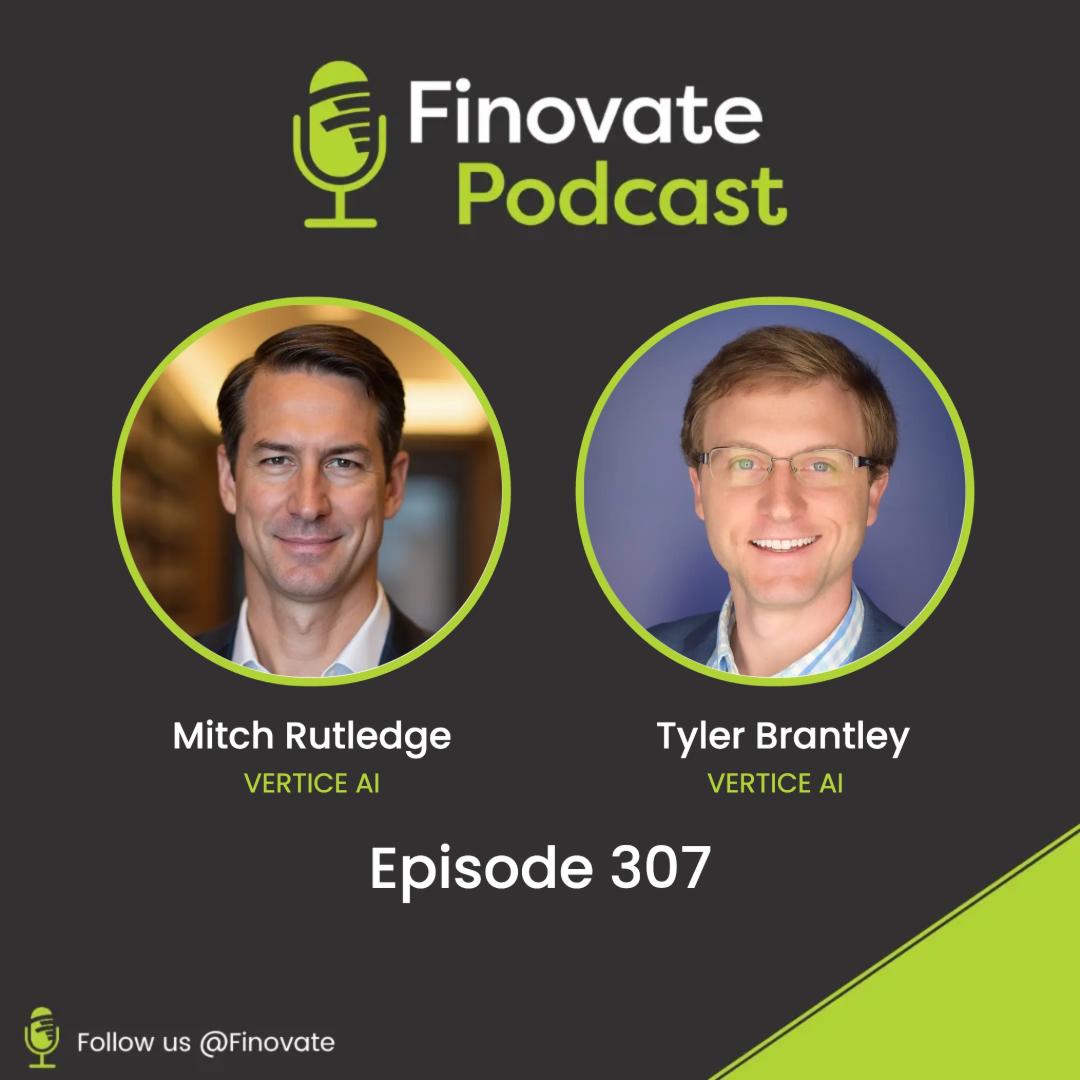 FinovateFall Best of Show winner Vertice AI on bridging the gap between goals and execution and their experience as back-to-back Best of Show winners. 08.10.2026 19mIn this episode of the Finovate podcast, host Greg Palmer sits down with Mitch Rutledge (CEO) and Tyler Brantley (Head of Sales and Partnerships) from Vertice AI to discuss their second consecutive Best of Show win at FinovateFall.The conversation explores how Vertice has evolved from their 2025 debut to their 2026 presentation, showcasing their new solution, Vertice Optimize. This innovative platform empowers community financial institutions and credit unions to leverage their account holder data through AI-driven growth and personalization strategies, bringing Amazon and Netflix-level intelligence to smaller financial institutions competing against mega banks.The discussion delves into the key learnings Vertice gained over the past year, particularly the growing appetite among financial institutions to embrace AI in tangible, actionable ways. Mitch and Tyler explain how they transformed market feedback into Vertice Optimize, a solution that bridges the gap between strategic goals and execution. The platform uses constraint-based optimization to help institutions—from $200 million credit unions to $5 billion community banks—turn their growth objectives into personalized campaigns and actionable plans at scale. They emphasize how their approach democratizes access to data science capabilities, enabling even one-person marketing teams to achieve meaningful outcomes without getting lost in technical complexity.The conversation also provides valuable insights into the preparation required for a successful Finovate demo, with both guests sharing their rigorous practice routine of daily hour-long sessions for weeks leading up to the event. They stress the importance of seeking outside feedback, being open to iteration, and finding the balance between showcasing technology and maintaining clarity for the audience. The episode concludes with their wishes for the industry's future, including eliminating the resurgence of cumbersome RFP processes and providing board members and senior leadership with foundational AI education to overcome fear and uncertainty, enabling faster innovation adoption across community financial institutions.More info:Vertice AI: https://verticeanalytics.ai ; https://www.linkedin.com/company/verticeai/Mitch Rutledge: https://www.linkedin.com/in/mitchrutledge/Tyler Brantley: https://www.linkedin.com/in/tylerbrantley/Greg Palmer: https://www.linkedin.com/in/gregbpalmer/Finovate: https://www.finovate.com; https://www.linkedin.com/company/finovate-conference-series/FinovateFall: https://informaconnect.com/finovatefall/#Finovate #FinovateFall #VerticeAI #fintech #financialinstitutions #AI #banking #communitybanking #creditunion #cufintech #aiimplementation #modernization #technology #strategy #fintechstrategy #data #digitaladoption #podcast #fintechpodcast #financialservices #innovation #digitraltransformation #finserv
-
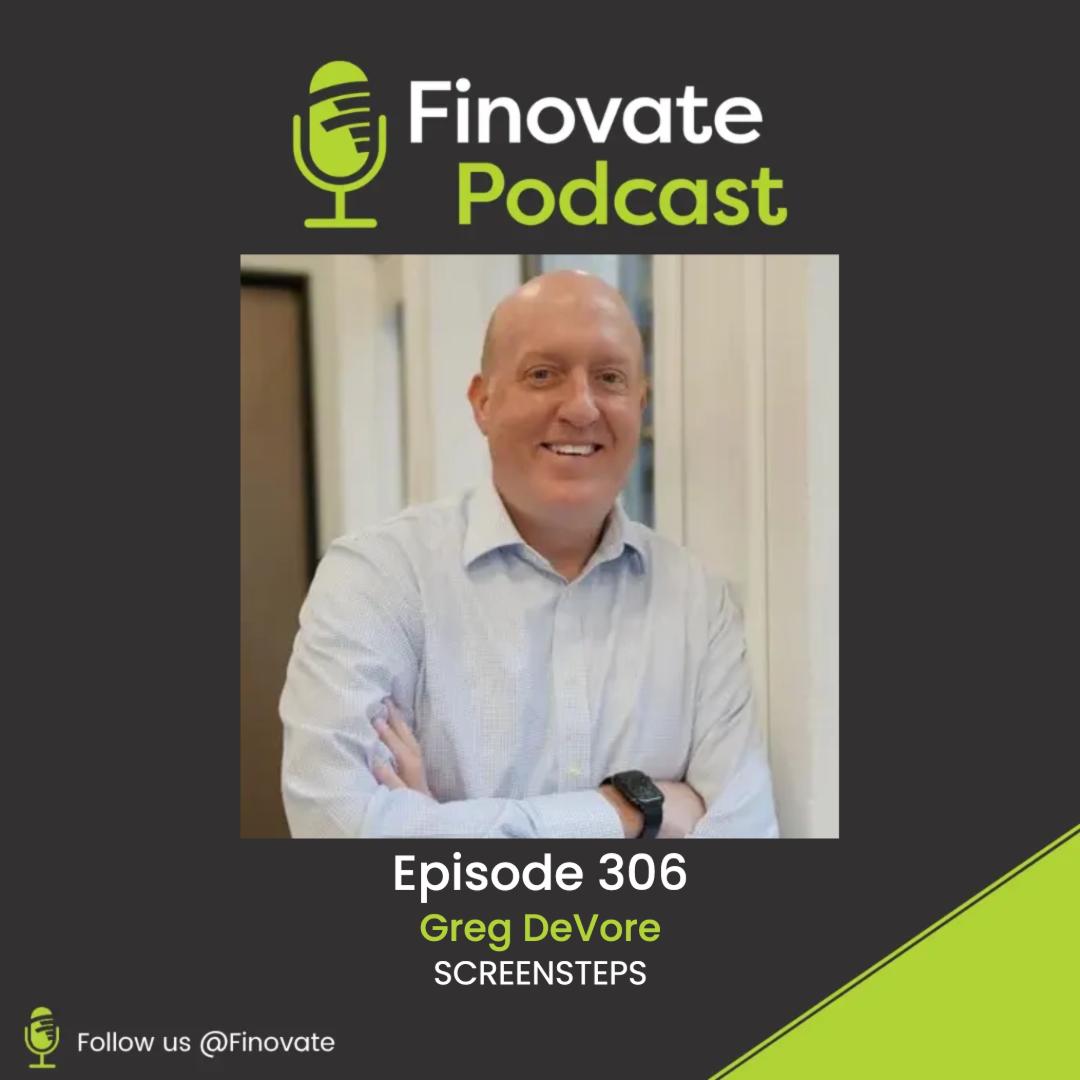 FinovateFall Best of Show winner ScreenSteps on procedural improvements, knowledge-sharing, and their non-traditional journey into fintech. 01.10.2026 17mIn this episode of the Finovate Podcast, host Greg Palmer sits down with Greg DeVore, CEO of ScreenSteps, a FinovateFall 2026 Best of Show winner. DeVore shares his unconventional journey from the Berklee College of Music and film industry to founding ScreenSteps—a company that began as a means to secure health insurance for his son with cerebral palsy. What started as a simple $20 desktop utility for creating training materials for 3D/4D ultrasound systems has evolved into a sophisticated AI-powered procedure platform serving over 80 financial institutions. The company's evolution was driven by observing real-world friction points, from sticky notes covering complex medical equipment to contact centers struggling with intricate procedures.DeVore explains ScreenSteps' distinctive approach to AI implementation in financial services, positioning it differently than most competitors. Rather than using AI to interpret procedures for employees in real-time through chatbots—which can distract from customer interactions—ScreenSteps leverages AI to extract knowledge from subject matter experts and create human-approved, followable procedures. This "GPS-like" or "sheet music" approach allows customer-facing employees to focus on members while receiving clear guidance, addressing the perfect storm of challenges financial institutions face: hundreds of complex, constantly changing procedures performed by often inexperienced staff. The platform has helped organizations reduce teller onboarding time from 6-12 months to less than two weeks by shifting from requiring employees to memorize everything to teaching foundational knowledge while providing just-in-time procedural guidance.The conversation highlights the transformative cultural and operational benefits ScreenSteps delivers to financial institutions. Organizations transition from "tribal knowledge" environments—characterized by knowledge bottlenecks, variability, and employees feeling overwhelmed—to empowered workplaces where staff become confident critical thinkers who understand the business deeply. This transformation frees up 25-50% of subject matter experts' and trainers' time, allowing them to focus on strategic initiatives rather than constantly answering questions. The increased agility is remarkable: one organization went from implementing changes every six months to rolling out improvements continuously, while maintaining consistent, high-quality customer experiences and dramatically improving employee satisfaction and capability.More info:ScreenSteps: https://www.screensteps.com; https://www.linkedin.com/company/screensteps/Greg DeVore: https://www.linkedin.com/in/gregdevore/Greg Palmer: https://www.linkedin.com/in/gregbpalmer/Finovate: https://www.finovate.com; https://www.linkedin.com/company/finovate-conference-series/FinovateFall: https://informaconnect.com/finovatefall/#Finovate #FinovateFall #ScreenSteps #fintech #financialinstitutions #AI #banking #implementation #aiimplementation #modernization #technology #strategy #fintechstrategy #proceduralAI #data #digitaladoption #podcast #fintechpodcast #financialservices #innovation #digitraltransformation #finserv #knowledge
-
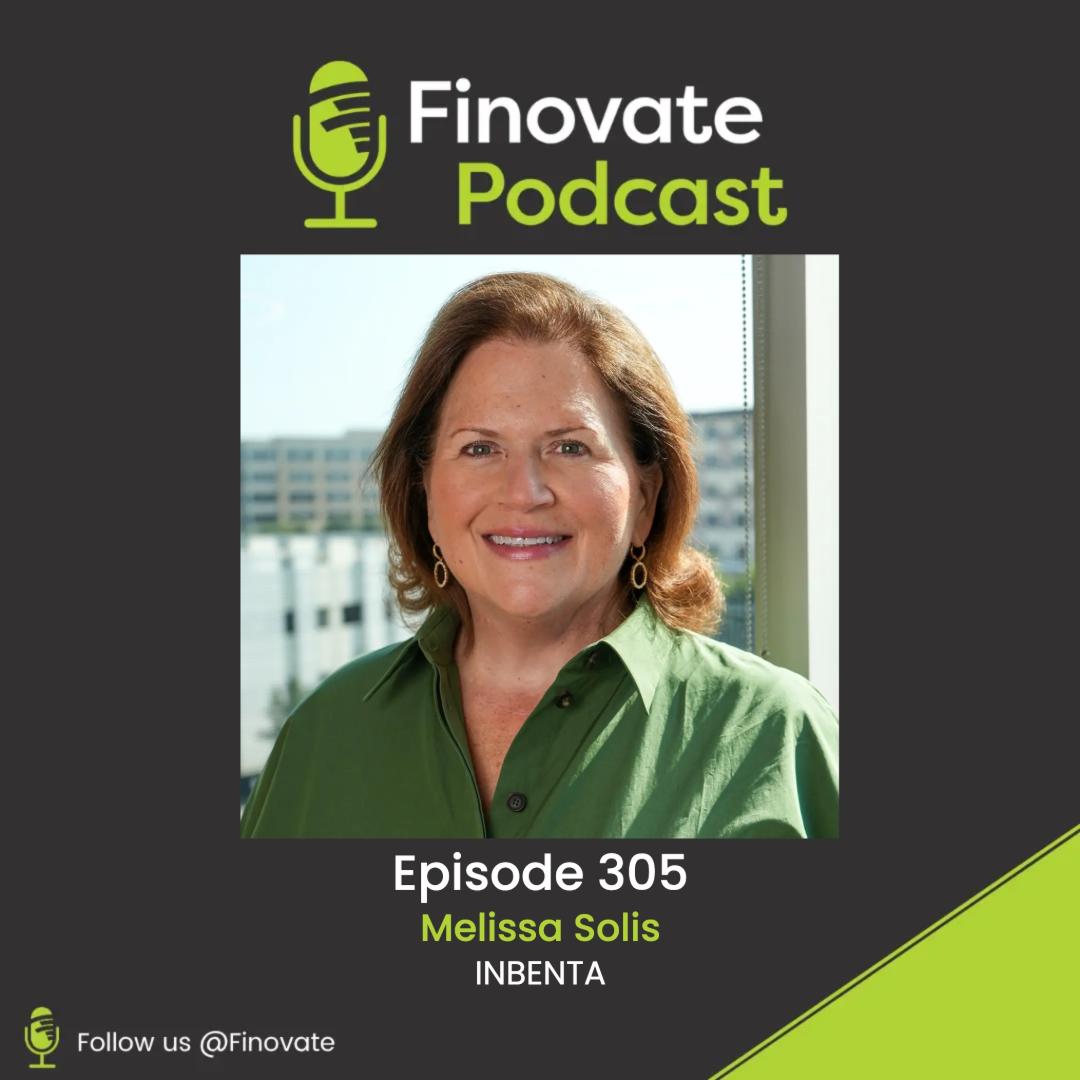 Strategies for effective AI implementation – a conversation with Inbenta’s CEO, Melissa Solis 23.09.2026 21mIn this episode, Greg Palmer sits down with Melissa Solis, CEO of Inbenta, a global AI orchestration platform that enables financial institutions to deploy trusted, self-service AI solutions in days rather than months. Melissa brings her extensive experience from the fraud and risk industry to discuss the evolving landscape of AI adoption in financial services. The conversation explores how the industry has shifted from exploring what's possible with AI to demanding what's actually real and effective, as many organizations have experienced failed deployments and unmet vendor promises over the past year.The discussion delves into the critical difference between being sold AI versus actively buying it, emphasizing the importance of asking hard questions and conducting thorough due diligence before implementation. Melissa shares insights from Inbenta's partnership with Scious, whose founder Josh Sens spent two years searching for an enterprise AI solution that could meet their requirements for governance, transparency, and conversational voice capabilities. This real-world example illustrates the challenges organizations face when vendors overpromise on capabilities like agentic AI without delivering practical, governed solutions that can prove the source of every answer—a requirement that regulators are increasingly enforcing.Throughout the episode, Melissa emphasizes the shared responsibility between vendors and buyers in successful AI deployment. While vendors must be transparent about their technology's capabilities and limitations, financial institution leaders cannot outsource their judgment to vendors alone. She stresses the importance of defining clear success metrics, understanding business requirements, conducting real-world pilots beyond controlled POCs, and maintaining governance standards that ensure AI solutions resolve issues rather than simply deflecting them. Looking ahead to 2027, Melissa expresses hope that the industry will move beyond validation conversations to celebrating genuine success stories where the right combination of AI technology and human expertise delivers exceptional customer service.More info:Inbenta: https://www.inbenta.com; https://www.linkedin.com/company/inbenta/Melissa Solis: https://www.linkedin.com/in/melissa-solis-3532302a/Greg Palmer: https://www.linkedin.com/in/gregbpalmer/Finovate: https://www.finovate.com; https://www.linkedin.com/company/finovate-conference-series/FinovateFall: https://informaconnect.com/finovatefall/#Finovate #FinovateFall #fintech #financialinstitutions #AI #banking #implementation #aiimplementation #modernization #technology #strategy #fintechstrategy #personalization #data #digitaladoption #podcast #fintechpodcast #financialservices #innovation #digitraltransformation #finserv
-
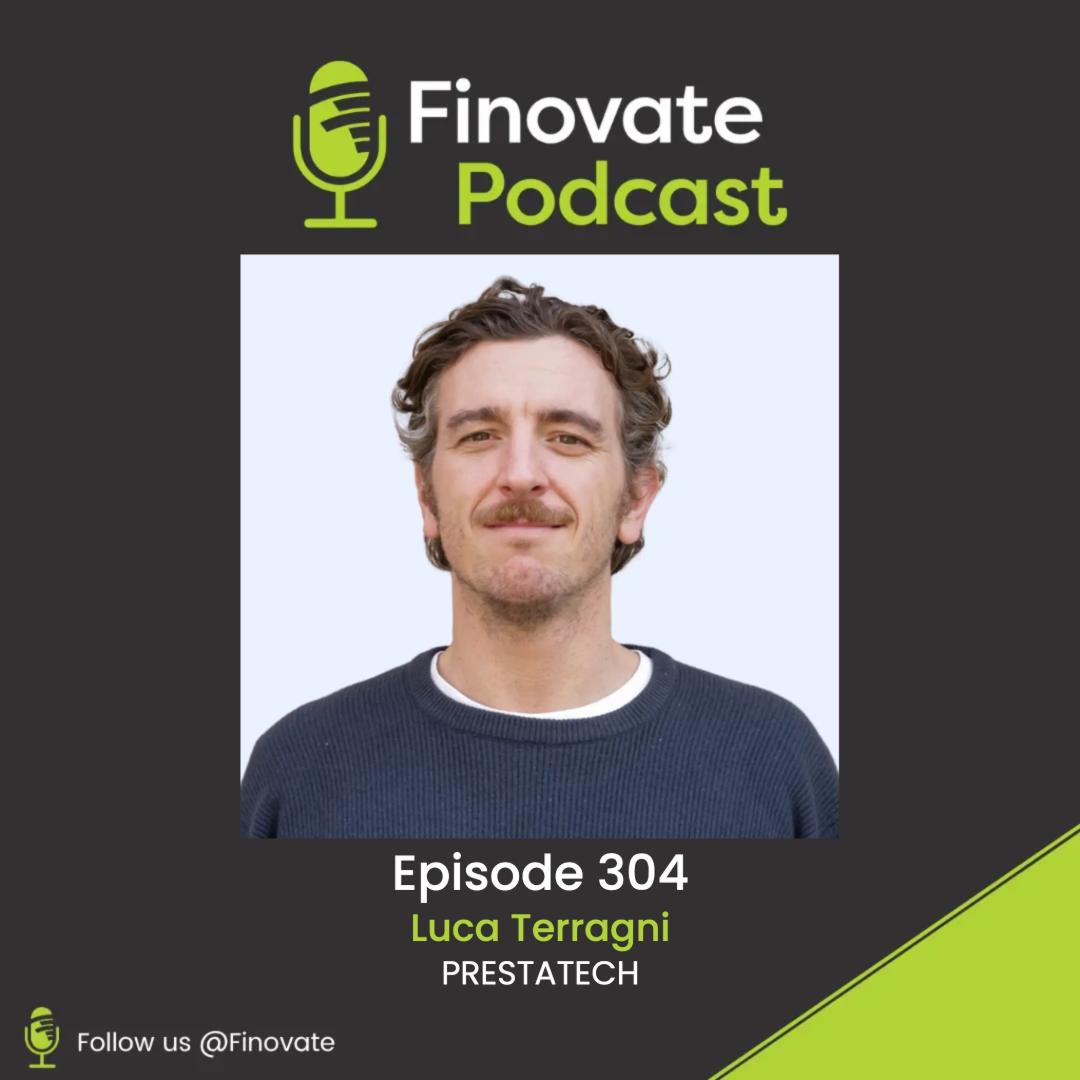 Finovate Awards Finalist Luca Terragni on his journey from lender to tech provider in the SMB space 02.09.2026 15mIn this episode of the Finovate podcast, host Greg sits down with Luca Terragni, Chief Revenue Officer and co-founder of Prestatech, a finalist in the Risk Management category for the 2026 Finovate Awards. Luca shares his fascinating journey from traditional investment management in New York and London to launching PrestaCap, an alternative lending platform in Europe in 2016. What started as a direct lending business using their own balance sheet evolved into a powerful technology solution when Luca and his team discovered that traditional financial data points weren't sufficient for accurately assessing SMB creditworthiness. Their breakthrough came from analyzing real-time bank account transaction data, which provided a much clearer picture of a business's current financial health compared to backward-looking financial statements and credit bureau reports.The conversation delves into how Prestatech transformed from being a lender competing with banks to becoming their technology partner. After successfully exiting PrestaCap to a private equity fund in 2020, Luca and his co-founder realized their bank account data analytics technology could serve a much larger purpose. Rather than lending to a few hundred businesses annually with their own capital, they could empower banks to make better lending decisions for millions of businesses. The technology focuses on monitoring loan book health by processing SMB bank account transactions on a regular basis, identifying distress signals much earlier than they would appear in traditional credit bureau reports—a capability that's particularly valuable for regional and community banks sitting on vast, underutilized bank account data lakes.Now expanding into the U.S. market, Prestatech is bringing its battle-tested European technology to address the acute challenges American financial institutions face in the current tightening credit cycle. Luca explains that their cash flow analytics layer helps banks identify creditworthy businesses that might otherwise be filtered out by traditional underwriting methods, especially newer or "thinner-filed" companies that lack extensive credit histories but demonstrate strong real-time financial performance. With their technology already regulated and audited by the European Central Bank, Prestatech is positioning itself as a trusted partner for U.S. banks looking to enhance their risk management capabilities through smarter use of bank account transaction data.More info:Prestatech: https://www.prestatech.com; https://www.linkedin.com/company/goprestatech/Luca Terragni: https://www.linkedin.com/in/terragni/Greg Palmer: https://www.linkedin.com/in/gregbpalmer/Finovate: https://www.finovate.com; https://www.linkedin.com/company/finovate-conference-series/Finovate Awards: https://informaconnect.com/finovate-industry-awards/#Finovate #FinovateAwards #fintech #financialinstitutions #finalist #smb #risk #riskmanagement #modernization #technology #strategy #fintechstrategy #personalization #data #transactiondata #digitaladoption #podcast #fintechpodcast #financialservices #innovation #digitraltransformation #fintech #finserv
-
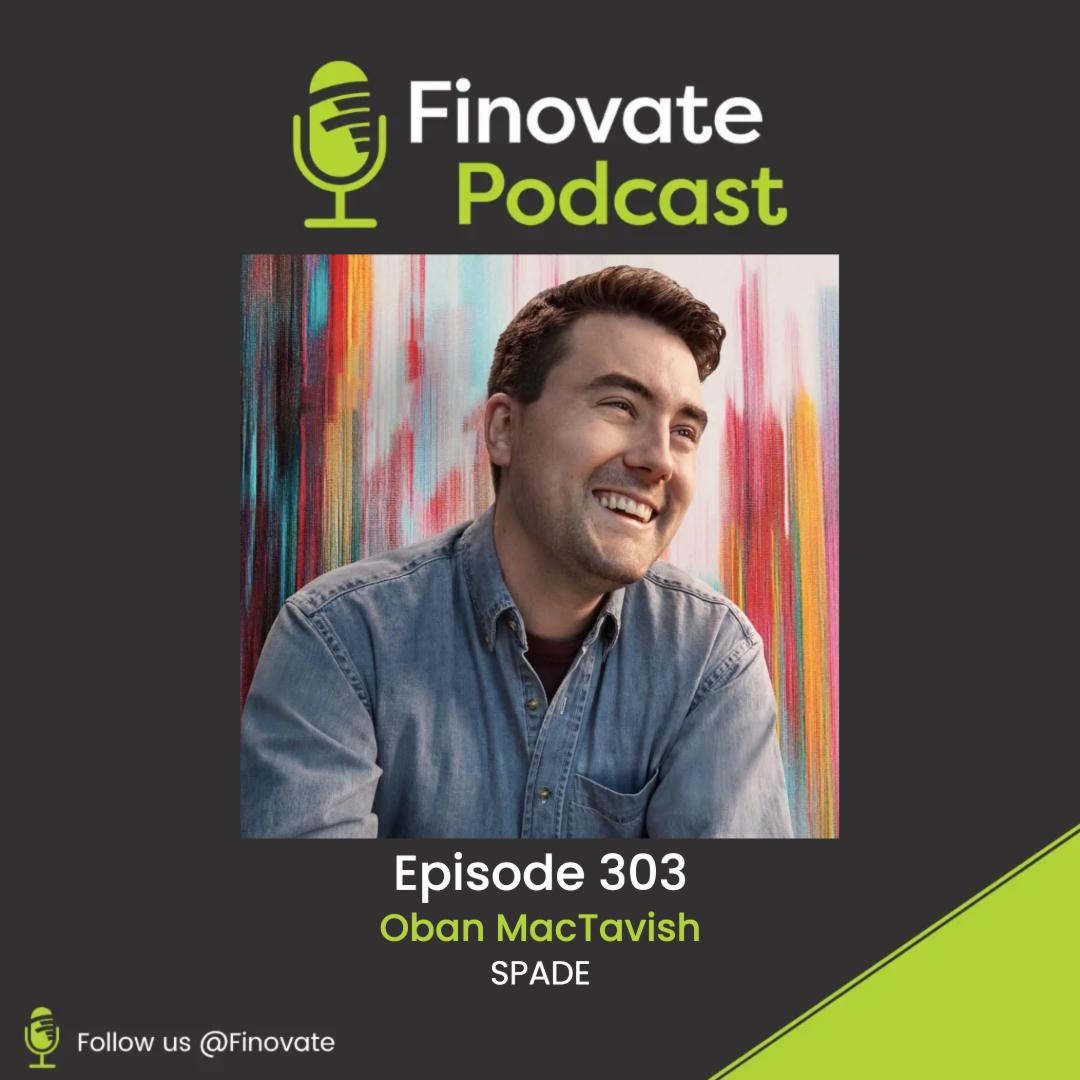 FinovateFall Keynoter Oban MacTavish on AI, data, personalization, and delivering an excellent customer experience 27.08.2026 18mIn this episode, host Greg sits down with Oban MacTavish, CEO and co-founder of Spade, an intelligence company transforming how financial institutions leverage their payments data. Oban explains how transaction data represents the highest throughput information banks have about their customers, yet remains largely untapped due to poor data quality and outdated payment infrastructure dating back to the 1960s. He discusses how Spade addresses this challenge by creating a comprehensive merchant graph covering 99.9% of businesses across the United States and Canada, enabling banks to understand exactly where their customers spend money in under 40 milliseconds.The conversation explores the delicate balance between personalization and privacy in banking. Oban argues that personalization doesn't have to feel creepy when done right—citing examples like banks no longer requiring travel notifications and suggesting that offering relevant products based on customer behavior can actually enhance trust rather than diminish it. He emphasizes that banks are uniquely positioned to leverage customer data effectively, as consumers already expect their financial institutions to understand their spending patterns and needs. The key is meeting customers where they are with relevant products at the right time, rather than making irrelevant offers that erode trust.Looking ahead, Oban shares his vision for the future of banking, predicting that financial services will increasingly run on verticalized AI models specifically designed for the industry's unique data challenges. He pushes back against the hype around AI agents replacing human customer service, arguing that the real opportunity lies in using AI to enhance customer experiences and drive revenue through better underwriting and personalization. Despite predictions of disruption, Oban maintains that traditional banks aren't going anywhere—instead, the winners will be those institutions that successfully compete on user experience and leverage their data assets to provide truly personalized service.More info:Spade: https://spade.com/ ; https://www.linkedin.com/company/spadedata/Oban MacTavish: https://www.linkedin.com/in/oban/Greg Palmer: https://www.linkedin.com/in/gregbpalmer/Finovate: https://www.finovate.com; https://www.linkedin.com/company/finovate-conference-series/FinovateFall: https://informaconnect.com/finovatefall/#Finovate #FinovateFall #fintech #financialinstitutions #creditunions #AI #modernization #technology #strategy #fintechstrategy #personalization #data #transactiondata #digitaladoption #podcast #fintechpodcast #financialservices #innovation #cx #digitraltransformation #fintech #finserv
-
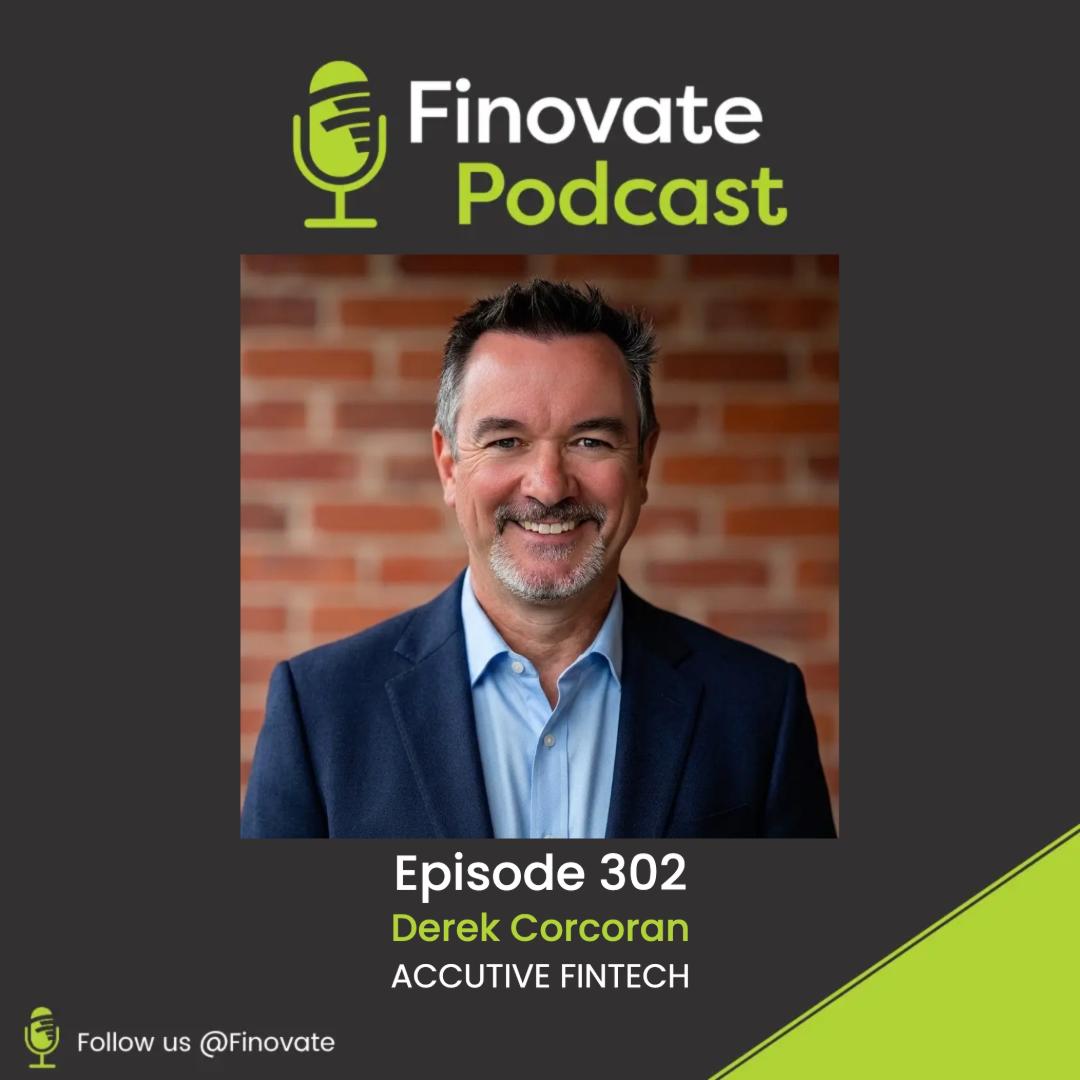 Finovate veteran Derek Corcoran on his experiences at Finovate, his advice for demoing companies, and his new book, which is launching at FinovateFall 21.08.2026 21mIn this engaging episode of the Finovate podcast, host Greg sits down with Derek Corcoran, VP of Strategy at Accutive and author of "Designing for Need: The New Rules of Customer Experience in Banking." Derek shares his remarkable journey from software developer to fintech evangelist, reflecting on his tenure at Avoca, where he helped build the company from employee number eight or nine to its eventual acquisition by Temenos in 2018.He credits four key factors for Avoca's success: an incredible team, unwavering support from his wife during their relocation from Australia to Colorado, early clients who took a chance on the startup, and the transformative impact of Finovate itself, which helped them refine their messaging and presentation skills that translated into every subsequent sales meeting.Derek offers invaluable advice for this year's FinovateFall demoers, emphasizing the importance of getting into the software quickly, avoiding buzzwords, and engaging the audience first before educating them. He advocates for a two-person demo approach with one person narrating and another driving the demonstration, and stresses the need to put the audience in the driver's seat through day-in-the-life scenarios.His book introduces a unique perspective on customer experience, arguing that it should be treated as two distinct disciplines: experiences for things people want to do (like vacations and fine dining) versus things they need to do (like banking and paying taxes). For need-based experiences, Derek contends that customers prioritize speed and efficiency over delight, wanting to complete necessary tasks quickly to free up time for more enjoyable activities.Looking at the current state of fintech, Derek expresses both surprise and optimism about several trends. He's amazed that checks are still in use in the United States and sees tremendous potential in AI, particularly in accelerating product development, though he remains cautiously skeptical about certain applications like agentic banking for investment decisions. Most encouragingly, he's witnessing a resurgence among community banks and credit unions, which are increasingly investing in technology to compete with digital-first challengers like Chime. While acknowledging that the US has a disproportionate number of financial institutions (9,500 out of 44,000 worldwide), Derek emphasizes the critical importance of maintaining community-based institutions that support local businesses and communities, provided they can achieve a better balance between branch and digital technology investments.More info:Derek Corcoran: https://www.linkedin.com/in/derekcorcoran/Greg Palmer: https://www.linkedin.com/in/gregbpalmer/Finovate: https://www.finovate.com; https://www.linkedin.com/company/finovate-conference-series/FinovateFall: https://informaconnect.com/finovatefall/#Finovate #FinovateFall #fintech #financialinstitutions #creditunions #AI #modernization #technology #strategy #fintechstrategy #CU #design #author #book #digitaladoption #podcast #fintechpodcast #financialservices #innovation #digitraltransformation #fintech #finserv
-
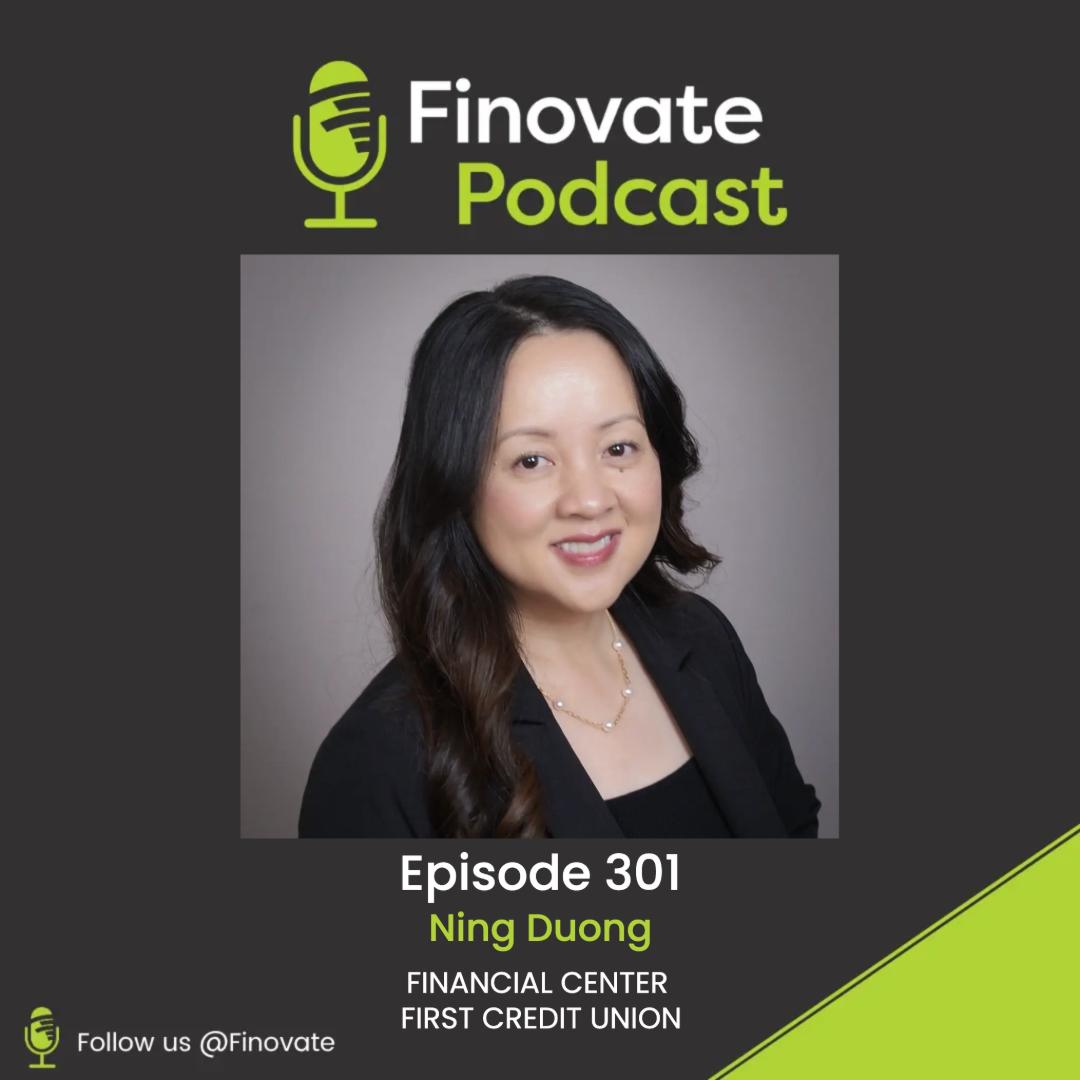 FinovateFall panelist Ning Duong shares her priorities and insights as a fintech-forward CU leader 12.08.2026 16mIn this episode of the Finovate podcast, host Greg welcomes back listeners after a summer break and introduces Ning Duong, President and CEO of Financial Center First Credit Union in Indianapolis, Indiana. Ning shares her impressive 25-year journey in financial services, which began unexpectedly when she took a job at a mega bank to pay for nursing school tuition. What started as a temporary position evolved into a passionate career dedicated to helping people with their financial needs. Now leading Financial Center's 60,000 members, Ning brings her people-process-technology leadership philosophy to guide the credit union's strategic direction.Six months into her tenure, Ning discusses her priorities and approach to technology implementation at Financial Center. She emphasizes the importance of enhancing member experience through strategic use of existing technology, particularly focusing on consumer and mortgage lending journeys. The credit union has made significant strides in improving loan turnaround times and communication processes, recognizing that members compare their banking experiences to world-class services like Amazon. Ning highlights the successful implementation of "Ella," an internal chatbot that leverages AI to help team members quickly access policies and procedures, ultimately enabling them to serve members more efficiently. However, she maintains a balanced perspective on AI adoption, advocating for human judgment in critical areas like recruiting, where she personally reviews applications for key positions like the CIO role.The conversation concludes with valuable insights for fintech companies looking to partner with credit unions. Ning stresses the importance of understanding each credit union's unique strategy and member base before approaching executives with sales pitches. She emphasizes that credit unions need strategic partners, not just vendors, and warns against generic presentations that don't align with the institution's specific goals. Following a recent robust board planning session, Financial Center has established clear strategic pillars, identified their target member profile, and defined key performance indicators for the next three years, with technology recognized as an essential enabler rather than a standalone priority.More info:Financial Center First Credit Union: https://www.fcfcu.com/ ; https://www.linkedin.com/company/financial-center/Ning Duong: https://www.linkedin.com/in/ning-duong-cude-icude-cce-0a19449b/Greg Palmer: https://www.linkedin.com/in/gregbpalmer/Finovate: https://www.finovate.com; https://www.linkedin.com/company/finovate-conference-series/FinovateFall: https://informaconnect.com/finovatefall/#Finovate #FinovateFall #fintech #financialinstitutions #creditunions #AI #modernization #technology #strategy #fintechstrategy #CU #digitaladoption #podcast #fintechpodcast #financialservices #innovation #digitraltransformation #fintech #finserv
-
 FinovateSpring Best of Show Winner Zengines on shining a light into the black box that is data lineage 17.06.2026 18mIn this episode of the Finovate podcast, host Greg Palmer sits down with Caitlyn Truong, CEO and co-founder of Zengines, one of the Best of Show winners from FinovateSpring 2026.Caitlyn shares her journey from software and hardware engineering in the telecom space to consulting in financial services, where she and her co-founders identified a critical gap in data management for legacy systems. The conversation explores how Zengines addresses the challenge of understanding and managing legacy core banking applications written in older programming languages like COBOL, RPG, and PL1. With 92 of the top 100 banks running COBOL mainframe cores and over 50% of credit unions and regional banks using RPG cores, the need for comprehensive data lineage and code intelligence has never been more pressing.The discussion delves into Zengines' unique approach to solving the "black box" problem of legacy applications through contextual code intelligence. Unlike traditional data lineage tools that simply track data pathways, Zengines provides deep context and explainability by ingesting entire code bases and revealing not just what happens to data, but why and how it happens. This capability enables business analysts, data analysts, compliance teams, and technical staff to get answers in seconds rather than waiting days, weeks, or months for subject matter experts. The solution addresses three critical use cases: meeting regulatory compliance requirements, de-risking modernization and transformation initiatives, and ensuring data is AI-ready with the necessary trust and traceability.Caitlyn reflects on the positive reception at Finovate, noting how the Sherlock Holmes-themed presentation effectively communicated the concept of "shining a light into the black box." She emphasizes the immediate impact on end users, who experience dramatically faster response times and comprehensive self-service access to application information. For first-time Finovate participants, Caitlyn recommends maximizing the seven-minute demo by focusing on capturing interest and planting hooks that drive meaningful booth conversations with targeted prospects who share the same pain points. The episode concludes with insights into how Zengines' solution creates ripple effects that ultimately improve the customer experience at financial institutions.More info:Zengines: https://www.zengines.ai/; https://www.linkedin.com/company/zengines/Caitlyn Truong: https://www.linkedin.com/in/caitlyntruong/Greg Palmer: https://www.linkedin.com/in/gregbpalmer/Finovate: https://www.finovate.com; https://www.linkedin.com/company/finovate-conference-series/FinovateSpring: https://informaconnect.com/finovatespring/#Finovate #FinovateSpring #Banking #banks #creditunions #data #datalineage #corebanking #communitybanks #legacybanking #datamanagement #digitaladoption #podcast #fintechpodcast #financialservices #innovation #digitraltransformation #fintech #finserv #modernization
-
 FinovateSpring Best of Show Winner Clockout on the benefits of earned-wage-access for community FI’s. 10.06.2026 18mIn this episode of the Finovate podcast, host Greg Palmer sits down with Juan Jurado-Blanco, Founder and CEO, and Armando Quintana, Chief Revenue Officer of Clockout, a Best of Show winner at FinovateSpring 2026 in San Diego. The conversation explores Clockout's innovative white-labeled earned wage access (EWA) solution designed specifically for community banks and credit unions. With seven in ten Americans living paycheck to paycheck, Clockout addresses a critical financial wellness need by enabling customers to access their earned wages the same day they work, rather than waiting for traditional bi-weekly pay cycles. The platform embeds seamlessly within existing digital banking experiences, integrating with major core providers like Q2, Jack Henry's Banno, and Alchemy, ensuring institutions can offer this service without requiring customers to use standalone apps or third-party accounts.Juan and Armando discuss what sets Clockout apart from competitors in the EWA space, emphasizing their compliance-by-design approach that uses real-time income data rather than AI predictions or analytics to compute available wages. Unlike other solutions that route funds through secured charge cards or intermediary accounts, Clockout advances money directly into customers' existing checking or savings accounts at their primary financial institution. The guests share valuable insights about their journey building partnerships with core banking providers, emphasizing the importance of persistence, relationship-building, and focusing on adding value to the ecosystem rather than pursuing purely transactional arrangements. They explain why community banks and credit unions are the ideal partners for this solution—these institutions have the trust, brand equity, and community focus needed to deliver meaningful financial wellness tools while competing effectively against neobanks like Chime and Dave.Looking toward the future, Juan and Armando paint an ambitious vision where no one banking in the United States has to wait for a paycheck again within the next 18 to 24 months. Beyond simply providing access to earned wages, they envision building infrastructure that allows these funds to work on autopilot for customers' maximum benefit—whether avoiding overdrafts, saving for retirement, investing, or paying off debts to eliminate fees. The ultimate goal is to help families living paycheck to paycheck avoid payday lenders, late fees, and overdraft charges through better cash flow management tools that reduce financial stress. For financial institutions, Clockout aims to provide community banks and credit unions with the technology they need to retain customers and compete head-to-head with fintechs, transforming complaints about losing customers into proactive solutions that strengthen primary banking relationships.More info:Clockout: https://www.joinclockout.com/; https://www.linkedin.com/company/joinclockout/Juan Jurado-Blanco: https://www.linkedin.com/in/juan-jurado-blanco-012b58121/Armando Quintana: https://www.linkedin.com/in/armando-quintana-606bb210/Greg Palmer: https://www.linkedin.com/in/gregbpalmer/Finovate: https://www.finovate.com; https://www.linkedin.com/company/finovate-conference-series/FinovateSpring: https://informaconnect.com/finovatespring/#Finovate #FinovateSpring #Banking #banks #creditunions #earnedwageaccess #EWA #payday #communitybanks #paycheck #financialwellness #corebanking #digitaladoption #podcast #fintechpodcast #financialservices #innovation #digitraltransformation #fintech #finserv #modernization
-
 Don’t break while you build: FinovateSpring Best of Show winner Cobalt on the complex world of FI system dependencies 03.06.2026 16mIn this episode of the Finovate podcast, host Greg speaks with Oren Buskila, CEO and co-founder of Cobalt, a FinovateSpring 2026 Best of Show winner. Cobalt has developed enterprise architectural intelligence specifically designed for financial institutions, addressing a critical challenge in modern banking: the lack of understanding of complex system dependencies.Banks operate on enormously intricate systems comprising their own code and dozens of third-party vendor applications, yet most institutions don't fully comprehend how these systems interconnect and depend on one another. This knowledge gap leads to significant problems, including development slowness—with banks spending 70% of their IT budgets on maintenance rather than innovation—and costly production failures that can result in millions of dollars in direct and indirect costs when changes are deployed without full visibility into system dependencies.Cobalt's solution automatically maps both IT systems and business processes in real-time by scanning existing data sources including event logs, API logs, code, and database tables. The platform creates a comprehensive topology map that aligns business processes with their underlying technical infrastructure, allowing banks to see exactly which systems support which business functions and understand the full impact of any proposed changes. This "bank on a page" architecture view enables technical teams to anticipate the consequences of modifications before implementation, preventing failures and ensuring safer deployments. The platform maintains a live, continuously updated view of the system architecture by taking frequent snapshots that can be compared to detect changes and investigate issues, a capability that was previously impossible with manual architecture mapping methods.The demo at FinovateSpring resonated strongly with attendees, particularly technical leaders like CIOs and CTOs from medium and large banks who recognized the transformative potential of having complete visibility into their systems. The presentation also attracted significant interest from venture capitalists and leaders from smaller banks and credit unions, the latter group seeing opportunities to introduce agentic AI into their operations by first mapping existing business processes. Looking ahead, Cobalt positions itself as the essential architectural layer for AI-driven development in banking, as the industry moves toward having AI agents generate, maintain, and modify code at unprecedented velocities—a shift that will require the contextual understanding and change management capabilities that Cobalt provides.More info:Cobalt AI: https://www.getcobalt.ai/; https://www.linkedin.com/company/getcobalt/Oren Buskila: https://www.linkedin.com/in/oren-buskila/Greg Palmer: https://www.linkedin.com/in/gregbpalmer/Finovate: https://www.finovate.com; https://www.linkedin.com/company/finovate-conference-series/FinovateSpring: https://informaconnect.com/finovatespring/#Finovate #FinovateSpring #Banking #banks #creditunions #personalization #data #communitybanks #AI #backoffice #corebanking #digitaladoption #podcast #fintechpodcast #financialservices #innovation #digitraltransformation #fintech #finserv #modernization
-
 FinovateSpring Best of Show winner Finalytics.AI on data and personalization in community FI’s and beyond. 27.05.2026 18mIn this episode of the Finovate Podcast, host Greg Palmer sits down with Craig McLaughlin (CEO) and Baron Conway (Chief Strategy Officer) of Finalytics.AI to discuss their impressive achievement of winning Best of Show at FinovateSpring for two consecutive years (2025 and 2026).The conversation explores how Finalytics.AI is revolutionizing digital banking by solving a critical challenge faced by community financial institutions: delivering personalized, high-touch experiences through digital channels while leveraging the wealth of customer data these institutions possess. Craig shares the company's origin story, explaining how they recognized that existing third-party platforms weren't adequately addressing the unique needs of financial institutions, leading them to build a specialized solution from the ground up.The discussion delves into Finalytics.AI's recent innovations over the past 12 months, including advanced personalization through learner algorithms, dynamic rates engines, intelligent calculators that indicate high customer intent, and comprehensive full-funnel reporting capabilities. Baron emphasizes how their platform transforms digital and marketing teams from cost centers into profit drivers by providing insights that extend beyond application submissions to actual funding amounts and outcomes. The intelligence layer that Finnalytics.AI provides sits between various point solutions, integrating data from disparate systems to deliver truly personalized experiences across the customer journey—from initial search ad engagement through to product recommendations and conversions.Both executives share valuable insights for fintech founders on approaching different types of financial institutions, emphasizing the importance of patience, relationship-building, and understanding that each organization has unique needs regardless of whether they're credit unions, community banks, or larger institutions.They stress that success in this space requires playing the long game, responding quickly to customer needs, and truly understanding each institution's specific market challenges and business objectives. Looking ahead, Finalytics.AI is focusing on exposing their intelligence layer via APIs to enhance CRM, contact center, and marketing automation tools, while also exploring opportunities in agentic banking to automate processes and enable financial institutions to focus on what they do best: human engagement powered by intelligent data insights.More info:Finalytics: https://finalytics.ai/; https://www.linkedin.com/company/finalyticsai/Craig McLoughlin: https://www.linkedin.com/in/mclaughlincraig/Baron Conway: https://www.linkedin.com/in/baronconway/Greg Palmer: https://www.linkedin.com/in/gregbpalmer/Finovate: https://www.finovate.com; https://www.linkedin.com/company/finovate-conference-series/FinovateSpring: https://informaconnect.com/finovatespring/#Finovate #FinovateSpring #Banking #banks #creditunions #personalization #data #communitybanks #CX #marketing #digitaladoption #podcast #fintechpodcast #financialservices #innovation #digitraltransformation #fintech #finserv #modernization
-
 FinovateSpring Best of Show winner Crebit on stablecoins, international remittance, and a strong UX 22.05.2026 16mIn this episode of the Finovate Podcast, host Greg Palmer sits down with Jensen Coonradt (CEO) and Simmi Sen (Chief Product Officer), the co-founders of Crebit, fresh off their Best of Show win at FinovateSpring 2026 in San Diego. Jensen and Simmi share their remarkable journey from high school friends meeting at a Bank of America scholarship program to leaving college to pursue Crebit full-time. Jensen brings his impressive background as a top 50 hacker globally and FX trading competition winner, while Simmi contributes her expertise in design and mobile app development, including an Apple WWDC award-winning app. Their complementary skills and shared passion for solving real-world financial problems have positioned Crebit as an innovative force in the cross-border payments space.Crebit is revolutionizing international money transfers by leveraging stablecoin technology to make sending money across borders as simple as sending a text message. The platform operates on a "stablecoin sandwich" method, allowing users to on-ramp funds using local payment methods (like PIX in Brazil, ACH in the US, or BRIBI in Colombia) to USDC stablecoin, which then settles to virtually any currency worldwide within 15 minutes. What sets Crebit apart is their behind-the-scenes approach—users experience seamless fiat-in, fiat-out transactions without needing to be crypto-native, while benefiting from up to 90% cost savings and dramatically faster settlement times compared to traditional cross-border payments. Additionally, Crebit offers innovative rate-locking features through forwards and options for emerging market currencies in LATAM, Africa, and Southeast Asia, where traditional banks struggle to provide such services due to illiquidity.The co-founders discuss their strategic focus on credit unions, a partnership opportunity that emerged from their attendance at FinovateFall 2025, where they connected with institutions like the University of Michigan Credit Union. They recognized that credit unions' member-focused philosophy aligns perfectly with Crebit's mission to serve international students and immigrants who need to convert currency for tuition payments and other expenses. With the recent passage of the Genius Act—the first federal law recognizing stablecoins as regulated money—Crebit is well-positioned to help credit unions and other financial institutions develop their stablecoin strategies. The company is currently piloting solutions with multiple credit unions and expanding their currency coverage while also maintaining their direct-to-consumer platform that originally helped international students with tuition and rent payments.More info:Crebit: https://www.crebitpay.com/; https://www.linkedin.com/company/crebit-pay/Jensen Coonradt: https://www.linkedin.com/in/jcoonradt/Simmi Sen: https://www.linkedin.com/in/simmi-sen/Greg Palmer: https://www.linkedin.com/in/gregbpalmer/Finovate: https://www.finovate.com; https://www.linkedin.com/company/finovate-conference-series/FinovateSpring: https://informaconnect.com/finovatespring/#Finovate #FinovateSpring #Banking #banks #creditunions #FX #remittance #stablecoins #payments #cx #digitaladoption #podcast #fintechpodcast #financialservices #innovation #digitraltransformation #fintech #finserv #modernization
-
 ROI and AI – thoughts on making sure you’re getting the most out of your AI strategy. 30.04.2026 19mIn this episode, Greg sits down with Melissa Solis, CEO of Inbenta, to discuss the evolving role of artificial intelligence in the banking industry. Melissa shares her impressive personal journey leading to her current role at Inbenta, a company focused on leveraging AI to transform financial services. She highlights the massive investments banks are making in AI, projected to reach $45.6 billion in 2024, and the challenges they face in achieving meaningful ROI due to issues like inconsistent data and the lack of explainable AI models.Melissa delves into the critical importance of addressing the "data problem" in AI implementation, emphasizing that banks do not need to overhaul their systems but instead adopt a "knowledge-first architecture." She explains Inbenta’s four-stage approach—intelligent ingestion, knowledge engineering, advanced AI orchestration, and governed responses—that enables banks to build on existing systems while ensuring transparency and compliance. By focusing on structured data and explainable AI, banks can reduce costs, improve customer satisfaction, and meet regulatory requirements, avoiding the risks of "black box" decision-making and compliance penalties.The conversation also explores the customer-facing side of AI, where Melissa outlines best practices for deploying virtual assistants, live agent support, and enterprise search tools to enhance customer experience. She stresses the importance of personalization, real-time problem-solving, and integrating AI with existing systems to deliver consistent, human-like interactions. Melissa concludes by urging banks to act quickly but wisely, as the cost of inaction or poor implementation can lead to lost customers and competitive disadvantages. This episode offers valuable insights for financial institutions navigating the complexities of AI adoption in a rapidly evolving landscape.More info:Inbenta: https://www.inbenta.com/; https://www.linkedin.com/company/inbenta/Melissa Solis: https://www.linkedin.com/in/melissa-solis-3532302a/Greg Palmer: https://www.linkedin.com/in/gregbpalmer/Finovate: https://www.finovate.com; https://www.linkedin.com/company/finovate-conference-series/FinovateSpring: https://informaconnect.com/finovatespring/#Finovate #FinovateSpring #Banking #banks #ai #aistrategy #payments #cx #credit #lending #digitaladoption #podcast #fintechpodcast #financialservices #innovation #digitraltransformation #fintech #finserv #modernization
-
 Cannabis banking – balancing risk and opportunity 23.04.2026 20mIn this episode, host Greg Palmer dives into the complexities and opportunities of cannabis banking with guests Stacy Litke, VP of Banking Services at Green Check, and Megan Bennett, Manager of Marijuana Related Business at Wright-Patt Credit Union. The discussion begins with an overview of the challenges financial institutions face when engaging with cannabis-related businesses, particularly the disconnect between federal and state laws.While cannabis is legal in many states, it remains federally illegal, creating significant compliance and operational hurdles for financial institutions. Both guests highlight the importance of understanding the industry, managing risk tolerance, and navigating regulatory requirements, such as enhanced due diligence and ongoing reporting obligations.The conversation then shifts to the immense growth and potential of the cannabis industry, which generated $30 billion in sales last year and continues to expand as more states legalize cannabis. Stacy and Megan discuss the opportunities for financial institutions to support both direct cannabis businesses, such as dispensaries and cultivators, and indirect businesses, like service providers and payroll companies.They emphasize the importance of partnerships between financial institutions and fintech companies, such as the collaboration between Green Check and WPCU, which has enabled efficient program management and compliance monitoring. Green Check’s technology plays a pivotal role in ensuring that deposits align with state-legal sales and regulatory requirements, providing financial institutions with the tools to manage risk effectively.The episode concludes with advice for financial institutions considering partnerships with fintech companies. Megan stresses the importance of thorough research, asking tough questions, and understanding the long-term dynamics of the partnership. She highlights the value of working with fintechs like Green Check, which prioritize collaboration, customer service, and continuous improvement.Both guests underscore the broader implications of cannabis banking, noting that financial institutions already working with high-risk industries may find the transition to cannabis banking less daunting. The episode provides valuable insights for financial institutions and fintechs looking to navigate this emerging and lucrative market.More info:WPCU: https://www.wpcu.coop/; https://www.linkedin.com/company/wright-patt-credit-union/Green Check: https://greencheckverified.com/; https://www.linkedin.com/company/green-check-inc/Megan Bennett: https://www.linkedin.com/in/megan-bennett-cams-acbp-/Stacy Litke: https://www.linkedin.com/in/stacy-litke-2247195/Greg Palmer: https://www.linkedin.com/in/gregbpalmer/Finovate: https://www.finovate.com; https://www.linkedin.com/company/finovate-conference-series/FinovateSpring: https://informaconnect.com/finovatespring/#Finovate #FinovateSpring #Banking #banks #cannabis #cannabisbanking #payments #compliance #credit #lending #digitaladoption #cx #podcast #fintechpodcast #financialservices #innovation #digitraltransformation #fintech #finserv #modernization
-
 A conversation around consumer-focused AI in finance and EVA, Experian’s new AI platform 17.04.2026 19mIn this episode, host Greg Palmer sits down with Debbie Hsu, EVP of Product at Experian, to discuss the company’s innovative approach to empowering consumers through technology. Debbie shares insights into her role at Experian, where she leads product development for North America’s consumer services.She highlights Experian’s mission to bring financial power to all by leveraging data and technology responsibly, creating tools that help consumers better understand and manage their financial situations with confidence. Debbie’s passion for solving meaningful problems at scale shines through as she explains how Experian is working to make a real impact on consumers’ financial lives.The conversation focuses on Experian’s virtual assistant, EVA, a consumer-first AI tool designed to simplify complex financial questions and provide actionable guidance. Available through the Experian app and website, EVA helps users navigate tasks like improving credit scores with Experian Boost, freezing credit files during data breaches, and understanding spending and cash flow insights.Debbie emphasizes the importance of finance-specific AI tools like EVA, which are built on trusted data and domain expertise, as opposed to generic AI solutions that may provide misleading or incomplete advice. She also shares how real-world consumer interactions with EVA have revealed a strong need for clarity on financial fundamentals, such as credit scores, debt management, and identity protection.Debbie concludes by discussing the critical role of trust in AI-driven financial tools. She outlines Experian’s commitment to transparency, high-quality data, and strong governance to ensure EVA acts in consumers’ best interests. By empowering users to stay in control of their financial decisions and providing personalized, explainable recommendations, Experian aims to build lasting trust with its customers. This episode offers valuable insights into how consumer-centric AI can address real financial challenges and create a more inclusive financial ecosystem.More info:Experian: https://www.experian.com/; https://www.linkedin.com/company/experian/EVA: https://www.experian.com/blogs/ask-experian/what-is-eva/Debbie Hsu: https://www.linkedin.com/in/debbie-hsu/Greg Palmer: https://www.linkedin.com/in/gregbpalmer/Finovate: https://www.finovate.com; https://www.linkedin.com/company/finovate-conference-series/FinovateSpring: https://informaconnect.com/finovatespring/#Finovate #FinovateSpring #Banking #banks #Experian #EVA #consumer #credit #lending #digitaladoption #cx #podcast #fintechpodcast #financialservices #innovation #digitraltransformation #fintech #finserv #modernization
-
 Small businesses, credit, and creating opportunity – inside the work being done by the Accion Opportunity Fund 10.04.2026 21mIn this episode, Greg sits down with Luz Urrutia, CEO of the Accion Opportunity Fund (AOF), to explore the critical role of small businesses in the economy and the challenges they face in accessing capital.Luz shares her personal journey as a Venezuelan immigrant and her experience with the U.S. banking system, which inspired her to lead AOF in creating economic opportunities for underserved small business owners. As a digital-first nonprofit lender and community development financial institution (CDFI), AOF provides affordable loans, educational tools, and support networks to help small businesses thrive, particularly those in low-income or distressed communities.Luz delves into the innovative approach AOF takes to bridge the $100 billion capital gap for small business loans. Combining technology, data analytics, and human judgment, AOF ensures that unbankable yet financeable business owners receive the support they need. Beyond lending, AOF emphasizes education, offering free resources, webinars, coaching, and a new digital accelerator program in partnership with Ripple. This initiative equips small business owners with digital tools and skills in areas like payments, automation, and marketing, while also providing grants to help them implement their learnings.Looking ahead, Luz discusses the evolving small business landscape, highlighting the growing importance of AI, the rise of micro-businesses, and the resilience of entrepreneurs in adapting to challenges. She underscores the need for access to capital and support systems as key factors in driving success. With a focus on measurable outcomes, AOF has deployed over $1 billion in loans, created significant economic impact, and helped millions of small business owners improve their financial standing. This episode offers a compelling look at how fintech innovation and intentional support can transform lives and communities.More info:Accion Opportunity Fund: https://aofund.org/; https://www.linkedin.com/company/accion-opportunity-fund/Luz Urrutia: https://www.linkedin.com/in/luz-urrutia/Greg Palmer: https://www.linkedin.com/in/gregbpalmer/Finovate: https://www.finovate.com; https://www.linkedin.com/company/finovate-conference-series/FinovateSpring: https://informaconnect.com/finovatespring/#Finovate #FinovateSpring #Banking #banks #SMB #payments #credit #lending #digitaladoption #cx #podcast #fintechpodcast #financialservices #innovation #digitraltransformation #fintech #finserv #modernization
-
 EP 290: Payments, SMBs, and fintech adoption across Europe – a talk with Unzer’s CEO 26.03.2026 13mIn this episode of the Finovate podcast, host Greg Palmer sits down with Robert Bueninck, CEO of Unzer, to discuss the challenges and opportunities facing small and medium-sized businesses in the digital payments space. Robert introduces Unzer as a European fintech focused on providing a unified commerce suite for businesses, enabling them to integrate online, in-store, and mobile payments into one ecosystem.He highlights the unique dynamics of the German market, where cash transactions still dominate, and explains how cultural factors, privacy concerns, and banking practices contribute to this trend. The conversation also touches on the differences in payment methods across Europe and the global innovation happening in markets like India, Brazil, and Asia.The discussion shifts to the struggles small businesses face in adapting to the digital economy, particularly in providing seamless customer experiences and accessing financial services. Robert emphasizes the need for tools that help local businesses innovate and compete, especially as the lines between online and offline commerce blur.He also points out the shortcomings of traditional banks in serving small businesses, such as slow processes and poor user experiences, which have opened the door for neo-banks and challenger banks to step in. The impact of COVID-19 on accelerating digital adoption among small businesses is explored, with examples of how local retailers have embraced online transactions and unified payment experiences.Finally, the episode delves into the role of policymakers and regulators in shaping the future of digital payments. Robert critiques the European regulatory environment, calling for a shift in focus from compliance paperwork to solving real-world problems. He uses the analogy of traffic rules to illustrate the complexity of the digital payments landscape and the need for a more pragmatic approach to regulation.The episode concludes with an exciting announcement about Unzer’s launch of Unzer Financial Services, which aims to provide merchants with a complete ecosystem for managing payments, accounts, and spending—all from a single platform.More info:Unzer: https://www.unzer.com/en/ ; https://www.linkedin.com/company/unzer/Robert Bueninck https://www.linkedin.com/in/robertbueninck/Greg Palmer: https://www.linkedin.com/in/gregbpalmer/Finovate: https://www.finovate.com; https://www.linkedin.com/company/finovate-conference-series/FinovateEurope: https://informaconnect.com/finovateeurope/#Finovate #FinovateEurope #Banking #banks #SMB #payments #digitaladoption #cx #podcast #fintechpodcast #financialservices #innovation #digitraltransformation #fintech #finserv #modernization #unzer
-
 EP 289: FinovateEurope Best of Show winner R34DY on reliable AI interactions with legacy systems 20.03.2026 16mIn this episode of the Finovate podcast, host Greg Palmer wraps up conversations with the FinovateEurope Best of Show winners, featuring Márk Hetényi, CEO of Ready. Márk introduces R34DY’s innovative platform, which specializes in context engineering to create deterministic maps of systems for AI agents.This technology enables reliable answers for tasks such as documentation, bug fixing, data mapping, and process modeling, addressing the growing demand for AI solutions in financial institutions.Márk also highlights the evolution of R34DY’s platform since its debut at FinovateEurope last year, emphasizing its ability to deliver precise and reliable results for complex systems.The discussion delves into the increasing adoption of AI in the financial sector, with Márk sharing insights from his global engagements with banks and institutions. He notes the challenges banks face in applying AI to legacy systems and complex architectures, emphasizing the need for deep AI knowledge and deterministic approaches to overcome these hurdles. Márk also highlights the growing belief in AI’s potential to tackle more complex tasks, such as system transformations, while addressing the limitations of traditional AI solutions that often produce unreliable results.Márk concludes by discussing R34DY’s vision for democratizing AI technology, making it accessible to smaller and medium-sized institutions that lack the resources of larger banks. He shares his excitement about helping these organizations achieve the same level of efficiency and innovation as their larger counterparts. The episode also touches on Márk’s advice for fintechs preparing for events like Finovate, emphasizing the importance of engaging demos and genuine networking to make the most of such opportunities.More info:Ablements by R34DY: https://ablements.com/ ; https://www.linkedin.com/company/r34dy/Márk Hetényi: https://www.linkedin.com/in/markhetenyi/Greg Palmer: https://www.linkedin.com/in/gregbpalmer/Finovate: https://www.finovate.com; https://www.linkedin.com/company/finovate-conference-series/FinovateEurope: https://informaconnect.com/finovateeurope/#Finovate #FinovateEurope #Banking #banks #llm #legacycode #AI #cx #podcast #fintechpodcast #financialservices #innovation #digitraltransformation #fintech #finserv #modernization #financialrisk #r34dy #ablements #corebanking
Similar podcasts


Popular in
The podcast also appears in the podcast charts of these countries.
