
Pre-Hospital Care Podcast
Eoin Walker
0
Pre-Hospital Care Podcast features conversations with leading experts in and around pre-hospital care. It explores both technical and non-technical aspects of emergency and out-of-hospital medicine. The aim is to share inspirational and practical insights with listeners. Feedback and reviews are encouraged so that useful information reaches the audience.
Episodes
-
 Communication Is a Clinical Intervention: Transforming Pre-Hospital Care with Ashley Voss 26.10.2026 23mIn pre-hospital care, communication is not a soft skill; it is a clinical intervention. The speed, accuracy, and clarity with which information is shared between pre-hospital teams, emergency departments, and specialist services can directly influence clinical decision-making, patient flow, and outcomes in time-critical illness and injury.In this episode of The Pre-Hospital Care Podcast, we are joined by Ashley Voss, Senior Principal, Government Affairs at Pulsara, to explore how modern digital communication systems are reshaping the coordination of emergency care. We examine the limitations of traditional pre-alert pathways, fragmented radio communications, telephone handovers, and inconsistent messaging, exploring how these challenges can contribute to delays, duplication of effort, and avoidable clinical risk.We also discuss the move towards integrated, patient-centric communication platforms that create a shared clinical workspace across organisations. By enabling teams to build and share a real-time picture of the patient's journey, these systems have the potential to support earlier clinical decision-making, improve resource allocation, and ensure receiving hospitals are better prepared before the patient's arrival. The conversation considers the wider role of technology in connecting pre-hospital clinicians, emergency departments, and specialist services, and how better communication can support more coordinated, timely, and effective emergency care. Further Reading and ResourcesLearn more about Pulsara: Explore Pulsara's digital platform for coordinating communication and collaboration across emergency care teams.https://www.pulsara.com/The evidence behind Pulsara: As discussed during the episode, explore a collection of 20 research studies published over the past decade examining Pulsara's impact on healthcare communication, coordination, and clinical processes. A Decade of Proven Results: 20 Research Studies That Demonstrate Pulsara's Impact
-
 Leading Irish EMS: In conversation with Cathal O’Donnell on the Future of Pre-Hospital Care 22.10.2026 31mWhat does the future of pre-hospital care look like, and what can we learn from the people leading its development? As we build towards the EMS2027 Congress in Ireland, taking place from 13–15 April 2027, I’m delighted to be joined by Cathal O’Donnell, Clinical Director of Ireland’s National Ambulance Service, for a conversation about the evolution of Irish EMS and the challenges and opportunities shaping our profession.We’ll explore Cathal’s journey in emergency medicine and clinical leadership, the development of advanced paramedic practice, and the importance of governance, research and education in delivering better patient care. We’ll also look beyond Ireland to consider the future of EMS across Europe and how greater collaboration can help move our profession forward.About Cathal O’DonnellCathal is an Emergency Physician who has served as Clinical Director of the National Ambulance Service of Ireland since 2011. A graduate of University College Cork, he trained in Emergency Medicine in Ireland before completing a Fellowship in EMS and Emergency Medicine at the University of Toronto. He also holds an MSc in Leadership from the Royal College of Surgeons in Ireland and is Treasurer of EMS Europe.With EMS2027 on the horizon, this is an opportunity to hear from one of the key clinical leaders in Irish EMS about where we’ve come from, where we are now, and where pre-hospital care needs to go next.🎙️ EMS2027 – European EMS CongressThe Pre-Hospital Care Podcast is heading to Ireland.I’m excited to announce that I’ll be in Killarney in April 2027 as the official podcast host for EMS2027, the European EMS Congress.📅 13–15 April 2027📍 The Gleneagle, Killarney, Ireland🎯 Theme: “Connecting Care Across Communities”EMS2027 will bring together clinicians, researchers, educators and leaders from across Europe and beyond to explore the future of EMS, with a programme covering innovation, technology, sustainability, human factors, research and the future of integrated emergency care.I’ll be there with the Pre-Hospital Care Podcast, bringing you interviews and conversations with speakers, clinicians, researchers and EMS leaders — capturing the ideas, experiences and discussions shaping contemporary pre-hospital care.If you work in EMS, emergency medicine, pre-hospital care or healthcare, make sure you have 13–15 April 2027 in your diary.I’ll see you in Killarney!For Early Bird registration, see here.
-
 The STEMI Trap: Are We Missing Heart Attacks? With Michael DeFilippo 19.10.2026 38mToday on the Pre-Hospital Care Podcast, we’re tackling a topic that challenges one of the most deeply embedded concepts across Pre-hospital care. For decades, we’ve taught clinicians to think in binary terms: STEMI or not STEMI. Spot the ST elevation, activate the pathway, and move the patient toward reperfusion. It’s a model that has transformed care and saved countless lives. But what if that framework is also causing us to miss patients?Increasingly, there’s a growing conversation around the idea that acute coronary occlusion doesn’t always read from the textbook. Significant coronary artery blockages may not meet traditional STEMI criteria, while subtle ECG findings, evolving patterns, and clinical context can point toward a patient experiencing a true occlusive myocardial infarction, or OMI. The argument isn’t simply about changing terminology; it’s about changing how we think.So today we’re asking some big questions. Has STEMI become too narrow a lens? Are we over-relying on algorithms and thresholds? And what does this mean for clinicians making real-world decisions in the back of an ambulance, under pressure, with imperfect information and time-critical choices? You can read Mike's Substack piece here: https://emsdrmike.substack.com/p/beyond-stemi-in-ems🎙️ EMS2027 – European EMS CongressThe Pre-Hospital Care Podcast is heading to Ireland.I’m excited to announce that I’ll be in Killarney in April 2027 as the official podcast host for EMS2027, the European EMS Congress.📅 13–15 April 2027📍 The Gleneagle, Killarney, Ireland🎯 Theme: “Connecting Care Across Communities”EMS2027 will bring together clinicians, researchers, educators and leaders from across Europe and beyond to explore the future of EMS, with a programme covering innovation, technology, sustainability, human factors, research and the future of integrated emergency care.I’ll be there with the Pre-Hospital Care Podcast, bringing you interviews and conversations with speakers, clinicians, researchers and EMS leaders — capturing the ideas, experiences and discussions shaping contemporary pre-hospital care.If you work in EMS, emergency medicine, pre-hospital care or healthcare, make sure you have 13–15 April 2027 in your diary.I’ll see you in Killarney!For Early Bird registration, see here.
-
 When the Textbook Fails: Recognising SCAD and Posterior Stroke 16.10.2026 1h 2mSome of the most important diagnoses in pre-hospital care are the ones we least expect, conditions that challenge our assumptions, present outside familiar clinical patterns, and can be missed when we rely too heavily on traditional assessment tools.In this episode, we revisit two important conversations from the Pre-Hospital Care Podcast that highlight the consequences of diagnostic overshadowing and the need for clinical curiosity.First: Spontaneous Coronary Artery Dissection (SCAD)SCAD is an important, often under-recognised cause of acute coronary syndrome. It can affect patients, particularly women, who may have few or none of the traditional cardiovascular risk factors associated with myocardial infarction. Through the perspectives of a survivor, the clinician who treated her, and an advocate raising awareness, we explore how SCAD presents, why it can be overlooked, and how pre-hospital clinicians can improve recognition.🎧 Listen to the original episode: Spontaneous Coronary Artery Dissection (SCAD): The Condition We Often MissSecond: Posterior Circulation StrokeFAST has an important role in stroke recognition, but it does not identify every presentation. Posterior circulation strokes can manifest through dizziness, imbalance, visual disturbance, impaired coordination, and difficulty walking, sometimes without the classic signs of facial weakness, arm weakness or speech disturbance.Joining us in the original conversation, paramedic and researcher Shane Devlin explores the clinical and research challenges of recognising posterior circulation stroke. My brother, Ronan Walker, also shares his experience of suffering a posterior stroke in his late thirties, highlighting what can happen when symptoms don't fit the expected picture.🎧 Listen to the original episode: Not So FAST: Rethinking Stroke Recognition in Pre-Hospital Care with Shane Devlin and Ronan WalkerThe key message: The patient doesn't have to fit the textbook for the diagnosis to be real. Whether we're assessing a potentially life-threatening cardiac event or a stroke that falls outside traditional screening criteria, careful assessment, clinical curiosity, and a willingness to challenge our initial impression can make a critical difference.This Episode is Sponsored by PAXIn pre-hospital and emergency medicine, your clinical equipment is only as effective as your ability to access it when it matters. That’s why healthcare professionals in some of the world's most demanding environments trust PAX Bags.Designed specifically for emergency and rescue professionals, PAX combines durability, intelligent organisation and practical functionality to create equipment bags that work with you, not against you.Whether you’re operating from a helicopter, responding on the road, working in remote environments or managing a complex clinical situation, PAX bags are designed to keep essential equipment protected, organised and immediately accessible.For professionals who rely on their equipment every day, that attention to detail matters. It can mean knowing exactly where something is, being able to access it quickly, and having confidence that your kit will perform when the environment is anything but predictable.PAX Bags: Professional equipment solutions, designed for the reality of emergency care.Find out more about PAX and explore their range of professional medical and rescue bags at https://www.pax-bags.com/
-
 The PRONTO Study: How We Detect Large Vessel Occlusion Stroke with Prof Chris Price 12.10.2026 49mToday, we’re exploring a critical challenge in stroke care: identifying patients with large vessel occlusion (LVO) and getting them to the right hospital as quickly as possible.Mechanical thrombectomy can transform outcomes, but access depends on rapid identification and appropriate prehospital triage. Current clinical assessment and stroke severity scales have limitations, making it difficult to reliably distinguish LVO from other strokes and stroke mimics.Professor Christopher Price, Professor of Stroke and Applied Health Research at Newcastle University, has been investigating whether rapid, lateral-flow blood tests detecting stroke biomarkers could complement paramedic assessment and improve prehospital identification of patients suitable for thrombectomy.Could point-of-care testing help clinicians make better destination decisions, reduce delays from inter-hospital transfers, and get the right patients to treatment sooner? We’ll explore the evidence, the limitations, and what this technology could mean for the future of prehospital stroke care.Could the next major advance in stroke care happen before the patient reaches hospital?Find out more about the research: https://www.ncl.ac.uk/press/articles/latest/2026/07/standardtemplate/This Episode is Sponsored by PAXIn pre-hospital and emergency medicine, your clinical equipment is only as effective as your ability to access it when it matters. That’s why healthcare professionals in some of the world's most demanding environments trust PAX Bags.Designed specifically for emergency and rescue professionals, PAX combines durability, intelligent organisation and practical functionality to create equipment bags that work with you, not against you.Whether you’re operating from a helicopter, responding on the road, working in remote environments or managing a complex clinical situation, PAX bags are designed to keep essential equipment protected, organised and immediately accessible.For professionals who rely on their equipment every day, that attention to detail matters. It can mean knowing exactly where something is, being able to access it quickly, and having confidence that your kit will perform when the environment is anything but predictable.PAX Bags: Professional equipment solutions, designed for the reality of emergency care.Find out more about PAX and explore their range of professional medical and rescue bags at https://www.pax-bags.com/Event Spotlight: GWAAC Clinical Symposium 2026 – Innovation in Pre-Hospital CareThe Great Western Air Ambulance Charity (GWAAC) Clinical Symposium returns on Friday 16 October 2026 at Ashton Gate Stadium, Bristol, bringing together clinicians and experts to explore innovation in pre-hospital emergency medicine (PHEM).With a programme of expert speakers covering topics including advanced practice, cardiac arrest management, team performance, military medicine and clinical education, the symposium offers an opportunity to challenge established thinking, share experience and take practical ideas back into clinical practice.Whether you work in pre-hospital critical care, emergency medicine or frontline ambulance services, this is an opportunity to connect with colleagues and explore new approaches to improving patient care.📍 Venue: Pravha Lounge, Ashton Gate Stadium, Bristol📅 Date: Friday 16 October 2026, from 09:00🎟️ Tickets: £18–£35Register and find out more: https://greatwesternairambulance.com/support-us/events/special/gwaac-symposium-2026/
-
Trauma Handover: When Communication Meets Pressure 08.10.2026 44mA good clinical handover sounds simple. But when the environment is noisy, time is limited, cognitive load is high, and the stakes are significant, communicating the right information and ensuring it is understood becomes much harder.In this compilation episode, we explore the relationship between trauma handover, human factors, simulation and performance under pressure, bringing together two conversations that approach the problem from different perspectives.We revisit our conversation with Andrew Pearce to explore what makes an effective trauma handover and the challenges of transferring critical information between pre-hospital and hospital teams. We look at communication, structure, information loss and the human factors that can influence how information is delivered and received.We then turn to Neel Bhanderi and the science of high-fidelity simulation. Neel explores how we can move beyond simply practising clinical skills and instead create training environments that reproduce the cognitive, environmental and interpersonal pressures clinicians experience in the real world. His discussion takes us into stress, task loading, communication, handover, environmental distraction, and the importance of effective debriefing.High Fidelity Simulation with Neel BhanderiOriginally released 15 May 2023.Listen to the original episode on Apple PodcastsTrauma Handover with Andrew PearceListen to the original episode on CastroThis Episode is Sponsored by PAXIn pre-hospital and emergency medicine, your clinical equipment is only as effective as your ability to access it when it matters. That’s why healthcare professionals in some of the world's most demanding environments trust PAX Bags.Designed specifically for emergency and rescue professionals, PAX combines durability, intelligent organisation and practical functionality to create equipment bags that work with you, not against you.Whether you’re operating from a helicopter, responding on the road, working in remote environments or managing a complex clinical situation, PAX bags are designed to keep essential equipment protected, organised and immediately accessible.For professionals who rely on their equipment every day, that attention to detail matters. It can mean knowing exactly where something is, being able to access it quickly, and having confidence that your kit will perform when the environment is anything but predictable.PAX Bags: Professional equipment solutions, designed for the reality of emergency care.Find out more about PAX and explore their range of professional medical and rescue bags at PAX-Bags.com🎙️ EMS2027 – European EMS CongressThe Pre-Hospital Care Podcast is heading to Ireland.I’m excited to announce that I’ll be in Killarney in April 2027 as the official podcast host for EMS2027, the European EMS Congress.📅 13–15 April 2027📍 The Gleneagle, Killarney, Ireland🎯 Theme: “Connecting Care Across Communities”EMS2027 will bring together clinicians, researchers, educators and leaders from across Europe and beyond to explore the future of EMS, with a programme covering innovation, technology, sustainability, human factors, research and the future of integrated emergency care.I’ll be there with the Pre-Hospital Care Podcast, bringing you interviews and conversations with speakers, clinicians, researchers and EMS leaders — capturing the ideas, experiences and discussions shaping contemporary pre-hospital care.If you work in EMS, emergency medicine, pre-hospital care or healthcare, make sure you have 13–15 April 2027 in your diary.I’ll see you in Killarney!For Early Bird registration, see here.
-
 CRASH-4: Can Early TXA Save Lives After a Fall with Prof Ian Roberts 05.10.2026 35mA fall from standing height can have devastating consequences in an older adult. In this episode, Professor Ian Roberts joins the Pre-Hospital Care Podcast to discuss CRASH-4, a major randomised trial investigating whether giving intramuscular tranexamic acid (TXA) within three hours of injury can reduce intracranial bleeding, disability and death following symptomatic mild traumatic brain injury in older adults.The trial is particularly relevant to pre-hospital clinicians because TXA can be administered by paramedics at the scene or during transport, before the presence of intracranial haemorrhage is known. CRASH-4 follows on from the findings of CRASH-3 and addresses an important unanswered question: could giving TXA even earlier, before the CT scan, improve outcomes? In this interview, Ian discusses the rationale behind CRASH-4, the evidence that led to the trial, the practicalities of administering IM TXA, what the study has learned so far, and what the results could mean for the future management of older patients with head injury.CRASH-4 Trial: Official CRASH-4 study websiteStudy protocol – Version 3.0: Read the full CRASH-4 study protocolThis Episode is Sponsored by PAXIn pre-hospital and emergency medicine, your clinical equipment is only as effective as your ability to access it when it matters. That’s why healthcare professionals in some of the world's most demanding environments trust PAX Bags.Designed specifically for emergency and rescue professionals, PAX combines durability, intelligent organisation and practical functionality to create equipment bags that work with you, not against you.Whether you’re operating from a helicopter, responding on the road, working in remote environments or managing a complex clinical situation, PAX bags are designed to keep essential equipment protected, organised and immediately accessible.For professionals who rely on their equipment every day, that attention to detail matters. It can mean knowing exactly where something is, being able to access it quickly, and having confidence that your kit will perform when the environment is anything but predictable.PAX Bags: Professional equipment solutions, designed for the reality of emergency care.Find out more about PAX and explore their range of professional medical and rescue bags at PAX-Bags.com🎙️ EMS2027 – European EMS CongressThe Pre-Hospital Care Podcast is heading to Ireland.I’m excited to announce that I’ll be in Killarney in April 2027 as the official podcast host for EMS2027, the European EMS Congress.📅 13–15 April 2027📍 The Gleneagle, Killarney, Ireland🎯 Theme: “Connecting Care Across Communities”EMS2027 will bring together clinicians, researchers, educators and leaders from across Europe and beyond to explore the future of EMS, with a programme covering innovation, technology, sustainability, human factors, research and the future of integrated emergency care.I’ll be there with the Pre-Hospital Care Podcast, bringing you interviews and conversations with speakers, clinicians, researchers and EMS leaders — capturing the ideas, experiences and discussions shaping contemporary pre-hospital care.If you work in EMS, emergency medicine, pre-hospital care or healthcare, make sure you have 13–15 April 2027 in your diary.I’ll see you in Killarney!Find out more and register with EMS Europe – EMS2027.
-
Tactical Medicine Under Pressure: Trauma, Blood, Negotiation & De-escalation 01.10.2026 54mIn this special Pre-Hospital Care Podcast tactical medicine compilation, we explore the clinical, operational and human challenges of providing care in high-risk and austere environments.Steve Woods examines the management of ballistic trauma, including whole blood administration, pleural drainage and recognising injury patterns, before discussing an equally important topic: clinician self-care and resilience.We then turn to Eric Acevedo, who explores conflict negotiation and de-escalation techniques. From hostage and conflict situations to everyday pre-hospital encounters, these skills can help clinicians build rapport, reduce confrontation and work with patients who may be reluctant to accept treatment or attend hospital despite significant illness or injury.A compilation exploring the reality that tactical medicine isn't just about procedures and equipment, it's about clinical judgement, communication, resilience and making good decisions under pressure.🎙️ EMS2027 – European EMS CongressThe Pre-Hospital Care Podcast is heading to Ireland!I’m excited to announce that I’ll be in Killarney in April 2027 as the official podcast host for EMS2027, the European EMS Congress.📅 13–15 April 2027📍 The Gleneagle, Killarney, Ireland🎯 Theme: “Connecting Care Across Communities”EMS2027 will bring together clinicians, researchers, educators and leaders from across Europe and beyond to explore the future of EMS, with a programme covering innovation, technology, sustainability, human factors, research and the future of integrated emergency care.I’ll be there with the Pre-Hospital Care Podcast, bringing you interviews and conversations with speakers, clinicians, researchers and EMS leaders — capturing the ideas, experiences and discussions shaping contemporary pre-hospital care.If you work in EMS, emergency medicine, pre-hospital care or healthcare, make sure you have 13–15 April 2027 in your diary.I’ll see you in Killarney!Find out more and register with EMS Europe – EMS2027.🎙️ GWAAC Symposium 2026 – Innovation in Pre-Hospital Care, hosted by the Great Western Air Ambulance Charity (GWAAC).📅 Friday 16 October 2026📍 Pravha Lounge, Ashton Gate Stadium, Bristol🎯 Theme: InnovationThe symposium will bring together leading clinicians, practitioners and experts to explore innovation and the future of pre-hospital care, with six expert speakers sharing their experience and perspectives.If you work in pre-hospital care, emergency medicine, critical care or the wider healthcare community, this is an event not to miss. Sign up here.
-
 The Febrile Child: Recognising Serious Illness Before It's Too Late with Prof Damian Roland 28.09.2026 55mFew presentations generate more uncertainty, anxiety, and clinical challenge than the febrile child. Every day, paramedics, emergency clinicians and critical care teams are faced with one of the most difficult questions in medicine: is this simply a self-limiting viral illness, or the early stages of a life-threatening condition?The challenge lies not in recognising the obviously sick child, but in identifying the child who still appears relatively well while quietly deteriorating. It demands an understanding of paediatric physiology, pattern recognition, clinical judgement and the ability to make decisions with incomplete information.Joining us is Professor Damian Roland, Professor of Paediatric Emergency Medicine at the University of Leicester and Honorary Consultant at University Hospitals of Leicester NHS Trust. An internationally recognised researcher and educator, he has dedicated his career to improving the assessment, recognition and management of acutely unwell children.Together we'll discuss recognising serious illness, avoiding common diagnostic pitfalls, balancing sepsis screening with sound clinical reasoning, and why conditions such as Kawasaki disease, meningococcal disease and others must remain on every clinician's differential diagnosis.We also explore the challenge of recognising clinical deterioration in children outside hospital, including emerging work on developing a consensus-based definition of paediatric out-of-hospital clinical deterioration.📄 Further reading: Consensus-based definition of paediatric out-of-hospital clinical deterioration: a modified Delphi studyRead the research paper on ResearchGateGWAAC Symposium 2026The Great Western Air Ambulance Charity (GWAAC) Symposium takes place on Friday 16 October 2026 at the Pravha Lounge, Ashton Gate Stadium, Bristol. This year’s theme is Innovation, with six expert speakers exploring developments in pre-hospital emergency medicine, team performance and clinical practice. The event offers a day of learning, discussion and networking for those working in pre-hospital and emergency care. Find out more and book your place: GWAAC Symposium 2026
-
Humanitarian Medicine on the Frontline with Deb Swann and Roger Alcock 25.09.2026 1h 9mIn this episode, Deb Swann and Roger Alcock take us behind the scenes of humanitarian medicine, sharing their experiences of working in two very different global health emergencies: the 2023 Türkiye–Syria earthquake response and the 2014–2016 West African Ebola outbreak.On 6 February 2023, a series of devastating earthquakes struck southern Türkiye and northern Syria. More than 59,000 people were killed, including over 53,500 in Türkiye and around 5,900 in Syria. The humanitarian medical response involved emergency trauma care, field hospitals, medical evacuations and international Emergency Medical Teams. Within the first year, 38 national and international Emergency Medical Teams from more than 25 countries carried out almost 100,000 medical consultations in Türkiye. The episode also looks back at the West African Ebola crisis of 2014–2016: The largest Ebola outbreak since the virus was discovered in 1976. Beginning in Guinea and spreading to Liberia and Sierra Leone, the outbreak ultimately infected more than 28,600 people and caused 11,325 deaths. WHO declared it a Public Health Emergency of International Concern in August 2014. Deb and Roger discuss what it is like to work in these extraordinary circumstances, the challenges of providing healthcare when normal systems have been overwhelmed, and the human experiences that stay with medical teams long after they return home.In this episode:Humanitarian medicine in the aftermath of the 6 February 2023 earthquakeThe international medical response in TürkiyeWorking during the 2014–2016 Ebola outbreak The realities of working on the humanitarian frontlineThe personal experiences and human stories behind the statisticsWhat these crises can teach us about emergency medical responseNEAS Specialist Capabilities Conference 2026The North East Ambulance Service Specialist Capabilities Conference 2026 takes place on 3 November 2026 at The Glasshouse International Centre for Music, NewcastleGateshead.Under the theme “Collaborate, Innovate, Excel,” the conference brings together professionals working across specialist emergency care, with sessions covering Emergency Preparedness, Resilience and Response (EPRR), critical care and HART.The keynote speaker is Adam Desmond, the 7/7 Kings Cross paramedic, who will deliver a no-holds-barred talk on human factors and bandwidth saturation during major incidents.Other speakers include Lee Thompson, who will discuss regional critical care, alongside specialists from EPRR and HART. Dräger supports the conference and focuses on collaboration, innovation, excellence, resilience and the communities we serve.The closing date to register your interest is 11 October 2026.👉 Register your interest for NEAS Specialist Capabilities Conference 2026Date: 3 November 2026Venue: The Glasshouse International Centre for Music, Newcastle, Gateshead
-
 Debriefing Part 3: Building Trust, Accountability, and Excellence in High-Performing Teams with John Hiltz 21.09.2026 54mIn pre-hospital care, we spend a great deal of time preparing for the moments that matter most: cardiac arrest, major trauma, difficult airways, and emotionally challenging conversations. We train, rehearse, and work hard to achieve technical excellence. But what happens after the event may be just as important as what happens during it. Debriefing is a familiar concept in healthcare. We often think of it as a chance to review what happened, identify what went well, and consider what we could do differently next time. But for some of the world’s highest-performing teams, debriefing is much more than a learning exercise. It is a fundamental part of how they operate. Few organisations demonstrate this better than the Blue Angels. Their debriefing culture is immediate, structured, honest, and uncompromising. Every action can be examined, every assumption challenged, and every team member is expected to contribute. The goal is not to assign blame but to understand performance, learn quickly, and get better. So, what can healthcare learn from a team where the margin for error is measured in milliseconds? To explore that question, David and I are joined by John Hiltz, who brings firsthand experience of the Blue Angels’ debriefing culture, leadership, and approach to developing high-performing teams. John offers a unique perspective on what exceptional teams do differently, and how the principles of aviation debriefing could help pre-hospital teams build greater trust, accountability, learning, and performance. In this episode, we explore whether debriefing is simply a tool for learning from what has already happened or one of the most powerful mechanisms we have for building better teams.NEAS Specialist Capabilities Conference 2026The North East Ambulance Service Specialist Capabilities Conference 2026 takes place on 3 November 2026 at The Glasshouse International Centre for Music, NewcastleGateshead.Under the theme “Collaborate, Innovate, Excel,” the conference brings together professionals working across specialist emergency care, with sessions covering Emergency Preparedness, Resilience and Response (EPRR), critical care and HART.The keynote speaker is Adam Desmond, the 7/7 Kings Cross paramedic, who will deliver a no-holds-barred talk on human factors and bandwidth saturation during major incidents.Other speakers include Lee Thompson, who will discuss regional critical care, alongside specialists from EPRR and HART. Dräger supports the conference and focuses on collaboration, innovation, excellence, resilience and the communities we serve.The closing date to register your interest is 11 October 2026.👉 Register your interest for NEAS Specialist Capabilities Conference 2026Date: 3 November 2026Venue: The Glasshouse International Centre for Music, Newcastle, Gateshead
-
 The Anatomy of Team Performance: Human Factors in Neonatal Resuscitation with James Yates 14.09.2026 44mEvery critically ill newborn represents one of the most demanding moments in healthcare. Within seconds of birth, teams may need to assess, communicate, prioritise, and intervene in an environment where the margin for error is extraordinarily small. Technical expertise is fundamental, but safe and effective resuscitation depends on much more than clinical knowledge alone. Communication, leadership, teamwork, situational awareness, and other human factors can profoundly influence how teams perform under the highest pressure.My guest today is James Yates, Critical Care Paramedic, educator and instructor on the Advanced Resuscitation of the Newborn Infant (ARNI) programme from the Resuscitation Council UK. ARNI is a specialist two-day programme that combines advanced clinical skills with communication, human factors, structured simulation and debriefing for clinicians caring for critically ill and sick newborns.James brings extensive experience in teaching clinicians how to perform effectively under pressure, not simply by developing technical competence, but by strengthening the non-technical skills that underpin high-performing teams.In this episode, we explore what high-performing teams do differently, why communication can break down during complex emergencies, and how structured simulation and expert debriefing can transform both individual clinicians and the wider systems in which they work.We discuss psychological safety, cognitive overload, shared mental models, leadership, communication, and the challenges of facilitating meaningful debriefs with experienced clinicians. Most importantly, we consider what neonatal resuscitation can teach us about team performance more broadly, and why these lessons extend far beyond the delivery room into pre-hospital medicine, HEMS, emergency care and critical care.If you are interested in how teams develop, adapt, and perform under pressure, this episode offers lessons well beyond neonatal resuscitation.NEAS Specialist Capabilities Conference 2026The North East Ambulance Service Specialist Capabilities Conference 2026 takes place on 3 November 2026 at The Glasshouse International Centre for Music, NewcastleGateshead.Under the theme “Collaborate, Innovate, Excel,” the conference brings together professionals working across specialist emergency care, with sessions covering Emergency Preparedness, Resilience and Response (EPRR), critical care and HART.The keynote speaker is Adam Desmond, the 7/7 Kings Cross paramedic, who will deliver a no-holds-barred talk on human factors and bandwidth saturation during major incidents.Other speakers include Lee Thompson, discussing regional critical care, alongside specialists from EPRR and HART. The conference is supported by Dräger and focuses on collaboration, innovation, excellence, resilience and the communities we serve.The closing date to register your interest is 11 October 2026.👉 Register your interest for NEAS Specialist Capabilities Conference 2026Date: 3 November 2026Venue: The Glasshouse International Centre for Music, Newcastle, Gateshead
-
Bleeding, Coagulation & Blood Administration in Pre-Hospital Care 10.09.2026 1h 9mMajor haemorrhage remains one of the most time-critical emergencies in pre-hospital care. When a patient is bleeding to death, stopping the haemorrhage is the immediate priority, but what happens next is equally important. What are we actually replacing?In this special compilation of The Pre-Hospital Care Podcast, we explore the evolving science and practice of blood-based resuscitation in major trauma. In Part One, Professor Ross Davenport explores the science of bleeding and coagulation in trauma, examining trauma-induced coagulopathy, fibrinogen, haemostasis, and why conventional fluid-based resuscitation may fail to address the underlying physiological problem.In Part Two, we move from physiology to practice in Blood Administration in Haemorrhagic Shock within EMS Systems. We examine the evidence for pre-hospital blood administration, lessons from military and civilian systems, the RePHILL trial, and the practical challenges of introducing blood products into emergency medical services.Together, these conversations explore a fundamental shift in trauma resuscitation: moving beyond simply replacing volume, towards replacing the components the patient has actually lost. Because when someone is bleeding to death, the question isn't simply “How much fluid do they need?” It is “What does this patient need us to put back?”NEAS Specialist Capabilities Conference 2026The North East Ambulance Service Specialist Capabilities Conference 2026 takes place on 3 November 2026 at The Glasshouse International Centre for Music, NewcastleGateshead.Under the theme “Collaborate, Innovate, Excel,” the conference brings together professionals working across specialist emergency care, with sessions covering Emergency Preparedness, Resilience and Response (EPRR), critical care and HART.The keynote speaker is Adam Desmond, the 7/7 Kings Cross paramedic, who will deliver a no-holds-barred talk on human factors and bandwidth saturation during major incidents.Other speakers include Lee Thompson, discussing regional critical care, alongside specialists from EPRR and HART. The conference is supported by Dräger and focuses on collaboration, innovation, excellence, resilience and the communities we serve.The closing date to register your interest is 11 October 2026.👉 Register your interest for NEAS Specialist Capabilities Conference 2026 Date: 3 November 2026Venue: The Glasshouse International Centre for Music, NewcastleGatesheadThis episode is sponsored by PAX: The gold standard in emergency response bags.When you’re working under pressure, your kit needs to be dependable, tough, and intuitive. That’s exactly what you get with PAX. Every bag is handcrafted by expert tailors who understand the demands of pre-hospital care. From the high-tech, skin-friendly, and environmentally responsible materials to the cutting-edge welding process that reduces seams and makes cleaning easier, PAX puts performance first. They’ve partnered with 3M to perfect reflective surfaces for better visibility, and the bright grey interior makes finding gear fast and effortless, even in low light. With over 200 designs, PAX bags are made to suit your role, needs, and environment. And thanks to their modular system, many bags work seamlessly together, no matter the setup.PAX doesn’t chase trends. Their designs stay consistent, so once you know one, you know them all. And if your bag ever takes a beating? Their in-house repair team will bring it back to life.PAX – built to perform, made to last.Learn more at https://www.pax-bags.com/en/
-
 Debriefing Part 2: How Debriefing Shapes Performance Under Pressure with Dr. Bridgid Joseph 07.09.2026 1h 2mEvery resuscitation is different. Different patients, different teams, different environments, and often very different outcomes. But one thing remains constant: every clinical encounter has the potential to teach us something. The challenge, particularly in pre-hospital and acute care, is creating the time, space, and culture needed to turn those experiences into meaningful learning and sustained improvement. Debriefing is often viewed as something that happens after the event, a chance to review what happened, identify what went well, and consider what could have been done differently. But effective debriefing is far more than a post-event checklist or a quality improvement exercise. Done well, it can strengthen psychological safety, build trust, improve communication, and help teams develop the shared mental models and expertise needed to perform under pressure.In this episode, David and I are joined by Dr Bridgid Joseph, whose work across resuscitation practice, in-situ simulation, and interprofessional education has given her a unique insight into how teams learn in high-stakes clinical environments. She brings a practical perspective on what makes debriefing effective, and what prevents teams from getting the most from it. Together, we explore whether debriefing is simply a way of learning from what has already happened, or something much more powerful: a mechanism for developing better teams, improving performance, and ultimately delivering better care to patients.This episode is sponsored by PAX: The gold standard in emergency response bags.When you’re working under pressure, your kit needs to be dependable, tough, and intuitive. That’s exactly what you get with PAX. Every bag is handcrafted by expert tailors who understand the demands of pre-hospital care. From the high-tech, skin-friendly, and environmentally responsible materials to the cutting-edge welding process that reduces seams and makes cleaning easier, PAX puts performance first. They’ve partnered with 3M to perfect reflective surfaces for better visibility, and the bright grey interior makes finding gear fast and effortless, even in low light. With over 200 designs, PAX bags are made to suit your role, needs, and environment. And thanks to their modular system, many bags work seamlessly together, no matter the setup.PAX doesn’t chase trends. Their designs stay consistent, so once you know one, you know them all. And if your bag ever takes a beating? Their in-house repair team will bring it back to life.PAX – built to perform, made to last.Learn more at https://www.pax-bags.com/en/
-
The Pre-Hospital AI Question: Can AI Make Us Better Clinicians? 03.09.2026 1h 1mArtificial intelligence is advancing rapidly in healthcare, but what could it mean for pre-hospital care? In this compilation episode, we bring together two conversations exploring how AI could support clinicians, improve decision-making, and transform the way emergency care is delivered.We begin with Zane Perkins, exploring AI-TRiPS, an AI Risk Prediction and Decision Support System for trauma care. We discuss how AI and Bayesian networks could support clinical reasoning, identify risk and reduce cognitive burden in high-pressure environments such as major trauma and air ambulance care.But with that potential comes important questions around trust, cognitive bias, human factors and clinical responsibility. What happens when clinicians disagree with an algorithm? And could we become too reliant on technology?We then broaden the discussion with Nico Preston, exploring the wider applications of AI across pre-hospital care, from dispatch and demand prediction to diagnostics, risk stratification and clinical decision support.Across both conversations, one theme becomes clear: the future of AI in emergency care is unlikely to be about replacing clinicians. Instead, the opportunity may be to create human–AI systems that combine computational power with clinical experience, judgement and contextual awareness. But getting that balance right will be critical. Can AI make us better clinicians, and how do we ensure we use it safely?This episode is sponsored by PAX: The gold standard in emergency response bags.When you’re working under pressure, your kit needs to be dependable, tough, and intuitive. That’s exactly what you get with PAX. Every bag is handcrafted by expert tailors who understand the demands of pre-hospital care. From the high-tech, skin-friendly, and environmentally responsible materials to the cutting-edge welding process that reduces seams and makes cleaning easier, PAX puts performance first. They’ve partnered with 3M to perfect reflective surfaces for better visibility, and the bright grey interior makes finding gear fast and effortless, even in low light. With over 200 designs, PAX bags are made to suit your role, needs, and environment. And thanks to their modular system, many bags work seamlessly together, no matter the setup.PAX doesn’t chase trends. Their designs stay consistent, so once you know one, you know them all. And if your bag ever takes a beating? Their in-house repair team will bring it back to life.PAX – built to perform, made to last.Learn more at https://www.pax-bags.com/en/
-
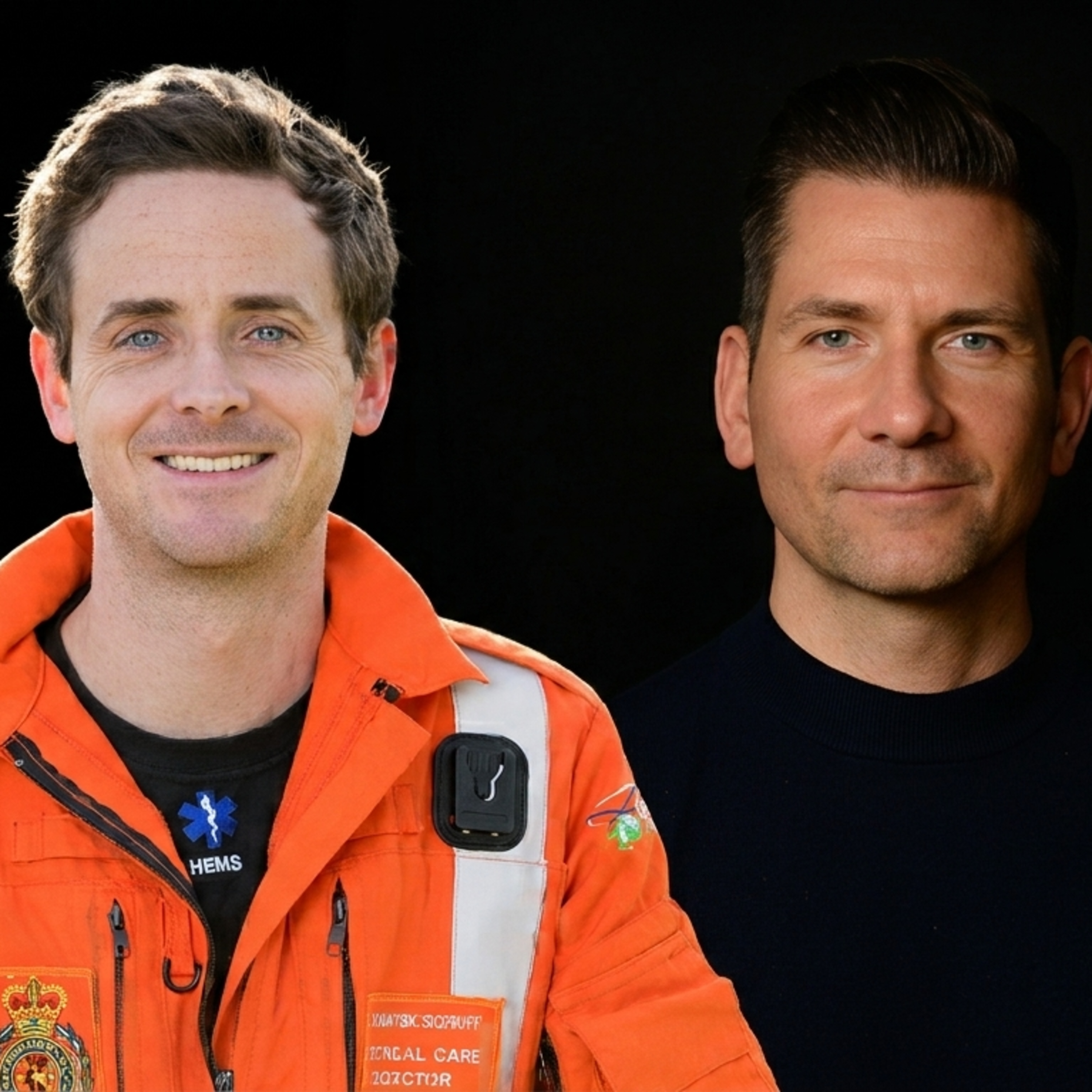 Before the Blade: The Critical 10 Minutes Before Intubation with Cosmo Scurr 31.08.2026 41mThe most dangerous part of an intubation is often not the moment the laryngoscope goes in; it’s the ten minutes before it ever leaves the tray.In this episode of the Pre-Hospital Care Podcast, we focus on The Last 10 Minutes Before Intubation: the critical phase where outcomes are often decided long before airway instrumentation begins. Joining us is Cosmo Scurr, Consultant Anaesthetist, bringing extensive experience in managing critically ill patients and high-risk airway emergencies. Cosmo brings an anaesthetist’s perspective to the physiology, preparation, decision-making and team behaviours that underpin safe airway management.This is not a discussion about laryngoscopy technique. Instead, we explore the preparation, physiology and human factors that shape success or failure before the first attempt is made.We’ll examine how experienced clinicians approach pre-oxygenation in sick, hypoxic patients, and why seemingly small decisions can dramatically influence peri-intubation oxygen reserve. We’ll explore the physiology of induction and the pitfalls of hypotension, including why cardiovascular collapse during airway management is often predictable rather than sudden.The conversation also examines role allocation in high-acuity environments, failed-airway planning and cognitive load management when the room is under pressure. What does good preparation actually look like? How should teams approach equipment preparation, briefing, task allocation and contingency planning? And how can we create shared mental models before the situation becomes time-critical?Ultimately, this episode is about recognising that airway management begins before the airway is touched. The quality of those final ten minutes may determine what happens in the ten minutes that follow.Through a case-based lens, we’ll ask: what do experienced HEMS and critical care clinicians do differently in those final minutes? What habits, checks, and assumptions separate smooth intubations from catastrophic ones?This episode is sponsored by PAX: The gold standard in emergency response bags.When you’re working under pressure, your kit needs to be dependable, tough, and intuitive. That’s exactly what you get with PAX. Every bag is handcrafted by expert tailors who understand the demands of pre-hospital care. From the high-tech, skin-friendly, and environmentally responsible materials to the cutting-edge welding process that reduces seams and makes cleaning easier, PAX puts performance first. They’ve partnered with 3M to perfect reflective surfaces for better visibility, and the bright grey interior makes finding gear fast and effortless, even in low light. With over 200 designs, PAX bags are made to suit your role, needs, and environment. And thanks to their modular system, many bags work seamlessly together, no matter the setup.PAX doesn’t chase trends. Their designs stay consistent, so once you know one, you know them all. And if your bag ever takes a beating? Their in-house repair team will bring it back to life.PAX – built to perform, made to last.Learn more at https://www.pax-bags.com/en/
-
When Training Meets Reality: The Science of High-Fidelity Simulation 27.08.2026 57mHigh-fidelity simulation has become far more than an opportunity to practise clinical procedures in a controlled environment. For pre-hospital clinicians working in complex, unpredictable and high-stakes environments, simulation can provide something that conventional classroom teaching cannot: the opportunity to rehearse performance when the environment itself becomes part of the problem.In this compilation episode of the Pre-Hospital Care Podcast, we bring together two conversations that explore how high-fidelity simulation can be designed, delivered and debriefed to create meaningful improvements in clinical and team performance.We begin with Dr Neel Bhanderi, Head of Education and Training at MedSTAR Retrieval HEMS in Adelaide and Consultant in Emergency Medicine at the Royal Adelaide Hospital. Recorded in 2023, our conversation explores the concept of creating an "analogue of reality" and using simulation to introduce progressively more complex stressors into training. We discuss skills acquisition under stress, communication, handover, environmental noise, task loading, debriefing and the relationship between simulation and operational case review.We then move to a more recent conversation with Ben King, Founder and CEO of Best Practice Medicine. Ben explores the role of high-fidelity simulation in preparing clinicians for the complexity and uncertainty of real-world pre-hospital care. We look at experiential learning, team coordination, human performance under stress, targeted debriefing and the use of video-assisted debriefing to translate simulation into measurable performance improvement.Across both conversations, a common theme emerges: the value of simulation is not determined simply by how realistic the mannequin, environment or equipment looks. It is determined by how deliberately the simulation reproduces the cognitive, behavioural, environmental and interpersonal demands of clinical practice, and what happens during the debrief afterwards.We explore:What actually makes simulation "high fidelity"?How can training progressively introduce stress without overwhelming learners?The difference between technical skills and performance in complex environmentsCommunication and handover under pressureEnvironmental stressors, distraction and task loadingSimulation as a tool for developing team performanceHow video can enhance debriefing and reflective learningPsychological safety during debriefingUsing real-world case review to identify simulation and training needsMoving from simulation as an educational event to simulation as a performance-improvement systemHow we can better prepare clinicians for the reality of pre-hospital careThe central question is simple:If we expect clinicians to perform under pressure, should we not train performance under pressure?High Fidelity Simulation with Neel BhanderiOriginally released 15 May 2023 Listen to the original episode on Apple PodcastsHigh Fidelity Simulation in Pre-hospital Care: Training for Reality, Debriefing for Impact with Ben KingOriginally released 27 April 2026 Listen to the original episode on Apple PodcastsThe Pre-Hospital Care Podcast brings together leading clinicians, researchers, educators and practitioners to explore the science, practice and human factors behind modern pre-hospital care.If you enjoy the episode, please subscribe, leave a review and share it with a colleague involved in clinical education, simulation or pre-hospital care.
-
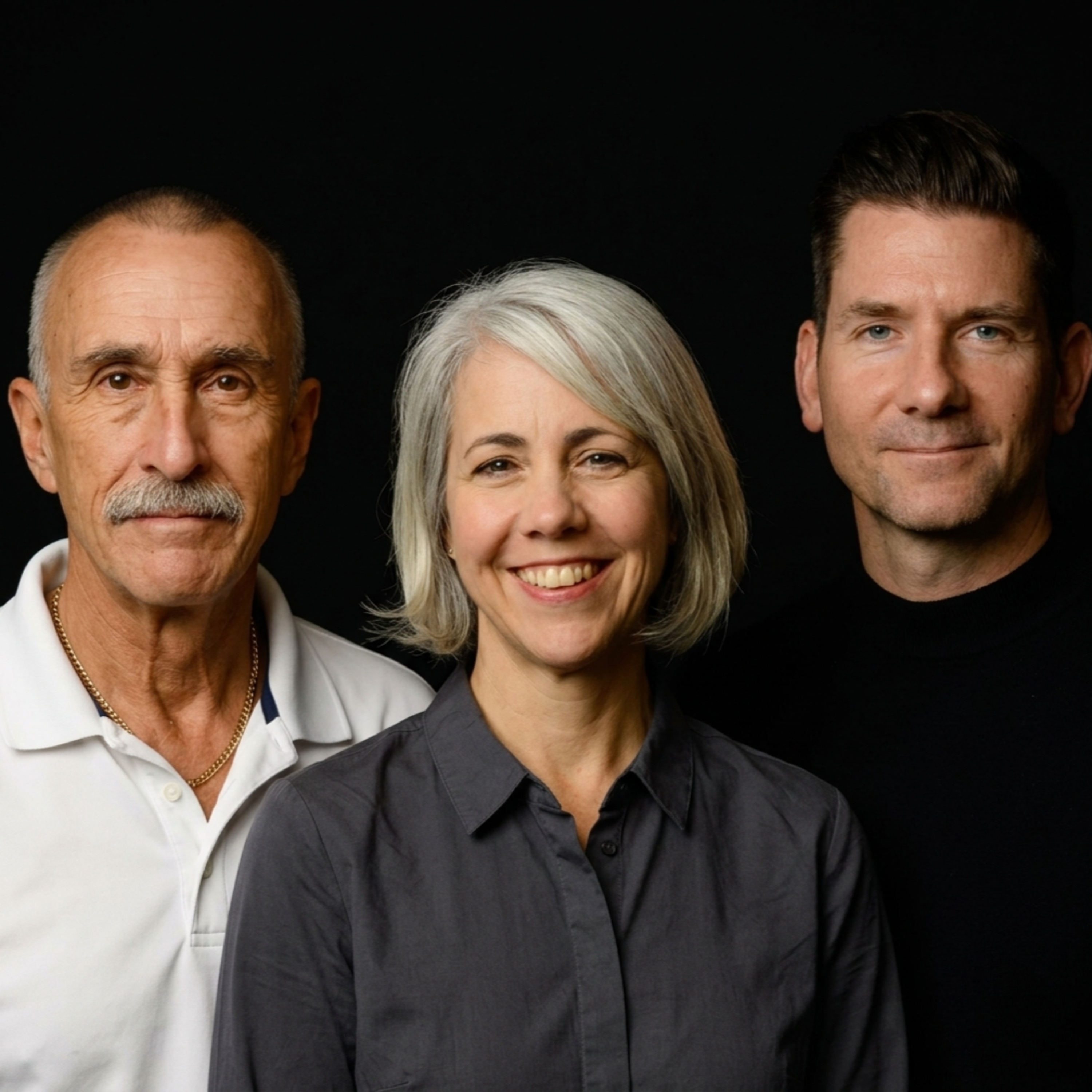 Debriefing Part 1: How Systems Build Excellence in Resuscitation Care with Ann Doll 24.08.2026 48mResuscitation is often seen as individual performance, but cardiac arrest care is ultimately a system outcome, shaped by training, communication, leadership, feedback, and the systems supporting the team.In this three-part debriefing series, I’m joined by David Hiltz as co-host, and in this first episode, Ann Doll from the Resuscitation Academy, to explore how high-performing systems turn resuscitation events into opportunities for learning and sustained improvement.We explore how structured debriefing can create a feedback loop between frontline experience and organisational improvement, and how to build a culture where learning is routine rather than optional. We also examine lessons from aviation and other high-performance environments, where debriefing, safety reporting and incident analysis turn individual experiences and near misses into organisational learning.If learning stays with one crew, the system learns very little. If it is captured, shared and translated into changes in training, processes or system design, one event can improve performance across an entire organisation.Practical resources for debriefing and resuscitation improvement:Resuscitation Academy — Ann DollThe Resuscitation Academy provides a substantial library of free, practical resources for improving cardiac arrest systems and performance. Resources include e-books, toolkits, high-performance CPR materials, T-CPR resources, CARES resources, community CPR and PAD resources, as well as a free Cardiac Arrest System Self-Assessment.ThriveIn — Bridgid JosephThriveIn provides healthcare consulting and educational resources focused on quality improvement, staff education, patient safety, emergency cardiovascular care and innovation. Resources also include work relating to mock codes and improving cardiac arrest response.360 Leadership Group — John HiltzThe 360 Leadership Group provides resources and perspectives on high-performance teams, leadership, communication, preparation and debriefing, drawing heavily from the experience of former Blue Angels pilots and other high-performance environments.Structured and Supported DebriefingThe Structured and Supported Debriefing Script provides a practical Gather → Analyze → Summarize approach. It includes facilitator questions designed to understand what happened, explore why it happened, identify what went well and what needs improvement, and support the team in identifying its own learning.AHRQ TeamSTEPPS — DebriefingThe AHRQ TeamSTEPPS Debrief is one of the most immediately usable healthcare debriefing resources. It includes a debriefing checklist covering communication, roles, situational awareness, workload, resources, what went well and what could be improved. AHRQ also provides a short video demonstrating an emergency-department debrief.FEMA — After-Action ReviewThe FEMA After-Action Review resources provide a more comprehensive approach to reviewing significant events. The AAR User Guide covers preparation, data collection, analysis, findings and improvement actions, alongside templates and tools for tracking whether recommended actions are completed.NASA — Crew-Centered DebriefingThe NASA Guidelines for Facilitating Debriefings provide valuable insight from aviation human-factors research. The approach emphasises crew participation, self-discovery, effective questioning and facilitation rather than simply lecturing the team. This is particularly relevant to the idea that a facilitator's role is to help the team discover and articulate its own learning.NASA Aviation Safety Reporting System — CALLBACKThe NASA ASRS CALLBACK provides a remarkable collection of real-world aviation lessons. Using de-identified safety reports and commentary, CALLBACK explores communication, decision-making, teamwork, human factors, and operational risk. It offers an excellent example of how individual experiences can be transformed into organisational learning.
-
Fast or Right? Rethinking Decision-Making in Pre-Hospital Care 19.08.2026 1h 1mDecision-making is one of the defining skills of pre-hospital practice. Every shift requires clinicians to interpret incomplete information, navigate uncertainty, balance competing risks, and make consequential decisions, often under intense time pressure. But does faster decision-making necessarily lead to better decisions?In this compilation episode of the Pre-Hospital Care Podcast, we explore the anatomy of decision-making under pressure, examining the cognitive processes, mental models, and human factors that influence how emergency responders think, assess, and act.We explore the limits of working memory through Miller’s Magic Number 7, the role of heuristics and intuition, inattention bias, cognitive overload, and the critical role of metacognition in recognising and improving our own decision-making. We also consider how stress, leadership, teamwork, experience, and limited resources shape decisions when the stakes are high.Featuring insights from Olly Sapsford, Firefighter, Commander and Lecturer in Disaster & Emergency Management at Coventry University, alongside discussion of Radu Venter’s research into EMS decision-making, this compilation challenges the culture of constant urgency in emergency medicine and asks whether rushing decisions actually makes us better clinicians.From the fireground to the ambulance and the clinical environment, we examine the OODA Loop, reflective practice, expertise, ethical decision-making, and the potential for technology and artificial intelligence to support, not replace, human judgement.Ultimately, this episode asks a fundamental question: what does it take to make sound, timely, and patient-focused decisions when every decision counts? These are the individual episodes: The Anatomy of Decision Making Under High Pressure Situations Listen on Apple PodcastsDecision-Making Under High Pressure Situations – Part 2 with Olly Sapsford Listen on Apple PodcastsEMS Decision-Making: Rushing the OODA Loop with Radu Venter Listen on Apple Podcasts
-
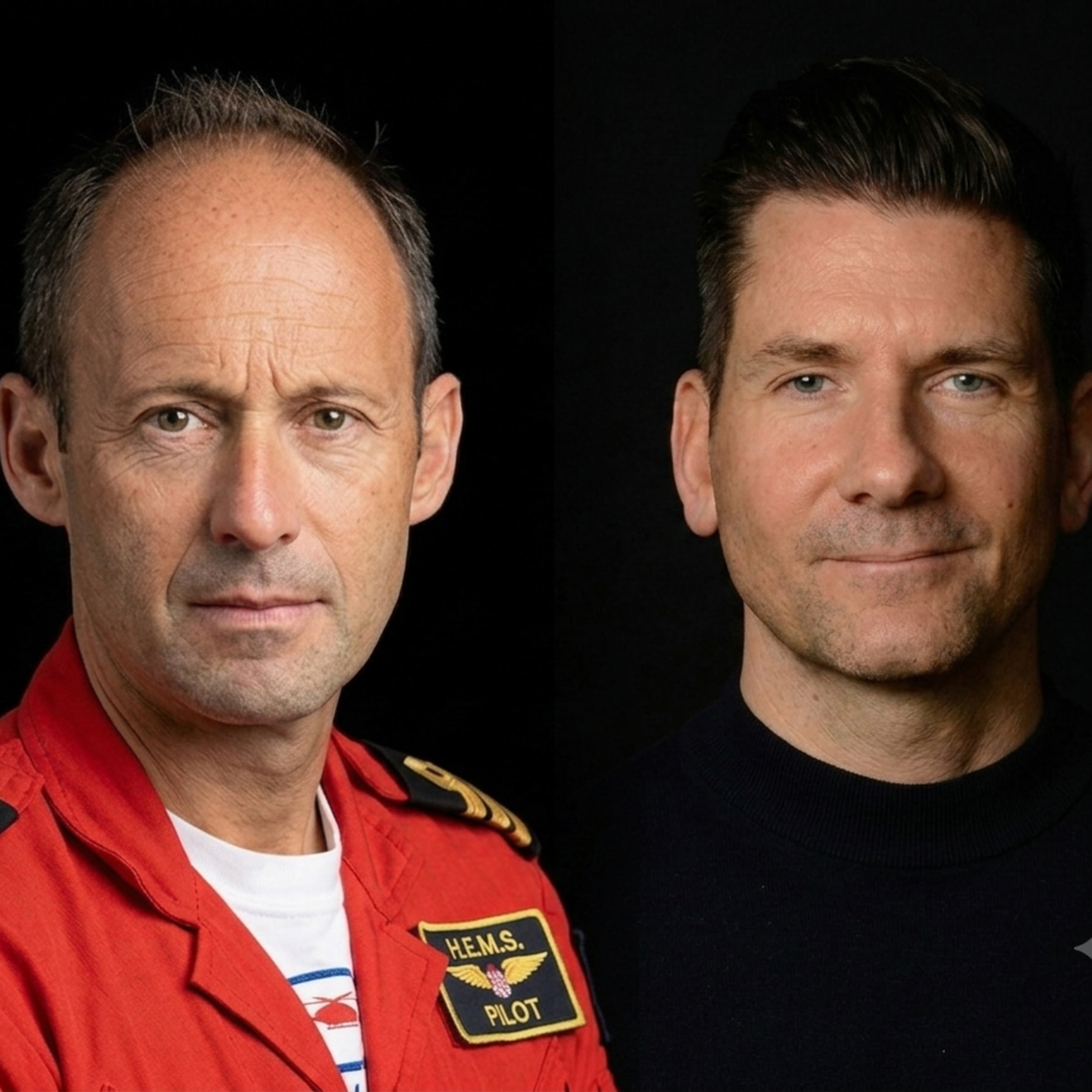 CRM in HEMS: Building Safer Teams Under Pressure with Neil Jeffers 17.08.2026 43mIn this episode, I’m joined by Neil Jeffers to explore Crew Resource Management (CRM) and why it remains one of the most important safety tools in aviation, healthcare, and pre-hospital care. We begin by tracing the origins of CRM, examining how a series of aviation accidents shifted the focus from technical proficiency alone to the human factors that influence decision-making, communication, leadership, and teamwork.Together, we discuss the relationship between human factors and CRM, exploring how errors occur, why even highly experienced professionals are vulnerable to them, and how effective teams recognise and manage threats before they lead to adverse outcomes. We also examine Threat and Error Management (TEM), the practical framework that underpins much of modern CRM, and consider how these principles apply in the dynamic and often unpredictable environments of HEMS, search and rescue, and pre-hospital medicine.Neil brings a unique perspective, having accumulated over 8,000 flying hours, served as Chief Pilot for London’s Air Ambulance, worked as a CRM instructor and first responder, and now supporting Irish Coast Guard search and rescue operations.This episode is sponsored by PAX: The gold standard in emergency response bags.When you’re working under pressure, your kit needs to be dependable, tough, and intuitive. That’s exactly what you get with PAX. Every bag is handcrafted by expert tailors who understand the demands of pre-hospital care. From the high-tech, skin-friendly, and environmentally responsible materials to the cutting-edge welding process that reduces seams and makes cleaning easier, PAX puts performance first. They’ve partnered with 3M to perfect reflective surfaces for better visibility, and the bright grey interior makes finding gear fast and effortless, even in low light. With over 200 designs, PAX bags are made to suit your role, needs, and environment. And thanks to their modular system, many bags work seamlessly together, no matter the setup.PAX doesn’t chase trends. Their designs stay consistent, so once you know one, you know them all. And if your bag ever takes a beating? Their in-house repair team will bring it back to life.PAX – built to perform, made to last.Learn more at https://www.pax-bags.com/en/
Similar podcasts


Popular in
The podcast also appears in the podcast charts of these countries.
